
So, you want your next vacation to mean a little more than just lounging by a pool? I totally get it. Volunteer vacations have changed the way I travel and see America. They’re a brilliant way to explore America and actually make a real difference in communities that could use a hand.
Plus, these trips usually cost less than the usual getaway. Many programs throw in free or super cheap housing and meals if you’re willing to roll up your sleeves.
Volunteer vacations are wild—you could find yourself building houses, protecting wildlife, teaching kids, or even helping out after a natural disaster. All while getting to know new corners of the U.S. I’ve made connections and learned skills I never would have picked up on a regular trip. Sometimes I end up on a beach helping sea turtles; other times, I’m painting a community center in a small town. There’s something everywhere.
And you know what? You don’t need fancy skills or a months-long commitment. I’ll walk you through how I pick trustworthy organizations, match programs to my interests (and wallet), and plan trips that actually help people—without blowing my budget. Whether you can sneak away for a week or have a whole month, there’s a way to give back and still have an adventure.
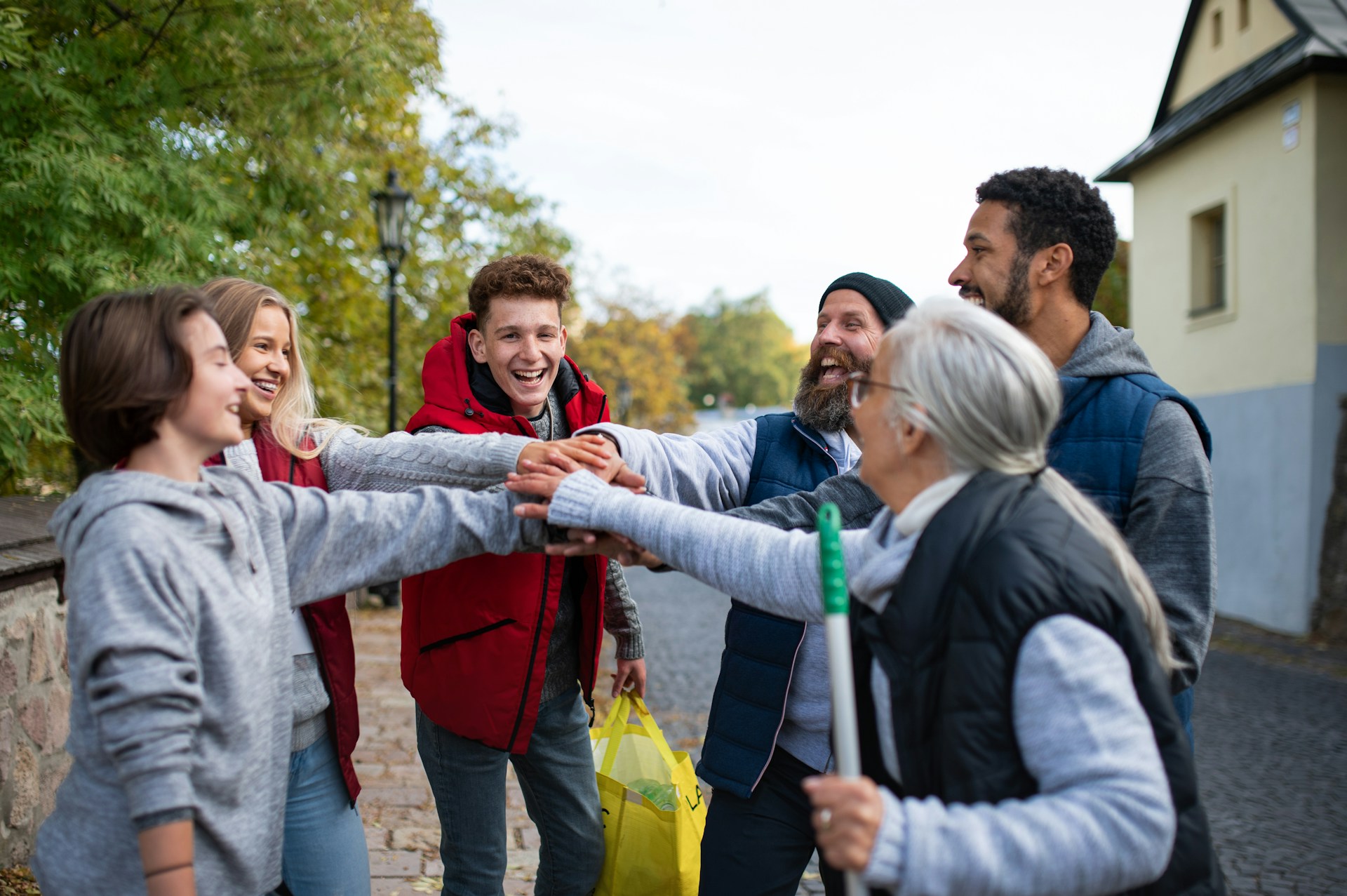
What Are Volunteer Vacations and Voluntourism?
Volunteer vacations mix meaningful service with travel, while voluntourism is more about balancing community impact with cultural exploration. You’ll find everything from building projects to wildlife work all over America.
Definition and Key Differences
A volunteer vacation means you spend your time away helping out—maybe building houses, teaching, or tackling environmental projects.
Voluntourism takes it up a notch by blending that work with sightseeing and cultural experiences. You want to help, but also see the sights and learn about the place.
Key differences?
- Focus: Volunteer vacations put service first, sightseeing second.
- Duration: Volunteer trips usually last longer than classic voluntourism.
- Activities: Voluntourism splits time between helping and exploring.
- Cost: Pure volunteer trips often cost less than packaged voluntourism.
Most legit programs use almost all their fees for the actual project, not marketing. I always check for 501(c)(3) nonprofit status—worth the extra five minutes.
How Voluntourism Works in America
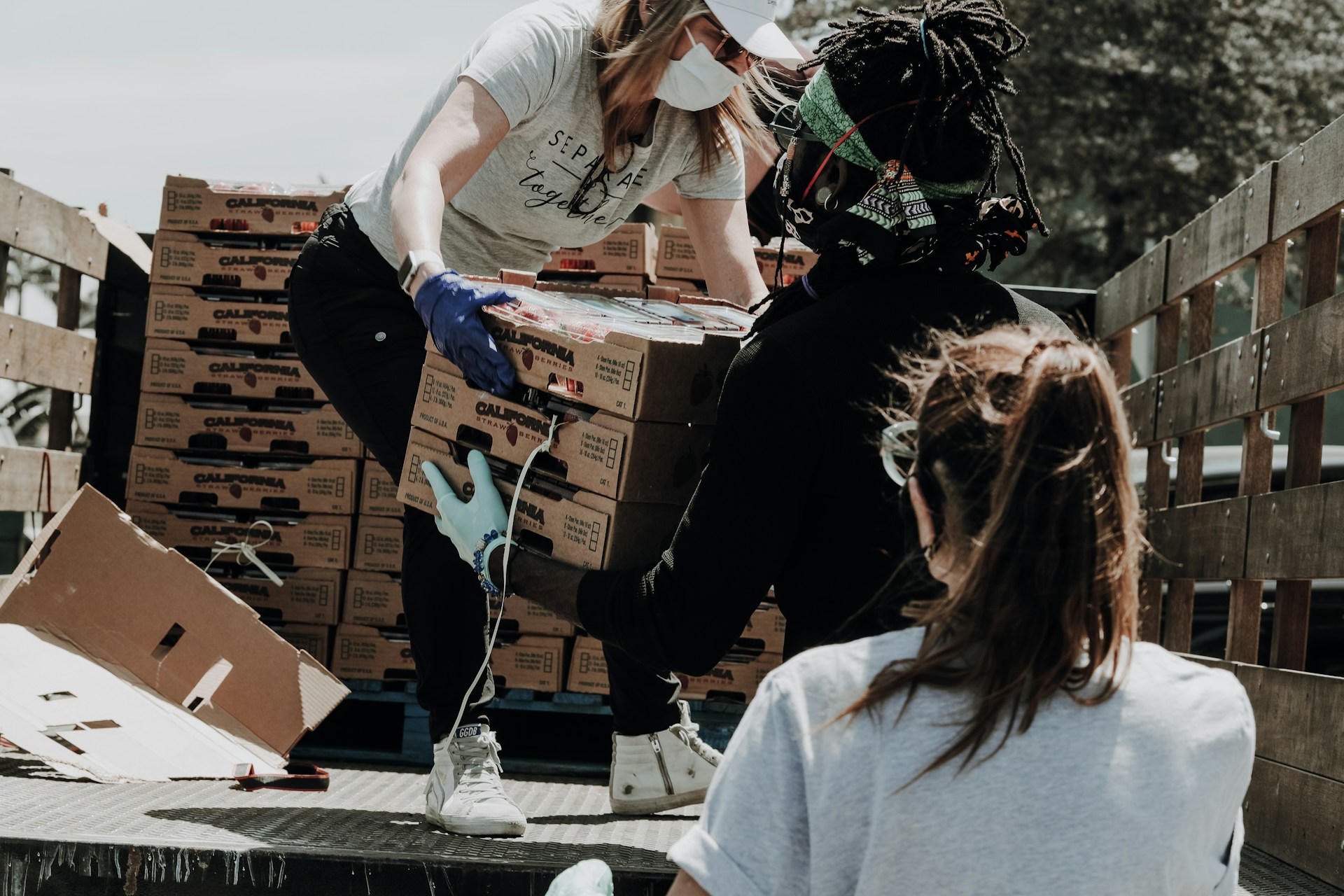
In the U.S., voluntourism connects travelers with local projects that really need help. Organizations match you with projects based on your skills and what you want to do.
Trips usually run one to two weeks. You work during the day, then have some time off to check out the area.
Program styles:
- Group trips with set schedules and group lodging.
- Individual placements so you can jump into local projects.
- Family programs—yes, you can bring the kids.
Most programs handle your housing, food, and materials. You’ll pay for getting there and personal expenses. Students can sometimes earn service hours, which is a nice bonus.
Types of Volunteer Opportunities
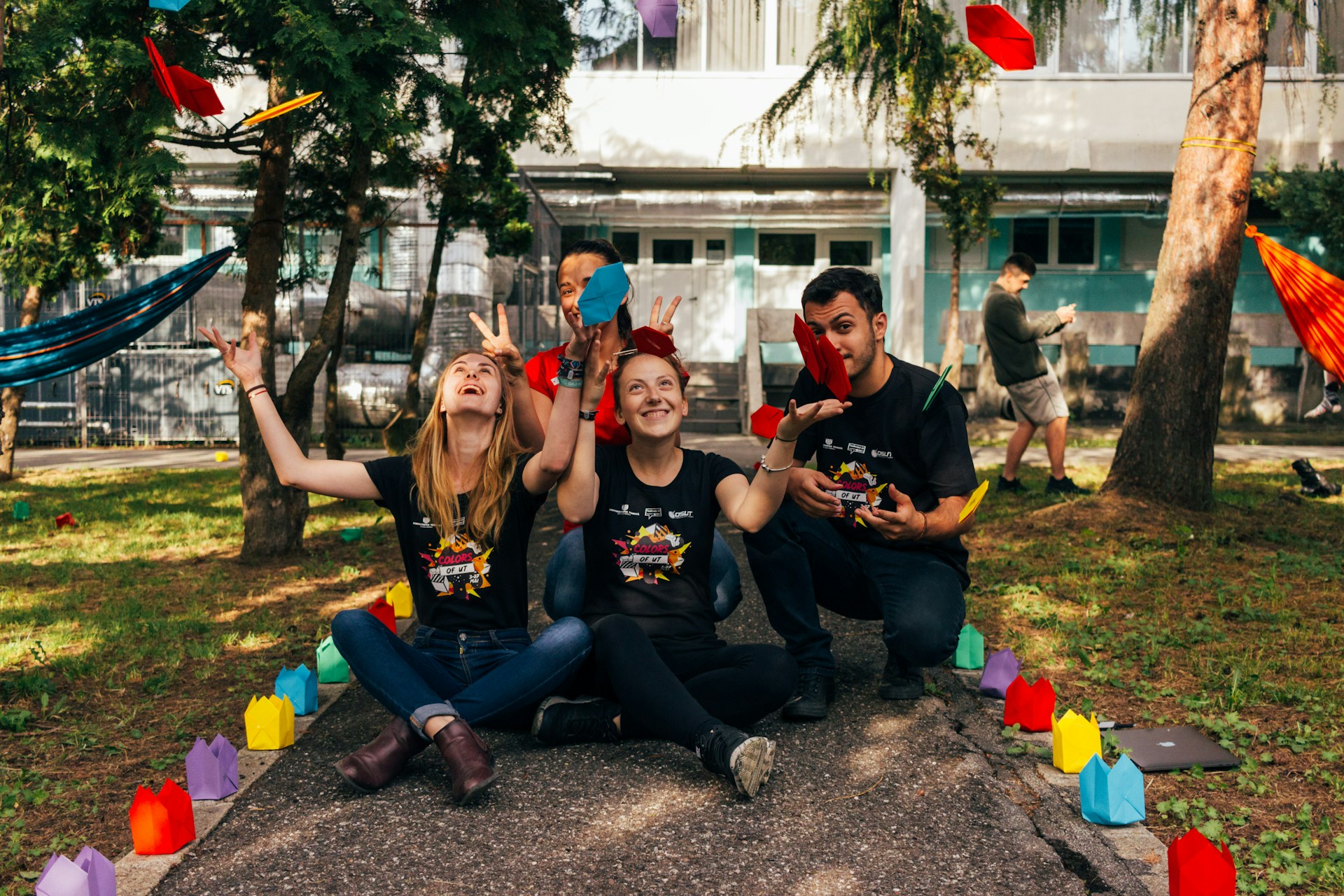
Volunteer gigs in the U.S. cover all kinds of work and skill levels. Here’s a quick look:
Conservation projects:
- Restoring wildlife habitats in national parks
- Cleaning up beaches
- Maintaining trails in forests and mountains
Construction work:
- Building homes with Habitat for Humanity
- Disaster relief rebuilding
- Fixing up community centers and schools
Education and community service:
- Teaching English or other skills
- Working as a camp counselor
- Helping food banks and shelters
Specialized programs:
- Caring for animals at rescue centers
- Supporting healthcare in rural spots
- Working on agricultural projects for food security
Some of these need training, but a lot welcome beginners. Just check what’s required before you sign up.

Benefits of Choosing a Volunteer Vacation
Why pick a volunteer vacation? Three big reasons: you save money, you help communities, and you get to really experience local culture.
Saving Money on Travel
Volunteer vacations slash your travel bills in a bunch of ways. Most set you up with free accommodation in exchange for your time.
A lot of programs include meals, too. That means you skip the restaurant bills that usually eat up your budget.
Volunteer groups usually handle transportation to work sites. No need for pricey taxis or rental cars.
Some even throw in discounted or free activities for your downtime. Local partners often hook volunteers up with cultural experiences at a steal.
Quick cost check:
- Regular vacation: $150-200/day for food and lodging
- Volunteer vacation: $0-50/day for the basics
If you go with a group, you can split costs for outings. It makes even big excursions way more affordable.
Making a Lasting Impact
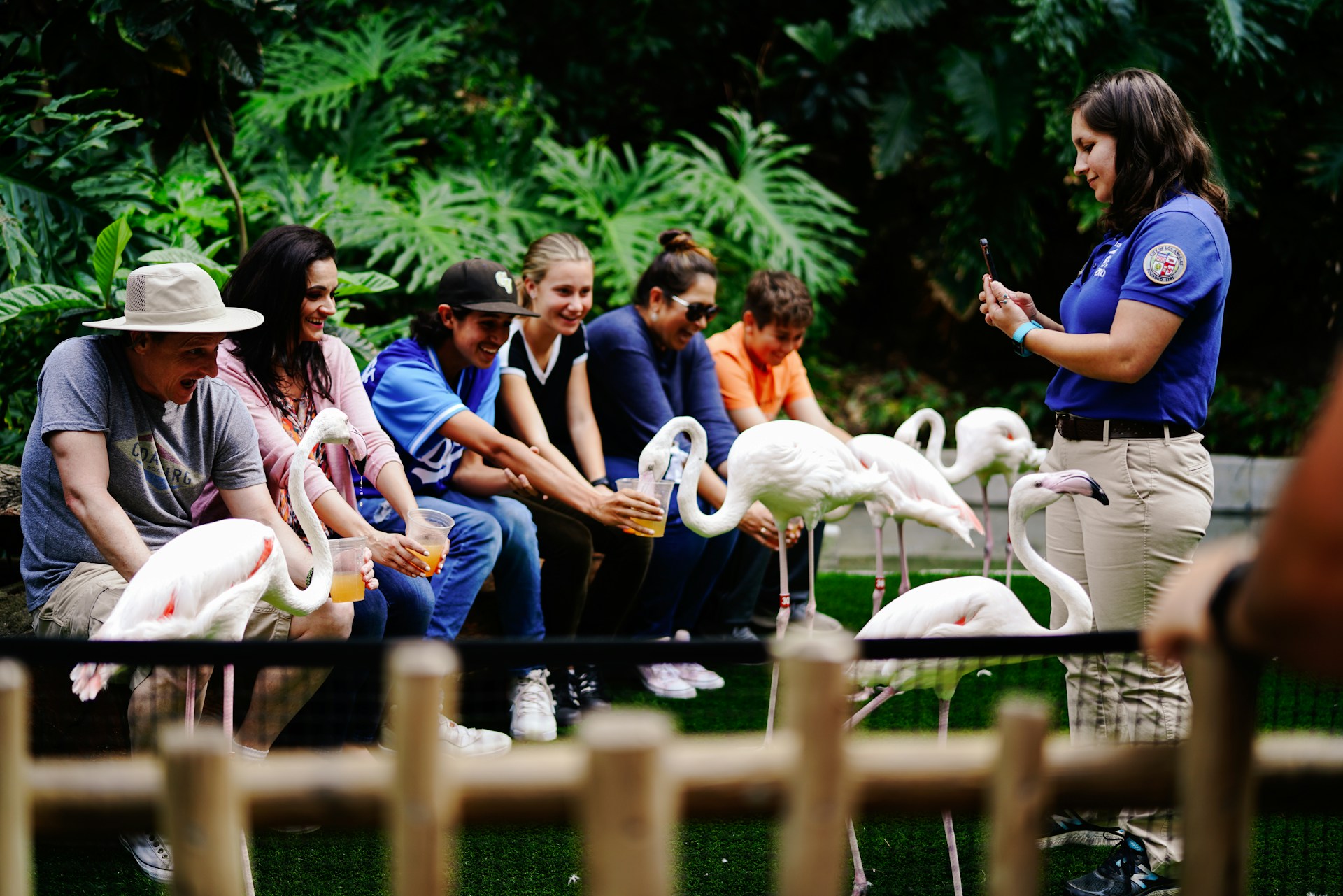
Volunteering lets you see the results of your work—right there, not just in photos. When you help build a house, a family moves in and calls it home for years.
Teaching English or job skills? That can change someone’s life for good.
Conservation work—like planting trees or clearing out invasive plants—keeps helping long after you leave.
Unlike a donation that might get lost in the shuffle, your time and effort go straight to the people or projects that need it.
A few examples:
- Build a house, and you change a family’s future
- Teach 20 students, and you might impact 20 careers
- Plant 100 trees, and you help the planet for decades
That’s the kind of impact that sticks with you.

Opportunities for Cultural Immersion
Volunteering drops you right into the community. You’re not just passing through—you’re living and working with locals every day.
You pick up local customs just by doing the work. No need for a guidebook.
Staying with host families or in community housing? That’s real cultural exchange you can’t get at a hotel.
You learn about local challenges and what matters to people, not just the tourist version of a place.
Your language skills get a workout, too. Locals often help you learn, and you end up with a few new phrases.
Shared meals and community events make you feel like part of the family. Those connections can last a lifetime.
How to Choose the Right American Volunteer Vacation
Picking the right volunteer trip takes a little planning. Think about your skills, your budget, and what’s important to you before you commit.
Matching Destinations to Your Skills
Start by being honest about what you’re good at and what you enjoy. Organizations need all kinds of volunteers—from builders to teachers to healthcare pros.
In-demand skills:
- Medical and dental know-how
- Teaching experience
- Construction or manual labor
- Office and computer skills
- Language translation
Want to learn something new? Many programs will teach you on the job, though some need you to have experience.
If you can match your job background with the volunteer work, even better. Teachers are great for literacy programs, healthcare workers for medical missions.
Think about the physical side, too. Trail work can be tough, while office projects are easier on the body.
Look into the specific location—rural areas might need different help than big cities.
Budgeting and Cost Considerations
Volunteer trips in the U.S. usually run $100 to $500 a week, depending on what’s included.
Budget for:
- Program and registration fees
- Getting there (flights, gas, etc.)
- Meals not covered
- Gear or supplies you need
- Travel insurance
Housing can be basic (think hostels or shared rooms) or private, depending on your budget.
Longer trips often cost less per day than quick weekends. I’ve found week-long programs usually give you more bang for your buck.
Ask upfront about any extra fees—sometimes airport transfers or gear rentals cost extra.
If money’s tight, look into fundraising or employer matching. A lot of volunteers use crowdfunding, too.

Ethical Guidelines and Responsible Travel
I always dig into an organization’s mission before signing up. Read their mission statement and ask questions about their work.
Watch out for:
- Groups that won’t share references
- Projects with fuzzy goals
- Organizations that dodge your questions
- Promises that sound too good to be true
Ask past volunteers what their experience was like. Good programs are happy to connect you.
Make sure local communities actually want your help and are involved in the project. The best organizations work hand-in-hand with locals.
Skip programs that put tourist fun ahead of the service work. You want to make a real impact, not just snap photos.
Check if the group works year-round or just pops up seasonally. Long-term programs usually have better partnerships and stability.
Popular and Trusted Volunteer Organizations in the U.S.
Here are four organizations I trust for volunteer vacations in America. They’ve got strong reputations, plenty of support, and projects that really matter.
International Volunteer HQ (IVHQ)
IVHQ is one of the most affordable options out there. Their programs cost less than most, but they don’t skimp on safety.
You can pick from projects in education, healthcare, animal care, and conservation. In the U.S., they focus on cities like LA, Miami, and New York.
What they offer:
- 24/7 support from staff
- Training materials before you go
- They handle housing and meals
- Weekend activities to explore
You’ll need to commit to at least a week. The program fee covers housing, food, and local rides—makes budgeting easy.
The application takes about two weeks, and you’ll need a background check if you’ll work with kids or vulnerable folks.

All Hands and Hearts
All Hands and Hearts specializes in disaster relief across the U.S. When hurricanes, floods, or wildfires hit, they get boots on the ground fast.
Volunteers help rebuild homes, clear debris, and fix up community spaces. Projects usually last one to four weeks.
Here’s what you might do:
- Build or repair houses
- Rebuild schools
- Restore community centers
- Haul away debris
They provide tools, safety gear, and training, so you don’t need construction experience.
Volunteers stay in group housing—often churches or community centers. Meals are either provided by locals or cooked together.
I’ve seen them respond in places like Louisiana after hurricanes and California after wildfires. New projects pop up as disasters happen, so there’s always a need.

Habitat for Humanity
Habitat for Humanity has built over 800,000 homes since 1976. Their U.S. trips let you help build affordable homes all over the country.
Build trips run 5-14 days and welcome everyone, no matter your experience. Pros on site teach you as you go.
You might frame walls, paint, or landscape. Teams usually work 6-8 hours a day, with plenty of breaks.
What’s included:
- Pro supervision on every site
- Safety training and gear
- Group housing nearby
- Meals, sometimes cooked together or catered
Costs vary, but expect $300-500 per week for food, lodging, and materials (not travel).
Habitat works with local families who help build their own homes. You’ll work side by side with future homeowners—pretty special.
Earthwatch Institute USA
Earthwatch links volunteers with real scientific research all over the U.S. Their programs focus on wildlife, climate, and habitat work.
Projects happen in national parks, research stations, and protected areas. You might help monitor wildlife, collect data, or restore habitats.
Research topics:
- Tracking bird migrations
- Studying marine ecosystems
- Monitoring forest health
- Climate change research
Programs last 7-14 days, with small teams led by scientists.
You might stay in research cabins or even camp, depending on the project. Meals are usually cooked together with provided supplies.
These trips cost more—$1,500-3,000 per program—but that covers everything except getting there. Your fee supports ongoing research.
After you finish, you get detailed research updates. Many folks come back year after year to keep helping.
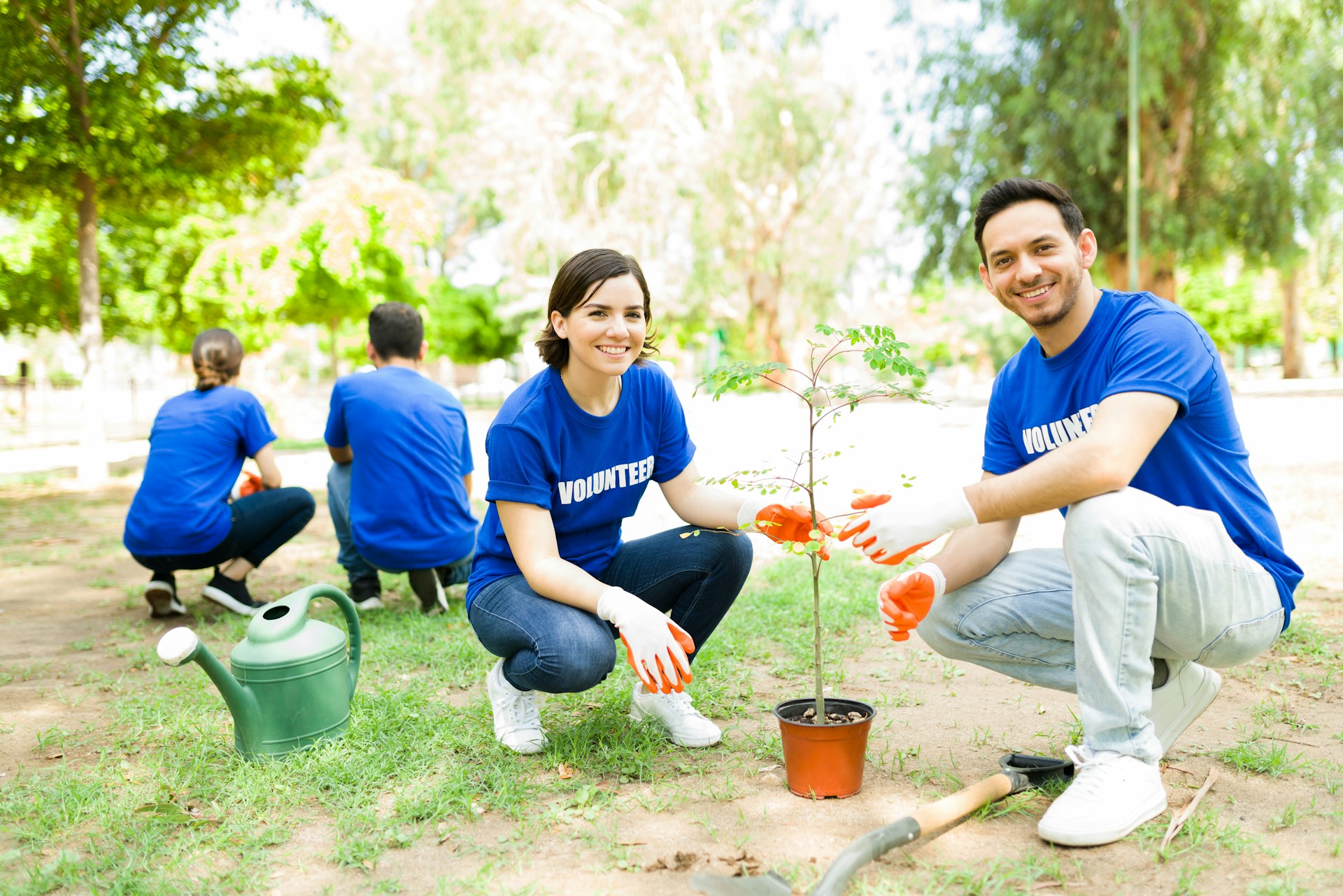
Top 10 American Volunteer Vacation Ideas
Volunteer vacations in America let you do good and travel on a budget. Here are some of my favorite ideas, from saving sea turtles to rebuilding after disasters.
Coastal and Beach Cleanups
Beach cleanups are an easy way to get started, especially along the coasts. Groups like Surfrider Foundation run week-long programs from California to Florida.
You’ll spend a few hours a day pulling plastic and lost fishing gear off beaches. Afternoons are usually free for exploring.
Hot spots:
- Pacific Coast (California, Oregon, Washington)
- Gulf Coast (Texas, Louisiana, Florida)
- Atlantic Coast (North Carolina, Virginia, Maine)
Most programs offer basic camping or team up with local hostels. Group meals keep costs down.
You’ll help protect marine life and get some pretty epic ocean views. Some programs even include lessons on ocean conservation.
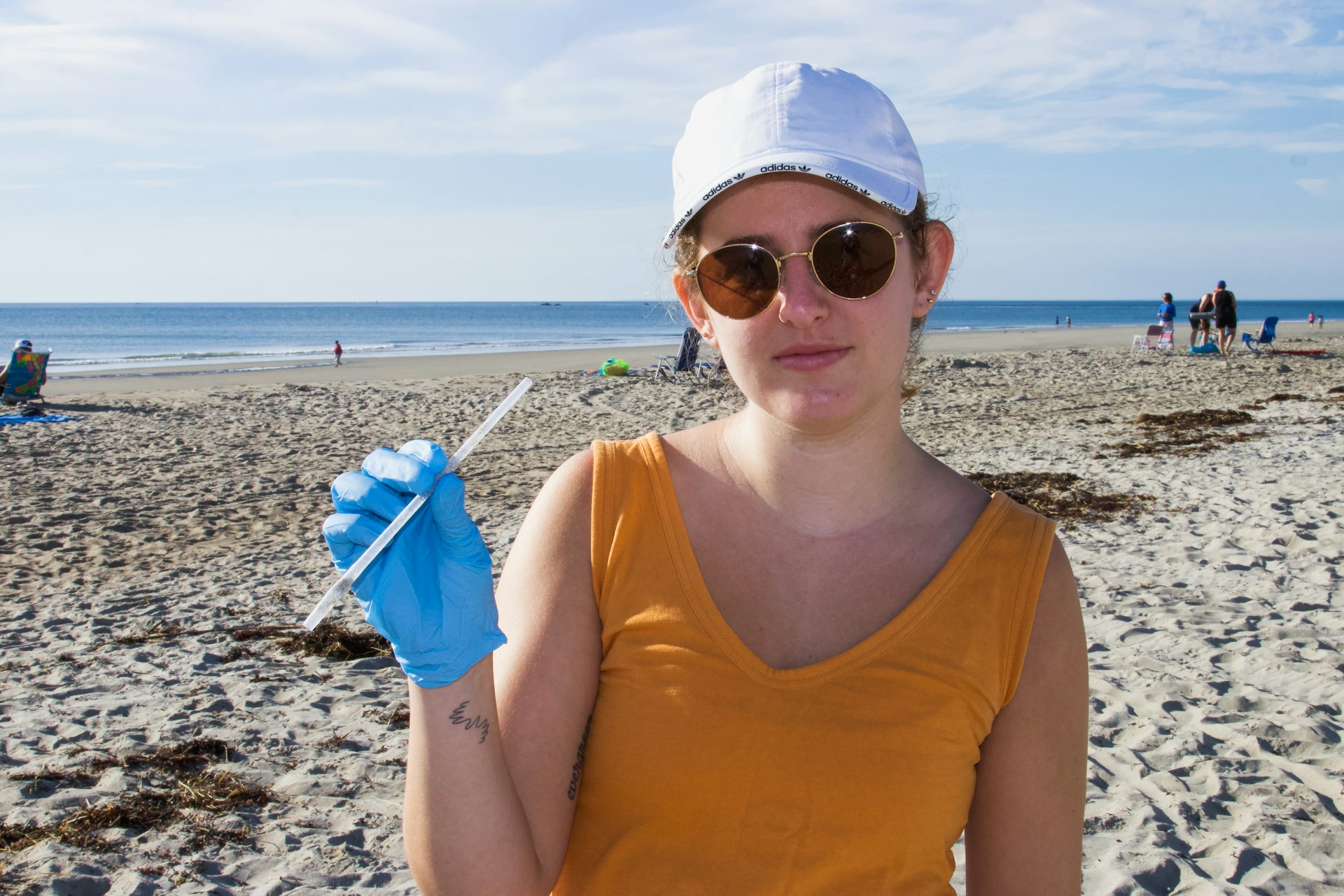
Conservation Projects in National Parks
You’ll find some of the best volunteer experiences tucked away in America’s national parks. It’s hard to beat the feeling of waking up in the wild, knowing you’re making a difference. The Student Conservation Association and the American Hiking Society usually run these programs.
Trail maintenance pops up most often. I once joined a crew patching up the Appalachian Trail—muddy boots, tired muscles, and all. Sometimes, you’ll help carve out brand-new hiking paths in the western parks. It’s real hands-on work.
Key project types:
- Trail construction and repair
- Habitat restoration
- Wildlife monitoring
- Invasive species removal
Accommodations can be anything from a tent under the stars to a creaky old cabin. Most programs provide meals and all the tools you’ll need.
Yellowstone, Yosemite, and the Smokies seem to attract the most volunteers. These trips usually last a week or two, and you’ll want to be in decent shape. If you’re curious about what that means, check out this physical fitness guide.
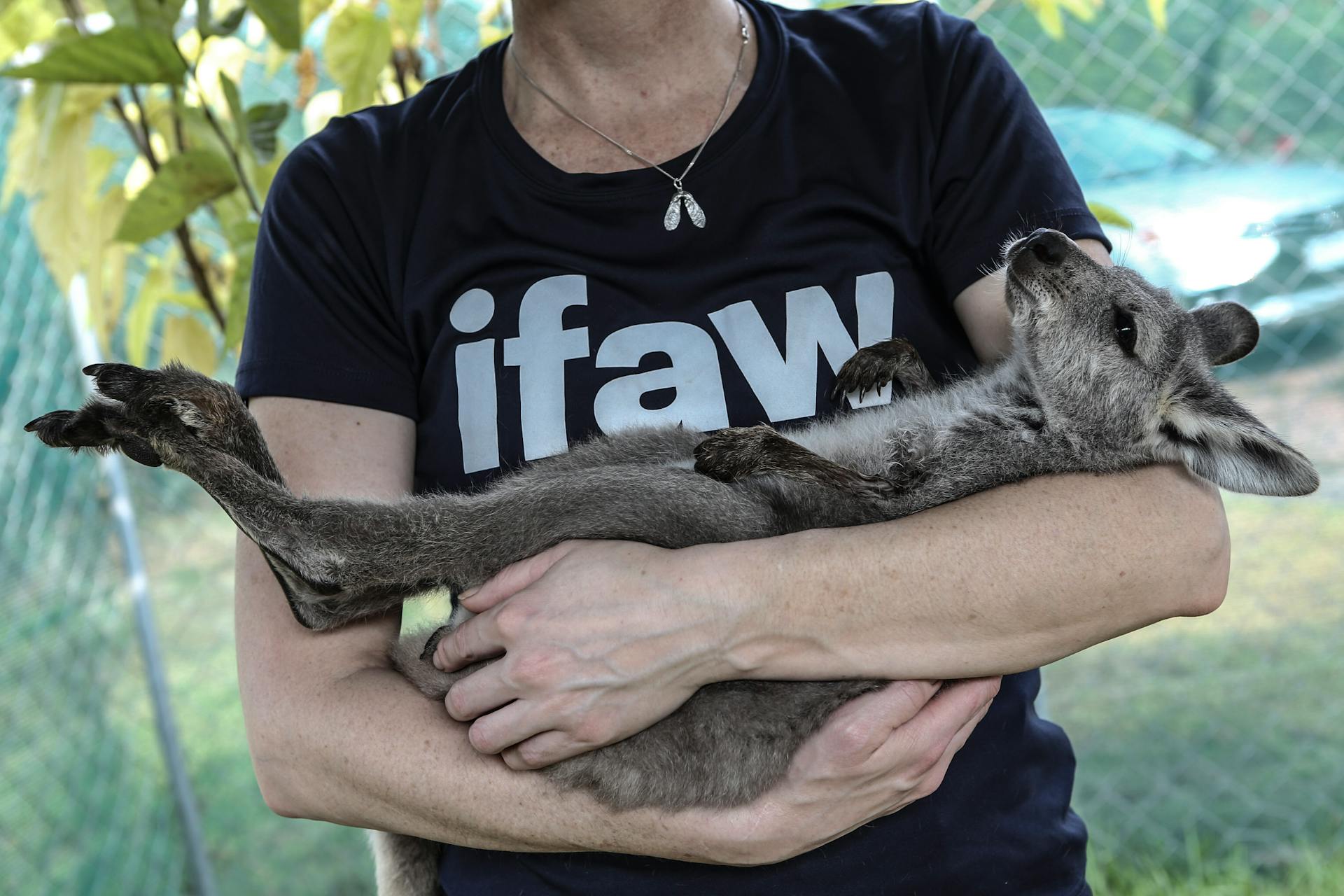
Community Building and Disaster Relief
Habitat for Humanity offers some of the most rewarding volunteer vacations around. You’ll help build homes for families who need a fresh start.
Don’t worry if you’ve never swung a hammer. They teach you the basics, and you’ll work shoulder-to-shoulder with homeowners and experienced builders.
Program options include:
- Local builds in your region
- RV Care-A-Vanner (travel by RV)
- Disaster rebuild teams
All Hands and Hearts steps in after disasters—hurricanes, wildfires, floods. Volunteers dig in to rebuild schools, homes, and other essentials. It’s tough but meaningful work.
You’ll stay in group housing or with local partners, depending on the program.

Adventure and Outdoor-Based Programs
If you crave adventure, these programs mix outdoor fun with conservation. The Hudson River Sloop Clearwater runs sailing expeditions along New York’s Hudson River.
You’ll live aboard a historic sloop, teaching kids about the environment. The $125 fee covers your food and supports youth programs. Not a bad deal, honestly.
Over in Utah, Best Friends Animal Sanctuary lets you get up close with rescued animals. Feeding, walking, and even just sitting with them—it’s all part of the job. You can read more about it here.
Adventure program features:
- Multi-day hiking expeditions
- Backcountry camping
- Wildlife research assistance
- Marine conservation diving
These trips attract folks who want more than just a vacation. Some are physically demanding, but most welcome beginners if you come prepared.

Tips for Planning an Affordable & Impactful Trip
Nailing a great volunteer vacation takes a little legwork. I usually start with research, pack smart, and look for ways to stretch my budget while still making an impact. Preparation goes a long way.
Finding the Best Volunteer Opportunities
I always check out established groups first—Habitat for Humanity’s Global Village, for example. Their trips run 9 to 15 days in over 40 countries. Pretty impressive.
Key factors to evaluate:
- Program fees and what’s included
- Length of stay requirements
- Housing and meal arrangements
- Transportation costs
Programs that bundle accommodation and meals into the fee keep things simple and affordable. I’d rather not juggle separate bookings.
Local organizations often charge less than the big international names. I dig around in community centers or check with local churches for leads.
Red flags to avoid:
- High upfront payments
- Vague project details
- No local involvement
- Short-term gigs with big fees
I always read reviews from past volunteers—on more than one site. Honest feedback is gold.
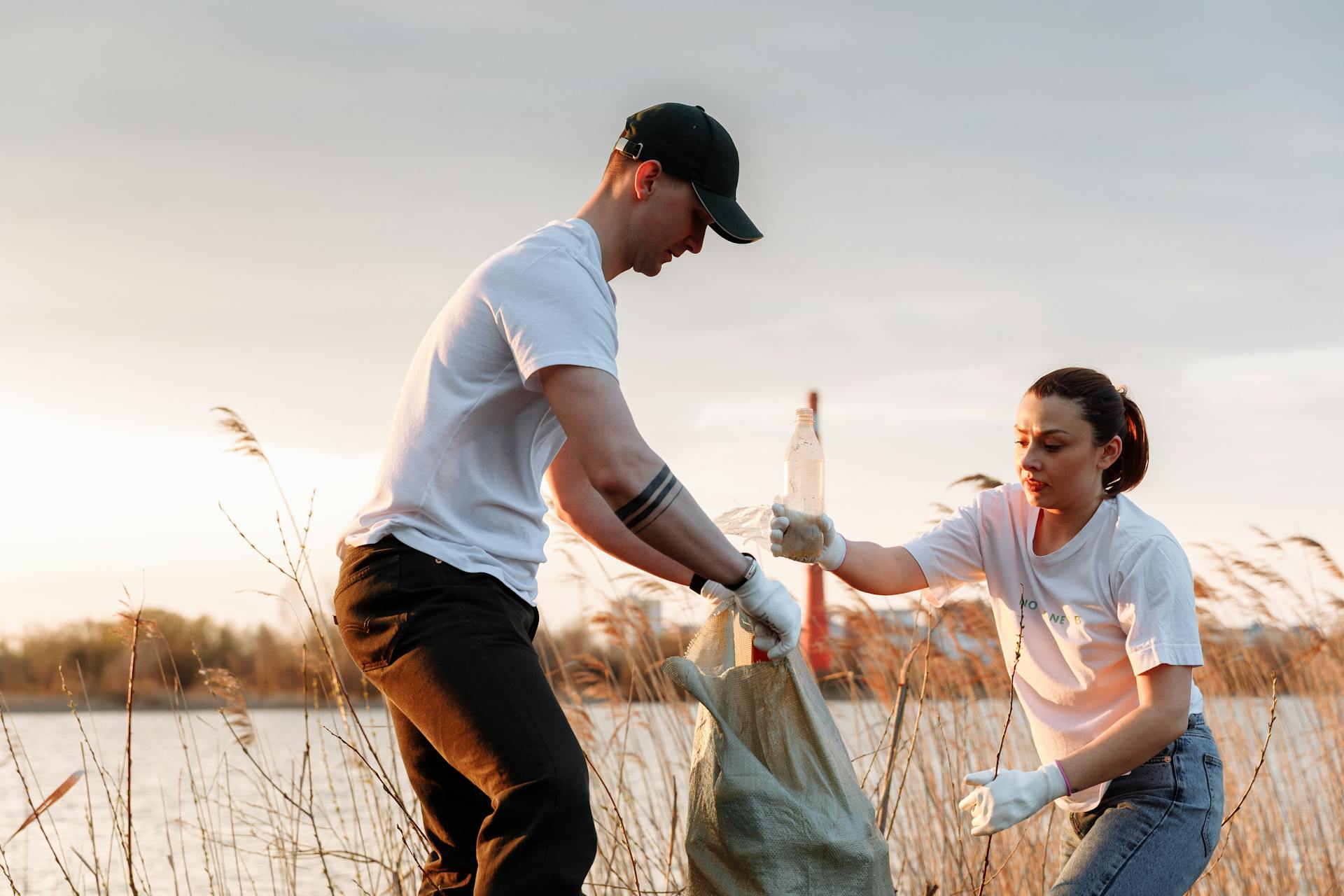
Essentials and Preparation
Packing light keeps airline fees down and makes life easier. Most volunteer gigs just need sturdy, comfy clothes—not fancy gear.
Essential items:
- Work gloves and tough shoes
- Basic first aid kit
- Reusable water bottle
- Sunscreen and bug spray
I keep medications in their original packaging, prescriptions included. It’s just easier at customs.
Most places hand out the tools you’ll need, but I always double-check with the organizer before I go.
Weather can make or break a trip, so I always check the forecast for my dates. No one wants to overpack, but being unprepared is worse.
Travel insurance is a must. I make sure my policy covers volunteer work, not just sightseeing. Better safe than sorry.

Maximizing Both Travel and Giving Back
Whenever I volunteer abroad, I like to tack on a few extra days just to wander and soak in the local vibe. It’s an easy way to make the most of my trip without blowing my budget.
I usually stay with host families or in volunteer housing. Honestly, it’s way cheaper than booking a hotel, and you usually get home-cooked meals and a real taste of daily life.
Before I go, I try to pick up some basic phrases in the local language. Even just a few words—hello, thank you, maybe how to order coffee—make it so much easier to connect with people and feel like I actually belong there, even if only for a while.
Budget-stretching strategies:
- I book my flights as early as possible.
- Off-peak seasons? Always. Less crowded, better prices.
- Local transportation beats taxis every time.
- Local restaurants are where the good food (and deals) hide.
I keep track of my volunteer expenses, by the way. If you’re working with a registered nonprofit, a lot of those costs might count as charitable contributions—hello, tax deductions.
When I pick a volunteer project, I always look for something with a lasting impact. I want my time there to matter, not just for a week, but long after I’ve left. Isn’t that kind of the point?

I am looking for a group volunteer vacation for 22-25 family members in celebration of our 50th wedding anniversay