
Mexico isn’t just close by—it’s a whirlwind of cultures you can dive into without a long-haul flight. With over 130 million people, you get a mashup of indigenous, European, mestizo, and immigrant stories, all woven together in one wild, colorful tapestry.
Honestly, I never expected each region to feel like its own world. One day, you’re wandering colonial streets in central Mexico; the next, you’re meeting Afro-Mexican communities along the southern coast. It’s that kind of variety that keeps me coming back.
Let’s be real: you don’t have to travel far for a real adventure. Mexico makes it easy. Hundreds of indigenous languages still echo in markets and homes, and every state seems to have its own flavor—literally and figuratively. The country’s location and rich culture mean you can chase endless adventures without needing a passport stamp every time.
The Heart of Mexican Diversity: Cultures, Languages, and People
Three roots shape Mexico’s cultural landscape: ancient indigenous civilizations, the mestizo identity from centuries of blending, and a patchwork of 68 indigenous languages right alongside Spanish.
Indigenous Heritage and Influence
Mexico officially recognizes 68 indigenous groups, each with its own language and story. These communities aren’t just history—they’re the living, breathing backbone of the country’s identity.
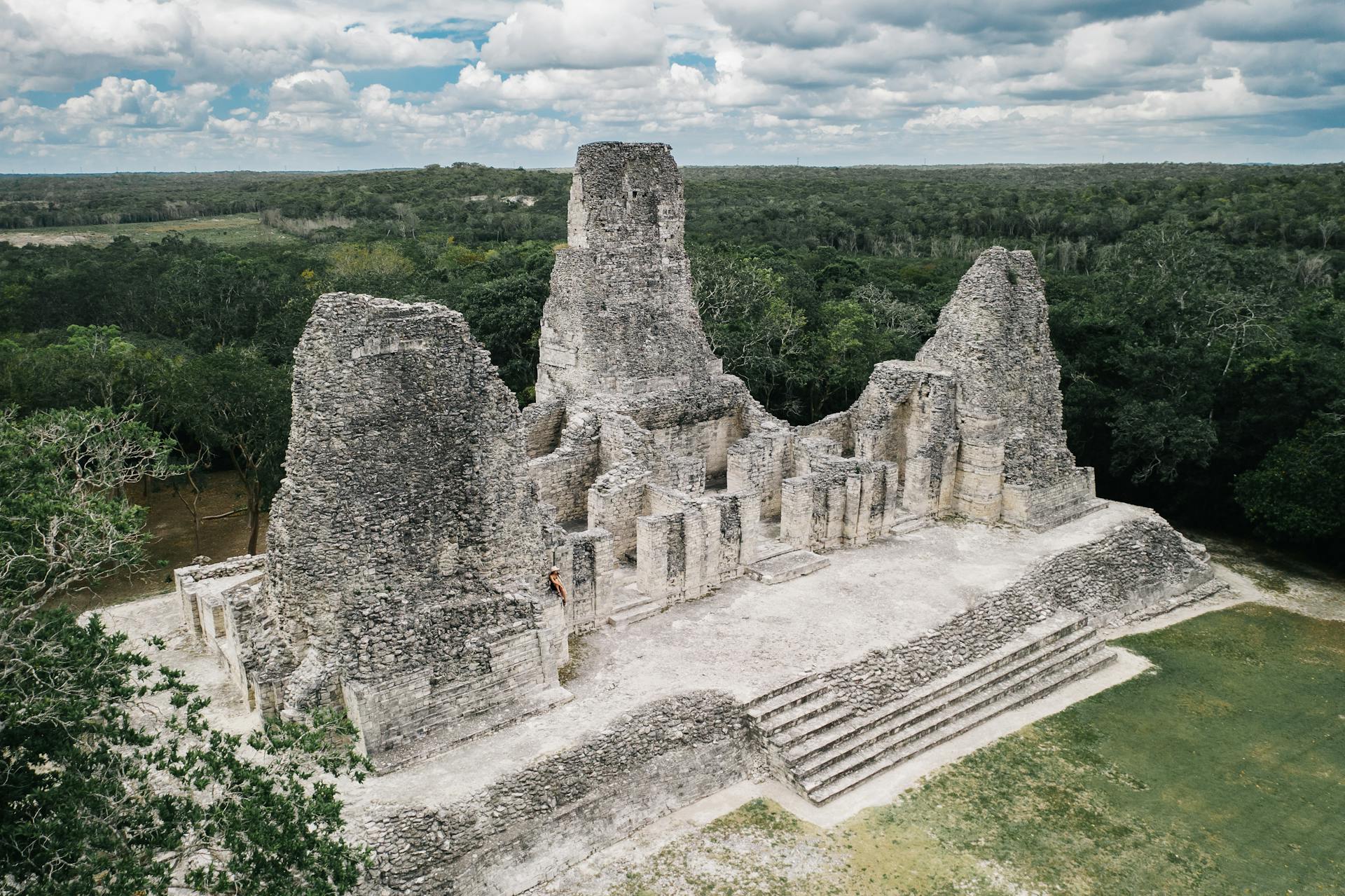
The Maya, for example, still thrive in the Yucatan. Their descendants keep ancient rituals alive and farm the land using age-old techniques. It’s not just for show; it’s daily life.
Oaxaca’s landscape belongs to the Zapotec. Their weaving traditions? Absolutely mesmerizing. Watching them create textiles using methods passed down for generations made me rethink what “handmade” really means.
Major Indigenous Groups:
- Maya (Southeast Mexico)
- Zapotec (Oaxaca)
- Nahua (Central Mexico)
- Mixtec (Oaxaca and Puebla)
- Otomi (Central Mexico)
Each group brings its own food, crafts, and spiritual practices to the table. You’ll see indigenous beliefs and Catholicism blend into unique celebrations everywhere you go.
The Mestizo Identity
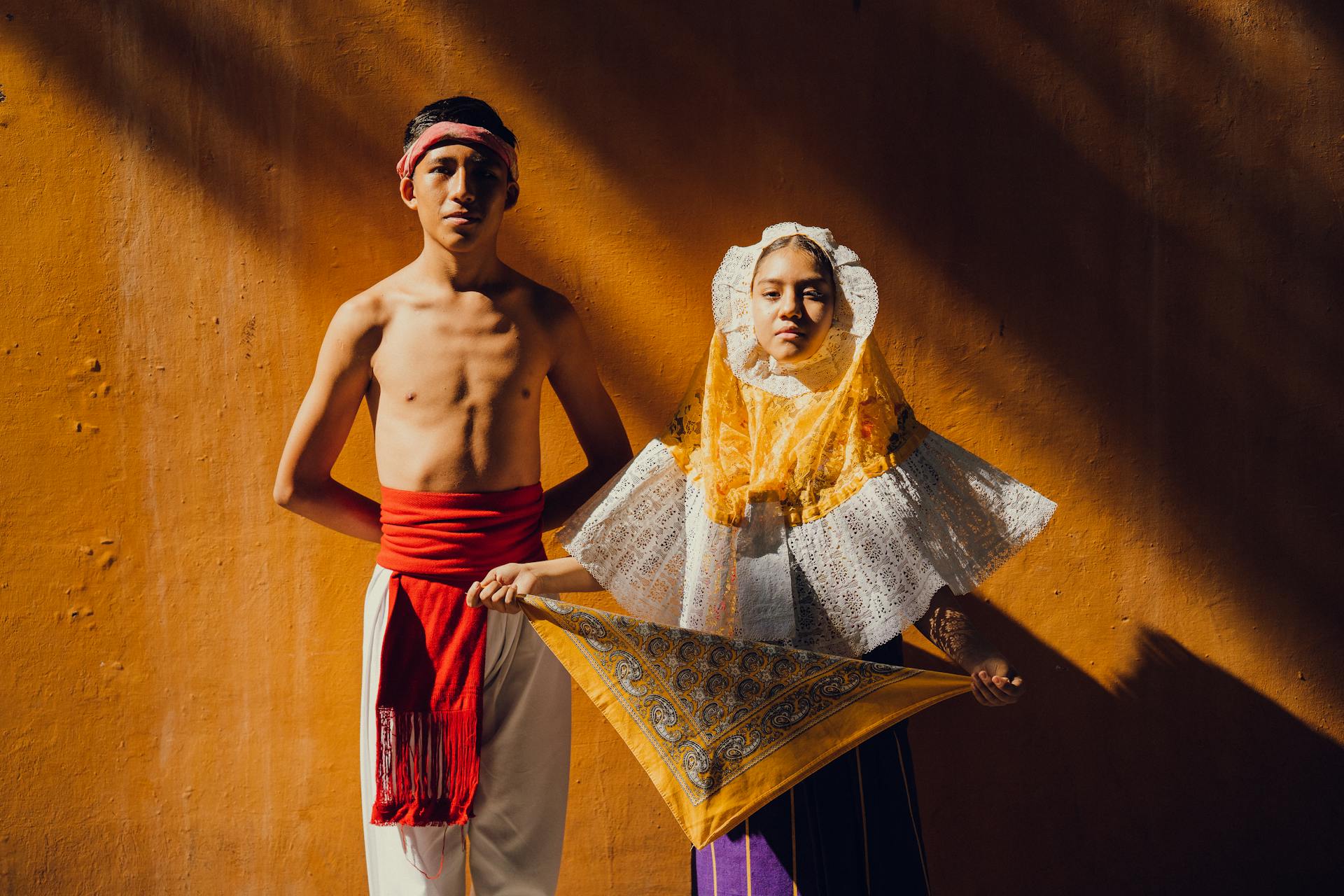
Most Mexicans call themselves mestizo, and it’s more than just mixed ancestry—it’s a shared culture that’s everywhere. It’s in the food, where indigenous corn meets European spices. It’s in the buildings, where colonial facades hide indigenous symbols.
Mestizo Culture Highlights:
- Corn tortillas with European meats
- Music that mixes native rhythms with Spanish guitars
- Art blending pre-Columbian and colonial styles
- Religion that merges saints with ancient deities
This mix doesn’t just coexist; it defines Mexico’s national character.

Linguistic Richness Beyond Spanish
Spanish isn’t the only language you’ll hear in Mexico—not by a long shot. The government recognizes 68 indigenous languages, and Oaxaca alone boasts 16 of them. Zapotec and Mixtec are everywhere there.
Languages by Region:
| Region | Primary Indigenous Languages |
|---|---|
| Oaxaca | Zapotec, Mixtec, Mazatec |
| Yucatan | Maya, Tzeltal |
| Central Mexico | Nahuatl, Otomi |
Over 1.7 million people speak Nahuatl. Fun fact—words like chocolate, tomato, and coyote come from Nahuatl.
A lot of people grow up speaking two or even three languages. At home, it’s the indigenous tongue; at school, Spanish; and sometimes English for work. I’ve noticed that local languages even shape the way Spanish sounds in different regions.
Experiencing Unique Mexican Cities and Regions
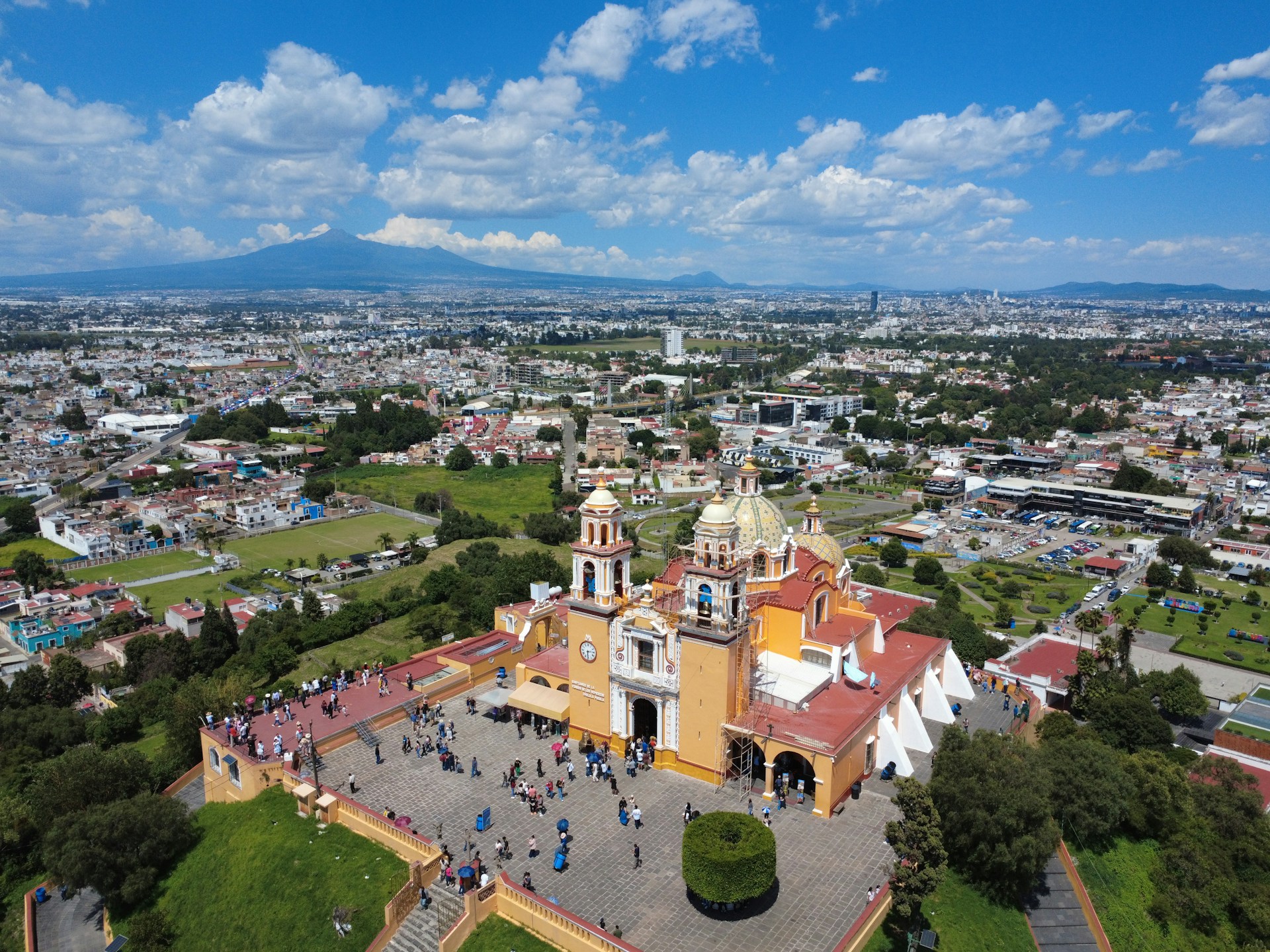
Mexico’s cities crank up the diversity even further. Each one tells its own story through architecture, food, and festivals. Some places feel like a step back in time; others are buzzing with modern energy.
Exploring Mexico City: Urban Dynamism
Mexico City is just… wow. Built right on top of the old Aztec capital, Tenochtitlan, it layers ancient ruins beneath skyscrapers and busy streets.
The Historic Center is a must. The Zócalo—that massive main square—sits between the Metropolitan Cathedral and the National Palace. The buildings ooze Spanish influence from centuries ago.
Every neighborhood has its own vibe:
- Roma Norte: Artsy, hip, packed with galleries and cool cafes.
- Coyoacán: Think Frida Kahlo, bohemian corners, cobblestones.
- Polanco: Upscale, international, a bit fancy if you’re into that.
- Xochimilco: Floating gardens, colorful boats, and mariachi bands drifting by.
The city feels like a giant melting pot. Arab, Jewish, and Asian communities have carved out their own corners, and you can taste it all in the food—tacos one minute, baklava the next.
The museums are next-level. The National Museum of Anthropology is a treasure trove of Aztec and Maya artifacts. It’s almost overwhelming, but in the best way.

Guadalajara’s Cultural Riches
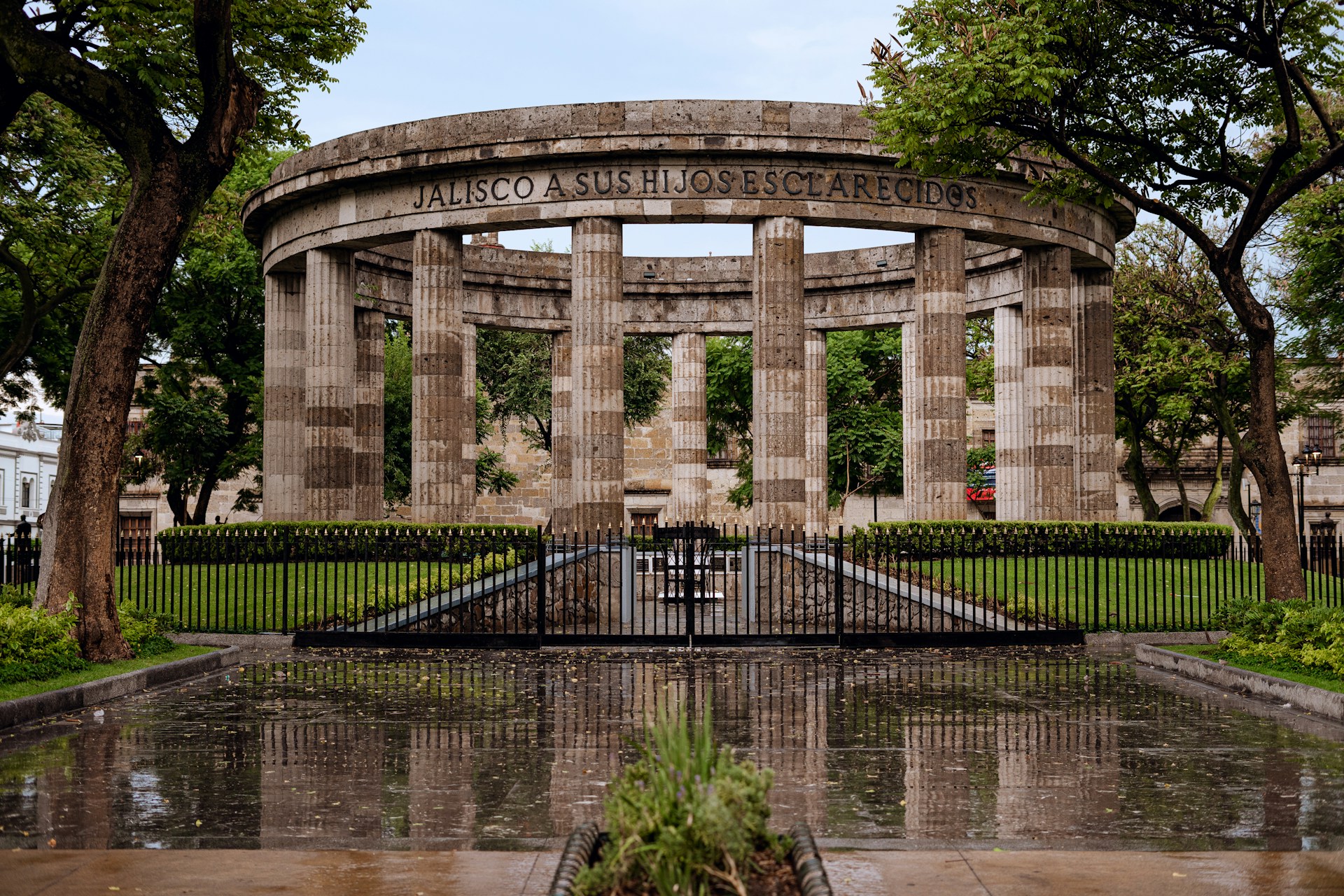
If you want tradition, Guadalajara delivers. This is where mariachi music, tequila, and Mexican rodeo were born.
The downtown area stuns with colonial architecture. The Guadalajara Cathedral towers over the main plaza, and Teatro Degollado hosts performances that’ll give you goosebumps.
A quick trip to Tequila town (yep, that’s the real name) takes you to rolling blue agave fields and distilleries offering tastings. UNESCO even named this place a World Heritage site.
Mercado San Juan de Dios is a labyrinth of local life. Pottery, clothes, street food—skip the tourist traps and get lost here.
Art lovers should wander Tlaquepaque. Artisans still make pottery and glasswork by hand, and you can watch the process up close.
The Magic of Oaxaca
Oaxaca might just be my favorite. Here, indigenous traditions aren’t just preserved—they’re celebrated.
Wander the city and you’ll see color everywhere, from colonial facades to bustling markets. Just outside town, Monte Albán offers Zapotec ruins that make you feel tiny in the best way.
Oaxacan food is a revelation. Moles come in every shade and flavor, and you can snack on chapulines (grasshoppers) if you’re feeling brave. Mezcal tastings are a must.
Don’t miss:
- Mezcal straight from the source
- Weaving workshops in Teotitlán del Valle
- Day of the Dead parades in fall
- Cooking classes with local ingredients
Villages around Oaxaca specialize in crafts—pottery, textiles, woodcarving. If you’re respectful, you’ll get a real glimpse into their world.
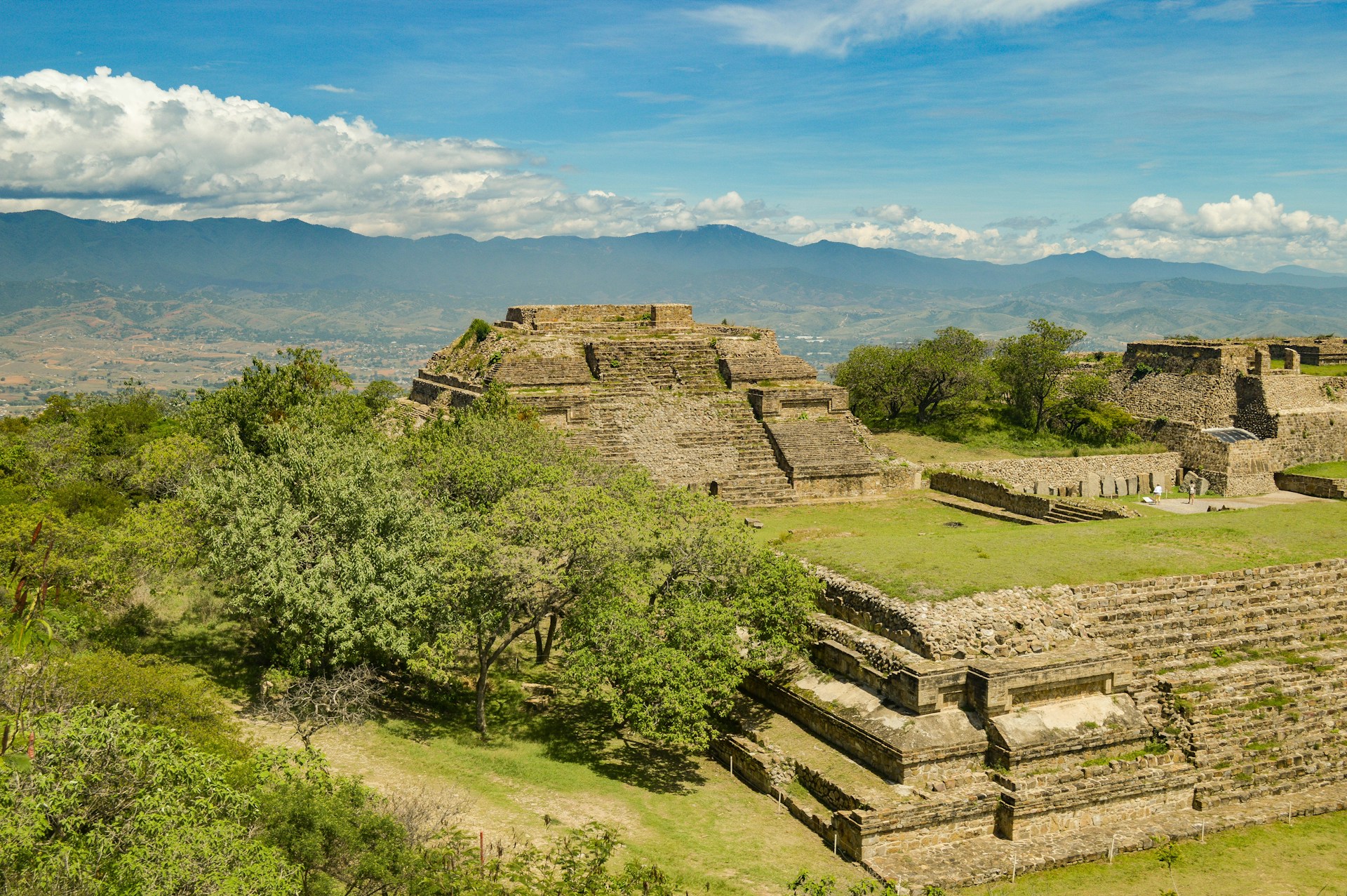
Riviera Maya’s Coastal Adventures
The Riviera Maya is paradise for beach lovers and history nerds alike. White sand, turquoise water, and Maya ruins perched on cliffs—what’s not to love?
Tulum gives you ancient ruins with a view. The old port city overlooks the sea, perfect for photos and a dose of Maya history.
Cenotes—those wild, natural sinkholes—dot the region. Swimming in one feels almost mystical, and the Maya considered them sacred.
There’s more than just beaches:
- Snorkel coral reefs
- Explore underground rivers
- Visit Maya sites like Cobá or Chichen Itza
- Drop by traditional villages
I appreciate how the region tries to balance tourism with local culture. Many resorts use local designs and hire from nearby communities, so your visit actually supports the area.

Traditions That Define Mexican Life
Mexican families know how to celebrate. Ceremonies bring everyone together, keeping traditions alive and honoring generations past.
Quinceañera: A Celebration of Heritage
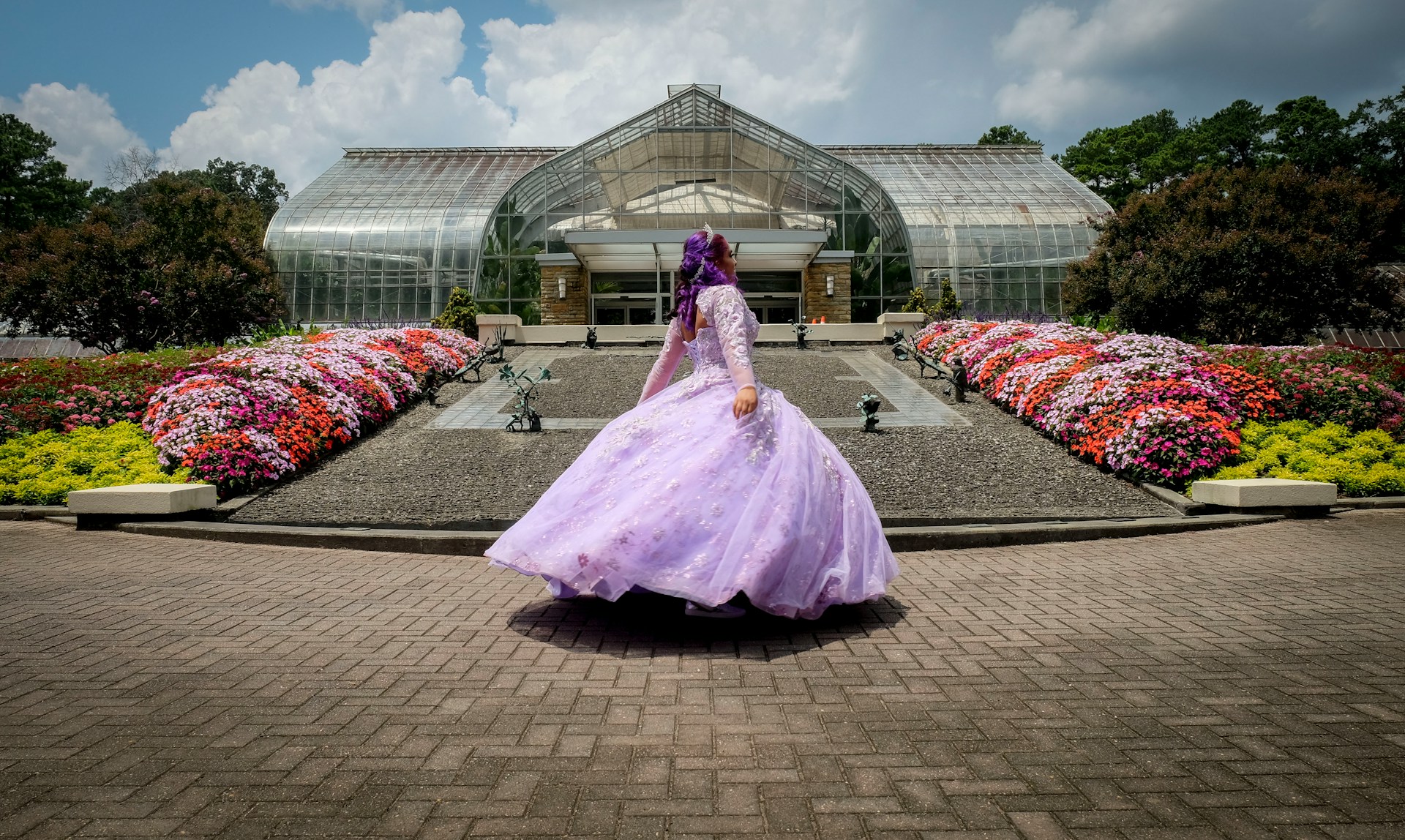
Turning 15 in Mexico is a big deal. The quinceañera marks a girl’s shift from childhood to womanhood, blending Catholic rituals with pre-Hispanic customs.
It all starts with a church service, where the birthday girl shines in a pastel ball gown. She gets a tiara, ring, and bracelet—each with its own meaning.
The shoe-changing ceremony is my favorite part. Dad swaps her flats for heels, symbolizing her new status. There’s also the “last doll,” a sweet goodbye to childhood.
Key Traditions:
- Fourteen damas and chambelanes (her court)
- Waltz to “Tiempo de Vals”
- Feasts with mole, tamales, and tres leches cake
- Mariachi bands and nonstop dancing
Families go all out for these—sometimes the party lasts all weekend.
Lavish Mexican Weddings
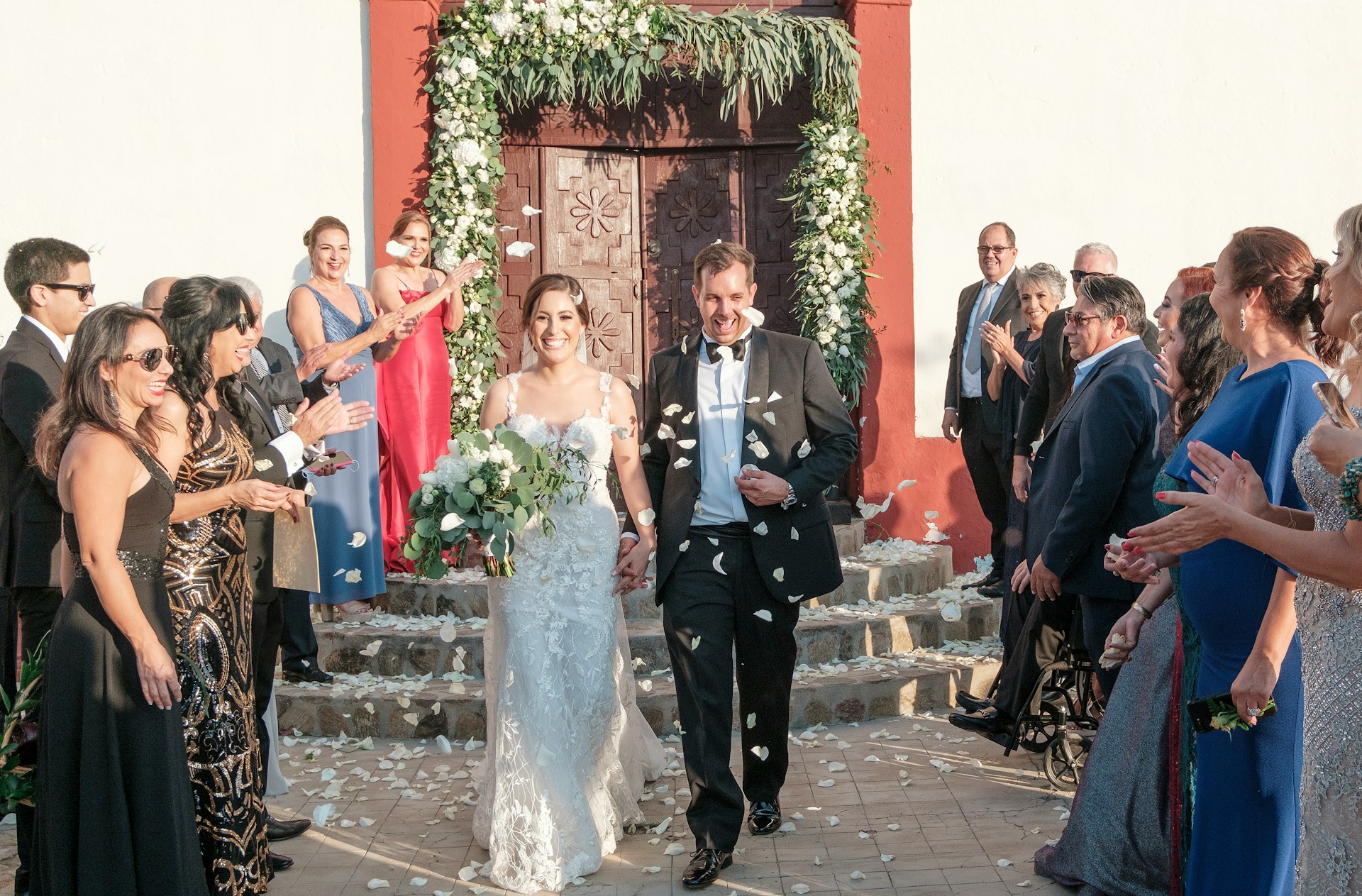
Weddings in Mexico are epic. Catholic ceremonies meet indigenous touches, and the whole family (plus half the town) gets involved.
During Las Arras, the groom gives the bride 13 gold coins. It’s a promise to provide and support each other. The El Lazo ritual, where a decorative rope or rosary is draped around the couple, seals their bond.
Wedding Highlights:
- Godparents (padrinos and madrinas) sponsor parts of the event
- Mariachi serenades
- Mexican hat dance and other folk dances
- Tables loaded with mole, carnitas, and tres leches cake
The vibora de la mar dance gets everyone up and laughing, with guests forming a tunnel for the newlyweds. Some weddings last three days—pace yourself!
Family Bonds and Patriarchal Roles
Family comes first in Mexico, and roles are pretty traditional. Dad usually leads and provides, while mom runs the household and raises the kids.
Compadrazgo—the godparent system—extends family ties beyond blood. Godparents step up for big moments, offering guidance and even financial help.
Extended families often live close together, sometimes under one roof. Sundays mean family gatherings, no excuses.
Gender roles are still pretty set:
- Men handle money and big decisions
- Women take care of the home and kids
- Sons get more freedom; daughters help with chores
Respect matters—a lot. Kids use formal titles for elders, and family honor always comes before personal wants.
Iconic Mexican Flavors and Social Scenes
Food and drink are the heart of Mexico’s social life. Whether you’re sipping tequila in Jalisco or munching mole poblano at a street festival, every bite tells a story.
Tequila Origins and Tasting Rituals
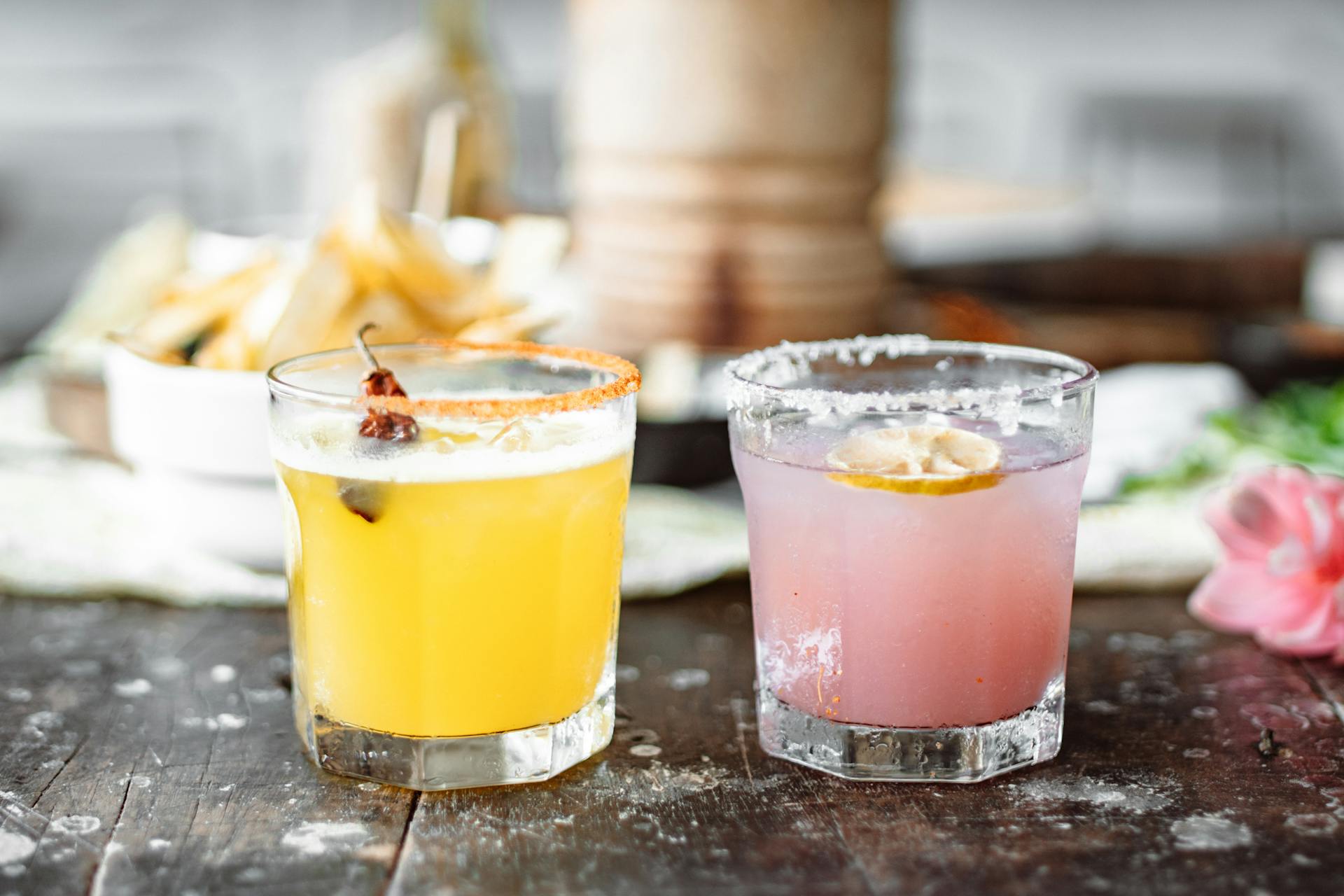
Real tequila comes from just five Mexican states, but Jalisco is the king. The town of Tequila, not far from Guadalajara, is the spirit’s birthplace.
Forget the salt and lime—locals sip tequila neat to savor the flavors. Blanco is pure agave; reposado and añejo take on richer notes from oak barrels.
I watched jimadores harvest blue agave with special tools called coas. The agave hearts are slow-cooked in stone ovens for up to two days.
How to Taste Tequila:
- Take small sips, no mixers
- Smell first, then taste
- Let it linger on your palate
- Enjoy the finish
Distilleries often pair tastings with simple foods—think quesadillas and salsas—to cleanse the palate. It’s a ritual that’s as much about connection as it is about flavor.
Regional Cuisine Experiences
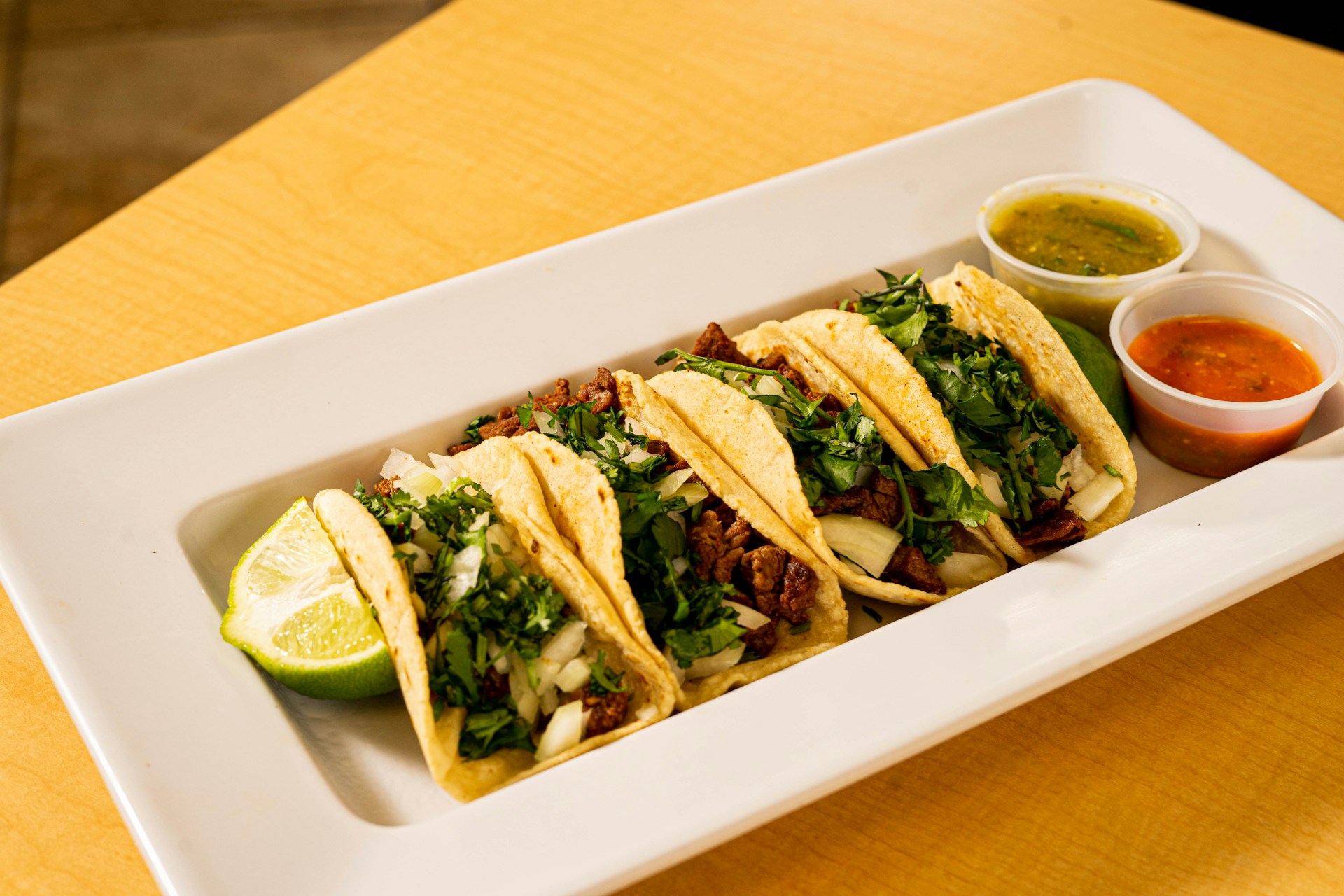
Every region in Mexico brings its own flavors to the table, shaped by local ingredients and time-honored traditions. Take mole poblano from Puebla, for example—some locals claim it has up to 100 ingredients, which honestly blows my mind. Meanwhile, in the Yucatán, cochinita pibil bursts with achiote and the tang of sour oranges.
Up north, places like Sonora really lean into grilled meats and flour tortillas. Their carne asada isn’t just food—it’s a nod to their cattle ranching roots. Head to the coast, and you’ll find fresh seafood everywhere. I still remember the first bite of Veracruz-style red snapper—simple, but unforgettable.
Central Mexico always surprises me with its culinary know-how. I once watched the ancient process of nixtamalization up close. Locals soak corn in lime water, a practice that goes back about 3,500 years. The result? Masa that makes tortillas and tamales taste the way they should.
Regional Specialties by Area:
- North: Beef dishes, flour tortillas, aged cheeses
- Central: Moles, barbacoa, street food variety
- South: Chocolate-based sauces, tropical fruits
- Coast: Ceviches, grilled fish, coconut flavors
If you want the real deal, hit up a local market. There, I’ve tried fresh chiles, native herbs, and cheeses straight from the people who make them. It’s honestly the best way to taste Mexico.
Festivals and Street Life
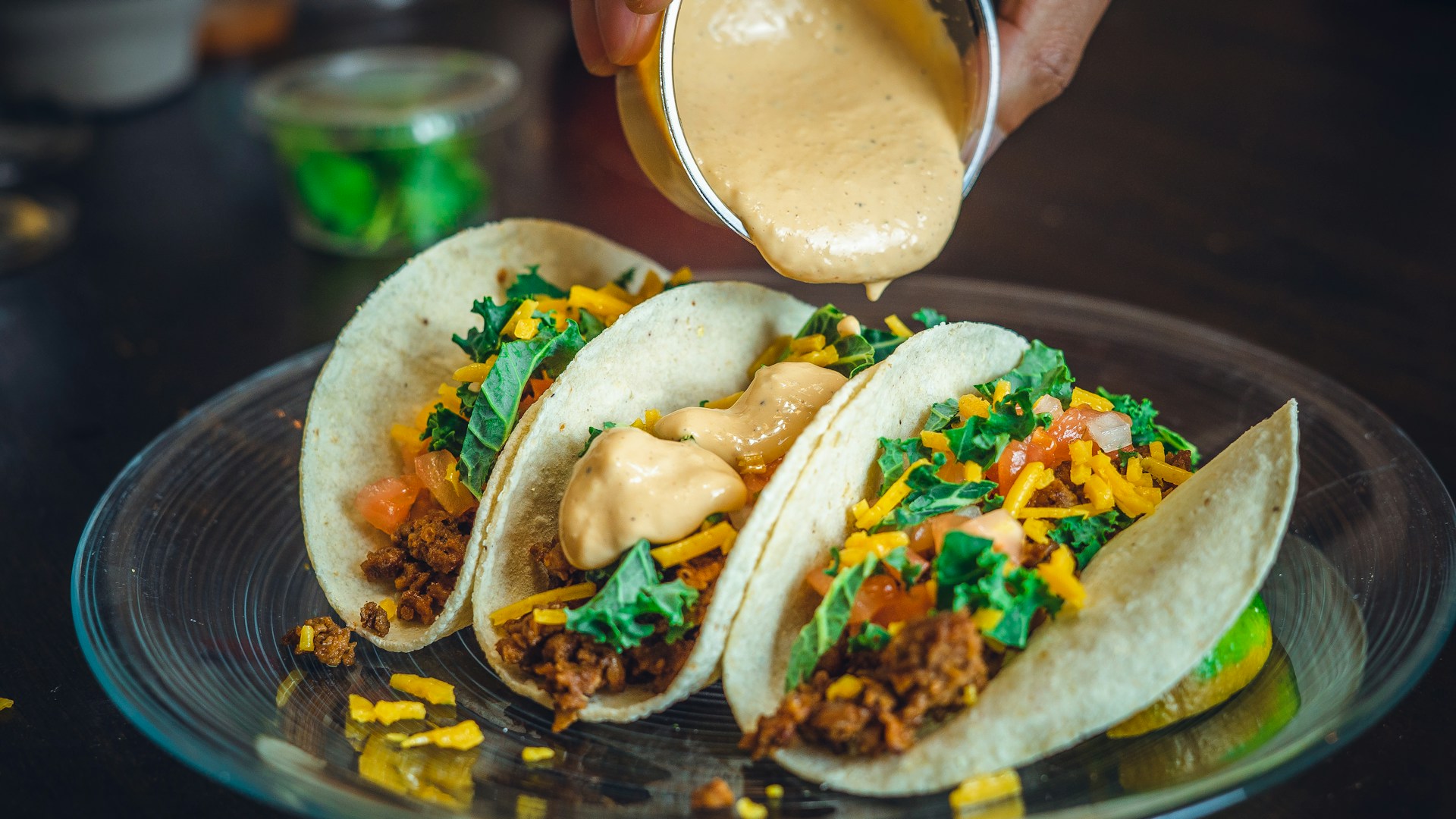
Mexican street food isn’t just about eating—it’s about gathering. In the evenings, I’ve seen tacos al pastor stands turn into lively hangouts, where people share tables, stories, and laughter.
Food traditions take center stage during festivals. For Día de los Muertos, families bake special breads and craft sugar skulls. And during Las Posadas, everyone comes together for tamale-making and sips of sweet, spiced punch.
Markets buzz from sunrise to sundown. I’ve watched vendors grind salsas in stone molcajetes and serve up steaming bowls of pozole to familiar faces.
Popular Street Food Scenes:
- Morning: Coffee vendors, breakfast tacos
- Afternoon: Fruit carts, aguas frescas
- Evening: Taco stands, grilled corn
- Late night: Tamale vendors, churros
Some religious festivals bring out unique dishes. In September, chiles en nogada marks independence celebrations, showing off green chiles, white walnut sauce, and red pomegranate seeds—just like the Mexican flag.
Food gatherings like these don’t just fill your stomach—they keep traditions alive and bring people closer, generation after generation.
Living in Mexico: A Diverse Adventure for Expats
Living in Mexico isn’t just about sunshine and tacos—it’s a real adventure for expats. You get affordability, vibrant culture, and a sense of discovery. Whether you’re drawn to the buzz of Mexico City or the coastal beauty of Riviera Maya, there’s a spot here for everyone. Expats settle in, find community, and start living like locals. Honestly, it’s hard not to fall in love with the distinct regional lifestyles.
Affordable Cost of Living and Real Estate
Mexico made my monthly expenses shrink, especially compared to what I used to pay in the US or Canada. A single person can live pretty well on $1,500 USD per month. Couples usually spend around $2,000 USD.
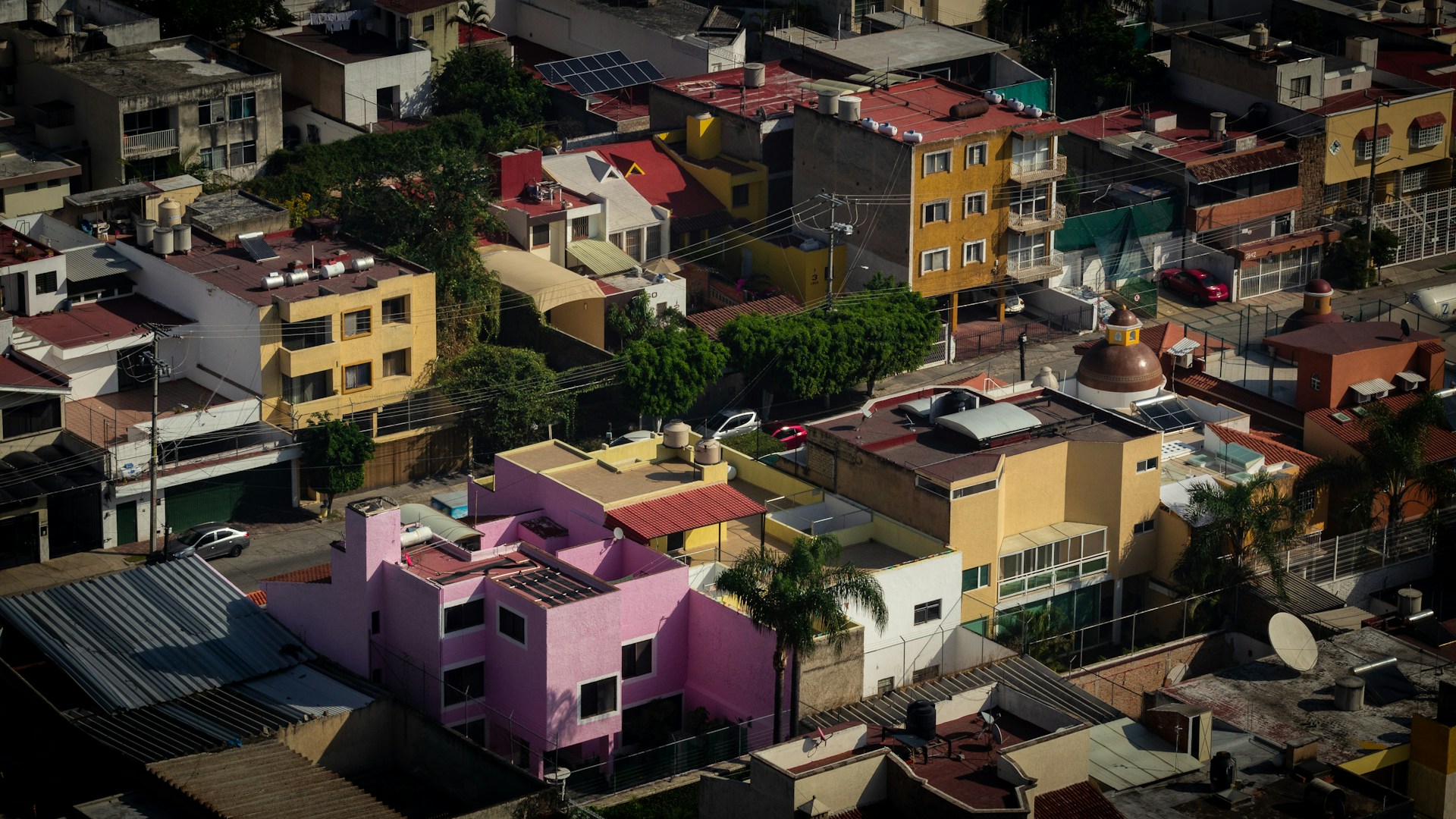
Housing prices surprised me the most. In Mexico City, I found sleek apartments that would cost a fortune back home. Over on the coast, beachfront living suddenly felt possible, not just a daydream.
Monthly Budget Breakdown:
- Basic living: $1,500 USD (single) / $2,000 USD (couple)
- Comfortable lifestyle: $2,500-3,000 USD
- Luxury living: $3,500+ USD
Healthcare here is another game-changer. I’ve paid just $20 USD for a specialist—no insurance needed. Dental cleanings with whitening? About $40 USD. Even prescriptions often cost half of what I used to pay.
If you’re thinking about buying property, you’ll find great value. I’ve seen quality homes in expat-friendly neighborhoods for way less than what you’d expect in North America.
Connecting with Local Communities
Mexico feels like one of the easiest places to settle as an expat. Locals welcome newcomers with warmth and patience, which honestly makes all the difference.
In popular spots, expat networks help you find your footing. They host events, give practical advice, and make it easier to adapt. These groups bridge the gap between home and your new life in Mexico.
Language can seem like a hurdle, but daily interactions help. Many people speak English, especially in touristy areas and big cities. Still, picking up some Spanish goes a long way—I’ve found it opens doors and hearts.
Community Integration Benefits:
- Built-in support networks
- Cultural exchange opportunities
- Local insider knowledge
- Social events and activities
Here, relationships matter more than schedules. This shift has helped me slow down and really connect. I join in at festivals, wander through neighborhood markets, and celebrate with my community. It’s a different pace, and honestly, I wouldn’t trade it for anything.

Diverse Lifestyles Across Regions
Mexico’s regions? Honestly, they each feel like their own little world. Some days, I dream about mountain living, while other days, it’s all about the beach, or maybe the buzz of a city, or wandering cobblestone streets in a colonial town.
Mexico City, for example, absolutely bursts with energy. You’ll find world-class dining, museums that surprise you, and business opportunities around every corner. Despite the city’s size, I still stumble on slices of authentic Mexican culture every day.
Craving a tropical vibe? Riviera Maya has that postcard-perfect paradise thing nailed. The weather’s warm enough for swimming all year, water sports are everywhere, and the overall pace is way more relaxed. There’s a nice mix of tourist comforts and real Mayan culture if you know where to look.
Regional Climate Options:
- Central highlands: Think cool evenings, warm days (60-80°F)
- Coastal areas: Tropical warmth (80-90°F, basically always)
- Northern regions: Desert climate—hot days, cooler nights
Mountain towns like San Miguel de Allende? They’re a magnet for creative souls. You get colonial architecture, a thriving arts scene, and those refreshing cooler temps. It’s no wonder so many expats end up there.
Honestly, I love that I can just hop around, trying out different regions before settling down. Every area has its own flavor, but you won’t have to give up modern comforts—no matter where you land.
