
Let’s be real: planning your first trip to Europe can feel like staring at a map and spinning a globe—where do you even start? After wandering through more than 20 European countries, I’ll admit, I keep coming back to Croatia. It’s got that sweet spot of safety, natural beauty, modern comforts, and unique experiences that just work, especially if you’re an American dipping your toes into Europe for the first time.
This Adriatic gem delivers everything you imagine from a European getaway—without the sticker shock, language headaches, or suffocating crowds you’ll find in the usual hotspots.
Croatia’s been quietly climbing the ranks as one of the easiest places in Europe for Americans to visit. Locals speak English, payment systems feel familiar, and the roads and trains actually work. Whether you’re after turquoise beaches, cobblestoned cities, or a bit of both, Croatia somehow bundles it all together.
What really grabs me is how Croatia squeezes so many classic European vibes into one manageable package. You can wander medieval streets that rival Italy, swim in water that honestly puts the Caribbean to shame, and dig into food that’s both approachable and distinctly local. It’s not just a good starter trip—it might just be the best one.
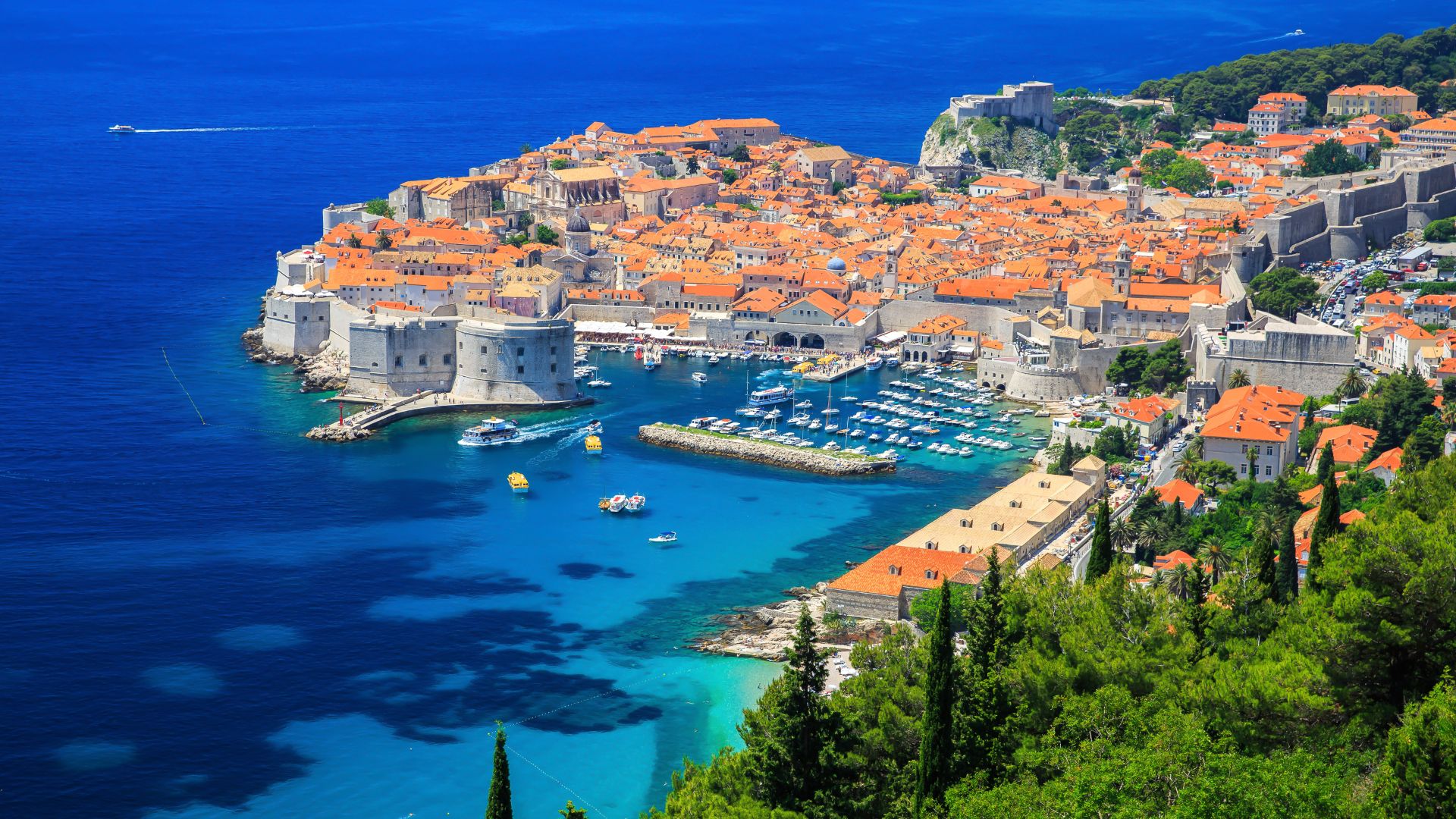
Why Croatia Is the Perfect European Destination for Americans
Let’s break down the big wins. Croatia welcomes Americans with a straightforward entry process, widespread English, and prices that are a breath of fresh air—think 30-40% less than the usual Western Europe suspects. That alone makes it a killer pick for your first Euro adventure.
Visa-Free Travel for U.S. Citizens
Since January 2023, Croatia joined the Schengen Area. That means I just flash my U.S. passport and stroll right in. No forms, no embassy visits, no headaches.
You can stay up to 90 days within any 180-day window. That’s a lot of time to soak up the coast, cities, and islands—without sweating over visa rules.
Border crossings are smooth. Croatian officers seem to genuinely welcome Americans; the whole process is quick.
Why this rocks for Americans:
- No visa fees or waiting games
- Instant decisions at the border
- Freedom to roam the EU from Croatia
- Multiple entries allowed within your 90 days
Because Croatia’s now in the EU, you get familiar consumer protections and safety standards. American credit cards work without a hitch, and hospitals are up to European snuff.
Want to wander further? Slovenia and Montenegro are right next door. Slovenia’s in Schengen too, and Montenegro lets Americans in visa-free. Easy.
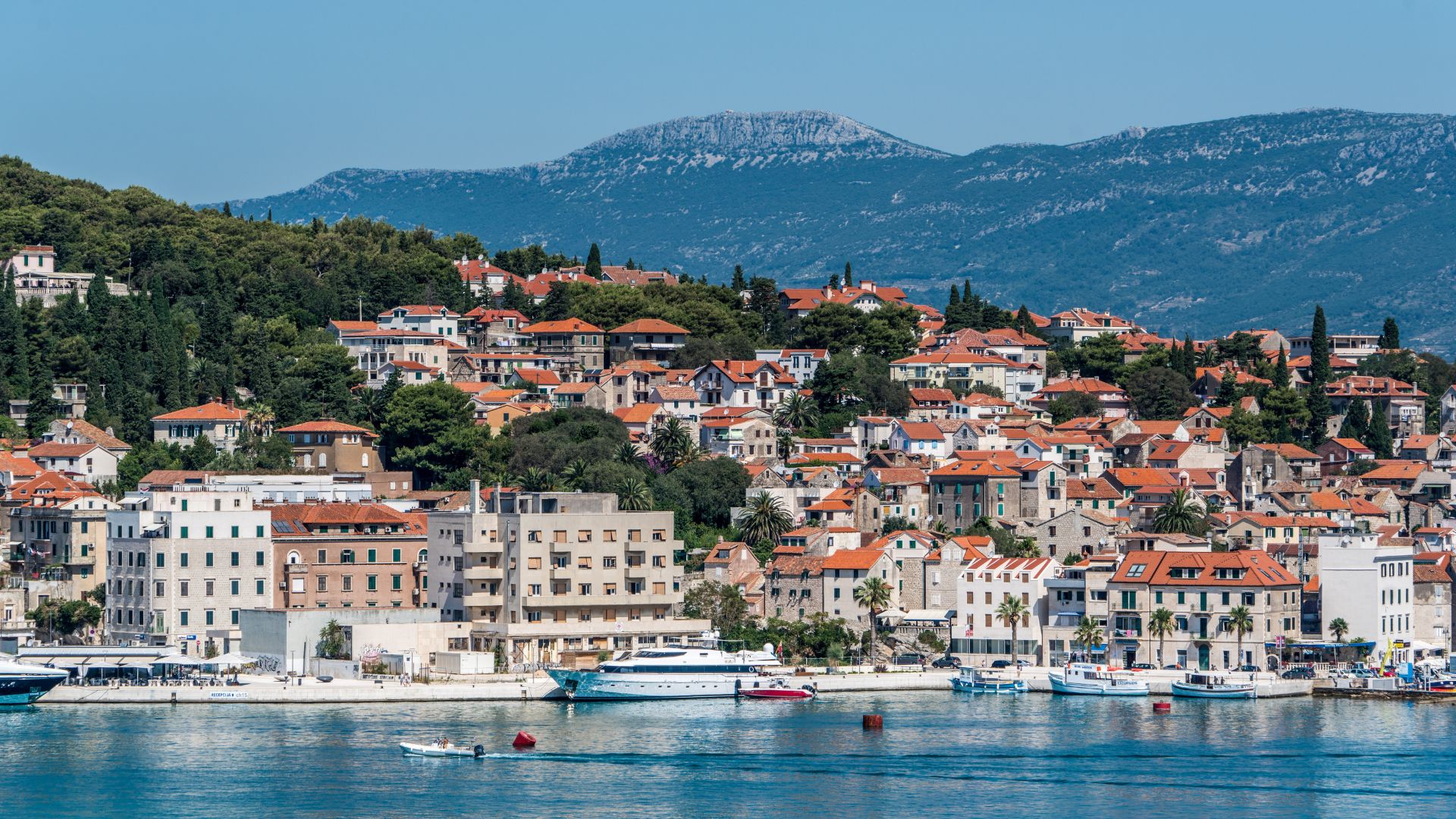
English-Friendly Culture
Honestly, English is everywhere in Croatia—especially if you stick to the coast or bigger cities. Anyone under 40 probably speaks it well.
Menus, road signs, and tourist info? Almost always in English. That takes the edge off ordering dinner or catching a bus.
Hotel staff, guides, and shopkeepers usually chat in English like it’s no big deal. In Dubrovnik, Split, or Zagreb, I rarely run into language issues.
Where you’ll hear English:
- Coastal cities: 80-90% of service workers speak it
- Zagreb: Especially in business and tourist areas
- Islands: Most tourism staff are bilingual
- Rural spots: Younger folks often know basic English
Croatians learn English early in school, and American pop culture is everywhere, so they get the jokes and slang.
Unlike some places where you feel awkward not knowing the local lingo, Croatia feels easygoing about it. I find it takes the stress out of getting around and makes chatting with locals a breeze.
Affordability Compared to Western Europe
Here’s the kicker—Croatia travel just costs less. I’m talking 30-40% less than France, Italy, or Switzerland for hotels, food, and fun.
A quality hotel in Dubrovnik? $80-120 a night in peak season. Try finding that in Rome or Paris.
Dinner with wine at a nice spot? $25-35 per person, and you’ll actually remember the meal.
Average daily spend:
- Budget: $50-70
- Mid-range: $100-150
- Fancy: $200-300
- Local transit: $2-5 per ride
- Museums: $5-15
You get more for your money here. Island-hopping, wine tours, UNESCO sites—you can actually do them all without blowing your savings.
Even splurges like private boats or boutique hotels come at prices that feel almost too good to be true compared to the rest of Europe.
The Euro’s the currency, so no weird conversions or surprise fees with your card.
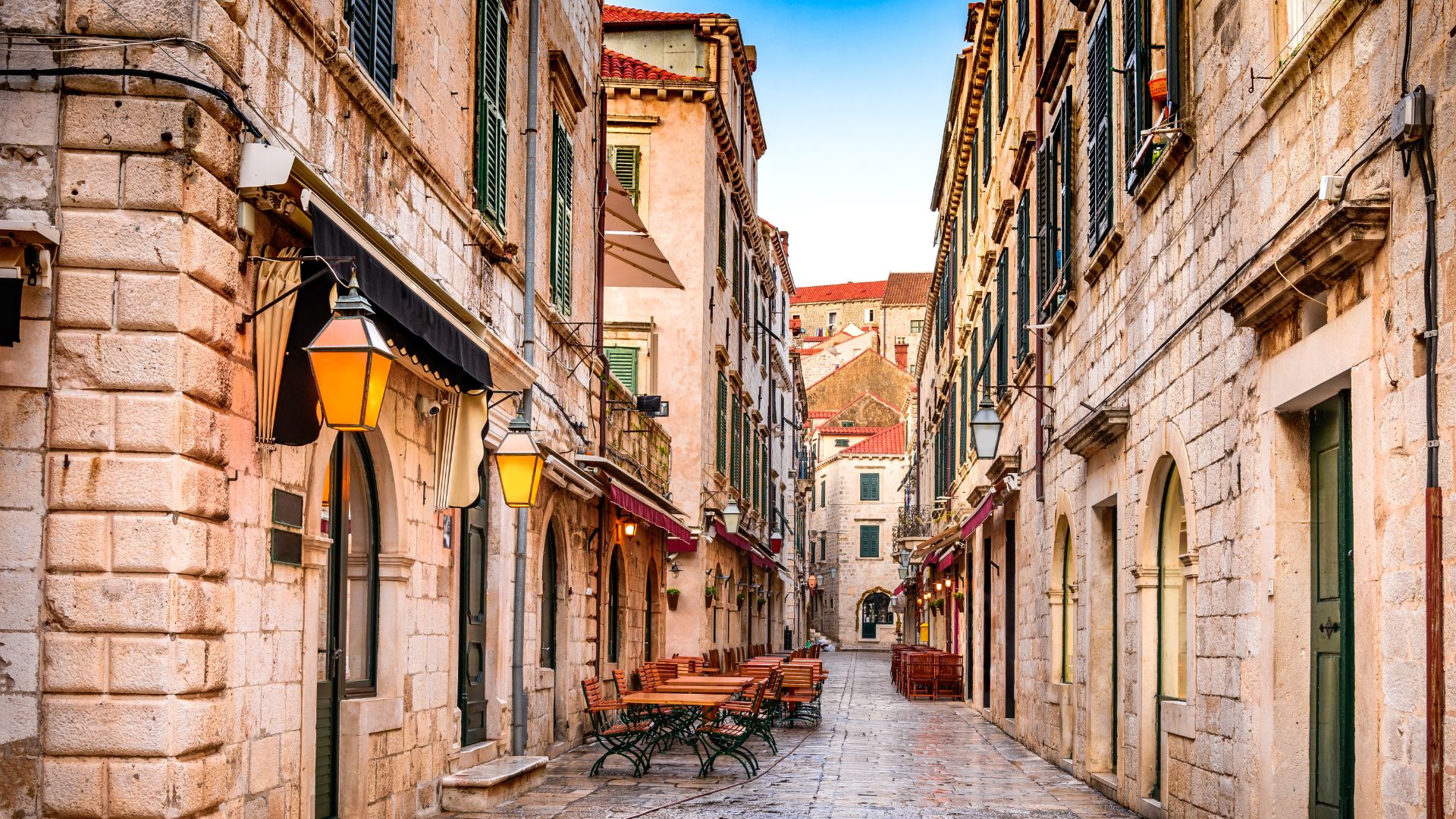
Unmatched Safety and Peace of Mind
Croatia stands out as one of Europe’s safest places. Crime rates are low, and the whole vibe is peaceful—perfect if you’re new to international travel and want to relax.
Low Crime Rates and Friendly Locals
Violent crime? Pretty much unheard of. Serious incidents barely happen.
Pickpocketing can occur, but honestly, not nearly as often as in Rome or Barcelona.
People trust each other here. In small towns, folks leave their doors unlocked and kids play outside without worry.
What to watch for:
- Pickpockets in crowds
- Bike theft in cities
- Occasional tourist scams
- Petty theft if you leave stuff unattended
Croatians look out for their neighborhoods. Even without formal watch groups, locals notice and help out if needed.
Police keep a visible presence in touristy areas during busy times. They respond quickly, and many officers speak English.
Global Peace Index Ranking
On the world stage, Croatia consistently ranks high for safety. In 2024, the Global Peace Index put Croatia at 15th out of 163 countries.
This ranking covers everything from political stability and terrorism risk to crime rates and social safety.
The World Economic Forum places Croatia 74th safest globally out of 134 countries, focusing on personal security and disaster risk.
Croatia also tops Europe for nighttime safety. According to research, it scores 75.78 out of 100 for walking alone at night. That’s impressive.
Is Croatia Safe for Solo and Family Travelers?
Whether you’re flying solo or bringing the family, Croatia feels safe. Women traveling alone often say they feel comfortable walking at night.
Solo traveler perks:
- Well-lit streets in busy areas
- Dependable public transport
- English-speaking emergency services
- Lively nightlife with security around
Families love it too. Kids can roam beaches and towns safely, and lifeguards watch over popular beaches in summer.
There’s pretty much zero terrorism threat. Croatia stays out of global drama, so it’s not a likely target.
Gun violence doesn’t make headlines here. Strict laws and permits keep things calm.
If you need medical help, hospitals in tourist areas have English-speaking doctors and solid emergency care.
Breathtaking Natural Beauty and Outdoor Adventures
Croatia’s got it all: 1,100 miles of Adriatic coastline, 8 national parks, and more than 1,100 islands. Plus, it’s a great base for hopping over to Slovenia or Montenegro.
Stunning Adriatic Coastline and Islands
The coast is a showstopper—crystal water, golden beaches, and dramatic cliffs. The Dalmatian Coast, in particular, is jaw-dropping, blending old towns with wild nature.
Over 1,100 islands dot the sea, and most are untouched. The Kornati archipelago alone has 140+ uninhabited islands in its national park.
Must-see coastal spots:
- Split and the Dalmatian stretch
- Hvar Island’s lavender fields
- Korčula’s medieval magic
- Vis Island’s hidden beaches
Sea kayaking is a blast here. You can paddle into secret coves and find beaches you’ll have all to yourself. The Adriatic’s calm, so even newbies can give it a go.
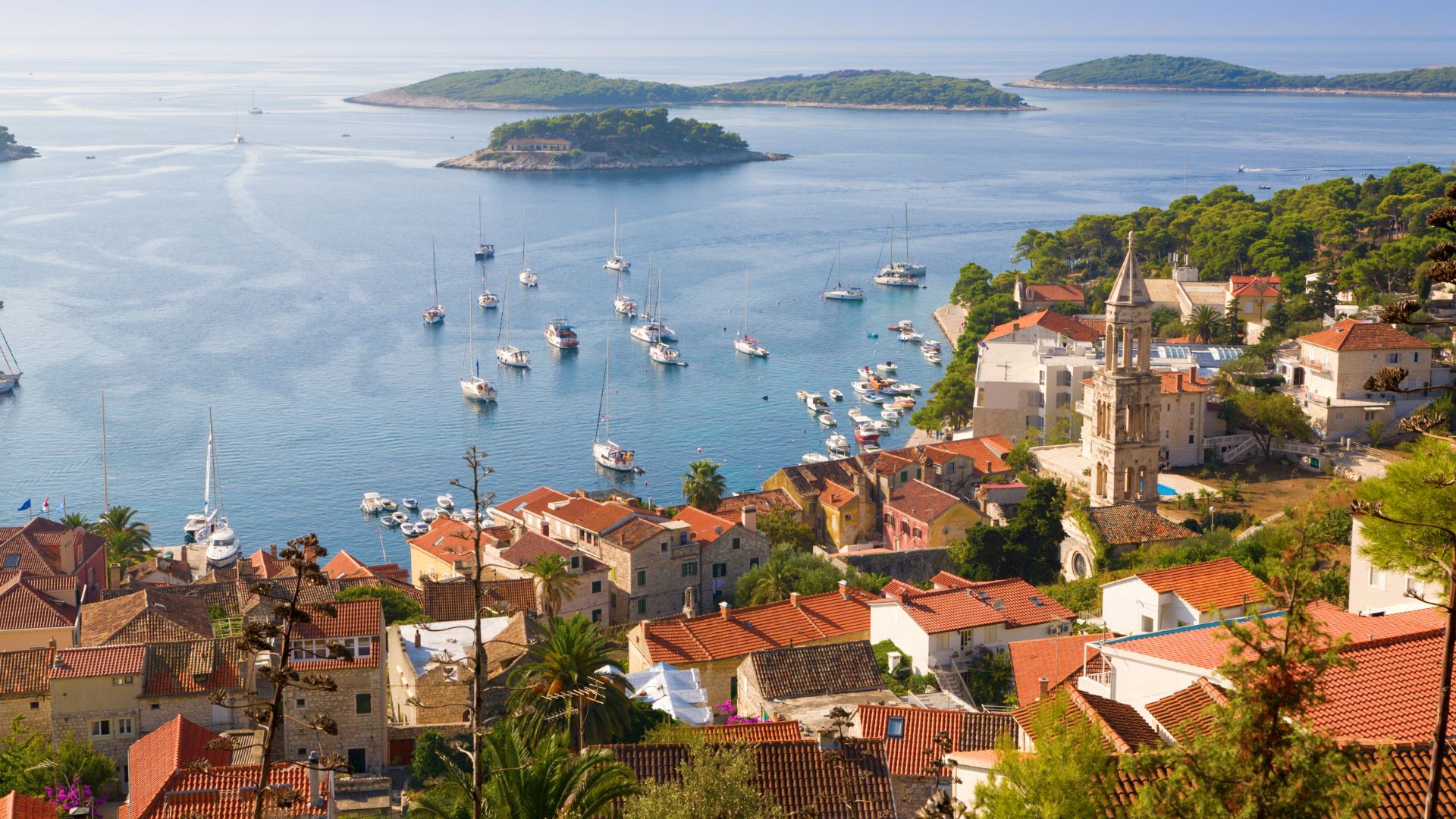
World-Class National Parks and Hikes
Eight national parks mean you’re spoiled for choice. Plitvice Lakes National Park, the oldest and biggest, is a real-life fairy tale.
Wooden walkways snake past 16 lakes and countless waterfalls. It’s one of Europe’s most photographed spots for a reason.
Krka National Park is another favorite, especially since you can swim near some of its waterfalls. Plus, you’ll see old stone mills and learn about the region’s traditions.
Top hiking areas:
- Dinaric Alps inland
- Velebit Mountain range
- Biokovo Nature Park above Makarska
The views? Unreal. You’ll see the Adriatic spread out below, whether you’re on a quick stroll or a multi-day trek.

Diverse Excursions and Adventure Activities
Croatia isn’t just about beaches and hiking. Cycling trails wind through Istria’s vineyards and hilltop towns.
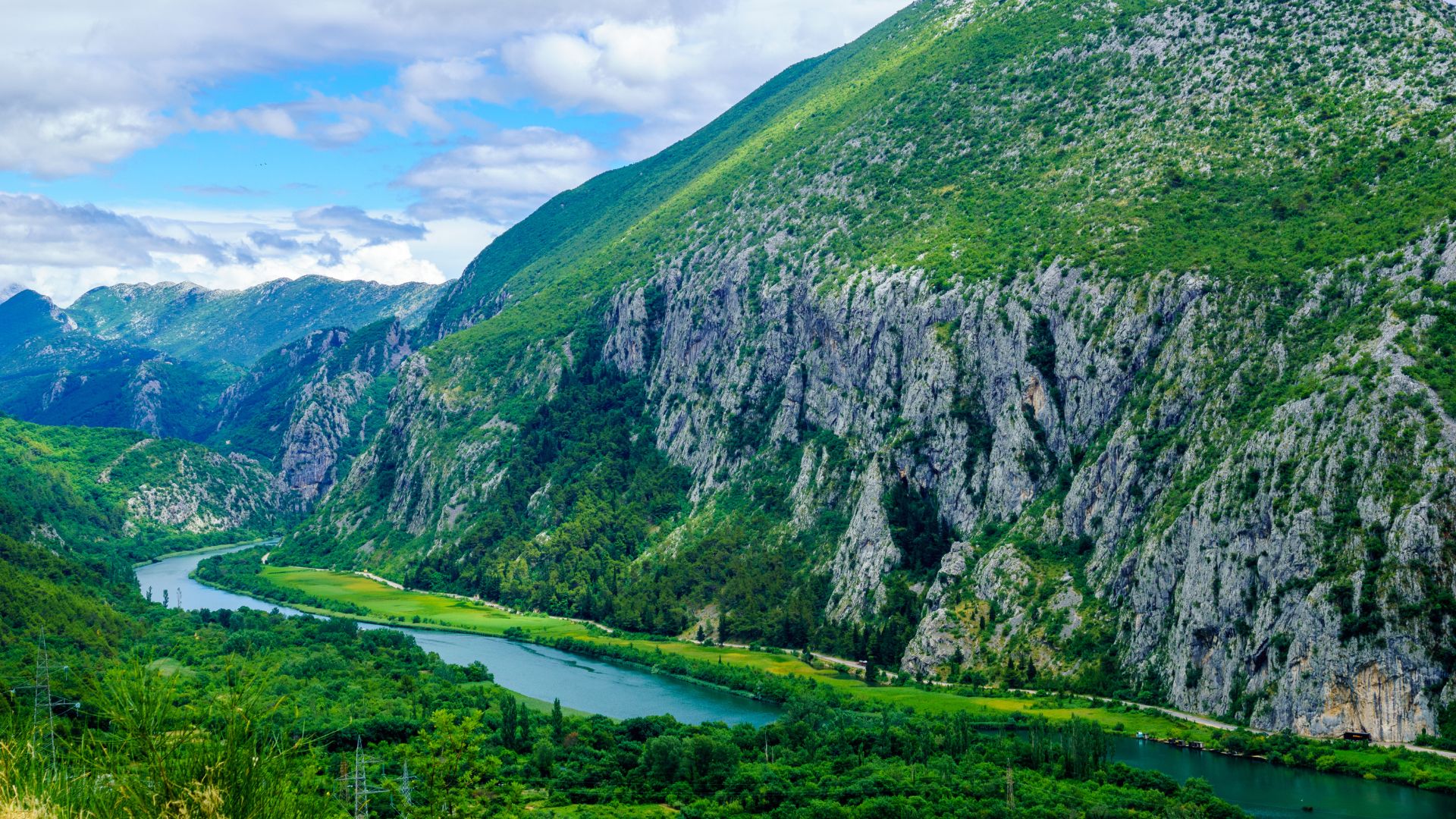
The Cetina River near Omiš offers white-water rafting through wild limestone canyons. If you’re into climbing, Paklenica National Park’s cliffs are legendary.
Adventure menu:
- Rafting the Cetina River
- Climbing in Paklenica
- Cycling in Istria
- Sailing between islands
- Zip-lining over canyons
Sailing’s a big deal here. Calm seas and countless islands make it perfect, whether you’re a seasoned sailor or just want to try it out.
Neighboring Destinations: Slovenia and Montenegro
Croatia’s location makes side trips a breeze. Slovenia is just to the north, with the Julian Alps and Lake Bled.
Ljubljana, Slovenia’s capital, is only two hours from Zagreb. You can hike in Triglav National Park or explore the epic Postojna caves.
Montenegro is just south of Dubrovnik. The Bay of Kotor’s mountains and medieval towns are a quick two-hour drive away.
Easy itinerary ideas:
- Croatia + Slovenia: Mix the coast with Alpine lakes
- Croatia + Montenegro: Beach hop the Adriatic
- All three: 10-14 days for a full Balkans adventure
Crossing borders is simple—just bring your passport and standard EU docs.
Effortless Travel and Modern Infrastructure
Getting around Croatia is refreshingly easy. The country boasts nine international airports, reliable public transportation, and cruise connections up and down the coast.
Efficient Airport Transfers and Connectivity
Nine international airports connect you to the world. Zagreb, Split, and Dubrovnik are the main hubs.
Direct flight options:
- New York to Zagreb (seasonal)
- Chicago to Dubrovnik (summer)
- Los Angeles to Split (with a stop)
Airport transfers are a breeze. Shuttle buses run every half hour from Zagreb Airport to downtown for about $5. Split Airport connects straight to the old town in 30 minutes.
Rental cars are right at the terminal. Big names like Hertz and Avis, plus local companies, are all there.
What to expect at airports:
- Modern terminals with English signs
- Free WiFi everywhere
- ATMs and currency exchange
- Duty-free shops and decent food options
Highways link airports to cities quickly. Croatia’s motorways are modern, fast, and well-marked in multiple languages.
Reliable Public Transportation
Since joining the EU, Croatia’s public transport has leveled up. Buses connect pretty much every city and tourist spot, and schedules are frequent.
Why buses work:
- Reach over 200 destinations
- Hourly between major cities
- $15-25 for long trips
- Air conditioning and WiFi on most routes
Trains connect the north, with Zagreb to Split taking about six hours. Some lines feel a bit old-school, but they get you there.
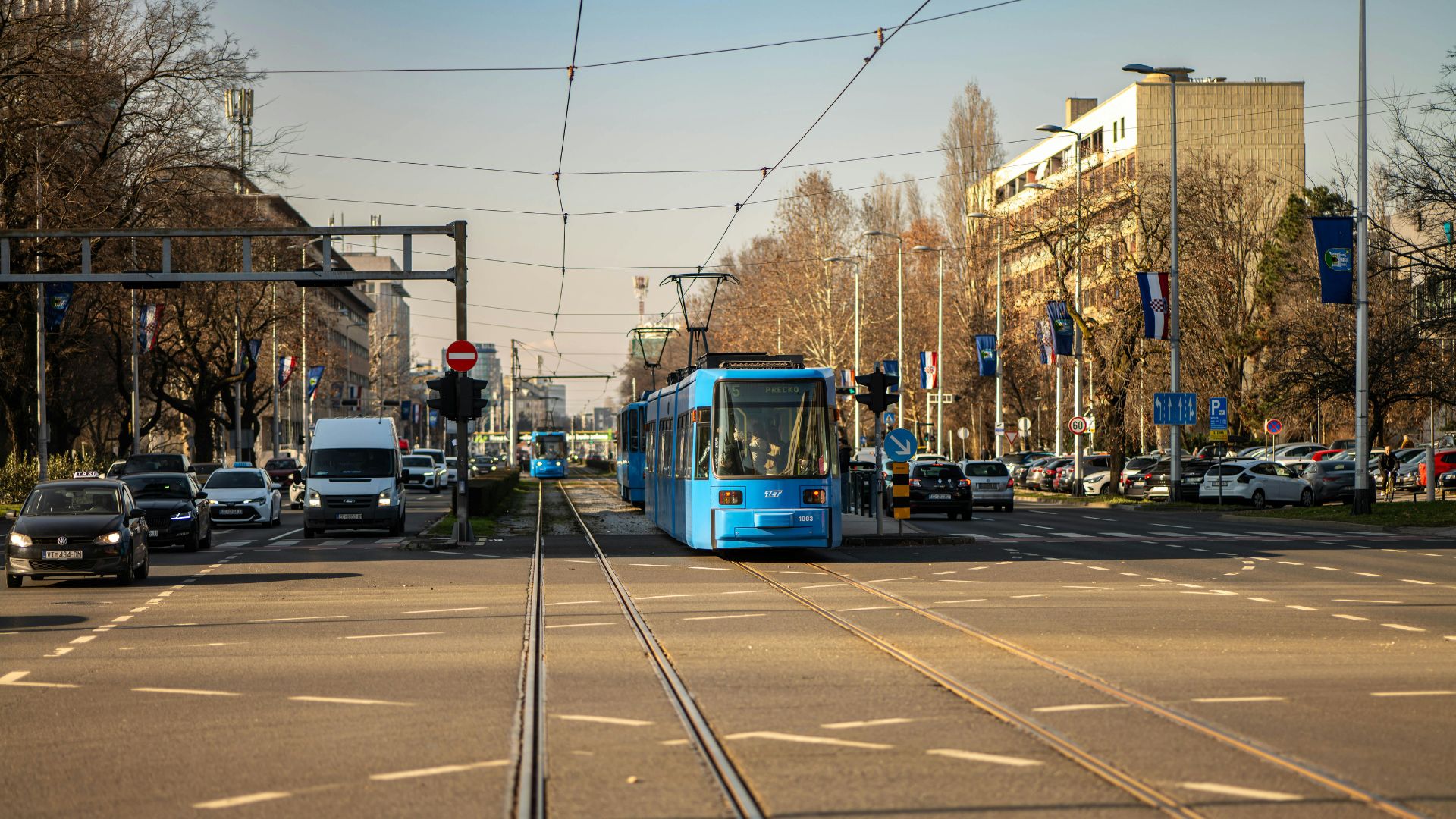
Cities like Zagreb, Split, and Rijeka have tram and bus systems. Day passes cost less than $5. Dubrovnik runs shuttles to keep the old town car-free.
Getting around locally:
- Zagreb’s 22 tram lines
- City buses everywhere
- Water taxis between islands
- Bike rentals in most towns
You can pay with cash or cards, and most cities have apps for buying tickets and checking schedules. Makes life so much easier.
Accessible Cruises and Island Hopping
Croatia hugs the Adriatic, so it’s basically built for cruise adventures and island escapes. More than 1,000 islands scatter along the coast, and you’ll spot regular ferry connections zipping between them.
Major Cruise Ports:
- Dubrovnik (welcomes massive international ships)
- Split (your gateway to the central Dalmatian coast)
- Zadar (launch point for the northern islands)
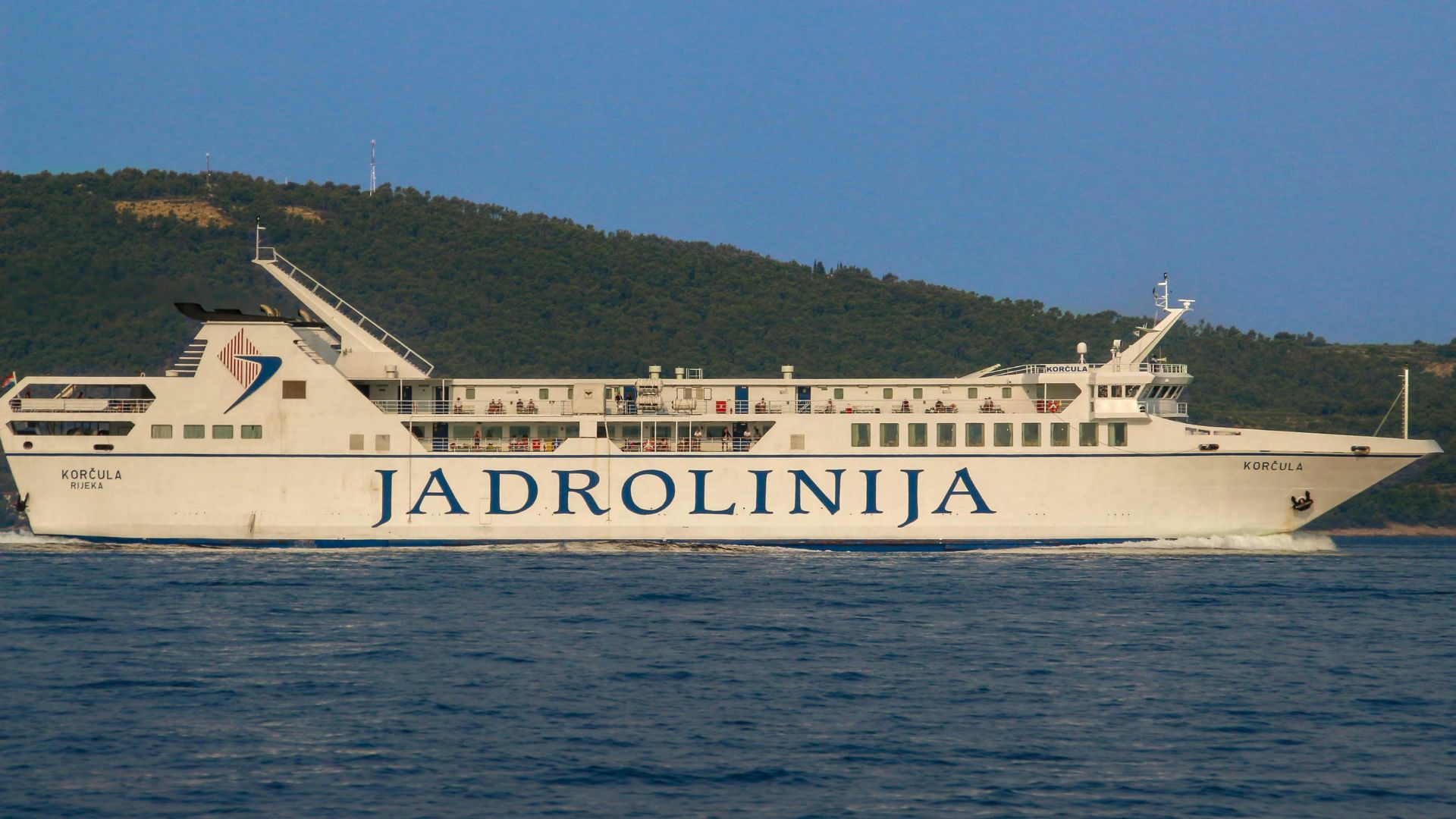
Ferries run year-round to the most popular islands. Jadrolinija runs the main ferry network, linking Hvar, Korčula, Brač, and plenty more. In summer, high-speed catamarans make the journey way faster.
Island hopping packages can take the stress out of planning. Some operators hand out 7-day passes for unlimited ferry rides—expect to pay around $150 per person.
Ferry Service Features:
- Bring your car aboard
- Grab a coffee at the onboard café
- Roll your bike right on
- Book ahead in summer if you can
Private boat charters? They’re a blast if you want to make your own schedule. Day trips usually start at $200 for a group, and you’ll get to drop anchor at hidden beaches and sleepy fishing villages.
Cruise ship excursions line up easily with local transport. Most ports run shuttles right into the city center or out to the big sights.
Distinctive Experiences Americans Love
Croatia packs in experiences that seem to stick with American travelers—think incredible Mediterranean food, storybook towns, and festivals that keep the party going year-round.
Rich Mediterranean Cuisine and Wine
Croatian cuisine brings together Mediterranean and Central European flavors in ways you might not expect. On the coast, I’ve ducked into tiny restaurants for black risotto made with fresh-caught cuttlefish ink—honestly, it’s unforgettable.
The olive oil here? It’s up there with Italy’s best, and local chefs love tossing in wild rosemary or lavender from the hills. Grilled fish shows up on nearly every menu, usually just kissed with sea salt and a drizzle of that golden olive oil.
Wine lovers, you’re in for a treat. Croatia’s vineyards turn out grapes you’ll almost never see back home. Plavac Mali grows into bold reds on the islands, while Malvasia makes a crisp white that’s perfect for sipping by the sea.
Head inland and you’ll find heartier fare like kulen sausage and long-simmered stews. Austrian and Hungarian influences show up in comfort foods that feel both familiar and just a bit exotic. I love wandering local markets for fresh truffles, small-batch cheeses, and the occasional (very strong) rakija brandy.
Each region has its own thing going. Istria leans into truffles and Italian-style dishes. Dalmatia is all about seafood and island wines. Venture inland and you’ll spot game meats and rich, meaty stews.
Historic Old Towns and Cultural Heritage
Croatia’s historic cities let Americans step into European history that stretches back over two millennia. Dubrovnik’s medieval walls wrap around a Renaissance city that honestly feels straight out of a fantasy novel.
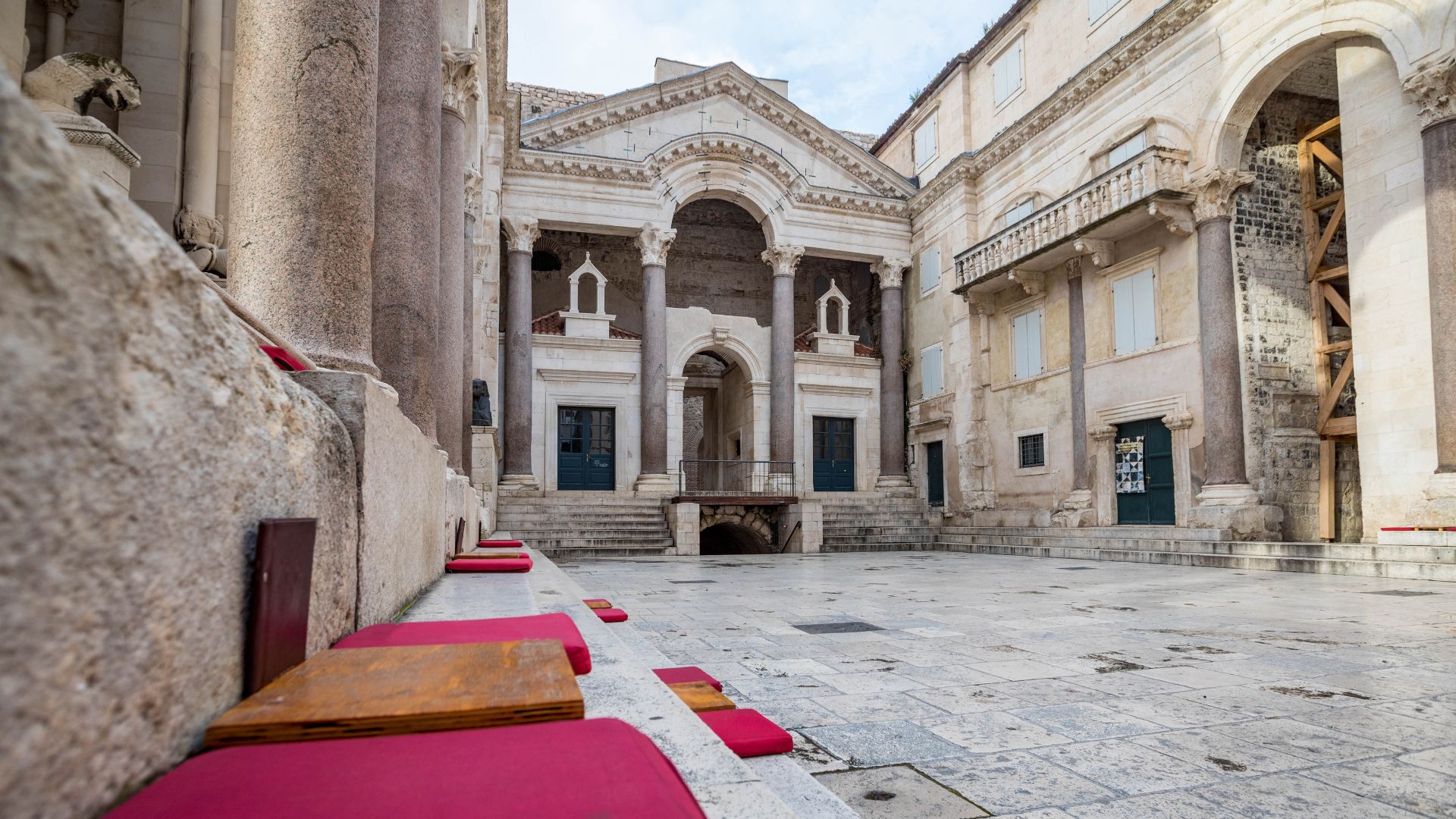
Split’s Diocletian’s Palace invites you to wander through what used to be a Roman emperor’s living quarters—built in 300 AD, if you can believe it. People still live and work inside these ancient walls. Sometimes I’ll grab a coffee in a courtyard and imagine Roman soldiers marching by.
Venetian touches pop up all over coastal towns like Rovinj and Korčula. You’ll see Gothic churches right next to Renaissance palaces. In Zagreb’s upper town, those pastel-colored buildings and winding medieval streets give off a totally different vibe—definitely more Austrian.
Every historic site tells a different story. Roman ruins scatter along the coast. Medieval fortresses perch on hilltops, daring you to climb up for the view. Baroque churches hide centuries-old religious art.
UNESCO has stepped in to protect several Croatian gems, including Plitvice Lakes and Dubrovnik’s Old Town. Thanks to that, you get to experience these places without too many modern distractions.
Year-Round Vibrant Local Events
Croatian festivals pop up all year, celebrating everything from film to food, music, and centuries-old traditions. When summer hits, you’ll stumble upon outdoor concerts in Roman amphitheaters or right in the heart of medieval squares.
Dubrovnik Summer Festival turns the whole old city into a magical stage—think opera, theater, and classical music echoing off ancient walls. Over in Split, jazz musicians set up in courtyards beneath Roman arches, and honestly, the vibe is unreal.
Come autumn, wine harvest festivals invite you to roll up your sleeves and join in grape picking. I once found myself dancing with locals at a traditional celebration, glass of wine in hand, and it felt like stepping into a storybook.
Each island and region brings its own twist to harvest season. Some of these customs go back hundreds of years, and you can feel that history in the air.
Winter rolls around, and Zagreb’s Christmas markets light up the city. Coastal towns join in too, with handmade crafts, local treats, and steaming mugs of mulled wine filling historic squares.
Religious festivals mix Catholic rituals with local flair. On islands like Korčula, Easter processions feel like stepping back in time, complete with medieval costumes and pageantry.
Locals genuinely welcome visitors to witness these traditions. It’s hard not to get swept up in the authenticity.
Music festivals here are something else. Beaches pulse with electronic beats, while historic venues host classical concerts that seem to belong nowhere else.
Some events happen in places you really couldn’t find anywhere else—Croatia’s got that special magic when it comes to festivals.
