
Croatia hugs the Adriatic Sea in a way that feels almost unfair to the rest of the Mediterranean. Sure, Greece has its famous islands and Italy has its legendary history, but Croatia? It gives you those classic vibes without the crowds that can make other places feel a bit too much. Here, stunning coastlines and centuries of European culture blend together, creating a place that’s both easygoing and subtly refined.
If you’re chasing that Mediterranean lifestyle but still want a slice of European elegance, Croatia just nails it. Picture medieval cities that could give Rome a run for its money and islands that rival anything in the Greek archipelago. The Adriatic’s blue waters invite you to escape, while the inland regions open up a whole world of culture you might not expect.
What really sets Croatia apart is how effortlessly it brings all these elements together. One minute you’re wandering ancient streets, the next you’re stretched out on a quiet beach, and by evening you’re sampling dishes that balance seaside tradition with European flair. It’s the kind of place that lets you chase adventure and soak up culture—without ever feeling rushed.
Mediterranean Coastal Beauty and Island Escapes
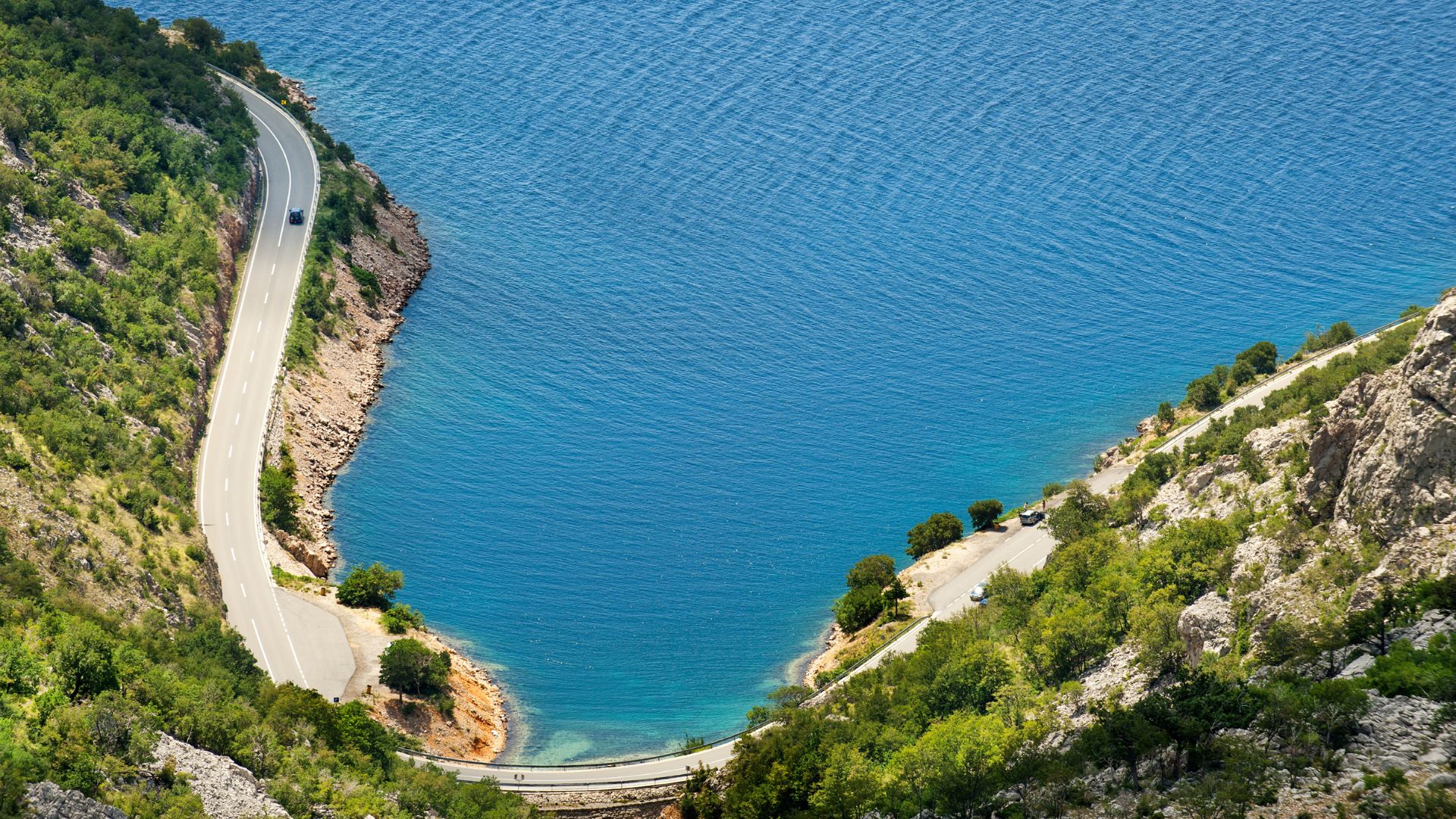
Croatia’s Adriatic coast stuns with turquoise water, rugged cliffs, and beaches that honestly rival anywhere in the Mediterranean. The Dalmatian islands? Each one brings something different. Hvar’s all about lavender and nightlife, while Vis feels untouched and quietly authentic.
Dalmatian Coast Highlights
The Dalmatian coast stretches for miles, with more than a thousand islands dotting the sea. Split, for me, makes the perfect jumping-off point for exploring.
Limestone cliffs tumble into the water, while white pebble beaches and hidden coves offer swim spots where you can see straight to the bottom.
Coastal gems I always recommend:
- Makarska Riviera: 60km of beaches with the Biokovo Mountains as a dramatic backdrop.
- Korčula: A medieval walled town perched on its own island.
- Dubrovnik area: Hop the ferry to the Elafiti Islands for a quieter escape.
By summer, the sea warms up to a balmy 75°F. Early evenings bring that golden light to the stone buildings along the coast—honestly, it’s hard not to fall for it.
Hvar Island Getaway
Hvar Island strikes this rare balance: it’s luxurious but still feels real. I always find it Croatia’s most polished island, yet it keeps its wild beauty.
Each June, the lavender fields burst into color—Instagram heaven, if you’re into that. Hvar Town offers chic restaurants and boutique hotels, but the old streets keep their charm.
Hvar highlights I never skip:
- Stari Grad Plain: This ancient Greek landscape is UNESCO-protected.
- Pakleni Islands: Just a 15-minute boat ride to hidden beaches.
- Fortica Fortress: Grab sunset views over the Adriatic—worth the climb.
While Hvar’s nightlife draws a global crowd, you’ll still see locals fishing at dawn. The island’s been making wine for over 2,400 years, and you can taste it at cozy waterfront konobas.
Brač and Vis: Distinctive Island Experiences
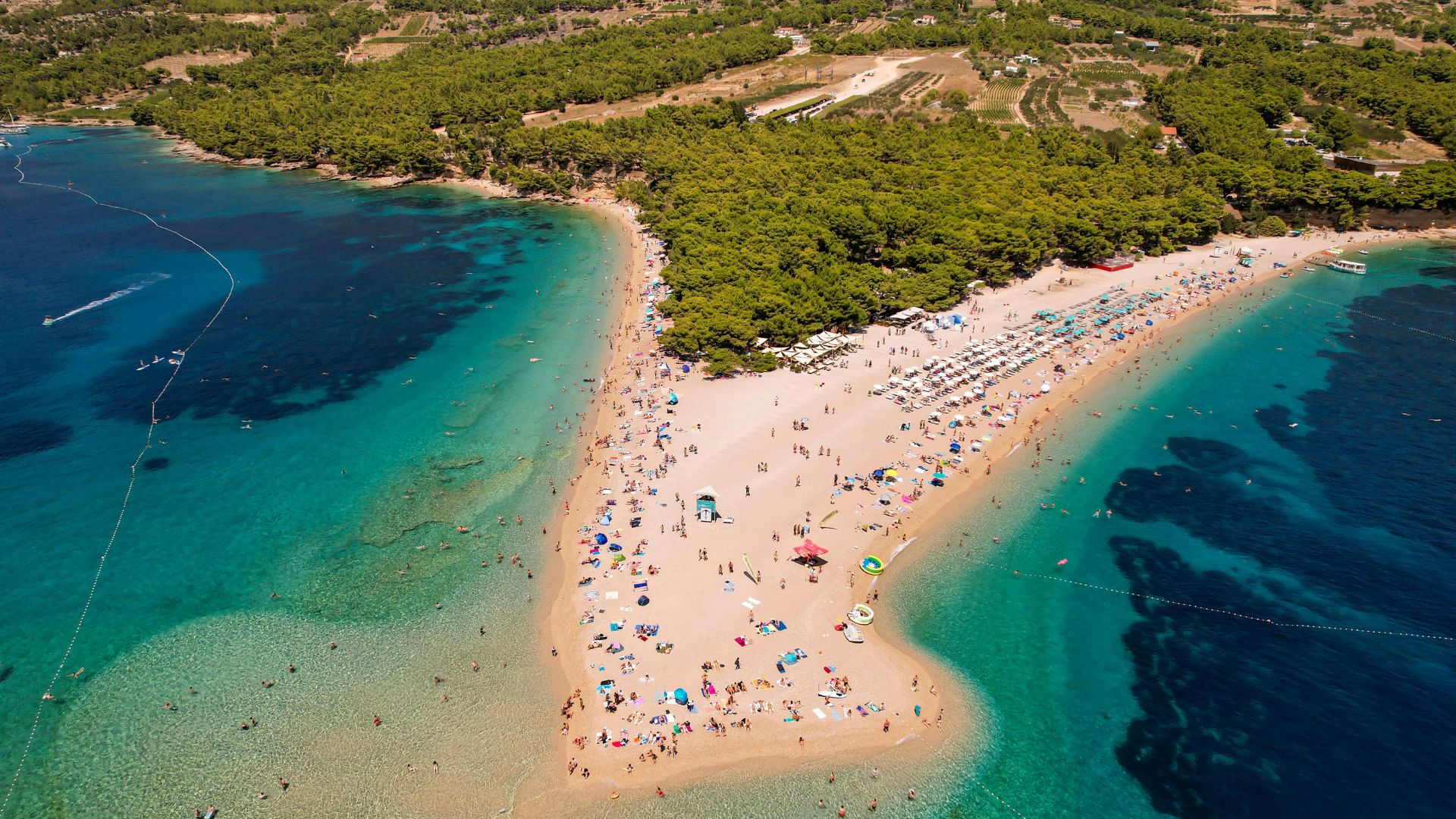
Brač Island’s claim to fame? Its white limestone built Diocletian’s Palace in Split. Zlatni Rat beach is wild—it actually shifts shape with the wind and tide.
Bol is the spot for windsurfing, if you’re feeling active. The island’s stone has even made its way to the White House in the U.S.—who would’ve guessed?
Vis, on the other hand, stayed off-limits to foreigners until 1989, so it’s got this untouched vibe. The island’s wine is fantastic, and fishing traditions still run deep.
Quick island rundown:
| Feature | Brač | Vis |
|---|---|---|
| Famous for | Zlatni Rat beach, stone quarries | Blue Cave, wine production |
| Best activity | Windsurfing, beach time | Boat tours, food adventures |
| Vibe | Active, beachy | Laid-back, authentic |
You can catch a ferry from Split to either island—easy for a day trip or a longer stay.
Historic Cities and Architectural Marvels
Croatia’s cities pack a serious architectural punch. You’ll find Roman amphitheaters and medieval fortresses that still shape daily life. These UNESCO sites tell stories of ancient empires and proud republics—and you can wander through it all.
Dubrovnik: The Pearl of the Adriatic
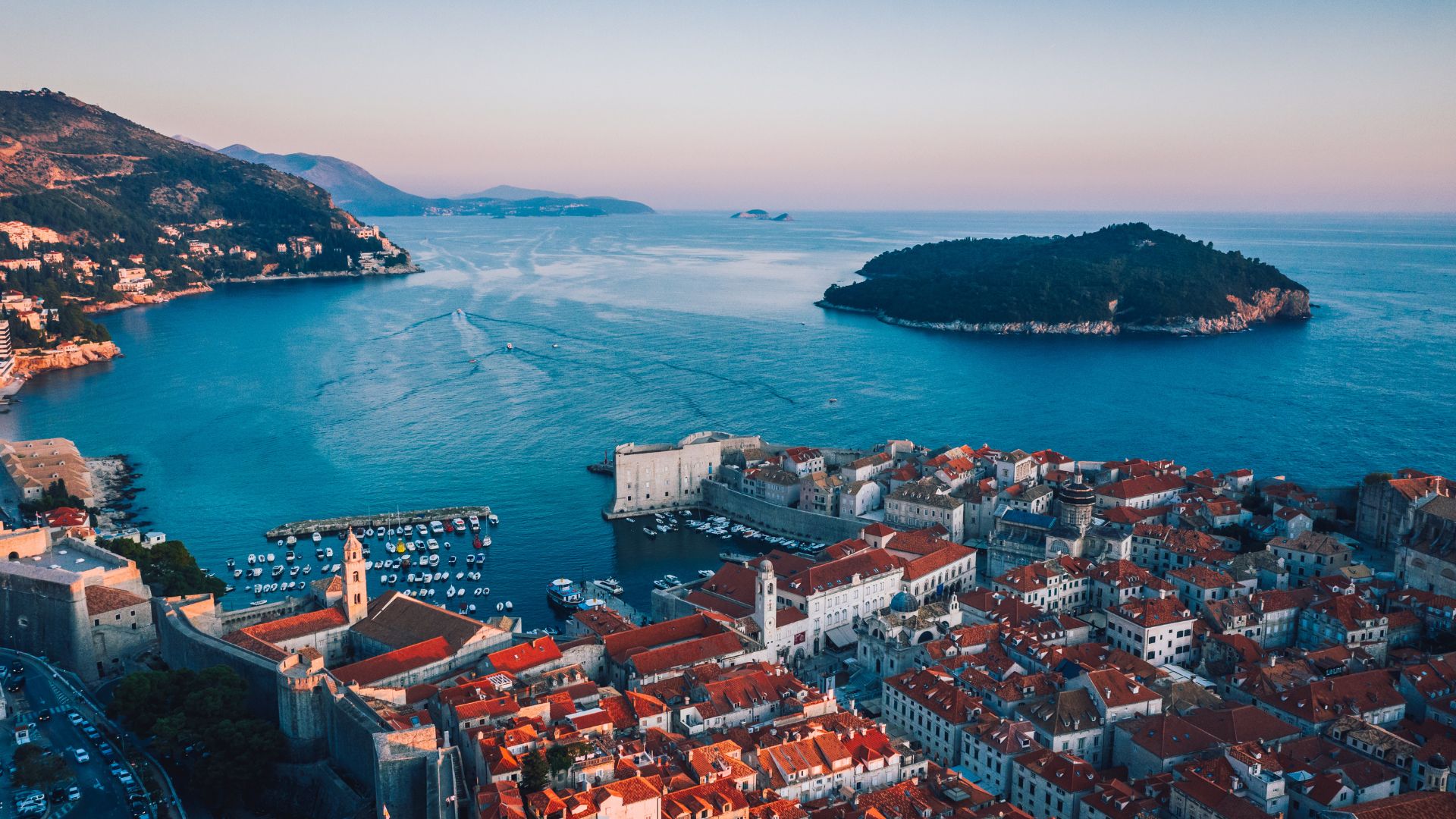
Dubrovnik might just be Europe’s best-preserved medieval city. Its walls wrap around the Old Town for almost two kilometers and soar up to 25 meters high.
These fortifications once protected the Republic of Ragusa from invaders. Walking the walls gives you sweeping sea views and a look at those iconic red rooftops.
Don’t miss in Dubrovnik:
- Rector’s Palace—Gothic meets Renaissance.
- Sponza Palace—once the customs house.
- Dubrovnik Cathedral—pure Baroque.
- Franciscan Monastery—check out the stonework.
Dubrovnik landed on the UNESCO list in 1979. After the 1990s conflict, locals poured energy into restoring the city, and it shows.
What’s cool is how Dubrovnik mixes old-world charm with modern travel comforts. It’s busy, sure, but you still feel the city’s soul.
Split and Diocletian’s Palace
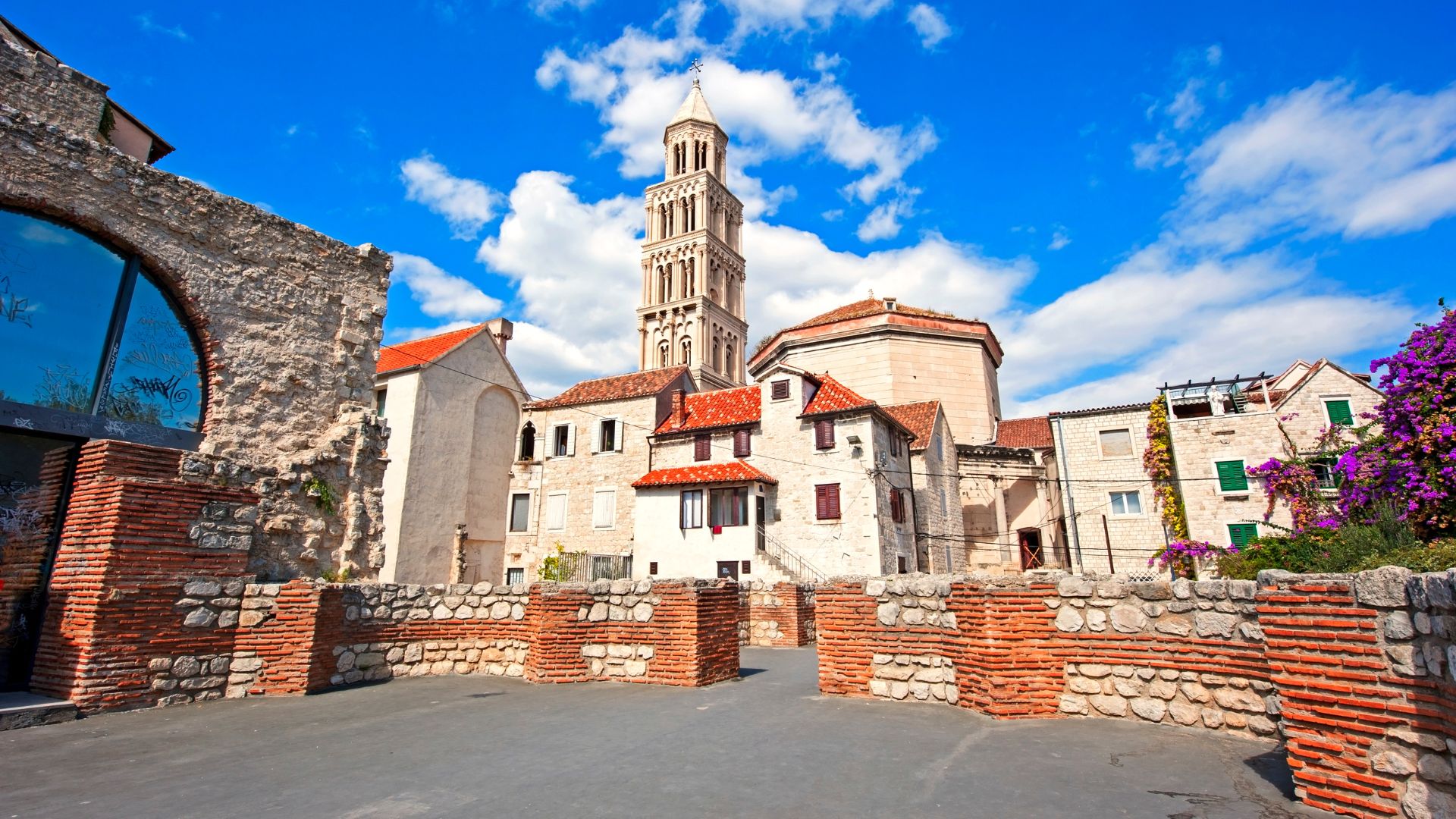
Split feels like nowhere else. Ancient Roman walls frame a city that buzzes with life. Diocletian’s Palace, built for the emperor’s retirement in the 4th century, anchors the old town.
People actually live inside the palace complex today. It’s wild—shops, homes, and restaurants tucked between Roman columns and courtyards.
Palace must-sees:
- Roman cellars and mysterious underground chambers.
- The Peristyle, where locals and visitors hang out on the steps.
- Cathedral of Saint Domnius—once a mausoleum.
- The Golden Gate and three other original entrances.
UNESCO calls this one of the world’s best-preserved Roman sites. It’s a living, breathing piece of history.
Pula and Its Roman Heritage
Pula stands out for its Roman ruins, especially the Pula Arena. This amphitheater from the 1st century is massive and incredibly well-preserved.
The arena once hosted gladiator battles for 23,000 people. These days, you might catch a concert or film festival there.
Other Roman gems in Pula:
- Temple of Augustus, with its Corinthian columns.
- Ruins of a Roman theater on the hillside.
- Triumphal Arch of the Sergii.
- Remnants of ancient city gates and walls.
Roman history weaves right through Pula’s city center. The way locals use these ancient spaces for modern events makes the city feel alive and rooted at the same time.
Cultural Sophistication and Local Traditions
Croatia’s culture is as layered as its coastline. With ten UNESCO World Heritage Sites and a festival calendar that never seems to end, you get a blend of ancient roots and modern creativity. From Zadar’s Sea Organ to Zagreb’s artsy buzz, there’s always something happening.
UNESCO Treasures and Heritage Sites
Croatia’s UNESCO sites really are something. Dubrovnik’s medieval walls and Split’s palace show off Roman and medieval brilliance.
Top UNESCO picks:
- Plitvice Lakes National Park
- Split’s Historic Complex with Diocletian’s Palace
- Dubrovnik Old City
- Šibenik’s Cathedral of St. James
- Trogir Historic City
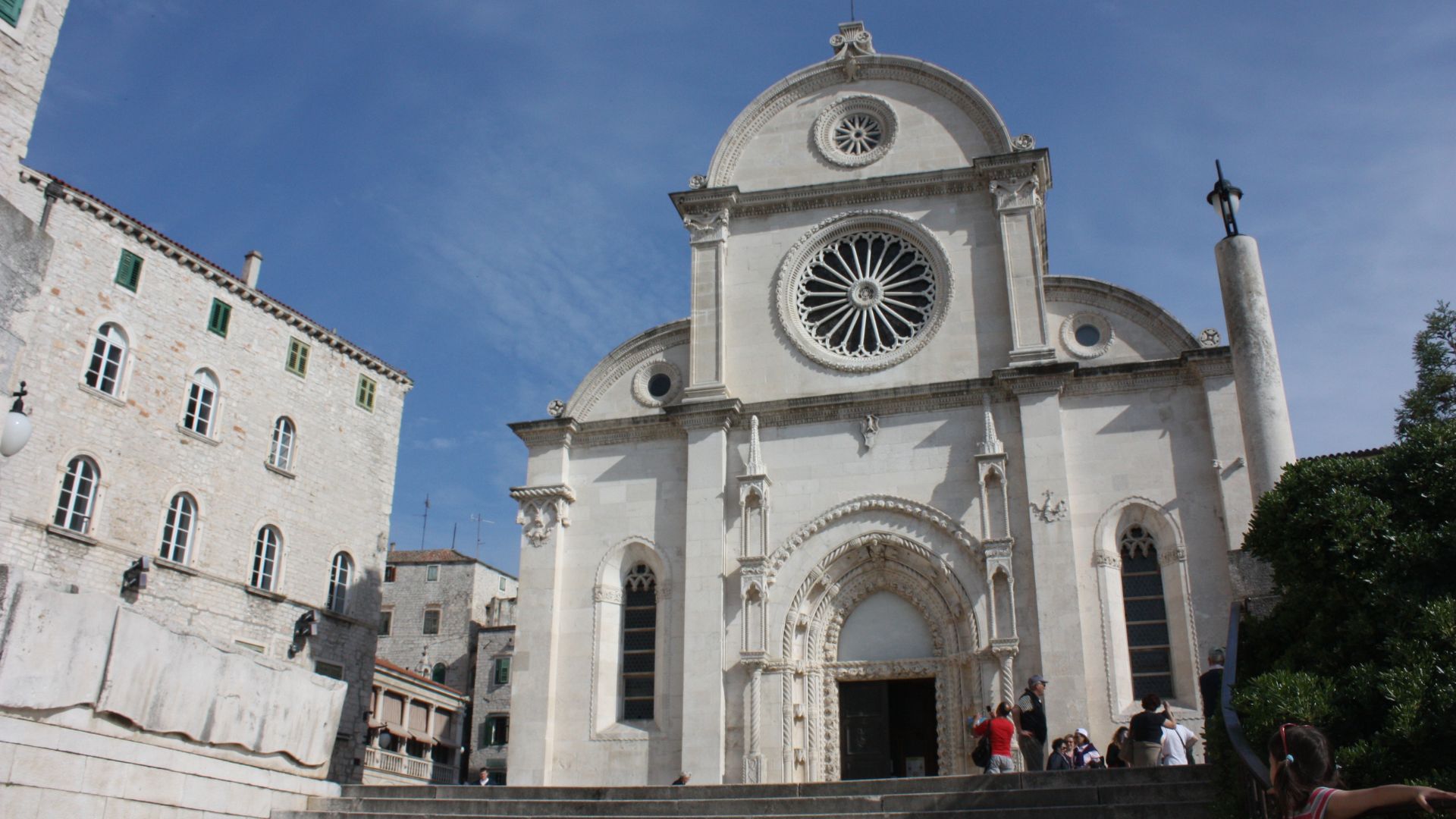
Šibenik’s Cathedral is a marvel—built from stone alone, no mortar or wood. Zadar’s Sea Organ uses waves to make music, which is honestly pretty magical.
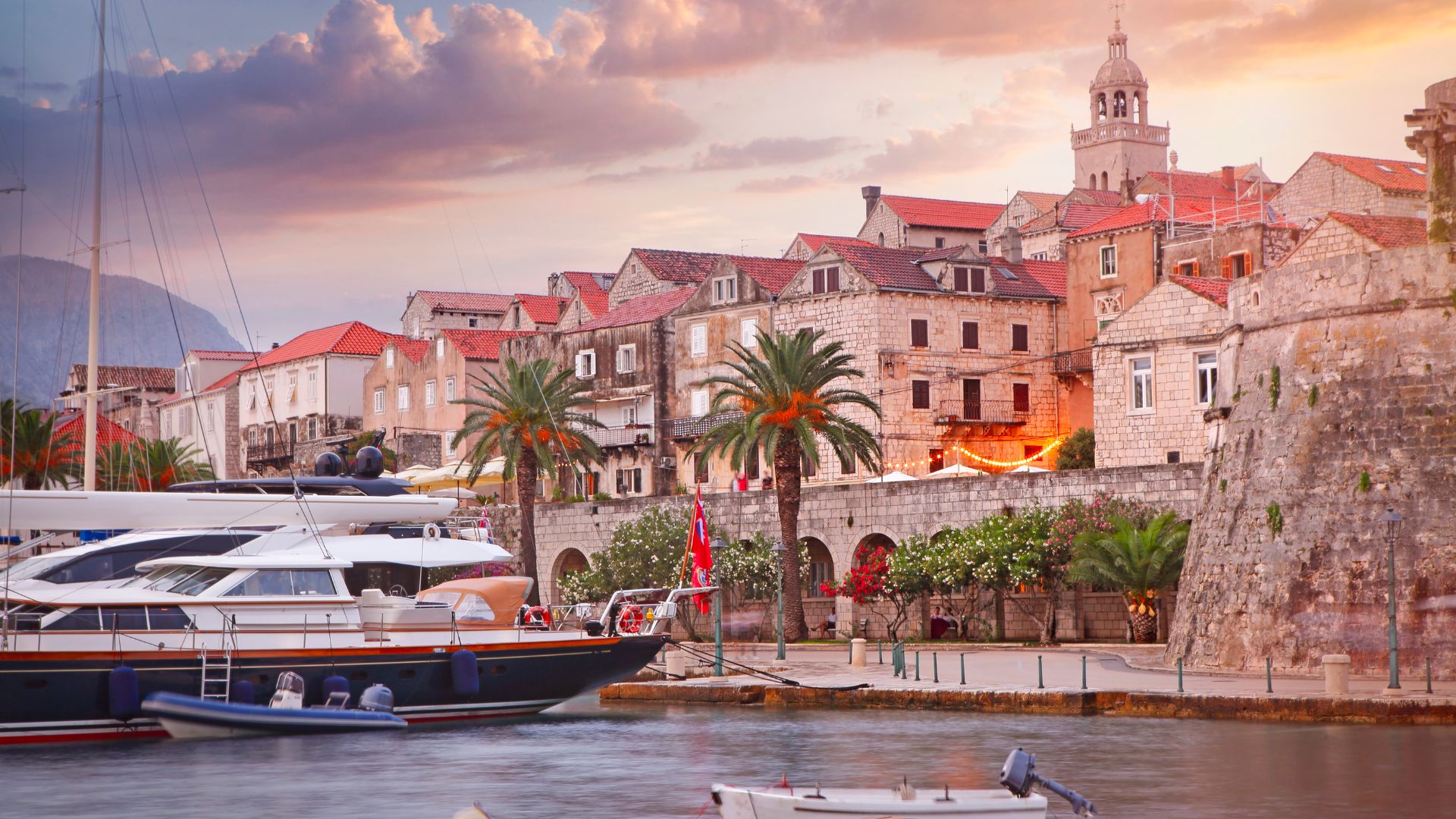
Korčula’s old town, shaped like a fishbone, was designed to shield residents from strong winds. Locals even claim Marco Polo was born here.
Celebrated Arts, Festivals, and Music
Croatia’s festivals bring together international flair and deep tradition. Zagreb hosts the World Theatre Festival and Animafest, pulling in creative minds from everywhere.
Summer turns historic spaces into stages. Dubrovnik’s Summer Festival fills the old walls with opera and drama. Split’s festival brings concerts to palace courtyards.
Events to catch:
- Pula Film Festival—the oldest in Croatia.
- INmusic Festival—big international acts in Zagreb.
- Motovun Film Festival—all about indie cinema.
Varaždin is a baroque music hotspot, especially during its Baroque Evenings. Folk festivals, like Sinjska Alka, keep medieval horseback competitions alive—pretty unique, if you ask me.
Gastronomy and Culinary Experiences
Croatian food is a love letter to the Mediterranean—fresh, simple, and full of flavor. Along the coast, seafood dominates, and you’ll find wines and olive oils that rival anything in Europe. Each region brings its own twist, making every meal a bit of an adventure.
Seafood and Dalmatian Cuisine
Dalmatian food is all about letting ingredients shine. The seafood here is so fresh, it barely needs anything more than a splash of olive oil and a few herbs.
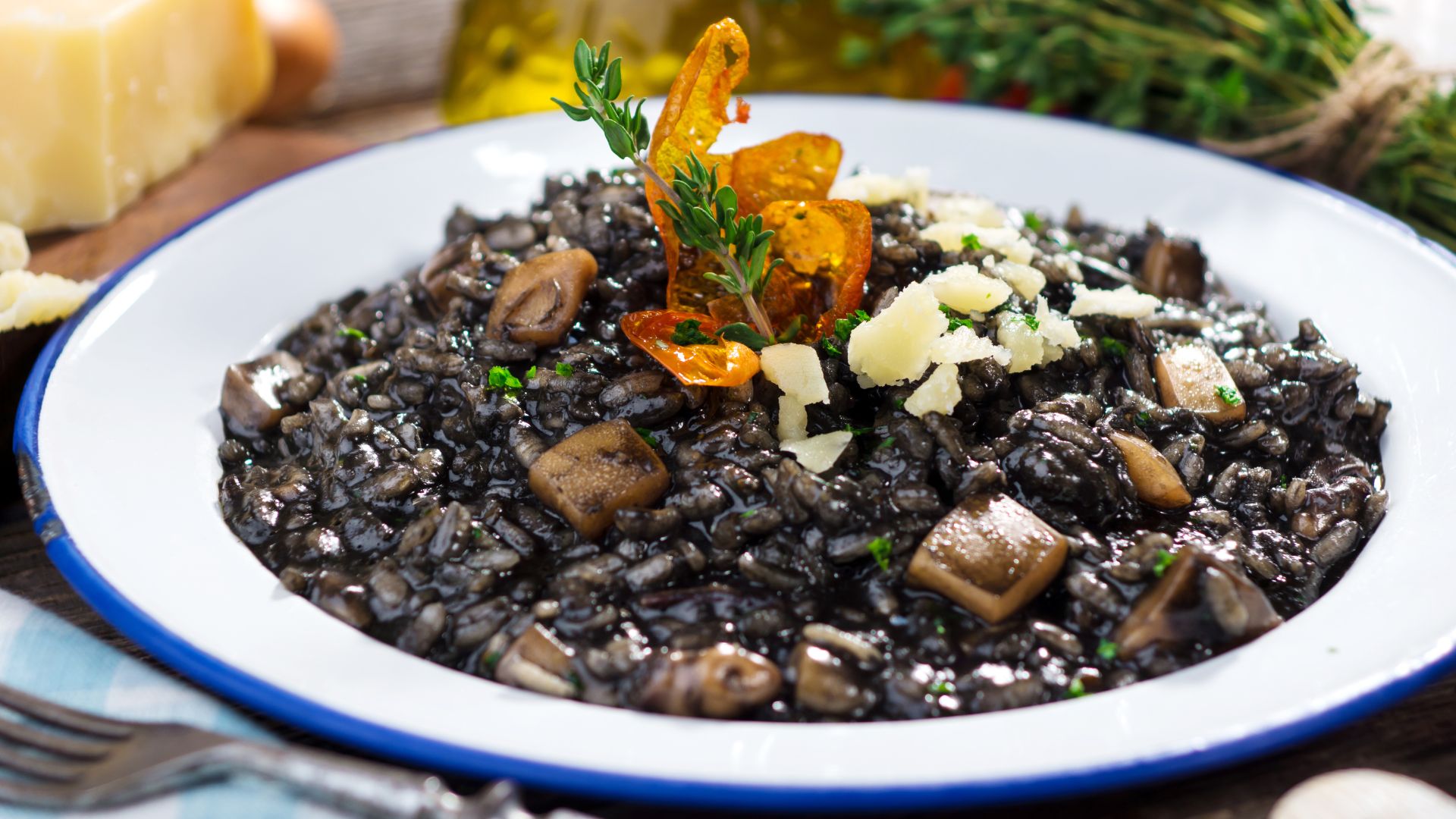
Black risotto—if you haven’t tried it, you should. Made with cuttlefish ink and fresh squid, it’s dramatic and tastes like the sea itself.
Grilled fish is everywhere. Sea bass, bream, John Dory—usually cooked over an open flame with just garlic, oil, and maybe a squeeze of lemon.
Brodetto, a fisherman’s stew, mixes whatever the catch of the day is with tomatoes and wine. Each village has its own secret recipe.
You’ll spot the Italian influence in pasta and risotto dishes, but there’s always a Croatian twist.
Olive Oil and Croatian Wine Varietals
Croatian olive oil is a hidden gem. Istria, in particular, wins awards for its peppery, grassy oils that pair perfectly with seafood.
Plavac Mali is the star red grape here—deep, bold, and grown on rocky coastal slopes. Pošip is the white to look for, especially from Korčula. It’s crisp and citrusy, made for warm evenings by the water.
Wine regions cover three main areas:
- Continental Croatia: International grape varieties.
- Istria: Reds and whites, Italian-inspired.
- Dalmatia: Indigenous coastal grapes.
Local wineries love to share their craft—tastings often come with homemade snacks and stories.
Island Markets and Culinary Tours
Island markets are a sensory overload in the best way. Early mornings, fishermen haul in their catch, and stalls brim with just-picked produce.
In Korčula, you’ll find pošip wines, fresh seafood, and cheeses. Hvar’s market smells of lavender, and you can pick up honey, figs, and local sheep’s cheese.
Culinary tours are a fun way to dive deeper. You might taste olive oil at a family farm, sip wine in a cool cellar, or learn to cook regional classics with a local chef.
Popular tours often focus on a single region. Istria is truffle heaven, while Dalmatia is all about seafood and local wines.
Sometimes, you’ll get invited into a traditional stone house or even dine by the sea. These private meals—paired with local wine and olive oil—are the kind of experiences you’ll remember long after you leave.
Nature’s Wonders and Outdoor Adventures
Croatia’s national parks? They’re a wild mix of waterfalls, turquoise lakes, and untouched islands. I’ve hiked, swum, and wandered these places—every visit brings a new adventure.
You’ll find rugged mountain trails and epic underwater worlds all along the Adriatic. Sometimes, I can’t decide if I want to lace up my boots or grab a snorkel.
Plitvice Lakes National Park
Plitvice Lakes is, hands down, the superstar of Croatia’s natural wonders. Picture 16 terraced lakes, each one tumbling into the next with waterfalls that shimmer in the sunlight.
If you want photos without a crowd in the background, get there early. Those wooden walkways? They twist right through the heart of the park, so you’re always close to the rushing water.
Key Features:
- 16 lakes, all joined together
- Over 90 waterfalls
- 8 marked hiking trails
- Electric boats and trains (makes getting around easier)
The park covers a massive 300 square kilometers of wild terrain. You can’t swim here—gotta protect that fragile ecosystem—but honestly, the views are worth it.
The boardwalks suit most fitness levels, so don’t stress if you’re not a hardcore hiker. I usually spend a full day exploring both the upper and lower lakes. Trust me, you won’t want to rush it.

Krka National Park Exploration
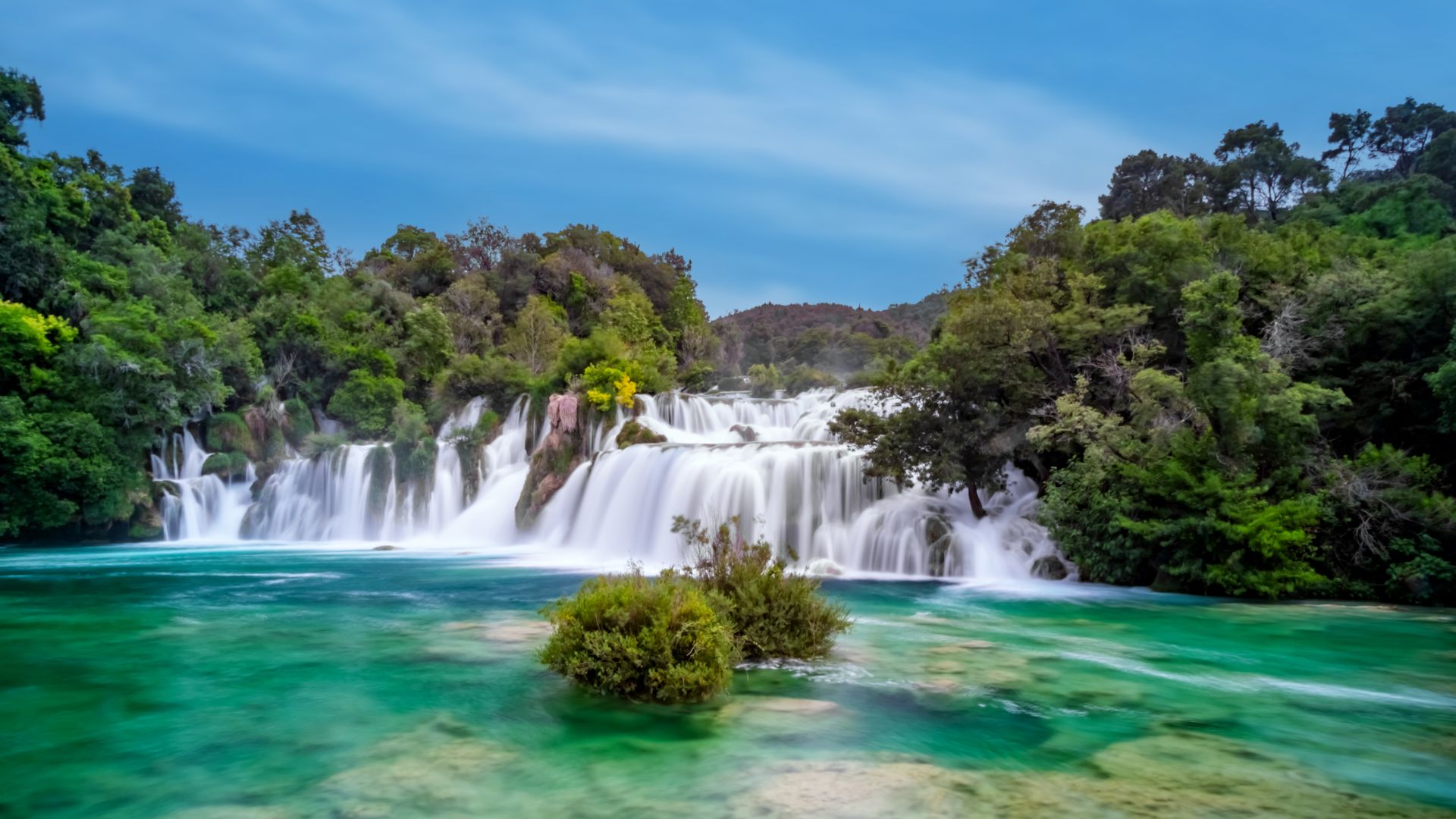
Krka National Park feels a bit more intimate than Plitvice, and it stretches over 110 square kilometers. Skradinski Buk steals the show—a string of 17 waterfalls plunging 45 meters.
Here’s the cool part: you can actually swim in some spots. On a hot summer day, those crystal-clear pools are pure bliss.
One of my favorite things? Taking the boat ride out to Visovac Island. There’s a 15th-century Franciscan monastery sitting right in the middle of the river, surrounded by greenery. It’s like something out of a storybook.
Popular Activities:
- Swimming at Skradinski Buk
- Boat rides to Visovac Island
- Strolling the nature trails
- Checking out Roški Slap waterfall
You’ll also spot old watermills along the river. Locals once relied on these to harness the river’s power, and now you can see how they worked. It’s a neat peek into Croatia’s rural past.
Kornati National Park and Islands
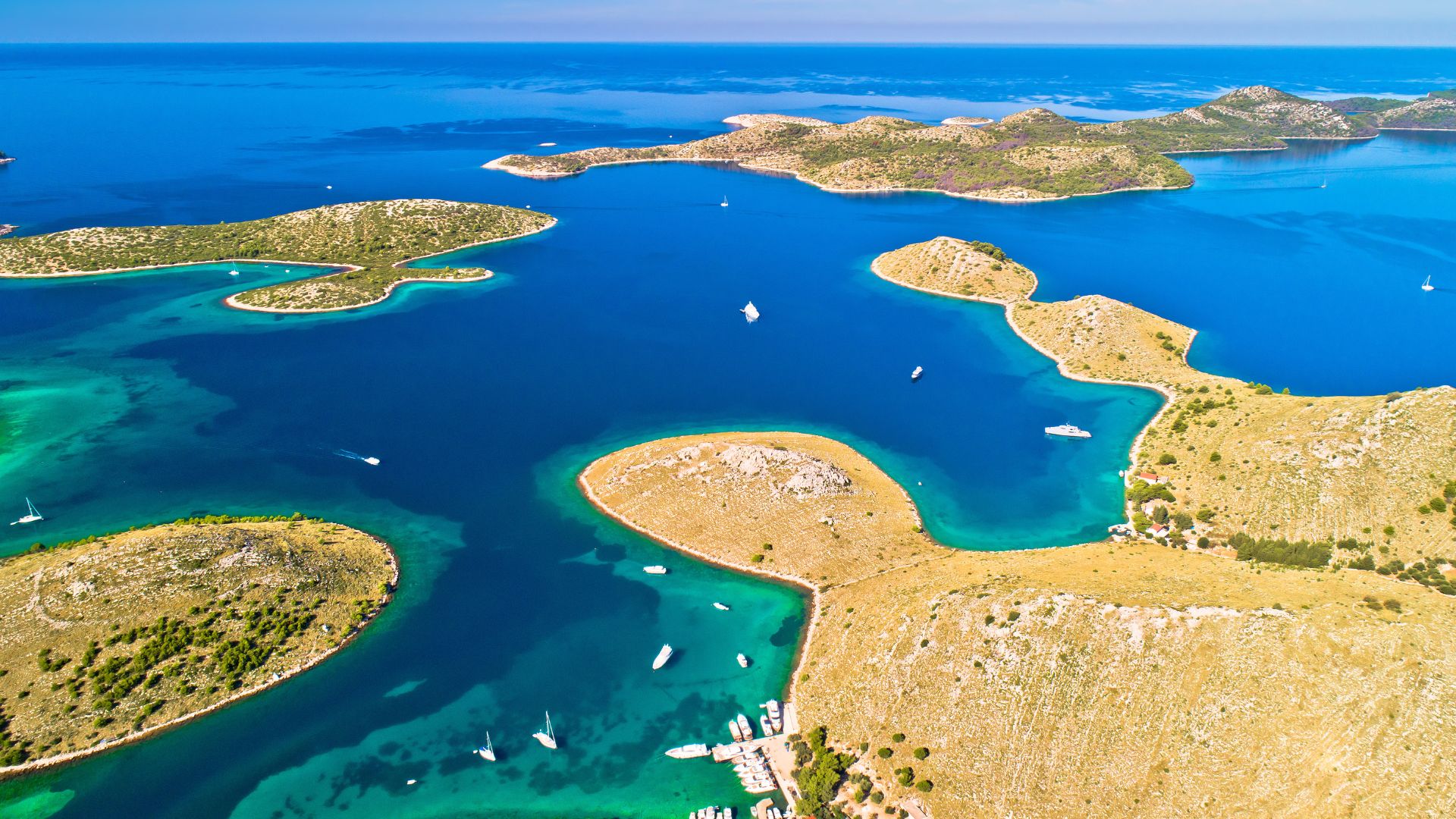
Now, the Kornati archipelago? It’s a scattered collection of 89 islands, islets, and reefs, spread out over 220 square kilometers. I always find the landscape otherworldly—think white limestone against electric blue sea.
Honestly, it almost looks lunar in places. The islands are wild, empty, and crisscrossed with old stone walls called “suhozidi.” Farmers built them centuries ago, and they’re still standing.
Best Ways to Experience Kornati:
- Day trips from Zadar or Šibenik
- Multi-day sailing journeys
- Organized boat tours
- Private yacht adventures
No one lives here year-round, so you get this incredible sense of untouched wilderness. If you’re into swimming or snorkeling, the water is insanely clear—sometimes you can see more than 50 meters down.
Every visit to these parks reminds me just how much Croatia has to offer. Whether you’re hiking, sailing, or just soaking up the views, you’ll find something unforgettable.
Snorkeling and Coastal Activities
Croatia’s Adriatic coastline? It’s a dream for underwater exploration. The water is so clear, you’ll spot fish darting around even before you put your mask on.
If you’re just starting out, snorkeling here feels easy and inviting. But if you’re a seasoned pro, you’ll still find enough marine life and surprises to keep you entertained.
Omiš really stands out. The Cetina River flows into the sea right there, and the mix of fresh and salt water creates these fascinating underwater worlds. I’ve spent hours just floating and watching the colors shift.
Top Snorkeling Locations:
- Blue Cave on Biševo Island
- Zlatni Rat Beach, Brač
- Mljet Island’s saltwater lakes
- Kornati Islands marine park
Honestly, I’d suggest packing your own snorkel and mask. Rentals can be hit or miss, and nothing ruins a good swim like a leaky mask.
In summer, the water usually warms up to around 22°C, which feels perfect. In winter, it drops to about 15°C—still doable if you’re brave, but definitely brisk.
The coastline is rocky, full of little coves and secret beaches. If you’re up for a short hike, you can usually find a quiet spot even when the main beaches get packed.
Swimming here feels like discovering your own private slice of the Adriatic. I always end up staying longer than I planned.
