Croatia’s Dalmatian Coast throws travelers a real curveball: Split or Dubrovnik? Both cities show off ancient history, sparkling blue water, and a ton of memorable moments. But honestly, the vibe in each place couldn’t be more different.
Split brings a raw, local energy with lively nightlife and easy island escapes. Dubrovnik, on the other hand, feels like stepping into a medieval fantasy, complete with city walls and a UNESCO glow. After bouncing between both, I can say your pick really depends on what kind of Croatian adventure you’re chasing.
Split’s got this pulse—Romans built its bones, and locals still fill its veins. Dubrovnik? It’s a fairy tale come to life, and Game of Thrones fans will instantly recognize the scenery. Let’s break down beaches, day trips, food, and budgets, so you can figure out which spot deserves your precious vacation days.
Split vs Dubrovnik: Key Differences at a Glance
Split sits in Central Dalmatia, Croatia’s second-biggest city with about 200,000 people. Dubrovnik hugs the southern tip, much smaller at 40,000. Split buzzes with daily life among Roman ruins. Dubrovnik, meanwhile, feels perfectly preserved, like a medieval snow globe behind ancient walls.
Location and Accessibility
Split anchors the Dalmatian coast as the main ferry hub for the Adriatic. Ferries depart for Croatian islands daily, making it the gateway to Central Dalmatia.
From Split, I can hop to Krka National Park in under two hours. Trogir and Šibenik are just a quick 30-minute ride. Even Zagreb, Croatia’s capital, isn’t far—three hours by car.
Split’s Central Location Perks:
- Main ferry port for island hopping
- Quick access to national parks
- Perfect base for Dalmatia adventures
- Major transport hub
Dubrovnik sits way down south, close to Montenegro. It’s a bit of a trek to get there from other Croatian cities, but that isolation gives it an intimate feel.
Most people fly straight into Dubrovnik Airport or take the scenic coastal drive. Day trip options are fewer, but the city feels tucked away and special.
Atmosphere and Ambience
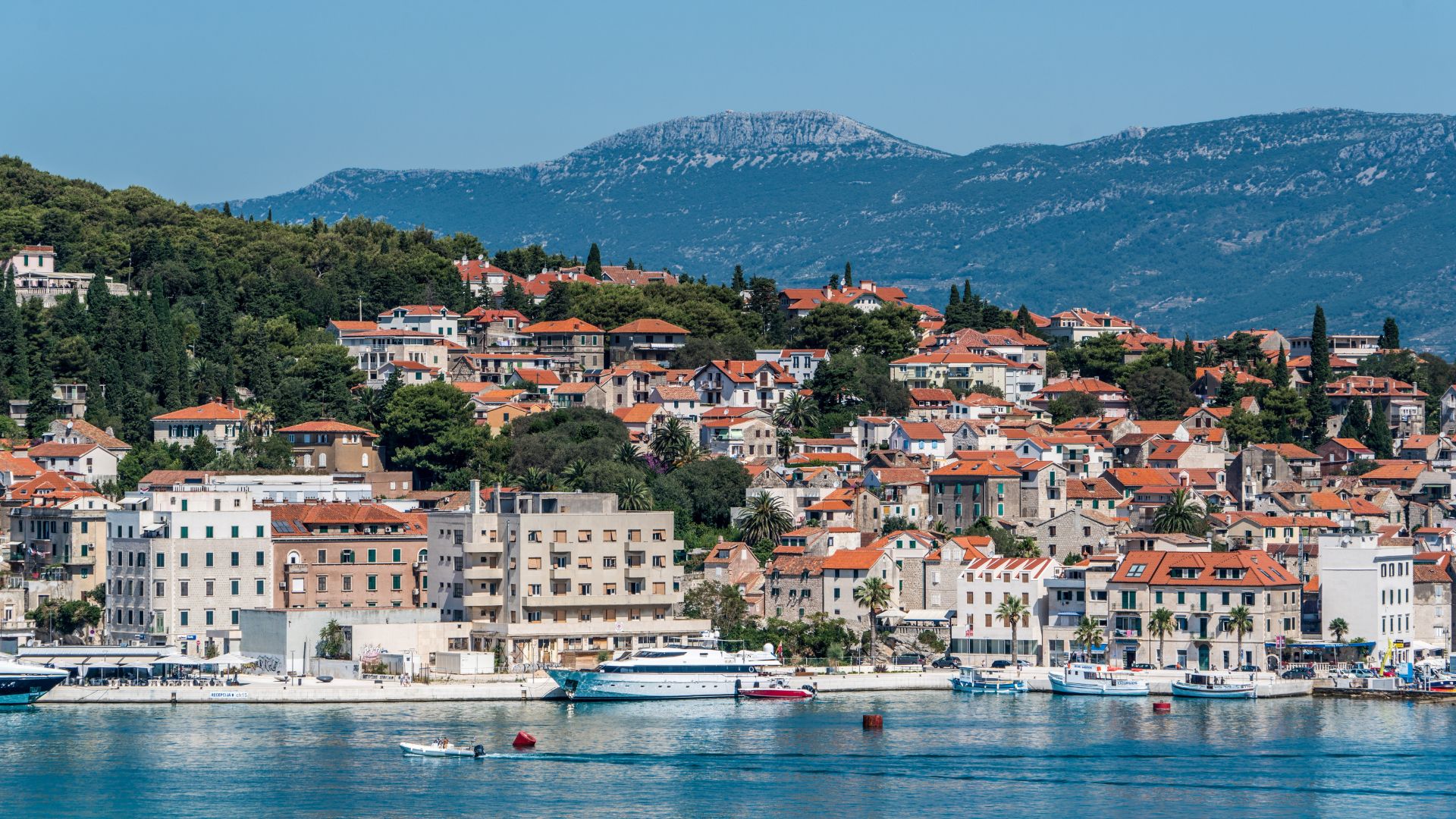
Split feels alive—locals live inside Diocletian’s Palace, and ancient history mixes with everyday life.
Students from the university pack the bars and cafes. The markets sell fresh veggies right next to tourist trinkets.
Nightlife? Split wins hands down. Clubs keep going until sunrise, and the city feels gritty but real.
Dubrovnik leans into its role as a tourist magnet. The old town almost feels like a movie set—every stone polished, every street ready for a photo.
The vibe? It’s more refined, almost romantic. Restaurants aim for the high-end crowd, and you’ll see plenty of luxury travelers hunting for that perfect Instagram shot.
Atmosphere Snapshot:
- Split: Real city, tons of local life, youthful energy
- Dubrovnik: Tourist-centered, dreamy setting, upscale touches
Historical Significance
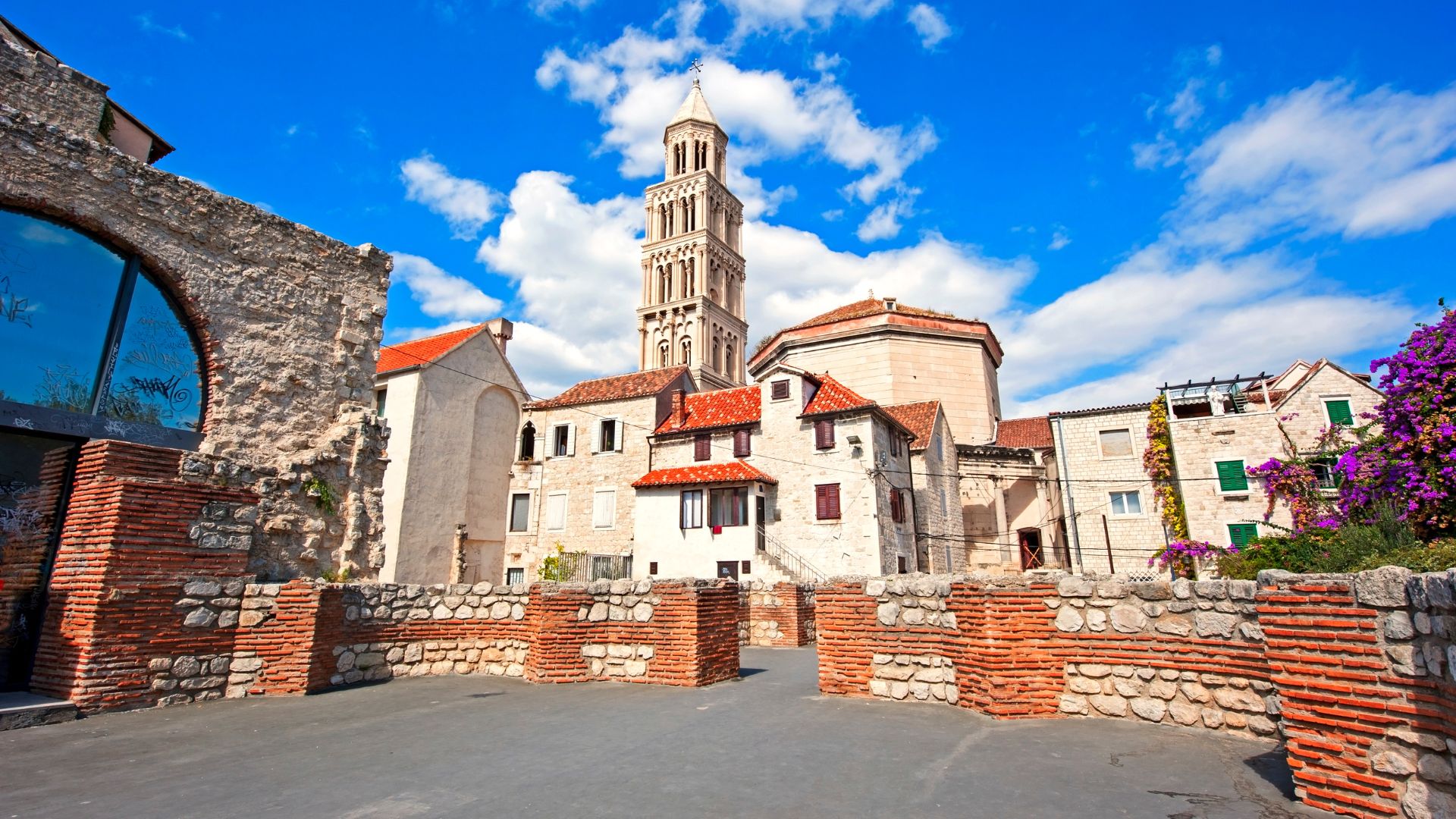
Split revolves around Diocletian’s Palace, built in 305 AD. This UNESCO site isn’t just ancient—it’s still a neighborhood, home to 3,000 people.
Roman cellars now house shops and restaurants. I love wandering those 1,700-year-old alleys that double as city streets.
The Cathedral of Saint Domnius claims the title of the world’s oldest Catholic cathedral still in use.
Dubrovnik’s UNESCO status comes from its complete medieval city walls. The “Pearl of the Adriatic” spent centuries as an independent republic.
Those city walls stretch nearly two kilometers, circling the old town. They protected Dubrovnik’s freedom and made it a Mediterranean powerhouse.
History Highlights:
- Split: Diocletian’s Palace (305 AD), living ruins
- Dubrovnik: Medieval walls, proud independent past
Split: Highlights and Unique Attractions
Split blends Roman history with sunny coastal living in a way that just works. You get ancient ruins where people actually live, plus beaches that beg you to swim or just laze around.
Diocletian’s Palace and Old Town
Diocletian’s Palace is Split’s beating heart, a 4th-century Roman masterpiece and a UNESCO World Heritage Site. But it’s not locked in the past—it’s alive.
Shops, restaurants, and homes fill the palace walls. I love grabbing coffee in a cafe built into 1,700-year-old stone.
Don’t miss:
- Peristil: The main square with dramatic columns
- Cathedral of Saint Domnius: Once Diocletian’s mausoleum
- Golden Gate: The grand entrance, watched over by Grgur of Nin’s statue
- Green Market: Locals flock here for fresh produce, just outside the palace
The stone alleys twist and turn, hiding courtyards and ancient cellars now reborn as wine bars.
Riva Promenade and Marjan Hill
The Riva Promenade lines Split’s harbor, a palm-shaded stretch packed with cafes and restaurants. It’s the spot for people-watching or catching sea breezes.
I love strolling here at sunset, when locals come out for their evening walk. The views of the palace and distant islands never get old.
Marjan Hill rises just west of downtown—a green escape covered in pine trees. You’ll find hiking and biking trails, and the climb to the top takes maybe 20 minutes.
From up there, you get sweeping views over Split and the Adriatic. Locals treat Marjan as their backyard, and several small beaches hide along its slopes.
Beaches: Bačvice, Kasjuni, Bene
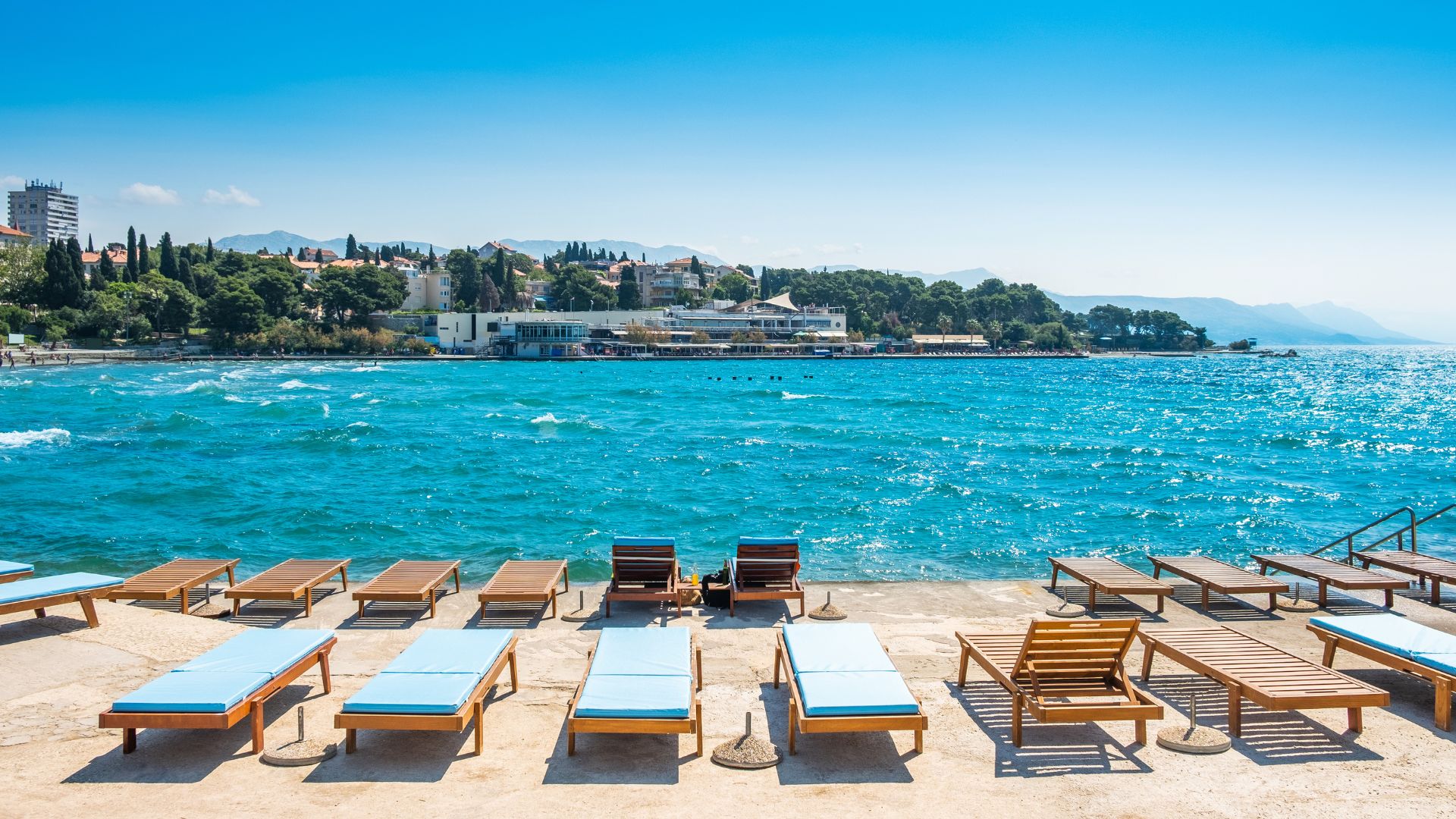
Bačvice Beach sits closest to the city center, barely five minutes from the Old Town. It’s sandy, always buzzing, and super convenient.
Locals play picigin, a wild ball game in the shallows. At night, the beach bars and clubs keep things lively.
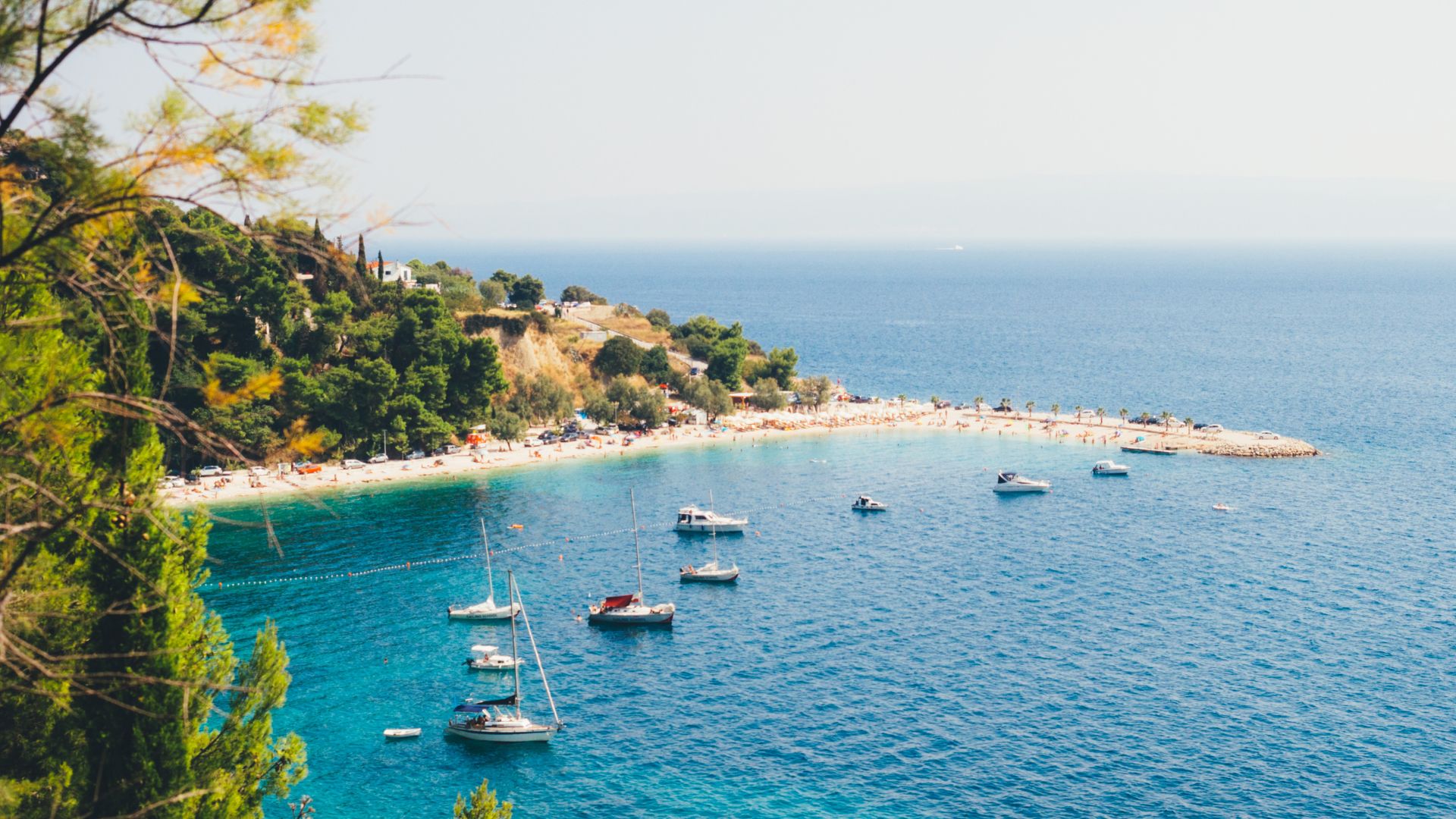
Kasjuni Beach hugs Marjan’s southern side—a pebble cove surrounded by pines, with water much clearer than Bačvice.
It takes a 15-minute walk to get there, but the peaceful vibe and better swimming make it worthwhile.
Bene Beach sits on Marjan’s eastern edge. It’s smaller, quieter, and shaded by trees. Locals love it, and the stone platforms are perfect for sunbathing after a city stroll.
Dubrovnik: Highlights and Unique Attractions
Dubrovnik pulls you in with its flawless medieval walls, marble streets, and Gothic architecture. It’s hard not to feel swept up in the magic, especially if you’re a Game of Thrones fan.
Dubrovnik Old Town and City Walls
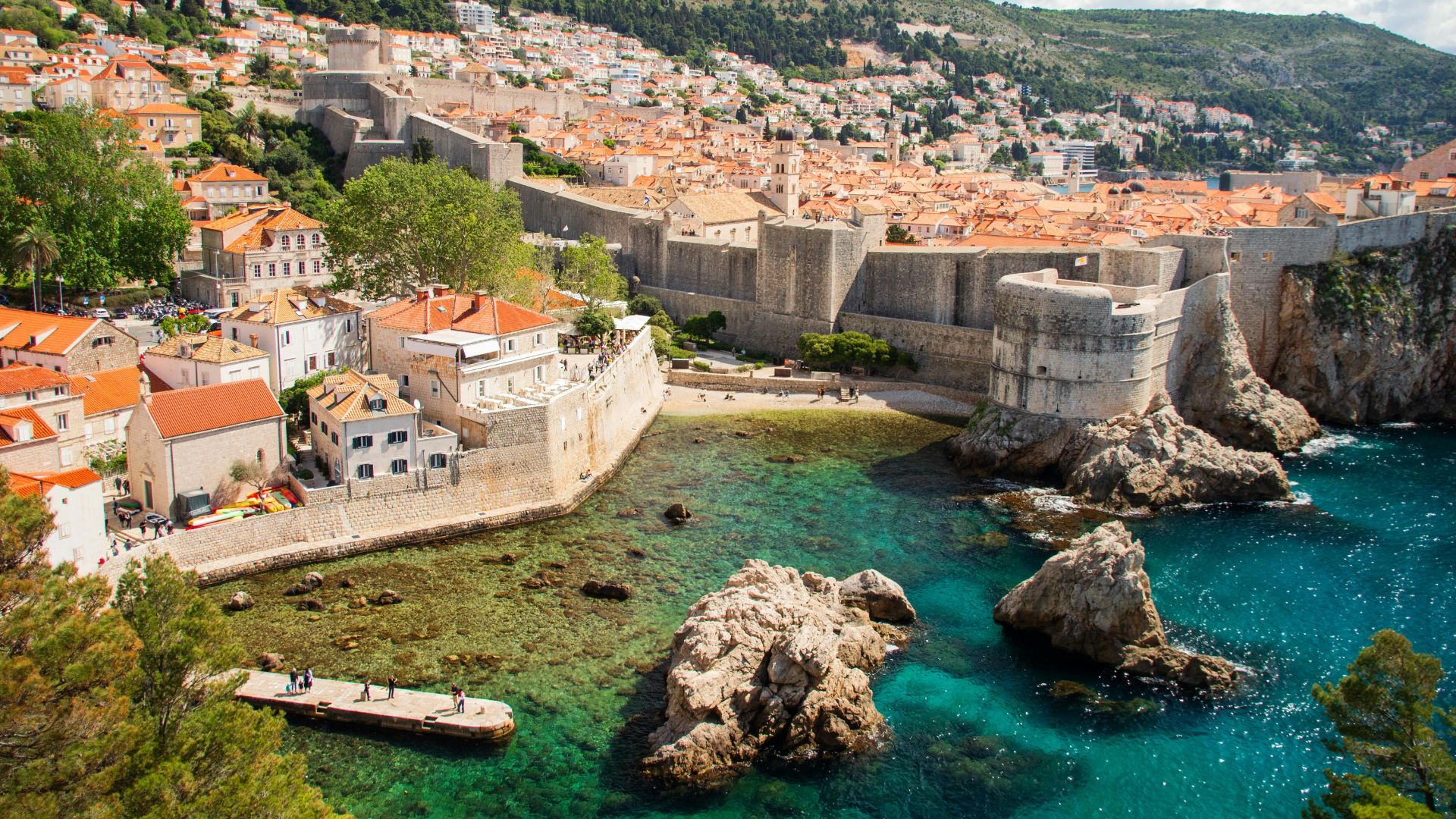
The city walls dominate Dubrovnik—25 meters tall and two kilometers long, wrapping the entire old town. Walking these walls is hands-down my favorite Dubrovnik activity.
Built in the 13th century, they form one of Europe’s best-preserved fortifications. From the top, you’ll spot orange rooftops, the Adriatic, and the dramatic Fort Lovrijenac.
Fort Lovrijenac perches on a 37-meter cliff, guarding the harbor. Locals call it the “Gibraltar of Dubrovnik” for good reason.
The full wall circuit takes about an hour or two. I recommend starting early—summer crowds and heat can get intense.
Stradun, Rector’s Palace, and Sponza Palace
Stradun is the city’s main drag, paved with shiny limestone and always bustling. Cafes, shops, and street performers make it lively day and night.
Rector’s Palace blends Gothic and Renaissance styles. It once housed Dubrovnik’s rulers, but now it’s a museum packed with artifacts.
Sponza Palace stands at Stradun’s end, a mix of Gothic and Renaissance architecture. The courtyard is gorgeous, and you’ll see plenty of people snapping photos.
The Franciscan Monastery hides Europe’s third-oldest pharmacy, still open after 700 years. Its quiet cloister is a peaceful break from the crowds.
Game of Thrones Filming Locations
Game of Thrones fans, you’ll recognize Dubrovnik as King’s Landing. The city barely needed a makeover to become the show’s fantasy capital.
Fort Lovrijenac played the Red Keep, offering those epic clifftop shots. Stradun and nearby streets turned into King’s Landing’s main avenues.
The “walk of shame” scene? Filmed right on these stones. The Jesuit Staircase by St. Ignatius Church became the steps to the Great Sept of Baelor.
Local guides run Game of Thrones tours that point out filming spots all over the old town.
Beaches, Nature, and Island Adventures
Split and Dubrovnik both deliver gorgeous coasts, but Split wins for variety and island access. Dubrovnik nails the dramatic cliff views and offers some fantastic national parks.
Top Beaches in Split and Dubrovnik
Split’s Beach Scene
Split’s beaches come in all flavors. Bačvice Beach is sandy and perfect for families, with locals always playing picigin.
Kašjuni Beach brings pebbles and crystal-clear water, tucked away on Marjan. It’s quieter, great for a swim, and feels a bit hidden.
Firule Beach sits close to the city, with a mix of sand and pebbles. You can walk there in no time.
Dubrovnik’s Coastal Options
Dubrovnik’s beaches mostly mean rocks or concrete platforms. Banje Beach gives you that classic view of the old town, but it gets packed.
Lapad Peninsula has a few more options—some public, some tied to hotels. Ploče offers a bit of beach access, but Split’s selection really outshines it.
Island Hopping and Blue Cave Tours
Split’s Island Paradise
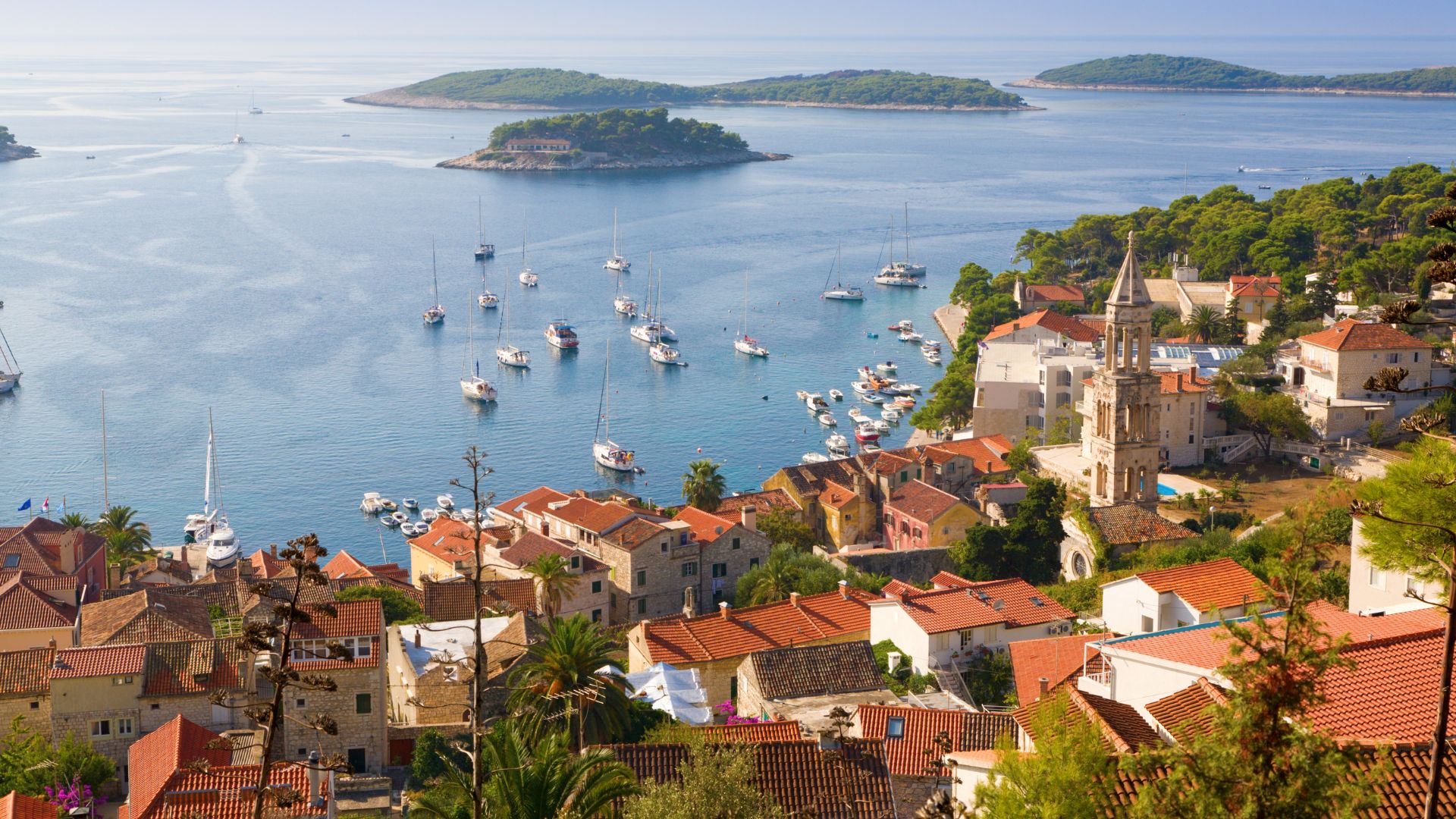
Split is island-hopping central. Ferries zip to Hvar Island (lavender fields, wild nightlife) and Brač (home to Zlatni Rat beach).
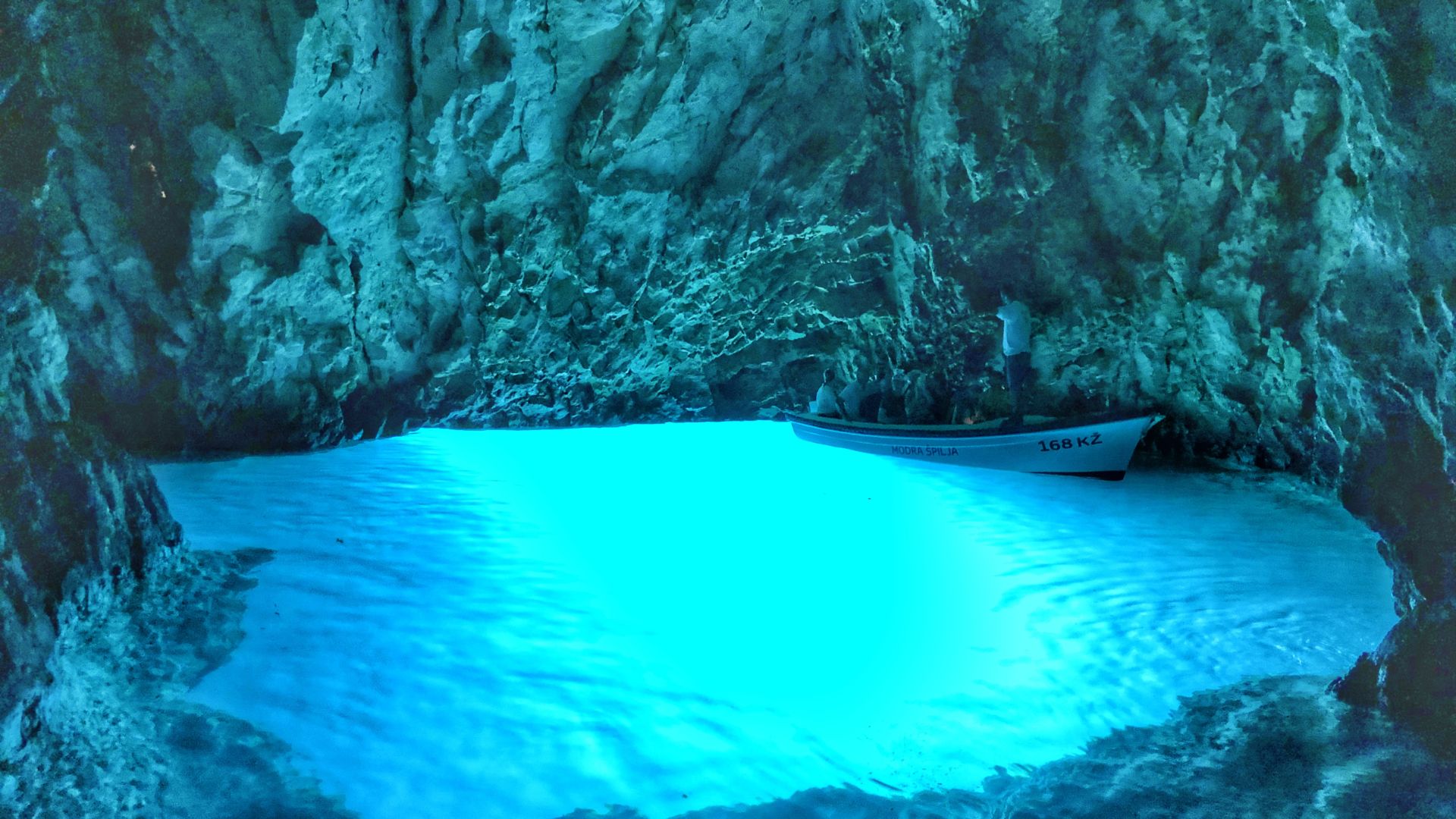
Blue Cave tours leave from Split and hit Vis Island’s glowing sea cave. The blue glow? Sunlight sneaking in underwater—pretty magical.
Šolta Island sits just 30 minutes away, a quieter spot for those who want to escape the crowds. Each island has its own vibe, from party central to total chill.
Dubrovnik’s Island Escapes
Lokrum Island floats just 15 minutes from Dubrovnik’s port. It’s a nature reserve with peacocks, gardens, and even some Game of Thrones sites.
The Elaphiti Islands (Koločep, Lopud, Šipan) offer sandy beaches and car-free villages. Day trips here feel peaceful and way less crowded than Split’s islands.
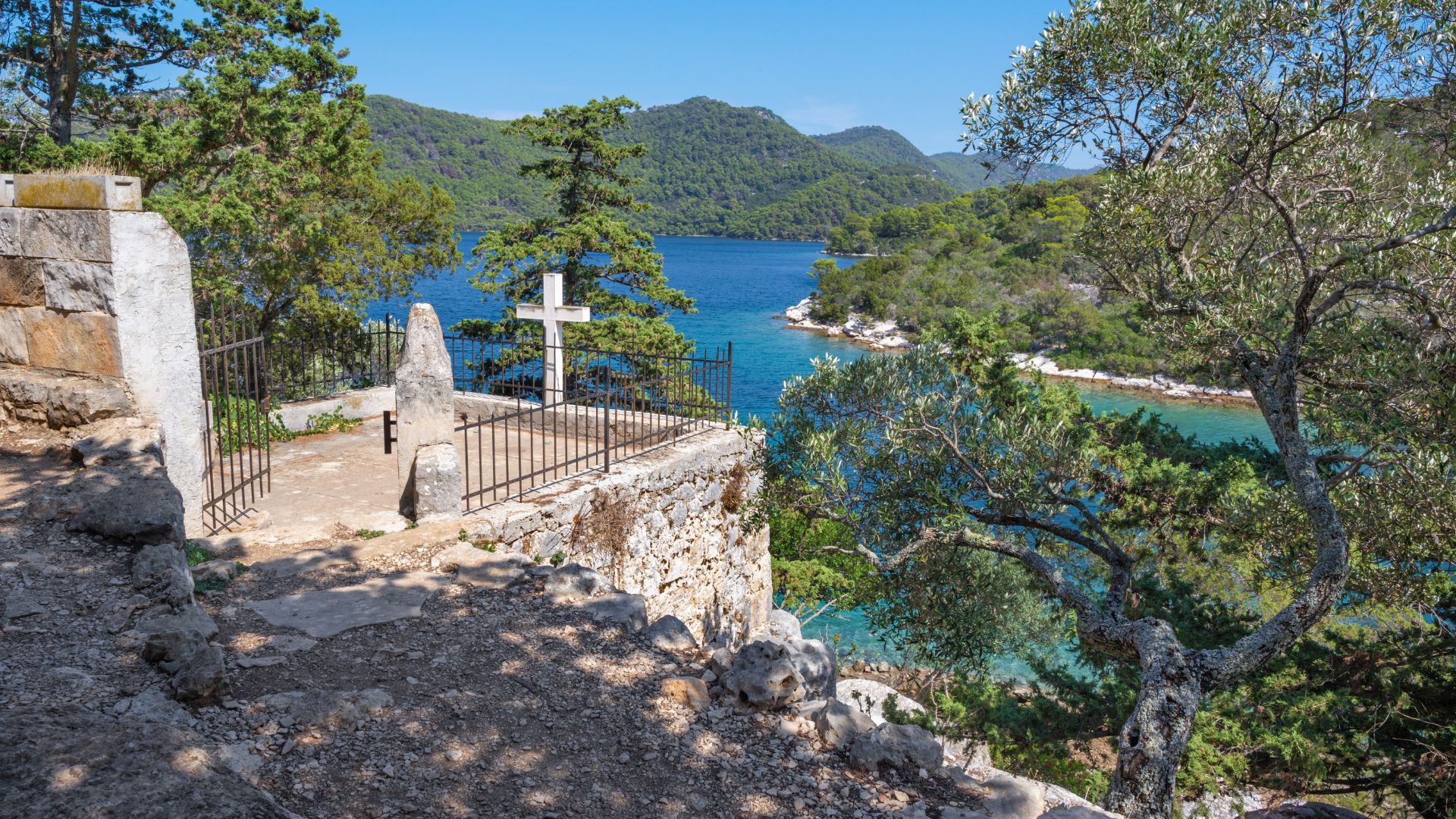
Mljet Island is all about nature, with part of it protected as Mljet National Park. You’ll find saltwater lakes and thick forests—a dream for hikers and bikers.
National Parks and Outdoor Activities
Split’s Nature Access
Marjan Hill? It’s right in the middle of Split, and locals love it for hiking and biking. The pine trees give off this amazing scent, and if you keep exploring, you’ll stumble on hidden beaches and some pretty epic viewpoints.
Krka National Park sits about 90 minutes from Split. Seven waterfalls tumble through the park, and yes, you can actually swim near the Skradinski Buk falls. I wandered past old monasteries tucked into the landscape—felt like a step back in time.
If you’ve got the stamina, Plitvice Lakes National Park is doable as a day trip—though it’s a solid three hours each way. Sixteen lakes connect by a maze of waterfalls and wooden walkways. It’s one of those places that actually looks like the postcards.
Dubrovnik’s Outdoor Options
Mljet National Park is a favorite for day-trippers from Dubrovnik. You can rent a bike and ride around the two lakes, then check out the old monastery ruins on an island-in-a-lake. Kind of surreal.
Mount Srđ towers over Dubrovnik, and the cable car ride up? Worth it for the views alone. If you’re feeling ambitious, hiking trails zigzag to the summit, and the city spreads out below.
Walking Dubrovnik’s city walls is a workout in itself. The full 2-kilometer loop takes around two hours, but the coastal views are unbeatable.
Culture, Cuisine, and Nightlife
Split buzzes at night, and the markets there feel alive with locals. Dubrovnik goes for a more polished vibe, especially when it comes to food. Both cities tempt you with Croatian wine and Dalmatian classics.
Local Food and Croatian Wine
Split’s Green Market bursts with life every morning. Locals haggle for produce right outside Diocletian’s Palace. I picked up olive oil and local cheese—couldn’t resist. Restaurants in Split serve up traditional dishes, and I noticed prices are a bit friendlier than Dubrovnik’s.
Split’s food scene highlights:
- Casual konobas (taverns) dishing out fresh seafood
- Grilled fish stands at Bacvice Beach—so good after a swim
- Wine bars along the Riva Promenade, perfect for people-watching
Dubrovnik’s restaurants lean upscale. I found some memorable meals inside the old town walls, but you’ll pay for the location. The chefs here love putting a fancy spin on Dalmatian classics.
Croatian wine pops up on every menu. I’d suggest trying Plavac Mali, a red from the nearby islands. Dubrovnik’s wine bars curate their lists, while Split’s spots pour local favorites by the glass.
Nightlife and Entertainment
Split wins hands-down for nightlife. I joined the Tower Pub Crawl, and it took us to bars and beach clubs I’d never have found on my own. After dark, Bacvice Beach morphs into a party—music, dancing, the works.
The Riva Promenade stays busy late, with outdoor bars and cafes packed with people. Split’s nightlife draws a younger crowd, and the beach bars play music while swimmers drift in and out.
Dubrovnik’s evenings feel more refined. I sipped cocktails on a rooftop terrace, and ducked into a few cozy bars tucked into the city walls. There’s a spot outside the walls where you can drink right on the cliffs—definitely a highlight.
Nightlife comparison:
- Split: Beach parties, pub crawls, late-night buzz
- Dubrovnik: Upscale bars, rooftop views, a more relaxed pace
Festivals and Markets
Split hosts local events all year. The Split Summer Festival brings outdoor concerts and theater—sometimes I just stumbled onto a performance in a square. There’s a real mix of local culture and tourist energy.
The daily Green Market is more than a market; it’s where neighbors catch up and shop. On weekends, farmers bring in extra regional specialties.
Dubrovnik’s big on summer festivals, especially the Dubrovnik Summer Festival with classical music and theater in dramatic old venues. Winters quiet down, but museums and galleries keep things interesting.
Both cities celebrate Croatian holidays, but Split feels more woven into everyday life. Dubrovnik, meanwhile, really leans into its historic charm.
Day Trips and Beyond the Cities
Split makes it easy to reach the islands and central Croatia. Dubrovnik, on the other hand, is perfect if you’re curious about Montenegro or Bosnia. Either city works great as a base for exploring the Balkans.
Excursions from Split
Island hopping from Split? It’s a must. Hvar, Brač, Vis, and Šolta are all just a ferry ride away from the harbor. I loved the variety—each island has its own vibe.
The Blue Cave on Biševo island near Vis blew my mind with its glowing blue water. I’d book a tour that hits a few islands in one day if you’re short on time.
For something closer, Trogir is only 30 minutes from Split. This little UNESCO-listed town sits on its own island, and the medieval streets are fun to wander.
Šibenik is another solid day trip. The city’s St. James Cathedral is a UNESCO site, and you can easily pair it with a visit to Krka National Park.
Krka’s waterfalls and walking trails offer a nice change from the city. Unlike Plitvice, you can swim here—perfect in summer.
Plitvice Lakes National Park is a longer haul, but if you’re chasing Croatia’s most famous waterfalls, it’s worth every minute.
Day Trips from Dubrovnik
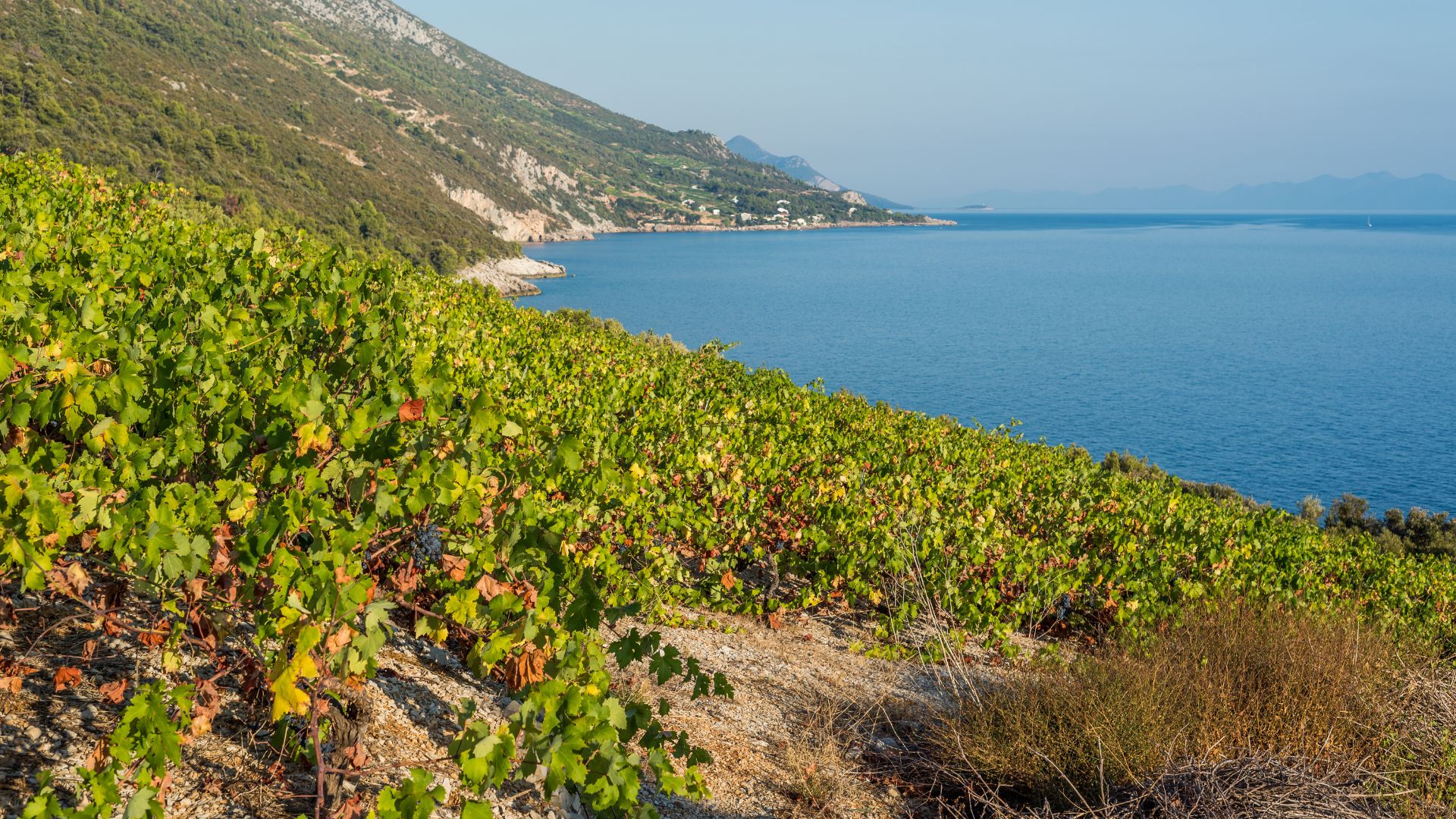
From Dubrovnik, the Pelješac Peninsula is wine country. The reds here, especially around Ston, are some of Croatia’s best.
Ston and Mali Ston are fun to explore. The medieval walls stretch for 5 kilometers—second longest in Europe! Plus, the oysters are legendary.
The Elafiti Islands (Koločep, Lopud, and Šipan) offer a peaceful escape. Boats run regularly, and these car-free islands have beautiful beaches and hiking trails.
Mljet National Park covers the western tip of the island. Two saltwater lakes and thick Mediterranean forest make it feel untouched.
Cavtat sits just 20 kilometers south of Dubrovnik. It’s quieter, with waterfront restaurants and a handful of art galleries—perfect for a laid-back afternoon.
Exploring Neighboring Countries
Let’s talk about hopping across borders—both Dubrovnik and Split open doors to some pretty incredible neighbors, but the routes and vibes feel totally different.
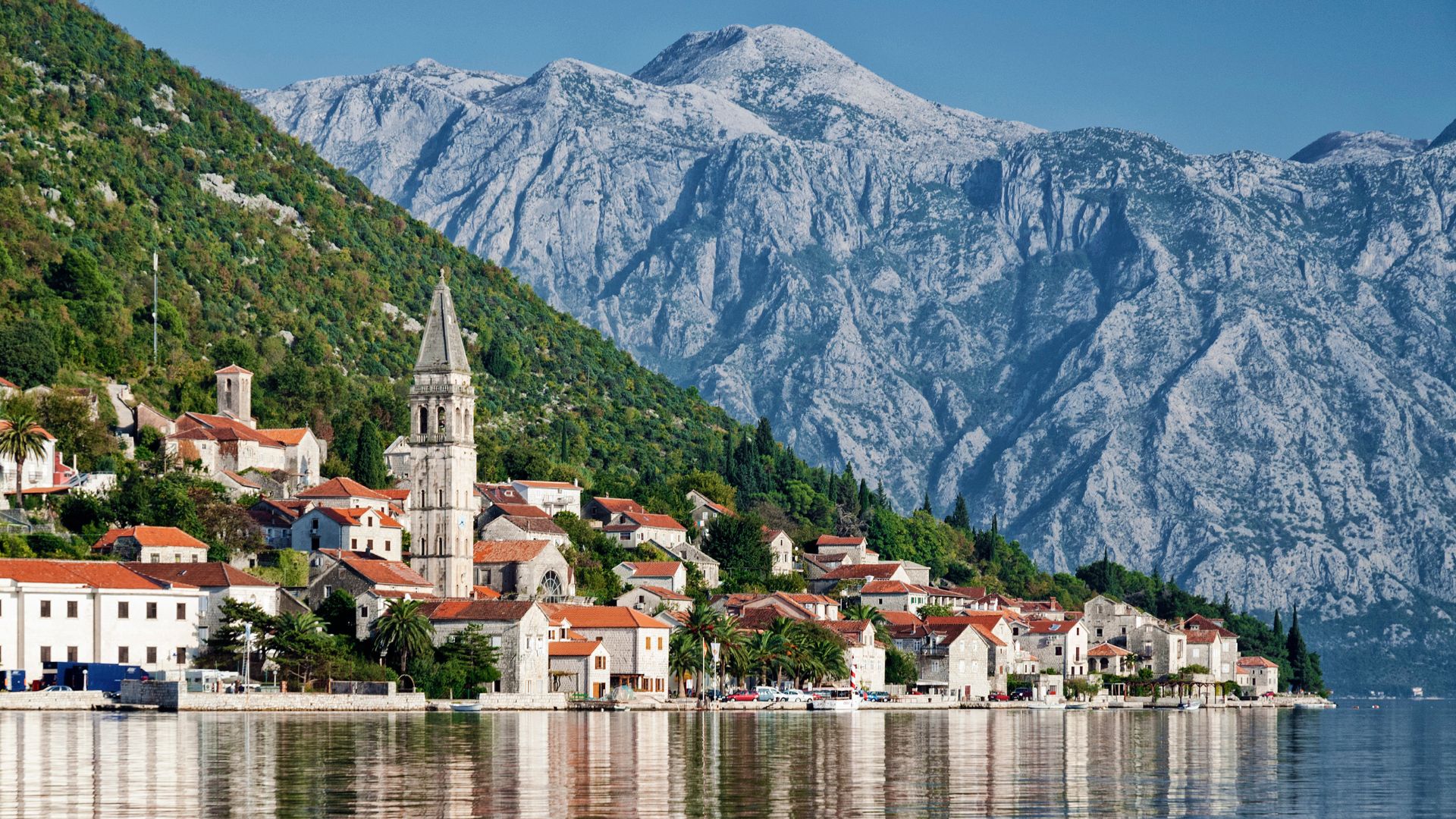
If you’re in Dubrovnik, you can easily head to Montenegro’s Bay of Kotor for a day. I absolutely loved wandering Kotor’s old town; honestly, it’s just as stunning as Dubrovnik but you’ll dodge the crowds and spend a lot less.
Bosnia and Herzegovina is also within reach from both spots, but Dubrovnik sits closer. I still remember my first glimpse of Mostar’s Stari Most bridge—there’s something magical about the Ottoman-era streets and riverside cafes.
From Split, you can road-trip or hop a bus to Zagreb in about four hours. It’s a bit far for a day trip, but if you’ve got extra time, Zagreb’s museums and grand Habsburg buildings are worth it.
If you want mountains, Montenegro’s rugged interior lies within reach from Split, but you’ll need to plan an overnight. Those inland routes aren’t quick, but waking up in the mountains? Unforgettable.