
Croatia’s Adriatic coastline practically begs you to grab a paddle. With more than a thousand islands and that unreal turquoise water, it’s a playground for anyone wanting to try sea kayaking—no matter how clumsy you might feel at first. I’ve found that this place serves up the perfect mix: calm seas, secret coves, and a cultural vibe that turns every trip into a story worth telling.
Sea kayaking here isn’t just about exercise—it’s your ticket to hidden beaches, ancient towns, and those pristine islands you can’t reach by car or foot. I’ve hugged the dramatic cliffs near Dubrovnik and ducked into mysterious caves around Šibenik. The Adriatic opens a whole world that most landlocked travelers never even glimpse.
Whether you’re nervously planning your first kayaking outing or you’ve already got calluses from paddling elsewhere, Croatia’s coastline always has something new. You’ll find gentle tours for beginners, but if you’re up for it, there are multi-day expeditions across island chains that feel totally wild. The Mediterranean climate stays welcoming, so you can paddle here for most of the year without packing a wetsuit.
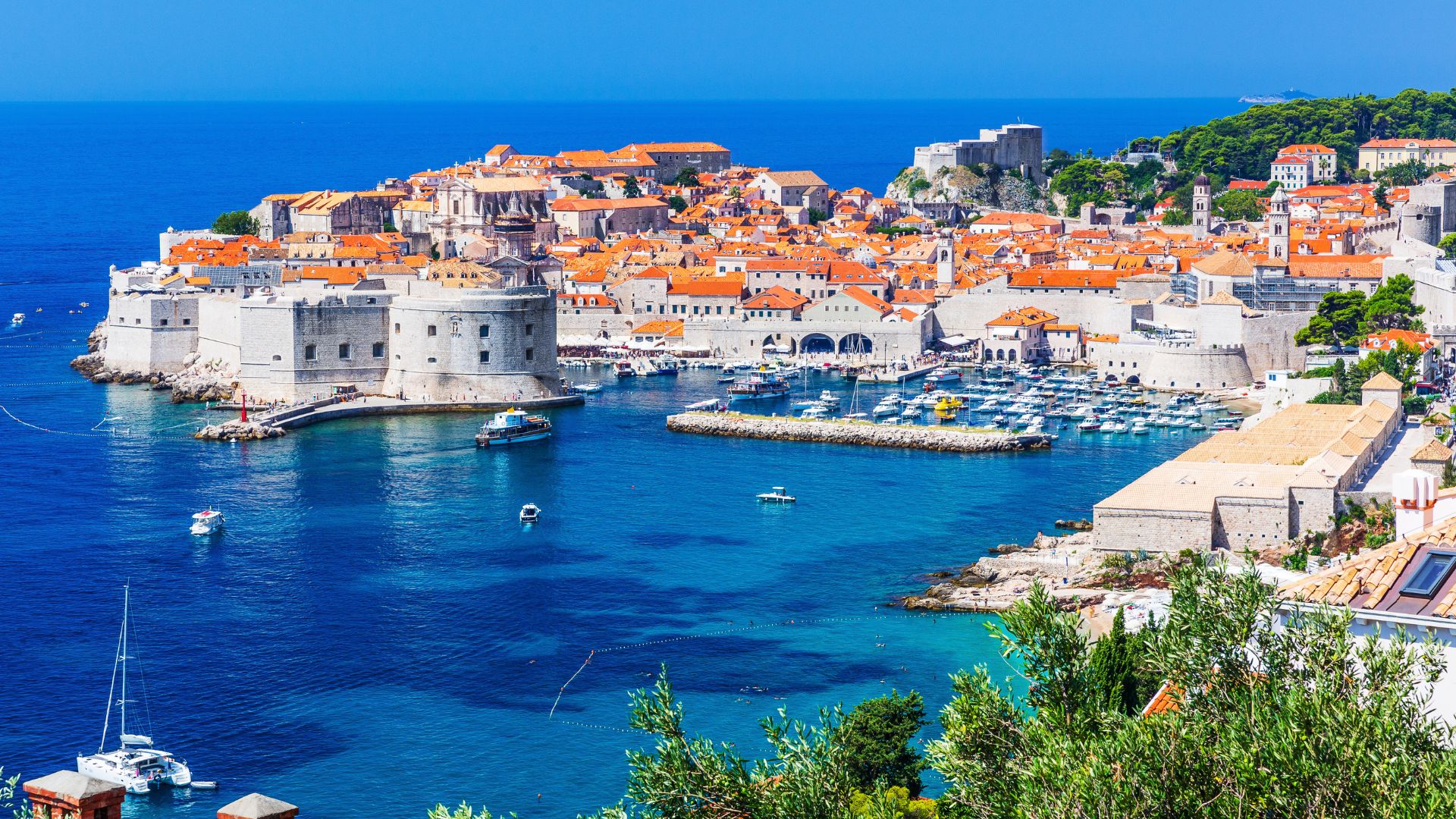
Sea Kayaking Croatia: Your Gateway to the Adriatic
Croatia’s got this wild lineup: over 1,000 islands and crystal-clear waters. It’s honestly one of Europe’s best spots for sea kayaking. The Adriatic Sea stays calm, the views are ridiculous, and you can slip into places you’d never find by hiking.
Why Choose Croatia for Sea Kayaking
Croatia’s coastline stretches out along the Adriatic, offering gentle conditions that make paddling a breeze. I never have to obsess over tides—here, they barely exist.
The water’s warm enough from April through October, so I can always sneak in a swim. Summer? That’s when the sea feels like a giant, salty bathtub.
Why I love Croatian waters:
- Barely any tides to worry about
- Calm most days—no drama
- Water hovers between 60-75°F (15-24°C) in summer
- Bays and channels keep things protected
With 1,185 islands, islets, and reefs, island-hopping is just part of the fun. I can paddle short stretches between islands without braving open sea.
Many of the islands cluster together, blocking the wind. That makes things safer if you’re just starting out, but it’s still fun for seasoned paddlers.
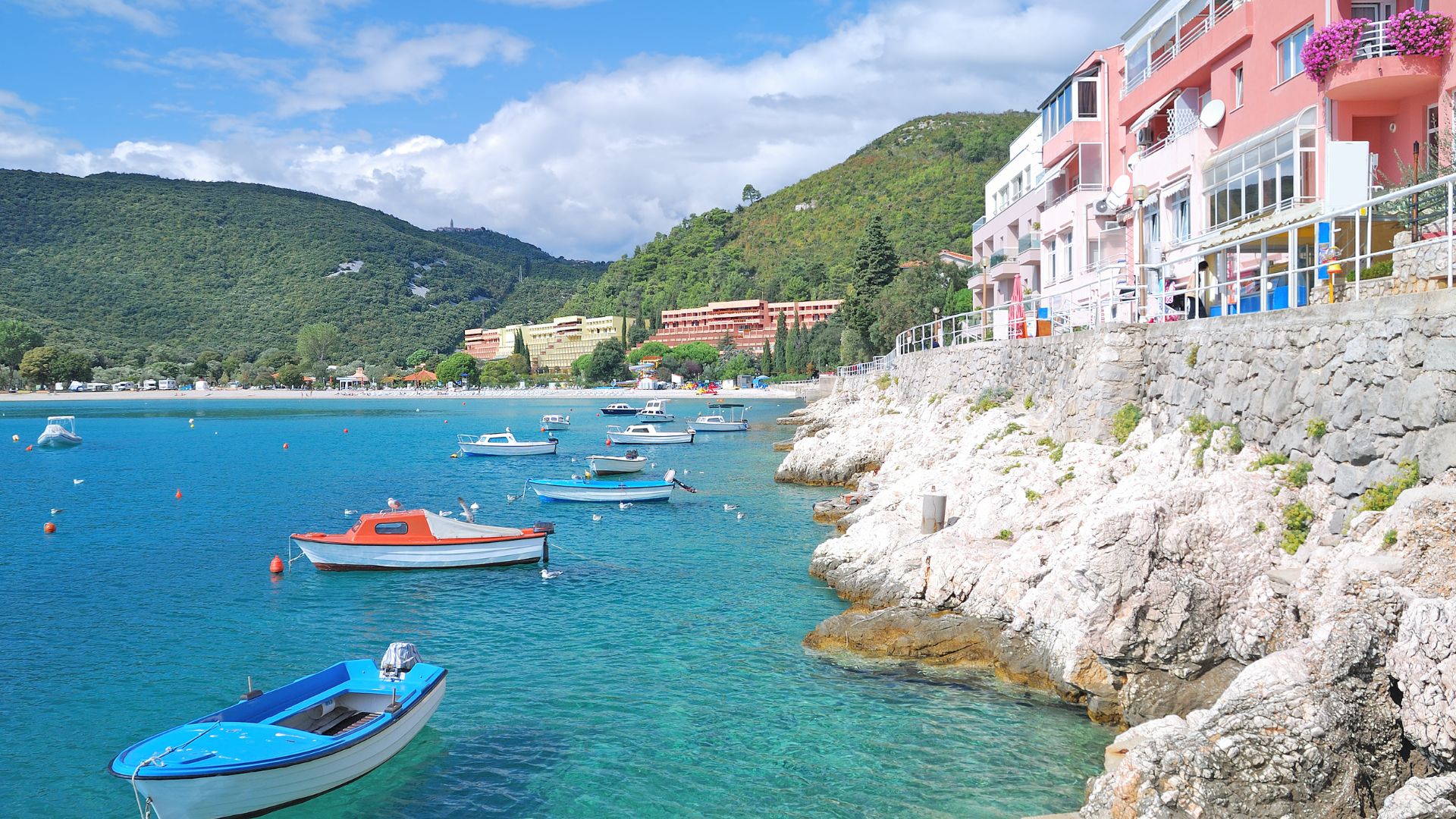
Unique Perspectives From Water Level
Kayaking here gives you a front-row seat to Croatia’s coast. Ancient stone walls tumble right into the sea, and I can nose up to caves and limestone cliffs that look straight out of a fantasy film.
Hidden beaches peek out between rocks, and most don’t have roads leading to them. If you want that “I found this first” feeling, a kayak’s your best bet.
From the cockpit, I spot fish darting below and, once in a while, dolphins cruising by. That’s not something you see from a crowded beach.
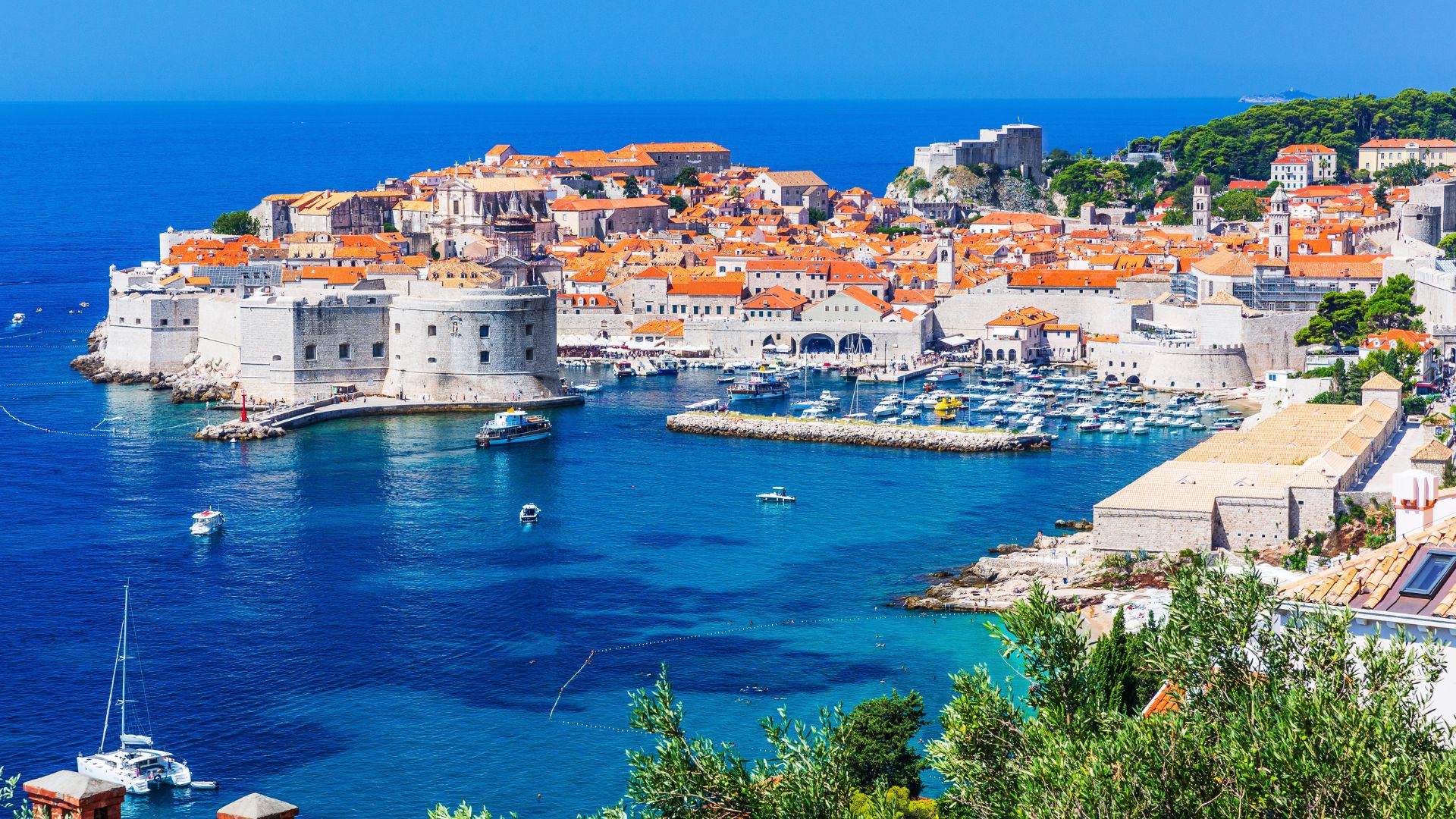
When I glide past Dubrovnik, the old fortresses and harbors look totally different from the water. You can almost imagine pirates or traders pulling in centuries ago.
Croatia’s Coastal and Island Scenery
The Adriatic’s got a split personality—dramatic cliffs and gentle beaches share the same shoreline. White and gray limestone pops against the deep blue sea.
My go-to kayaking regions:
- Dalmatian Islands: Split, Hvar, Korčula
- Dubrovnik region: Elaphiti Islands
- Istrian Peninsula: Up north
- Kvarner Bay: Rab, Krk, Cres
Pine forests spill right down to the water on lots of islands. There’s something about the mix of pine and salty air—it just sticks with you.
Fishing villages perch on the shore, their stone houses and red roofs almost daring you to paddle up for lunch. Sometimes I do.
Every island has a vibe of its own. Some are busy with sailboats and chatter, while others feel like you’ve landed on a deserted planet.
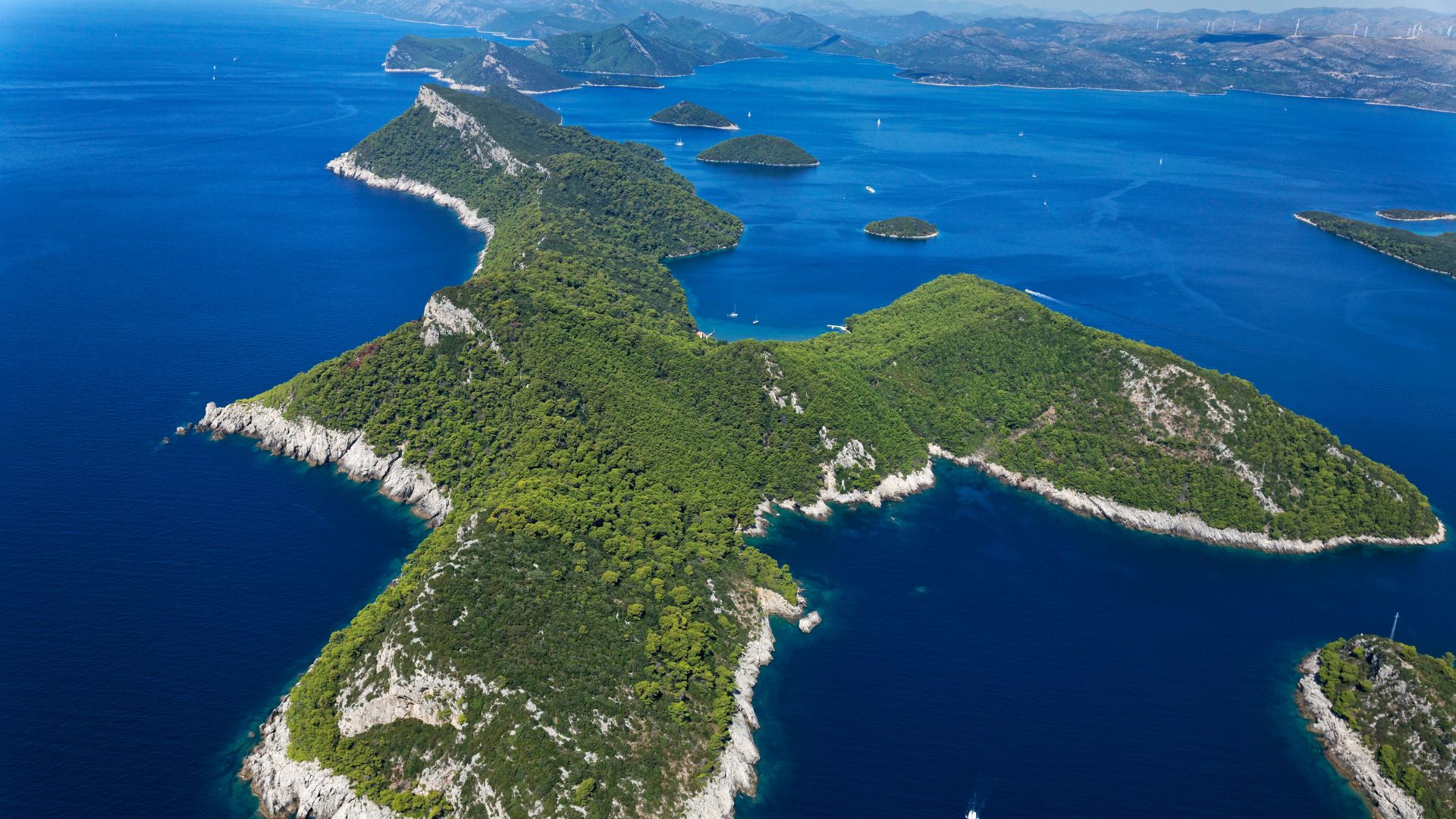
Top Destinations and Routes for Kayaking Adventure
Croatia’s coast is a choose-your-own-adventure for kayakers. I’ve paddled past Dubrovnik’s medieval walls, slipped between the Kornati islands, and always found something new. The best routes? They blend cultural landmarks with secluded beaches and water so clear you’ll want to jump in every five minutes.
Popular Adriatic Sea Kayaking Routes
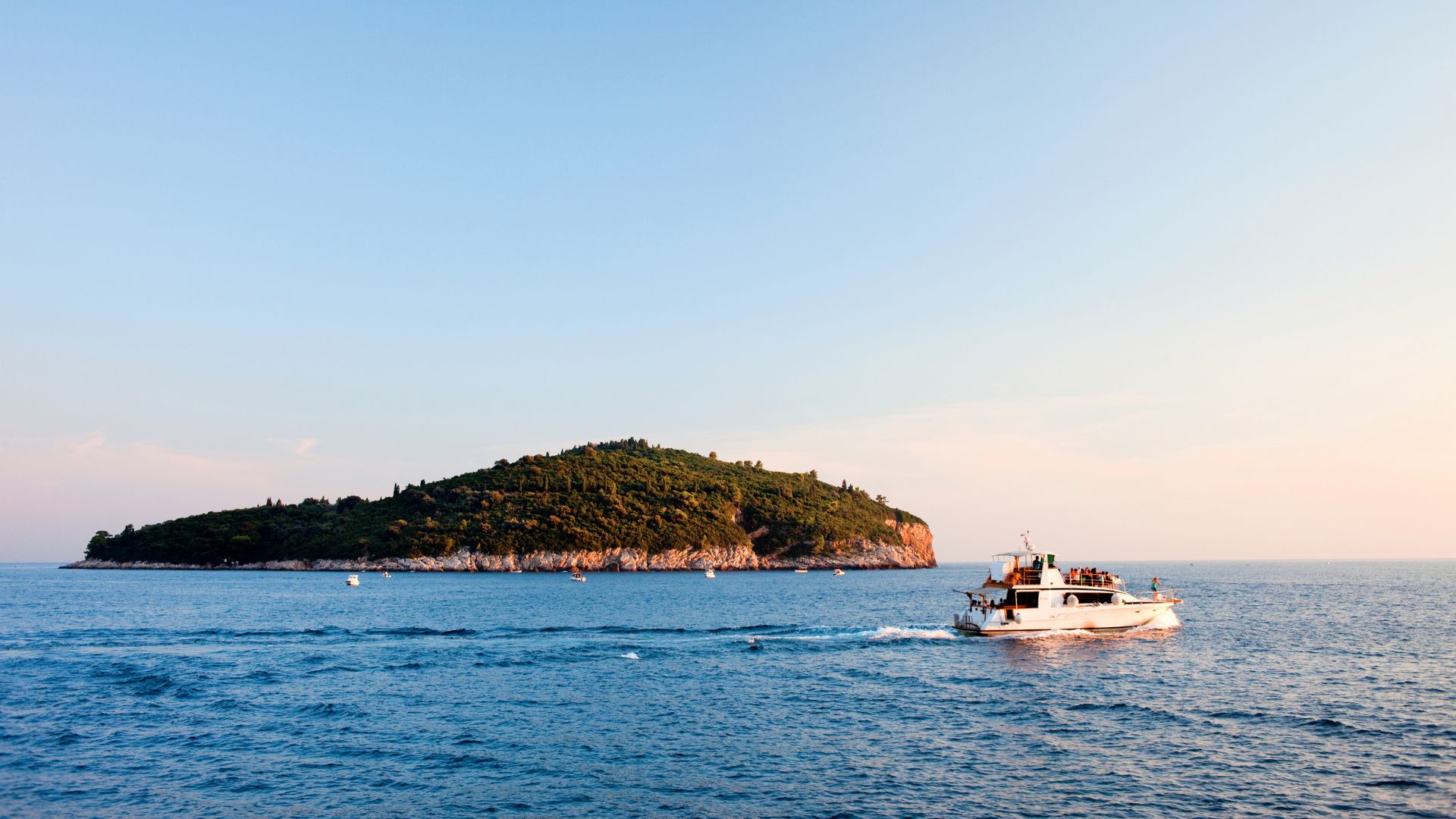
The Dubrovnik coastal route is probably the most iconic. I always suggest starting in the old port, paddling under the city walls, and heading out toward Lokrum Island.
It’s a short 2-3 hour loop, perfect for newbies. The water stays calm, and you get those postcard views the whole way.
Split’s Marjan Peninsula is another favorite. I love the 4-hour circuit around the forested headland, especially with a stop for a swim in a hidden cove.
If you’re up for a challenge, try the Ciovo Island route from Split. It’s a 6-hour adventure covering 12-15 kilometers along a varied coastline.
The Cavtat route is a quick fix near Dubrovnik. Paddle out from the old Greek harbor and circle Supetar Island in about three hours.
Zadar sunset tours are pure magic. Four hours of paddling capped off by one of Croatia’s famous sunsets—hard to beat that.
Island-Hopping Expeditions
A week-long Elafiti Islands expedition is the ultimate island-hopping fix. You’ll stay overnight on islands like Lopud and Sipan, covering 12-18 kilometers each day.
The Pakleni Islands near Hvar are tailor-made for day trips. I love weaving through skinny channels and finding hidden bays.
Vis Island is a kayaker’s dream. Four days here let you explore Stiniva Bay and the fishing village of Komiza.
Kornati National Park is all about multi-day adventures through 89 islands. Start from Sali village on Dugi Otok and just see where the days take you.
The Northern Adriatic circuit strings together six islands in a week. You’ll go from Rab’s sandy shores to the wild coastline of Cres.
Hidden Beaches and Caves
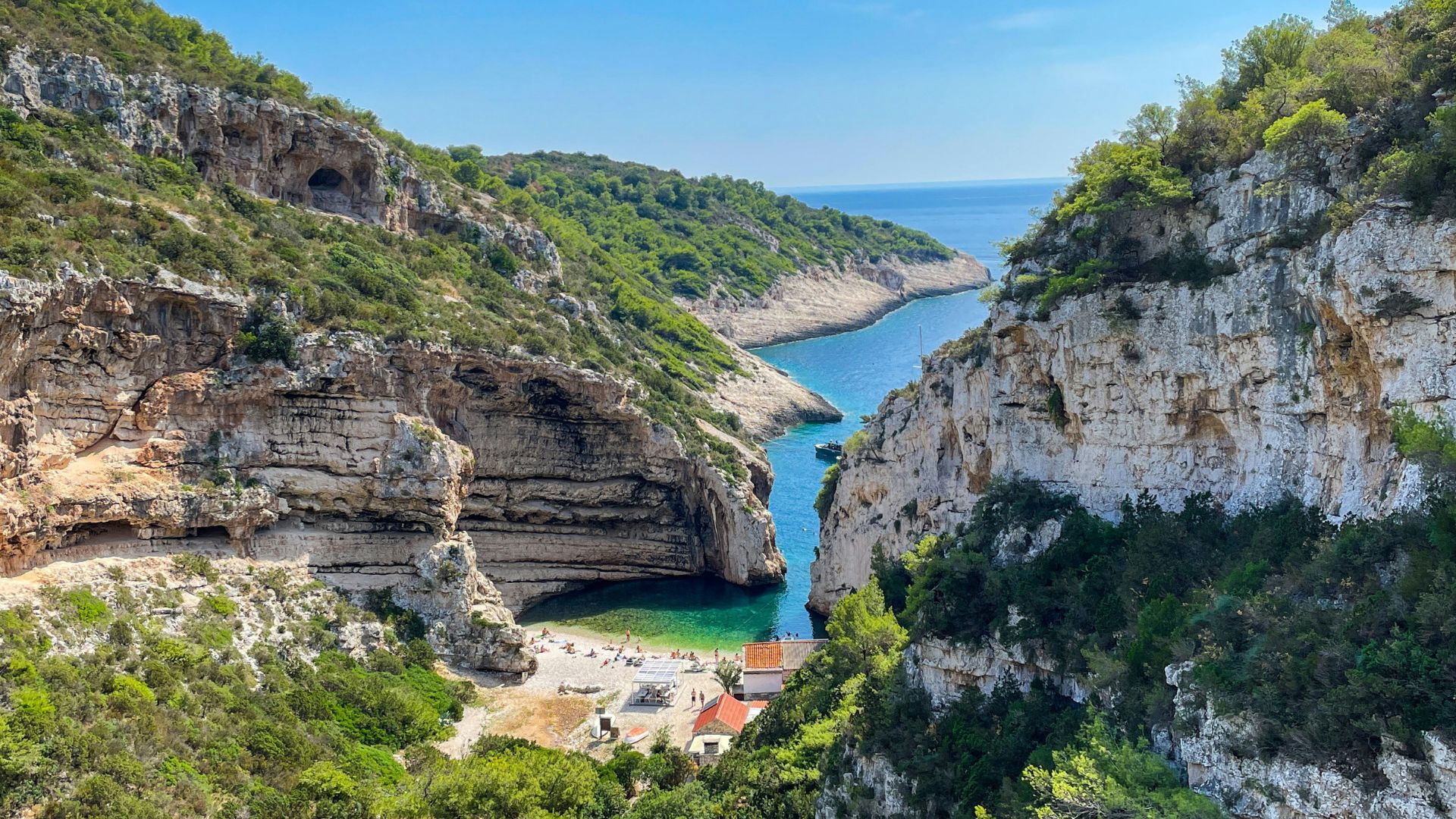
Kayaking cracks open a world of secret spots. Stiniva Beach on Vis hides behind narrow rock channels—you’ll need to steer carefully.
The Blue Cave near Bisevo Island glows best in the calm of morning. I always aim for 10 AM to noon for that magical blue light.
Dubrovnik’s coastal caves lurk along the limestone cliffs south of town. They’re perfect for snorkeling or just catching your breath.
Mljet Island’s saltwater lakes let you paddle straight into Odysseus Cave. Even if the wind picks up, these waters stay glassy.
Pebble beaches scatter across the Korcula archipelago. I’ve stumbled on dozens of nameless coves that only a kayak can reach.
Types of Sea Kayaking Experiences in Croatia
Croatia’s Adriatic coast serves up three main kayaking styles. You can join a guided group, go solo on a self-guided adventure, or sign up for a multi-day expedition with camping and plenty of surprises.
Guided Tours and Group Adventures
Guided tours are the way to go if you want a smooth, safe intro to Croatia’s coastline. I always tell beginners to start here—you get local stories, history, and someone who knows when the weather’s about to turn.
Professional guides lead you to the best spots and share tales about ancient towns and castles. They know the wind’s moods and can change the plan if needed.
Most guided tours run 3-6 hours and cover:
- Safety gear and quick lessons
- History and local lore during breaks
- Routes matched to your comfort zone
- Emergency help if you need it
Popular trips circle Dubrovnik’s Old City walls or hop out to Lokrum. The Pakleni Islands near Hvar are another favorite—think turquoise water and secret coves.
Groups usually stay small, around 6-12 people. That keeps things friendly and gives you a chance to actually talk to your guide.
Self-Guided and Independent Exploration
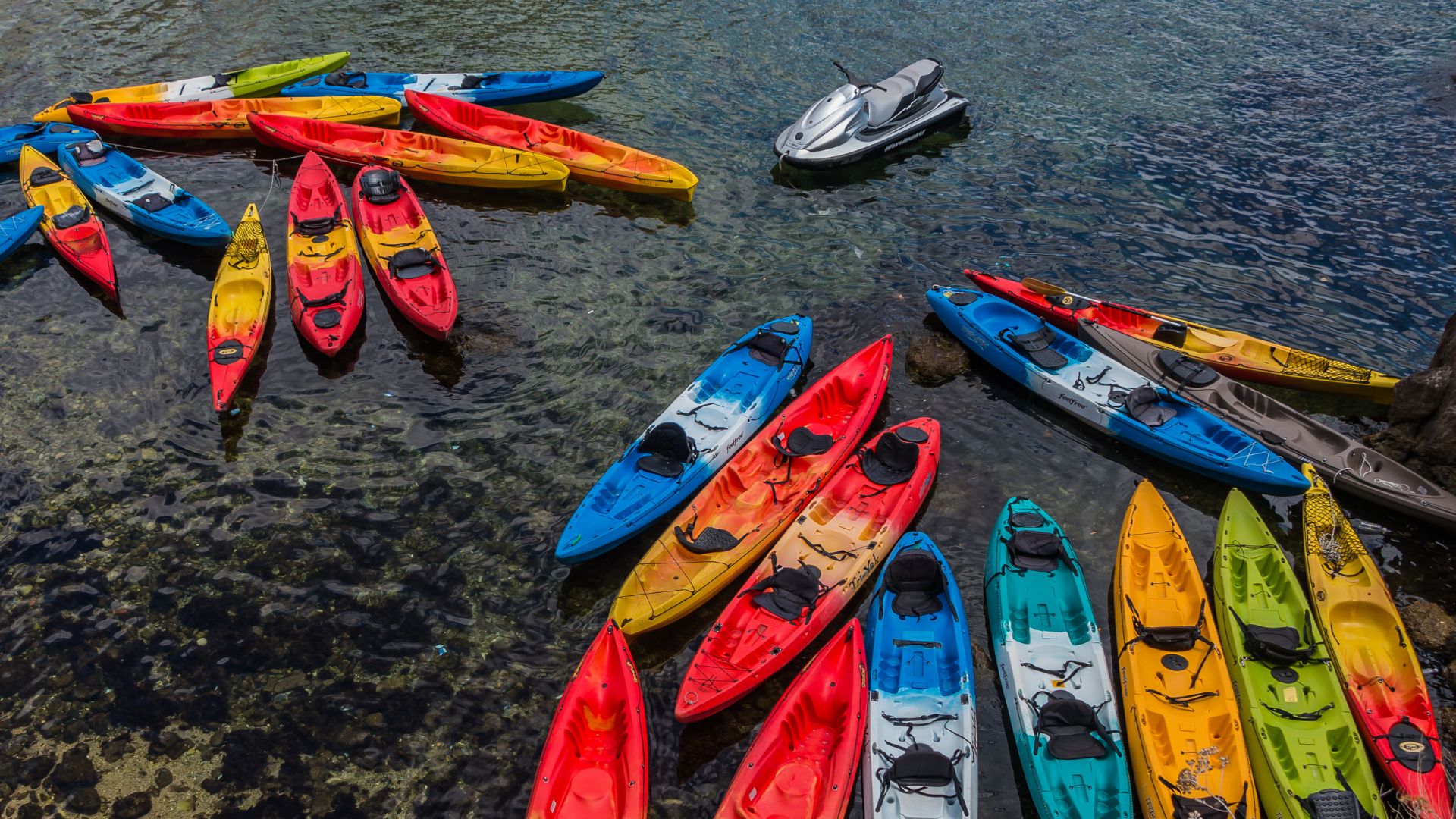
If you want total freedom, go self-guided. Kayak rental shops dot the coast, so you can grab gear and set your own pace.
You’ll want some experience reading the weather, though. Safety rules say stay within 500 meters of shore—honestly, I stick even closer.
Rentals usually include:
- Stable plastic kayaks
- Paddles and life vests
- Dry bags for your stuff
- A quick safety rundown
Prices run from £8-35 per day, depending on where you are and what you rent. For newbies, I always suggest a sit-on-top kayak—they’re forgiving and easy to scramble back onto.
The best self-guided spots? Calm lakes like Bacina or the sheltered coast around Pag Island. The scenery’s great, and you don’t have to fight the waves.
Multi-Day Expeditions
Multi-day trips mix kayaking with camping along the coast. These adventures last 3-7 days, stringing together islands and wild beaches.
You’ll paddle by day and camp on beaches or in small campgrounds at night. This lets you reach places no day trip ever could.
Why I love expeditions:
- Island-hop through new archipelagos
- Sleep under the stars on empty beaches
- Snorkel and swim in untouched coves
- Explore caves and lagoons you’d never find on foot
Most tours provide camping gear and food. Expect to paddle 10-20 kilometers a day, with plenty of breaks.
If you’re thinking about a multi-day trip, make sure you’ve got solid paddling skills. The Elaphiti Islands and Mljet National Park are top picks for these adventures—calm water, wild scenery, and lots to explore.
Essential Gear and Safety for Adriatic Paddlers
Sea kayaking in Croatia means having the right gear and knowing how to stay safe. Rentals are everywhere, but a bit of prep makes the whole trip smoother.
Choosing and Renting Kayaks
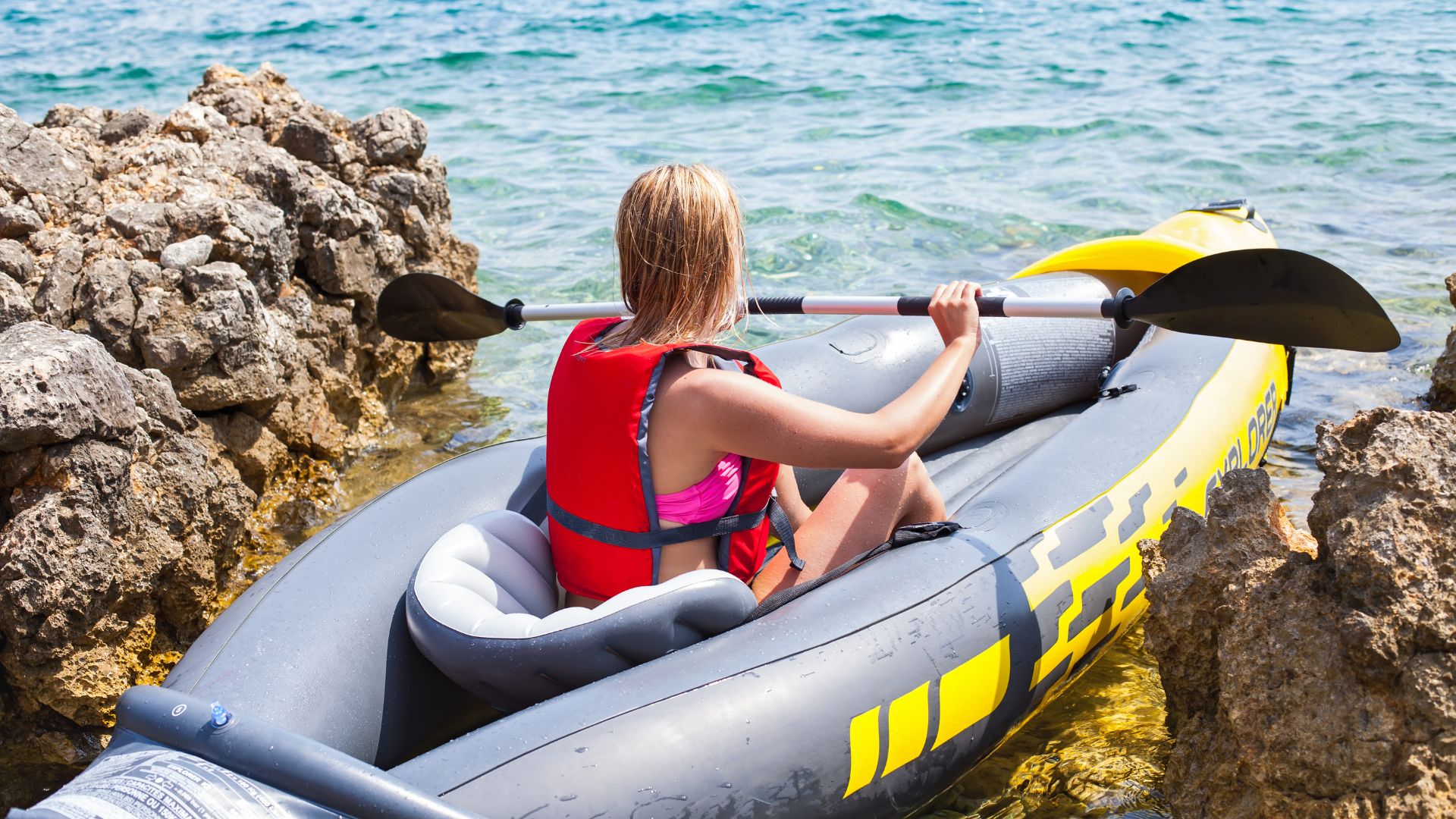
For beginners, I always recommend sit-on-top kayaks. They’re stable, and if you tip, it’s easy to climb back aboard. These plastic boats handle the Adriatic’s mood swings without fuss.
Rentals run £8 to £35 per day at most kayak beaches. Shops throw in a paddle and dry bag. The rental folks usually help you pick the right kayak for the day’s weather.
Look for:
- Wide beam for balance
- Comfy seat (trust me, you’ll notice)
- Storage for your snacks and camera
- Paddle leash attachments
If you’re planning a longer trip, try out a few kayak styles. Conditions can flip quickly on the Adriatic, so a comfortable, stable boat makes all the difference.
Safety Equipment and Precautions
Croatia’s main rule: stay within 500 meters of shore. I always tell beginners to stick even closer, especially if the wind picks up.
Don’t forget:
- Life vest (always included in rentals)
- Signal light for dusk or fog
- Whistle on your vest
- First aid kit packed dry
I always check the weather before setting out. Mornings are usually calmest; afternoons can get breezy and choppy.
Bring a solar charger for your phone—you might lose cell service in remote spots, and you’ll want backup power if you need help.
Packing for Kayaking Trips
Honestly, I never trust “water-resistant” labels when I’m packing for a kayaking trip. Everything goes in a waterproof bag—no exceptions. The Adriatic has a sneaky way of soaking even the most careful paddler, and wet gear just ruins the fun.
Essential items for sea kayaking:
- Sunscreen (SPF 30+) – trust me, the sun bounces off the water and burns fast
- Sun hat with a chin strap (wind loves to steal hats)
- Swimsuit and quick-dry shorts
- Waterproof phone case
- Snacks and more water than you think you’ll drink
If you’re planning to paddle far from shore, definitely bring a spare paddle. I’ve watched paddles snap on rocks or disappear in currents—never a good time.
I always stash heavy stuff low and in the center of my kayak. That way, the boat feels steadier, even if the sea gets choppy. Lighter gear can ride up front or in the back.
Camera gear? Double-bag it, every time. Electronics and saltwater just don’t mix. I also use a floating strap on my camera—learned that one the hard way.

Stand Up Paddle Boarding and Other Adventure Activities
Croatia’s Adriatic isn’t just for kayaks. SUP (stand up paddle boarding) is everywhere now, and honestly, it’s addictive. If you’re up for it, mixing both sports into your trip gives you a full taste of the coast.
SUP Along the Croatian Coast
Paddle boarding exploded in Croatia over the past few years. The Adriatic’s calm, clear water and those unreal views? Perfect combo for beginners or pros.
SUP got its start in Hawaii, but it feels right at home here among Croatia’s 1,185 islands. You just stand on a big board, grab a paddle, and glide—simple, but surprisingly fun.
You’ll find amazing SUP spots all along the coast. Dubrovnik’s old city walls, secret coves on Korčula, or the wild beaches of the Pelješac Peninsula—each one has its own vibe.
Popular SUP destinations include:
- Dubrovnik’s Old City coastline
- Istrian Peninsula beaches
- Dalmatian islands
- Rab Island’s protected bays
April through October is prime time for paddle boarding. The water’s warm, and the weather usually cooperates. Some folks head out in winter, but that’s really for seasoned paddlers who don’t mind a chill.
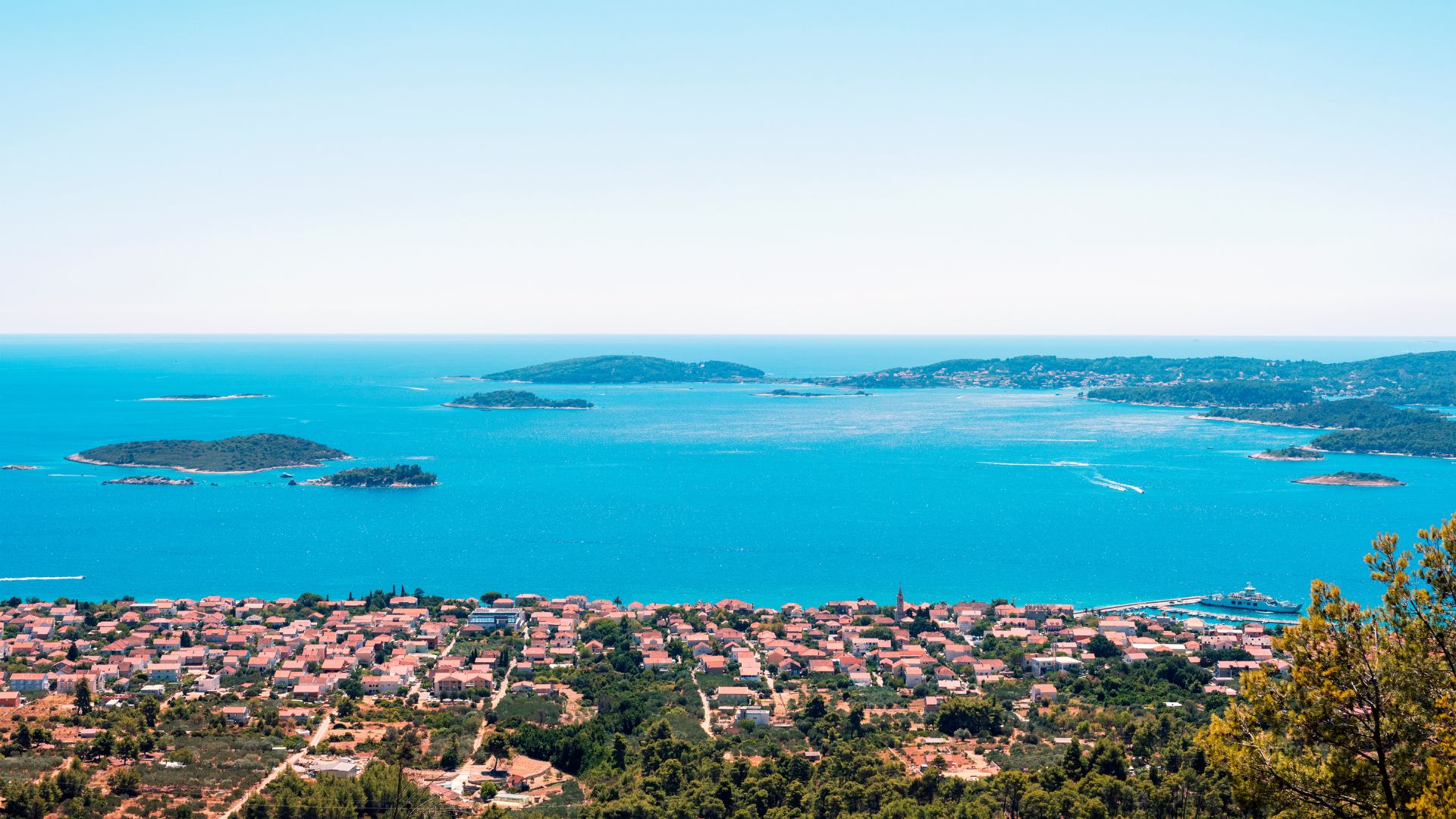
Combining Sea Kayaking and SUP Experiences
Lately, I’ve noticed more adventure companies rolling out combo trips that blend kayaking with SUP activities. Honestly, it’s a fantastic way to see Croatia’s coastline from totally different angles—all in one journey.
On most multi-day tours, you’ll start your morning gliding through the sea in a kayak. Later, you can switch things up and grab a SUP board for an afternoon of exploring hidden coves or paddling to a sunny beach. Sometimes, I just want to jump in for a swim mid-adventure—SUP makes that so easy.
Tour operators usually bring all the gear: life vests, paddles, and plenty of safety equipment. They welcome both total beginners and people who already know their way around a paddle.
Why go for a combo trip?
- You get to try both kayaking and SUP, which keeps things interesting.
- Each sport lets you reach new spots along the coast.
- The days never feel repetitive thanks to the changing activities.
- Guides offer solid tips and keep things safe.
Most of these adventures run between 3 and 7 days. You’ll end up hopping between islands or winding along epic coastal stretches.
