
Traveling solo to Japan in winter totally flipped my idea of solo travel. The country feels almost dreamlike in the cold months—quieter, with fewer crowds, and honestly, just easier to wander.
I picked up a bunch of things you won’t find in guidebooks. There are little details about clothing, transport, and customs that can really make or break your trip in winter.
Japan’s cold season brings its own challenges and surprises. I made mistakes, but also found hacks that saved me time and a surprising amount of money.
If you’re curious about how to stay warm, connected, and find the best winter experiences, I’ve got you. I’ll share my actual itinerary and the tips I wish someone had told me before I left.
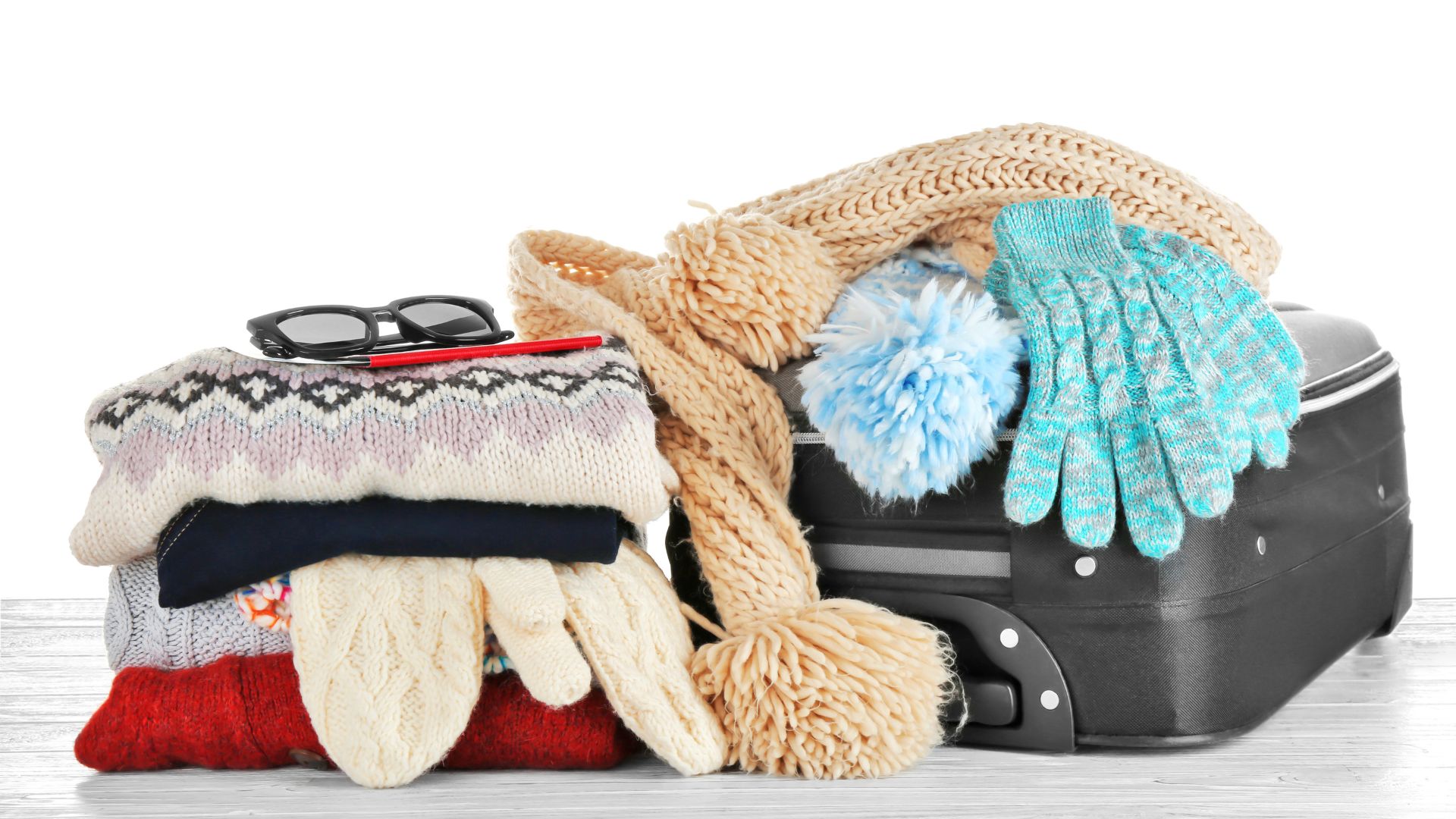
1) Pack Layered Clothing and Thermal Wear—Trust Me, You’ll Need It
Layering saved me from freezing, no exaggeration. Between December and February, the temperature can drop fast, and you’ll bounce from icy streets to toasty cafés all day.
Thermal underwear as a base layer? Game changer. I tossed on a long-sleeve shirt, then a cozy sweater or fleece.
My outer layer was a waterproof winter coat. It blocked the wind and kept out snow, which, wow, is important.
I never left my hotel without warm accessories. A scarf, gloves, and hat kept the cold at bay. Thick socks were a must—walking around Tokyo and Kyoto in winter isn’t for thin socks.
Flexibility is key. Japanese indoor heating is fantastic, so I needed layers I could peel off and stuff in my bag as soon as I stepped inside.
2) Buy a Japan Rail Pass Before You Go—It’s a Total Money Saver
I bought my Japan Rail Pass online before I landed and honestly, it saved me a ton. You get unlimited rides on most JR trains for a set number of days.
Only tourists can buy it, and you need to get it before arriving or right after you land.
Ordering from an official online reseller was super easy. The pass covers the Shinkansen bullet trains and most JR lines.
For me, traveling between cities made the pass totally worth it. A round trip from Tokyo to Kyoto on the Shinkansen almost costs as much as the 7-day pass.
If you plan to hop between cities, the pass is a no-brainer. But if you’re sticking to just one city, maybe skip it. I mapped out my routes first to make sure it was worth the price.
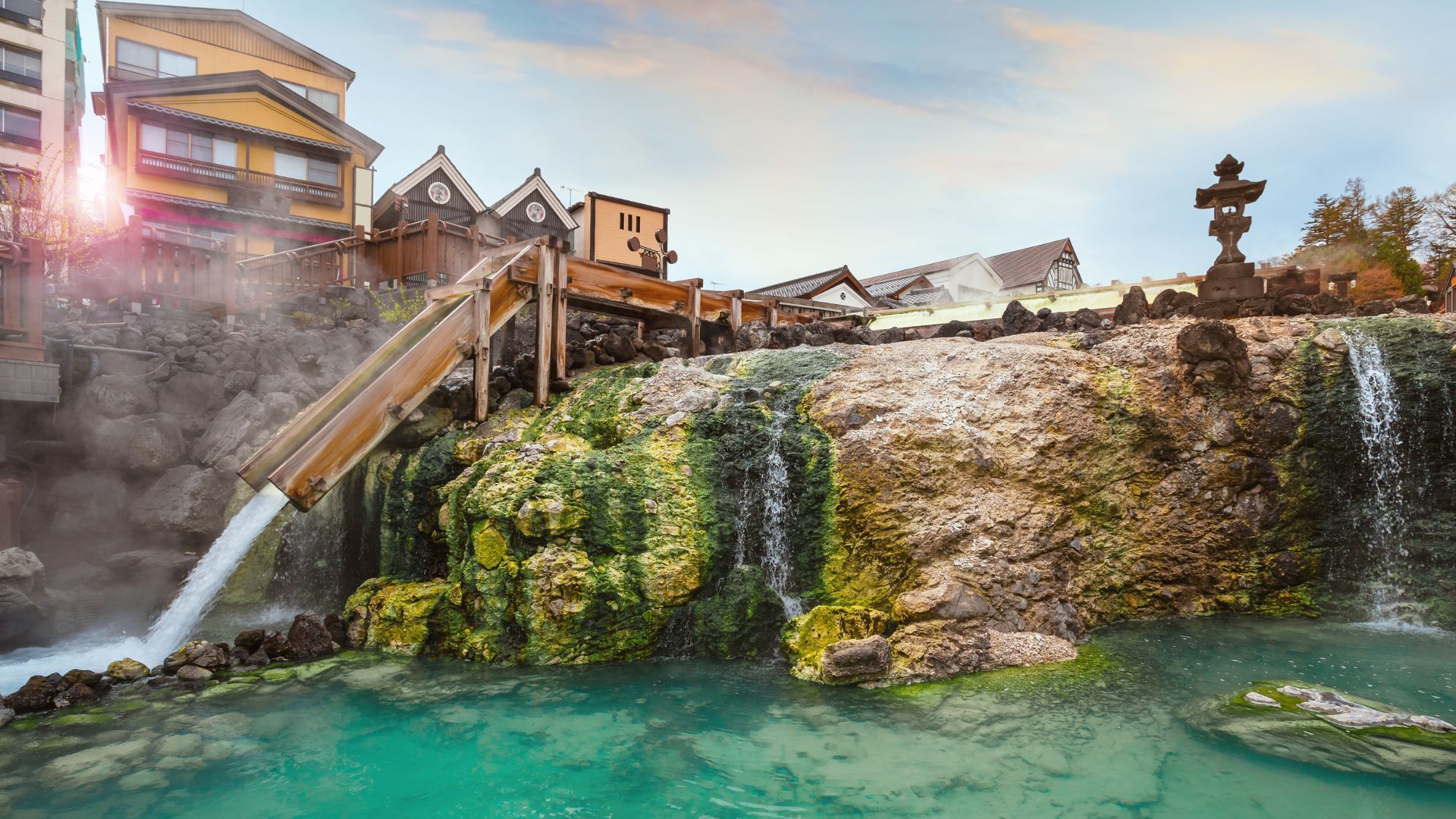
3) Visit Onsen Towns Like Kusatsu or Noboribetsu—Hot Springs Are a Must
Visiting an onsen town was high on my winter list. These places are more than just hot water—they’re a peek into real Japanese life.
I picked Kusatsu, one of the most famous onsen towns. The mineral-rich waters felt amazing after a chilly day. The whole town has this old-school vibe with steam rising everywhere.
If you’re up in Hokkaido, Noboribetsu is fantastic. It’s set in a volcanic valley with all kinds of spring water.
Most onsens ask you to bathe naked and wash up before you get in. Awkward at first, but everyone does it, so you get used to it.
I stayed at a ryokan (traditional inn), which usually includes onsen access and classic meals. Book ahead if you’re going in winter—these towns fill up fast.
4) Wander Snowy Temples in Kyoto—It’s Magical
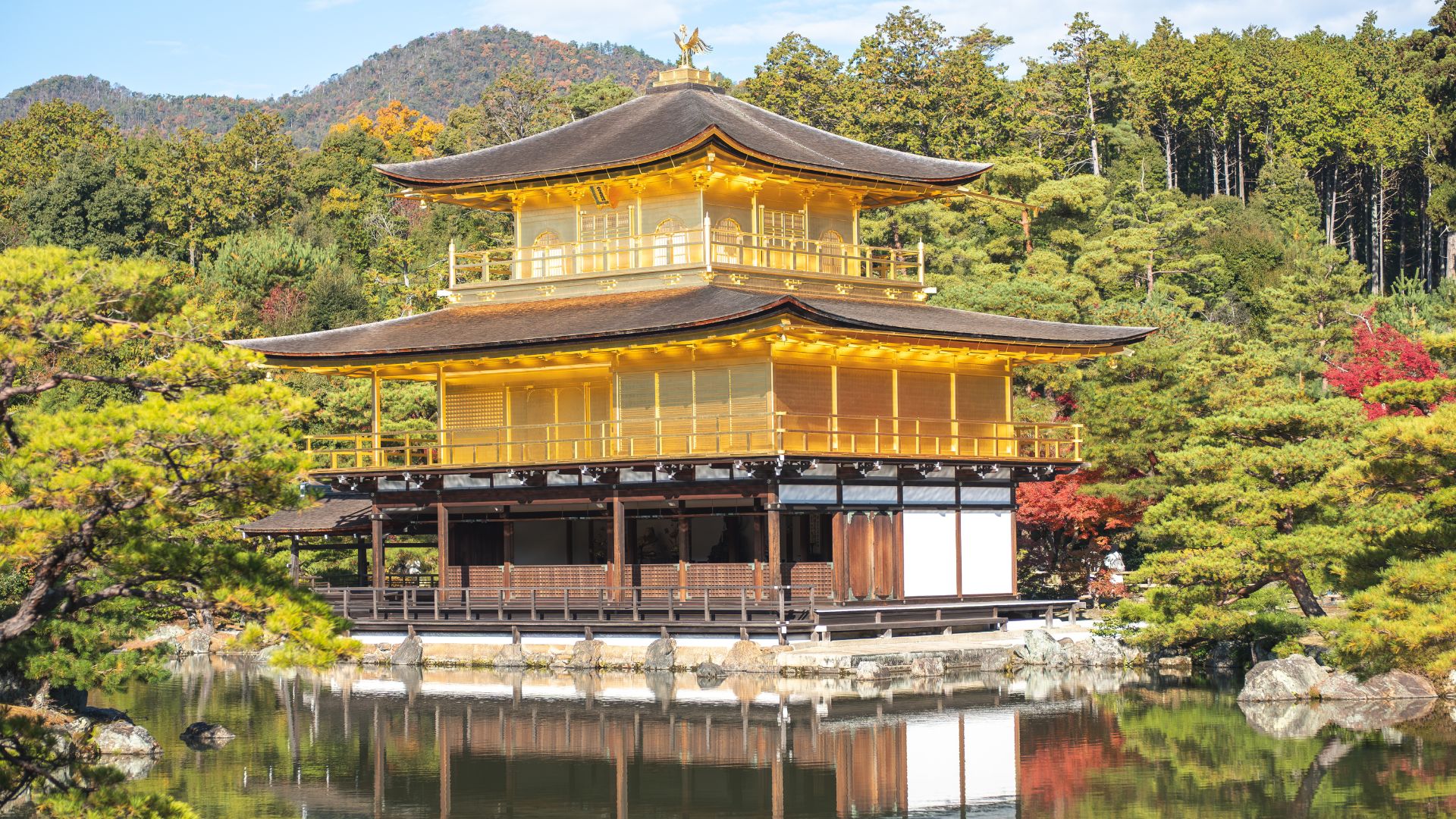
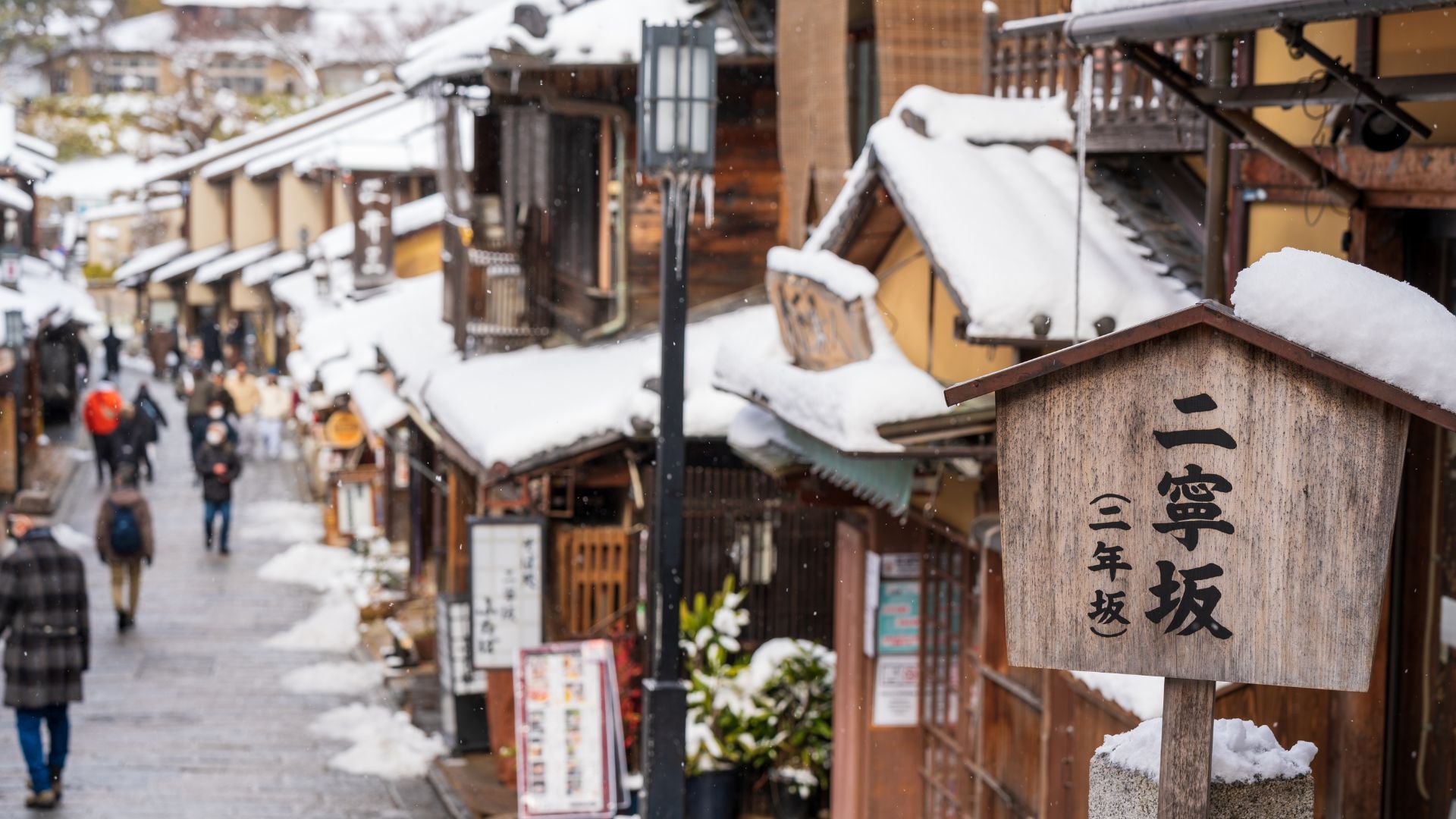
Kyoto in late January? Absolutely stunning. Light snow turned the temples into something out of a painting.
Kinkaku-ji, the Golden Pavilion, blew me away. The gold with a layer of snow? Unreal. I got there right at opening to dodge the crowds.
Snow isn’t constant in Kyoto, but when it falls, it’s special. I kept an eye on weather apps and shuffled my plans around to catch it.
Temple gardens in winter are incredibly peaceful. The quiet and the muffled sounds made me feel like I had the place to myself.
Waterproof boots were a lifesaver—temple paths get slippery. Most temples stay open in winter, but some gardens close if the snow piles up.
The winter light is soft, perfect for photos. Early mornings are best for catching fresh snow before it melts.
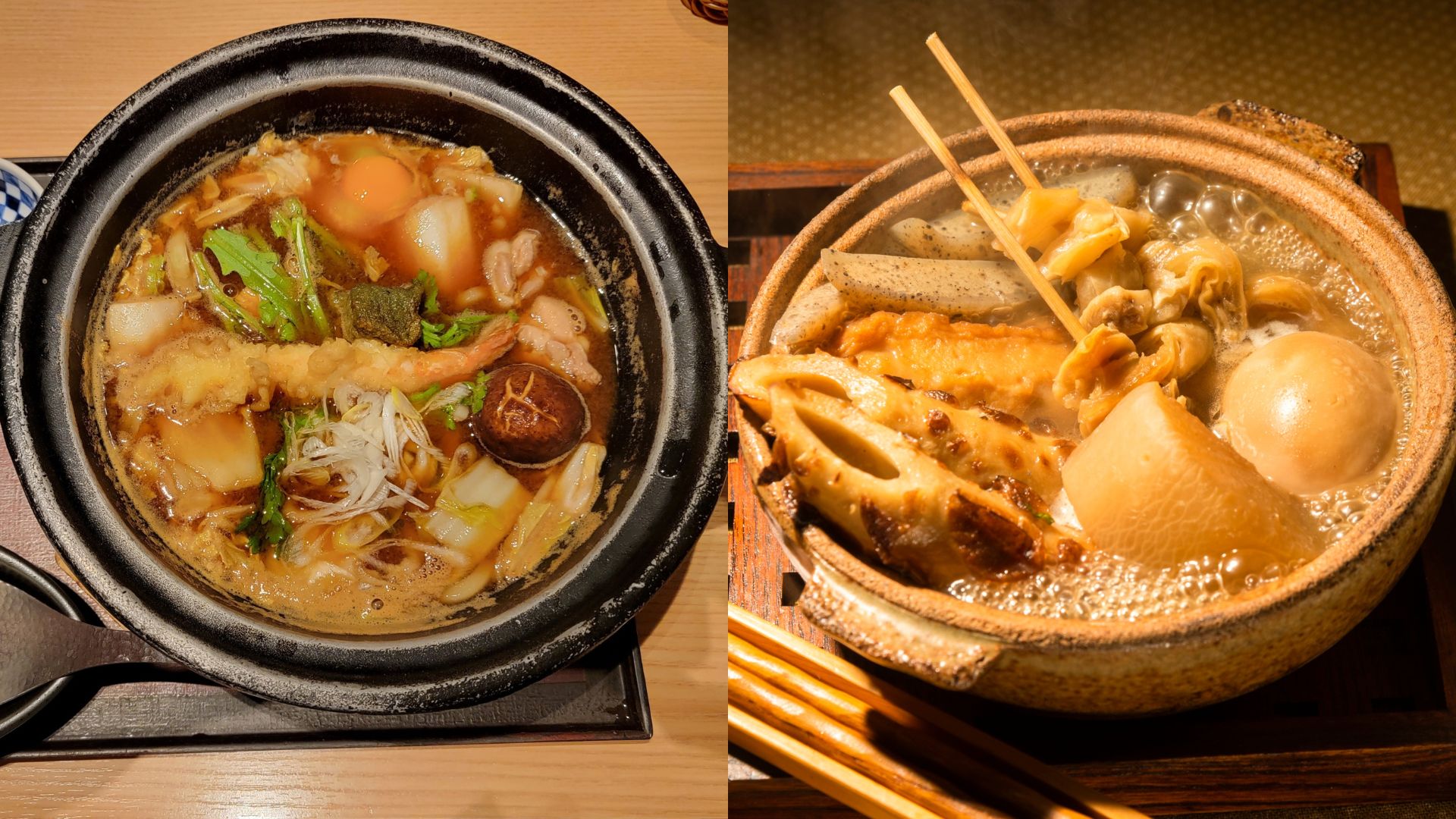
5) Try Local Winter Dishes—Nabe and Oden Will Warm You Up
Japan in winter introduced me to the coziest food ever. Nabe (hot pot) became my favorite dinner after a cold day.
It’s simple: veggies, tofu, meat, or seafood simmer together in broth. I found nabe at lots of places, bubbling away at my table. Each region has its own twist, so I tried a few.
Oden popped up everywhere, especially in convenience stores. It’s a mix of things like eggs, daikon, and fish cakes stewing in a soy broth. I grabbed some from a 7-Eleven one night—surprisingly good.
Both are filling and cheap. Nabe usually cost me 800 to 1,500 yen. Oden from convenience stores was about 100-200 yen per piece.
Solo dining felt less awkward with these dishes. Counter seats are common, so eating alone was no big deal.
6) Carry a Portable Wi-Fi Device or SIM Card—Don’t Rely on Public Wi-Fi
I realized fast that you can’t wing it with connectivity in Japan, especially solo. Maps, translation apps, train schedules—you’ll need internet all the time.
I rented a portable Wi-Fi device. It’s a tiny gadget that gives you your own hotspot, so I connected my phone and laptop at once.
A local SIM card is another option if you just need your phone online. Sometimes SIMs have better coverage and can be cheaper.
I picked up my Wi-Fi device at the airport for about 1,000 yen a day with unlimited data. The battery lasted all day, even with heavy use.
If you’re traveling alone, go for portable Wi-Fi. You can share it if you meet someone, and you don’t have to mess with your phone’s settings.
Book online before your trip—airport pickup or hotel delivery is super convenient.
7) Stay Near Major Transit Hubs—It’ll Save You So Much Time
Location matters more than anything for accommodation in Tokyo. I learned that the hard way. Staying near a big train station saved me hours.
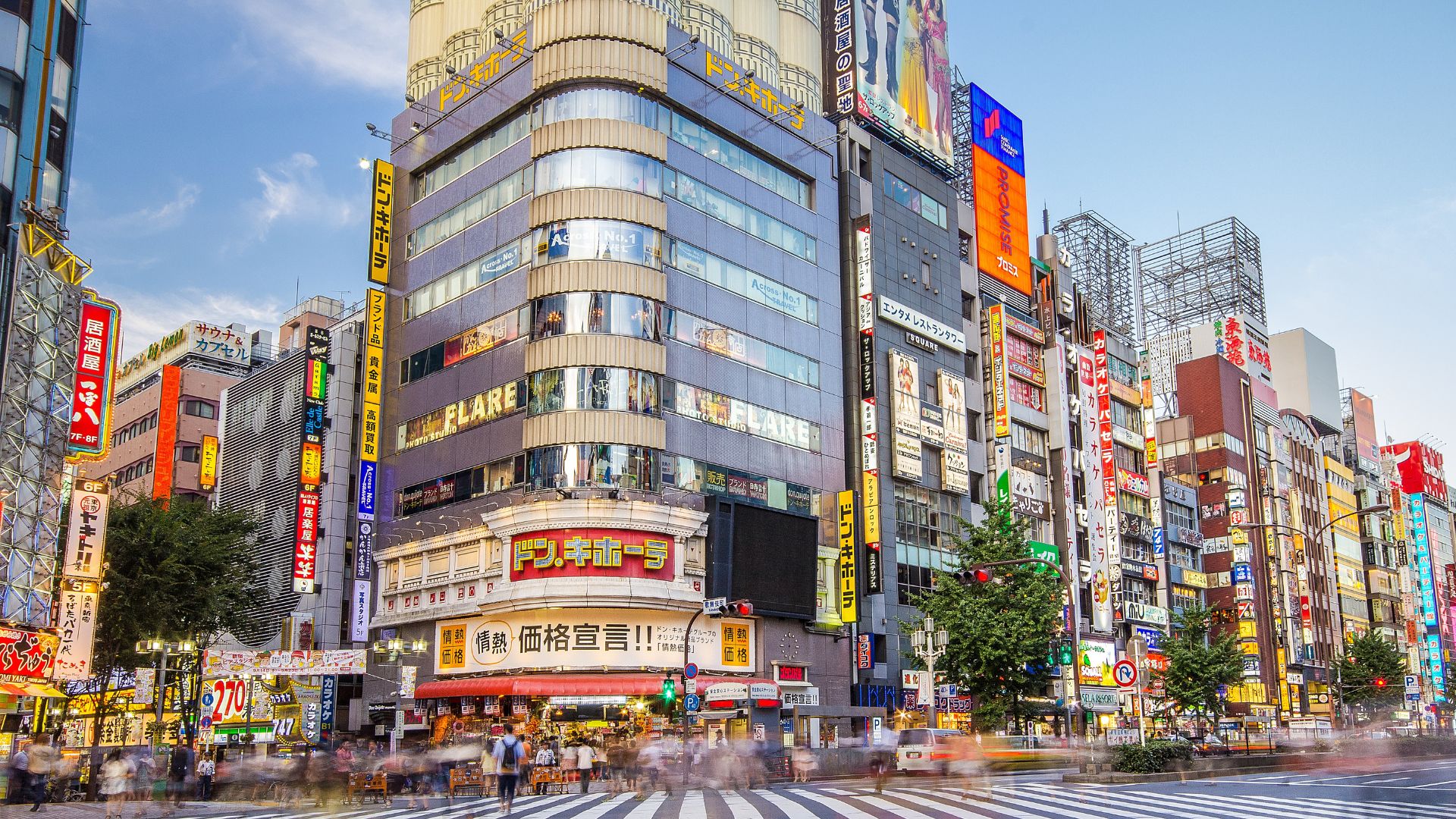
I booked a hotel near Shinjuku Station as my base. Day trips to Nikko and Kamakura were so easy. I could walk to the station in minutes and hop on express trains.
Stations like Shinjuku, Shibuya, and Tokyo Station connect you everywhere. They’re also the launch point for regional trips.
On cold days, I appreciated being close to transit—less time outside, more time inside warm stations. Plus, the stations have underground malls for food and shopping.
Aim for a place within a five-minute walk of a major station. Double-check on a map before booking. This one step made my winter trip way smoother.

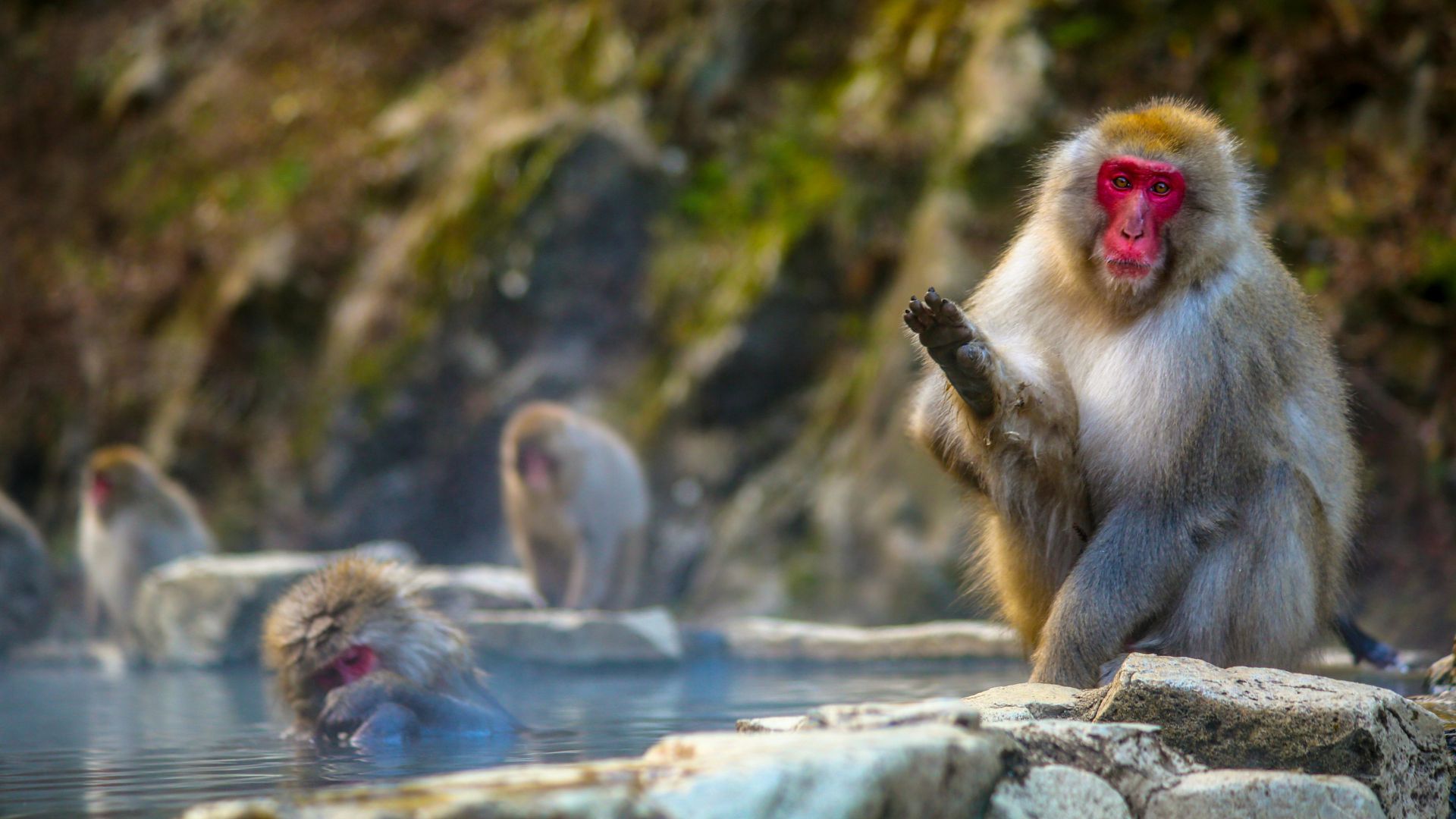
8) Visit Jigokudani Snow Monkey Park—Monkeys in Hot Springs Are Wild
Watching wild monkeys bathe in steaming hot springs was honestly one of the coolest things I’ve seen. Jigokudani Monkey Park is home to Japanese Macaques, or snow monkeys, who soak in the springs to stay warm.
You’ll find the park in Yamanouchi, near Shibu Onsen and Yudanaka. It’s tucked in a forested valley, right where the monkeys live.
Getting there took a short hike, but the trail was manageable, even with some snow.
I went in December, which is prime time for monkey-watching. From December to March, the monkeys love soaking in the hot water.
They wander around freely and don’t seem to care about visitors. I watched them play, groom each other, and just chill in the steam while snowflakes fell. Worth the effort, no question.
9) Use IC Cards Like Suica or Pasmo—Public Transit Will Be a Breeze
Getting an IC card was one of my best travel moves. I grabbed a Suica card at Tokyo Station, and suddenly every train and bus ride got easier.
These rechargeable cards work on pretty much all trains, subways, and buses. Tap in, tap out—no messing with tickets or fares.
Suica and Pasmo are basically identical. You can use them in Tokyo, Osaka, Kyoto, and most other cities.
I even used mine at convenience stores and vending machines. No more digging for coins.
Topping up was easy—charging machines are everywhere. I usually loaded 2,000 to 3,000 yen at a time.
You can get IC cards at big stations or, if your phone supports it, grab a mobile version. I stuck with the physical card—simple and reliable everywhere I went.
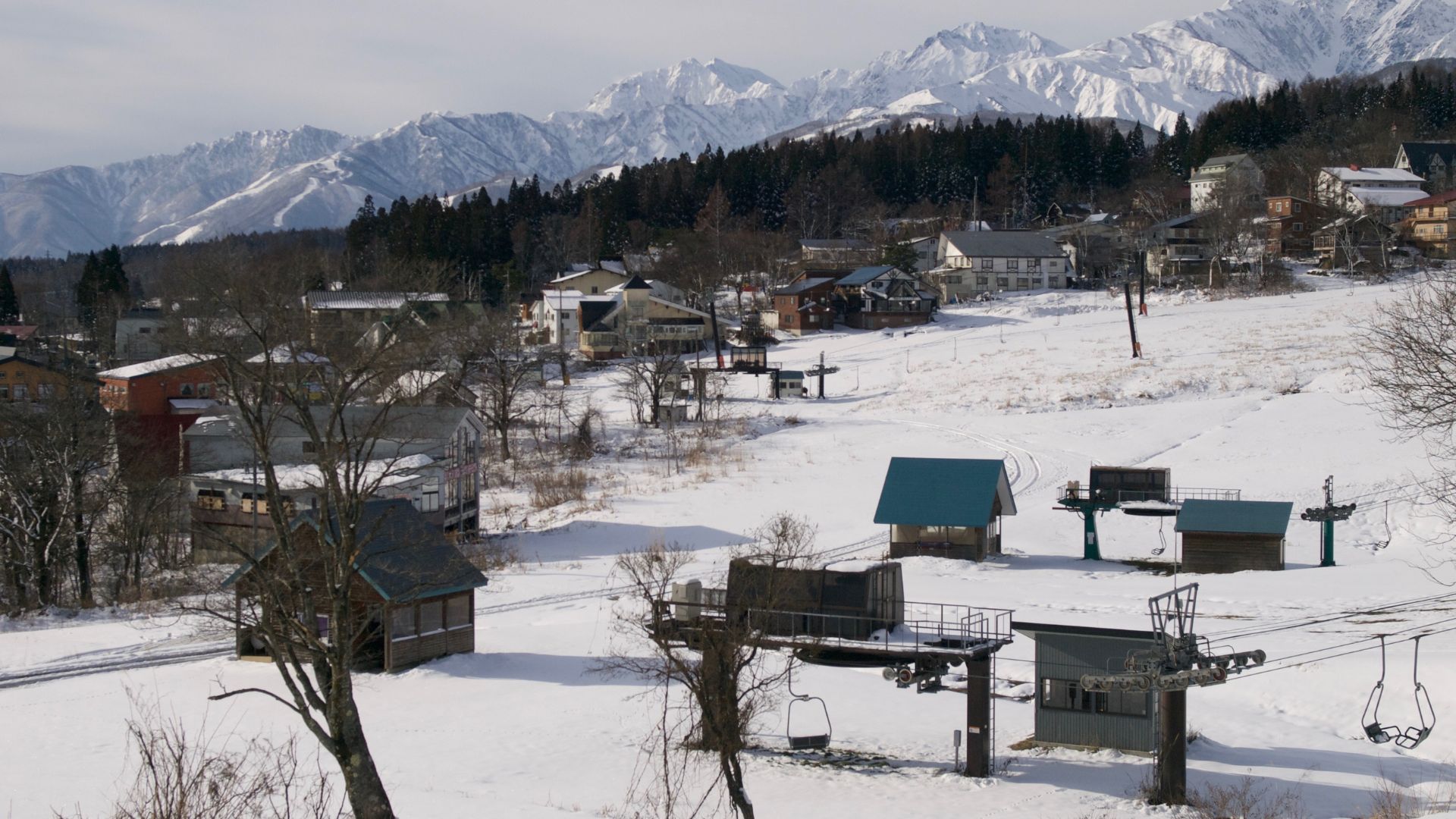
10) Plan a day trip to ski resorts like Hakuba or Niseko if interested in winter sports
If you’ve only got a day to spare but want to hit the slopes, Hakuba and Niseko are both fantastic picks. I tried both and honestly, each has its own vibe.
Niseko feels more beginner-friendly. The snow’s softer, the slopes are gentler, and I noticed plenty of English-speaking instructors around. You get access to four connected resorts with one pass—pretty handy if you like options.
Hakuba sits up in the Japanese Alps, and wow, the mountains here are something else. The valley packs ten resorts with steeper runs and longer trails. If you love a challenge, Hakuba’s where you’ll find it.
Getting to either spot takes a bit of planning. Niseko’s closer to Sapporo, while Hakuba is easier from Tokyo or Nagano. I always book my transport and rentals ahead of time—peak season gets busy fast.
Rental shops and ski schools sit right at the base areas. No need to lug gear from home. If you show up early, you can squeeze in more time on the slopes.
Understanding Winter Travel in Japan
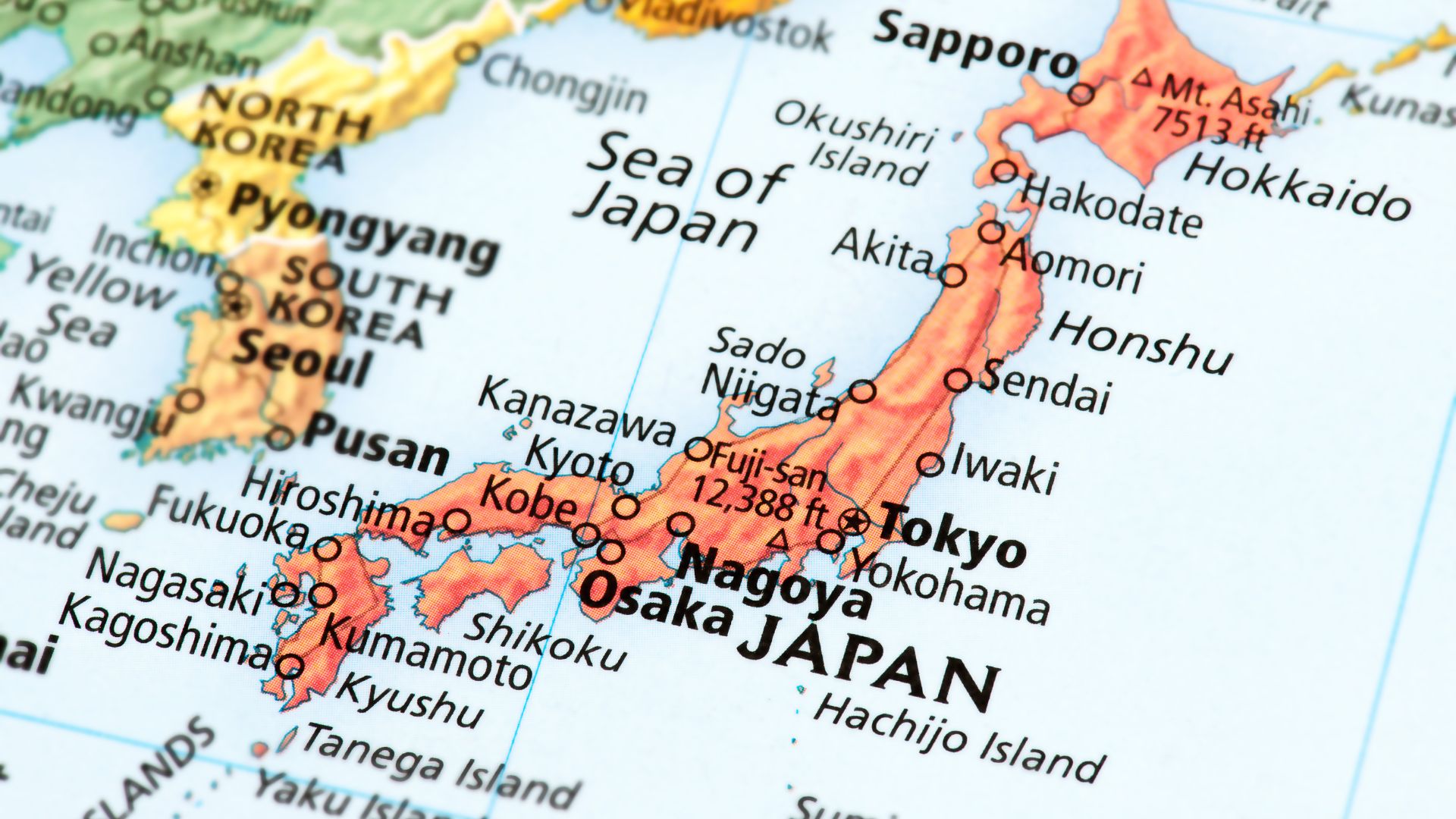
Japan in winter—it’s a whole different world from December to February. I learned quickly that Tokyo’s winter barely resembles the deep freeze up north in Hokkaido.
Cultural Norms and Seasonal Expectations
Japanese winter culture is full of little rituals, and honestly, they make solo travel more interesting. Indoors, things stay toasty, but entryways and hallways? Not so much. I found myself slipping off my coat as soon as I stepped into a shop or restaurant—locals do it automatically.
Key cultural practices during winter:
- People stash plastic bags for wet shoes—trust me, it comes in handy
- Hot towels (oshibori) show up at restaurants more often
- Vending machines offer hot canned drinks (try one, they’re everywhere)
- Traditional inns break out kotatsu tables (blankets and heated tables—pure bliss)
Winter light displays start mid-November and last through February in the big cities. Crowds get intense on weekends, but if you go on a weekday night, you’ll get better photos and some breathing room.
Common Misconceptions About Solo Travel
Friends warned me I’d feel lonely traveling solo in Japan during winter. That just didn’t happen. Eating alone is totally normal here, and I never got a weird look.
People think winter limits what you can do. Actually, I found the opposite. Hot springs feel extra amazing in the cold, ski resorts offer lessons for every skill level, and winter festivals pop up all over.
Safety? Japan’s reputation holds up. Even with snow on the ground, trains run on time and I wandered city streets at night without a second thought.
Weather Realities and Regional Variations
Winter weather in Japan is all over the map. Tokyo and Kyoto barely see snow, with temps hovering between 35°F and 50°F. Head north or up into the mountains, and you’ll find deep snow and freezing temperatures.
| Region | Temperature Range | Snowfall | Best For |
|---|---|---|---|
| Tokyo/Osaka | 35-50°F | Rare | City exploration, temples |
| Kyoto | 32-48°F | Occasional | Cultural sites, fewer crowds |
| Hokkaido | 15-30°F | Heavy | Skiing, snow festivals |
| Japanese Alps | 20-35°F | Heavy | Hot springs, winter sports |
I packed layers for Tokyo, but when I got to Hokkaido I needed real winter gear. Days are short—the sun sets around 4:30 or 5:00 PM, so you have to plan accordingly. Even so, lots of regions get clear, sunny days despite the cold.
Navigating Local Experiences as a Solo Traveler
Japan’s setup makes solo travel pretty easy, but winter throws in some surprises. I had to figure out how to get by without much Japanese, connect with people when I wanted, and stay safe on icy streets.
Handling Language Barriers
Most folks outside Tokyo spoke limited English, so I relied on Google Translate a lot. The camera feature works wonders for menus and signs.
I picked up some basic phrases—”sumimasen,” “arigato gozaimasu,” and “eigo ga hanasemasu ka”—and those helped every day.
Train stations in the cities have English signs, but smaller rural stops? Not so much. I took screenshots of my destinations in both English and Japanese to show staff when I got stuck. Convenience store staff usually understood gestures and translation apps.
Ordering food turned out easier than I expected. I just pointed at menu pictures or plastic food displays outside. Ramen shops and izakayas made solo dining feel normal, and staff were patient about my patchy Japanese.
Finding Comfort and Community Alone
I mixed it up with capsule hotels and guesthouses. Guesthouses, especially in Kyoto and Takayama, had common rooms where travelers hung out in the evenings, which helped break up the solo routine.
Solo ramen counters became my go-to. Sitting at the bar, ordering from a vending machine, slurping noodles—no one bats an eye.
I joined a Tokyo walking tour and a cooking class in Osaka. Both drew other solo travelers, so swapping tips felt natural. The structured setting made conversation easy without the pressure.
Short winter days meant it got dark early, and streets emptied out. I planned indoor stuff for late afternoons—museums, bookstores, anything to keep the evenings from dragging.
Safety Insights Specific to Winter Months
I felt safe everywhere, even at night, but winter brought new challenges. Ice showed up on sidewalks and temple steps, especially in hilly Kyoto. I picked up cheap slip-on ice grips at a ¥100 shop—lifesaver.
Heavy snow sometimes delayed trains up north, so I padded my schedule and checked the weather on the Japan Meteorological Agency site every morning.
Small towns closed up early in winter, with restaurants and shops shutting by 7 PM. I grabbed snacks from convenience stores and made sure to eat dinner before dark.
I shared my daily plans with family through a messaging app. Cell service worked everywhere, and I bought a data SIM at the airport for about ¥3,000 to stay connected.
Frequently Asked Questions
Solo winter trips to Japan come with a lot of questions. Here are the ones I get most, with answers based on my own travels.
For two weeks in winter, I’d split it up like this: Tokyo (3 days), Japanese Alps (3 days), Kyoto (3 days), Osaka (2 days), and Hokkaido (3 days). That way, you get a mix of city lights, snowy mountains, and deep winter up north.
Start in Tokyo to shake off jet lag and catch the winter illuminations in Shibuya and Roppongi. Next, head to Takayama or Kanazawa for snowy, old-school towns in the Alps.
In Kyoto, snow-dusted temples like Kinkaku-ji and Fushimi Inari feel magical without the summer crowds. Osaka is all about the food—perfect for warming up with local winter dishes.
Wrap up in Hokkaido. Sapporo and Otaru deliver real winter: deep snow, ice festivals, and if you’re lucky, the Sapporo Snow Festival in February.
For something a bit different, try Tokyo (2 days), Kusatsu Onsen (2 days), Kanazawa (2 days), Takayama (1 day), Shirakawa-go (1 day), and Kyoto (2 days).
Kusatsu Onsen is a dreamy hot spring town—soaking outside while snow falls is next-level relaxing.
Kanazawa has samurai and geisha districts, plus Kenroku-en Garden, which looks stunning under a blanket of snow. Takayama gives you mountain town vibes, with morning markets and sake breweries.
Shirakawa-go’s thatched farmhouses look straight out of a storybook in winter. Book ahead—staying overnight here is popular and options are limited.
Tokyo, Sapporo, and Kyoto are my top picks for solo winter travel. All three have great public transport, easy solo dining, and a mix of places to stay.
Tokyo never really slows down. There’s always something happening, from light displays to cozy cafés. The trains make it simple to hop around safely.
Sapporo brings the snow—tons of it. You get winter sports, the famous snow festival, and a city that’s still walkable even when it’s icy.
Kyoto balances culture and winter beauty. Snowy temples are peaceful, and the bus system makes it easy to get around.
Going off the beaten path in winter takes more planning, but it’s so worth it. Regional onsen towns like Noboribetsu, Zao Onsen, and Kinosaki Onsen blew me away.
Noboribetsu has wild volcanic scenery and steaming hot springs surrounded by snow. Zao Onsen is famous for “snow monsters”—ice-covered trees that look unreal.
The Noto Peninsula near Kanazawa doesn’t see many foreign tourists, but the winter coast and fresh seafood are fantastic. Tiny mountain villages in Nagano offer ski town experiences without the crowds or prices.
English signs get rare in these spots, so I always download offline maps and translation apps first. Local tourist offices can usually help with transport.
Pack layers instead of one heavy coat. Indoor spaces are heated, so I wore thermal underwear, a fleece, and a waterproof shell I could swap as needed.
Buy a Japan Rail Pass before you arrive—it saves you money on long-distance trains. It pays for itself after just a couple of trips between cities.
Book your accommodation early, especially in popular winter spots like Hokkaido and onsen towns. Solo travelers can find capsule hotels, hostels, and business hotels at decent prices.
Grab a portable WiFi router or SIM card at the airport. Staying connected helps with maps, translation, and emergencies.
Pick up heat packs (“kairo”) at convenience stores—they’re cheap and keep your hands warm. Japanese winters are dry, so don’t forget lip balm and moisturizer.
Tokyo in winter? It’s chilly, but honestly, you probably won’t see much snow. Temperatures usually hover between 2°C and 12°C (36°F to 54°F).
The city never really slows down. Even in the cold months, you’ll find crowds everywhere, so it rarely feels lonely. In fact, there’s always something happening—maybe too much at times.
Indoor heating in Tokyo is no joke. You’ll find yourself peeling off layers the moment you step inside. I like to stick with easy-to-remove jackets instead of bulky sweaters. Trust me, it’s less hassle.
If you’re in Tokyo between November and February, you can’t miss the winter illuminations. The city lights up with these stunning displays, and they’re honestly magical. Sometimes, though, they can feel a bit romantic—especially if you’re surrounded by couples. But hey, that just means more space to take photos, right?
The trains? They’re impressively punctual, even when it’s cold. But if it does snow, things can get thrown off. I always check train status apps before heading out during any snowfall, just in case plans need to change.
Eating alone in Tokyo feels completely normal. Loads of restaurants have counter seating made for solo diners. Ramen shops and conveyor belt sushi spots are perfect if you’re flying solo. You might even find it easier to snag a seat!
