
Dreaming of a Caribbean escape but dreading the passport hassle? Good news: U.S. citizens can visit a handful of stunning tropical islands—no passport needed. Think turquoise water, soft sand, and that laid-back island vibe, all without extra paperwork.
These U.S. territories in the Caribbean and Pacific let you skip the passport and just show a government-issued photo ID, like a driver’s license. You get all the international flavor, but you stay under U.S. jurisdiction. That means less planning stress and more time for beach daydreams.
Here’s your go-to list of six islands where you can forget about the passport office and just pack your swimsuit. I’ll share what you need to bring, what makes each spot special, and a few tips for a smooth, sun-soaked getaway.
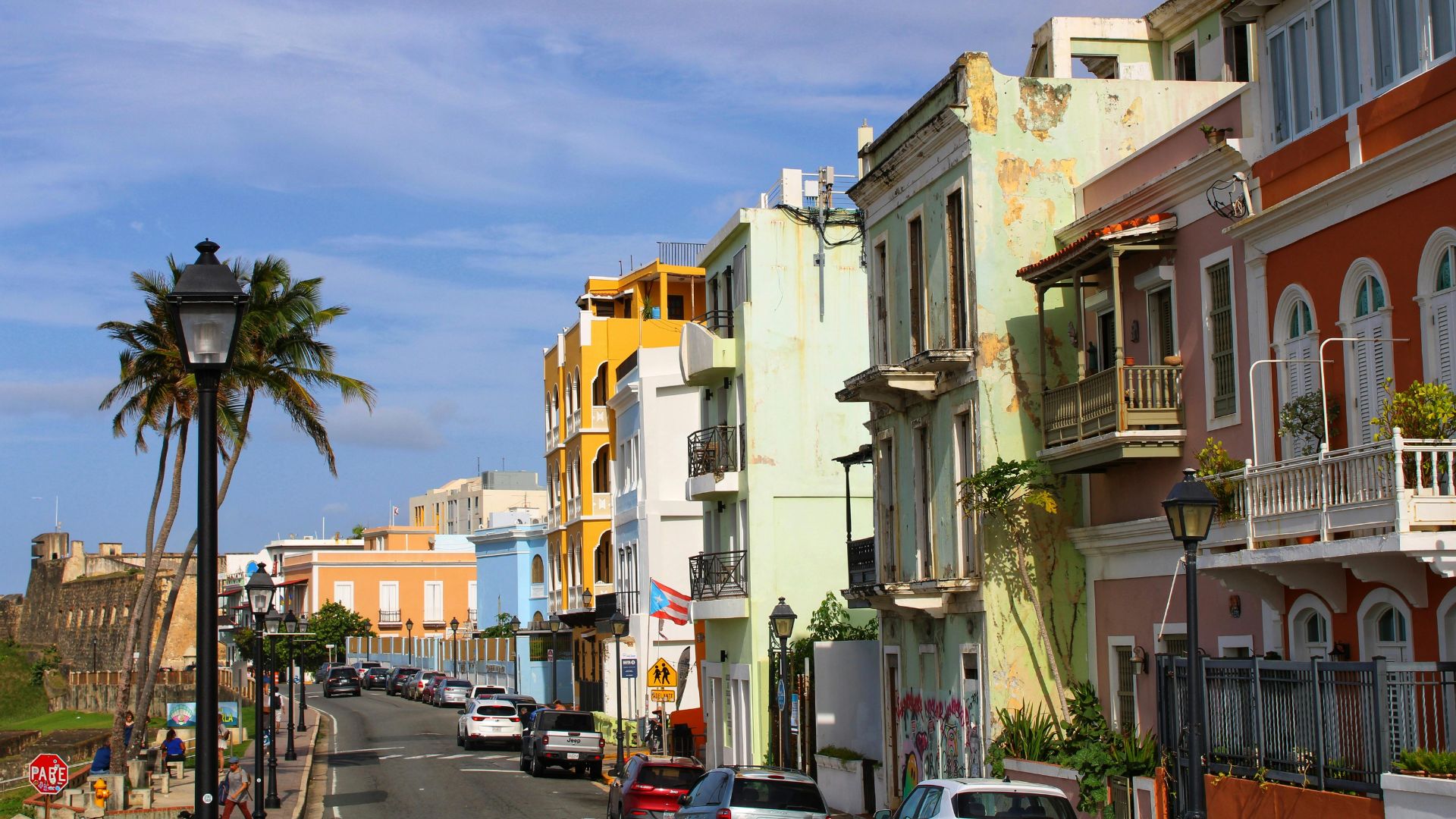
1) Puerto Rico
Puerto Rico tops the list for easy, passport-free island trips. Since it’s a U.S. territory, you don’t need a passport—your trip counts as domestic travel.
Just hop a direct flight from most major U.S. cities. No customs lines, no immigration forms—just flash your driver’s license and you’re set.
It’s hard not to fall in love with the variety here. You can sprawl out on powdery beaches, wander through El Yunque’s lush rainforest, or get lost in Old San Juan’s rainbow-hued streets and centuries-old forts.
Puerto Rico feels like a mashup of Latin culture and American comforts. You’ll use U.S. dollars, and your phone works like it does at home. The food? Pure Caribbean flavor with a Puerto Rican twist—think mofongo, tostones, and fresh seafood.
Whether you’re after a quick weekend or a longer adventure, there’s something for every budget. From swanky resorts to cozy rentals, you’ll find your spot.
2) U.S. Virgin Islands
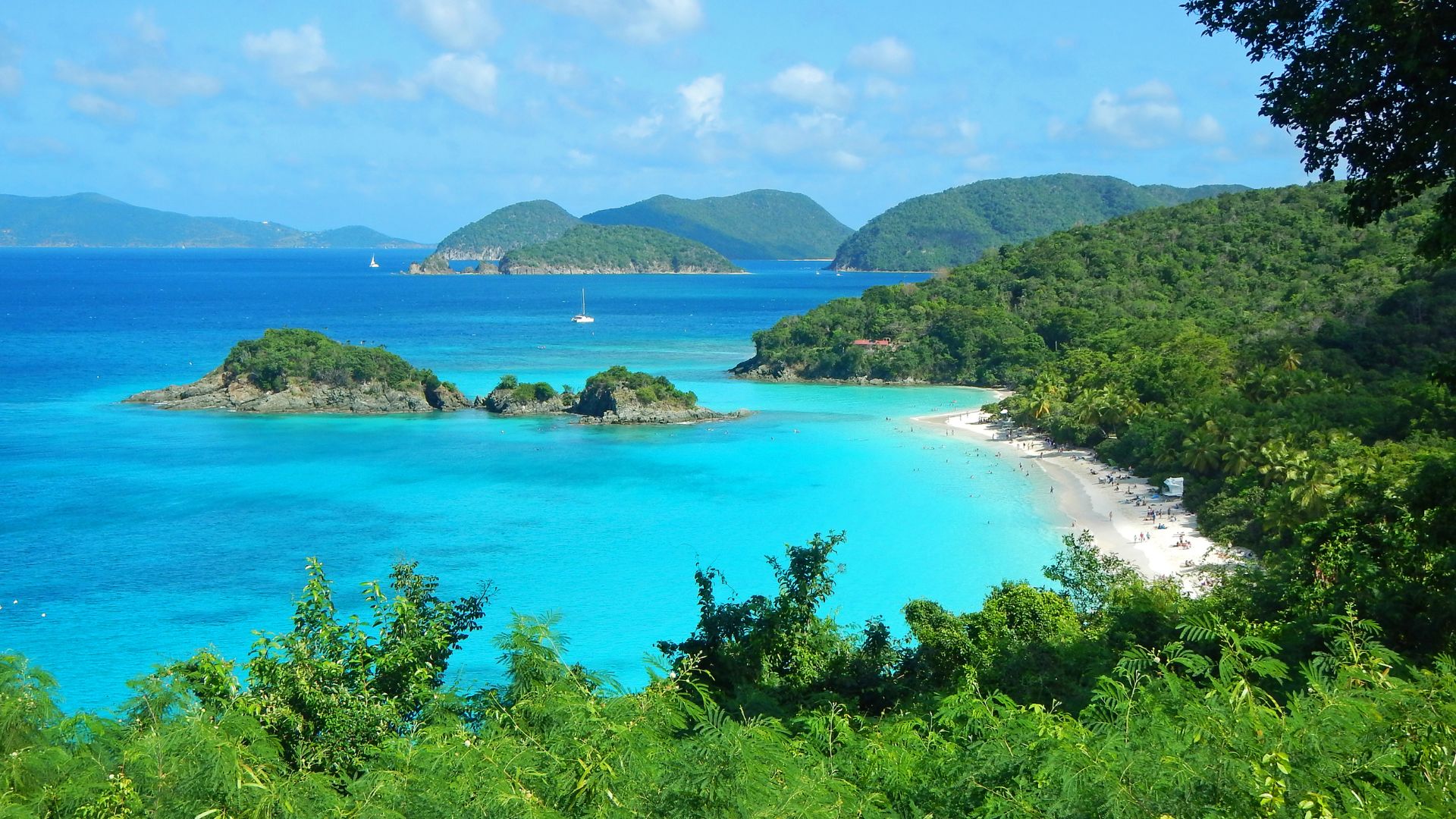
The U.S. Virgin Islands make island-hopping a breeze for Americans. No passport required—just a government-issued photo ID, and you’re good to go.
This territory is made up of three main islands: St. Thomas, St. John, and St. Croix. Direct flights from the mainland make getting here surprisingly easy.
St. Thomas buzzes with duty-free shops and lively beaches. St. John feels wilder, with more than half the island protected as Virgin Islands National Park—perfect for hiking or snorkeling. St. Croix, the biggest of the bunch, mixes colonial history with natural beauty.
I’d aim for April to June if you want mild weather and fewer crowds. December to March is also lovely, but expect more tourists.
You’ll find year-round warmth, clear water, and those classic white-sand beaches. U.S. dollars are the norm, so there’s no need to fuss with currency exchanges.
3) American Samoa
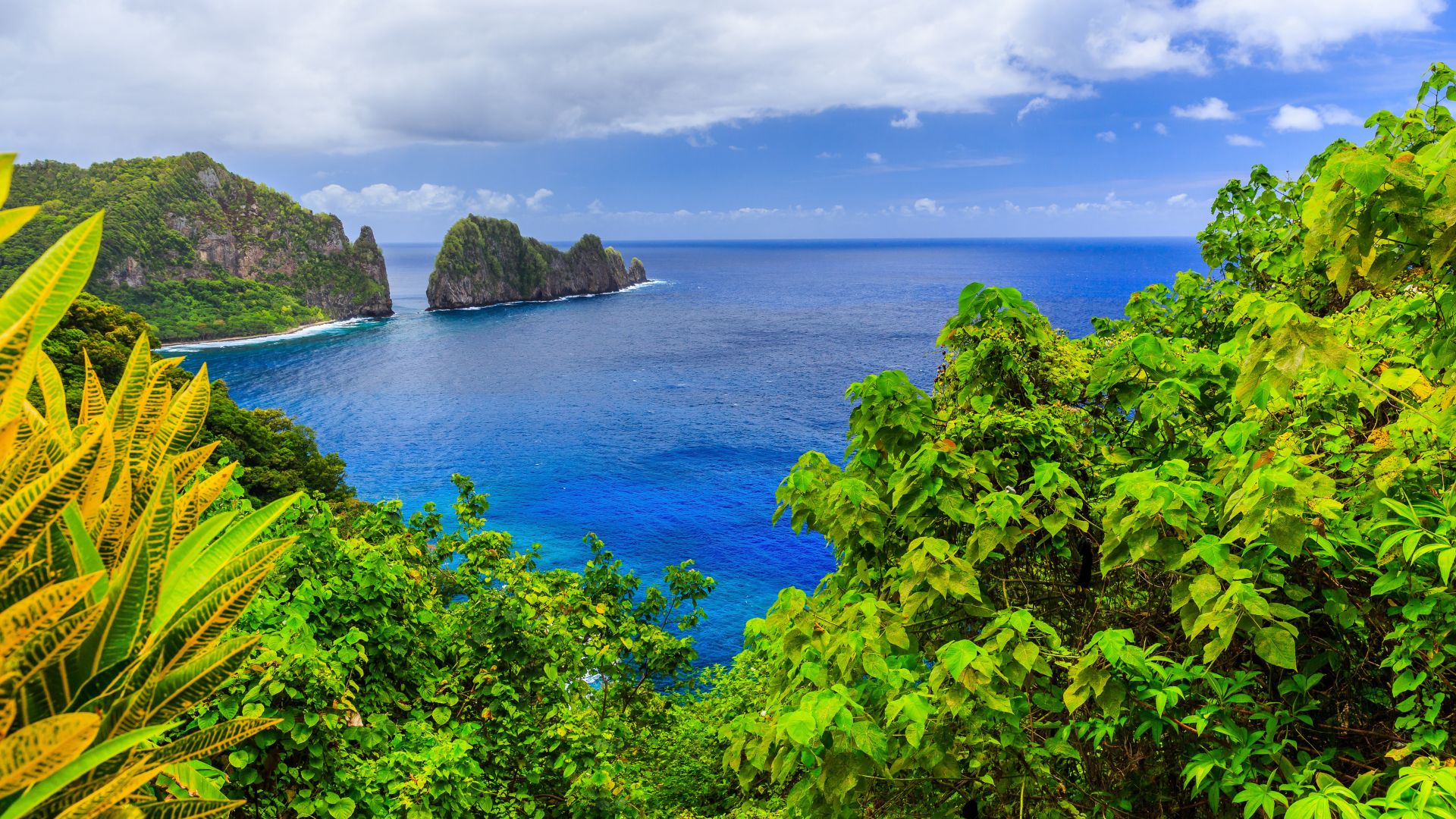
American Samoa sits out in the South Pacific, about halfway between Hawaii and New Zealand. U.S. citizens don’t need a passport—just bring a government-issued photo ID and proof of citizenship, like a birth certificate.
This place feels untouched, almost wild. Pristine beaches, vibrant coral reefs, and some of the Pacific’s best snorkeling and diving await. The marine life here? Pretty incredible, and the reefs are still healthy.
Polynesian culture runs deep, and you’ll notice it in everything from the food to the music. It’s a genuine island experience, far from the usual tourist crowds.
Getting here takes a bit more effort. Flights aren’t as frequent, and you’ll probably connect through Hawaii. But if you’re craving peace and quiet, the journey’s worth it.
The National Park of American Samoa protects big chunks of the islands. You can hike through rainforests and past volcanic peaks, spotting native wildlife along the way.
4) Northern Mariana Islands
The Northern Mariana Islands—14 in all—lie in the northwestern Pacific. They’re a U.S. commonwealth, so you can visit with just your government-issued ID.
Years of Spanish, Japanese, and American influence have created a culture you won’t find anywhere else. It’s a cool mix, honestly.
Saipan, the largest island, draws most visitors. You’ll find sandy beaches, water sports, and World War II history to explore.
These islands sit north of Guam, so getting here means a long flight from the mainland. But if you want tropical scenery without the passport hassle, it’s a solid pick.
You’ll get clear waters, fewer crowds, and a different flavor of island life than the Caribbean.

5) Guam
Guam sits way out in the western Pacific—about 3,800 miles from Hawaii. You don’t need a passport if you’re a U.S. citizen, just a valid government-issued ID.
The island is all about tropical beaches, warm weather, and a blend of Chamorro and American cultures. Snorkeling, diving, and exploring WWII sites are top activities here.
Tumon Bay is the main hub for hotels, restaurants, and shopping. If you want a killer view, check out Two Lovers Point overlooking the Philippine Sea.
Flights are long—think at least 15 hours from the mainland with a layover or two. But you skip international customs, since Guam is U.S. territory.
U.S. dollars are standard, and English is widely spoken along with Chamorro.

6) St. Thomas
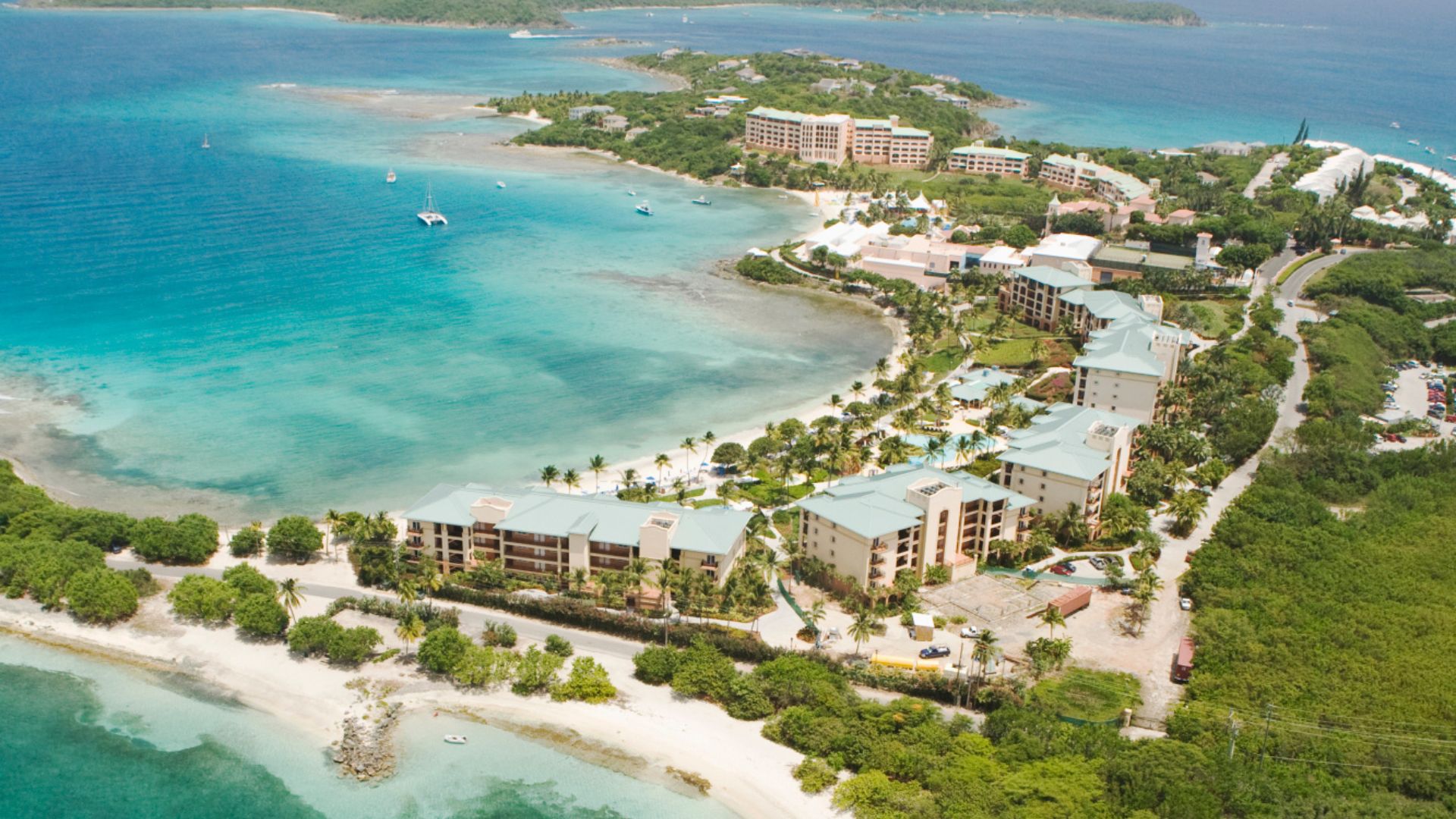
St. Thomas is part of the U.S. Virgin Islands, so you can leave your passport at home. Just bring a government-issued photo ID, and you’re all set.
The island’s famous for luxury resorts and its shopping scene. In Charlotte Amalie, the main town, you’ll find duty-free deals on jewelry, electronics, and more.
Beaches here are gorgeous—Magens Bay is a must-see. Water lovers can snorkel, sail, or just float the day away.
Getting here is a snap, with direct flights from major U.S. cities like New York and Miami. Flights from the East Coast usually take about four hours.
You’ll use U.S. money, and everyone speaks English, so there’s no need to stress about language or currency.
Travel Requirements and Entry Guidelines
If you’re a U.S. citizen, you can visit certain Caribbean islands with just a government-issued photo ID. These are U.S. territories, so you don’t have to worry about the usual visa rules.
Accepted Identification Documents
Bring a valid government-issued photo ID. An unexpired driver’s license or state ID will get you on the plane.
You’ll also want to carry proof of U.S. citizenship. That could be your original or certified birth certificate, a certificate of naturalization, or a certificate of citizenship.
What you need:
- Valid driver’s license or state-issued photo ID
- Original birth certificate with raised seal
- Certificate of naturalization or citizenship (if that applies)
If you plan to stop in any foreign countries, it’s smart to bring a passport anyway. Airlines sometimes have their own rules, so double-check with your carrier before you go.
Visa Policies for U.S. Citizens
You don’t need a visa to visit U.S. territories in the Caribbean. Puerto Rico and the U.S. Virgin Islands run under U.S. federal law.
Traveling to these islands is considered domestic. You won’t deal with customs or immigration if you’re flying direct from the mainland.
There are no limits on how long you can stay. No visa extensions, no paperwork headaches. It’s an easy choice for a quick getaway or a longer stay.
Cultural Highlights and Practical Tips
You can use U.S. dollars and speak English in most of these territories, but picking up a few local phrases never hurts. Getting around can be tricky, though—public transit options vary a lot.
Language and Currency Considerations
English is the main language in Puerto Rico, the U.S. Virgin Islands, and other U.S. territories. In Puerto Rico, you’ll hear a lot of Spanish too.
The U.S. dollar is the currency everywhere, so you won’t have to worry about exchange rates. Your credit and debit cards work just like they do at home, and ATMs are easy to find in tourist spots.
You don’t need to tell your bank you’re traveling, since it’s all considered domestic.
Learning a few basic Spanish phrases for Puerto Rico can really make a difference. Locals appreciate the effort, and even a simple “hola” or “gracias” goes a long way.
Local Transportation Advice
Renting a car is often your best bet for exploring. You just need a U.S. driver’s license, and the rules of the road will feel familiar.
Roads are generally good in Puerto Rico and the U.S. Virgin Islands, though rural areas can get narrow or twisty.
Taxis are easy to find at airports and cruise ports. They can get pricey for longer trips, and most don’t use meters, so agree on the fare before you go.
Public buses run in Puerto Rico and St. Thomas, but schedules can be limited and unpredictable. They’re cheap, but not great if you’re on a tight schedule.
Uber is available in Puerto Rico’s main cities, but ride-sharing options are limited in the U.S. Virgin Islands.

Frequently Asked Questions
U.S. citizens can visit several Caribbean and Pacific territories without a passport, but it depends on how you travel and where you’re headed. Closed-loop cruises offer passport-free options to some islands, but you’ll still need a passport for places like the Bahamas or Turks and Caicos.
Puerto Rico is a great pick for budget-friendly stays. You’ll find affordable hotels, guesthouses, and rentals, plus local transportation won’t break the bank.
The U.S. Virgin Islands work for tight budgets too. St. Croix tends to be more affordable than St. Thomas or St. John, especially for lodging.
American Samoa offers a Pacific option with lower prices than most Caribbean spots. Budget accommodations and cheap eats are easy to find.
Puerto Rico has several all-inclusive resorts along its northern and eastern shores. Meals, drinks, and activities are all bundled.
The U.S. Virgin Islands, especially St. Thomas and St. John, feature all-inclusive options with accommodations, dining, water sports, and entertainment included.
Guam’s all-inclusive beach resorts cater to travelers who want everything handled—airport transfers, meals, activities, you name it.
You can take a closed-loop cruise (leaving from and returning to the same U.S. port) to the Caribbean without a passport. You’ll need a government-issued photo ID and an official birth certificate.
These cruises might stop at places like Jamaica, Mexico, and the Bahamas. But if you miss the ship and need to fly home, you could run into trouble without a passport.
Honestly, it’s smart to bring a passport anyway, just in case. Airlines require one for international flights, which could save you a headache if plans change unexpectedly.
If you’re a U.S. citizen dreaming of a quick getaway to the Bahamas, you’ll need a valid passport—no exceptions, no matter how short your stay. The Bahamas stands as an independent country, not a U.S. territory, so you have to follow the usual international travel rules.
Trying to fly in with just a birth certificate and driver’s license? That won’t work. The only real workaround is if you’re hopping on a closed-loop cruise (one that starts and ends at the same U.S. port). In that case, you might get away without a passport, but honestly, I wouldn’t risk it—rules can change, and cruise lines can be picky.
Turks and Caicos doesn’t let U.S. citizens in without a valid passport. No matter how you get there—plane, boat, whatever—you have to show your passport at entry.
Your passport should stay valid the whole time you’re visiting. They won’t accept a birth certificate or any other ID as a substitute, which feels strict, but that’s just how it is.
Before you arrive, you’ll also need to fill out a travel authorization form. Everyone has to do this, so it’s best to get it sorted ahead of time.
Let’s talk about Puerto Rico and the U.S. Virgin Islands first. Both of these Caribbean spots welcome U.S. citizens without a passport.
Honestly, all you need is a government-issued photo ID. That’s it.
If you’re itching for something a bit farther, Guam, American Samoa, and the Northern Mariana Islands in the Pacific also don’t ask for a passport. I love that you can chase tropical vibes and sandy beaches in these places, just like you would in the Caribbean.
Traveling to these territories feels pretty familiar. You book flights the same way you would to any other U.S. state.
At the airport, you’ll just go through the usual TSA security process. No extra hoops, no customs lines—pretty straightforward, right?
