
Last summer, I embarked on the adventure of a lifetime along the Alta Via 1 trail in Italy’s stunning Dolomites. For seven unforgettable days, I hiked through some of the most breathtaking mountain landscapes in Europe. I stayed in charming mountain huts and climbed to heights of 2,500 meters.
The Alta Via 1 offers hikers the perfect balance of challenge and accessibility. It stretches approximately 143 kilometers from the beautiful Lago di Braies in the north to Belluno in the south.
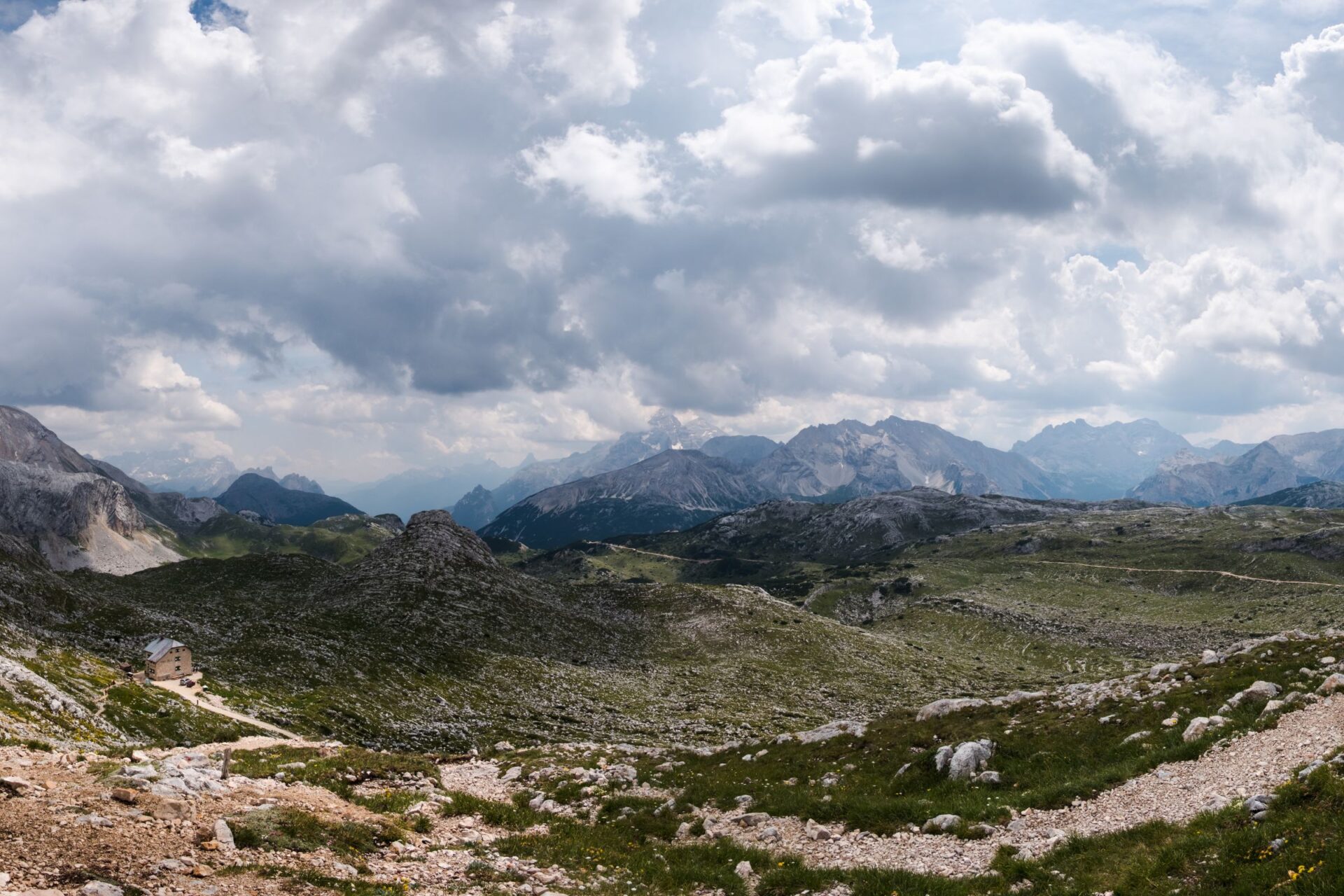
The Dolomites reveal their magic with each step along this famous trail. My journey took me through dramatic limestone peaks, sweeping meadows filled with wildflowers, and past countless panoramic viewpoints that stopped me in my tracks. While many trekkers complete the route in 6-7 days, I chose to include a rest day in the charming town of Cortina to fully savor the experience.
What makes Alta Via 1 special is how it showcases the heart of the Dolomites without requiring technical climbing skills. Each day brought new wonders – from misty mountain sunrises to starlit nights at remote rifugios. The trail’s well-marked paths and network of mountain huts make it ideal for both experienced hikers seeking alpine beauty and newcomers to multi-day trekking in Italy’s most iconic mountain range.
Planning Your Trek on the Alta Via 1
Careful planning is essential for a successful journey along the Alta Via 1. I’ve learned through experience that preparation makes the difference between an enjoyable adventure and a stressful one in the Dolomites.
Determining the Best Time to Go
July and August offer the best conditions for hiking the Alta Via 1. During my trek, I found July to be ideal since the trails were less crowded than in August when Europeans typically take their holidays. The summer months provide more reliable weather with less chance of snow blocking the higher passages.
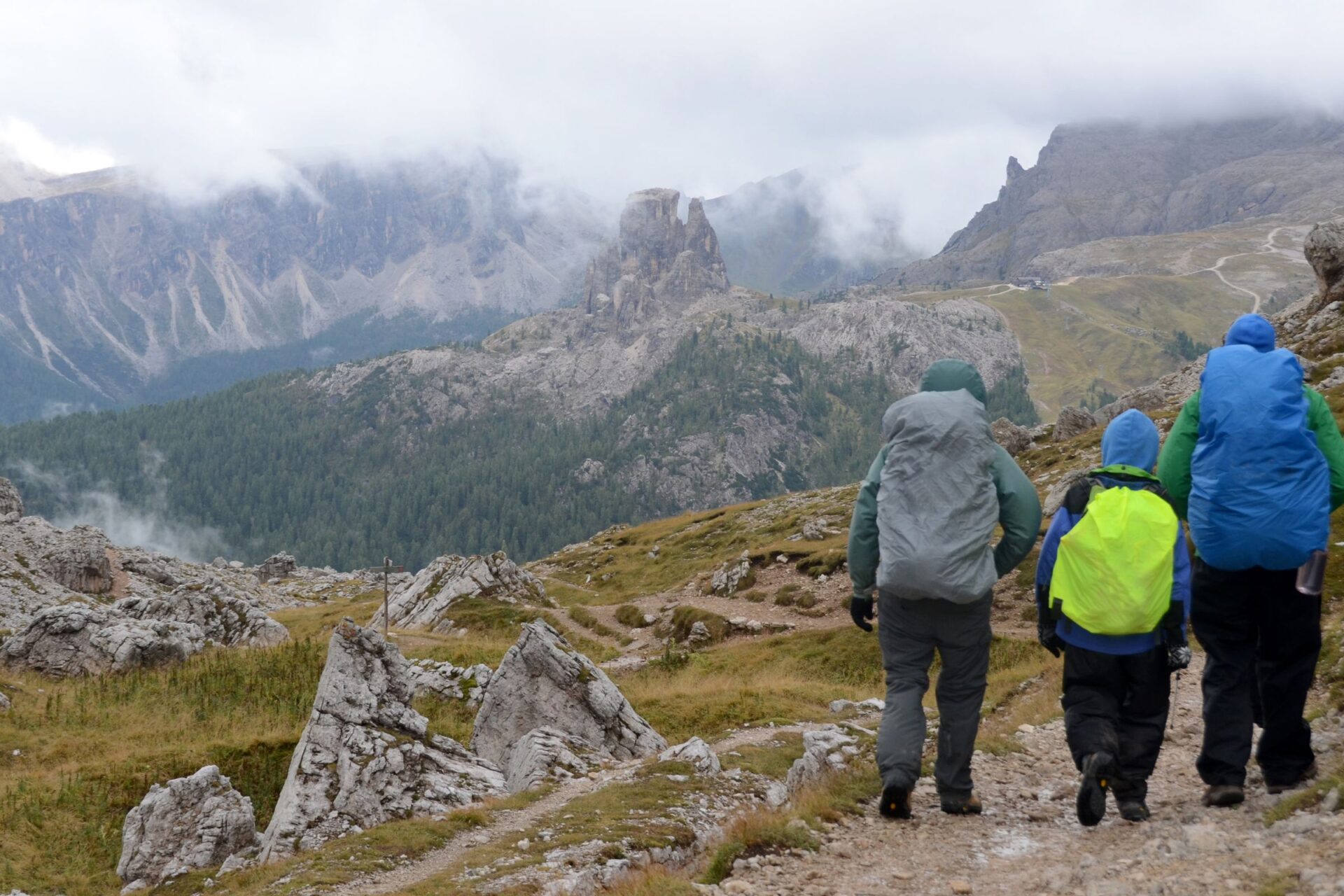
Late June can work too, though be prepared for potential lingering snow at higher elevations. My group encountered some patches even in early July. September brings cooler temperatures and fewer crowds, but weather becomes less predictable.
Always check recent weather forecasts before finalizing your dates. I recommend booking accommodations at least 3-4 months in advance, especially if you’re traveling during peak season.
Essential Gear and Packing Tips
Packing light made a huge difference on my Alta Via 1 journey. Here’s what I consider essential:
Clothing:
- Moisture-wicking layers
- Lightweight rain jacket
- Sturdy hiking boots (broken in!)
- Hat and sunglasses
- Light gloves and warm hat
Equipment:
- 30-40L backpack
- Trekking poles
- Headlamp
- First aid kit
- Water bottles (2L capacity)
I stayed in rifugios each night, so I didn’t need camping gear. These mountain huts provide bedding, but a silk liner saved weight compared to a sleeping bag.
Don’t forget sunscreen and blister protection! The alpine sun is intense, and those steep ascents and descents can be tough on feet.
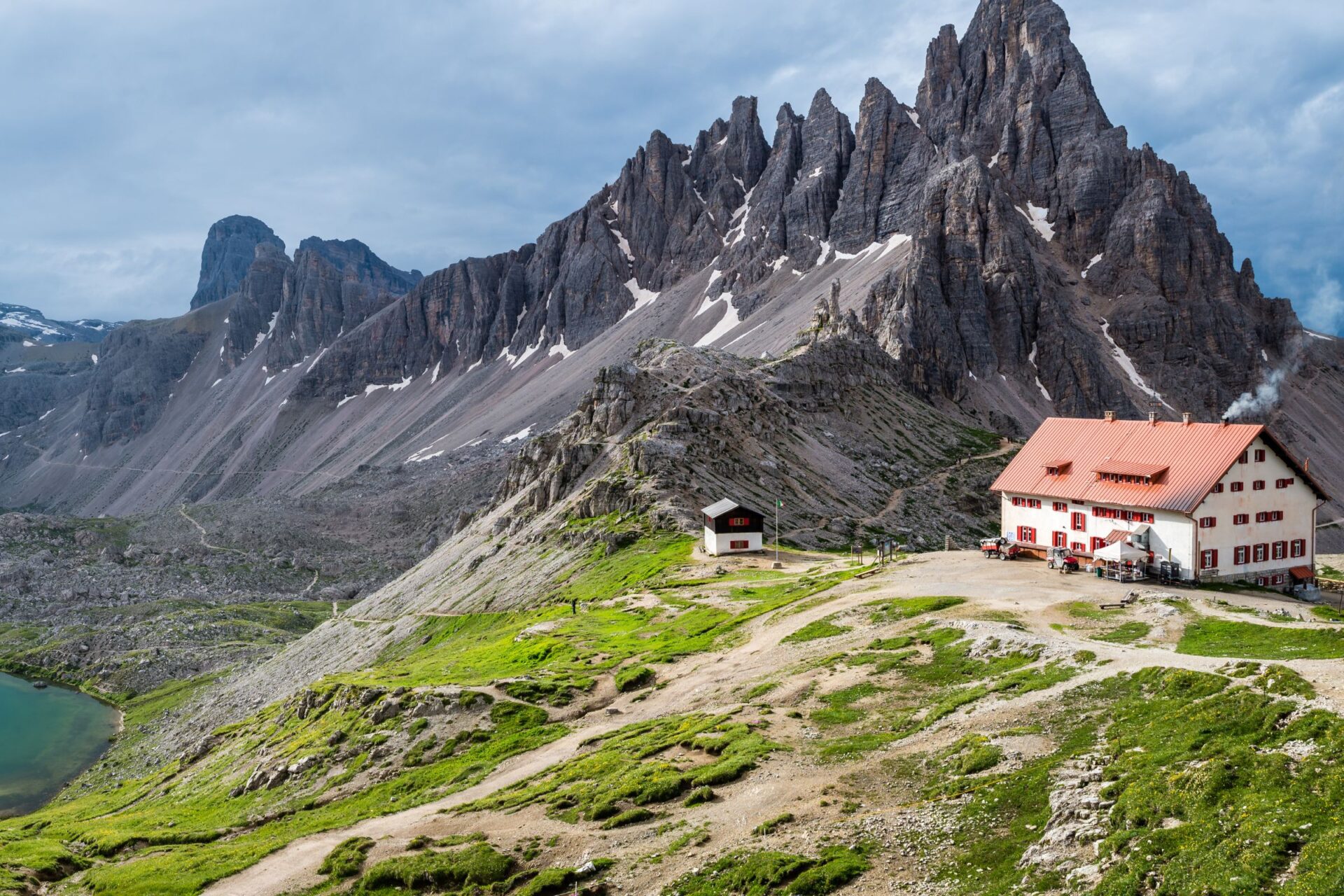
Selecting Your Route and Itinerary
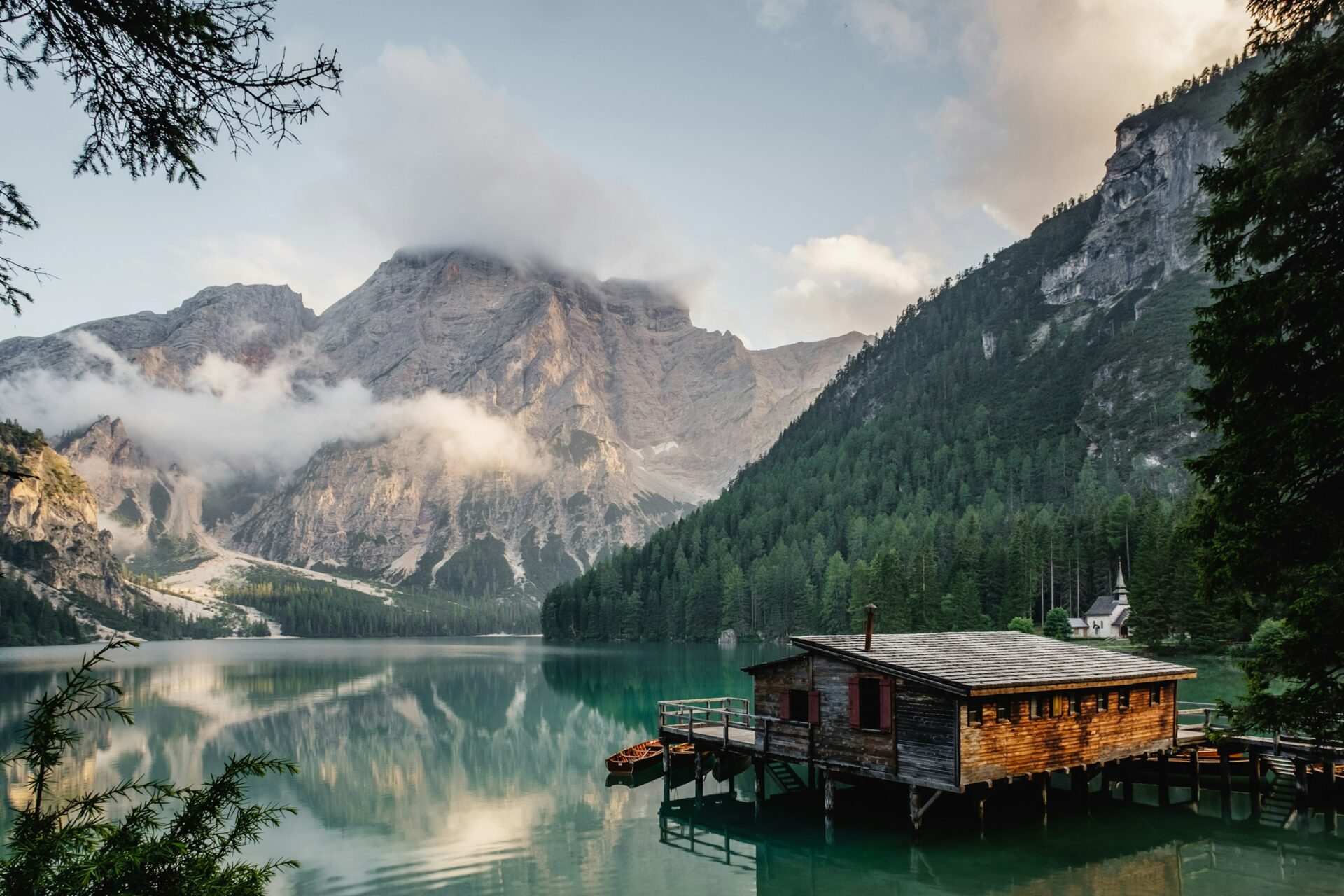
The complete Alta Via 1 spans from Lago di Braies in the north to Belluno in the south, typically taking 8 days to complete. My itinerary looked like this:
Day 1: Lago di Braies to Rifugio Biella (11 km)
Day 2: Rifugio Biella to Rifugio Lagazuoi (12 km)
Day 3: Rifugio Lagazuoi to Rifugio Nuvolau (10 km)
Day 4: Rifugio Nuvolau to Rifugio Città di Fiume (14 km)
And so on to Belluno. Daily distances ranged from 10-15 km with ascents between 500-1000 meters.
For beginners, I recommend adding an extra day or two. The terrain is challenging! If you’re short on time, the northern sections offer the most dramatic scenery.
Book rifugios in advance—they fill up quickly in summer months.
Understanding Maps and Navigational Tools
Despite good trail markings, proper navigation tools are essential. I used a combination of:
- Paper maps (Tabacco 1:25,000 series covers the entire route)
- GPS app on my phone (Gaia GPS or AllTrails)
- A detailed guidebook with elevation profiles
The trail is generally marked with the “1” symbol on red and white painted blazes. Don’t rely solely on electronic navigation—batteries die and signals fail in the mountains.
Download offline maps before your trip. I also took screenshots of rifugio locations and key junctions as backup.
Weather changes rapidly in the Dolomites. Having navigation tools helped me make safe decisions when visibility decreased or when choosing between alternative routes.
Navigating the Trails and Terrain
Finding your way through the Alta Via 1 requires understanding specific trail systems, recognizing safety features, and preparing for significant elevation changes. The well-marked paths still demand attention to detail and proper preparation.
Recognizing Trail Markings and Signs
The Alta Via 1 uses a straightforward marking system that I quickly learned to trust. Red and white painted stripes appear on rocks and trees along the route, with the trail number (usually “1”) painted between them. These markers typically appear every 100-200 meters.
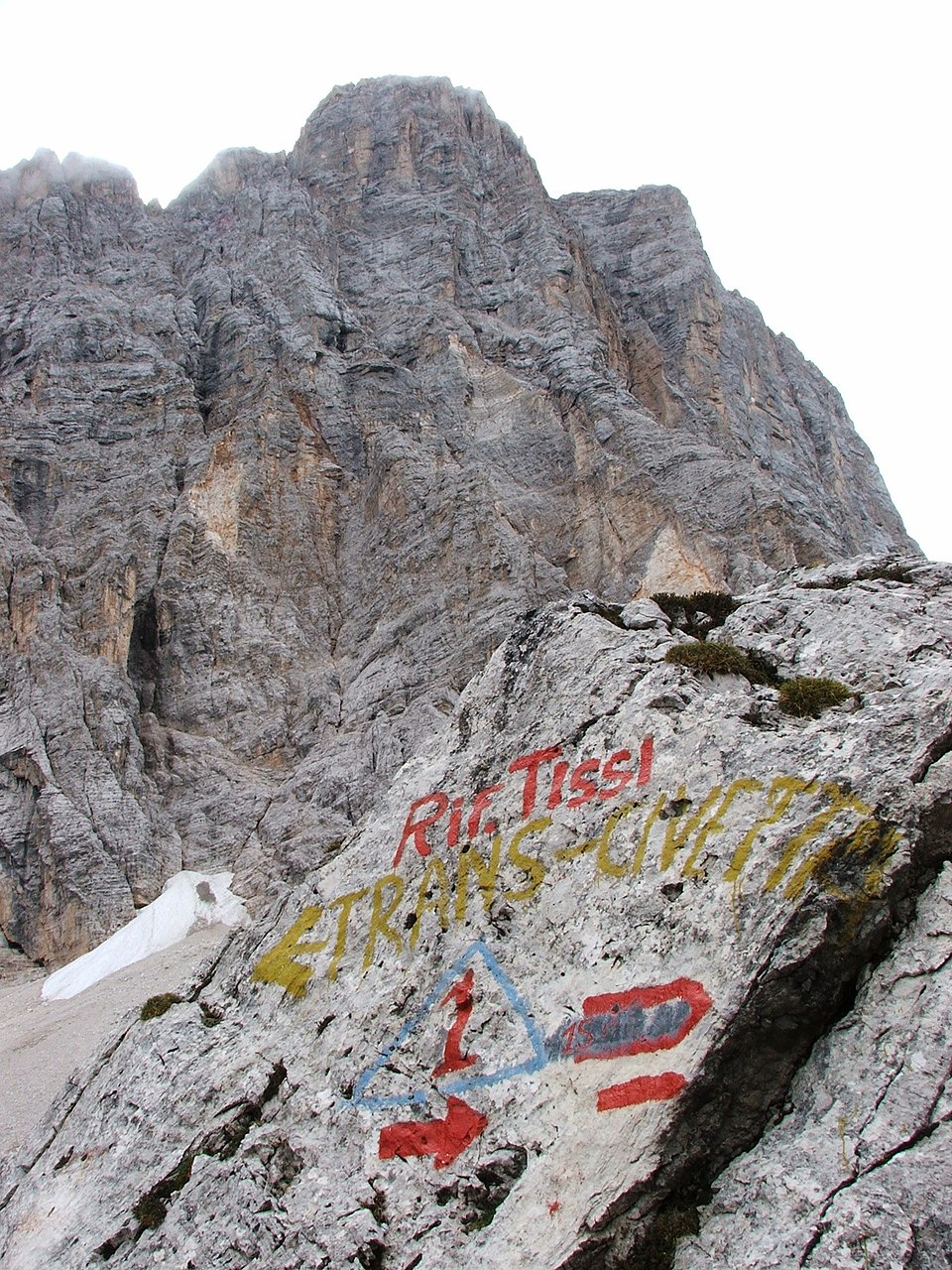
At key junctions, wooden signposts display estimated hiking times rather than distances. I found this extremely helpful since mountain terrain affects pace dramatically.
I always kept my eyes open for the occasional cairns (stacked rocks) that fellow hikers add to mark less obvious sections. Trail signs also indicate nearby rifugios with estimated walking times.
The most challenging navigation points occurred during foggy conditions above treeline. I learned to take photos of major junctions with my phone and keep a paper map as backup. Most rifugios display detailed trail maps of the next day’s route.
Tackling Via Ferrata Sections Safely
The Alta Via 1 includes several mild via ferrata sections—iron cables and ladders fixed to rock faces. While less technical than other Dolomites routes, proper equipment remains essential.
I rented a basic via ferrata kit in Cortina that included:
- A climbing harness
- A specialized via ferrata lanyard with shock absorber
- A helmet (crucial for rockfall protection)
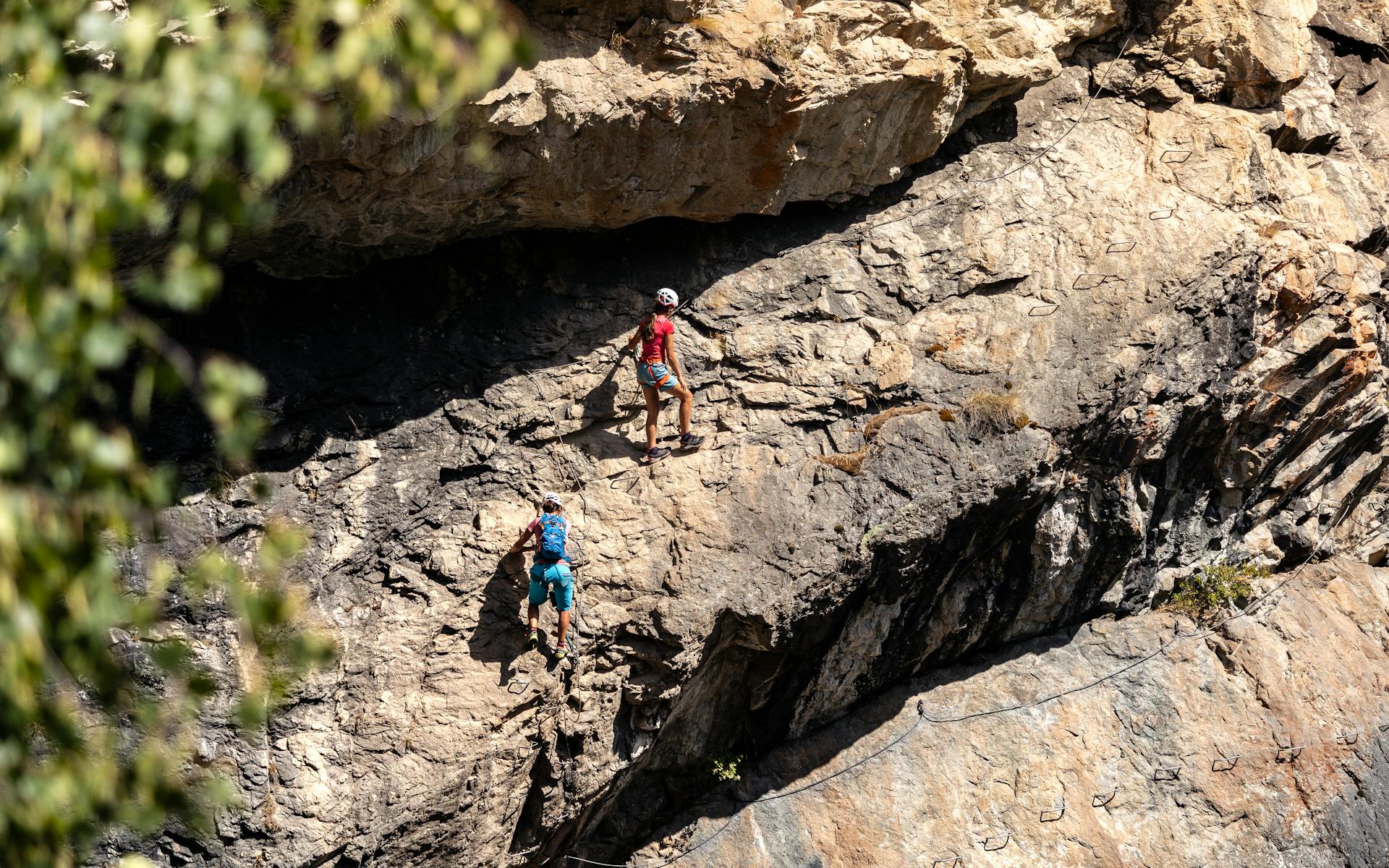
The most challenging section I encountered was near Rifugio Nuvolau, where fixed cables guide you along exposed ledges. The key safety practice is staying clipped to the cable at all times using at least one carabiner.
Early morning starts helped me avoid afternoon thunderstorms, which make metal cables dangerous. I also brought lightweight gloves to prevent cable burn on my hands during longer sections.
Adjusting to Changes in Altitude and Elevation
The Alta Via 1 involves significant daily elevation changes, with ascents ranging from 500-1000 meters according to my research. The trail ranges from 1,200 meters to peaks around 2,700 meters.
I noticed altitude effects most prominently during my first two days, experiencing slightly faster breathing and slower pace above 2,000 meters. Staying well-hydrated proved crucial—I aimed for at least 3 liters daily.
My trekking poles became invaluable on steep descents, reducing knee strain significantly. I developed a steady rhythm for climbs: slow, consistent steps with regular breathing.
The terrain varied dramatically day to day. Some sections crossed alpine meadows, while others traversed rocky scree fields requiring careful footing. The most physically demanding day included the climb to Forcella del Lago, with nearly 800 meters of ascent.
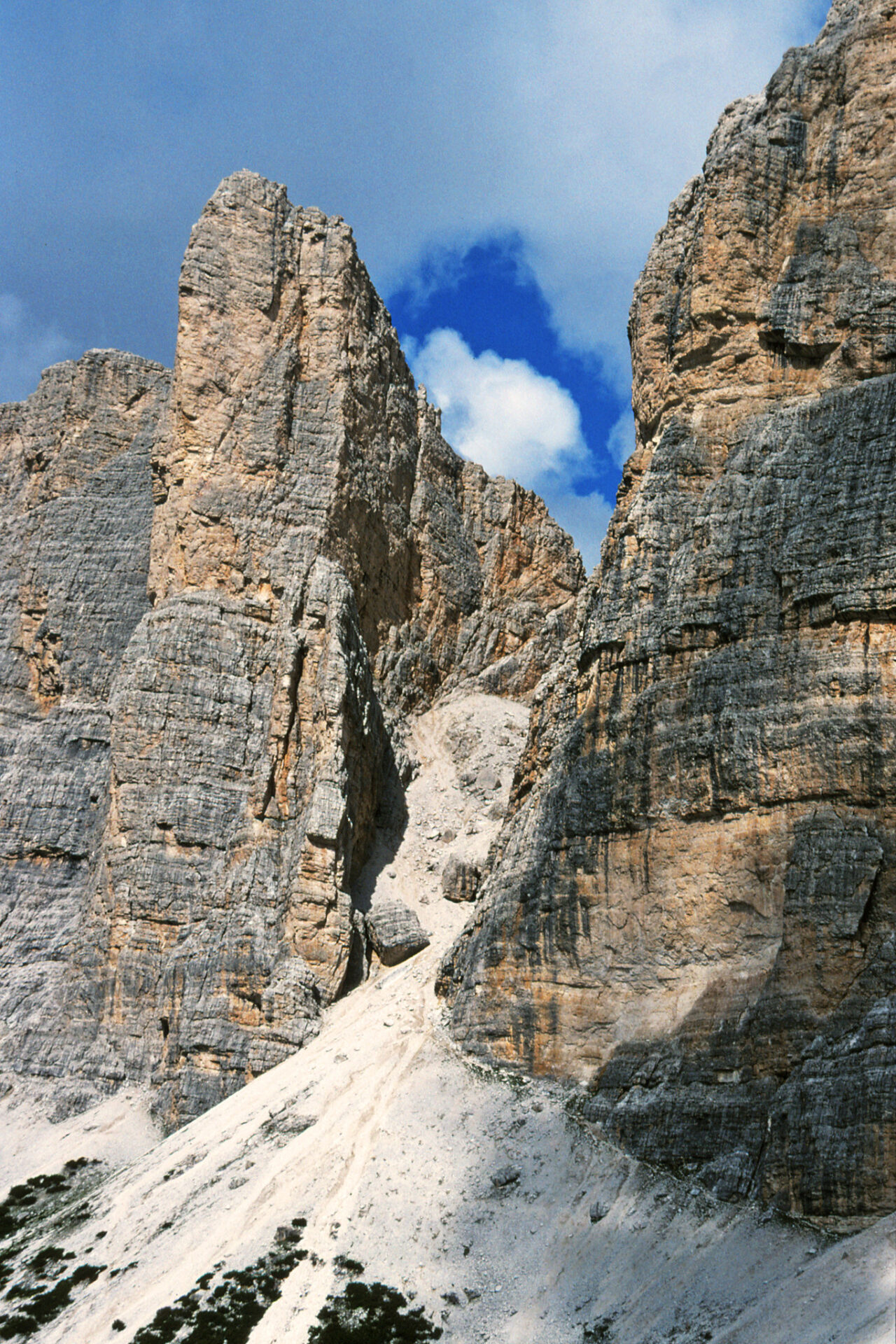
Image Source: Flickr
Experiencing the Dolomite’s Natural Wonders
The Dolomites offer some of the most breathtaking natural scenery I’ve encountered in my years of hiking. During my trek along the Alta Via 1, I was constantly surrounded by jaw-dropping landscapes that changed with every turn of the trail.
Discovering Peaks and Panoramic Views
The Alta Via 1 route treated me to stunning views of some of the Dolomites’ most iconic peaks. Monte Pelmo, often called “God’s Throne,” dominated the skyline on day 5 of my journey. Its massive, flat-topped silhouette is impossible to miss.
Lagazuoi offered what might be the most spectacular panorama of the entire trek. After a steep climb to about 2,800 meters, I was rewarded with a 360-degree view that made every drop of sweat worthwhile. The Cinque Torri (Five Towers) area provided another unforgettable sight – these jagged rock formations jutting dramatically against the sky.
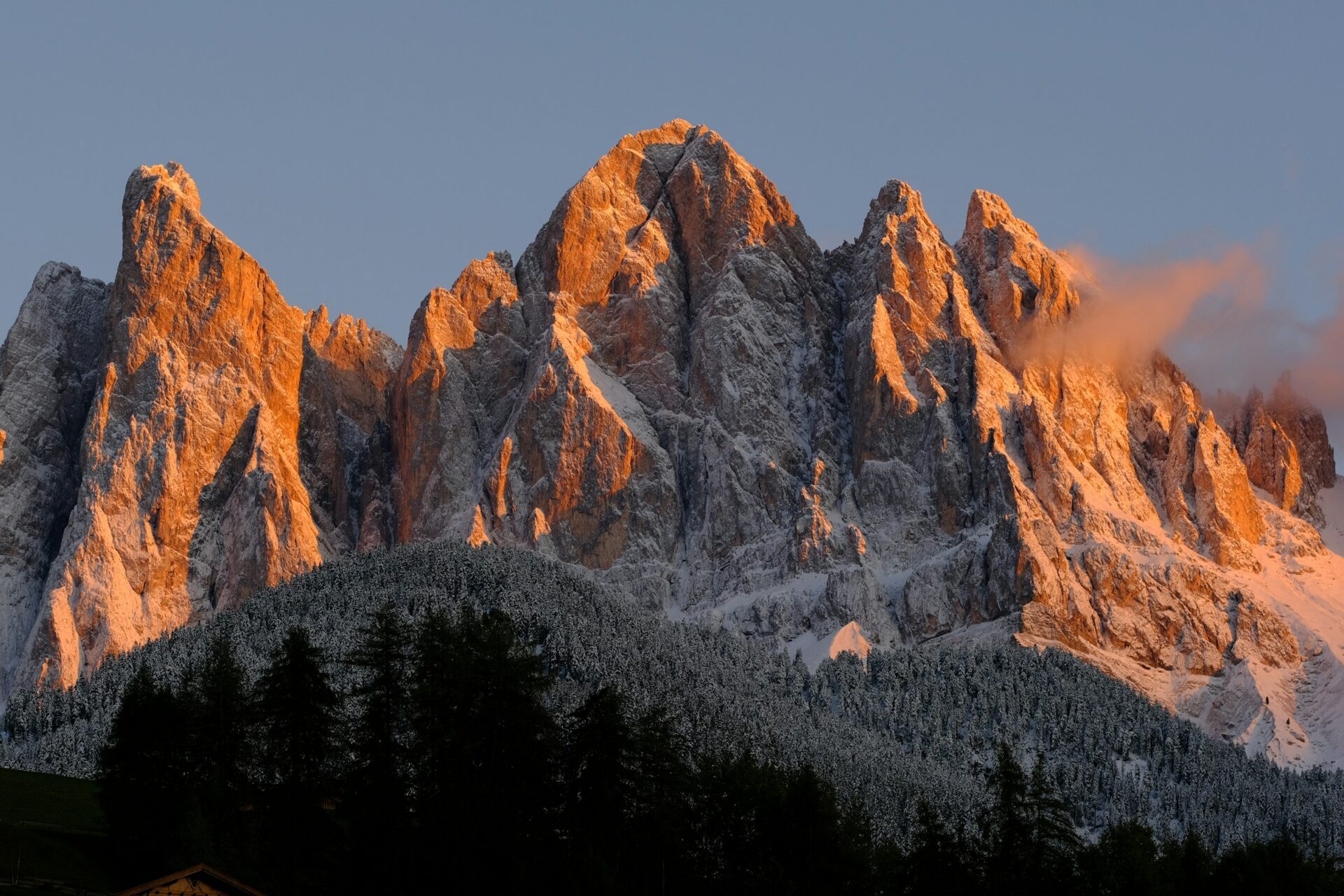
For the best photos, I found early morning light bathed everything in a golden glow locals call “enrosadira” – when the limestone turns shades of pink and orange.
Encountering Local Flora and Fauna
Wildlife sightings became highlights of my Alta Via 1 adventure. I spotted several marmots sunning themselves on rocks near Rifugio Lagazuoi. These chubby, squirrel-like creatures would whistle warnings to each other as I approached.
Alpine chamois surprised me one morning – these goat-antelopes moved with incredible agility across seemingly impossible terrain. Birdwatchers will love this trail too. I identified golden eagles soaring overhead and colorful European alpine salamanders after a brief rainfall.
The flora was equally impressive. Late June brought abundant wildflowers – purple gentians, edelweiss, and alpine roses carpeted meadows between rocky sections. The diverse plant life changed noticeably as I moved through different elevations.
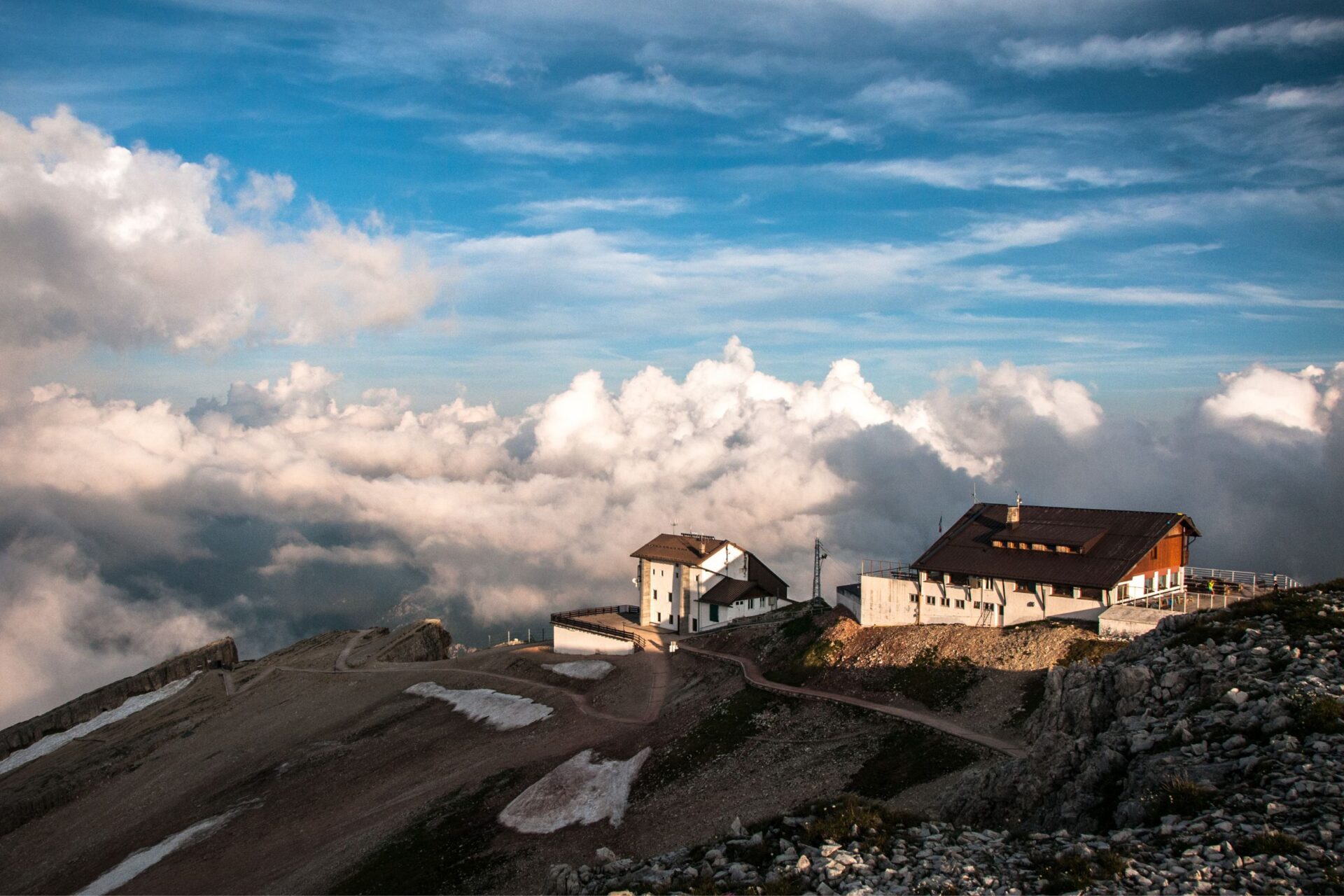
Wild Camping Under the Stars
While rifugios (mountain huts) provide comfortable overnight options along Alta Via 1, I chose one night of wild camping for a truly immersive experience. Note that camping regulations vary throughout the Dolomites, so I researched carefully beforehand.
I set up my tent in a small permitted area near Rifugio Nuvolau. The sunset that evening painted the surrounding peaks in brilliant oranges and pinks. Once darkness fell, the star display was absolutely magnificent – zero light pollution meant the Milky Way appeared as a bright ribbon across the sky.
The predawn hours brought temperatures near freezing, even in summer. My 20°F sleeping bag proved essential. But waking up to first light illuminating the mountains from my tent door? Absolutely priceless.
Mountain Huts and Accommodation
Staying along the Alta Via 1 offers a unique blend of rustic charm and mountain hospitality that enhances the hiking experience. The network of rifugios (mountain huts) provides essential shelter and becomes an integral part of the adventure.
Staying in Rifugios: What to Expect
The rifugios along Alta Via 1 quickly became one of my favorite aspects of hiking in the Dolomites. These mountain huts aren’t luxurious, but they offer surprising comfort after a long day on the trail.
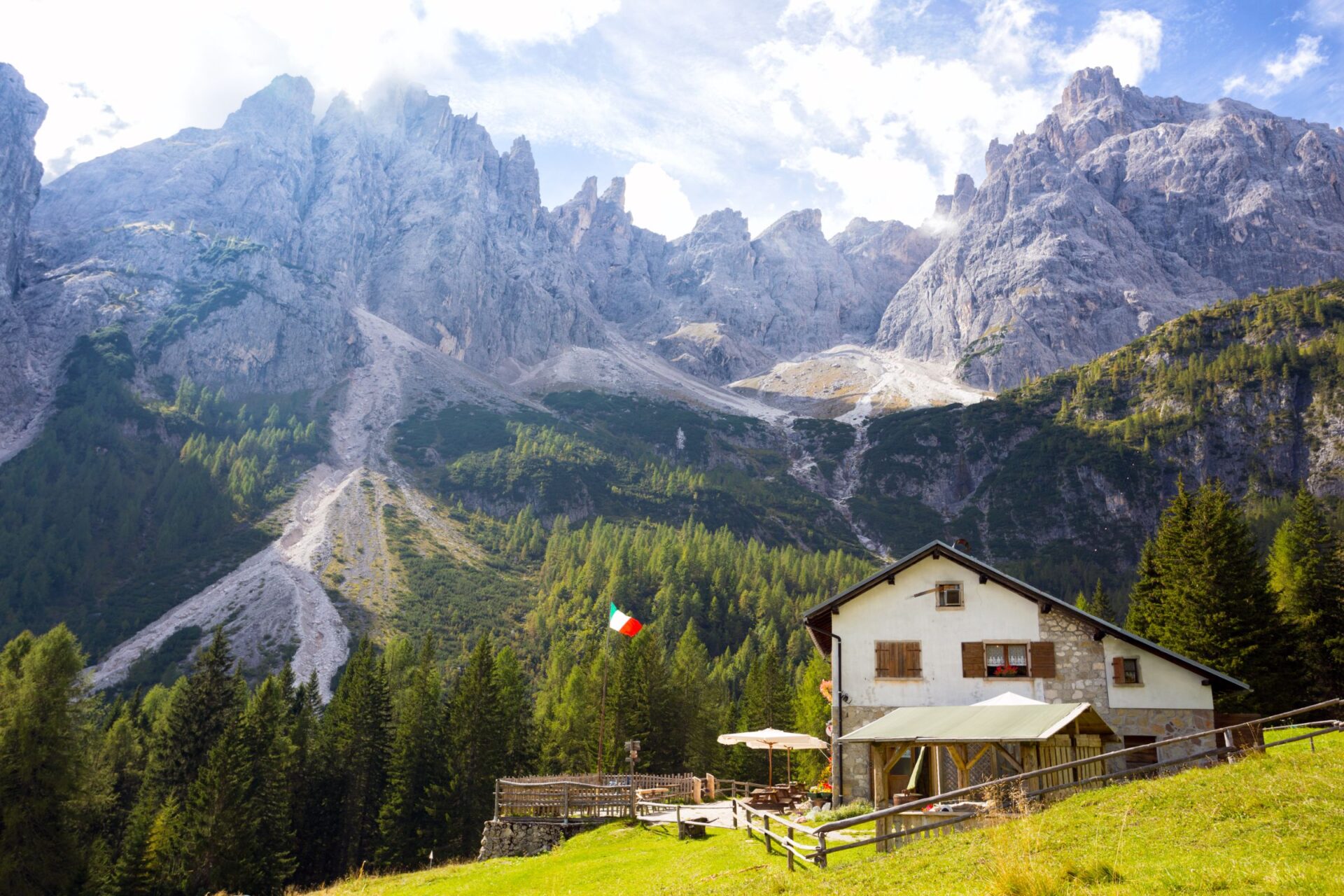
Most rifugios provide dormitory-style sleeping arrangements with bunk beds. I found the accommodations simple but clean, with warm blankets and pillows provided. Some offer private rooms for an additional cost, though these are limited and book up quickly.
The food at these huts was a delightful surprise! After hiking all day, I savored hearty three-course dinners featuring local specialties. Breakfast typically includes bread, jam, and coffee to fuel your morning hike.
What to bring:
- Sleep sheet or liner (required at most huts)
- Earplugs (for dormitory sleeping)
- Small towel and basic toiletries
- Cash (many don’t accept cards)
Booking and Staying in Mountain Hotels
Some sections of the Alta Via 1 offer access to mountain hotels, providing a more comfortable alternative to traditional rifugios. These establishments offer private rooms, hot showers, and more amenities.
I reserved my accommodations about 4-6 months in advance through the official websites or by email. During peak season (July-August), these spots fill quickly. Many hotels require a small deposit to secure your booking.
Mountain hotels cost more than rifugios but provide a welcome luxury break during a long trek. I particularly enjoyed my stay at Hotel Lagazuoi near Passo Falzarego, with its panoramic views and excellent restaurant.
When booking, check if half-board (dinner and breakfast) is included, as this simplifies meal planning on the trail. Most hotels can prepare packed lunches for the next day’s hike.
Finding Shelter and Ensuring Comfort
Weather in the Dolomites can change rapidly, making reliable shelter crucial for a safe hiking experience. During my trek, I experienced both sunny days and sudden afternoon thunderstorms.
The rifugios are typically spaced about 4-6 hours of hiking apart, allowing for flexible itinerary planning. I recommend carrying a detailed map showing all shelters along your route in case you need to change plans due to weather or fatigue.
Most huts provide potable water, but bringing a water bottle or hydration system is essential. I filled mine at each rifugio before setting out for the day.
For maximum comfort, I packed lightweight but warm sleeping clothes and a pair of hut shoes or slippers. Most rifugios ask hikers to remove their boots at the entrance, keeping the common areas clean and comfortable for everyone.
Culture and Lifestyle: Insights Along the Trail
Traveling the Alta Via 1 introduced me to much more than stunning landscapes. Along this iconic Dolomites trail, I experienced various cultural insights.
The cultural experiences along this iconic Dolomites trail enriched my journey with authentic flavors, traditional music, and charming alpine villages.
Enjoying Local Food and Wine
The cuisine along Alta Via 1 blends Italian and Austrian influences, creating a unique food experience.
At mountain huts (rifugios), I savored hearty dishes after long hiking days. I enjoyed canederli (bread dumplings), polenta with mushrooms, and speck (smoked ham) that fueled my adventure.

The Südtirol region’s wines were a delightful discovery. Light, crisp Gewürztraminer paired perfectly with local cheeses during evening meals.
Many rifugios offer wine tastings featuring regional varieties grown in nearby valleys.
Don’t miss trying kaiserschmarrn – a shredded pancake dessert with powdered sugar and fruit preserves. This Austrian-influenced treat became my reward after challenging trail sections!
Engaging with Traditional Music and Entertainment
The musical heritage of the Dolomites came alive during my trek. Several rifugios hosted impromptu evening performances where locals played traditional instruments like the zither and accordion.
In one mountain hut near Belluno, I joined hikers from around the world for an unexpected folk music night. The familiar melodies crossed language barriers as we clapped along to the rhythmic Alpine tunes.
Traditional singing called “yodeling” sometimes echoed through the valleys. This distinctive vocal technique originated as a way for mountain dwellers to communicate across distances.
Many villages along the route preserve their cultural identity through seasonal festivals and events. I was lucky to witness colorful parades with traditional costumes in a small town, showing how these communities maintain their Alpine heritage.
Exploring the Unique Towns on the Way
The villages dotting the Alta Via 1 route showcase Northern Italy’s cultural diversity. Each town has distinct architecture reflecting both Italian and Austrian influences. You’ll find colorful buildings and flower-filled balconies.
Cortina d’Ampezzo stands out as the “Pearl of the Dolomites” with its pedestrian streets and upscale boutiques. I spent an afternoon wandering its center, admiring church spires against mountain backdrops.
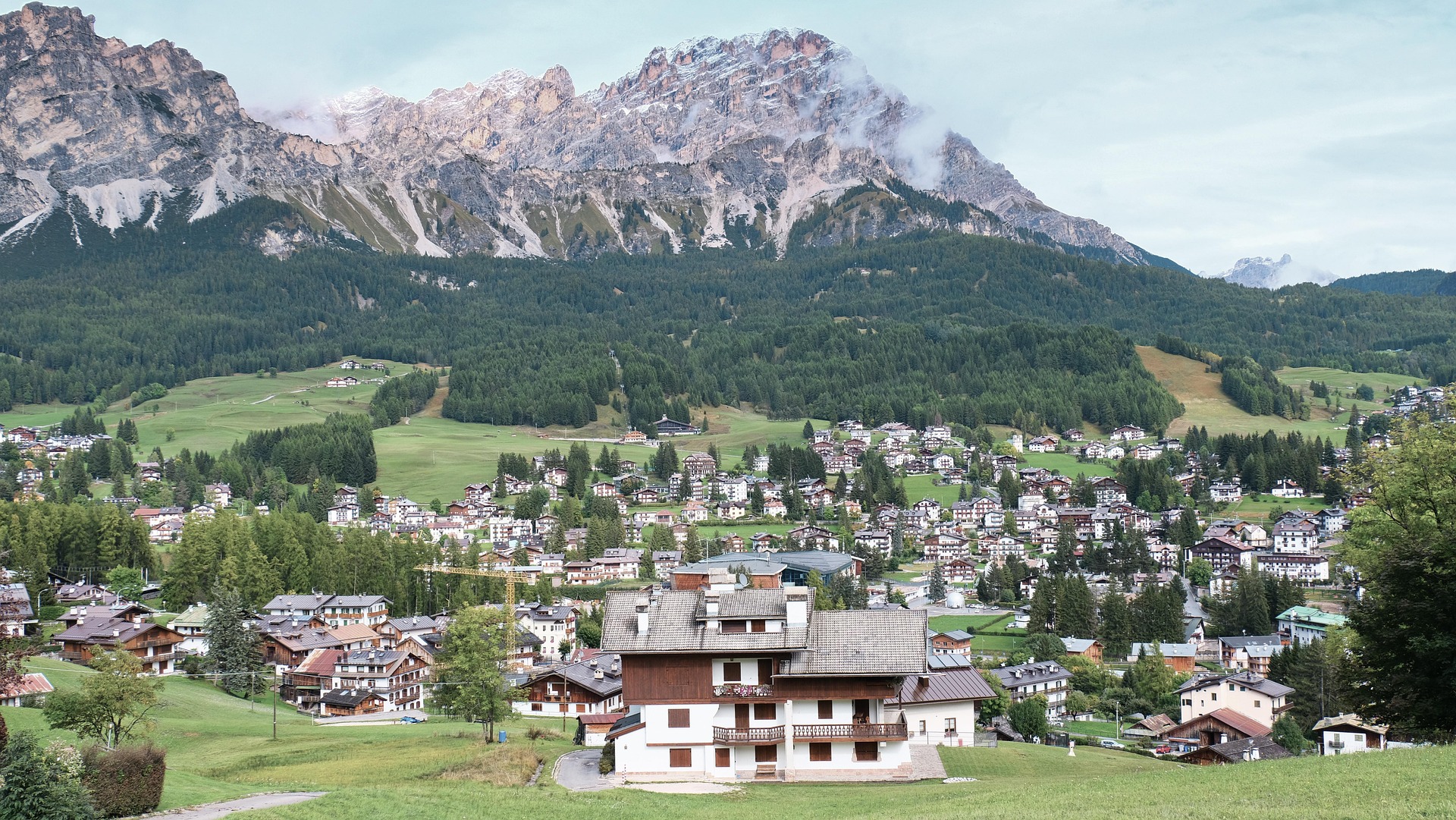
Smaller hamlets like La Villa and San Cassiano offered authentic glimpses into daily mountain life. Local markets sold handcrafted woodwork and wool products. These were made by artisans using techniques passed down for generations.
The region’s multilingual nature fascinated me. Signs appear in Italian, German, and Ladin (an ancient Romance language). This linguistic blend reflects the area’s complex history and creates a truly unique cultural experience for hikers.

