
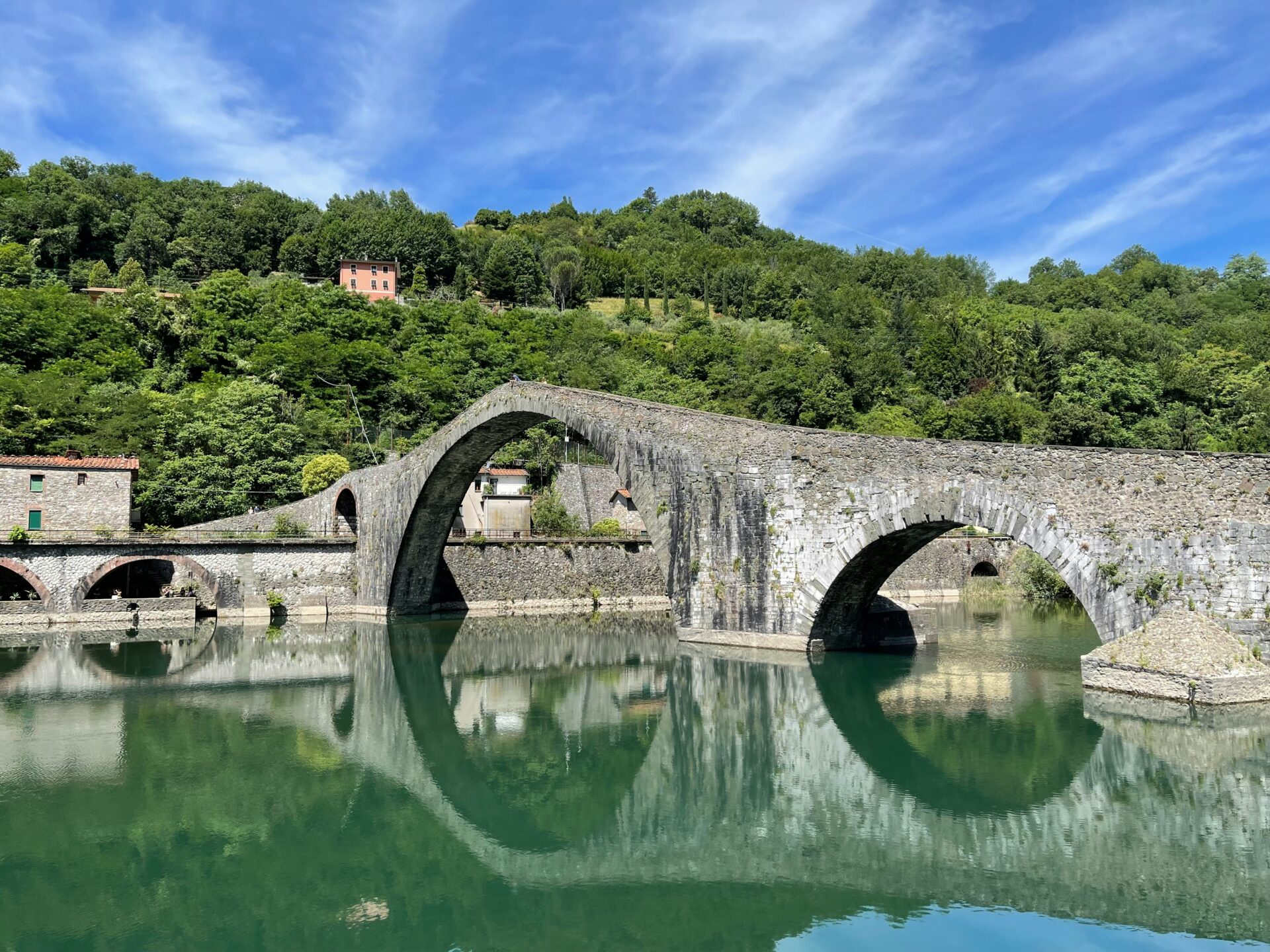
Walking through the historic streets of Cividale del Friuli, I was drawn by a worn-out sign pointing to the “Ponte del Diavolo” – the Devil’s Bridge. This remarkable 15th-century stone bridge spans dramatically across the Natisone River, creating one of the most unforgettable sights in this UNESCO World Heritage city.
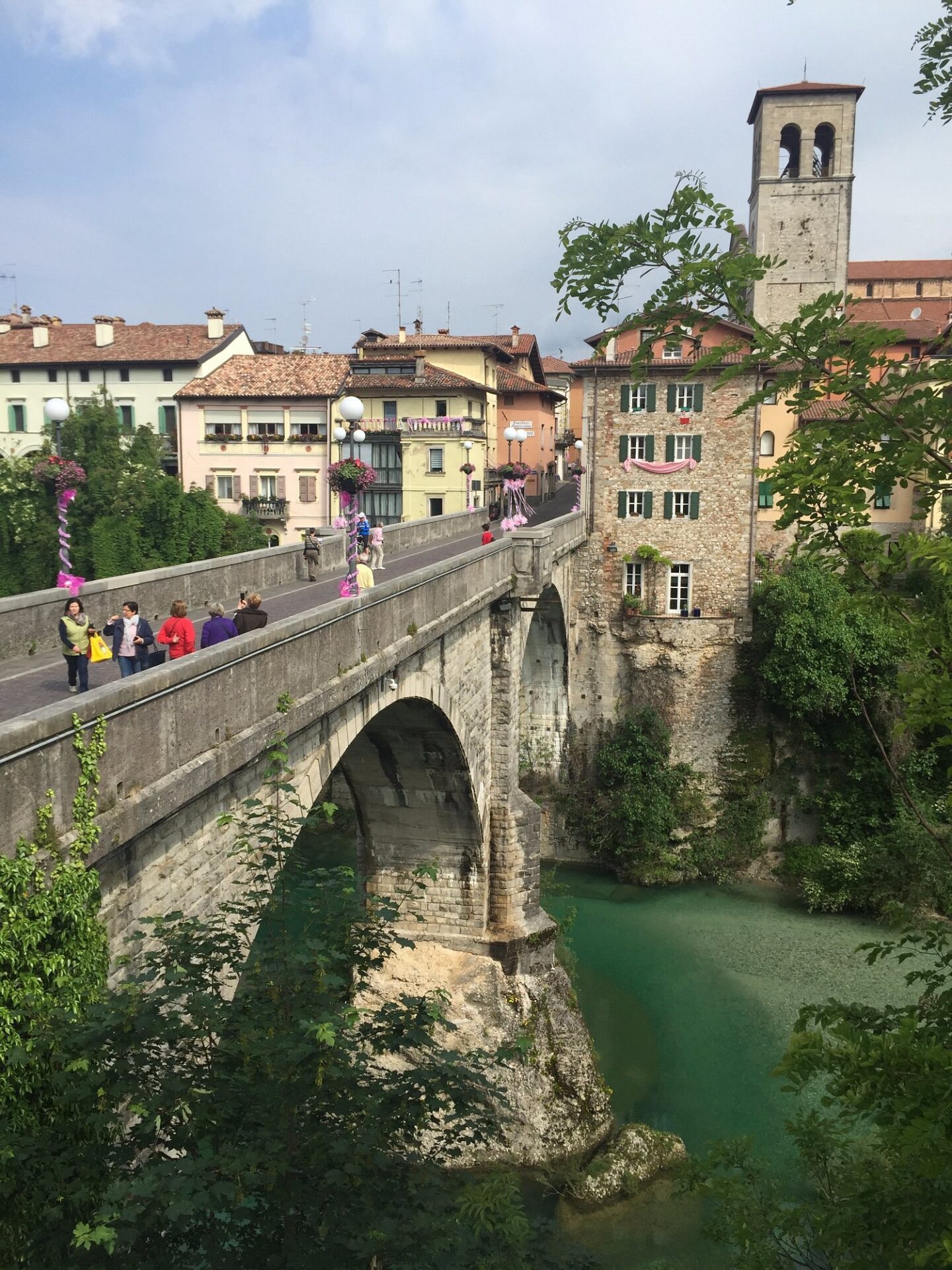
The bridge stands as a bold architectural achievement, suspended over a gorgeous gorge and wrapped in mysterious legends that have given it its devilish name.
The medieval town of Cividale del Friuli offers so much more than just this iconic bridge. Founded by Julius Caesar and later a significant Lombard center, the city blends Roman origins with medieval charm.
As I wandered through the narrow cobblestone streets, I could feel layers of history beneath my feet – from ancient Roman settlements to the fascinating Lombard heritage that earned the city its UNESCO status.
What makes Cividale truly special is how it balances its ancient mysteries with everyday Italian life. Local cafés line historic squares, and the rushing waters of the Natisone provide a constant soundtrack to your explorations.
Whether you’re admiring the bridge from below or crossing its ancient stones, you’ll understand why this lesser-known Italian gem captivates visitors seeking authentic cultural experiences beyond Italy’s more famous destinations.
Unveiling Cividale del Friuli
Nestled along the emerald waters of the Natisone River, Cividale del Friuli captivates visitors with its blend of medieval charm and profound historical significance. This hidden gem of northeastern Italy holds stories dating back to Roman times.
The Jewel of Friuli-Venezia Giulia
Walking through Cividale’s narrow cobblestone streets, I’m immediately transported to another era. The town’s medieval architecture remains remarkably preserved, creating a living museum that earned UNESCO World Heritage status in 2011.
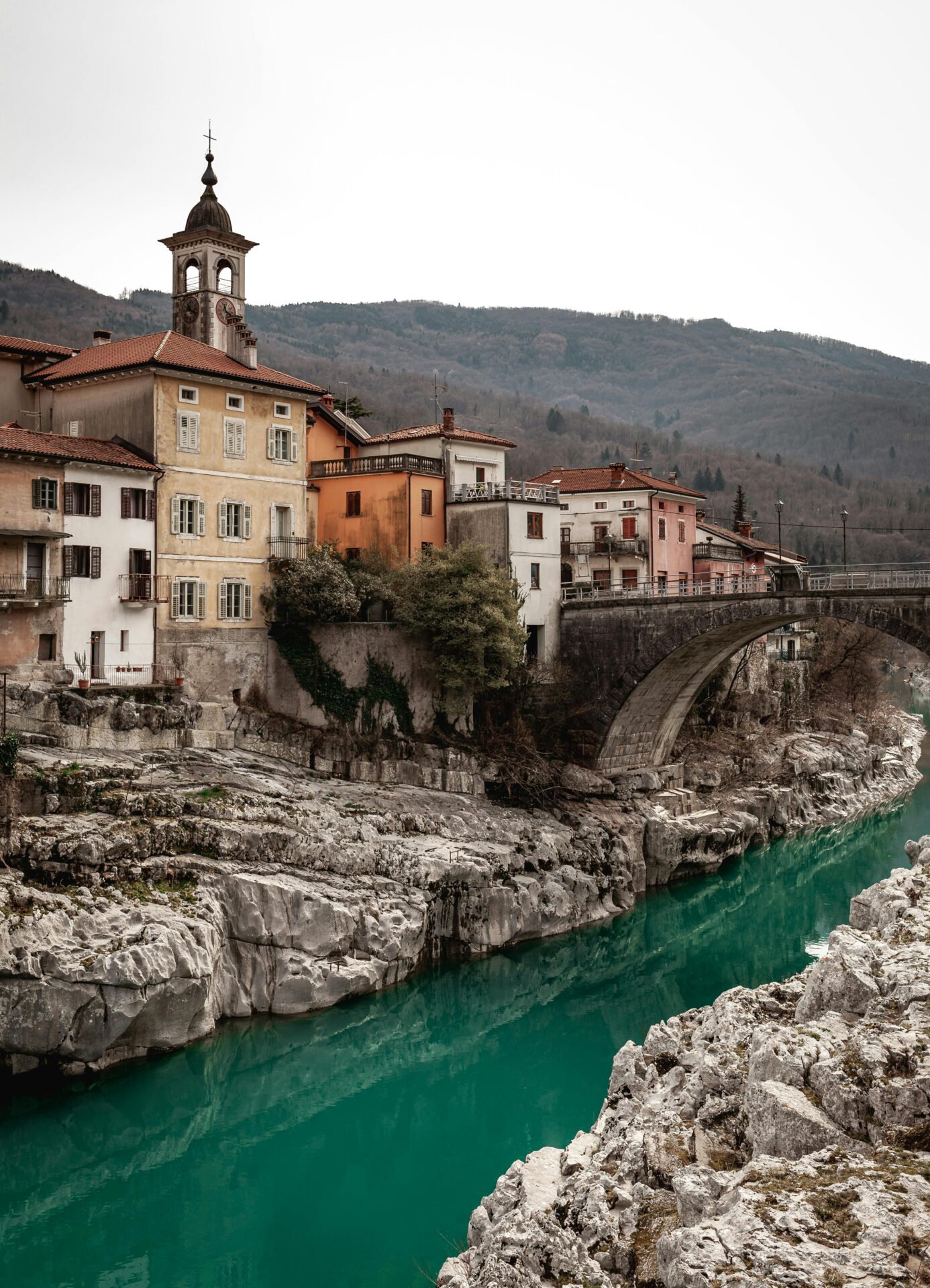
The centerpiece of Cividale is undoubtedly the Devil’s Bridge (Ponte del Diavolo), dating from the 15th century. This bold structure spans dramatically across the Natisone River, creating one of the most photographed spots in town.
Local legends say the devil himself helped build this bridge, demanding the soul of the first crosser as payment. These stories add a mystical dimension to my exploration of the town.
Historical Significance
Founded by Julius Caesar as “Forum Iulii” (which gave the Friuli region its name), Cividale later became the first capital of the Lombard duchy in Italy during the 6th century.
The town’s UNESCO recognition celebrates its exceptional testimony to the Lombard civilization that flourished here. Many structures still stand as witnesses to this rich past.
During my visit, I discovered remarkable archaeological treasures in the National Archaeological Museum, including Lombard artifacts that reveal the town’s importance during the Early Middle Ages.
The town also played a strategic role throughout centuries of conflicts due to its location near modern-day Slovenia, creating a unique cultural fusion visible in local traditions, cuisine, and architecture.
Devil’s Bridge: Spanning the Myths
The Devil’s Bridge in Cividale del Friuli stands as one of the town’s most iconic symbols, dramatically suspended over the Natisone River. This 15th-century structure is wrapped in fascinating legends that have captivated visitors for centuries.
Legend of the Devil’s Architect
I was mesmerized when I first heard the dark tale behind this remarkable bridge. According to local folklore, the people of Cividale struggled to build a crossing over the dangerous Natisone River.
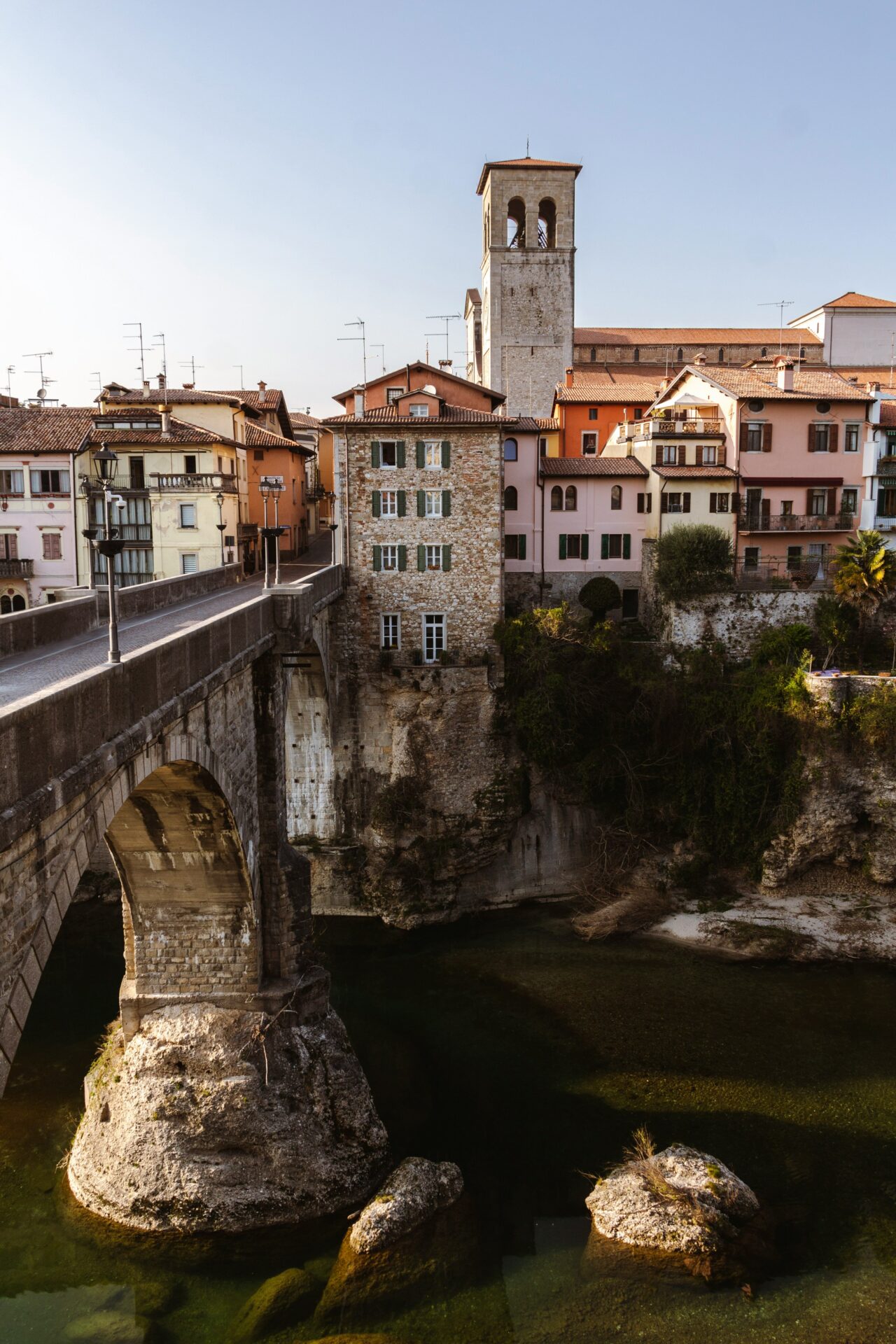
In desperation, they made a deal with the devil. He would construct the bridge overnight, but in exchange, he would claim the first soul to cross it.
The clever townsfolk outsmarted him, though. When morning came and the magnificent bridge stood complete, they sent a dog across first. Enraged by this trickery, the devil vanished, leaving his impressive construction behind.
This pact and deception story remains central to Cividale’s cultural identity, with locals proudly sharing this tale with visitors like me.
Architectural Marvel
Despite its mythical origins, the Devil’s Bridge represents a genuine architectural achievement. Walking across it, I was struck by its bold design and sturdy construction that has withstood centuries.
The bridge connects two parts of the historic town, serving both practical and symbolic purposes. Its distinctive arched structure creates a dramatic silhouette against the rushing waters below.
What impressed me most was how the medieval engineers managed to secure the bridge in this challenging location. The steep gorge and fast-flowing river make the construction even more remarkable.
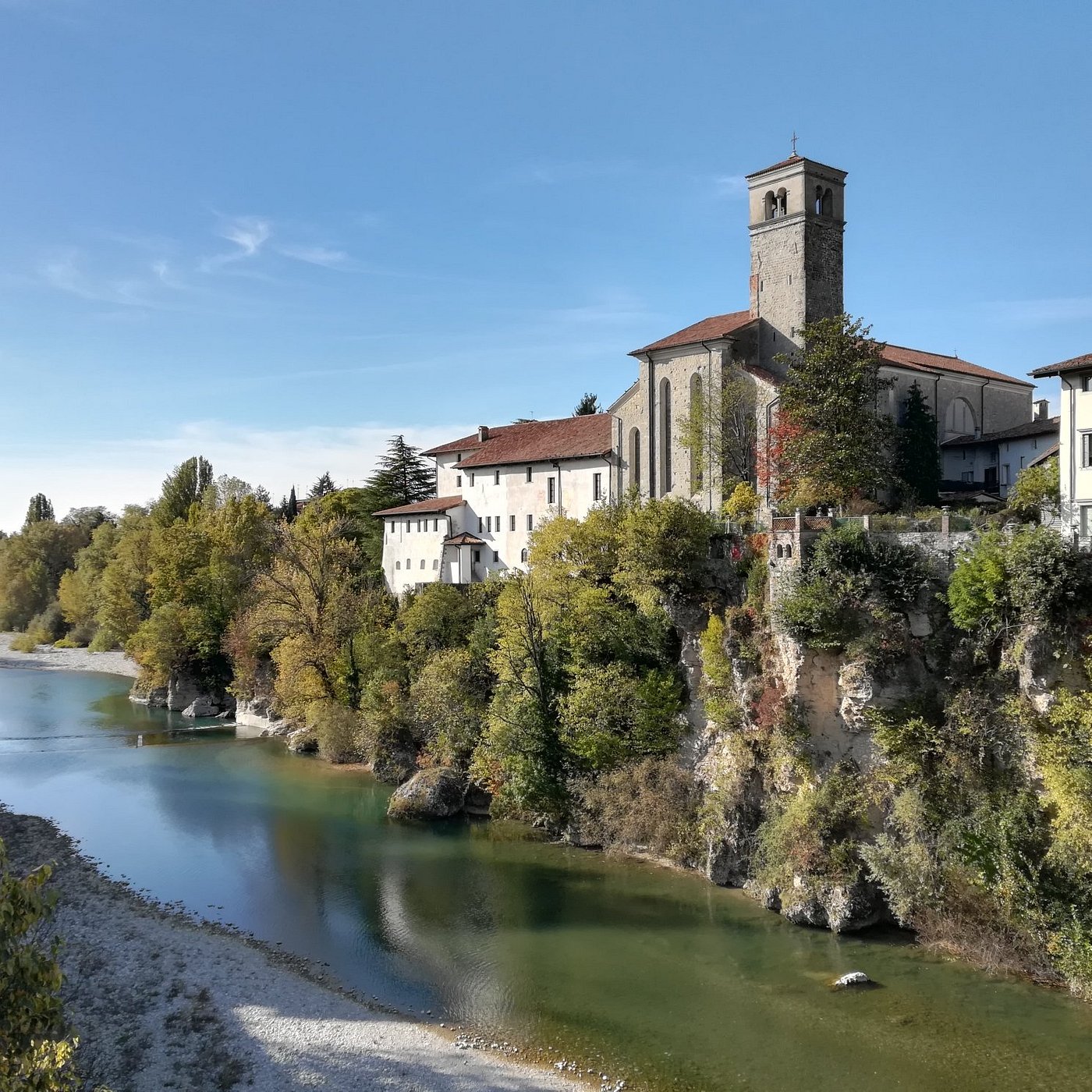
Image Source: Tripadvisor
UNESCO recognized Cividale del Friuli as a World Heritage site partly because of structures like this that showcase the town’s historical significance and engineering prowess.
Cividale’s Ancient Mysteries
Beyond the famous Devil’s Bridge, Cividale del Friuli holds secrets from centuries past. The town’s ancient structures tell stories of different civilizations that once called this area home.
Lombard Temple Insights
The Lombard Temple is one of Cividale’s most fascinating historical treasures. When I visited this 8th-century structure, I was amazed by its well-preserved stucco decorations that show incredible craftsmanship from the early Middle Ages.
Inside the temple, beautiful religious carvings tell stories from long ago. The National Archaeological Museum houses many important artifacts from this period that help explain the Lombard influence on the region.
What makes this site special is how it blends different artistic styles. You can see Byzantine influences mixed with Germanic traditions in the decorative elements throughout the temple.
Celtic and Roman Roots
Before the Lombards arrived, Cividale (then called Forum Iulii) was an important Roman settlement. Walking through the town, I noticed how Roman architecture influenced many buildings still standing today.
The area’s history goes back even further to Celtic settlements. Archaeological digs have uncovered Celtic artifacts that show people lived here long before the Romans arrived.
During my visit to the Archaeological Museum, I saw fascinating Celtic jewelry and tools that tell the story of these early inhabitants. The museum displays these items alongside Roman coins and everyday objects.
The town’s layout still follows some of the original Roman street patterns. I found it incredible to walk the same paths that people used over 2,000 years ago!
UNESCO Recognition: A Closer Look
Cividale del Friuli achieved UNESCO World Heritage status in 2011, recognizing its exceptional cultural significance. The recognition highlights the town’s unique Lombard heritage and architectural treasures including the iconic Devil’s Bridge.
Criteria for Heritage Status
Cividale earned its UNESCO designation as part of “The Lombards in Italy: Places of Power,” a serial property including seven sites. The town met several key criteria for inscription, particularly for preserving outstanding examples of Lombard architecture and urban planning.
Walking through Cividale, I’m always struck by how the UNESCO committee specifically valued the Lombard Temple (also called Tempietto Longobardo) for its exceptional artistic merit. The integration of Roman, Byzantine, and Germanic influences creates a unique cultural landscape that UNESCO deemed worthy of protection.
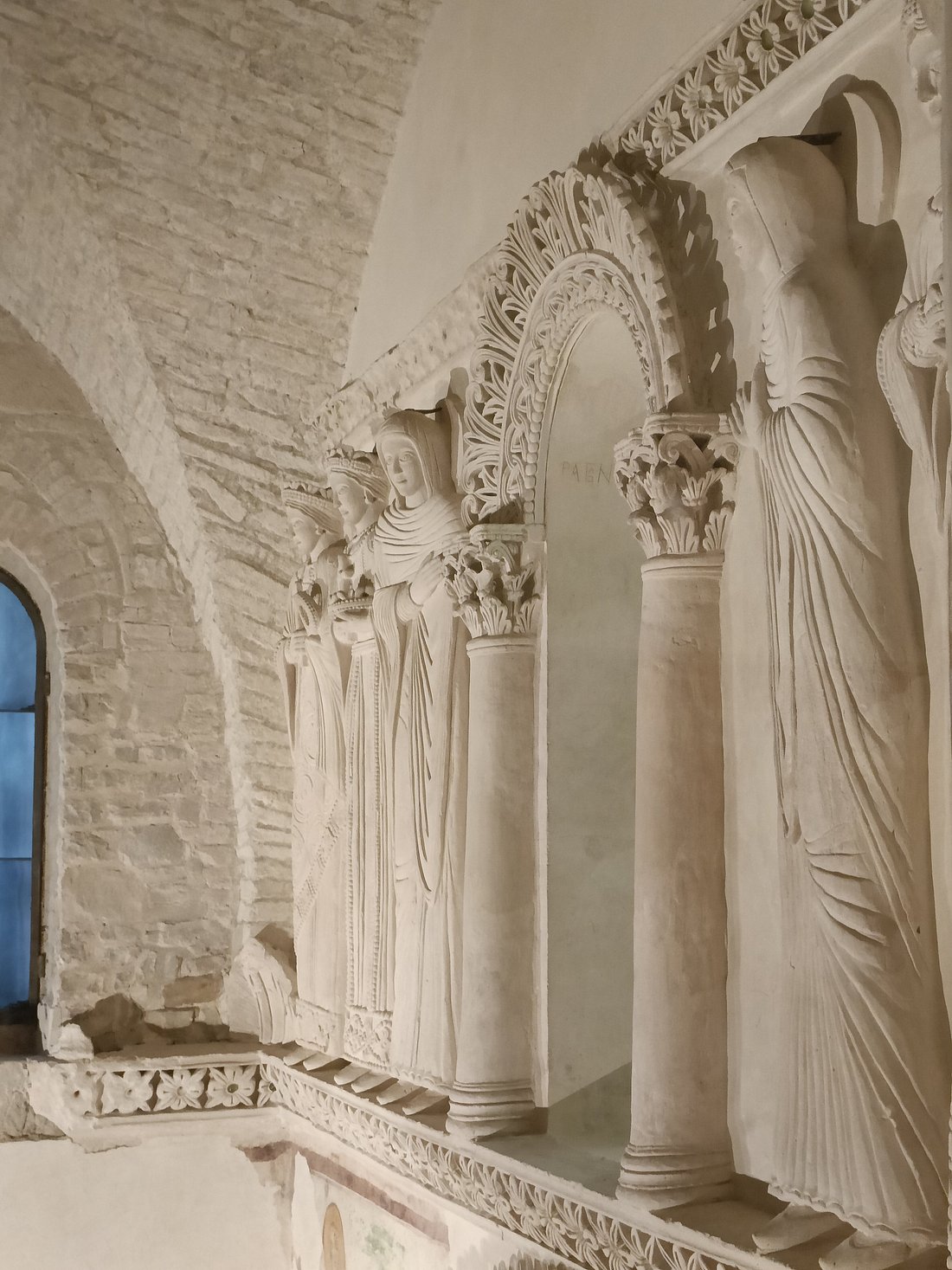
Image Source: Tripadvisor
The Devil’s Bridge, while legendary for its name, represents important engineering achievements that contributed to the town’s heritage status.
Conservation and Preservation
Since receiving UNESCO status, Cividale has implemented comprehensive conservation measures to protect its historical treasures. Local authorities work closely with heritage experts to maintain the authenticity of structures like the Lombard Temple and Devil’s Bridge.
I’ve noticed during my visits that restoration efforts focus on using traditional materials and techniques. This approach preserves the original character while ensuring these monuments remain stable for future generations.
The National Archaeological Museum plays a crucial role in preservation by housing and protecting important Lombard artifacts. Their conservation labs employ cutting-edge technology to preserve fragile items.
Tourism management has become more structured since the UNESCO designation, with visitor routes designed to minimize impact on delicate historical structures while maximizing educational value.
Visitor’s Guide to Cividale
Cividale del Friuli offers travelers a perfect blend of history, culture, and culinary delights. I’ve spent many enchanting days exploring this UNESCO gem and discovered that planning your visit carefully helps you make the most of this historic town.
Must-See Attractions
The Devil’s Bridge (Ponte del Diavolo) is absolutely unmissable. I was mesmerized by this 15th-century stone bridge spanning the emerald waters of the Natisone River. Local legend claims the devil himself built it in a single night!
The bridge offers spectacular views of the town and surrounding Alps. I recommend visiting in early morning light for the best photos.
Don’t miss the Lombard Temple (Tempietto Longobardo), a masterpiece of early medieval art. Its intricate stucco decorations left me speechless.
The Christian Museum houses the Altar of Ratchis and Baptistery of Callisto – remarkable Lombard artifacts that showcase the town’s rich history.
The Celtic Hypogeum, a mysterious underground chamber, is worth exploring for history buffs. Get tickets in advance as visitor numbers are limited.
Local Eats and Delicacies
Friulian cuisine here is a delightful discovery! I fell in love with gubana, a spiral-shaped pastry filled with nuts, raisins, and spices that pairs perfectly with local grappa.
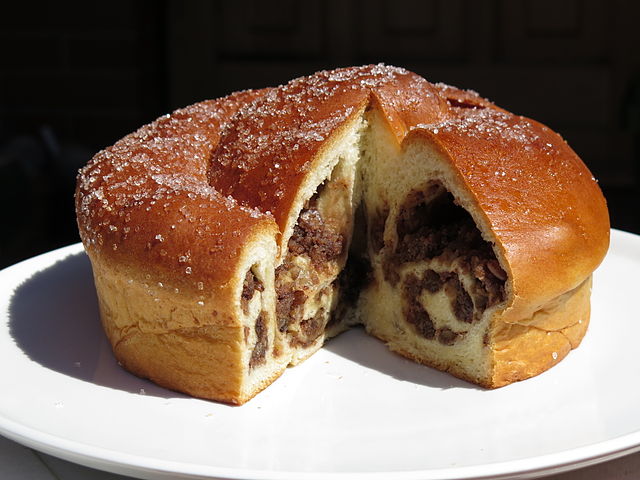
Image Source: Wikimedia Commons
Frico, a crispy cheese dish made with local Montasio, became my go-to comfort food. Try it at Osteria Al Ponte, where they serve it with polenta and local wines.
For an authentic dining experience, visit Trattoria Al Campanile. Their handmade cjarsons (herb-filled pasta) and wine from nearby vineyards create the perfect Friulian meal.
The local wines deserve special attention. Friuli’s white wines like Friulano and Ribolla Gialla complement the regional dishes beautifully.
Street markets offer fresh local produce and artisanal cheeses. I recommend shopping here for a picnic by the river.
Festivals and Cultural Events
Palio di San Donato (August) was the highlight of my summer visit. This medieval festival transforms Cividale with historical reenactments, period costumes, and traditional games.
I was fortunate to experience Mittelfest. This international festival celebrates Central European culture through theater, music, and dance performances.
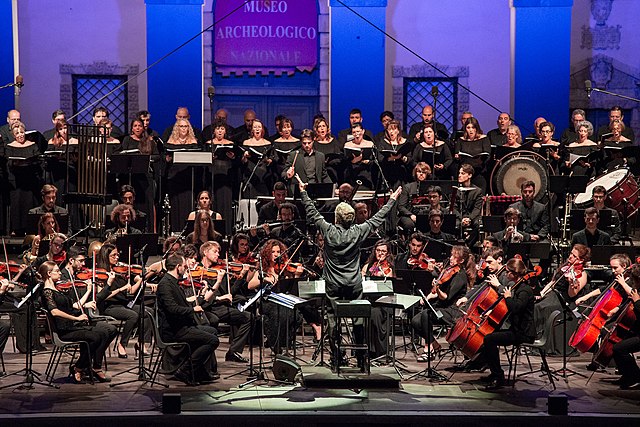
Image Source: Wikimedia Commons
Wine enthusiasts should plan their visit during Friuli DOC (September), when the region’s finest wines take center stage. I sampled exceptional varieties while enjoying live music and local food.
Christmas markets in December create a magical atmosphere. The historic center glows with lights, and artisanal stalls sell handcrafted gifts and seasonal treats.
Check the tourist office near the main square for updated event calendars. They provided me with excellent information about local celebrations during my stay.
