
Modena stole my heart the first time I visited. This charming Italian city beautifully balances two seemingly opposite worlds – the roaring engines of Ferrari and the delicate artistry of world-class cuisine. Modena represents the perfect blend of mechanical precision and culinary creativity, where passion for excellence unites both realms.
Walking through Modena’s historic streets, I felt the presence of Enzo Ferrari’s legacy everywhere. But equally powerful is the city’s culinary reputation, home to Massimo Bottura’s Osteria Francescana, twice named the best restaurant in the world. The connection runs deeper than you might think – Enzo himself was a food lover who frequented Ristorante Cavallino, which Bottura now collaborates with.
Beyond the famous names, Modena offers treasures for every visitor. I spent days exploring architectural gems while sampling authentic Parmigiano Reggiano and traditional balsamic vinegar. The city buzzes with a special energy – part motor oil, part simmering sauce – creating an atmosphere unlike anywhere else in Italy.
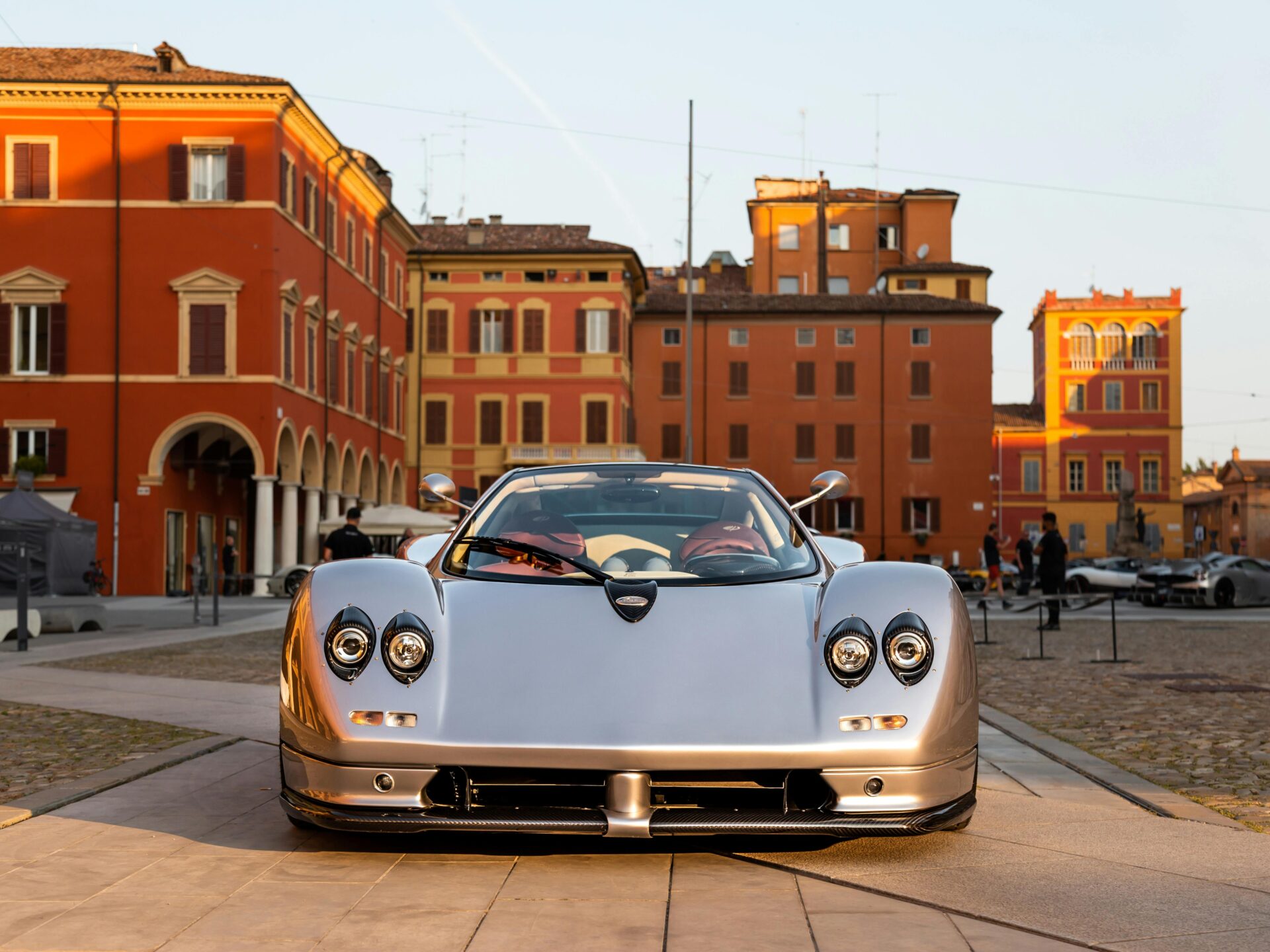
The Spirit of Modena
The heart of Modena beats with history and innovation that spans centuries. Walking through its streets, I sense a unique blend of reverence for tradition alongside a passion for progress that defines this remarkable city in Emilia-Romagna.
A Historical Glimpse into Modena
Modena’s story begins far earlier than most realize, with roots stretching back to ancient Roman times when it was known as Mutina. The city evolved through Medieval and Renaissance periods, becoming a significant center in northern Italy.
The Este family ruled Modena for centuries, transforming it into a ducal capital with impressive architectural achievements. Their patronage attracted artists and thinkers, establishing Modena as a cultural powerhouse.
What fascinates me most about Modena’s history is how it maintained its identity through changing times. The city square, Piazza Grande, has witnessed everything from medieval markets to modern festivals, serving as Modena’s beating heart for generations.
Walking through the historic center, I’m surrounded by UNESCO World Heritage sites that tell stories of Modena’s past while locals continue age-old traditions in food production and craftsmanship.

Cultural Significance of the Ghirlandina
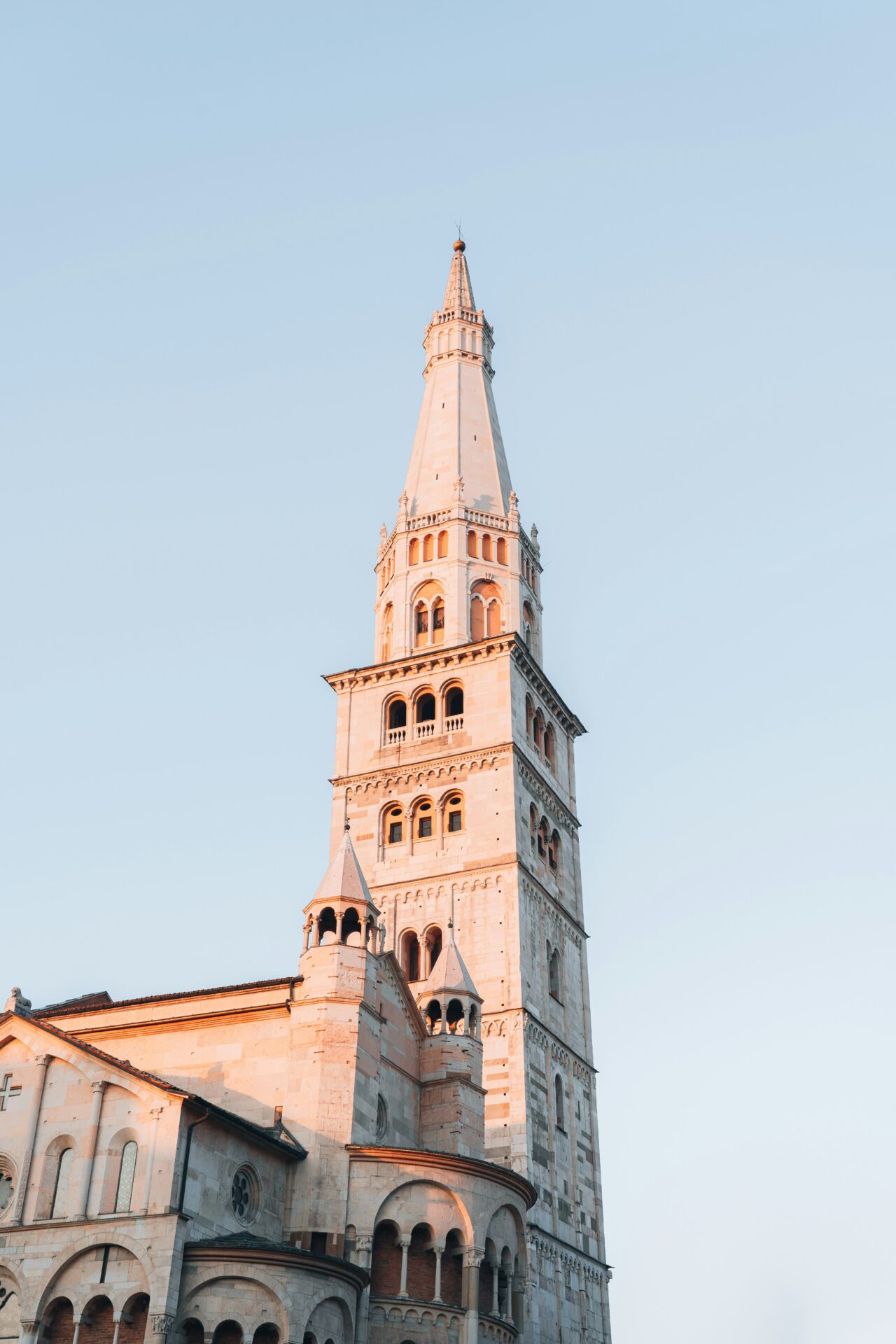
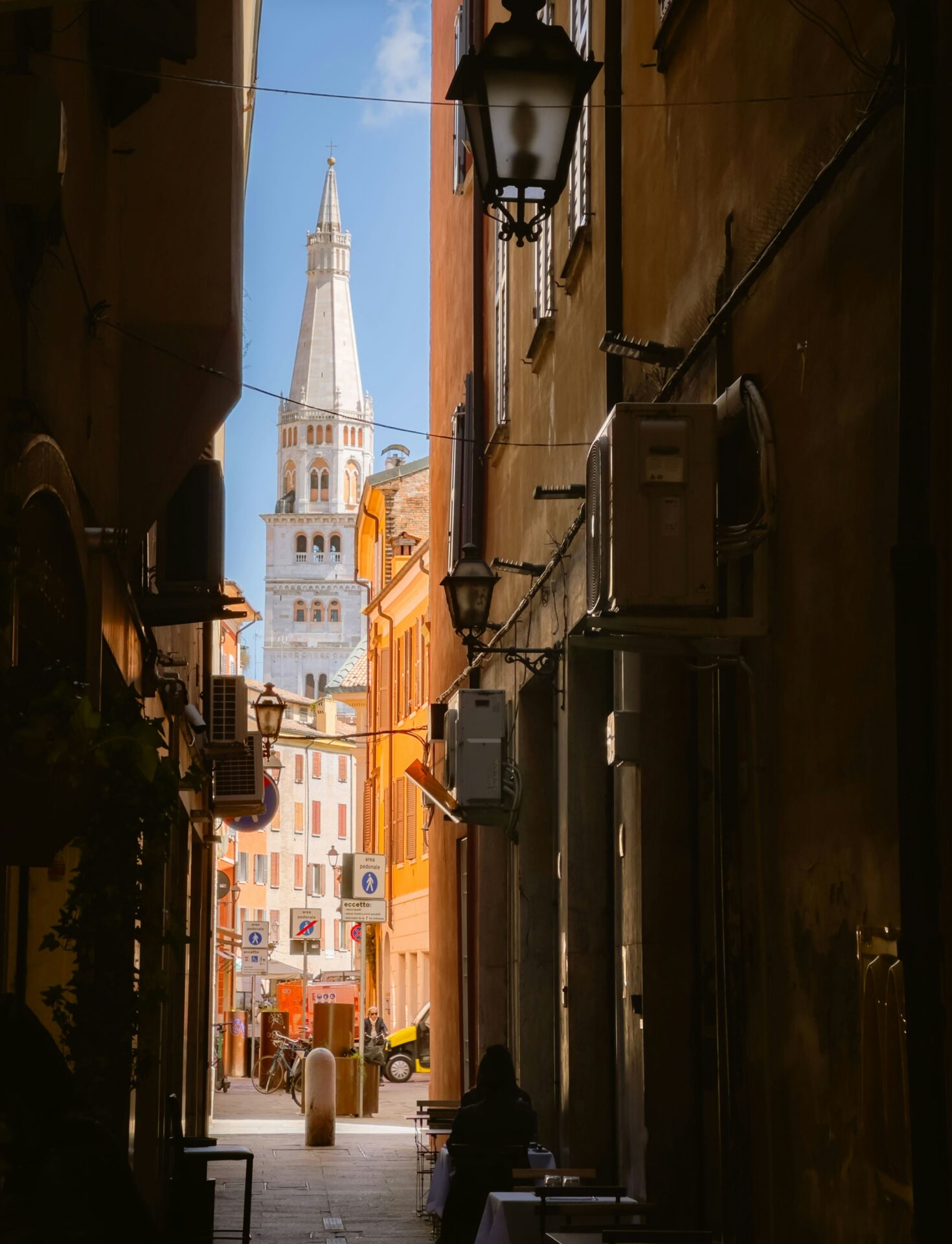
The Ghirlandina Tower stands as Modena’s most recognizable landmark, a 86-meter bell tower that has watched over the city since the 12th century. Its name comes from the marble railings that encircle the spire like garlands (ghirlande).
For Modenese people, the Ghirlandina represents more than just architectural beauty—it’s a symbol of civic pride and independence. During medieval times, the tower safeguarded important city documents and served as a lookout point.
I find the tower’s interior just as captivating as its exterior. The Sala della Secchia (Room of the Bucket) houses sculptures that tell the story of Modena’s historic rivalry with Bologna, including the famous stolen bucket that sparked conflicts.
What makes the Ghirlandina truly special is how it connects to daily life in Modena. The tower’s bells still mark time for locals, creating a soundscape that has defined the rhythm of the city for centuries.
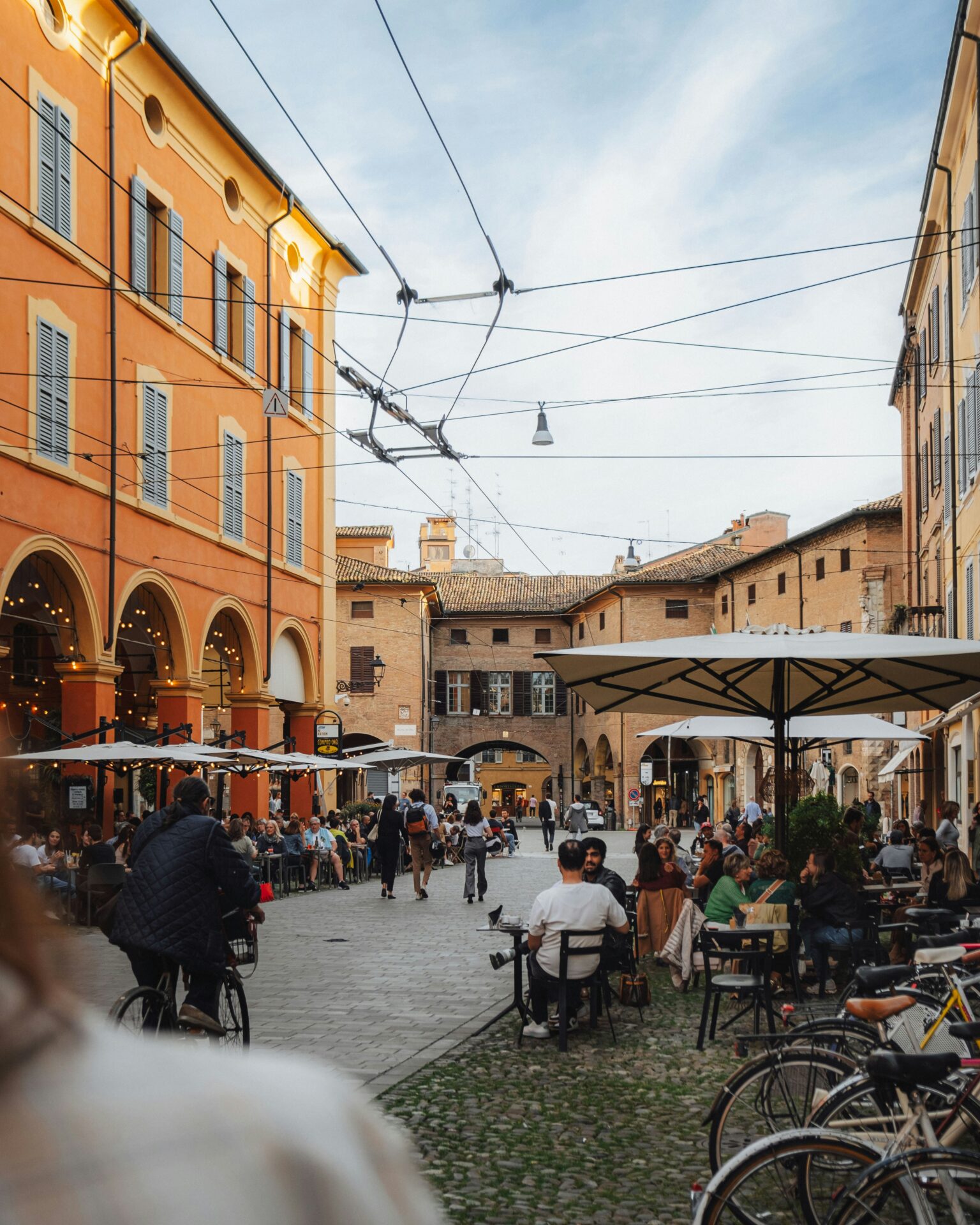
The Exquisite Cuisine of Modena
Modena’s culinary landscape stands as one of Italy’s most treasured food destinations, where traditional recipes meet innovative techniques under the watchful eyes of celebrated chefs.
Savoring Modena’s Traditional Flavors
Walking through Modena, I’m constantly amazed by the rich tapestry of flavors this region offers. The city’s culinary identity centers around several iconic products that have earned worldwide recognition.
Traditional Balsamic Vinegar of Modena is unlike any vinegar you’ll taste elsewhere. Aged for years in wooden barrels, it develops a complex sweetness that transforms simple dishes into gourmet experiences.
Parmigiano Reggiano from this region has an unmatched crystalline texture and nutty depth. Local producers still make it using centuries-old techniques, with each wheel aging for at least 24 months.
The city’s love for pork shines through its excellent Prosciutto and Mortadella. These cured meats appear in countless regional dishes and pair perfectly with a glass of sparkling Lambrusco wine.
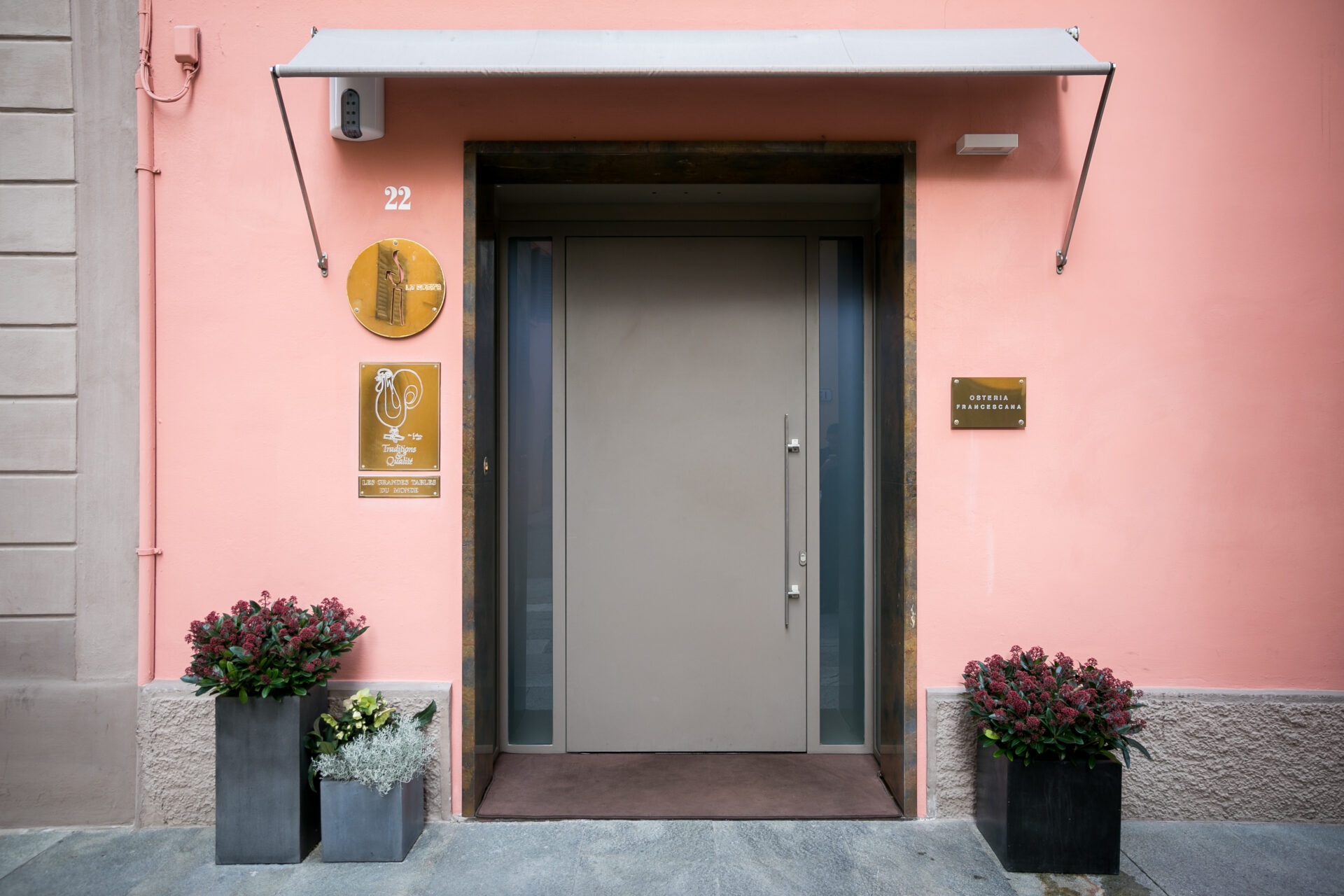
Osteria Francescana and Fine Dining Evolution
Massimo Bottura’s three-Michelin-star Osteria Francescana has transformed Modena into a global culinary destination. His avant-garde approach respects tradition while boldly reimagining classic dishes.
I was fortunate to experience Bottura’s famous “Five Ages of Parmigiano Reggiano,” which showcases the cheese in different textures and temperatures. His creative vision demonstrates how traditional ingredients can be elevated to fine art.
Beyond Osteria Francescana, Modena’s fine dining scene continues to evolve. Ristorante Cavallino, once frequented by Enzo Ferrari himself, now represents a collaboration between Ferrari and Bottura in nearby Maranello.
The city balances innovation with deep respect for culinary heritage. Local chefs constantly push boundaries while honoring the techniques that made Modena famous.
Celebrating Local Ingredients
Modena’s chefs build their menus around exceptional local ingredients that tell the story of this fertile region.
Fresh pasta forms the backbone of Modenese cuisine. I’ve watched local pasta makers craft delicate Tortellini and ribbon-like Tagliatelle with remarkable skill. These pastas often come dressed simply to highlight their quality.
Zuppa Inglese, despite its name suggesting English origins, is a beloved Modenese dessert. This trifle-like creation layers custard and sponge cake soaked in liqueur for a perfect meal ending.
The city’s markets overflow with seasonal produce from surrounding farmland. Chefs and home cooks alike prioritize freshness and locality, creating a farm-to-table approach that predates the modern movement by centuries.

Modena’s Automotive Legacy
Modena’s streets echo with the sound of powerful engines and racing heritage. This Italian city has become synonymous with automotive excellence, creating machines that blend engineering prowess with artistic design.
Ferrari’s Renowned Presence
The name Ferrari represents the soul of Modena’s automotive identity. The Museo Enzo Ferrari (MEF) stands as a testament to the founder’s vision and artistic legacy. I was captivated by the museum’s sleek architecture, which houses both historic vehicles and personal artifacts from Enzo’s life.
Walking through the exhibits, I discovered how Ferrari transformed from a racing team into a global icon of luxury and performance. The museum doesn’t just showcase cars—it tells the story of how one man’s passion reshaped automotive history.
Many visitors time their trips around exclusive Ferrari events like the Cavallino Classic Modena, held each May. This celebration brings together collectors and enthusiasts from around the world to appreciate these magnificent machines in their hometown.

The Influence of Maserati
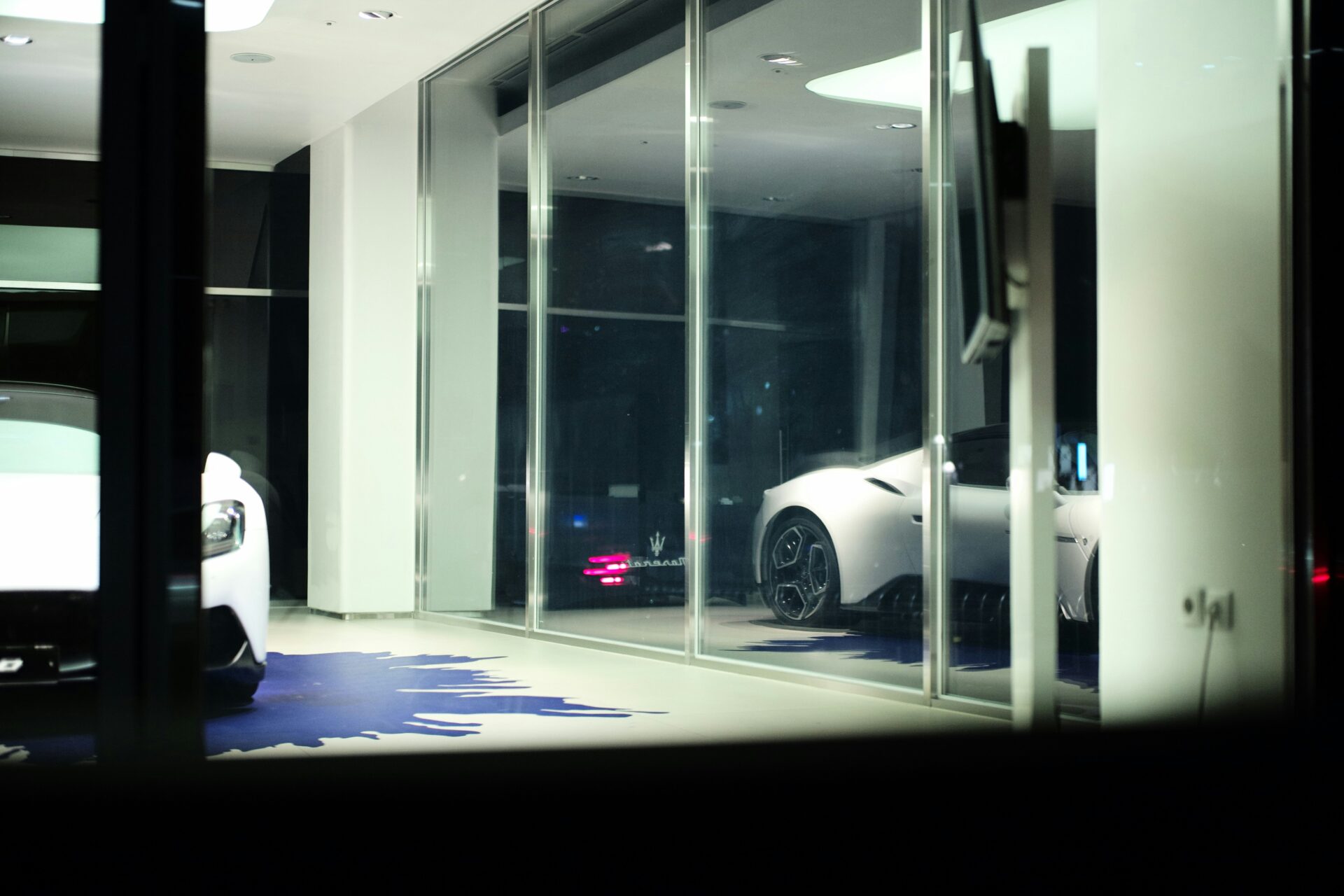
Maserati forms the other pillar of Modena’s impressive automotive heritage. While exploring the city, I learned how Maserati’s elegant designs offer a different expression of Italian performance compared to Ferrari’s race-focused philosophy.
What surprised me was discovering smaller companies like Stanguellini, which transformed ordinary Fiats into lightweight racing cars that performed between Ferraris and Maseratis of their era. These craftsmen show how innovation runs deep in Modena’s culture.
The automotive legacy extends beyond manufacturing. Local artisans like the Schedoni family have built businesses creating fine leather goods specifically for Italian supercars. Their bespoke luggage sets perfectly match the interiors of Modena’s famous vehicles.
Artisanal Excellence and Shopping
Modena’s artisanal heritage extends far beyond its famous cars and cuisine. The city offers rich opportunities to experience traditional craftsmanship and bring home authentic souvenirs that truly represent this region’s dedication to excellence.
Discovering Local Artisans and Crafts
Walking through Modena’s narrow streets, I discovered small workshops where artisans practice centuries-old traditions. Many family businesses have passed their craft knowledge through generations, maintaining the same meticulous standards.
Balsamic vinegar producers are among the most fascinating artisans to visit. I watched in awe as they showed me their acetaia (vinegar lofts) where the precious liquid ages in wooden barrels for years—sometimes decades. The traditional producers follow strict methods that have changed little since medieval times.
Ceramics studios dot the outskirts of town, creating distinctive pottery with designs inspired by the region’s history. Leather craftsmen also maintain workshops where you can watch them create everything from luxury handbags to car interiors.
Shopping for Authentic Modenese Souvenirs
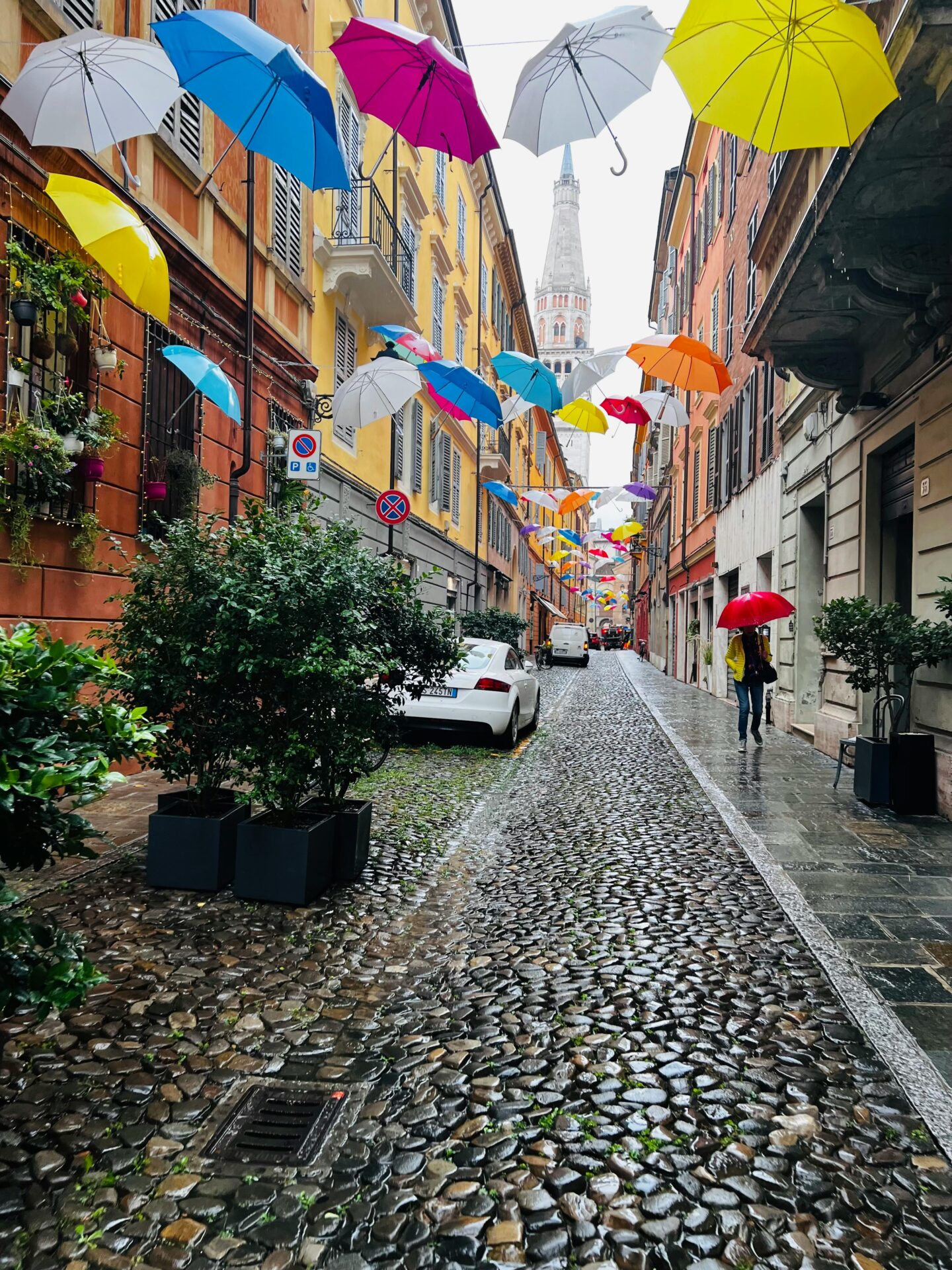
When shopping for genuine Modenese treasures, I start at the Albinelli Market where vendors sell carefully packaged Parmigiano Reggiano cheese. Look for the official DOP stamp guaranteeing authenticity and age—I prefer the 24-month version for its complex flavor.
Small bottles of authentic traditional balsamic vinegar make excellent gifts, though they’re investment pieces at €60-100 for 100ml. The consortium-approved bottles with their distinctive shapes guarantee you’re getting the real thing.
Ferrari merchandise is available at official stores, but I prefer the small boutiques selling handcrafted items related to Modena’s automotive heritage—leather driving gloves or handmade model cars crafted by local artisans.
Don’t miss the beautiful handmade linens, ceramics, and food items like tigelle bread molds that let you recreate Modenese cuisine at home. Each purchase not only serves as a memento but supports these time-honored traditions.
Modena’s Cultural Attractions
Modena offers visitors a rich tapestry of cultural experiences beyond its famous cars and food. The city’s artistic soul can be found in its museums, historic architecture, and artisanal traditions that have been preserved for generations.
Luciano Pavarotti House Museum
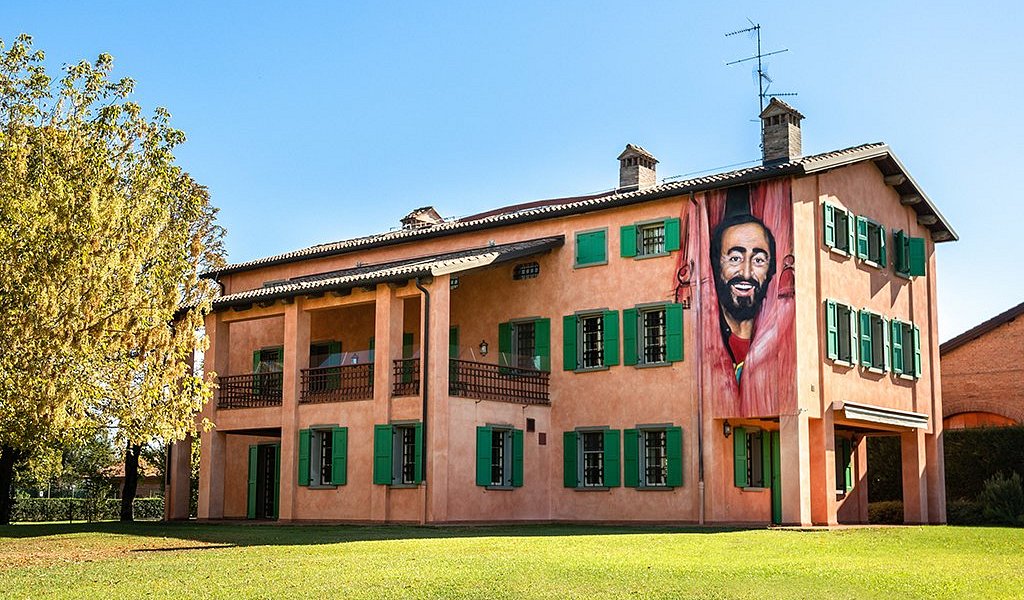
I visited the Luciano Pavarotti House Museum on a sunny spring morning, and it was truly a highlight of my Modena experience. Located just outside the city center, this was the actual home where the legendary tenor lived until his passing in 2007.
Walking through the rooms, I was struck by how personal everything felt. His colorful Hawaiian shirts hang in the closet, and family photos adorn the walls. The museum preserves his private life beautifully.
The most moving part for me was his music room, where his grand piano still stands. You can almost hear his powerful voice echoing through the space. Some of his stage costumes and awards are displayed, offering glimpses into his illustrious career.
Exploring the Architecture and Heritage Sites
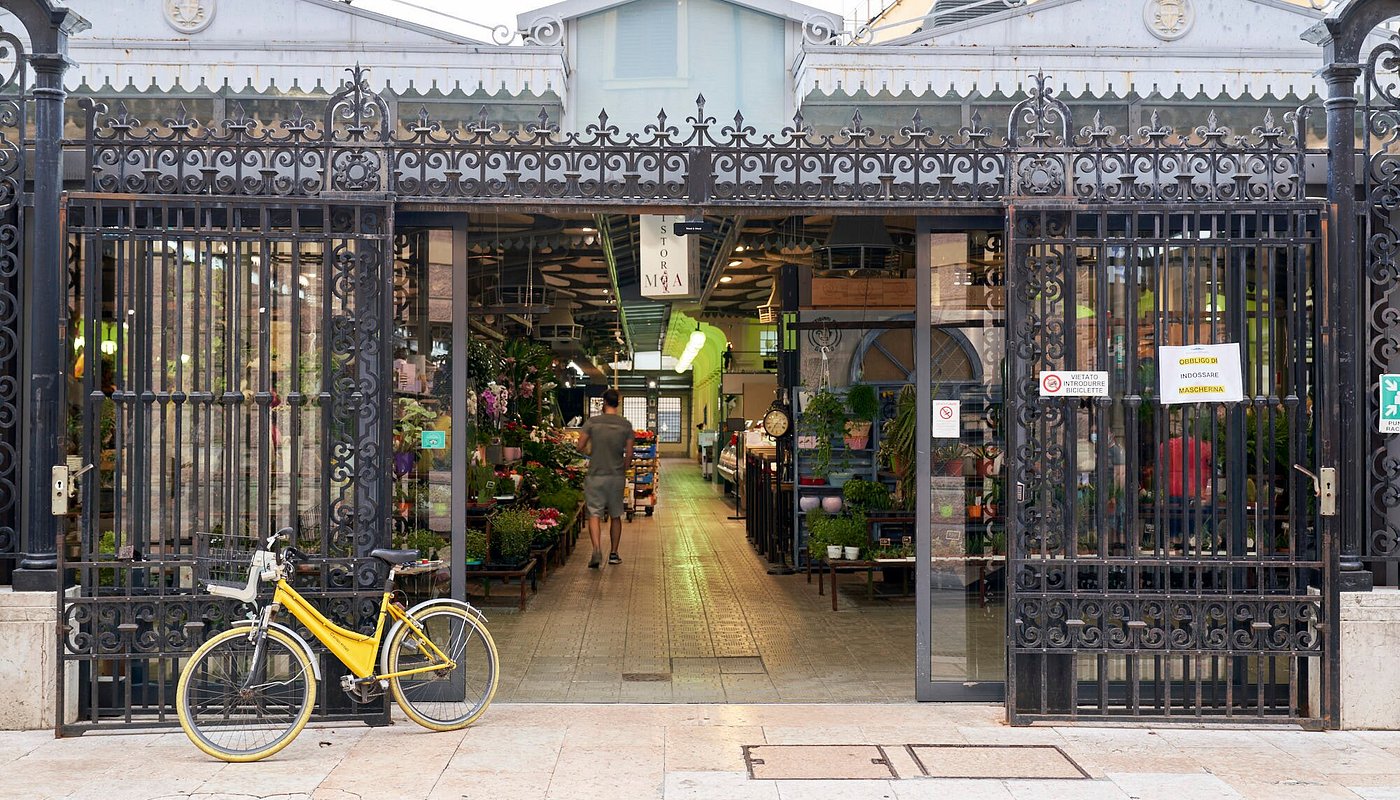
Modena’s architectural crown jewel is undoubtedly the Duomo di Modena, a UNESCO World Heritage site that took my breath away. This Romanesque masterpiece features the striking Ghirlandina Tower, which serves as the city’s most recognizable landmark.
I spent an afternoon wandering through Piazza Grande, where local artisans often display their crafts. The square buzzes with energy and history, surrounded by buildings dating back centuries.
The city’s artisanal traditions run deep. I watched master craftsmen creating everything from balsamic vinegar to ceramics. Many workshops welcome visitors, offering demonstrations of techniques passed down through generations.
The Palazzo dei Musei houses several excellent collections, including the Estense Gallery with its impressive paintings and sculptures. Don’t miss the historic Albinelli Market for a taste of everyday Modenese culture.
Frequently Asked Questions
Visitors to Modena often have questions about how to best experience this city’s remarkable blend of automotive excellence and culinary mastery. Here are answers to the most common queries to help you plan your perfect Modena adventure.
Modena boasts an impressive collection of Michelin-starred establishments, with Osteria Francescana leading the pack. Chef Massimo Bottura’s three-star masterpiece offers innovative takes on traditional Emilian cuisine.
Restaurants like L’Erba del Re and Osteria Stallo del Pomodoro provide one-star experiences that are more accessible but equally memorable. Each showcases the region’s famed ingredients—aged balsamic vinegar, Parmigiano-Reggiano, and local meats—in creative, unforgettable dishes.
The tasting menus typically feature modern interpretations of classics, allowing you to experience the full spectrum of Modenese flavors in one sitting.
For authentic tortellini, I always recommend Trattoria Aldina. It is a hidden gem on the second floor of an unmarked building. Their hand-folded pasta parcels are filled with a perfect blend of meats and cheese. These are simply divine.
Hosteria Giusti, one of Italy’s oldest delis, serves tortellini in broth that locals consider the gold standard. Reservations are essential but worth the effort.
Da Danilo offers outstanding tortellini in a more casual setting. The pasta is made fresh each morning following generations-old recipes.
Trattoria Bianca serves exceptional local cuisine in a bright, welcoming space. Their tagliatelle al ragù and zampone with lentils perfectly capture Modena’s rustic elegance.
For a quick but quality lunch, Mercato Albinelli houses several spots where you can enjoy freshly prepared dishes. The ingredients come from the market stalls. The atmosphere is lively and authentically local.
Archer has become my favorite for its modern approach to traditional flavors. Their lunch menu changes seasonally but always includes perfect pairings with local lambrusco wine.
Both Ferrari and Modena’s food culture share a passionate devotion to craftsmanship. Enzo Ferrari himself recognized this connection when he founded Cavallino restaurant in 1950. He created a dining establishment that reflected his standards of excellence.
The city’s precision engineering culture creates a mindset that transfers to food preparation. The same patience required to perfect an engine is mirrored in aging balsamic vinegar for decades.
Many local chefs draw inspiration from Ferrari’s innovation philosophy. They honor traditions while constantly seeking improvements—a very Modenese approach shared across industries.
Mercato Albinelli is the crown jewel of Modena’s food scene. This historic covered market dates to 1931 and features stunning architecture. The stalls sell everything from fresh produce to artisanal cheeses.
The Farmer’s Market in Parco Novi Sad (held weekly) offers direct access to local producers. I’ve found some of the freshest seasonal vegetables and homemade preserves here.
Don’t miss the specialty shops surrounding Piazza Grande. These boutique storefronts specialize in specific local products like balsamic vinegar. They offer tastings that reveal the complexity of these traditional foods.
Modena offers a perfect balance of sensory experiences. In the morning, I can tour the Ferrari Museum and marvel at engineering brilliance. Then, I can spend the afternoon sampling aged balsamic at a family producer.
The city maintains an authentic character despite its world-famous attractions. Unlike more touristy Italian destinations, Modena remains primarily a city for Modenese people.
The proximity of attractions makes it logistically easy to enjoy both interests. You can visit the Enzo Ferrari Museum in the morning and enjoy lunch at a traditional trattoria just minutes away. This creates a day that stimulates all the senses.

.jpg)