
Portugal’s food scene is a flavorful story where Atlantic breezes meet Mediterranean sunshine, and every meal feels like a warm hug. After wandering from Porto’s hearty tables to the Algarve’s seafood feasts, I realized Portuguese cooking is so much more than just those famous pastel de nata egg tarts you see everywhere.
My culinary journey through Portugal led me to seven food experiences that truly capture this country’s spirit. We’re talking legendary bacalhau, regional specialties that locals fiercely protect, and flavors rooted in Portugal’s maritime history.
Salt cod appears in endless forms. Sweet pastries seem to pop up in every café. From grilled seafood by the coast to rich rice dishes that have filled Portuguese bellies for generations, these culinary adventures will convince any food lover that Portugal should be next on your list.

Essence of Portuguese Cuisine
Portuguese cuisine feels like a love letter to centuries of exploration and diverse landscapes. The food blends Atlantic seafood with Mediterranean flair. Olive oil, garlic, and plenty of herbs set the stage for Portugal’s most cherished meals.
Historical Influences and Regional Diversity
Portugal’s seafaring past shaped its food in ways I didn’t expect. Portuguese explorers sailed home with spices from Asia, Brazil, and Africa during the Age of Discovery.
Key Historical Influences:
- Moorish occupation brought rice, almonds, and cinnamon into the kitchen
- Trade routes introduced chili peppers, tomatoes, and potatoes
- Monastic traditions gave us those irresistible sweets and pastries
The regional diversity here is wild. Northern Portugal serves up hearty meat dishes and vinho verde wine. The center leans into roasted meats and river fish.
Down south, you’ll find Mediterranean flavors—olive oil, fresh herbs, seafood. In the Algarve, cooks use almonds and figs in both sweet and savory ways.
Coastal towns celebrate Atlantic fish and shellfish. Inland, people have gotten creative with meat preservation and stews that fuel long days in the fields.
Signature Ingredients and Cooking Methods
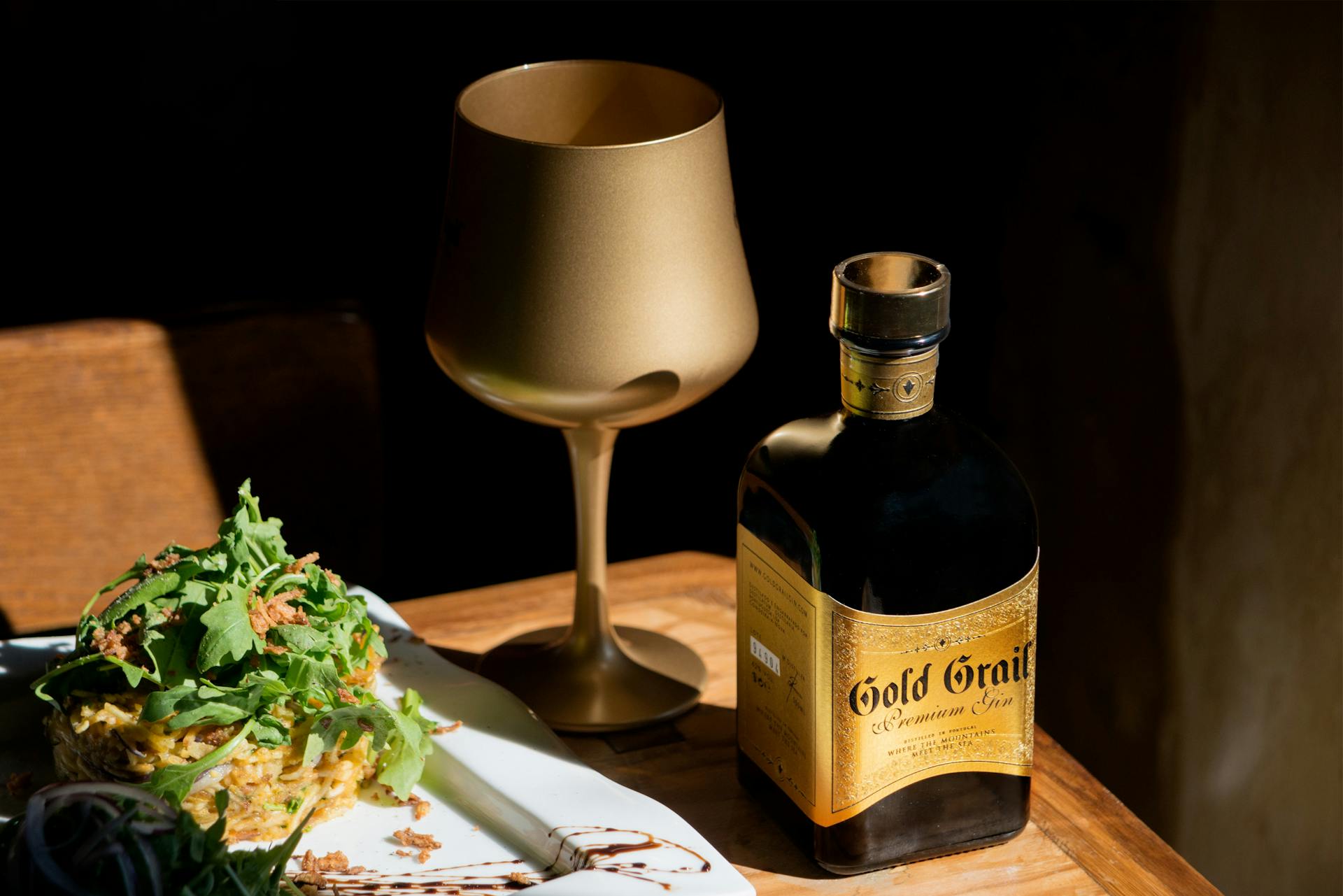
Portuguese cooks rely on simple, top-notch ingredients that let natural flavors shine. Honestly, I love how they keep things straightforward—no need to hide good food behind fancy tricks.
Essential Portuguese Ingredients:
- Olive oil—always present, always delicious
- Garlic and onions—the start of almost every recipe
- Bay leaves and parsley—the herbs you’ll taste everywhere
- Sea salt—harvested from those salty coastal pans
- Piri-piri peppers—for a little kick
Traditional cooking here means grilling over charcoal, slow braising, and salt-curing. Grilled sardines or roasted chicken? Simple, but somehow unforgettable.
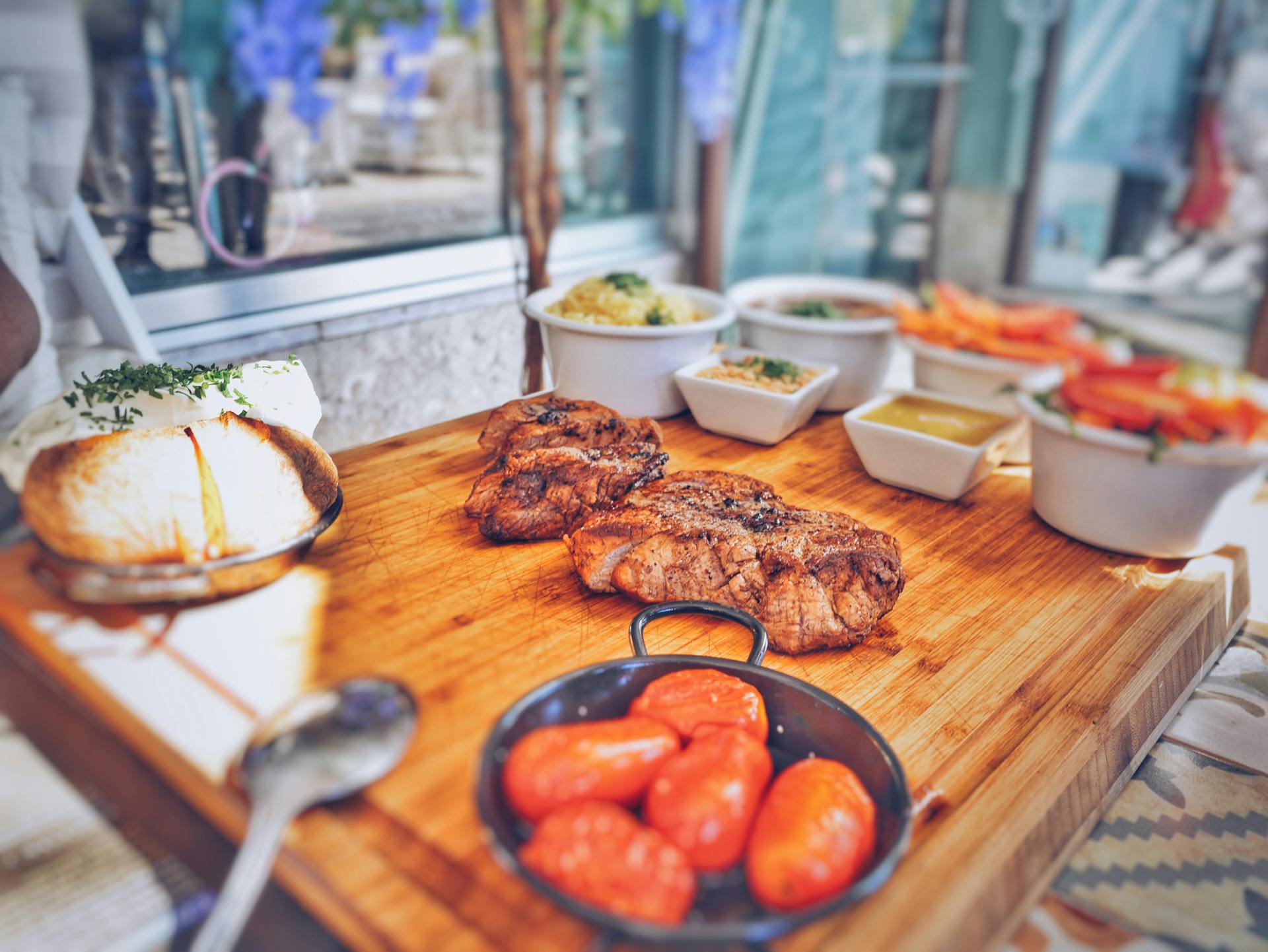
Bacalhau (salt cod) stands out as a national obsession. There are supposedly more than 365 bacalhau recipes—one for every day of the year!

Cultural Importance of Food in Portugal
Food here isn’t just fuel; it’s the heart of social life and family. Meals turn into long, laughter-filled gatherings—a true cultural expression of hospitality.
Families gather around the table daily. Sundays stretch into hours of storytelling over traditional dishes.
Religious festivals bring out special treats. Christmas means bolo-rei cake, Easter calls for folar bread. Every celebration seems to have its own flavor.
Restaurants focus on local specialties and family recipes. Many have been serving the same traditional dishes for generations.
The sea runs through Portuguese cuisine. Fishing communities created unique preparations that spread nationwide, making seafood a true national treasure.
Iconic Bacalhau Creations
Portugal’s salted cod dishes carry centuries of tradition. Bacalhau à Brás and bacalhau à Gomes de Sá stand out as two of the most beloved. These recipes turn humble salted cod into pure comfort food—honestly, I crave them even now.
Bacalhau à Brás
Bacalhau à Brás has pretty much become my gold standard for comfort food. Shredded salted cod, crispy potato matchsticks, scrambled eggs, and onions—all tossed together.
Everything comes together in the pan. The potatoes go golden and crunchy, while the eggs make it creamy and rich.
Key ingredients:
- Shredded salted cod
- Thin, crispy potato sticks
- Beaten eggs
- Sliced onions
- Fresh parsley
- Black olives for garnish
You’ll spot this dish everywhere. Each chef has their secret move, but the basics don’t change. Sauté onions, add cod, toss in potatoes, fold in eggs at the end.

Bacalhau à Gomes de Sá
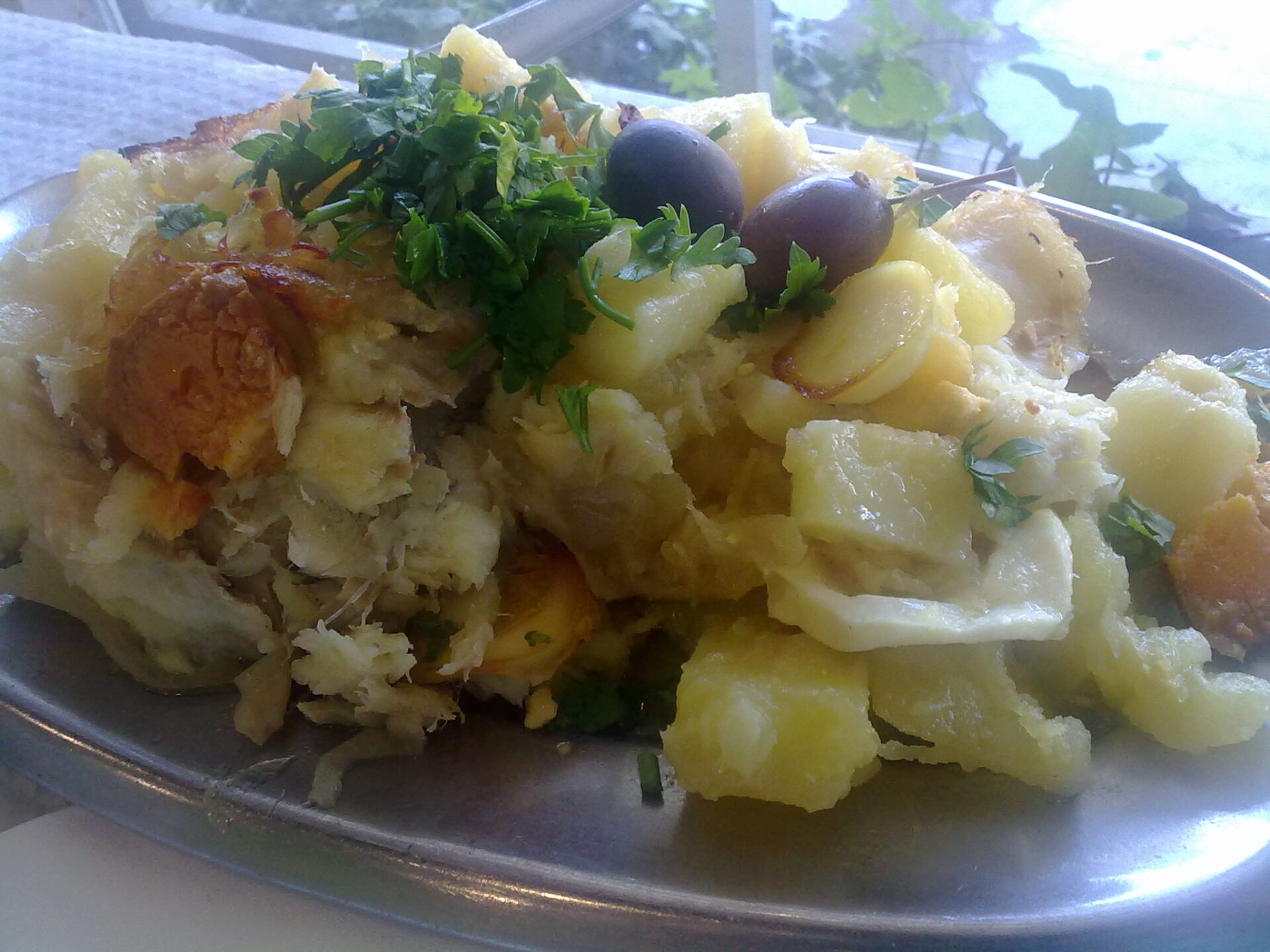
This baked dish, named after José Luís Gomes de Sá, takes a different approach. I love how the layers let you taste each ingredient.
They layer flaked cod with sliced potatoes and onions. Hard-boiled eggs add richness. Olive oil and garlic bring everything together.
Traditional preparation:
- Potatoes form the base
- Flaked cod goes next
- Top with onions and egg slices
- Drizzle with olive oil
- Bake until golden
Porto claims this dish as its own, dating back to the 19th century. It’s simple, but somehow elegant—perfect for a special dinner.
Salted Cod Traditions
Salted cod has been central to Portuguese cooking since the 16th century. It’s kind of wild to think a preserved fish became such a national icon.
People say there’s a bacalhau recipe for every day of the year. I haven’t tried them all, but I’ve seen dozens across Portugal.
Popular preparation methods:
- Bacalhau à Lagareiro—roasted with olive oil and garlic
- Bacalhau com Natas—baked in a creamy sauce
- Bacalhau à Zé do Pipo—topped with mayo (yes, really)
The fish arrives salted and dried. Cooks soak it for a day or two, changing the water often to get rid of excess salt and rehydrate the flesh.

Regional Savory Delights
Portugal’s savory dishes tell the story of each region with bold flavors and recipes passed down through generations. Here are three that locals—and I—can’t stop talking about.
Francesinha in Porto
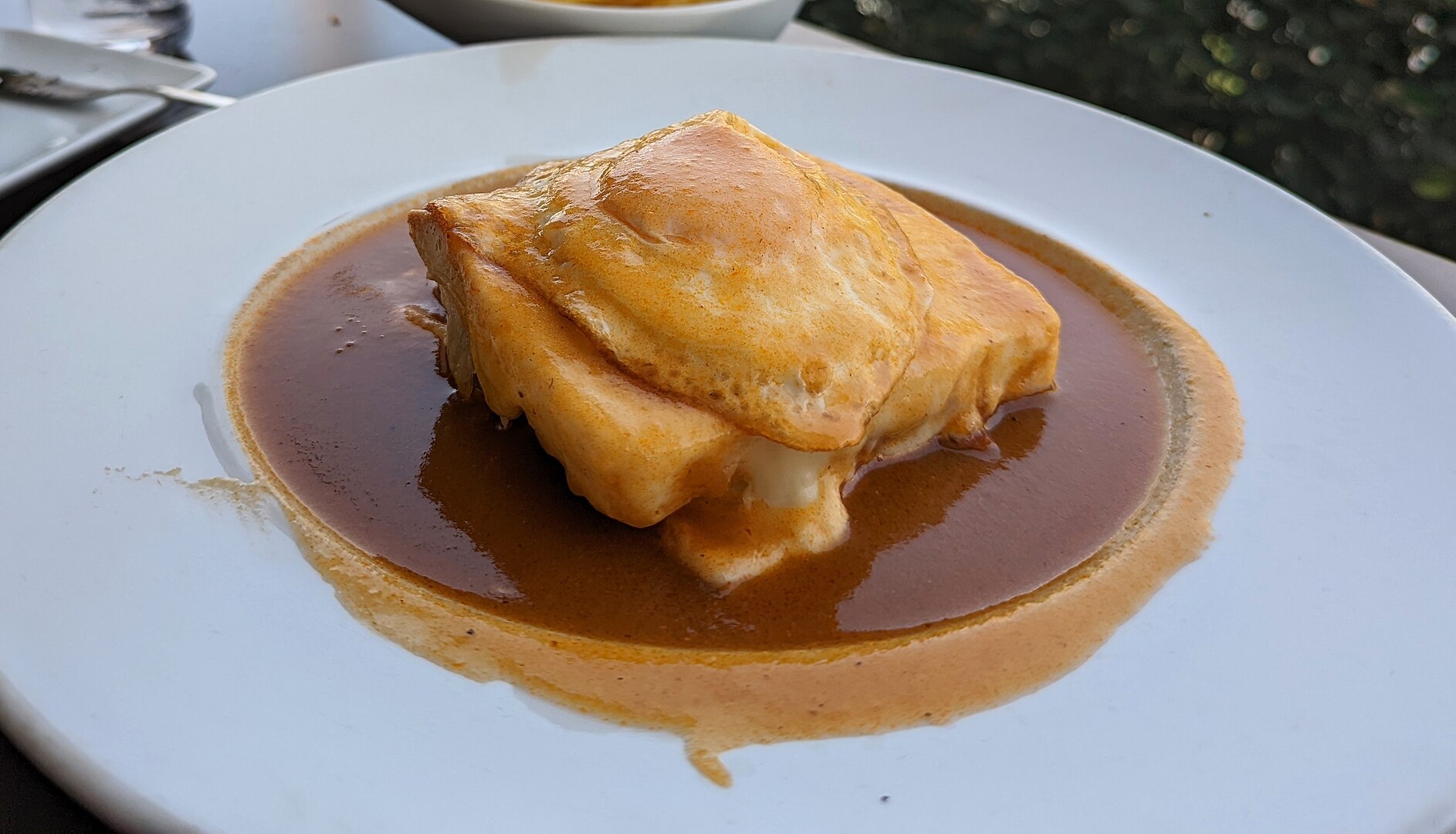
My first francesinha in Porto totally changed my view on comfort food. Imagine a sandwich stacked with fresh bread, linguiça, ham, steak, and sausage.
Then, they smother it with melted cheese and pour spicy tomato-beer sauce over the top. Crispy fries usually come alongside.
What makes it special:
- Origin: Born in Porto in the 1960s
- Key ingredient: The sauce—each spot has its secret
- Best time: After a long morning exploring Porto
Every restaurant guards its sauce recipe. Some add whiskey, others a secret spice mix. The result? Tangy, spicy, and totally addictive.
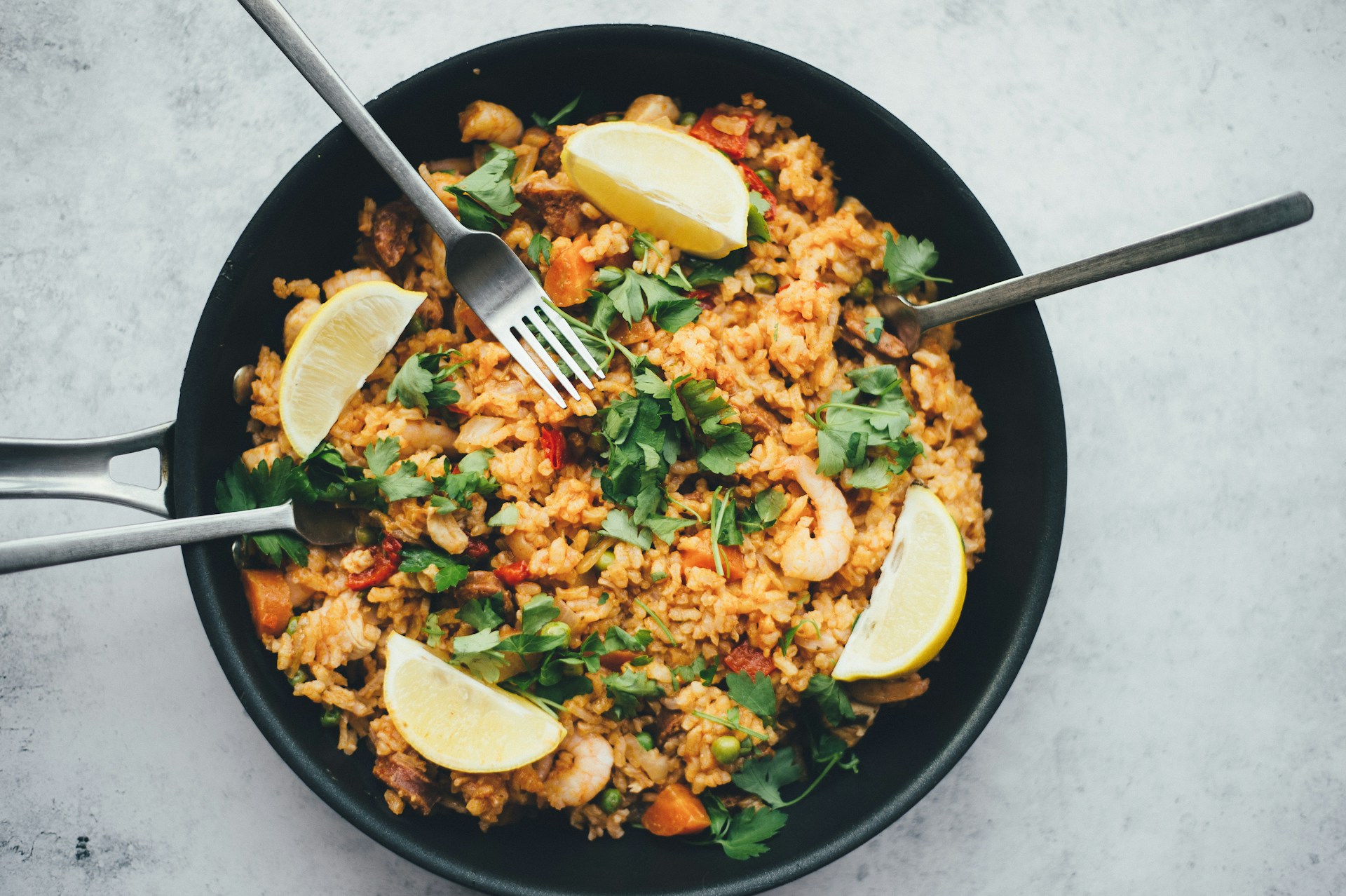
Arroz de Pato
Arroz de pato, or duck rice, is Portuguese home cooking at its best. Families slow-cook duck until it falls apart, then mix it with rice that’s soaked up all those savory juices.
Chorizo and bay leaves add depth. They bake it until the top turns golden and crispy.
Preparation highlights:
- Duck cooks until meltingly tender
- Rice absorbs all the flavor
- Baked for a crunchy top
- Chorizo slices on top
Leftovers? Even better the next day after the flavors get cozy together.
Cozido à Portuguesa
Cozido à portuguesa brings together everything good in one big pot. I love how different meats and veggies mingle and soak up all those flavors.
Each region tweaks the recipe, but pork, beef, chicken, and sausages usually make an appearance. Cabbage, carrots, potatoes, and sometimes beans round it out.
They simmer everything for hours until the meats become fork-tender and the broth is rich.
Common ingredients:
- Several meats (pork, beef, chicken)
- Portuguese sausages
- Root veggies and cabbage
- Beans (often chickpeas)
It’s a feast for a crowd, and the leftovers make a killer soup.

Flavors of the Atlantic: Seafood Specialties
Portugal’s Atlantic coast delivers some of the country’s best bites. Grilled sardines are the stars of summer festivals. Octopus dishes showcase rustic traditions, and seafood stews bring everyone to the table.
Grilled Sardines
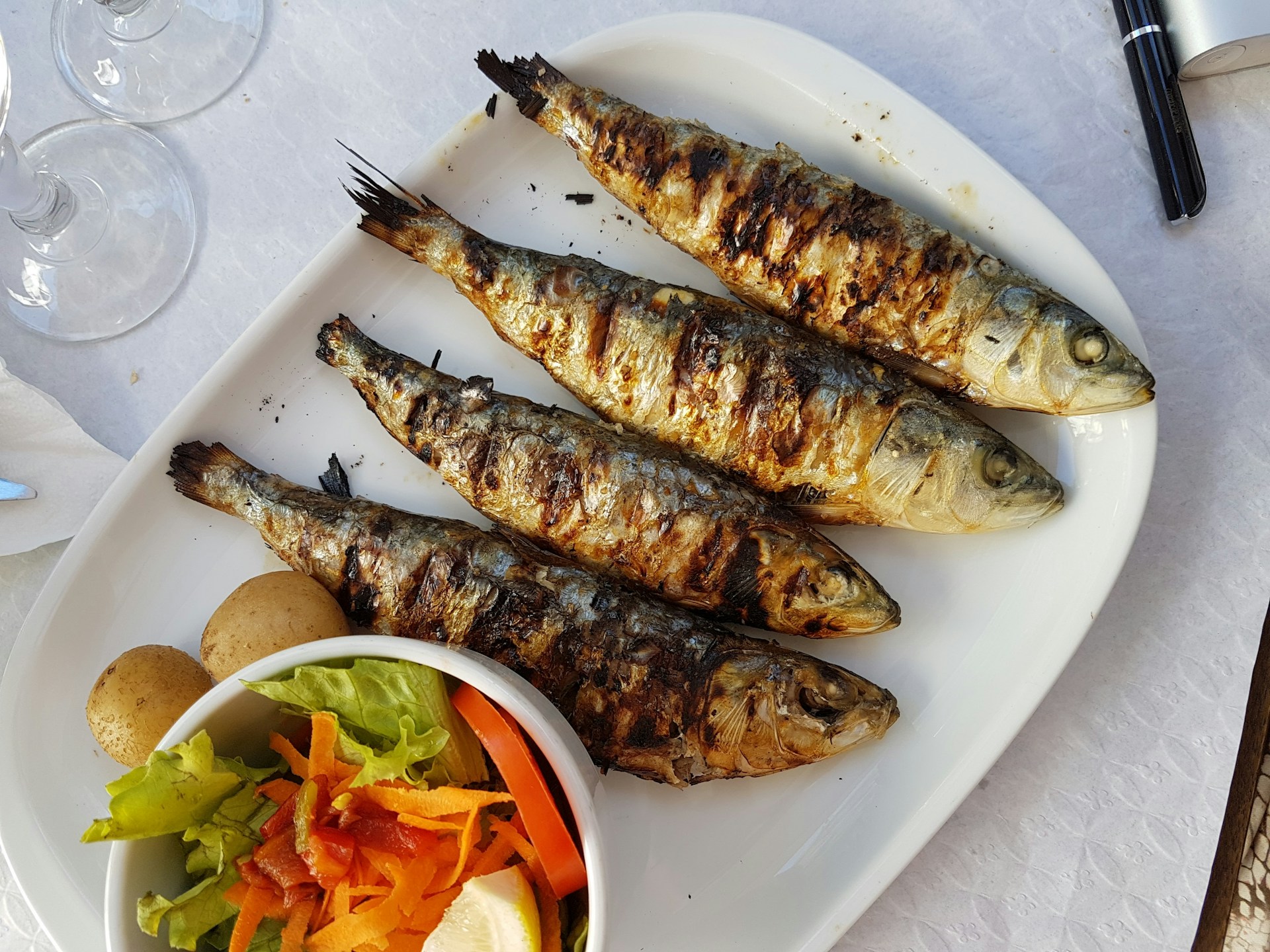
Sardinhas Assadas are more than just a snack—they’re summer itself in Portugal.
Cooks season the little silver fish with coarse sea salt. That’s it. No fuss.
They grill them over hot coals until the skin crisps and chars. The inside stays juicy.
When to find them:
- June to August (prime time)
- St. Anthony festivals in June
- Any coastal town, really
Locals eat them right off the grill, using their hands. Bread or boiled potatoes usually join the party.
The smell of sardines grilling drifts through the streets on summer nights. Fishmongers sell them fresh from wooden carts.
Polvo à Lagareiro
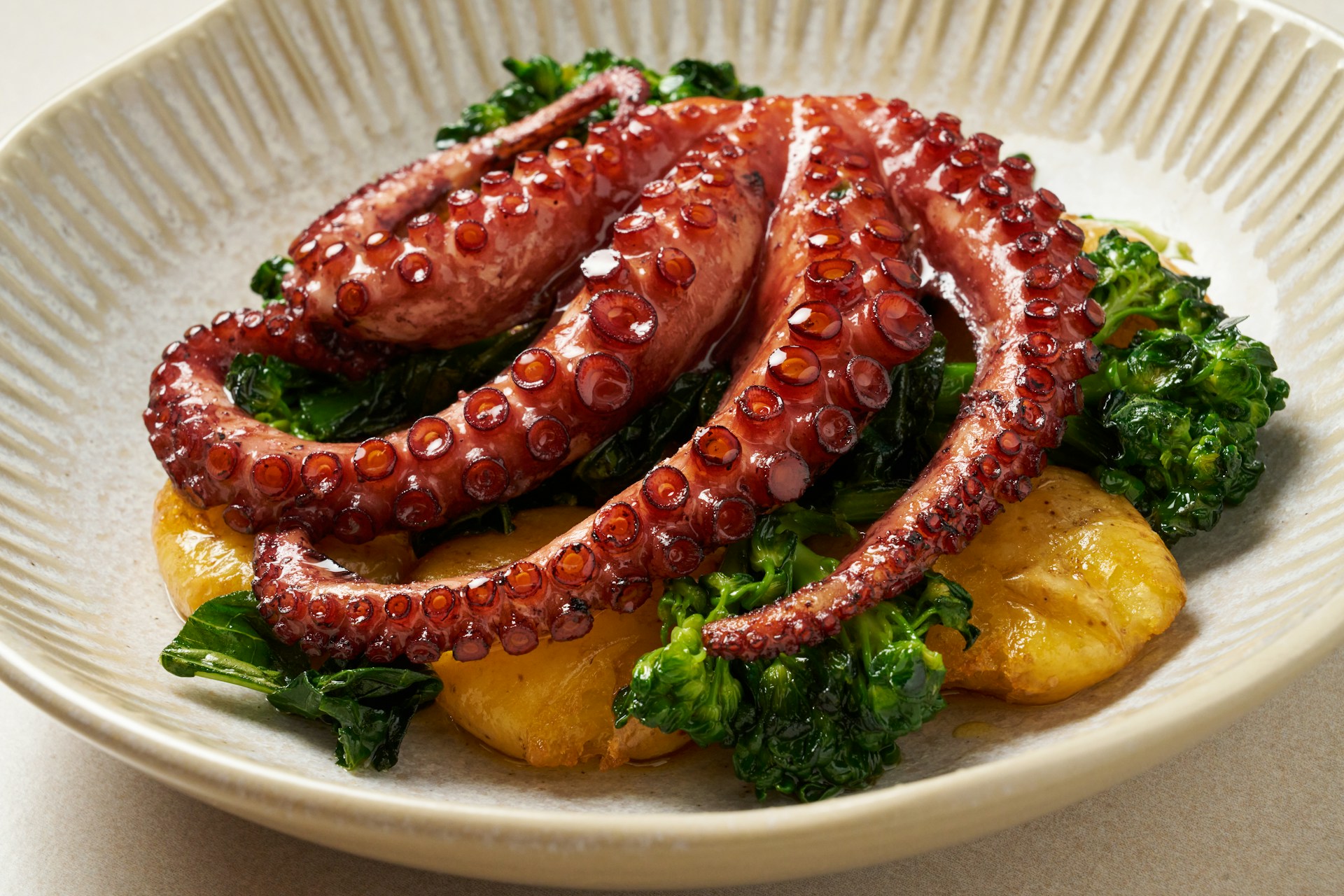
This octopus with olive oil dish taught me about the heart of Portuguese cooking. The name honors olive oil mill workers.
Cooks boil the octopus until tender—takes about 45 minutes for a medium one.
They roast it with loads of olive oil, garlic, and tiny potatoes. The oil makes the octopus skin crisp up.
Key preparation steps:
- Boil octopus until soft
- Roast with olive oil and garlic
- Potatoes soak up the flavor
- Finish with fresh herbs
The octopus turns buttery. Olive oil and garlic bring out the best in the seafood.
Traditional taverns nail this dish. You can taste the generations of practice.
Cataplana de Marisco
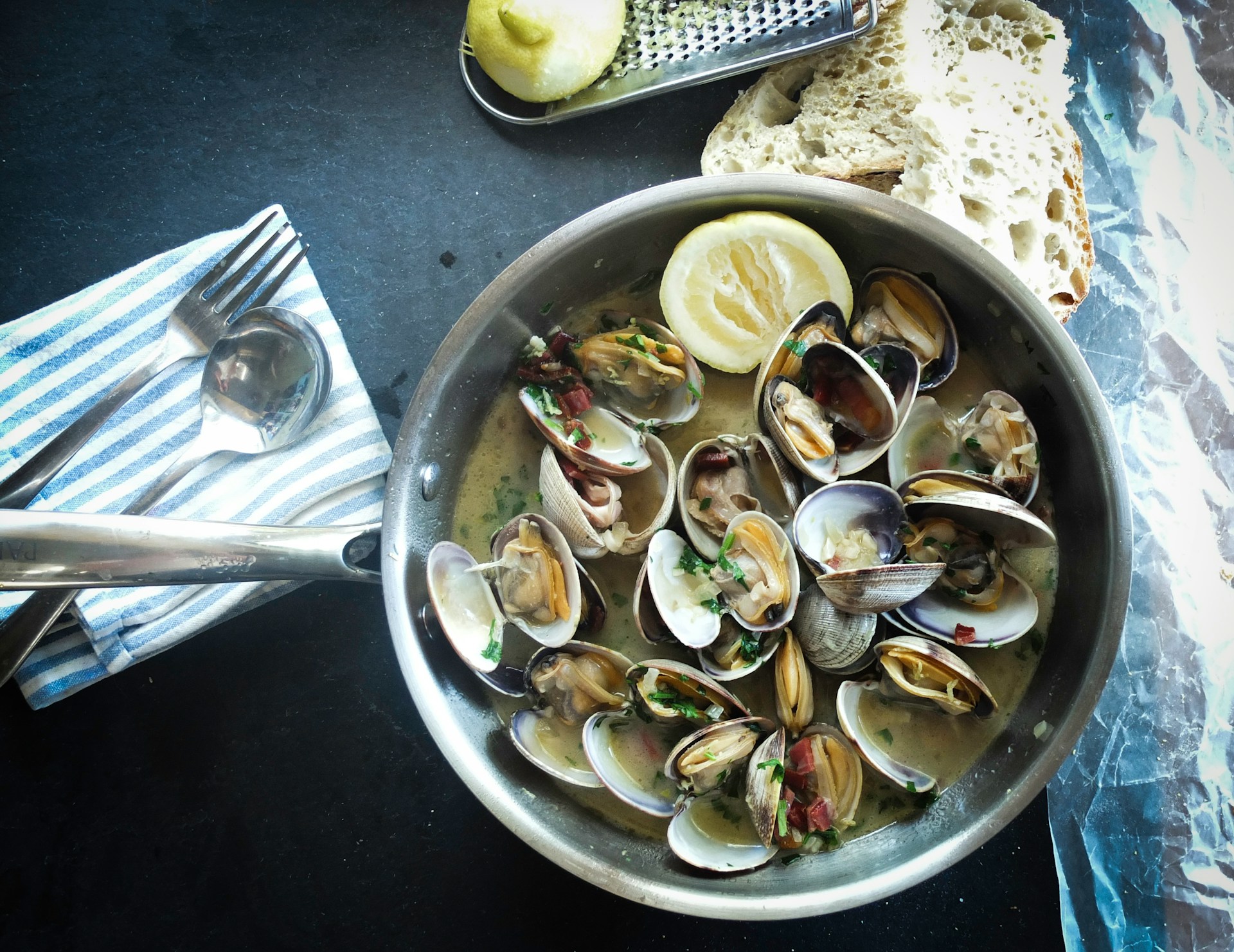
The cataplana de marisco is Portugal’s show-stopping seafood stew. It gets its name from the copper, clam-shaped pot it cooks in.
Shrimp, clams, mussels, and white fish all go into the pot. Each bite brings a different taste of the ocean.
The cataplana seals tightly, trapping steam and concentrating all those flavors.
Common ingredients:
- Fresh clams and mussels
- Big shrimp or prawns
- White fish fillets
- Tomatoes and onions
- White wine and garlic
Tomatoes, onions, and garlic melt into a rich broth. White wine adds brightness.
Good cataplana takes patience. The sealed pot cooks everything evenly and builds up tons of flavor.
When the pot lands on your table, opening it releases a waft of garlicky, ocean-scented steam.
Comforting Rice and Bread Dishes
Portuguese rice dishes blend fresh seafood with perfectly cooked grains in rich broths. Bread-based meals make humble ingredients feel hearty and special. Honestly, Portugal turns basic staples into some of the most memorable meals I’ve ever had.
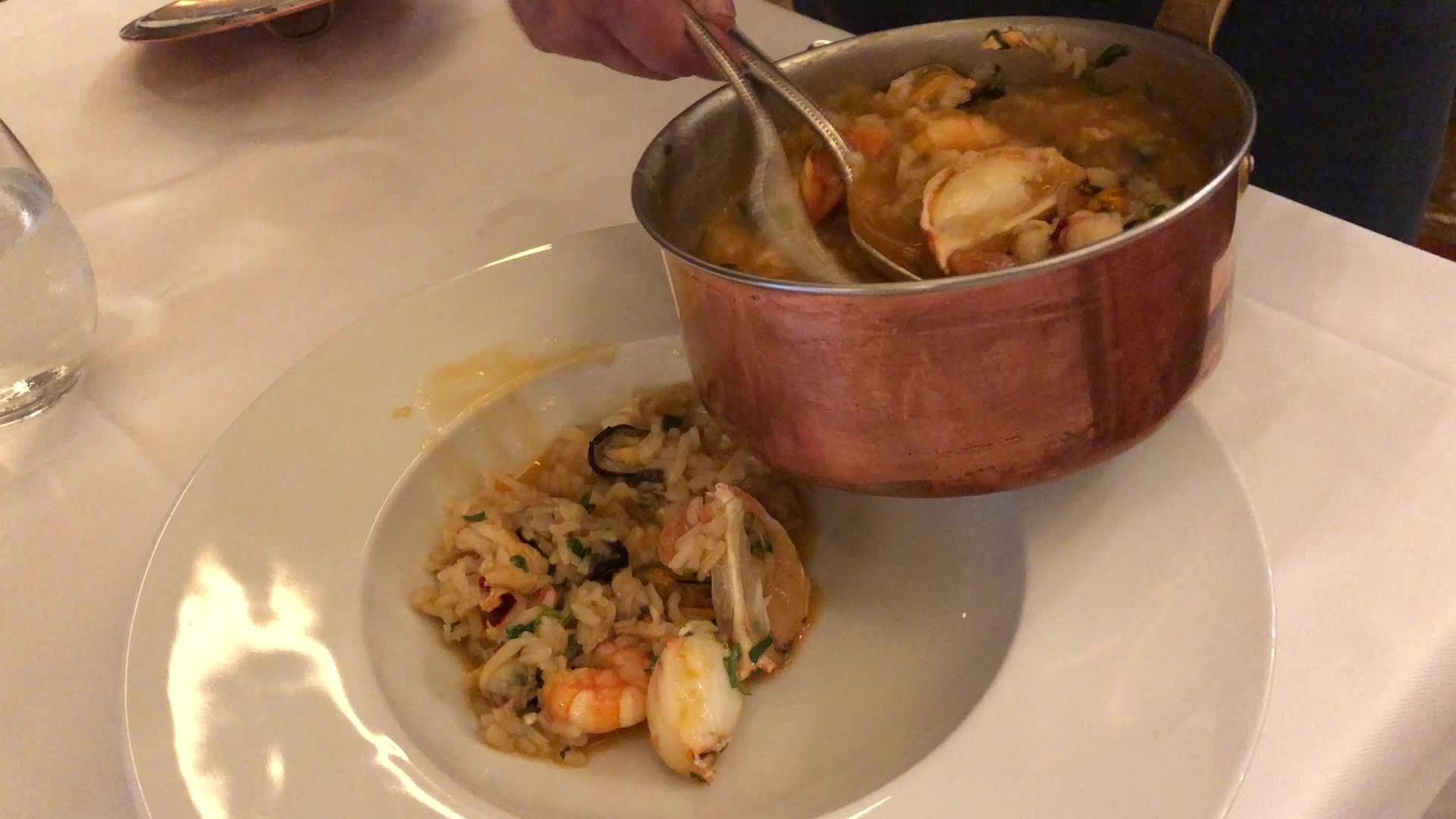
Arroz de Marisco
Arroz de marisco has to be one of Portugal’s most beloved seafood rice dishes. When I first tried it, I realized it’s nothing like Italian risotto or Spanish paella—it’s more like a rich, briny rice stew.
The seafood lineup usually includes:
- Shrimp and prawns
- Clams and mussels
- Monkfish (tamboril)
- Sometimes lobster or crab, if you’re lucky
Portuguese cooks simmer the rice in a deep seafood stock so every bite bursts with ocean flavor. The shells and fish bones give the broth its punch.
Saffron lends a golden hue. Fresh cilantro and parsley make each spoonful pop.
It’s always a bit soupy, never dry like paella. The rice soaks up all that seaside goodness.
Honestly, the best bowls I’ve had came from little restaurants along Portugal’s coast. They serve whatever came off the boats that morning.
Açorda
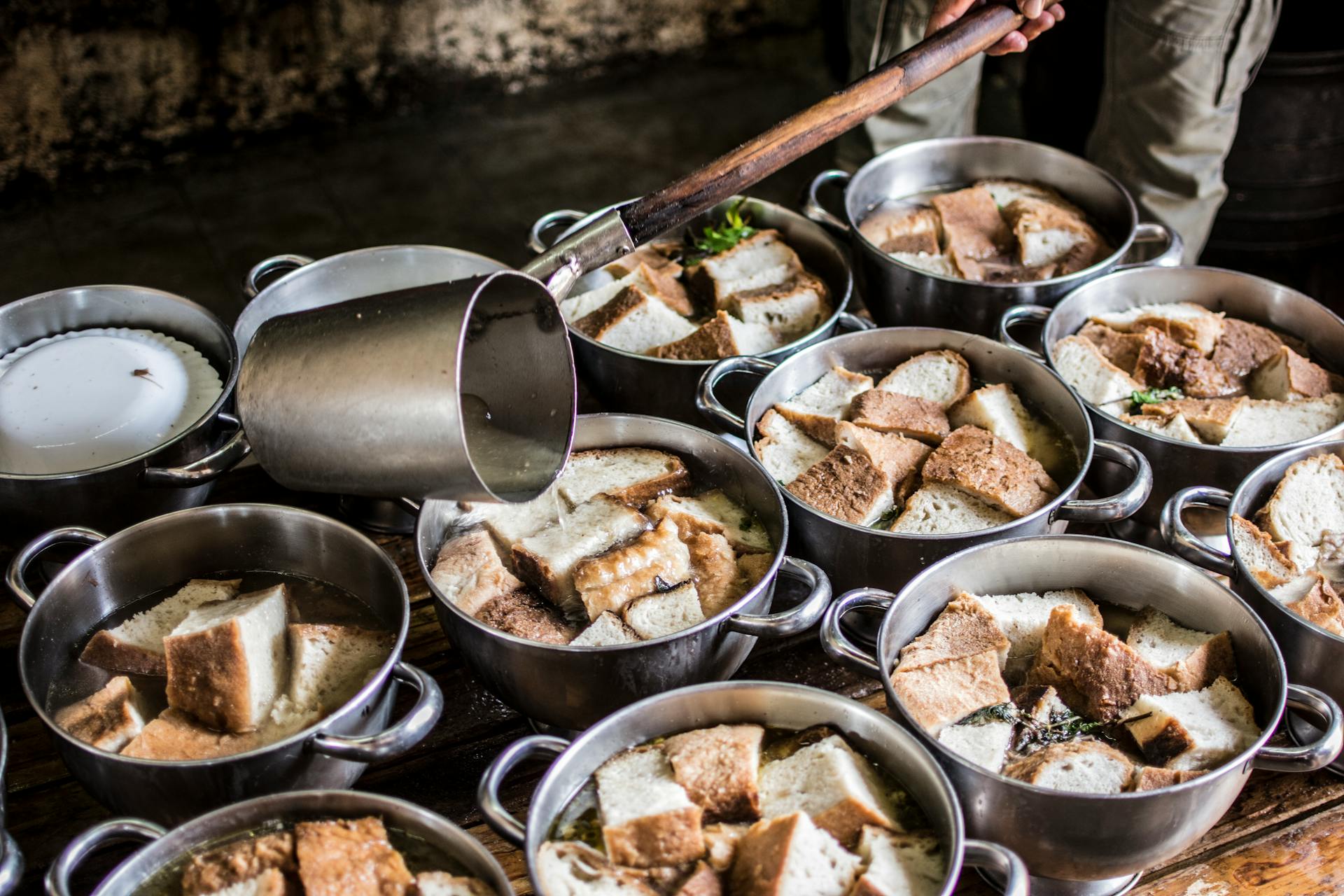
Açorda turns stale bread into pure comfort. This dish comes from Portugal’s heartland, where cooks waste nothing.
The base? Day-old bread, soaked in garlicky broth. Cooks crack in eggs, stirring them gently so they just set.
Some popular versions:
- Açorda de bacalhau (with salted cod)
- Açorda de camarão (with shrimp)
- Açorda Alentejana (just bread, garlic, and eggs)
The bread melts into a porridge-like soup. A good drizzle of olive oil and plenty of fresh herbs finish it off.
Each region tweaks açorda in its own way. Some toss in seafood, others keep it simple with just bread and eggs.
It’s the kind of dish that feels like a warm hug. Portuguese cooks really know how to turn humble ingredients into something memorable.
Caldeirada de Peixe
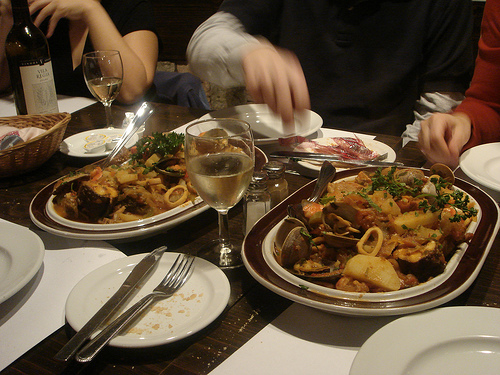
Caldeirada de peixe brings together whatever the fishermen hauled in that day. This stew started in coastal villages, where boats returned with mixed catches.
Cooks layer different fish with potatoes, onions, and tomatoes. The veggies form the foundation.
The trick is in the layering. They put firmer fish on the bottom, delicate fish on top.
No one stirs the pot. It just simmers away so the fish stays whole.
Some of the fish you might find:
- Sea bass and bream
- Monkfish and cod
- Ray and conger eel
Regions add their own flair—some splash in white wine, others keep it simple with olive oil and herbs.
When it’s ready, you get layers of perfectly cooked fish and veggies. The broth? Pure ocean essence.
Sweet Treats and Celebratory Sips
If you’ve got a sweet tooth, Portugal’s desserts will ruin you for life. Custard tarts lead the charge, and nothing pairs better than a glass of legendary Port wine or crisp Vinho Verde. These days, even cooking classes teach travelers how to master the classics while showing off a modern twist on Portuguese food.
Pastel de Nata
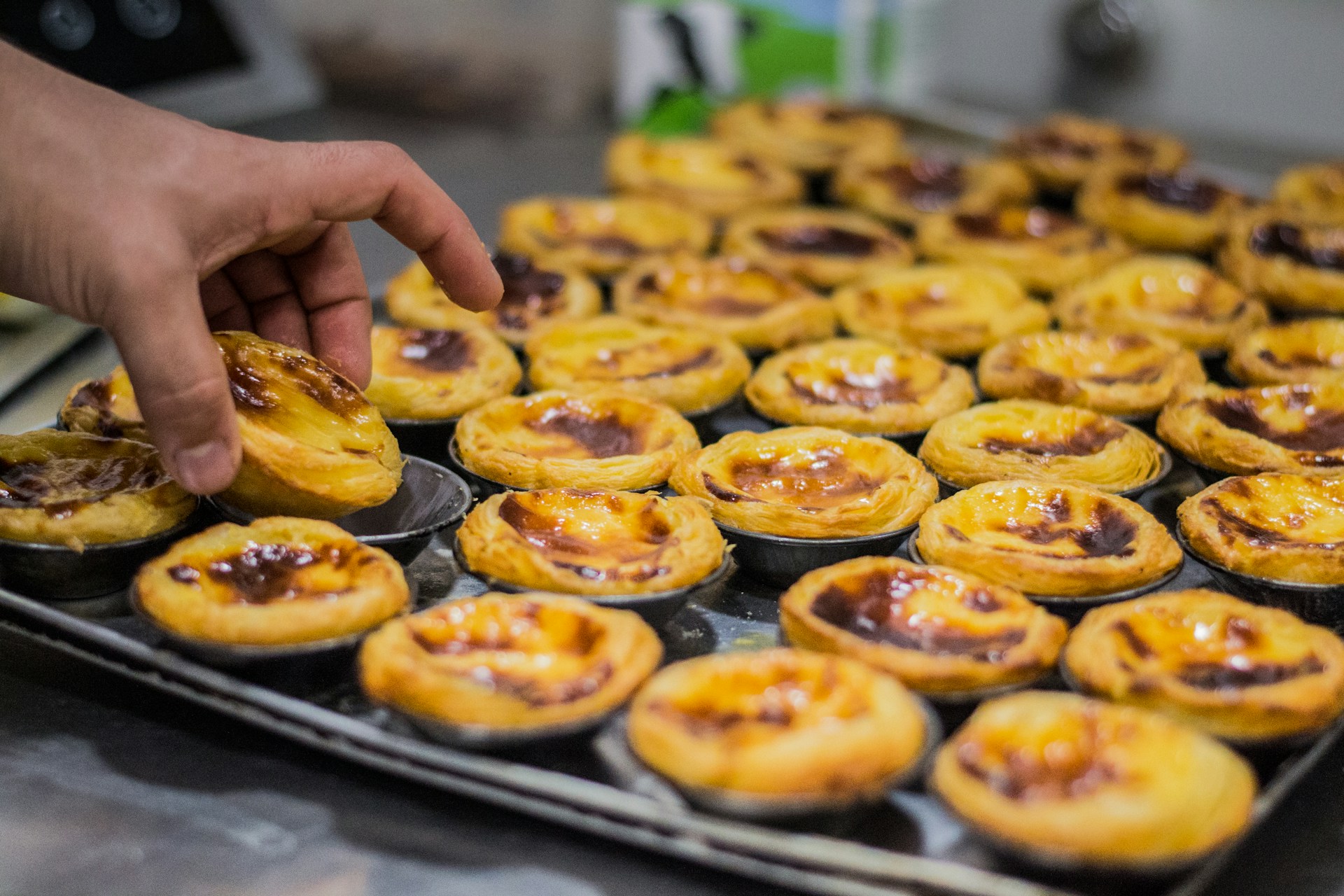
The pastel de nata is basically Portugal’s edible mascot. I made a beeline for Pastéis de Belém in Lisbon, where monks famously started selling these custard tarts after their monastery closed in the 1820s.
Each tart comes wrapped in flaky pastry and filled with creamy custard—egg yolks, sugar, milk, a hint of lemon. The top blisters and caramelizes in a hot oven.
Best ways to eat them:
- Still warm, straight from the oven
- Sprinkled with cinnamon and powdered sugar
- Washed down with strong coffee
I sampled pastéis de nata all over Portugal. Some shops add vanilla, others tweak the egg-to-milk ratio. The goal? Creamy inside, caramelized on top.
Portuguese Wines: Port Wine & Vinho Verde
Port wine from the Douro Valley is Portugal’s pride and joy. This fortified wine comes in a few styles, each perfect with dessert.
Port wine types:
- Ruby Port – Sweet, fruity, spot-on with chocolate
- Tawny Port – Aged, nutty, pairs beautifully with custard
- Vintage Port – Complex, saved for big occasions
Vinho Verde couldn’t be more different. It’s light, slightly fizzy, low in alcohol, and zippy with acidity.
I found that Vinho Verde goes great with lighter Portuguese desserts like arroz doce (rice pudding). Its freshness really cuts through the richness.
Modern Gastronomic Experiences
Portugal now offers cooking classes where you can learn to bake the perfect pastel de nata and pair it with wine. I took a class in Porto and Lisbon, and the chefs walked us through everything—custard tricks, folding pastry, even local dessert variations.
These classes usually include:
- Classic pastry folding
- Getting custard just right
- Exploring regional desserts
Modern restaurants love to experiment. Some chefs deconstruct old favorites or add global flavors, but they always keep that Portuguese soul.
Wine tastings often feature dessert pairings, too. I tried aged Tawny Port with toucinho do céu, an almond cake whose name—“bacon from heaven”—is way more mysterious than its taste.
Frequently Asked Questions
Portuguese food means iconic plates like bacalhau and francesinha, regional flavors from north to south, and sweets like pastel de nata. Knowing a bit about wine and food history will make your trip even better.
Bacalhau à Brás is probably Portugal’s most famous dish. I think every food lover should try it—salted cod, eggs, onions, and potatoes, found everywhere.
Francesinha is Porto’s claim to fame. This over-the-top sandwich layers ham, steak, sausage, and melted cheese, all drenched in a spicy tomato-beer sauce.
Cozido à Portuguesa gives you a hearty stew packed with meats and vegetables. It’s pure comfort food.
Cataplana de Marisco shows off Portugal’s love of seafood. In the Algarve, cooks steam fresh seafood in a copper pot. The flavors scream coastal Portugal.
Porto nails the francesinha. I always hit up local tascas for the real deal. The city’s food tours are a fun way to sample regional favorites.
Lisbon is custard tart heaven. The Belém bakery is still my top pick, but you’ll find great ones all over the city. Street food in Lisbon always surprises me with its variety.
The Algarve is all about seafood. I always find the freshest fish and classic cataplana here. Those coastal restaurants? Unbeatable ocean views and flavors.
Up north in Minho, you’ll find unique food and wine pairings. Local markets overflow with authentic ingredients. I love exploring small towns for hidden gems.
Portugal’s age of exploration brought in spices and ingredients from around the world. You’ll taste hints of Brazil, Africa, and Asia in many dishes.
Bacalhau became a staple because fishermen needed to preserve food for long journeys. Salting cod led to hundreds of inventive recipes.
Many sweets started in monasteries. Nuns and monks made use of leftover egg yolks and sugar, especially in desserts like pastel de nata and ovos moles.
Wine tells its own story. Each region developed unique grapes and styles over centuries. Today, you can taste that history in every glass.
Northern Portugal is all about hearty meats and bold wines. The Douro region turns out legendary port and rustic roasts. I always look for family-run spots for the best meals.
Central Portugal is pig roast country. Bairrada and Mealhada serve up the juiciest versions. Local wines make the perfect match.
Lisbon blends tradition and innovation. Street food is everywhere, and you can find nearly every Portuguese dish in the capital.
The Algarve shines with fresh seafood and Mediterranean touches. Coastal towns serve up the catch of the day, often cooked in classic cataplana pots.
Pastel de nata might just be the world’s best pastry. I never skip it, especially from the original Belém bakery.
Ovos moles are a sweet treat from Aveiro’s convents. I always grab a few from local bakeries—they’re so unique.
Portuguese rice pudding is pure comfort. Creamy, cinnamon-dusted, and found on menus everywhere.
Almond sweets pop up all over the Algarve. I like to hunt down marzipan creations and sample regional twists at neighborhood bakeries.
Let’s talk about Vinho Verde first. I always reach for this crisp, refreshing wine when I’m having seafood or a light appetizer. There’s just something about the way it lifts up grilled fish—Portugal’s coastal flavors really shine with a glass of Vinho Verde.
Port wine? Now that’s a classic. I love pouring it alongside a creamy pastel de nata or a plate of regional cheeses. It’s rich, a little decadent, and honestly, it feels like you’re tasting a piece of Portugal’s heritage.
If you’re into heartier meals, Douro reds are where it’s at. I like to enjoy these bold wines with cozido or roasted meats. The flavors from the Douro Valley seem made for traditional Portuguese fare—can’t really go wrong there.
Don’t sleep on the local house wines at tascas, either. I usually ask the server for their favorite regional pairing. Sometimes those affordable, unassuming wines end up being the highlight of the meal.



.jpg)
.jpg)
