
South East England bursts with beauty in every season, from blossoming gardens in spring to cozy pubs in winter. Each month brings something different, whether you’re strolling along Brighton Beach on a sunny summer afternoon or watching the leaves turn in the countryside as autumn rolls in.
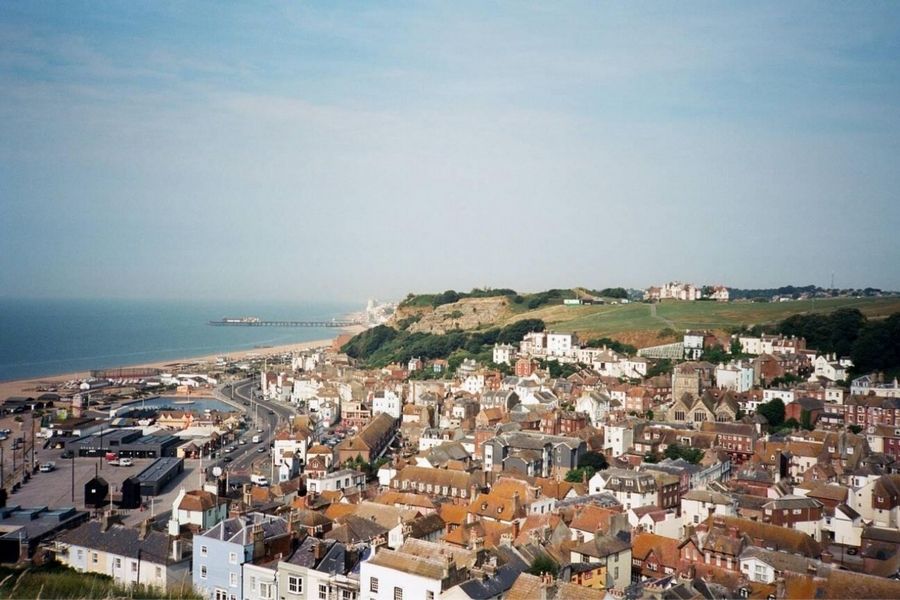
After spending a year wandering these towns and coastlines, I’ve realized how each season changes the region’s character. This guide shares my favorite places and experiences, so you can catch the best of South East England, no matter when you visit.
Spring in South East England: Blossoms and Countryside Escapes
Spring wakes up South East England with bright flowers, peaceful countryside, and outdoor adventures. Every year, wildflowers, fresh leaves, and a little sunshine make everything feel new again, whether I’m poking around a garden or hiking across rolling hills.
Discovering Spring Blooms in Historic Gardens
One of the best things about spring is wandering through historic gardens. Wisley in Surrey really stands out for its tulips, daffodils, and magnolias. English gardeners have poured so much care into these places over the years. Woodland paths and ponds here reflect pink cherry trees and clusters of bluebells—honestly, it feels a bit magical.
In Oxfordshire and Buckinghamshire, smaller estates open up for spring flower festivals. You’ll find walled gardens, herbaceous borders, and English roses just waking up. Quiet morning walks, birdwatching, and the scent of hyacinths drifting in the air make for a gentle start to the day.
Popular gardens to check out:
- Wisley Garden, Surrey
- Waddesdon Manor, Buckinghamshire
- Waterperry Gardens, Oxfordshire
Picturesque Market Towns and Rural Landscapes
Market towns and villages come alive in spring. Henley-on-Thames in Oxfordshire or Marlow in Buckinghamshire are favorites of mine—riverside paths lined with daffodils, markets bursting with local produce, and a real sense of community. Medieval churches, classic pubs, and busy weekend events fill the calendar.
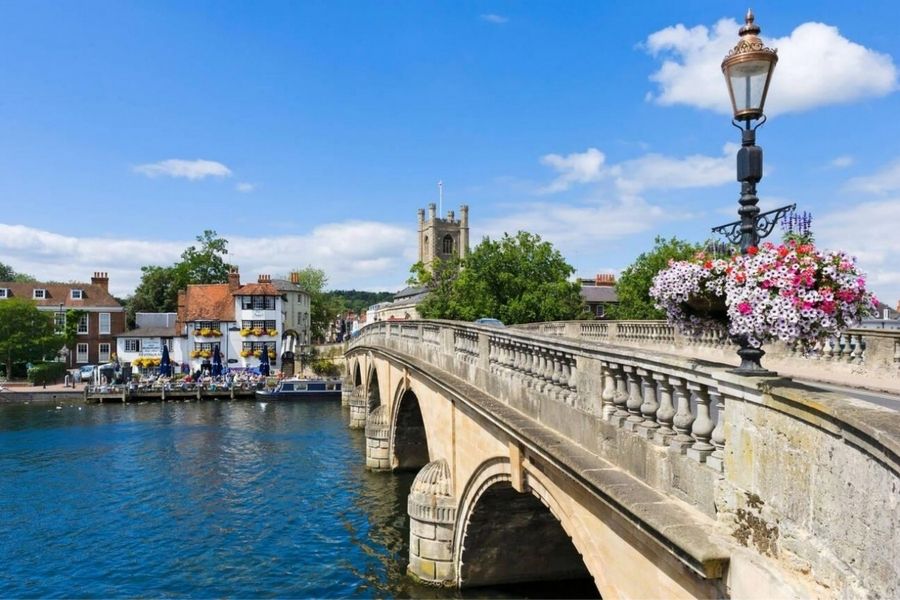
Between the towns, open fields and ancient woodlands stretch out. In the Chiltern Hills, new leaves cover the trees and skylarks sing overhead. I love walking these quiet country lanes, spotting deer or rabbits, and soaking up views of patchwork fields.
Some spring destinations worth visiting:
- Henley-on-Thames, Oxfordshire
- Marlow, Buckinghamshire
- Chiltern Hills Area of Outstanding Natural Beauty
Walking and Cycling Along the South Downs Way
Spring just begs you to get outside, and the South Downs Way is a dream for walkers and cyclists. This long-distance trail runs across the chalk hills of Sussex and Hampshire. As hedgerows bloom and rare butterflies flutter by, the views over green hills and the English Channel are honestly breathtaking.
The trail winds through beech woods, wildflower meadows, and fields dotted with grazing sheep. Plenty of sections work for easy day trips or longer adventures. I like to pop into a village or country pub in Hampshire or West Sussex for a rest and a pint of local cider.
Key sights along the South Downs Way:
| Location | Highlight |
|---|---|
| Devil’s Dyke | Panoramic valley views |
| Amberley | Historic village & riverside pub |
| Lewes | Norman castle and wildflower walks |
Summer Adventures: Beaches, Coastal Towns, and Outdoor Activities
When summer rolls around, I’m drawn to the coast, countryside trails, and lively family spots. South East England’s summer means beautiful beaches, festive towns, and so many ways to get out in nature.
Exploring Sandy Beaches and Vibrant Seaside Life
The south coast comes alive with sandy beaches. West Wittering is a favorite for its wide, clean sands and calm waters—perfect for swimming or sandcastle building. People flock here early to grab a good spot or set up a picnic.
Eastbourne is another go-to, with its iconic pier, pebble beach, and the dramatic Beachy Head cliffs nearby. The sea air is refreshing, and the promenade’s shops and cafés make for a fun afternoon.
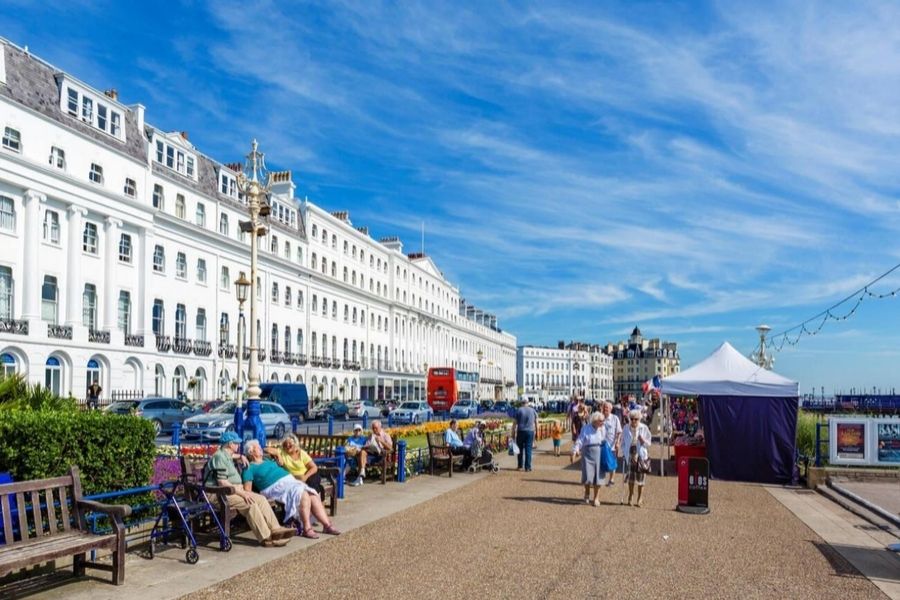
Coastal towns like Rye overflow with charm—cobbled streets, local markets, and fresh seafood stalls. A stroll to the historic South Foreland Lighthouse rewards you with stunning views, especially when the sun starts to dip.
Sailing, Kayaking, and Water Sports on the South Coast
Water sports are big here. I tried sailing off the Isle of Wight—local clubs welcome beginners, and the mix of wind and tides keeps things interesting. Lessons and friendly races happen all summer.
Kayaking lets you slip into hidden coves and spot wildlife up close. Beaches like West Wittering rent out kayaks and paddleboards. Early mornings are best for calm waters and a peaceful ride.
For those chasing a thrill, windsurfing and kitesurfing are huge at several beaches. Instructors offer group lessons, so you don’t need to be a pro. Equipment rentals and safety gear are easy to find at these busy spots.
Family-Friendly Attractions and Theme Parks
Summer is packed with family fun. Drusillas Park near Alfriston combines gentle rides with animal encounters, perfect for younger kids.
Adventure parks near Eastbourne have climbing walls, mini-golf, and play areas. For bigger thrills, Thorpe Park (not far away) draws crowds with its rides—book tickets early, as they go fast.
Beachside amusement arcades are a classic. Penny machines, games, and ice cream stalls turn a quick break from the sun into a highlight, especially after a swim.
Wildlife Watching and Nature Experiences
Sometimes I just want some quiet, so I head for nature reserves and coastal walks. The cliff-tops at Beachy Head are fantastic for spotting seabirds and wildflowers. Marked trails have benches, perfect for resting or watching boats drift by.
On the Isle of Wight, wildlife parks and reserves hide red squirrels and all sorts of butterflies. Forest paths are peaceful, and guided tours sometimes offer a glimpse of seals or rare birds along the shore.
Marshland and estuaries near Rye attract wading birds in summer. Bring binoculars and a picnic, and you’re set for a laid-back day. For families, organized nature safaris let kids get hands-on with local plants and animals—always a hit.
Autumn Highlights: Heritage, Harvests, and Scenic Journeys
Autumn in South East England brings color, history, and plenty of tradition. It’s a wonderful time to explore famous landmarks, wander quiet countryside paths, and dive into museums, art festivals, and harvest fairs.
Castles, Cathedrals, and Stately Homes
Crisp autumn days are perfect for exploring ancient castles and grand homes. Hever Castle, Anne Boleyn’s childhood home, glows with gold and red in its moated gardens. Leeds Castle’s lakes and leafy walkways look especially lovely in September and October.
Dover Castle offers sweeping views above the English Channel, and as the leaves turn, the stone walls look even more dramatic. Winchester Cathedral and Canterbury Cathedral both host special autumn choir events and harvest-themed services. In West Sussex, Arundel’s castle and cathedral rise above the River Arun, surrounded by hills streaked with autumn color.
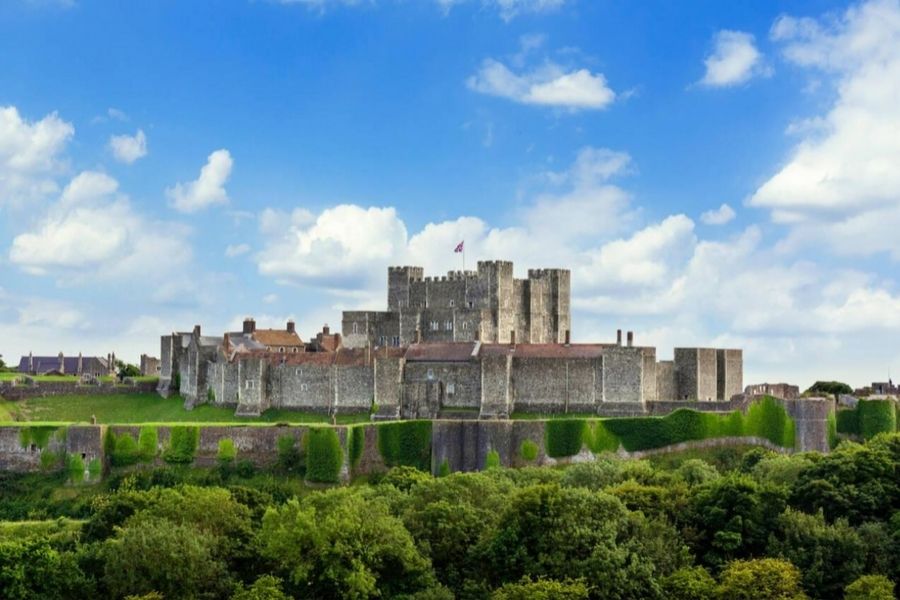
Stately homes like Petworth House and Blenheim Palace feel quieter than in summer. Their grounds open up for long walks among deer parks and sculpture gardens, and inside, I love seeing art collections and seasonal decor.
Seasonal Walks Through Historic Farmland and Forests
Hampshire and West Sussex countryside really comes alive in autumn. I like to walk across old farmland, where pumpkins, apples, and late crops fill the fields. Many farms invite you to pick your own apples and pumpkins, and their cafés serve up hot cider and pastries.
Ancient forests in the South Downs and New Forest turn copper, orange, and yellow. Woodland paths crunch with crisp leaves—perfect for family strolls or just clearing your head. Wildlife gets more active, and deer often appear at dawn and dusk, especially in big estate parklands.
Popular routes include the Arundel Park circuit, tracks near Petworth, and trails around Blenheim Palace. Historic lanes are lined with berry-heavy hedgerows, and farm shops brim with squash, pears, and local cheese.
Celebrating the Arts and Cultural Festivals
Autumn brings a burst of arts and harvest festivals. In October, I make time for literary talks, craft fairs, and live music at the Canterbury Festival. Artists set up pop-up exhibitions in market towns and historic sites. I’ve watched local painters capture the autumn light on canvas, inspired by the colors outside.
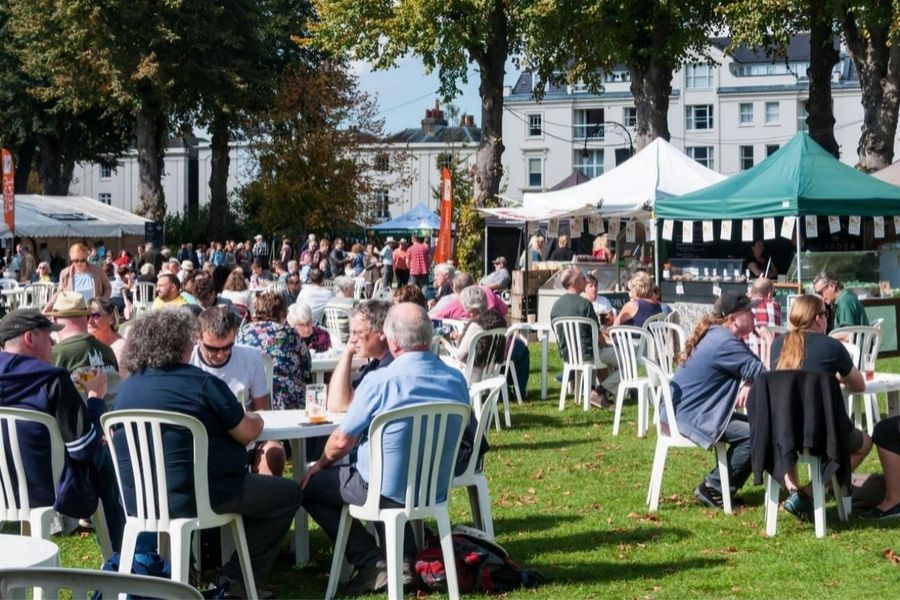
Winchester’s food and harvest festival packs stalls with regional breads, preserves, and cheeses. Smaller village fairs celebrate apple pressing and pie contests. Arundel’s cathedral often hosts choral performances that fit the season’s mood.
Some stately homes run art installations and seasonal displays. Petworth House is famous for temporary exhibitions by both classical and contemporary UK artists. There’s always something creative and thoughtful to discover.
Winter Escapes: Festive Markets and Cozy Pubs
Winter wraps South East England in glowing lights, bustling village markets, and the warmth of historic pubs. Whether you’re in a city or out on a country lane, there are plenty of ways to find that cozy, festive feeling.
Fireside Dining and Historic Inns
Nothing beats the comfort of a traditional pub in winter. Villages around Oxford, Henley-on-Thames, and Sussex have inns with real wood fires and classic British fare—think steak pies and roasted meats.
I love 17th-century inns with low-beamed ceilings and heavy wooden tables. In Canterbury and along the Channel, you’ll find pubs serving local seafood and winter menus full of hearty soups and hot desserts.
After a day exploring historic sites in Portsmouth or Southampton, I usually end up with a hot drink by the fire in a centuries-old tavern. Friendly staff and a quiet atmosphere make it easy to unwind after a chilly day.
Here are a few winter pubs and inns I’d recommend:
- The Turf Tavern (Oxford)
- The Anchor Inn (Henley-on-Thames)
- The Black Rabbit (Sussex)
- The Dolphin (Southampton)
Christmas Markets and Seasonal Events
Every December, towns and cities across South East England come alive with twinkling lights and open-air markets. London’s Christmas markets pull in huge crowds—handmade crafts, street food, and festive music fill the air along the Thames.
In Winchester, you’ll find the Christmas market tucked beside the cathedral, and honestly, it feels almost magical. Stalls brim with artisan gifts, mulled wine, and mince pies that taste like tradition itself.
I always love wandering between the wooden huts, especially on those crisp, clear days when you can see your breath. There’s something about the combination of cold air and warm treats that makes it all feel extra special.
Sussex towns like Rye host smaller but utterly charming markets and winter festivals. They’re perfect if you want a quieter, more local vibe for your holiday shopping.
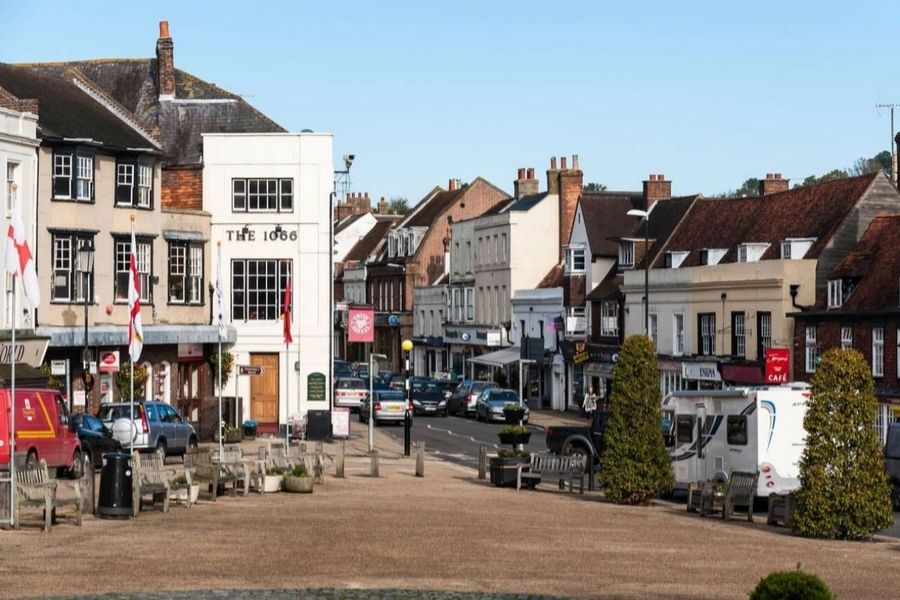
Along the English Channel, Portsmouth leans into its maritime roots with themed decorations and light displays. These festive gatherings are fantastic for picking up unique gifts or just soaking in the seasonal cheer with a hot drink in hand.
Wintry Walks in Picturesque Villages
Winter walks always feel like a highlight around here. The countryside near Sussex and Oxford gets so quiet—frosty fields, peaceful riverside paths, and barely another soul in sight.
I’ll usually start my day in a cozy village pub, then head out for a gentle stroll before coming back for a hot meal. Villages like Henley-on-Thames, Rye, and Canterbury look especially beautiful in winter, with cobbled streets and old churches dusted in snow.
Some of my favorite routes? Riverside walks in Henley, the North Downs Way near Canterbury, and those dramatic clifftop paths by the English Channel. Each one shows off a different side of winter’s beauty down here.
If I get out early, I often have the trails and viewpoints all to myself. The quiet makes those frosty mornings feel almost magical, and honestly, is there anything better than finishing a chilly walk beside a roaring pub fire?
Iconic Landmarks and Timeless Journeys
You’ll find everything from dramatic coastal cliffs to grand castles in South East England—plus stories shaped by writers and royals. It’s a place where history feels alive, whether you’re wandering centuries-old sites or sleepy villages that inspired classic novels.
The White Cliffs of Dover and Seven Sisters
The white chalk cliffs along the southern coast always take my breath away. The White Cliffs of Dover rise above the English Channel, their faces glowing pure white, and on a clear day you can actually spot France.
I love walking the cliff-top trails, watching ferries drift below and wildflowers pop up in spring. There’s a sense of freedom up there that’s hard to describe.
The Seven Sisters are another set of iconic chalk cliffs, near Beachy Head in East Sussex. These steep, rolling cliffs dip dramatically toward the sea—perfect for a hike with a view.
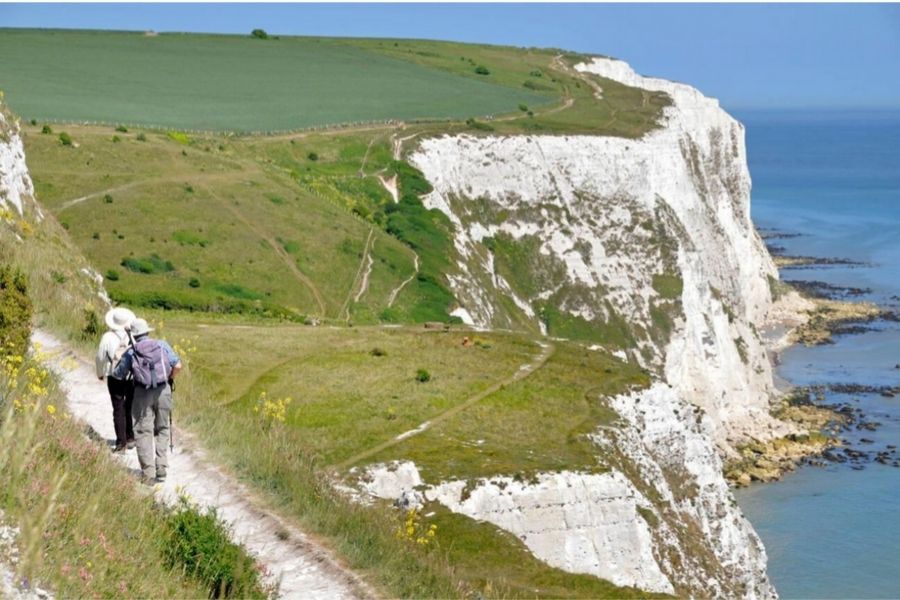
Whenever I visit, sheep graze along the South Downs Way and the sea just seems to stretch on forever. Both spots are fantastic for photos and for soaking up England’s wild, natural beauty.
Key Highlights:
| Cliffs | Location | Top Activities |
|---|---|---|
| White Cliffs | Dover, Kent | Walking, bird watching |
| Seven Sisters | Sussex Coast | Hiking, picnics, sightseeing |
Windsor Castle, Winchester, and Royal Heritage
Windsor Castle stands as one of the oldest and largest castles still in use today. Walking its grounds, I can’t help but feel the deep connection to British royal history.
The State Apartments wow with their paintings and grand rooms. If you’re there in spring or summer, don’t miss the Changing of the Guard—it’s a real spectacle.
Winchester, which once served as the capital of Saxon England, is packed with its own treasures. The Winchester Cathedral impresses with its long nave and ancient crypt, and the city’s medieval streets are lined with small, inviting shops.
I’d suggest booking tickets ahead for places like Windsor Castle, since weekends can get pretty busy.
Jane Austen’s England and Literary Legacies
When I visit the quiet village of Chawton in Hampshire, I feel a little closer to Jane Austen and her world. Her old cottage, now a museum, shares stories about her life and writing.
I like to wander the same country lanes and gardens she described in her letters and novels. It’s easy to imagine her drawing inspiration from these peaceful surroundings.
Oxford also plays a big part in England’s literary history. The city’s ancient colleges inspired classics like “Alice in Wonderland,” and book lovers can get lost in historic libraries and bookshops any time of year.

Both places are must-stops if you love English literature or just want to soak up a bit of that timeless charm.
- Must-see:
- Jane Austen’s House, Chawton
- Bodleian Library, Oxford
UNESCO World Heritage Sites and Ancient Landscapes
Southern England boasts a handful of UNESCO World Heritage Sites. The standout? Stonehenge, that mysterious prehistoric stone circle out west. Sure, crowds gather, but if you catch it at sunrise, the whole place feels otherworldly—almost haunting.
Not far off, you’ll find the city of Bath. Its Roman baths and grand Georgian buildings have always fascinated me. Over in the South East, I’ve wandered the ancient streets of Canterbury, where the cathedral towers above and echoes of old pilgrimages linger in the air.
I love how these places crack open the door to the distant past. Whether you’re strolling through a historic town or bracing against the wind on a lonely hill, you can almost hear the stories—stretching from Saxon legends right up to the present.
