
Driving through the rugged landscapes of Abruzzo feels like stepping into a fairy tale that few travelers have discovered.
My recent road trip through this hidden gem of central Italy revealed stunning medieval fortresses perched high above valleys and national parks teeming with wildlife. This mountainous region offers the perfect blend of cultural heritage and natural beauty.
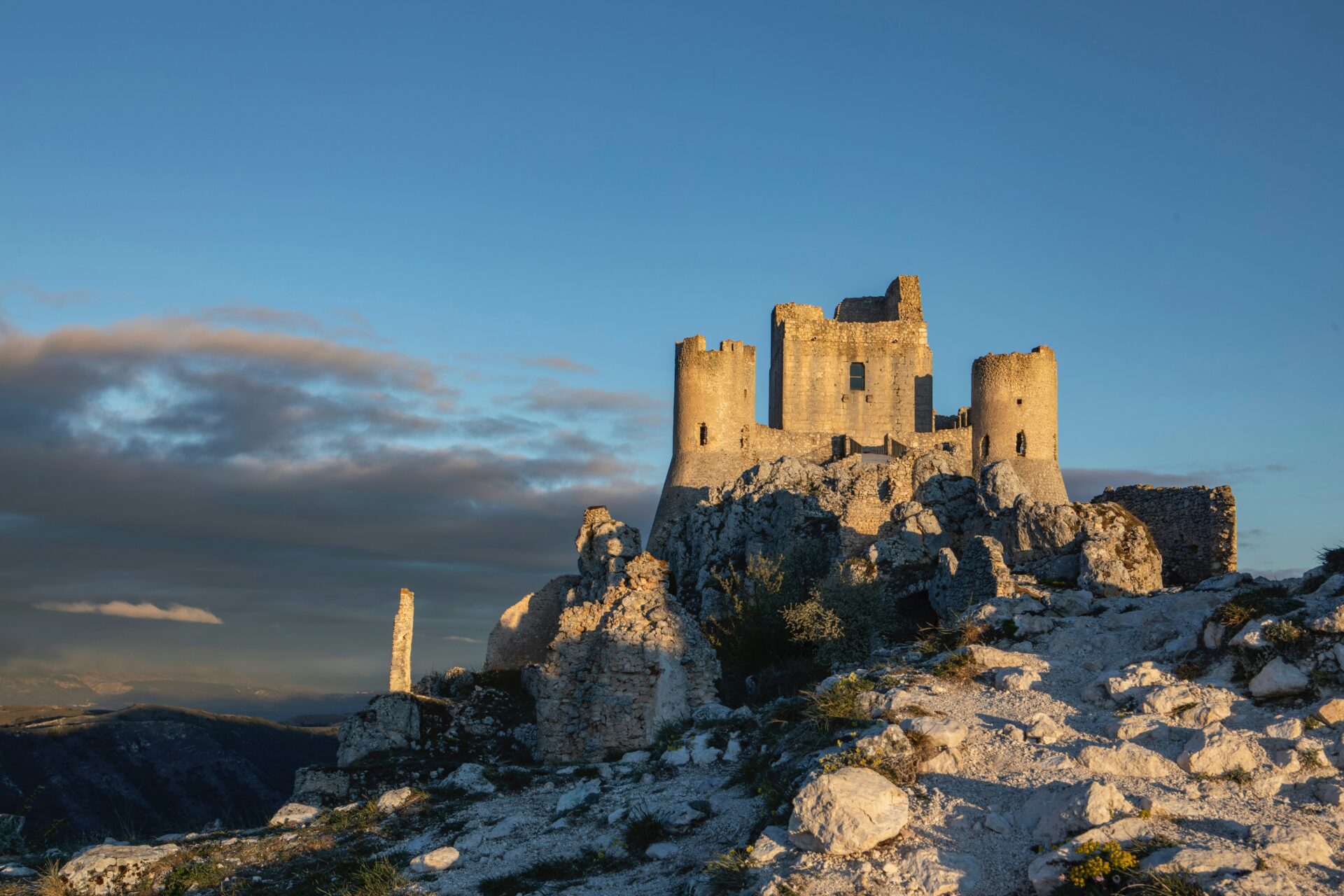
Ancient watchtowers like Rocca Calascio stand at breathtaking elevations of 4,800 feet.
I found myself constantly pulling over to capture the sweeping views of the Adriatic coastline from mountain roads or to wander through picturesque villages that seem frozen in time.
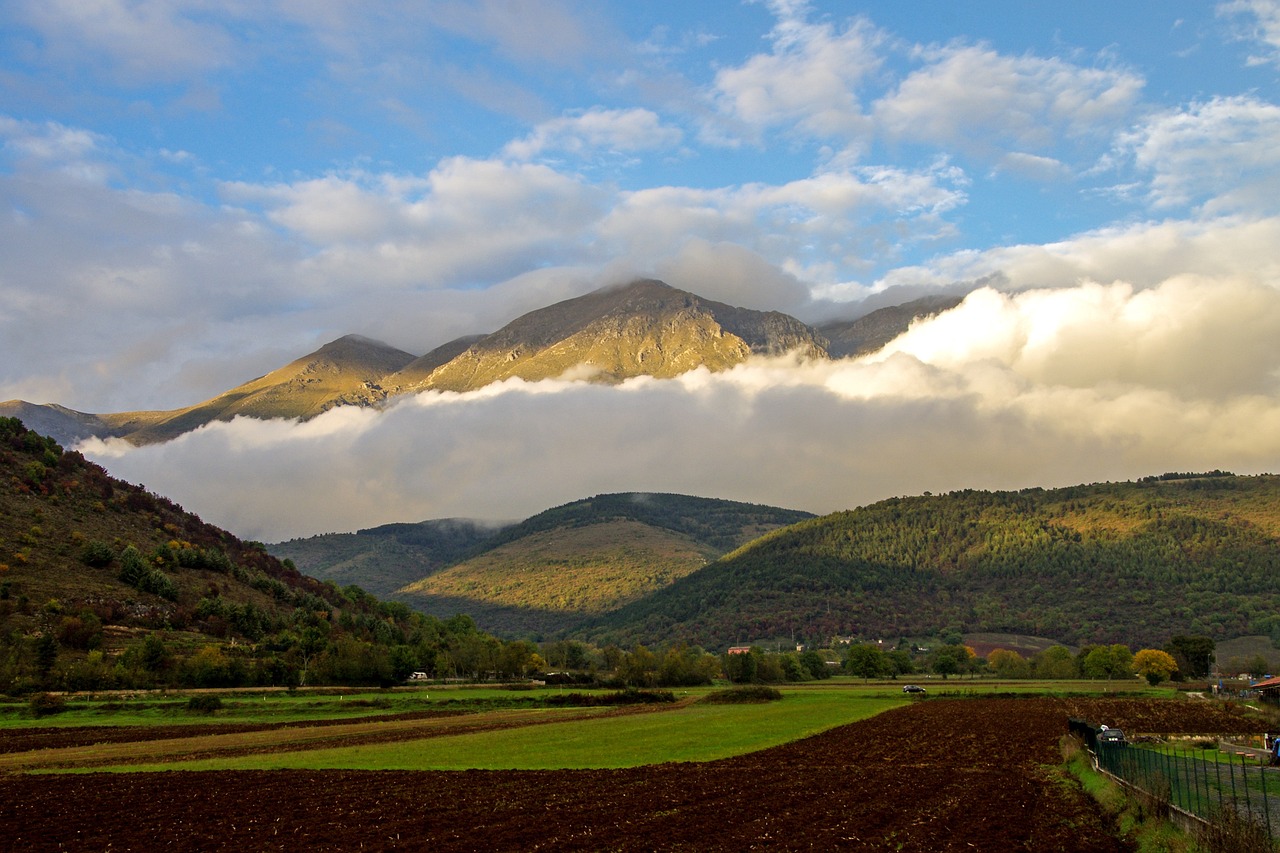
The Sirente-Velino and Abruzzo National Parks became my playground for hiking and wildlife spotting. Trails lead through forests and meadows where you might glimpse rare Marsican bears or wolves.
My journey connected me with both the wild heart of Italy and its ancient past. From the imposing fortress that dominates the landscape around Ascoli Piceno to the military-defensive structures that tell stories of bygone eras, this road trip offered something I hadn’t found elsewhere in more touristy Italian regions.
Pack comfortable shoes and a good camera – you’ll need both as you explore this captivating mix of nature and history.
Planning Your Journey
A successful road trip through Abruzzo requires thoughtful planning to make the most of this diverse region. I’ve learned through experience that timing, transportation, and accommodation choices can make or break your adventure through Italy’s rugged heartland.
Best Time to Visit
Spring and early fall offer the perfect balance for exploring Abruzzo. I visit between April-June or September-October when temperatures hover around 65-75°F (18-24°C) – ideal for hiking through national parks without summer’s scorching heat or winter’s mountain snow.
Summer (July-August) brings crowds to coastal areas like Pescara, while winter transforms the region into a ski paradise around L’Aquila. Each season shows a different face of Abruzzo.
For wildlife enthusiasts, spring in Pescasseroli within Abruzzo National Park offers the best chance to spot the rare Marsican brown bear and Apennine wolves. Local festivals happen year-round, but autumn’s harvest celebrations showcase Abruzzo’s culinary traditions at their finest.
Getting There and Around
The most practical approach to Abruzzo is flying into Rome and renting a car. The drive east takes about 2 hours to reach the western boundaries of the region.
For getting around:
- Car rental is essential – I rent from Rome or Pescara Airport
- Local buses connect major towns but run infrequently
- Train service exists but primarily serves coastal areas

A 4WD vehicle isn’t necessary unless you plan winter travel in mountainous areas around Teramo or deep into the national parks. Gas stations become sparse in remote areas, so I always fill up when entering rural zones.
TripAdvisor forums frequently mention limited public transport schedules, confirming my experience that self-driving provides the freedom Abruzzo deserves.
Where to Stay: From Mountains to Sea
I’ve discovered accommodation options that suit every travel style throughout Abruzzo:
Mountain retreats:
- Charming agriturismi (farm stays) near Pescasseroli offer authentic experiences from €70/night
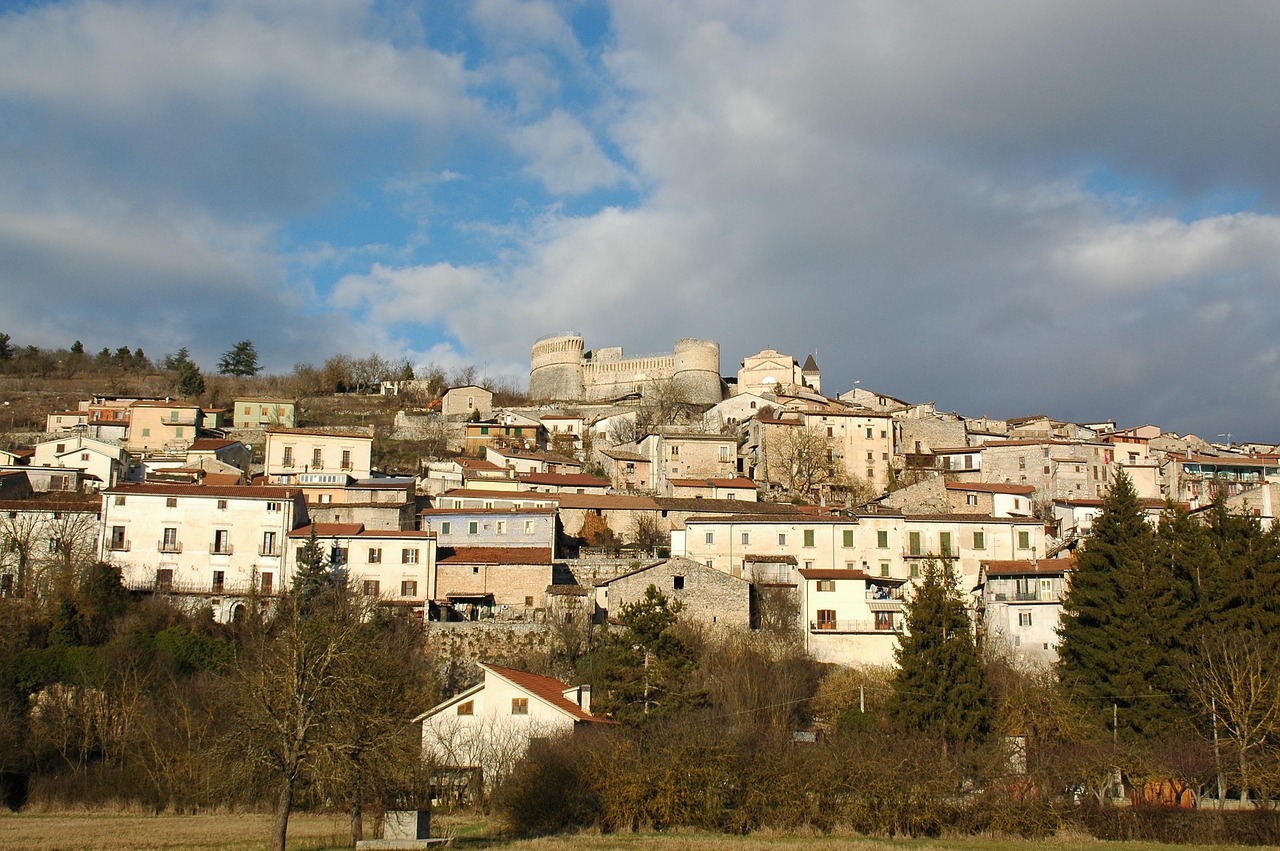
- Historic mountain villages like Santo Stefano di Sessanio provide boutique hotels in medieval buildings
Coastal options:
- Modern resorts line the Adriatic beaches near Pescara with summer rates around €100-150/night
- Off-season beach apartments offer significant discounts and peaceful surroundings
City accommodations:
- L’Aquila provides a convenient base with good hotel options averaging €80/night
- Teramo offers smaller boutique hotels with more local character

I recommend splitting your stay between mountains and coast to experience Abruzzo’s diversity. Booking well ahead for summer coastal stays and winter mountain accommodations is essential – I learned this lesson the hard way!
Discovering Abruzzo’s Natural Wonders
Abruzzo captivated me with its remarkable natural diversity. The region offers a perfect blend of mountains, parks, and pristine landscapes that make it a paradise for nature lovers.
National Parks and Hiking Trails
Abruzzo houses some of Italy’s most impressive protected areas. The crown jewel is undoubtedly Parco Nazionale d’Abruzzo, Lazio e Molise, one of Italy’s oldest national parks. During my trek through the pine forests, I spotted signs of the Marsican brown bear and Apennine wolf—rare species that find sanctuary here.

The hiking trails range from beginner-friendly paths to challenging mountain routes. I recommend the Val Fondillo trail for its stunning accessibility and natural beauty. Many paths are well-marked, allowing even novice hikers to explore safely.
The biodiversity here is remarkable. I counted over a dozen bird species during just one morning hike, including several unique to the central Apennines.
The Majestic Gran Sasso
Gran Sasso left me speechless when I first saw its imposing profile. As the highest peak in the Apennines, it dominates the landscape with an almost Alpine character.
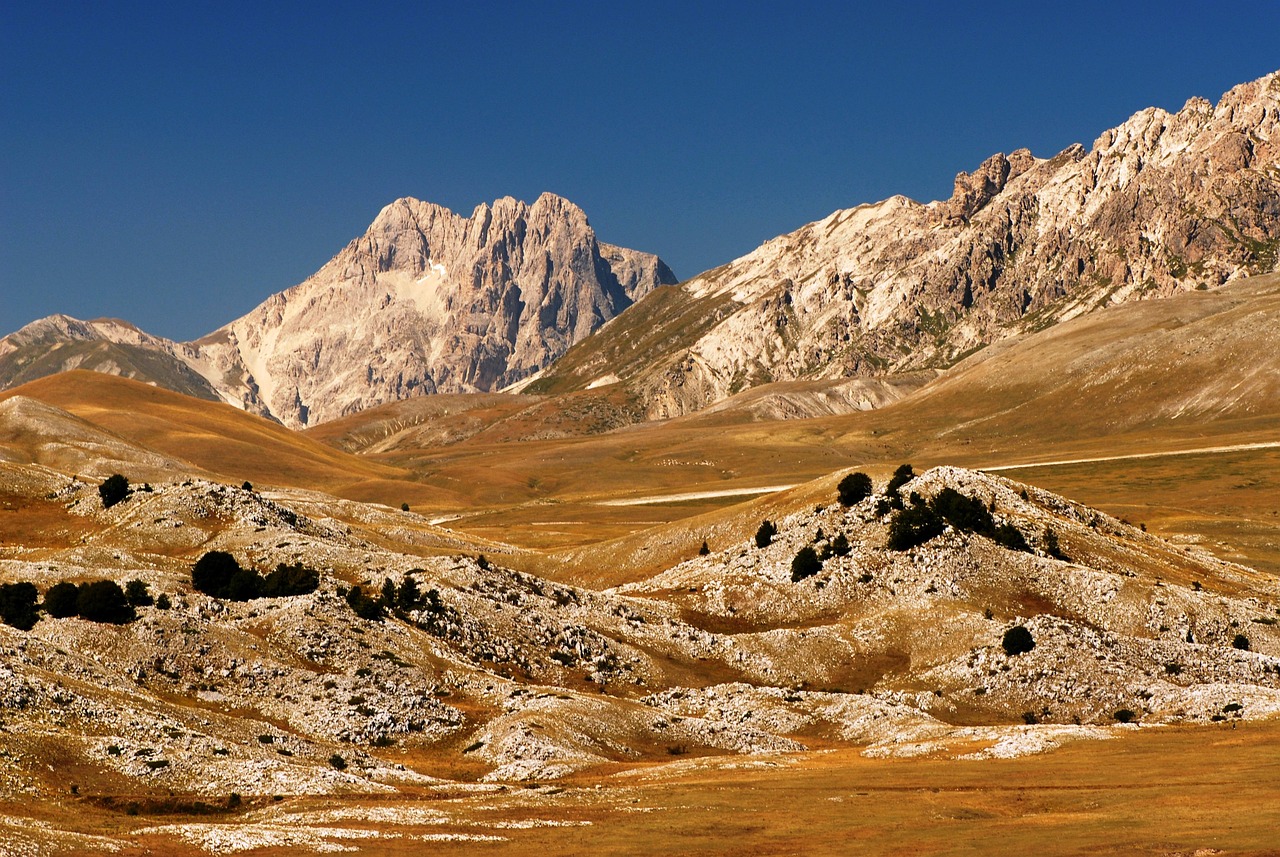
The drive up through winding mountain roads offers breathtaking vistas at every turn. I stopped frequently just to absorb the dramatic scenery spreading before me.
Wildlife watching here is exceptional. Golden eagles soar above the rocky peaks, and if you’re patient, you might spot chamois gracefully navigating the steep slopes.
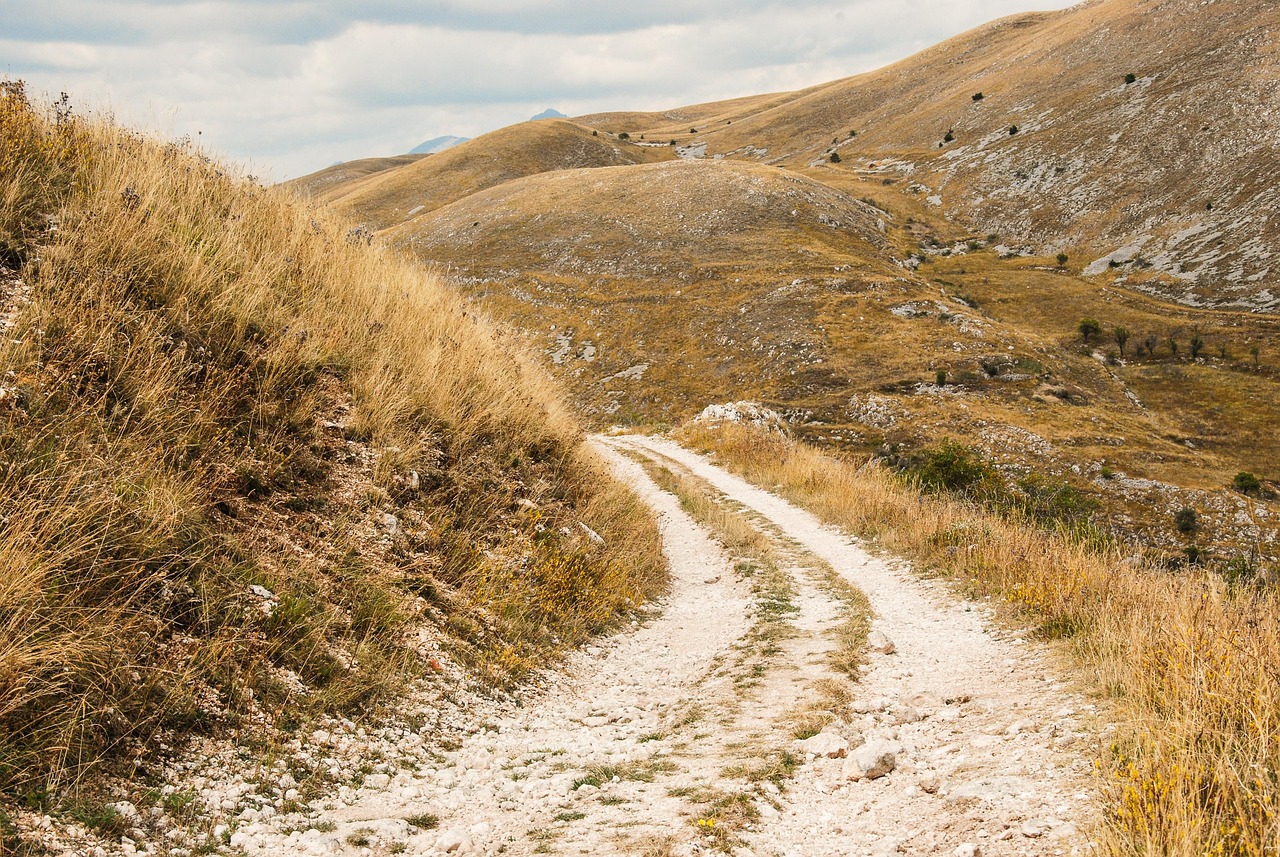
The Campo Imperatore plateau beneath Gran Sasso is often called “Little Tibet” for its vast, windswept grasslands. In spring, wildflowers carpet the plateau in a riot of colors, creating a photographer’s dream landscape.
Lakes and Natural Landscapes
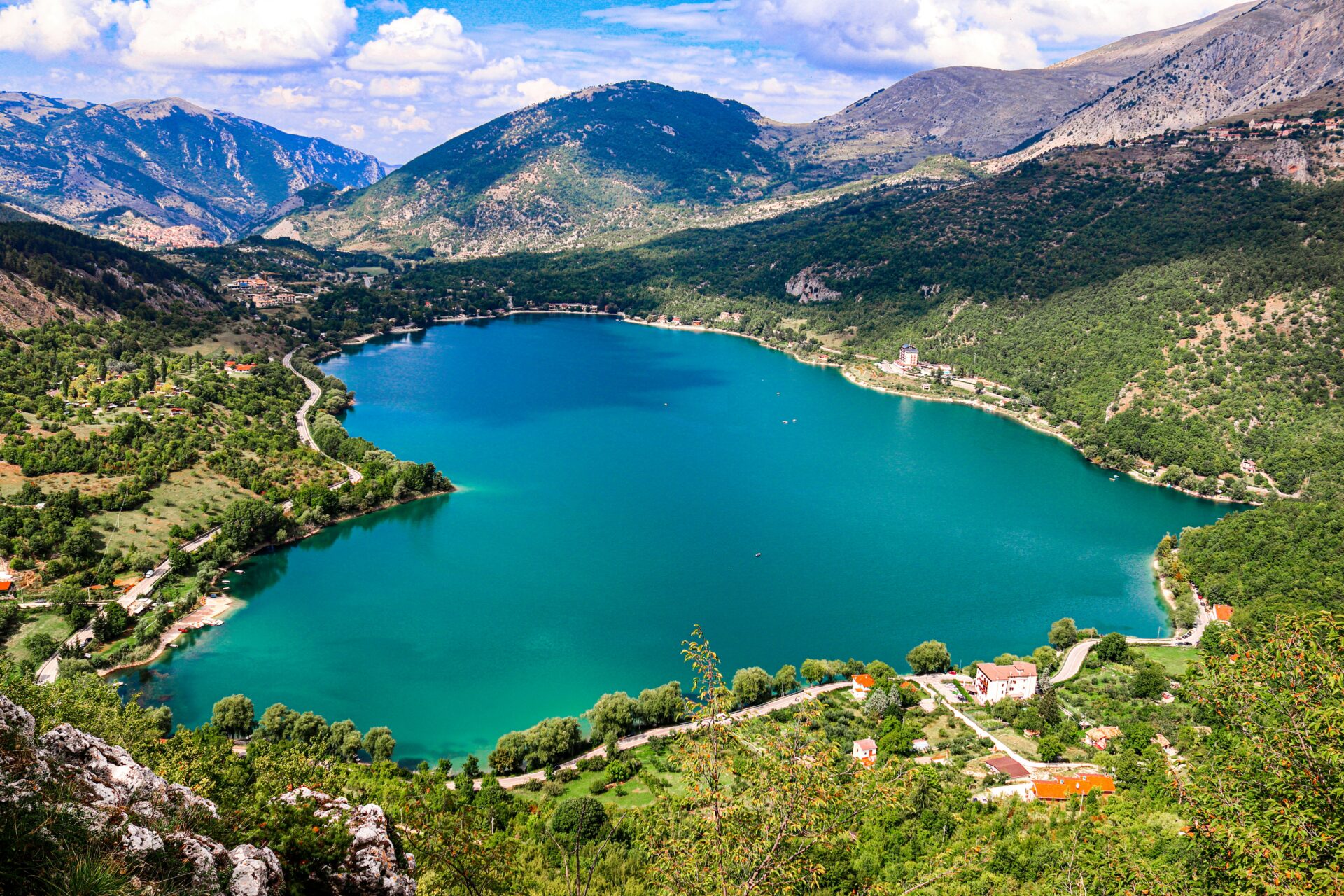
Abruzzo’s lakes provide tranquil counterpoints to its rugged mountains. Lake Scanno, shaped like a heart when viewed from above, offers crystal-clear waters perfect for a refreshing swim after a day of hiking.
The rolling hills remind me of Tuscany but with fewer tourists. Driving through these landscapes, I discovered hidden viewpoints where the mountains meet pastoral farmland in perfect harmony.
Near the coast, the transition from mountains to sea creates diverse ecosystems within short distances. I traveled from alpine-like forests to Mediterranean beaches in just a few hours.
For a truly special experience, I recommend visiting Lake Barrea at sunset. The way the fading light plays on the water while mountains rise dramatically behind creates a scene of extraordinary natural beauty.
Step Back in Time: Castles and Medieval Villages
Abruzzo’s landscape is dotted with incredible medieval structures that tell stories of its rich past. These ancient fortresses and charming villages transport visitors to another era while offering breathtaking views of the surrounding mountains and valleys.
Rocca Calascio and Ancient Fortresses
Perched at an impressive 1,460 meters above sea level, Rocca Calascio stands as Italy’s highest fortress. I was awestruck by its dramatic silhouette against the sky when I first spotted it from the winding mountain road. Built in the 10th century for military purposes, this fortress offers some of the most spectacular panoramic views in all of Abruzzo.

The hike up to Rocca Calascio is moderately challenging but absolutely worth the effort. Along the path, I encountered wild horses grazing peacefully on the mountainside.
The fortress itself is partially in ruins, which only adds to its haunting beauty. The remaining stone walls and circular towers create perfect frames for photos of the Gran Sasso mountains in the distance.
Exploring Santo Stefano di Sessanio
Just a short drive from Rocca Calascio, I discovered the enchanting village of Santo Stefano di Sessanio. This perfectly preserved medieval hamlet feels frozen in time with its stone houses and narrow cobblestone streets.
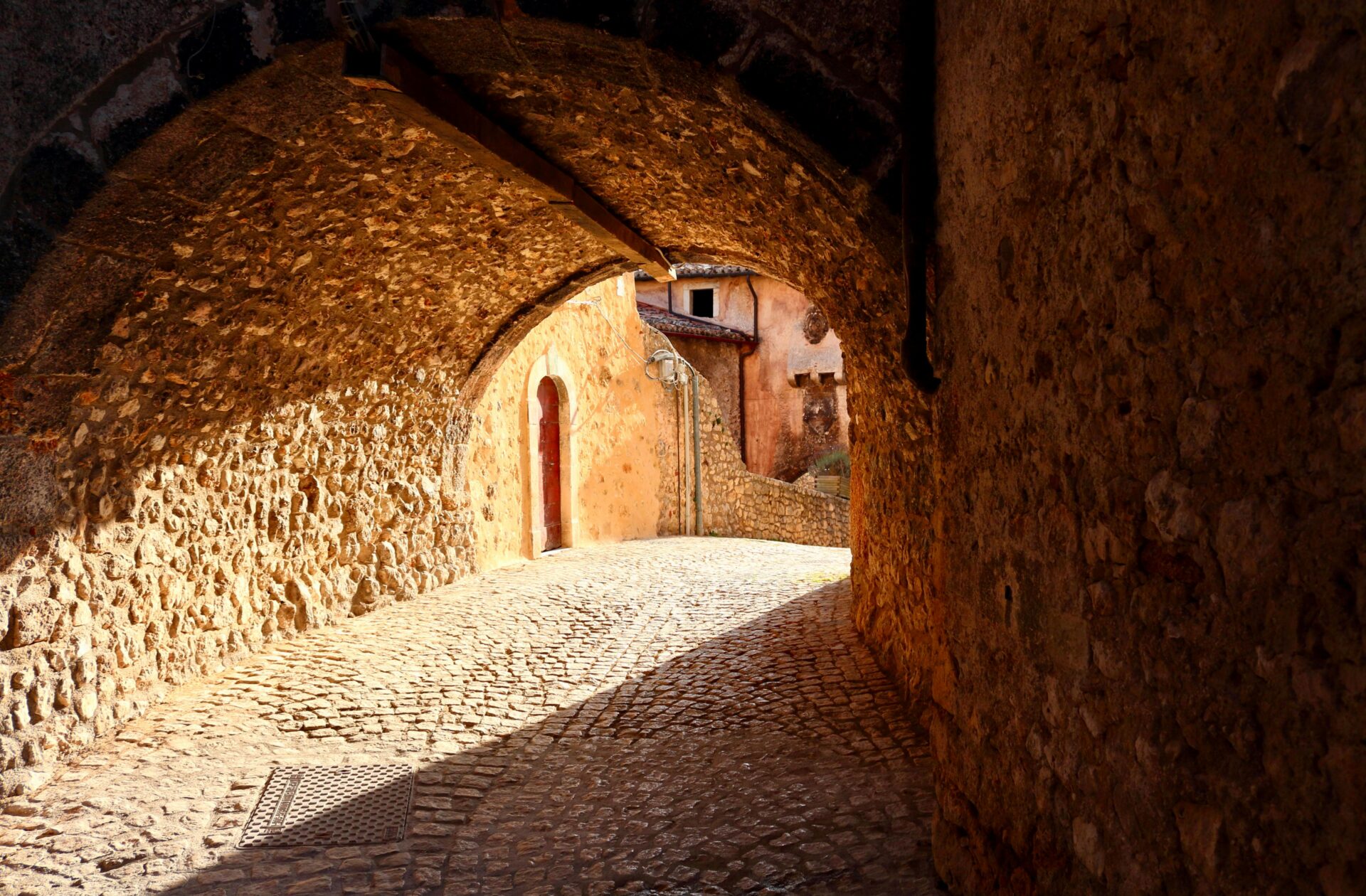
Once nearly abandoned, Santo Stefano has been thoughtfully restored as an “albergo diffuso” (scattered hotel) where guests stay in renovated historic buildings throughout the village. I spent a delightful afternoon wandering through tiny artisan shops selling local products like:
- Mountain honey
- Saffron from nearby Navelli
- Handwoven textiles and ceramics
The village’s distinctive round tower (partially damaged in a 2009 earthquake) serves as its iconic landmark. The simple stone architecture, wooden doors, and flower-filled window boxes create a truly magical atmosphere.
Medieval Charm of Sulmona and Pacentro
Sulmona surprised me with its perfect blend of medieval architecture and vibrant city life. The town is famous for its colorful “confetti” – sugar-coated almonds traditionally given at Italian celebrations. I watched artisans hand-crafting these treats into elaborate flower designs in workshops dating back generations.

The medieval aqueduct running through Sulmona’s main square creates a dramatic backdrop for the weekly market. Here, local farmers sell cheeses, produce, and traditional Abruzzese sausages.
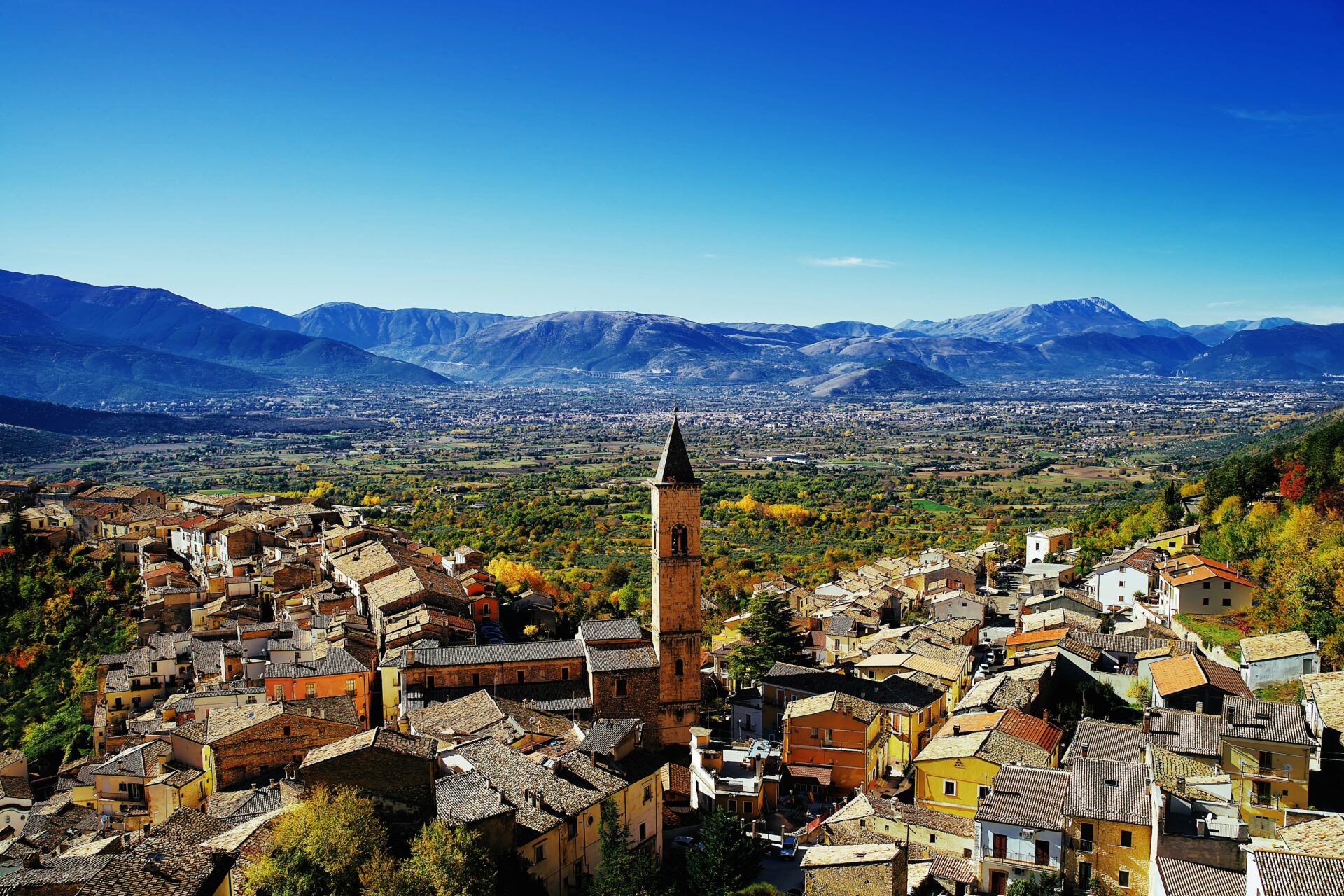
Nearby Pacentro, with its twin-towered Caldora Castle, sits dramatically on a hillside. I spent hours exploring its steep, winding streets and discovering hidden courtyards between ancient stone houses. The village offers spectacular views of the Majella National Park and was once home to the ancestors of pop star Madonna.
Savor the Flavors of Abruzzo
No road trip through Abruzzo would be complete without diving into its remarkable culinary scene. The region’s mountain-to-sea geography creates a diverse food landscape that’s both rustic and refined.
Local Cuisine and Wine Tasting
I discovered that Abruzzo’s cuisine reflects its rugged landscape and farming traditions. Hearty pasta dishes like maccheroni alla chitarra (square spaghetti cut on a “guitar” device) topped with rich lamb or pork ragù appear on nearly every menu.
Seafood shines along the coast, where I enjoyed brodetto (fish stew) made with catches from that morning. The mountain areas offer arrosticini – delicious skewers of grilled lamb that locals eat with their fingers alongside crusty bread.
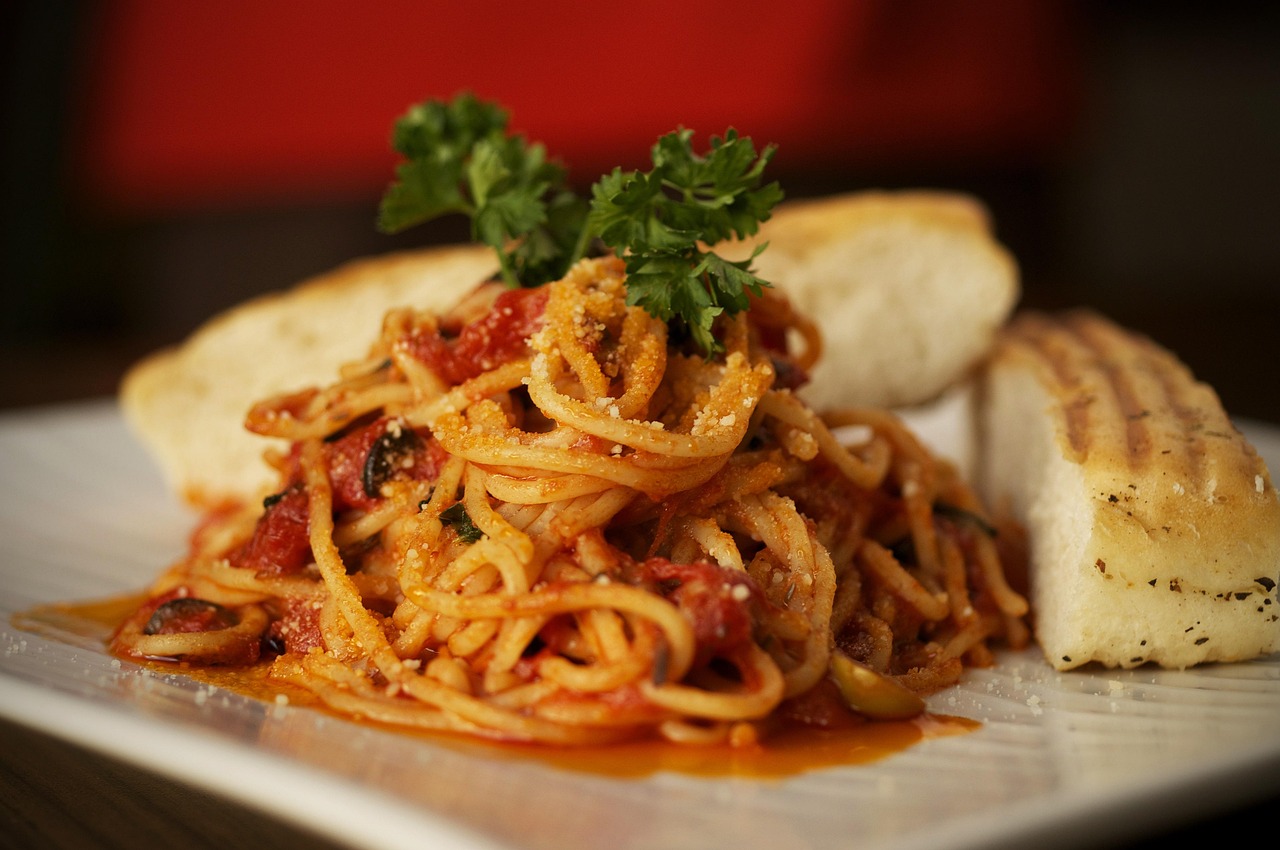
Don’t miss trying Abruzzo’s sheep’s milk cheeses like pecorino and soft, spreadable giuncata. For meat lovers, the region’s salumi, especially ventricina (spicy sausage), makes a perfect picnic item during your drive through the national parks.
Montepulciano d’Abruzzo and Other Regional Wines
Montepulciano d’Abruzzo quickly became my favorite Italian red wine during this journey. This robust, deep purple wine pairs perfectly with the region’s hearty meat dishes.
I visited several small family wineries off the beaten path, where tastings often include generous pours and homemade snacks. The Colline Teramane area produces some of the finest Montepulciano wines with DOCG status (Italy’s highest wine quality designation).

White wine lovers should try Trebbiano d’Abruzzo, a crisp companion to seafood dishes. Many vineyards offer tours where you can walk among the vines with views of the Adriatic Sea or Apennine mountains as your backdrop.
Sampling Abruzzo’s Confetti and Espresso in Piazza Garibaldi
In charming Sulmona, I spent a delightful afternoon in Piazza Garibaldi sipping intense espresso and sampling the town’s famous confetti – sugar-coated almonds that come in a rainbow of colors.
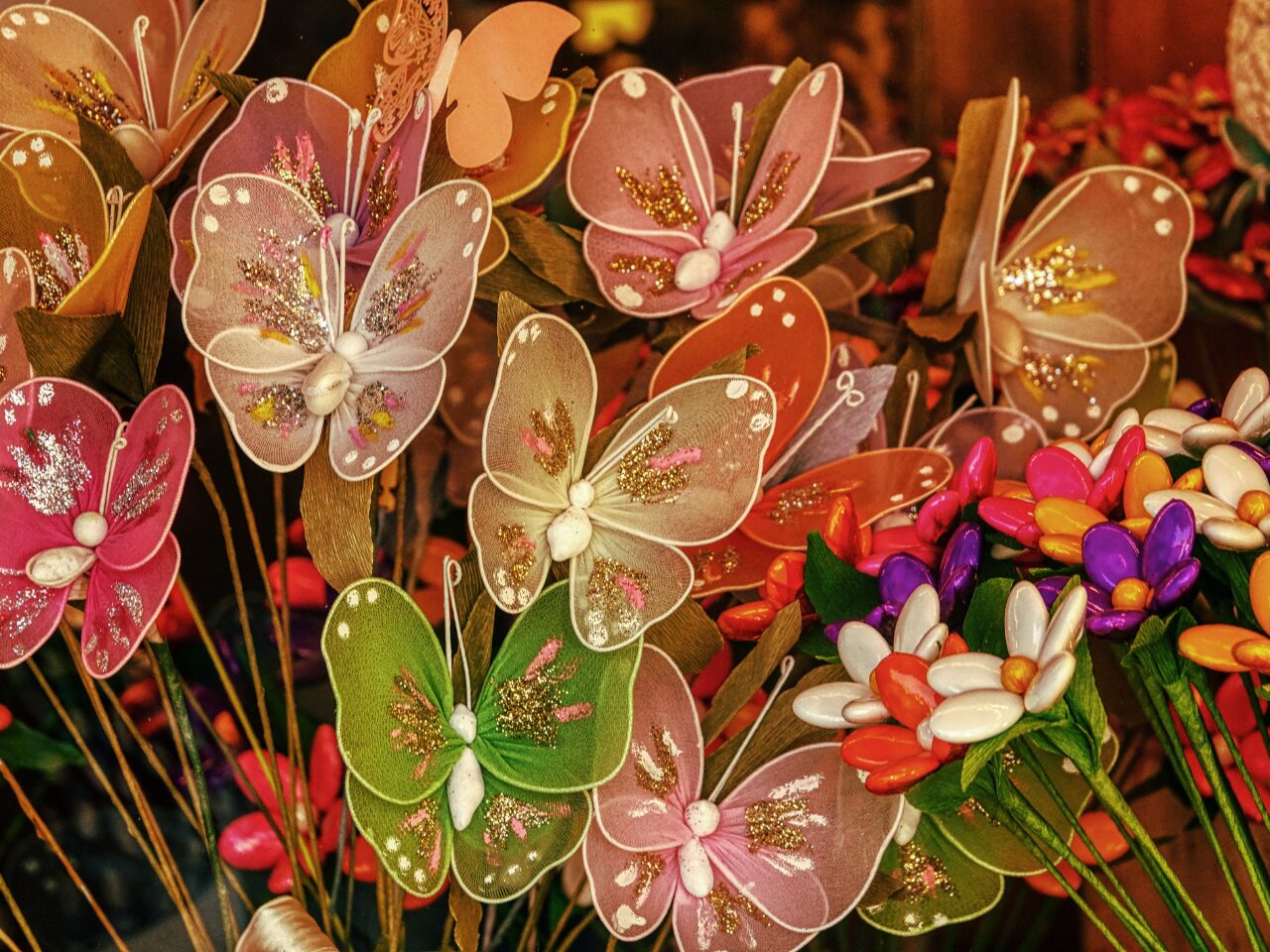
These aren’t just candies but part of Italian celebration traditions. Confetti factories like the historic Pelino allow visitors to see the production process and shop for these sweet souvenirs.
The piazza buzzes with energy, especially during the weekly market day. I found it perfect for people-watching while savoring a cornetto (Italian croissant) and my second espresso of the day.

The surrounding cafés serve excellent pastries including ferratelle (waffle cookies) and pizza dolce, a layered dessert that resembles a cake more than its savory namesake.
Outdoor Adventures Beyond Hiking
Abruzzo offers incredible adventures that go far beyond traditional hiking. The region’s diverse landscapes provide perfect settings for thrilling outdoor activities that connect you with both nature and local culture.
Trekking Through Ancient Paths
I discovered that trekking in Abruzzo feels like walking through living history. The ancient tratturi (sheep tracks) once used by shepherds for seasonal migrations now offer remarkable routes through varied landscapes.
My favorite path winds through the Majella National Park, where centuries-old trails connect remote villages that seem frozen in time. The terrain varies from gentle slopes to challenging rocky sections, making it suitable for different experience levels.
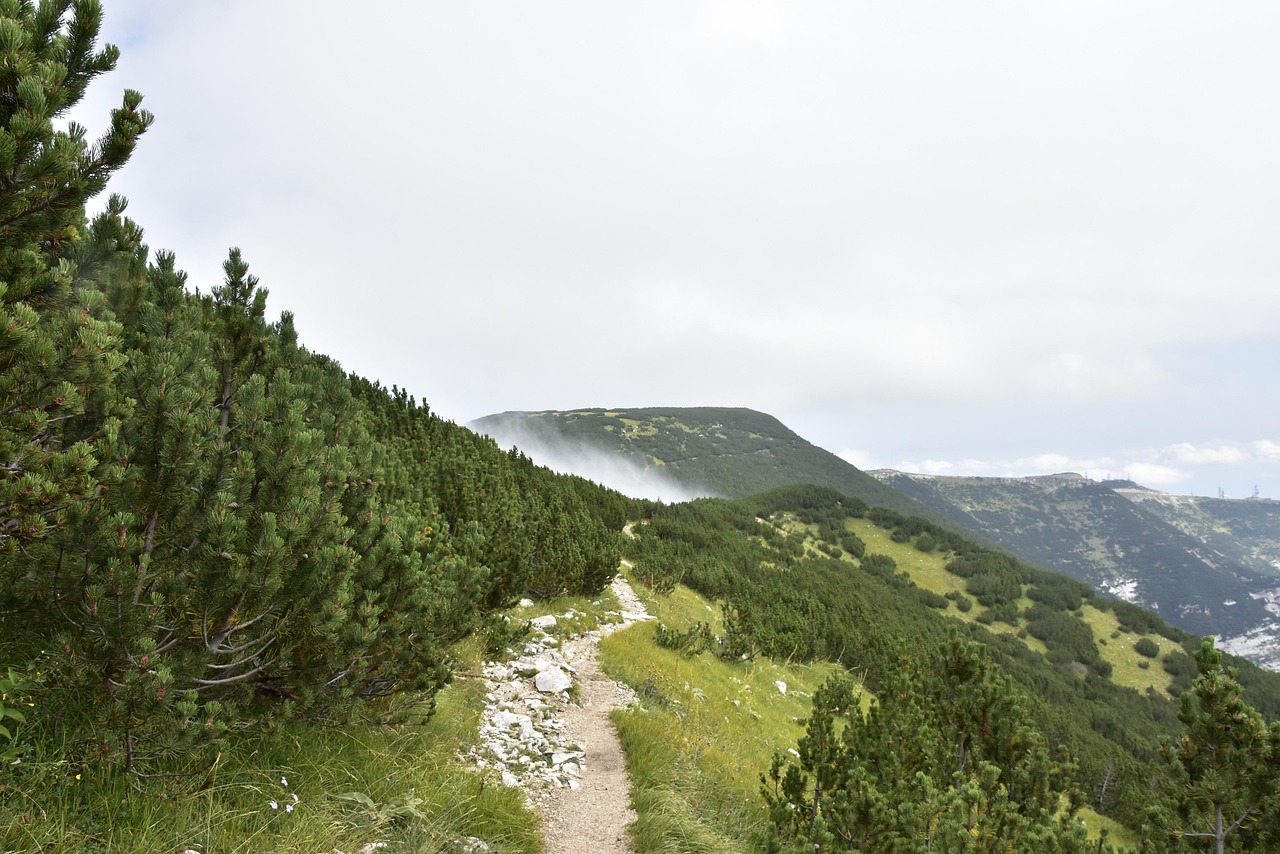
Many trails feature convenient rest areas with stunning panoramic views—perfect spots to enjoy a packed lunch of local specialties. Spring and fall offer the most comfortable trekking weather, with wildflowers or autumn colors enhancing the experience.
Wildlife Tours and Birdwatching
Abruzzo’s protected areas host an impressive array of wildlife. With the right guide, I found the region surprisingly accessible. The region serves as home to rare Marsican brown bears, wolves, chamois, and golden eagles.
I joined a wildlife tour in the Abruzzo National Park. Expert guides took us to strategic observation points at dawn. Their knowledge of animal behavior patterns significantly increased our chances of spotting wildlife.
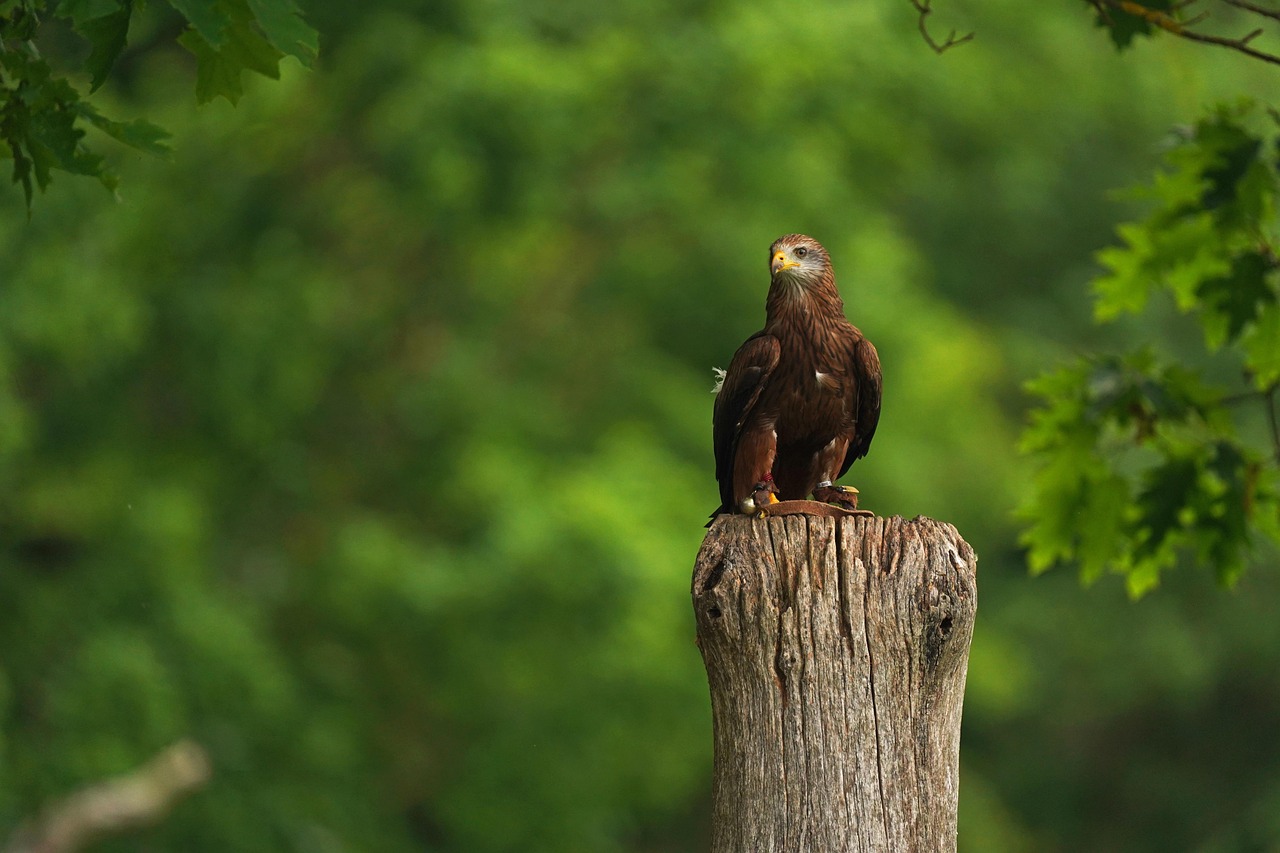
Birdwatching enthusiasts will appreciate the diversity of avian species. I counted over 30 bird species during a single morning tour! The wetlands near Lake Barrea attract migratory birds, creating spectacular viewing opportunities in spring and fall.
Several operators offer specialized photography tours focused on capturing wildlife in natural settings. Remember to bring binoculars, as animals are typically viewed from respectful distances to minimize disturbance.
Coastal Excursions to Trabocchi
The Adriatic coastline of Abruzzo has a completely different side with its unique trabocchi. These are ancient wooden fishing platforms that stretch into the sea on stilts.
I cycled along the Costa dei Trabocchi, a spectacular coastal route where these historic structures dot the shoreline like wooden sculptures. Many trabocchi have been converted into restaurants. At these restaurants, I enjoyed the freshest seafood imaginable. This seafood was caught literally meters from my table.
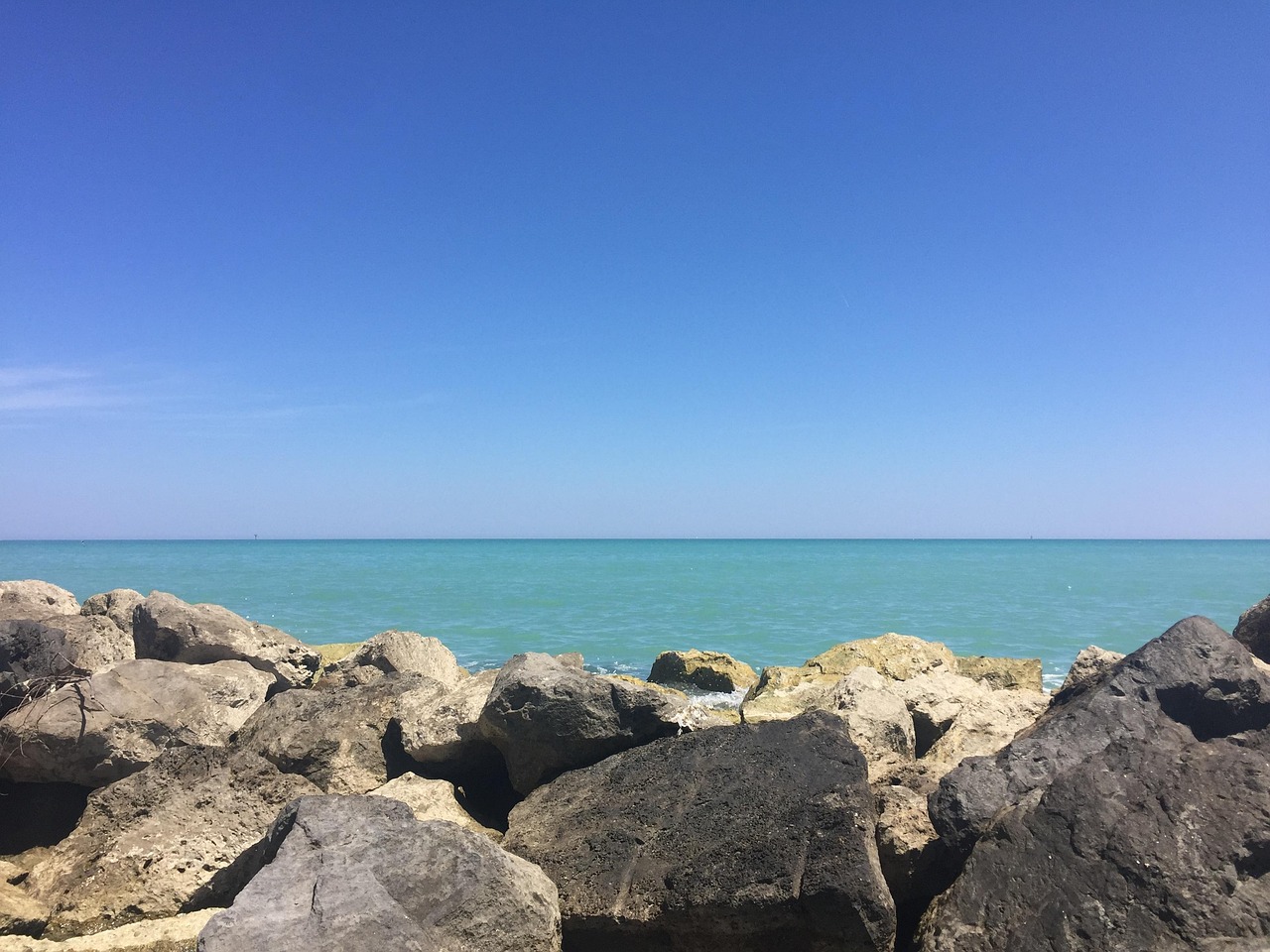
Kayaking excursions allowed me to view these structures from the water. This perspective showcases their ingenious design and relationship with the sea. Local guides offer tours explaining the traditional fishing techniques that trabocchi fishermen have used for centuries.
The coastal area also features beautiful beaches with crystal-clear water. These are perfect for swimming and snorkeling between adventure activities. May through October offers ideal conditions for water-based excursions.