
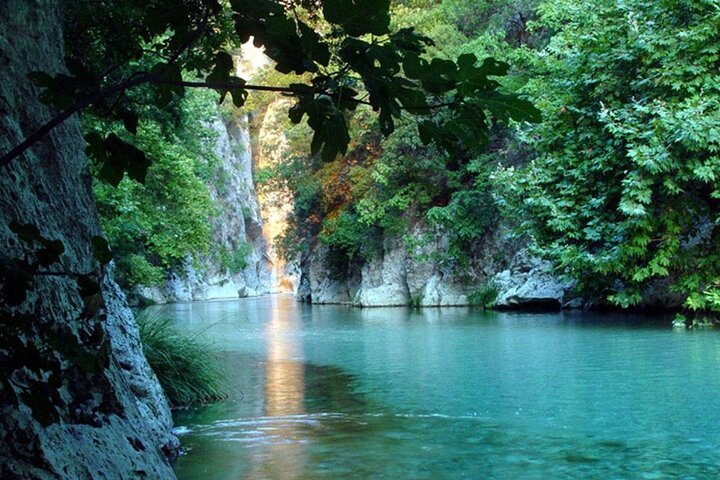
Standing at the banks of the Acheron River, I felt a strange mix of awe and curiosity. Greek mythology calls the Acheron the legendary “river of woe,” believed to be the main waterway souls crossed to reach the Underworld ruled by Hades. Just thinking that I could walk along a river once feared by the ancients—yet now so peaceful and beautiful—blew my mind a little.
Travelers from everywhere show up here to see where myth and nature meet. Lush green mountains hug the clear water, and the place feels calm, with only the soft rush of water and birds for company.
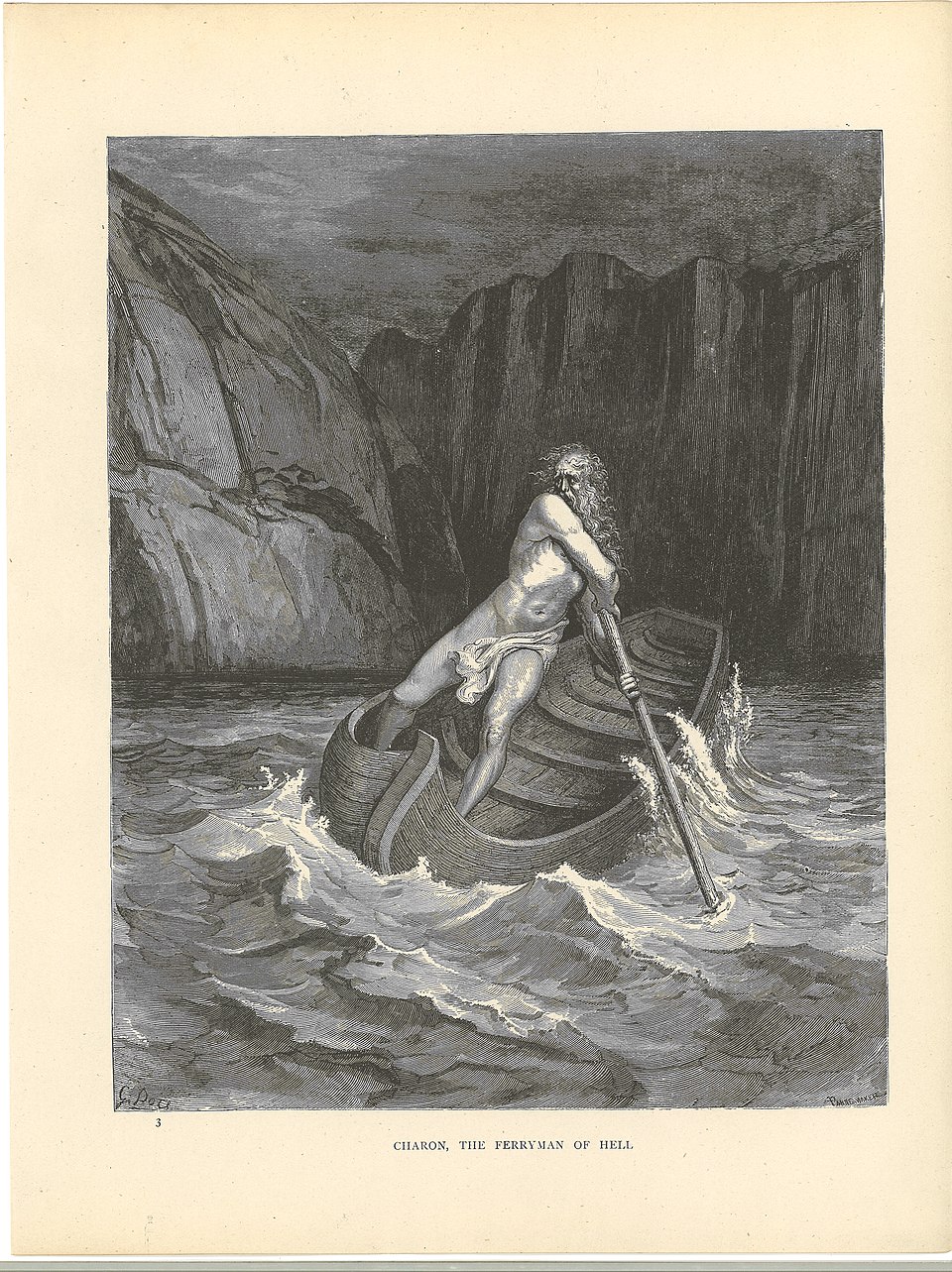
Seeing the Acheron, I could picture the old stories about Charon ferrying souls. But honestly, it’s just as easy to fall for the beauty right in front of me.
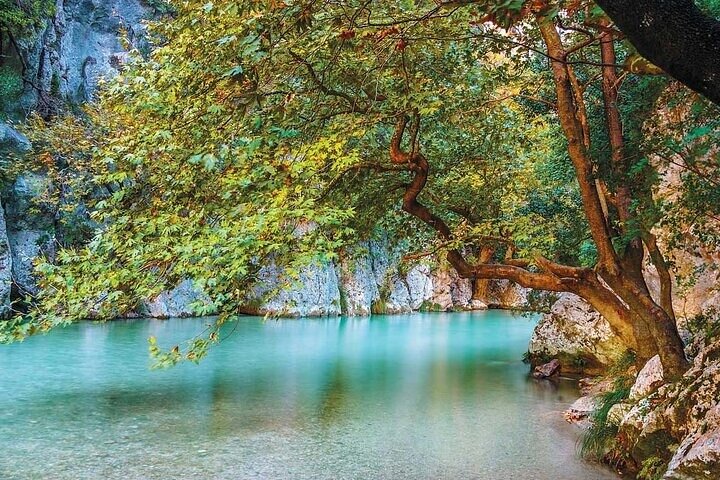
Tracing the Mythical Origins of the Acheron River
Tucked away in Greece’s wild northwest, the Acheron is more than just a river—it’s a gateway to myth and legend. This waterway played a huge part in stories about death, the afterlife, and spirits, shaping how ancient Greeks imagined what came after life.
The Acheron in Ancient Greek Mythology
In Greek mythology, the Acheron is the “river of woe.” People believed it marked the edge of Hades, the gloomy realm where souls ended up after death.
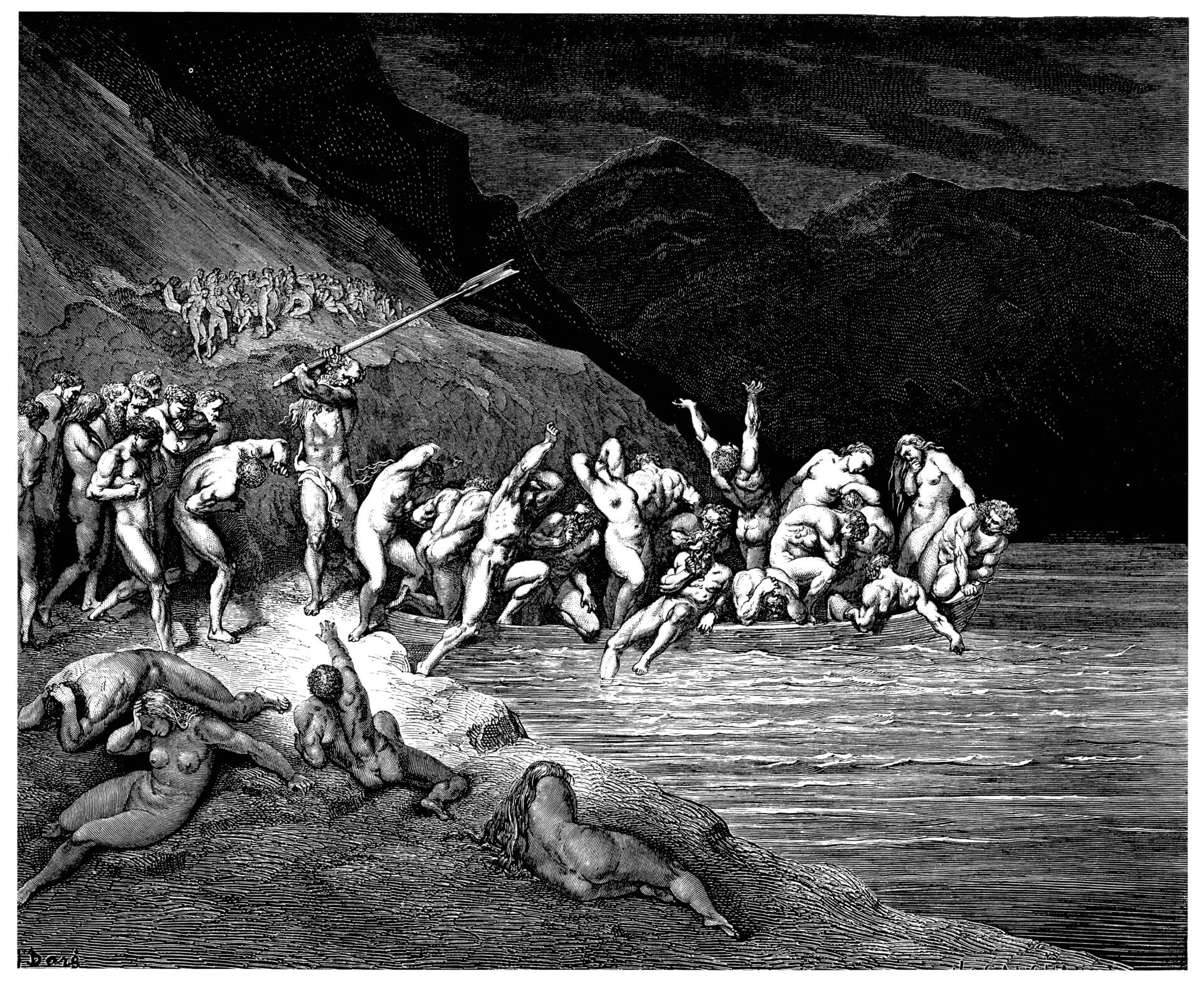
According to legend, those who died would meet Charon, the ferryman, on the banks of the Acheron. Charon only took souls across if they had a coin to pay him. No coin meant the spirit wandered the shore for a hundred years.
Most Greeks placed a coin in the mouth of the dead during burial, hoping to secure them safe passage to the afterlife. Acheron isn’t alone, though. It’s one of five rivers in the underworld: Styx, Cocytus, Phlegethon (or Pyriphlegethon), and Lethe. Each river stands for a different aspect of death or sorrow.
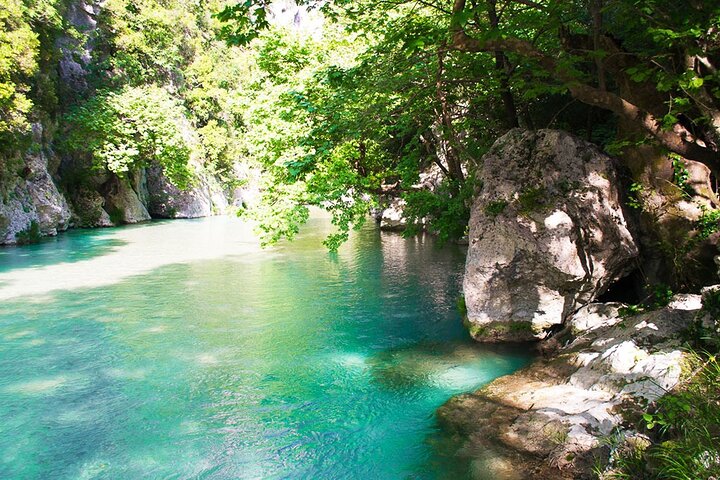
The River of Woe in Classical Literature
Writers like Homer and later poets made the Acheron famous. In the Iliad, Acheron stands for pain and suffering. Virgil, in his epic poems, describes the river as a border between the world of the living and the dead.
Dante brought the Acheron into his Divine Comedy. In Dante’s story, Charon ferries souls over the river to the circles of Hell, making the Acheron a symbol of the boundary between life and eternal punishment.
Literary records show this river is more than just a natural wonder—it’s a place packed with deep meaning and emotion. The legends shaped how people thought about mortality for thousands of years.
Hades, Death, and the Underworld
The Acheron ties directly into beliefs about Hades, lord of the underworld, and how death appeared in Greek myth. The river wasn’t just a flow of water—it marked the separation from life to death.
I found it fascinating that the gates to Hades were guarded by Cerberus, the monstrous, three-headed dog. Only with Charon’s help and Cerberus’s approval could souls enter this shadowy world.
These rivers, spirits, and gods helped ancient Greeks make sense of death and what followed. When I walked along the real Acheron, I felt a shiver—like the old myths still whisper in the mist rising off the water.
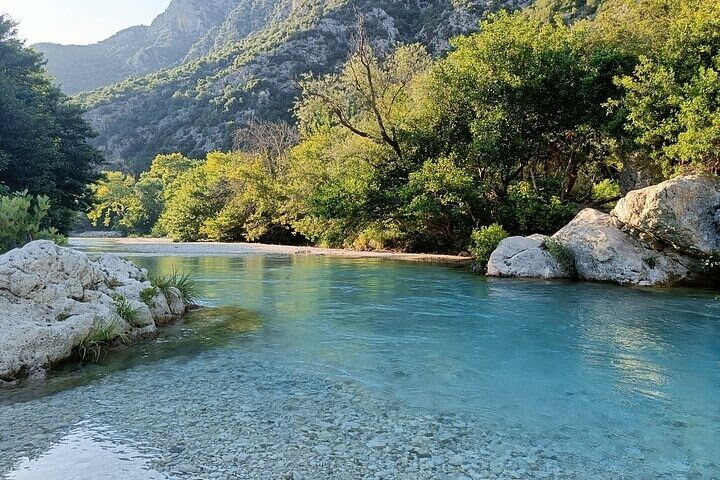
Legends, Heroes, and the Divine: Stories Along the Riverbanks
Walking the banks of the Acheron, I realized these waters have witnessed ancient conflict, prayer, and heartbreak. Over centuries, gods, heroes, and mortals wove their stories into the river’s mist and stones, while ritual and memory shaped local belief.
Notable Gods, Goddesses, and Legendary Figures
The Acheron River was more than a natural boundary—it marked the edge of worlds, watched by powerful gods and legendary heroes. Hades, ruler of the underworld, claimed the Acheron as one of his frontiers.
The ferryman Charon guided souls across its dark waters for a coin. Cerberus, the three-headed dog, guarded the far shore.
Sometimes I imagine Orpheus, lyre in hand, standing by these banks. He ventured into the depths to rescue Eurydice, driven by love and sorrow.
Persephone traveled between the world above and the realm below, her story tangled up with her mother Demeter’s endless grief and the cycle of the seasons. Demigods like Psyche and Alcestis endured suffering and transformation connected to crossing between life and death.
Key Figures Often Connected to Acheron:
| Figure | Role or Deed |
|---|---|
| Hades | God of the Underworld |
| Charon | Ferryman for souls across the river |
| Orpheus | Musician who braved the Underworld |
| Persephone | Queen of the Underworld |
| Demeter | Mother devastated by her daughter’s loss |
| Sisyphus | Punished soul condemned to endless effort |
| Cerberus | Guardian beast of the riverbanks |
Acheron’s Role in Ancient Mysteries and Rituals
Along the ancient Acheron, shrines and temples sprang up where believers honored gods like Hades and Persephone. I’m amazed by tales of the Nekromanteion, the famed oracle of the dead.
Pilgrims came for guidance, leaving offerings and whispers to the spirits. Rituals were rooted in deep respect and even fear. People believed the mists held echoes of the afterlife.
Ceremonies often used water from the river and marked moments of mourning or hope for a safe passage beyond. Dionysus, Hermes, and Artemis sometimes appeared in local legends, linked to loss or journeys to the underworld.
Common Rituals and Practices:
- Pouring water as tribute to ancestors
- Leaving coins, flowers, or simple objects for Charon
- Quiet processions by torchlight at dusk
- Whispering prayers for guidance, safety, or remembrance
Transformation, Grief, and Remembrance
Stories from the Acheron are tangled with themes of sorrow and remembrance. The river itself was sometimes called the “River of Woe.”
People came here to mourn lost loved ones or look for meaning after tragedy. I found the quiet banks to be places of stillness and reflection.
Heroes like Orpheus and Alcestis faced loss but also found wisdom or peace beyond death’s shadow. Their stories remind me how ancient Greeks honored memories of the departed, turning private grief into public story.
To this day, visitors leave flowers or notes among the stones—a quiet tradition of remembrance that feels timeless.
For Greeks, grief often led not just to mourning, but to transformation—in myth and in the rituals that survived along the Acheron’s banks.
Personal Reflections: Walking the Path Between Life and Death
Exploring the Acheron River mixes myth with reality. Here, ancient tales of death and rebirth blend with raw nature and local traditions in ways I didn’t expect.
The River as a Symbol of Mortality and Healing
Standing at the edge of the Acheron, I thought about how this quiet river once marked the line between life and death in Greek myth. For centuries, people have called it the “River of Woe,” believing it carried souls to the underworld.
Locals still talk about spirits that linger near its banks. Symbols of life and mortality are everywhere.
Moss-covered stones make me think of aging and time’s steady pace. Nearby cemeteries and the occasional grave along the countryside show respect for the dead and a belief in something beyond this world.
But the river isn’t only about endings. Many people come to its waters hoping for healing. Some wade in, believing the river can wash away sorrow and pain.
For visitors like me, even a quiet walk beside the Acheron feels like a small step toward renewal.
| Symbol | Meaning |
|---|---|
| River | Passage from life to death |
| Stones/Graves | Reminder of aging/mortality |
| Clear Water | Healing or fresh beginnings |
Experiencing the Landscape’s Transformative Power
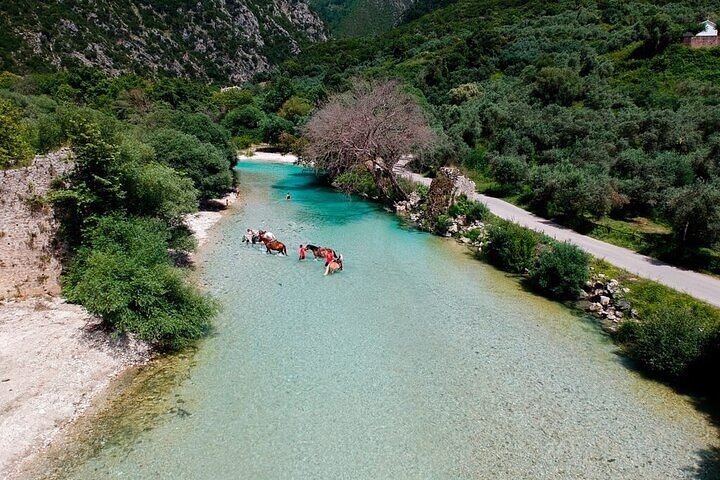
The first thing I noticed along the Acheron was the bright green valley, the clear, cold water, and birdsong overhead. Though ancient Greeks feared it, the river today invites people to hike, swim, or just watch sunlight flicker on the surface.
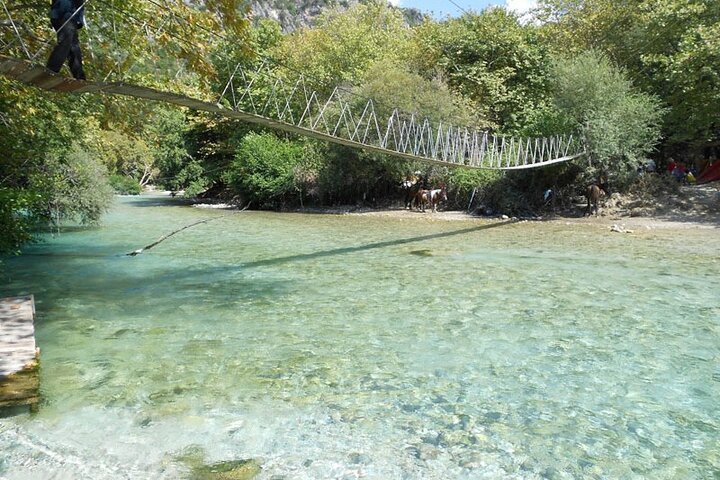
I crossed a wooden bridge and stopped to feel the cool spray from a small cascade. Each step made the world of myth seem less distant.
Dipping my hand in the water, I thought about transformation—how moments of beauty can shift your outlook on life and aging.
Locals say the Acheron helps people let go of grief. Some travelers light candles or leave flowers, blending memory and healing.
Even without a ceremony, breathing the fresh air and hearing the river rush brings a new sense of calm.
Travel Tip:
Paths near the river can be slippery. Wear sturdy shoes and take your time, especially when crossing rocky spots or shallow streams.
Encounters With Local Beliefs and Taboos
Talking with people in Epirus added another layer to my journey. Some families have strong feelings about the river—certain areas are seen as sacred or taboo, and stories about wandering souls still circulate.
I heard warnings not to swim at night, when, according to local belief, spirits might cross from one side to the other.
Funerals and memorials here mix old and new customs. Some locals honor loved ones with church services and simple riverside rituals, while others choose cremation, which is slowly becoming more common.
In some villages, traditions around aging and death keep evolving, but respect for the river’s history stays strong.
Cultural Note:
- Photography is sometimes discouraged near older cemeteries or sacred spots along the Acheron.
- Guided walks with locals are the best way to better understand beliefs and avoid misunderstandings.
From Dante to the Odyssey: Acheron’s Influence on Literature and Art
Wandering by the Acheron, I couldn’t help but notice how deeply this river runs through our stories and legends. Its name pops up in famous poems, dark illustrations, and even shapes how artists see the boundary between life and death.
Acheron in Dante’s Inferno and the Divine Comedy
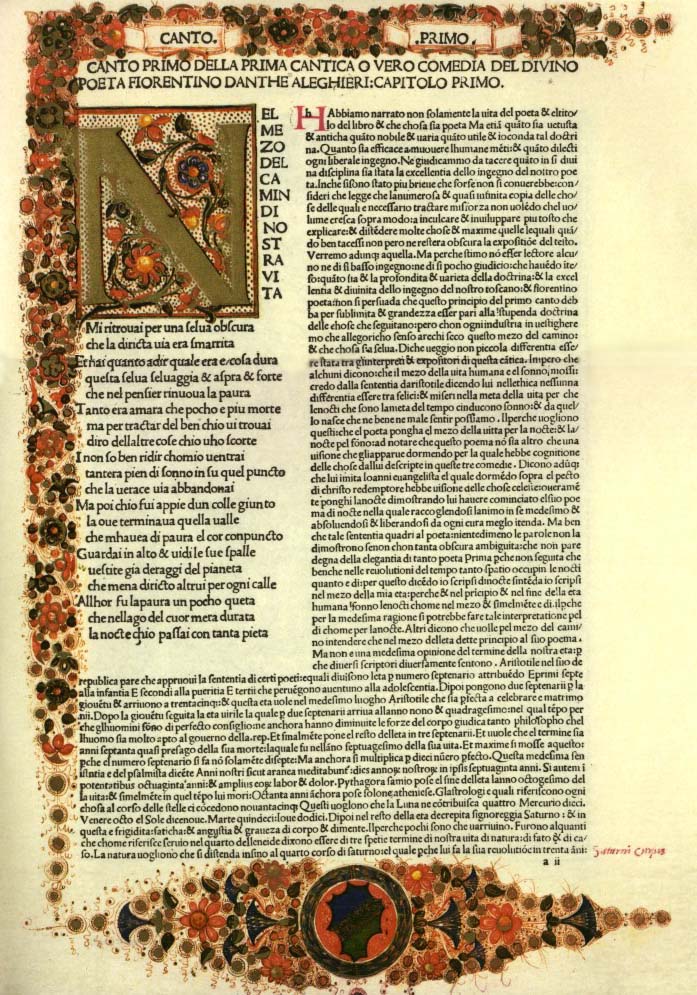
When I read Dante’s Inferno, the Acheron isn’t just scenery—it’s a real, chilling border. Dante describes the river as the place where souls first enter Hell, guided by the grumpy ferryman Charon.
Crossing the Acheron means leaving hope behind. Dante uses the river to mark the start of the soul’s journey through punishment.
The Divine Comedy says only the wicked go with Charon, while good souls take a different path. Even in English versions, the Acheron stands out as a place of sorrow and regret.
Traveling here made me see how these old stories turned the river into more than just water. Walking its banks, I felt the history under my feet—the same ground Dante once imagined for his epic journey.
The River in the Works of Homer and Other Poets
In Homer’s Odyssey, the Acheron is one of several rivers leading to the underworld. Odysseus visits this shadowy land by pouring offerings near the water, calling on ancient spirits for guidance.
Homer set the river as a limit between the world of the living and the realm of the dead. The Acheron also appears in the Iliad and other poems about Greek heroes.
These works use names and careful phrasing to create a dramatic mood. Many legends call the Acheron the “river of woe,” a place even the most daring fear to cross.
Even in modern translations, the river holds its aura of gloom. Reading about its myths from a sunny riverside now, I get why poets turned a real river into such a powerful symbol.
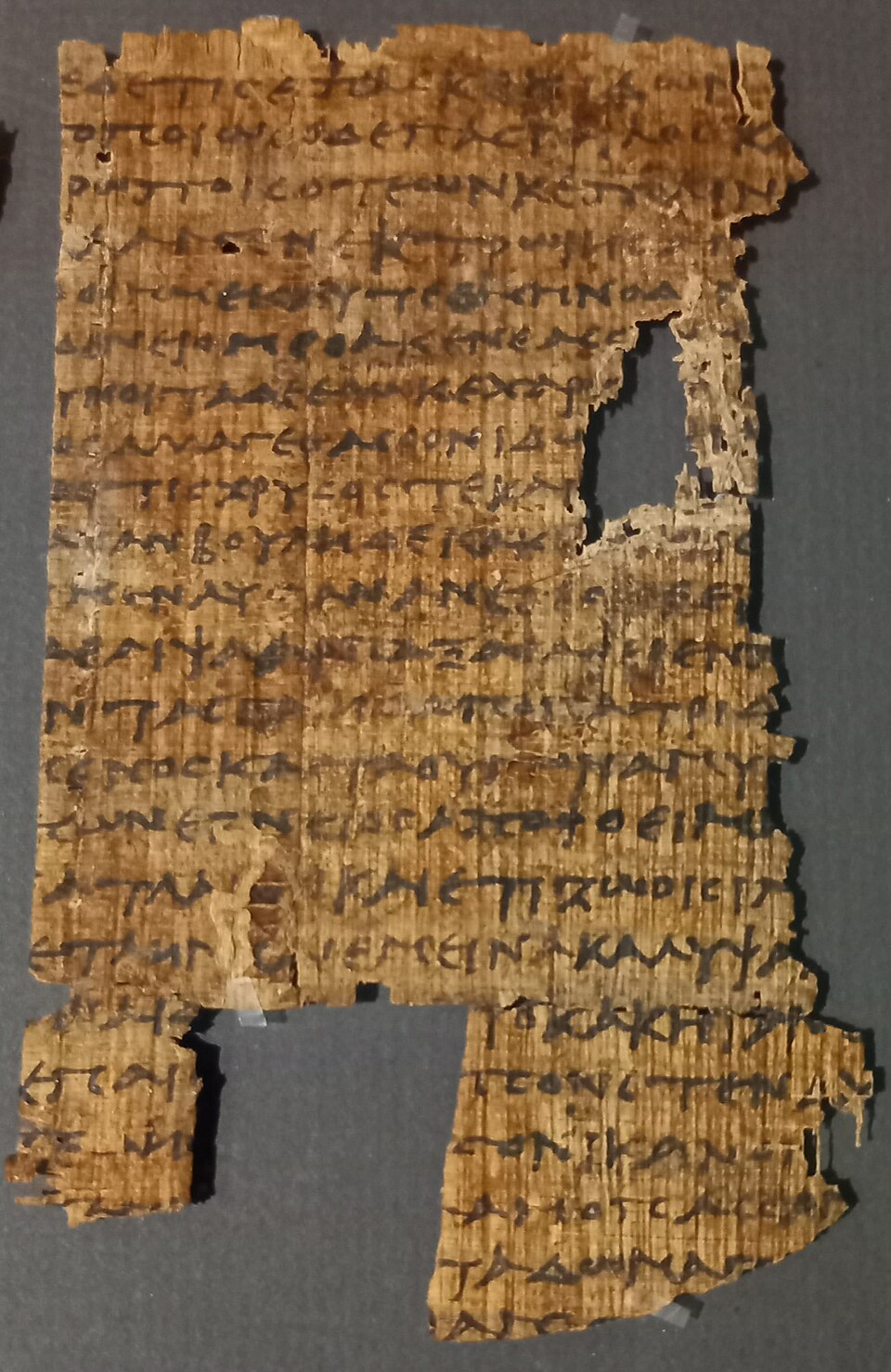
Acheron’s Depiction in Visual Arts and Modern Imagination
When I walked along the river today, I couldn’t help but notice how artists and writers still draw inspiration from this place. Painters love to show Charon on his boat, ferrying shadowy souls across the dark water.
Ancient Greek vases often put the Acheron front and center, with gates and torches that really highlight its role in mythology.
Even now, some movies and books borrow those old images. The dark river, the cliffs, and that weird mist over the water—they all shape how we picture the afterlife.
Travel brochures even call it the “river of myth.” I guess they want new generations to imagine the same things that once scared poets and heroes.
I took some photos myself, thinking about how the Acheron still pulls people in. Seeing the river up close, the mix of myth and reality actually feels new—like it’s not just a story, but a place you can stand and look around.
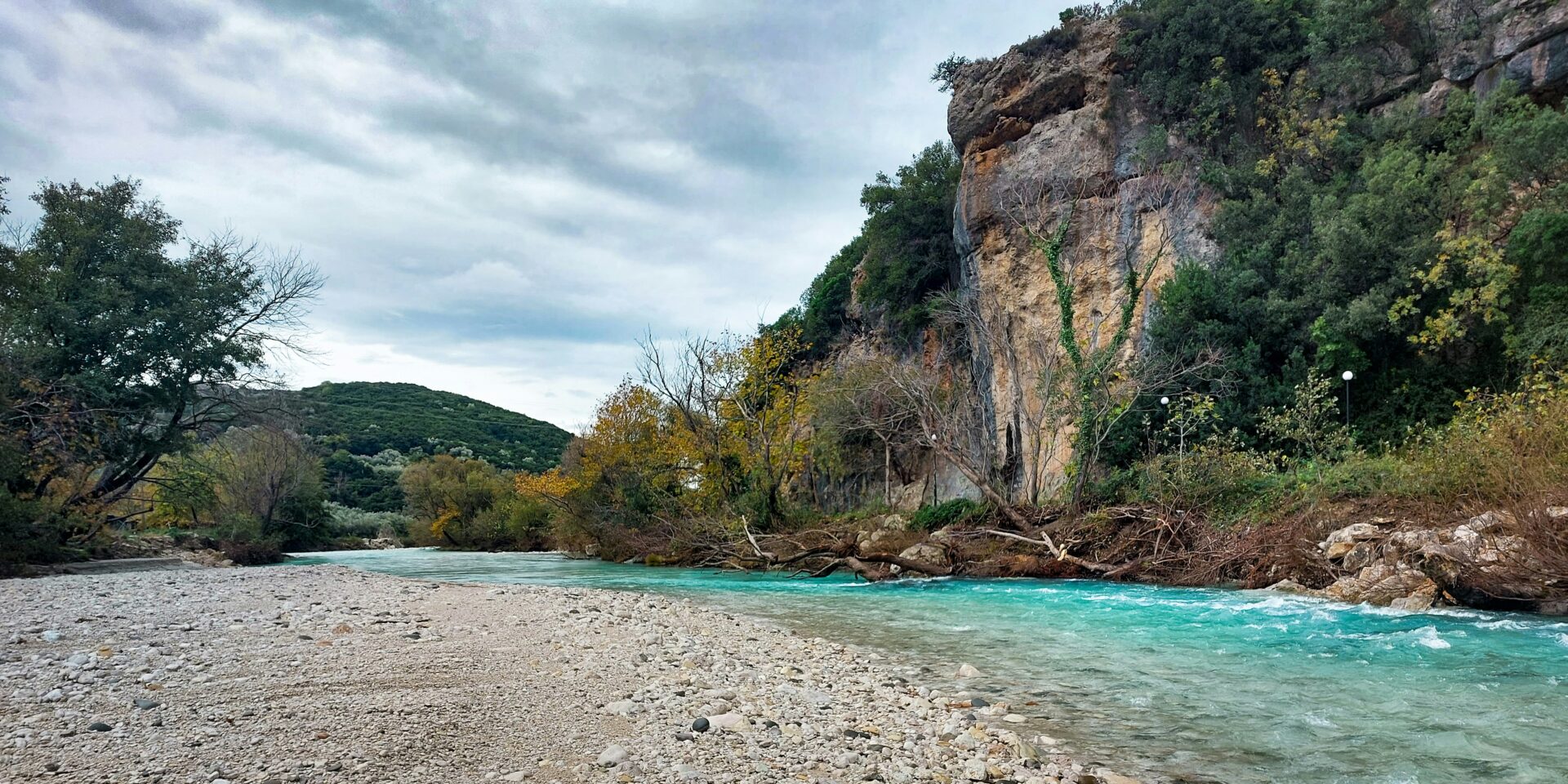
Practical Guide: Embarking on a Journey to the Acheron River
The Acheron River brings together ancient myth and peaceful scenery. Greek villages sit in green valleys, while folklore echoes along the clear water.
Every step feels like a little adventure through both legend and everyday life.
Travel Tips and Best Times to Visit
When I planned my trip to the Acheron, I checked for the best times to go. Late spring (May-June) and early fall (September-October) turned out to be perfect—mild weather, not too many people.
Summers get pretty hot, and some trails fill up fast.
I’d recommend flying into Preveza Airport if you want the easiest route. Renting a car gave me the freedom to explore, since local buses don’t run often, especially if you want to see villages like Glyki.
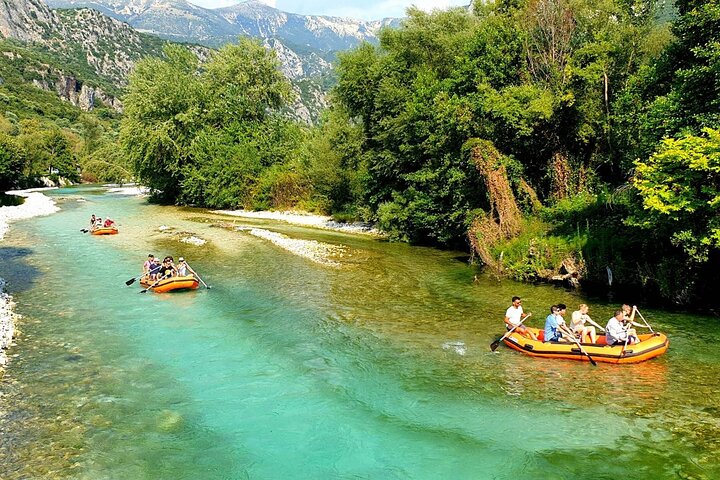
Most river activities don’t cost anything, but you can pay for guided tours or kayaking if that’s your thing.
Water shoes saved me from slipping on the stones and wading through shallow water. Sunglasses, sunscreen, and a hat? Absolutely essential for those long, sunny days.
| Season | Weather | Crowds | Best For |
|---|---|---|---|
| Spring | Mild | Low | Nature walks, villages |
| Summer | Hot | High | River swimming |
| Fall | Cool/Mild | Low | Photography, hiking |
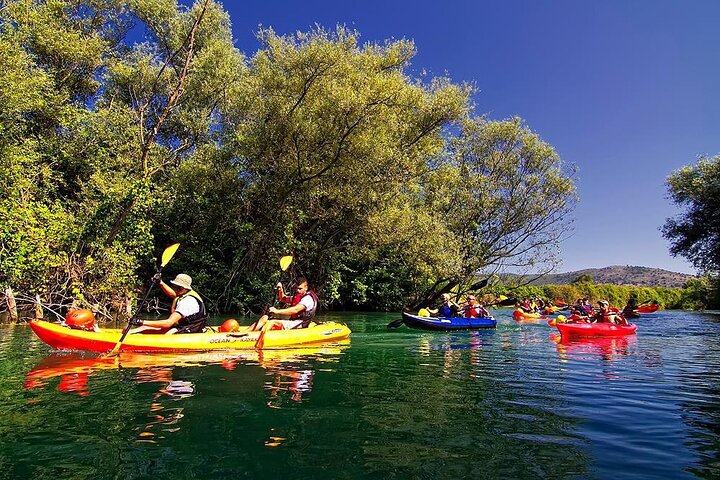
Exploring Nature, Villages, and Local Traditions
While hiking along the Acheron River, I wandered past olive and cypress groves. Locals shared stories that have survived for generations.
Glyki, the main village by the river, won me over with fresh cheese and honey. The residents here are genuinely friendly.
A lot of traditions tie back to ancient healing. I noticed Cypriot and Italian influences in the food and the festivals.
I ducked into small chapels and spotted references to Eleusis and Delphi—little reminders of old Greek mysteries and myths.
Nature here grabs your attention. Wildflowers pop up everywhere in spring, and birdsong is almost constant.
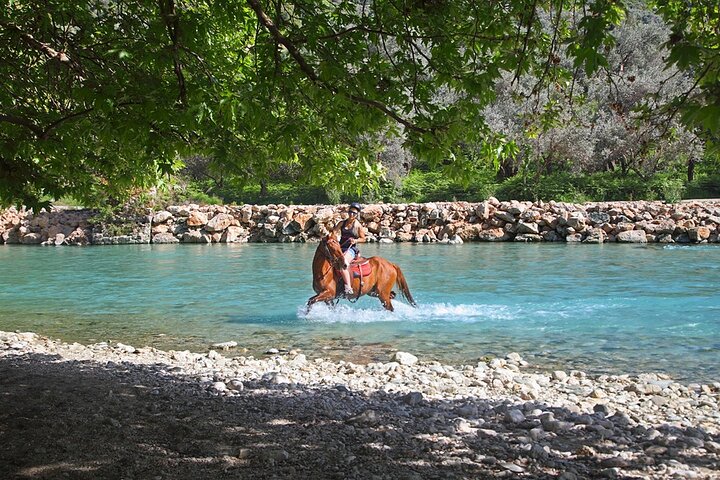
The river’s clear water called out for a swim, and I found picnic spots all along the banks.
Fishermen still use old-school techniques, casting lines from the same places their ancestors did.
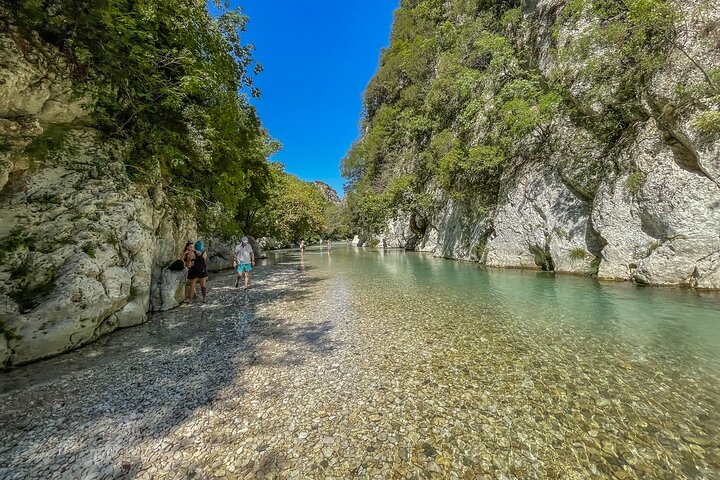
Finding Paradise Where Woe Once Reigned
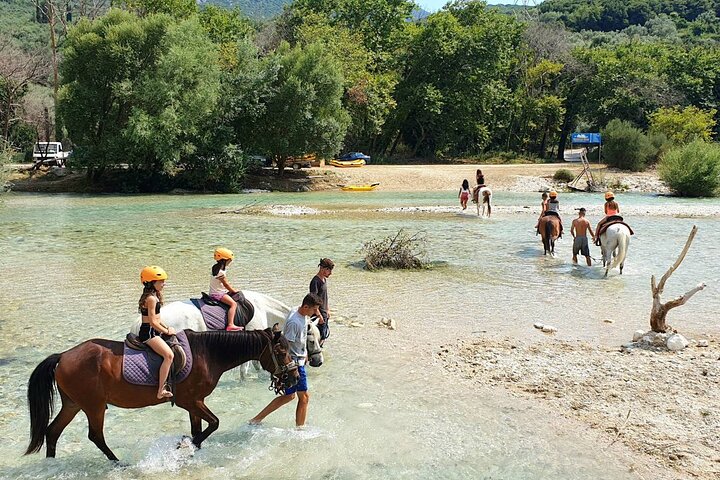
I stood where the ancient Greeks believed the Underworld began, expecting gloom but feeling only peace. Acheron means “river of woe,” yet I found bright blue pools and heard kids laughing as they splashed around.
Local guides love to share rhymes and old tales about the gods. They talk about how people once came here, hoping for spiritual healing.
Tiny hermitages perch on the hills, bringing to mind stories from Eleusis. That’s where the first rites for renewal and peace started.
This place once carried a reputation for sorrow, at least in myth. Now, it feels like paradise—a wild reminder that even the darkest bits of history can turn into something bright.
The river’s gentle currents swept away my worries, just as they’ve carried old legends downstream for centuries.

.jpg)

#/media/File:Inferno.jpg)
