
I stepped into Alcobaça Monastery and instantly felt the quiet beauty of its stone halls and those soaring arches. This UNESCO World Heritage Site isn’t just a Cistercian architectural wonder—it’s also where one of Portugal’s most heartbreaking love stories unfolded.
Standing before the tombs of Pedro and Inês, I stared at the marble effigies and couldn’t help but get swept up in the story of forbidden passion and royal tragedy that’s left its mark on Portuguese history.
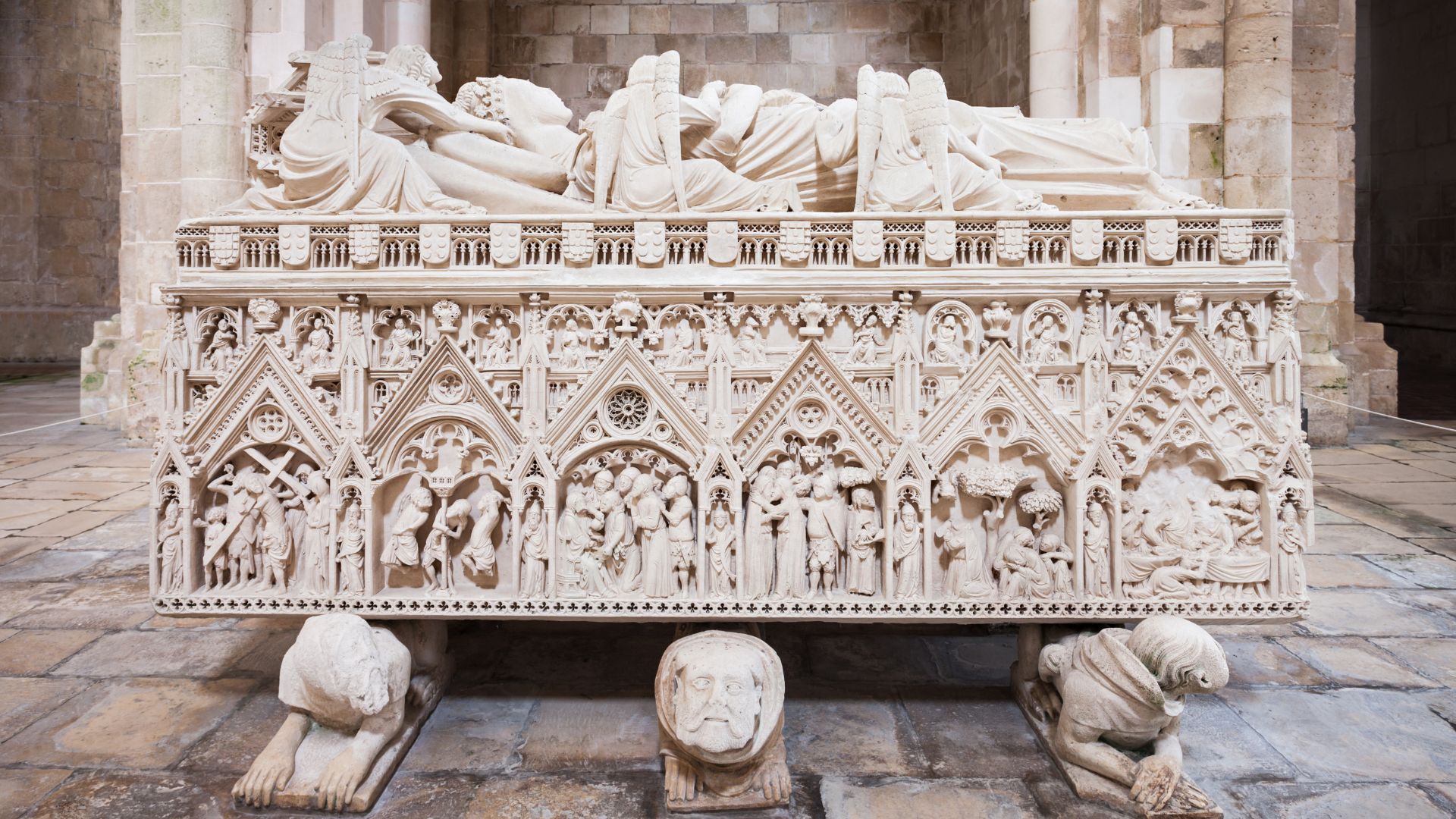
Their story lingers everywhere in the monastery, from the rose window to the carved tombs. I felt centuries of devotion and loss in the way their marble figures gaze at each other, supposedly so they can meet each other’s eyes forever.
There’s something magnetic about visiting their final resting place. Maybe you’ll feel it too, walking through those echoing corridors.
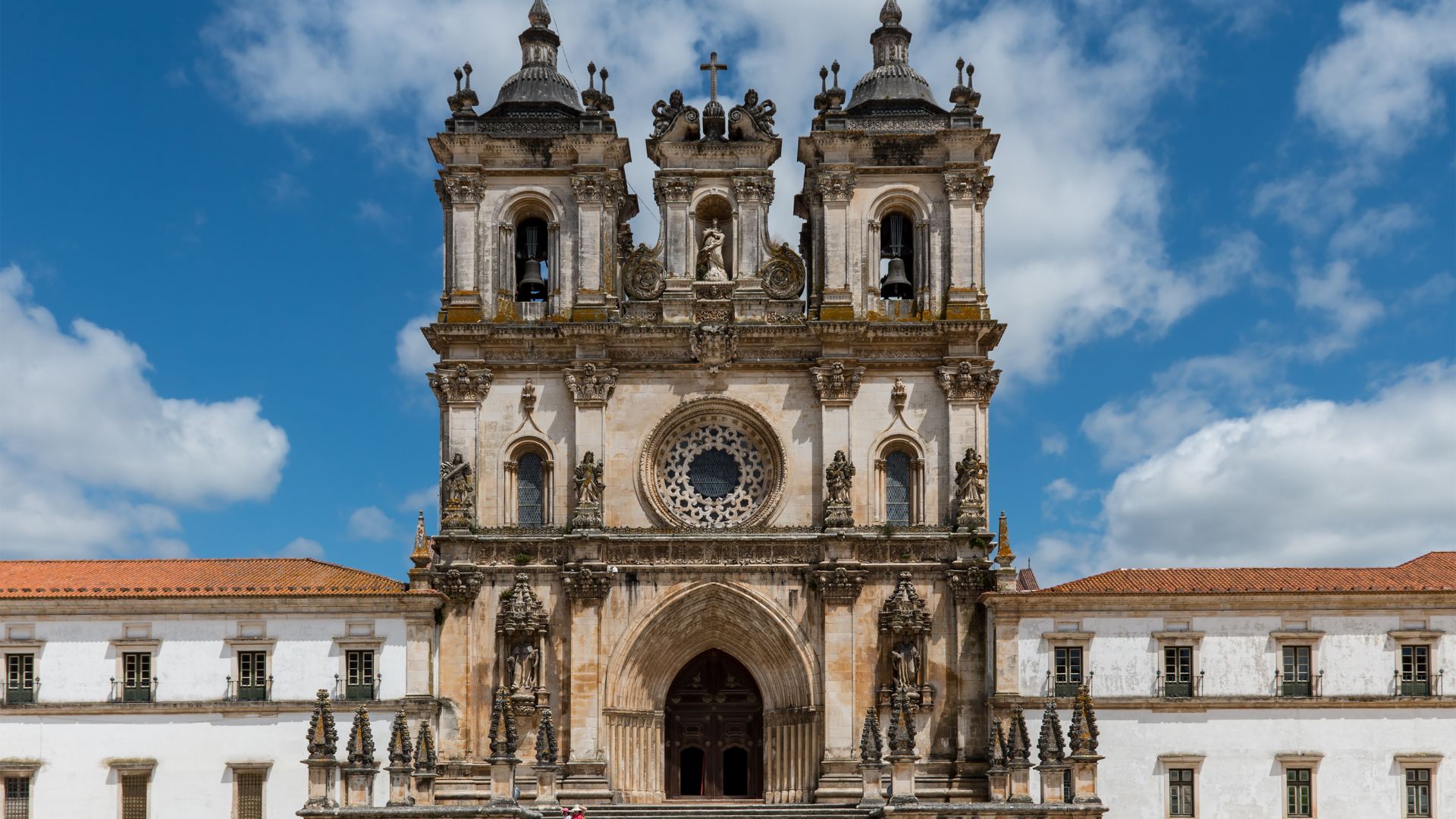
Alcobaça Monastery: A Timeless Gem in Central Portugal
Alcobaça Monastery sits quietly in the heart of Estremadura, but its history, Gothic beauty, and influence on Portugal’s medieval heritage are hard to miss.
Wandering these halls, I started to really get why this place is so well known and why UNESCO put it on their list of Europe’s best.
History and Architectural Brilliance
The first time I saw Mosteiro de Santa Maria de Alcobaça, I felt a little awestruck. Portugal’s first king, Afonso I, founded it in 1153, making it one of the earliest Cistercian monasteries in the country.
It’s about 120 kilometers north of Lisbon. The sheer size and the details everywhere show just how ambitious the early Portuguese monarchy was.
Building it took more than a century, and Alcobaça ended up as the largest Gothic religious site in Portugal. The church stands out as the top example of early Gothic style here, with its tall nave, ribbed vaults, and pointed arches.
I noticed how the monastery mixes Gothic with later styles like Manueline and Baroque, but somehow keeps its medieval soul. The Chapter House and those massive cloisters really stood out for me—this place is a dream if you’re into European heritage or medieval religious sites.
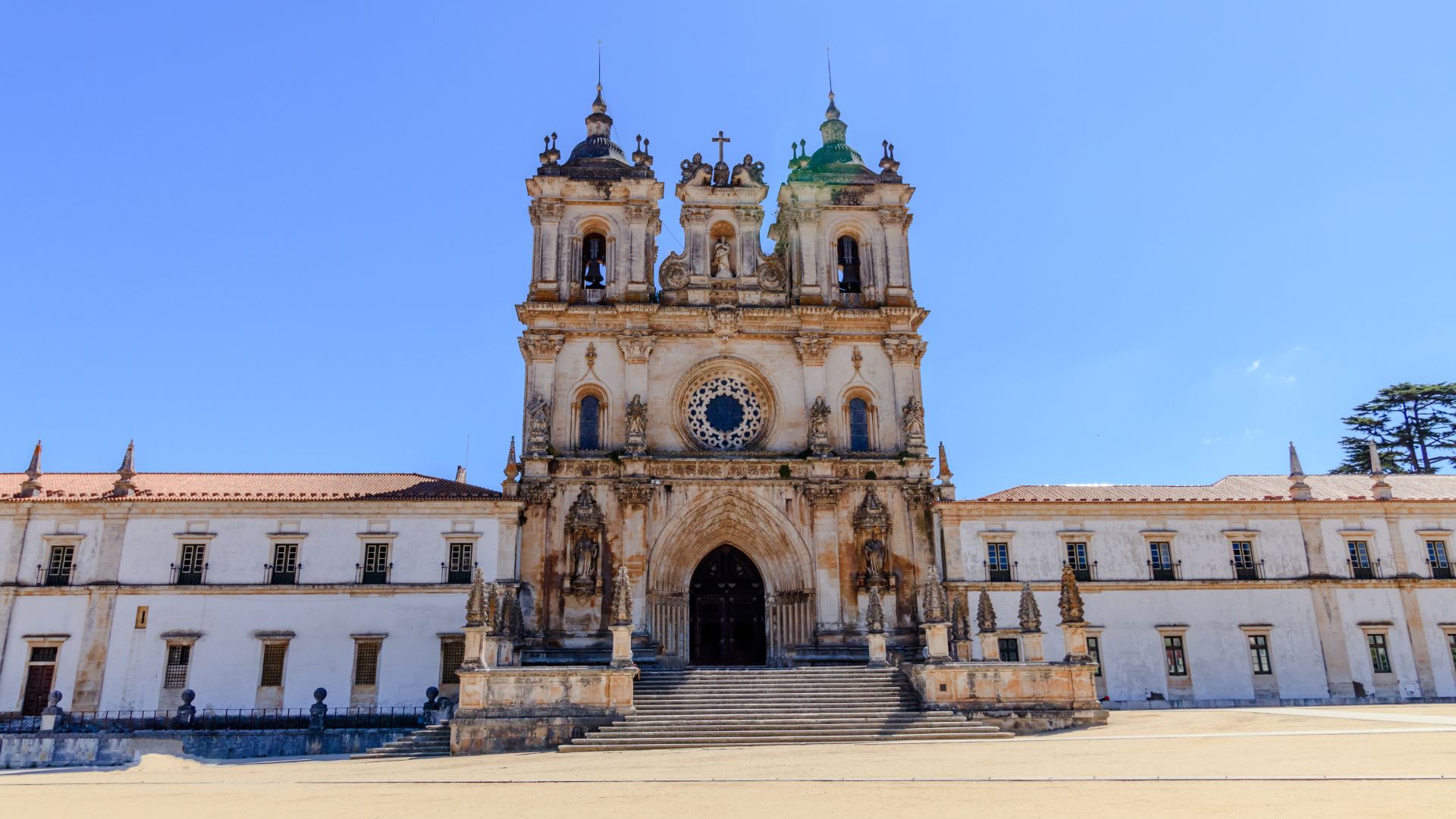
Cistercian Legacy and Religious Significance
As I explored, the quiet legacy of the Cistercian Order surrounded me. The monks lived by simplicity, discipline, and communal prayer—values you can feel in every stone.
Alcobaça became both a spiritual and agricultural center for Central Portugal, helping the region thrive during the Middle Ages. Dormitories, kitchens, and storerooms still hint at daily monastic life.
Several Portuguese kings picked Alcobaça as their burial spot, turning the church into a royal pantheon. This strong tie to both monarchy and faith made it one of Portugal’s most influential religious sites, drawing pilgrims and travelers for centuries.
UNESCO World Heritage Recognition
UNESCO added Alcobaça Monastery to its World Heritage list in 1989, recognizing its architecture and cultural impact. They say it stands out for its beauty and for how much of the original medieval structure survives after nearly 900 years.
As I walked around, I could see why Alcobaça is a must for anyone chasing UNESCO sites. The preservation here lets you step right into the past, moving through the same cloisters monks and royalty used ages ago.
A tip I wish I’d known sooner: go early, since crowds pick up fast, and don’t skip the tombs of Pedro and Inês in the main church. It’s a moving glimpse into Portugal’s greatest love story. The authenticity and scale here make Alcobaça a highlight on any heritage trip.
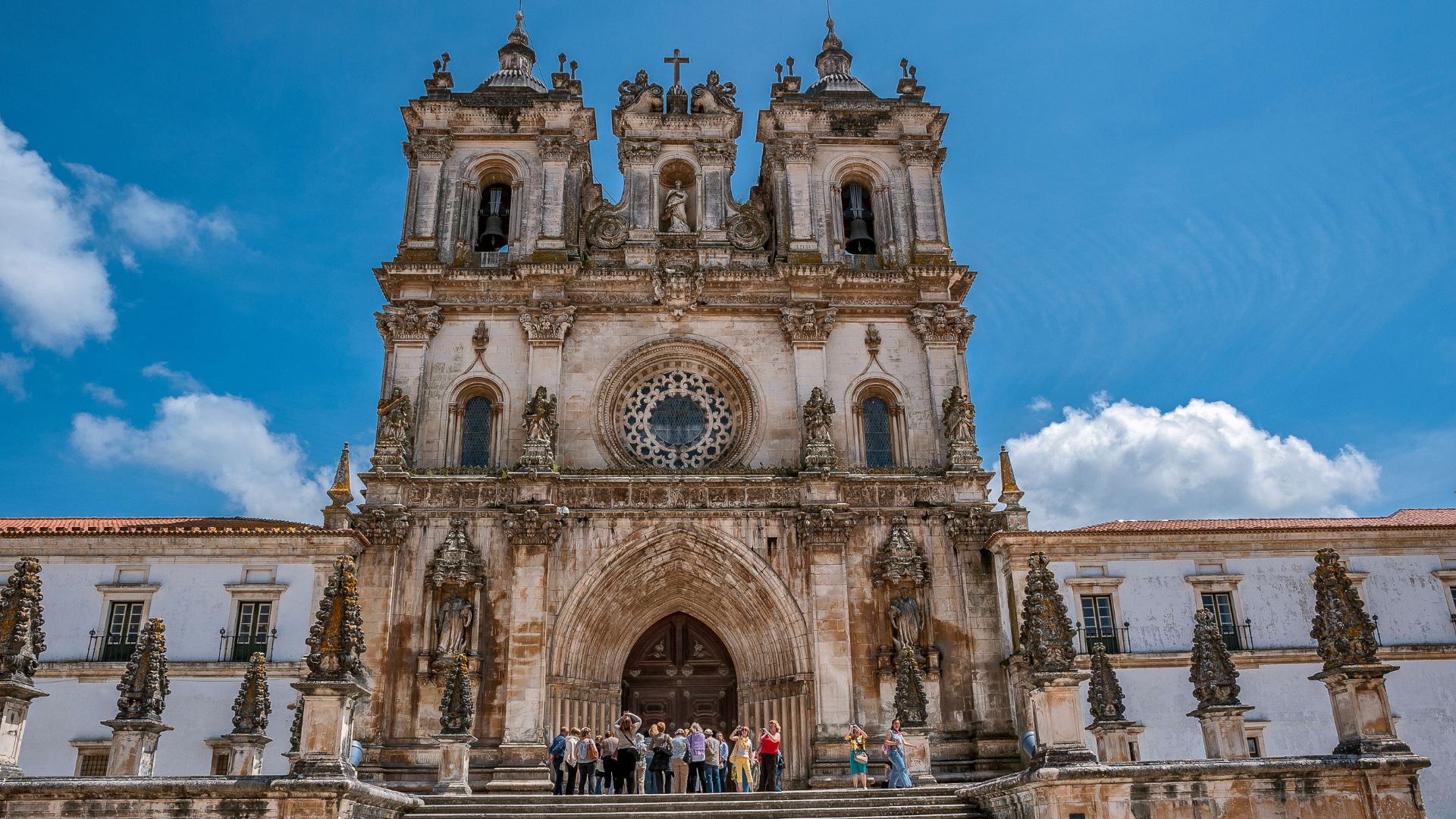
The Tragic Love Story of Pedro and Inês: A Royal Legend
Inside the Monastery of Alcobaça, I kept coming back to the haunting story behind King Pedro I and Inês de Castro’s tombs. Their love, filled with devotion and heartbreak, seems built right into the walls of this UNESCO site.
Romance, Betrayal, and Enduring Love
Pedro, who would become King Pedro I, fell for Inês de Castro while still married to Constança of Castile—the queen chosen for him. Their love grew in secret, hidden from the Portuguese royal court’s watchful eyes.
Their romance was forbidden. Inês wasn’t a queen, and her family connections worried the monarchy. After Constança died, Pedro tried to make his relationship with Inês official.
But before he could, King Afonso IV—Pedro’s father—ordered Inês’s murder in 1355, thinking it would protect the kingdom.
This tragedy sparked a love story that’s lasted for centuries. When Pedro became king, he showed his devotion by having Inês’s body exhumed and crowned, then reburied with great ceremony.
Today, their tombs at Alcobaça Monastery face each other so, legend says, they can meet again in the afterlife.
Key Places to See:
- Tomb of Inês de Castro: Six angels and detailed carvings surround her.
- Tomb of King Pedro I: Across from Inês, with scenes of their love and Pedro’s loyalty.
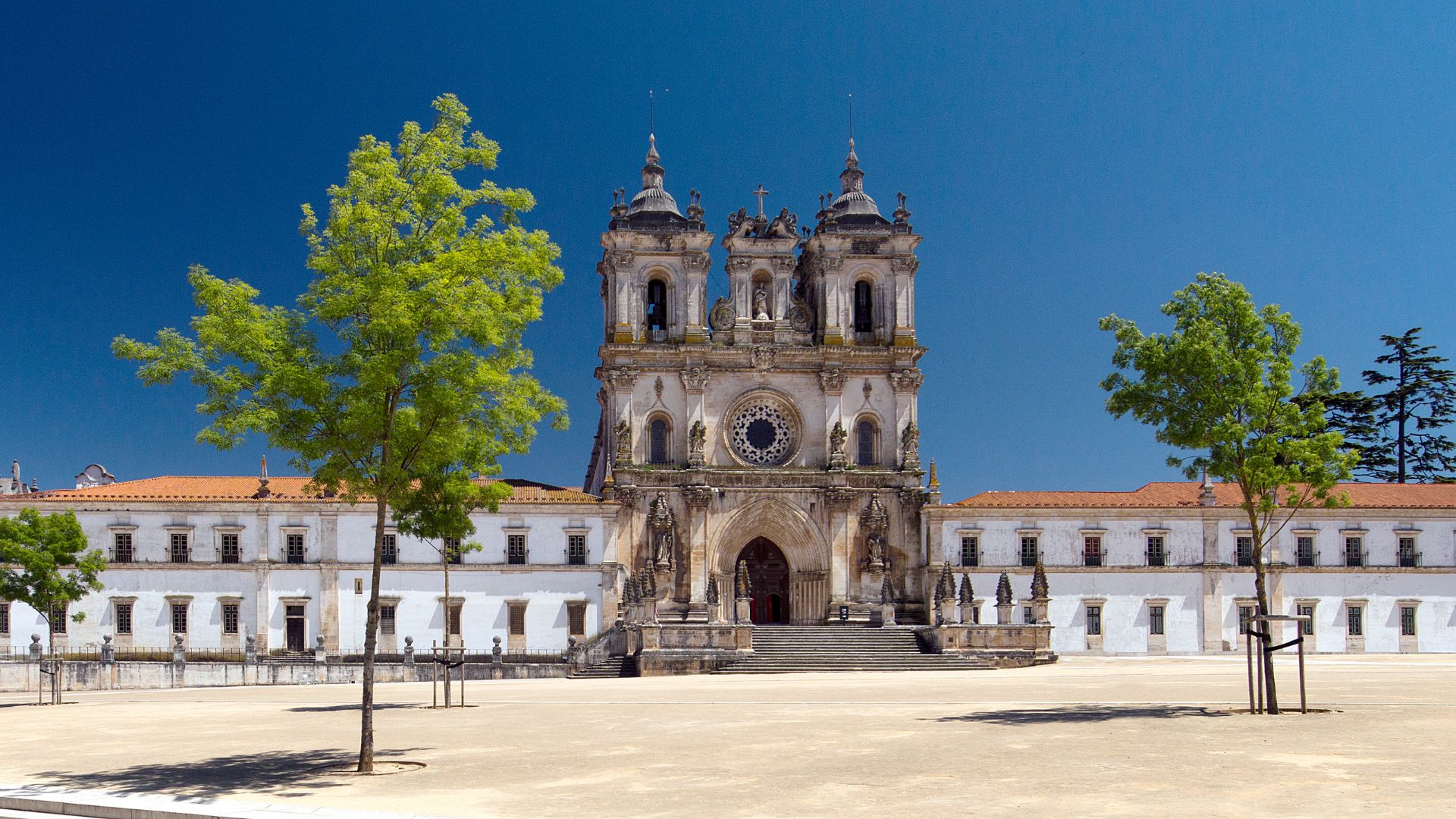
Political Drama: Royal Families and Civil War
Their relationship played out during a tense time. The royal family, especially King Afonso IV, saw Inês as a threat because of her influence and Castilian roots. Portugal and Castile already had a rocky relationship, and Pedro’s affair only made things worse.
After Inês’s death, Pedro rebelled against his father, and civil unrest followed. Once Afonso IV died, Pedro became king and took harsh revenge on those who killed Inês.
His reign was marked by grief and political struggles to control the kingdom.
This story isn’t just about love—it’s about royalty, betrayal, and power. The grand Gothic tombs in Alcobaça reflect all this drama. Standing before them, I felt the weight of the history—civil war, dynastic tension, and enduring love—all at once.
Marveling at the Tombs: Artistry, Placement, and Meaning
Inside Alcobaça Monastery, I found myself drawn to two of the most remarkable tombs in medieval Europe. Their placement, decoration, and symbolism tell a story of tragic love and royal legacy.
The Tombs of Pedro and Inês: Symbolism and Design
King Pedro I and Inês de Castro’s tombs sit opposite each other in the main church. According to legend, they’ll meet face to face on Judgment Day. Both are masterpieces of medieval art, carved from bright limestone.
Pedro’s tomb shows detailed scenes from Christ’s life and his own story. A carved dog lies at his feet—a symbol of loyalty. Inês’s tomb, surrounded by six angels, shows scenes from her life and death.
Reliefs on each tomb go deep, giving the figures a lifelike feel. Baroque touches weave through the Gothic details, blending two art periods quietly together.
I circled the tombs, finding new details everywhere—roses, crowns, even a wheel of life. It’s impossible not to get caught up in the artistry.
Royal Pantheon: Legacy of Portuguese Kings
Alcobaça Monastery also serves as the royal pantheon honoring kings like Afonso Henriques. While Pedro and Inês steal the spotlight, the pantheon was meant as a resting place for Portugal’s rulers and their families.
Each royal tomb looks a bit different, in both style and size, showing the era and the person’s importance. The mix of medieval and Baroque touches throughout the church reminded me how art and power often went hand in hand here.
Seeing the stonework up close gave me a new appreciation for how kings and queens used grand tombs to leave their mark. Walking under those arches, I felt a real connection to centuries of Portuguese history.
Exploring Alcobaça Monastery: Highlights for the Traveler
When I walked into Alcobaça Monastery, the long history felt heavy in the air. Every corner tells a story—peaceful cloisters, huge stone halls, and quiet spots where monks once moved through their routines.
Cloisters and the Cloister of Silence
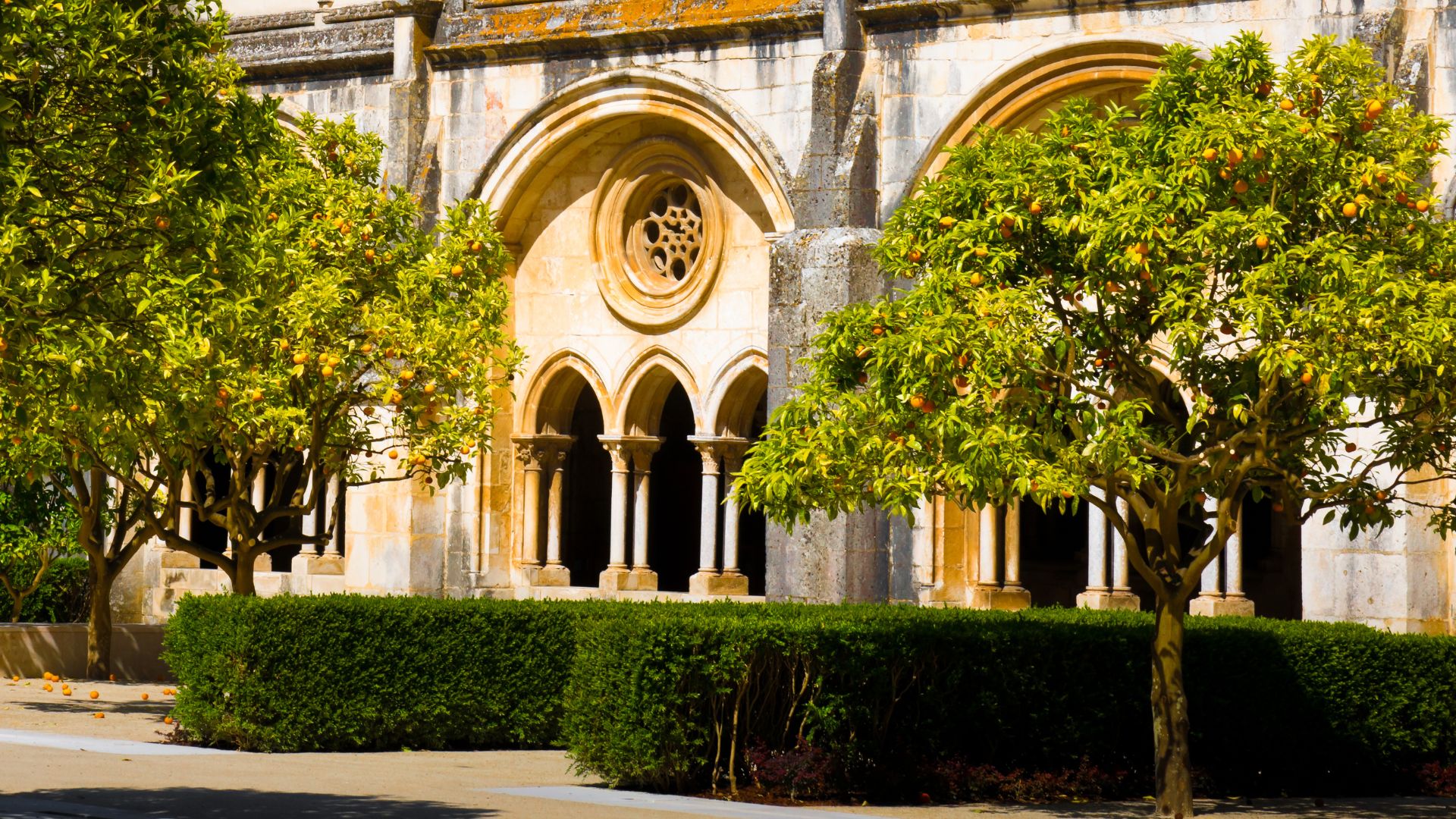
The cloisters drew me in first, promising a calm I couldn’t resist. Covered walkways frame pretty gardens, and sunlight streams through the arches onto old stones.
Right in the center, I found the Cloister of Silence—a spot so peaceful even a whisper felt wrong. Monks once used this hidden place for prayer and reflection.
The arches and columns here are some of the monastery’s finest, really showing off medieval Portuguese design. Stone benches line the walls, a quiet reminder of centuries gone by.
If you visit in the morning, the shade is cool and birdsong drifts through the air. It’s the perfect spot to pause and just let the history sink in.
Chapter House, Refectory, and Dormitory
Next, I headed to the Chapter House, where monks made important decisions. Sunlight pours through the windows, making the old flagstones glow. Ancient tombs and carved walls tell stories of both daily life and loss.
The Refectory stands out for its size. Long stone tables fill the hall where monks once ate together. A lovely Gothic staircase leads to the pulpit, where someone would read during meals.
Just past that, the Dormitory opens up—a vast hall where rows of monks once slept. The cool echo inside made me think about how big the monastic community once was.
High windows throw light across the floor, giving the space a quiet, almost otherworldly feel.
Architectural Features: From Gothic to Manueline Style
Alcobaça Monastery is one of Portugal’s earliest examples of Gothic architecture. Pointed arches and ribbed vaults soar over the nave, making the church feel both spacious and bright.
I kept coming back to the clean lines and the height of the central aisle. Hidden details reveal later influences, especially the Manueline style from the 16th century.
Carved stonework shows rope-like patterns and maritime symbols—a nod to Portugal’s Age of Discovery. The sacristy and some doorways show off this style.
The blend of severe Gothic and playful Manueline details fascinated me. It’s like you can see the building growing along with the country’s history. Even after visiting other monasteries in Portugal, Alcobaça’s mix felt totally unique.

Planning Your Visit: Practical Tips and Nearby Wonders
Visiting Alcobaça Monastery is straightforward and absolutely worth it. Its spot in central Portugal and ties to the country’s heritage trail make it a natural stop.
You can easily turn the trip into a full day of history, architecture, and nearby gems.
How to Get to Alcobaça and the Monastery
I started out from Lisbon, about 120 km away. Buses run several times a day from Lisbon’s Sete Rios bus station to Alcobaça, so public transport is simple and affordable.
The ride usually takes about 1 hour and 45 minutes. If you’re driving, the A8 highway gets you there in just over an hour, and parking is easy in town.
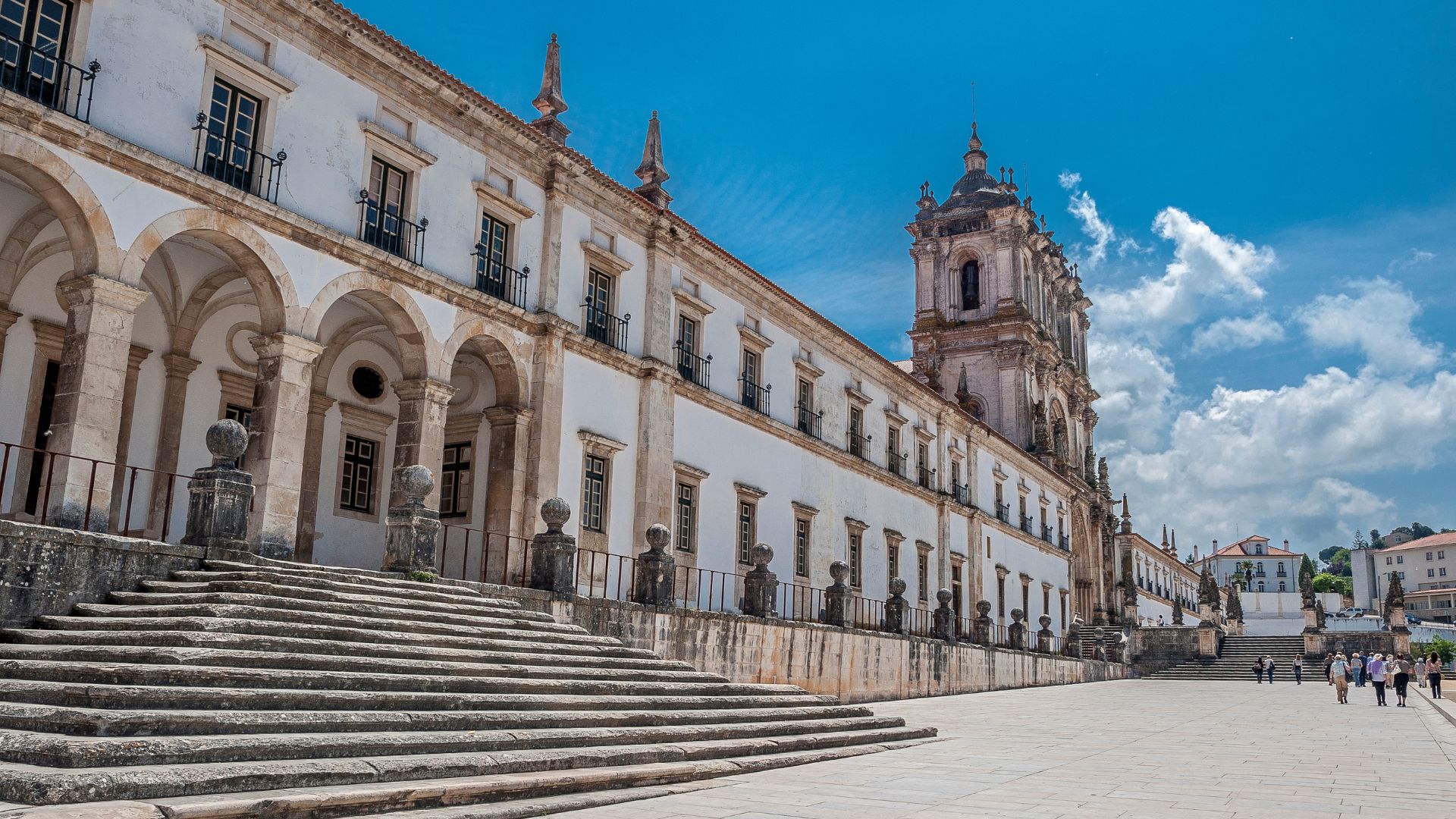
The monastery sits right in the center of Alcobaça, close to restaurants, shops, and the main square. Signs point you straight to the entrance.
When you plan your visit, check the official website for opening hours—they sometimes change for holidays or events. You can buy tickets on-site or online, and entry is free on certain public holidays.
Day Trips and Unmissable Sites Nearby
Alcobaça makes a fantastic base for exploring western Portugal’s best spots.
When I visited the monastery, I also squeezed in two other UNESCO World Heritage Sites nearby. The dramatic Batalha Monastery sits about 20 km away, and the historic Convent of Christ in Tomar is roughly an hour’s drive. You’ll find both to be absolute masterpieces of religious architecture.
Óbidos is another spot I love. This medieval town, wrapped in ancient walls, is perfect for wandering and sampling local sweets.
Craving a bit of sea air? Head to Nazaré for its beaches and those legendary giant waves surfers are always chasing.
Fátima, famous as one of the world’s top Catholic pilgrimage destinations, is just a short drive from Alcobaça.
If you’re up for a longer trip, Coimbra—known for its ancient university—is about an hour away.
Nearby Wonders Table:
| Site | Distance from Alcobaça | Highlights |
|---|---|---|
| Batalha Monastery | 20 km | Gothic architecture, Chapel |
| Convent of Christ | ~80 km | Templar history, Manueline |
| Óbidos | ~40 km | Medieval walls, local shops |
| Nazaré | ~15 km | Beaches, surfing |
| Fátima | ~50 km | Pilgrimage, Sanctuary |
| Coimbra | ~110 km | University, old town |
