
Tucked away in the spur of Italy’s boot, Gargano is a wild peninsula in Puglia that captivated me the first time I wandered beneath its ancient trees.
Locals call it “Montagna Sacra” (Holy Mountain), tying its deep connection to Saint Michael the Archangel with its natural beauty and spiritual energy.
What sets Gargano apart is the striking contrast between its untouched coastline and those mysterious inland forests. You get a rare peek at an Italy that still feels wild and free.
I spent several days getting lost in the Foresta Umbra, a UNESCO World Heritage site that honestly feels enchanted. This woodland forms the lush heart of Gargano National Park.
Walking among those tall beech trees, I felt like I’d stumbled into a fairy tale. Sunlight filters through the thick canopy in shifting, magical patterns.
The forest pulses with stories—Greek hero Diomedes supposedly wandered here, and pilgrims have trekked these sacred paths for centuries.
I’ve traveled all over Southern Italy, but Gargano stands out. Here, rugged mountains crash into the clear Adriatic, and ancient traditions still thrive.
You can hike through primeval woods in the morning and swim in hidden coves by afternoon. Somehow, this peninsula remains one of Italy’s best-kept secrets—a place where nature and history tangle together in spectacular ways.
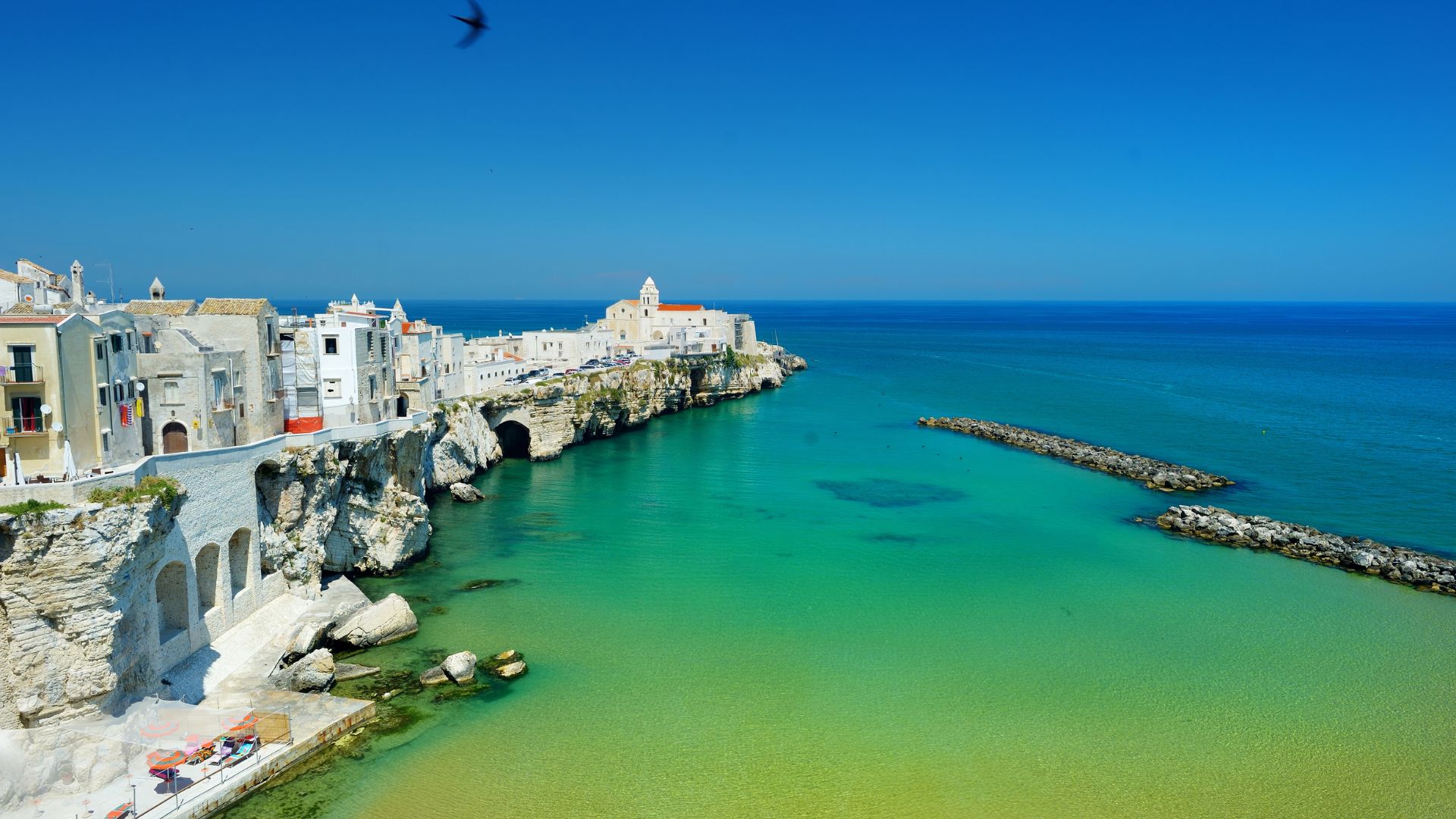
The Majestic Ancient Forests of Gargano
At the heart of Gargano National Park, ancient woodlands stretch out, almost untouched by time.
Centuries-old trees line mysterious paths, and the whole place feels frozen in another era.
Exploring Foresta Umbra
Wandering through Foresta Umbra, I honestly felt like I’d left the real world behind. This ancient beech forest is Gargano’s crown jewel and the last of its kind in Italy.
Those towering trees weave a dense canopy overhead, filtering sunlight into shifting beams that dance across the forest floor.
“Umbra” means “shadow” in Italian, and it fits perfectly. The massive trees create a mystical, almost otherworldly atmosphere.
Some of the beeches are more than 300 years old!
Well-marked hiking trails crisscross the woods, from gentle strolls to steeper climbs. My favorite path led me to a natural spring where the water was so clear, I could count every pebble on the bottom.
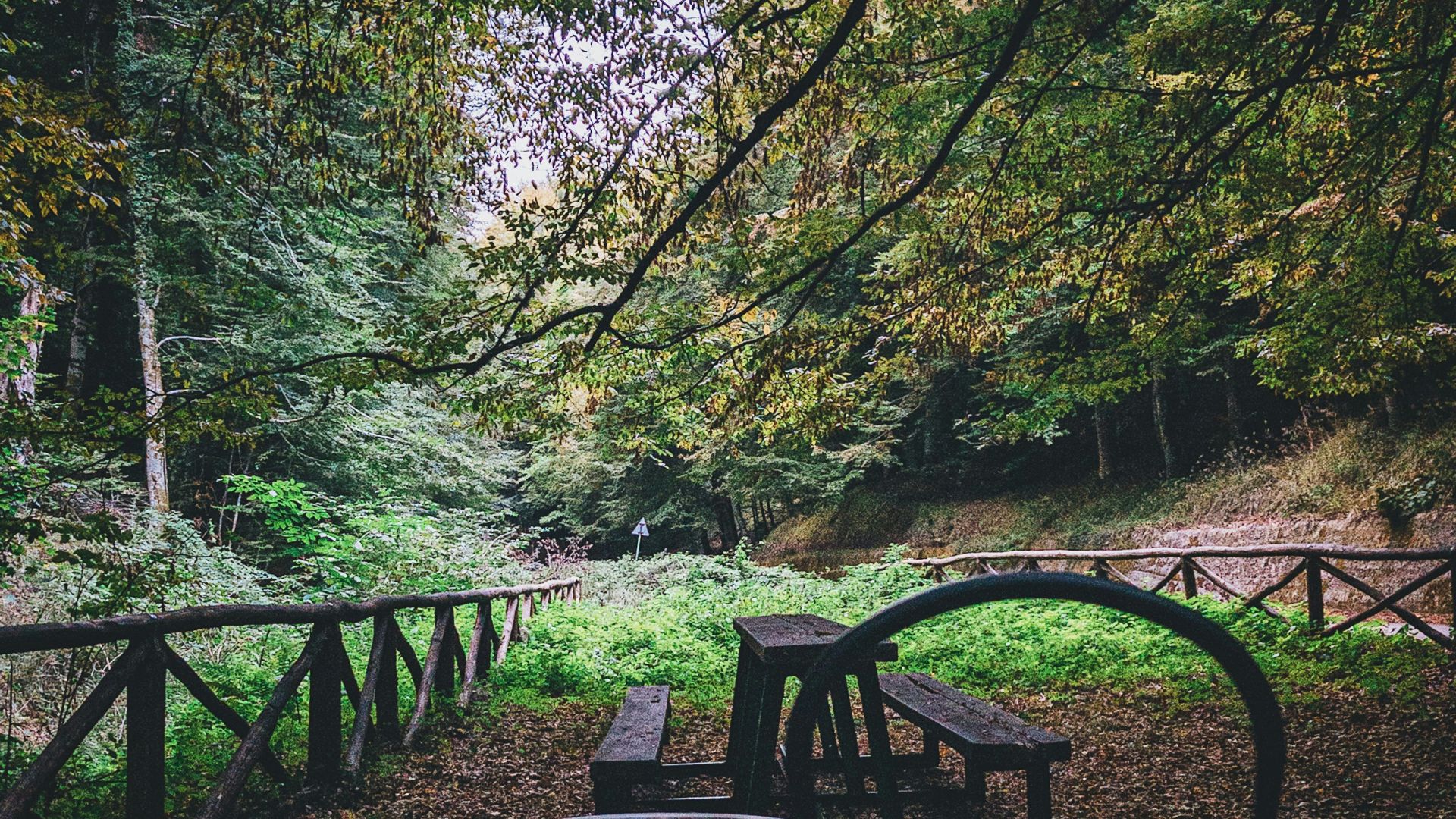
Flora, Fauna, and Hidden Wonders
Gargano’s forests burst with biodiversity.
Besides those majestic beeches, there are yews, maples, and holly trees, all weaving together into a layered woodland.
Every day, I went looking for wildlife. Wild boars, deer, and all sorts of birds call this place home.
One morning, I caught a rare Italian woodpecker hammering away at a tree. What a thrill!
The woods hide natural caves, limestone formations, and springs bubbling up from the karst landscape.
These secret spots make perfect picnic escapes, far from the summer crowds.
If you’re into mushrooms, you’ll love it here. The forest floor teems with varieties, but don’t pick anything unless you know what you’re doing—or you have a local guide.
Traditional Villages in the Woods
Villages on the forest’s edge still live by traditions tied to these ancient woods.
Vico del Gargano, sometimes called the “Village of Love,” sits partly wrapped in forest. It’s famous for citrus groves that thrive thanks to the forest’s unique microclimate.
I spent an afternoon wandering Vico’s narrow medieval streets. Locals told me stories about forest traditions and the old ways.
Many families still gather wild herbs, berries, and mushrooms—skills handed down through generations.
Nearby, Peschici offers a different view, where pine woods nearly touch the white beaches.
Restaurants there serve up dishes made with forest finds like wild asparagus and chestnuts.
Villages celebrate their bond with the woods through festivals marking the seasons.
In Vico, the February Festa di San Valentino fills the air with orange blossoms from the groves.
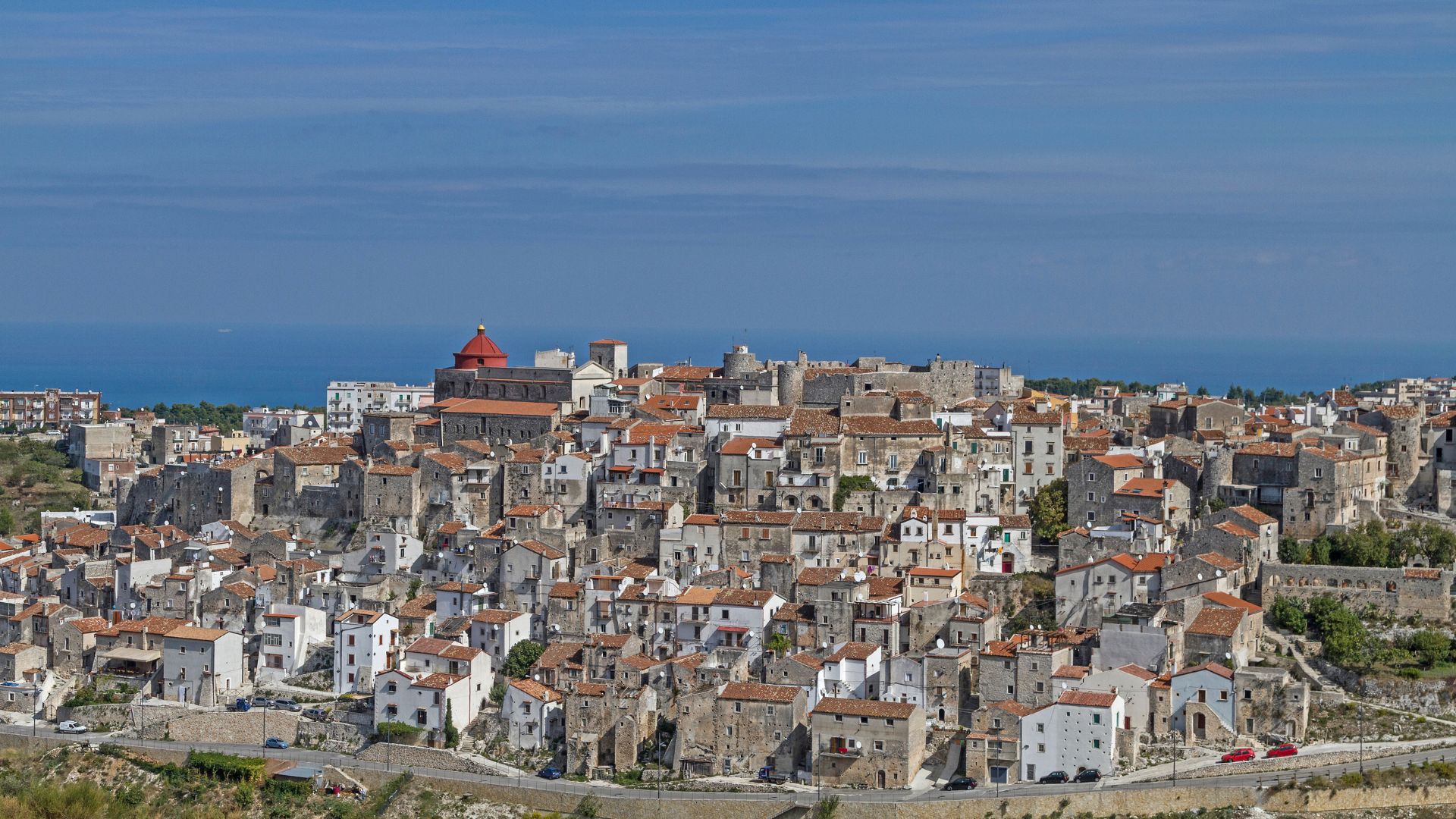
Sacred Mountains and Pilgrimage Routes
Gargano’s mountains have drawn spiritual seekers for centuries.
Sacred sites and ancient pilgrim paths crisscross the land, making these mountains one of Italy’s most important spiritual destinations.
Monte Sant’Angelo and the Shrine of Saint Michael
Standing at the entrance to the Shrine of Saint Michael in Monte Sant’Angelo, I felt something I can’t quite explain.
This sacred cave-sanctuary sits high on Monte Gargano and dates back to the 5th century, when Archangel Michael reportedly appeared here.
The sanctuary’s importance earned it UNESCO World Heritage status as part of the “Longobards in Italy” network.
As I walked down the ancient staircase carved into the mountain, I imagined the footsteps of millions of pilgrims before me.
Inside, the cool air and stone walls create a powerful, spiritual atmosphere.
The cave’s natural shape does make it feel like a place where heaven and earth meet.
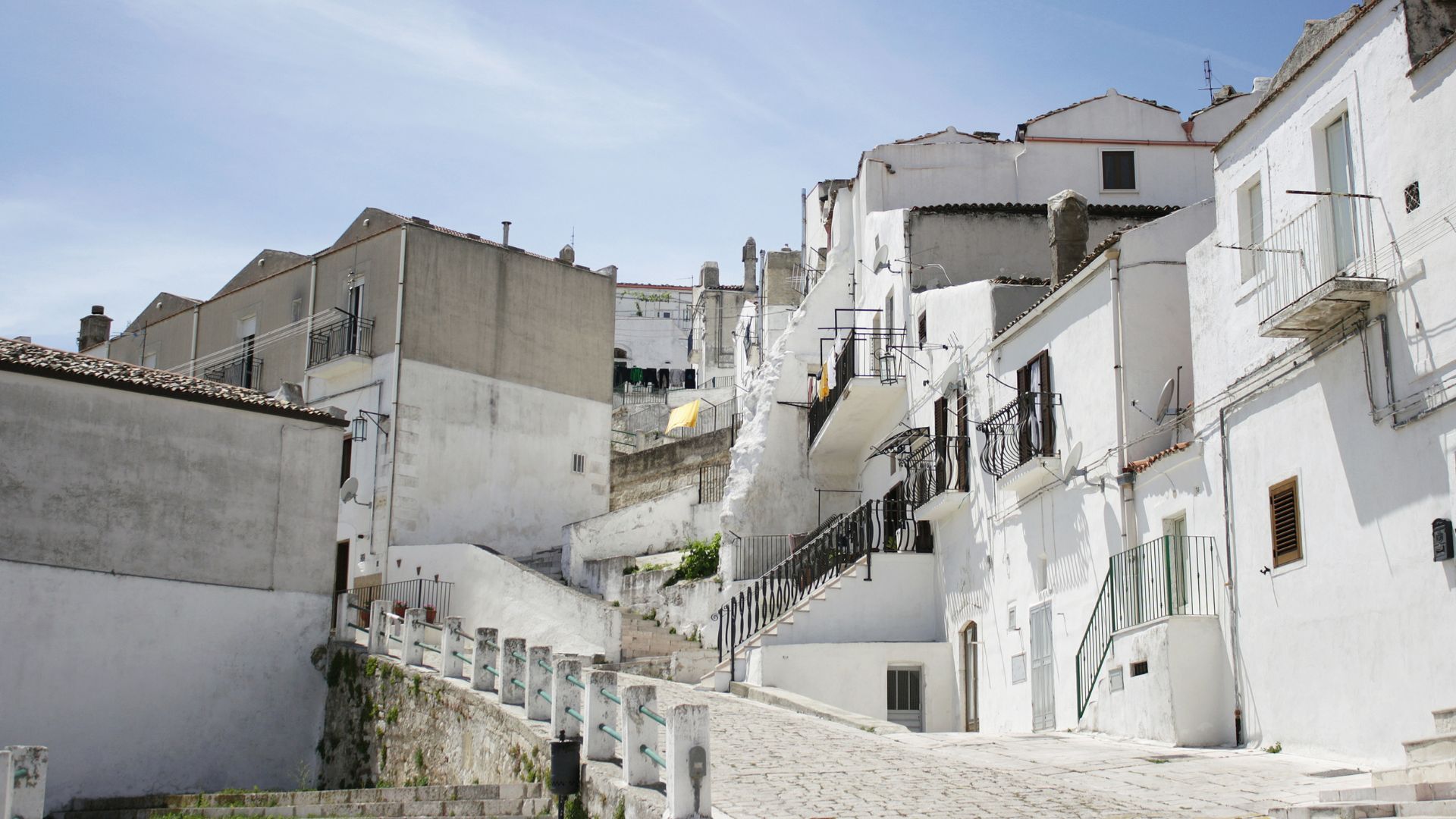
Via Sacra Langobardorum: The Ancient Pilgrim Path
The Via Sacra Langobardorum (Sacred Lombard Way) is one of Europe’s oldest pilgrimage routes.
I followed parts of this ancient path, which once connected northern Europe to Monte Sant’Angelo, winding through forests and mountain passes.
Lombardic pilgrims established the route in the 7th century, leaving behind shrines, churches, and old hospices.
Walking these paths today gives you a glimpse of medieval devotion and the lengths people went to for spiritual fulfillment.
The route links several key religious sites across Gargano.
You still find stone markers and tiny chapels along the way, reminders of the pilgrims who came before.
The landscape shifts from thick forests to rocky outcrops, making the journey both challenging and deeply rewarding.
San Giovanni Rotondo and Padre Pio
Just 25 kilometers from Monte Sant’Angelo, San Giovanni Rotondo sits quietly in the mountains.
Saint Padre Pio’s presence transformed this village into one of Italy’s busiest pilgrimage sites.
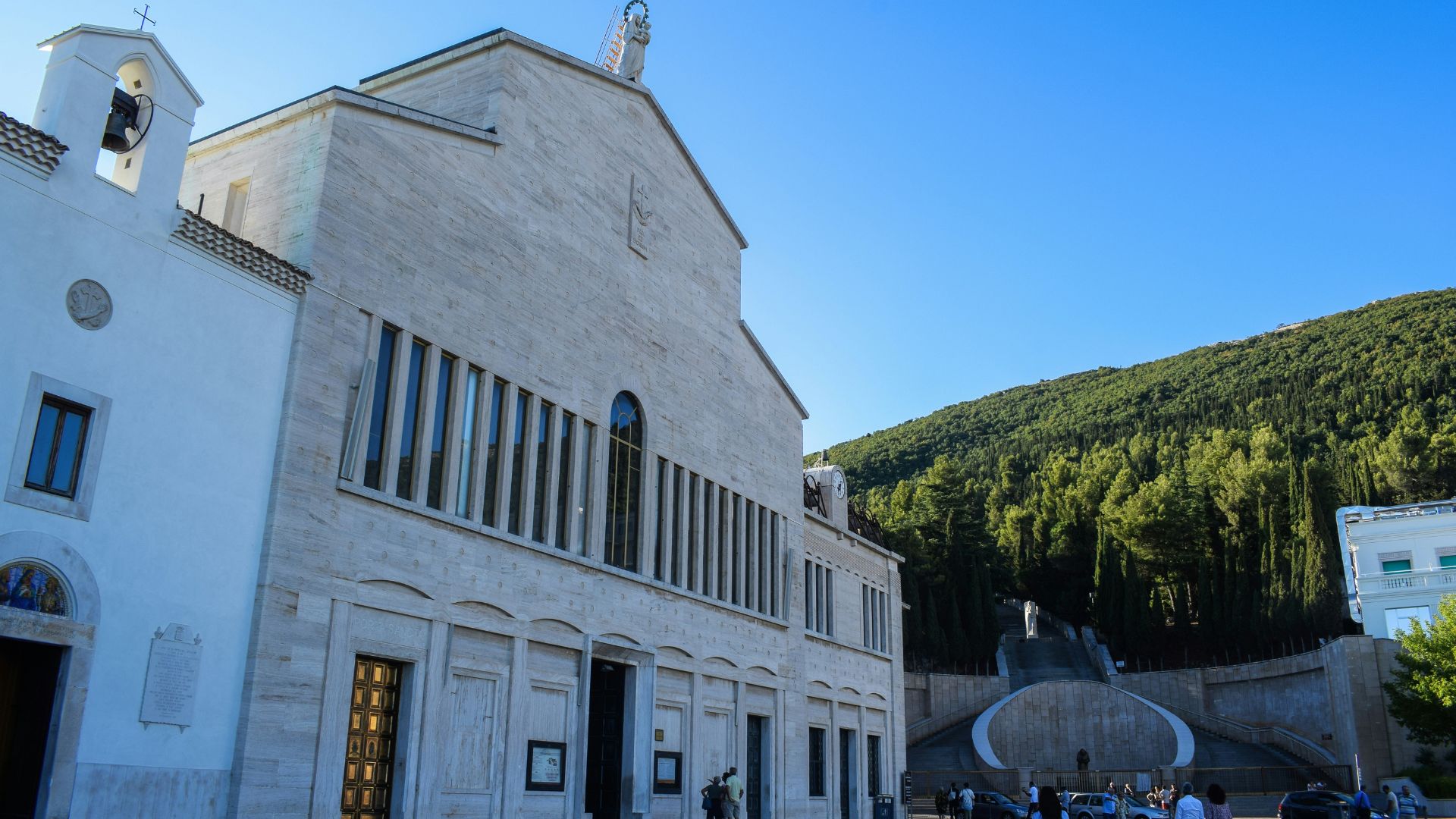
I spent a day exploring the huge sanctuary built for this 20th-century mystic who bore the stigmata.
The modern church, designed by Renzo Piano, feels completely different from the ancient spirituality of Monte Sant’Angelo, but both places buzz with spiritual energy.
San Giovanni Rotondo offers plenty of sites tied to Padre Pio’s life, including the original church where he ministered and the hospital he founded.
The surrounding mountains create a peaceful setting that enhances the contemplative mood here.
Coastal Beauty and Dramatic Landscapes
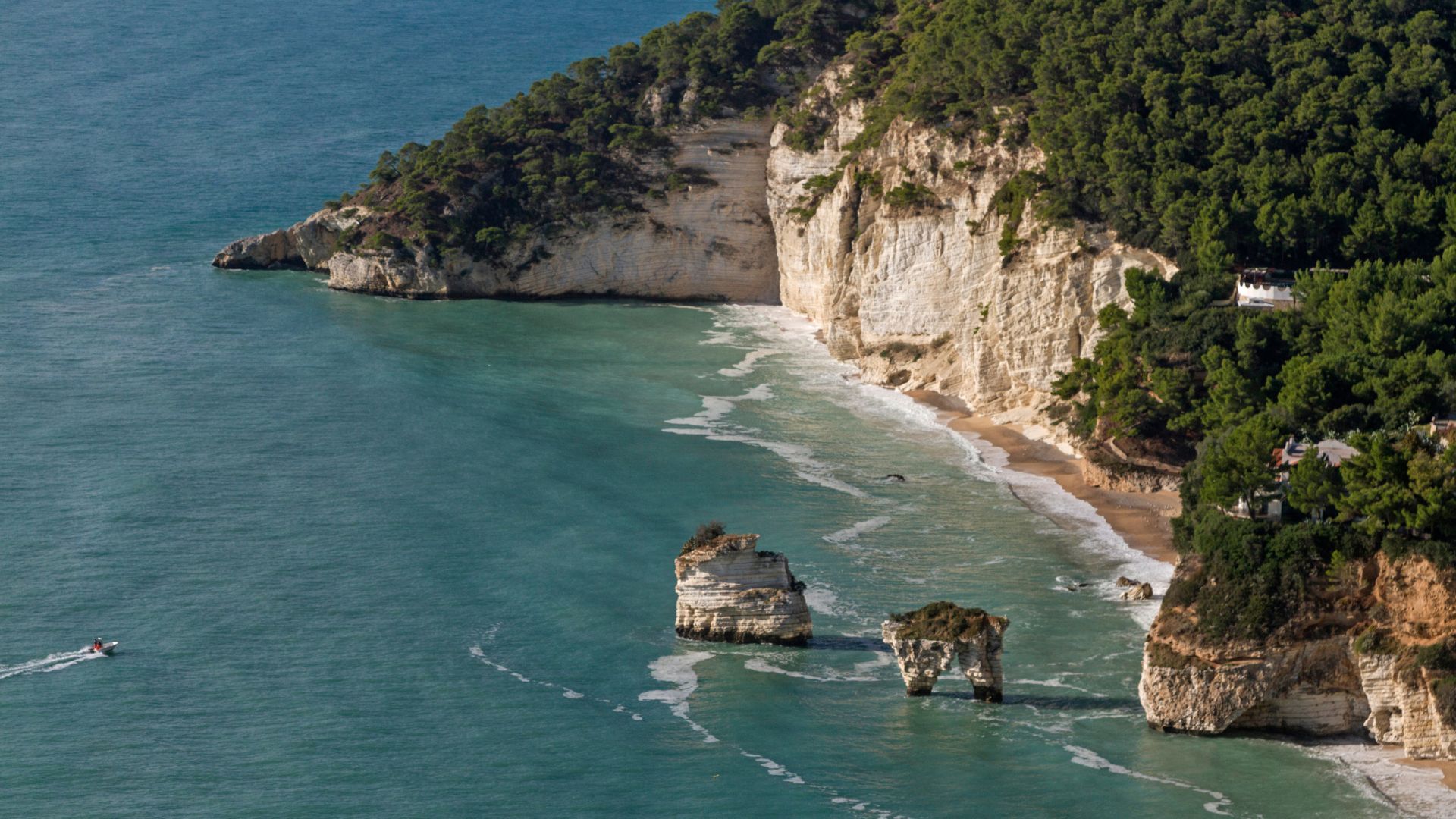
Gargano’s coastline stuns with its white limestone cliffs plunging into crystal-clear water and hidden coves waiting to be found.
Vieste and the Faraglioni Sea Stacks
I stumbled onto Vieste by chance during my coastal wanderings, and it quickly became my favorite spot.
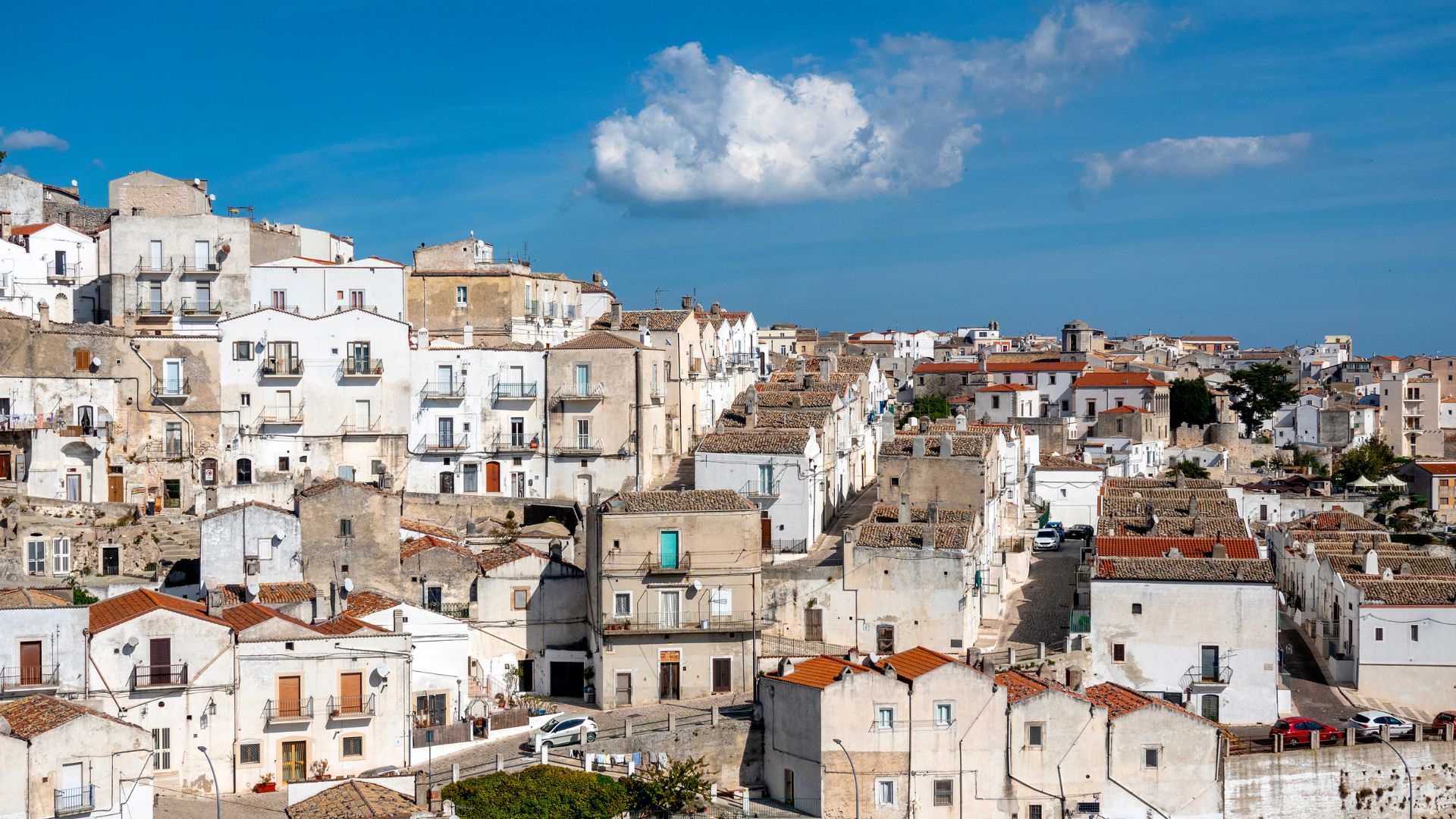
This whitewashed town clings to a limestone promontory, with winding medieval streets leading up to jaw-dropping viewpoints.
The real stars, though, are the faraglioni sea stacks that rise from the turquoise water.
Wind and waves sculpted these limestone giants over thousands of years.
Pizzomunno, the most famous, stands 25 meters tall like a sentinel on Vieste’s beach.
Walking the coastal path near Vieste, I found hidden coves you can only reach by boat or steep trails.
These secluded spots offer peace far from the busy beaches.
Isole Tremiti: Wild Islands of the Adriatic
When Italy’s mainland gets too hot in summer, I escape to the Tremiti Islands.
This tiny archipelago sits about 22 miles off Gargano’s coast and feels a world apart from the crowds.
San Nicola, San Domino, Capraia, Cretaccio, and Pianosa each have their vibe.
San Domino has lush pine forests and the prettiest beaches. San Nicola is packed with history, including a fortress-monastery complex.
I’ve spent hours snorkeling here—the water’s so clear, you can see 30 meters down.
The protected marine reserve swarms with colorful fish, octopuses, and bright coral.
You’ll need a ferry from Vieste or another Gargano port, but honestly, the boat ride is part of the fun.
Cliffs, Beaches, and Seaside Charms
Gargano’s coastline rivals the Amalfi Coast but stays much quieter.
Baia delle Zagare is my paradise, with white cliffs framing impossibly clear water and dramatic sea arches.
Unlike Capri, beaches here keep their wild character.
My favorite stretch runs between Peschici and Vieste, where white pebble beaches trade places with sandy coves.
The coastal road serves up breathtaking views at every turn.
If you rent a small boat, you’ll see sea caves and hidden beaches you just can’t reach by land.
Traditional trabucchi—those ancient wooden fishing platforms—dot the coast.
Some now house quirky restaurants where I’ve eaten the freshest seafood while watching the cliffs glow gold at sunset.
History, Legends, and Spiritual Heritage
Gargano’s rugged landscapes have inspired ancient myths, sacred pilgrimages, and waves of cultural influence for thousands of years.
This spiritual heritage still shapes the region through its monuments, folklore, and architecture.
Ancient Myths and the Archangel Michael
On my first visit, the story of the Archangel Michael’s appearance on Monte Sant’Angelo in 490 CE pulled me in.
Legend says the Archangel appeared to Bishop Laurentius, demanding that a sanctuary be built in his name.
That cave-shrine became one of Christianity’s most important pilgrimage destinations.
The Sanctuary of Monte Sant’Angelo now forms part of a UNESCO World Heritage network, along with Mont-Saint-Michel in France.
Visiting, I couldn’t help but notice the similarities between these sacred places, both dedicated to the same archangel.
Local folklore tells of Gargano werewolves, with roots in Greek legends.
These tales have been passed down for generations, echoing the mysterious forests that still blanket the peninsula.
Monuments and Medieval Architecture
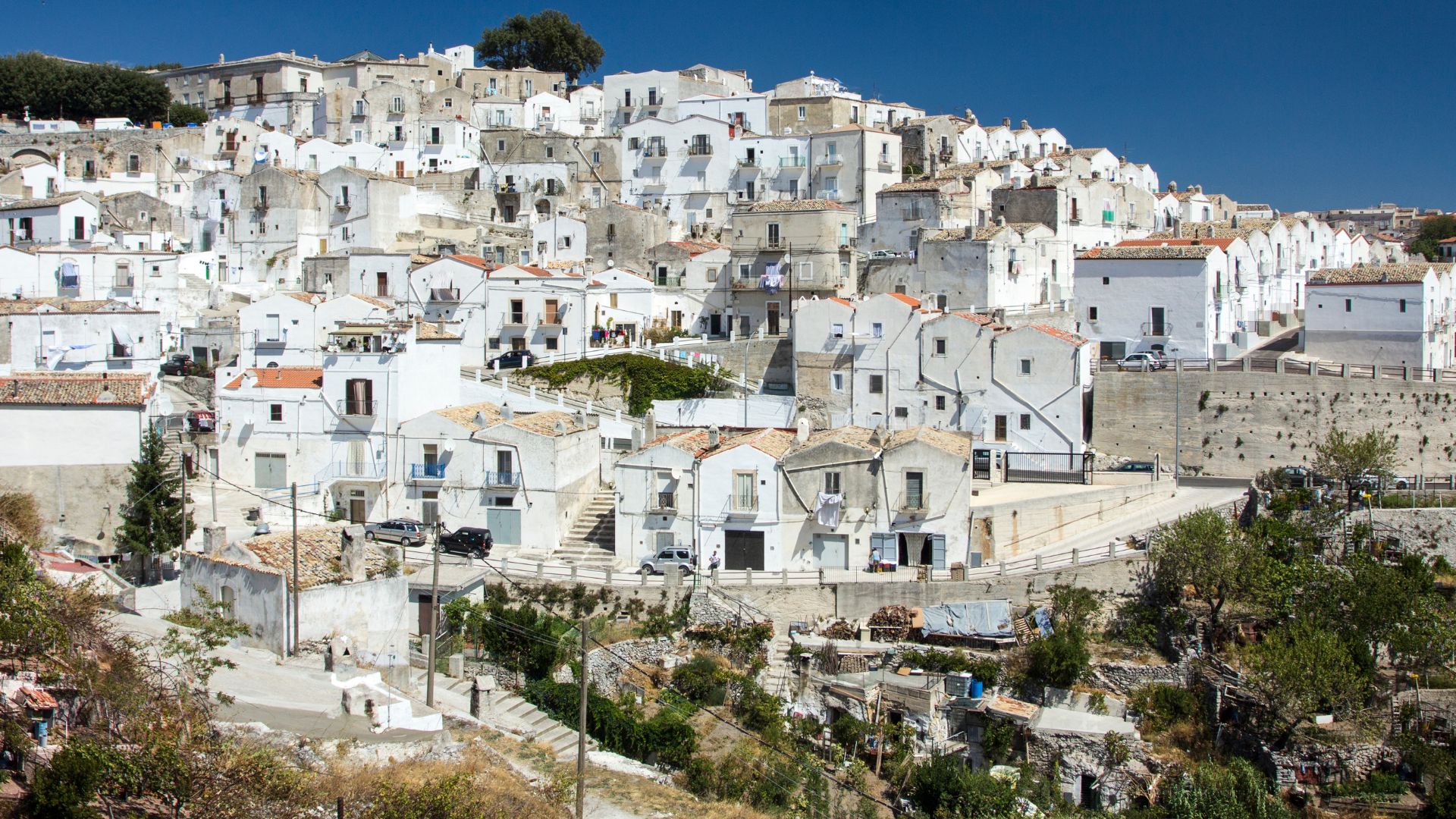
Wandering through Gargano’s medieval towns, I felt like I’d stepped into another century.
The Norman influence stands out in the architecture, fortresses, and churches built during their 11th-century rule still dominate the landscape.
In Monte Sant’Angelo, I explored the Norman Castle, its stone walls looming over the town.
The nearby Basilica holds artifacts from different eras, showing how important this area has been as a crossroads.
Foggia, Manfredonia, and Vieste all showcase a mix of Byzantine, Norman, and Aragonese styles.
Stone churches with fancy façades sit next to simple fishing villages, creating a unique blend of culture.
The Influence of Cultures and Conquerors
Over the centuries, Gargano has changed hands again and again.
I learned that the Greeks, Romans, Byzantines, Normans, and the Kingdom of Naples all left their mark.
Each culture influenced local traditions, food, and even the language.
The Norman conquest in the 11th century had a huge impact, especially on architecture and religious life.
Old olive groves and vineyards still thrive here, using methods passed down over generations.
Exploring coastal towns, I spotted traces of old maritime trade with Greece and the eastern Mediterranean.
You can see it in the fishing techniques and boat designs that locals still use today.
Local Flavors, Traditions, and Vibrant Towns
Gargano’s cultural richness goes way beyond its wild landscapes.
The region’s unique flavors, time-honored celebrations, and lively towns create an Italian experience that somehow remains untouched by mass tourism.
Farm-to-Table: Vineyards and Citrus Groves
When I wandered through Gargano’s countryside, I couldn’t help but notice all the agricultural treasures. The mineral-rich soil and warm Mediterranean climate give vineyards a chance to shine here.
You’ll find robust reds and crisp whites—each bottle seems to tell a bit of Puglia’s story. The citrus groves? Honestly, they’re a treat for the senses.
Bright oranges and lemons pop against the green, and the air smells like pure sunshine. Local farmers often invite visitors to taste their specialties, so you might get to try freshly-pressed olive oils, tangy citrus marmalades, or some of those regional wines.
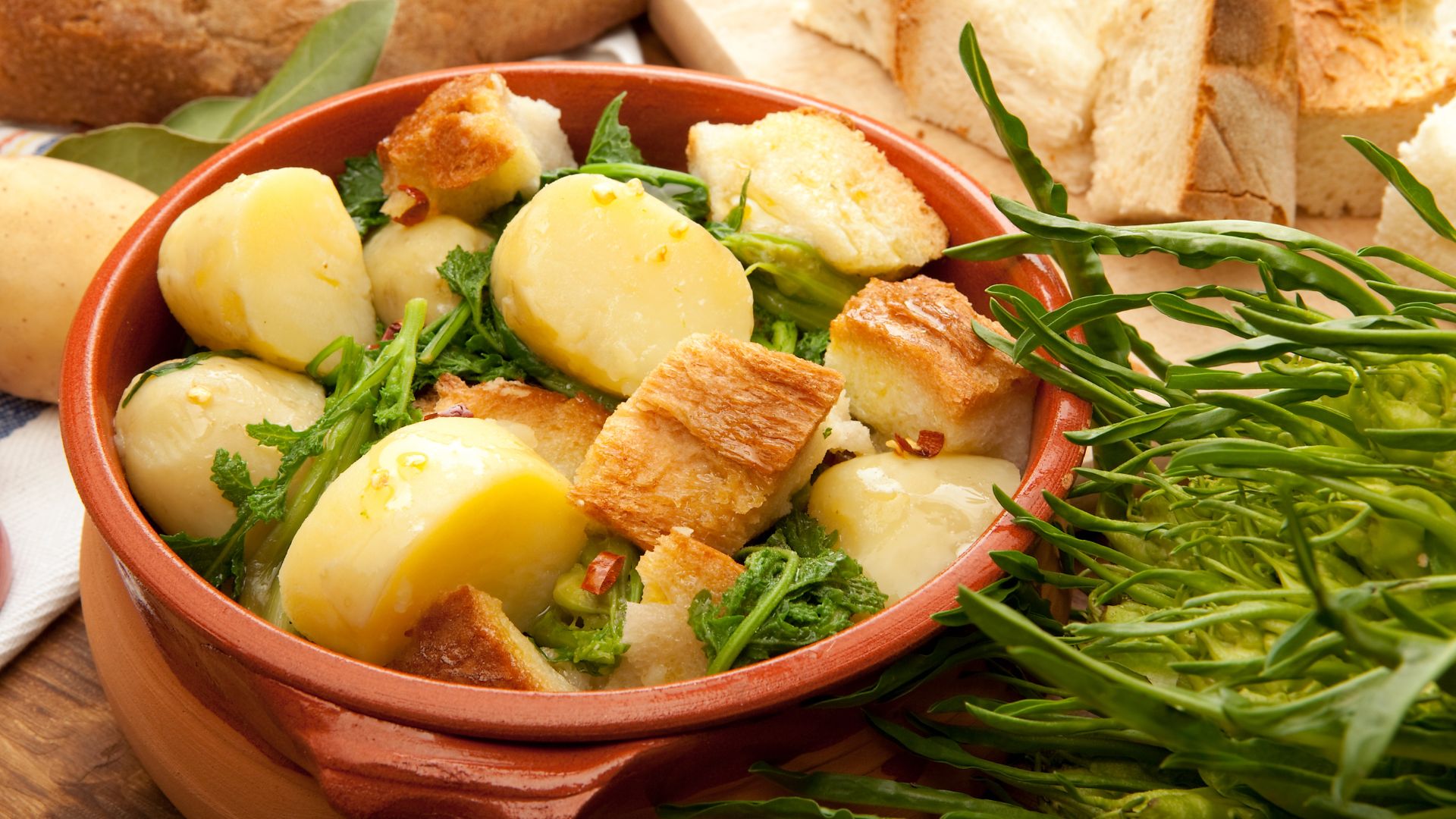
If you’re up for something truly local, try pancotto garganico. It’s a rustic bread soup, simple but packed with flavor.
Here, farm-to-table isn’t just a buzzword. People have lived this way for generations.
Living Traditions and Festivals
Gargano’s calendar feels alive with festivals. Ancient traditions don’t just survive—they thrive.
Religious processions wind through the narrow streets, especially during Holy Week. Pilgrims make their way to Monte Sant’Angelo’s sacred cave, and the entire town seems to pause for reflection.
When summer arrives, so does the pizzica. This hypnotic folk dance—originally meant to cure spider bites, apparently—now pulses with regional pride.
Dancers move to the beat of tambourines, and the energy can last well into the night. Craft traditions also hold strong here.
I stopped by a few workshops where artisans shape ceramics and carve delicate wooden objects. These techniques have been passed down through families for generations.
Every piece carries a bit of Gargano’s story. Along the coast, many locals still fish the old-fashioned way.
Watching those colorful wooden boats come back with the day’s catch? It’s a glimpse of Gargano’s lasting bond with the sea.
Discovering Foggia, Peschici, and Manfredonia
Foggia stands as the largest city in the area and really feels like the gateway to Gargano. Walk around its historic center—you’ll spot beautiful churches and the grand Palazzo Dogana.
Locals fill the city’s weekly market, making it a great place to soak up everyday life and maybe stumble upon some regional specialties.
Peschici sits perched on a cliff above the Adriatic. I found myself totally drawn in by its whitewashed buildings and the winding, maze-like streets.
From the old Norman castle, you get these jaw-dropping views that stretch right across the coastline and those unreal turquoise waters below.
Manfredonia, on the other hand, gives off a more laid-back, coastal vibe. The seafront promenade calls for an evening stroll, especially as the sun dips low.
You can wander into the Swabian Castle, where they’ve collected some fascinating archaeological finds. People here are genuinely friendly—Puglia’s warmth just shines through.
Locals sometimes invite you into spontaneous street gatherings. There’s a good chance you’ll end up swapping stories over a glass of local wine.
