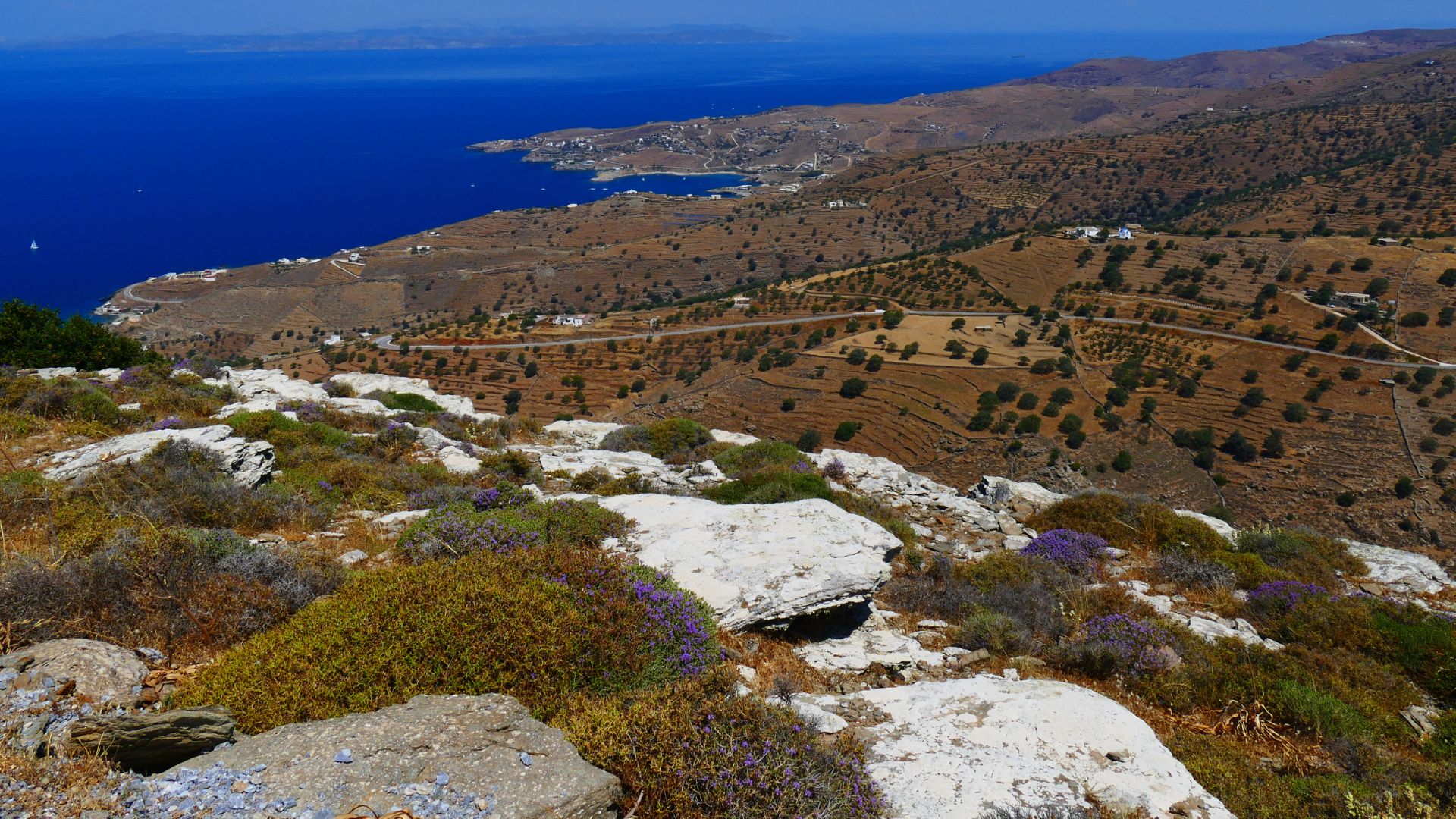
Exploring Kea goes far beyond its stylish harbors—Ancient Karthea and the island’s sweeping oak forests reveal a rich history and natural beauty many visitors miss. When I first stepped off the classic Cycladic ferry, I expected those postcard beaches and lively cafés. Instead, I found myself wandering down medieval paths that led to surprises I hadn’t pictured at all.
As I wandered the ruins of Karthea, I stumbled upon an ancient theater and old temples, all set against sweeping sea views. It was easy to picture stories from thousands of years ago playing out here.
The oak forests in Kea’s heart really caught me off guard—it turns out the island shelters nearly 8% of all Greece’s oaks. How did I not know that before?
If you’re after what makes Kea different, it’s these quiet trails and historic spots tucked far from the crowds. Each step feels like you’re stumbling onto secrets that most tourists just miss.
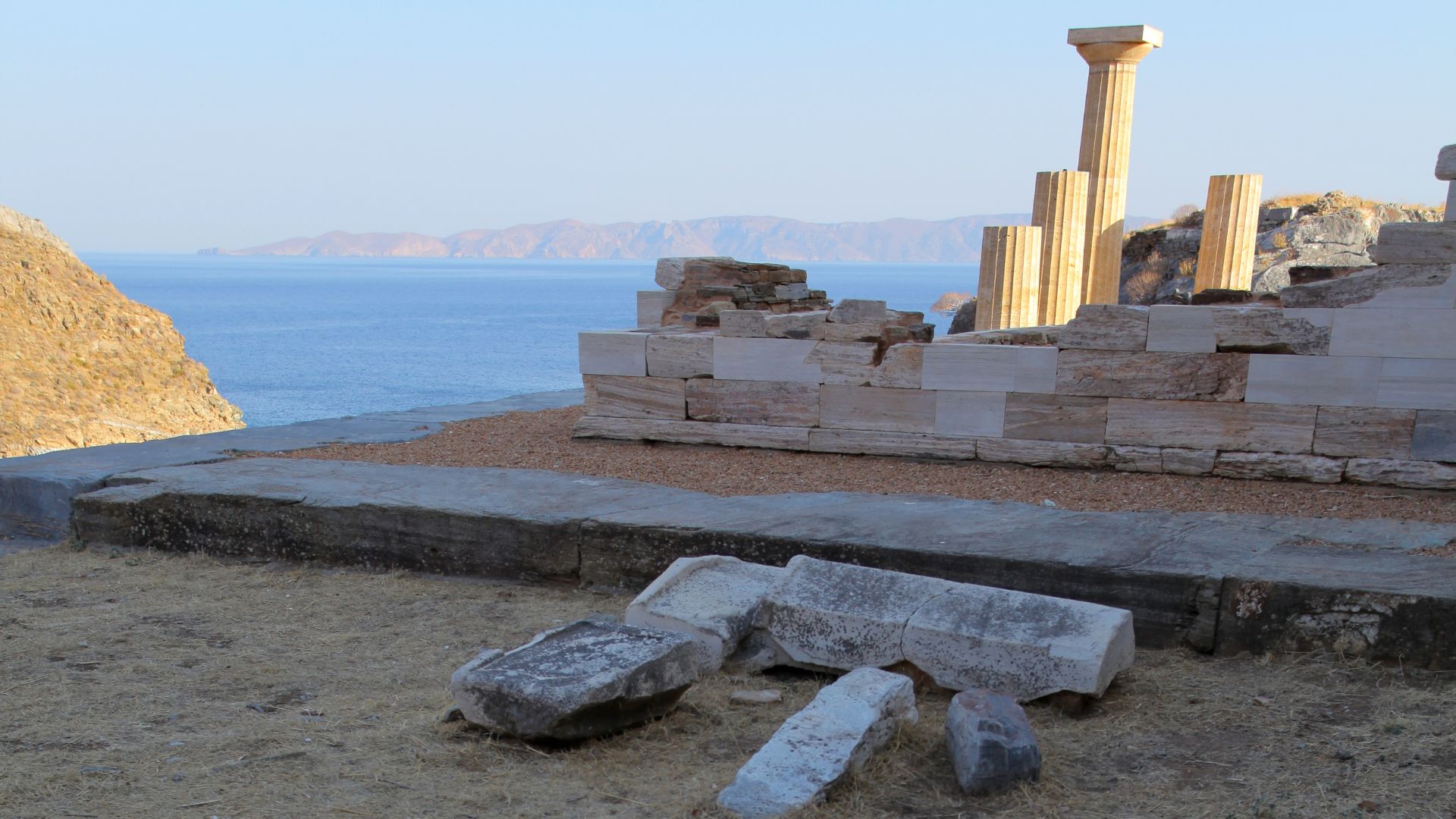
Exploring Ancient Karthea
Ancient Karthea has this pull—it’s a mix of myth, dramatic ruins, and rugged trails that wind through wild scenery. The place feels like a time capsule, giving you temples, theaters, and city walls with the sea always in the background.
Legends and Lost Civilizations
Karthea once stood as Kea’s most powerful city-state, and the legends here run deep. Locals whisper about water nymphs guarding the city, which honestly gives the place a magical vibe.
I like to imagine ancient people gathering at the temple, celebrating festivals, and passing down their favorite stories. The ruins stretch back to the Archaic and Classical periods. Historians say Karthea thrived as a center for trade and religion.
Even now, I feel the weight of its lost civilization hanging in the air. People abandoned the city around the 6th century AD, but so much still lingers.
Must-See Ruins and Landmarks
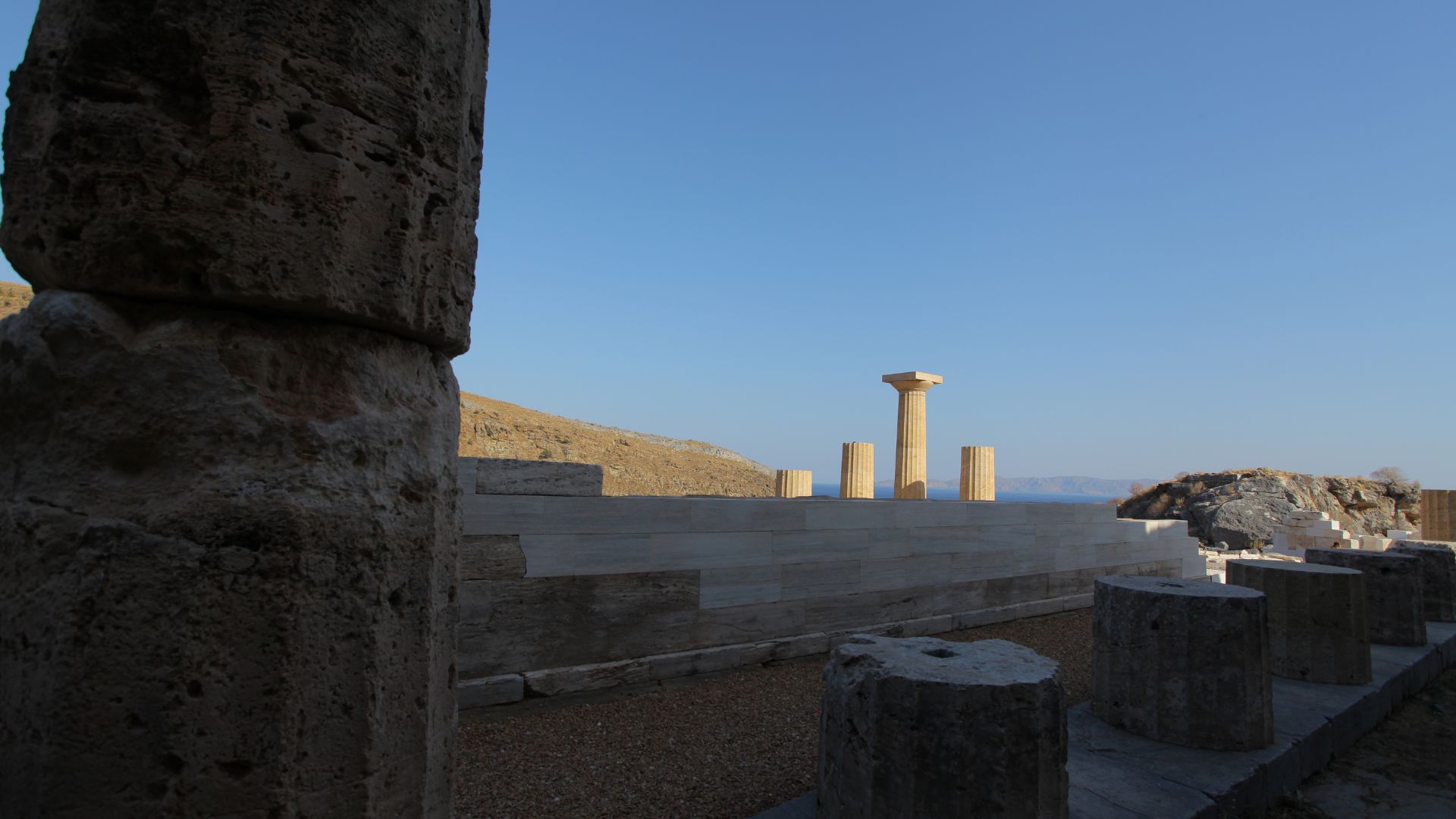
When I explore Karthea on foot, I always find a few highlights that stand out. The theater, carved right into the hillside, still has enough left that you can picture the crowd watching performances under the open sky.
The Temple of Apollo sits nearby, with its stone columns and foundations. It’s a peaceful spot, perfect for just standing quietly. The Temple of Athena and the ancient city wall also show off the skilled craftsmanship of the era.
Key sites at Karthea include:
| Landmark | Feature |
|---|---|
| Theater | Panoramic sea views |
| Temple of Apollo | Columns and foundations |
| Temple of Athena | Ancient religious center |
| City Wall | Defensive structure |
I never forget my camera—the ruins and the wild landscape just fit together perfectly.
Hiking Routes to Karthea
Getting to Ancient Karthea is a bit of an adventure. You can’t drive there, so you have to hike. I usually start from Chora or Ellinika village.
The trail from Chora takes about two hours each way, following rocky paths and old mule tracks. My favorite route starts at Kaliskia Beach. The views along the way—just endless blue sea and green hills—are worth every step.
I’d recommend sturdy shoes, a hat, and plenty of water, especially if it’s summer. The hike can be tough, but reaching those ruins at the end feels like a real discovery.
If you love nature and history, Karthea rewards you for making the journey.
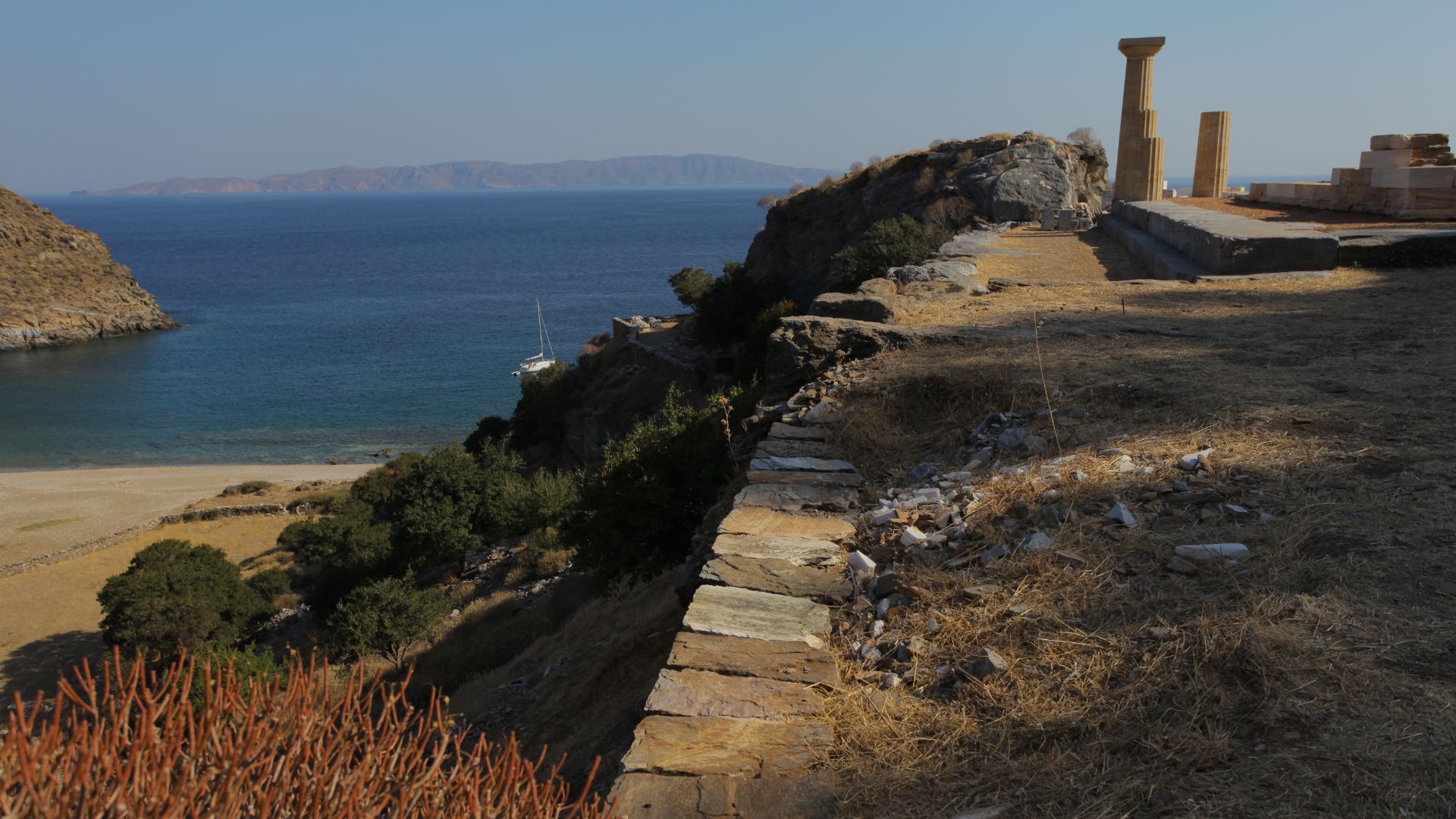
The Mystique of Kea’s Oak Forests
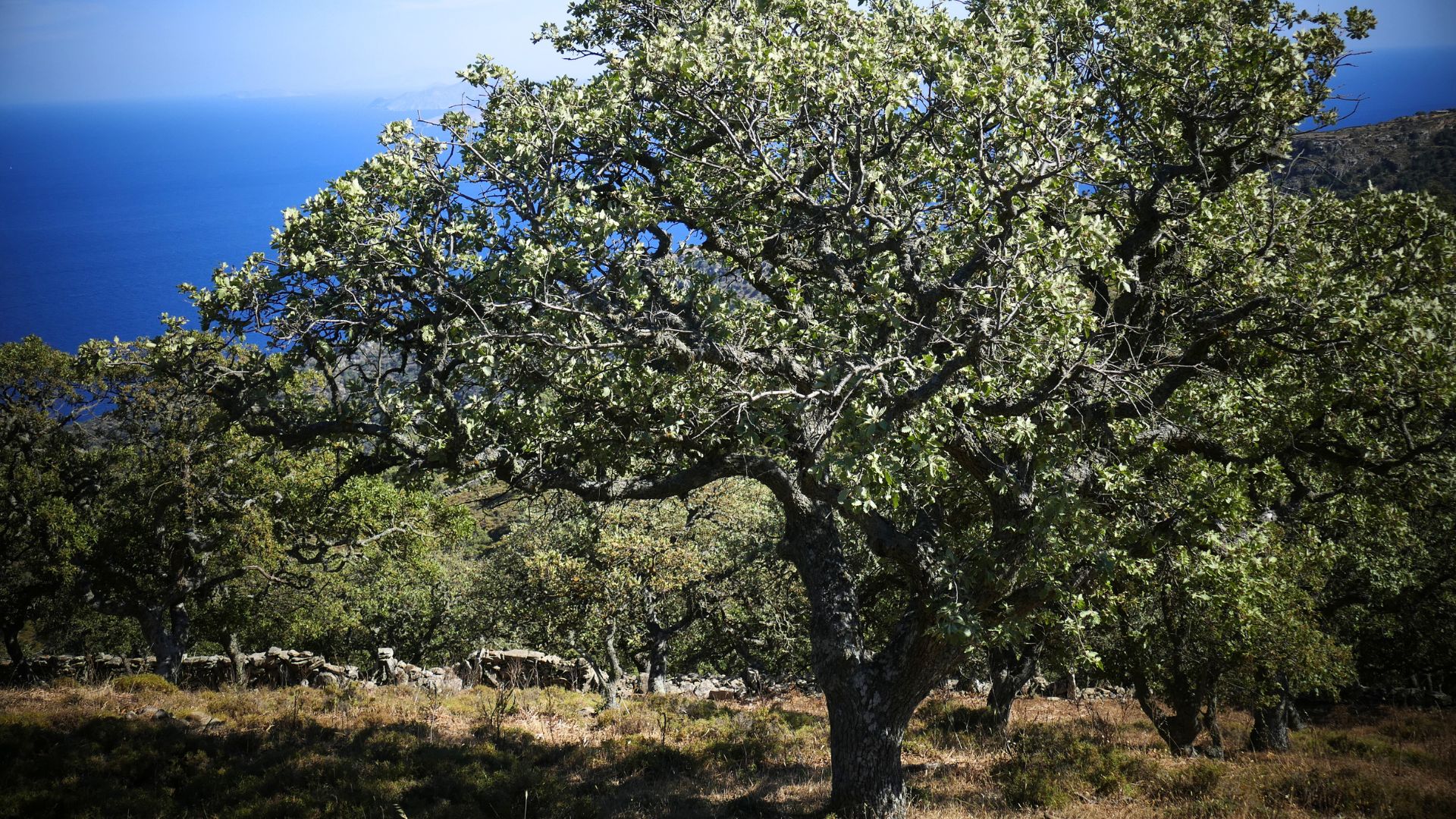
Kea’s inland oak forests show a side of the island that’s nothing like the coast. I found myself in a peaceful world—full of wildlife, hidden trails, and quiet changes through the seasons, all beneath these old, gnarled trees.
Wildlife Encounters and Natural Beauty
When I walked into the heart of the oak forest, the first thing I noticed was the stillness. Suddenly, golden orioles would hop through the branches, or tiny geckos would dart across rocks.
The old oaks and thick undergrowth create a home for all kinds of species. I often spotted wild rabbits and hedgehogs in the brambles. If you stand still, you might hear woodpeckers tapping or catch a hawk circling overhead.
In spring, the forest floor bursts with wildflowers. By autumn, acorns cover the ground. Sometimes, I’d find a huge old oak root and just sit for a while, listening.
Hidden Trails and Scenic Walks
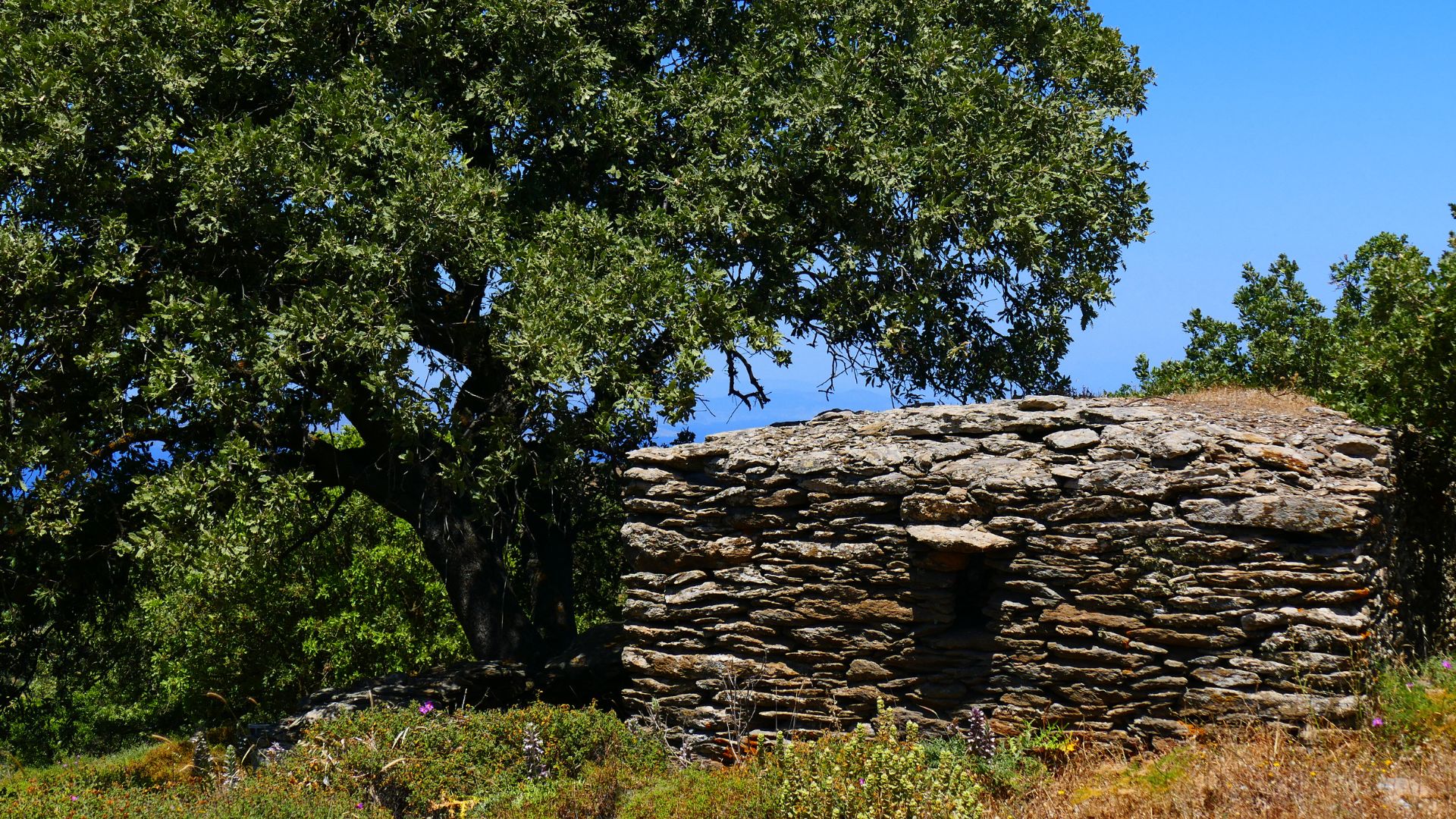
The maze of marked and unmarked paths through Kea’s oak forests feels like the island’s best-kept secret. Locals told me to watch for stone cairns—those mark footpaths built ages ago.
These trails rarely get crowded; most people stick to the coast. Some walks pass by old farmsteads or little springs. My favorite trail starts in Ioulida and winds to ancient watermills under thick leaves.
Along the way, I’d spot mossy rocks and catch the scent of wild thyme. There’s a route for everyone, from easy strolls to tougher hikes with a bit of climbing.
Bring sturdy shoes and plenty of water. The rocky terrain can be a challenge, but the peace you find out there is worth it.
Seasonal Highlights Among the Oaks
Every season brings something new to Kea’s forests. Spring explodes with color—anemones, irises, and poppies all over, and the air full of birdsong.
In summer, the oaks offer cool shade. I’d go for walks early or late in the day, since midday sun gets pretty fierce.
By autumn, acorns cover the ground, and farmers still collect them for local projects. The air turns crisp, and the leaves shift to gold and brown. Even in winter, the woods buzz with life—misty mornings, chilly air, and a quiet that’s never quite silent.
Beyond The Harbors: Authentic Kea Discoveries
Kea’s harbors draw in yachts and crowds, but inland, the island slows down. Up winding roads and shaded paths, you’ll find traditions and tastes that most tourists overlook.
Traditional Villages off the Beaten Path
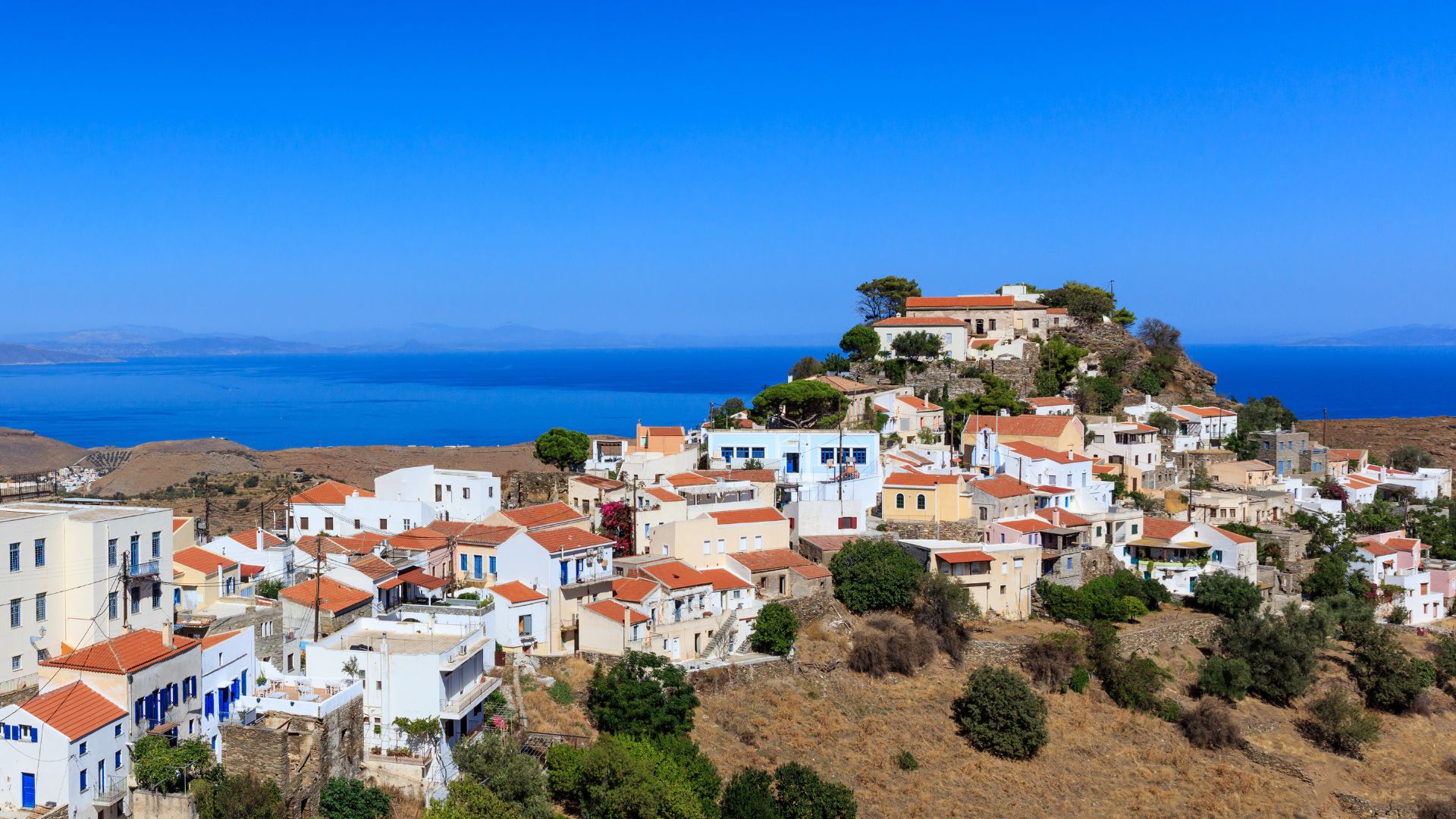
I love wandering through Kea’s traditional villages. Cycladic houses cluster together, and cobbled alleys twist in every direction.
Villages like Ioulida (Chora) feel frozen in time, with red-tiled roofs and courtyards blooming with flowers.
In places such as Koundouros or Pisses, locals greet you with a nod or a smile. Small squares anchor daily life. Old men sip coffee, and kids ride bikes past chapels and bakeries.
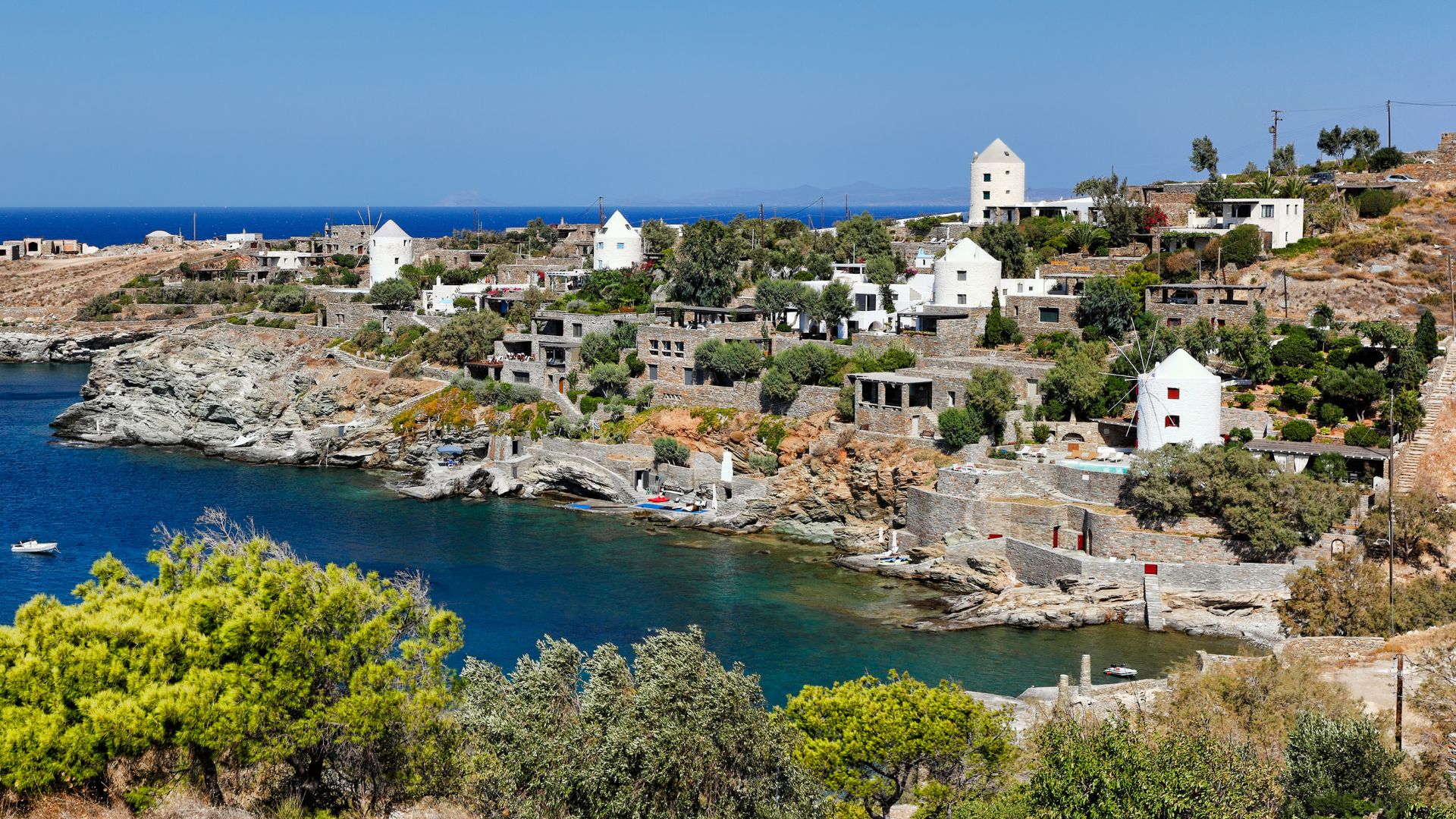
Footpaths, or “strates,” wind past oak trees and stone walls, linking the villages over the hills. On these walks, I still find hand-built wells and faded windmills tucked in the valleys.
Ioulida’s lion statue, carved from a single rock, always reminds me how long people have lived here. Away from the bustle, Kea feels strong and quietly proud.
Local Flavors and Village Taverns
Eating in Kea’s countryside taverns is my favorite way to get to know the island. Many dishes are made with ingredients I saw women picking from kitchen gardens or hillside farms.
Slow-cooked goat, greens pies, and sharp capers show up on almost every handwritten menu. Lunches last for hours. Bread comes warm from wood ovens, drizzled with golden Kean olive oil.
Homemade cheeses—especially creamy myzithra—arrive on plain ceramic plates. The air smells like roasted meat and mountain herbs.
I always ask for the house wine and whatever’s “just cooked today.” Locals might invite you to try their amygdalota (almond sweets) or share a glass of cool raki. In these little taverns, Kea’s flavor and spirit really come alive.
Travel Tips for an Immersive Kea Adventure
If you want to really experience Kea, it helps to plan ahead and pay attention to the little details. Getting the most out of the wild landscapes and ancient history means knowing when to visit, how to prepare, and how to treat the land with respect.
Best Times to Visit Hidden Kea
Kea is beautiful all year, but I think the best times to explore the oak forests and ancient sites are late spring or early autumn.
May, early June, and September let you skip the midsummer crowds. The weather stays warm but not too hot, so hiking and long walks feel easier.
Wildflowers bloom in spring, while autumn brings fresh air and quiet trails. Locals seem more relaxed and happy to chat outside the busy season.
If you want the ruins of Karthea or the forest paths to yourself, go on weekdays and avoid high season. Ferries run more often in summer, but Kea stays calmer than other Greek islands.
Packing Essentials for Exploring the Wild
I try to pack light, but I never skip sturdy shoes. The hikes to Karthea and through the oak forests need good grip, especially where the path gets steep.
Here’s what I always toss in my daypack:
| Essential | Reason |
|---|---|
| Water bottle | Springs are rare on most trails. |
| Sunhat + Sunscreen | Not much shade on open ridges. |
| Map or GPS | Trails twist and split at old ruins. |
| Insect repellent | Oak forests can get buggy at dusk. |
| Light jacket | Evenings get chilly, especially in spring. |
A small first aid kit and snacks come in handy. I like hiking in the morning, so I bring breakfast bars and fruit for a boost.
Responsible Travel and Conservation Practices
My travels really shifted when I realized just how delicate Kea’s ecosystems feel. The oak forests and ancient ruins need real care—by everyone who steps foot here.
I always take my trash with me, even the food peels. When I stick to marked paths, I protect plants and help stop erosion.
I won’t pick wildflowers, even though it’s sometimes tempting. Most locals seem to appreciate it when I support small eateries and buy crafts straight from the island’s artists.
If I spot damage—like litter on trails or stones missing from ruins—I tell someone at the port office. Respecting Kea’s history means I don’t climb on old structures.
Sometimes, I just sit quietly in the shady groves, listening to cicadas. Those moments remind me why I care about keeping this beauty around.