
August in America? It’s so much more than just the end of summer vacation or a mad dash for school supplies. This last stretch of meteorological summer often brings the year’s most sweltering days. In fact, 2024 just clocked in as the fourth-hottest summer on record.
You’d think July wears the crown for peak summer heat, but honestly, August tends to surprise even seasoned travelers. Different corners of the country reveal their own wild temperature swings and clever ways people cope with the relentless sun.
I’ve noticed August heat never feels the same from coast to coast. The Desert Southwest still bakes at nearly 100 degrees, while some regions start flirting with fall. Phoenix and Hartford both smashed summer heat records this year, but the way each place handles the heat? Totally different.
August, to me, really shines a light on how vulnerable we can be to rising temps—and how creative we get to stay cool. Droughts reshape entire landscapes, while new cooling tech keeps neighborhoods safe. It’s a month that puts climate change right in your face, but also one that shows just how adaptable Americans can be.
Why August Is America’s Peak Month for Extreme Summer Heat
August stands out as the country’s hottest stretch. Extreme heat hits its stride, and millions of us feel it. Record highs, dangerous heat waves, and weird weather patterns all pile on at once.
Record-Setting August Temperatures Across the U.S.
Every August, I brace myself for wild weather headlines. NOAA keeps a close watch, and with good reason.
This summer? August 2024 was brutal. Twenty-six U.S. cities sweated through at least one extreme heat wave. Some of those heat waves stretched for five days or longer, with temperatures hotter than 99% of what we saw from 1991 to 2020.
Key August Temperature Facts:
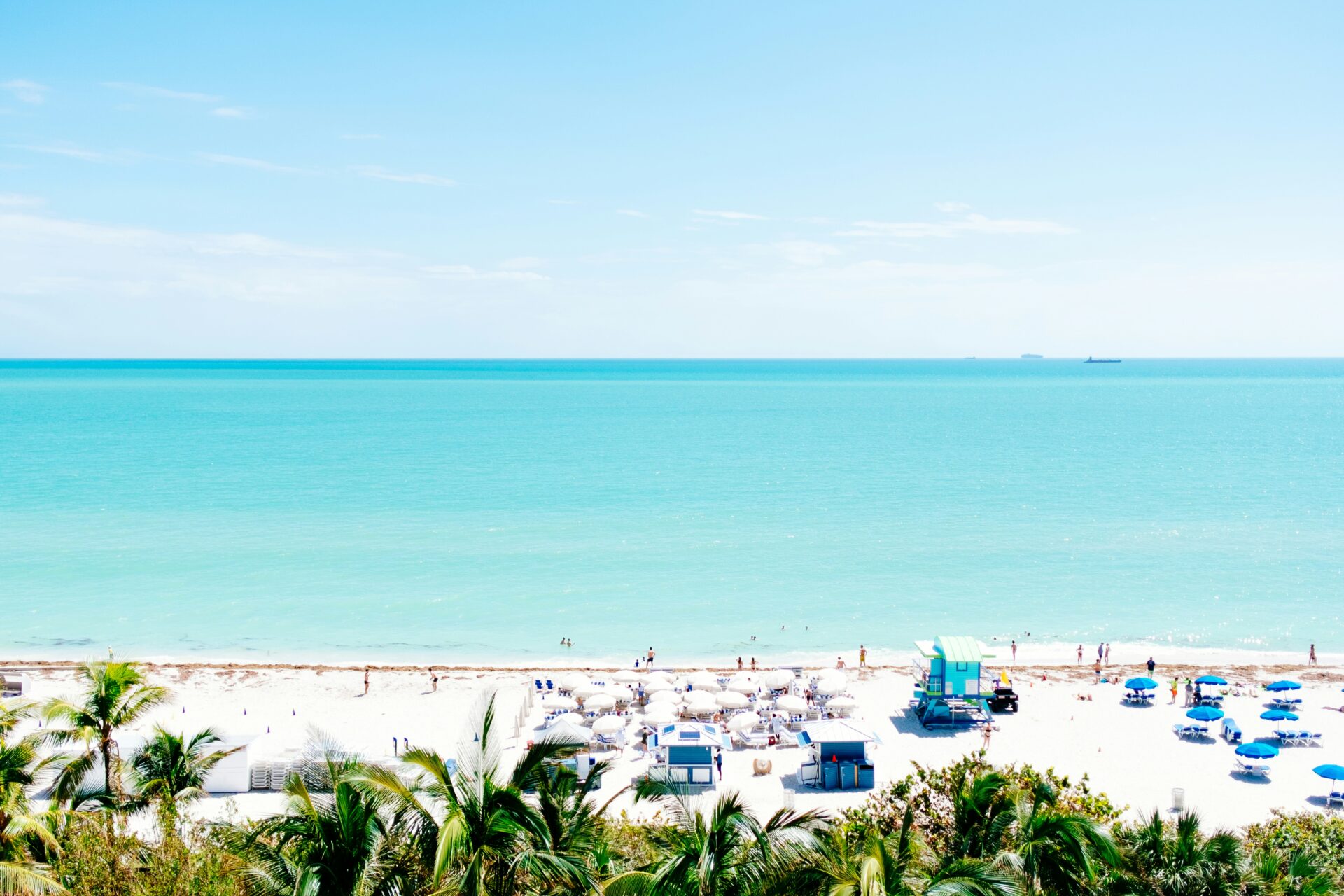
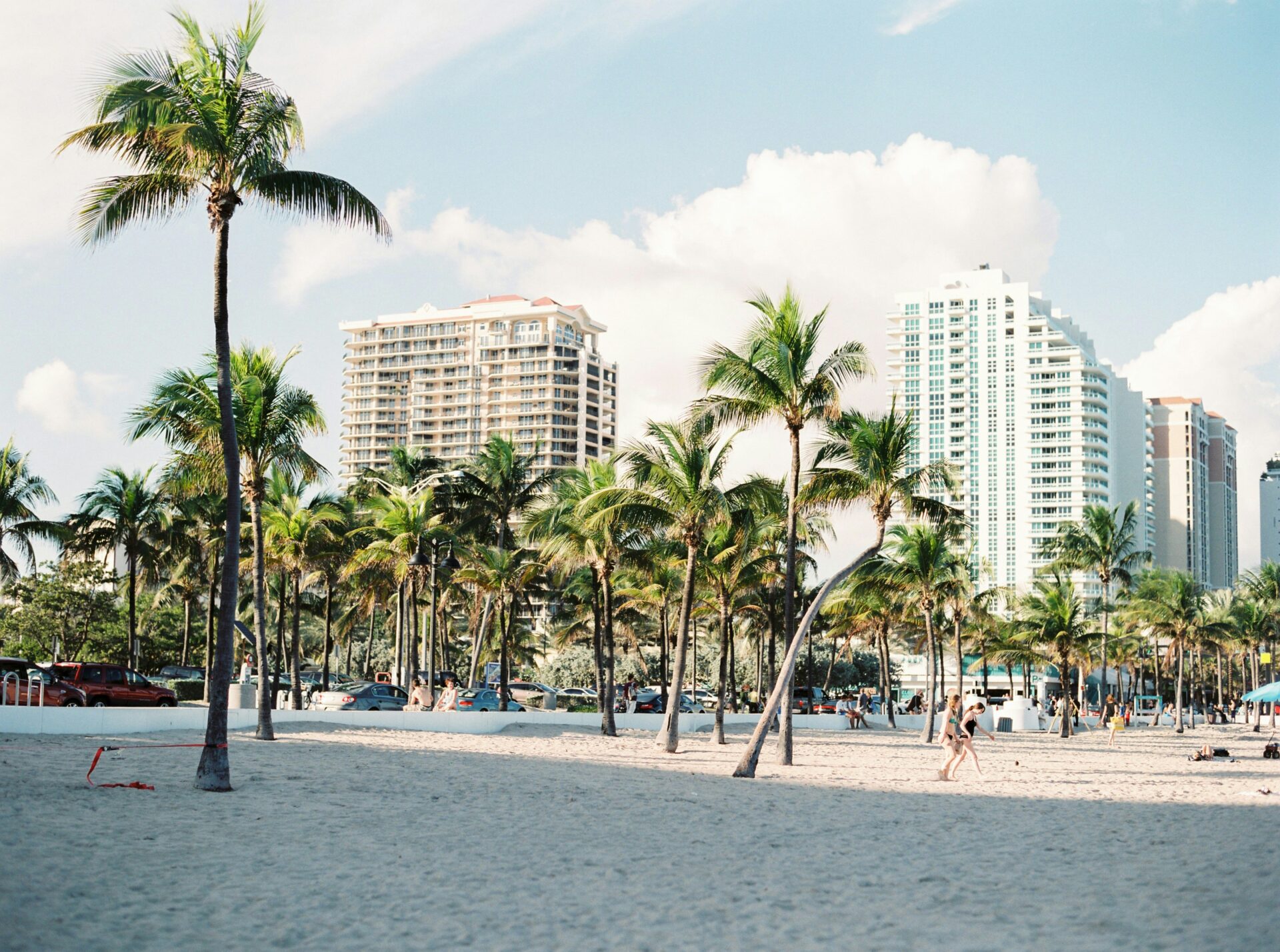
- Florida’s hottest days usually hit from late July into August.
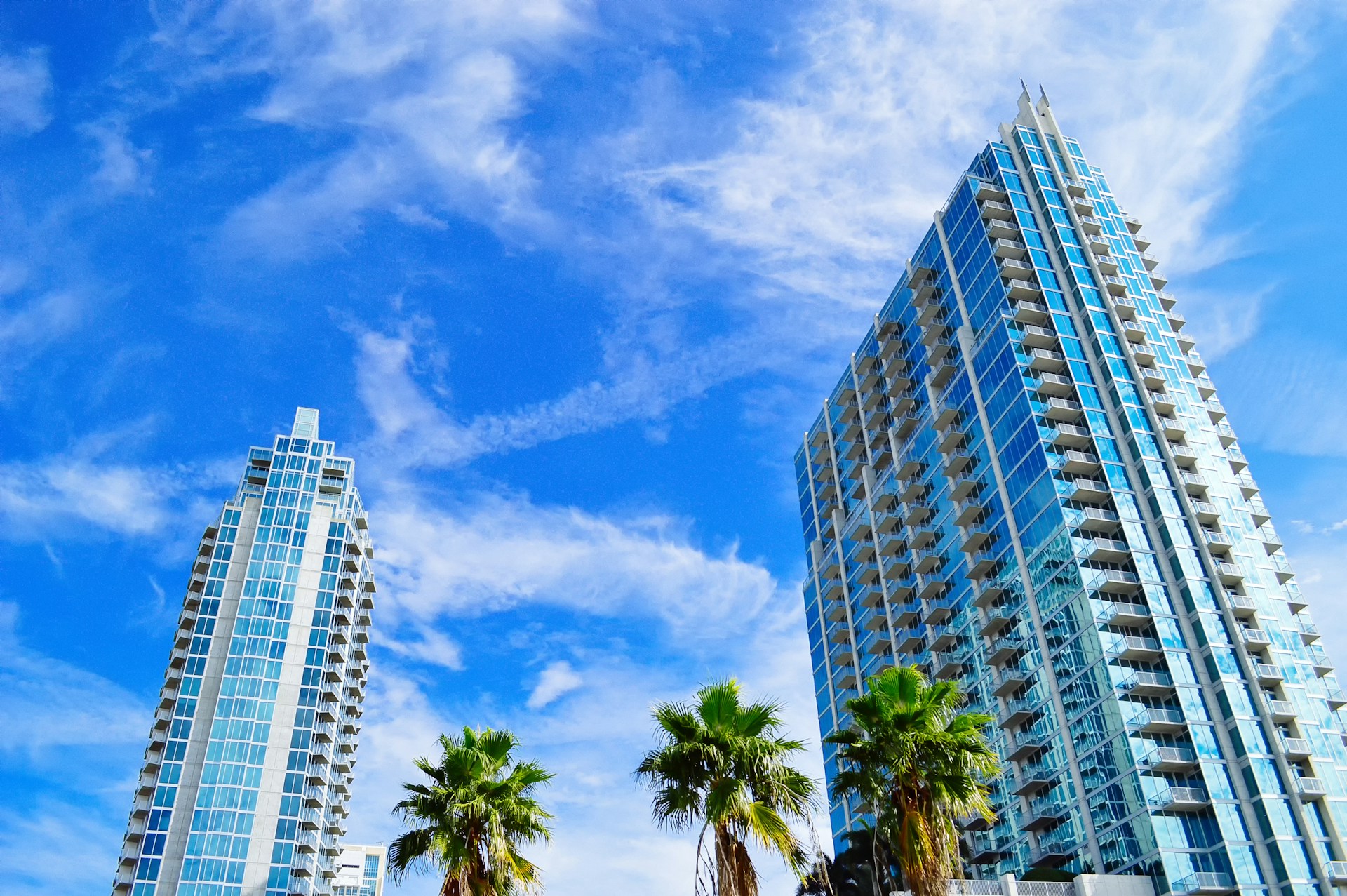
- Miami and Tampa both hit their peak during this window.
- In recent years, August temperatures have averaged 1.5°C above pre-industrial levels.
Why does August pack such a punch? It’s all about delayed heat. Even though solar radiation peaks in June, the heat keeps building through July and finally boils over in August.
Defining Average Temperature Versus Heatwaves
Let’s clear something up: normal August heat isn’t the same as a full-blown heatwave. Average temperature just means the typical highs and lows.
But extreme heat events? Those are a different beast. NOAA says a heatwave means temps stay way above normal for days on end. These spells can be deadly.
Extreme Heat Characteristics:
- Last 5+ days in a row
- Break into the top 1% of historical temperatures
- Usually come with high humidity
- Put the most vulnerable people at risk
We’ve seen heat waves double since 1980. The season for them now lasts 70 days, up from just 40. So, August heatwaves are popping up more often—and they’re getting nastier.
Hot days and sticky nights make August especially dangerous. When the air doesn’t cool down after sunset, our bodies just can’t catch a break.
Factors Driving August Heat Spikes
So, what’s behind August’s reputation? A few big things work together to turn up the heat.
Atmospheric Heat Buildup: After the summer solstice, the sun’s energy keeps stacking up. That delayed effect means August is often the hottest month.
Jet Stream Patterns: Meteorologists point to sluggish jet streams as a culprit. When those get stuck, they trap hot air over huge chunks of the country.
Regional Weather Systems: Each region has its own quirks. The Southwest sizzles early, right before monsoon rains. Coastal spots stay cooler until late summer when the marine layer finally gives up.
Climate Change Effects: It’s no secret—heat events are getting worse. August temps keep breaking records, and the future looks even hotter.
Regional Heat Patterns: Contrasts and Hot Spots
August heat doesn’t play fair. Some regions face wild surges, while others see the slow creep of warming summers. The Mid-Atlantic gets sharp spikes, the Pacific Northwest is heating up in ways nobody expected, and the Southwest? Still the nation’s heat champion.
Mid-Atlantic’s August Surges and Records
The Mid-Atlantic has really cranked up the heat in August over the past few decades. Data shows the eastern states are warming faster than most.
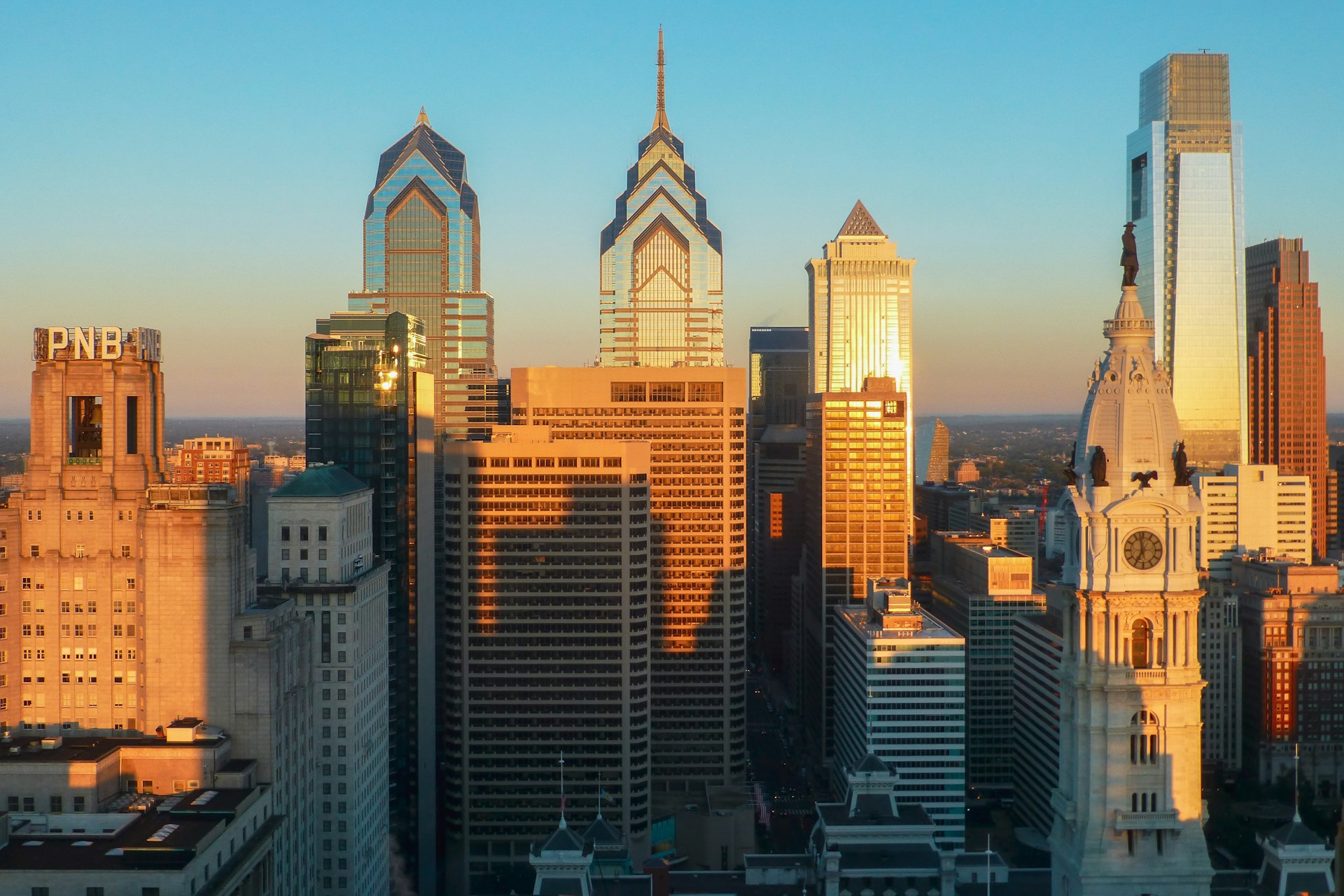
Philadelphia and Baltimore now see August averages that are 2-3 degrees higher than 40 years ago. Washington D.C.? It’s common to see the heat index soar above 105°F on the hottest August days.
Key Mid-Atlantic August Changes:
- Average temps up 2.1°F since 1980
- 40% more days with heat indexes over 100°F
- The hottest stretch moved from late July to early August
Humidity makes things worse. When the mercury hits the mid-90s, the “feels like” temp can blast past 110°F. That’s a real health hazard for millions.
Pacific Northwest’s Increasing Heat
The Pacific Northwest used to be a summer escape—cool, breezy, almost mild. Not anymore. Now, August heat waves are a regular headline.
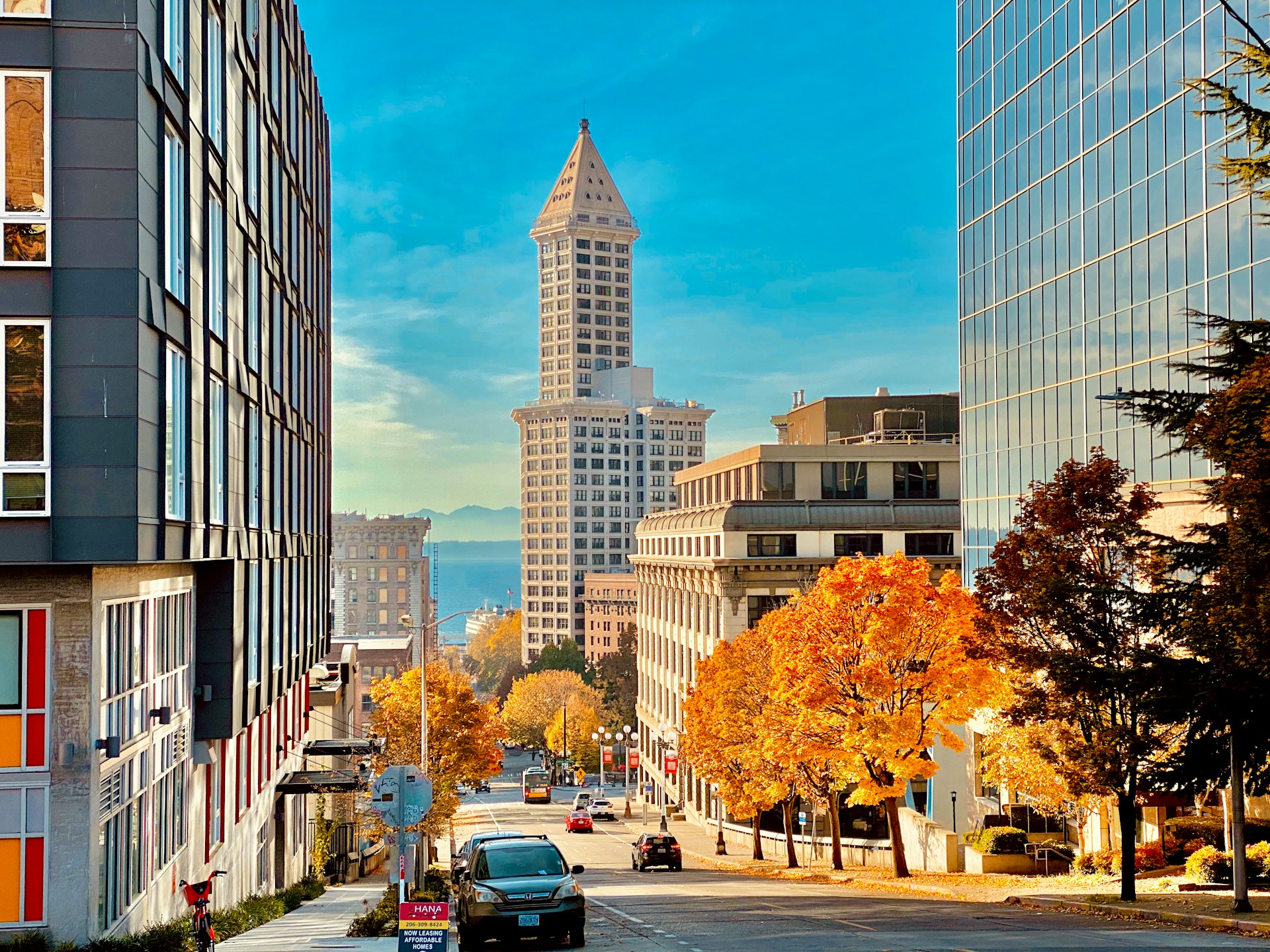
Seattle’s August averages have climbed 3.2°F since 1980. Portland’s up by 4-5 degrees. It’s a pretty shocking turnaround.
Remember the 2021 heat dome? Seattle hit 108°F, and Portland scorched at 116°F. Those numbers would’ve sounded like science fiction a couple decades ago.
Pacific Northwest August Trends:
- Seattle: 78°F average (74°F in 1980)
- Portland: 82°F average (77°F in 1980)
- Annual heat waves lasting 3+ days
Most homes here never needed AC before. Now, the region has to rethink everything from building codes to public cooling centers.
Heatwaves in the Southwest and Southern Plains
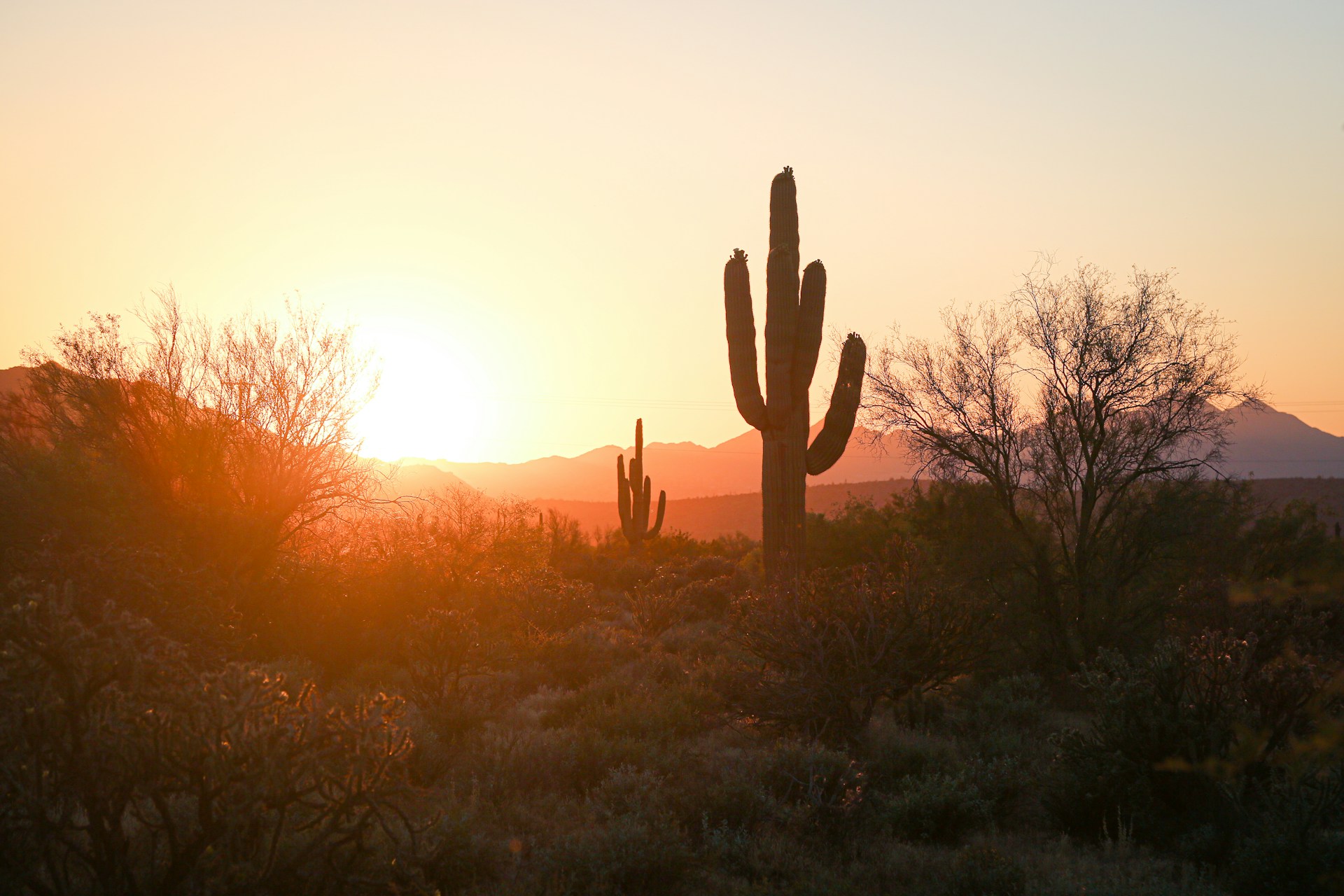
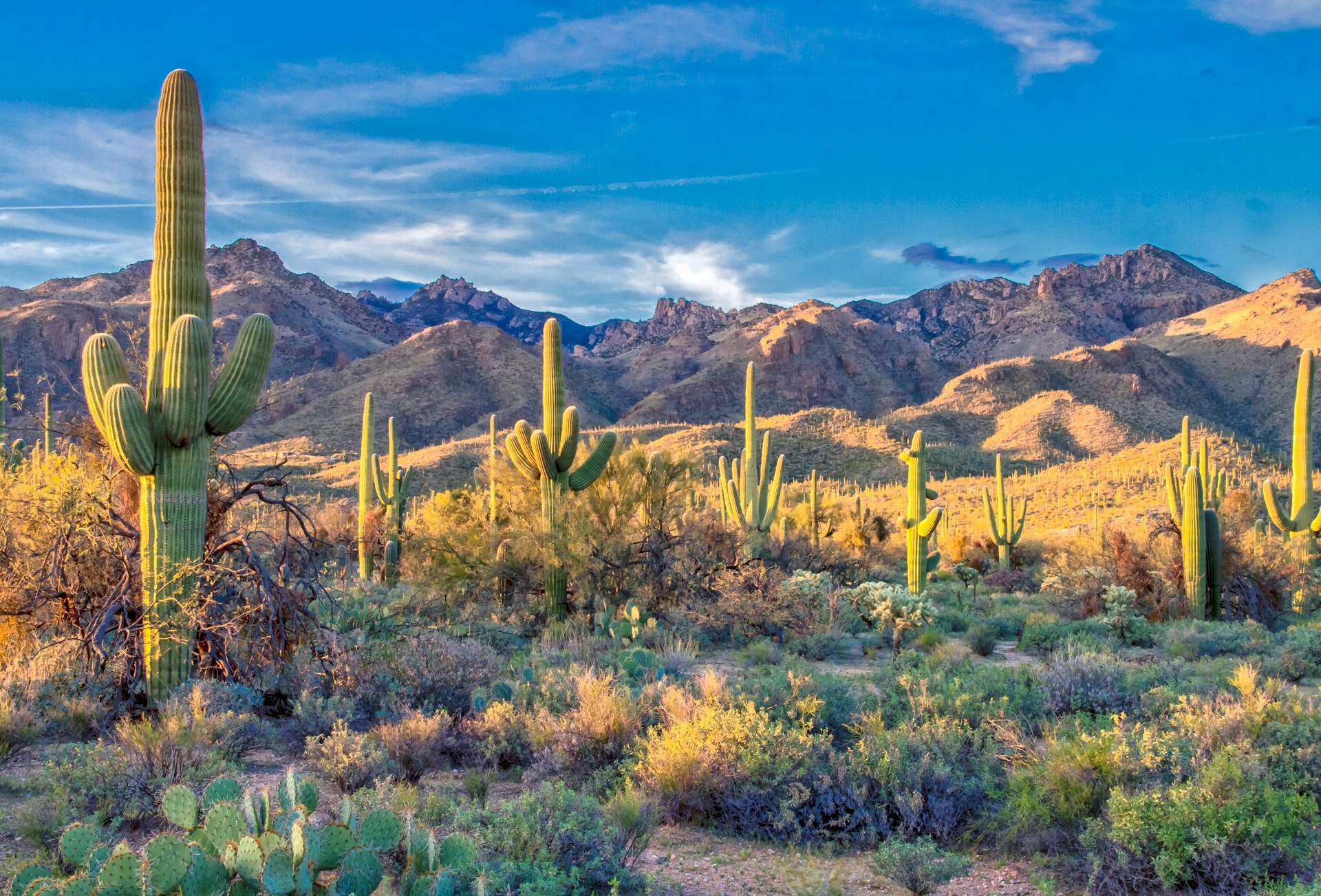
The Southwest still claims the title for highest August temps. Arizona and Nevada top the charts, with Phoenix averaging a blistering 106°F.
Interestingly, the warming rate here isn’t as fast as in other places. Phoenix has gone up just 1.8°F since 1980, while other cities have jumped by 3°F or more.
Southwest August Stats:
- Phoenix: 106°F average high
- Las Vegas: 104°F average high
- Tucson: 101°F average high
The Southern Plains? They’re heating up fast. Dallas averages 97°F in August now, up from 94°F in 1980. Oklahoma City’s not far behind.
Texas really struggles with August heat. Houston’s humidity plus 95°F temps makes the heat index skyrocket to 115°F. San Antonio spends weeks above 100°F.
These areas get the longest heat waves—sometimes 10-15 days straight above 100°F. It’s tough on everyone, especially folks without reliable AC.
Drought and Precipitation Trends During August Heat
August doesn’t just bring the heat—it messes with the water cycle too. Some places dry out, others get drenched. It’s a wild ride for anyone watching the weather.
Worsening Drought in the West
Every August, I see the West brace for tough drought conditions. NOAA reported that by early September 2024, about 30% of the country was in drought—a jump of over 10% from July.
Key drought impacts:
- Texas hit 113°F during record heat waves
- West Virginia and Ohio saw their worst drought in 25 years
- The Great Basin and interior Pacific Northwest stayed dry for weeks
High temps and little rain feed off each other. Hot air sucks moisture from the ground and plants, making everything drier.
California and the Southwest always seem to get the worst of it. Rainfall drops way below normal, just as temperatures spike.
Variability in August Precipitation
August precipitation patterns are all over the map. Some states barely see a drop, while others deal with sudden floods.
Recent extremes:
- Alabama and Mississippi had their driest August ever in 2024
- New York saw its fourth-wettest August that same year
- Long Island got hit with flash floods from slow storms
Nationally, August 2024 brought in 2.46 inches of rain—about 0.16 inches below average. That’s enough to put it in the driest third of recorded years.
Storms often stall out in August, causing either drought or downpours. When rain finally comes, it can be a deluge.
Impacts on Water Resources and Agriculture
Drought and weird rainfall patterns in August make life tough for farmers and city planners alike. The stakes feel higher every year as heat and drought collide.
Critical impacts:
- Reservoirs run low right when demand peaks
- Crops get stressed in key farming areas
- Wildfire risk jumps in parched regions
NOAA data shows drought spreading across the Deep South, Great Plains, and Tennessee Valley in August 2024. That’s bad news for crops, especially when they need water most.
Water utilities get stretched thin. Many western cities roll out water restrictions as August heat waves hit.
Farmers feel it the hardest. Corn and soybeans crave steady moisture in August. When drought digs in, yields drop and irrigation costs soar.
Wildfires and Other Consequences of Rising August Temperatures
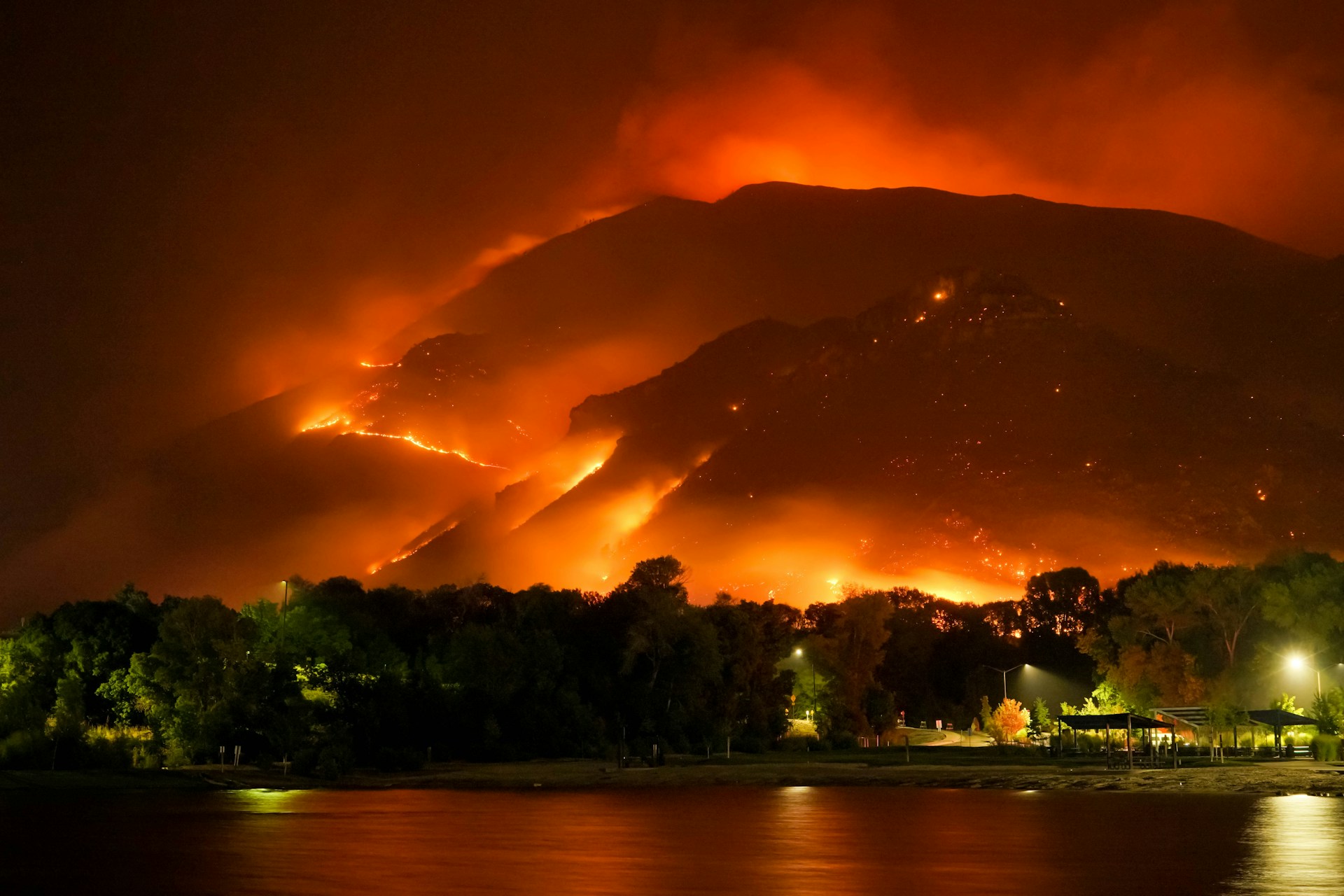
August heat doesn’t just make you sweat—it sets the stage for wildfires. Drought and high temps turn forests into tinderboxes, and the results can be devastating.
Major August Wildfire Events
August almost always brings nasty wildfire stories. The recipe? Peak heat plus bone-dry brush.
In August 2020, California’s Lightning Complex fires torched over 1.6 million acres. That month, average temps soared 4-6 degrees above normal.
Montana’s 2017 fire season hit its worst in August, burning more than 650,000 acres. Drought had lingered for months.
Oregon’s 2021 Bootleg Fire burned 413,000 acres in August. The heat dome that year pushed temps past 110°F in several cities.
Links Between Heat, Drought, and Fires
August heat fast-tracks wildfire risk. Hot weather dries out plants, and low humidity helps flames spread.
Drought makes things worse. Soil dries up, plants get stressed, and dead brush piles up.
Just a 2-3 degree jump in average temps can double the risk of fire. Earlier snowmelt extends the fire season in the mountains.
Heat waves bring the perfect storm: high temps, low humidity, and gusty winds. Small fires can explode into massive blazes in a matter of hours.
Health and Infrastructure Risks
Wildfires don’t just threaten forests—they mess with air quality and daily life far beyond the flames.
Air quality tanks during big fire events. Smoke drifts for miles, making it hard to breathe. Kids and seniors have it roughest, and ER visits spike.
Power grids get shaky during August fires and heat waves. Utilities sometimes cut electricity to prevent more fires, just as people need AC the most.
Transportation takes a hit too. Highways close because of smoke or fire danger, and airports delay or cancel flights when visibility drops.
America’s Cooling Secrets: How the Nation Adapts
As summers get hotter, American cities are getting creative about staying cool. Some solutions are high-tech, others are just plain clever.
Evolution of Cooling Technologies
Air conditioning has long been the go-to, but lately, new ideas are catching on.
Some cities use reflective pavement that bounces sunlight back, keeping streets up to 15 degrees cooler.
Cool roofs are popping up everywhere. These use special coatings or materials to reflect heat instead of soaking it up.
Underground cooling pipes circulate cold water below buildings, cutting down on AC use.
Public spaces now feature misting systems—tiny water droplets cool the air as they evaporate. It’s a simple trick, but it works.
Smart thermostats have become a quiet hero. They help folks save energy and keep cool, especially during peak demand.
New fabrics and insulation materials are making it easier to stay comfortable, even when the mercury climbs. These little upgrades add up, especially as August keeps pushing the limits.

Community and Policy Responses to Heat
Cities open up cooling centers during brutal heat waves. These air-conditioned spots offer a free escape when home feels like an oven.
Communities often step up to check on elderly neighbors during hot spells. Volunteers will call or drop by to make sure everyone’s hanging in there.
Some cities hand out free fans and air conditioners to families who need them most. It’s a game changer for folks who just can’t swing the cost of cooling gear.
Local governments have started planting more trees in neighborhoods. You wouldn’t believe how much a bit of shade can help—it can drop the temperature by 2 to 8 degrees, just from the trees’ shade and moisture.
Heat warning systems now alert people when dangerous temps are on the way. Cities blast out text messages and post on social media to get the word out fast.
Building codes are getting an upgrade too. These new rules require better insulation and cooling systems, so new homes and offices can actually stay cool.
Sometimes, water utilities will even lower their rates during heat waves. That way, it’s a little easier for people to stay hydrated without worrying about the bill.

Limitations of Air Conditioning
Honestly, air conditioning alone won’t fix America’s heat problem. Its limits show up fast, especially when the weather gets wild.
When everyone cranks up the AC at the same time, power grids start to buckle. Blackouts can hit right when people are desperate for relief.
A lot of folks just can’t afford to run air conditioning all summer. High electricity bills force low-income families into tough choices—cooling off or covering other basics.
You might notice that AC units actually dump heat outside, pushing it right onto the streets. This creates those infamous heat islands that make cities feel like ovens.
Older units? They love to break down during the worst heat waves. Repair crews scramble, but sometimes you’re stuck waiting while the temperature keeps climbing.
Some homes and apartments just aren’t built for modern cooling. Upgrading these places costs a fortune before any AC will work properly.
And here’s the kicker: air conditioning eats up tons of electricity. That means more pollution from power plants and, unfortunately, a bigger climate change problem down the line.
