
When I first visited Italy years ago, I joined the crowds at the Colosseum and lined up to see the Vatican like everyone else. Those places were amazing, but it wasn’t until I discovered Le Marche that I truly experienced authentic Italy.
Unlike the bustling tourist hubs in other parts of the country, Le Marche offers a more tranquil and intimate experience. Here, you can admire first-century frescoes with barely another visitor in sight.
The beauty of Le Marche lies in its untouched charm. Walking through medieval hilltop towns surrounded by lush countryside, I felt like I had stumbled upon Italy’s best-kept secret. The region draws some similarities to Tuscany and Umbria with its stunning landscapes and hearty cuisine, but without the tour buses and selfie sticks that often come with them.
My mornings in Le Marche typically start with a cappuccino in a piazza where locals outnumber tourists ten to one. I’ve explored civic museums housing treasures like pre-Roman artifacts, wandered through markets selling regional specialties, and hiked coastal paths with only the sound of the Adriatic waves for company.
If you’re seeking the real Italy—where traditions remain strong and daily life unfolds at a peaceful pace—I can’t recommend Le Marche enough.
Discovering Le Marche: Italy’s Hidden Gem
When I first ventured off Italy’s tourist trail, I discovered a region that captures the essence of authentic Italian life without the crowds. Le Marche offers everything I love about Italy – breathtaking landscapes, rich history, and amazing food – but with a genuine local experience.
The Charm of the Unexplored
Le Marche stretches from the Adriatic coastline to the rolling hills and rugged Apennine mountains. The region’s pristine beaches feel worlds away from the packed shores of more famous Italian destinations. I spent mornings wandering through sandy stretches with only local families for company.
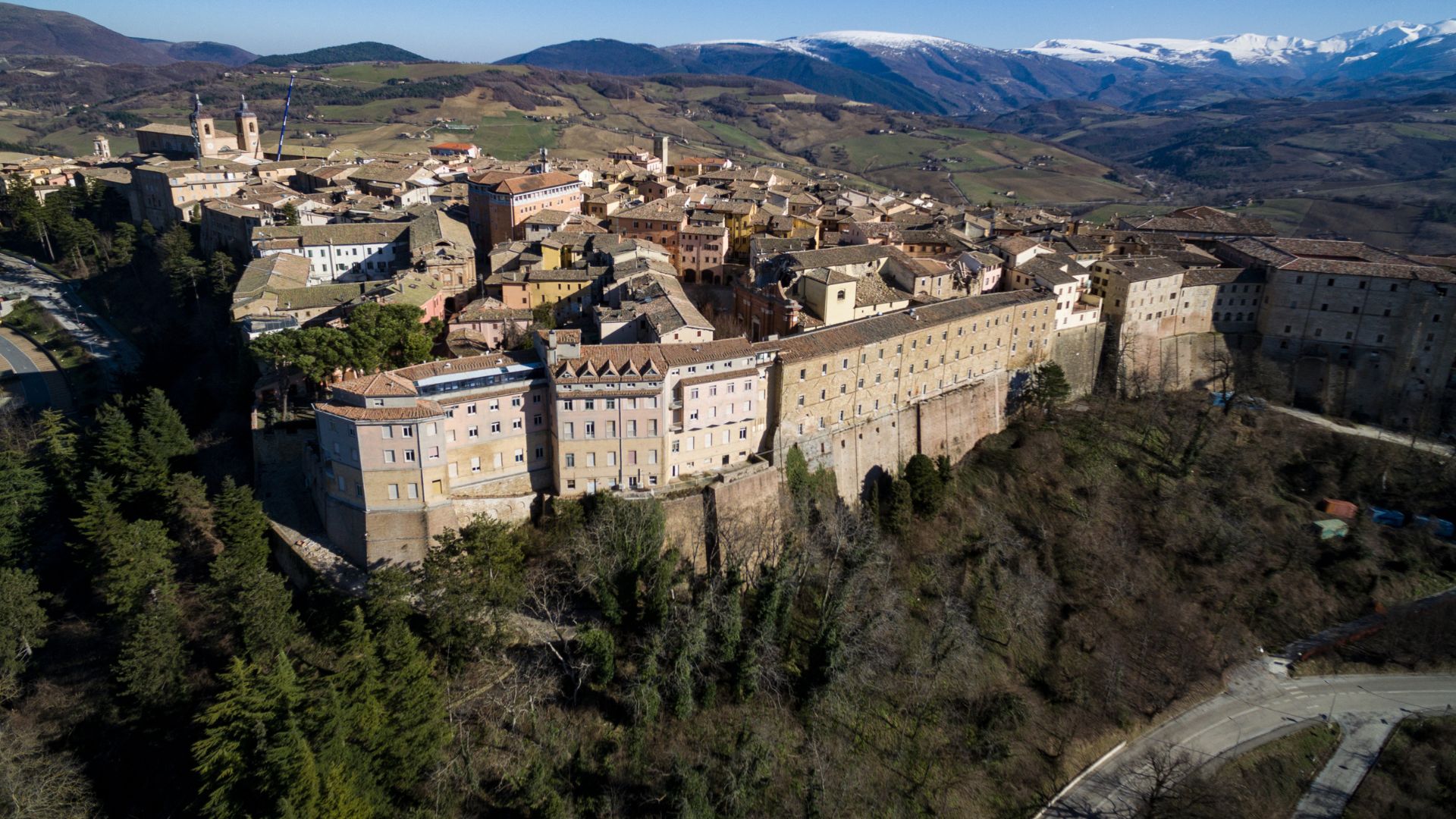
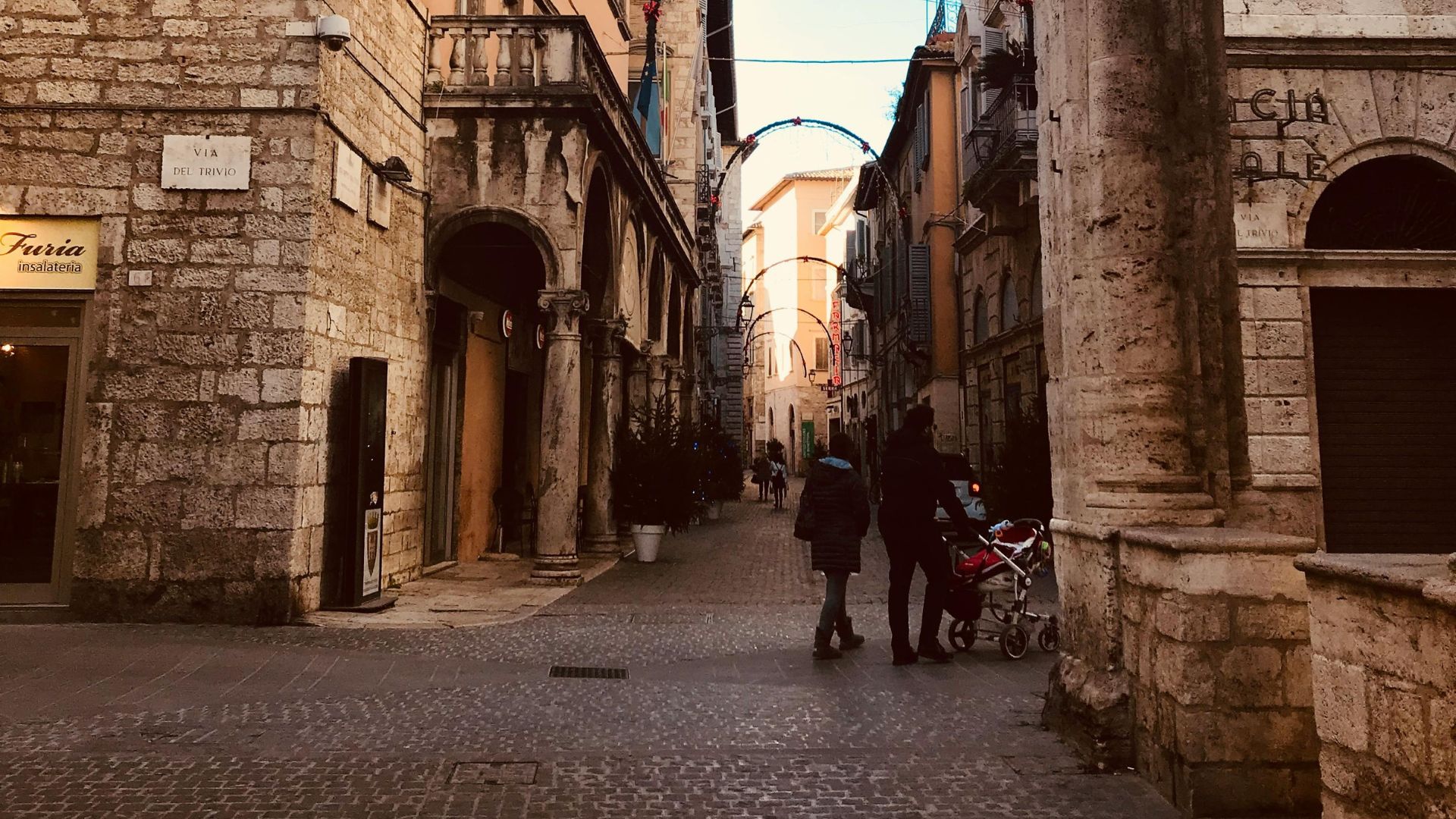
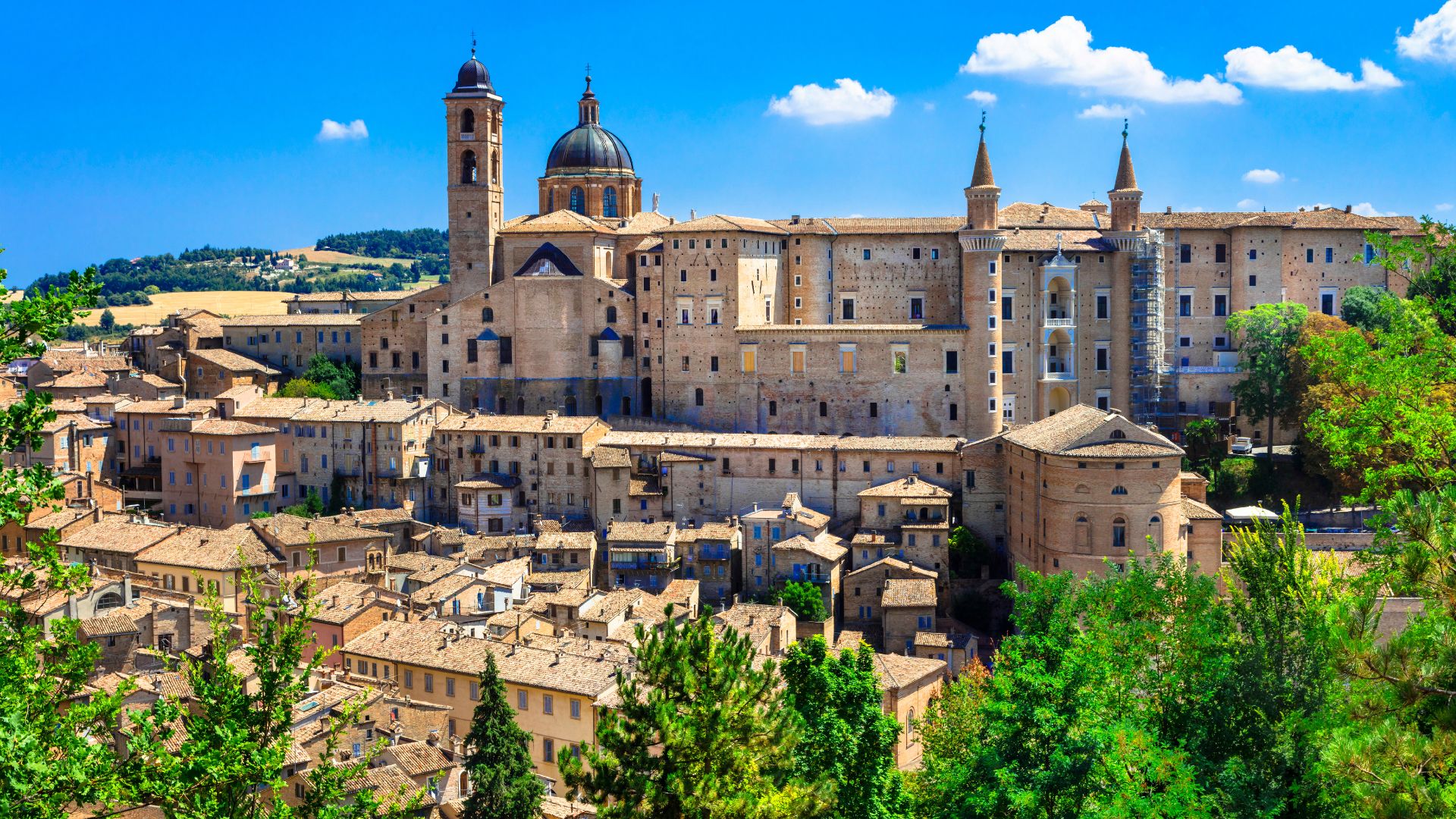
The landscape changes dramatically as you move inland. I drove through winding roads connecting hilltop villages that seem frozen in time. Places like Urbino and Ascoli Piceno maintain their medieval character with fewer tourist buses blocking the views.
What struck me most was how easy it felt to connect with locals. In small towns like Offida, shopkeepers invited me in for coffee rather than trying to sell me souvenirs.
Cultural Richness Beyond the Tourist Lens
Le Marche’s cultural heritage rivals its more famous neighbors but offers more intimate experiences. The region hosts Renaissance masterpieces in uncrowded museums where I could take my time appreciating the art without being pushed along.
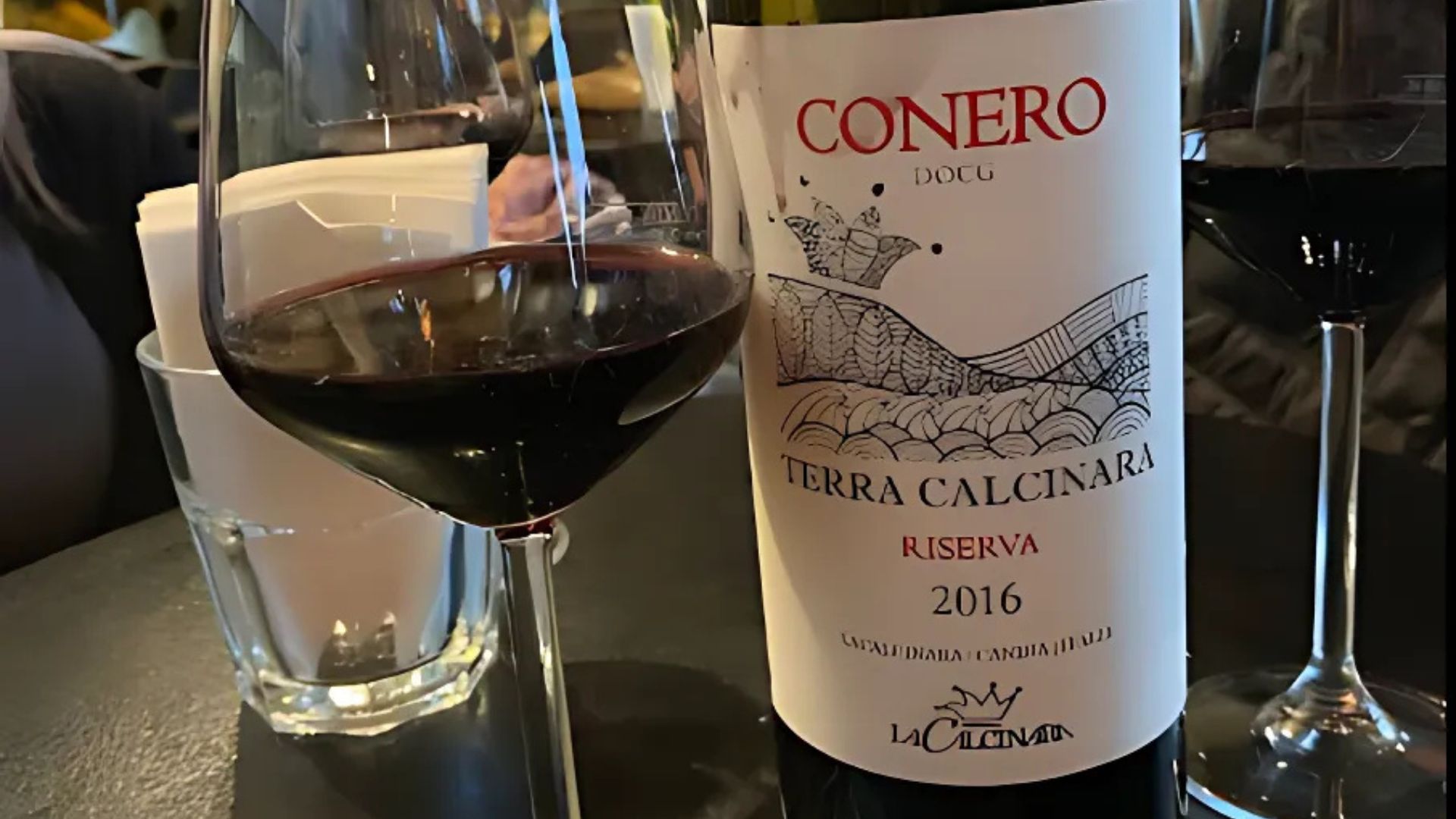
The food scene reflects true Italian traditions. I’ve enjoyed meals in family-run trattorias serving regional specialties like vincisgrassi (the local lasagna) and olive all’ascolana (stuffed olives). Local wines like Verdicchio and Rosso Conero remain relatively unknown internationally despite their quality.
Festivals and celebrations here feel authentic rather than performed for visitors. During summer sagras (food festivals), I’ve sat alongside multigenerational Italian families celebrating their heritage through music, dance, and incredible homemade dishes.
Accommodation Secrets: Where to Stay for an Authentic Experience
Finding the right place to stay can make or break your Italian experience. In Le Marche, I’ve discovered accommodation options that offer both comfort and cultural immersion, away from the tourist crowds.
Villas versus Apartments: A Personal Perspective
After years of exploring Le Marche, I’ve tried both villas and apartments – each offering unique advantages.
Villas provide space and privacy, perfect for longer stays or family trips. My favorite villa near Urbino came with a kitchen garden where I picked fresh herbs each morning for breakfast.
Apartments, especially in medieval towns like those dotting Le Marche, offer a chance to live like a local. I once rented a stone apartment in a picturesque village where my neighbor, an elderly woman named Maria, invited me for homemade pasta.
For value, apartments win, but villas offer unmatched privacy. The best apartments are in historic centers where you can walk to cafés and markets. Look for places with terraces for enjoying those magical Italian evenings.
Finding a Home with a Pool in the Italian Countryside
Le Marche’s rolling hills and vineyards create the perfect backdrop for a countryside retreat with a pool.
During summer months (June-September), a pool is practically essential with temperatures often reaching above 85°F.
I found my dream villa through a local agency rather than international booking sites. The owners, a farming family, provided not only a beautiful pool but also freshly harvested vegetables and local wine recommendations.
Tips for finding the perfect countryside home:
- Look within 30 minutes of towns like Ascoli Piceno or Fermo
- Request south-facing pools for maximum sun exposure
- Ask about road access (some properties require rugged vehicles)
- Confirm Wi-Fi reliability if you need to stay connected
The sweet spot for countryside accommodations with pools ranges from €1,000-1,800 per week, depending on size and amenities.
Culinary Journey: Savoring Le Marche’s Flavors
The food of Le Marche captured my heart even before the landscapes did. This hidden region offers some of Italy’s most authentic culinary experiences without the tourist markup or crowded restaurants you’ll find in Tuscany or Rome.
Local Delicacies and Where to Find Them
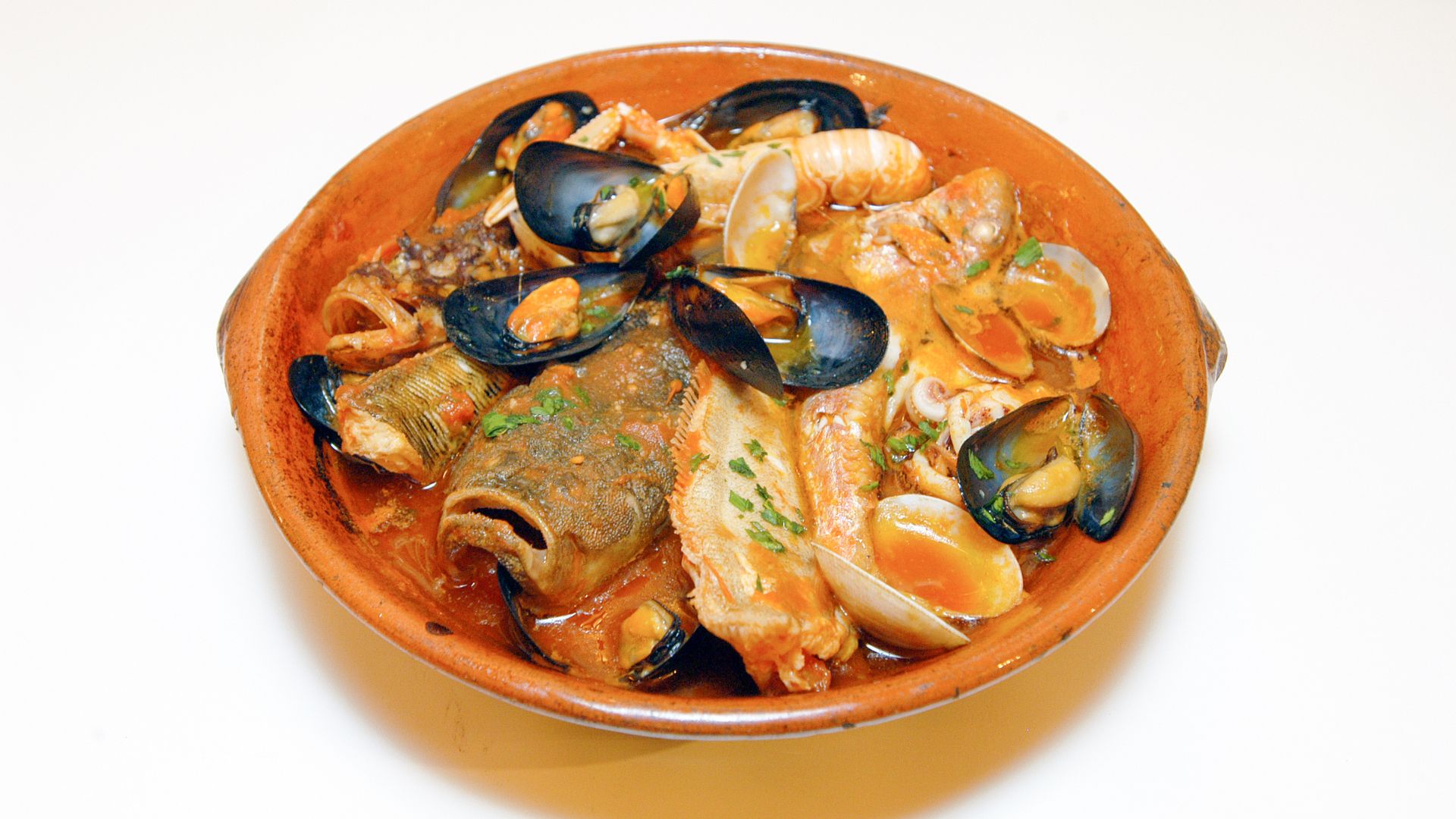
In Le Marche, every meal tells a story of tradition and local pride. The coastal towns each boast their seafood specialties – I was particularly impressed by the brodetto, a fish stew that varies from village to village. Each version represents generations of fishermen’s traditions and fresh-caught ingredients.
Inland, I discovered olive ascolane – stuffed olives that originated in Ascoli Piceno. These crispy, meat-filled treats pair perfectly with a glass of local Verdicchio.
The markets in towns like Urbino and Macerata showcase seasonal produce that locals shop for. Unlike touristy markets elsewhere in Italy, prices here reflect what residents pay.
For an unforgettable meal, seek out family-run trattorias in hilltop towns. My favorite spots are the ones without English menus – just point and smile!
Wine Tasting Off the Tourist Track
Le Marche’s wines remain Italy’s best-kept secret. Without the fame of Tuscany’s vineyards, local producers offer exceptional value and authentic tasting experiences.
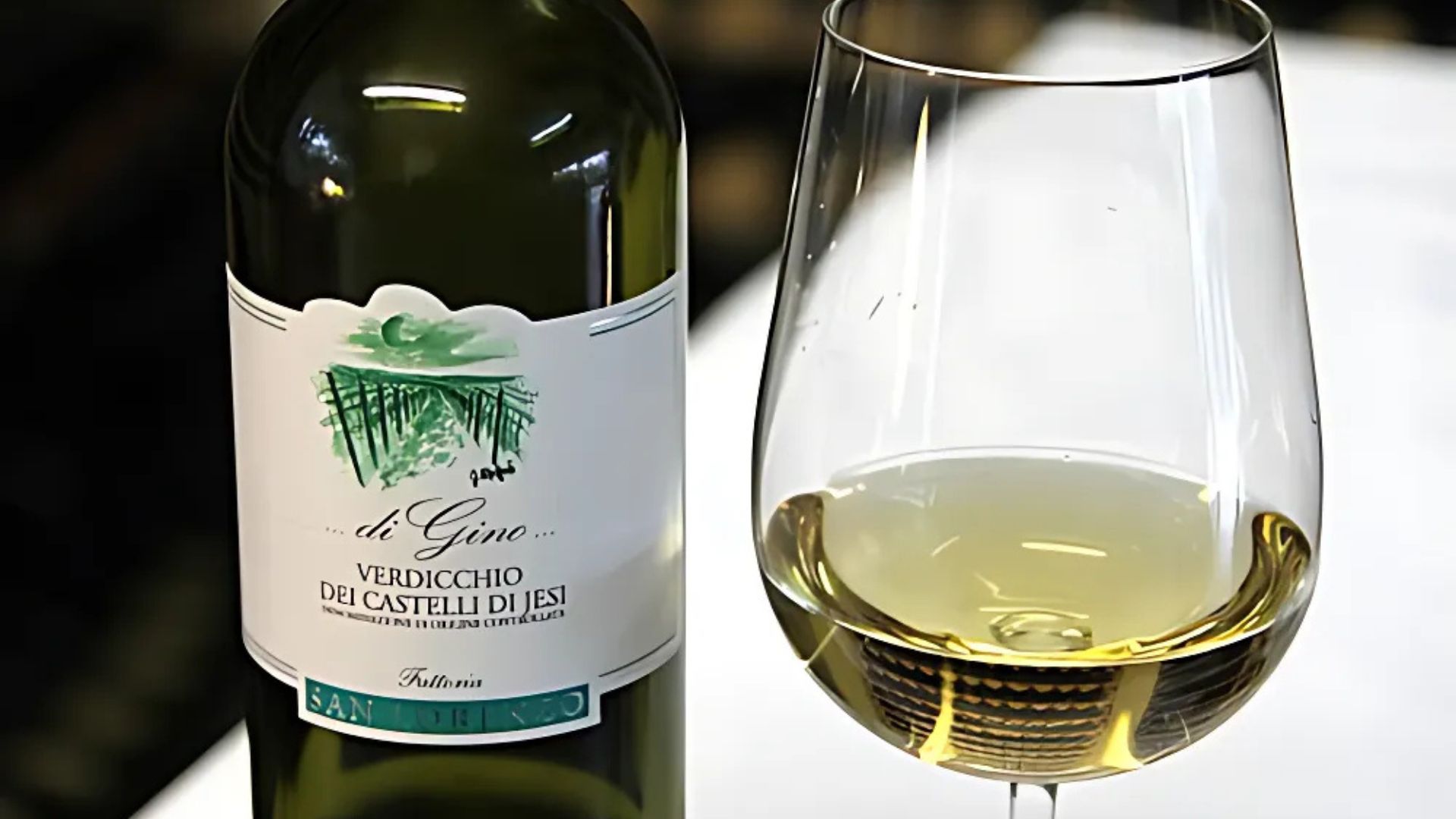
The Verdicchio dei Castelli di Jesi has become my go-to white wine, crisp with mineral notes that perfectly complement seafood dishes. Many small producers welcome visitors without appointment or tasting fees.
For red wine lovers, try Rosso Conero or Rosso Piceno. These robust varieties grow on hillsides overlooking the Adriatic, creating unique flavor profiles you won’t find elsewhere.
Wine festivals happen throughout the year in small villages, where I’ve enjoyed unlimited tastings for just a few euros. These events aren’t in major guidebooks, making them perfect for experiencing genuine local culture.
Exploring Beyond Le Marche: Day Trips and Neighboring Regions
While Le Marche offers authentic Italian experiences, the surrounding regions provide perfect opportunities for exciting day trips that showcase Italy’s diverse landscapes and cultural treasures.
The Rolling Hills of Tuscany
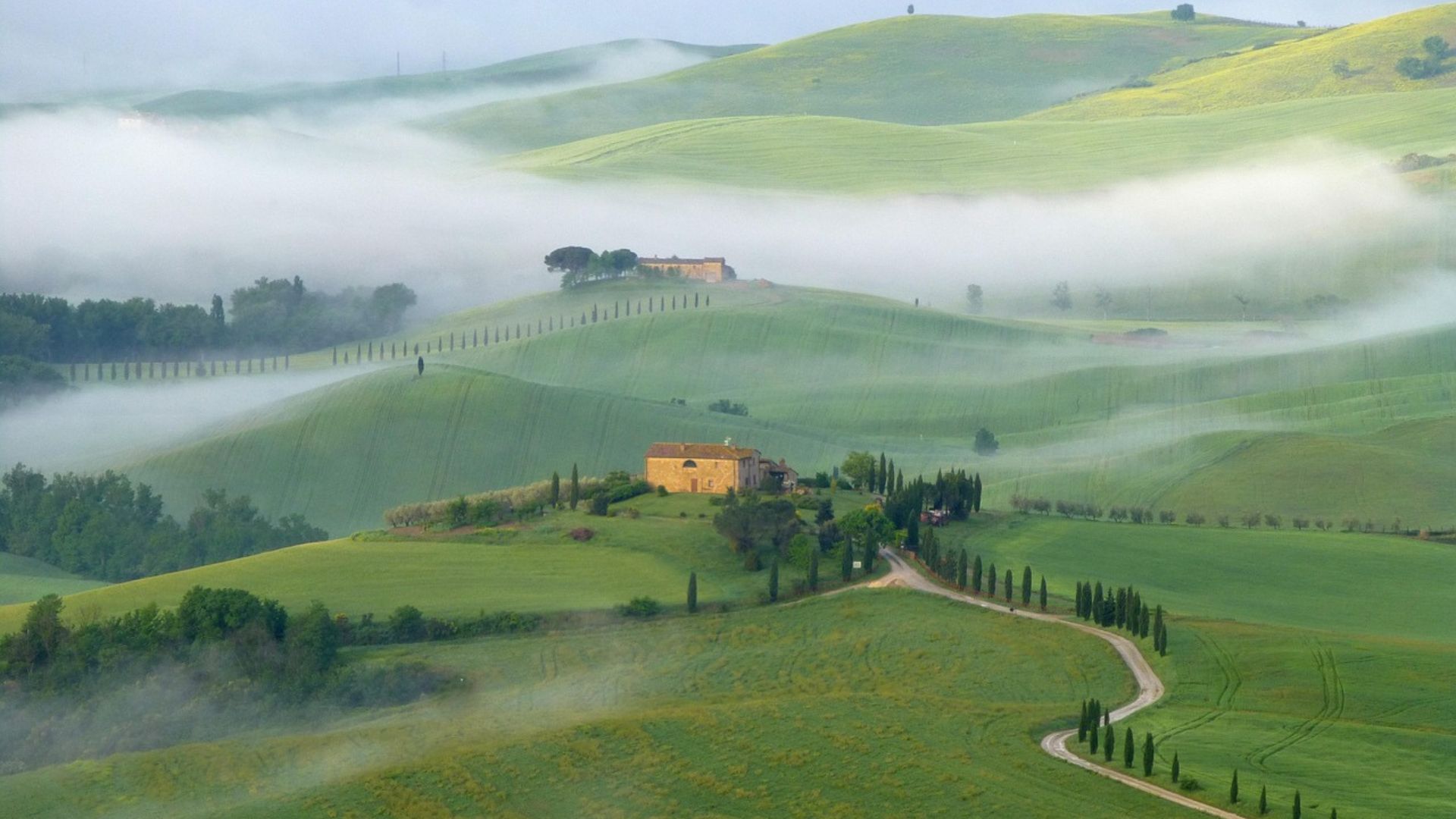
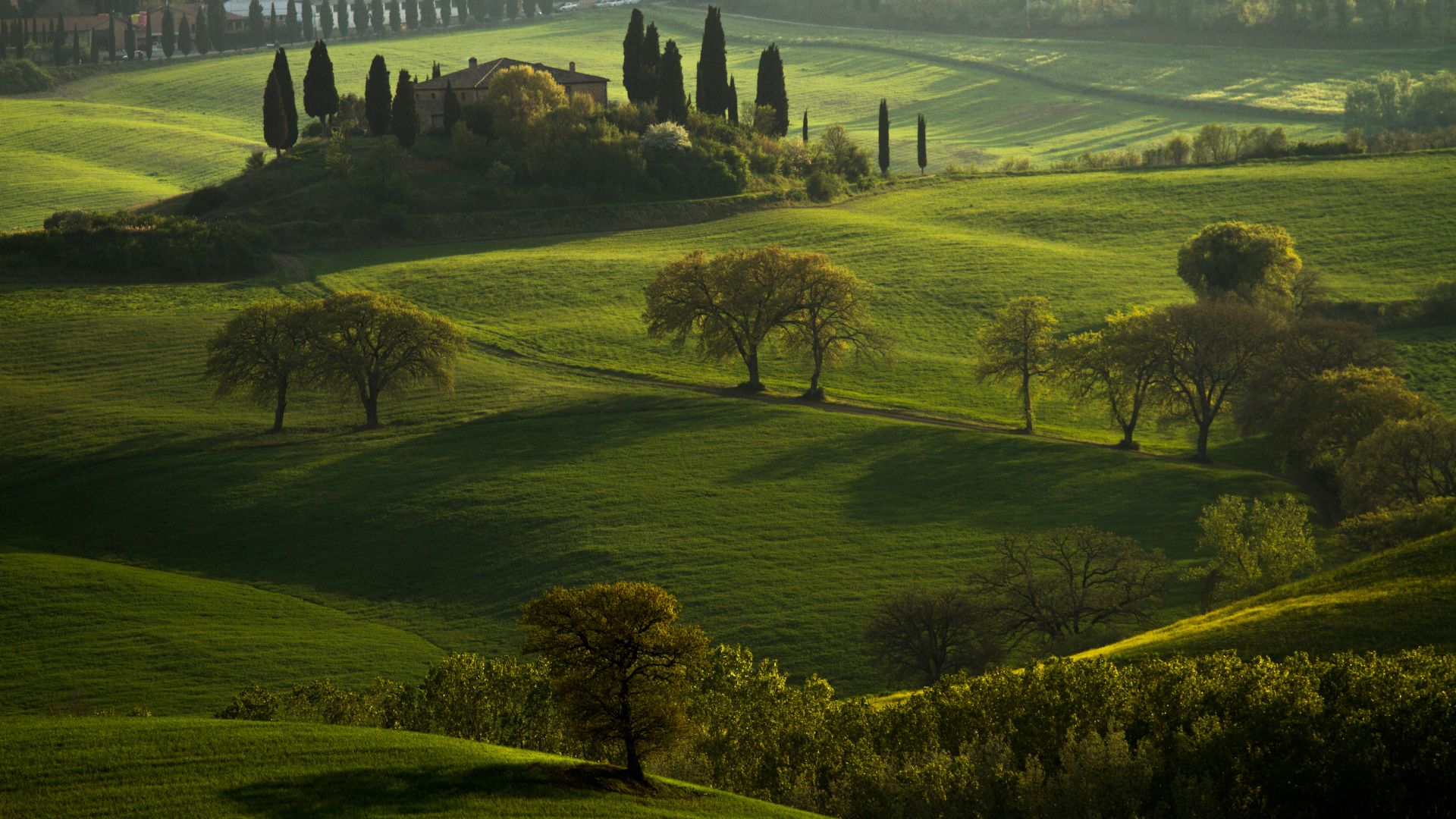
I often head west from Le Marche to spend a day in Tuscany’s picturesque countryside. The drive itself is magnificent, with cypress-lined roads winding through golden hills and vineyards.
Small towns like Pienza and Montepulciano make perfect stops for lunch. I love wandering their narrow streets, popping into family-run shops selling local cheeses and wines.
The Val d’Orcia landscape is breathtaking and completely different from Le Marche’s terrain. Here, the hills seem to roll on forever, dotted with stone farmhouses and medieval villages.
Wine lovers should visit a local cantina for Brunello tastings. Many vineyards offer tours where you can learn about Tuscany’s winemaking traditions that date back centuries.
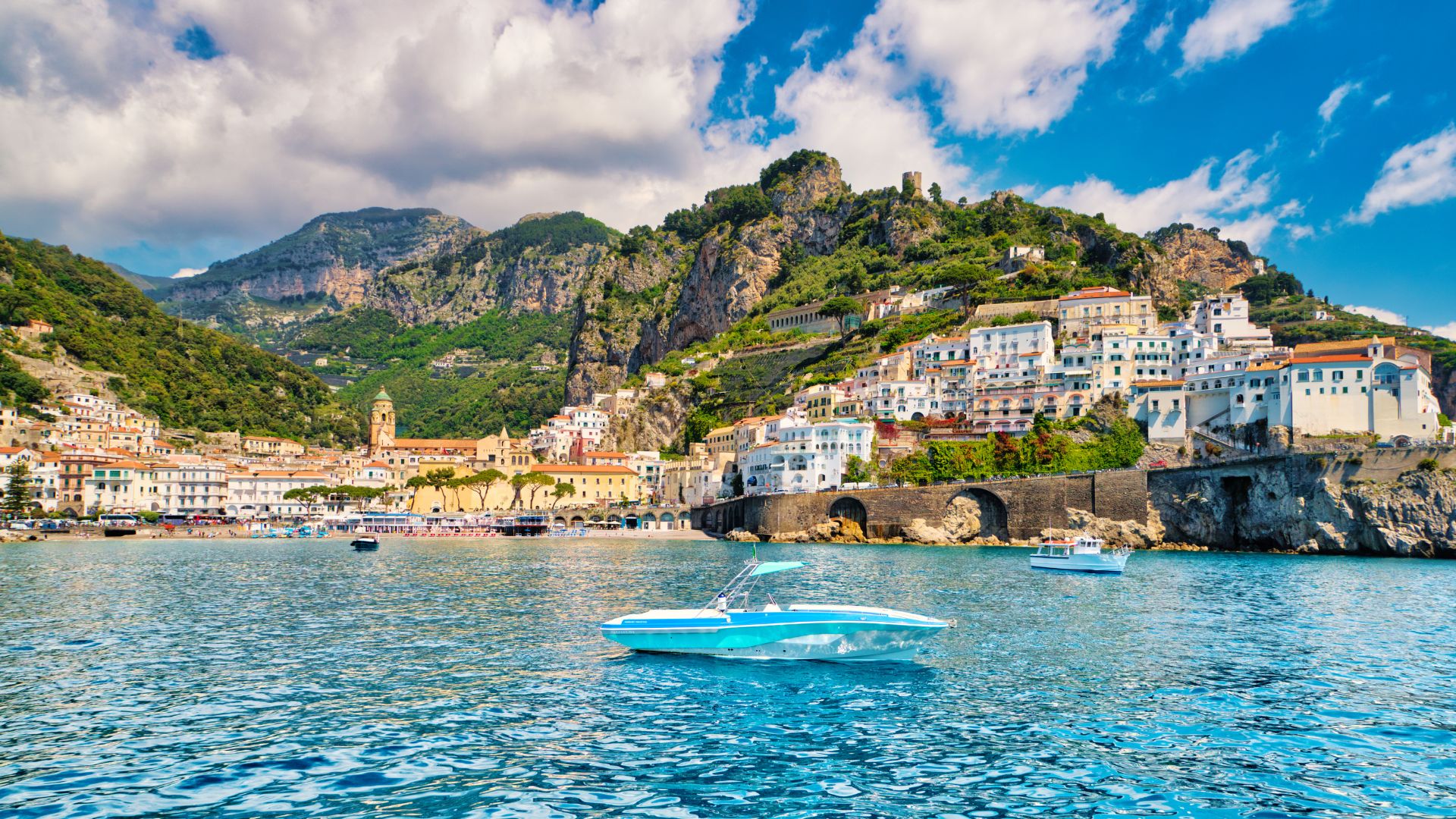
The Coastal Beauty of the Amalfi Coast
When I crave dramatic coastal scenery, I journey south to the Amalfi Coast. The contrast with Le Marche’s more subdued beaches is striking.
The winding coastal road offers heart-stopping views at every turn. Colorful villages like Positano and Ravello cling to cliffs, creating that iconic Italian coastal image we’ve all seen in photos.
I recommend taking a boat tour to appreciate the coastline from the water. The blue Mediterranean stretches endlessly, meeting rugged cliffs in a spectacular display of natural beauty.
Seafood here is exceptional – I always order the catch of the day at small restaurants overlooking the water. The lemon groves that blanket the hillsides produce fruits used in local limoncello.
Lazio’s Historical Treasures
Just a short drive from Le Marche, Lazio offers some of Italy’s most significant historical sites beyond the obvious draw of Rome.
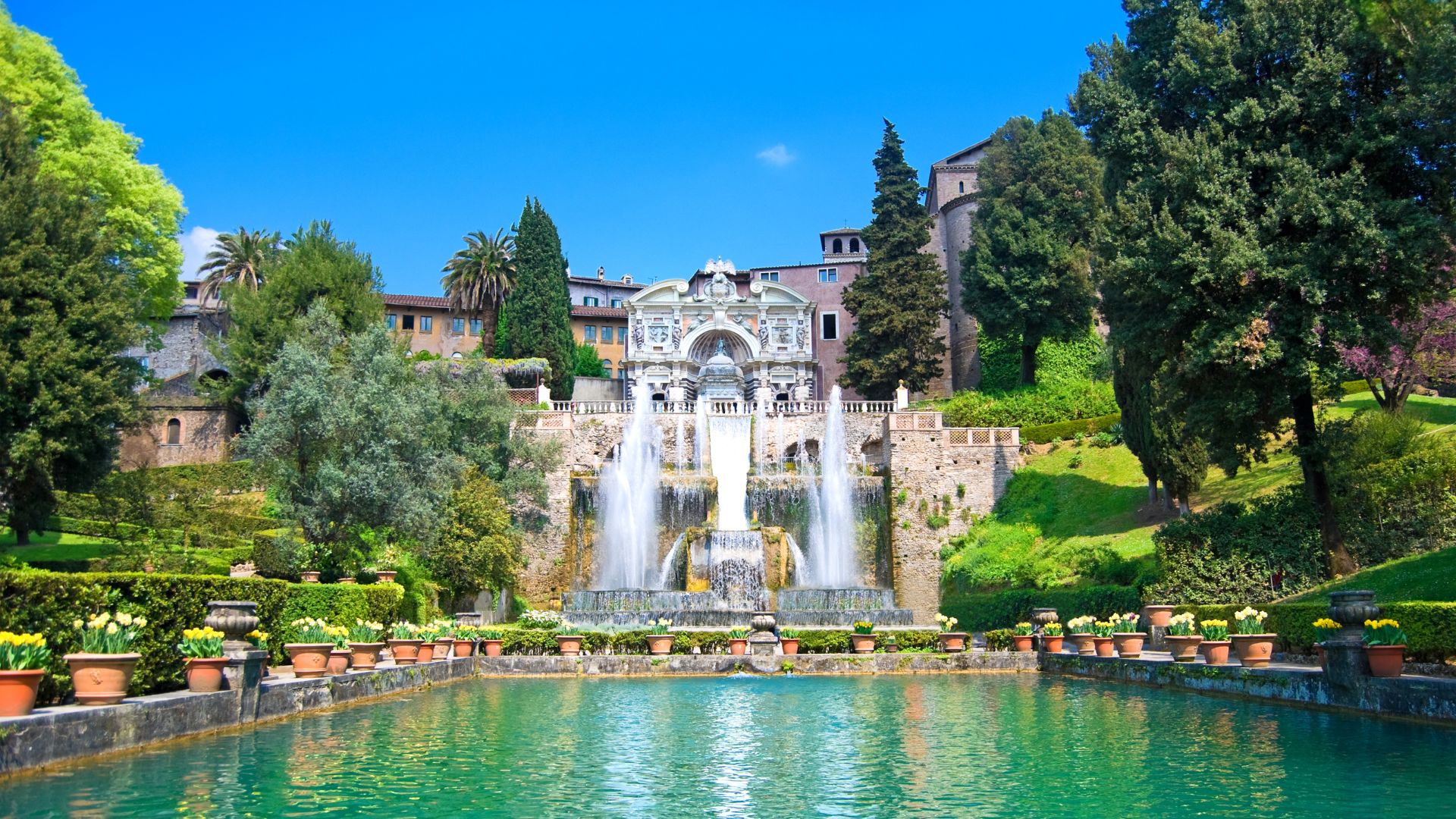
Tivoli’s Villa d’Este and Hadrian’s Villa showcase Renaissance and ancient Roman engineering and artistry. The elaborate fountains and gardens at Villa d’Este remain among my favorite spots in all of Italy.
The medieval town of Viterbo, with its preserved San Pellegrino quarter, feels like stepping back in time. I wander the narrow cobblestone streets, discovering hidden courtyards and ancient churches.
Lake Bracciano provides a peaceful retreat from the summer heat. The volcanic lake is surrounded by charming towns and the imposing Orsini-Odescalchi Castle, which is well worth exploring.
Navigating Through Le Marche: A Transport and Travel Guide
Getting around Le Marche requires some planning, but the freedom to discover hidden gems makes it worthwhile. I’ve found that having your wheels offers the best experience, though local transit provides unique cultural insights.
Car Rental Tips: Freedom to Explore
I recommend renting a car to truly experience Le Marche’s charm. A compact vehicle works best for navigating narrow village streets and winding hillside roads.
Book your rental at least a month in advance, especially during summer peak season (June-August).
Most rental agencies are located at Ancona Airport and major cities like Pesaro. Expect to pay €30-50 per day for a basic car.
Remember to request an International Driving Permit before your trip – Italian law requires it! Rural gas stations often close on Sundays, so fill up beforehand.
Parking in medieval towns can be tricky. Look for blue-lined spaces (paid) or white-lined spaces (free) on town outskirts.
Utilizing Local Transit for Authentic Encounters
While not as comprehensive as northern Italy’s network, Le Marche’s buses and trains offer authentic local experiences.
Regional trains connect major towns like Ancona, Pesaro, and Ascoli Piceno quite efficiently.
The regional bus company (Start Plus) reaches smaller hilltop villages that trains don’t serve. I’ve found buses particularly useful for coastal exploration along the Adriatic.
Download the Muoversi app for real-time schedules and tickets.
Most town-to-town tickets cost €2-5 one-way.
For truly off-the-beaten-path adventures, consider joining local rideshare groups on Facebook.
I’ve met fascinating locals this way and discovered hidden spots like tiny vineyards and family restaurants not in any guidebook.
Remember that Sunday service is limited, so plan accordingly!
