
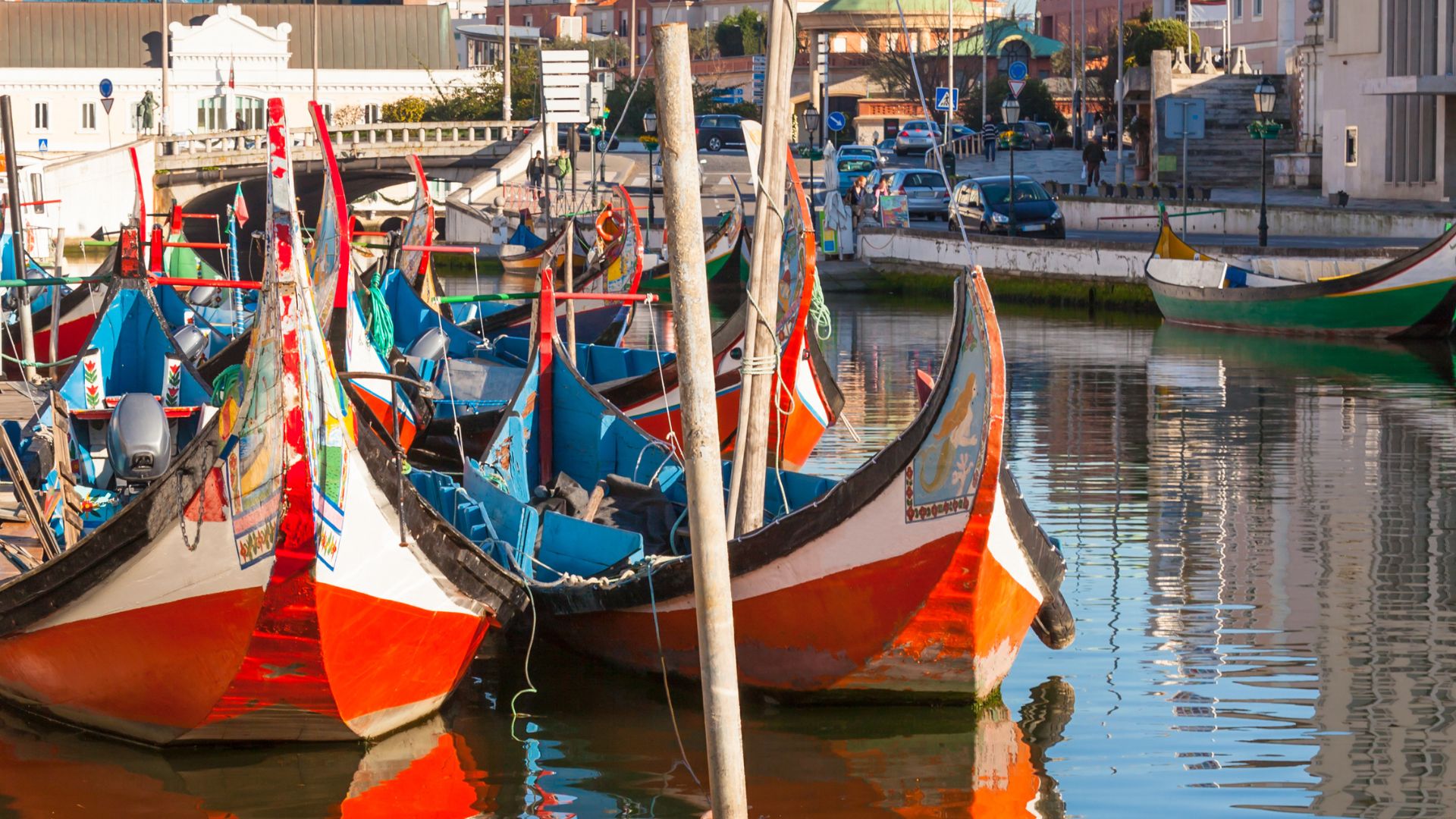
Stepping into Aveiro honestly felt like I’d wandered right into a postcard. Winding canals, painted moliceiro boats, and those elegant Art Nouveau buildings—what a mix.
Aveiro’s colorful boats glide through peaceful waterways, and you really get why people call it the “Venice of Portugal.” Every twist and turn on the moliceiro brought charming bridges, splashes of street art, and ornate façades. The city just buzzes with history and creativity.
I set out on a boat trip because, honestly, everyone talks about these canals. Pastel houses shimmered in the water’s reflection, and locals waved as we floated by.
As we drifted, I kept grabbing my camera, hoping to catch every burst of color and quirky detail.
My adventure through Aveiro’s canals wasn’t just about the sights—it let me get close to the city’s character, from sweet shops to its eye-popping architecture.
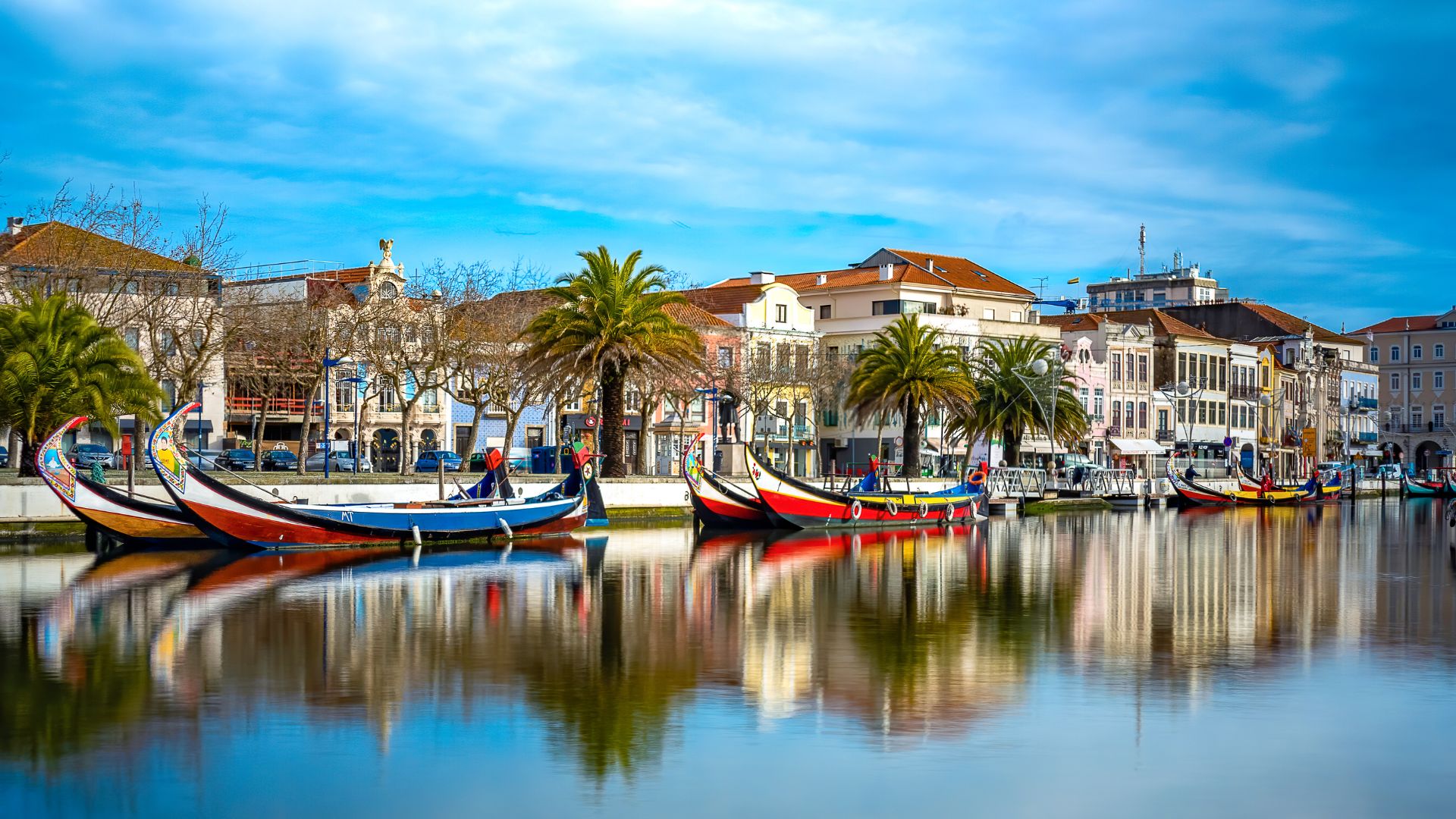
Sailing Aveiro’s Canals: My Moliceiro Boat Adventure
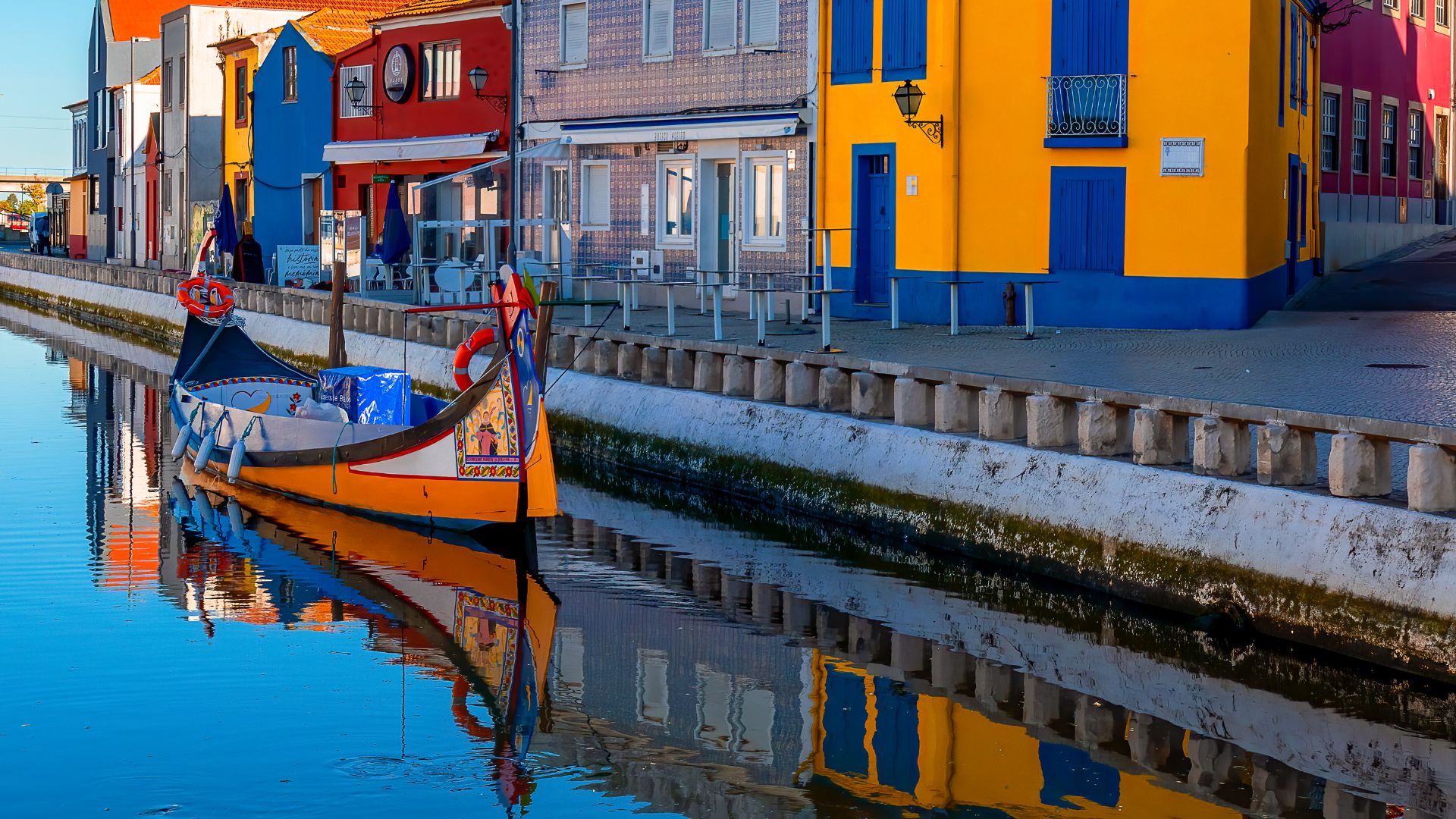
Colorful boats slip along Aveiro’s winding canals, passing under delicate bridges and beside tiled Art Nouveau homes.
These rides bring you right into the city’s daily life, and local boatmen love sharing stories that make the water come alive.
Boarding a Moliceiro: Colors, Traditions, and First Impressions
When I walked up to the dock, the first thing that hit me was how bright and bold each moliceiro looked. Every boat’s covered in hand-painted images—some silly, some historic—which makes boarding feel like stepping onto floating art.
Moliceiros once helped harvest seaweed, but now they’re all about exploring. Their long, skinny frames and swooping prows are iconic along Portugal’s coast.
Getting on board, I felt the boat sway a little, and a salty breeze set the mood for adventure.
Even the benches felt different. They ran along the sides, so everyone faced the canal together.
Our guide greeted us with a grin and a quick story about how each boat has its own personality, shaped by tradition and pride.
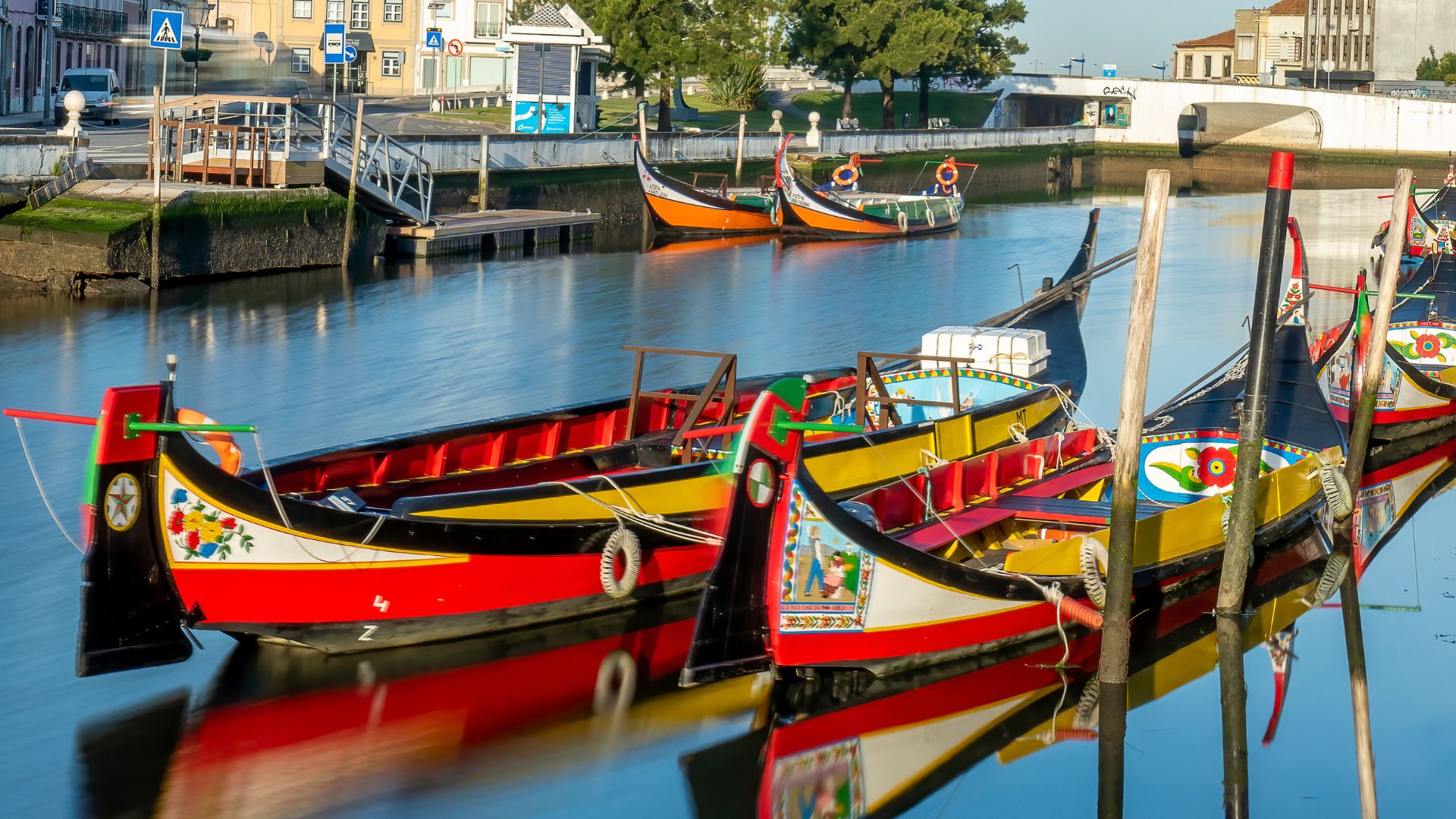
Discovering Canal Routes: Must-See Landmarks from the Water
As the moliceiro pulled away from shore, pastel buildings slipped by on both sides. I immediately saw why people call Aveiro the “Venice of Portugal”—the canals cut right through the city center, under arched bridges and past cafes full of families.
Every turn brought something new. We cruised along the main channel, passing the old Fish Market and those stunning Art Nouveau houses with their gleaming tiles.
We floated by the Beira-Mar neighborhood, where fishermen’s homes line up in bright rows.
You can spot so many sights from the canal that you’d probably miss on foot. Locals waved from the banks, and it made the ride feel like part of Aveiro’s everyday life.
Key Sights from the Boat:
| Landmark | Why It’s Special |
|---|---|
| Fish Market | Historic trading place by the canal |
| Art Nouveau Houses | Unique tiles and bright colors |
| Costa Nova Houses | Striped seaside façades |
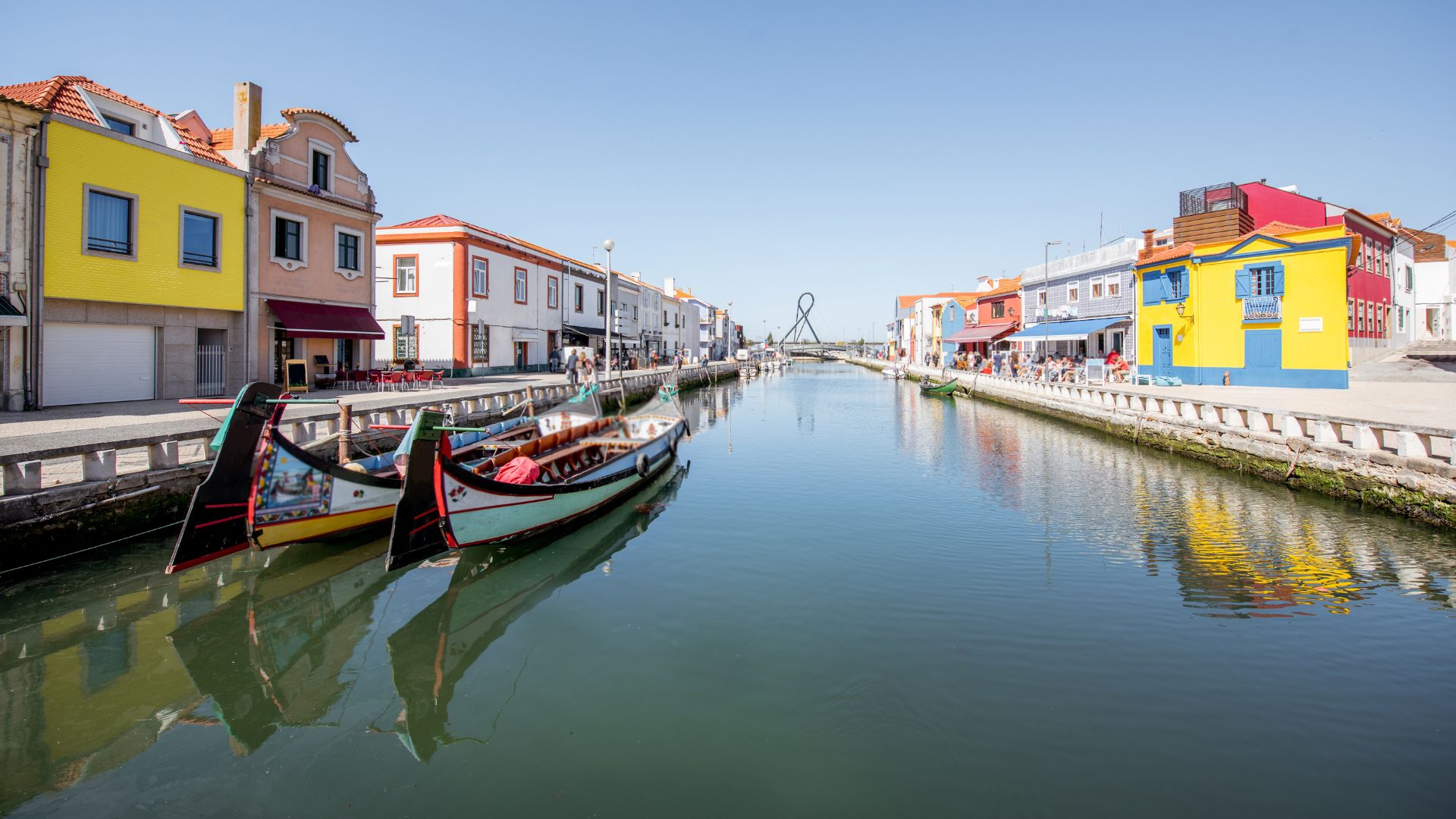
Stories from the Gondolier: Culture and Local Legends
Our guide—called an arrais here—had stories for days. While steering the big oar and pointing out buildings, he explained how moliceiros used to be Aveiro’s lifeblood, collecting seaweed for fertilizer in nearby fields.
He told us about the boat’s painted stern. Some paintings show old legends, others poke fun at politicians or daily life. Each one made the ride feel personal and sparked plenty of laughs and questions.
Listening to him, I picked up bits of Aveiro’s dialect and learned quirky facts—like how fishermen used the cathedral’s clock tower to read the tide.
The city felt less like a museum and more like a living, breathing story.
Art Nouveau Wonders: Aveiro’s Architectural Charms
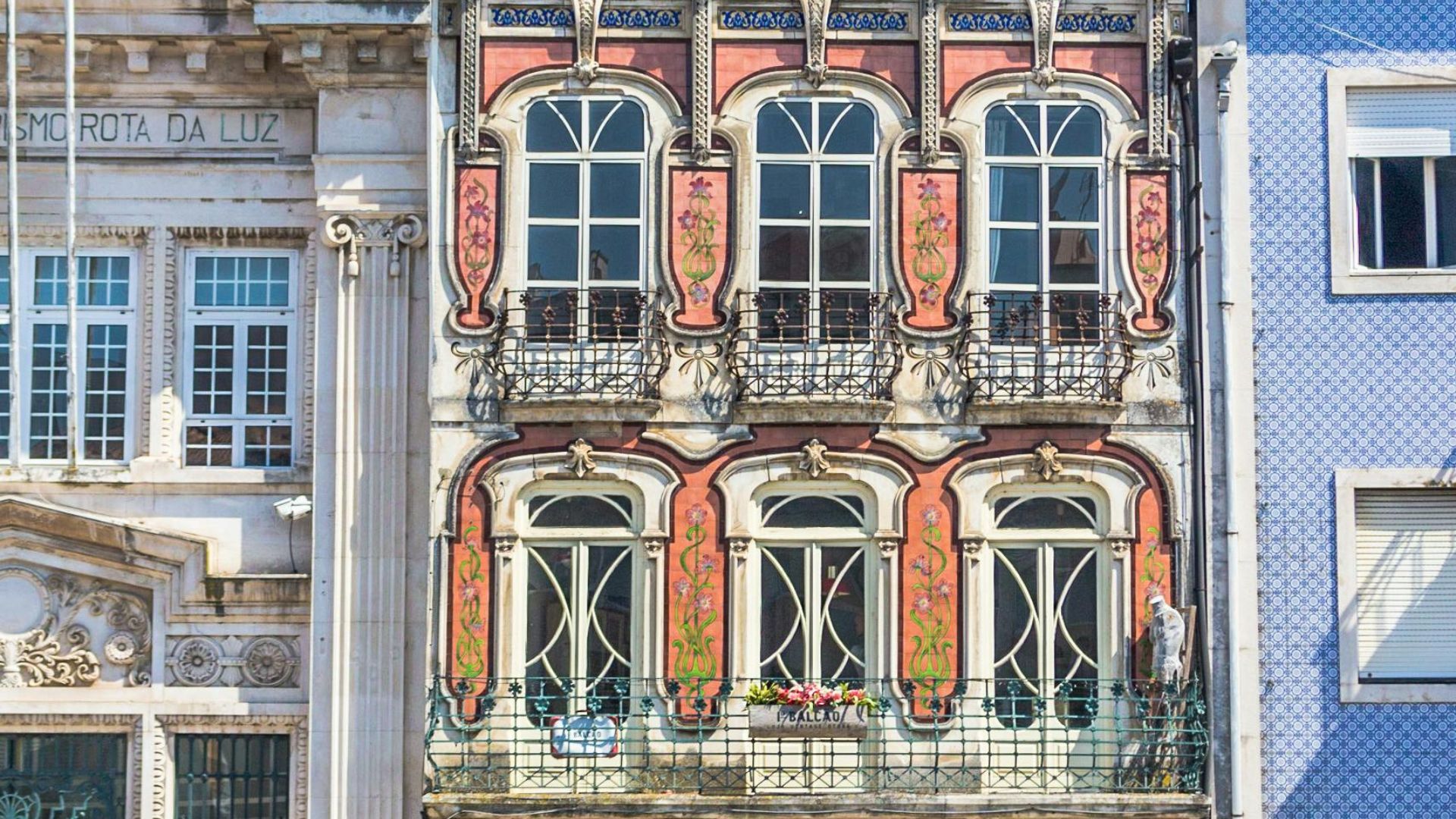
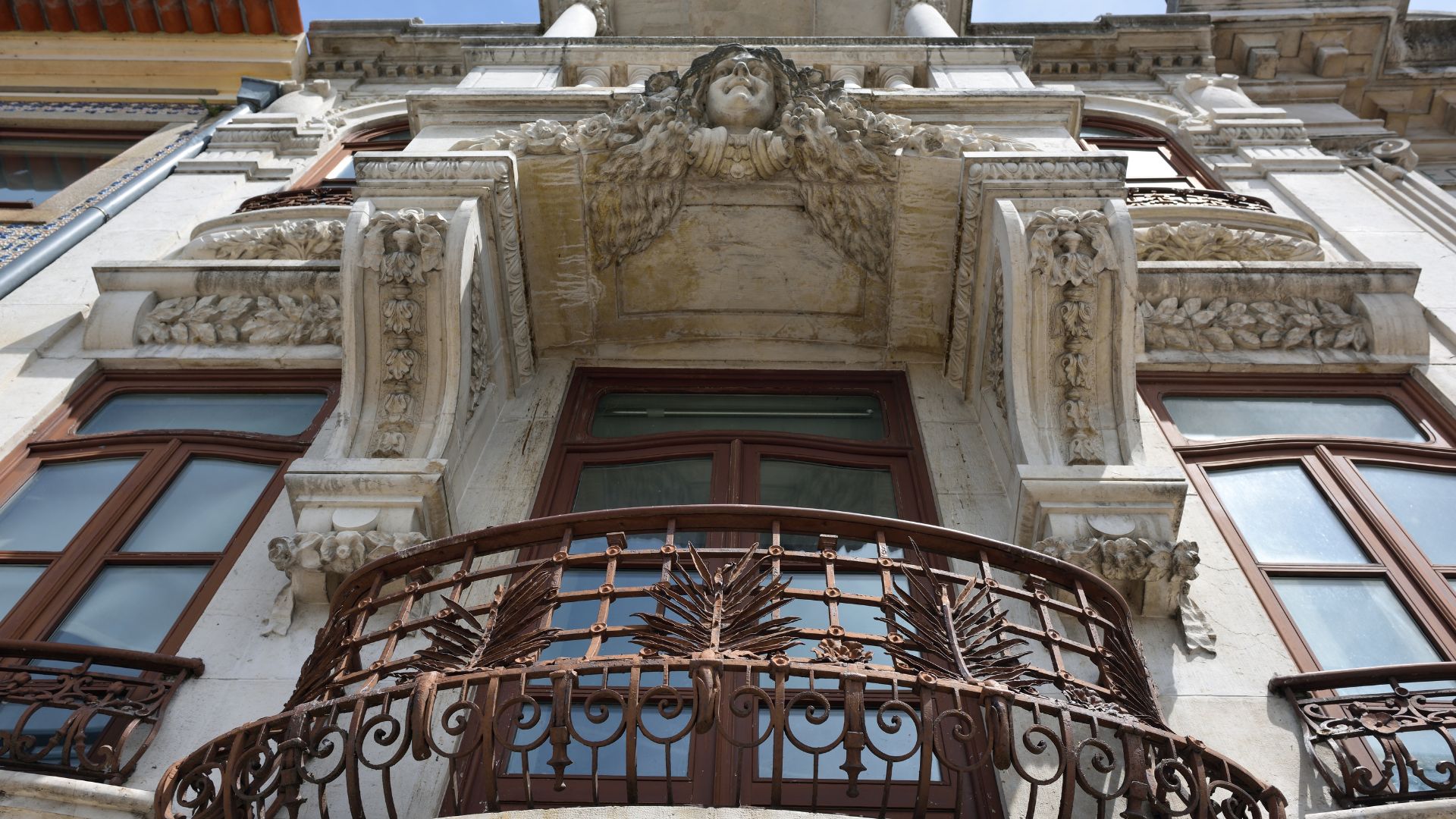
Walking through Aveiro, I couldn’t miss its Art Nouveau architecture. Iron balconies, colored glass, and decorative tiles popped up everywhere, making every stroll a treat for anyone who loves design or history.
Fascinating Facades: The City’s Artistic Legacy
Aveiro’s Art Nouveau facades stand out with sweeping lines, floral patterns, and pastel colors. Most of them cluster around the Rossio area, just above the canals.
Grand windows and decorative details turn each building into its own little masterpiece.
What really sets Aveiro apart is how many of these buildings have survived since the early 1900s. Some now house little shops or cafes, so I got to admire the woodwork and tiles up close while sipping coffee.
Every block had something new—a stained glass window here, an ornate bit of stonework there.
You’ll find some of the best examples on Rua João Mendonça and Avenida Dr. Lourenço Peixinho. Even the simple corner buildings surprise you with their iron balconies and painted designs.
I could’ve spent an hour wandering, camera in hand, and still found new details.
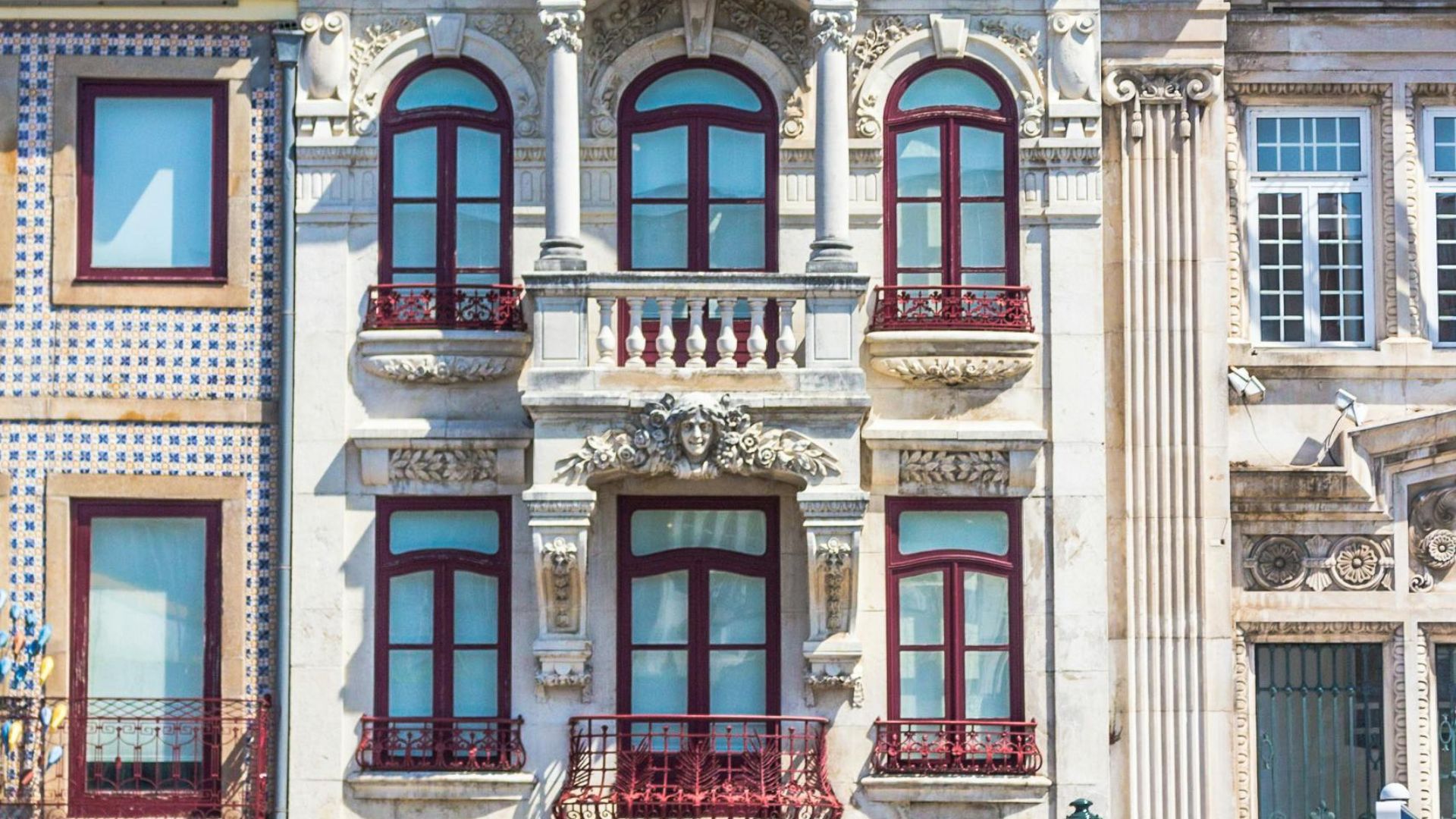
Exploring the Art Nouveau Museum
The Museu de Arte Nova sits tucked inside a beautifully restored mansion. The entrance, with its ornate doors and bright glass, pulled me in right away.
Inside, I found exhibits about Art Nouveau’s history in Portugal and how it shaped Aveiro.
The museum shows off original furniture, vintage posters, and decorative pieces from the early 1900s. I really liked the sketches and models from architects of that era.
Upstairs, there’s a tea room with Art Nouveau touches everywhere—from lamps to mosaic tiles. It’s a sweet spot to rest and soak up the creative vibe.
After visiting, I started spotting building styles and details I’d missed earlier.
Photogenic Walks: Best Spots for Architecture Lovers
If you love architecture or snapping photos, Aveiro’s a goldmine. Some of the best views are along Avenida Dr. Lourenço Peixinho and the canal-side path by the main square.
When the sun’s low, the facades glow and the water doubles the scene.
Some buildings have plaques explaining their history, so it’s worth wandering slow. For photos, I found early mornings and late afternoons worked best—soft light, fewer crowds.
Mix a canal ride with a stroll and you’ll get the best of both worlds.
Don’t skip the side streets. There’s always a hidden gem behind a corner shop or tucked away from the crowds.
I left Aveiro with a camera full of memories and a head buzzing with inspiration.
Canal-Side Life: Sights, Sounds, and Flavors
Aveiro’s canals are alive with activity, mixing old traditions with modern energy.
The waterfront pulls you in with local flavors, bright shops, and scenes that stick with you.
Riverside Cafés and Traditional Sweets
A walk by the Canal Central brought the smell of coffee and pastries. Riverside cafés aren’t just for resting—they’re perfect for soaking up Aveiro’s laid-back pace.
Locals and travelers gather under striped awnings, sipping espresso or galão as moliceiro boats drift by.
I couldn’t resist ovos moles, Aveiro’s famous egg-yolk sweets. They come shaped like shells or barrels and fill pastelarias along the canals.
Ovos moles are sweet, but not too heavy, and the creamy filling is something special. Paired with strong Portuguese coffee, it quickly became my afternoon ritual.
Popular Canal-Side Treats:
| Sweet | Flavor Profile | Where to Find |
|---|---|---|
| Ovos moles | Rich, creamy, sweet | Pastelarias, markets |
| Pão de ló | Light sponge cake | Local bakeries |
| Pastéis de nata | Custardy, flaky | Café counters |
Honestly, nothing beats grabbing an outside table, watching the water glimmer, and biting into local treats as the city floats by.

Vibrant Markets along the Water’s Edge
Every trip to Aveiro’s markets brings something new. The Mercado do Peixe stands out, buzzing with fishmongers selling the freshest catch.
In the early morning, I watched chefs haggle over silver eels and clams, their voices mixing with laughter and the calls of boatmen.
Stalls overflowed with regional cheeses, cured meats, and fruit. I liked grabbing a snack—maybe a wedge of queijo or a ripe fig.
There’s a special energy at the riverside market that pulls you in. Even just window-shopping, the colors and sounds stick with you.
Most markets sit just steps from the water, so you can wander right from the canals into the heart of local life.
Some stalls sell hand-painted ceramics and woven baskets, blending art and commerce.
Local Encounters: Crafts and Community
Aveiro’s creative spirit shines along the canal banks. I often stopped to watch artisans painting tiny moliceiros or weaving bright textiles.
Many shops invite you in, so you can see the craft behind tiles, hats, and lace.
Conversations here happen naturally. Shopkeepers love sharing stories about old fishing families, moliceiro races, or the meaning behind blue-and-white azulejos.
These chats make souvenirs feel special—they connect you to Aveiro’s people.
Sometimes, I’d sit in a canal-side square, listening to local musicians. Other times, I joined a workshop to try painting or folding paper flowers.
Community runs deep in Aveiro, especially along the water, where daily life and art mix in the open air.
Aveiro Behind the Scenes: History, Salt, and Innovation
Aveiro has more going on than its pretty canals. Layers of history, old industries, and bursts of new art give the city its unique vibe.
Salt Pans: Glimpses of a Working Heritage
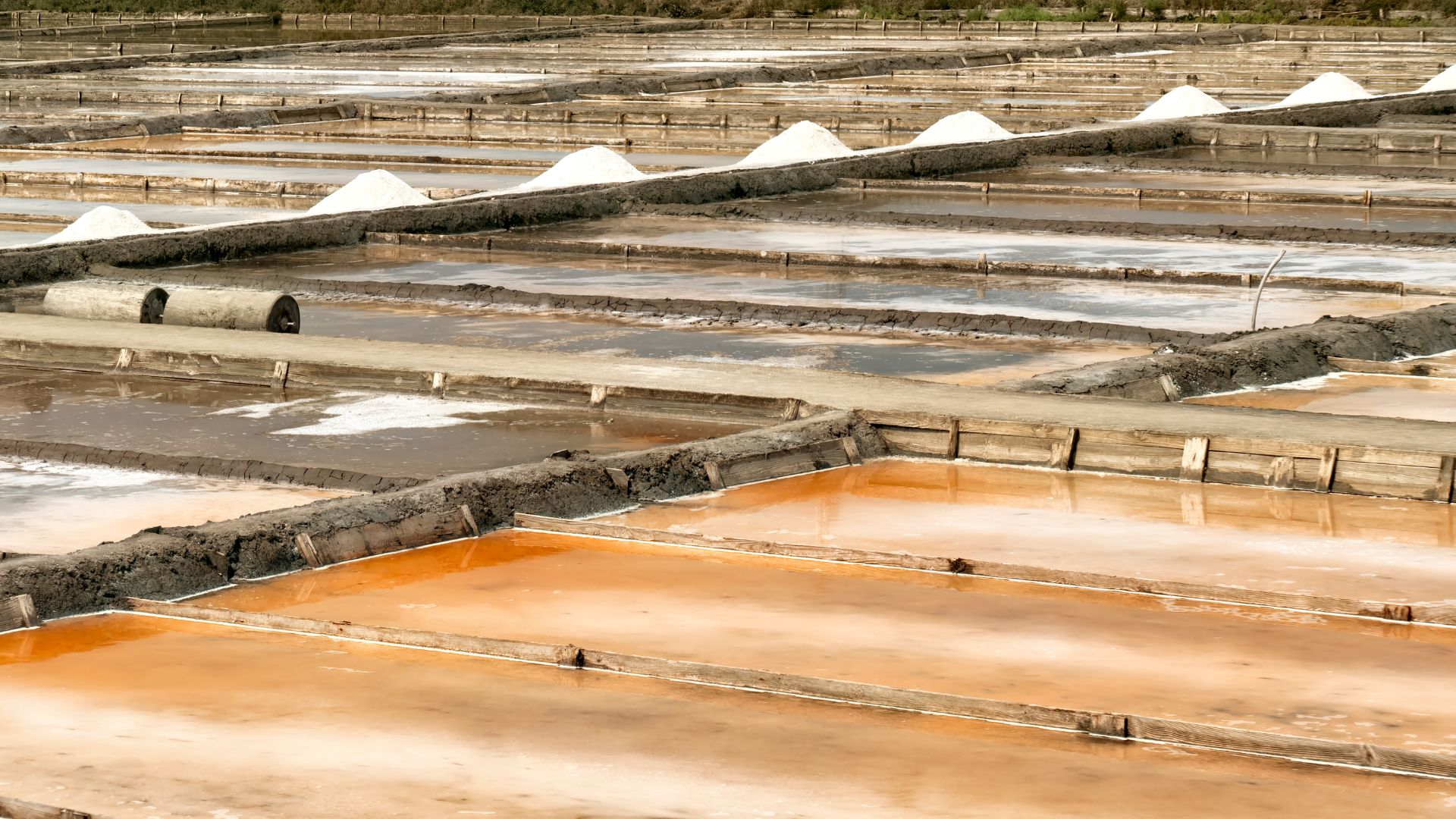
At the edge of Aveiro’s salt pans, I watched workers scoop up crisp, white salt crystals—a tradition that goes back centuries.
Salt production started here in Roman times, and hand-built wooden platforms called marinhas still stretch across the shallow water.
Salt powered Aveiro’s economy for ages, drawing traders from all over Europe.
Some salt pans still work today, and you can join tours or even help with the harvest.
The air smelled of brine, and the whole process felt almost meditative: skimming, piling, drying under the sun.
Quick Tip: I joined a local guide and learned how to rake salt. My hands tingled in the sea breeze, and suddenly, every salt shaker back home seemed a little more meaningful.
The Story of Aveiro’s Canals
People didn’t build Aveiro’s canals just for looks. In the 19th century, they dug them to help move salt and fish from the pans to the harbor.
I pictured the city’s past buzzing with commerce as I rode a moliceiro—a long, painted boat once used to collect river seaweed.
The boats and water channels gave Aveiro its “Venice of Portugal” nickname, but it’s the details that set it apart: the hand-painted moliceiros tell stories with local jokes and sea legends.
Walking along the canal banks, I passed old warehouses and charming tiled houses. I spotted bridges built for both people and workhorses—a simple sign that Aveiro’s historic heart still beats, even under all the tourist energy.
Modern Twists: Street Art and Urban Creativity
When I wandered past the canals, bursts of color grabbed my attention—murals and public art installations transformed plain walls into creative playgrounds.
Aveiro really loves art, and the city shows it off with events like the annual street art festival.
I snapped photos of giant paintings, quirky sculptures, and even electrical boxes turned into little masterpieces.
This modern vibe fits right in with Aveiro’s tradition of bold colors and graphic designs.
Art Nouveau buildings mix with pop art, so every walk feels like a new visual adventure.
Cafés and galleries spill out onto cobblestone streets.
I stumbled into hidden studios selling hand-painted ceramics and prints inspired by the city’s scenery.
If you want to feel Aveiro’s fresh energy, just duck into the side streets.
Each block feels like a canvas, and the artists here seem excited to show off what the city can become.
Practical Guide: Planning a Picture-Perfect Aveiro Experience
Exploring Aveiro’s canals is all about timing, a bit of insider knowledge, and figuring out the best way to get around the charming city center.
I realized pretty quickly that a few smart choices can turn a standard visit into a truly photogenic adventure.
When to Visit for the Ultimate Canal Trip
From what I’ve seen, Aveiro shines brightest from late April through early October.
Warm weather, blue skies, and long afternoons make for smooth sailing on the canals.
Summer—especially June to September—brings the liveliest vibe, but also bigger crowds.
If you want peace and better light for photos, mornings work best.
Spring is my personal favorite.
The city feels fresh and flowers spill from balconies everywhere.
Try to skip winter if you can; rain and wind sometimes shut down the canal tours or just make them less fun.
Here’s a quick look at the seasonal patterns:
| Season | Weather | Crowds | Best For |
|---|---|---|---|
| Spring | Mild, sunny | Moderate | Flowers, good photos |
| Summer | Warm, busy | High | Energy, festivals |
| Fall | Soft light | Lower | Quiet exploration |
| Winter | Rain, chilly | Low | Rare deals, fewer tours |
Booking a Moliceiro Ride: Insider Tips
Booking a moliceiro boat ride is pretty straightforward, but a few tricks help you get more out of it.
I found it easiest to book right at the main canal by the old fish market.
Plenty of stands sell tickets, and most staff speak English.
If you want to make sure you get a seat or want a themed or private tour, book online in advance.
Most standard rides last about 45 minutes and cost between €10 and €15 per person.
Early morning and late afternoon trips have the best light.
Fewer boats mean a quieter ride, too.
I’d pick a seat at the bow for panoramic photos of pastel houses and tiled façades.
And don’t forget sunscreen, even on cloudy days.
Getting Around: Bicycles, Tuk-Tuks, and Walking Paths
After I floated past Aveiro’s art-nouveau buildings, I just wandered the side streets on foot. The old town feels flat and pretty compact, so walking here is honestly a breeze.
I grabbed a “BUGA” bike—Aveiro’s free public bike program—and pedaled along the canals for a while. You can pick up a bike at one of the stands near the city center, but don’t forget your passport for ID.
When I wanted to go farther, or just felt a bit lazy, I spotted electric tuk-tuks everywhere. Locals drive them, and it’s a fun way to get a little tour at the same time.
- Walking: Perfect for checking out shops, cafes, and canal viewpoints.
- Bicycle (BUGA): Free, super easy, and a fast way to reach Costa Nova or the salt pans.
- Tuk-Tuk: Handy for groups or those moments when the heat gets to you.
Honestly, I mixed all three. That made every corner of Aveiro feel within reach, and it kept things chill and spontaneous.
