
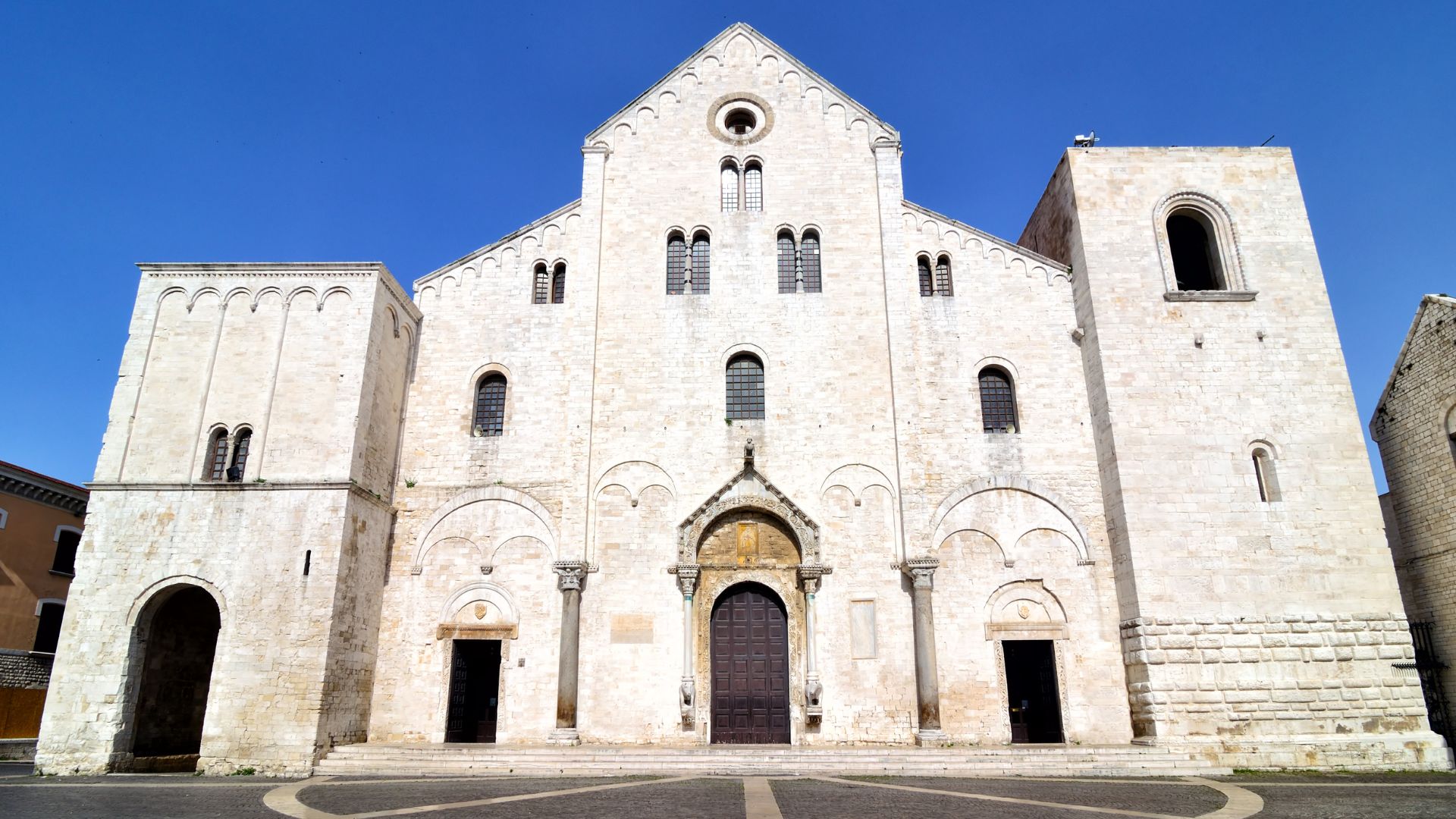
As I wander the narrow streets of Bari’s Old Quarter, I can’t help but feel the city’s deep spiritual bond with Saint Nicholas. The Basilica of Saint Nicholas in Bari isn’t just another beautiful church—it’s one of Europe’s most important religious sites, and the real Santa Claus rests in its crypt.
For nearly a thousand years, locals have looked to this former Bishop of Myra as their patron saint and protector. That history feels alive as I watch elderly women lighting candles in the basilica’s dim interior.
What makes this connection so special? It’s woven right into daily life. Locals don’t just pop in on holidays; many stop by often, treating Saint Nicholas almost like a trusted neighbor who keeps a watchful eye over their city by the sea.
Beyond the basilica’s impressive Romanesque stonework, it’s the living faith that really grabs me. Fishermen pray for safe journeys, families give thanks for good fortune, and visitors from both Orthodox and Catholic backgrounds come to pay their respects.
This morning, I watched a Russian Orthodox family kneel in prayer beside an Italian grandmother. That quiet moment reminded me how Saint Nicholas continues to bridge Eastern and Western Christianity, right here in sunlit southern Italy.
The Old Quarter of Bari: Unveiling History and Heritage
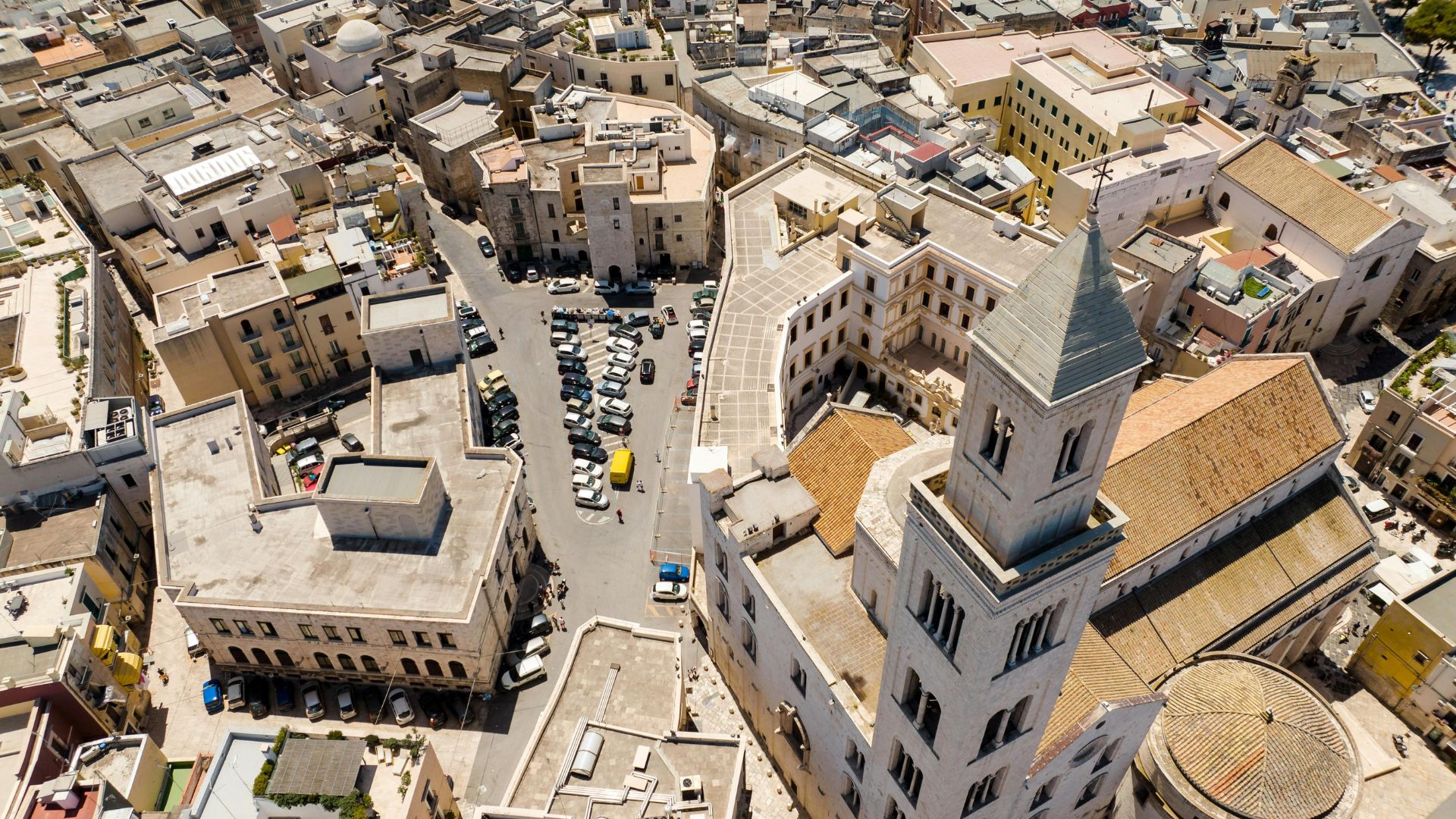
Wandering through Bari’s Old Quarter feels like time travel, honestly. The winding alleys, ancient churches, and lively piazzas all whisper stories from thousands of years of Mediterranean history.
Origins of Bari’s Historic Center
Locals call the historic center Bari Vecchia, and it goes way, way back—think Bronze Age. I was genuinely surprised to learn how ancient its roots are.
Over the centuries, the Peucetians, Romans, Goths, Byzantines, and Normans all ruled this area. Each group left its mark on the architecture and culture.
You can still trace the medieval street plan, with its confusing maze designed to trip up invaders and shield residents from strong coastal winds. The old defensive walls mostly vanished, but a few stretches remain visible if you look closely.
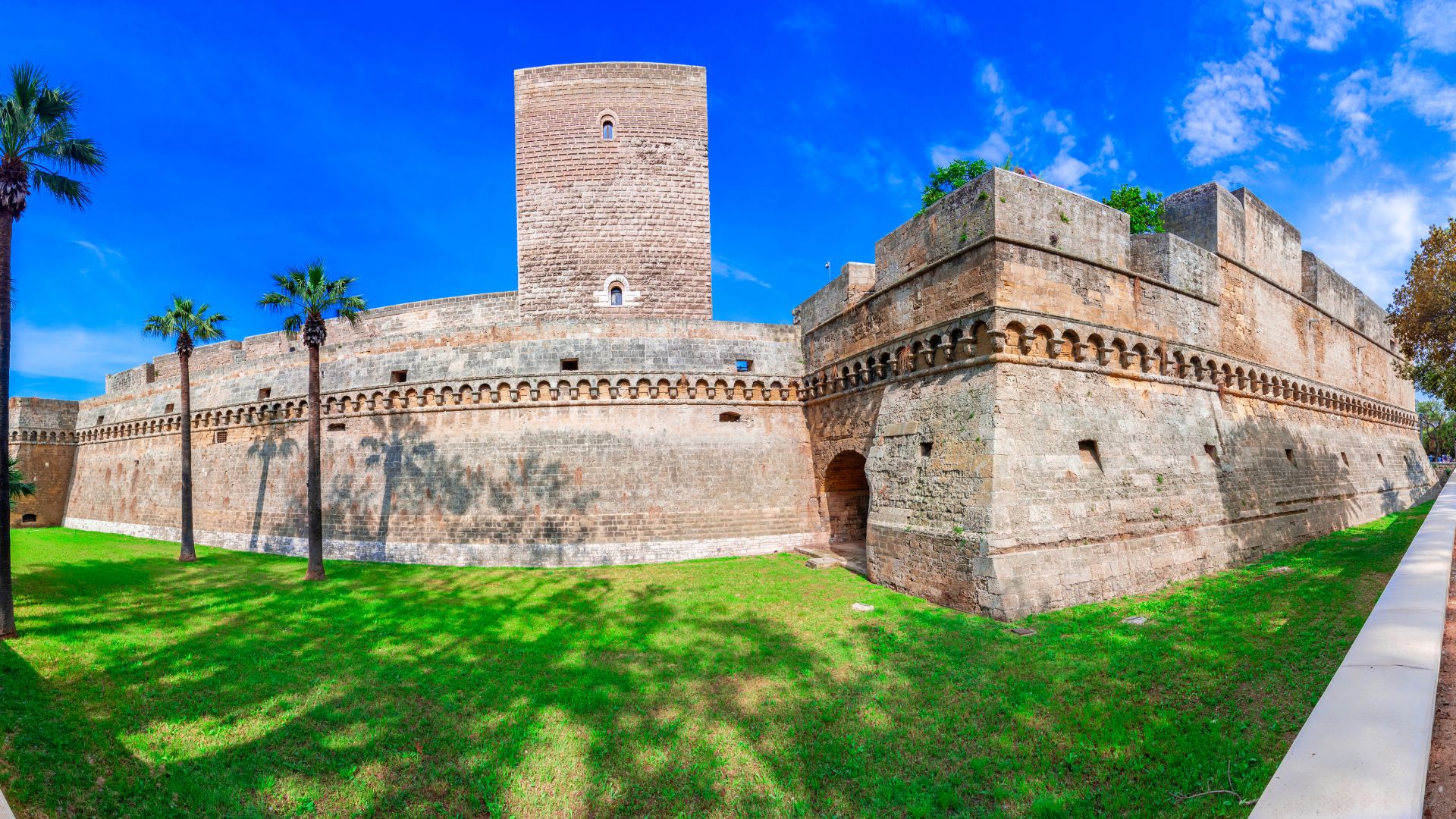
Castello Svevo, that imposing Norman-Hohenstaufen fortress, still stands as proof of Bari’s strategic importance. I lost track of time exploring its thick stone walls and learning about its wild past.
Culture and Traditions in the Old Town
Bari’s culture pulses strongest in its Old Quarter. Honestly, seeing local women making orecchiette pasta by hand right in the street was unforgettable—a living tradition passed down for generations.
The Basilica di San Nicola stands here too, built to house the relics of Saint Nicholas (yes, the real inspiration for Santa Claus!). Barese sailors brought these relics from Myra—now Turkey—in 1087, turning Bari into a major pilgrimage spot.
Religious processions fill the calendar, and the Festa di San Nicola in May tops them all. I joined locals for parades, feasts, and fireworks that lit up the night.
Bari Vecchia’s food traditions run deep. I tried local treats like:
- Fresh seafood straight from the harbor
- Focaccia barese with tomatoes and olives
- Tiella—a hearty bake of rice, potatoes, and mussels
Walking the Ancient Streets: Things to Do
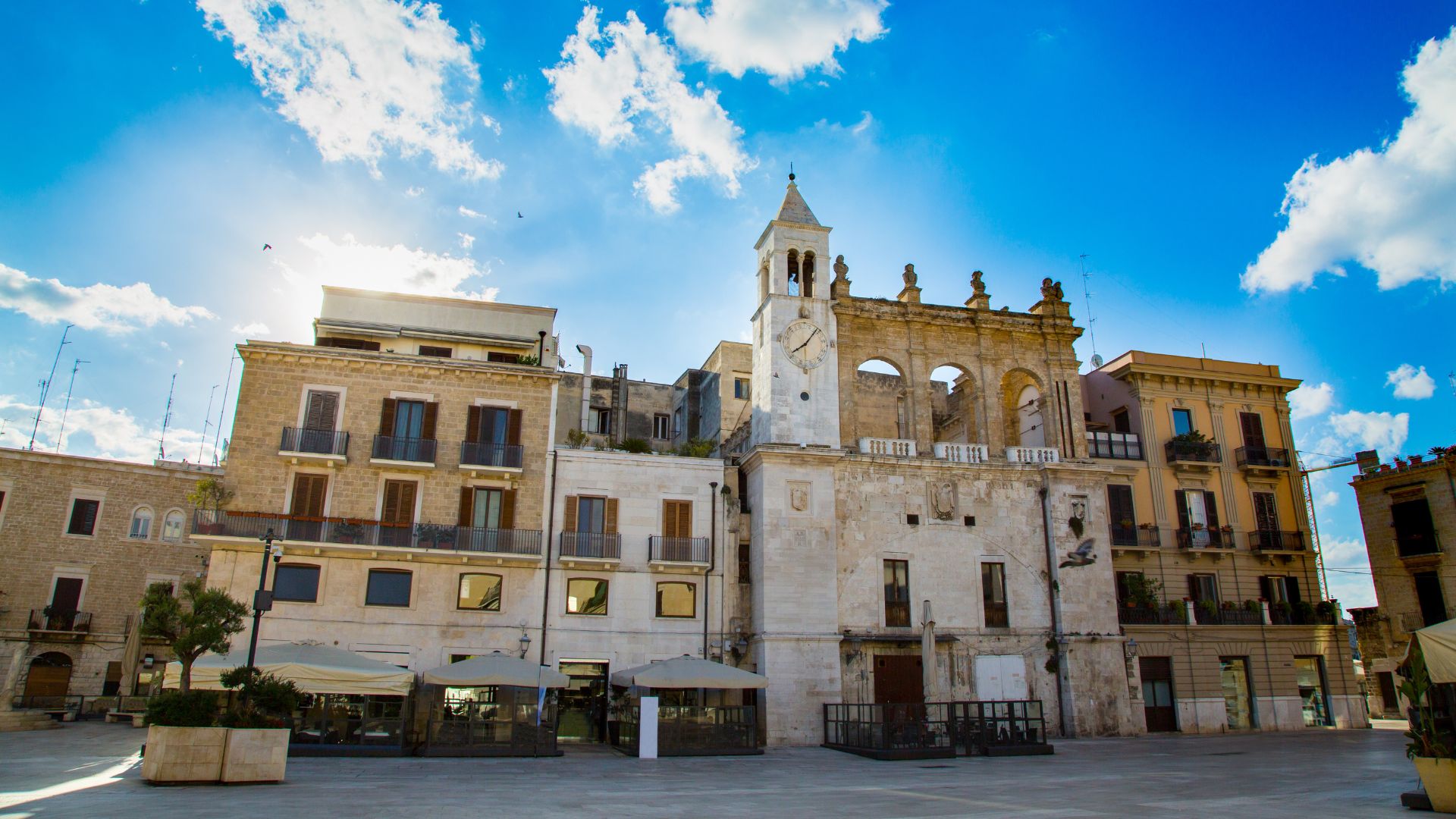
If you want to soak up Bari’s Old Town, just walk. I kicked things off at Piazza Mercantile, the old commercial heart where merchants once traded everything under the sun.
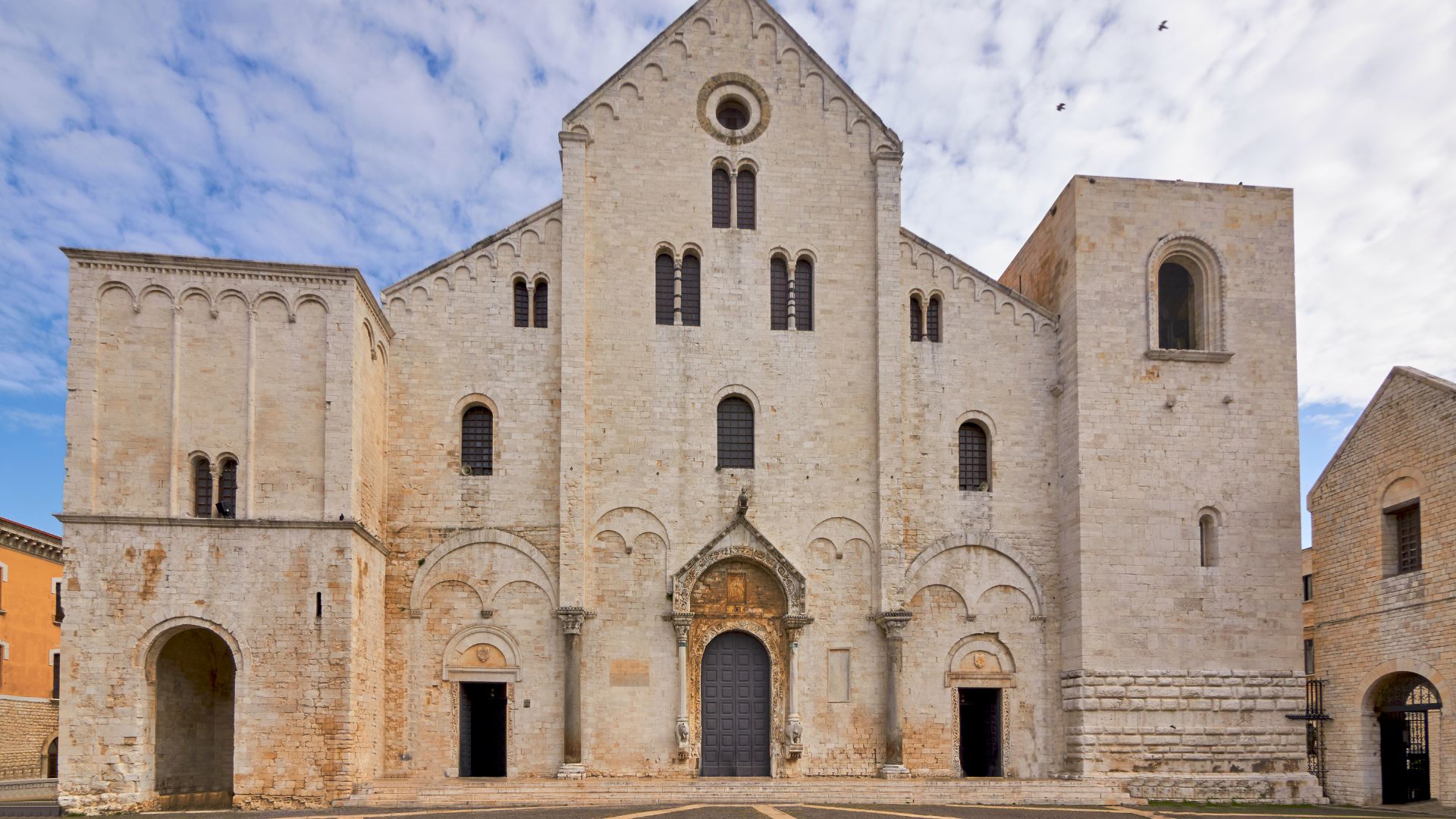
The Basilica di San Nicola is an absolute must. This Romanesque masterpiece guards the saint’s remains in its crypt. Just around the corner, the Cathedral of San Sabino offers another window into Bari’s spiritual story.
For a real taste of local life, I’d say:
- Head to Strada delle Orecchiette and watch pasta-making up close
- Walk the seafront promenade—it’s one of Italy’s longest
- Duck into a bakery for fresh focaccia, still warm from the oven
At night, the Old Town buzzes with trattorias serving up honest Puglian cuisine. I found the best spots just by following locals, not my guidebook.
Shopping here is its own adventure. Instead of touristy trinkets, you’ll find ceramics, local olive oil, and handmade linens in tiny shops—each one a little slice of Apulian tradition.
Basilica San Nicola: The Heartbeat of Bari’s Spiritual Life
Every time I walk Bari’s Old Quarter, I feel pulled toward the grand Basilica San Nicola, a spiritual center that’s shaped this city for nearly a thousand years. This church holds the remains of one of Christianity’s most beloved saints and stands as proof of Bari’s religious significance.
Basilica San Nicola and Its Romanesque Architecture
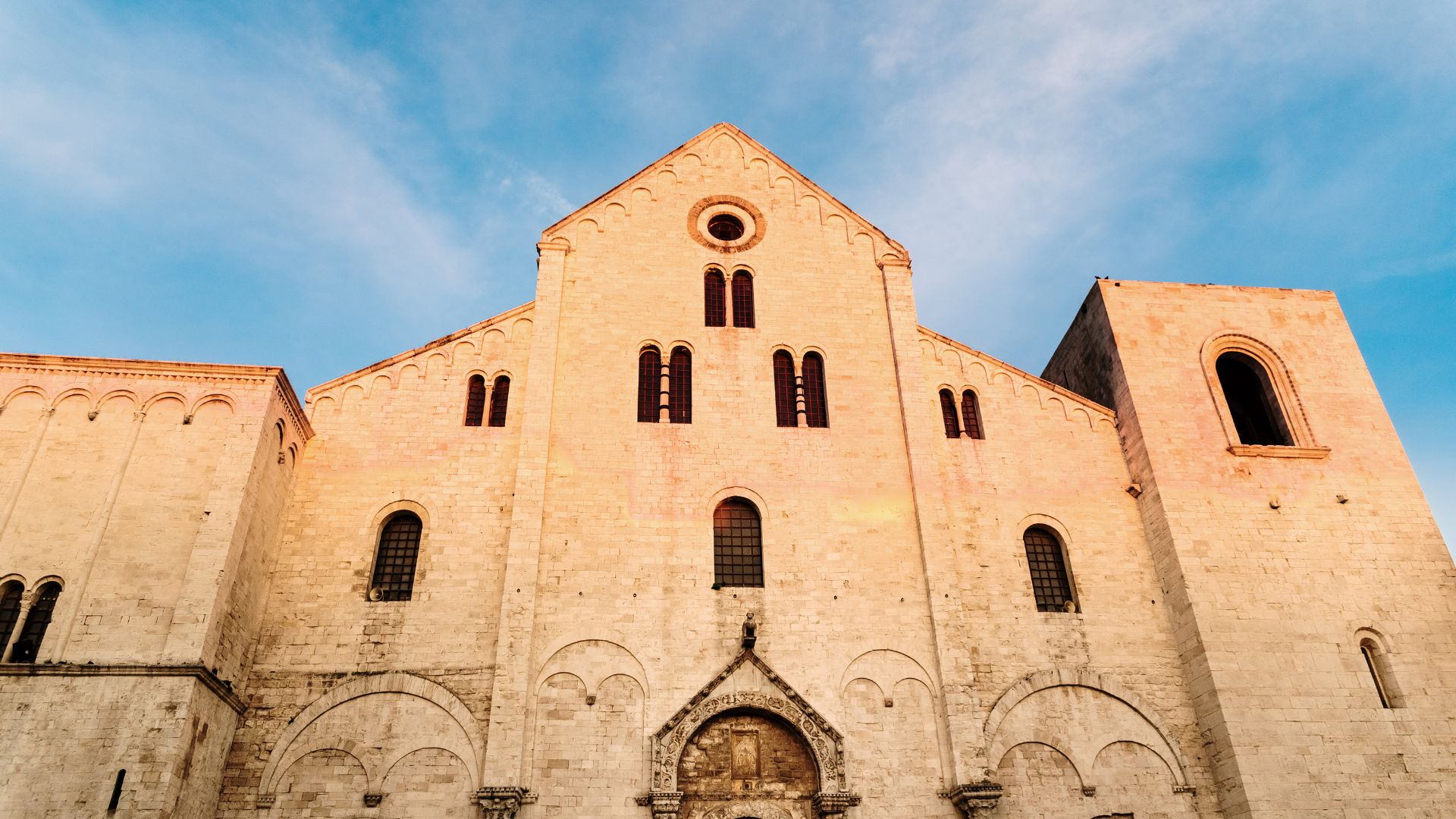
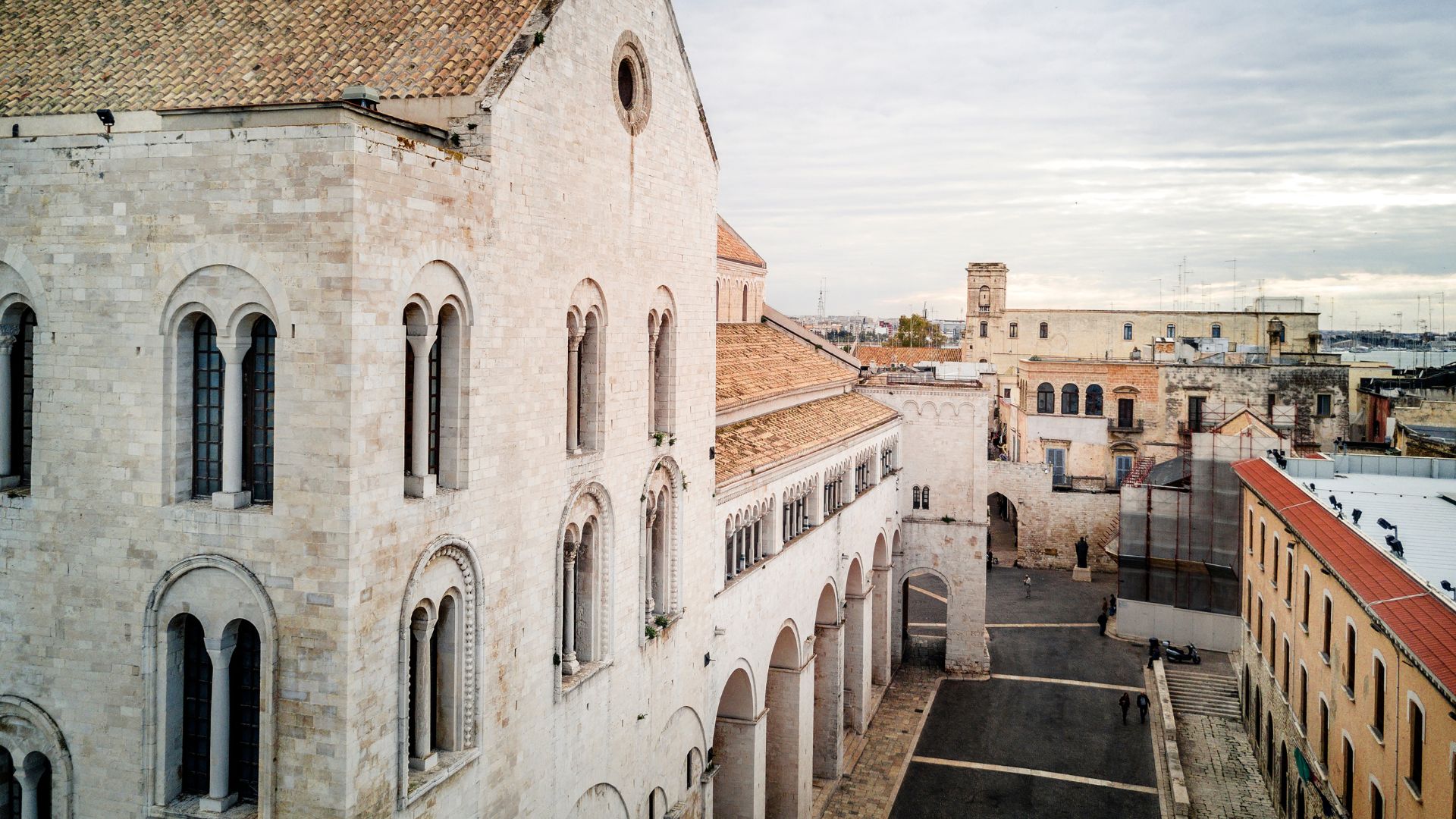
They built the Pontifical Basilica of Saint Nicholas between 1087 and 1197, making it one of southern Italy’s earliest and finest Romanesque architecture gems. The first time I saw its limestone façade, I was surprised by its stark beauty and strength.
Two tall bell towers frame a rose window above the entrance. Inside, three naves rest on granite columns, and wooden beams overhead create a solemn mood that fits the space perfectly.
What really sets this basilica apart is how it blends Eastern and Western Christian traditions. That wasn’t just a style choice—it reflects Bari’s long history as a crossroads between the Byzantine and Western worlds.
The Relics of Saint Nicholas: An Enduring Legacy
They built the basilica specifically for the relics of St. Nicholas, the 4th-century Bishop of Myra in what’s now Turkey. In 1087, sailors from Bari risked everything to bring his remains home.
When I made my way down to the crypt, I found pilgrims from all over the world gathered at the saint’s tomb. The marble altar holds his bones, which many say produce a miraculous liquid called “manna.”
Both Catholic and Orthodox Christians venerate St. Nicholas, making this basilica a rare shared sacred space. His reputation for generosity and miracles eventually gave rise to the figure of Santa Claus.
Miracles, Legends, and Pilgrimage
Every May 9th, Bari bursts with life for the Festa di San Nicola. Crowds gather for processions, feasts, and ceremonies honoring the arrival of the saint’s relics.
The basilica is famous for the “miracle of the manna”—that mysterious liquid said to seep from the saint’s bones. Pilgrims collect it, believing in its healing powers.
St. Nicholas built his reputation on acts of generosity. My favorite story tells how he secretly gave gold to three poor girls for their dowries, saving them from poverty. This legend inspired the Christmas gift-giving tradition.
Today, the basilica remains a vibrant pilgrimage site. I’ve met visitors from Russia, Greece, and all over Europe who come just to pray at St. Nicholas’s tomb. It’s no exaggeration—the basilica truly beats at the spiritual heart of this old port city.
Churches and Cathedrals: Celebrating Bari’s Religious Spectrum
Walking through Bari’s old quarter, you stumble on sacred spaces at every turn. From grand basilicas to quiet chapels, each stone seems to hum with stories of faith and heritage.
Bari Cathedral and the Virgin Mary
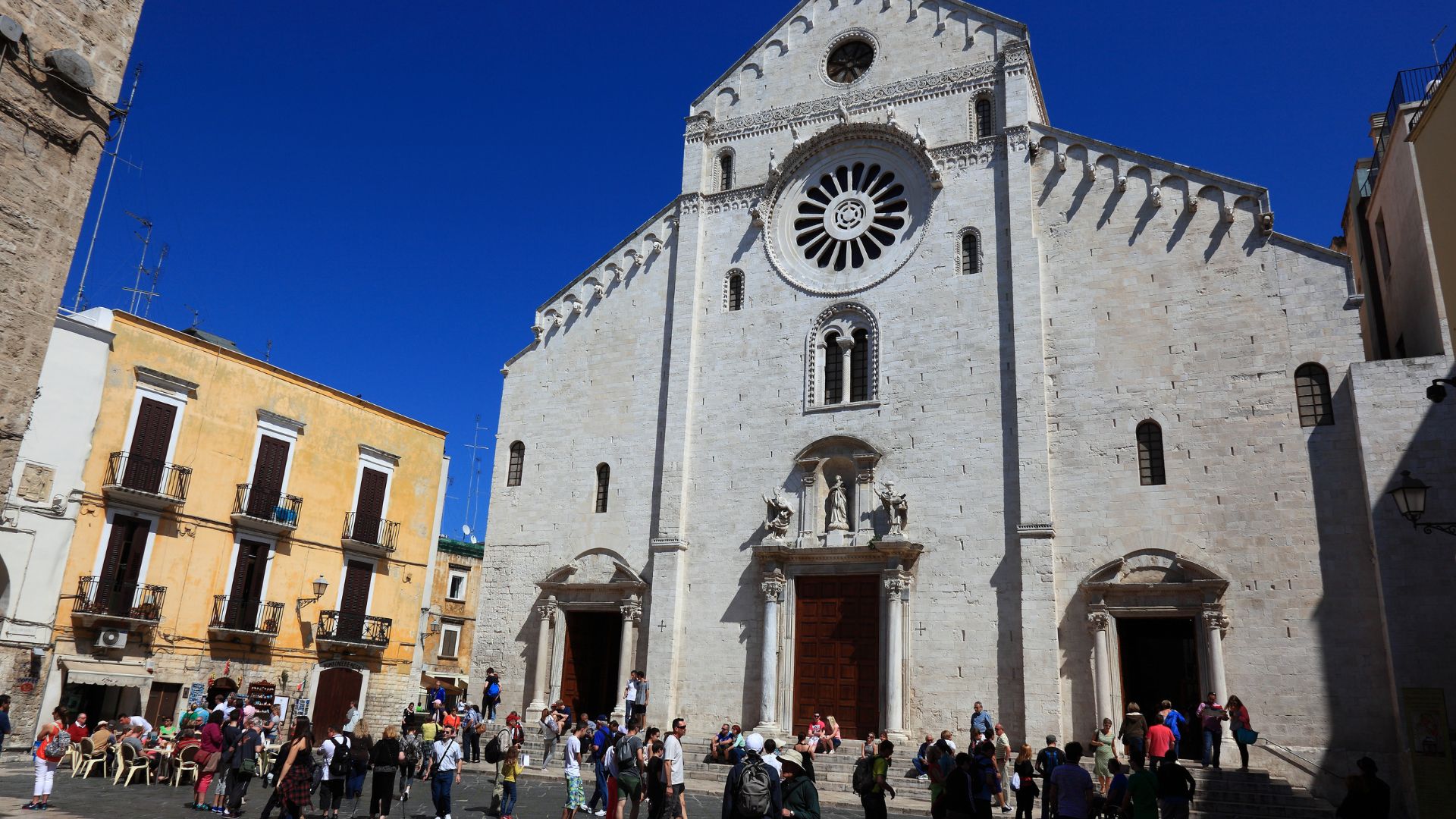
Bari Cathedral, or the Cathedral of San Sabino, is another Romanesque marvel. The first time I visited, its simple, powerful exterior made a real impression. Inside, you’ll find a beautiful icon of the Madonna and Child that goes back centuries.
The crypt below is quietly stunning, with marble columns and a hush that invites prayer. Locals come here to pray to the Virgin Mary, keeping up traditions that have lasted for ages.
Unlike the more famous Basilica di San Nicola, the cathedral feels more intimate, almost woven into the daily rhythm of the old town. I noticed how seamlessly it fits into local life.
Sacred Art: Frescoes, Altars, and Pulpits
Bari’s churches are packed with artistic treasures. In the Basilica di San Nicola, the ornate altar bursts with intricate stonework that tells biblical stories in carved scenes. The craftsmanship honestly took my breath away.
Chiesa di Santa Teresa dei Maschi, built in 1690, holds frescoes that still glow with color centuries later. These paintings often feature saints who matter most to the local community.
Many churches have raised marble pulpits, where priests have preached for hundreds of years. The pulpit in San Nicola stands out, decorated with both Byzantine and Western touches.
Notable Church Art in Bari:
- Byzantine-style icons and mosaics
- Baroque ceiling paintings
- Intricately carved wooden choir stalls
- Silver reliquaries and processional objects
Mass, Liturgy, and Worshipper Traditions
Attending Mass in Bari gives you a glimpse into living traditions shaped by centuries. I joined a Sunday service at the Basilica di San Nicola, and the incense and Gregorian chants filled the space with a sense of history.
Worshippers keep up unique customs, especially on feast days. On December 6th, Saint Nicholas Day, the basilica fills with pilgrims from across Europe and Russia. Bari does become an ecumenical meeting point.
During major celebrations, I’ve watched locals touch church walls or kiss sacred objects—personal acts of devotion that link today’s worshippers to their ancestors.
The mix of Eastern and Western Christian traditions makes Bari’s religious life unusually rich. Many services blend elements from both Catholic and Orthodox heritage.
Orthodox and Catholic Heritage: Celebrations and Living Traditions
Bari’s religious traditions blend Orthodox and Catholic influences, creating celebrations that honor Saint Nicholas all year long. The city’s spiritual identity shines through in processions, pilgrimages, and festivals that locals have kept alive for centuries.
The Procession of Saint Nicholas
Every May 7-9, I join thousands of locals for the Festa di San Nicola. This festival marks the arrival of Saint Nicholas’s relics in 1087. The highlight is the sea procession, where a statue of the saint travels by boat along Bari’s coast.
The statue continues through the narrow streets of Bari Vecchia in a grand parade. Locals dress in medieval costumes, and the whole thing feels like a time machine. Church bells ring out as the procession nears the basilica.
There’s something special about the mood—solemn but joyful. Families line the route, sometimes tossing flower petals as the saint passes. The celebration wraps with fireworks over the Adriatic, lighting up the lungomare.

Orthodox Pilgrims and Their Rituals
Twice a week, I see Orthodox visitors collecting myrrh from Saint Nicholas’s tomb in the basilica’s crypt. This oil, believed to have healing powers, flows mysteriously from the saint’s bones.
Pilgrims from Russia, Greece, and Eastern Europe travel thousands of miles to venerate these relics. They touch their foreheads to the tomb and leave handwritten prayer notes. Orthodox priests often celebrate Divine Liturgy in the crypt, filling the air with incense and deep chanting.
Here, Orthodox and Catholic faithful share a rare harmony. In 2025, Bari will host special jubilee events to welcome even more Orthodox pilgrims, celebrating the shared veneration of Nicholas, a saint who came long before any church schism.
Catholic Festivals and Local Celebrations
December 6th rolls around, and Bari just bursts with energy for Saint Nicholas’s feast day. I always notice the city at its liveliest then.
Kids leave shoes by the door, hoping Saint Nicholas drops in some treats—it’s funny how this tradition turned into the whole Santa Claus thing in other places.
Local bakeries get busy making “taralli di San Nicola,” those ring-shaped pastries with almonds and wine. You can smell them from blocks away.
The basilica puts on solemn masses all day. That evening service? It draws the biggest crowd by far.
Easter brings processions winding through Bari Vecchia, with people carrying statues of Christ and Mary. It’s moving, honestly.
In July, the Madonna della Madia festival lights up the streets with candles and folk music. Bari’s other patron saint gets her moment.
These celebrations keep old religious traditions alive in daily Barese life. You feel the connection to the past—almost a thousand years of it.
Beyond Religion: Bari’s Spiritual Influence on Southern Italy
Bari means more than just churches and saints. Its influence has shaped Southern Italy’s identity for centuries, and you can still feel those ripples today.
Cultural Exchange from Myra to Venice
Back in 1087, when Saint Nicholas’s relics traveled from Myra to Bari, the city changed forever. That moment didn’t just matter for religion—it turned Bari into a spiritual hub for the Mediterranean.
I’ve noticed how this single event put Bari right at the center between Eastern and Western Christianity. It’s wild to think about.
Venice later claimed some of Nicholas’s relics too, sparking a sort of spiritual rivalry between these two big port cities. That competition pushed both places to new heights in art and architecture.
As I wander through Bari’s old quarter, I can sense how this exchange shaped the city’s traditions. Orthodox Christian communities in Apulia add even more layers to this ongoing story.
Castello Svevo and Neighboring Landmarks
Castello Svevo towers over the city—a reminder of Bari’s strategic role beyond religion. Builders started it in the 12th century, and Frederick II beefed it up later to defend the city.
Every time I visit, I find more than just old stones. The castle helps me understand how Bari grew into a cultural center.
From the castle walls, you get a sweeping view of the old city blending into the new. It’s the kind of sight that sticks with you.
Nearby, you’ll find:
- Piazza Mercantile – This spot used to be the economic heart of medieval Bari.
- Piazza del Ferrarese – Here, ancient Roman roads cross into the modern city.
- The Muraglia – The old city walls, still standing, full of stories.
Together, these places show how Bari’s spiritual influence reached into civic life and even shaped its defenses.
Alberobello: Day Trips Enriching the Pilgrimage Experience
Alberobello sits just an hour’s drive from Bari, and honestly, it’s a day trip that can add something special to any spiritual journey through Apulia.
When I first saw the conical-roofed trulli houses, I felt like I’d stepped into a fairytale landscape—there’s nothing quite like it anywhere else in Italy.
You notice right away how these quirky buildings reflect the region’s rural spirituality and deep bond with the land.
Some trulli even have Christian symbols painted on their roofs, which just goes to show how faith sneaks into the everyday architecture down here.
When I visited, I realized that a lot of pilgrims heading to Bari also swing by Alberobello.
They want to experience the unique cultural traditions of Apulia, and honestly, it’s easy to see why.
The local crafts, the food, the architecture—all of it gives you a peek into the soul of Southern Italy.
It’s a vibe that feels different from Bari’s more formal religious scene, but somehow, it all fits together.
