
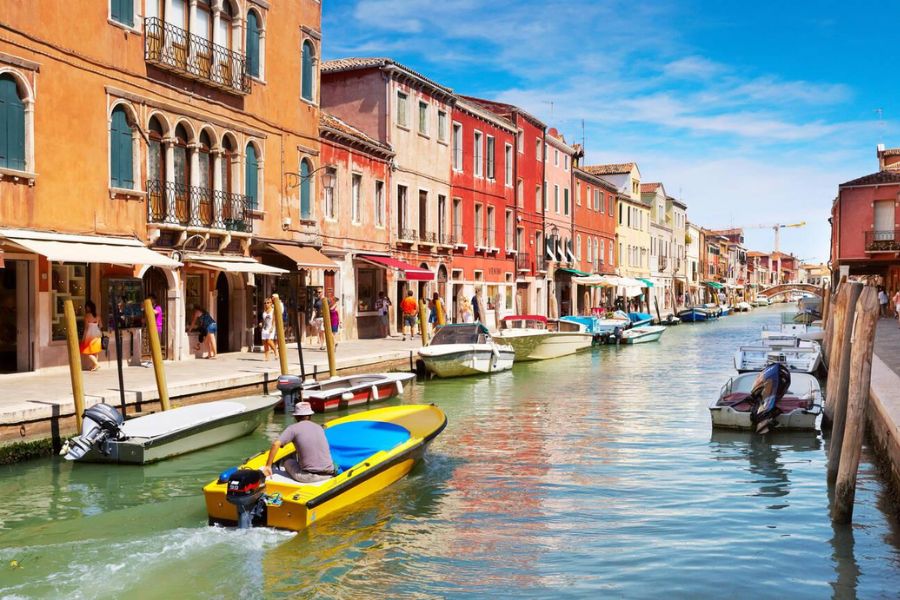
When I first stepped onto Murano Island in the Venetian Lagoon, I expected to see only the famous glass factories that have defined this place for centuries. What I discovered instead was a vibrant community with deep cultural roots that extend far beyond its glassmaking reputation. While Murano’s artistic glass district remains an important part of its identity, the island offers visitors authentic experiences that many tourists rushing between factory demonstrations often miss.
Wandering through Murano’s quiet back streets, I found myself falling in love with the colorful houses, peaceful canals, and local cafés where Venetians, not tourists, gather for their morning espresso. The island’s history dates back centuries, with an authentic bond to the territory that feels tangible as you explore its less-visited corners. These days, some traditional glass workshops are giving way to modern businesses, creating an interesting mix of old and new.
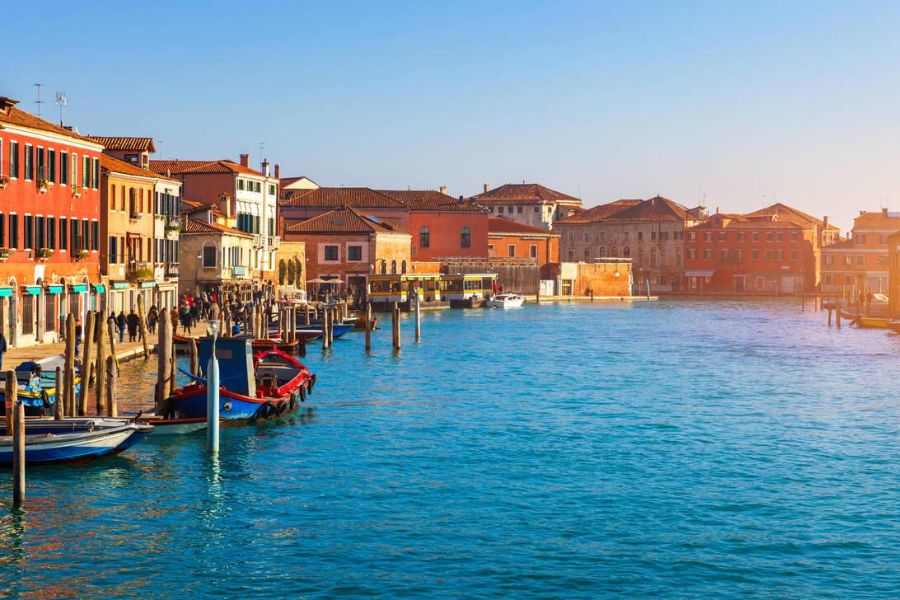
The true essence of Murano reveals itself when you look beyond the tourist-focused glass factory tours. I spent time chatting with local artisans in smaller studios who still practice time-honored glassmaking techniques passed down through generations. These craftspeople take immense pride in preserving authentic Murano Glass traditions, which have been protected since 1994 with special certification to help visitors identify genuine pieces amid the many imitations flooding the market.
Discovering the Heart of Murano
Walking through Murano feels like stepping into a living museum where art and daily life blend seamlessly. The island pulses with creative energy that extends far beyond its famous glass factories into its quiet canals, historic buildings, and the rhythm of local life.
The Cultural Tapestry of the Island
Murano’s identity is woven from more than just glass. As I wandered the island’s narrow streets, I discovered ancient churches dating back to the 7th century. The Church of Santa Maria e San Donato houses stunning Byzantine mosaics that rival those in Venice proper.
The island’s architecture tells stories of its prosperous past. Elegant palazzos line the canals, their facades decorated with intricate details that speak to Murano’s historical wealth. Many buildings feature distinctive Venetian Gothic windows and colorful exteriors that create a charming backdrop.
Art galleries showcase works beyond glass—paintings, sculptures, and mixed media pieces by local artists who draw inspiration from the lagoon environment. These creative spaces offer a glimpse into Murano’s evolving artistic soul.
A Day in the Life on Murano
Morning in Murano begins quietly compared to bustling Venice. I joined locals at Campo Santo Stefano, sipping espresso while watching fishermen return with their early catches. Small markets appear, selling fresh produce and seafood.
The rhythm here differs dramatically from Venice’s tourist centers. Children walk to school, shopkeepers arrange displays, and artisans head to workshops—all parts of an authentic community.
Lunchtime reveals family-run trattorias where glassmakers and locals gather. I enjoyed homemade pasta with lagoon seafood while listening to animated conversations in Venetian dialect. These eateries serve traditional dishes that have sustained island workers for generations.
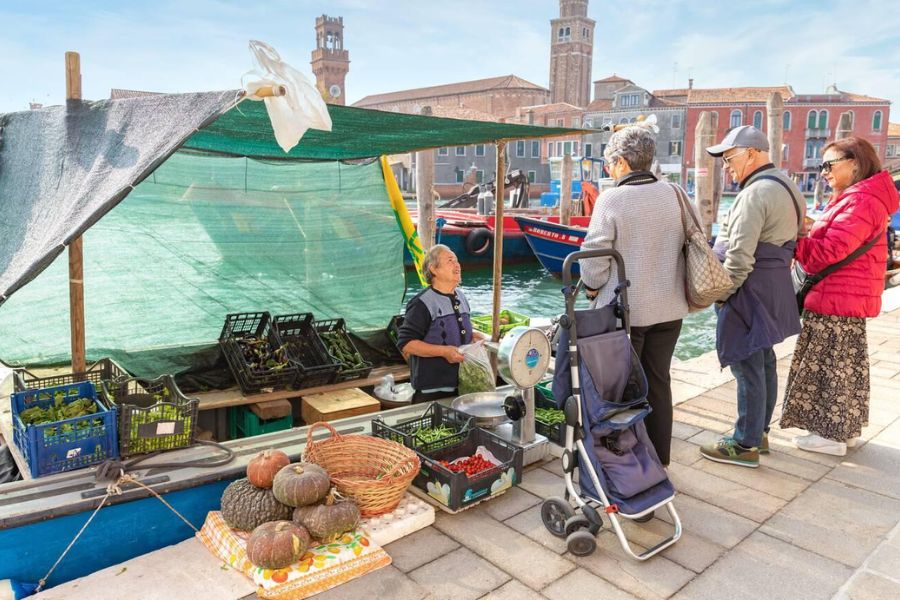
As evening approaches, the canals reflect golden light. Residents gather at local bars for spritz aperitifs, discussing the day’s events. This daily ritual offers travelers a genuine glimpse into Murano’s soul—one that exists independently from its famous glass industry.
The Ancient Art of Murano Glass
Murano glass represents one of Italy’s most treasured artistic traditions, dating back centuries and still thriving today. The craftsmanship behind these colorful creations involves techniques passed down through generations of master artisans.
The Legacy of Glass-Making
When I visited Murano Island, I learned that Venice’s glassmaking history stretches back to the eighth century. By the late 1200s, it had become Venice’s primary industry. The Venetian government made a crucial decision in 1291 that shaped Murano’s destiny – they moved all glass furnaces to this small island to protect Venice from fires.
This isolation created something special. Murano’s glassmakers developed their own techniques and guarded their secrets closely. Glass artisans couldn’t leave the island without permission. This protection of trade secrets helped Murano glass become world-renowned.
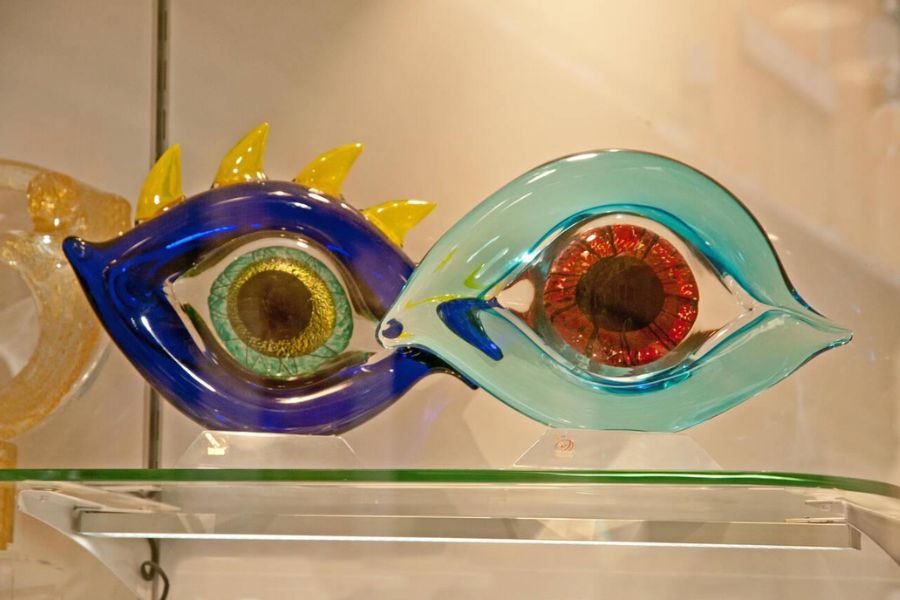
Walking through Murano today, I can feel this legacy in every workshop. Many current artisans come from families that have been making glass for generations. Their knowledge and skill weren’t learned from books but passed down through hands-on training.
From Sand to Chandelier: The Process
The transformation of raw materials into Murano masterpieces is fascinating to witness firsthand. It begins with a mixture of silica sand and other minerals heated to over 2,000°F in special furnaces. These furnaces run continuously, as cooling and reheating the glass can cause cracking.
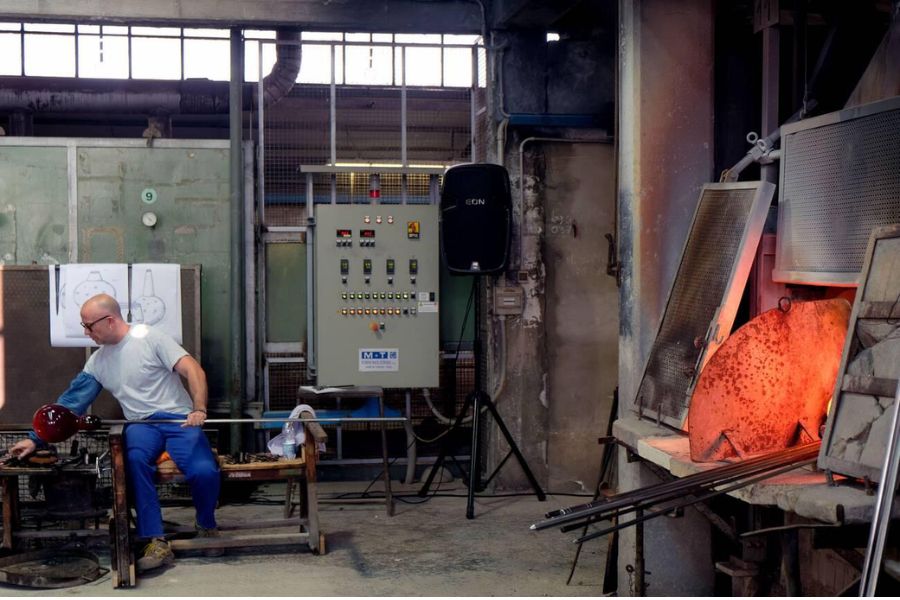
I watched master craftsmen gather molten glass on the end of a hollow metal blowpipe. With skilled breath control and constant rotation, they shape the glass while it remains malleable. The timing is critical – work too slowly and the piece fails.
Tools like wooden blocks, metal tweezers, and scissors help form the final shapes. For more intricate designs like the famous Murano chandeliers, multiple glass pieces are created separately then assembled. Adding minerals creates Murano’s signature vibrant colors – copper for blue, gold for ruby red.
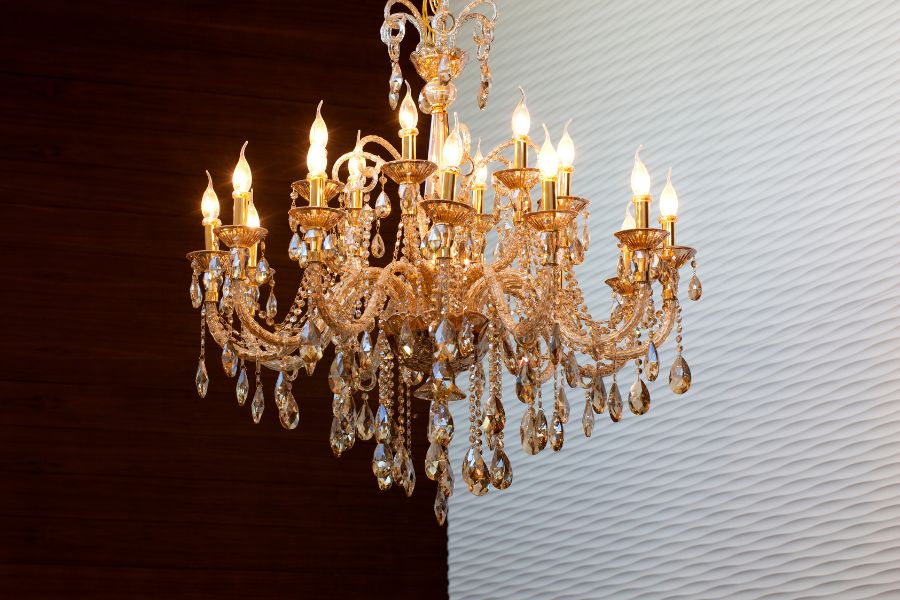
Each handmade Murano glass piece takes years of practice to perfect. No two items are exactly alike, which adds to their charm and value as authentic artistic creations.
Visiting Authentic Murano Glass Factories
When visiting Murano Island, watching master glassblowers transform molten glass into artwork is truly magical. The authentic factories offer a glimpse into centuries-old traditions that have made Murano glass famous worldwide.
Fratelli Toso: A True Gem
I discovered Fratelli Toso during my last visit to Murano and was immediately captivated by its authentic atmosphere. Unlike the tourist-focused demonstrations, this family-run factory has preserved traditional glassmaking techniques since 1854.
The workshop welcomes visitors with a more intimate experience than the larger commercial venues. I watched artisans work with remarkable precision, using tools virtually unchanged for centuries.
What makes Fratelli Toso special is their commitment to quality over quantity. Each piece is crafted with meticulous attention to detail, often taking days to complete.
The showroom displays their signature pieces with beautiful color combinations and intricate patterns that showcase true Murano craftsmanship.
Behind the Scenes of Creation
The glassmaking process at authentic Murano factories is fascinating to witness firsthand. I stood mesmerized as master craftsmen gathered molten glass from furnaces reaching nearly 2,400°F.
The basic tools might surprise you – wooden blocks, metal scissors, and blowing pipes are still the primary instruments. Nothing has changed in centuries!
Authentic Murano glass creation follows these basic steps:
- Gathering molten glass on a blowpipe
- Initial shaping through blowing and turning
- Adding colors and details
- Final shaping and cooling
The most impressive part was watching the delicate teamwork between the master and assistants. They communicate through subtle gestures, creating a choreographed dance around the hot glass.
Most authentic workshops offer demonstrations throughout the day, but I recommend visiting early morning when the artisans are freshest and the crowds are thinner.
Tasting Murano: Food and Drink Pairings
Murano offers more than just stunning glasswork—it’s a culinary paradise waiting to be explored. When I visit, I always make time to savor the island’s unique flavors that reflect its seafaring heritage and Venetian connections.
Local Delicacies
The seafood on Murano is incredibly fresh and prepared with recipes passed down through generations. During my last visit, I tried “risotto di gò,” a creamy rice dish made with goby fish caught in the lagoon—truly a taste of authentic Murano!
Many locals invited me to join them for “baccalà mantecato,” a whipped salt cod spread that pairs perfectly with crispy polenta. It’s a staple in family homes across the island.
For a quick lunch, look for “tramezzini” sandwiches with fillings like tuna and artichokes. These tiny triangular treats are perfect for a midday snack while exploring glass workshops.
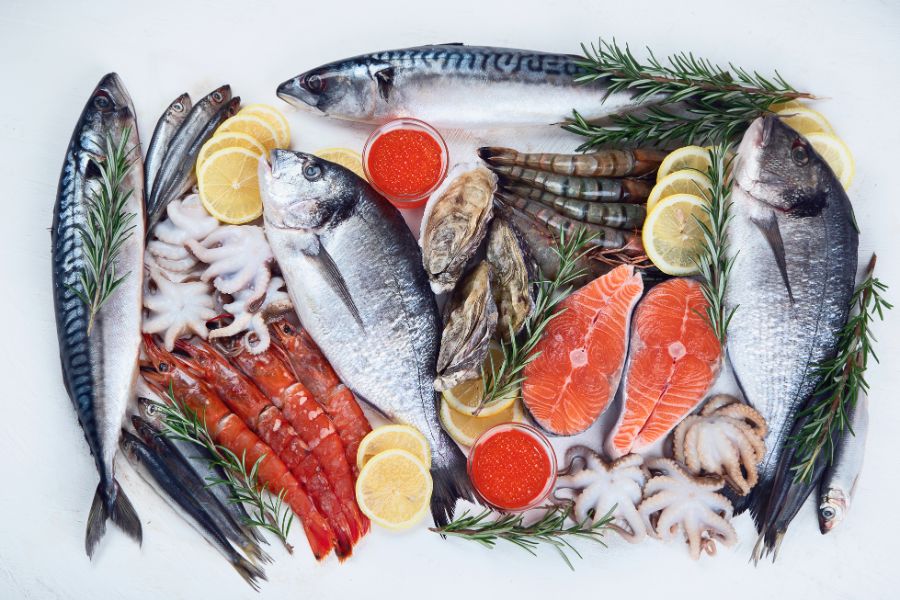
The island’s specialty dessert is “bussolai,” buttery ring-shaped cookies that local families have been baking for centuries.
Prosecco: The Island’s Sparkling Treasure
Prosecco flows freely on Murano, where the sparkling wine complements the island’s seafood dishes beautifully. Many glass factories offer complimentary glasses during demonstrations—a delightful way to enhance your viewing experience!
I discovered several charming bacari (wine bars) tucked away from tourist paths where locals gather to enjoy Prosecco with “cicchetti”—Venetian tapas featuring toppings like marinated seafood or creamy baccalà.
The best Prosecco experience I found was at a private dining event in a local’s home, where they paired different varieties with each course of our meal. The dry Prosecco Superiore DOCG from nearby Valdobbiadene hills worked wonderfully with the lagoon’s delicate fish flavors.
Look for food tours that include Prosecco tastings—they typically visit family-run establishments where you’ll taste authentic recipes treasured for generations.
Navigating Murano: Travel Tips and Insights
Getting to Murano is easy from Venice. I take the vaporetto (water bus) from Fondamente Nove. The vaporetto runs every 10 minutes and takes about 15 minutes to reach the island.
The best time to visit is early morning or late afternoon to avoid the tourist crowds. Many glass factory tours happen mid-day, so planning around these times gives you a more peaceful experience.
When exploring the Venetian Lagoon, I’ve found Murano to be much quieter than Venice proper. The island has a charming, village-like atmosphere that’s perfect for wandering.
Transportation Options:
- Vaporetto Line 4.1 or 4.2 from Venice
- Private water taxi (expensive but convenient)
- Guided tour boats (often include factory visits)
Don’t feel pressured to buy glass during factory tours! Many shops have aggressive sales tactics, but take your time to find authentic pieces you truly love.
For the best food, avoid restaurants near the main vaporetto stops. Walk a few streets inland to find local spots where Murano’s residents eat.
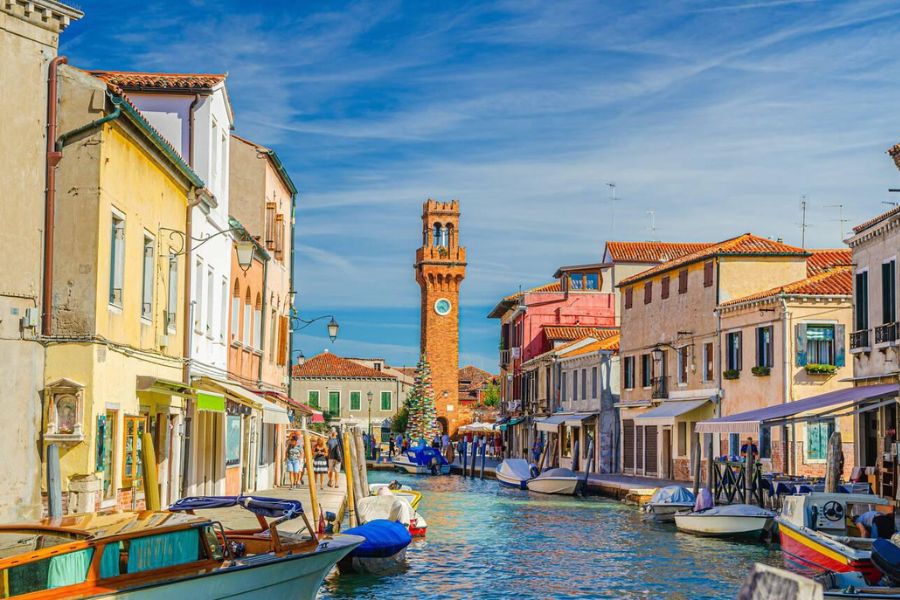
The island is small enough to explore on foot in a single day. I recommend starting at the Museo del Vetro (Glass Museum) to understand the craft before visiting workshops.
Most glass factories close on Sundays, and some workshops take extended lunch breaks. Make sure to check opening hours before planning your visit.
Bring a water bottle and wear comfortable shoes. While Murano is small, you’ll do plenty of walking on uneven cobblestone streets.
