
I used to think Spain’s Fortunate Isles were all about sand, surf, and endless sun. Turns out, there’s a lot more tucked away here than most people realize.
From ancient legends of seafaring kings to bustling villages serving seafood and pastries you’ll remember forever, Majorca, Minorca, and Ibiza have stories and flavors you just can’t get anywhere else.
There’s a vibe here—a mix of old-world history, lively culture, and traditions that almost force you to slow down and notice the details.
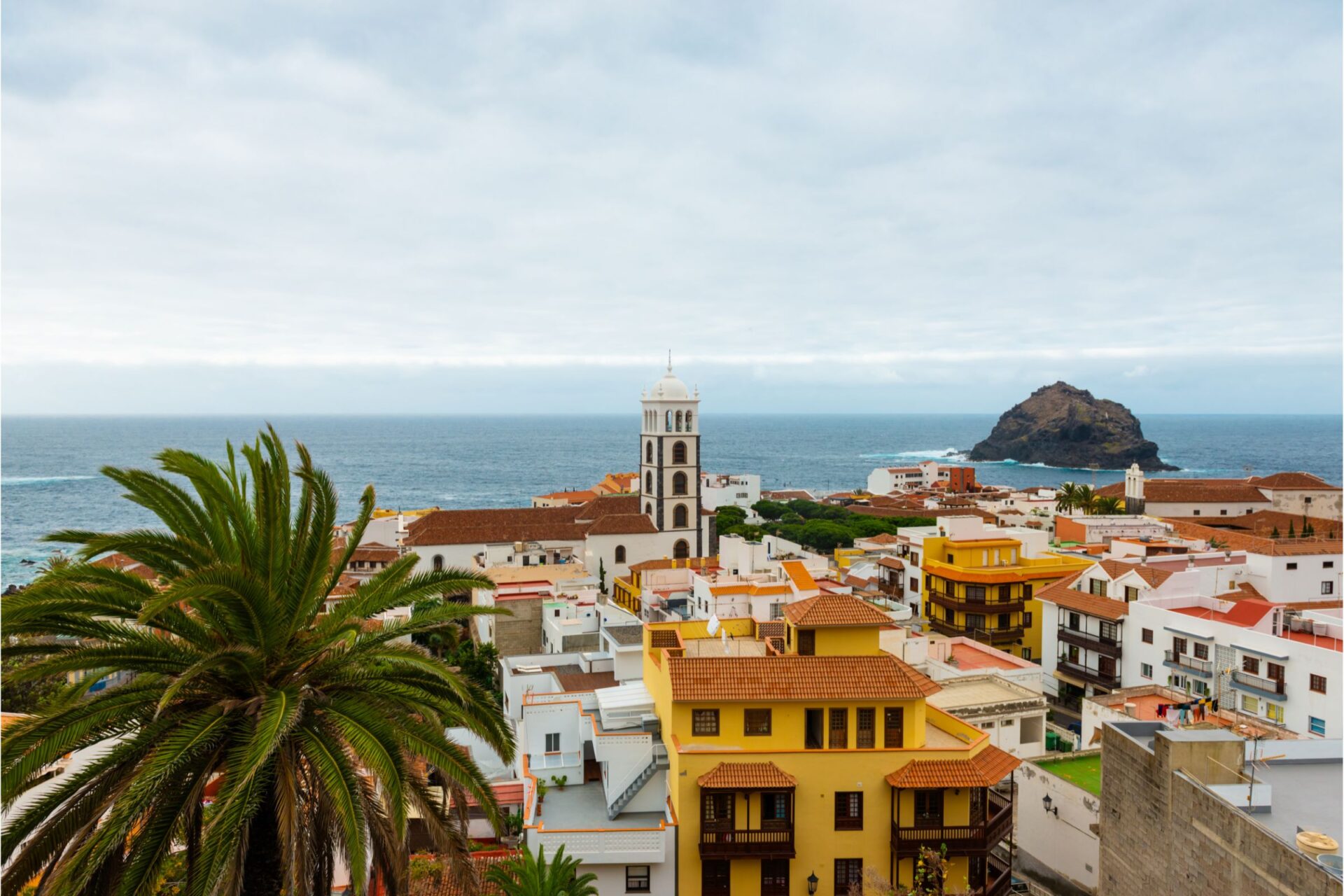
I wandered the narrow streets of a fishing village and stumbled into markets packed with colorful produce. Locals swapped tales of Moorish castles, pirate raids, and kings who shaped these islands. Meals seemed to go on forever, every bite bringing me something new—a blend of Spanish, Catalan, and Mediterranean flavors that’s totally unique.
These islands aren’t just pretty pictures. They feel alive, with surprises around every corner.
Beyond the Beaches: A Tapestry of Heritage and Identity
Spain’s Fortunate Isles really do offer more than just sunny coastlines. Exploring them let me connect with a vibrant history—rooted in ancient times and shaped by customs that are still evolving.
Indigenous Roots and Colonial Influences
When I traveled through the Fortunate Isles—people often call them the Canary Islands—I could feel the layers of history everywhere. The original Guanche people built their lives here long before Spanish ships ever showed up. Their traces remain in rock carvings, cave homes, and even a few local words.
The Spanish arrived in the 15th century and changed everything. They built castles and churches, started plantations, and brought in a mix of African, Latin American, and European foods and music. Over time, these different influences blended into a culture that feels instantly recognizable.
Markets buzz with the sound of African drums, Spanish guitars, and Latin American rhythms all mixing together. Cultural festivals light up the streets with bright costumes—some inspired by early settlers, others by imported fabrics and modern designs.
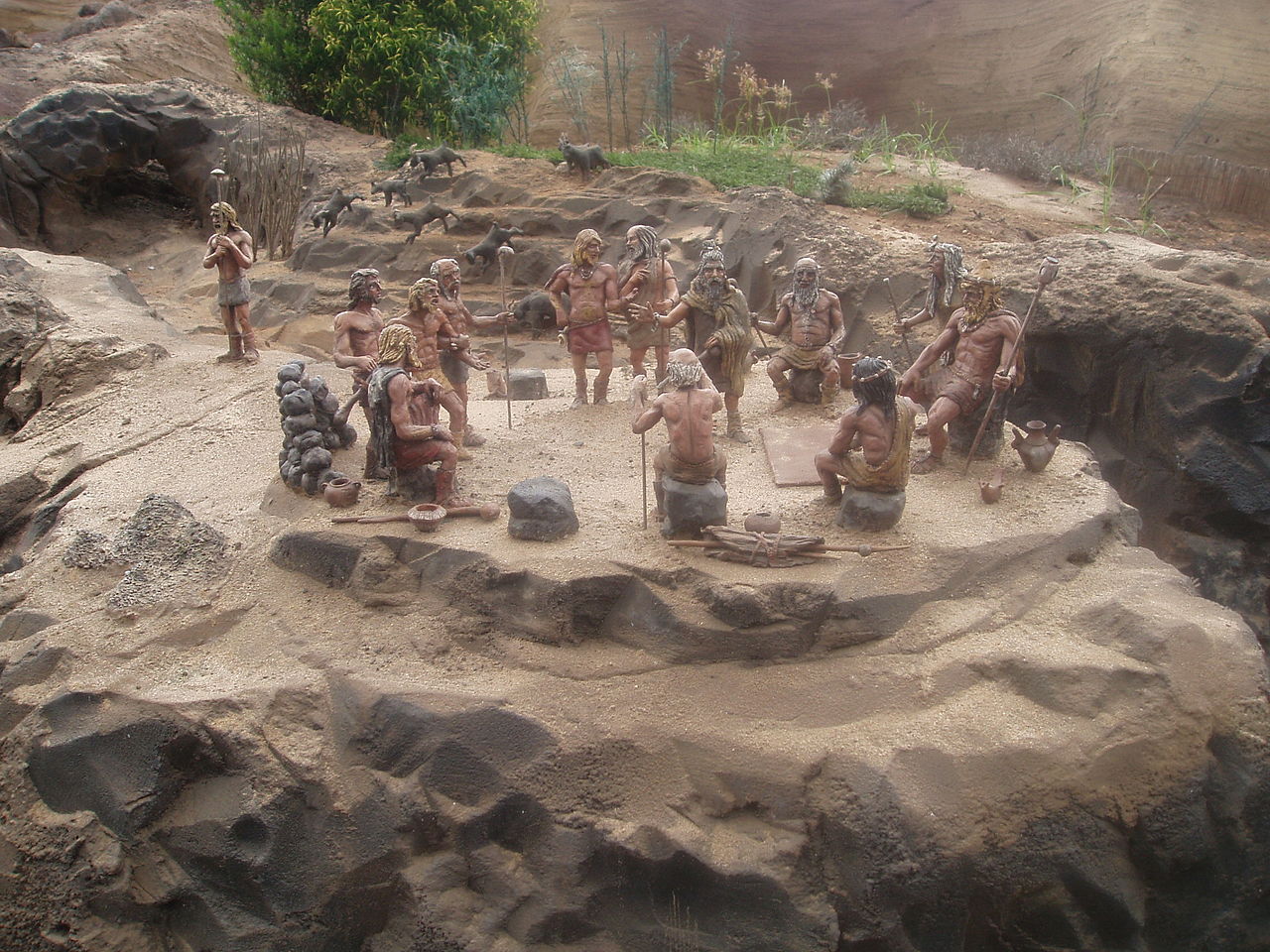
Image Source: Wikimedia Commons
| Time Period | Major Influence |
|---|---|
| Pre-colonial | Guanche culture, cave homes |
| Colonial Era | Spanish rule, churches |
| Modern | Mix of European, African, and Latin American elements |
Traditions That Shape Daily Life
Old customs are still part of daily life here, sometimes in ways you’d never expect. Every time I dropped by a local bakery, I found gofio—a toasted grain flour the Guanches once relied on. Families still use it in breads and sweets.
I joined in romerías (pilgrimages), watching locals in traditional dress parade through the streets with food, flowers, and music. These gatherings honor local saints but also echo ancient harvest festivals.
In small towns, I caught locals dancing the isa—a circle dance with both Spanish and native roots. Fiestas and sports like Canary wrestling, or lucha canaria, show how much the islands value heritage and community.
Just sitting over an afternoon coffee in a plaza, I felt how much these routines reflect togetherness and pride. These moments make the Fortunate Isles feel like a living canvas of history and culture.

Image Source: Flickr
Unexpected Flavors: Culinary Adventures of Spain’s Fortunate Isles
Honestly, my taste buds weren’t ready for the wild range of foods and drinks I found here. Every new dish and local wine seemed to tell a story about tradition, geography, and creativity.
Local Ingredients and Signature Dishes
Each island puts its own spin on Spanish classics. In the Canary Islands, papas arrugadas—those small, salty potatoes with mojo sauces—show up on almost every table. The mojo verde (green sauce) bursts with cilantro and garlic, while mojo rojo leans smoky and peppery.
Fresh Atlantic seafood is everywhere. Vieja (parrotfish), grilled with olive oil, tastes clean and bright. Goat cheese is tangy and mild, and people serve it in salads or as tapas. And then there’s gofio—that toasted corn flour—mixed into doughs and stews, turning humble ingredients into local classics.
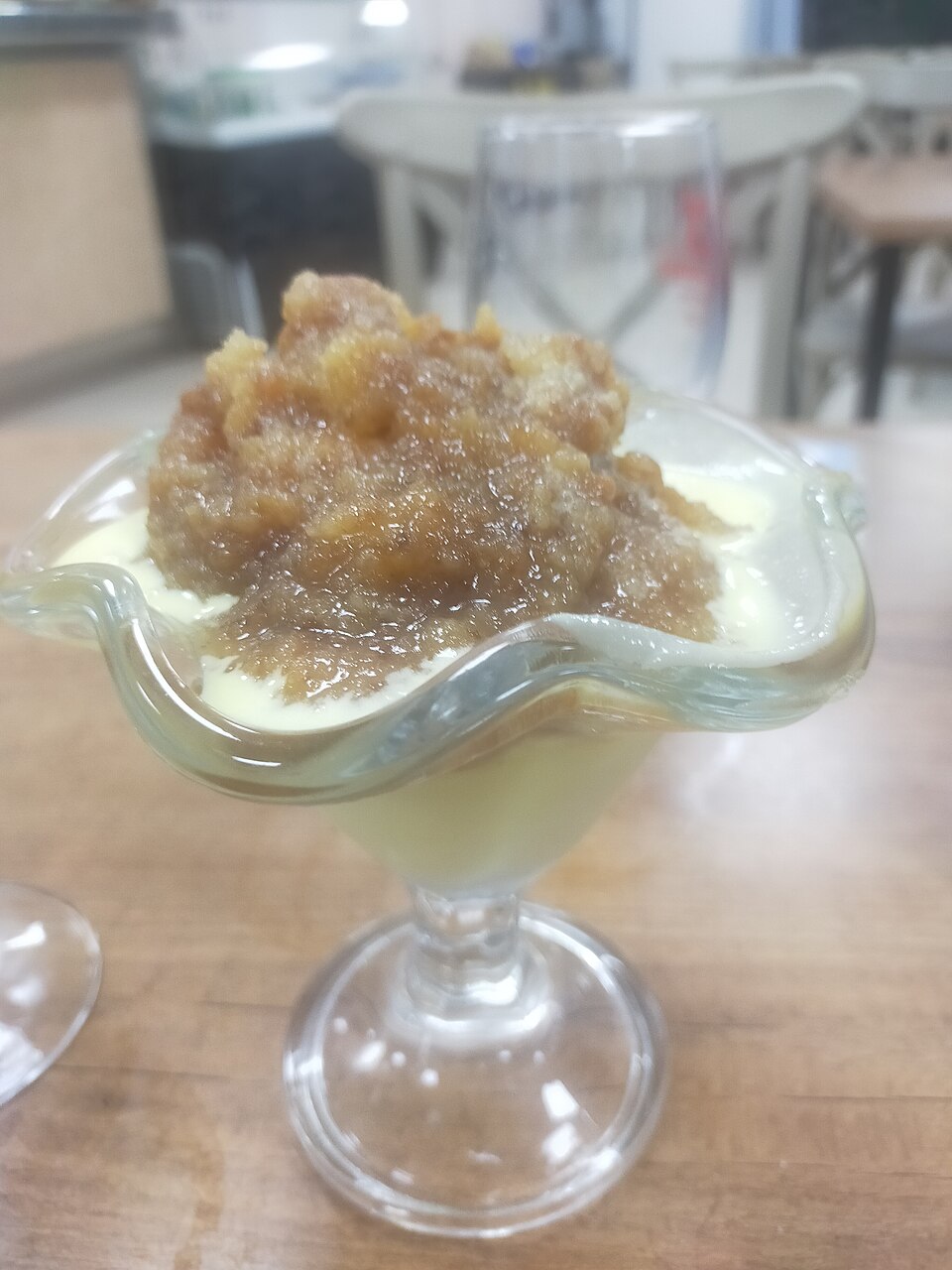
For dessert, I can’t resist bienmesabe—ground almonds, honey, and lemon zest. The flavors always remind me how food here connects to nature and tradition.
Wine and Cider: Island Terroir Uncorked
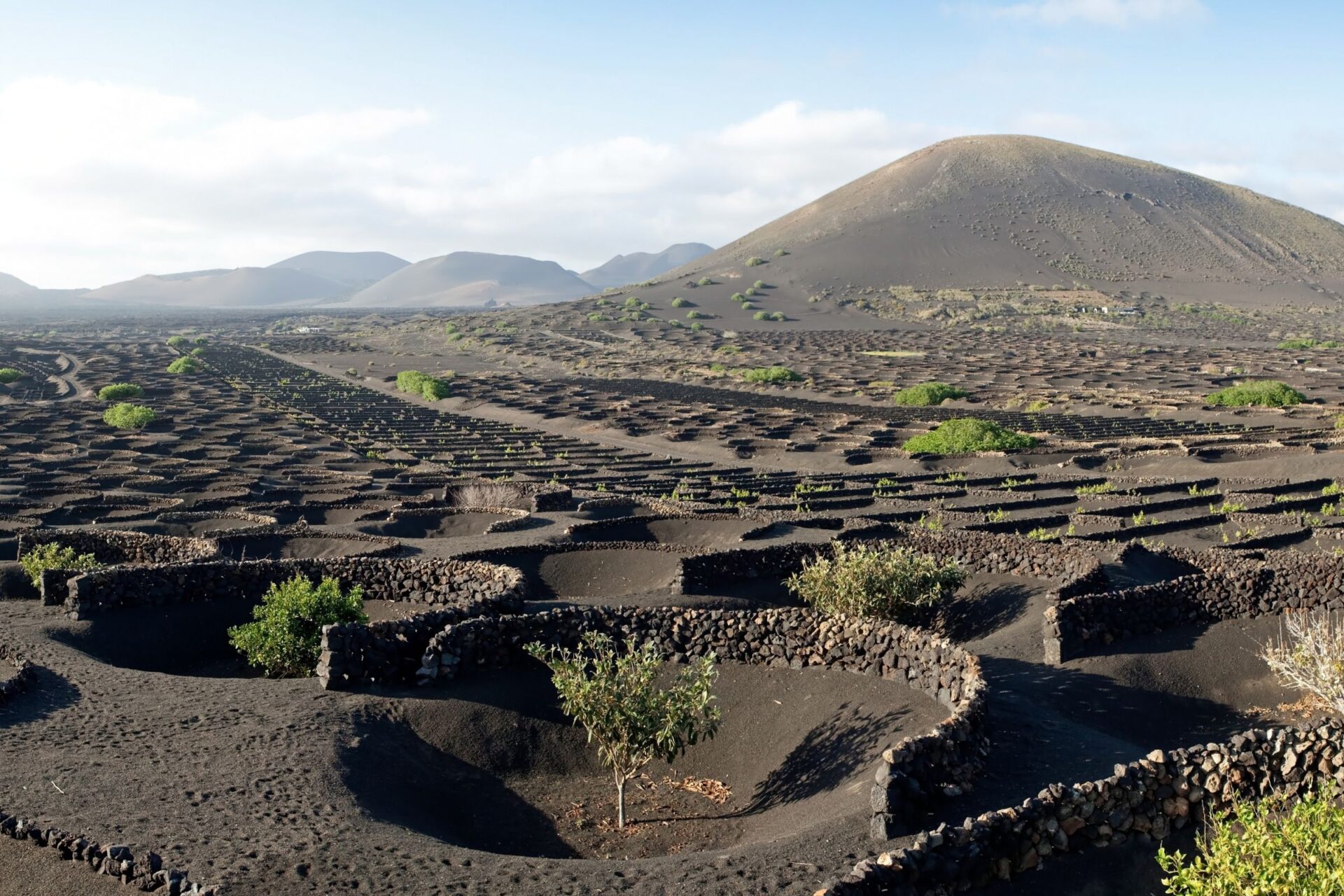
Wines from the Fortunate Isles really do taste like the land itself. Grapes grown in volcanic soil pick up mineral notes you just don’t find anywhere else in Spain. I toured vineyards on Lanzarote, where vines grow in pits dug into black volcanic ash, each protected by a ring of stones. The Malvasía whites come out crisp, with a salty edge.
Tenerife surprised me with its cider. Apples thrive in the high, misty valleys, and the cider is dry, tangy, and a perfect match for cheese or seafood. Locals take pride in these drinks, and winemakers often invite you in for a tasting, no fuss.
Here’s a look at what you might try:
| Drink | Island(s) | Flavor Notes | Best Paired With |
|---|---|---|---|
| Malvasía Wine | Lanzarote | Mineral, floral, crisp | Grilled fish, potatoes |
| Red Listán Wine | Tenerife | Fruity, earthy | Cheese, pork |
| Island Cider | Tenerife | Dry, tart, fresh | Goat cheese, seafood |
Every glass feels like a story from the islands’ volcanic landscapes. These drinks, just like the food, are woven into daily life. The more I tasted, the more at home I felt.
Vibrant Culture: Festivals, Art, and Storytelling
Every time I visit Spain’s Fortunate Isles, I find myself swept up in celebrations, local creativity, and stories you won’t hear anywhere else. These islands pulse with community spirit, blending old traditions with art shaped by the ocean and volcanoes.
Celebrations Across the Islands
Traditions fill the calendar here. On Tenerife, Carnival bursts to life with costumes, music, and parades that rival Rio. I got swept up in it all.
- Carnival in Santa Cruz: Shimmering masks, samba routines, and the big “Queen of Carnival” contest.
- Fiesta de San Juan in Gran Canaria: Bonfires on the beach, locals jumping flames to welcome summer—part old beliefs, part pure fun.
- Virgen de la Candelaria: Pilgrims hike to honor the islands’ patron, mixing Christian and Guanche rituals.
- Village fiestas: Every town has its own party for its patron saint, with food, music, and laughter filling the plazas.
Travelers are always welcome. You can try regional dishes, watch traditional sports, or just chat with locals. These events really show off Canarian identity.
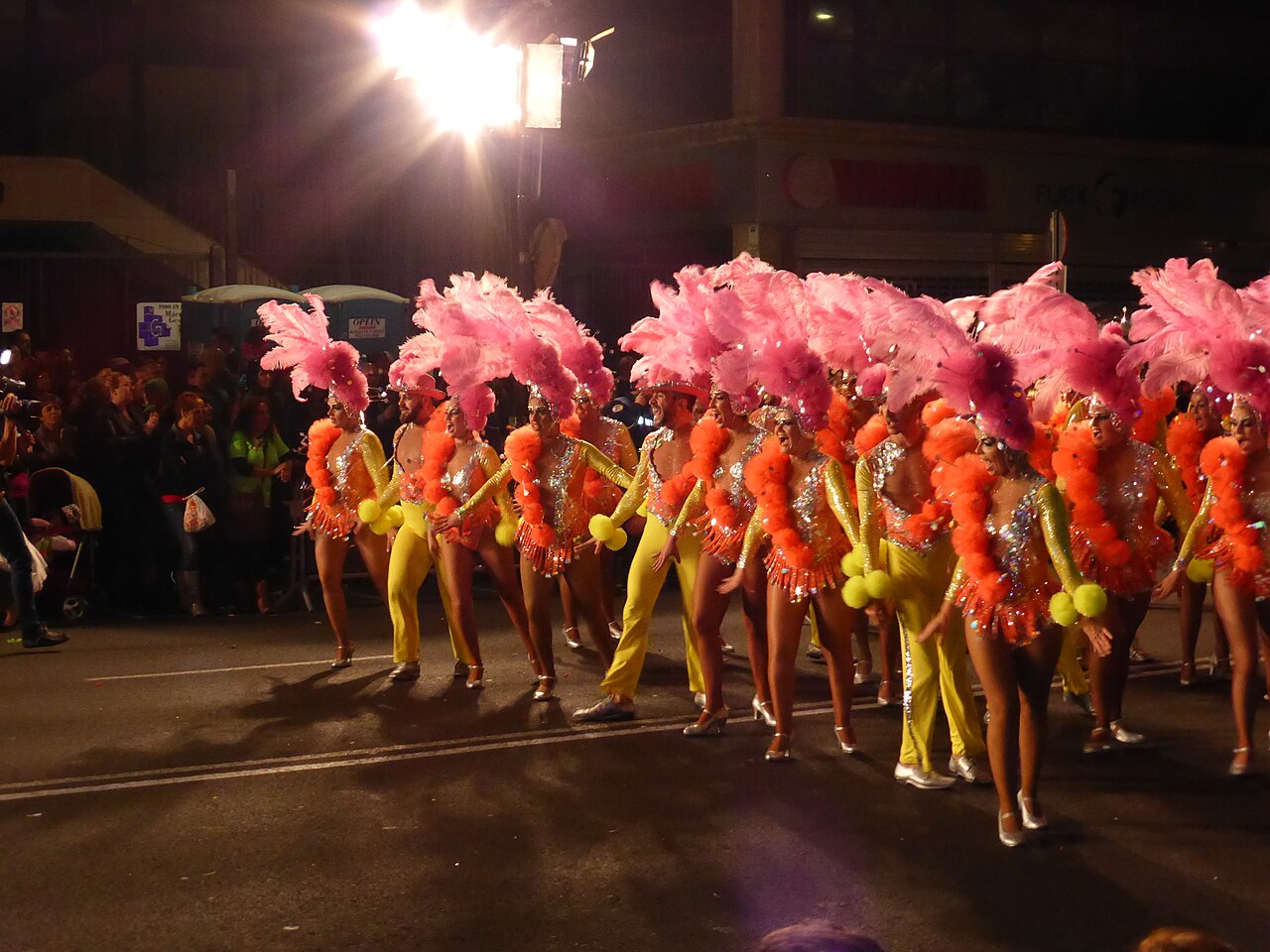
Image Source: Wikimedia Commons
Artistry Inspired by Land and Sea
Art here feels shaped by the wild terrain and open horizons. I spent hours in small Lanzarote galleries, where César Manrique’s style is everywhere. He built with volcanic rock, blending architecture with nature.
- César Manrique Foundation: On Lanzarote, it’s a must. You’ll see how artists use lava, glass, and light.
- Seaside murals in La Palma: Colors echo sunsets and wild waves.
- Craft markets: Handwoven baskets and painted ceramics make for souvenirs with real history.
Folk music, dances like the Isa, and stories blend Spanish, African, and Guanche elements. Even the street art and legends reflect the islands’ multicultural past.
| Art Type | Notable Example | Unique Feature |
|---|---|---|
| Architecture | Manrique’s lava houses | Blends with nature |
| Folk Music | Timple (small guitar-like) | Storytelling lyrics |
| Crafts | Palmero baskets, ceramics | Traditional methods |
These islands never stop surprising me with how much they celebrate creativity. Anyone can join in, learn something new, and take a bit of the spirit home.
Crossroads of the Atlantic: Global Influences on Island Life
As I wander the streets of Tenerife or Gran Canaria, I can’t help but notice how different these islands feel from mainland Spain. Years of trade, migration, and Atlantic exchange have left marks on everything—language, food, even the way people greet you.
Central American and African Connections
One morning in Las Palmas, I tried spicy mojo sauce and realized its ingredients—coriander, peppers, cumin—come from far beyond Spain. The Canary Islands served as a stopover for ships heading to and from Central America and Africa. Bananas, sugarcane, and potatoes all arrived in Europe through these ports.
Influences you’ll spot (and taste):
| Origin | Cultural Legacy |
|---|---|
| Central America | Bananas, potatoes, sweet potatoes in cuisine |
| Africa | Spices, music, and folk dance traditions |
A friend from La Palma told me about timple music, where African drums blend with Spanish guitar. The islands aren’t just Spanish—they’re a mix of Atlantic worlds.
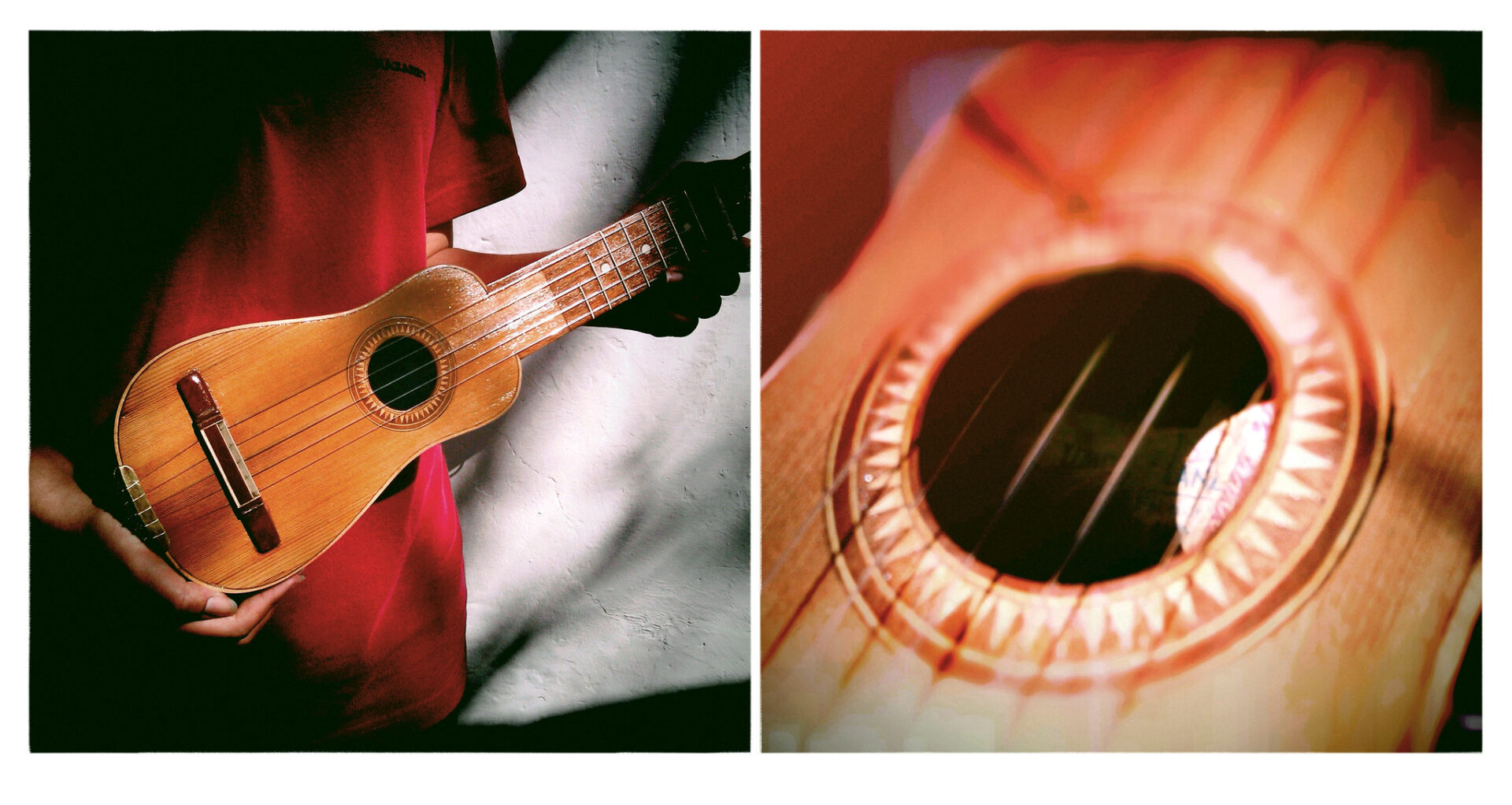
Image Source: Flickr
Migration Tales and Modern Identity
The Canary Islands’ identity keeps changing with new arrivals and departures. Many islanders left for Cuba, Venezuela, and Puerto Rico, chasing work and adventure. When they returned, they brought back new music, slang, and foods. I’ve met folks whose grandparents spoke Cuban Spanish or still make Venezuelan arepas.
This mix shows up at neighborhood festivals. Last year, I danced during carnival beside people dressed as Guanches, Africans, and pirates. Belonging here stretches across the Atlantic. Every islander’s story is part Spanish, part Central American, part African. That blend? It’s what makes the Canaries stand out.
Off the Beaten Path: Unique Local Experiences
Most people picture Spain’s Fortunate Isles and just think beaches. But honestly, the real magic happens far from the crowds. Quiet villages with old traditions and lively island festivals reveal so much about the islands’ heritage and warmth.
Hidden Towns and Historic Sites
When I left the busy tourist spots, I found places like San Cristobal de la Laguna in Tenerife. This university town, just outside Santa Cruz, is a UNESCO World Heritage Site packed with colorful colonial buildings, narrow cobbled streets, and cozy cafes. Walking around, it almost feels like time slows down.

In Majorca, I wandered villages tucked between mountains and almond orchards. Valldemossa stands out—stone cottages, historic churches, and leafy squares where older locals gather every morning. I love old fishing villages on Minorca’s northern coast, where life still follows rhythms from the past.
Sometimes, the best secrets are ancient ruins or lighthouses perched above rocky shores. I found castles and old farms by renting a bike and following coastal trails—places that rarely make it into the guidebooks.
Immersive Cultural Encounters
Meeting the islanders really changed how I see what makes these isles so unique. I joined a fiesta in a Menorcan village—locals paraded through the streets, playing traditional music and passing around homemade breads and stews.
They open these gatherings to visitors, and honestly, I always felt like I belonged there. I wandered through local markets and tried my hand at basket weaving and lace making during a short workshop.
Cooking classes showed me how to make ensaimada pastries and whip up mojo sauces. Eating these foods at a cozy, family-run café made me appreciate just how much daily life and culinary tradition go hand in hand.
With each encounter, I heard stories about seafarers, traders, and artists. We’d share these tales over tables or out on sunlit terraces, and my respect for the islands’ living culture just kept growing. Isn’t real cultural heritage something you have to experience in person, right there with the people who keep it alive?


