
When I first wandered the streets of Glastonbury, I realized this place is so much more than just the Tor or the music festival. Glastonbury’s real magic, at least for me, lives in its quirky shops, mystical crystals, and the strange, electric energy that seems to buzz through every alley.
You’ll spot tiny stores selling everything from tarot decks to handmade jewelry—each one with its own vibe and story. It’s hard not to be drawn in.
There’s this odd mix of old legends, New Age ideas, and alternative culture everywhere you look. One minute you’re browsing rare crystals, the next you’re hearing about goddess traditions, or just soaking up the friendly, slightly eccentric atmosphere. Glastonbury stands out from any other town I’ve ever visited.
Exploring the town’s eclectic shops and magical places gave me a sense of why so many people feel enchanted by this little corner of Somerset. It almost feels like you’ve stumbled into a hidden world.
Glastonbury’s Ancient Mystique and Mythical Heritage
Glastonbury has inspired myths, spiritual seekers, and history buffs for centuries. Legends of ancient kings, enchanted springs, and sacred hills aren’t just stories—they shape the town’s identity and give it that unmistakable charm.
Arthurian Legends and the Isle of Avalon
Every time I walk around Glastonbury, I can’t help but feel the pull of Arthurian legend. People often link Glastonbury to the mystical Isle of Avalon, the legendary resting place of King Arthur.
The story goes that after his final battle, Arthur was brought here to heal. Some folks believe he and Queen Guinevere are buried in Glastonbury Abbey.
The legend gets even wilder with Joseph of Arimathea. According to local lore, he traveled from Jerusalem, brought the Holy Grail to Glastonbury, and planted the famous Glastonbury Thorn on Wearyall Hill. Some say he even built the first Christian temple here. These tales pull in pilgrims and lovers of Celtic mythology, all hoping to catch a bit of that old magic.
Sacred Sites: Glastonbury Tor, Chalice Well, and the White Spring
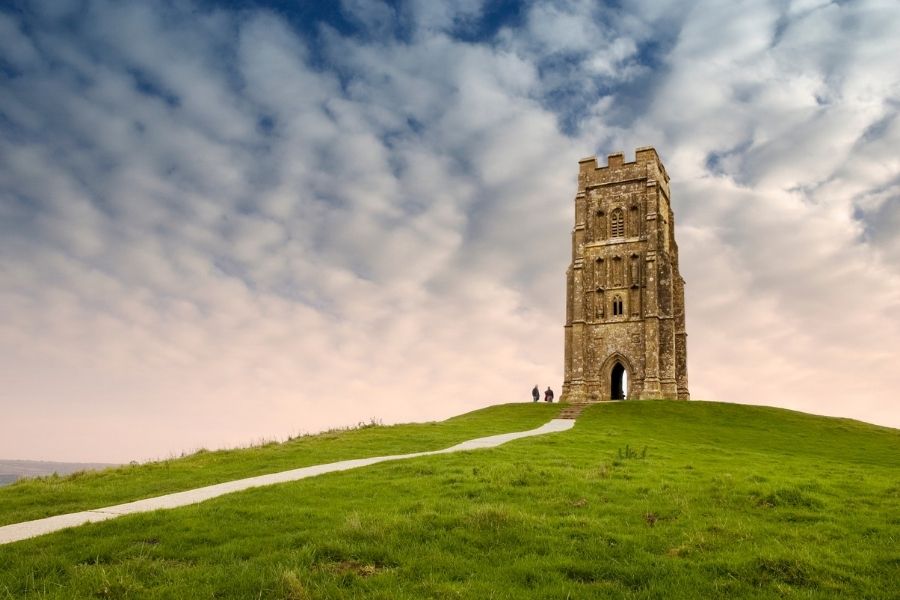
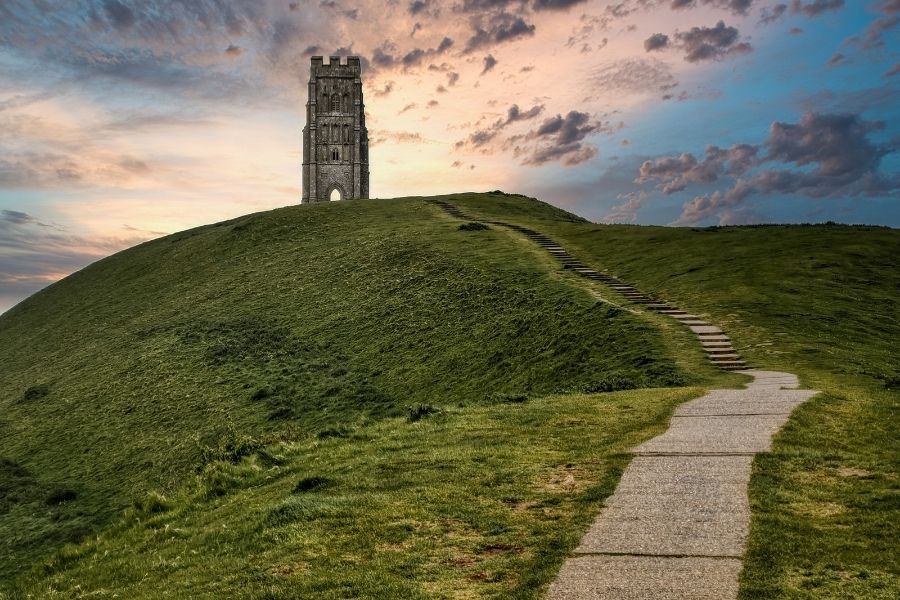
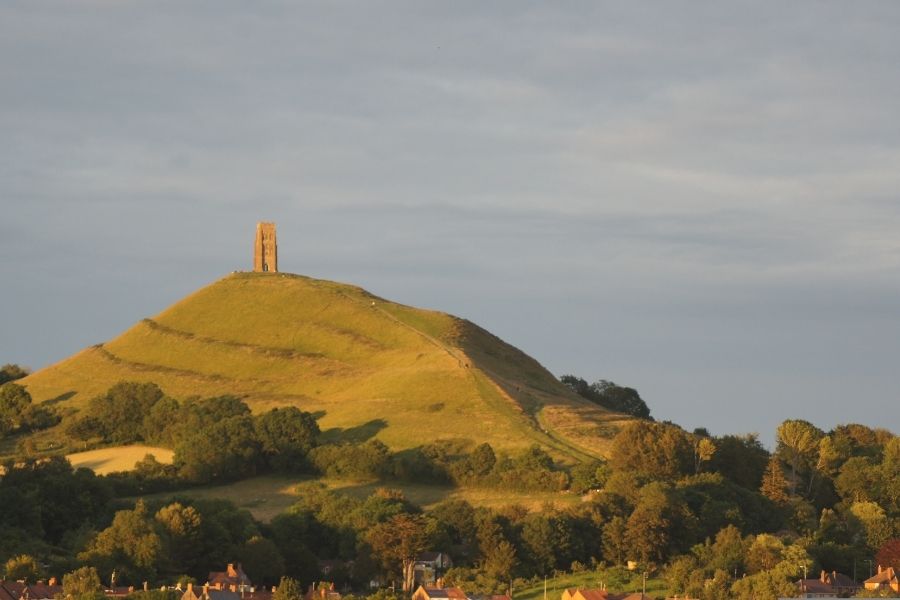
Glastonbury Tor rises sharply above the Somerset Levels, topped by the lonely St Michael’s Tower. Standing up there, I get sweeping views and this strange sense of ancient history. People say the Tor acts as a gateway to other worlds in Celtic tradition, and you’ll see its silhouette in all sorts of mystical artwork.
Not far from the Tor, Chalice Well bubbles up with iron-red water. Some believe the red color marks the spot where Joseph hid the Holy Grail. Visitors leave prayers, ribbons, and wishes, hoping for healing or inspiration.
Just across the lane, the White Spring pours out milky, calcium-rich water from a Victorian well house. Both wells draw spiritual seekers, New Agers, and anyone curious about the town’s mysterious energy.
Glastonbury Abbey and the Pilgrims’ Journey
Walking through Glastonbury Abbey’s ruins, I always feel the weight of centuries of devotion. Once one of England’s richest monasteries, the Abbey attracted pilgrims from all over Europe.
Many came to visit what some called the oldest church in England, again tied to Joseph of Arimathea and early Christian legend. The Abbey grounds supposedly hold the graves of King Arthur and Queen Guinevere, deepening the Arthurian connection.
Costumed guides recount tales of medieval pilgrims seeking blessings. The Abbot’s Kitchen still stands, and the peaceful parkland around the ruins makes it easy to picture the Abbey’s former glory.
Folklore, Pagan Traditions, and Druid Influences
Glastonbury isn’t just about Christian legends. Pagan and druid traditions thrive here too. The landscape brims with folklore.
The Glastonbury Thorn, which some say blooms at Christmas and Easter, ties into both Christian and local customs. New Age shops, spiritual centers, and gatherings keep the town’s alternative culture alive.
I often overhear talk of ley lines, earth energies, and Celtic myths at market stalls or during festivals. Druid rituals still happen at the Tor during solstices, blending ancient and modern spirituality in a way that feels uniquely Glastonbury.
Exploring Glastonbury’s Quirky Independent Shops
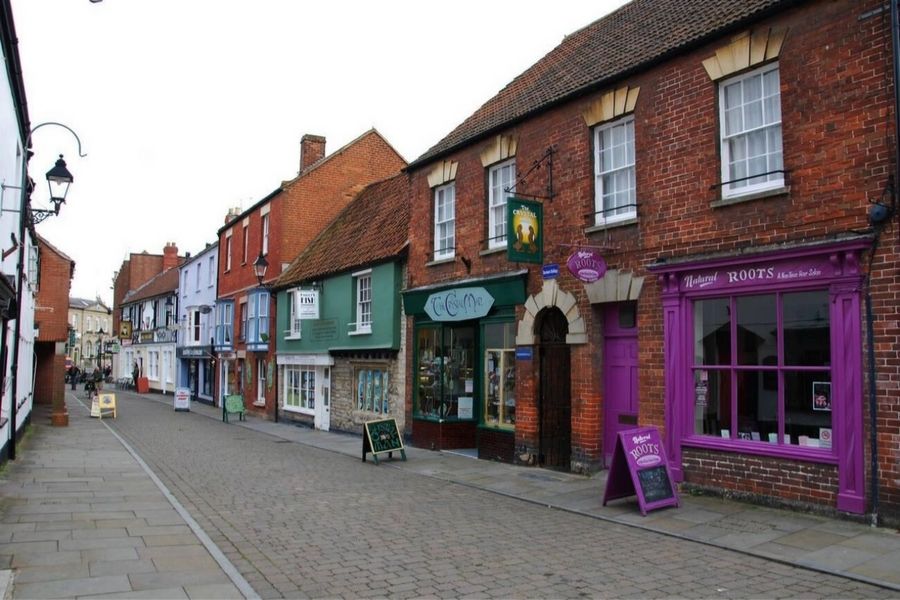
Glastonbury bursts with independent shops that feel both mystical and one-of-a-kind. Walking along Glastonbury High Street or Magdalene Street, I spot crystals, books, and oddities that seem to lure in both locals and curious visitors.
Crystal Magic and Spiritual Treasures
Crystals practically spill out of shop windows along the High Street and side lanes. Shops like Crystal Man offer everything from raw stones to polished gems and unique jewelry.
These places often double as healing centers. I see chakra stones, handmade candles, and incense everywhere. Sometimes healers work out of the back rooms, happy to chat about which crystal might help you with protection or meditation.
Here’s what usually catches my eye:
- Amethyst, quartz, and citrine clusters
- Crystal lamps and wands
- Chakra bracelets and pendants
- Spiritual candles and oils
The focus on well-being and holistic energy is impossible to ignore. Plenty of people come here just to experience the magic of Glastonbury’s crystal shops.
Esoteric Books, Tarot Cards, and Mystical Accessories
Some shops on the High Street specialize in esoteric books and mystical tools. I love browsing shelves stacked with witchcraft manuals, old spell books, astrology guides, and herbal remedy handbooks.
You’ll find tarot cards, oracle decks, and runes in every style imaginable. The variety of magical accessories is honestly impressive.
| Item Type | Common Examples |
|---|---|
| Tarot Decks | Classic Rider-Waite, Celtic, Moon |
| Magical Accessories | Pendulums, incense holders, altar cloths |
| Candles | Spell candles, chakra, ritual |
| Witchcraft Tools | Wands, cauldrons, crystals |
Staff usually know their stuff and can explain the meanings behind cards or magical objects. Whether you’re shopping for a ritual or just curious, you’ll find something intriguing.
Artisan Craft, Vintage Finds, and Sustainable Shopping
Glastonbury stands out for its artisan crafts and focus on eco-friendly shopping. Shops along Magdalene Street and nearby sell handmade jewelry, ethical fashion, and creative gifts.
Each piece feels personal, crafted with real care. Vintage lovers can dig through racks of retro jackets, shelves of old records, and quirky collectibles.
A lot of shops use recycled or upcycled materials, which I think adds a nice sustainable touch.
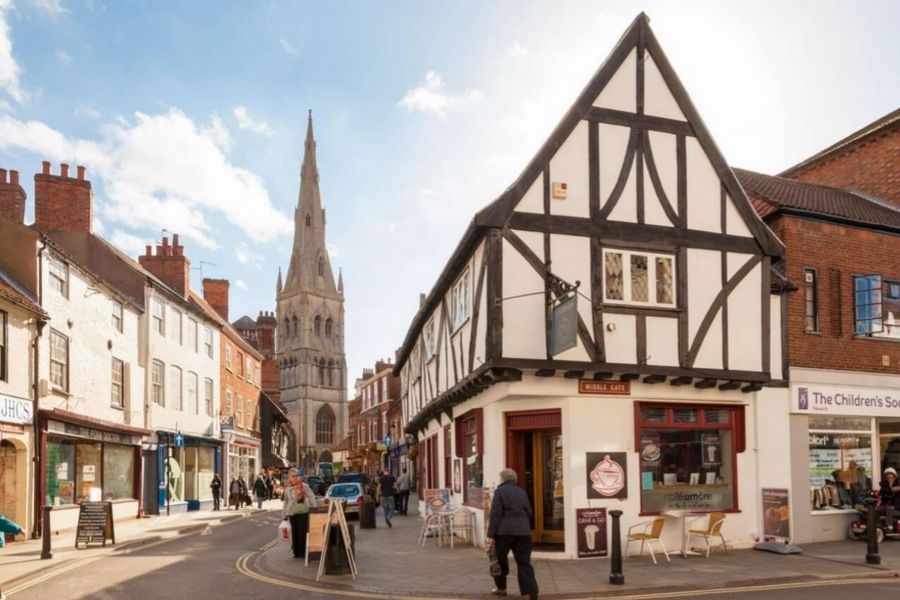
Some of my favorite finds:
- Handmade rings, earrings, and bracelets
- Organic soaps, herbal teas, and natural beauty products
- Vintage jackets, hats, and music vinyls
- Locally made crafts, pottery, and art
These independent shops give Glastonbury its special character—perfect if you’re hunting for thoughtful gifts or something you just won’t see anywhere else.
The Unique Vibe: Alternative Culture, Art, and Lifestyle
Glastonbury’s town center pulses with color, creativity, and inspiration. Local shops, public art, and wellness spaces make it totally different from any other small English town I’ve visited.
Street Art, Murals, and the Glastonbury Mural Trail
Street art and murals pop up everywhere as I walk around. The Glastonbury Mural Trail is a real highlight, guiding me past vibrant artwork splashed across old brick walls and shopfronts.
Each mural tells its own story—some focus on Glastonbury’s history, others dive into local myths or symbols of peace. I spot King Arthur, the Tor, and all sorts of mystical imagery.
Local and international artists both leave their mark, which keeps things fresh and interesting. You can grab a printed map or use your phone to follow the trail, making it a fun way to explore. Some murals are basically begging for a photo, so it’s a hit on social media too.
Vegan Eateries, Cafés, and Organic Offerings
Glastonbury totally delivers when it comes to vegan and organic cafés. Rainbows End Café and Hundred Monkeys serve up fresh, home-cooked meals, often using local ingredients.
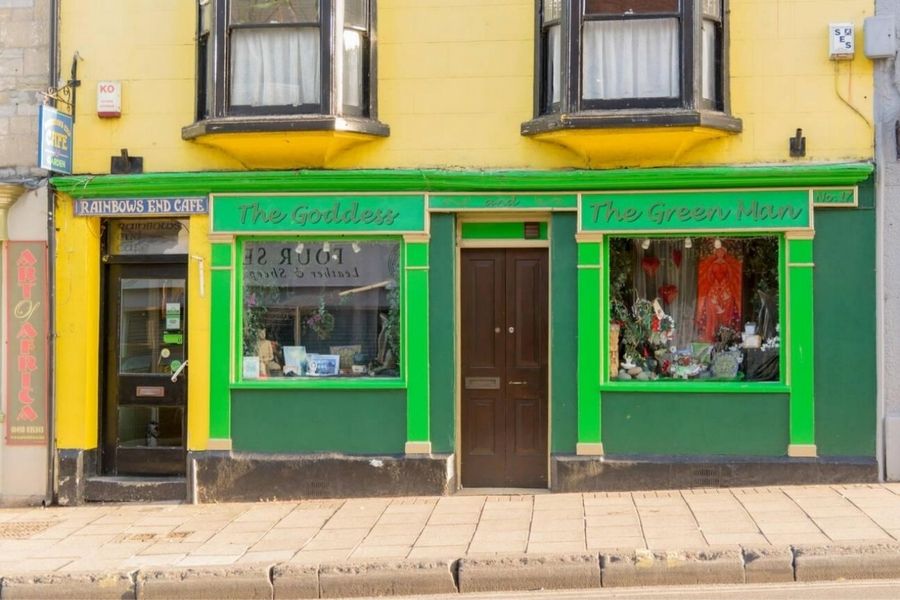
Popular Eats in Glastonbury:
| Café | Type | Highlights |
|---|---|---|
| Rainbows End Café | Vegan, Veg | Soups, salads, cakes |
| Hundred Monkeys | Organic | Artisan bread, coffee |
These spots are great for anyone with special diets—gluten-free, dairy-free, you name it. The relaxed atmosphere and friendly staff make it easy to linger. Most places use compostable packaging and support local farms, which I really appreciate.
New Age Healers and Spiritual Paths
Glastonbury’s main street brims with shops selling crystals, incense, tarot cards, and books on holistic living. New age healers and spiritual practitioners offer all sorts of treatments—think Reiki, sound baths, chakra balancing, or meditation sessions.
Some places let you just walk in if you feel like trying something new. Flyers and signs for group meditations, yoga classes, or talks about different spiritual paths are everywhere.
People travel from all over to explore personal growth, energy healing, or just to try something a bit out of the ordinary.
Festivals Beyond Glastonbury Festival
Everyone knows about the big music festival, but Glastonbury actually hosts smaller festivals all year round. These events attract music lovers, artists, and spiritual seekers.
Every spring, the Glastonbury Goddess Conference celebrates the divine feminine with workshops, processions, and music. Then there’s the Fairy Fayre and the Avalon Faery Ball, where people dress up, shop at craft markets, and just have fun.
Seasonal gatherings like winter solstice events or local heritage festivals keep things lively. These celebrations really show off Glastonbury’s welcoming, open-minded spirit.
Nature, Healing Waters, and Rural Heritage
Glastonbury’s surroundings offer more than just spiritual myths or festival crowds. You’ll find natural springs, green fields, and little museums that give you a glimpse into what makes this place tick.
Natural Springs: Healing Properties and Local Legends
Two famous springs flow out from under Glastonbury Tor—the White Spring and the Red Spring. The White Spring’s water looks milky thanks to its high calcium content.
Locals claim these springs have healing properties and unique minerals. Some visitors collect the water to drink or use in rituals.
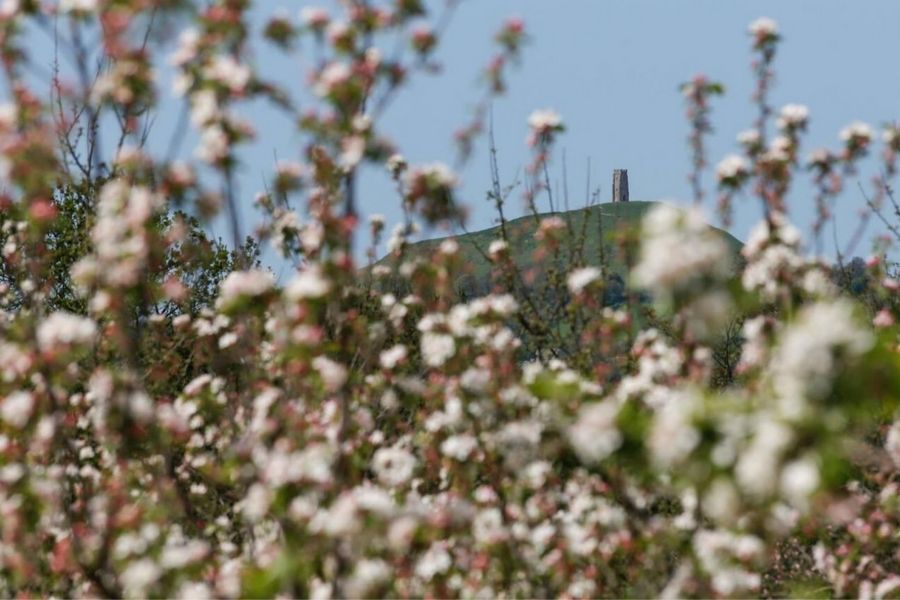
Legends say pilgrims have cherished these waters for centuries. You can visit the White Spring’s cold pools for a peaceful break from the bustle of town. The Red Spring, colored by iron, sits just a few steps away.
Key Facts:
- Both springs are free to visit.
- Some people believe the waters help with physical or emotional health.
- Lots of legends tie the springs to ancient healing traditions.
Panoramic Views, Ley Lines, and the Landscape
Walking the Glastonbury Way is hands down one of my favorite ways to see the area. The path gives you sweeping views of the Somerset Levels and rolling hills.
You’ll spot farm fields, old hedgerows, and sheep dotting the landscape. Glastonbury is famous for its Ley Lines—supposed energy paths that some say cross under the land.
Some believe the lines meet at Glastonbury Tor, adding to the town’s mystical reputation. Even if you’re not into the magic side, the scenery around the Tor is worth the climb.
Notable Sights:
- Views across the Somerset Levels
- Peaceful countryside walks
- The iconic Glastonbury Tor
Museums, Rural Life, and Local Folklore
If you’re anywhere near Glastonbury, you really ought to stop by the Rural Life Museum. You’ll find it tucked inside a restored barn, and honestly, it’s a fascinating peek into the area’s farming roots, crafts, and everyday village life.
Inside, I wandered past old tools, clothes, and homey bits and pieces from Somerset’s past. The museum doesn’t just display objects—it draws you into stories.
Staff are always ready to chat about traditions and local folklore. Sometimes you’ll hear about quirky seasonal events or rural festivals, and other times, you’ll get the lowdown on myths that seem woven into the landscape itself.
I always walk away feeling like I understand how people actually lived and worked around Glastonbury, not just the highlights.
Highlights at the Rural Life Museum:
- Hands-on exhibits about farming
- Displays about folklore and local legends
- Traditional tools and crafts
After exploring these spots, I’ve realized Glastonbury has so much more to offer than just the Tor or its famous festival.
Planning Your Visit: Access, Itineraries, and Nearby Destinations
Getting to Glastonbury is an adventure in itself, honestly. The journey shapes the whole trip, and I’ve found that a little planning goes a long way.
Transport options, themed walks, and nearby day trips can add a whole new layer to your experience. Having a few names and tips in mind helps me plan each step without too much stress.
Getting to Glastonbury: Public Transport and Access
Reaching Glastonbury is pretty straightforward, but since it’s tucked away in rural Somerset, you’ll want to plan ahead. I usually hop on a train to Castle Cary or Bristol Temple Meads, then catch a bus from there.
Buses connect Glastonbury with Bath, Bristol, and Wells, plus smaller towns like Somerton. The local buses run fairly regularly, but if you’re traveling on a Sunday or late in the evening, expect fewer options.
When I drive, I stick to the A39 or A361 for direct access. Parking is generally close to the town centre, though during the Glastonbury Festival, things get hectic fast. I always book tickets and parking well in advance for those dates.
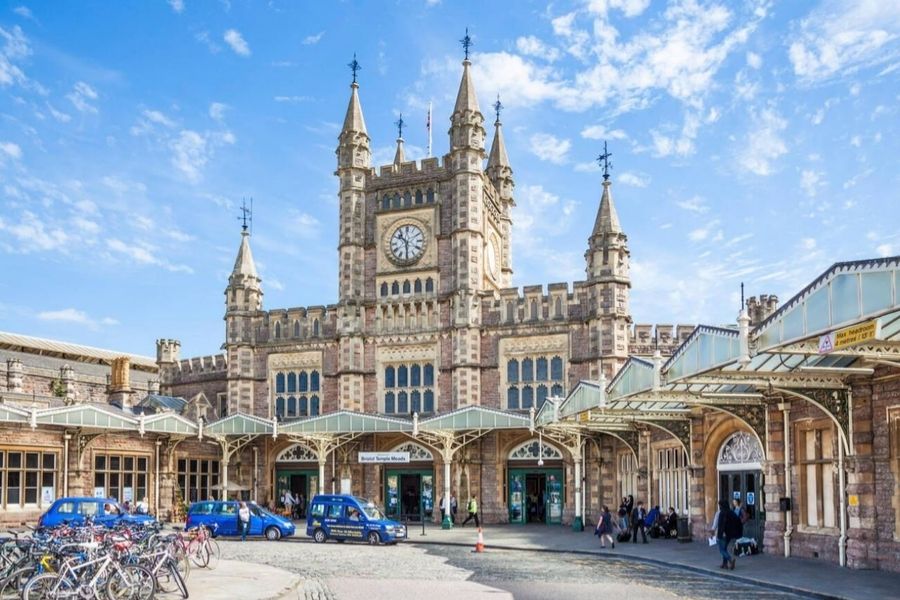
If you’re coming from Wales, Wiltshire, or Dorset, you can mix and match rail and bus routes, or just drive in for more flexibility.
Guided Walks, Pilgrimages, and Themed Trails
What I love about Glastonbury is that it’s not just about shopping or sightseeing. Guided walks take you through some of the area’s most sacred spots.
The Glastonbury Way is a favorite—a marked route that lets you visit the Tor, Chalice Well, and the Abbey ruins, all in one go. Local guides often lead themed tours that dive into myths, legends, and the town’s spiritual side.
Pilgrims Inn tends to be the go-to meeting point for groups starting out on historical or spiritual walks. If you prefer exploring solo, the tourist information centre usually has self-guided maps for everything from crystal shops to quirky landmarks.
Some trails even follow ancient pilgrimage routes, which is perfect if you’re curious about the mystical side of Somerset.
I’d suggest booking guided walks ahead of time, especially if you’re visiting on weekends or during festival season. Spots fill up faster than you’d think!
Day Trips: Bath, Bristol, Cheddar Gorge, and Beyond
Glastonbury sits within easy reach of some of England’s best-known gems. You can get to Bath’s Roman baths and its stunning Georgian streets in just about an hour, whether you hop on a bus or jump in a car.
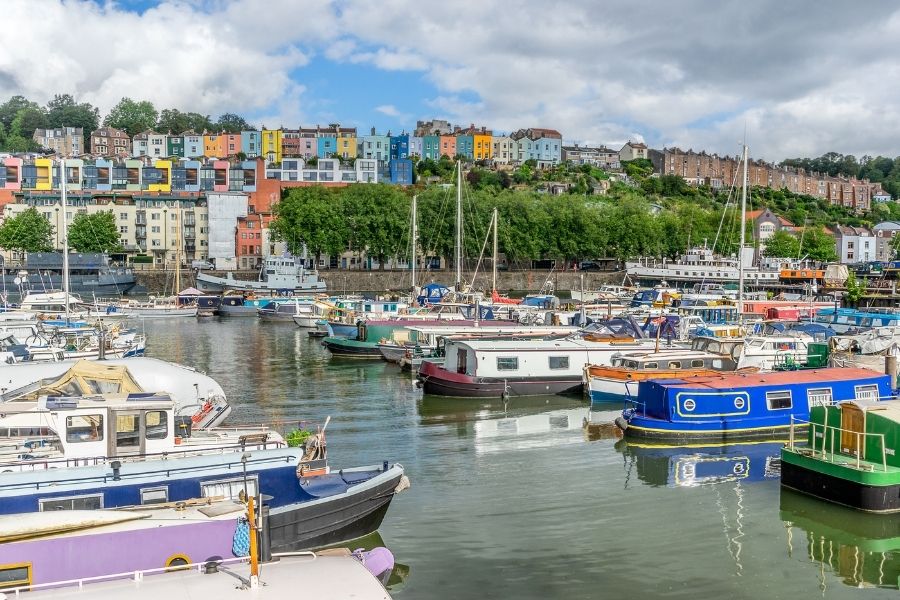
Bristol isn’t much farther. It’s got this lively harbour and a creative energy that’s hard to ignore. Both cities have direct public transport, so you don’t have to fuss with complicated transfers.
Cheddar Gorge and the village of Cheddar? They’re just a quick drive or bus ride away. The gorge itself has these dramatic cliffs and caves—honestly, it’s a bit jaw-dropping if you catch it on a misty morning. There are some easy walking trails if you want to stretch your legs.
Not far from there, Somerton quietly impresses with its old market square and historic buildings. It’s the kind of place that sneaks up on you with its charm.
You can easily branch out to Wells for the cathedral, or even wander into the countryside of Dorset and Wiltshire. Most of these spots are accessible by a mix of local bus, train, or car, so Glastonbury really makes a flexible base if you’re itching to explore Somerset and beyond.
