
When I first stepped into the icy waters of the Acheron in Epirus, Greece, a shiver shot up my spine. It was shocking, sure, but also strangely energizing.
The river’s reputation for being both beautiful and mythical made every splash feel like a leap straight into legend. Surrounded by the wild beauty of Epirus and the heavy air of history, I couldn’t help but smile through the chill.
Braving the Acheron’s turquoise currents isn’t just a refreshing dip—it’s an experience that feels a bit soul-cleansing, maybe even transformative. The water, so clear and cold, woke up every sense and made me forget everything else, at least for a few moments.
Not everyone gets to say they’ve swum where ancient Greeks believed souls crossed into the underworld. That’s a wild thought, isn’t it?
If you’re heading to Epirus and want adventure, history, and natural beauty all in one, a swim or walk in the Acheron River should be on your list. The water’s chilly, no doubt, but it rewards you in ways you might not expect.
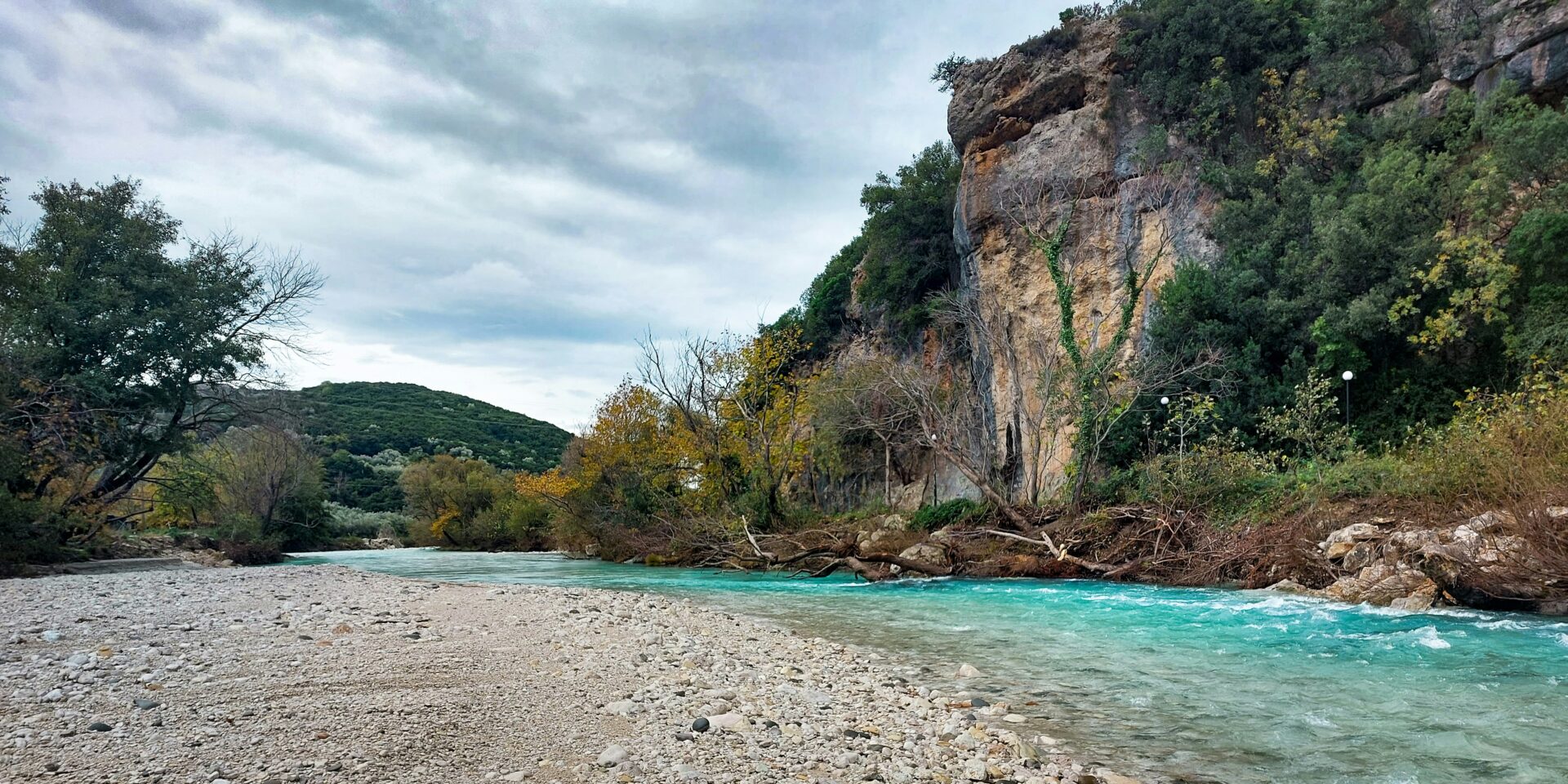
Setting the Scene: The Allure of Epirus and the Acheron
Epirus sits in the northwest of Greece, bursting with wild beauty, old stories, and the chilly pull of myth. The Acheron River, famous as a passage to the underworld, turns this mysterious land into an adventure you won’t forget.
Epirus: Northern Greece’s Mythic Landscape
Epirus really feels like the untouched heart of northern Greece. Rugged mountains, thick forests, and winding rivers shape everything here.
Villages like Suli and dreamy views over to Corfu make you feel like you’re living inside a story.
Traveling here is nothing like the islands or Athens. You’ll see traditional stone bridges crossing clear rivers. Goats graze on rocky hillsides. Local food comes straight from the land—feta, honey, wild herbs.
Getting to Epirus means leaving the usual tourist path behind. I found tiny guesthouses where villagers welcomed me with strong coffee and stories. I wandered hiking trails and didn’t see another soul for hours.
The silence here? It’s thick with secrets.
Travel Tip:
- For epic views, check out Vikos Gorge—it’s one of the world’s deepest.
- Many people arrive from Corfu by ferry to Igoumenitsa, then drive inland.
- Be ready for winding roads and slow, scenic travel.
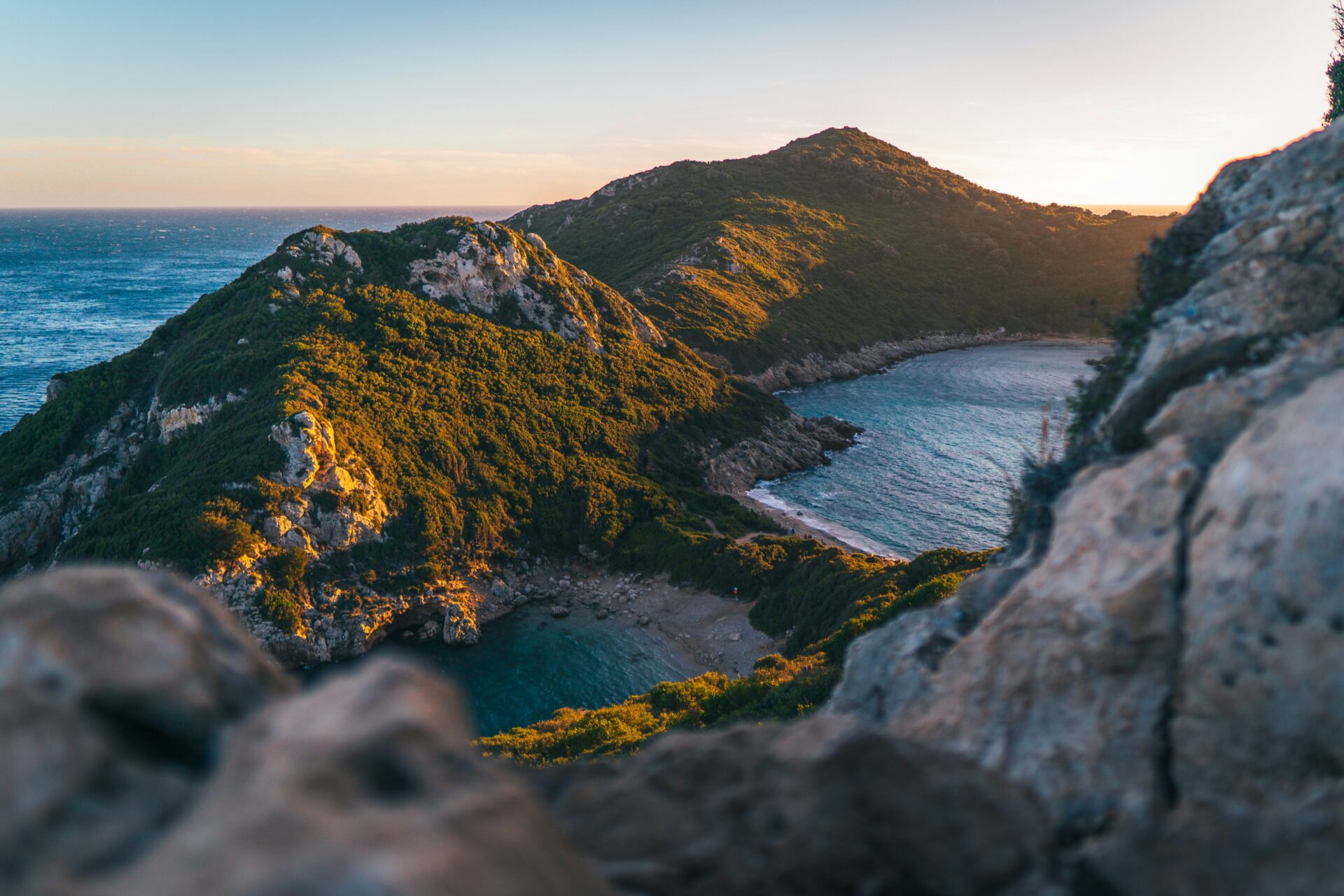
Acheron River: Gateway Between Worlds
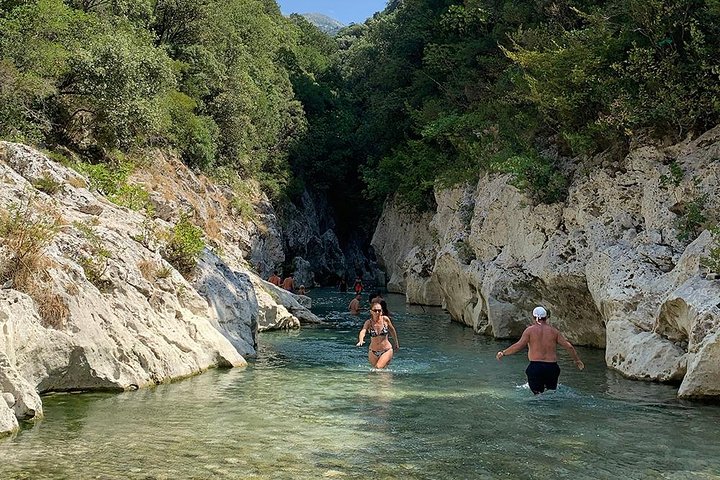
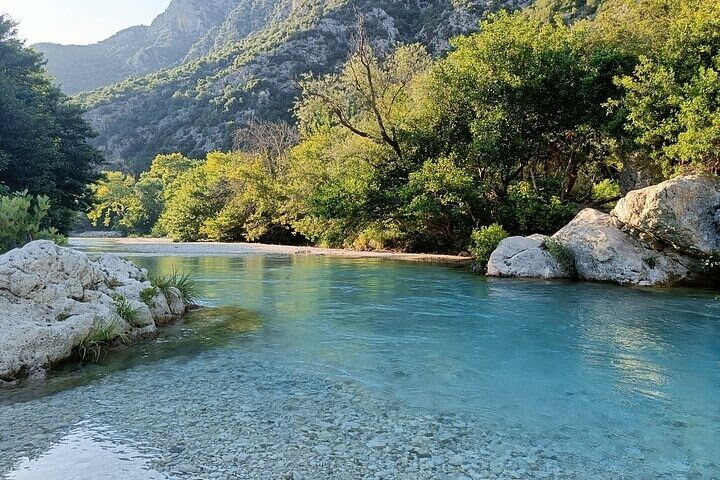
The Acheron River runs cold and so clear you can see every stone beneath the surface. The water glows blue-green when the sunlight hits it. Ancient Greek stories painted this river as the boundary between the living and the dead.
The river starts near the village of Gliki. When I waded in, the water numbed my legs instantly. Locals swear it’s purifying—maybe because the old myths still hang around, or maybe just because it’s freezing.
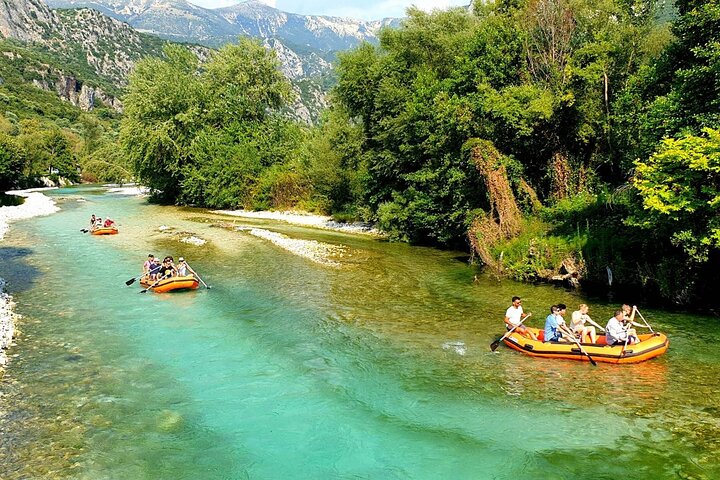
I hiked along the banks and found trails shaded by thick trees. In summer, visitors float down the river in inflatable kayaks. Sometimes, though, it’s just the sound of rushing water and the echo of old legends.
What to Expect:
- The Acheron gets busy in July and August, but early mornings or late in the season are peaceful.
- Swimming’s possible midstream—just watch out for slippery rocks.
- Some parts of the river are shallow and gentle, perfect for families.
Legendary Origins and Ancient Beliefs
Stories about the Acheron go way back to the earliest Greek and Roman myths. The name means “River of Woe.” In Homer’s Odyssey, Odysseus travels to its mouth to find the entrance to Hades.
The river’s sacred springs supposedly washed away sins. Even now, some say the icy water feels soul-cleansing, like a leftover promise from those old tales. Poets like Virgil and Homer tied the river to the afterlife.
Ruins still line the banks—old shrines where people once left offerings. Ancient sources like the Iliad mention gods walking among mortals at places like the Acheron. Standing there, I felt a weird connection to those distant beliefs and the people who dreamed up powerful gods.
Key Mythology Facts:
- Acheron joins other underworld rivers like Styx and Cocytus in old myths.
- Local legends talk about priests ferrying souls across its waters.
- The Romans borrowed from Greek myth and kept Acheron as a border between life and death.
My Unforgettable Swim in the Acheron
Standing at the edge of the Acheron River in Epirus, I felt a mix of excitement and nerves. Lush nature, ancient myth, and the sharp bite of the water made for an experience that blended beauty and challenge.
Diving In: First Impressions of the Icy Waters
The moment I touched the Acheron’s surface, the cold cut deeper than any sea I’ve tried before. Locals say Boreas, the cold north wind from Greek myth, dances through these waters. I definitely felt it.
My breath caught. My skin tingled. There’s a strange thrill in pushing forward, step by shivering step, until the water hugs your shoulders.
Every sense switched on. The river’s clarity was unreal—each rounded pebble visible beneath my feet. Surrounded by steep green cliffs and thick trees, the world felt both vast and a little closed in.
If you want to brave nature in its purest form, this swim gives you a jolt of energy like nothing else.
Travel Tip: Bring water shoes. The pebbles are smooth but slippery. Enter slowly and let your body adjust.
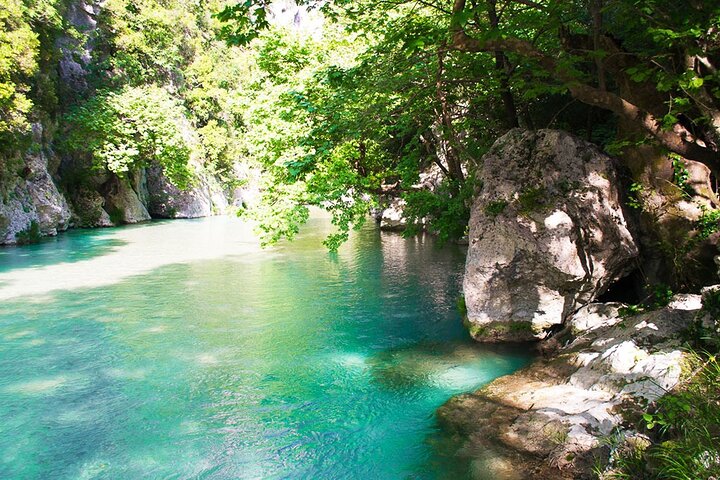
The Elemental Power and Purity
Everything about the Acheron feels ancient, shaped by time, wind, and water. Swimming here means plunging into a story that blends earth and sea—the elements Neptune once ruled and Prometheus challenged.
Floating in the current, I could almost see ancient lands and myths playing out. The water was startlingly clean and pure, almost silvery in the sunlight.
Even the wild mountain winds seemed to respect its flow.
It’s not just a swim. It’s a meeting with the land’s spirit, somewhere between power and peace. Unlike any pool or modern beach, the Acheron drops you right into the heart of myth and natural beauty.
Quick List:
- Clear, cold water
- Stark mountain scenery
- Strong currents—swim with care!
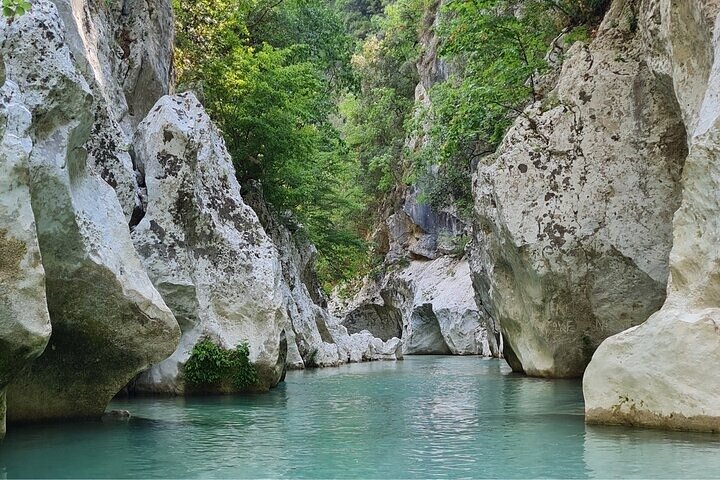
Moments of Transformation: A Soul-Cleansing Experience
As I swam, the cold first shocked, then woke me up. I felt a kind of transformation, like the river washed away not just sweat, but worry and noise from the outside world.
This is where legend meets reality. In Greek myth, the Acheron guided souls to the underworld. Today, it still has a deep, soul-cleansing effect.
I left the river feeling lighter, mind clearer, spirit quieter.
For travelers who want real refreshment, swimming here gives you more than a cool-down. It’s a reset—a moment to let nature, wind, and water remind you of life’s raw beauty.
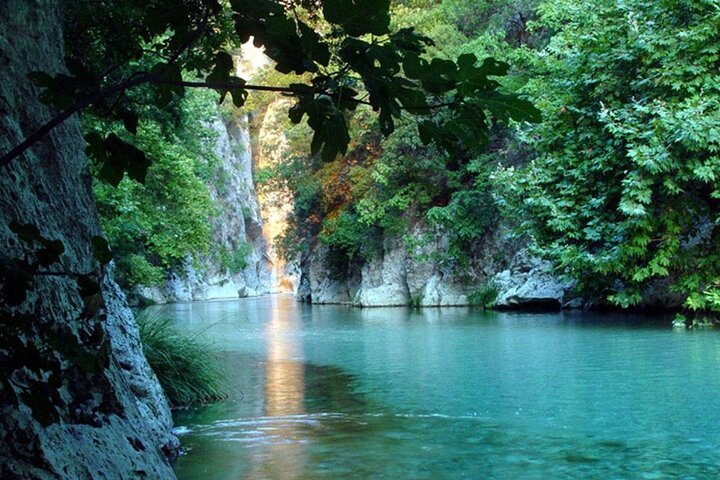
The Acheron in Mythology, Literature, and Art
The River Acheron winds through ancient myth, epic poetry, and world-famous art. I’ve noticed that its place in stories and paintings gives the river a deeper meaning, way beyond its chilly waters in Epirus.
Acheron in Works of Virgil, Ovid, and Homer
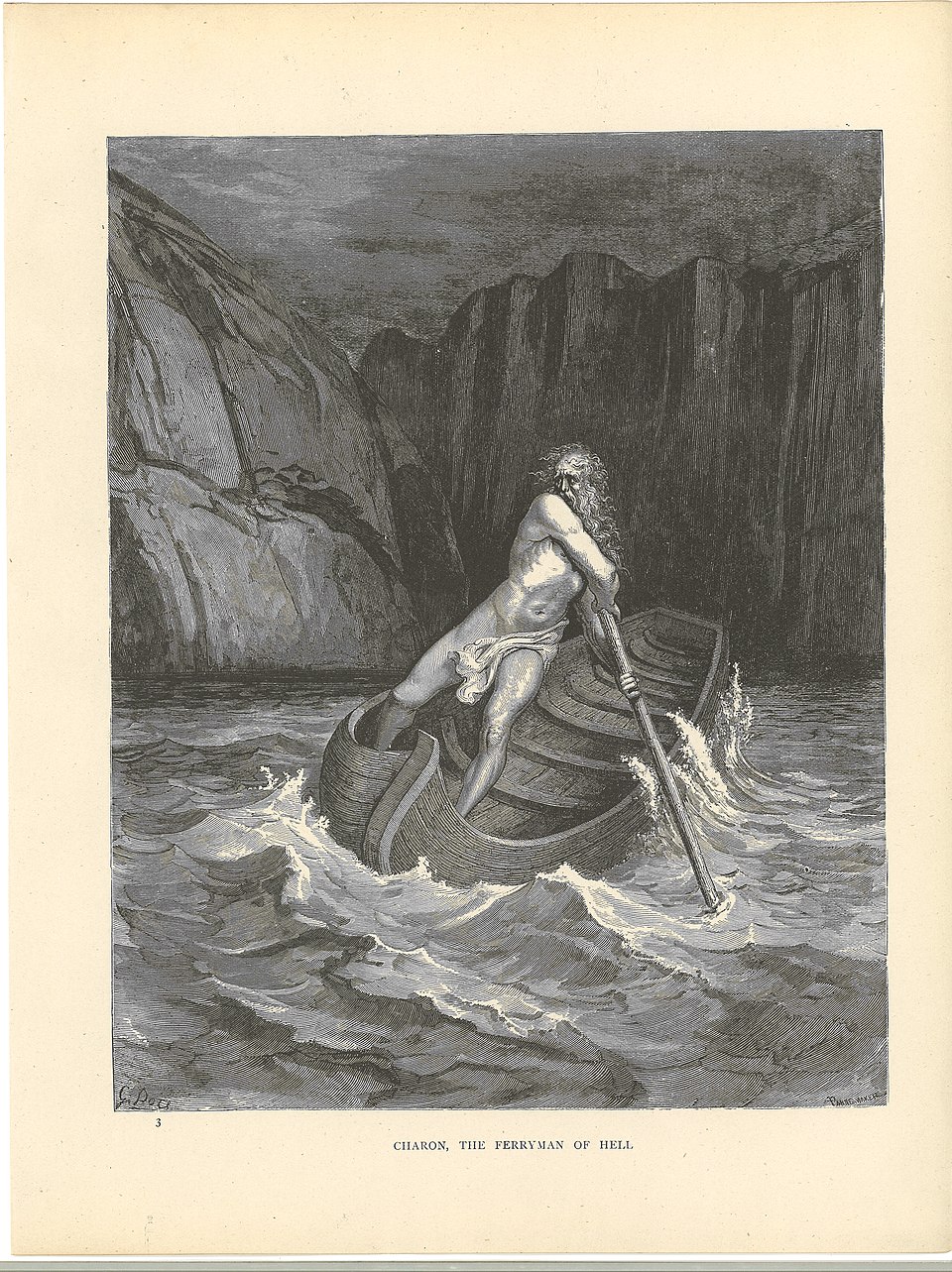
When I think of Greek and Roman epic poetry, the Acheron always pops up. Virgil’s Aeneid shows Acheron as a barrier to the underworld, where souls cross its gloomy waters with Charon to reach Hades.
Odyssey and Iliad by Homer mention the river too, tying it to sorrow, bravery, and the line between life and death.
Ovid’s Metamorphoses puts Acheron right in the middle of stories about transformation and loss. His verses highlight the stream’s sorrowful side, especially when mortal love meets divine law.
Epic poets used the river as a symbol of the unknown, the afterlife, and the cost of heroism. When I visited, I couldn’t help but recall these scenes, especially with the river’s mist curling around my ankles.
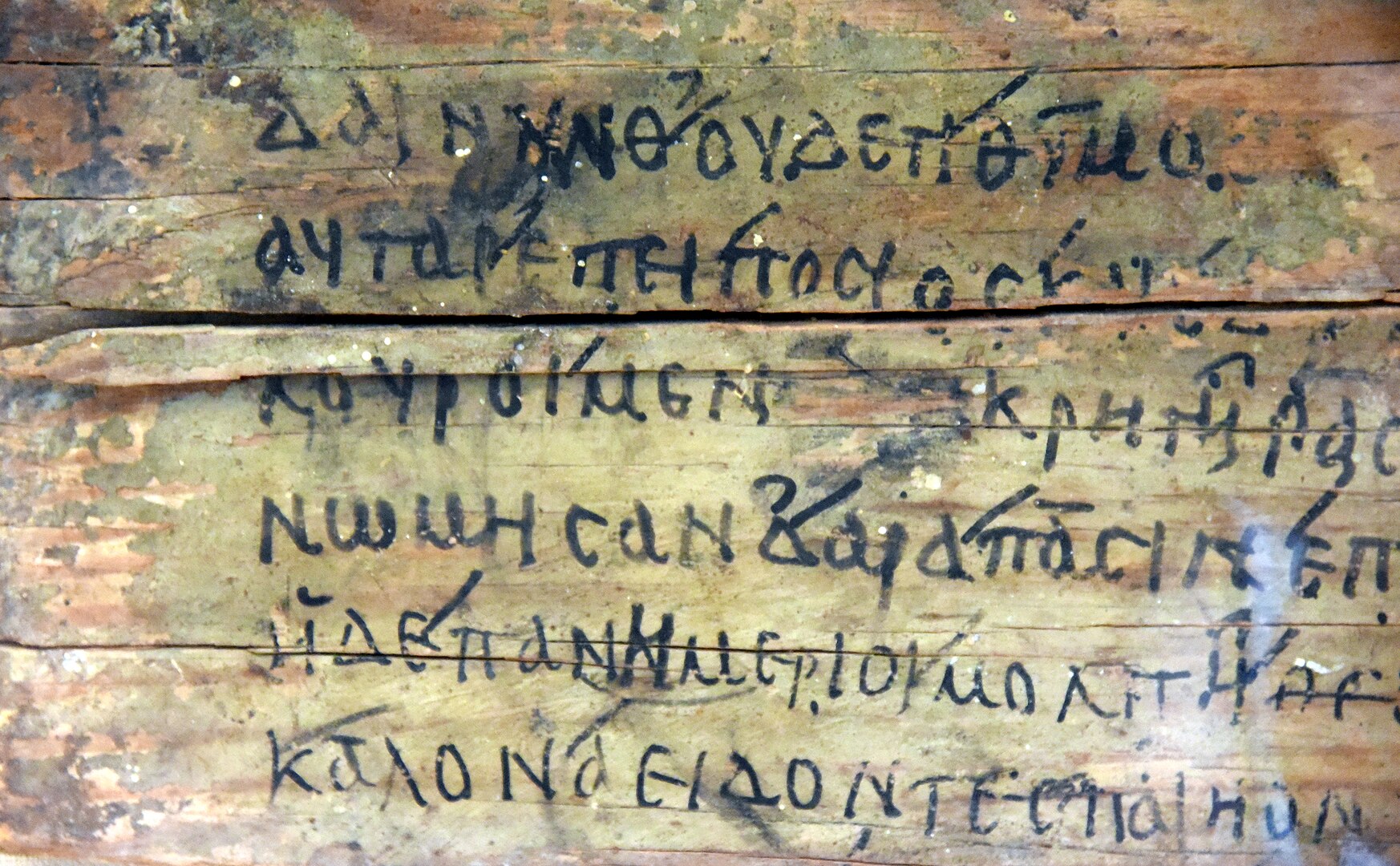
Heroes, Gods, and Mortal Journeys
Acheron isn’t just a backdrop—it’s a challenge for mythic heroes. In stories, gods like Hermes and Hades meet by its banks, while mortals like Odysseus and Aeneas try to cross.
The river demanded payment to Charon, a coin under the tongue, marking the passage from life into mystery.
Famous travelers across Acheron include:
- Odysseus (in the Odyssey)
- Aeneas (in the Aeneid)
- Heracles and Orpheus (searching for loved ones in the underworld)
Standing on those ancient stones, I wondered what it would be like to set out, not knowing if I’d return. For ancient Greeks, this river was a key part of every journey and every story of loss or triumph.
Influence on Art and English Literature
Painters and poets in later centuries kept coming back to the Acheron for inspiration. In art, the river appears as a dark, misty channel, with Charon’s boat gliding through the shadows.
I’ve seen the river in museum galleries, tucked into moody landscapes and dramatic scenes.
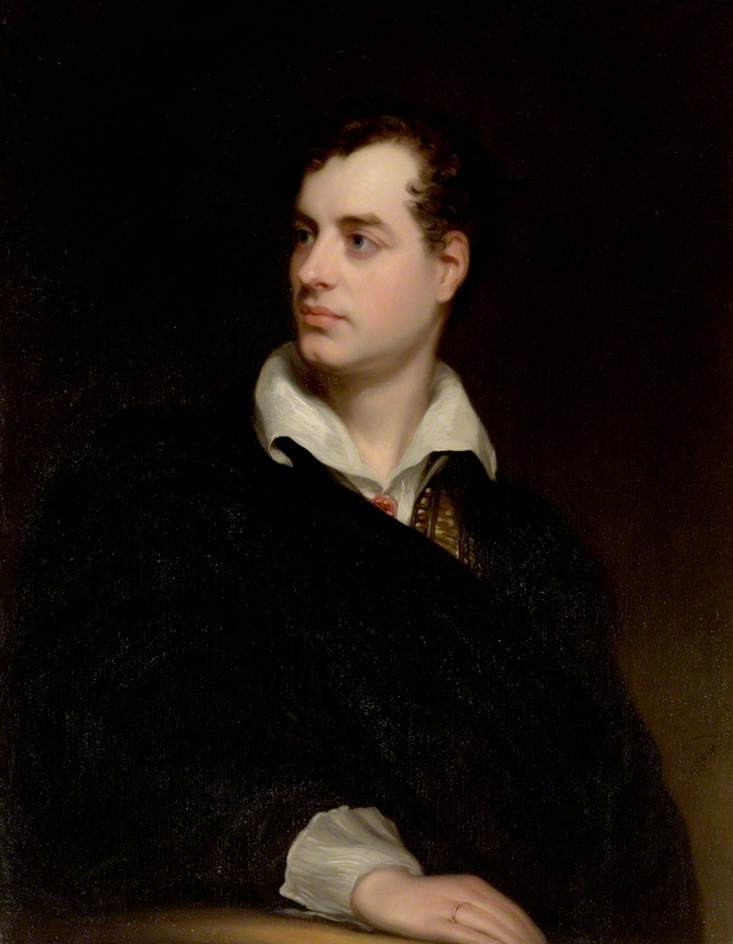
English poets like Lord Byron loved Acheron’s legends. Byron, obsessed with Greek history and myth, used the river as a symbol of pain and courage.
Even today, Acheron echoes in English literature and poetry, its name still hinting at mystery and transformation. For English readers, the river’s story stands as a bridge—between worlds, and between ancient and modern imagination.
From Myth to Modern Adventure: Exploring Epirus Today
When I stepped into Epirus, I found a region bursting with history, rugged nature, and adventure at every turn. Every path pulled me closer to the ancient legends of the Acheron and its modern wonders.
Travel Logistics and Where to Start Your Acheron Journey
Epirus sits in northwest Greece, packed with mountains and rivers. The village of Glyki makes the best starting point for meeting the Acheron River.
It’s easy to reach by car from towns like Ioannina. I hopped on a local bus to Glyki and instantly felt the charm of a small Greek village along the riverbanks.
Late spring through early autumn turned out to be the best time to go. Water levels are good for swimming and river trekking, and the weather stays cool enough to be comfortable.
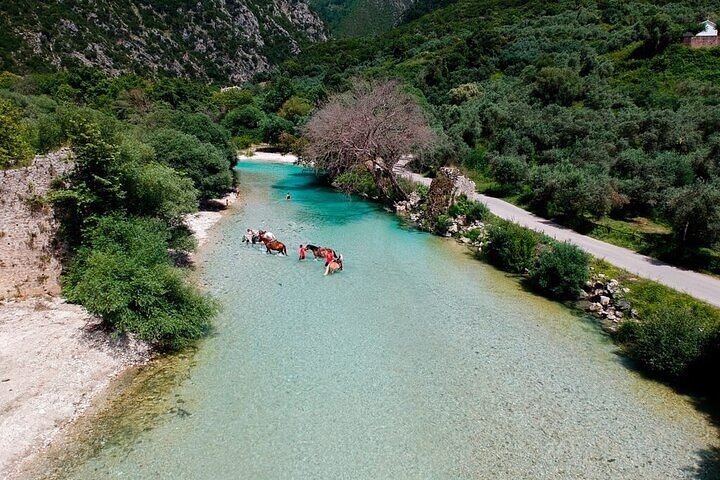
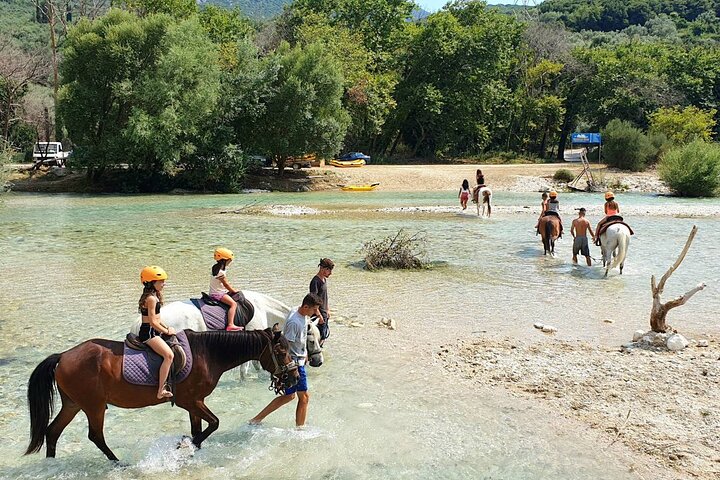
Organized tours are common, but you can rent gear or book activities right in Glyki. Kayaking, river hiking, and horseback riding along the Acheron trail are available for most ages and skill levels.
If you want to keep exploring Epirus, you can make side trips to Kastos and Ithaca, though you’ll need extra travel time by ferry. These islands add even more natural beauty to a trip already shaped by rushing water, shady trees, and sunlit hills.
Nature’s Wonders: Flora, Fauna, and the Wild Acheron
Wading through the Acheron, I immediately felt the wild spirit of Epirus. The river runs clear and cold, straight from the mountain springs.
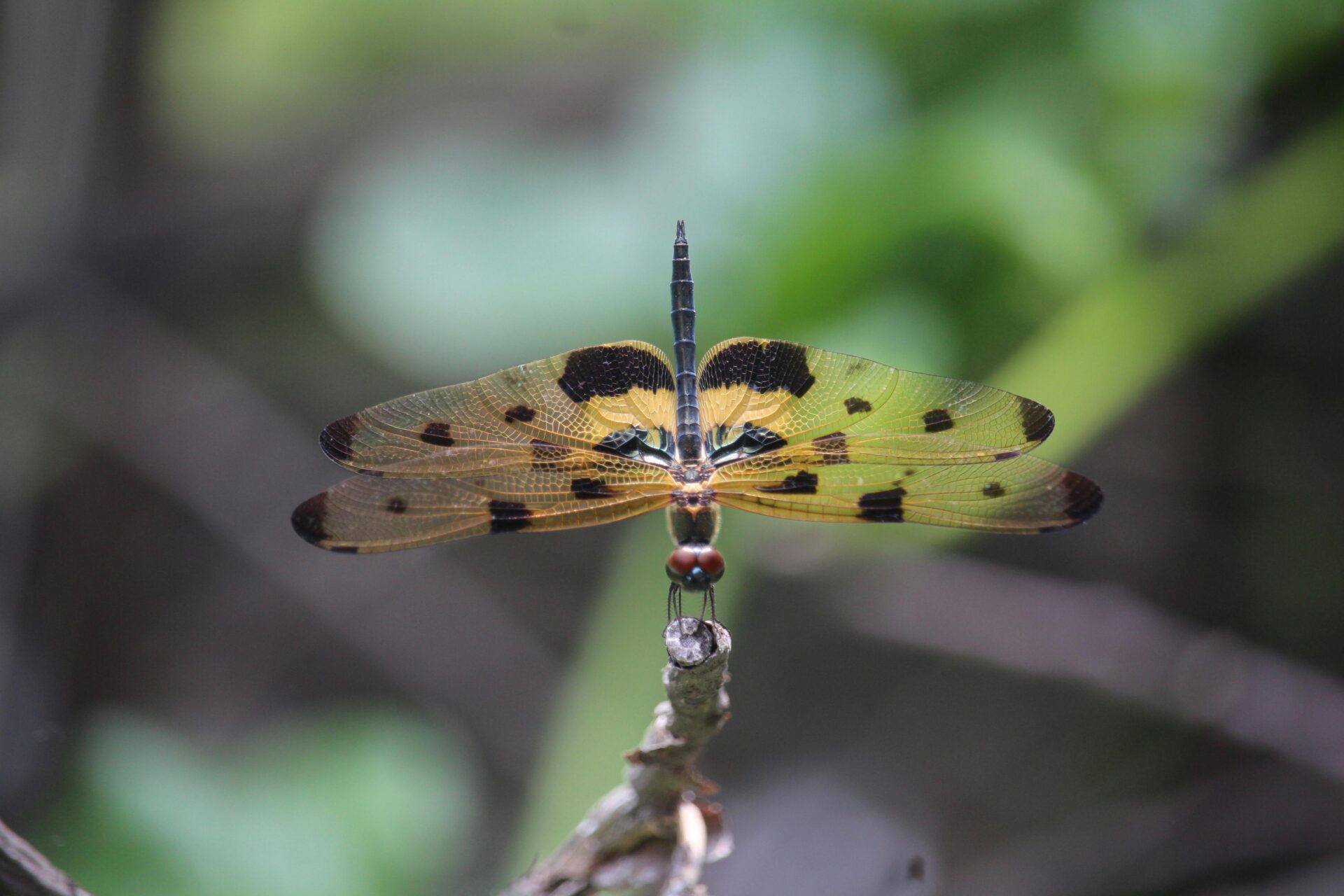
Along the banks, I watched dragonflies zip between tall grasses and willows. It’s almost hypnotic, honestly.
The path winds through forests, rocky cliffs, and open meadows. In spring and early summer, wildflowers like anemones and orchids pop up everywhere, throwing color across all that green.
Bird calls—warblers, kingfishers, sometimes even eagles—mixed with the rush of water. They became my constant soundtrack.
Wildlife shows up everywhere here. I spotted turtles basking on river rocks, and each step uncovered something new.
The wind, water, and sunlight all felt sharper in Epirus. That just added to the river’s mythic vibe.
Crossing icy pools and shaded shallows, I couldn’t help but feel part of a landscape that’s both ancient and alive.
Seasons, Legends, and the Ongoing Story of the Acheron
Visiting the Acheron means more than just braving its chilly waters. Every visit brushes up against the mythic past and the real efforts to keep that legacy going.
The river changes with the seasons. It weaves into old stories and relies on people to stay protected for the future.
Seasonal Transformations Along the River
The first time I saw the Acheron in early spring, I couldn’t believe how wild it looked. Meltwater surged through, turning the surface white and loud as it crashed over rocks.
Spring and early summer suit adventurous travelers. If you want rafting or a brisk swim, this is the time—just be ready, the water’s way colder than you’d think.
By late summer, the current slows down. Families hang out at the calmer stretches, splashing along the pebbly banks.
In autumn, trees along the water blaze gold and copper. Mist settles in the mornings, and the river grows quiet.
Winters here feel harsh. The water chills to the bone and fog rolls in, but if you’re brave enough, there’s a special kind of peace.
The landscape strips back to its bare bones. The Acheron seems ancient and untouched, almost echoing the legendary ages from old poetry.
Echoes of Myth: Legacy in Modern Storytelling
The Acheron stands for more than just a river. Ancient Greeks saw it as a passage to the underworld.
Poets and storytellers kept its name alive in tales about pain and hope. I noticed how these myths still shape tourism today—local guides love to share stories of Charon and the journey to Hades, and suddenly the river’s past feels real.
In legend, the Acheron ties together the golden age of gods, the ages of heroes, and the daily struggles of people. When I float in the river, I can’t help but picture ancient poets—maybe even Homer—finding inspiration in these same swirling waters.
Modern books and films keep Acheron’s myths going, mixing the old stories with new adventures. Local art puts the legends front and center, for both visitors and the people who call this place home.
It’s easy to feel swept up in something bigger, even if you’re just here for a quick dip.
Research, Donations, and Preserving Heritage
Protecting the Acheron really takes a team. Researchers keep an eye on the river’s health and track seasonal changes.
They also study how tourism affects wildlife. People focus a lot on keeping the water clean and looking after sites tied to ancient myths.
Local groups often ask for donations to help fund conservation and cultural programs. When I visited, I spotted info boards asking for support—sometimes they even had QR codes, which made online giving ridiculously easy.
Every small donation goes toward trail upkeep, new signs about mythology, and those riverbank clean-up days.
Researchers and new studies often shape how conservation happens here. If we don’t invest in both science and local heritage, I worry the connection to those old legends—and honestly, our whole human story—could just slip away.
I left the Acheron feeling grateful for everyone’s efforts. Honestly, I felt inspired to help out too.



