
Most people assume jaw-dropping views come with a hefty price tag. But honestly? Some of the most breathtaking camping spots in America cost just $20—or even less—a night.
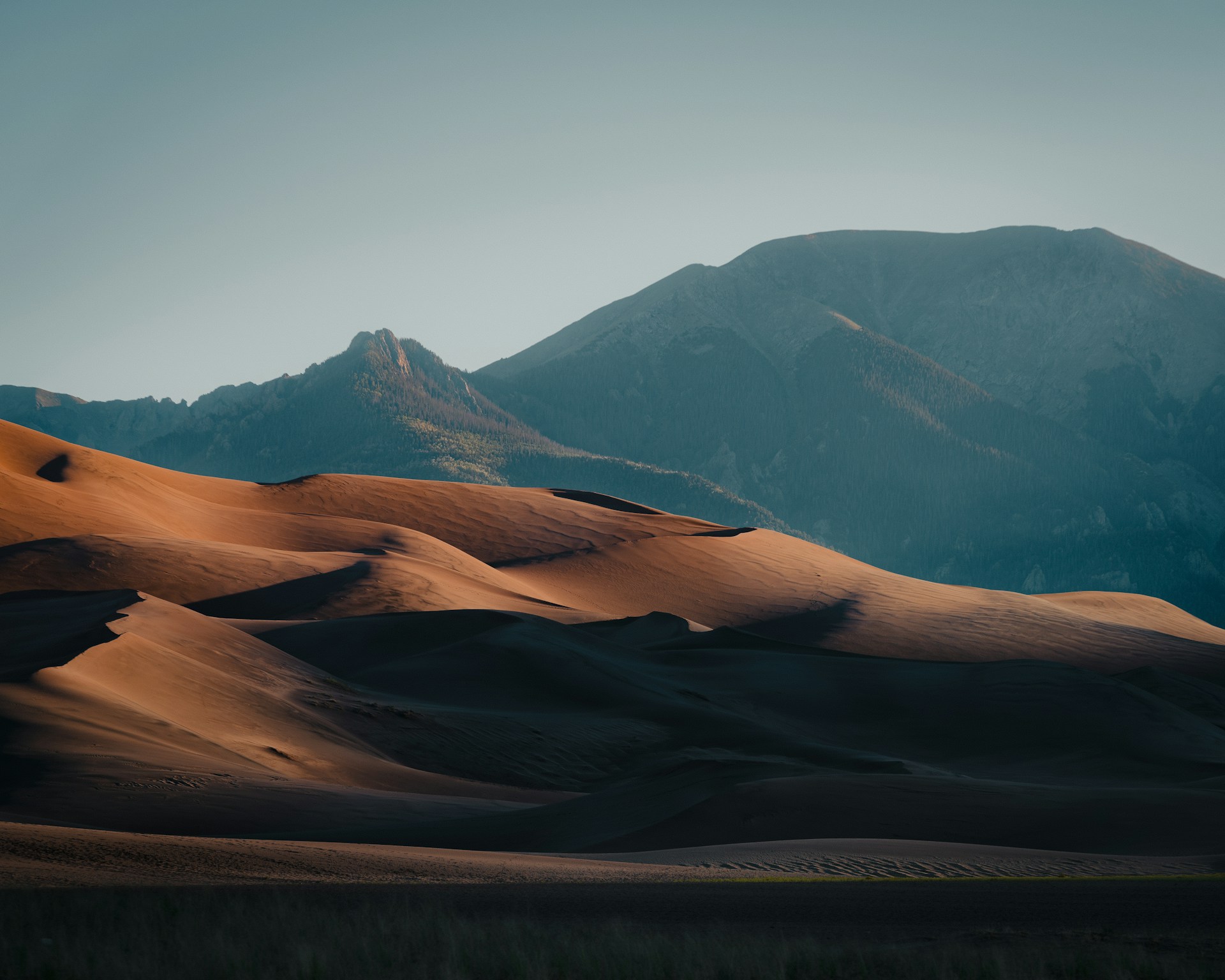
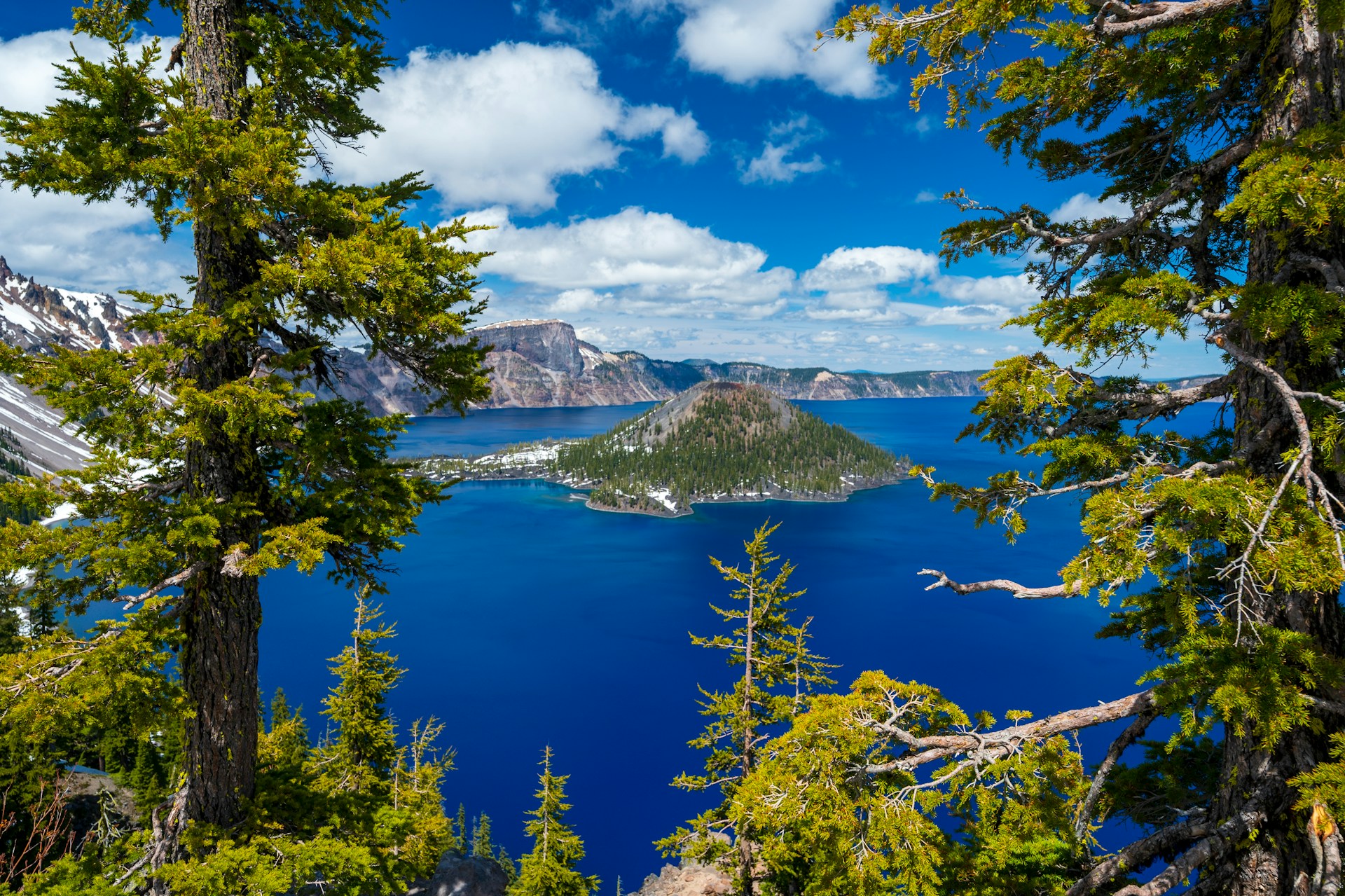
You can wake up to million-dollar vistas at places like Great Sand Dunes in Colorado, Crater Lake in Oregon, and Death Valley in California, all without draining your wallet. These affordable campsites serve up scenery that luxury resorts charge hundreds for.
After years of wandering through national parks and state campgrounds, I’m still floored by how much value you get at these budget-friendly spots. Volcanic craters, wild sand dunes, and prime real estate that would cost a fortune if they were hotels—nature really doesn’t play favorites.
Let’s dig into where to find these hidden gems and how to squeeze every drop out of your affordable camping adventure. I’ll share which destinations give you the most for your money, what to do once you’re there, and a few tips for snagging those coveted campsites before they’re gone.
Unpacking the $20 Campsite Value
Camping for $20 a night unlocks some of the most stunning natural settings out there. These sites keep things simple—just the essentials—but put you right in the middle of the action.
You won’t find fancy spas or infinity pools, but you’ll wake up surrounded by beauty. It’s the kind of luxury you just can’t buy at a resort.
How Budget Camping Delivers Premium Experiences
I’ve noticed $20 campsites often sit in locations money can’t buy elsewhere. National forests and state parks grab the best land through public access.
These campgrounds focus on what matters: the scenery. You’ll get clean restrooms, potable water, and fire rings. The real luxury comes from what’s outside your tent.
Key advantages:
- Walk-out access to hiking trails
- Killer sunrise and sunset views
- Wildlife just doing its thing nearby
- Dark skies perfect for stargazing
I’ve paid $20 for a view that RV parks down the road charge $60-$150 for. The budget site usually means fewer crowds and more nature.
Take Alabaster Caverns in Oklahoma—just $12-$20 a night. You get guided cave tours and peaceful campsites for less than a diner breakfast.
What to Expect for $20 a Night
So what do you actually get for $20? Usually a designated site with the basics: picnic table, fire ring, and nearby restrooms.
Standard amenities:
- Level spot for your tent or RV
- Potable water access
- Vault toilets or flush restrooms
- Trash cans
- Picnic table and fire ring
Some places throw in extras, like hot showers or Wi-Fi. Land of the Arches in Kentucky? $5 a night, and you get both.
Don’t count on full hookups everywhere. Water and electric might be included, but sewer connections usually cost extra or aren’t available.
Even at this price, I’ve found most places keep things clean and safe. Park staff focus on comfort, not frills.
The Appeal of Million-Dollar Views
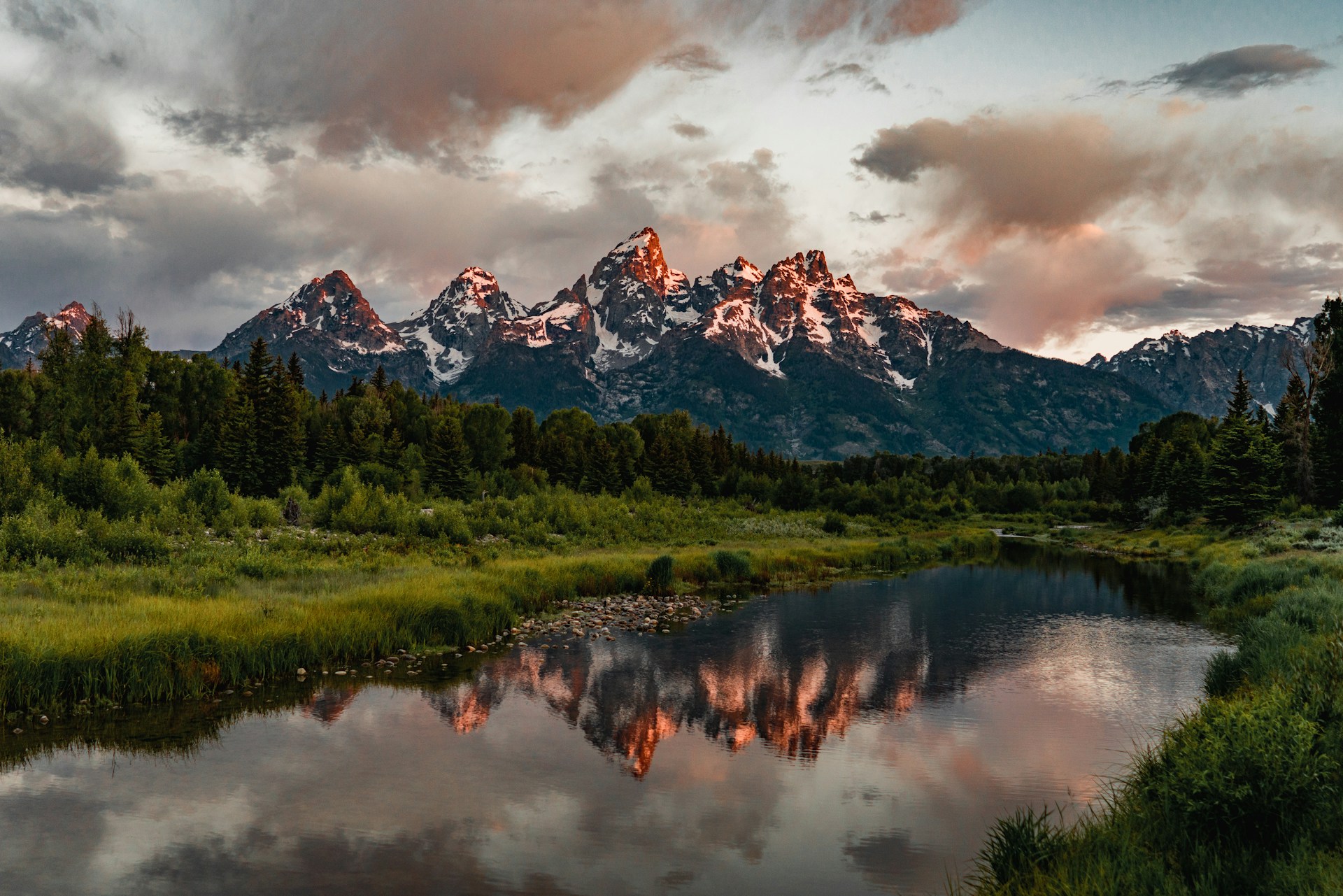
When people say “million-dollar views,” they’re not kidding. Grand Teton’s $20.50 campsites give you mountain scenery that fancy hotels charge hundreds just to peek at.
Best views include:
- Snowy peaks and shimmering lakes
- Rugged coastlines and dramatic cliffs
- Desert landscapes full of wild shapes
- Forest canopies and roaring waterfalls
Twelvemile Beach Campground charges $15-$20 for Lake Superior views. Renting a private home nearby? That’ll run you thousands.
I’ve watched sunsets from Colorado’s Million Dollar Highway that honestly rival Switzerland’s best. They call it the “Switzerland of America” for a reason.
Since these spots sit on public land, nothing blocks your view—no condos, no billboards, just pure nature.
Top Destinations for Affordable Scenic Camping
There are so many places where $20 or less gets you unforgettable landscapes. Some are famous parks, others are off-the-radar gems—each one proves you don’t need deep pockets for a front-row seat to nature’s best.
Iconic National Parks on a Budget
Grand Canyon National Park lets you camp at Mather Campground for just $18 a night. I love being able to walk straight from my tent to the Rim Trail or visitor center.
Sequoia and Kings Canyon National Park in California charges $12-$18 per night. The giant sequoias here are mind-blowing—you can literally drive through a few of them. Most campgrounds are first-come, first-served.
Shenandoah National Park offers mountain views, waterfalls, and forests for $15 a night. It’s close enough to Washington D.C. that you can mix camping with city adventures.
Mount Rainier National Park in Washington has free camping at White River Campground. Ohanapecosh Campground costs $20 and puts you right in the heart of classic mountain scenery.
Mountain, Forest, and Desert Campsites
Molas Lake Campground in Silverton, Colorado sits at 10,000 feet and costs just $18 a night. AAA calls it one of America’s most scenic campgrounds for good reason. The weather changes fast up there, but the mountain views are worth it.
Bruneau Dunes State Park in Idaho has the tallest sand dune in North America. For $12-$17, you can sandboard down massive hills and stargaze at the observatory for just $3.
Denali State Park in Alaska spans nearly half the size of Rhode Island. For $15, you can camp under Mt. McKinley and maybe spot grizzlies or caribou.
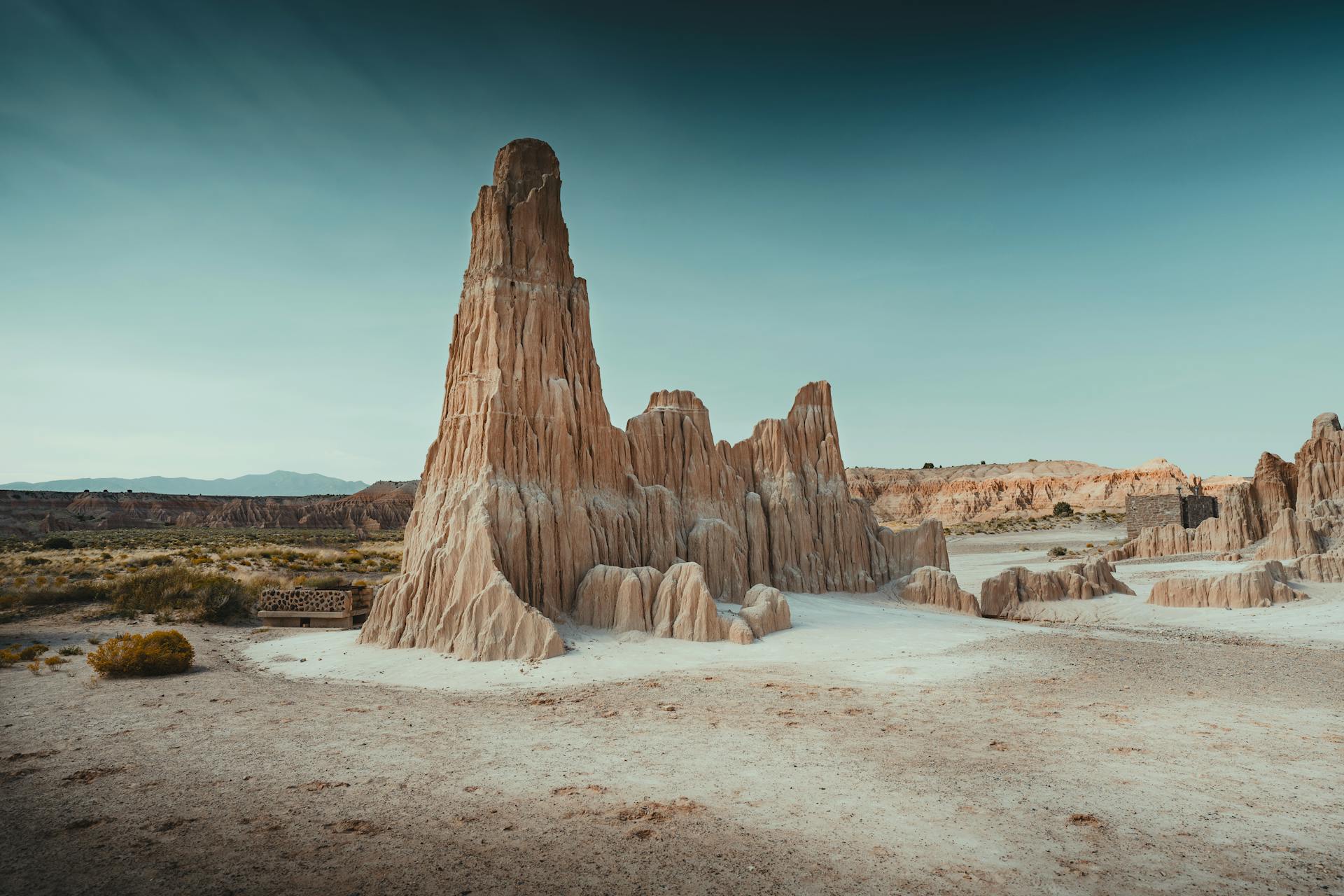
Cathedral Gorge State Park in Nevada offers maze-like canyons and wild rock formations at $17 a night. Locals say new moon nights are perfect for stargazing.
Hidden Gems with Spectacular Vistas
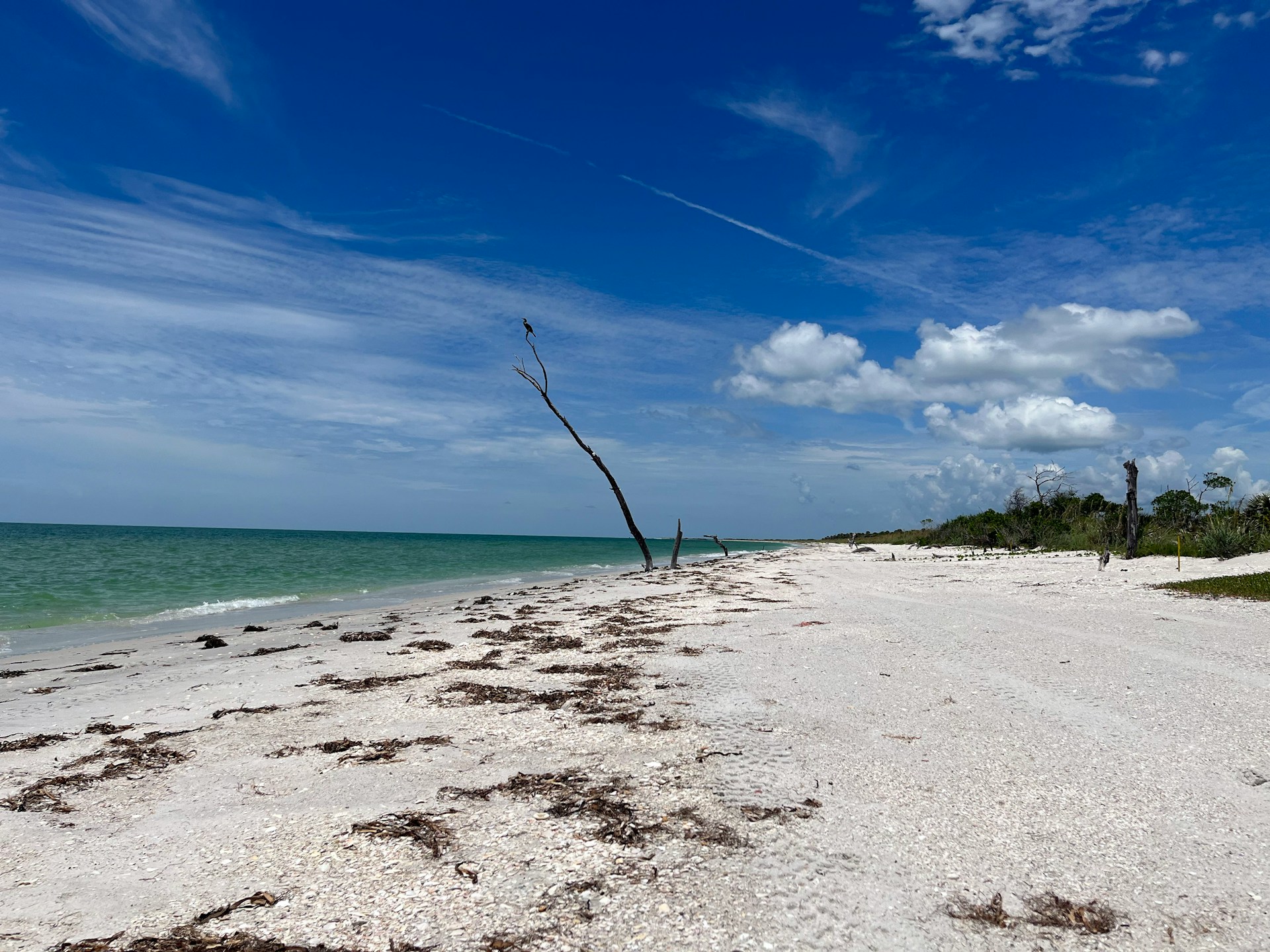
Cayo Costa State Park in Florida is only accessible by ferry, but $20 a night gets you a quiet beachfront campsite. It honestly feels like your own private island.
Cumberland Island National Seashore in Georgia charges $2-$4 per person. You might see wild horses or sea turtles while exploring this remote barrier island.
Trail of Tears State Forest in Illinois has rustic campsites for $8 along the Mississippi River. The river views and history make up for a bit of train noise.
Land of the Arches in Kentucky is a rock climber’s dream for $5 a night. There’s Wi-Fi, hot showers, and the owners are always happy to share their favorite climbing spots.
Recreation and Adventure Opportunities
America’s budget campgrounds open the door to world-class adventures. You can hike, paddle, watch wildlife, and stargaze—all without the premium price tag.
Exploring Nearby Hiking Trails
Many $20 campgrounds sit right next to amazing hiking. Black Canyon Rim Campground in Arizona drops you onto forest trails at 7,500 feet.
Pine-scented paths wind into the Mogollon Rim wilderness. You can start hiking right from your tent.
Lake Meredith in Texas has shoreline walks with endless views. The high plains stretch out in every direction.
Utah’s Buckhorn Draw area is full of slot canyons and desert trails. Ancient pictographs decorate the rocks just minutes from camp.
Meeman-Shelby Forest in Tennessee has over 13,000 acres and multiple trail systems. You’ll find quiet woods and hidden lakes everywhere.

Waterside Activities and Boating
Lakefront camping means instant water access. Lake Meredith is a solid spot for fishing in clear waters.
Magnolia Beach in Texas lets you camp right on the Gulf Coast sand. You can fish, paddleboard, or swim steps from your RV.
The bay stays warm most of the year, and dolphins often cruise by in the early morning.
Silver Dollar Campground sits on the shore of Turquoise Lake. Boating and fishing are the main events here.
O’Leno State Park in Florida hugs the Santa Fe River. Paddling, swimming, and fishing are all options in the mossy waterways.
Montana’s fishing access sites often double as free campgrounds. Deadman’s Basin has boat launches and great fishing.
Wildlife Watching Experiences
Desert campgrounds surprise you with wildlife. Saddle Mountain in Arizona has desert foxes that wander through at dusk.
The rocky ground supports all kinds of animals adapted to tough conditions. Early mornings and evenings are best for spotting them.
Forested sites in Tennessee attract deer, wild turkeys, and tons of birds.
Coastal spots like Magnolia Beach bring out dolphins and shorebirds.
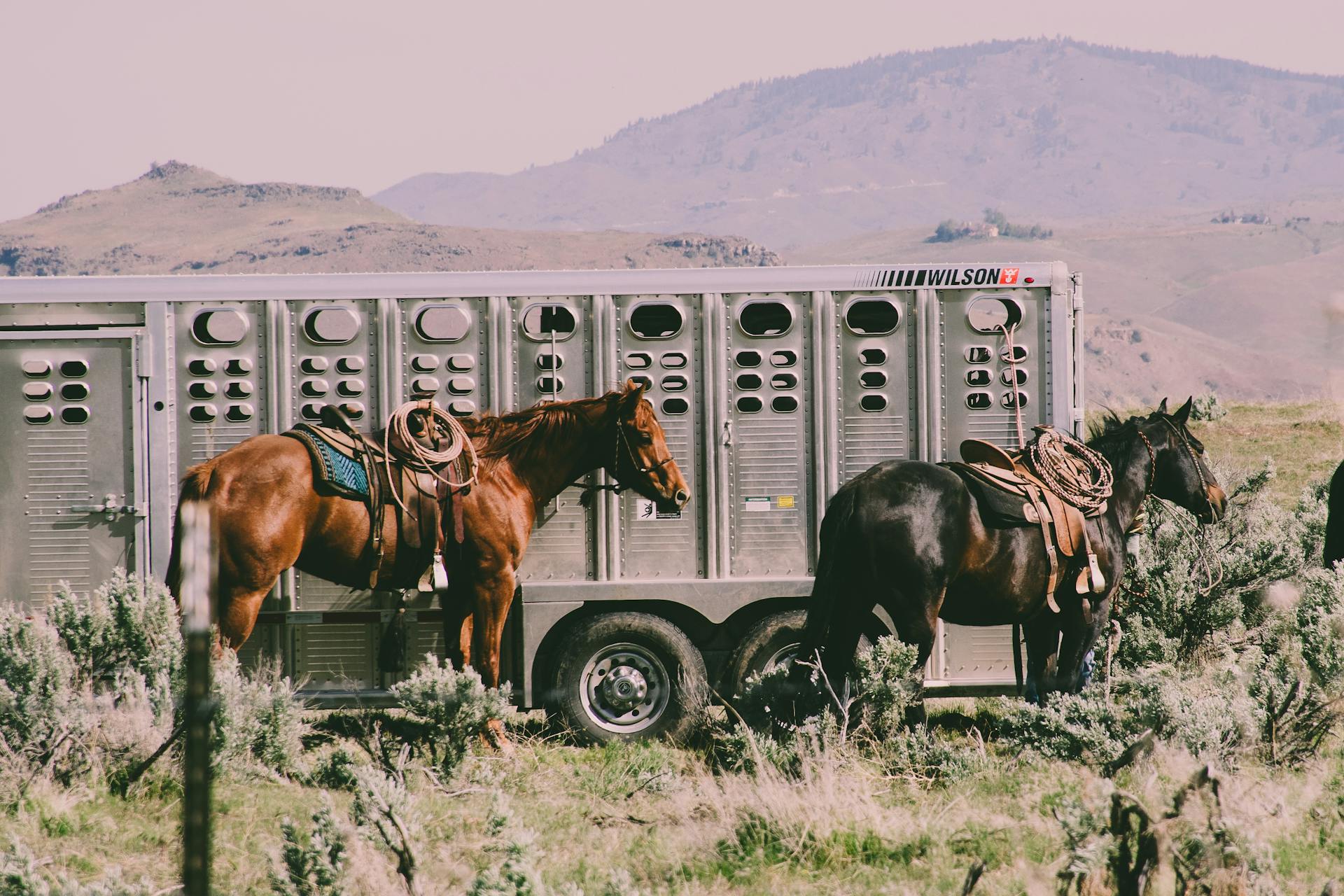
Camping up high in the mountains means you might see elk, mule deer, or even the occasional bear.
Stargazing and Nighttime Attractions
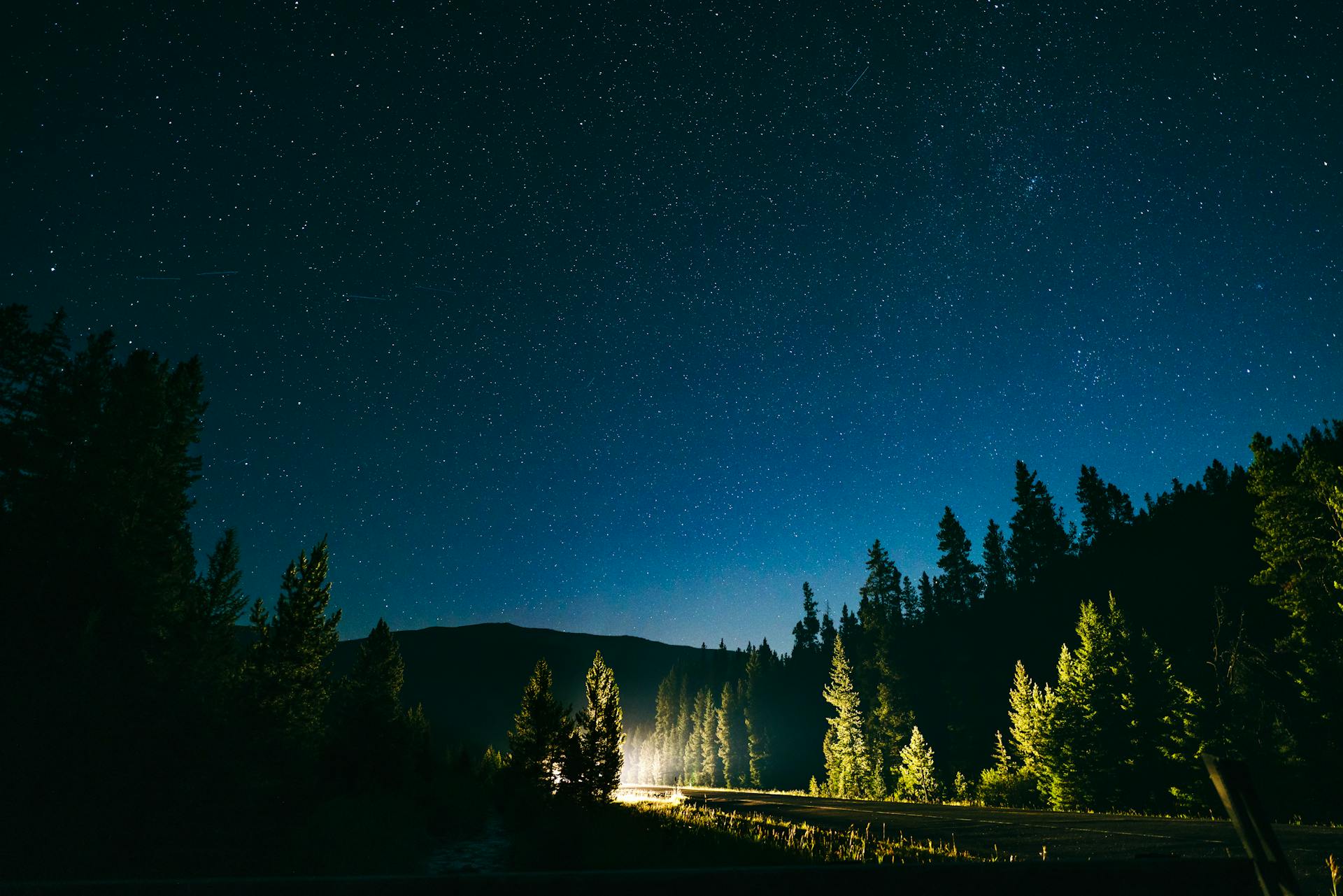
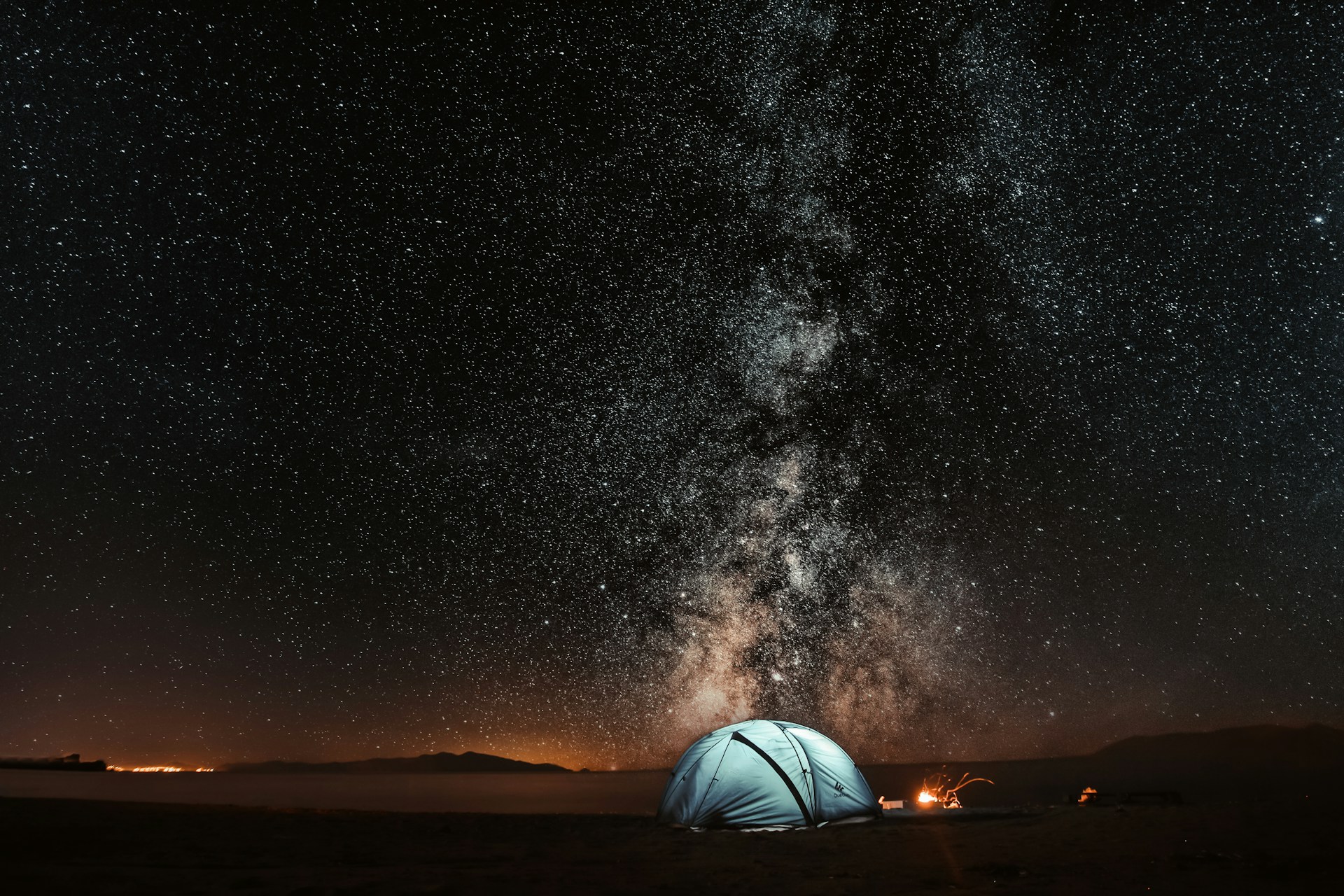
Remote campgrounds are a stargazer’s dream. Montana’s Deadman’s Basin delivers some of the clearest night skies I’ve ever seen.
No city lights means the Milky Way pops overhead. Bring your camera—on a clear night, you’ll get some wild shots.
Desert camping in Arizona is perfect for astronomy. The high elevation and dry air make for crisp, clear nights.
Mountain sites above 7,000 feet offer cool summer stargazing and unbeatable views.
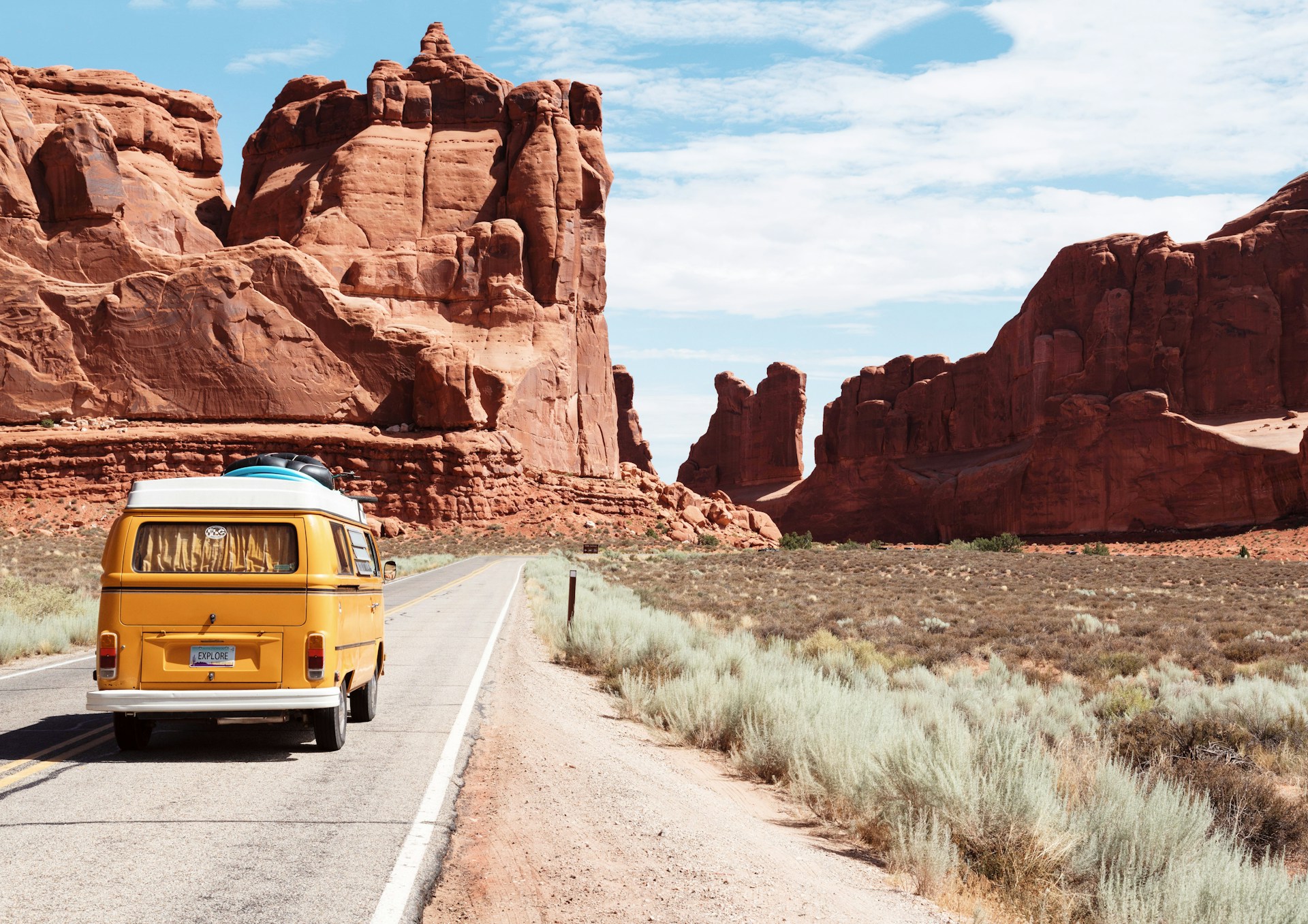
Utah’s canyon country is famous for its dark skies. The red rocks look surreal under a sky full of stars.
Essential Tips for Maximizing Your Campsite Experience
A few smart moves can turn a basic camping trip into something unforgettable. With the right planning, you’ll get the best views, stay comfortable, and keep things safe.
Site Selection for the Best Views
Arrive early to grab the prime spots. The best sites go fast, especially in peak season.
Look for elevated sites with clear views of mountains, lakes, or valleys. Corners usually mean more privacy and better sunrise or sunset angles.
Consider:
- How close you are to restrooms (not too close, not too far)
- Natural windbreaks like trees or rocks
- Level ground for your tent
- Water sources nearby (but not so close you’re swarmed by bugs)
I always check which direction the site faces. East means sun and mountain views in the morning. West is perfect for sunsets, but it can get hot late in the day.
Avoid low spots where cold air and rain collect.
Packing for Comfort and Convenience
I use clear bins for my gear so I can find things quickly. This has saved me so much hassle.
Must-haves:
- Camp chairs for relaxing and soaking up the view
- Battery lantern for hands-free light
- Insulated sleeping pad for warmth
- Quick canopy for shade or rain
A small folding table is great for food prep and games. It keeps everything off the ground.
I pack clothes by outfit in stuff sacks—makes mornings way easier.
A portable power bank keeps my phone ready for photos. I always bring a paper map too, just in case.
Safety and Campfire Guidelines
Always check fire restrictions before lighting a campfire. Some places ban fires during dry or windy spells.
Clear a 10-foot area around your fire ring. Keep water and a shovel close by.
Fire safety:
- Never leave a fire unattended
- Stir ashes and douse with water until cold
- Use local firewood only
- Build fires in designated spots
I store food in bear-proof containers or hang it high and away from trees. Better safe than sorry with wildlife.
Let someone know where you’ll be and when you’ll return. Cell service tends to vanish in the prettiest places.
Keep a first aid kit handy and know some basic wilderness skills. The nearest hospital might be hours away.

Campsite Amenities and Unique Features
America’s budget campgrounds really deliver for the price. Most sites under $20 include the basics—clean restrooms, picnic tables, fire rings—and plenty throw in extras like swimming areas or hiking trails.
Facilities Available at Budget-Friendly Sites
State and county campgrounds usually offer electrical hookups, and prices tend to hover between $7 and $20 per night. From my travels, most spots throw in a few creature comforts that make a big difference.
Basic Infrastructure:
- You’ll find clean restrooms, and yes, hot showers are the norm.
- Each site comes with a picnic table—perfect for morning coffee—and a fire ring for late-night s’mores.
- RV pads are level, and you can usually count on 30-amp or 50-amp hookups.
- Fresh water spigots are never too far; I rarely have to walk more than a minute or two.
But honestly, some budget sites surprise me. Suddenly there’s a swimming pool, or maybe laundry machines for those longer adventures. If you’re lucky, a few campgrounds even add boat ramps and fishing areas when there’s a lake or river nearby.
Recreational Features:
- Swimming beaches pop up at a lot of these places, and boating areas aren’t hard to find.
- Hiking trails wind through the woods, sometimes leading to those jaw-dropping scenic overlooks.
- Some campgrounds really go all out with marina facilities and easy-access boat launches.
- A handful even set up meeting rooms for group hangouts or rainy day board games.
Campgrounds close to popular destinations often add a few unexpected perks. Snack bars and propane refill stations can make life easier. If you end up at the American River, you’ll spot campsites with front-row water views—definitely worth snagging if you can.
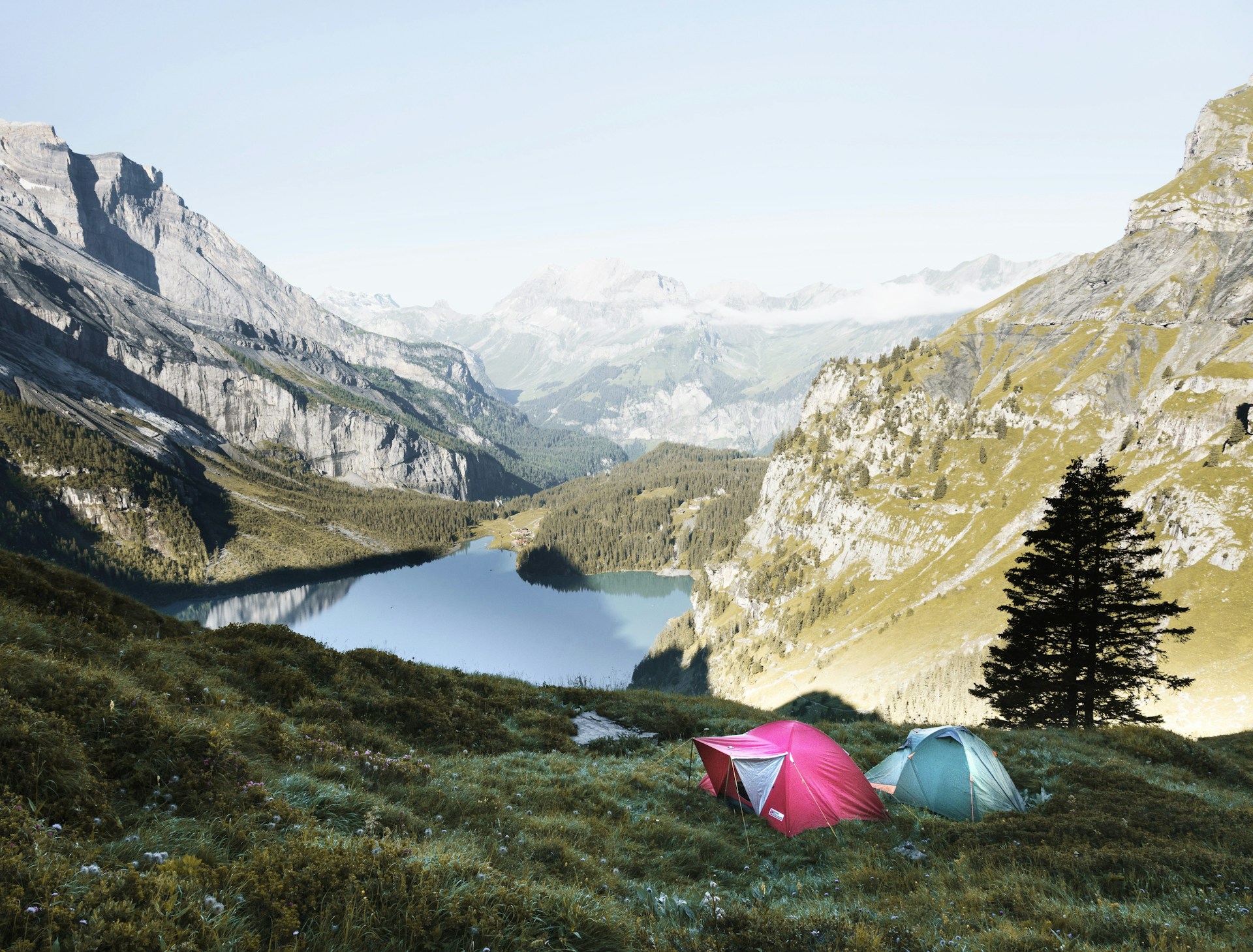
Accessibility and Family-Friendly Options
Budget campgrounds really put families first, and they try to make things easy for all kinds of travelers. I’ve stayed at plenty where you’ll find level sites that fit just about any RV, plus tent spots with flat ground so you don’t end up sleeping on a slope.
Family-Focused Amenities:
- Playgrounds and activity centers
- Mini-golf at a few campgrounds (always a hit with kids)
- Pet-friendly spaces and fenced dog runs
- Group sites that let big families camp together
I’ve noticed wide roads and clear paths make it simple to roll a stroller or wagon to the bathrooms. Some places even offer camping cabins with electricity and real beds—perfect if you want to try camping but don’t feel like buying a ton of gear.
State parks, in my experience, usually give the most bang for your buck when it comes to accessibility. You’ll find paved walkways, accessible restrooms, and parking that’s actually close to your campsite. Quite a few parks even have interpretive trails that work for pretty much any mobility level.
