
Right in the heart of Palermo, Sicily, the Cappella Palatina dazzles with its medieval artistry and vibrant mix of cultures. I still remember the sense of awe that hit me when I first walked inside this royal chapel, built at the command of Roger II of Sicily back in 1132.
The Cappella Palatina stands out as one of Europe’s most spectacular examples of Italo-Byzantine architecture, where Norman, Arabic, and Byzantine influences collide to create an interior that’s honestly just jaw-dropping.
What sets this palace chapel apart? Its decoration—every inch seems alive with stories, from the golden mosaics to the intricate wooden muqarnas ceilings and marble inlays. When I visited, I found myself spinning slowly, trying to soak in the riot of colors and patterns all around. The chapel sits inside the larger Palazzo dei Normanni (Palace of the Normans), so it’s a must for any Sicilian adventure.

If you’re heading there, I really suggest booking a guided tour. The guides bring the history to life and explain how this chapel wasn’t just a place to pray—it was a bold symbol of Sicily’s unique identity, right at the crossroads of Europe and the Middle East. Try to go in the morning; the golden mosaics catch the light in a way that almost makes them glow.
The Captivating History of the Cappella Palatina
The Cappella Palatina tells the story of Sicily’s multicultural past, blending Islamic, Byzantine, and Norman influences in one extraordinary space. For centuries, this royal chapel served as both a religious sanctuary and a symbol of royal power.
Origins and Construction
The story actually starts in the 9th century, back when Sicily was under Islamic rule. The first structure here was part of an Arab palace. When the Normans took over Sicily in 1072, they didn’t tear it down—they expanded on what was already there.
King Roger II ordered the construction of the chapel in the 1130s as part of the Palazzo dei Normanni. I was honestly surprised to find out this is Europe’s oldest royal residence. They consecrated the chapel in 1140, turning it into both a religious center and a royal audience hall.
What really gets me is how the builders blended styles. They shaped it like a Roman basilica but threw in Byzantine, Islamic, and Norman details—so the building itself tells the story of Sicily’s layered history.
Norman Kings and Royal Patronage
The Norman kings really used the Cappella Palatina to show off their power and legitimacy. Roger II and the kings who came after him wanted to impress everyone who stepped inside—and wow, did they succeed.
It fascinates me that the chapel worked as both a sanctuary and a political statement. Visiting dignitaries must have been stunned by the golden mosaics reflecting candlelight from every angle.

Roger II’s successors, William I (“William the Bad”) and William II (“William the Good”), kept adding to the chapel. Each king left his mark, making sure the Cappella Palatina stayed a glittering jewel of the kingdom and a symbol of Norman rule in Sicily.
Evolution Over the Centuries
Over nearly 900 years, the Cappella Palatina has seen a parade of historical events. After the Normans, new rulers took over Sicily, but the chapel stayed important.
During my visit, I spotted touches from the Swabian, Angevin, and Spanish periods. Each dynasty left its own stamp while still respecting the chapel’s original beauty. The palace complex kept serving as a royal residence and an administrative hub through all these changes.
By the 18th century, when Sicily united with Naples, the Palazzo dei Normanni lost some of its importance. Still, the Cappella Palatina remained a treasured spot.
Today, the chapel belongs to a UNESCO World Heritage Site. Walking through those doors, I felt the weight of all that history—Arab emirs, Norman kings, and now modern visitors like me, all marveling at this wild blend of cultures and art.
Architectural Marvels and Design Highlights
The Cappella Palatina is a living snapshot of Sicily’s cultural history. Artistic traditions from different worlds meet here and create something that just feels magical.
Fusion of Byzantine, Norman, and Arab Styles
When I stepped inside, the mix of architectural traditions was impossible to miss. This chapel really is one of the best Norman-Arab-Byzantine style examples out there.
They built it in 1140, sticking to a Western basilica plan with three aisles, but then brought in Eastern touches. You can see Norman influences in the structure, but the geometric patterns and the jaw-dropping muqarnas ceiling come straight from Islamic art.
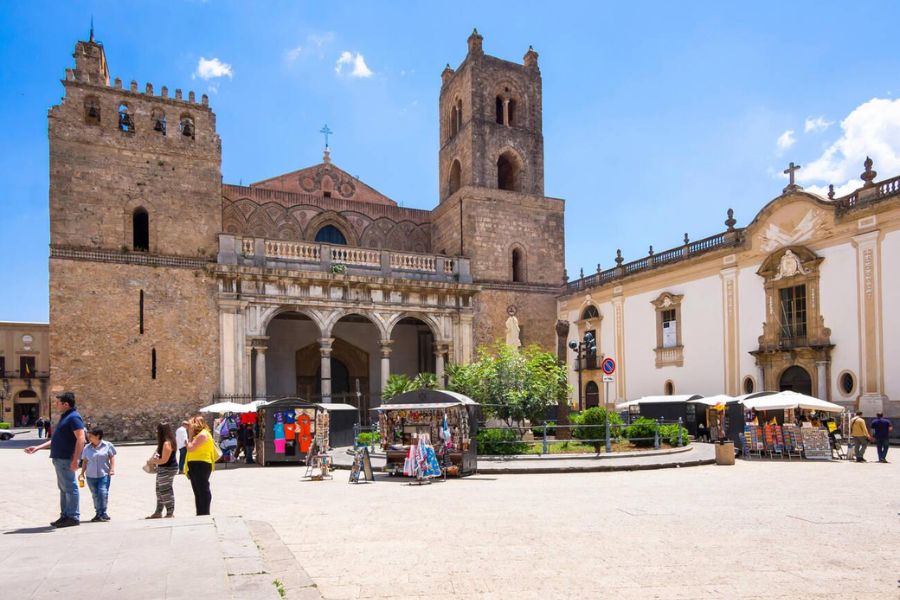
Arabic craftsmen and Byzantine artists worked side by side, making this a true meeting of East and West. King Roger II wanted it that way—he believed in cultural tolerance and loved artistic innovation.
Artistic Grandeur: Mosaics and Frescoes
The mosaics in the Cappella Palatina are just incredible. Golden tesserae catch the light and make the whole space glow, almost like it’s lit from within. These Byzantine-style mosaics tell stories from the Bible with a kind of beauty that’s hard to describe.
The central dome shows Christ Pantocrator surrounded by angels and saints. I could’ve spent all day just looking at the details—somehow, these ancient figures still feel full of life and emotion.
Lower walls show Old Testament scenes, while the main apse features Christ enthroned. What really blew my mind is how the mosaics, nearly 900 years old, still look so vibrant and moving.
You’ll notice a clear hierarchy in the artwork—heavenly scenes above, earthly ones below.
The Iconic Dome and Ceiling
The wooden muqarnas ceiling is probably the chapel’s most unique feature. I couldn’t stop staring at the honeycomb-like shapes, all crafted by Islamic artisans.
Painted figures fill the ceiling’s coffers—musicians, dancers, animals, scenes from court life. These little paintings give you a peek into medieval Sicilian culture.
The central dome soars above the sanctuary. Light filters through small windows, creating a mystical vibe that changes as the day goes on. The play of light makes every visit feel a bit different.
Those intricate wooden stalactites make the space feel taller and more grand, matching the golden mosaics below. The way the wooden ceiling and mosaic walls work together shows just how skilled these medieval craftsmen were.
Inside the Palazzo dei Normanni Complex
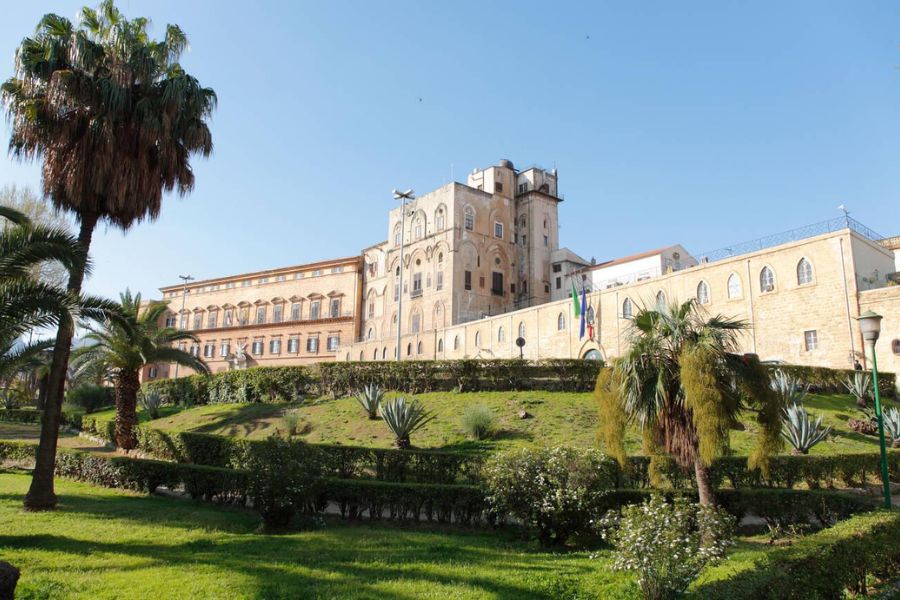
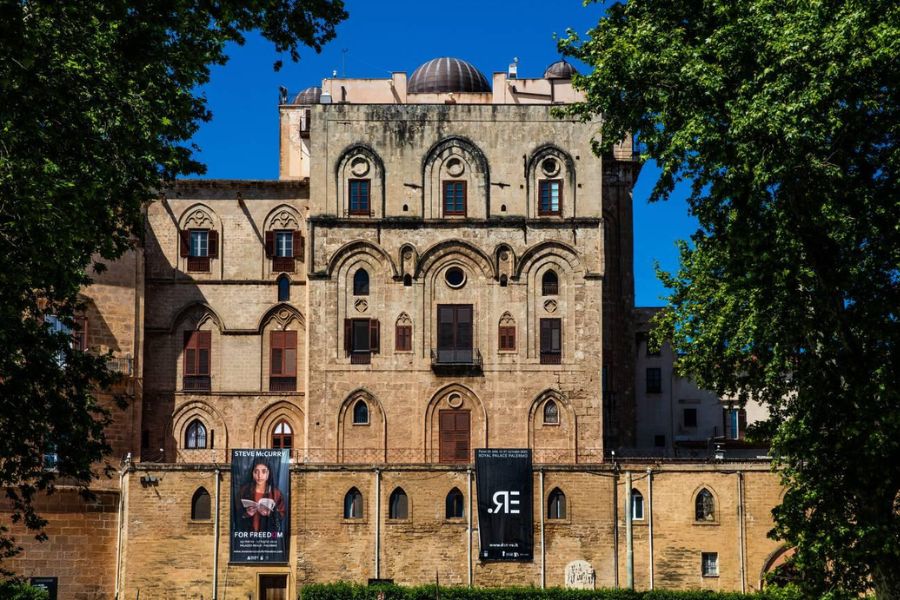
The Palazzo dei Normanni is one of Europe’s oldest royal residences and gives visitors a window into Sicily’s royal past. The complex holds not just the famous Cappella Palatina but also some stunning royal apartments. Its location has been key to Palermo for centuries.
Exploring the Royal Apartments
Walking through the royal apartments feels a bit like time travel back to Sicily’s golden age. Each room tells a story from a different era, and the decor is a mashup of Byzantine, Norman, and Arab styles.
I was especially taken with the Sala di Ruggero (Roger’s Room), which is covered in mosaic scenes of animals and hunters. The colors somehow haven’t faded much at all—they’re still so vivid.
The apartments include:
- Sala d’Ercole: The grand parliamentary meeting hall
- Chinese Room: Decorated with East Asian flair
- Winter Room: Where royalty hosted cozy gatherings
The ceilings are worth a look too. Intricate woodwork and painted scenes tell stories of conquest and royal life if you just look up.
The Royal Residence’s Strategic Location
The palace rises above Piazza del Parlamento, giving it sweeping views of Palermo. It’s easy to see why rulers picked this spot—it’s perfect for keeping an eye on things.
The Norman kings built their palace on the highest point of the old city, on ancient foundations that go back to the Phoenicians. Even before the Normans, Arab emirs knew the value of this hill and built a fortress here.
Today, the palace still dominates the skyline. When you stand in Piazza del Parlamento, you really notice how it towers above everything else. The location connected rulers to the city, but also kept them a bit above the everyday chaos.
Visiting the Cappella Palatina: Essential Travel Tips
If you’re planning a visit to this stunning chapel in Palermo, a little prep makes a big difference. The Cappella Palatina offers a few ways to visit, depending on what kind of traveler you are.

Guided Tour Options and Private Experiences
Honestly, a guided tour is the way to go if you want to really understand the art and history. The official guides share stories and details about the mosaics and Norman architecture that I would’ve missed wandering alone.
Audio guides cost about 5 euros and are a great deal, especially if you want to explore the Royal Palace at your own pace. They’re available in several languages.
For a deeper dive, you can book private tours with English-speaking experts who know the chapel inside out. These run about €30-50 per person but give you lots of personal attention and time to ask questions.
Group tours are cheaper (usually €15-25) and still packed with info, though you’ll be in a crowd.
Opening Hours and Admission
The Cappella Palatina opens daily except for major holidays. Hours usually run:
- Monday to Saturday: 8:30 AM to 5:00 PM
- Sundays and Holidays: 8:30 AM to 1:00 PM
They stop letting people in about 30 minutes before closing. I found mornings and late afternoons are best if you want to dodge the crowds.
Regular admission is around €12-15 for adults, with discounts for students, seniors, and kids. Your ticket gets you into both the chapel and the Royal Palace.
Buying tickets online ahead of time is smart, especially in busy months (June-September). It saved me a lot of waiting last summer.
Getting There: Access from Palermo and Beyond
You’ll find the Cappella Palatina inside the Palazzo dei Normanni, right in central Palermo. It’s easy to reach from most parts of town.
From Palermo Central Station, it’s about a 20-minute walk or a quick bus ride. Buses 104, 108, and 118 all stop nearby.
If you’re driving, be warned—parking in central Palermo can be tricky. I’d go for a paid parking lot near the palace, or better yet, just use public transit.
Coming from elsewhere in Sicily? Trains and buses run regularly from cities like Catania, Syracuse, and Trapani. Once you’re in Palermo, local transport gets you to the chapel without much hassle.
Unraveling the Chapel’s Spiritual and Cultural Legacy
The Cappella Palatina is so much more than a beautiful building—it’s a living symbol of centuries of faith and cultural exchange that still shapes Palermo and Sicily to this day.
Religious Significance and Ceremonies
When I first walked into the Palatine Chapel, I felt its purpose right away. This place isn’t just about beauty—it’s the religious core of the palace.
They built the chapel for royal ceremonies and church services. You can feel the intention behind every detail.
The Byzantine mosaics grabbed my attention immediately. They don’t just decorate the walls; they actually tell sacred stories.
As I looked around, the imagery seemed to guide me through Christian history. It’s almost like the art invites you on a spiritual journey.
I found out the chapel still hosts religious ceremonies now and then. The blend of Byzantine, Islamic, and Latin styles really shows off Sicily’s complicated religious past.

Different faiths left their fingerprints here, sometimes mixing together, even when politics got in the way.
Role in Contemporary Palermo
These days, the Cappella Palatina stands out as one of Palermo’s true gems. Locals take pride in it, and UNESCO even put it on their World Heritage list. Every year, thousands of people show up to see it for themselves.
Honestly, I’ve noticed how the chapel has kind of turned into this symbol for Palermo’s multicultural side. It brings together different artistic and religious traditions—something a lot of Sicilians seem to embrace as part of who they are.
The chapel doesn’t just sit there looking pretty; it gives Palermo’s economy a real boost. When I’ve visited, no matter the season, I’ve watched local businesses benefit—from tour guides right down to the tiny cafés nearby.
Schools and cultural groups keep using the Palatine Chapel to teach folks about Sicily’s wild mix of cultures. For plenty of students growing up in Palermo, a visit here really sticks with them and shapes how they see their own history.
