
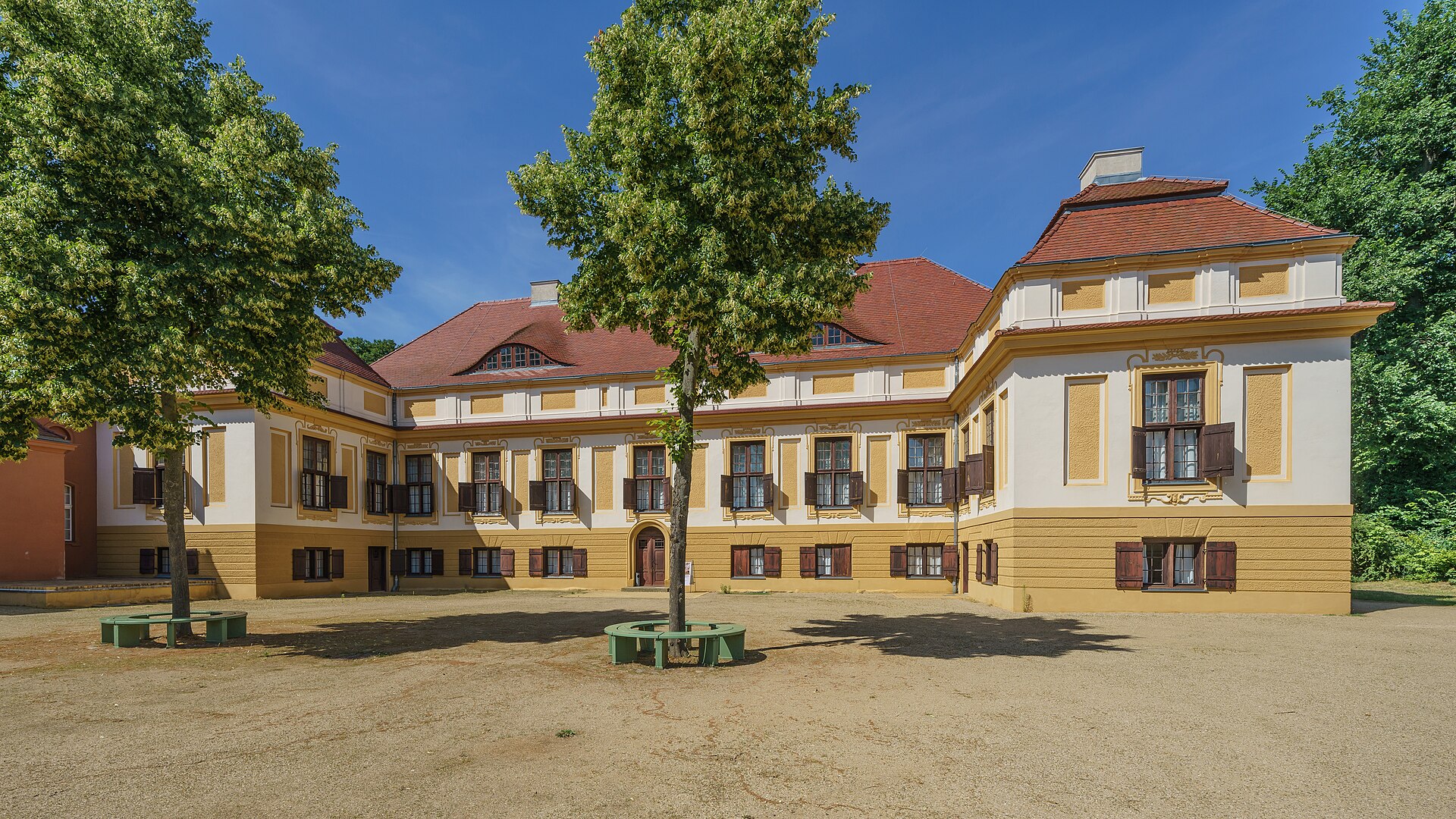
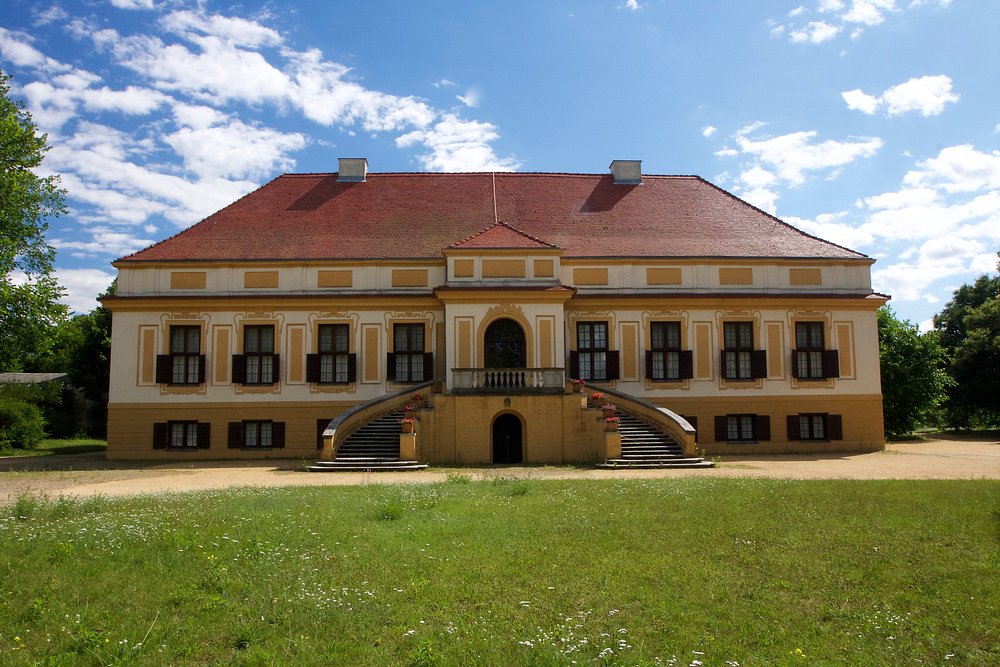
Caputh, a quiet village not far from Berlin, honestly caught me off guard with its mix of nature and deep history. I wandered into Schloss Caputh, a baroque palace packed with elegant rooms and ceilings painted with stories. The gardens outside, tidy and lush, felt timeless, and I could see why this place has drawn so many notable visitors.
Lake Schwielowsee sits right beside the village, and the water sparkled on a calm afternoon. Boats drifted by, pine woods framed the view, and it’s easy to see the appeal. I found out Albert Einstein loved his summers here, soaking up the peace and the lake’s endless blue. That fact alone gave the whole place a little extra magic.
Between the stately palace and the lakeshore, Caputh charmed me at every turn. There’s a blend of culture, nature, and a dash of Einstein’s story for anyone who shows up with a little curiosity.
Exploring Caputh Palace: History and Heritage
Caputh Palace really stands out, not just for its Baroque style but for the stories tucked inside its walls. As I wandered through, I picked up bits about its beginnings, its architecture, and the lively cultural scene that still fills its halls.
Origins of Schloss Caputh
Frederick William, the Great Elector of Brandenburg, built Schloss Caputh in the late 1600s. He wanted a getaway close to Berlin, and Caputh’s peaceful spot by Lake Schwielowsee, surrounded by pines and water, fit the bill.
Later, Prussian royals used the palace as a summer escape. Frederick I, first King of Prussia, threw grand parties here, turning Caputh into a hotspot for royal gatherings. Over the years, the palace saw new rulers, family tales, and even some hard times, especially during the 20th century. Still, the place managed to hang onto much of its original charm.

Architectural Features and Restoration
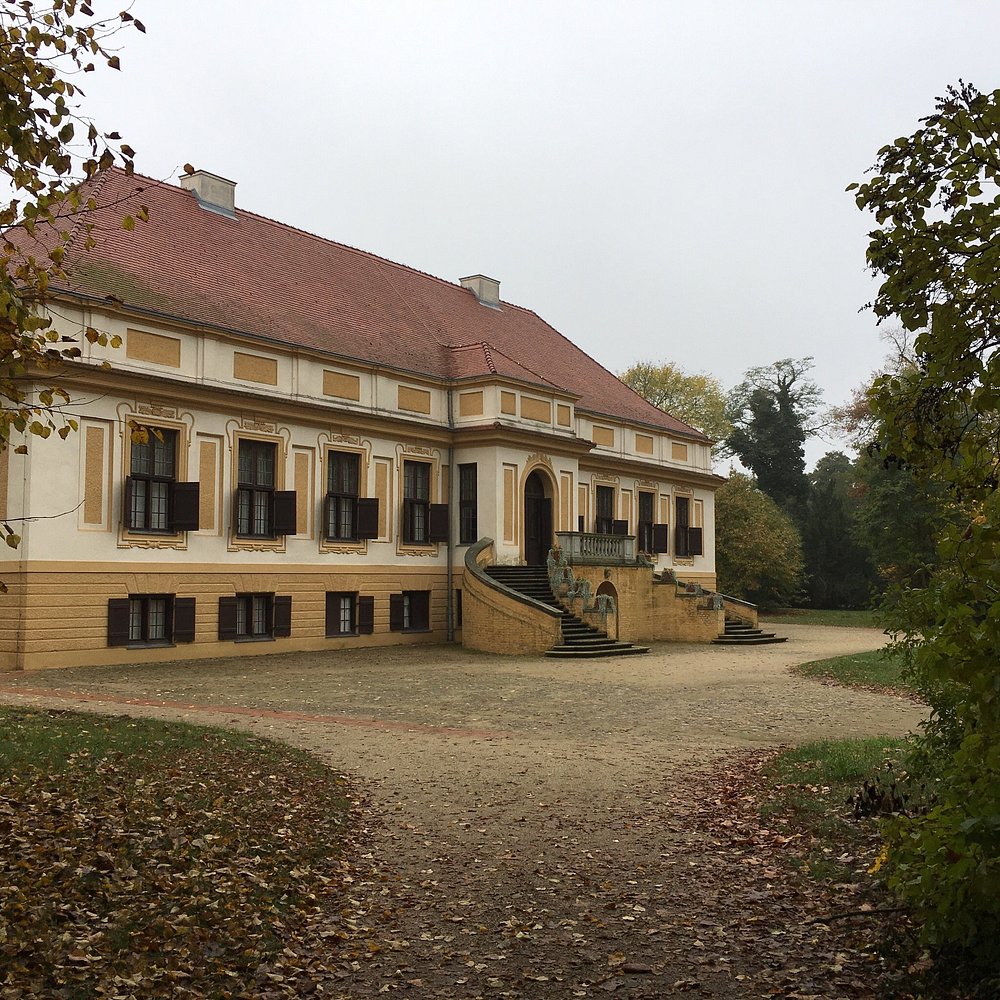
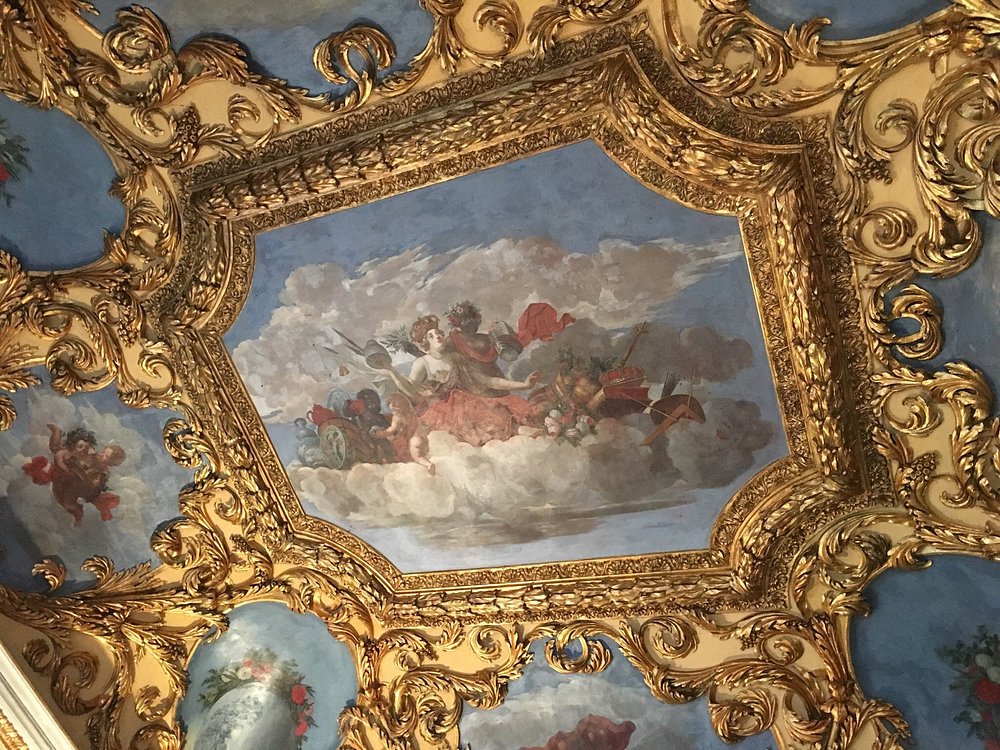
Caputh Palace wears its Baroque roots proudly, with stucco details and painted ceilings that have survived for over 300 years. The rooms show off original wall art, intricate woodwork, and floors laid out in patterns that make you want to look twice. My favorite? A room where the ceiling paintings looked untouched by time.
Landscaped gardens wrap around the palace, thanks to Peter Joseph Lenné. This 19th-century landscape architect gave the park winding paths and scenic spots overlooking the lake.
After 1990, teams started restoring the palace, focusing on bringing back its old-world beauty. They worked inside and out, blending historical accuracy with modern care. Now, most rooms display preserved decorations, so stepping inside feels like slipping back in time.
Cultural Events and Exhibitions
Caputh Palace has become a cultural heartbeat for the Potsdam area. The estate buzzes with art exhibitions, classical concerts, and local festivals throughout the year. I happened to catch an exhibition of regional paintings, all set among the palace’s antique furniture.
Guided tours dive into the palace’s history and the Hohenzollern family. Sometimes, special events highlight restoration projects or fill the grand hall with music.
The gardens aren’t just for show—they host outdoor concerts and seasonal gatherings. These events help tie Caputh’s modern community to its rich past, making each visit a little different.
Albert Einstein’s Summer Retreat: The Einsteinhaus Experience
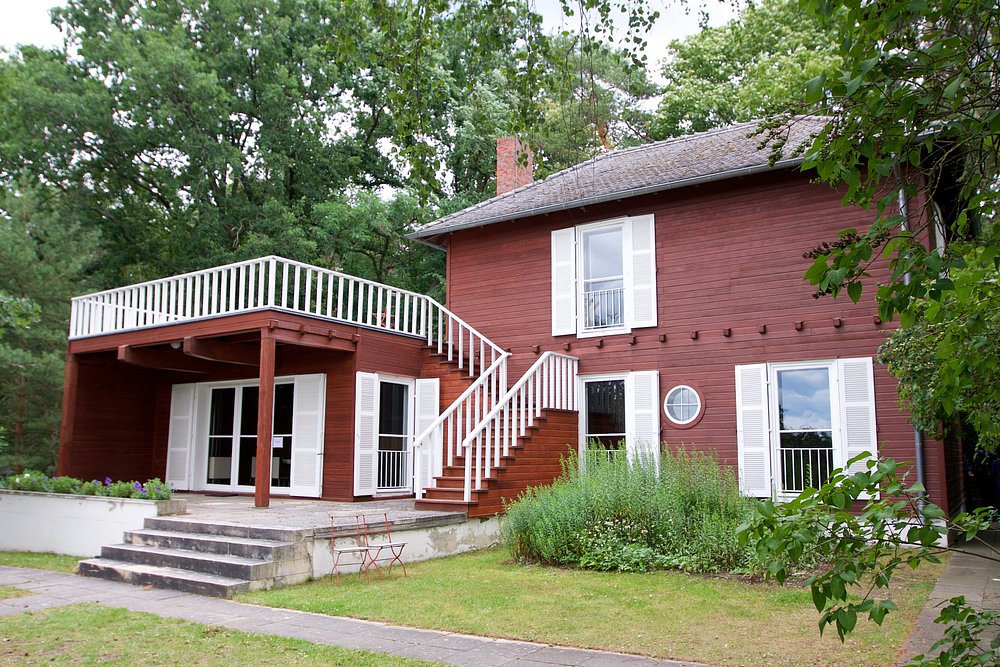
The Einsteinhaus in Caputh sits quietly on a wooded slope, looking out over Lake Templin, just a short trip south of Potsdam. I found stories of everyday life, simple pleasures, and the lasting mark this place has left on the area.
Inside the Einsteinhaus
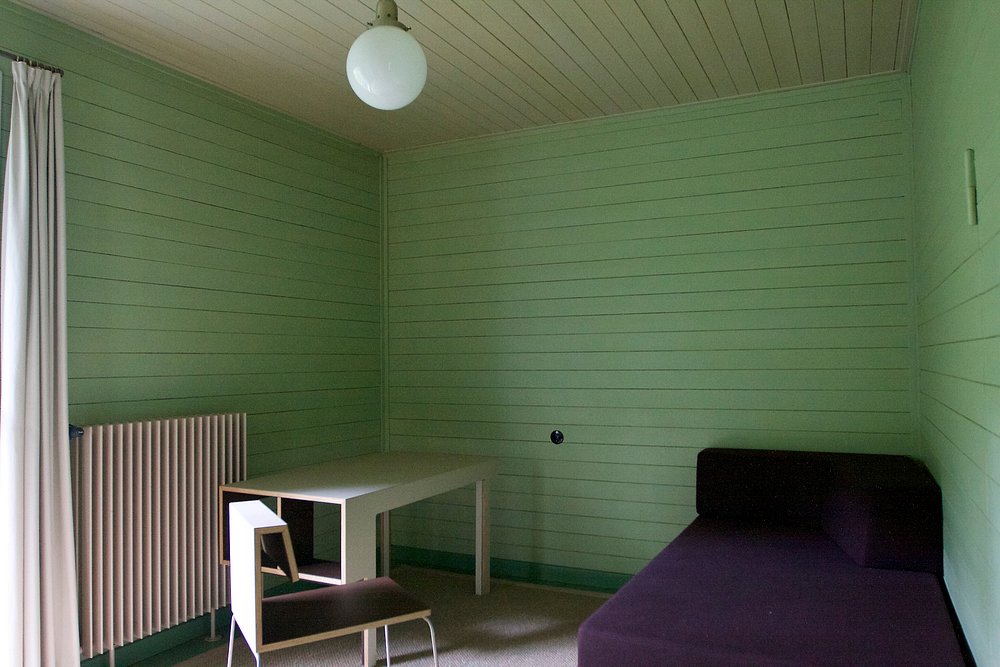
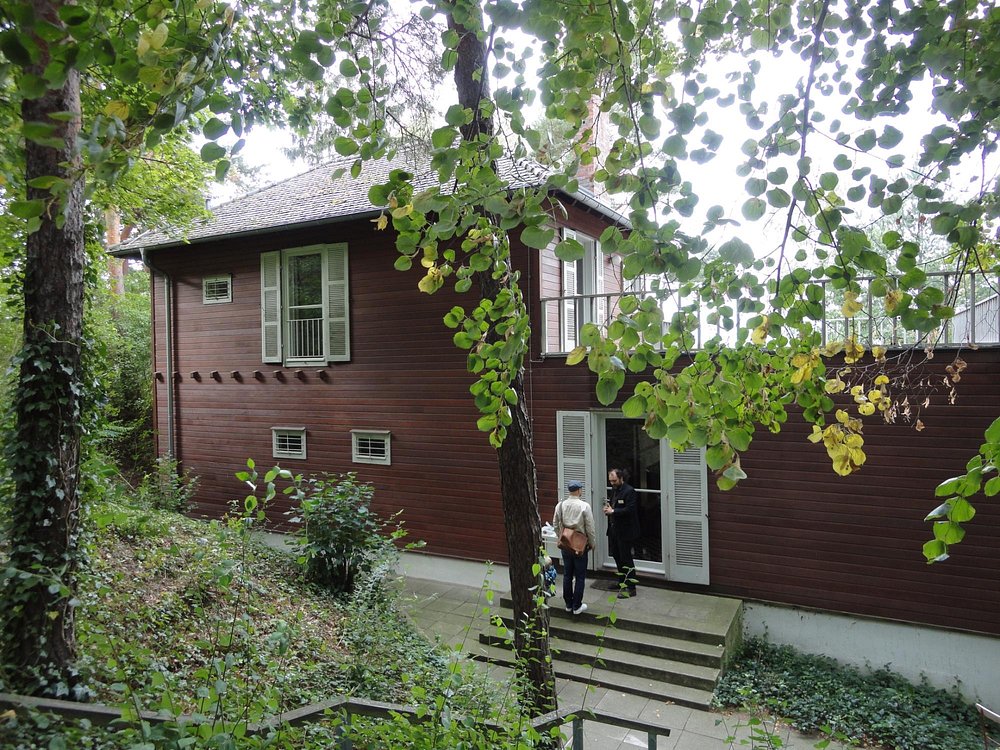
Walking through Einstein’s summer home, I felt a sense of calm and history. The house, mostly wood, has big windows that flood the rooms with light. It’s not fancy, but it’s open and welcoming—built for relaxing, not showing off.
The living room still holds Einstein’s grand piano and shelves of books in both German and English. I spotted a small study where he’d read, jot down ideas, or play the violin. The dining room, with its modest table, hints at family meals and quiet evenings.
Step outside, and you’ll find a wide terrace with views of the trees and lake. There’s a hush here that visitors notice right away. Info boards throughout the house share tidbits and even display some personal items from Einstein’s days in Caputh.
Einstein’s Life in Caputh
Einstein moved into the Caputh house in 1929, a 50th birthday gift from Berlin. Every summer, he and his wife Elsa escaped here with their family. Caputh became his place to leave city chaos behind, think, sail, and take slow walks.
He loved sailing on Lake Templin and often invited friends and fellow scientists. The family had a dog, and the garden became a playground. Caputh was where Einstein balanced work on big ideas with time spent with those he loved.
After 1932, when politics in Germany shifted, Einstein couldn’t return. Others used the house for a while, but those Caputh summers remained some of his happiest.
Legacy and Influence on the Region
Today, the Einsteinhaus is more than a museum. The house keeps alive Einstein’s story as a scientist and as someone who valued nature and quiet. Since 2005, visitors have been able to walk through and learn about his time here.
Einstein’s house draws more people to Caputh, turning it into a favorite stop for travelers visiting Potsdam or Berlin. Events, talks, and tours run every year, attracting those curious about science and history.
Table: Effects of the Einsteinhaus on Caputh and the Region
| Area | Effect |
|---|---|
| Tourism | Increased visitors to Caputh |
| Education | Science lectures and school programs |
| Community Pride | Local identity tied to Einstein |
Einstein’s connection to Caputh still shapes how people see this lakeside village.
Lake Schwielowsee: A Picturesque Lakeside Gem
Lake Schwielowsee is known for its clear water and peaceful vibe, just south of Potsdam. The natural beauty and friendly villages nearby felt like a breath of fresh air after city noise.
Scenic Beauty and Natural Landscapes
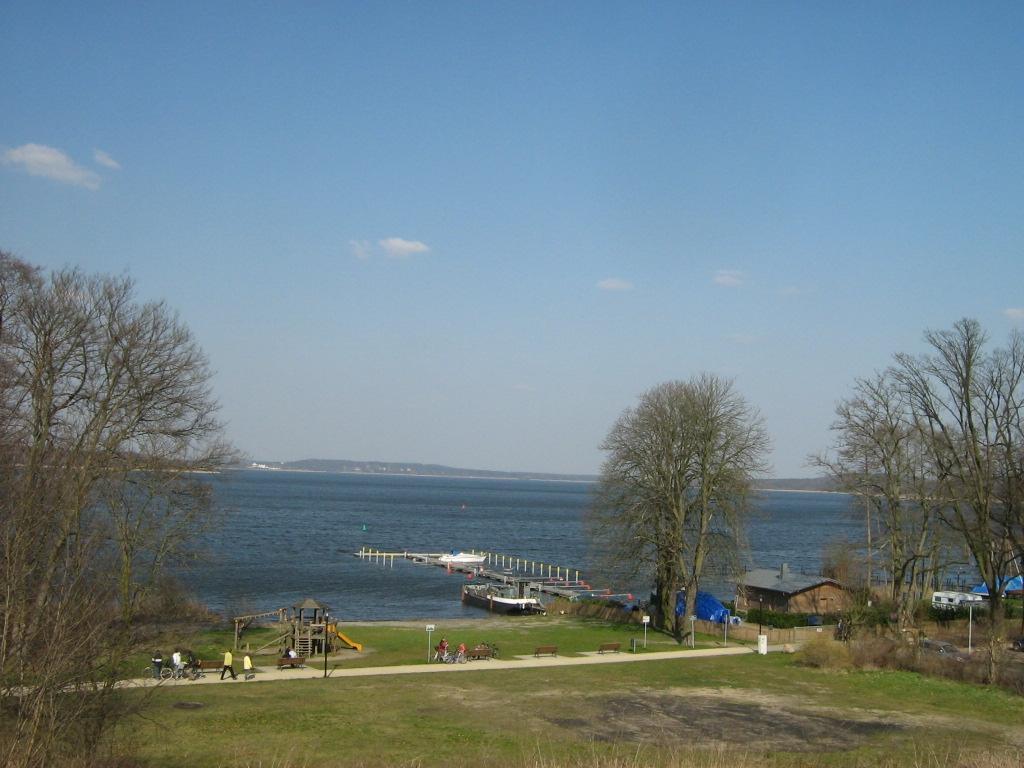
The first thing that hit me about Lake Schwielowsee was its size—over five kilometers of open water, with gentle, tree-lined banks. As part of the Havel river system, it’s framed by woods and rolling meadows.
Birds skimmed across the surface, and swans glided near the reeds. The place felt calm, especially in the early morning or late afternoon when the light turned the water and sky into a shifting painting.
Footpaths wind along the lake, perfect for a walk or just sitting on a bench to watch the world go by. Small harbors and docks dot the shore, with boats waiting for their next trip out. The whole atmosphere invites you to slow down and soak it in.
Recreational Activities on the Lake
Lake Schwielowsee buzzes with water activities. I watched families and locals out paddling, rowing, or sailing.
- Swimming: In summer, the lake’s clean and perfect for a dip. Public beaches in Caputh and Ferch offer safe swimming spots.
- Boating: You can rent a canoe or rowboat easily. I saw fishermen casting lines, hoping for pike or perch.
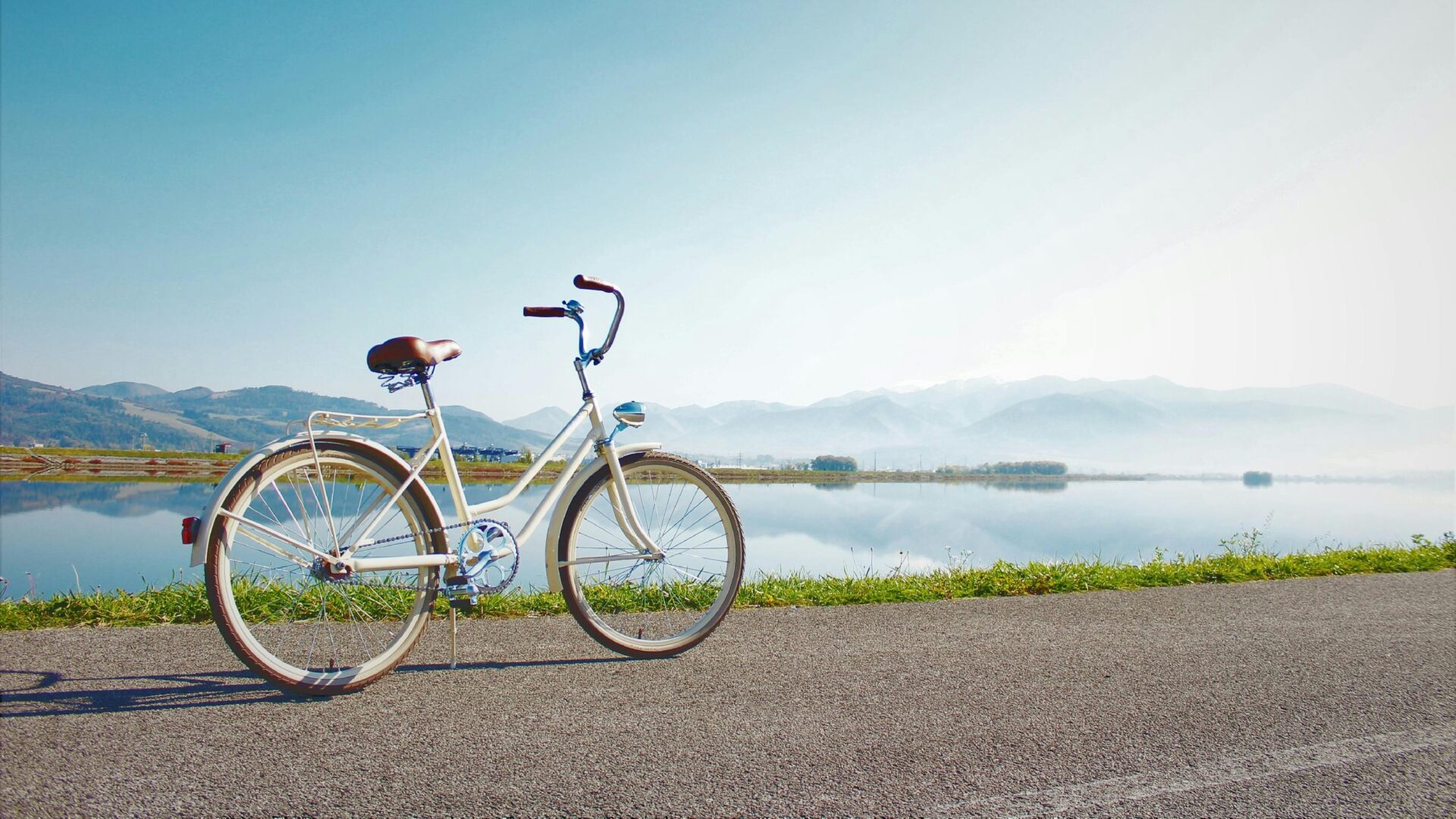
- Cycling and Hiking: There’s a 15-kilometer circular trail around the lake, great for cycling or hiking. Along the way, I found picnic areas, benches in the shade, and viewpoints with sweeping lake scenes.
Boat tours run on the Havel and across Schwielowsee, giving you a closer look at the landscape and local wildlife. Cafes and beer gardens along the main routes make it easy to stop for a snack or drink.
Exploring Geltow and Ferch
Geltow and Ferch, both quiet villages on Lake Schwielowsee, each have their own charm. Geltow sits up north, near where the Havel flows in.
Geltow has riverside wooden houses and green parks. I stopped at a local bakery for breakfast before heading out on foot or bike.
Ferch, on the southern shore, stands out for its old fishermen’s cottages and lovely gardens. There’s a lakeside art museum here, filled with local landscape paintings—this area has always attracted artists.
In Ferch, I found a small harbor with pedal boats and rowboats for rent. Walking trails lead into the woods or out onto piers, offering great views of the water and the villages across the lake.
Gardens and the Great Outdoors
Caputh Palace wowed me not just with its architecture but also with its gorgeous setting. The grounds and nearby landscapes brim with history and make perfect spots for easy walks or outdoor adventures.
The Historic Gardens of Caputh Palace
Walking around Caputh Palace, I realized the gardens are more than just neat lawns. There’s a 3.5-hectare landscaped garden right on the Havel’s banks. Old trees tower overhead, giving the place a sense of age and peace.
You can still spot traces of the old baroque garden. Footpaths wind through the lawns, letting you explore at your own pace. Seasonal flowers light up the grounds, changing the mood with every visit.
Benches wait in quiet corners—perfect for soaking up water views or diving into a good book. In summer, the gardens become a backdrop for small gatherings, strolls, and lazy picnics.

Peter Joseph Lenné’s Landscape Design
One thing that really stuck with me: Peter Joseph Lenné, the famous Prussian landscape architect, designed these gardens in the 1800s. He blended natural beauty with careful planning, balancing open fields with clusters of trees.
Lenné’s touch at Caputh shows in the long sightlines, winding paths, and groups of native trees. The garden’s layout invites you to slow down and discover new views at every turn.
Some of Lenné’s hallmarks at Caputh:
- Tree lines along the river for dramatic effect
- Curved paths that make exploring gentle and surprising
- Benches and gazebos tucked in just the right spots
- Open lawns that showcase the palace and the lake
His influence is still obvious, and the palace grounds feel like a living piece of 19th-century landscape design.
Walking and Cycling Around Caputh
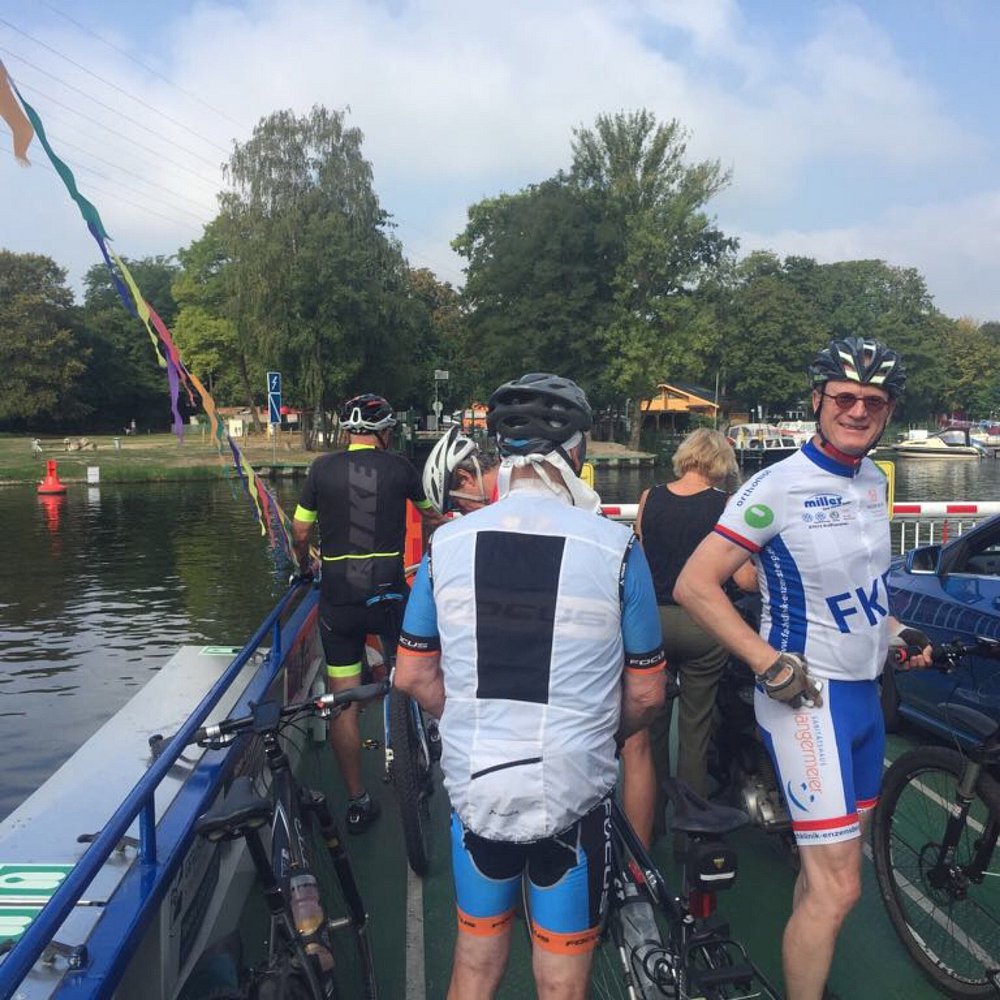
Beyond the palace gardens, I found plenty of ways to get outside. Trails circle Lake Schwielowsee and stretch into the villages of Caputh, Geltow, and Ferch.
Cycling routes here suit beginners and families. Bike rentals make it easy to set off for a day of exploring. The lakeside paths were a highlight for me, with constant water views and stops at marinas and picnic spots.
For walkers, flat trails hug the shoreline and wind through quiet woods. Maps and signposts near the palace entrance help you pick the right route, whether you’re after a short stroll or something longer.
Caputh and Its Connections with Potsdam and Berlin
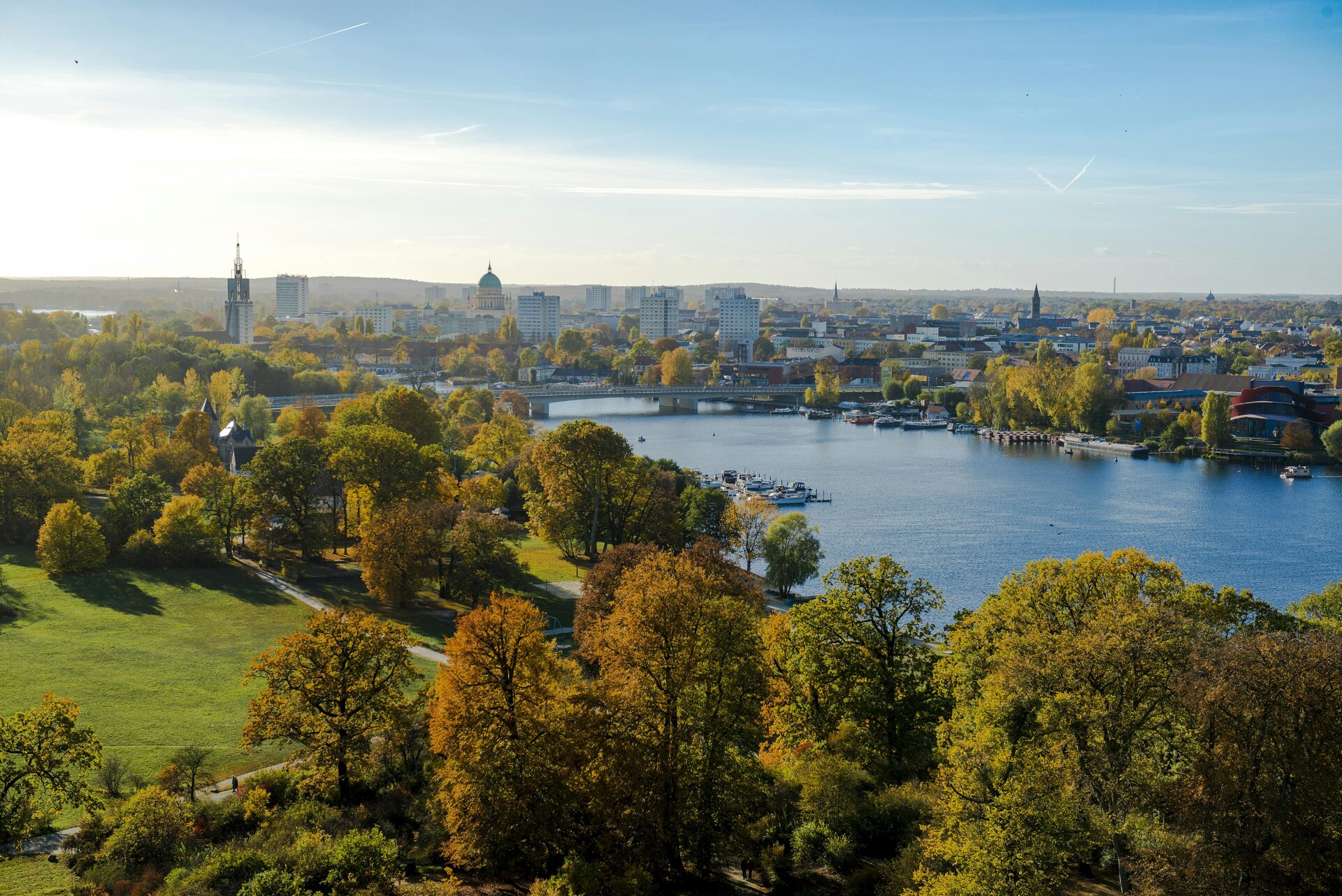
Caputh sits in one of Brandenburg’s prettiest corners, close to Potsdam and an easy day trip from Berlin. Its lakeside location means you can enjoy historic sites and still have quick access to neighboring towns.
Travel Tips and Accessibility
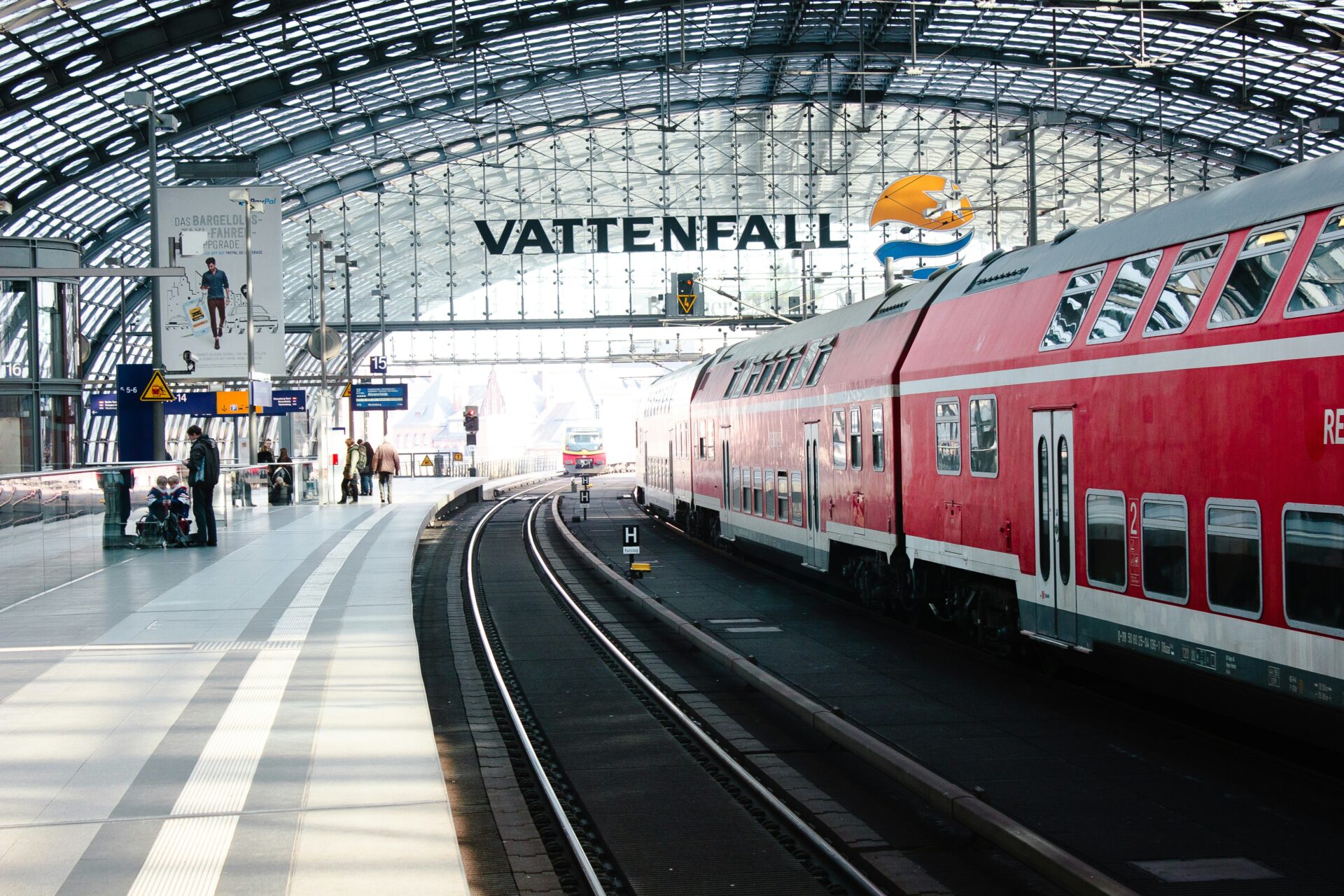
Caputh’s surprisingly easy to reach, whether you’re hopping on a train or driving yourself. I caught a regional train from Berlin heading toward Potsdam, switched to a local line, and soon enough, I stepped off at Caputh’s little station.
This station, which opened back in 1904, sits just a short stroll from both the village and the lakeshore. Honestly, it’s hard to get lost here.
Driving works well too. The main road links Caputh and Potsdam in roughly 15 minutes, plus it’s a straight shot to Geltow and Ferch. I found public parking close to both the palace and the lake.
Buses make things even more flexible, running between Caputh, Potsdam, and some of those smaller lakeside villages. It’s handy if you’re not keen on driving.
If you’re into cycling, you’ll love the well-marked bike paths. They stretch along the Havel River and wrap around Lake Schwielowsee.
The terrain’s mostly flat, so it’s perfect for a leisurely ride. And those views? They’re honestly worth slowing down for.
Neighboring Towns and Attractions
Caputh sits right between other lakeside towns, each with its own little quirks. Geltow, just to the north, has a few cozy restaurants and places to rent boats.
Head southwest and you’ll find Ferch. In spring, cherry trees burst into bloom there, and local artist studios open their doors.
Of course, Potsdam is the heavy hitter nearby. It’s famous for Sanssouci Palace, sprawling parks, and a lively old town.
It’s easy to combine a Caputh visit with a stop in Potsdam—train or car, both work well.
The lakes really tie these places together. You can hop on boat tours that connect Caputh, Geltow, and Ferch.
These trips drift past peaceful water, thick forests, and a few historic villas. It’s honestly one of the most relaxing ways to see the area.
Insights into Local Culture
Caputh’s been a favorite escape for city folks since way back in the early 1900s. Albert Einstein even spent his summers here, lured by the peaceful lakes and those endless pine woods.
Compared to Potsdam or Berlin, the village just moves at its own gentle pace. Locals put on small cultural events—think art shows in old fishermen’s cottages or outdoor concerts right by the water.
When I wandered around, I spotted traditional Brandenburg dishes at the little cafés. Smoked fish fresh from the lake, homemade cakes, and whatever berries happened to be in season. People here are genuinely welcoming, often eager to chat about their families’ ties to the palace or the lake itself.



