
Imagine slipping beneath the surface of water so clear it feels like you’re floating through air. Ancient limestone shapes rise around you, forming what can only be described as natural cathedrals deep below the earth. Cenote diving is unlike anything I’ve ever done—it’s a wild blend of geological magic and underwater clarity, sometimes stretching a mind-boggling 100 feet. It’s a world apart from ocean diving, and honestly, it’s hard to look at any other dive the same way afterward.
When I first explored Mexico’s Yucatan Peninsula, I thought cenotes were just pretty swimming holes. But wow, I was wrong. These are ancient sinkholes, created when limestone caves collapsed over eons. The result? A network of underwater caverns filled with delicate stalactites and stalagmites. The Maya saw them as sacred portals to the underworld, and after my first dive, I could see why.
Cenote diving doesn’t just cater to advanced divers. Beginners can enjoy shallow caverns where sunlight pierces the water, while more adventurous folks can push into deeper zones where freshwater meets saltwater in shimmering haloclines. Each cenote has its own quirks and challenges. If you want to test your buoyancy and see some of the cleanest underwater spaces on Earth, this is the place.

Understanding Cenotes and Their Allure
Cenotes form through some pretty fascinating geology. They’re crystal-clear freshwater pools with visibility that can be hard to believe. The rock formations and shafts of light make these places feel almost holy.
Geological Formation of Cenotes
Cenotes start as limestone caves. The Yucatan Peninsula used to sit under the sea, millions of years ago. As the ocean receded, rainwater slowly dissolved the limestone.
Over thousands of years, this process carved out vast cave systems. Eventually, the cave roofs grew too thin and collapsed, opening up the ground to reveal the cenote.
That’s when underground rivers filled the space, creating a natural pool connected to hidden waterways.
How it happens:
- Acidic rainwater dissolves limestone
- Caves develop underground
- Roofs collapse, forming surface openings
- Underground rivers fill the cenote
Some cenotes connect to cave systems that stretch for hundreds of miles. Even today, water continues to shape these underground worlds.
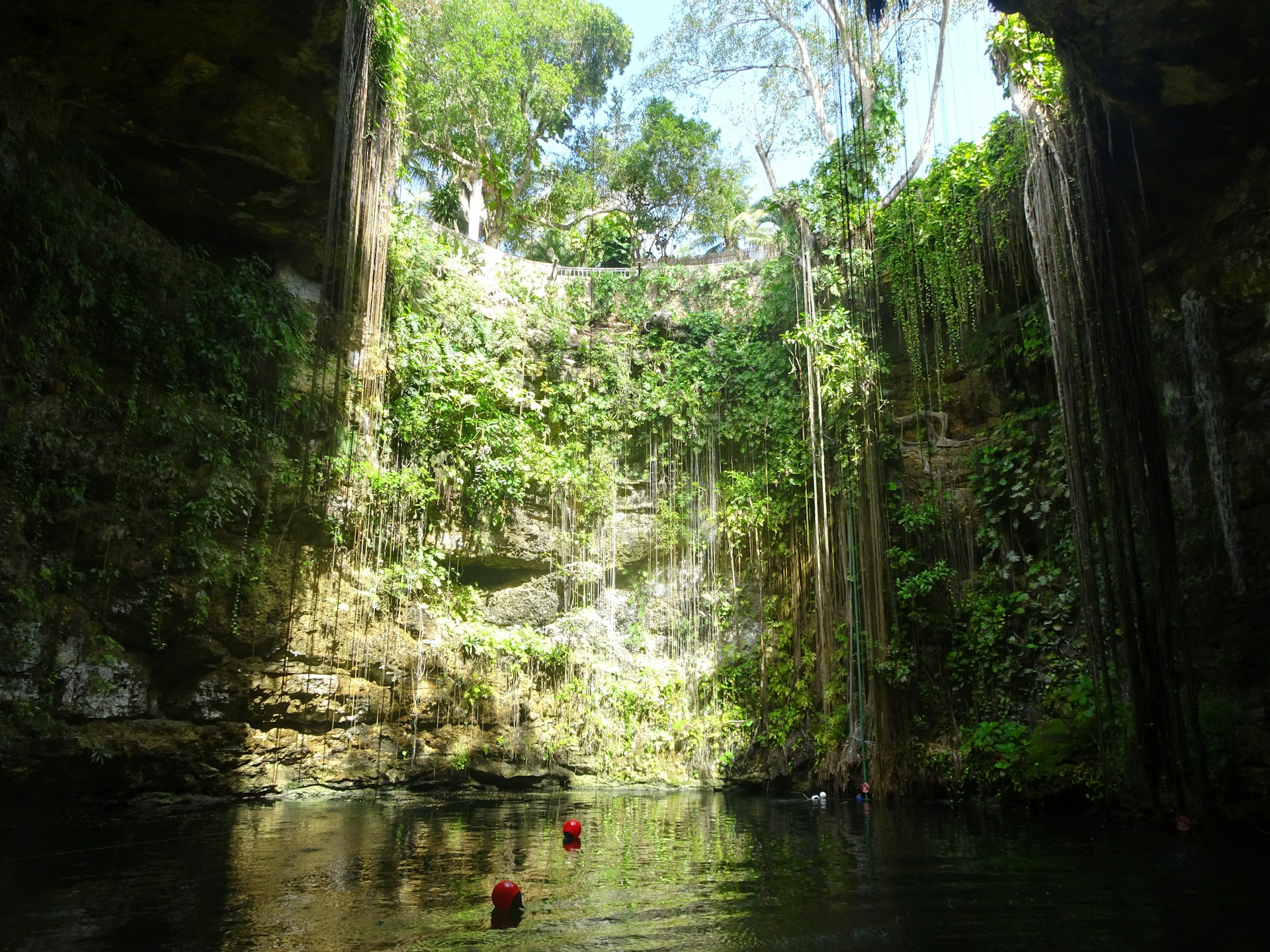
Freshwater and Visibility Benefits
Cenotes draw their water from underground rivers that filter through limestone. This natural process strips out particles, leaving you with water so clear it almost doesn’t look real. I’ve seen visibility hit 300 feet in some spots.
Unlike the ocean, cenotes don’t have waves or currents. The water just sits there, glass-still, so nothing stirs up from the bottom.
Why visibility rocks:
- No salt to cloud things up
- Limestone filters out debris
- Still water—no waves or surge
- Water temp stays steady
You’ll notice the difference on your skin and your gear. No salty residue, and my dive gear always comes out cleaner after a cenote dive.
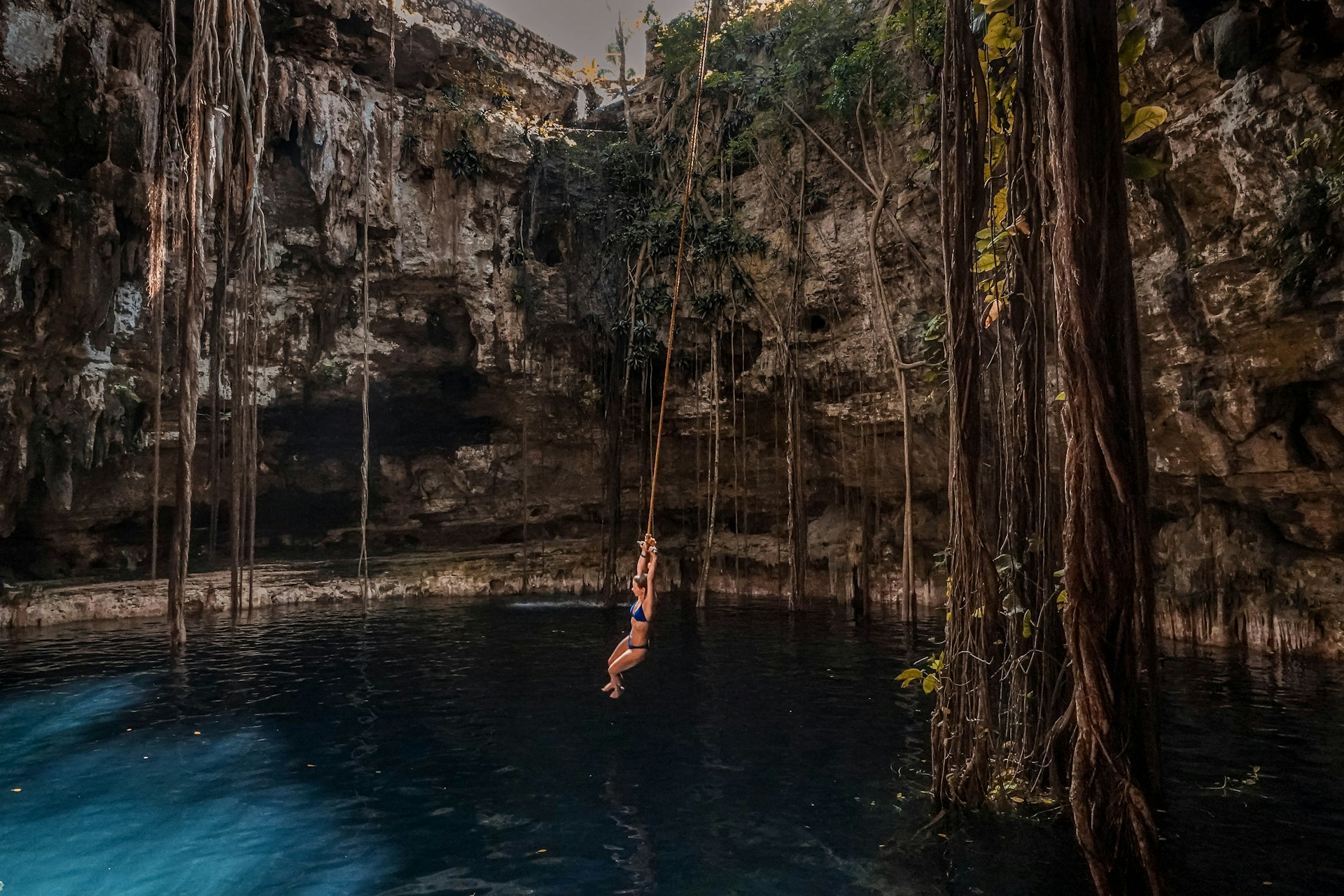
Stalactites, Stalagmites, and Rock Formations
Cenotes are packed with wild rock formations. Stalactites hang like stone icicles from the ceiling, formed by mineral-rich water dripping down.
Stalagmites grow up from the floor, building up where those same drips hit the ground. Sometimes, these formations meet and fuse into columns.
I’ve spotted flowstone that looks just like a frozen waterfall. Some cenotes even have soda straws—thin, hollow tubes formed by single drops of water.
What you’ll see:
- Stalactites—ceiling hangers
- Stalagmites—growing from the floor
- Flowstone—smooth, sheet-like formations
- Soda straws—super delicate tubes
Touching these formations can break centuries of growth in a second—so it’s hands off.
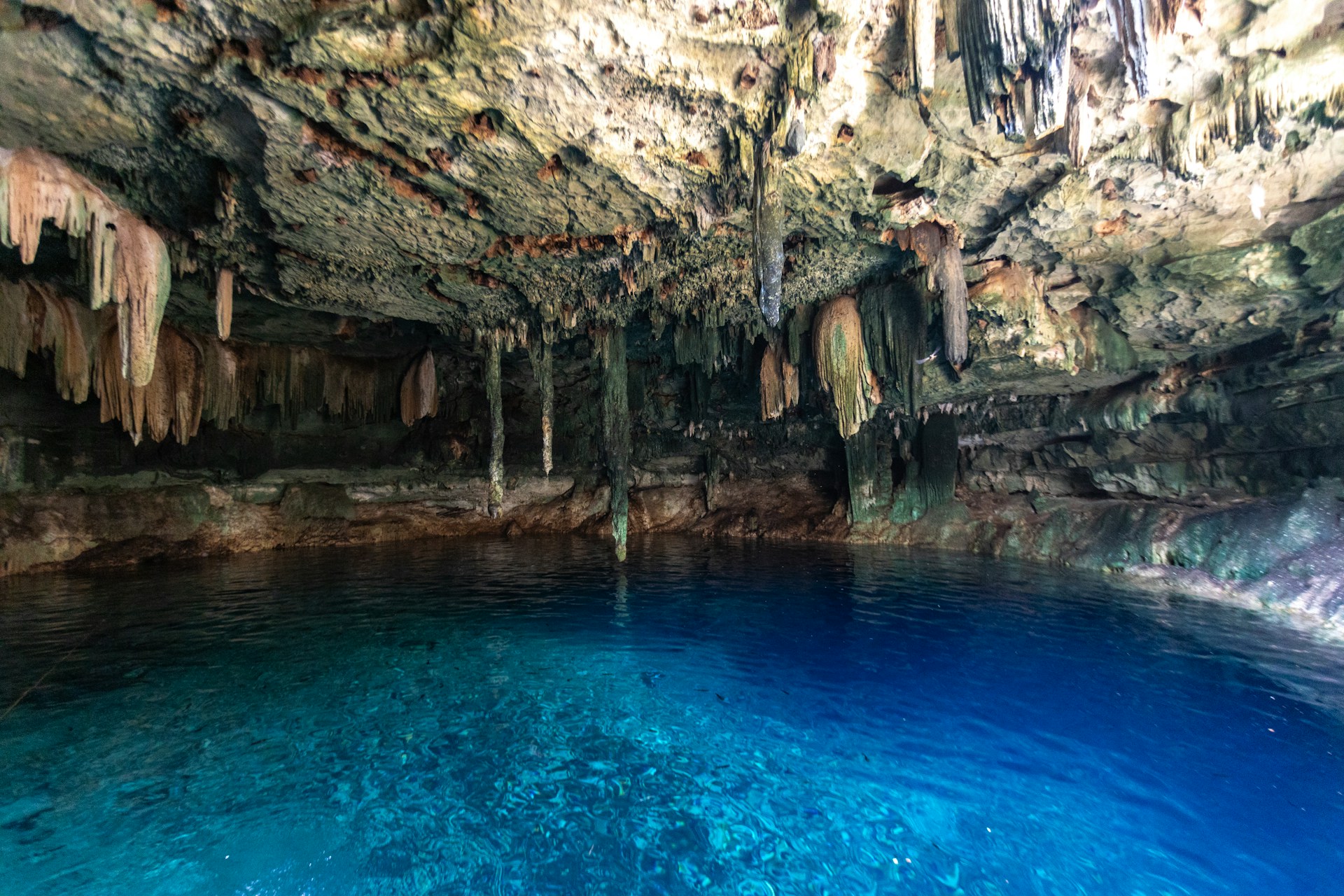
Natural Light and the Underwater Cathedral Effect
Light is where cenote diving gets downright magical. Sunbeams pour through holes in the surface, turning the water into a cathedral of light and shadow.
I’ve watched dust and bubbles swirl in these beams. The way light and darkness play off each other makes the whole place feel otherworldly.
Light magic:
- Sunbeams shoot straight down
- Haloclines shimmer like glass
- Shadows ripple on cave walls
- Tree roots filter light in wild patterns
The limestone walls bounce and amplify light, so even deeper spots stay bright. Some cenotes have more than one opening, and the crossing beams are just unreal.
Honestly, it’s hard not to feel something spiritual when you’re floating there, surrounded by silence and glowing columns of light.
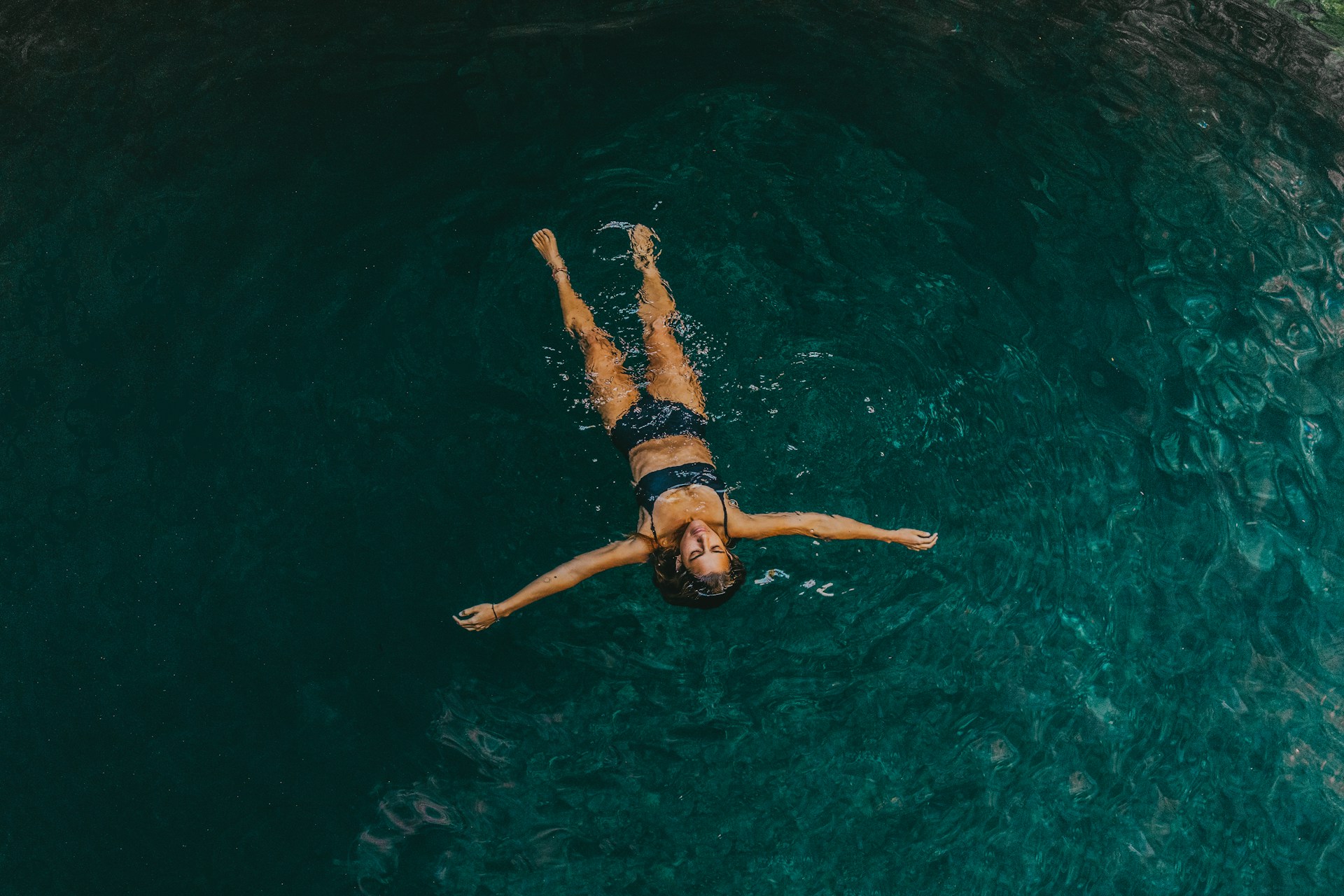
Cenote Diving Experiences: Caverns, Caves, and Haloclines
Cenote diving isn’t just about pretty water—it’s about exploring three different underwater worlds. Each one comes with its own vibe and challenges, from open caverns to the surreal halocline layers.
Cavern Diving Versus Cave Diving
Cavern diving keeps you in the light zone. I always know where the exit is, and sunlight is never far away.
Cavern Zone:
- Sunlight reaches the water
- Always within 130 feet of the surface
- Easy to ascend if needed
- Open Water cert is enough
Cave diving, though, takes you into total darkness. You need advanced training and special gear for that. I wouldn’t even think about it without proper cave certification.
Cave Zone:
- Needs technical training
- Rely on artificial lights
- Navigation lines are a must
- Emergencies get trickier
Most cenote dives stick to the cavern zones—safer, and honestly, just as stunning.

Exploring the Halocline: Freshwater Meets Saltwater
The halocline is one of my favorite cenote surprises. It’s where freshwater floats on top of heavier saltwater, creating a sharp, visible boundary.
You’ll spot it as a shimmering, almost mirror-like layer. The light bends and warps, so it feels like you’re swimming through liquid mercury.
Halocline facts:
- Shows up 30-60 feet deep
- Salt layer feels cooler
- Visibility gets weird at the boundary
- Buoyancy shifts between layers
Swimming through feels like entering a new world. Sometimes my mask fogs for a second as the temperature shifts.
Not every cenote has a halocline. Inland ones tend to be all freshwater, while coastal cenotes are more likely to have this phenomenon.
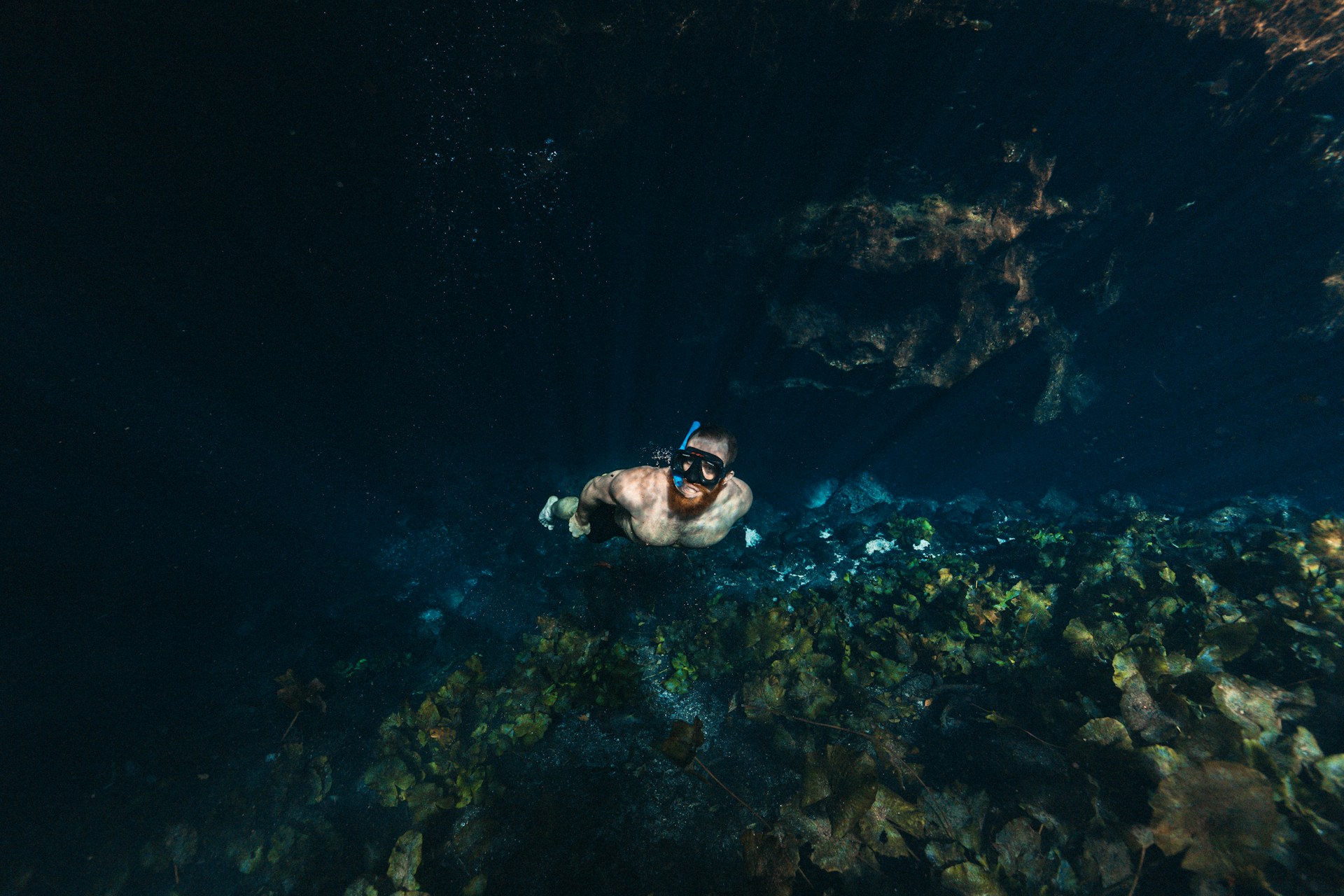
Unique Underwater Landscapes
Cenote diving reveals ancient geology up close. These limestone caves are full of stalactites, stalagmites, and flowstone—like a gallery millions of years in the making.
Formations you’ll notice:
- Stalactites—dangling from above
- Stalagmites—pushing up from below
- Columns—where the two meet
- Flowstone—smooth mineral sheets
Sunbeams slice through the water, lighting up formations and making every dive feel like a show.
Visibility here beats most ocean sites. I often see entire cavern systems in a single glance.
Some cenotes even hold fossils or remnants of ancient civilizations. It’s a little like time travel.

Safety Protocols for Overhead Environments
Diving in cenotes means you’re under a roof, so safety gets extra important. I always dive with a certified guide who knows the cenote inside out.
Safety basics:
- Go with guides who know the site
- Keep buoyancy tight to avoid stirring up silt
- Stick to the guideline—never let go
- Stay within your training limits
If there’s an emergency, I can’t always shoot straight to the surface. I have to follow the guideline back out.
I carry backup lights and make sure my gear won’t damage the cave. Touching walls or kicking up silt can ruin visibility for everyone.
Before every dive, we review the route, exits, and hand signals. It’s a team effort.
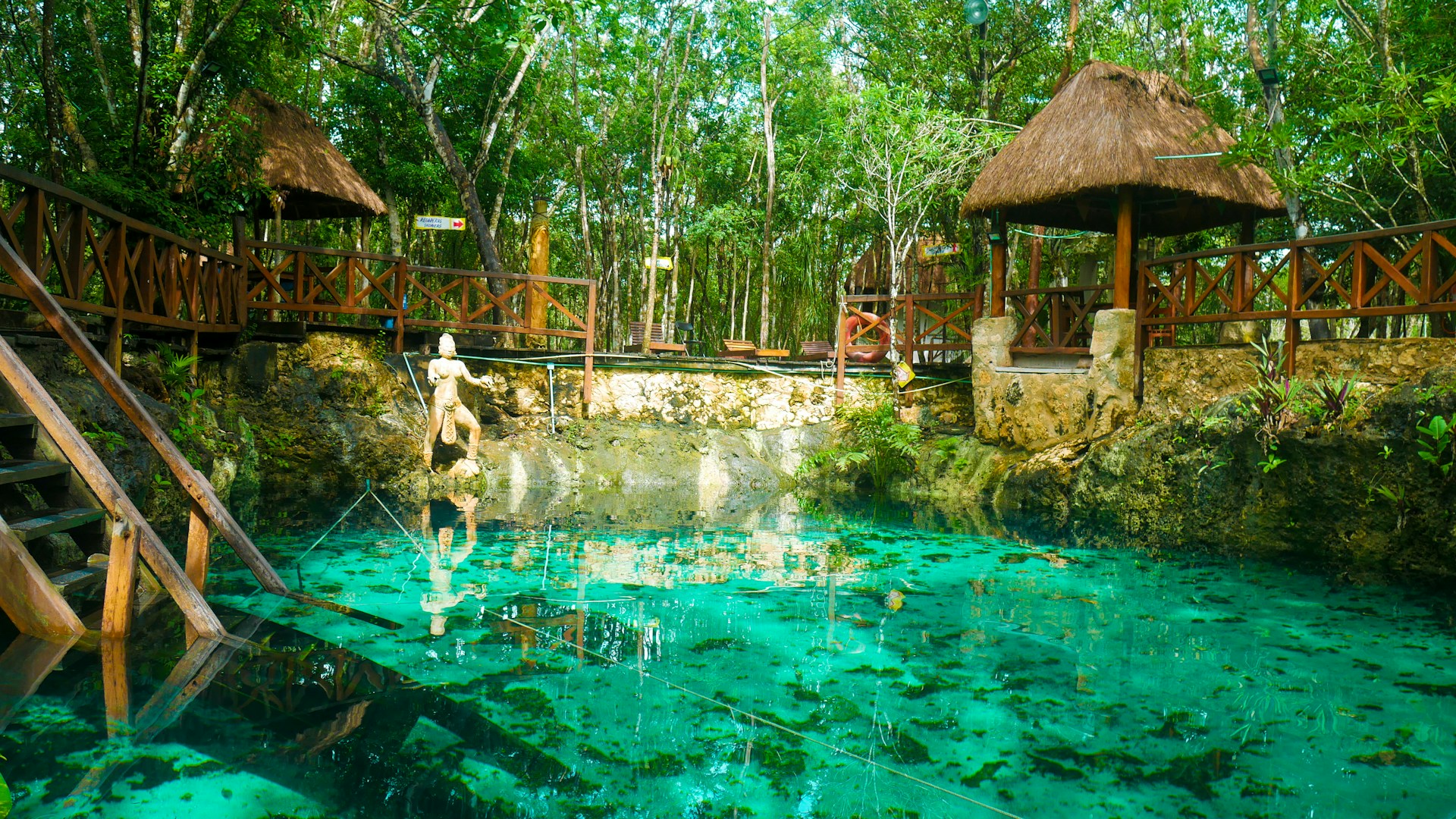
The Heart of Cenote Diving: Locations and Signature Sites
The Yucatán Peninsula is cenote central. The world’s biggest underwater cave system snakes for over 340 kilometers through limestone. The Riviera Maya corridor is packed with accessible cenotes—places like Dos Ojos and The Pit are legendary for a reason.
Yucatán Peninsula and Riviera Maya Hotspots
Quintana Roo and Yucatán are the states to know. The Riviera Maya, between Cancún and Tulum, offers the easiest access to the best diving.
Top diving regions:
- Quintana Roo: Playa del Carmen, Tulum, Puerto Aventuras, Akumal
- Yucatán: Mérida and the surrounding area
Cenotes here connect through massive underground rivers. Many have haloclines, so you get those wild visual effects.
Water stays at a cool 75°F year-round. I always wear a thick wetsuit.
The Mayans believed cenotes were gateways to the underworld. Archaeologists have found artifacts in many of them, though most treasures are now housed in museums.
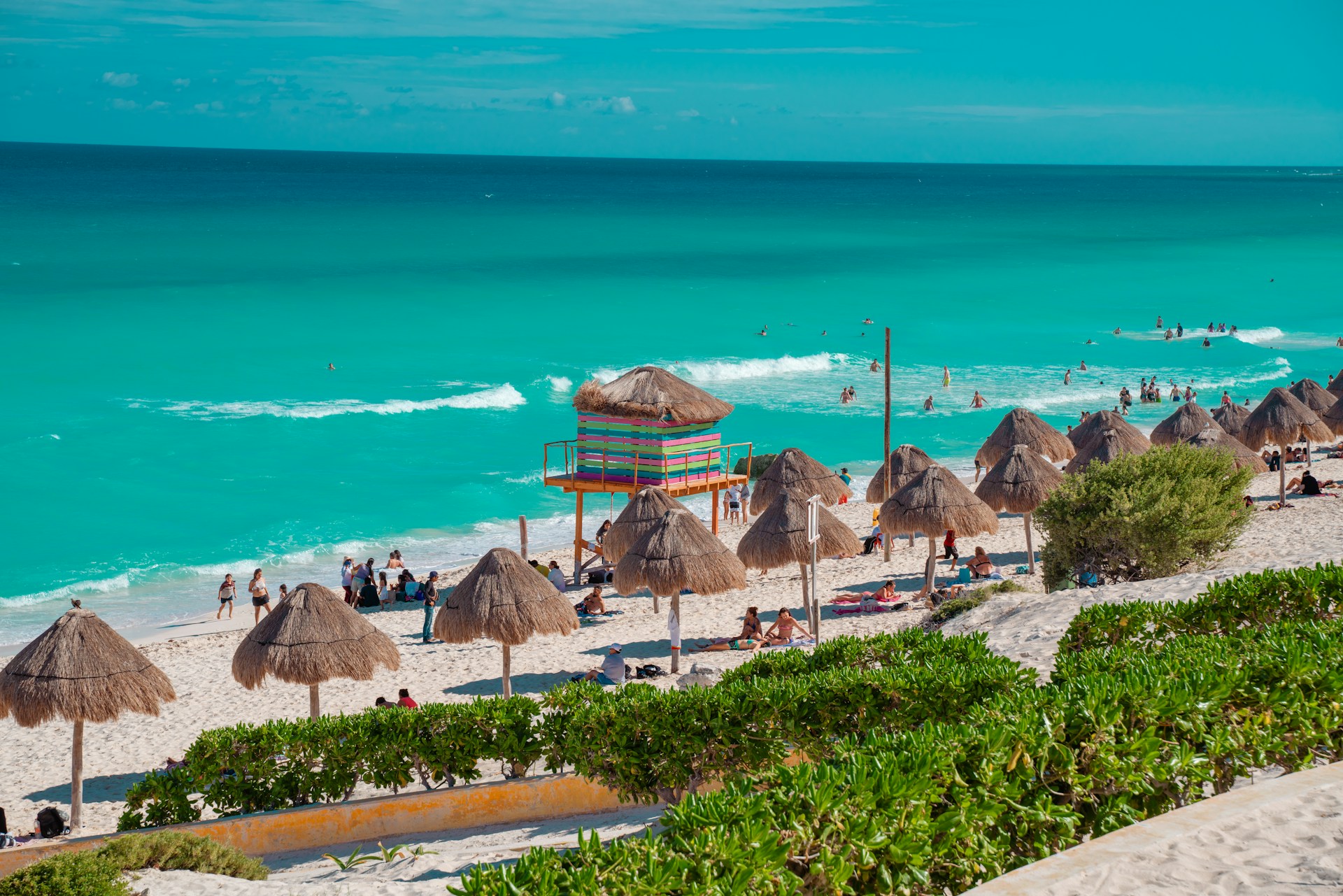
Top Cenotes: Dos Ojos, Temple of Doom, The Pit, and More
Dos Ojos is my go-to recommendation for cenote diving. The “two eyes” give you two distinct dive lines: the Bat Cave Line and Barbie Line. The Bat Cave route winds through dark chambers, ending in a bat-filled dome at just under 30 feet.
The Pit is mind-blowing—this is the world’s largest underwater cave. Sunlight pierces straight down to a hydrogen sulfide cloud at 100 feet. The halocline hovers around 36 feet. You’ll need advanced certification for the 120-foot max depth.
Car Wash (Aktun Ha) is easy to dive and maxes out at 52 feet. It’s open, sunny, and filled with plant life. I’ve spotted crocodiles, turtles, and all kinds of fish here.
Angelita is famous for its “underwater river” look. Fallen branches poke through a thick hydrogen sulfide cloud at 100 feet, making it look like a flooded ghost forest. The cenote drops to 197 feet, so advanced divers only.
Chac Mool boasts the world’s largest underwater stalactite. Open water divers can explore big caverns at 40 feet; advanced divers can push deeper.
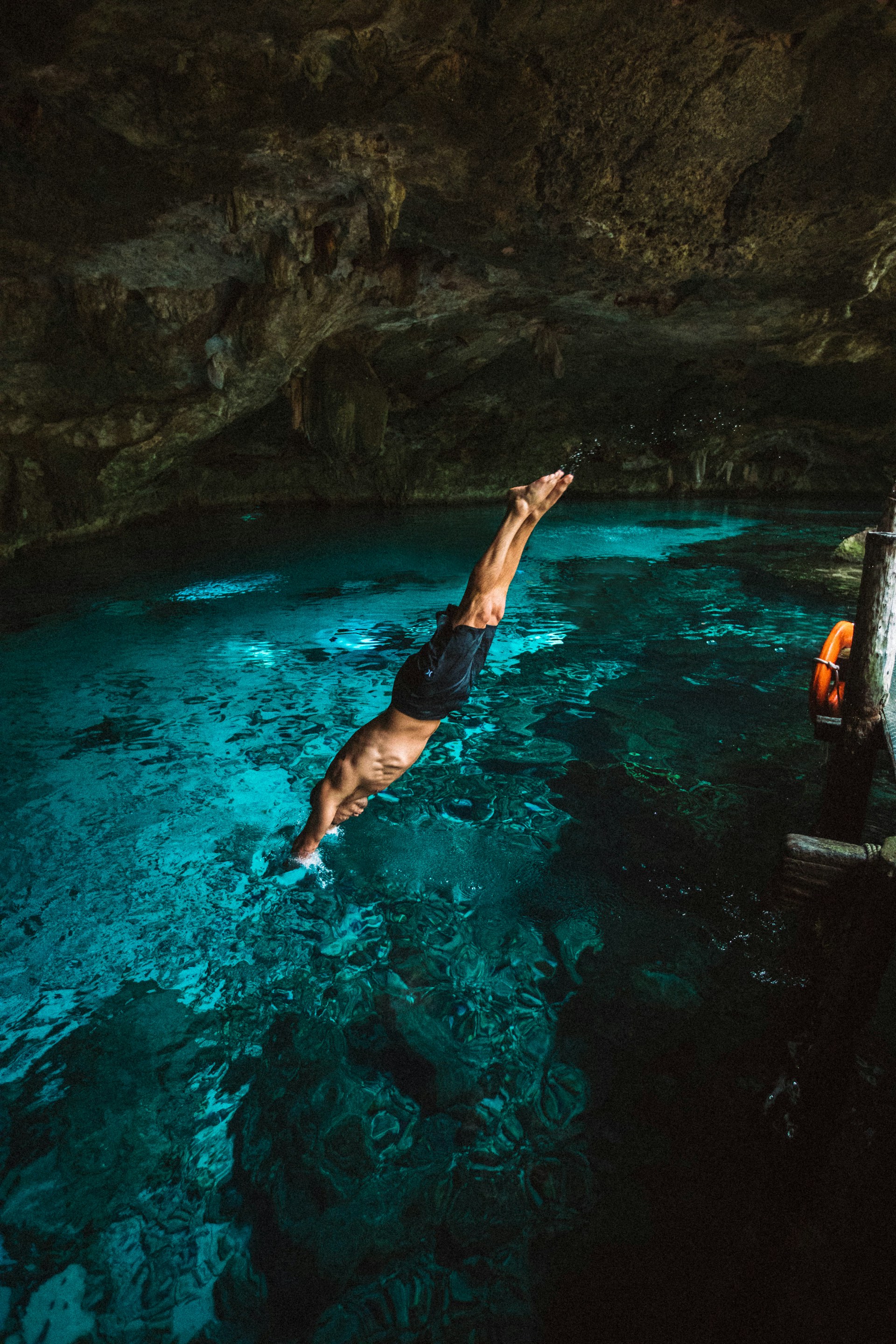
Access and Conditions in Playa del Carmen, Tulum, and Cancún
Playa del Carmen makes a great base for cenote diving. Most sites are a quick 20-minute drive through the jungle. The town’s lively, with plenty of dive shops and nightlife.
Tulum gives you access to southern cenotes and a laid-back, backpacker vibe. You’ll find everything from hostels to luxury eco-resorts.
Cancún is where most flights land. From there, you can rent a car or join a tour to reach the cenotes.
Getting around:
- Rent a car if you want to explore on your own
- Dive shops usually include transport in their tours
- Taxis can get you to individual cenotes
Entrance fees usually run $10-25 USD. Dive shops handle permits and logistics. I always book with certified operators and cavern-qualified guides.
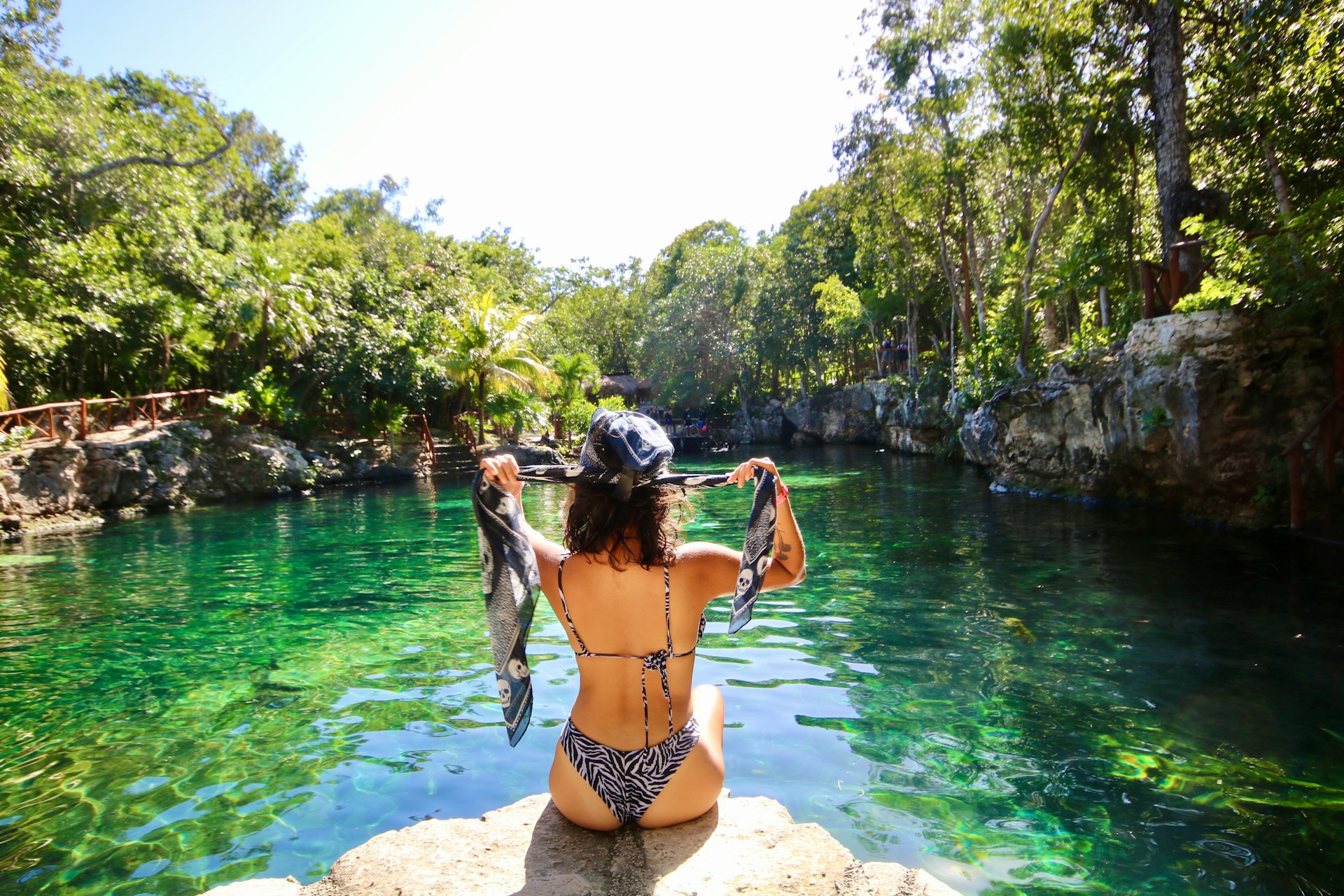
Preparing for Your Cenote Adventure
If you’re thinking about cenote diving, get your open water certification first. Cenotes stay cool at about 75°F all year, and the visibility is just insane—sometimes over 100 feet. Bring a sense of adventure, and you’ll be hooked from the first dive.
Required Certifications and Training
Before I can explore cenotes, I need at least an Open Water Diver certification. Most dive shops won’t let anyone dive without this basic qualification—makes sense, right?
Cenote diving’s a whole different world compared to open ocean dives. The overhead environments can feel a bit intimidating, so having solid buoyancy and navigation skills really helps.
Haven’t been diving in a while? Honestly, I’d take a refresher course. The tight spaces and wild rock formations in cenotes demand sharp skills, especially when it comes to moving carefully and managing your air.
Some cenotes go deeper or get a bit trickier to navigate. For those, you’ll need an Advanced Open Water certification. Always check the specific requirements for the cenotes you’ve got your eye on.
Training in the Cavern diving specialty can make a big difference. I learned a lot about emergency procedures and special navigation techniques that are unique to these overhead environments.
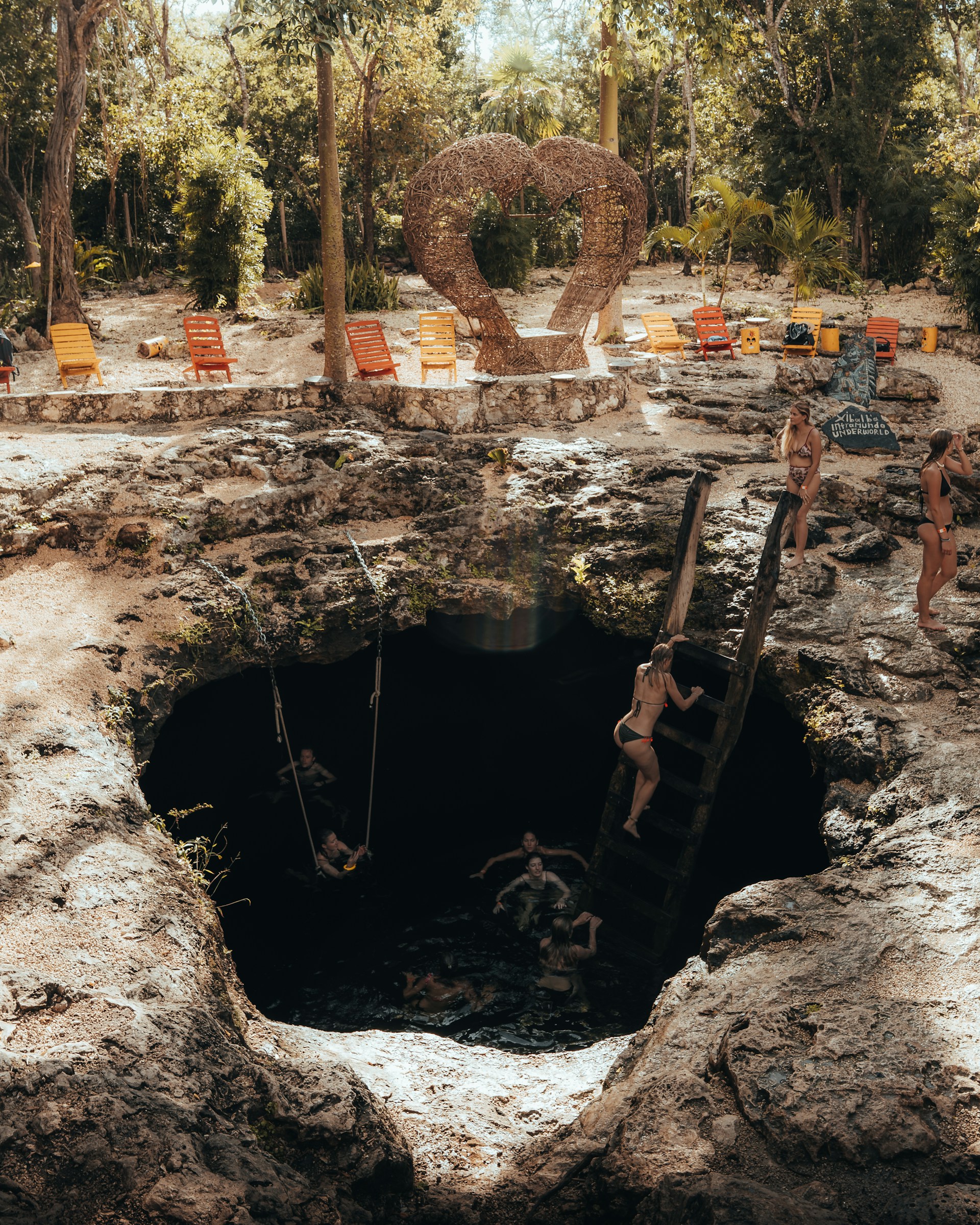
Necessary Equipment for Cenote Dives
Most cenote dive operators provide solid gear, so lugging your own equipment isn’t usually necessary. Still, always double-check what’s included before you book—nobody likes surprises at the dive site.
| Essential Gear | Provided | Notes |
|---|---|---|
| Wetsuit (3mm) | Yes | Water stays cool year-round |
| Primary light | Usually | Backup lights recommended |
| Mask & fins | Yes | Ensure proper fit |
| BCD & regulator | Yes | Professional maintenance |
Even if the shop provides a primary light, I always bring at least one backup. Some parts of a cenote get pitch black, and you don’t want to be caught without a light source.
A 3mm wetsuit does the trick for most people since the water temperature barely changes. If you get cold easily or plan to stay down longer, a 5mm isn’t a bad idea.
I prefer bringing my own mask, especially if I need prescription lenses or just want a perfect fit. A leaky mask can ruin the whole dive.

Water Temperature, Depths, and Visibility Considerations
Cenote water stays at a steady 75-77°F (24-25°C) all year. I love not having to overthink my thermal protection.
Visibility in most cenotes is jaw-dropping—often over 100 feet. Swimming through crystal-clear water and watching the sunbeams dance is just unreal.
Beginner-friendly cenotes usually range from 30 to 60 feet deep. If you’re looking for more of a challenge, some sites go deeper, so you’ll need to plan your dive and air supply accordingly.
Currents? Forget about them. Cenotes are calm, so visibility stays fantastic the whole dive. You won’t have to deal with the silt and debris you find in the ocean.
Light varies a lot from cenote to cenote. Some have huge openings that let sunlight pour in, while others are so enclosed you’ll need your dive lights the entire time.

Cultural Heritage and Environmental Stewardship
Cenotes aren’t just natural wonders—they’re living history. The Maya saw them as sacred, and today they’re facing threats from rapid development and tourism. These underwater worlds support rare wildlife and deserve our respect and protection.
The Ancient Maya and Spiritual Significance
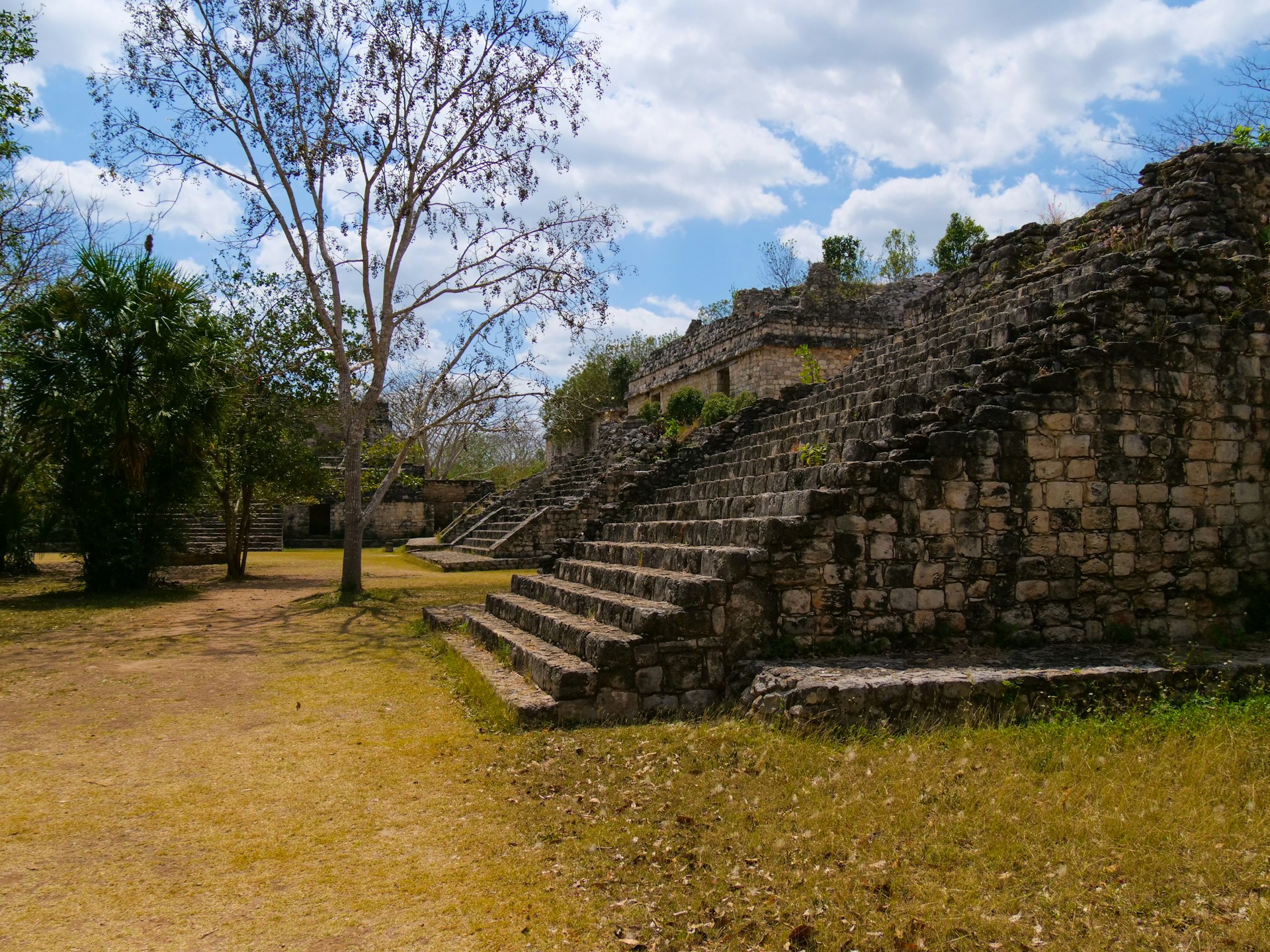
The Maya believed cenotes were gateways to Xibalba, their underworld. I’ve read stories and seen artifacts that prove these places were so much more than water sources—they were holy ground.
Priests performed ceremonies and tossed treasures like jade, gold, and pottery into the depths, hoping to please the rain god Chaac. Sometimes, cenotes witnessed human sacrifices during major rituals. It’s a bit haunting to imagine.
Sacred cenotes had a range of roles:
- Ceremonial sites for big festivals
- Burial grounds for the honored dead
- Oracle spots where priests tried to speak to the gods
- Purification pools for spiritual cleansing
Modern archaeologists are still diving these sites and finding Maya artifacts. I’m always amazed at how much we’re still learning from each new discovery.
The Maya saw the entire underground river system as one spiritual realm. Their understanding of these networks was way ahead of their time.
Conservation Practices and Responsible Diving
Diving in cenotes comes with responsibility. I always stick to guidelines that protect these fragile places for the next generation.
Key conservation rules I follow:
- Don’t touch cave walls or formations—ever
- Use careful buoyancy to avoid stirring up sediment
- Take only photos, leave no trash behind
- Stick to marked dive lines to prevent accidental damage
Pollution is a real threat. Hotels, golf courses, and other developments can send sewage and chemicals straight into the water below. It’s frustrating to see, but awareness is growing.
Good dive operators keep groups small and make sure everyone’s trained up. They also teach visitors about cenote ecology and Maya history. Some cenotes now charge entrance fees that go toward conservation, which I think is a great idea.
Specialized certification requirements help protect the environment, too. Cave diving isn’t something to take lightly—it calls for extra training so divers can explore safely without harming these delicate systems.
Local communities are realizing that healthy cenotes bring in more tourists than polluted ones. This shift is encouraging more people to get involved in protecting these magical places.
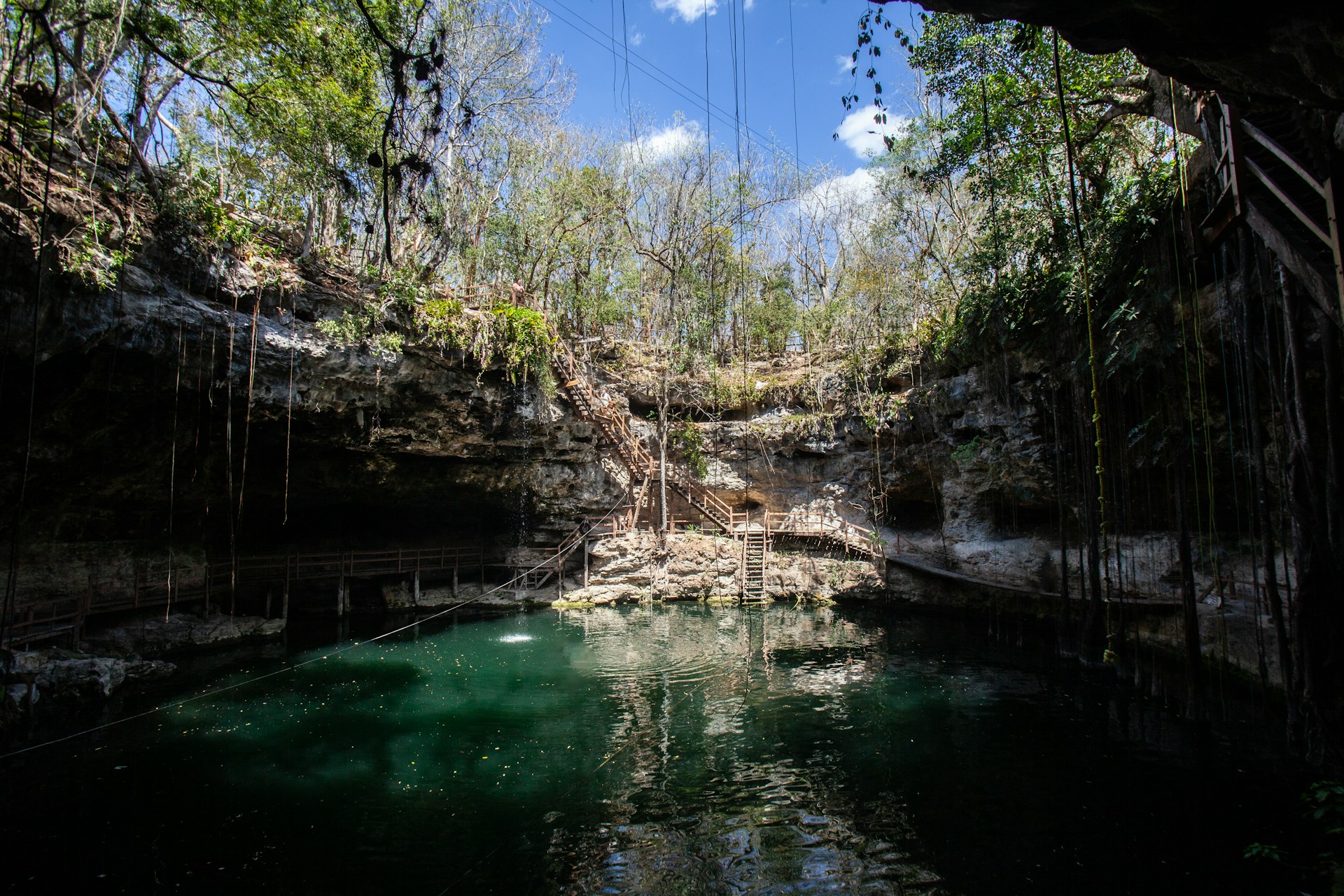
Local Biodiversity and Notable Fauna
Cenotes support animals you honestly won’t find anywhere else. These endemic species have evolved for ages in pitch-black darkness.
Let’s talk about the real celebrities of cenote life: the blind cave fish and those almost invisible shrimp. They don’t have eyes at all, but their sense of touch and smell? Way sharper than ours. Their pale, ghostly looks just scream “cave dweller.”
Notable cenote wildlife:
- Blind cave fish (Typhliasina pearsei) – these little guys are totally eyeless
- Cave shrimp – see-through bodies and extra-long antennae
- Cave crayfish – they’re so white, they almost glow
- Atyid shrimp – they keep busy filtering organic stuff from the water
Some cenotes actually connect to the coast, and every now and then, a crocodile might wander into the freshwater. It’s rare, though—most crocs seem to prefer hanging out in salty mangroves.
Cave-adapted animals keep the cenote ecosystem running smoothly. They break down whatever organic matter drifts in and help cycle nutrients through the water. If you spot them, it’s a good sign the water’s in great shape.
Scientists are still poking around in remote cenote passages and finding brand-new species. Every discovery reminds me just how mysterious these underground worlds remain. If we protect cenotes, we’re saving entire evolutionary stories you simply can’t find anywhere else.
