
Chios totally changed the way I think about Greek islands. Forget just sun and sea—this northeastern Aegean gem sits so close to Turkey that you can almost smell the spices drifting over the water. Here, centuries-old traditions mingle with the sweet, piney aroma of mastic resin that floats everywhere you go.
Medieval mastic villages, Byzantine monasteries, and landscapes scented with something you’ll only find here—Chios is a sensory adventure you won’t get anywhere else in Greece.
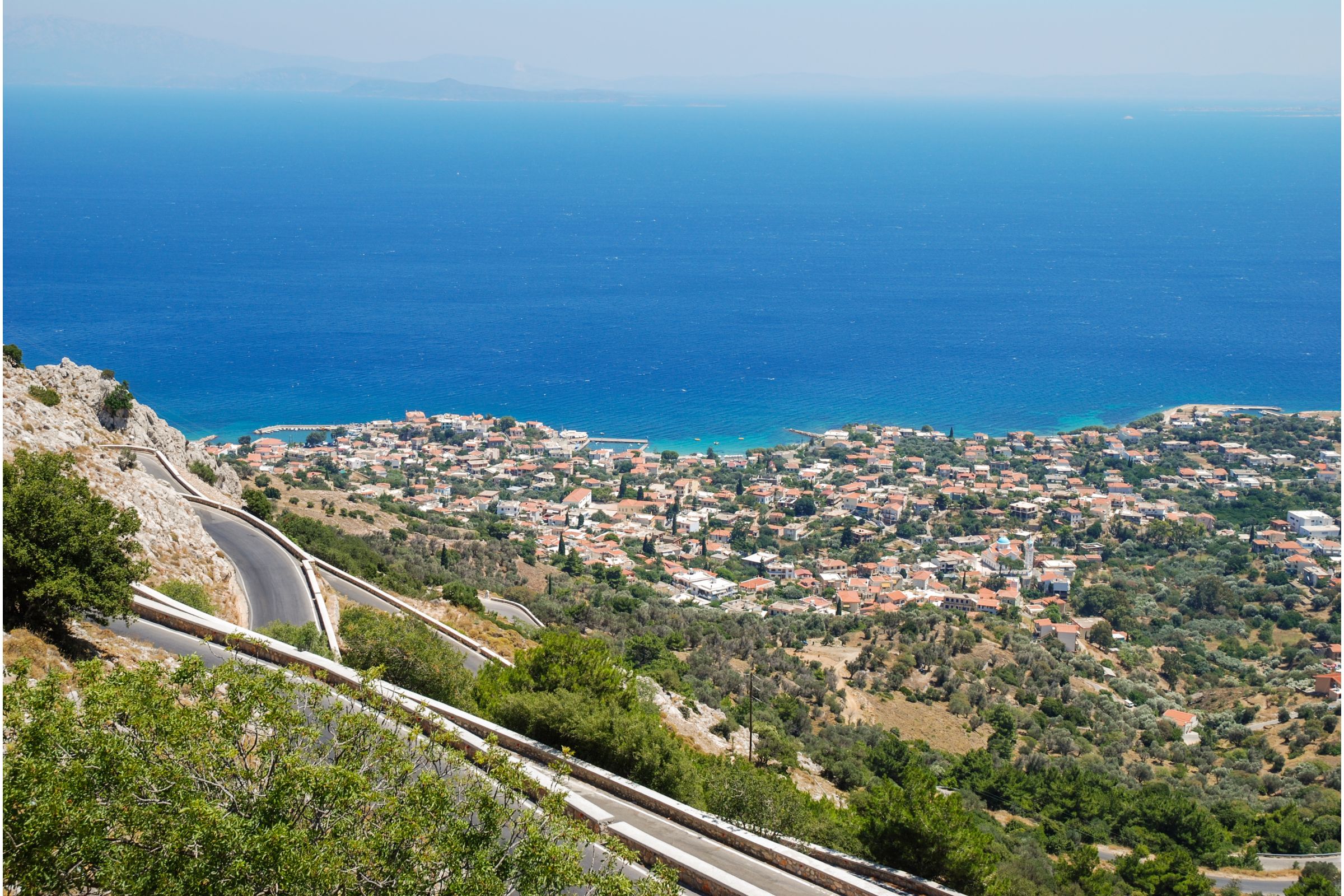
When I set foot on Chios, I realized this island produces something you literally can’t find anywhere else: mastic resin. For more than 700 years, the mastic trees have shaped the island’s culture, economy, and even its sense of self. Wandering through fortified villages built to defend this precious crop, I found myself lost in narrow stone alleys, surrounded by defensive towers and echoes of medieval life.
What really hit me? Chios feels deeply, stubbornly Greek—but it’s also nothing like the big-name islands. You can hike volcanic landscapes, catch wild rocket wars at Easter, and stumble on traditions you’d never see in Santorini. It’s the kind of place that rewards curiosity and a willingness to wander off the beaten path.
Discovering Chios: A Greek Island of Scents and Legends
Chios sits up in the northern Aegean, Greece’s fifth-largest island and just a stone’s throw from Turkey. The world’s only natural mastic resin comes from here, and citrus groves fill the valleys with a sweetness you can actually smell.
Chios in the Aegean Sea: Geography and Significance
Chios sprawls across 325 square miles in the northeastern Aegean. I noticed it lies only about 4 miles from Turkey’s western coastline.
From north to south, the island stretches 32 miles. Its width shifts between 8 and 15 miles, depending on where you are.
Key Geographic Features:
- Location: Northern Aegean Sea
- Size: Fifth largest Greek island
- Distance from Turkey: 4 miles
- Population: About 52,000
Chios sits smack on major shipping routes between Europe and Asia. That location made it a hot commodity for traders and empires over the centuries.
The island has two big ports. Chios Town acts as the capital and main harbor, hugging the eastern side.

Influence of Turkey and the Aegean Region
Turkey’s nearness has shaped Chios in ways you can taste and see. I spotted Turkish touches in the architecture and in the way locals season their food.
The Ottomans ruled Chios from 1566 to 1912. That’s a long stretch, and it left its mark on the music, food, and even the way houses are built.
Plenty of families here have cousins or grandparents just across the water. Trade still happens between the two shores, and you can feel the connection.
Cultural Exchanges:
- Shared recipes and spices
- Similar building styles
- Overlapping musical traditions
- Family ties crossing the border
The Aegean climate gives Chios warm, dry summers and gentle winters. That’s perfect for some very picky plants.
Unique Flora: Mastic Trees and Citrus
Mastic trees only grow in the southern villages of Chios. They give off a scent that’s somewhere between pine and mint—totally unique.
These trees need Chios’s specific soil and weather. People have tried to grow them elsewhere, but honestly, it never works.
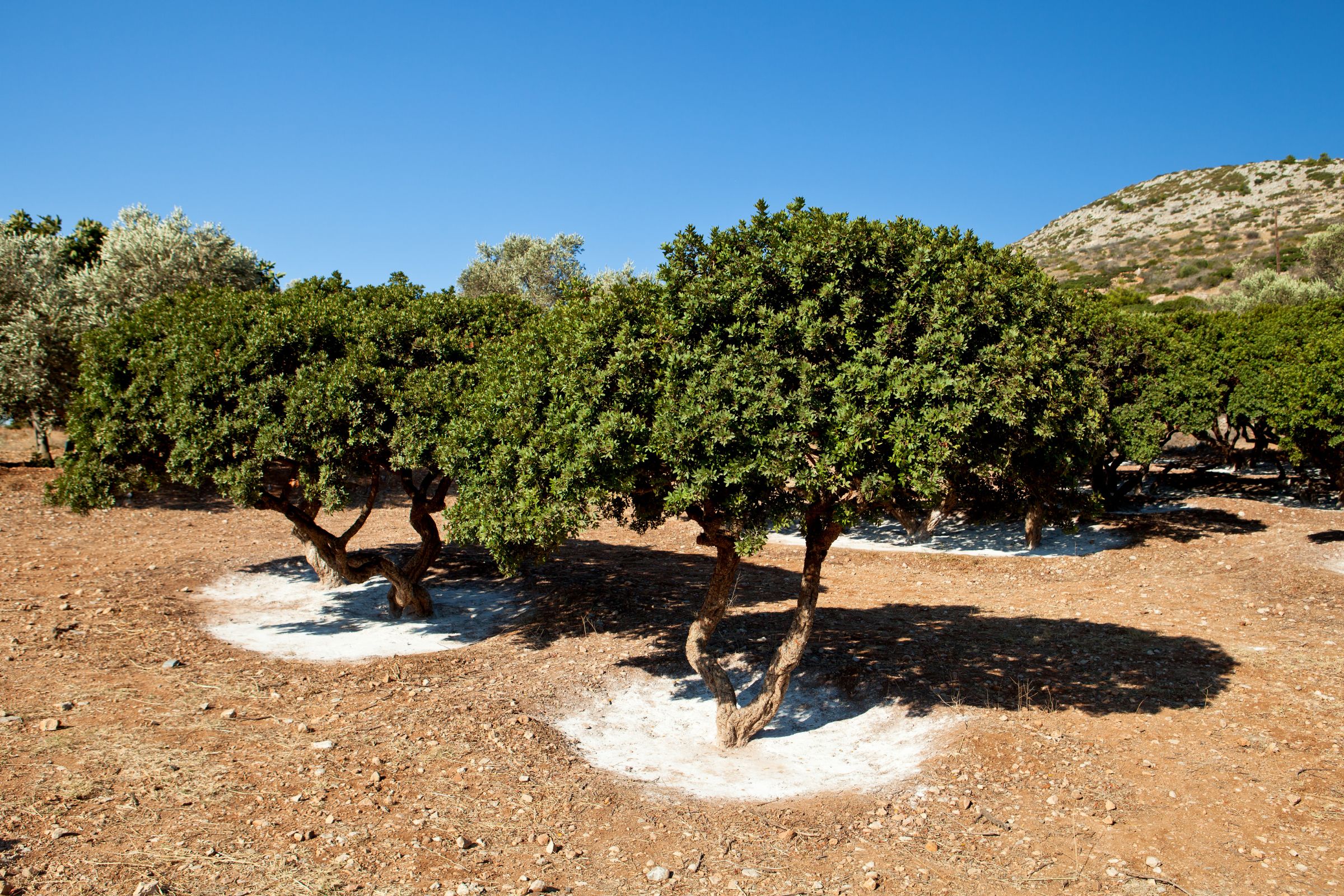
Twenty-four villages in southern Chios keep the mastic tradition alive. UNESCO even stepped in to protect it as world heritage.
Citrus groves blanket the valleys and plains. Oranges, lemons, and mandarins perfume the air, especially in spring.
Notable Plant Life:
- Mastic trees: Chios’s claim to fame
- Citrus orchards: Oranges, lemons, mandarins
- Olive groves: Some of these trees are ancient
- Wild herbs: Oregano, thyme, and sage cover the hills
Every summer, from July to October, farmers harvest mastic. They make tiny cuts in the bark and wait for the white resin “tears” to form.
The Rich History and Heritage of Chios
Chios has a recorded history stretching back 4,000 years. It’s been home to Ancient Greeks, Romans, Byzantines, Genoese, and Ottomans.
The Genoese built most of the medieval villages between 1346 and 1566. They needed fortress towns to keep pirates away from the mastic.
Some say Homer was born right here. The island definitely claims him as its own.
Historical Periods:
| Era | Years | Key Features |
|---|---|---|
| Ancient Greek | 1000-146 BC | Early settlements, Homer’s birthplace |
| Byzantine | 330-1346 AD | Churches, fortifications |
| Genoese | 1346-1566 | Medieval villages, mastic trade |
| Ottoman | 1566-1912 | Cultural mixing, tragic massacre of 1822 |
The 1822 massacre during the Greek independence war devastated the island. Thousands died, and the tragedy shocked all of Europe.
Today, Chios keeps its traditions alive. You’ll still find pottery, weaving, and mastic cultivation done in ways that haven’t changed for centuries.
Mastic Villages: Tradition, Resilience, and the Scented Resin
The southern villages of Chios form a medieval tapestry, all woven together by the story of mastic resin. These fortified settlements combine sturdy architecture with ancient farming techniques that have survived the ages.
Mastichochoria: The Heartland of Mastic
I stumbled upon 24 medieval villages known as the Mastichochoria. These places owe everything to the mastic trees that only grow here.
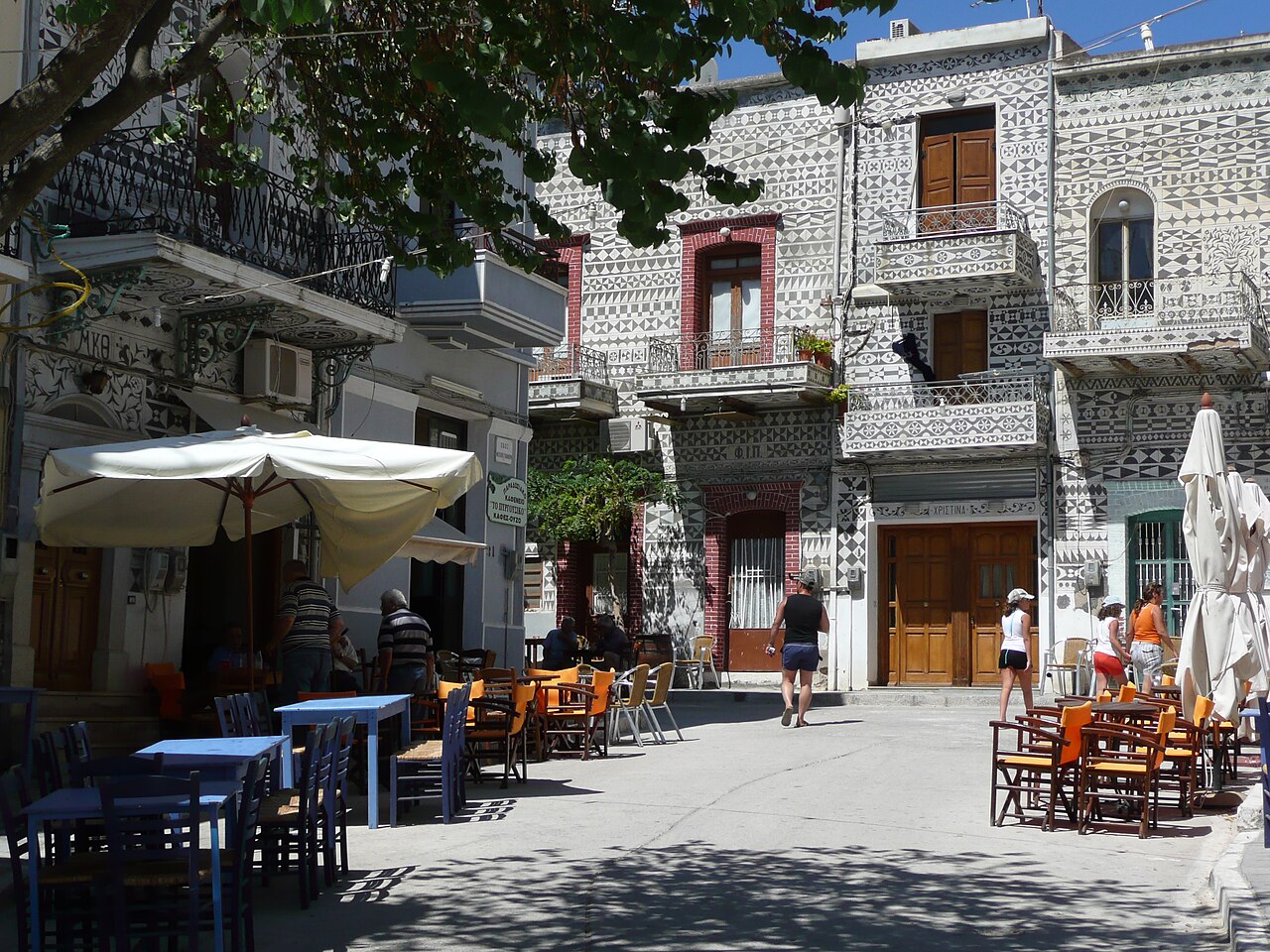
Image Source: Petille / Wikimedia Commons
The Genoese built these villages in the 14th century. Pirates always lurked nearby, so villagers built their homes to be invisible from the sea.
Key characteristics:
- Winding alleys you can get lost in
- Thick stone walls
- Houses huddled together for safety
- Central squares where everyone gathers
Only this region’s soil and weather let mastic trees thrive. Scientists have tried to copy it elsewhere, but it’s never the same.
Each village has its own vibe, but they all share that fortress feel. The locals built their homes to double as walls, protecting their families and the precious mastic crop.
Traditional Cultivation: From Tree to Gum and Liqueur
Mastic farming here follows old-school methods. Farmers carefully slice the tree bark during the hot summer.
The tree “cries” aromatic resin, forming clear drops that harden in the sun. After a few weeks, workers collect them by hand—a delicate process that takes real skill.
How it works:
- July-August: Bark gets its tiny cuts
- August-September: Resin drops harden on the tree
- September-October: Hand collection starts
- October-November: Time to clean and sort
Local families turn raw mastic into everything from liqueurs to chewing gum, spices, and even medicine.
Women usually handle the cleaning. They pick out dirt from each tiny piece—tedious work, but it’s been passed down for generations.
Exploring Pyrgi: The Painted Village and Xysta Art
Pyrgi is hands-down the most eye-catching village I visited. Every building is covered in wild geometric patterns that play tricks on your eyes.
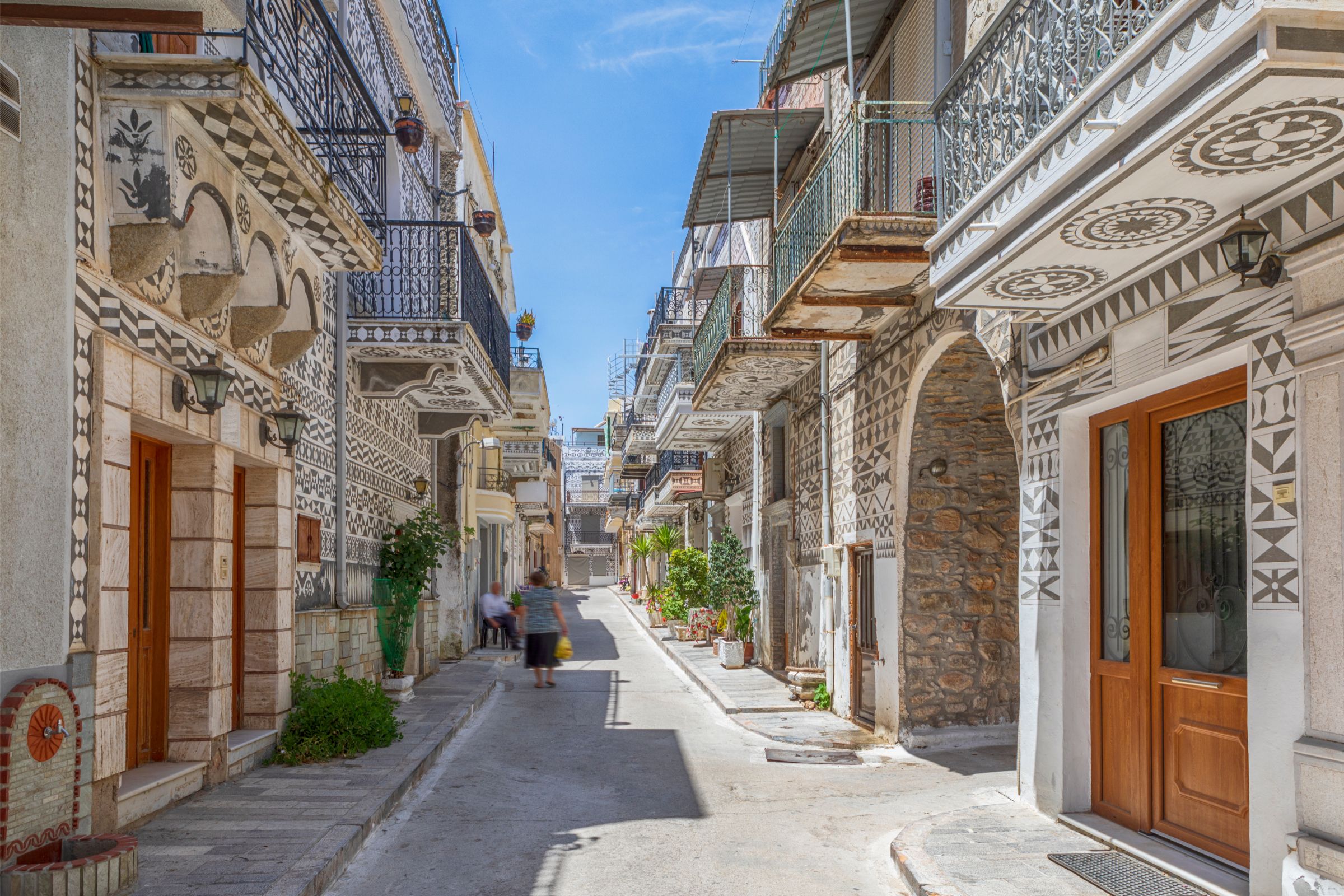
Local artists invented the xysta technique centuries ago. They layer plaster in different colors, then scrape away bits to reveal bold designs underneath.
Xysta patterns:
- Diamonds, triangles, and other shapes
- Floral and vine motifs
- Optical illusions galore
- A few religious symbols here and there
Walking Pyrgi’s streets feels like stepping into an open-air art gallery. Each house seems to tell its own story.
Pyrgi also keeps the defensive style of other mastic villages. Outer buildings form a wall, with secret courtyards tucked away inside.
The village church is worth a peek—its Byzantine frescoes glow with color and history, adding another layer to Pyrgi’s charm.
Mesta: A Fortified Medieval Gem
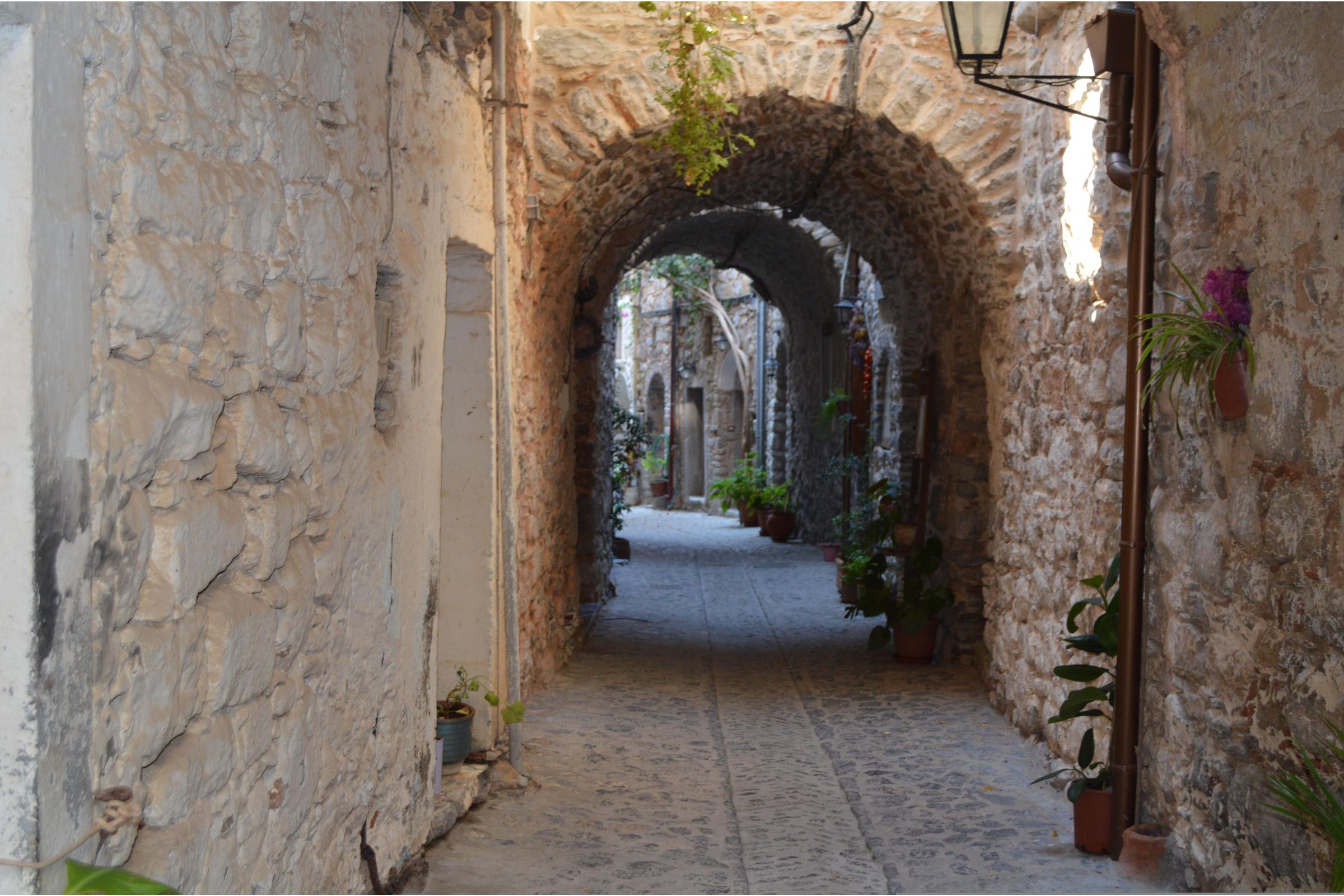
Mesta is probably the best-preserved medieval village I’ve ever wandered through. Passing under its old gates, you can almost hear centuries of stories echoing off the stone.
The whole village forms a neat rectangle. Houses built directly into the outer walls serve as the main defense—no need for extra fortifications.
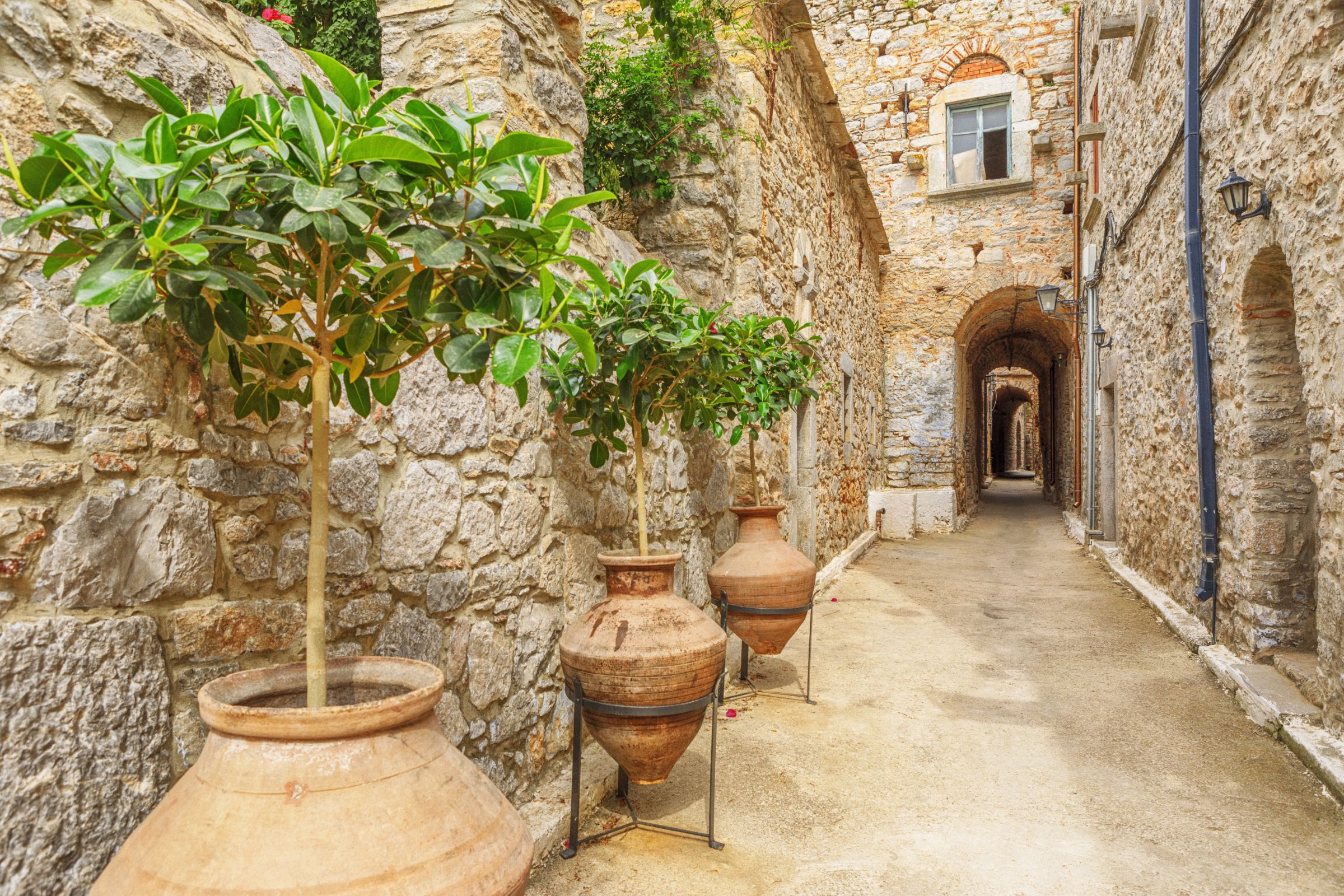
Defensive highlights:
- One main entrance gate
- No ground-floor windows facing out
- Twisty, confusing alleys
- A central tower where folks could hide
Inside, covered passages and secret courtyards create a real maze. During attacks, people could move around safely and keep life going.
Today, Mesta still feels authentic. You can stay in a guesthouse inside a historic home or eat in a taverna that serves mastic-infused dishes and drinks.
Enigmatic Medieval Heritage: Castles and Historic Villages
Chios hides some jaw-dropping medieval fortifications, from coastal castles to mountain strongholds. Each tells a story of Genoese ambition, Byzantine faith, and the island’s crucial spot in the Aegean.
Chios Castle and the Defenses of Hora
The medieval castle in Chios Town looms over the harbor. I wandered through the Porta Maggiora, the main gate that’s seen centuries of arrivals and departures.
The Genoese built this fortress in the 14th century, wrapping thick walls around the old quarter—locals call it Kastro.
What stands out:
- Walls up to 17 meters tall
- Eight defensive towers at key spots
- Ancient gates, especially the Porta Maggiora
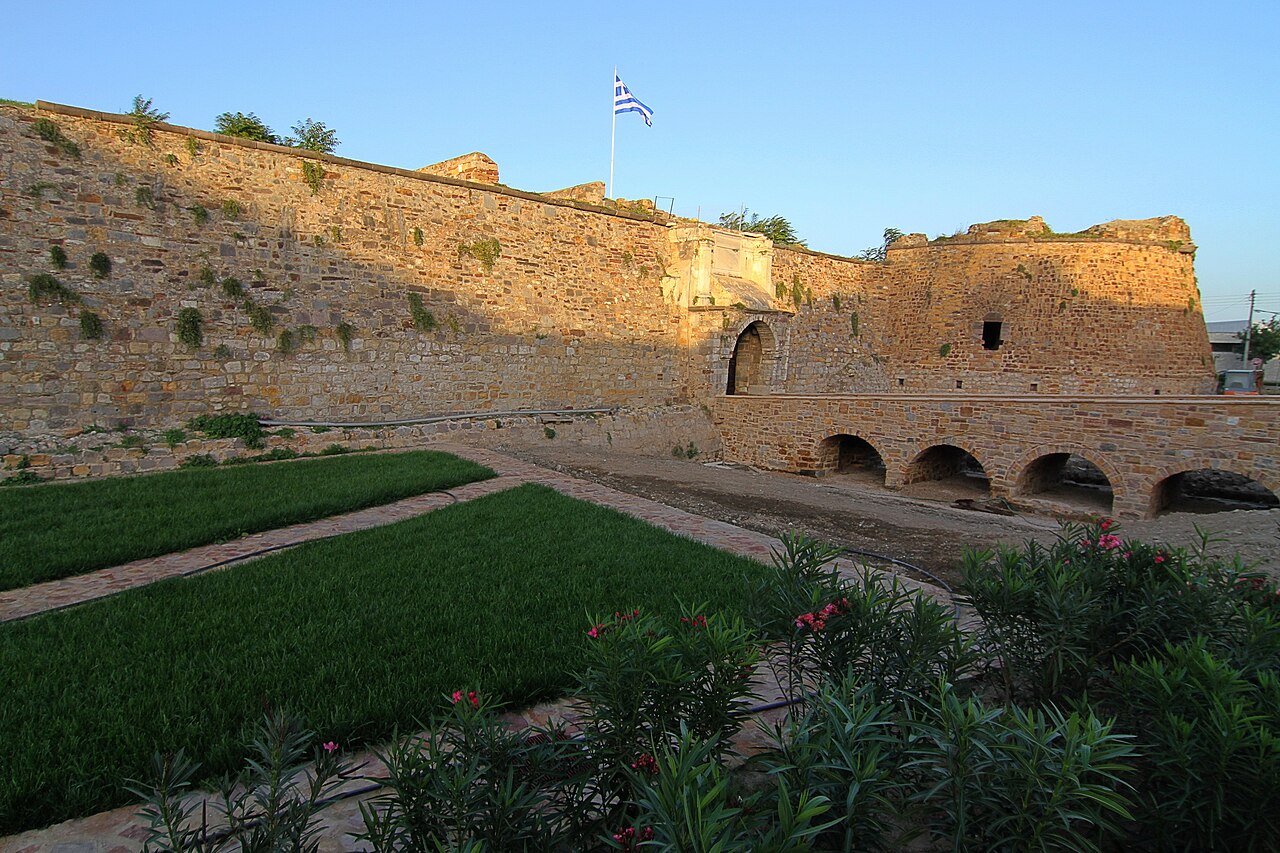
Image Source: FLIOUKAS / Wikimedia Commons
Inside, narrow cobbled streets twist between houses showing off Genoese, Ottoman, and Byzantine influences.
A small museum inside the castle displays weapons, pottery, and coins from every era. It’s a treasure trove for history buffs.
Anavatos: The Deserted Stone Fortress
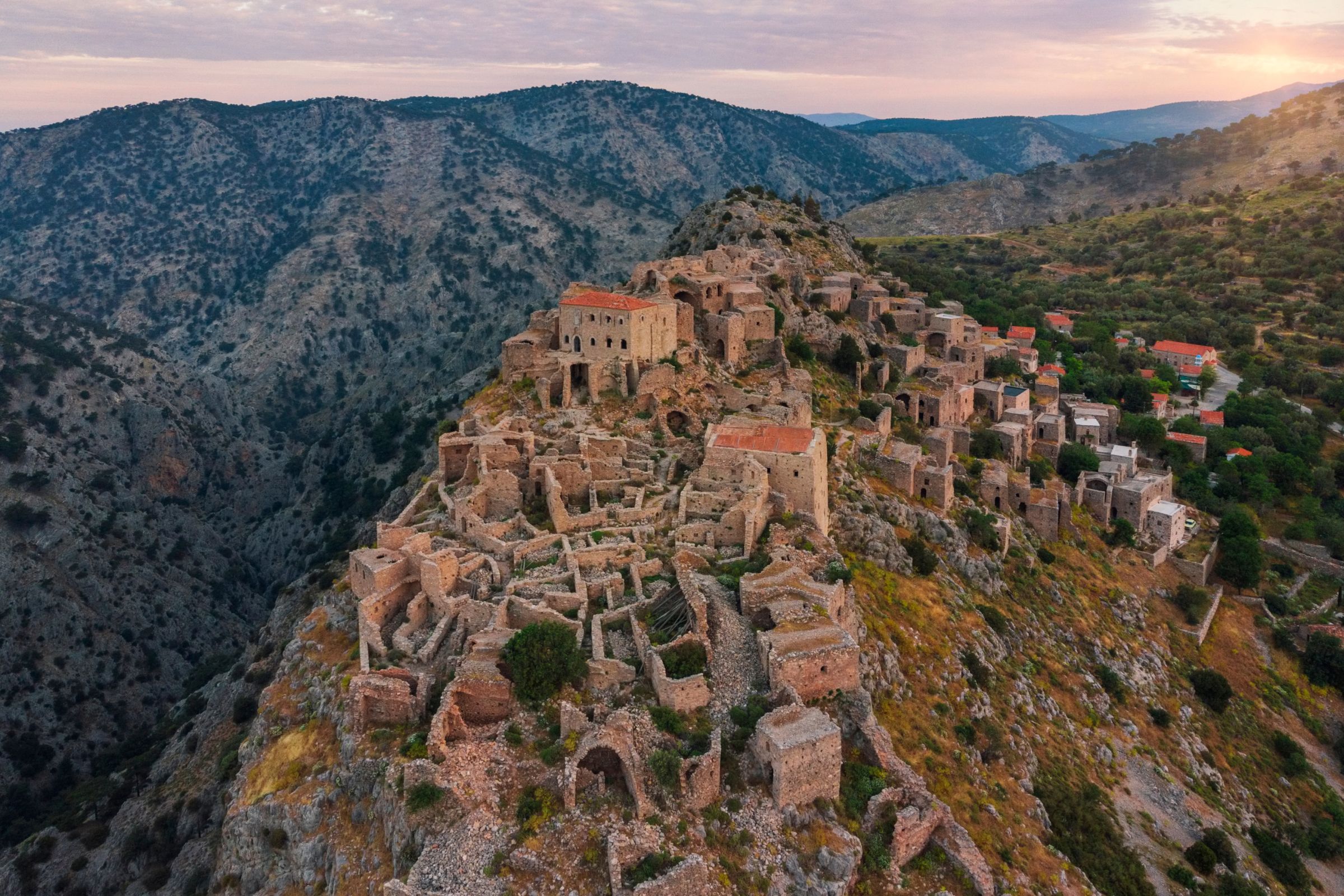
Anavatos perches like a ghost town on a rocky cliff in central Chios. Once, hundreds of families lived behind its natural stone walls.
People call it the “Gibraltar of Chios” because of its dramatic setting. The houses blend right into the rock, almost vanishing from view.
I climbed steep paths through ruined homes and churches. The view from the top stretches all the way to the sea.
What’s left:
- Crumbling stone houses hugging the cliff
- Tiny Byzantine churches with faded frescoes
- Defensive walls that follow the mountain’s shape
After the 1822 massacre, Anavatos emptied out. Now, only a handful of people live in the lower part, making it one of the eeriest places I’ve ever seen.
Volissos and Its Towering Legacy
Volissos mixes castle ruins with a lively village below. The Byzantine castle crowns a hill, looking out over stone houses and winding streets.
I poked around the castle remains—thick walls, a central keep, and some stunning views. The Byzantines started building here in the 11th century, and later rulers kept adding on.
The village below still feels medieval. Stone houses with red roofs line narrow alleys that haven’t changed much in centuries.
Worth noting:
- Castle ruins with sweeping views
- Traditional homes in the village
- Homer connection—locals say the poet was born here
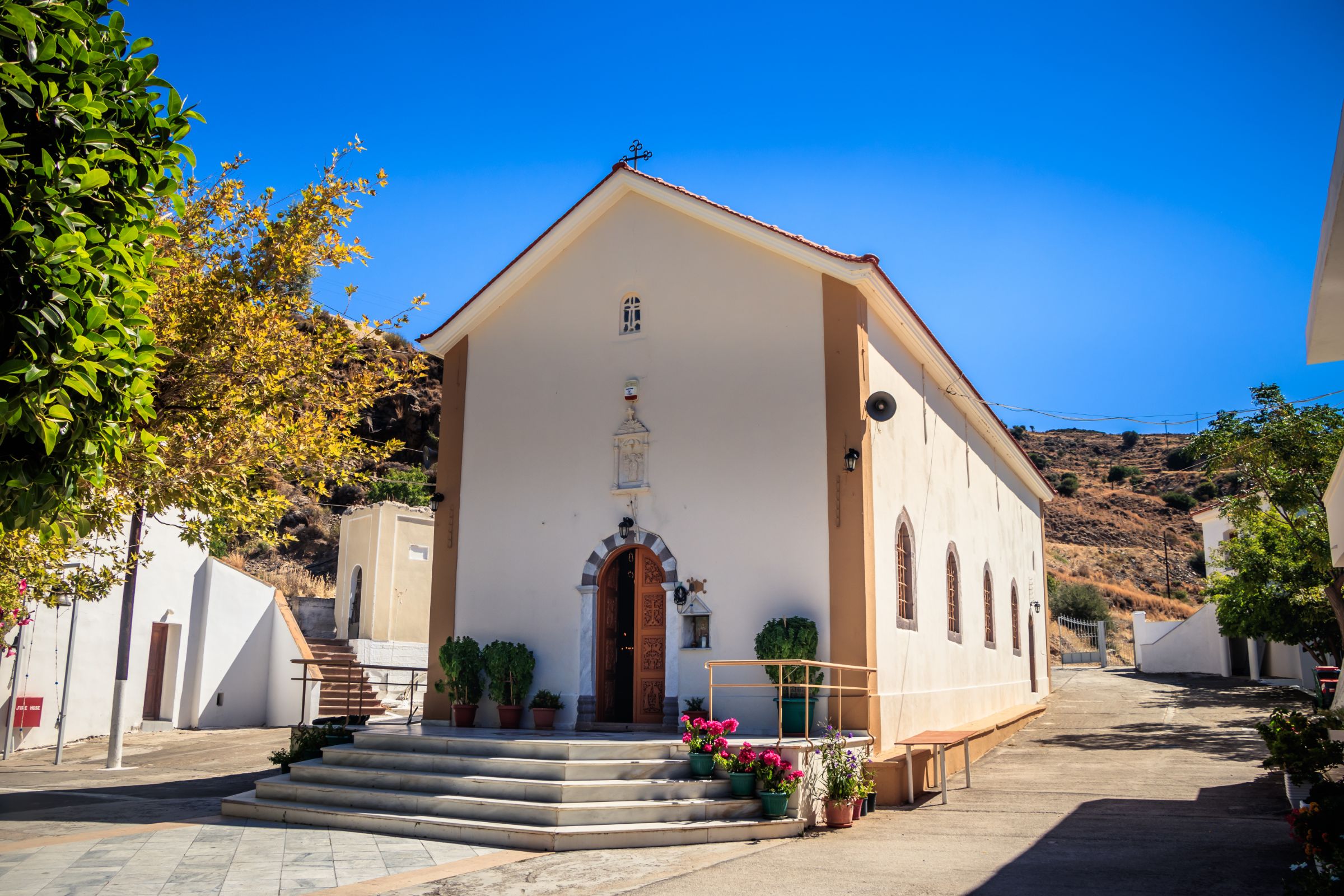
Small churches dot the hills around Volissos. The Church of Agia Markella draws pilgrims year-round.
Vessa and Kalamoti: Fortress Villages Unveiled
Vessa stands out as one of the best-preserved mastic villages, with medieval defenses you can still see. I wandered through its maze of tight alleys, built to confuse pirates.
The village sits in a valley, surrounded by mastic trees. Stone houses share walls, creating a solid fortress from the outside.
Passages are so narrow you have to walk single file. That was the point—slow down invaders, protect the people inside.
Kalamoti is bigger and a bit more modern, but you can still spot medieval touches.
Defensive features in both:
- Houses sharing thick walls
- Only one or two main entrances
- Courtyards hidden from the street
- Watch towers at critical spots
The Church of Agios Dimitrios in Kalamoti shows off some beautiful Byzantine stonework. It’s right in the center, where villagers gathered in tough times.
Both villages still rely on mastic farming, using techniques that haven’t changed since Genoese days.
Nature’s Palette: Beaches, Caves, and Volcanic Wonders
Chios surprises you with its wild mix of black volcanic beaches, mysterious caves, and untouched stretches of coast. The landscapes here are a constant reminder of the island’s volcanic roots and the natural contrasts you’ll find at every turn.
Mavra Volia Beach: Black Volcanic Pebbles
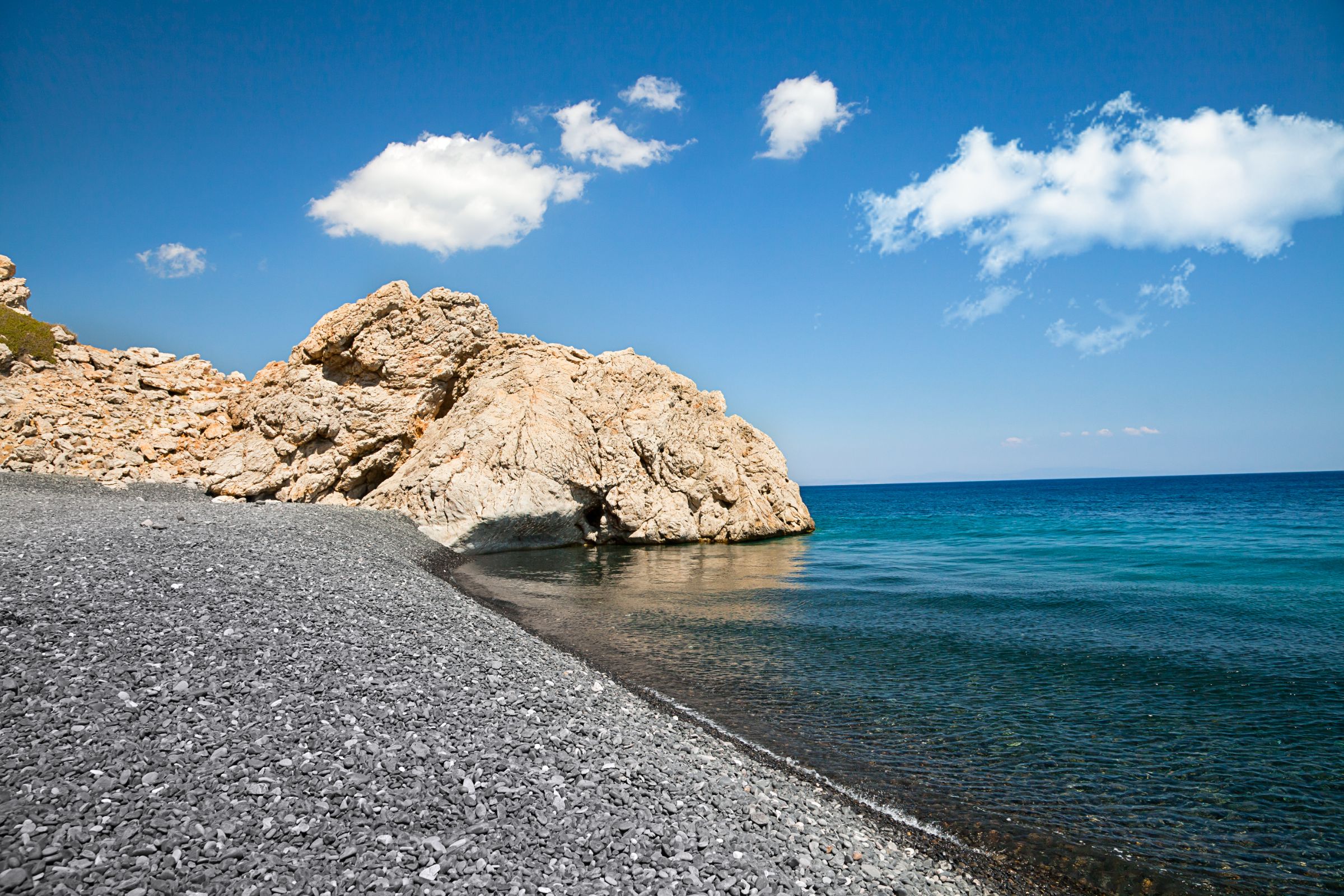
I stumbled onto one of Greece’s most unusual beaches at Mavra Volia. Instead of sand, millions of smooth black volcanic pebbles line the entire shore.
Volcanic activity from long ago scattered these dark stones here. Under the sun, they warm up and really pop against the crazy-blue Aegean water.
Mavra Volia hugs a protected cove on Chios’s southwestern coast. The water? Crystal clear. Perfect for a swim, honestly—I couldn’t resist diving in.
Key Features:
- Surface: All black volcanic pebbles, no sand in sight
- Water Quality: Super clear and clean
- Location: Sheltered bay on the southwest side
- Access: Short walk from the parking lot
This wild geological twist makes Mavra Volia totally different from your typical Greek island beach. I wandered along the shoreline for ages, just soaking up how nature pulled off this masterpiece.
Cave of Olympi: Subterranean Mystique
The Cave of Olympi opened up a whole new side of Chios for me. This limestone cave system shows off some jaw-dropping stalactites and stalagmites, shaped over thousands of years.
Inside, I explored chambers packed with natural rock formations. Even in summer, the cave stays refreshingly cool—such a relief after hot days outside.
Cave Highlights:
- Temperature: Always around 64°F (18°C)
- Length: Several connected chambers
- Formations: Active stalactites and flowstone
- Lighting: Well-lit paths for easy exploring
You’ll find the entrance just outside Olympi village. Wear sturdy shoes—those paths can get slippery with all the moisture.
Local guides bring the geology to life, explaining how water and time carved out these underground shapes. It’s a real showcase of nature’s slow-motion artistry.
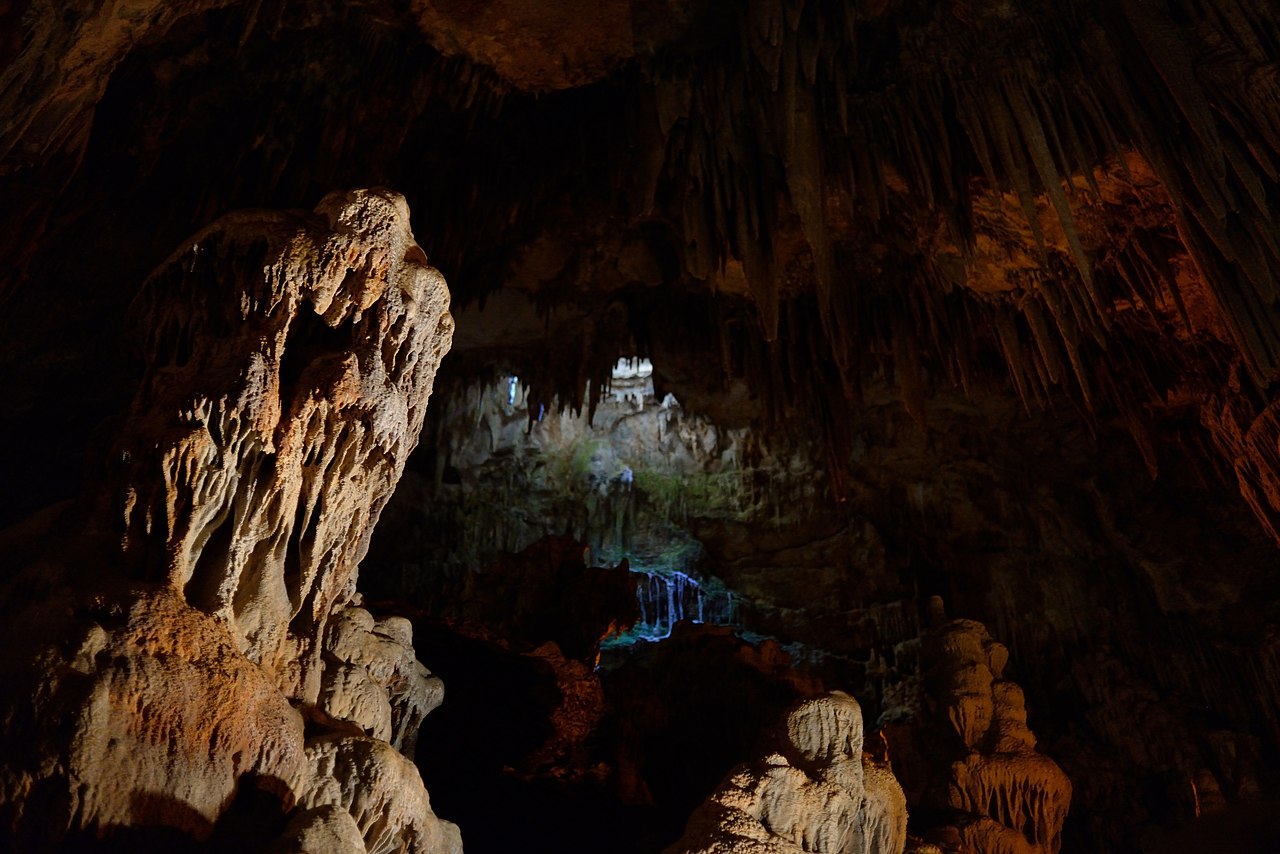
Image Source: Wim De Weerdt/ Wikimedia Commons
Agia Fotini and Other Scenic Beaches
Agia Fotini beach gave me a totally different vibe—think pebbles mixed with sand, and sunsets that linger in your memory.
The water here stays shallow for a good stretch, which makes it great for families or nervous swimmers. It felt less crowded than the more famous spots, which I loved.
Other Notable Beaches:
- Karfas: Long sandy stretch, all the facilities you need
- Nagos: Pebbly, dramatic cliffs, a bit wild
- Elinda: Secluded cove, glassy-clear water
Every Chios beach brings its own personality. Some show off volcanic quirks, others just classic Mediterranean beauty.
I bounced between several beaches during my trip. The variety blew me away—from moody black stones to soft golden sand.
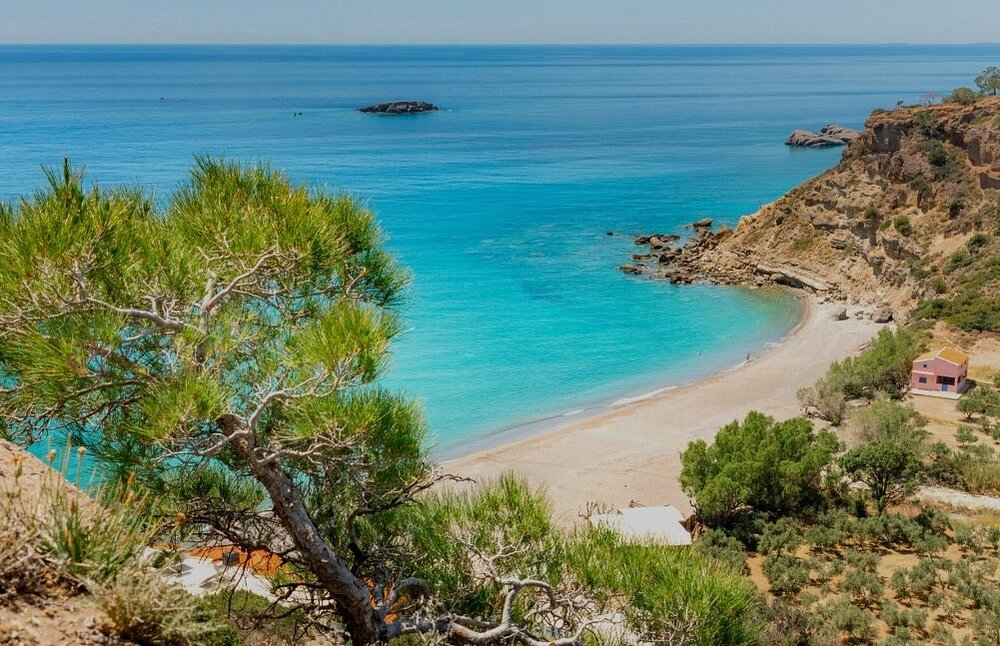
Image Source: Tripadvisor
Life, Festivals, and Authentic Experiences
Chios’s real magic reveals itself in the everyday: Chios Town’s lively streets, the wild Rocket War in Vrontados, and the citrus-scented estates of Kambos with their historic mansions. There’s always something going on.
Chios Town: Culture, Cafés, and History
Chios Town buzzes with modern Greek life, but the medieval vibe sticks around. Old castle walls wrap around twisty streets full of cafés and traditional tavernas.
Festivals set the rhythm here. The biggest party? August 15th—the Virgin Mary’s feast. I joined thousands of people, locals and visitors, all celebrating together.
St. Markella’s feast on July 22nd draws big crowds too. The town comes alive with processions and music.
Down by the harbor, fishing boats pull in every morning. By evening, their catch ends up on your plate at local restaurants.
If you want to see real island life, pop into a traditional coffee house. You’ll spot old men playing backgammon, sipping thick Greek coffee, and chatting the afternoon away.
The castle district hides tiny museums and art galleries. Wandering these streets at sunset—honestly, there’s no better way to end a day on Chios.
Vrontados and Rouketopolemos: The Rocket War
Vrontados throws Greece’s wildest Easter tradition: Rouketopolemos, the Rocket War. Two rival churches fire thousands of homemade rockets at each other on Easter night.

Image Source: Dimitris Tachynakos / Wikimedia Commons
Locals say this started back in Ottoman times, when ringing church bells was off-limits. So, they invented this explosive workaround that’s still going strong.
Right at midnight, the battle kicks off. Agia Markella and Panagia Erithiani churches face off across a valley, each side aiming rockets at the other’s bell tower.
Spectators crowd behind safety barriers, but wow, it’s thrilling—rockets streaking across the sky, lighting up the night.
Families spend weeks crafting rockets by hand. The whole community gets involved, turning competition into celebration.
If you want a good view, arrive early. After the rockets, everyone digs into classic Easter feasts with local treats.
Kambos: Citrus Orchards and Grand Mansions
Kambos feels like a slice of aristocratic Greece, with grand stone mansions tucked among endless citrus groves. Wealthy merchant families built these estates, cashing in on mastic and citrus trade.
Some of these historic mansions now welcome guests. I stayed in one, and the original details—ornate doors, peaceful courtyards—made it unforgettable.
The irrigation system here goes back to Genoese times in the 14th century. Ancient waterwheels still spin, nourishing the orchards.
Key Features of Kambos Mansions:
- Tall stone walls, fancy gates
- Courtyards with geometric designs
- Classic Chian architecture
- Many now operate as guesthouses
Breakfast meant fresh oranges, straight from the trees outside. In spring, the air fills with orange blossom scent. Walking these quiet lanes felt like time travel.
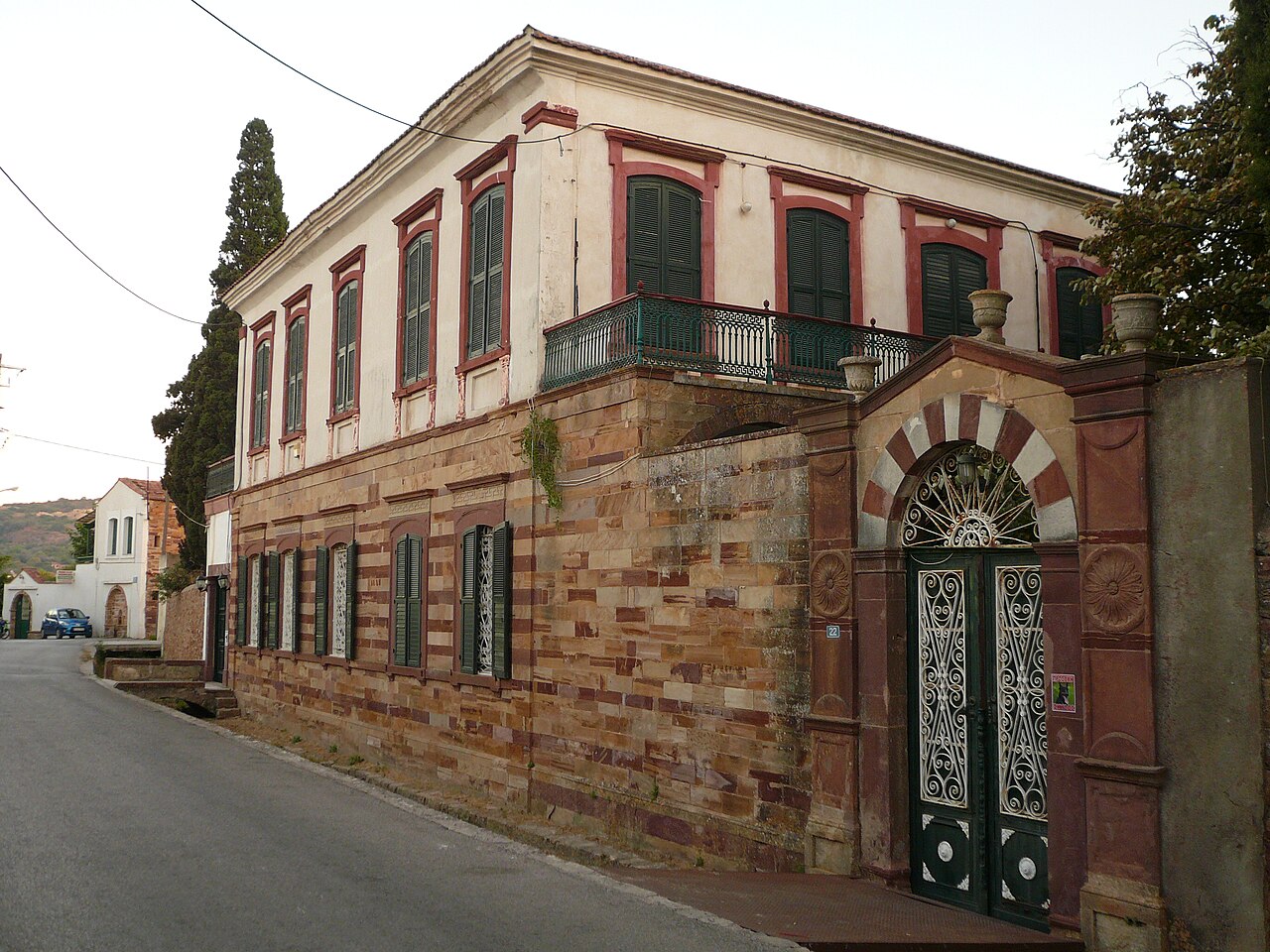
Image Source: Lunar sea n/ Wikimedia Commons
Legends, Literature, and Famous Figures
Chios weaves together tales of ancient poets, explorers, and the fragrant traditions that shaped Greek culture. The island claims Homer as a native son, keeps Columbus’s old house, and invented spirits that helped define its gastronomic heritage.
Homer and Daskalopetra: Myth and Scholarship
Chios insists it’s Homer’s birthplace—one of seven cities that fight for the title. The Rock of Daskalopetra makes a pretty convincing case.
This ancient boulder supposedly served as Homer’s teaching spot. I heard stories about citizens from Argos traveling to Chios every five years, bringing sacrifices for “the blind poet of Chios.”
Daskalopetra isn’t just about literature. The rock also stood as an altar to a pagan god, so it mixes myth and religion.
Key Historical Details:
- Ancient Greeks recognized Chios as Homer’s home
- Pilgrims visited regularly to honor him
- The rock blends myth and education
Archaeologists found inscriptions and ritual objects here, backing up the legends. Scholars still debate Homer’s true origins, but Chios has the paperwork to argue its case.
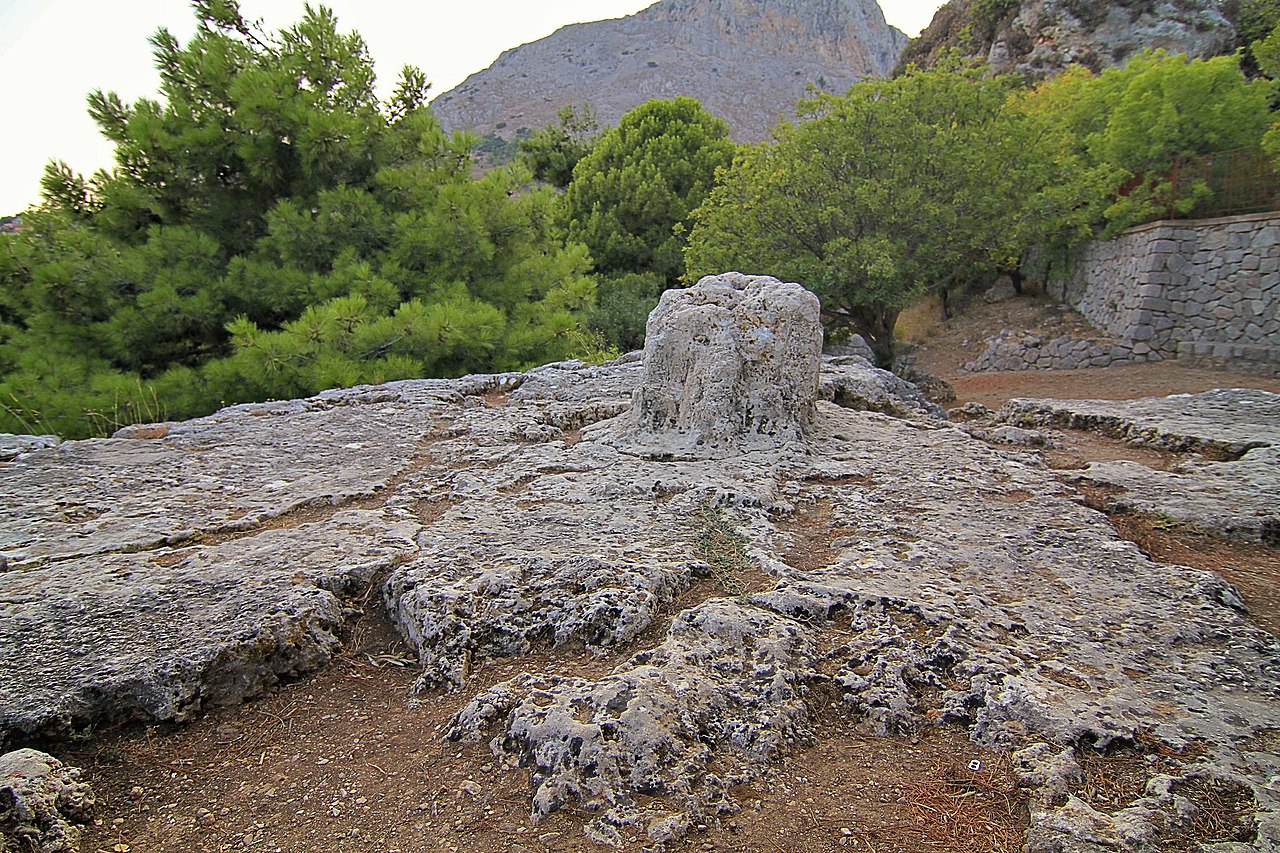
Image Source: FLIOUKAS/ Wikimedia Commons
Christopher Columbus and Pyrgi’s Legacy
I never expected to find a Columbus connection in Chios, but there it is—he lived for a while in Pyrgi, the “painted village.” His house still stands, surrounded by those famous black-and-white xysta patterns.
Columbus landed here when the Genoese controlled the island and mastic trade boomed. Pyrgi’s wealth and location drew merchants and explorers from everywhere.
Notable Features of Columbus’s Time:
- Genoese rule (1346–1566)
- Bustling mastic trade
- Defensive, fortress-like buildings
Pyrgi’s geometric facades grew out of this era. The whole place looks like a work of art—no wonder they call it the “painted village.”
I dug into how Columbus’s Chios experience might’ve shaped his big plans for exploration. Learning the ropes on Mediterranean trade routes probably came in handy when he set out across the Atlantic.
Ouzo, Mastiha, and the Gastronomic Identity
Chios gave Greece two unforgettable drinks that really shape the country’s drinking culture. Mastiha liqueur comes straight from the island’s legendary mastic resin, and the locals have put their own spin on ouzo for generations.
I tried real mastiha in Mesta village. Locals there still make Souma, a rustic drink from figs and grapes. Honestly, Souma’s been around even longer than the commercial mastiha liqueur you’ll find in shops.
Traditional Chios Spirits:
- Mastiha: Sweet, pine-scented liqueur
- Souma: Distilled from figs and grapes
- Mestousiko: Local wine variety
The mastic villages hang onto these old recipes like family heirlooms. I sat with some of the older folks and watched them use traditional distillation gear that looked like it belonged in a museum.
Only Chios can legally call these drinks authentic, thanks to their protected designation status. There’s just something about the island’s soil, air, and stubborn traditions—you won’t find these flavors anywhere else, no matter how hard you try.



