
I stood at the base of Palamidi Fortress in Nafplio, staring up at those 999 stone steps winding into the hillside. They promised a challenge, leading me up to one of Greece’s most striking Venetian fortresses.
Sure, lots of travelers just drive up to the parking lot near the entrance. But honestly, where’s the fun in that? The panoramic view from the top of Palamidi is so worth every step. I got to see Nafplio’s terracotta rooftops, the deep blue Argolic Gulf, and mountains stretching forever.
The climb became part of my Nafplio story. It wasn’t just a means to an end. I started early to beat the Greek summer heat, lugged plenty of water, and paused now and then to catch my breath and soak in the view.
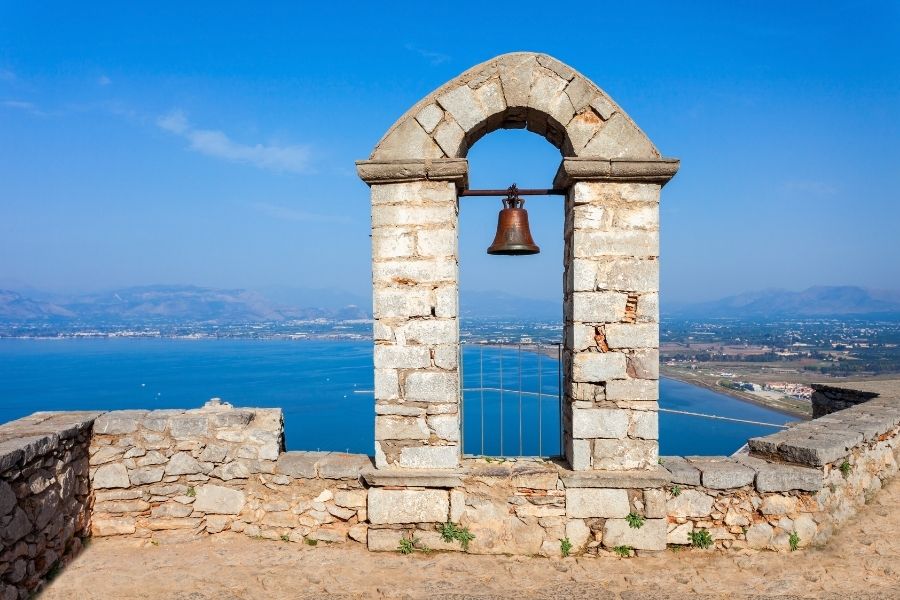
Each break gave me a new look at this charming town that once served as Greece’s first capital.
Nafplio is a gem on its own, but climbing those 999 steps (though, to be fair, locals argue about the real number) made me feel history under my feet in a way driving never could.
The Venetians built the fortress in the early 1700s, and its stone walls and eight bastions whisper stories of Ottoman sieges and Greek revolution. When you make this climb, you’re not just ticking off a tourist site—you’re joining a classic Greek adventure.
Scaling the 999 Steps: The Climb to Palamidi Fortress
Those legendary 999 steps to Palamidi Fortress aren’t just a workout—they’re a trip through time. The winding staircase reveals better and better views of Nafplio and the Argolic Gulf as you go up.
Starting the Ascent: Where the Journey Begins
The climb starts right at the foot of the hill in Nafplio’s old town. I found the starting point easily, not far from the port.
The stone steps zigzag up the hillside, tracing a route people have used for centuries.
Early morning was the sweet spot for my climb. The sunrise painted the ancient stones in soft colors, and the air stayed cool.
By starting before 9 AM, I dodged both the heat and the bigger tourist crowds.
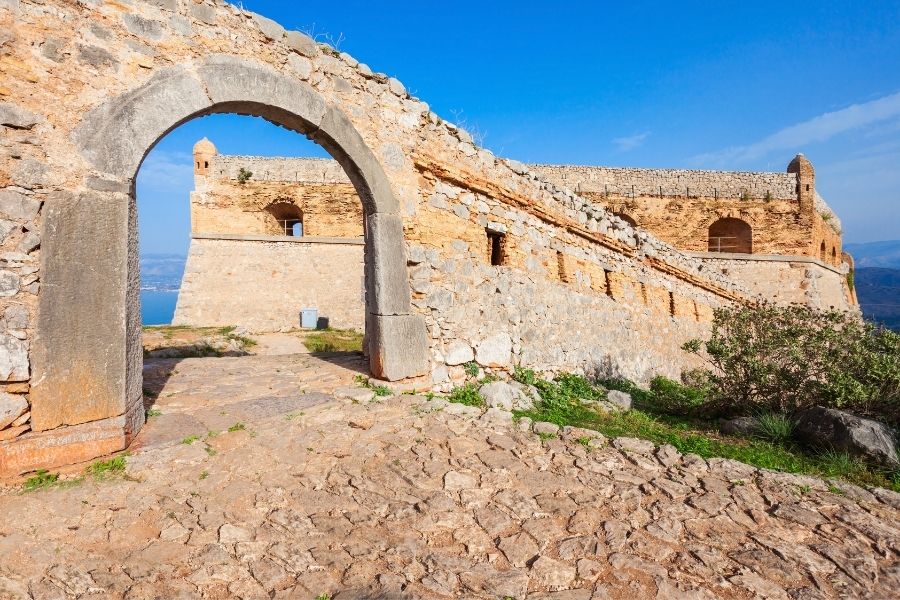
About 200 steps up, there’s a little shrine. It’s a great first rest stop and a solid spot for photos.
The lower section offers some shade from trees, and I definitely appreciated that as I kept going.
Physical Demands and Tips for Hikers
The climb is moderately tough but doable if you’re in average shape. I took around 45 minutes to reach the top, counting my quick breaks for air and photos.
Don’t rush it! There’s no medal for finishing fast, and short rests make it way more enjoyable. I kept a steady, slow pace and that worked out best.
A few practical hiking tips:
- Wear comfy, closed-toe shoes with good grip
- Go in the cooler hours (morning or late afternoon)
- Pause every 100-200 steps if you need to
- If the climb feels like too much, you can always use the road
The steps aren’t uniform—some are steeper, some wider, especially in the middle section. Watch your footing.
What to Bring: Essentials for the Climb
Don’t leave these behind:
- Bring at least 1–2 liters of water per person
- Hat, sunscreen, sunglasses for sun protection
- Some light snacks for energy
- Camera for the epic views
- Small backpack so your hands are free
- Cash for entrance fees (€8 when I visited)
Honestly, water is a must. Even when it’s cool, you’ll feel the effort. I’d suggest a reusable bottle to cut down on plastic waste and help the environment a bit.
A tiny first aid kit with bandages and wipes doesn’t hurt either, just in case. I noticed cell reception was fine the whole climb, which felt reassuring.
The climb is worth every step—the fortress and those views stick with you.
Unveiling Nafplio: History and The Spirit of the Fortress
Nafplio’s ancient walls tell stories of conquest, rebellion, and a rich culture that stretches back thousands of years.
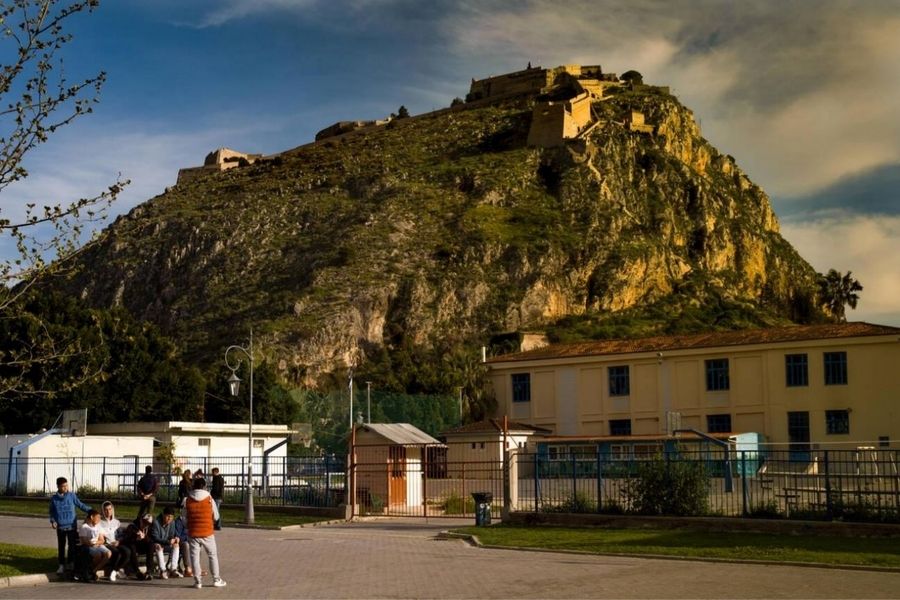
Palamidi Fortress towers over the town, a reminder of just how important this coastal Greek gem has always been.
The Story of Palamidi Fortress Through the Centuries
Palamidi Fortress hasn’t always dominated Nafplio’s skyline. The Venetians built it between 1711 and 1714, aiming to strengthen their defenses against the Ottomans.
I found it fascinating that the fortress changed hands so many times. The Venetians lost it to the Ottomans in 1715, and the Ottomans held it until Greek revolutionaries led by Staikos Staikopoulos stormed it in a bold night raid in 1822.
The fortress holds eight bastions, each named after classical figures. These massive stone structures formed a web of defenses that once sheltered soldiers, supplies, and even prisoners.
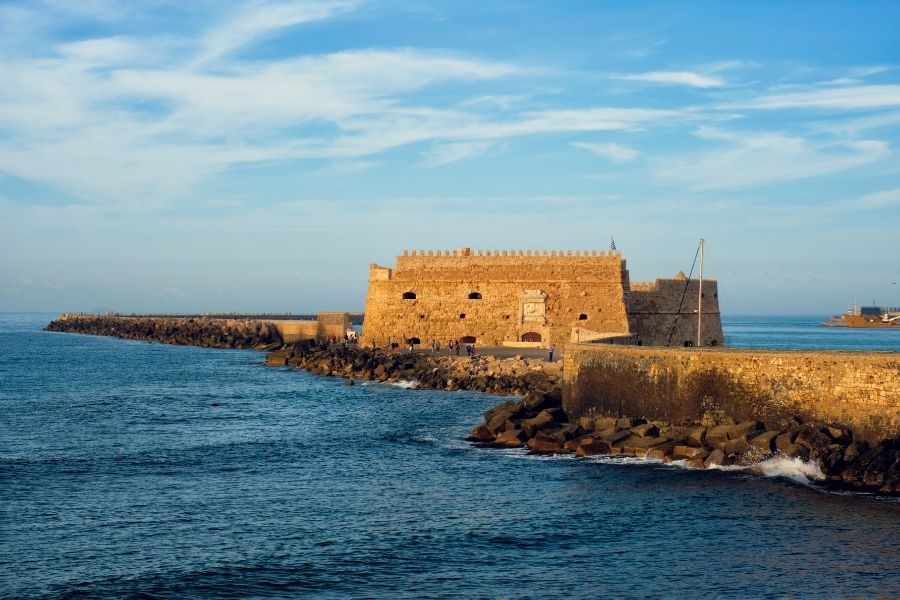
Greek hero Theodoros Kolokotronis spent time imprisoned here after independence. That’s a wild twist, right?
As I wandered the walls, I felt the weight of all that history. Every stone seemed to echo with stories of strategy, battles, and the hope for Greek freedom.
Nafplio’s Role in Ancient and Medieval Greece
Nafplio became Greece’s first capital after independence in 1821, and that wasn’t by chance. Its spot on the Argolic Gulf made it a prize for centuries.
People have lived here since ancient times—Homer even mentioned “Náfplion.” Over the centuries, Byzantines, Franks, and Venetians all fought for it.
The city changed a lot under each ruler. The Venetians especially left their mark, building Palamidi, the Bourtzi fortress in the harbor, and much of the Old Town’s architecture.
From 1823 to 1834, Nafplio buzzed as the temporary capital of the new Greek state. Greece’s first governor, Ioannis Kapodistrias, led the country from here until his assassination.
Legends and Greek Mythology Surrounding the Site
The name “Palamidi” comes straight from Greek mythology. People say it’s named after Palamedes, the hero from the Iliad who supposedly invented dice, some letters, and even lighthouses.
Legend claims Odysseus, jealous of Palamedes’ brains, framed him for treason. That sense of rivalry and drama fits a fortress that’s seen so many power struggles.
Locals love to say the fortress hides secret tunnels and treasure. Some stories talk about hidden passages leading to the sea, perfect for sneaky escapes during sieges.
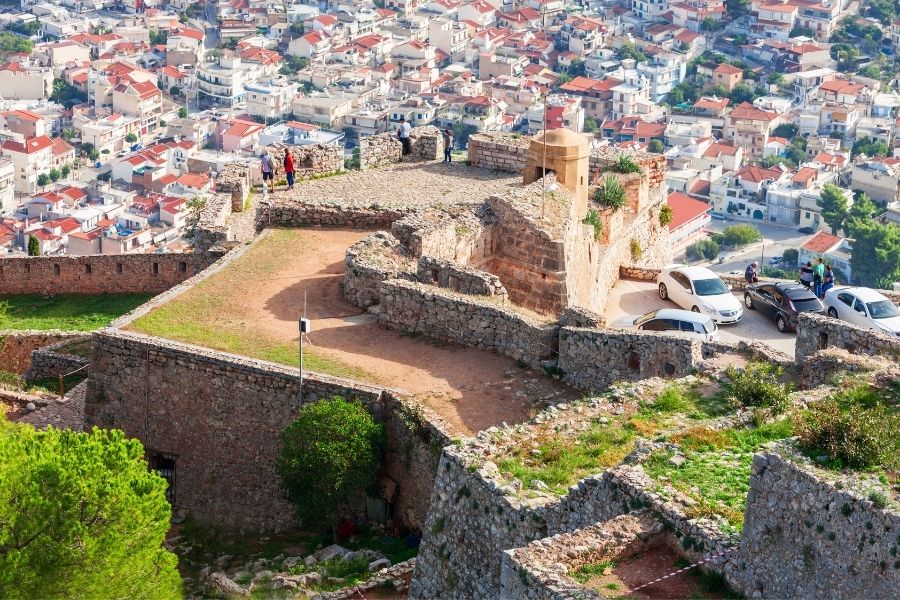
Older Nafplio residents swear there are exactly 999 steps up to the fortress—a number you’ll see everywhere in tourist guides. Some folks count fewer, but honestly, I like the magic of the tradition. The number 999 feels like being just one step away from perfection, kind of like the view you get at the top.
Panoramas, Perspectives, And The Unbeatable Nafplio View
After climbing those steep steps, I finally reached the top—and wow. The view absolutely floored me.
Palamidi Fortress gives you a 360-degree look at Nafplio’s beauty.
What You’ll See From the Top: A Visual Feast
From up there, Nafplio’s old town spreads out below like a patchwork of red-tiled roofs. It’s just gorgeous.
The Mediterranean stretches out in deep blue, with the Saronic Gulf islands dotting the horizon. On a clear day, I could spot Bourtzi, the little fortress on its own island in the harbor.
The beaches form a golden line along the coast, while the Peloponnese mountains loom behind the town. The colors—the blue water, terracotta roofs, and green hills—couldn’t be better.
Farther out, the agricultural plains surround the city, a reminder of why Nafplio mattered for so long.
Photography Tips and Best Times for Views
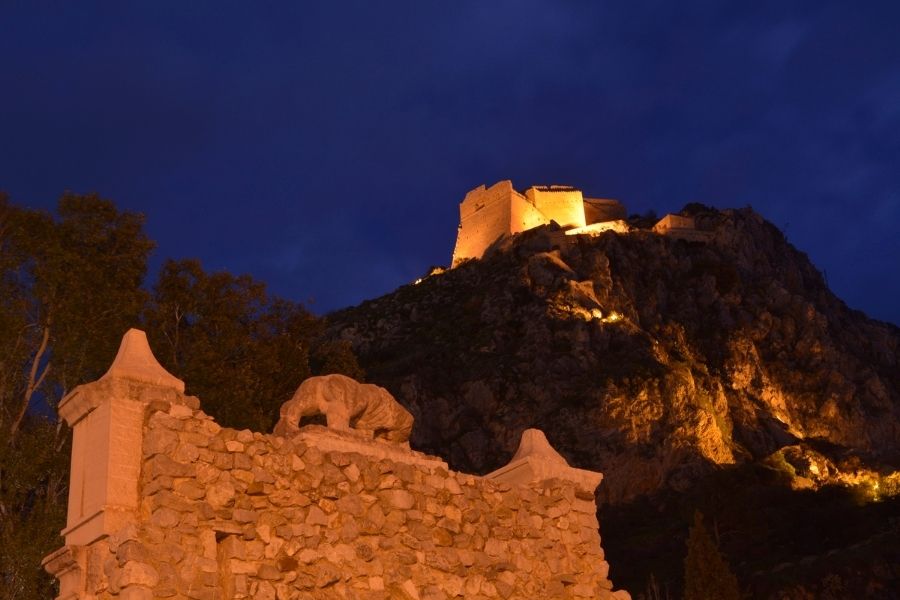
If you want magical photos, aim for the golden hour right after sunrise. The soft light makes the old town glow.
Late afternoons give you dramatic shadows and rich colors, but you’ll probably find more people up there. I’d say arrive around 8:00 AM when the fortress opens for the best shot at empty views.
Wide-angle lenses capture the sweeping coastline best. Bring a zoom lens too, if you want close-ups of boats or cool details in the old town.
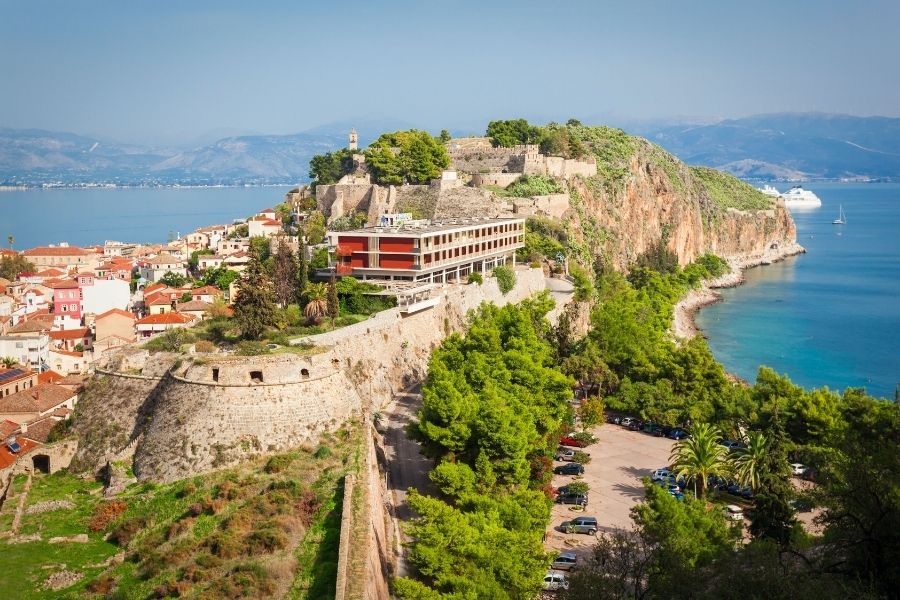
A polarizing filter helps cut glare off the water and really brings out those deep blues. If your camera has HDR mode, use it—the contrast between the bright sky and shadowy fortress can be tricky.
Essential Planning: Getting There, Around, and Staying in Nafplio
Planning a Nafplio trip takes a bit of effort, especially if you’re eyeing those 999 steps. The good news? The town is easy to reach and has plenty of places to stay, no matter your budget.
Closest Airports and How to Reach Nafplio
Athens International Airport is the main entry point, about 140 kilometers (87 miles) from Nafplio. I grabbed a rental car at the airport, and the drive took me about two hours on a smooth highway.
Not into driving? KTEL buses run from Athens to Nafplio (about €15-20 one-way) several times a day. The ride takes around 2.5 hours. Bus times change seasonally, so check the KTEL site before you go.
Private transfers from the airport start at about €120. It’s pricier, but you avoid the hassle of public transport after a long flight.
Kalamata Airport is another option, especially in summer when more flights land there. The distance is similar, but the drive is a bit slower and more scenic.
Public Transport, Car Rental, and Guided Tour Options
Nafplio’s historic center is super walkable. I spent most of my time wandering the narrow streets and the waterfront on foot.
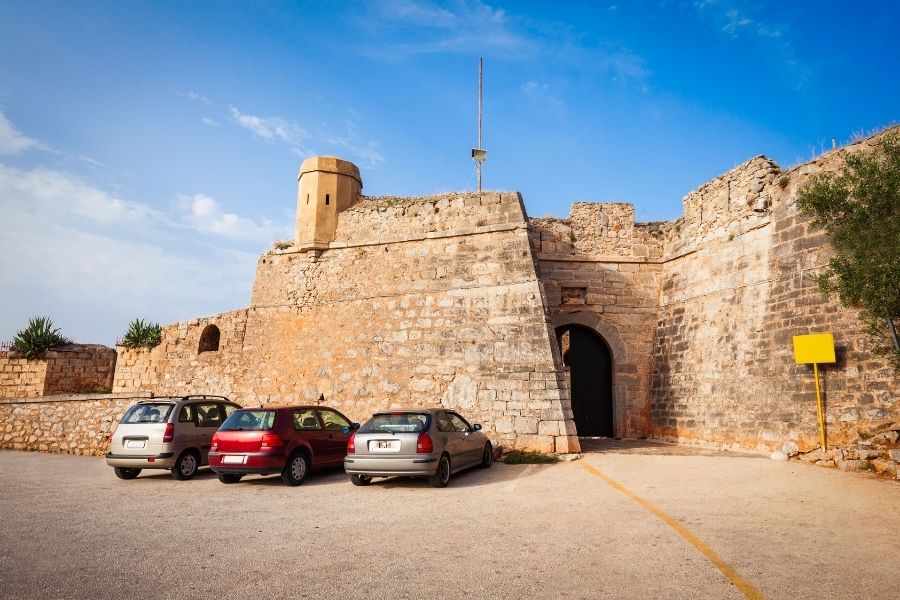
For Palamidi Fortress, you can either tackle the steps or drive up.
Local buses run to beaches and nearby spots like Tolo and Epidaurus, costing €1.80–4 depending on distance.
There are plenty of car rental agencies in town, with prices from €30–40 a day. I found having a car handy for exploring the wider Peloponnese at my own pace.
Guided tours are easy to find:
- Half-day Nafplio walking tours (€25–40)
- Full-day Peloponnese trips with Epidaurus and Mycenae (€80–120)
- Food and wine tours (€60–90)
Taxis are everywhere for short trips, usually €5–8 within town.
Where to Stay: Hotels, Resorts, and Other Accommodations
Nafplio has places to stay for every wallet. I picked a boutique hotel in the Old Town—neoclassical charm, rooftop breakfast with a fortress view, and about €90 a night.
On a budget?
- Pension Acronafplia (€40–60/night)
- Hotel Victoria (€50–70/night)
- Hostels with dorm beds from €25
Mid-range options:
- Amfitriti Palazzo (€80–120/night)
- Nafplia Palace Hotel (€100–150/night)
- Xenon Inn (€75–110/night)
Feeling fancy?
- 3Sixty Hotel & Suites (€150–250/night)
- Nafplio Palace (€180–300/night)
- Amphitryon Hotel (€200–350/night)
For families, apartments or suites with kitchenettes make life easier. Staying a bit outside the Old Town often means better prices and easier parking.
High season (June–September) drives prices up by 30–50%, so booking early is smart.
Entry Requirements and Safety Tips
Greece sits in the Schengen Area, so travelers from many countries can just show up and stay visa-free for up to 90 days. I only brought my passport, but it needed to be valid for at least three months after I left.
Nafplio feels like one of the safest spots in Greece. Still, I kept an eye on my camera when I climbed up to the fortress.
A few practical safety tips:
- Those 999 steps get pretty slippery after rain—good shoes are a must.
- Bring lots of water for the climb, especially in summer when it gets well over 30°C (86°F).
- Try to start the climb early or later in the day to dodge that midday heat.
- Keep your valuables close, even though petty crime isn’t really a problem here.
- Travel insurance that covers medical emergencies? Definitely worth it.
When I visited, the Palamidi Fortress entrance cost €8. Seniors and students got a discount.
Opening hours change with the seasons. In summer, it’s usually 8:00-20:00, but in winter, it closes much earlier, around 15:00.
More to Explore: Tasting, Touring, and Experiencing the Peloponnese
The Peloponnese region packs in more than just Nafplio’s famous fortress. You’ll find ancient ruins, amazing food, and some gorgeous seaside escapes. It’s wild how much variety fits into this one peninsula.
Nearby Archaeological Sites: Mycenae, Epidaurus, and Ancient Corinth
Mycenae really stunned me with its massive stone Lion Gate, standing guard since 1250 BCE. Walking past the tombs and the House of Atreus, I felt like I’d stepped into one of Homer’s stories. Plan for at least a couple of hours here if you can.
Epidaurus Theater is just a short drive from Nafplio—maybe 30 minutes. The acoustics are unreal; I actually heard a coin drop from way up top. Right next door, the old healing sanctuary shows off some surprising ancient medical ideas.
Ancient Corinth gives you a different vibe, with a lot more Roman influence. The Temple of Apollo stands tall, its columns framing the hills in the distance. If you like artifacts, the Archaeological Museum nearby has some real treasures, like the Corinth sphinx.
You can get to all these sites easily by rental car, or just hop on a guided tour from Nafplio. They make for great day trips, honestly.
Food, Wine, and Local Culture Experiences
Let’s talk about the food. I loved moussaka and fresh seafood from the seaside tavernas, but the local specialties are where things get interesting. Kalamata olives from nearby groves? Nothing else compares.
Nemea’s vineyards blew me away, especially the bold Agiorgitiko reds. I joined a tasting at a few small, family-run wineries. The owners poured the wine themselves and chatted about what made each vintage special.
Local markets are a sensory overload in the best way. I wandered through stalls of honey, herbs, and handmade goods, swapping stories with the vendors. The pottery here isn’t just pretty—it’s actually useful, so I brought a piece home.
Don’t skip galaktoboureko (that’s a custard pastry) with Greek coffee in a traditional kafenio. Locals hang out here, and it’s the perfect spot to soak up real Peloponnesian culture.
Day Trips: Vineyards, Beaches, and Islands
The Peloponnese coastline really surprised me with its gorgeous beaches and clear water. One afternoon, I headed to Tolo Beach—just a quick 15-minute drive from Nafplio.
I swam for hours and grabbed some grilled fish at a little taverna right by the sand. Honestly, I could’ve stayed there all day.
If you’re itching for island vibes, the Saronic Gulf islands are perfect for a quick escape. I hopped on an early ferry to Poros.
Once I got there, I rented a scooter and zipped around looking for quiet coves. Lunch with a view of yachts in the harbor felt pretty dreamy.
Aegina’s another easy day trip. The Temple of Aphaia sits on a hill, and the island’s famous pistachios are everywhere.
The ferry ride over is half the fun—sea breeze, coastline views, and that feeling you’re really getting away.
Wine lovers, don’t skip the Nemea region. Locals call it Greece’s Napa Valley, and honestly, it lives up to the hype.
I visited a few wineries where they paired tastings with local cheeses. The rolling vineyards stretch out for miles, and it’s hard not to keep snapping photos.
