
Coimbra, Portugal is where music and history blend, alive with ancient traditions and academic spirit. As I wandered its narrow streets along the Mondego River, the echoes of centuries seemed to linger from sunlit plazas to the storied university courtyards. This place quickly unfolded layer after layer of culture you just can’t find anywhere else in Portugal.
My trip to Coimbra pulled me off the usual tourist path. I spent time in the halls of the oldest university in the country, listened to Fado music drifting through the night, and found that every corner had its own story to tell.
Each day, I found a new reason to love this city. Coimbra feels perfect for anyone craving something authentic and steeped in tradition.
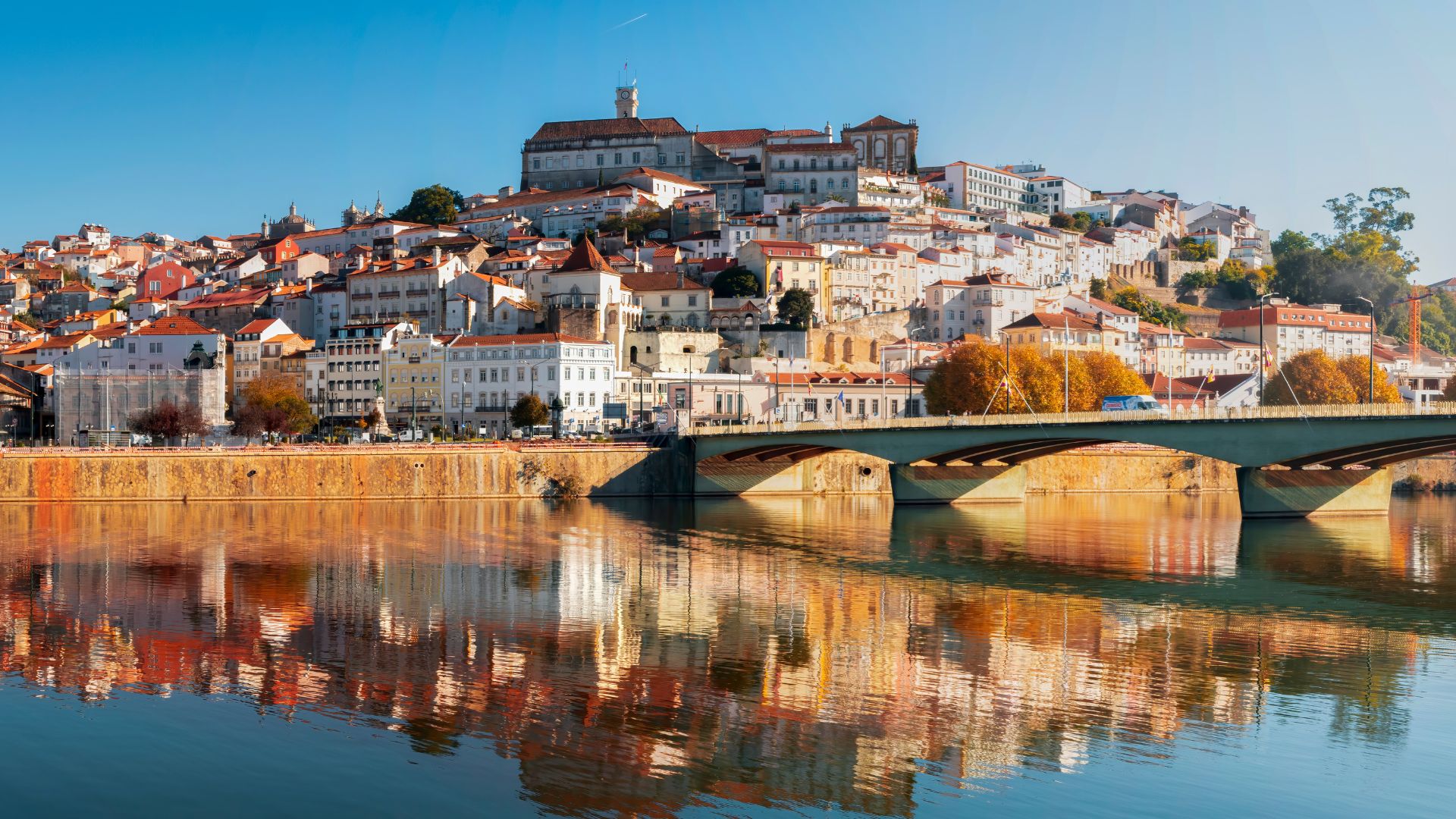
A Scholar’s Haven: Exploring the University of Coimbra
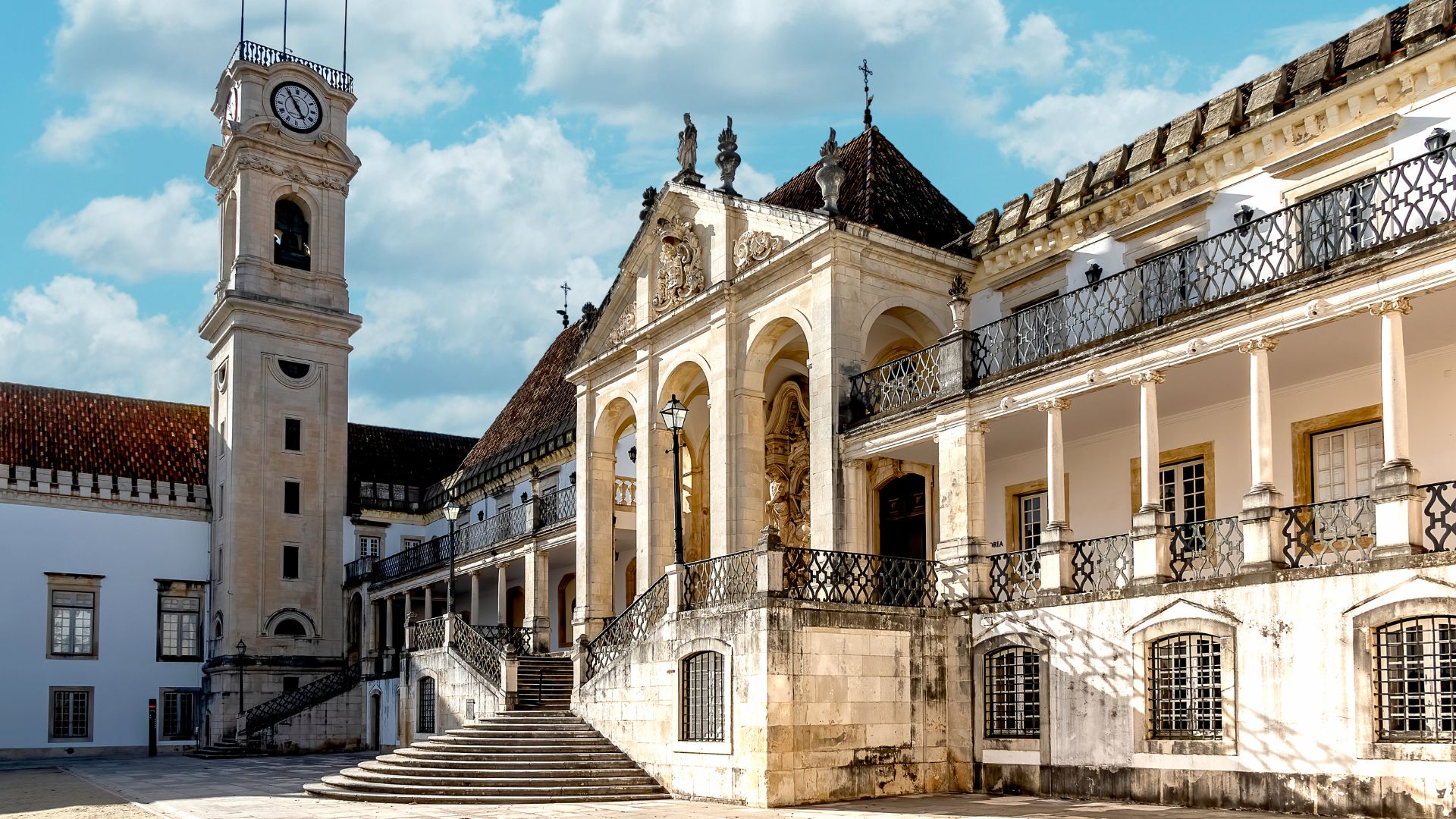
The University rises above the city like a fortress of knowledge. I wandered through its historic heart, passing grand libraries and ancient towers.
Everywhere I looked, I felt the weight of centuries of learning, music, and tradition.
The Legacy of Portugal’s Oldest University
The University of Coimbra, founded in 1290, counts as one of Europe’s oldest. Its beginnings were actually in Lisbon before it moved to Coimbra in 1537.
Now, the university stands as a UNESCO World Heritage Site, celebrated for its impact on both academic and national identity.
As I walked its grounds, the sense of history felt almost tangible. For over 700 years, scholars here have shaped the fields of law, science, and literature.
Stone archways and bustling courtyards seem to whisper tales of all those who came before, chasing knowledge. The university isn’t just a place to study—it’s stitched right into Coimbra’s culture and daily life.
I’m amazed that traditions and ceremonies from centuries ago still matter here today. This university remains a living symbol of Portugal’s commitment to learning and heritage.
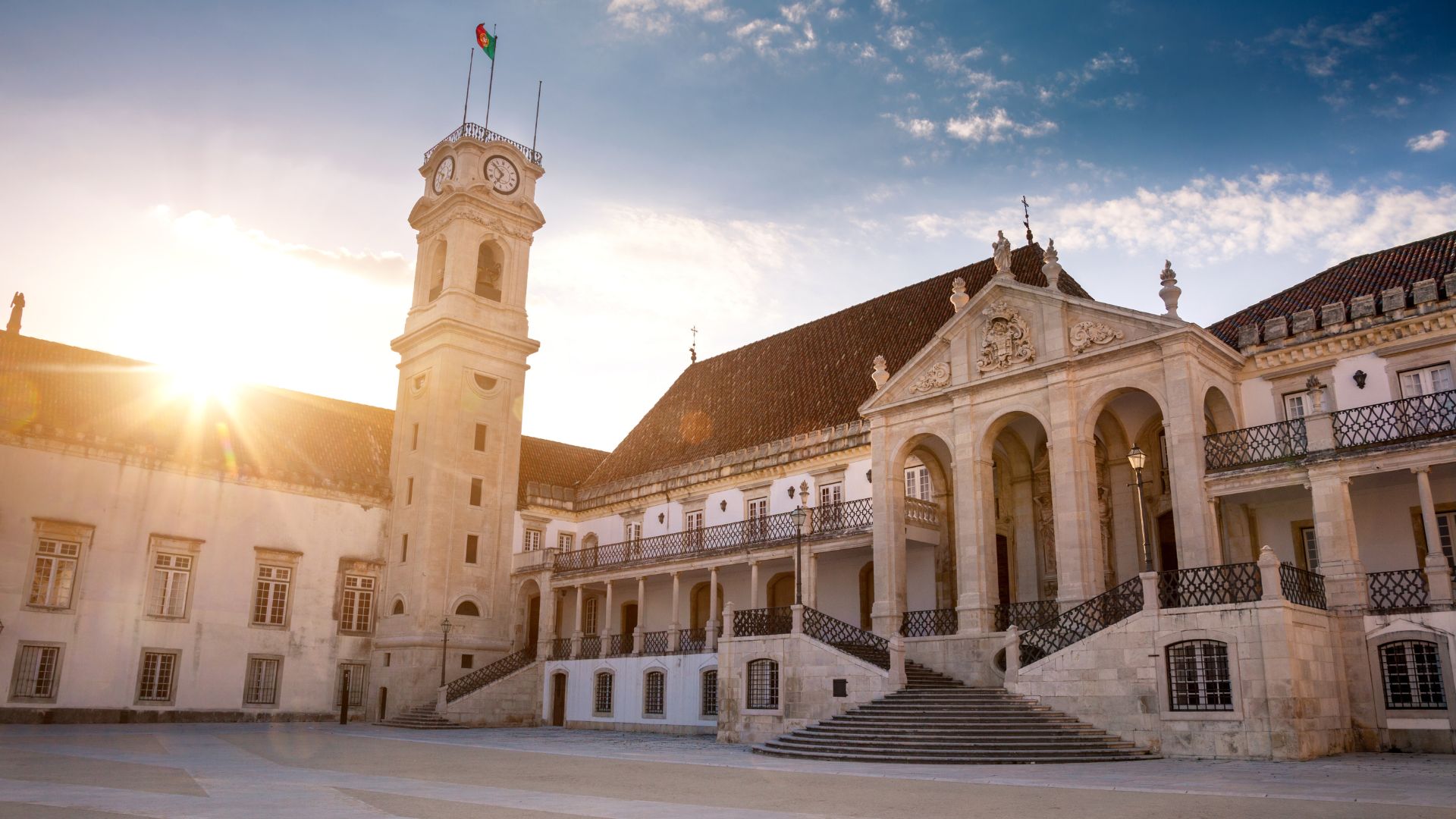
The Majestic Joanina Library and Baroque Splendor
The Joanina Library absolutely floored me the moment I stepped inside. Built in the early 1700s and named for King João V, it’s a Baroque masterpiece.
Three grand rooms, dark wood shelves, gold details, and painted ceilings create a space that feels almost sacred.
Over 60,000 antique volumes fill the walls, some dating back to the 1500s. The smell of old parchment and the sight of delicate manuscripts put history right in your hands.
A quirky detail? Bats live here at night, eating insects and protecting the books—a tradition that’s still alive.
Photography isn’t really allowed, and silence is a must. This isn’t just a tourist spot; it’s a living monument to centuries of scholarship and craftsmanship.
Joanina Library Highlights
| Feature | Details |
|---|---|
| Built | Early 1700s (Baroque style) |
| Named After | King João V |
| Book Collection | 60,000+ volumes |
| Notable | Bat colony for book protection |
| UNESCO Status | Part of the World Heritage listing |

Architectural Icons: Towers, Academic Prison, and Sé Velha
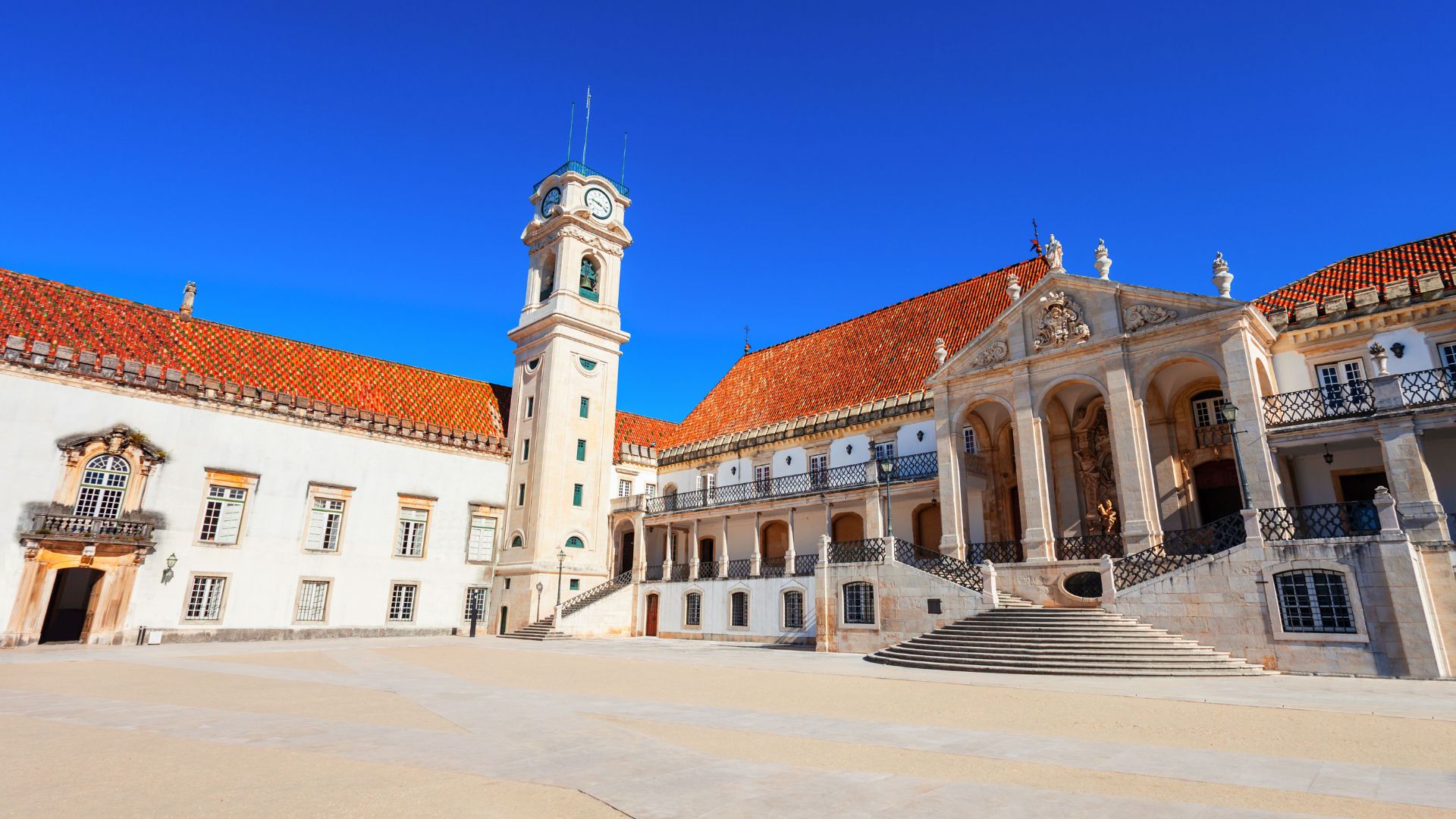
The University Tower stands out, rising high above the city. I climbed its narrow, winding stairs and got rewarded with sweeping views over Coimbra and the Mondego River.
The bells still ring, just like they did centuries ago to mark exam times. It’s a small thing, but it connects you to the past.
Hidden beneath these scholarly halls, there’s the Academic Prison. Not every traveler finds it.
In the past, the university actually put students here for breaking minor rules. Inside, I tried to imagine the stories of mischief and discipline that played out in this tiny cell.
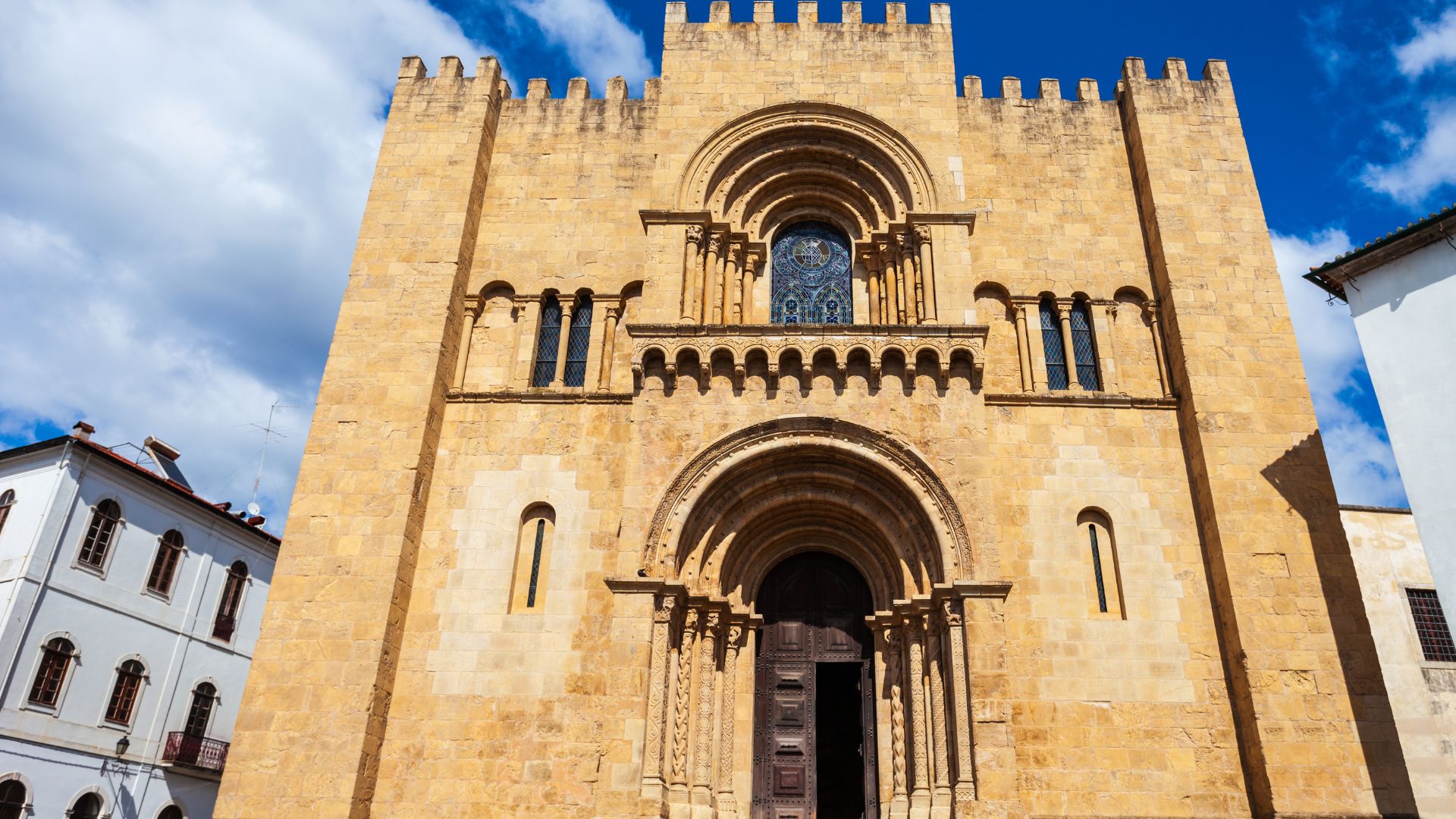
Nearby, the Sé Velha—or Old Cathedral—shows off thick Romanesque walls and a fortress-like design. Unlike other Portuguese cathedrals, Sé Velha feels sturdy and simple, built for faith and defense.
I spent a few quiet moments inside, just soaking up the cool air and the medieval atmosphere.
Don’t miss:
- University Tower climb for city views
- Step inside the Academic Prison for a glimpse into student discipline
- Visit Sé Velha for its Romanesque architecture and tranquil vibe
Academic Traditions and Black Capes
Coimbra University’s traditions are some of the most memorable I’ve seen. Students wear black capes—trajes académicos—a look that sets them apart all over campus and the city.
This formal, almost ceremonial style represents unity and academic pride.
One custom that really caught my attention is “praxe,” where older students welcome newcomers with songs, games, and formal greetings. These rituals build bonds and create memories that last long after graduation.
At the end of the academic year, graduating students decorate their capes with ribbons from friends and family. The colors and messages on those ribbons tell stories of achievements, friendships, and dreams.
- Traje académico: black cape, suit, and tie
- Praxe rituals: welcomes, songs, and celebration
- Ribbon tradition: capes adorned with personal messages
I kept spotting students in their capes as I wandered. It’s a detail that brings the city’s history to life, right in front of you.
Enchanting Traditions: Fado de Coimbra and Student Rituals
Coimbra’s spirit pulses through its music, streets, and student celebrations. As I wandered the old university town, I felt the heartbeat of traditions passed down for generations.
Fado de Coimbra: Songs of the Soul
At sunset, I heard the haunting sound of Fado de Coimbra echoing through cobbled lanes. This style, unique to the city, is sung mostly by male students in dark academic capes.
Unlike Lisbon’s fado, which you’ll find in taverns, Fado de Coimbra happens outdoors as a serenade.
The songs focus on love, longing, and the beauty of student life. The “guitarra de Coimbra” gives the music its deep, melancholic sound.
Sometimes, the lyrics are actually poems by famous Portuguese writers and university alumni.
Hearing the music near the Porta Férrea, I felt a real connection to Coimbra’s past. Locals and students gather at night—sometimes by the river, sometimes beneath ancient arches—sharing music and maybe a glass of port wine.
Key Experience Highlights:
- Outdoor serenades near the university
- Traditional student attire
- Unique guitar tuning and style
A Night of Melody: Experiencing Coimbra’s Nightlife
Coimbra’s nightlife moves to a different beat than Lisbon or Porto. Student bars fill the narrow alleys, tucked behind old stone walls.
The night usually starts slow, with a glass of port wine as students and friends gather.
By midnight, things shift. Spontaneous guitar performances break out, and it’s easy to get swept up in the energy.
Friends from the University of Coimbra often invite visitors into their social clubs, sharing stories and laughter.
There’s a warmth here I haven’t found elsewhere. Locals welcomed me in, even though I was just visiting.
Whether I was listening to fado in a candle-lit courtyard or joining a toast, every night in Coimbra felt special.
Practical Tips:
- Many fado performances are free and open-air
- Try local port wine—it’s a student favorite
- Respect the quiet during live serenades
Queima das Fitas: Colors, Memories, and Academic Pride
In spring, Queima das Fitas—the “burning of the ribbons”—takes over the city. This festival is the highlight of the academic year for university students.
Each faculty wears different colored ribbons on their black capes.
The celebration lasts a week, with parades, concerts, fado, and, of course, plenty of port wine. I watched groups march through the streets, waving banners and singing songs they’d known since their first year.
One night, I joined a crowd at the riverbank for the grand serenade. The emotion was intense as hundreds of students sang together under the stars.
This festival marks both an ending and a new beginning, tying together music, memories, and Coimbra’s unique culture.
Event Highlights Table:
| Tradition | When | What to Expect |
|---|---|---|
| Queima das Fitas | May (Spring) | Parades, fado, burning ribbons |
| Fado Serenades | Year-round | Nightly performances, guitars |
| Nightlife | All week | Bars, social clubs, live music |
Timeless Landmarks and the River’s Embrace
Coimbra’s history comes alive as I walk its grounds. From grand architecture to quiet riversides, every spot holds stories and secrets.
Monumental Heritage: Royal Palace, Saint Michael’s Chapel, and More
Inside the University sits the Royal Palace, a symbol of both power and learning. Portuguese monarchs once walked these stone halls.
Sunlight pours through arched windows, casting patterns on the old floors.
St. Michael’s Chapel is just steps away. Blue and gold tiles cover the walls, and the carved wood altar glows in the soft light.
I remember feeling a hush as I walked beneath the painted ceiling, hearing echoes of music from long ago.
Nearby, the Joanina Library stands out with its baroque woodwork and ancient books. The faint smell of old paper lingers.
It’s easy to picture scholars from centuries past, lost in thought. Every room feels like it’s whispering stories to those who listen.
Botanical Garden and the Whispering Mondego River
A short walk from the university brought me to the Botanical Garden. Founded in the 18th century, it’s one of Europe’s oldest.
Shady paths wind beneath bamboo groves, and fountains bubble beside beds of exotic flowers.
I watched local students reading under giant palms. Benches face small ponds filled with lily pads and ducks.
The garden feels peaceful—a green retreat right in the city.
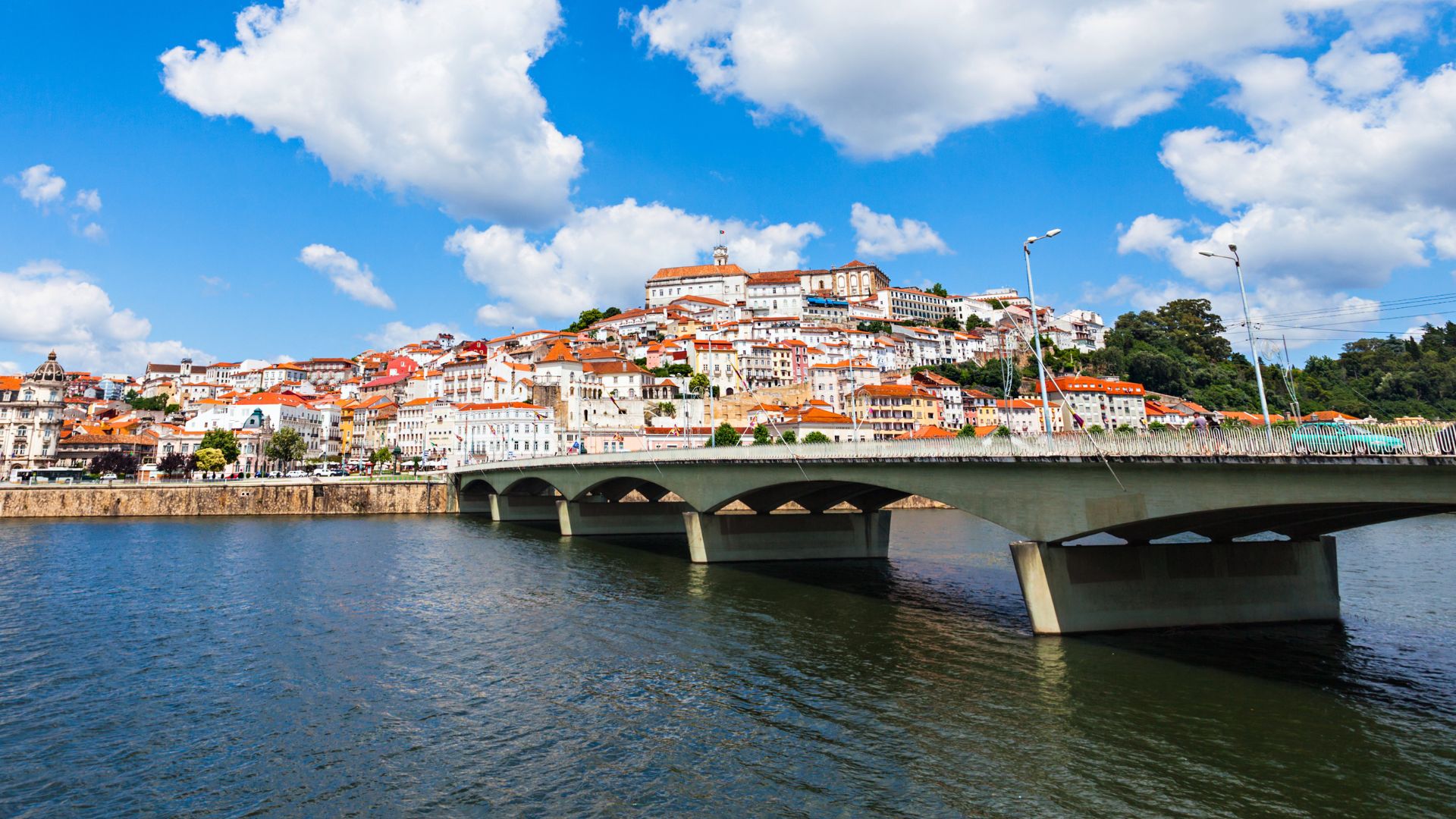
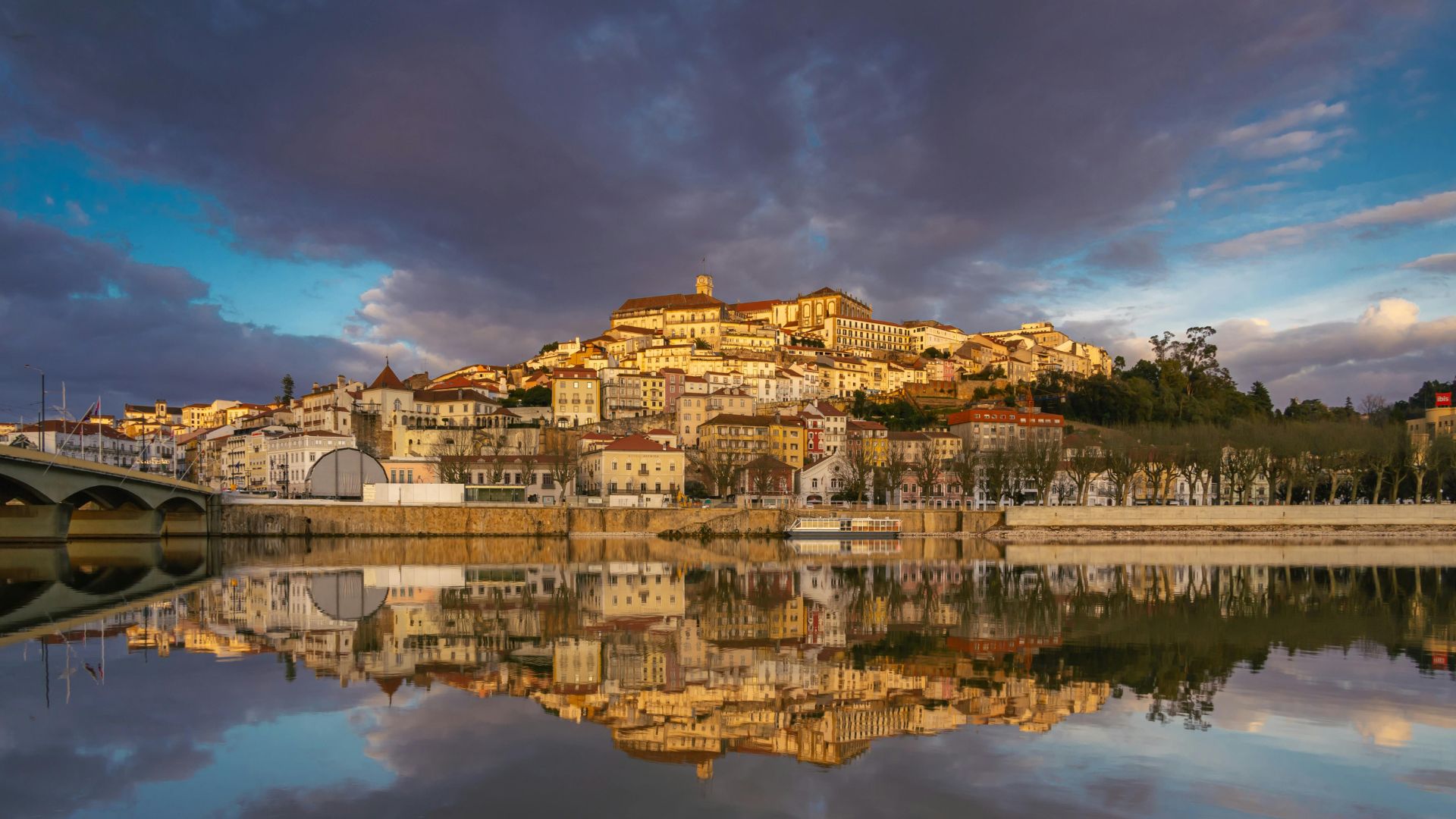
Below, the Mondego River glides by, wide and calm. Old stone bridges cross its gentle flow, linking the city’s hills.
At sunset, the water turns gold and pink. River cruises and outdoor cafés line the banks, giving you a place to relax and take it all in.
Wandering the Medieval Streets and Arco de Almedina
In the heart of the city, Coimbra’s medieval streets twist and climb. Narrow cobblestone lanes wind up steep hills, lined with whitewashed houses and laundry waving from balconies.
I love wandering these streets early, before the crowds wake up.
Landmarks pop up at every turn. The Arco de Almedina, a Moorish-era stone gateway, stands tall at the city’s entrance.
Passing beneath it, I imagined travelers from long ago arriving with stories and news.
Small shops sell handmade crafts, pastries, and fado records. Every step reveals something from the past—worn door knockers, old signs, the sound of footsteps on stone.
Walking here feels like slipping back in time, surrounded by Coimbra’s enduring spirit.
History Beyond the University: Legends and Living Museums
Coimbra’s past is woven into its stones, lanes, and riverbanks. Each part of the city holds stories of monks, kings, lovers, and hidden treasures.
Monastery of Santa Cruz: Stories of Saints and Kings
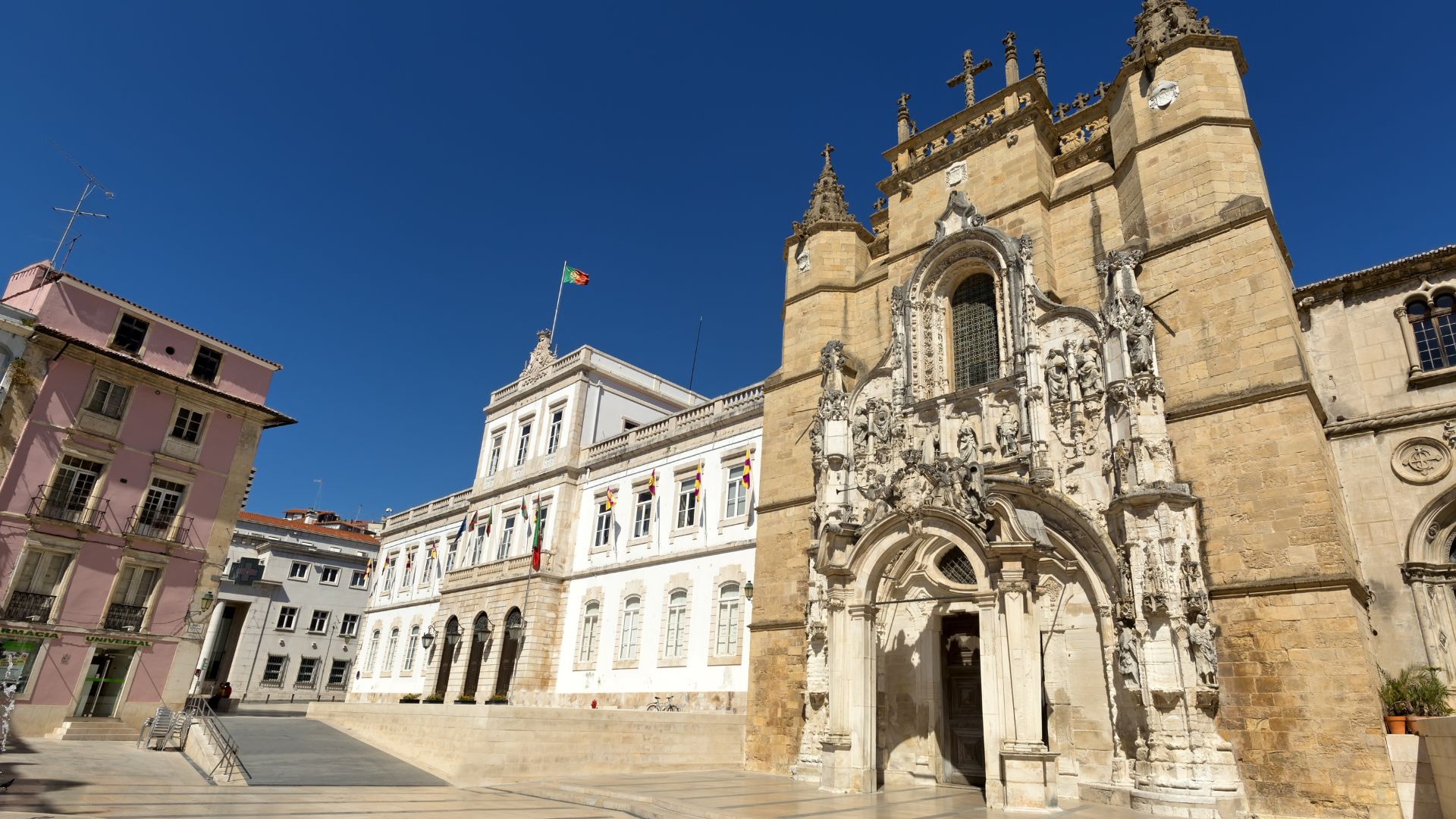
Stepping into the Monastery of Santa Cruz felt like opening a living history book. This 12th-century masterpiece sits right in the heart of Coimbra and holds the tombs of Portugal’s first two kings.
The mix of Romanesque and Manueline styles drew my eyes to the tiles and carved arches. Behind its grand façade, I found the tombs of Afonso Henriques and his son Sancho I—names you’ll hear in legends all over Portugal.
Visitors can wander through cloisters, chapels, and rooms filled with sacred art. I especially liked learning about Saint Isabel, a queen who became a saint for her acts of charity.
The soft echoes of choral music and flickering candlelight made Santa Cruz feel timeless.
Forbidden Love: The Tale of King D. Pedro and Inês de Castro
Coimbra overflows with romance, but honestly, nothing grabs you quite like the story of King D. Pedro and Inês de Castro. Their love was legendary—and, well, heartbreakingly tragic.
Pedro, next in line for the throne, fell madly for Inês, who served as his wife’s lady-in-waiting. Their relationship crossed every line at court and set off a scandal.
Pedro’s father, King Afonso IV, ordered Inês’s murder. Things only got wilder after Pedro took the throne—he supposedly had Inês’s body dug up and crowned Queen, even though she was long gone.
I kept bumping into reminders of their story in Coimbra’s parks and the old palace ruins. The Quinta das Lágrimas estate, in particular, felt steeped in their legend.
Their tale shaped Portuguese folklore and even influenced Fado music. If you’re into history or romance, you’ll feel their story come alive as you wander these places.
Treasures of Art and Archeology: Machado de Castro Museum
Visiting the Machado de Castro Museum really stood out during my time in Coimbra. The museum sits in a former bishop’s palace, right above a massive Roman cryptoporticus—a vaulted gallery you can actually walk through, imagining all the layers of history beneath your feet.
The collection brings together Portuguese sculpture, Medieval and Renaissance paintings, and sacred relics. Seeing Roman mosaics and intricate woodwork up close gave me a real sense of Coimbra’s artistic legacy.
I’d linger over the unique artifacts from churches and monasteries—they’re worth your time. The museum also hosts temporary exhibitions; I caught one with beautiful ceramics and jewelry. The terrace view over the city? Absolutely stunning. Perfect for a photo or just catching your breath.
Ancient Ruins and Schist Villages: Conímbriga and Beyond
Just outside Coimbra, you’ll find the ruins of Conímbriga, one of Portugal’s biggest and best-preserved Roman sites. I wandered along mosaic pathways, passing old bathhouses, sprawling villas, and what’s left of the forum.
Conímbriga’s mosaics tell stories—hunting scenes, geometric shapes, and mythical creatures pop up everywhere you look. The on-site museum shows how everyday Romans lived, traded, and worshiped.
When I drove deeper into the countryside, I discovered stone-built schist villages that felt frozen in time. Places like Talasnal and Cerdeira, with their narrow lanes and slate roofs, seemed hidden from the modern world.
Locals here still weave, make cheese, and keep old crafts alive. Exploring these villages gave me a taste of Portugal’s rural traditions and the warmth of its people.
Savoring Coimbra: Culinary Traditions and Local Experiences
Coimbra’s food scene tells its own story—a mix of old traditions, bold flavors, and a few surprises. My time here opened my eyes (and taste buds) to hearty local dishes, distinctive wines, and the kind of adventures you remember long after the meal ends.
Regional Flavors: Chanfana, Leitão, and Bacalhau
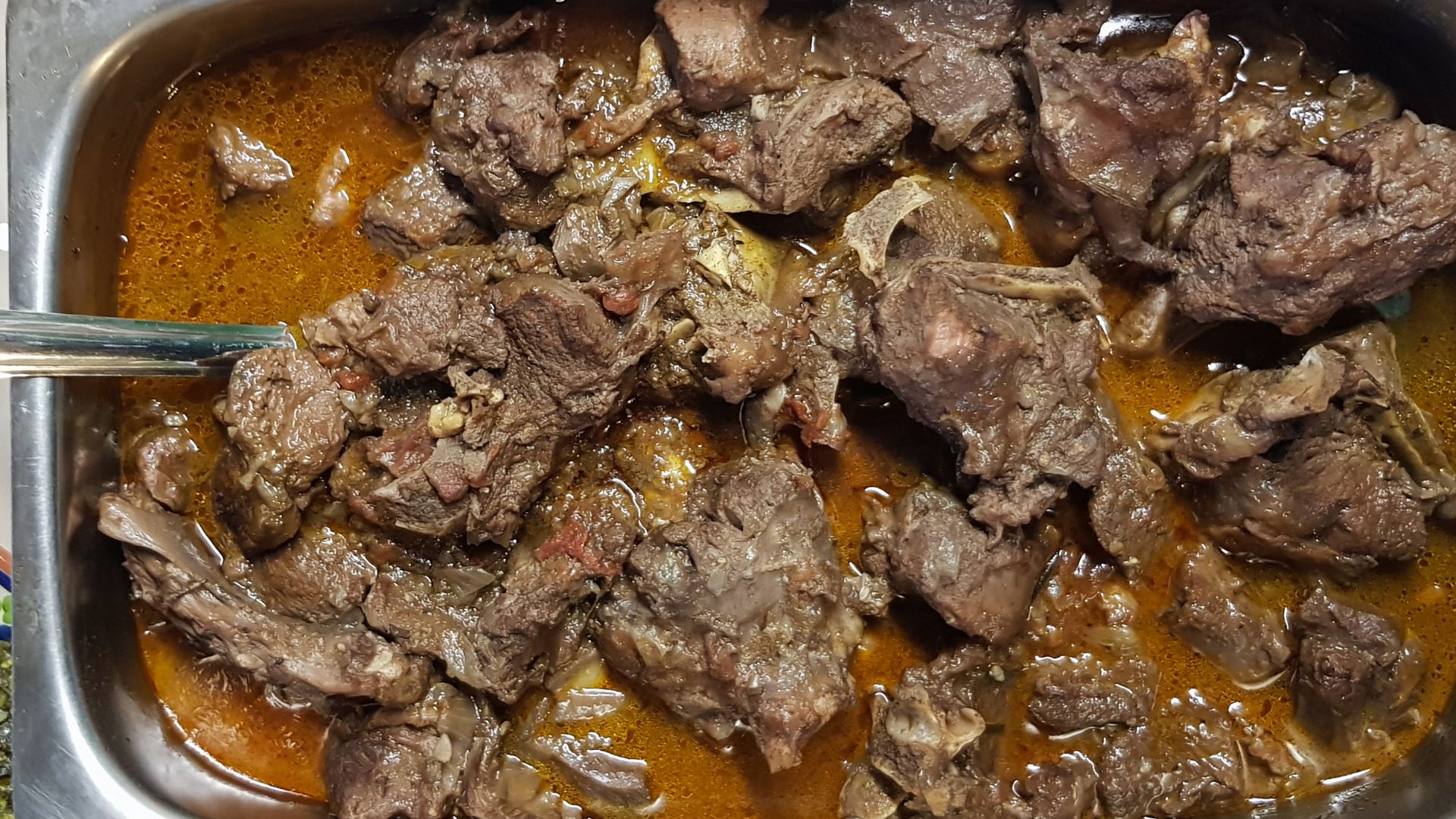
When I walked into a Coimbra tavern, the smell of chanfana—goat slow-cooked in red wine—hit me right away. The meat, rich and tender, comes from recipes families have passed down forever.
Another standout is leitão da Bairrada, or roast suckling pig. Locals serve it crisp-skinned, seasoned with garlic and herbs, sometimes with orange slices and homemade chips. Every bite is a burst of flavor.
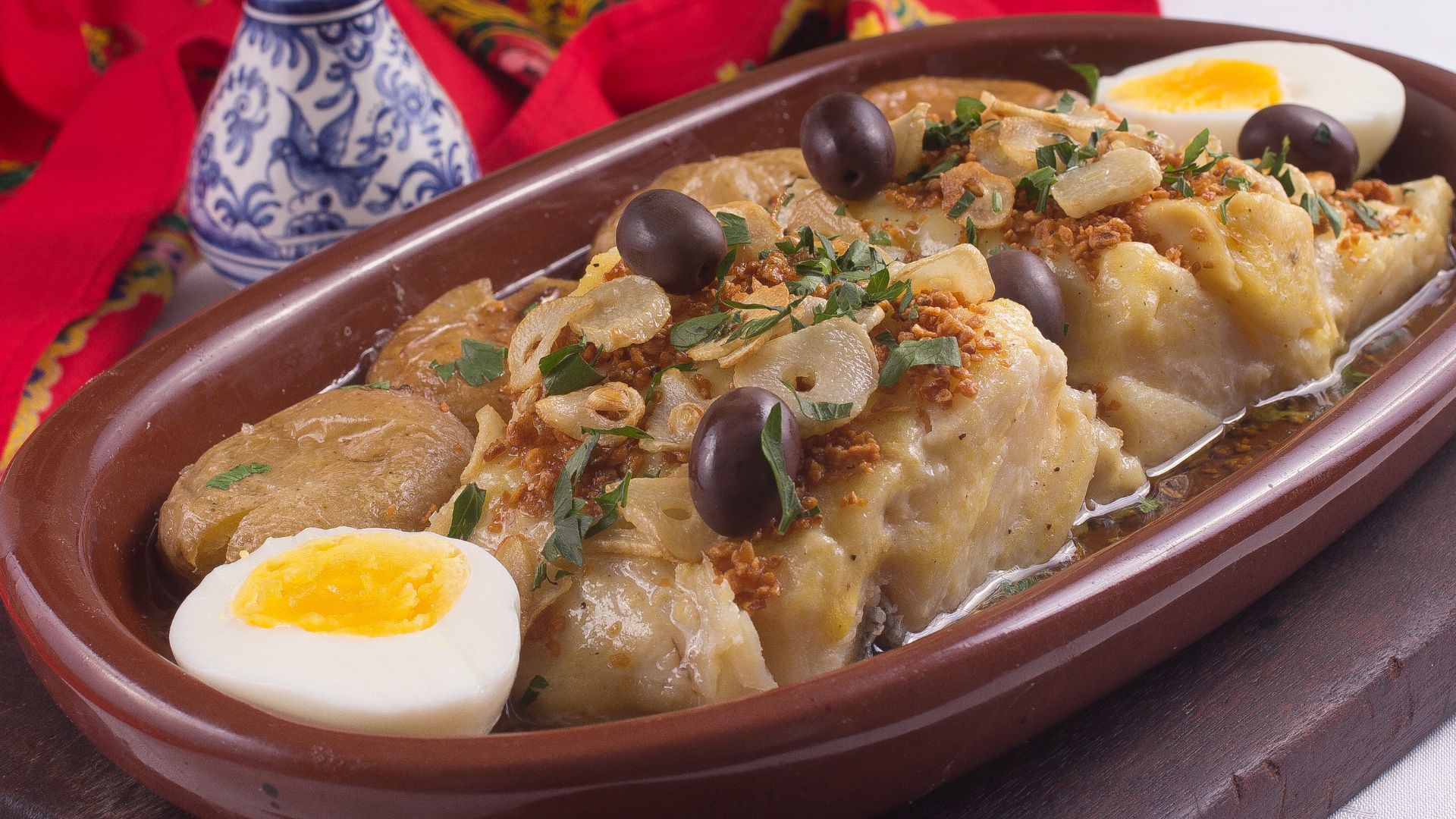
Bacalhau (salted cod) shows up on nearly every menu, often “à lagareiro,” roasted with potatoes and drenched in olive oil. In Coimbra, they always brought fresh bread alongside. I loved how every meal felt like a little piece of Portuguese history.
Must-Try Dishes Table
| Dish | Main Ingredients | Why Try It? |
|---|---|---|
| Chanfana | Goat, red wine, garlic | Classic, rustic flavor |
| Leitão | Suckling pig, spices | Iconic local specialty |
| Bacalhau | Salted cod, potatoes | National favorite, many styles |
Raise a Glass: Port Wine and Local Delicacies
You can’t really visit Coimbra without tasting the wine. In tiny city taverns, locals and travelers sip ruby port and Bairrada wine—the Bairrada reds, made nearby, go perfectly with roast meats.
One afternoon, I settled into a cozy wine bar and sampled port that was both sweet and bold. Pairing it with queijo de ovelha (sheep’s cheese) and local olives made for a snack I won’t forget.
Whenever I ordered food, the staff always seemed happy to suggest a wine that matched. I’d also recommend stopping by one of Coimbra’s pastelarias for a pastel de nata and an espresso. These little moments made the city’s food scene feel special.
Family Adventures: Portugal dos Pequenitos
After a few days of good eating, I decided to check out Portugal dos Pequenitos. This miniature theme park, filled with scale models of Portugal’s landmarks, is a hit with families—but honestly, I had fun too.
I wandered between tiny castles and bridges, learning about regional architecture in a playful way. Kids dressed up in costumes, and parents relaxed in shaded picnic spots, grabbing snacks from local vendors.
Portugal dos Pequenitos offers hands-on activities and spaces to unwind. It’s a favorite family outing, but really, anyone can enjoy the sweets, the sun, and the lively atmosphere.
Planning Your Visit: Practical Tips and Itinerary Inspirations
Getting to Coimbra was easy, with straightforward connections from Lisbon and Porto. Where I stayed, how I explored Central Portugal, and the way I planned my days all shaped my experience in this city of Fado and tradition.
Where to Stay in Coimbra: Neighborhoods and Lodging
Picking the right neighborhood changed everything for me. The heart of Coimbra, called Baixa, puts you steps from the University, old cafés, and bustling squares. I found charming guesthouses and small hotels packed with local personality.
Up the hill, in the Alta district, historic university buildings and quieter streets made my nights peaceful. Some of the old buildings have turned into boutique inns with gorgeous city views.
If you’re on a budget, student-friendly hostels and traditional pensions line the river Mondego. Here’s a quick look at lodging options:
| Area | Best For | Vibe |
|---|---|---|
| Baixa | Easy sightseeing | Central, lively |
| Alta | History, calm | Academic, scenic |
| Riverfront | Budget, nightlife | Relaxed, local life |
I made sure to book ahead for spring. April to June gets busy in Central Portugal, thanks to the mild weather and all the university events.
Exploring Central Portugal and Surrounding Cities
Coimbra sits right between Lisbon and Porto, so both cities are just a train ride away. I loved how day trips to places like Aveiro, Tomar, and even the castle-filled region of Pena were easy with regional trains.
Staying in Coimbra let me find hidden corners of Central Portugal—Roman ruins, tiny vineyards, and quiet spots the crowds miss. Evenings brought Fado music in the city, while afternoons sometimes led me to old monasteries just outside town.
With regular buses and trains, I could always make it back to Coimbra by nightfall.
Crafting the Perfect Coimbra Itinerary
When I planned each day, I wanted a good mix of history, music, food, and enough time to just wander. I kicked things off at the UNESCO-listed University of Coimbra. If you’re into libraries, that Baroque one is a must—seriously, it’s stunning.
Most mornings, I’d either stroll through the Botanical Garden or head up to viewpoints like Penedo da Saudade. The views over the roofs and the river? They really make you pause.
For lunch, I usually grabbed something at a local spot near Praça da República. That always gave me a boost before diving into the medieval heart of Coimbra.
I squeezed in visits to convents and small museums, just following whatever caught my interest. Evenings felt best when spent at a live Fado show or just taking a slow walk by the Mondego.
If you’re thinking of trying something similar, here’s a simple outline:
- Day 1: University visit, library tour, garden stroll, Baixa street life
- Day 2: Day trip (Tomar, Aveiro, or Pena), Fado show at night
- Day 3: Riverfront walk, museum or convent, relaxed dinner in Alta
Letting my curiosity take the lead, I found that Coimbra moves at a gentle pace. Mixing city time with easy trips around Central Portugal felt just right.
