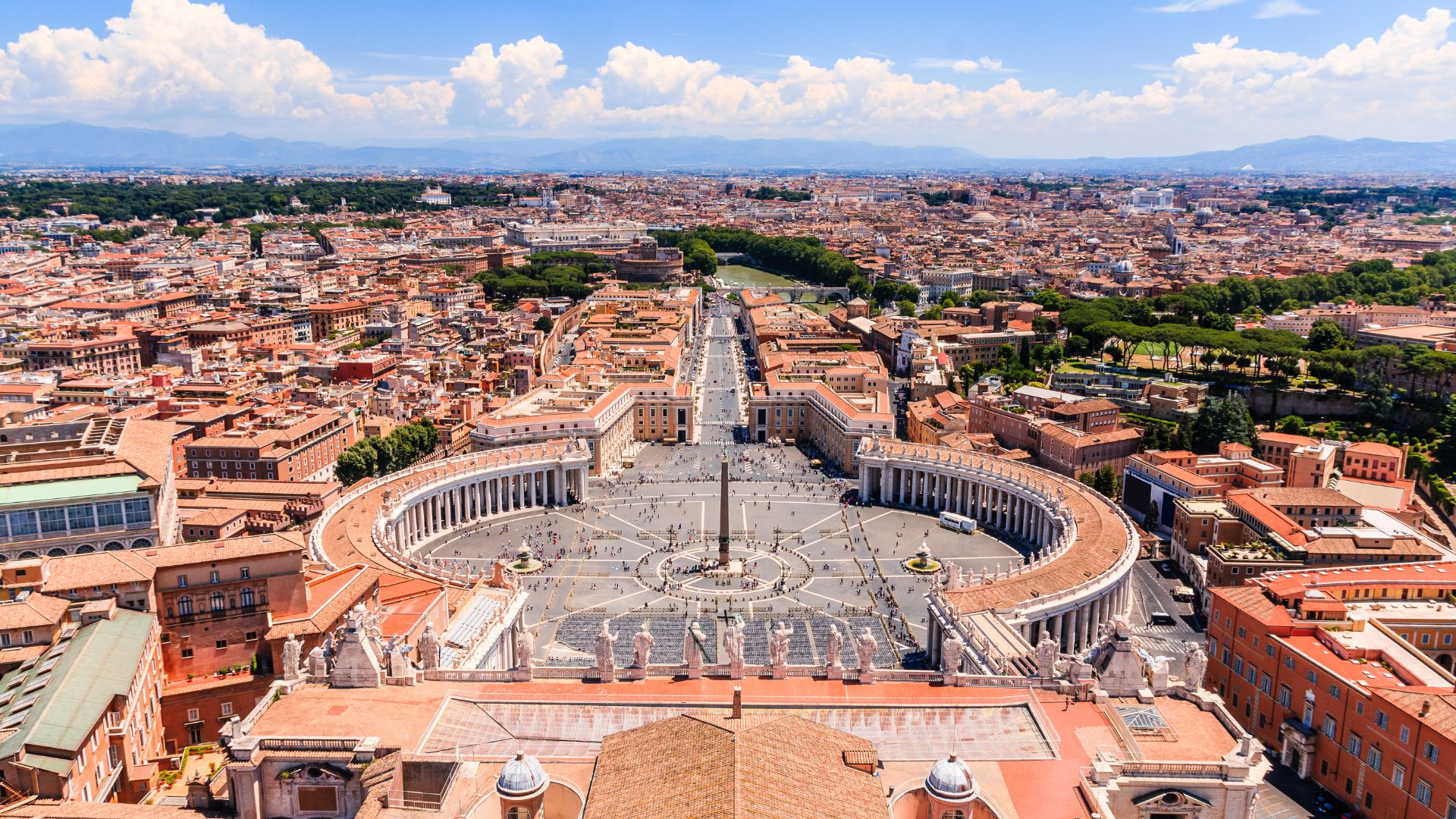
Standing in Vatican City and gazing up at St. Peter’s Basilica, I’m always struck by its magnificent dome – the crowning jewel of Rome’s skyline. This architectural marvel isn’t just beautiful from afar; it offers one of the most breathtaking views in Rome for those willing to climb it.
Climbing St. Peter’s Dome costs €8 if you take all 551 steps on foot, or you can pay a bit more to take the elevator part of the way.
The dome climb is an unforgettable experience that connects you to centuries of Christian faith and artistic brilliance.
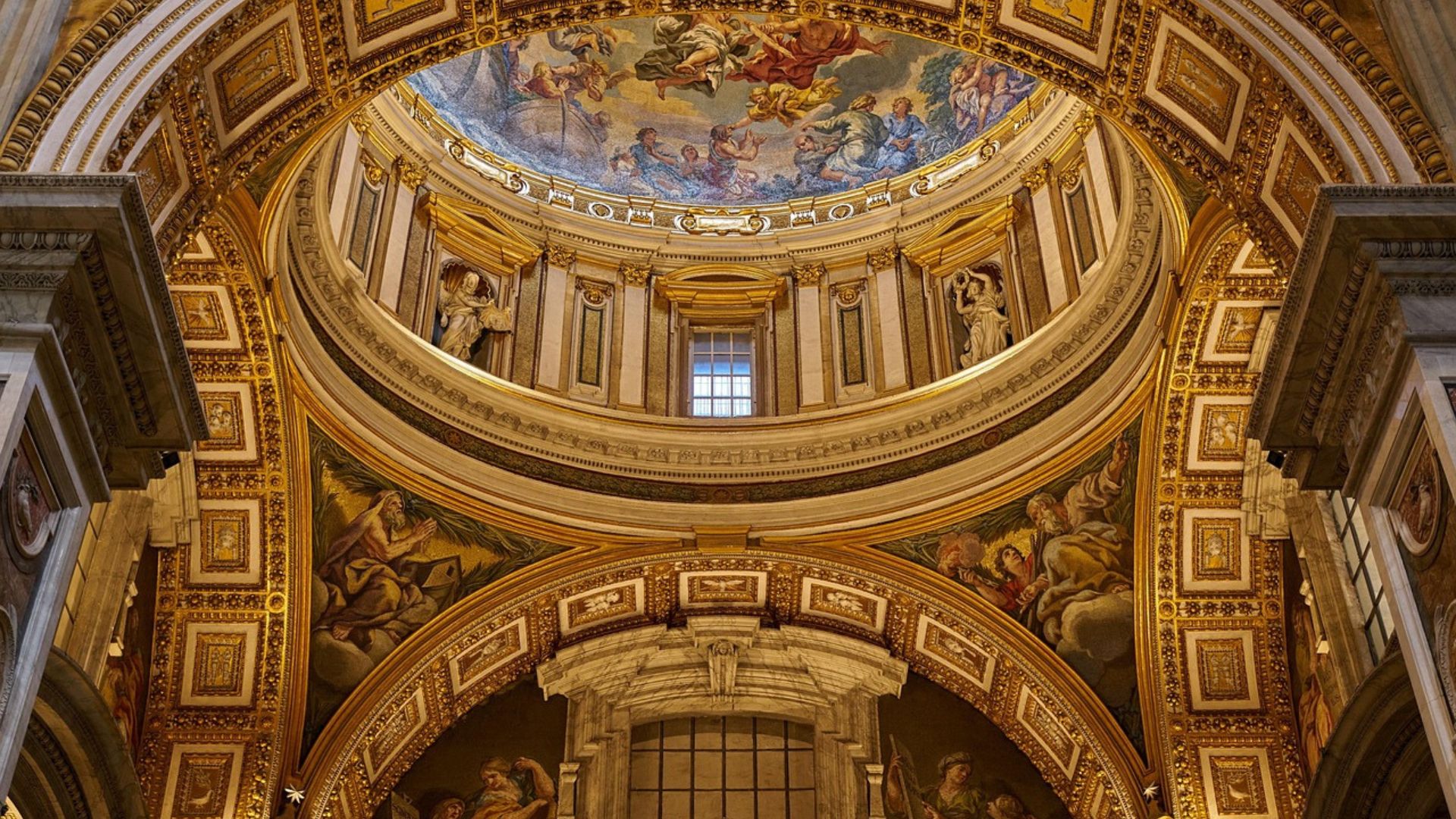
As you spiral upward through narrow passages, you’ll see intricate mosaics up close that are impossible to appreciate from the basilica floor. The journey isn’t for everyone – those with claustrophobia or mobility issues might struggle with the tight spaces and steep stairs.
What many visitors don’t realize is that tickets for the dome climb can’t be purchased online. You must buy them on-site at the basilica, which means planning your visit strategically to avoid the longest lines.
Early morning or late afternoon typically offers the best experience, allowing you to savor this Vatican treasure without feeling rushed.
History and Significance
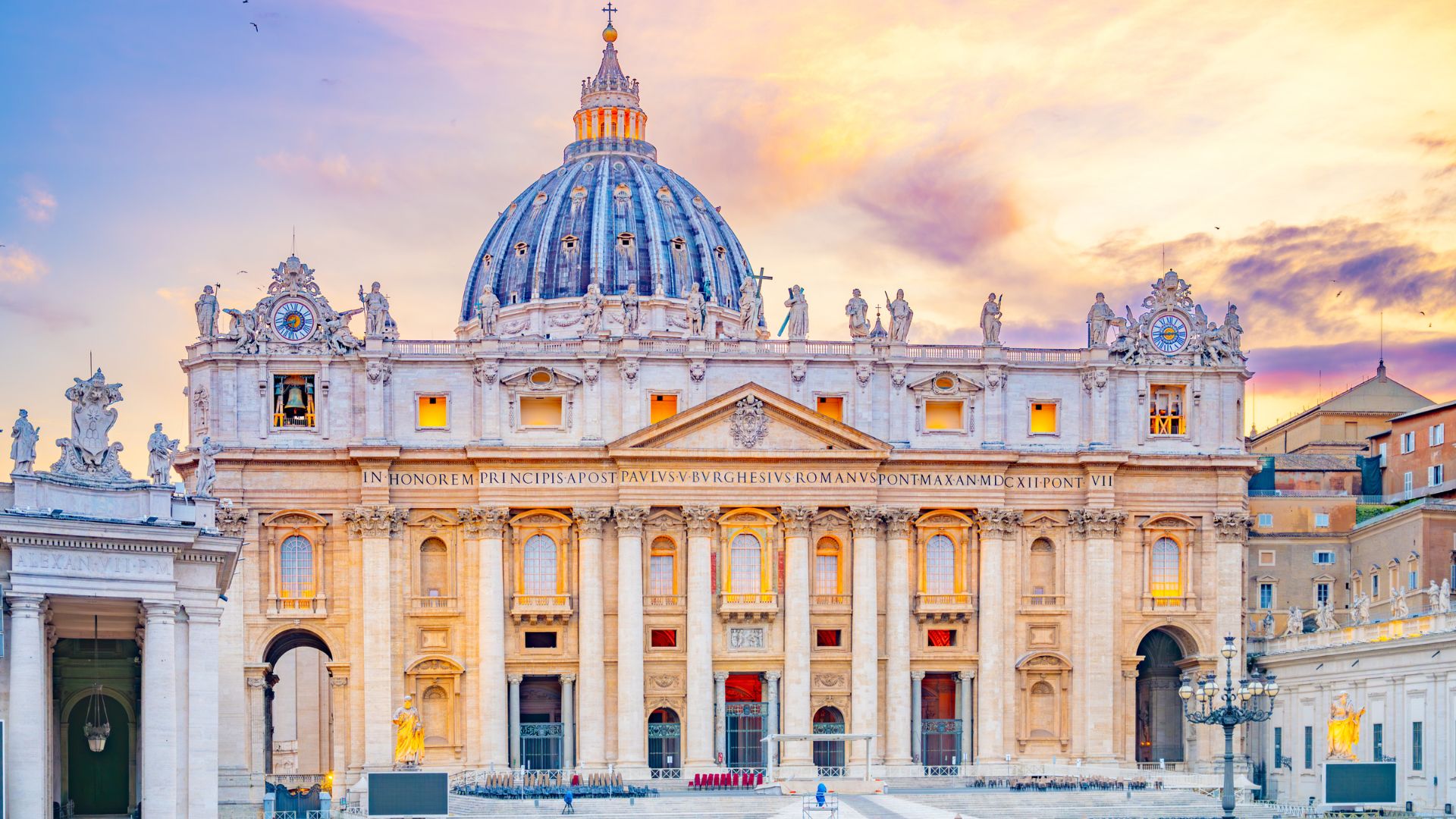
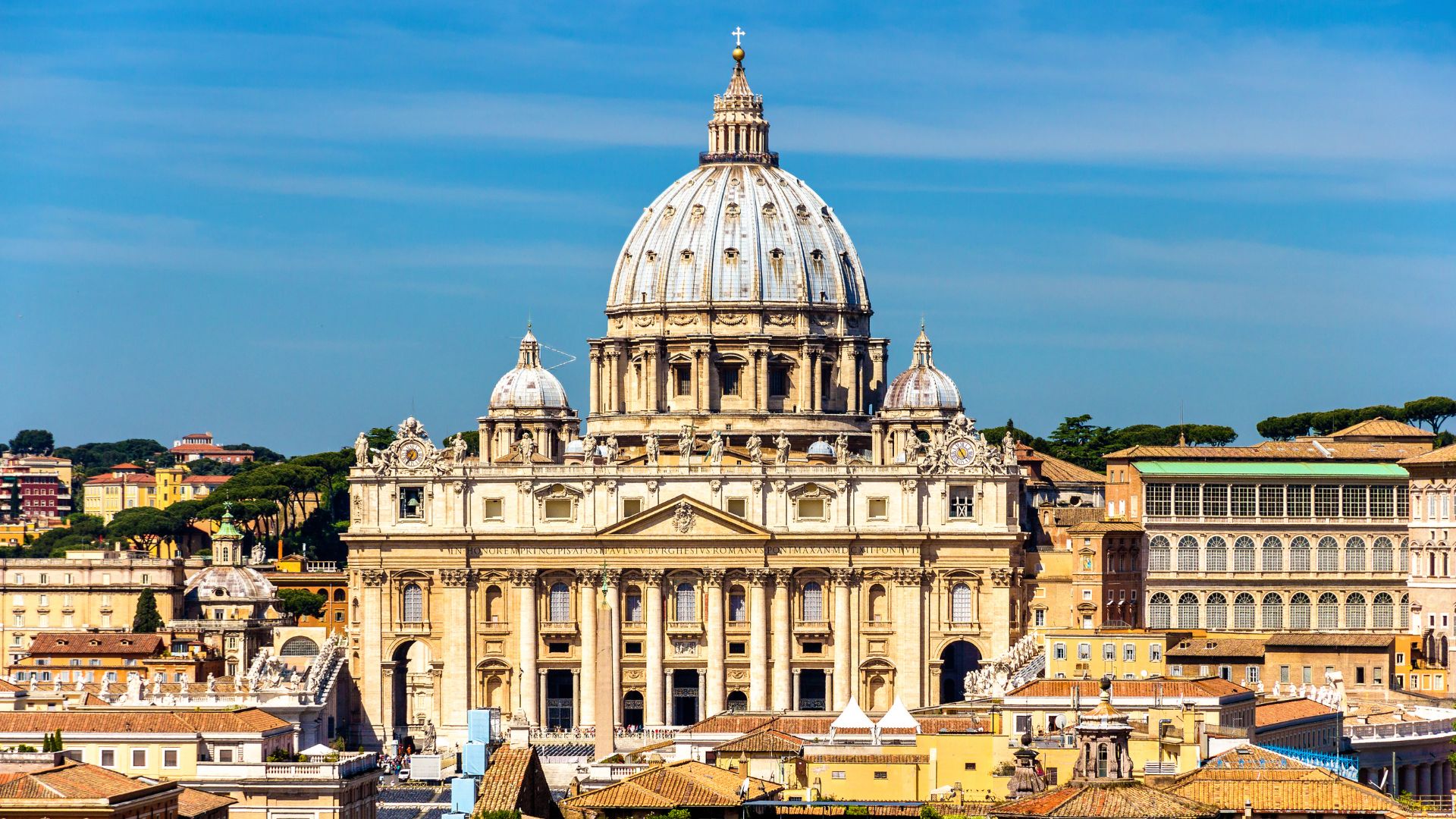
St. Peter’s Basilica stands as a monumental testament to Renaissance architecture and religious devotion. The iconic dome, a masterpiece of engineering and artistry, represents centuries of innovation, faith, and cultural history.
Architectural Marvels: Bramante, Michelangelo, and Bernini
The basilica’s creation involved several artistic geniuses working across decades. Bramante drew the first plans in 1506, envisioning a Greek cross design that would revolutionize church architecture.
When I visited, I was amazed to learn that Michelangelo took over the project at age 71, making crucial modifications to Bramante’s design. His most significant contribution was the magnificent dome, inspired by Florence’s Duomo but unique.
Bernini later added the dramatic colonnaded square that welcomes visitors today. His bronze baldachin inside creates a stunning focal point beneath the dome.
The building showcases multiple architectural styles blended seamlessly—Renaissance precision with Baroque drama. Each element tells a story of innovation and artistic vision.

Papal Influence: From Pope Julius II to Modern Times
Pope Julius II initiated the basilica’s construction in 1506, boldly demolishing the original 4th-century church to create something grander. His vision: a structure worthy of Saint Peter himself, built directly over the apostle’s burial site.
Walking through the basilica, I felt the weight of centuries of papal history. Each pope left their mark—from Leo X continuing construction to Urban VIII consecrating the completed structure in 1626.
The basilica serves as the spiritual center of the Vatican and symbolizes papal authority. It’s where new popes are crowned and saints are canonized.
Today, St. Peter’s remains central to Christian faith as both a pilgrimage site and a functioning church. Millions visit annually to experience its blend of spiritual significance and artistic brilliance.
Planning Your Visit
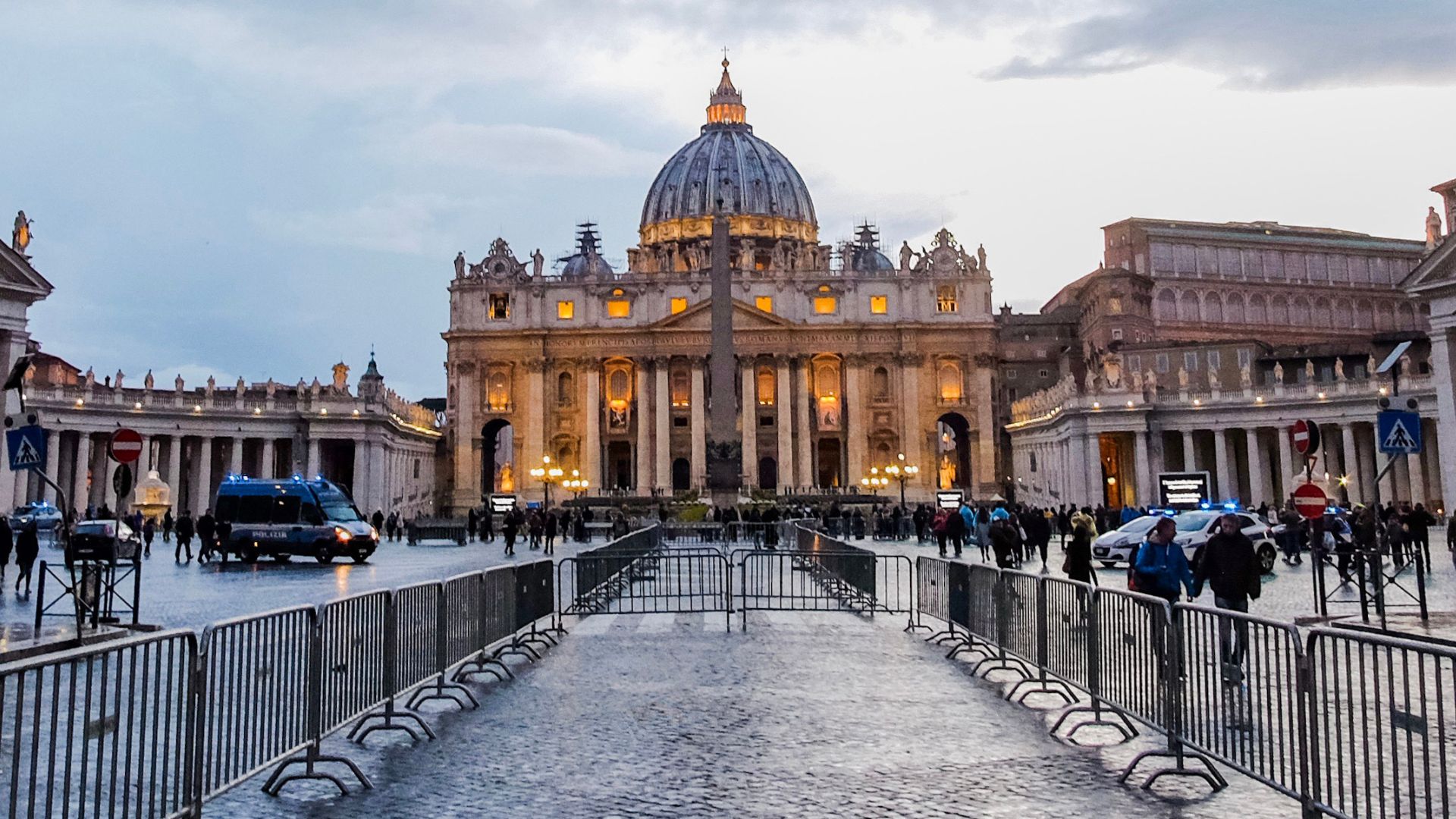
A successful visit to St. Peter’s Dome requires some preparation to make the most of your experience. I’ve learned through multiple visits that knowing the ticket options, timing, and what to wear can dramatically improve your dome climbing adventure.
Tickets: Types and Where to Purchase
The basic entry to St. Peter’s Basilica is free, but climbing the dome costs extra. I paid €8 for the full stair option (551 steps) and €10 for the elevator+stairs combo (saving you 231 steps).
You can’t purchase these dome tickets online in advance – they’re only available on-site at the dome entrance inside the basilica.
If you’re planning to visit the Vatican Museums too, consider a combined ticket. These usually include:
- Skip-the-line basilica access
- Dome climb access
- Vatican Museums and Sistine Chapel entry
I’ve found the official Vatican website offers the most reliable booking, but third-party sites often provide guided tours with additional benefits like dedicated entrances.
Best Times to Visit and Skip-the-Line Options
Early morning (right at opening, around 7:00 AM) is the best time to climb the dome. I arrived at 7:15 on my last visit and practically had the spiral staircase to myself! The basilica gets extremely crowded after 9:00 AM, especially during peak tourist season.
To avoid the longest lines:
- Weekdays are less crowded than weekends
- Early morning or late afternoon offers shorter waits
- Winter months (except Christmas) have fewer tourists
Skip-the-line tickets don’t exist specifically for the dome climb, but booking a guided tour of the basilica often includes faster entry to the building itself, getting you to the dome entrance quicker.
Comfort Tips: Shoes and Gear for Climbing
I can’t stress this enough: comfortable shoes are essential for the dome climb! The 551 steps include narrow spiral staircases, and the passageways get increasingly tight as you ascend.
What I recommend bringing:
- Lightweight, supportive walking shoes (not flip-flops or heels)
- Water bottle (there’s no place to buy drinks on the climb)
- Light backpack or no bag at all (space gets tight)
- Camera with a wide-angle lens if possible
During summer months, I start my climb with very lightweight clothing. The dome area gets hot and stuffy, especially in the narrower sections. Remember the Vatican’s dress code still applies – no bare shoulders or shorts above the knee are permitted, even for the climb.
Exploring the Basilica
St. Peter’s Basilica offers visitors an extraordinary journey through art, history, and faith. I found my exploration of this magnificent structure to be one of the most memorable experiences in Vatican City, with three distinct highlights that shouldn’t be missed.
Dome Climb: A Journey to the Top
The climb to Michelangelo’s dome is truly unforgettable. You have two options: take the elevator partway for €10, or tackle all 551 steps for €8. I chose the full climb for the authentic experience.
The narrow spiral staircase gets increasingly tight as you ascend. About halfway up, you’ll step inside the basilica to admire the incredible mosaics up close. The perspective from this height is breathtaking!
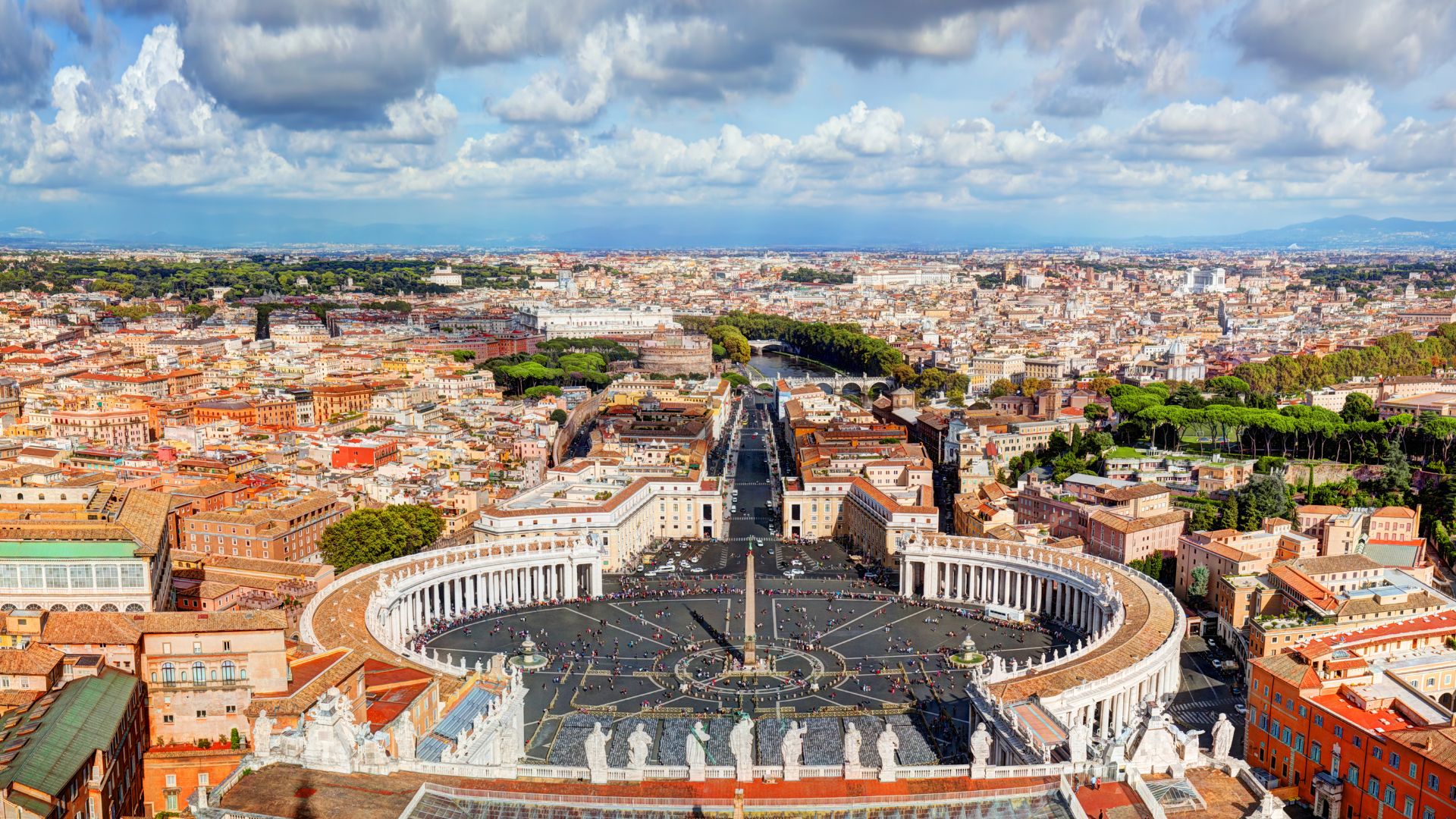
The final stretch through the dome’s curved walls forces you to lean sideways. It’s challenging but worth every step. At the top, I was rewarded with panoramic views of Rome and the Vatican gardens. Morning visits help avoid crowds and intense heat, especially in summer.
Pro tip: Bring water and wear comfortable shoes. The climb isn’t recommended if you’re claustrophobic or have mobility issues.
Artistic Masterpieces: Sculptures, Paintings, and Mosaics
Michelangelo’s Pietà is a must-see masterpiece. Protected behind glass after a 1972 vandalism incident, this marble sculpture depicts Mary holding Jesus after the crucifixion. The emotion conveyed through the stone is truly moving.
The basilica houses no traditional paintings – all “paintings” are actually intricate mosaics! These were created to withstand candle smoke and time. Look for the Papal Altar with Bernini’s massive bronze baldachin towering 29 meters high.
Don’t miss the Chair of St. Peter (Cathedra Petri) at the apse. This bronze masterpiece by Bernini is illuminated by the famous alabaster window depicting the Holy Spirit as a dove.
I recommend bringing binoculars to appreciate the ceiling details. The basilica’s scale makes it easy to miss smaller artistic elements.

Papal Crypt: A Deep Dive into History
Below the basilica, the Vatican Grottoes house tombs of numerous popes. This sacred space provides a fascinating glimpse into papal history spanning centuries.
The Clementine Chapel marks the spot closest to St. Peter’s tomb. I found the atmosphere here particularly solemn and moving. Pope John Paul II’s simple tomb draws many visitors who leave flowers and pray.
Access to the grottoes is free with basilica entry, but photography is prohibited out of respect. The space can feel cramped during busy periods, so visiting early is advisable.
For history enthusiasts, the necropolis (Scavi) beneath the grottoes offers a deeper journey, but requires a separate reservation well in advance. This archaeological site contains what’s believed to be St. Peter’s original tomb.
Beyond the Basilica
While St. Peter’s Basilica is magnificent on its own, the surrounding areas offer equally impressive sights and experiences. Venturing beyond the basilica opens up a world of artistic masterpieces, historical landmarks, and hidden treasures that complete your Vatican experience.
Vatican Museums and Sistine Chapel: A Comprehensive Walkthrough
The Vatican Museums house one of the world’s most impressive art collections. I recommend allocating at least 3-4 hours to explore the highlights properly. The museums contain 54 galleries with artwork spanning thousands of years.
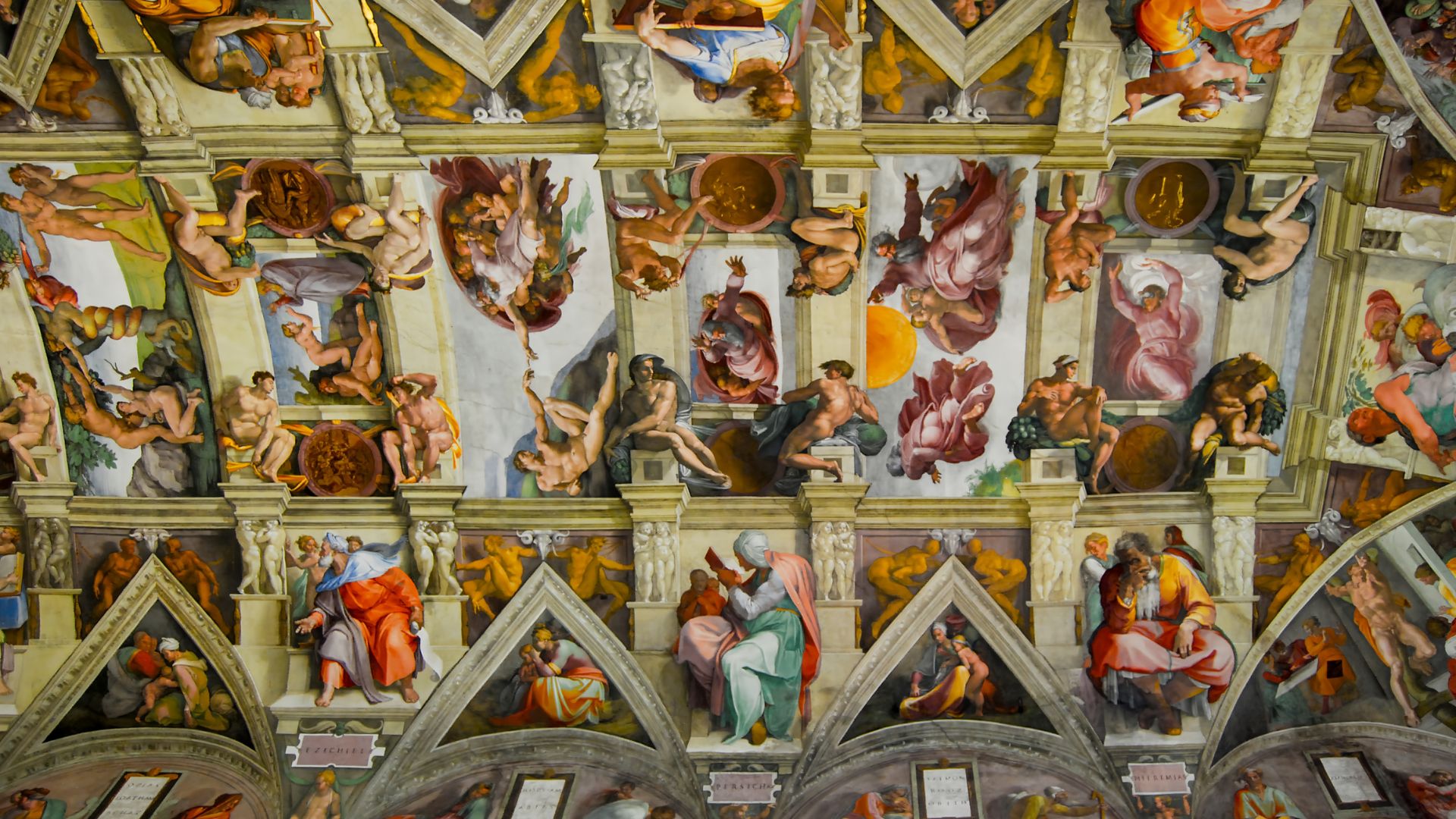
The Sistine Chapel is undoubtedly the crown jewel here. Michelangelo’s ceiling fresco took four years to complete (1508-1512) and features the iconic “Creation of Adam.” When visiting, I’ve found that early morning or late afternoon tours help avoid the worst crowds.
Don’t miss the Map Gallery with its 40 detailed geographical maps, the Raphael Rooms with their stunning frescoes, and the spiral Bramante Staircase. Photography is permitted in most areas except the Sistine Chapel, where silence is also requested.
St. Peter’s Square: Obelisks, Emperors, and More
St. Peter’s Square (Piazza San Pietro) was designed by Bernini between 1656 and 1667. The massive open space can hold up to 300,000 people during papal events.
At the center stands an Egyptian obelisk, brought to Rome by Emperor Caligula in 37 AD. It’s one of the few ancient obelisks that never toppled over through the centuries. This 84-foot monument was moved to its current location in 1586.
The square is embraced by Bernini’s colonnades, consisting of 284 columns arranged in four rows. I love walking through these columns, which represent the Church’s embrace of its followers. The top of the colonnades features 140 saint statues, creating a heavenly audience above the square.
Vatican City Treasures: Navigating the Smallest State
Vatican City is the world’s smallest sovereign state at just 49 hectares (121 acres). Despite its size, I’ve discovered it contains numerous hidden gems beyond the main attractions.
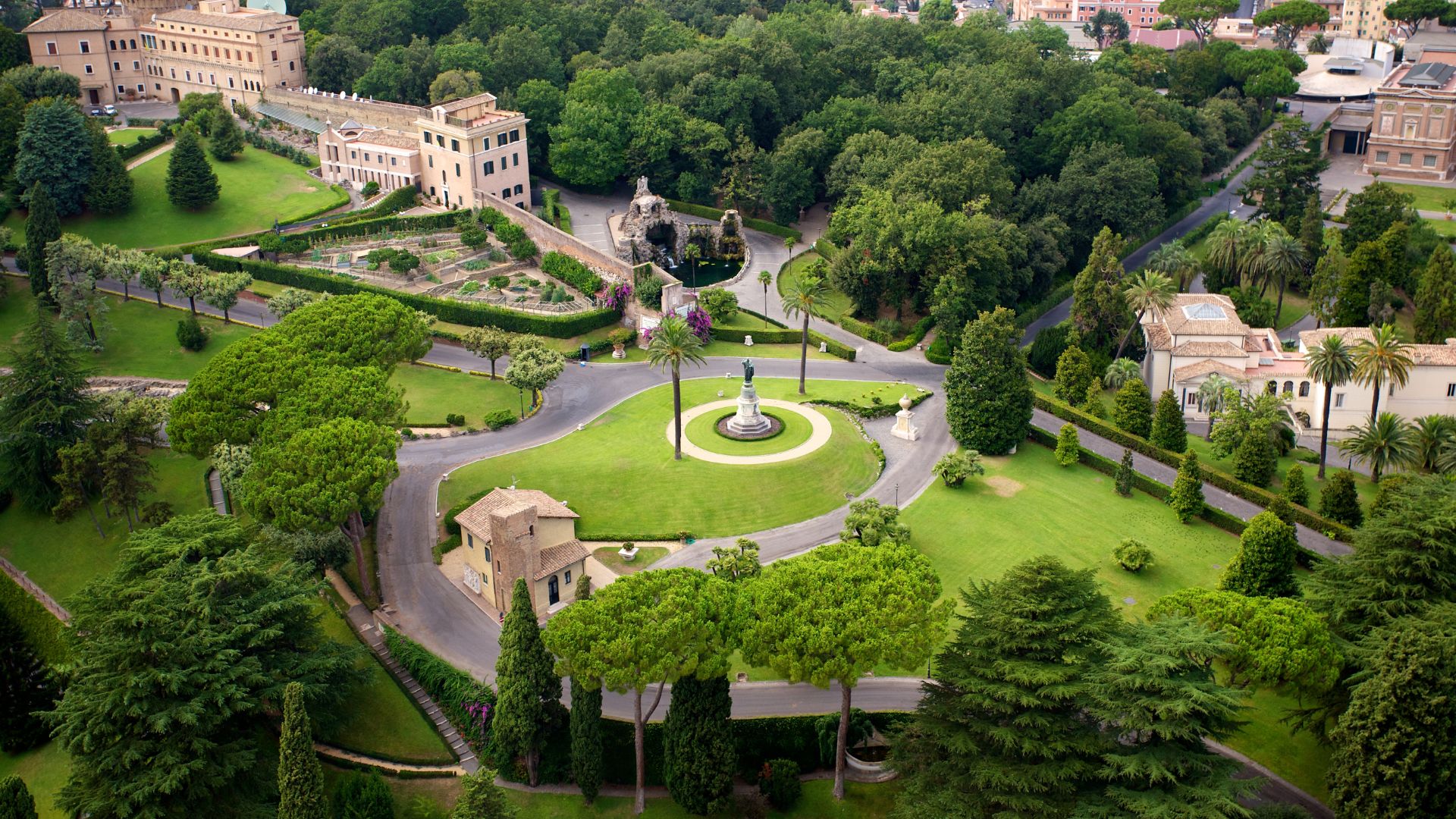
The Vatican Gardens cover almost half the state’s territory and feature beautiful Renaissance and Baroque landscaping. Tours must be booked in advance and include guided explanations of the various fountains, sculptures, and buildings.
The Vatican Necropolis lies beneath St. Peter’s Basilica and contains ancient Roman mausoleums. I was amazed to learn that excavations in the 1940s uncovered what’s believed to be St. Peter’s tomb. Access is strictly limited to 250 visitors daily through special tours.
The Vatican Post Office often goes unnoticed but offers a unique opportunity to send postcards with special Vatican stamps – I always make a point to mail a few to friends back home.
Maximizing Your Experience
To truly enjoy St. Peter’s Basilica and its magnificent dome, planning is essential. I’ve found that having the right guidance and fitting the Vatican into a well-organized Rome itinerary makes all the difference.
Guided Tour Vs. Audio Guide: Enhancing Your Visit
I highly recommend booking a guided tour for St. Peter’s Basilica and the dome climb. With a knowledgeable guide, you’ll learn fascinating stories and historical context that bring the Vatican to life. During my visit, our guide pointed out details I would have completely missed on my own!
If you prefer more independence, the audio guide is a solid alternative. It costs about €5 and allows you to explore at your own pace. Just be aware that during the Jubilee Year 2025, crowds will be significantly larger.
For the best experience:
- Book early morning tours (before 9 AM) to avoid the worst crowds
- Wear comfortable shoes for the dome climb
- Dress appropriately with covered shoulders and knees
- Bring water, especially during summer months
A Perfect 3-Day Itinerary in Rome: Vatican and City Highlights
I suggest dedicating your first day to the Vatican area.
Start with an early St. Peter’s dome climb for breathtaking panoramic views. Then, explore the basilica and grottos. Afterward, head to Castel Sant’Angelo nearby.
For day two, I recommend walking through Rome’s historic center to see the Spanish Steps, Trevi Fountain, and Piazza Navona. Make sure to go early to avoid crowds! These iconic spots are best experienced on foot.
Your third day can include the Colosseum and the Roman Forum. I found walking between most major must-see Rome attractions quite manageable, but having a metro pass saved my feet when needed.
During the Jubilee Year 2025, I suggest booking all Vatican experiences 2-3 months in advance, as pilgrim numbers will increase significantly.