
Traveling to Nuremberg usually means wandering charming old streets, yet the past lingers everywhere. I recently spent a day at the Documentation Center and the Nazi Party Rally Grounds—two places that make you face Germany’s darkest chapters head-on.
Visiting these sites hit me with a powerful reminder of why it’s so important to understand history, whether you’re a traveler or just someone who wants to help prevent these mistakes from repeating.
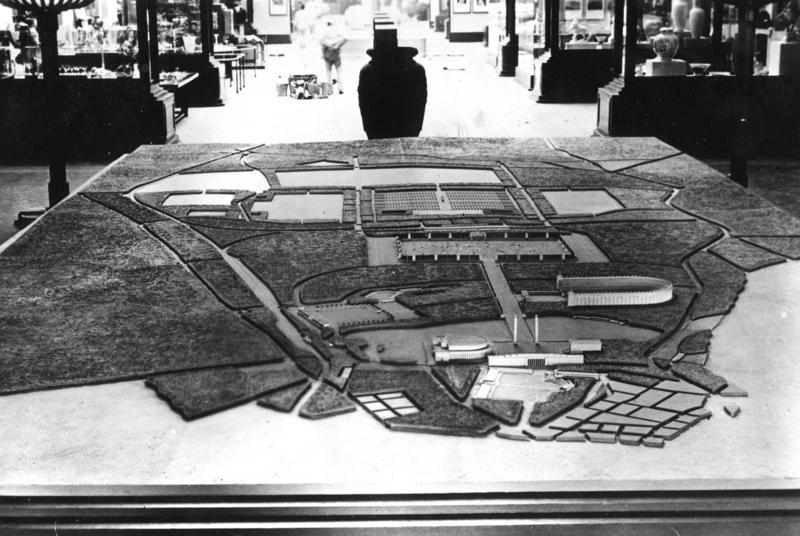
The Documentation Center sits smack in the middle of the old Nazi Party Rally Grounds, which once sprawled over four square kilometers. As I wandered through the museum and gazed out over the grounds, I felt the weight of history pressing in.
Their permanent exhibit, “Fascination and Terror,” surprised me with how deeply it moved me. It shines a harsh light on how these rallies twisted the world’s course.
Walking through these places gave me not just somber insight, but also a practical sense of why we can’t look away. It nudged me—and, honestly, anyone visiting Nuremberg—to stay curious and respectful.
If you’re thinking about going, brace yourself. It’s humbling and educational in ways I didn’t expect.
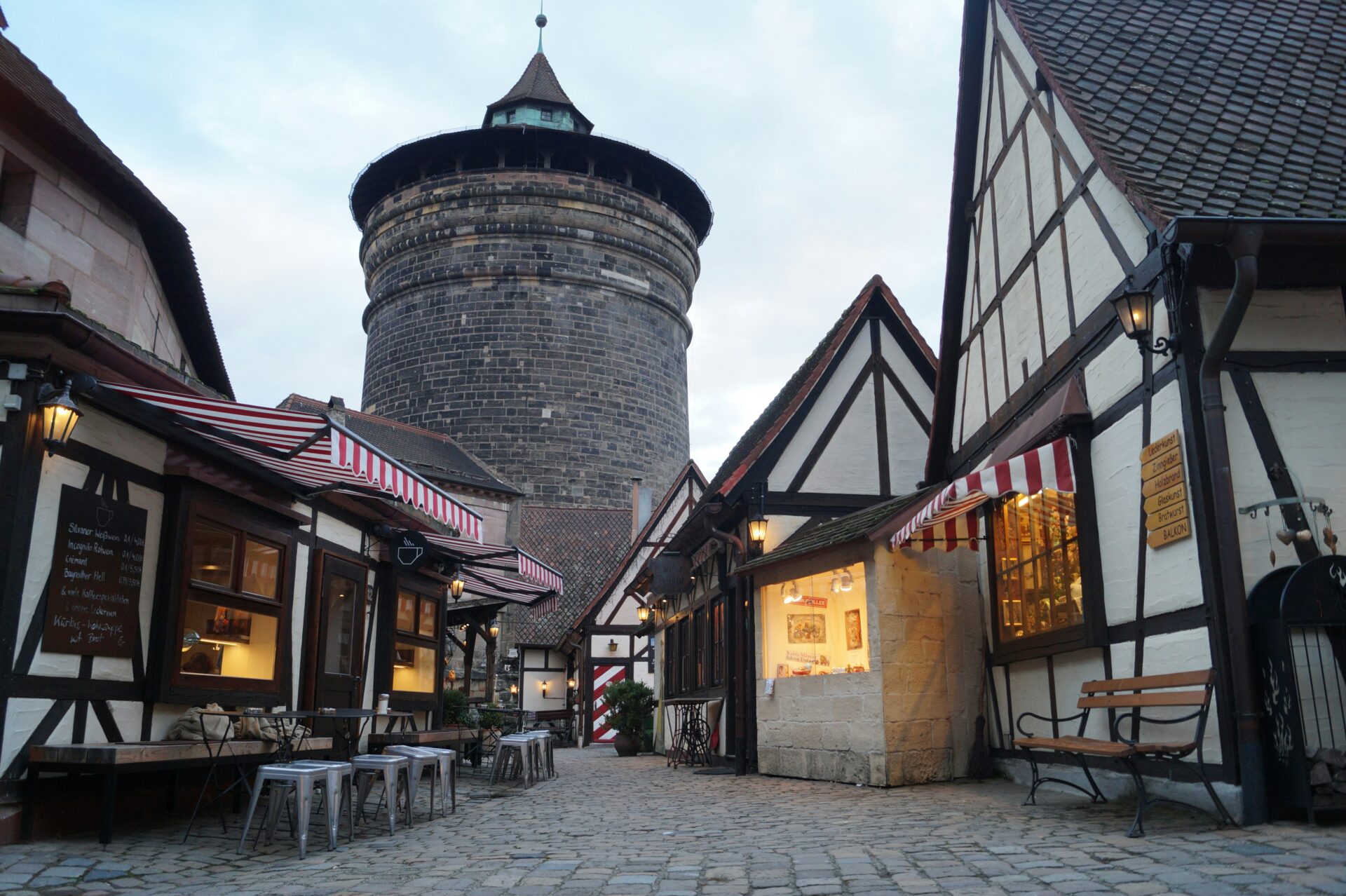
Arriving in Nuremberg and Planning Your Visit
Touching down in Nuremberg brought a mix of excitement and that heaviness you get when you know you’re about to confront tough history. Planning ahead made my time at the Documentation Center and the Nazi Rally Grounds way smoother.
Choosing Popular Hotels and Accommodation
I realized quickly I’d need a comfortable spot to crash after full days of learning and reflection. Nuremberg has plenty of options for every budget.
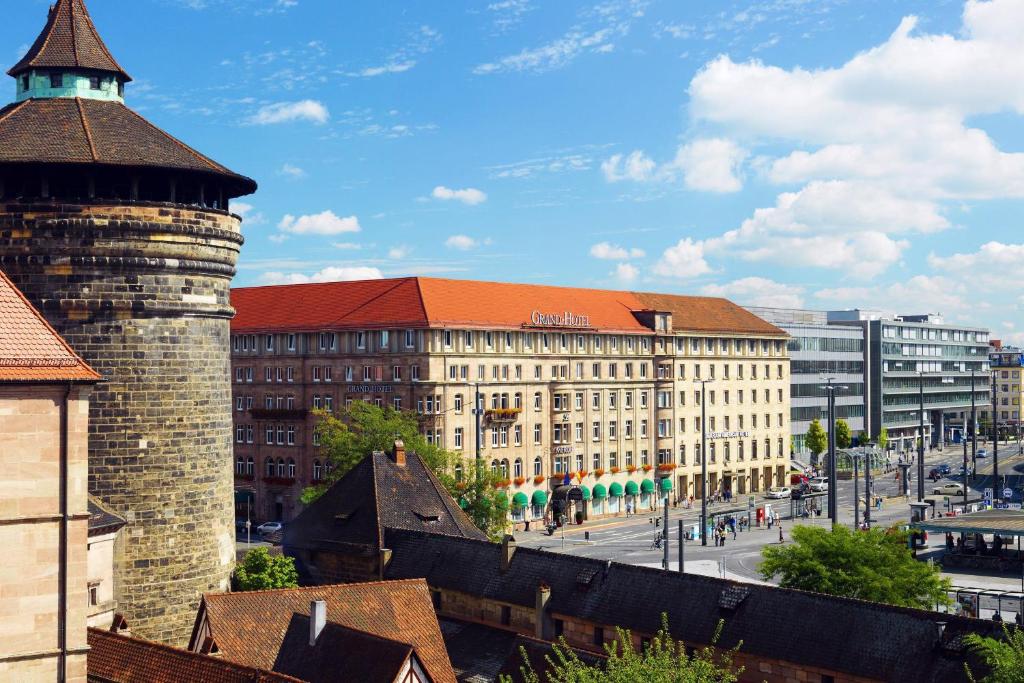
I looked at hotels near the central train station, Nuremberg Hauptbahnhof—it made getting around a breeze. Some people go for the modern NH Collection Nürnberg City because it’s comfy and central.
Others love the Le Méridien Grand Hotel for its elegance right across from the Hauptbahnhof. If you’re watching your wallet, B&B Hotel Nürnberg-Hbf is a solid, no-frills pick.
These hotels offer good amenities and keep you close to public transport, which is a lifesaver when you want to squeeze in as much as possible.
Navigating Public Transport: Bus, Tram, and Nuremberg Hauptbahnhof
Getting around Nuremberg turned out to be refreshingly easy, thanks to a solid public transport system. I hopped on a tram or bus straight from the Hauptbahnhof to the Documentation Center.
Tram 8 and Bus 36 both stop near the Rally Grounds. That made things simple.
A few things stood out:
- Trams and buses come often, especially during the day.
- Digital signs at stops let you know how long you’ll wait.
- The local transport maps are clear, even if you’re new to the city.
- One ticket works for both trams and buses, so switching is painless.
The ride from the city center to the Rally Grounds took about 15 minutes. I honestly loved not having to worry about driving or parking.

Buying Tickets and Ticket Prices
I grabbed my Documentation Center ticket online before I went, so I skipped the lines. Standard adult tickets usually run between €7 and €10.
Students, seniors, and kids often pay less, so it’s worth checking the official website for the latest prices.
Ticket options include:
| Type | Price Range (€) | Notes |
|---|---|---|
| Adult | 7–10 | Full access to exhibitions |
| Student/Senior | Reduced | Valid ID required |
| Family Pass | Available | Good if you travel with kids |
I spotted a Kombi-ticket that bundles entry with other nearby museums. You can pay with cash, card, or even some mobile options.
If you’re going on a busy day or weekend, I’d definitely suggest booking online.

Opening Hours, Guided Tours, and Audio Guide Options
The Documentation Center usually opens from 9:00 AM to 6:00 PM, except Mondays, when it might be closed or have shorter hours. When I went, they had an interim exhibition because of ongoing renovations, but the historical content still ran deep.
Guided tours are offered in both English and German. I’d recommend booking ahead, especially if you’re in a group or visiting during school holidays.
Tours generally run late morning or early afternoon. The guides knew their stuff and handled the tough topics with care.
If you prefer doing your own thing, you can grab an audio guide in several languages. I used one and liked being able to pause and reflect whenever I needed.
There’s a small extra fee for the audio guide, but I think it’s worth it for the extra context.
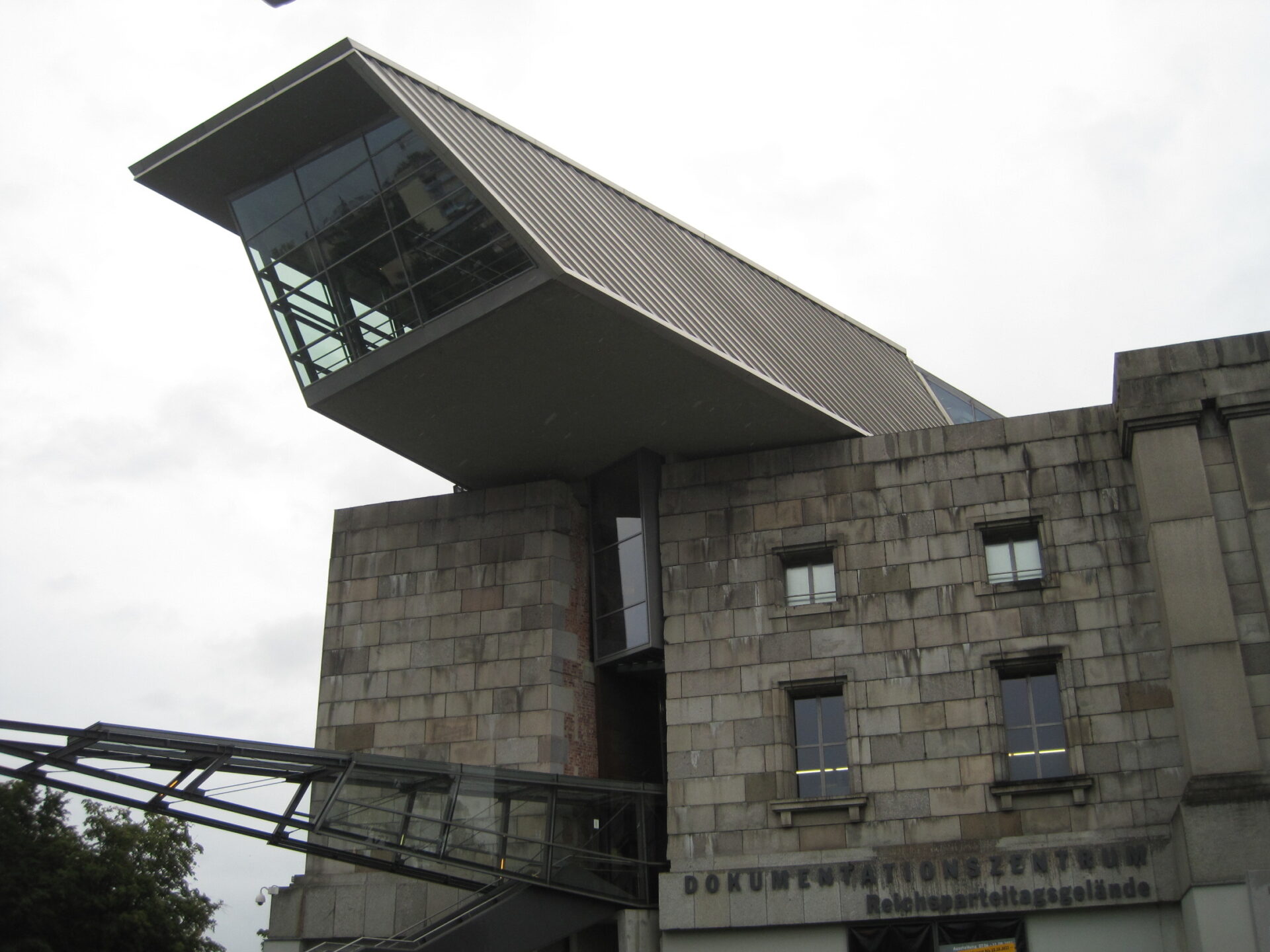
Exploring the Documentation Center: A Journey Through History
Visiting the Documentation Center Nazi Party Rally Grounds gave me a vivid look at where history, architecture, and memory collide. Immersive exhibitions and thoughtful programs helped me understand the past—and how we talk about it now.
Permanent Exhibit: Fascination and Terror
The Fascination and Terror exhibit lays out in detail how the Nazis rose to power and used propaganda to control people. It shows the disturbing draw of National Socialism, and how massive crowds and orchestrated rallies helped the Nazis spread their message.
Artifacts, photos, and documents bring the story to life. Multimedia presentations and clear timelines walk you through the events, step by step.
I really appreciated the audioguide, which gave English and German explanations for each display. Some sections zoom in on individuals—leaders and everyday people at the rallies. That personal angle made the history hit harder.
Interim Exhibition: Evolution of Remembrance
With the main exhibit space under renovation, an interim exhibition fills in. I found it well organized, even as a temporary setup.
It gives a condensed but thorough look at the rally grounds’ dark history and how people have remembered and interpreted these events since 1945. Big boards and multimedia displays dot the four-kilometer complex.
As I walked, I could read about the structures and picture how huge these gatherings were. The bilingual materials made it easy to follow.
One section covers the destruction of Nazi symbols, like when they blew up the swastika above the Zeppelin Grandstand in 1945. It made me think about how cities handle painful history.
Educational Programs and Symposiums
The Documentation Center runs a bunch of educational activities to connect visitors with the site’s history. School groups and families can join guided tours, workshops, and lectures.
The study forum hosts many of these programs and symposiums, giving guests a chance to dig into what led to the Nazi movement and how propaganda works.
I joined a discussion group focused on remembrance culture. It felt respectful and challenging, with plenty of honest questions and personal reflection.
These programs often update to match current debates, which keeps the lessons relevant. The audioguide—free with admission—lets you explore at your own pace.
I’m glad I made time for these sessions; they added real depth to the exhibitions.
Walking the Nazi Party Rally Grounds: Architecture and Aftermath
Nuremberg’s Nazi Party Rally Grounds mix heavy stone, massive scale, and stark reminders of a brutal past. Exploring on foot brought history close, showing how architecture pushed Nazi ideals and how we see these grounds now.
Congress Hall: Albert Speer’s Vision
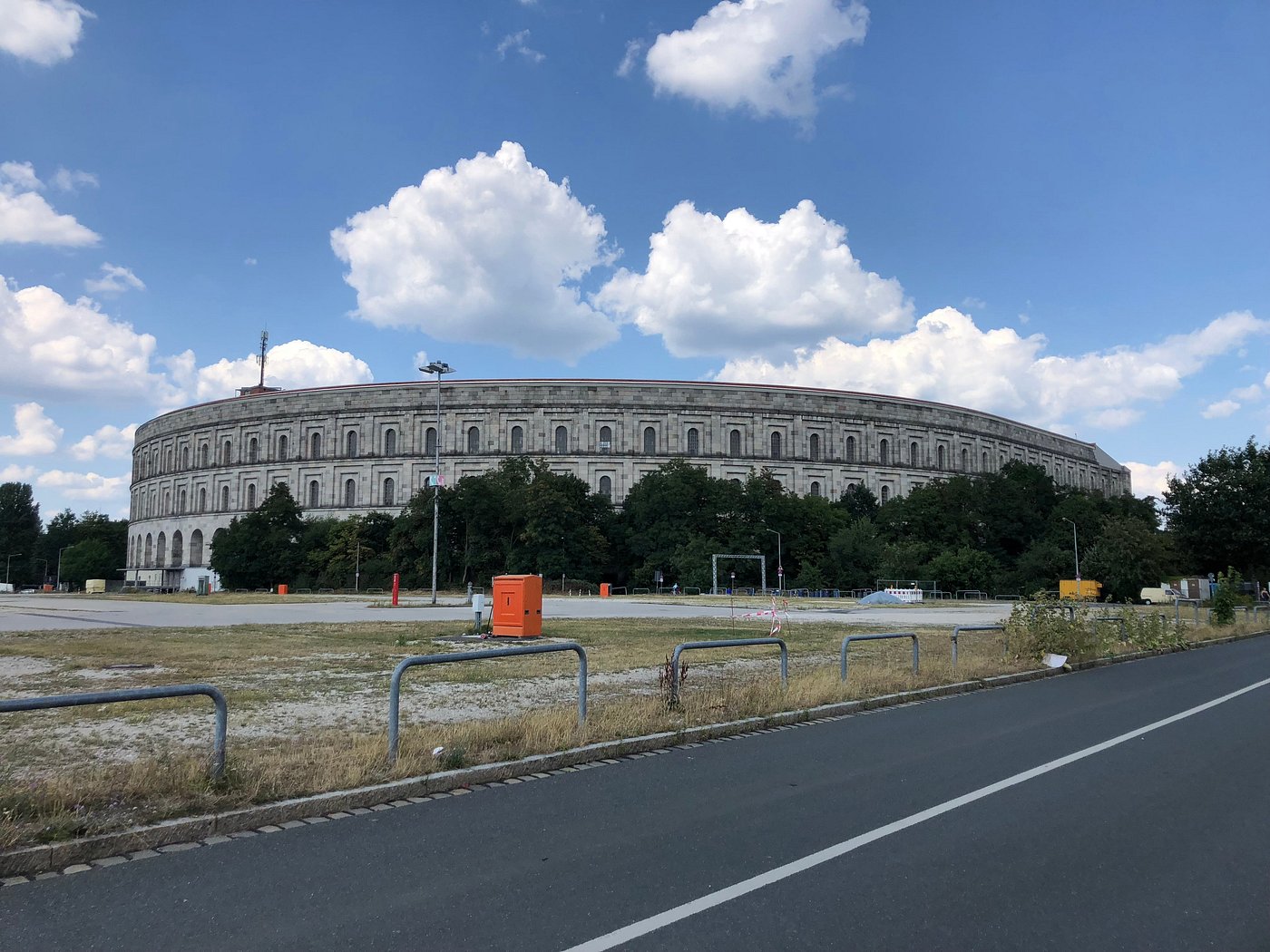
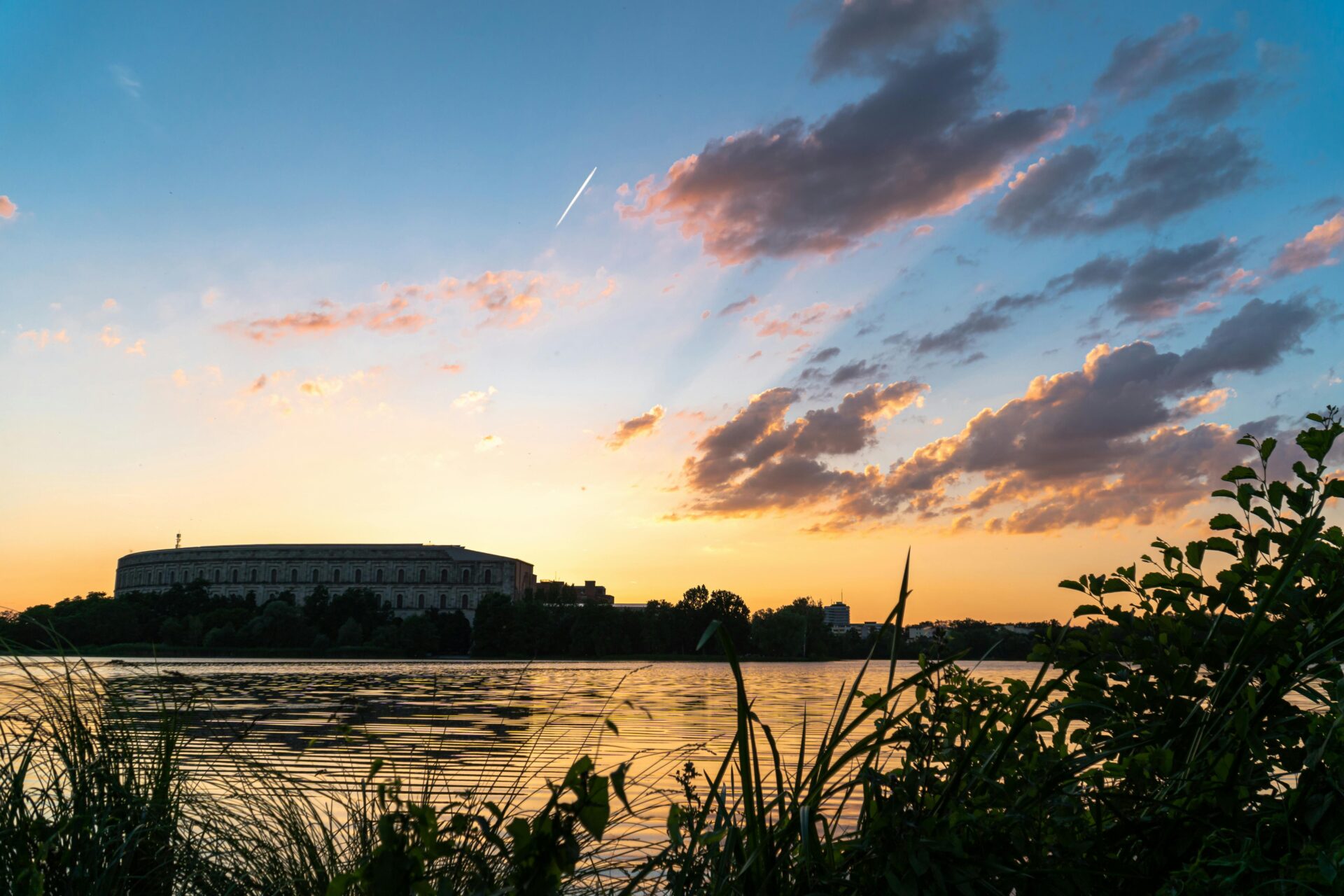
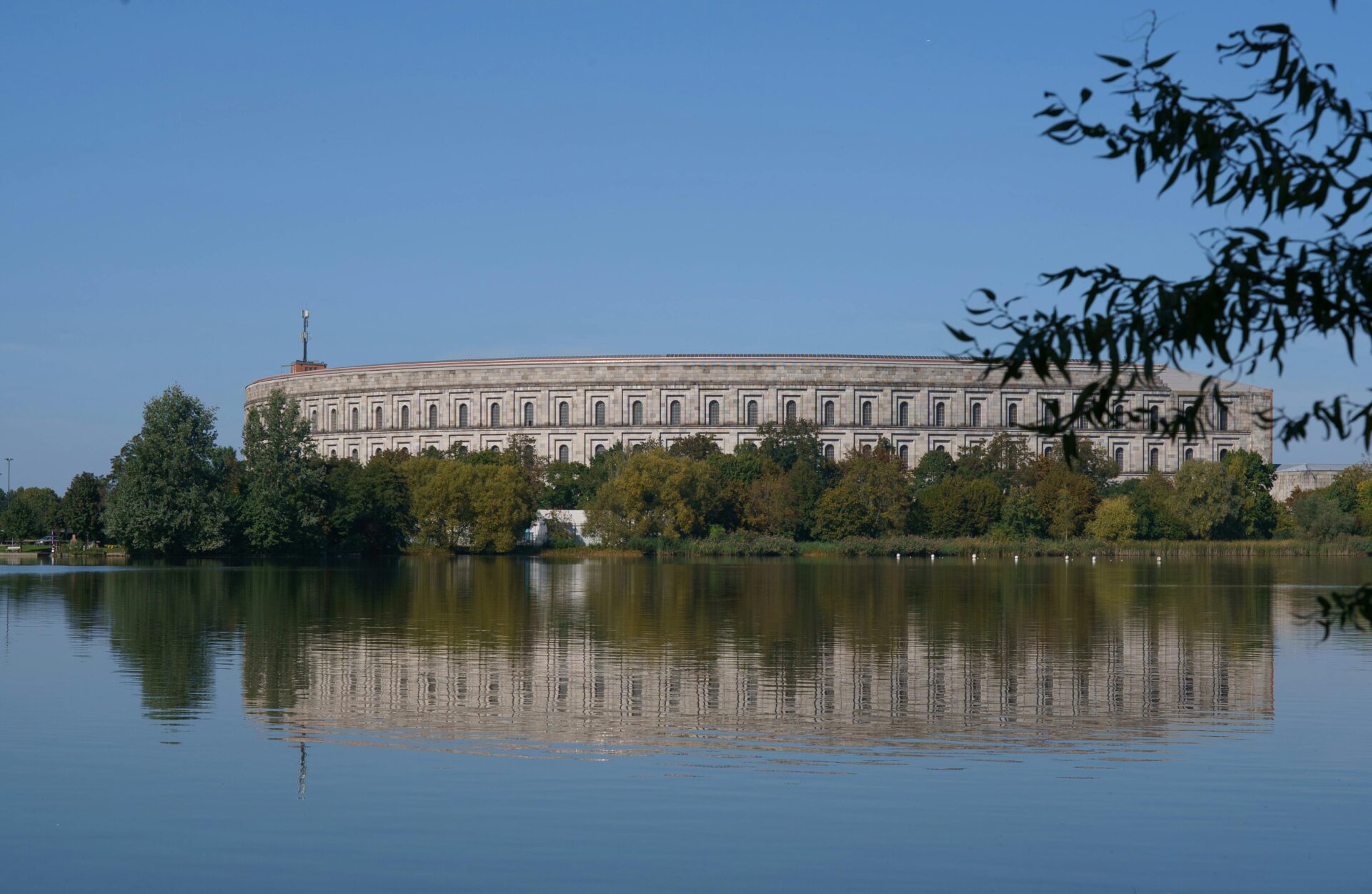
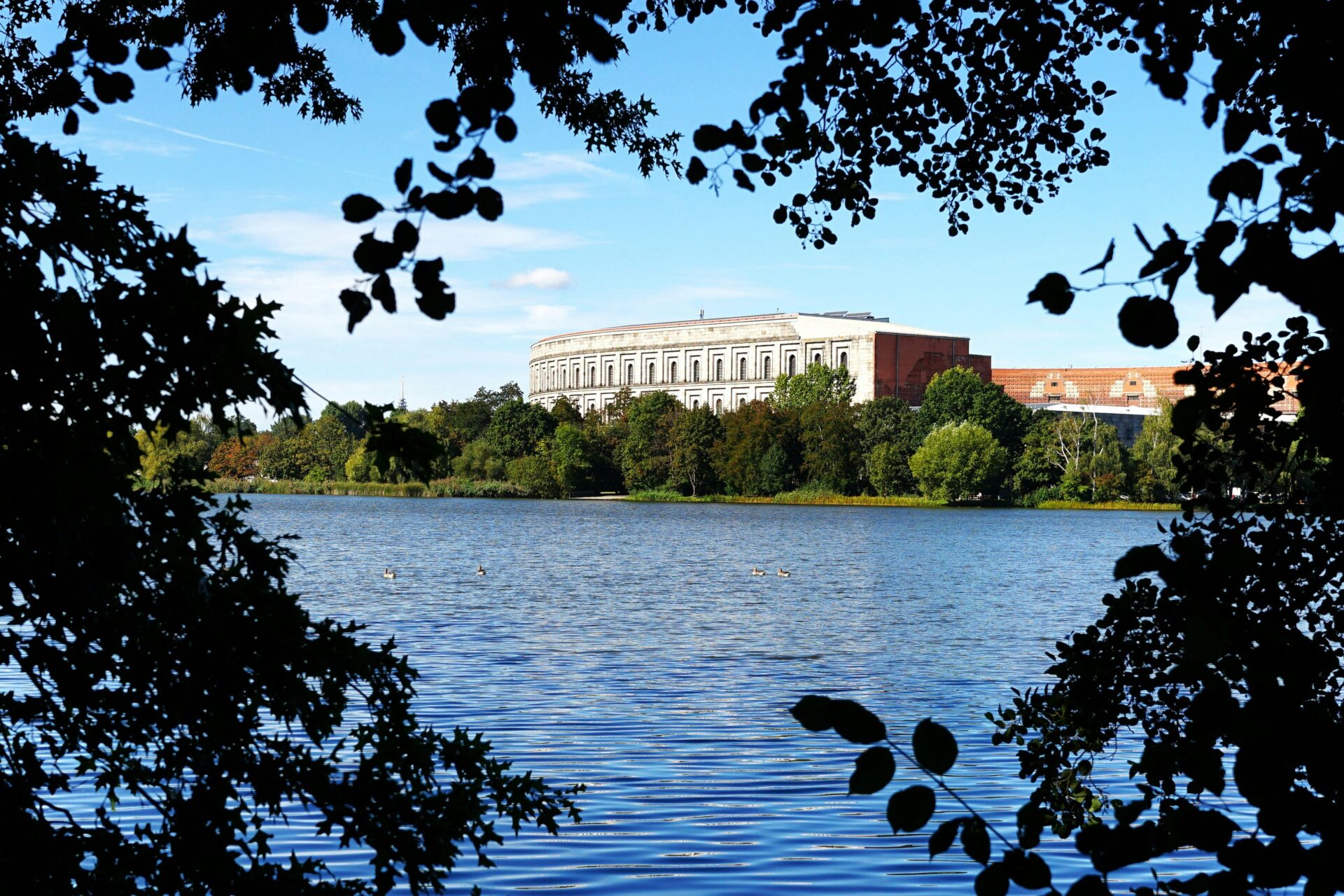
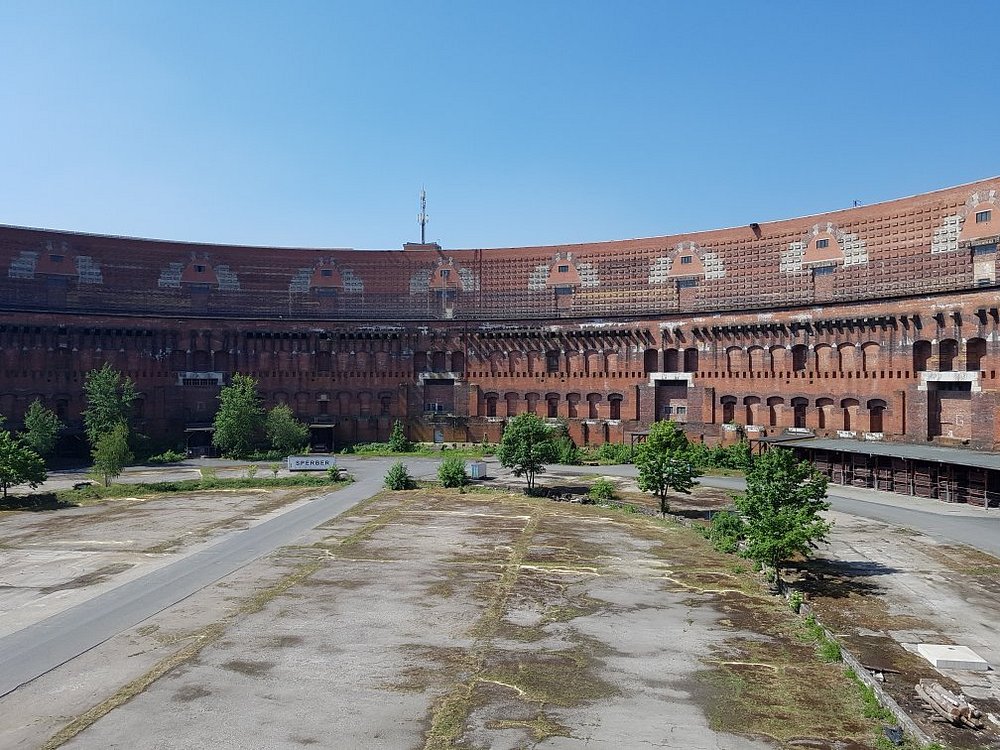
I started at the Congress Hall—a huge, horseshoe-shaped building designed by Albert Speer, Hitler’s chief architect. Built almost entirely from brick and stone, it echoes Roman coliseums with its symmetry and scale.
The Nazis planned for it to fit 50,000 people, really showing off their obsession with power. Today, most of the Congress Hall stands unfinished and crumbling, which just adds to its eerie vibe.
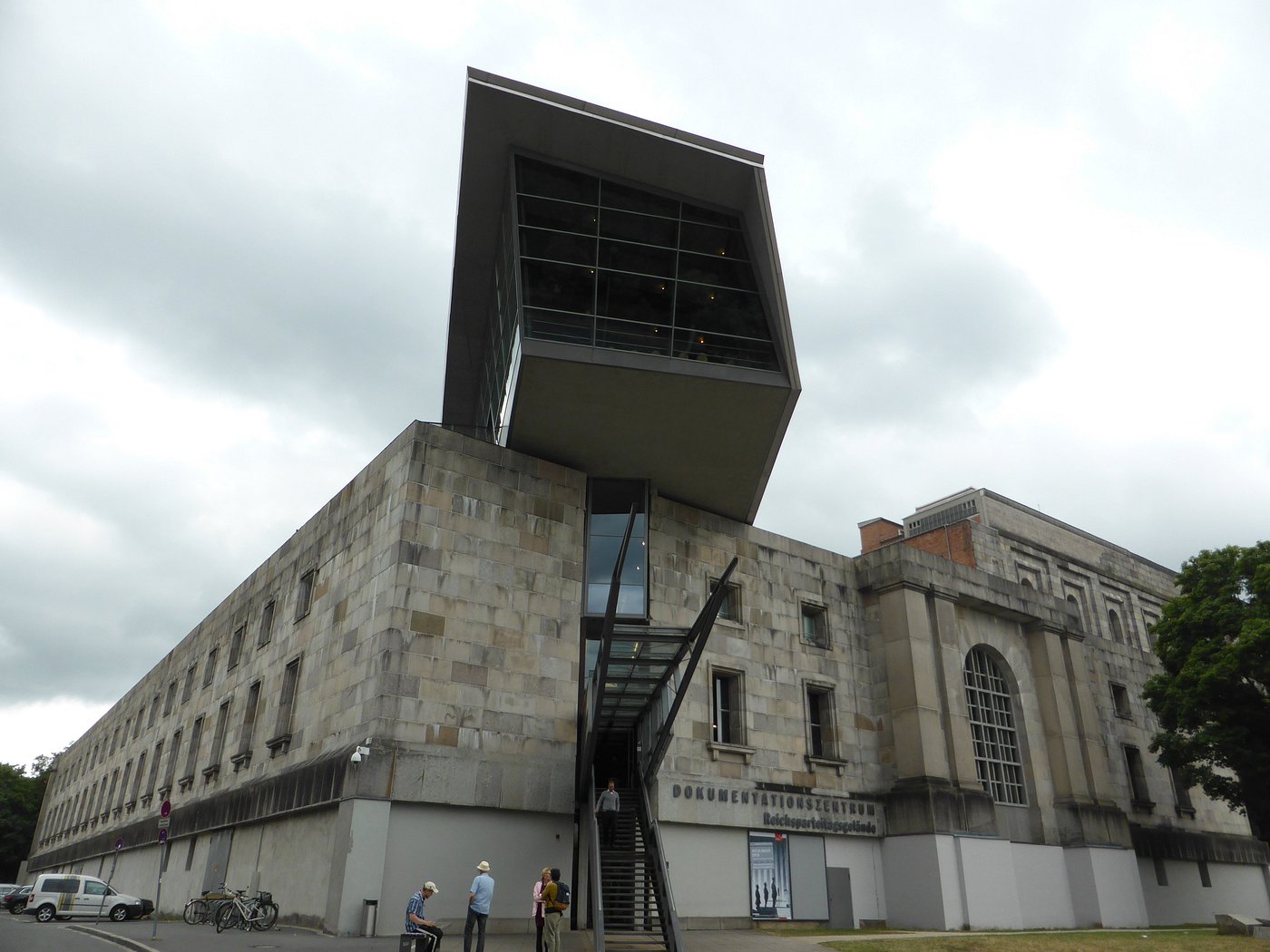
Walking the echoing corridors, I saw how the modern Documentation Center pierces through the old stone with a glass-and-steel walkway. It’s a literal and symbolic way to confront the past.
That contrast between Nazi architecture and modern design makes a bold statement.
Zeppelin Field and Zeppelin Tribune
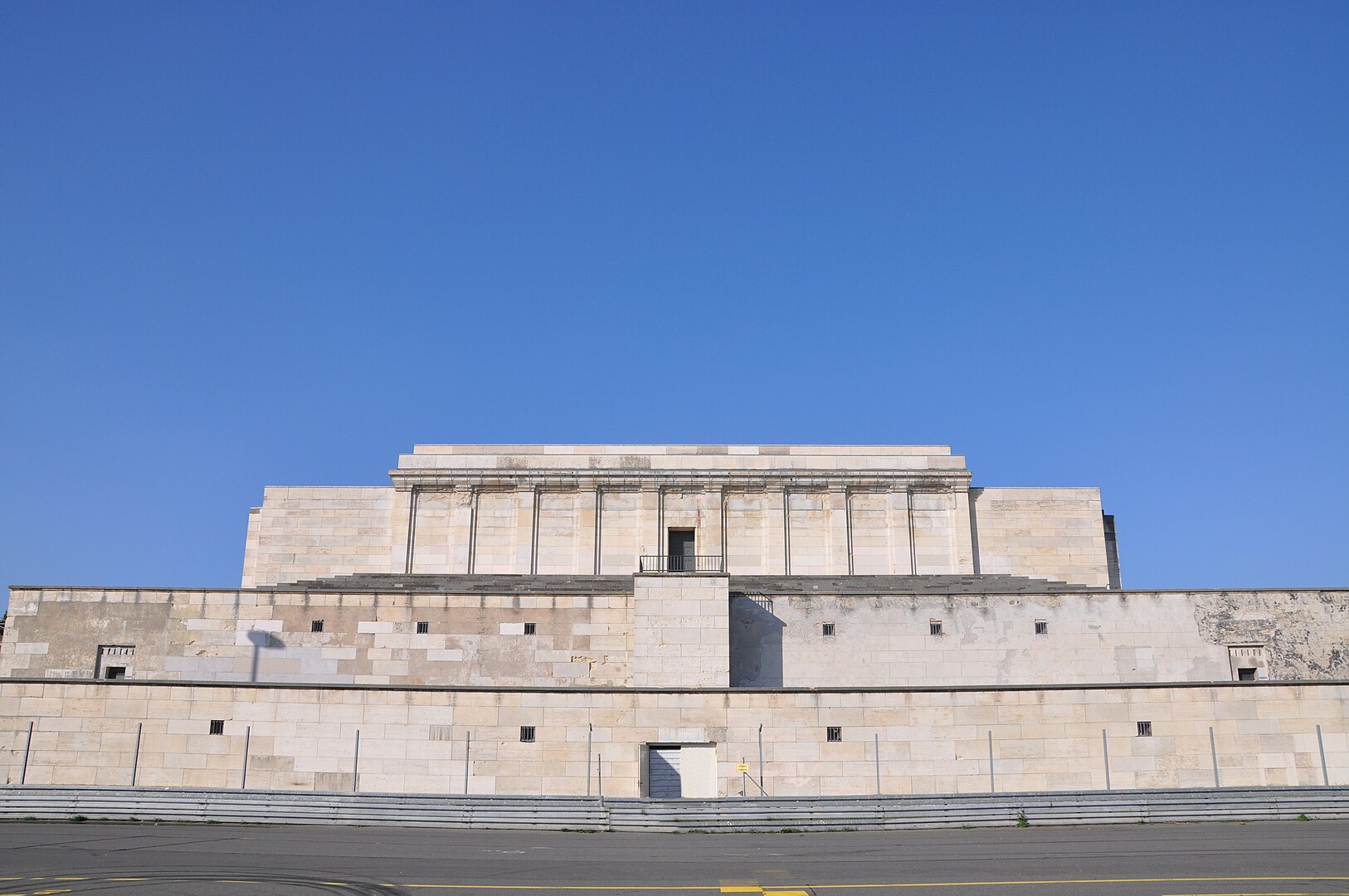
A short walk took me to Zeppelin Field, where thousands once gathered for rallies. The Zeppelin Tribune stands out with its long stone façade and big steps.
Speer designed it as a giant stage for orchestrated displays of unity and military power. The columns and parade grounds made it perfect for mass demonstrations.
Climbing the remains of the Tribune, I tried to picture Hitler addressing the crowds. Now, weeds poke through the stone, and silence fills the air.
It feels both chilling and oddly peaceful—a sharp contrast to those black-and-white films. Info boards nearby help fill in the history, but honestly, standing there in person gives you a sense of scale that no photo can.
Luitpoldhain, Dutzendteich Lake, and Surrounding Attractions
Beyond the main structures, Luitpoldhain is a green space where locals picnic and jog. It’s wild to think that Nazi parades once filled this lawn.
Dutzendteich Lake is peaceful now, but its calm waters sit right next to some of Germany’s darkest sites.
Walking paths circle the lake and connect the attractions. I noticed markers showing where grandstands and pavilions used to stand.
Renting a bike or strolling along the water gives you a break from the heavy architecture. It’s easy to spend an afternoon wandering—modern Nuremberg life goes on just steps from these historic sites.
Hall of Honor and the Nuremberg Laws
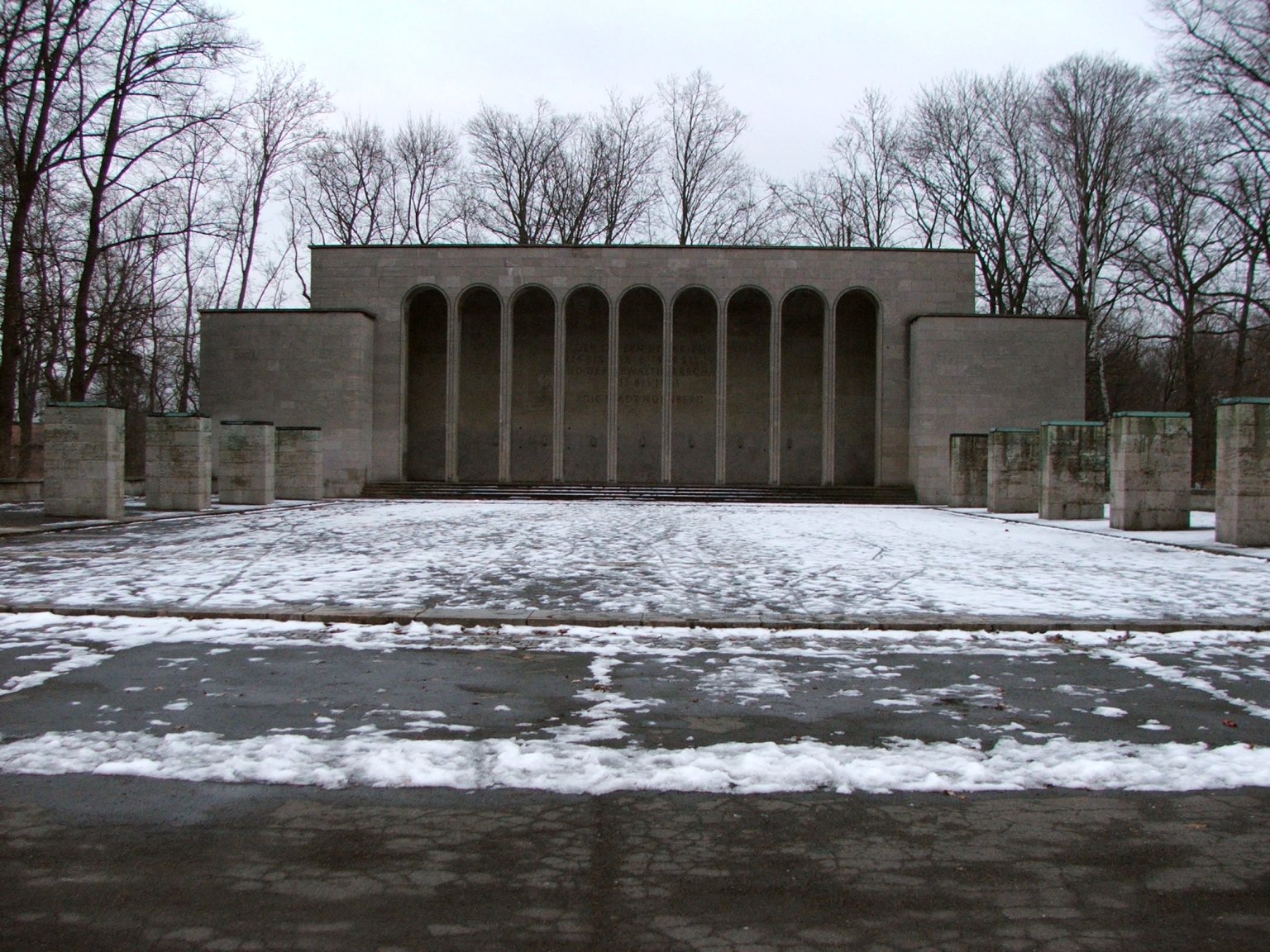
The Hall of Honor (Ehrenhalle) sits surrounded by stone arches, a solemn memorial. It was originally built for German soldiers, but the Nazis took it over for their own ceremonies, including some that pushed their racist ideology.
Here, they marked the introduction of the Nuremberg Laws, which stripped Jews of rights and set up later persecution.
Standing among the cold stone, it’s impossible to ignore the weight of history. I stopped to reflect on how such a peaceful-looking place played a role in destructive policies.
Plaques and guided tours help explain what happened, making the Hall of Honor a sobering, necessary stop if you want to understand the impact of National Socialism.
Understanding Nazi Propaganda and the Impact of the Rallies
Walking through the Documentation Center in Nuremberg, I started to understand just how much propaganda fueled the Nazi Party’s rise. The events on these grounds reveal the careful planning behind the National Socialist movement and the scars it left on Germany.
Rise of the Nazi Party and National Socialist Party
The National Socialist Party, or Nazi Party, used propaganda to grow from a fringe group into a force in German politics. After World War I, economic hardship and political chaos let extremist groups appeal to people’s frustrations.
Led by Adolf Hitler, the Nazis promised solutions. They spread their message through newspapers, posters, speeches, and the new medium of radio.
They staged events carefully and used strong visuals to build loyalty and unity.
During my visit, I saw displays showing how the party targeted fears and hopes. Their skill with propaganda pushed their ideas deep into German daily life.
Even kids learned National Socialist slogans, making the party’s influence almost inescapable in the 1930s.
Party Rallies and Their Role in Shaping Germany
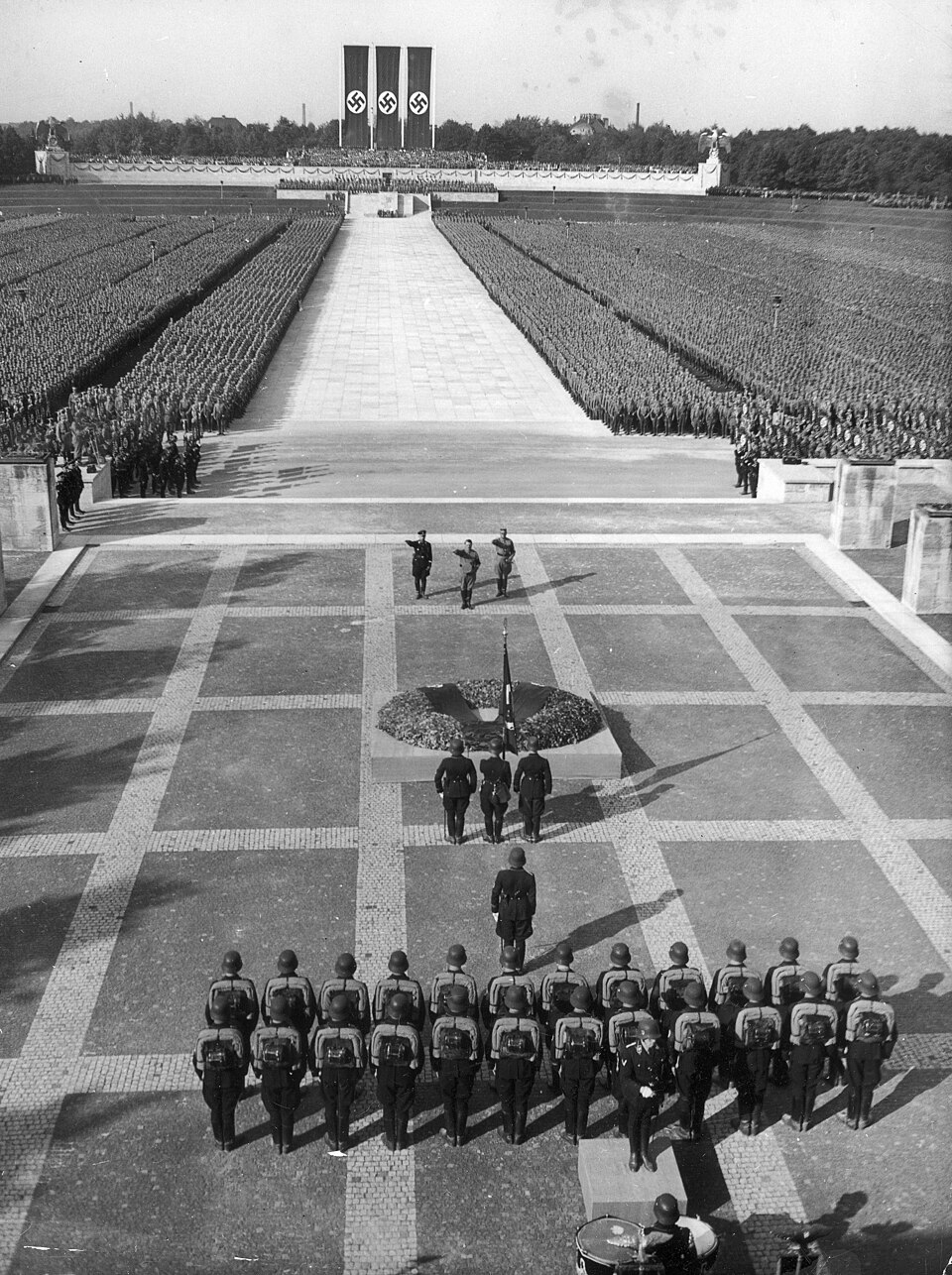
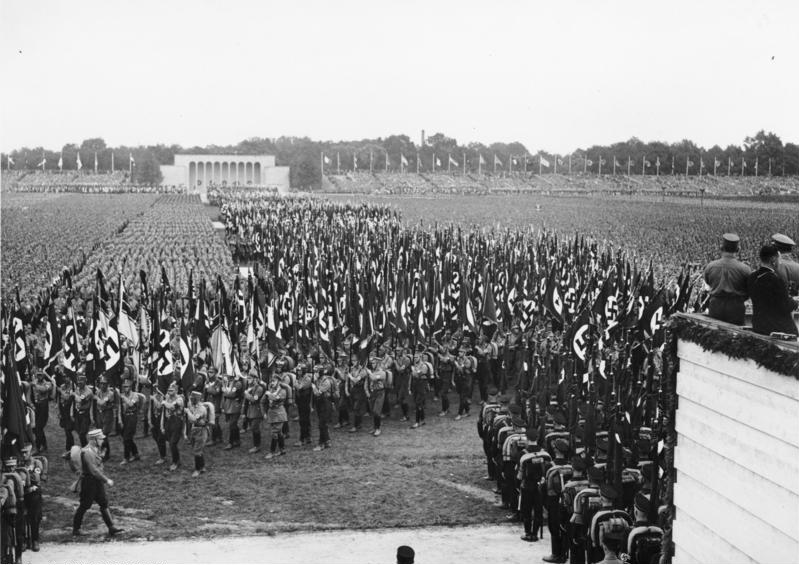
The Nuremberg rallies were more than political meetings—they were spectacles meant to spark national pride and togetherness. Every year from 1933 to 1938, hundreds of thousands showed up in Nuremberg for these events.
The grounds are still massive. Walking those paths, I could imagine the crowds, the marches, and flags under blazing searchlights.
Music and speeches made people feel part of something big. These rallies became a tool for spreading Nazi propaganda across Germany.
Radio and newsreels carried the images far beyond Nuremberg. Even people who didn’t attend saw the spectacle, reinforcing the idea that the regime was powerful and untouchable.
Key features of the rallies:
- Choreographed marches
- Giant banners and swastikas
- Uniformed followers
- Dramatic lighting and music
Hitler and the Power of Mass Gatherings
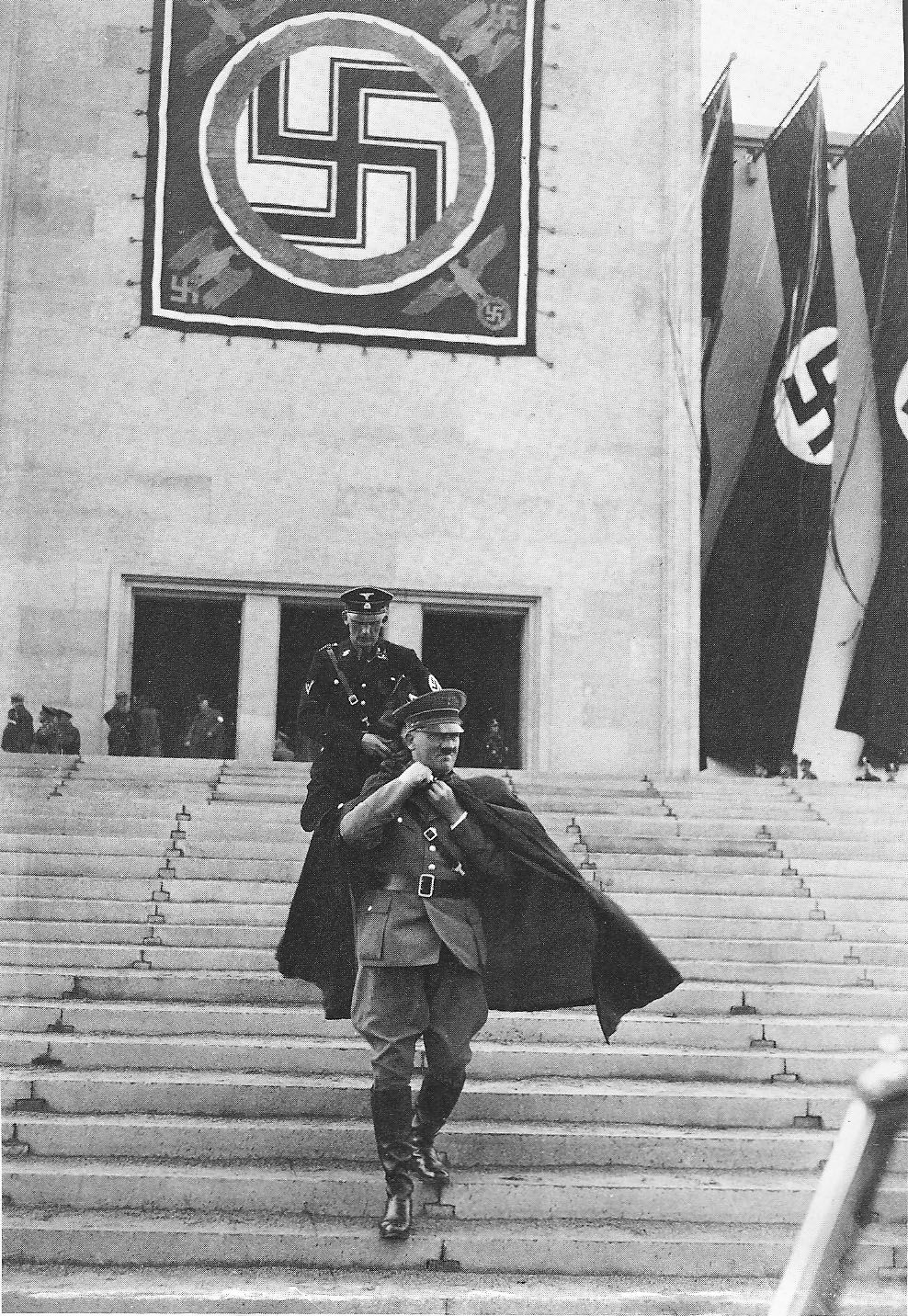
Adolf Hitler really understood how crowds think. When he spoke at the rally grounds, his speeches started slow but grew intense, ending with thunderous applause.
Standing there and hearing his voice echo in those grand halls—it helped me see how one person could sway so many. The energy at these gatherings wasn’t just for show.
He organized people into massive formations, making unity impossible to ignore. That visible togetherness cemented loyalty to the Third Reich.
When you’re in a crowd like that, personal doubts just seem to fade away. You end up swept along by everyone else’s enthusiasm.
Films like Triumph of the Will blasted these images all over the world. That gave Hitler and the Nazi Party a kind of mythic status, almost unreal.
Today, the Documentation Center lays bare how these gatherings turned sinister ideas into public spectacle. It’s a powerful reminder—confronting this history in person feels necessary, even if it’s uncomfortable.
Memorials, Remembrance, and the Legacy of Atrocities
Walking the grounds in Nuremberg means facing some tough truths. Memorials like the Memorium Nuremberg Trials keep history alive and help us understand justice, war crimes, and why remembrance still matters.
Memorium Nuremberg Trials: Justice and Reflection
When I stepped inside the Memorium Nuremberg Trials, I felt the weight of the decisions made right there. The exhibits focus on the international trials after World War II, where leaders of the Third Reich finally faced justice for crimes against humanity.
Interactive media and personal testimonies dig into how individuals were held accountable for atrocities. The recreated courtroom stood out to me most.
You’re standing in the same place where historic judgments set the standards for prosecuting genocide and war crimes. The museum also explains the legal groundwork laid by the Nuremberg Trials.
Terms like “crimes against humanity” and the shaping of modern human rights laws come up again and again. Watching these stories unfold in the actual site made the importance of justice feel incredibly real.
Confronting Atrocities and War Crimes
Walking through the Nazi rally grounds forced me to face the reality of the Third Reich’s crimes. The vast spaces and stark architecture hit hard, reminders of the regime’s power and relentless propaganda.
Information panels scattered throughout explain how these places planned, organized, and celebrated policies that led to so much suffering. The memorials don’t shy away from the hardest parts of history.
Visual timelines, survivor accounts, and old photographs reveal what happened during Nazi rule. The documentation center adds context on war crimes, stressing the scale and intention behind these atrocities.
As a visitor, I found these honest presentations invite reflection more than judgment. I wasn’t just learning facts—I was feeling the consequences of unchecked power and hate.
By standing in these spaces, memory becomes active. It’s not distant or abstract anymore.
Remembrance Initiatives and Lessons for Today
Remembrance in Nuremberg goes way beyond museums. As I walked around the city, I noticed plaques tucked on street corners, guided tours winding through old neighborhoods, and educational programs that really try to keep the memory of victims alive.
These efforts reach both local schools and visitors from all over, so history doesn’t just fade into the background. It’s kind of hard to ignore, honestly.
Key remembrance efforts include:
- School partnerships: Students actually visit the sites and get a sense of historical responsibility right there.
- Public events: Each year, commemorations and lectures remind everyone why memory matters.
- Community exhibits: Temporary displays pull in new generations with personal stories that hit close to home.
The legacy of the Nuremberg Trials still shapes global human rights work today. By making space for tough memories, Nuremberg manages to turn places of past horror into something that teaches, warns, and maybe even gives a little hope.



.jpg)


