
When I first stepped into the Louvre, I had this wild mix of excitement and, honestly, a bit of panic. The crowds were way bigger than I expected, and the sheer amount of art? Overwhelming.
I set out to see the Mona Lisa and Venus de Milo, but quickly realized how easy it is to get lost or just plain exhausted if you don’t have a plan.
Having a plan really changed everything for me. I figured out how to move through the museum, keep a good pace, and actually enjoy those legendary pieces without just drifting along with the crowd.
Standing in front of the Mona Lisa or the Venus de Milo felt personal—way more than just ticking off a checklist.
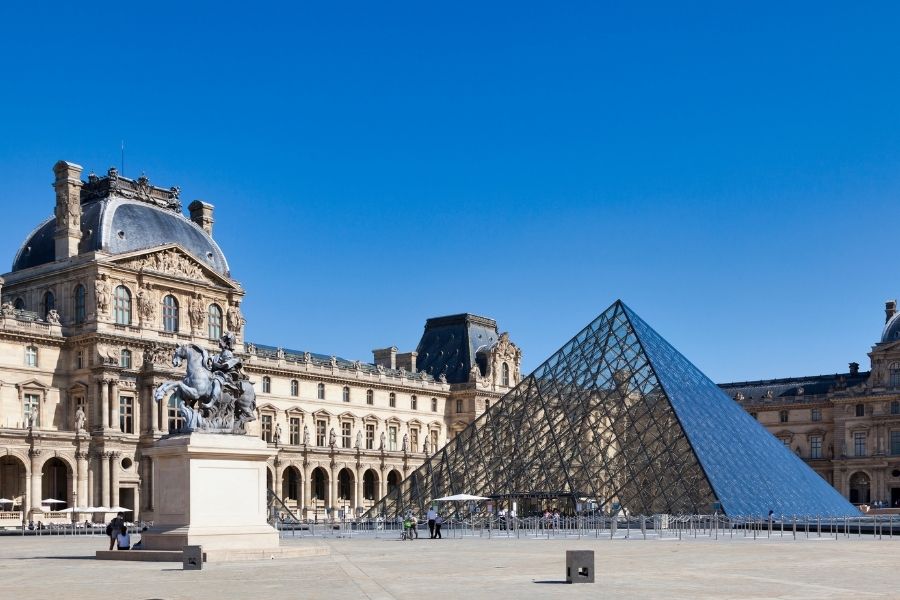
If you want your Louvre visit to feel special and not just a blur, stick around. I’ll share the tips, little tricks, and honest advice that helped me turn chaos into a day I’ll never forget.
Planning Your Epic Louvre Visit
When I started planning my Louvre trip, I quickly saw how a bit of prep could save me a ton of stress. Picking the best time to visit, grabbing tickets, and knowing how to get through security made everything easier.
That meant more time with the masterpieces, less time standing in line or wandering around lost.
Best Times to Visit and Avoid Crowds
If you want to actually enjoy the museum, patience is everything. Early mornings—right at opening—are usually your best shot at some peace and quiet.
Wednesday and Friday evenings? Also a solid choice, since the Louvre stays open late and the crowds thin out.
Weekends and school holidays? Total zoo. I found that weekday afternoons, especially outside peak tourist season, felt much calmer.
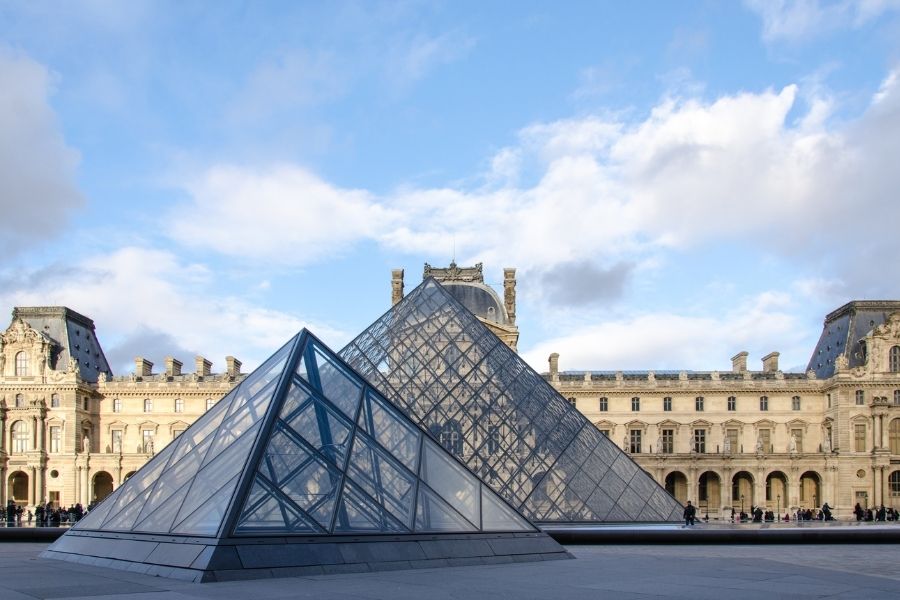
It’s obvious why picking a less busy time matters: you spend more time with the art and less time fighting your way through crowds.
Quick tips:
- Skip Tuesdays—the museum’s closed
- Arrive at opening, or go late on Wednesday/Friday
- Avoid weekends and holidays
A little patience really does pay off. The rooms seem bigger, the art feels closer, and the whole visit just goes smoother.
Securing Tickets and Guided Tours
Buying your ticket online before you go is a total game-changer. I got mine through the official Louvre website, which gave me a time slot and let me skip the ticket counter.
Guided tours are great if you want a deeper dive or just need help finding your way. Most tours give you headphones, so you can hear the guide even if it’s crowded.
I went with a short highlights tour, which took me straight to the classics like the Mona Lisa and Venus de Milo.
Table: Ticket Types
| Ticket Type | Convenience | Value | Includes Guide? |
|---|---|---|---|
| Standard Online | High | Standard Price | No |
| Guided Tour | Very High | Higher Price | Yes |
| Walk-in | Low | Standard Price | No |
Pressed for time? A tour can be a lifesaver. Plus, part of your ticket price usually helps support restoration efforts, which feels good.
How to Navigate the Entrance and Security
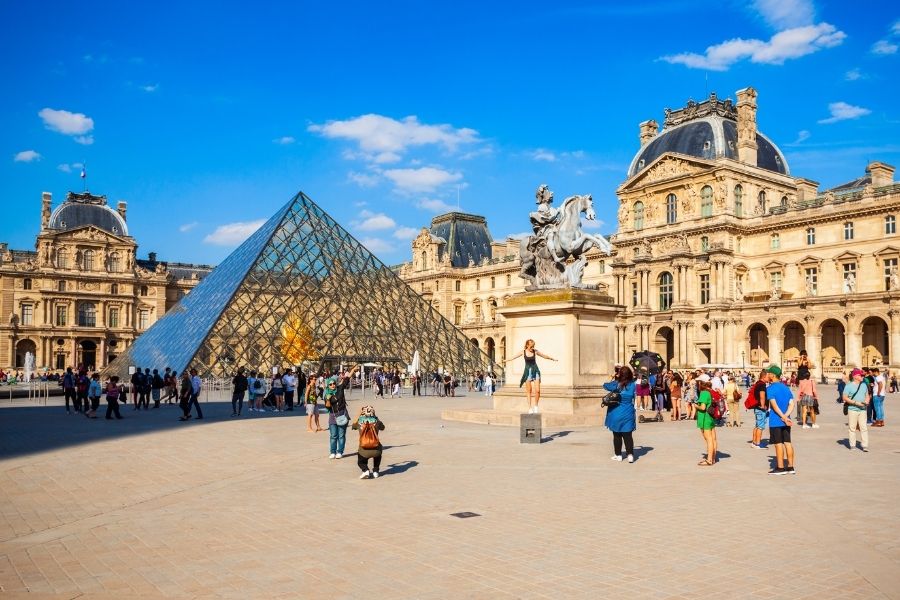
The Pyramid entrance is the main one—but wow, those lines get long. I discovered the Carrousel du Louvre entrance (through the underground shopping area) was faster and way more comfortable, especially if it’s raining.
You’ll go through airport-style security checks. It’s for everyone’s safety, but packing light really helps. Big bags slow you down and might even have to be checked.
The staff were patient and helpful, which made things smoother.
Entrance options:
- Pyramid: Main entrance, but crowded
- Carrousel du Louvre: Quicker, with shops and restrooms
- Richelieu: For groups and some ticket holders
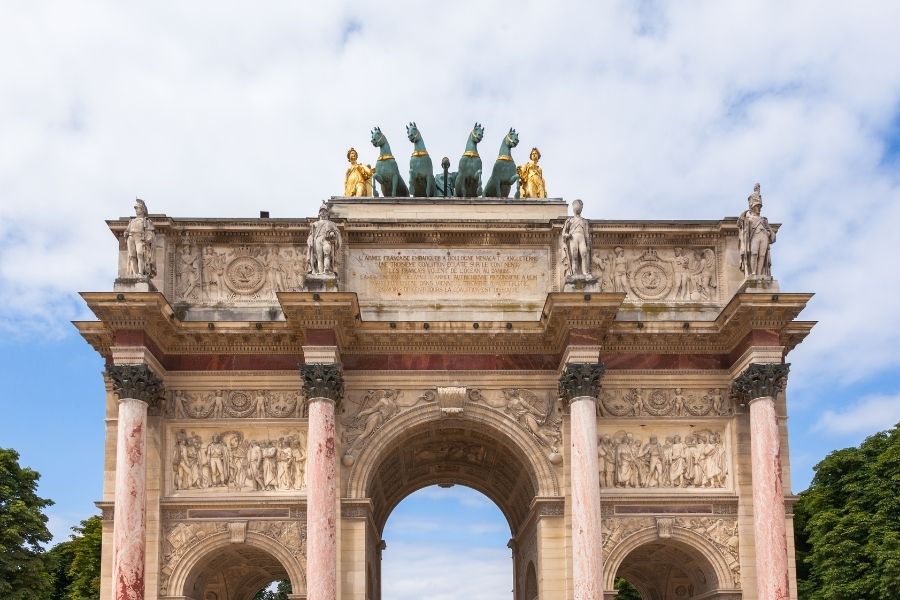
Choosing the right entrance and being ready for security means you’ll see the art sooner, with less stress right at the start.
Must-See Masterpieces: Mona Lisa, Venus de Milo & Beyond
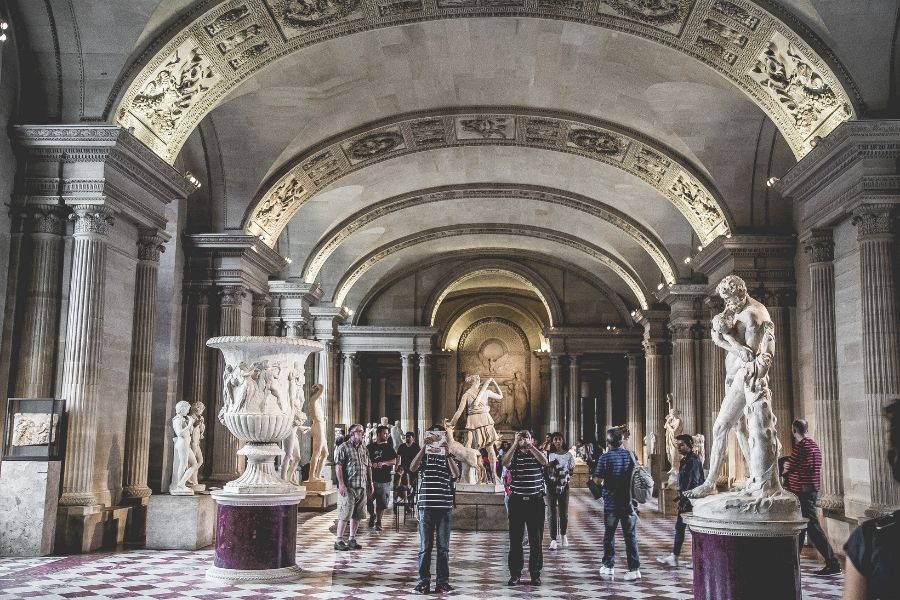
Walking through the Louvre feels like jumping into a living timeline of human creativity. Every room bursts with iconic works and legendary artists.
It’s a crash course in beauty and culture, honestly.
Mona Lisa: History, Mystique, and Viewing Tips
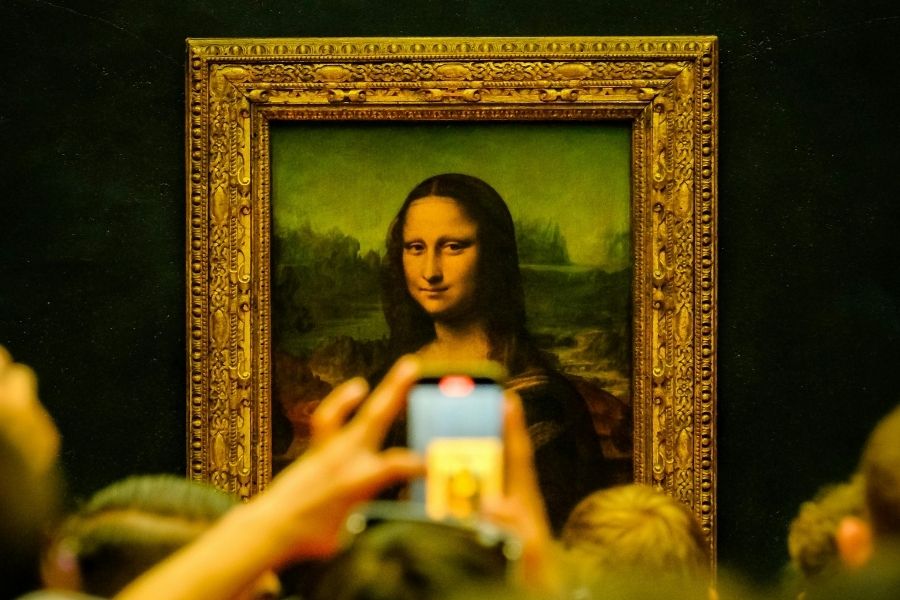
Standing in front of the Mona Lisa, I can’t help but get pulled in by that mysterious smile. Leonardo da Vinci painted it in the early 1500s, and people have argued about its meaning ever since.
Art historians love to debate Lisa’s expression, which only adds to its mystique.
Getting a good look at the painting isn’t easy. The Mona Lisa sits behind glass, and there’s always a crowd. I recommend showing up early or late—both times give you a bit more breathing room.
Here are a few tips:
| Viewing Tips | Details |
|---|---|
| Go during off-peak hours | Early morning or late afternoon is best |
| Stick to the center | For the clearest view through the crowd |
| Have your camera ready | Photos are allowed, but no flash |
It’s smaller than you might expect, but seeing it up close is surprisingly powerful. The Mona Lisa still inspires artists and visitors from all over.
Venus de Milo: Beauty and Cultural Significance
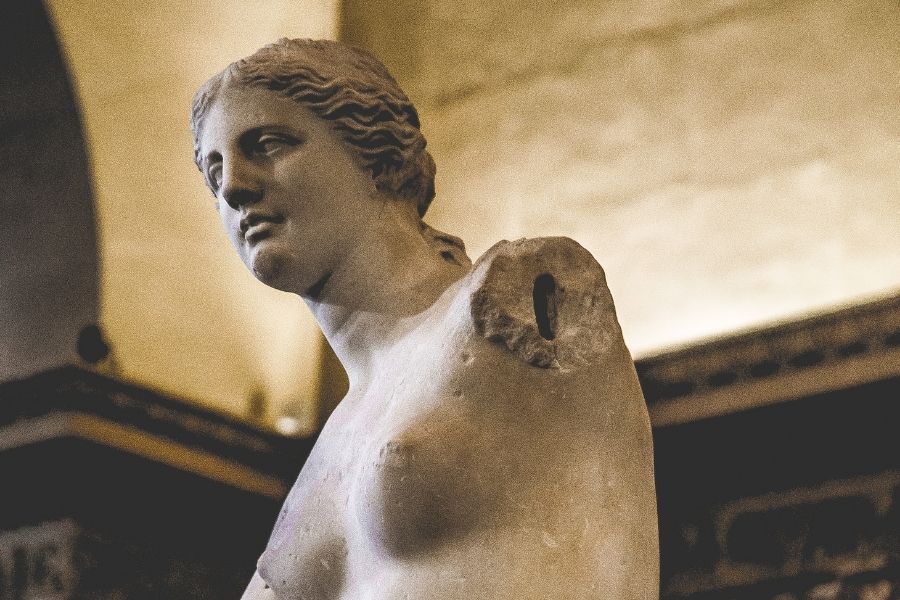
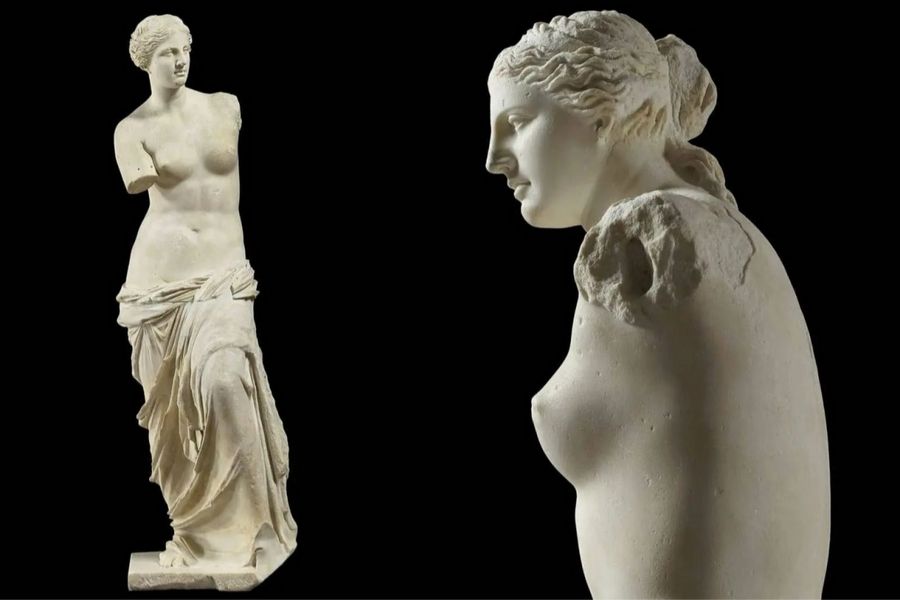
A few galleries away, I found the Venus de Milo—a marble sculpture from ancient Greece that’s just stunning. She was carved around 100 BC and, even with her missing arms, she completely redefines beauty.
Her pose and flowing drapery show off the Greek love of balance and form. It’s more than just looks; Venus de Milo is about aesthetic concepts that find strength in imperfection.
The crowds gather here too, but the room feels more open. I liked walking around the sculpture to see how the artist played with light and movement.
A couple of tips:
- Check her out from every side—you’ll spot tiny details.
- Skip the center-front view for less crowded angles.
- Take a second to think about how ideas of beauty have changed.
Seeing her up close made me rethink what art and beauty really mean.
Other Essential Works: Paintings and Sculptures Worth Your Time
The Louvre is packed with masterpieces, but there’s a lot more than just the big stars. I tried not to rush and made time for a few hidden gems.
Some of my favorites:
- The Winged Victory of Samothrace – This sculpture is all about motion and triumph.
- Liberty Leading the People by Eugène Delacroix – It’s dramatic, packed with creative energy.
- The Coronation of Napoleon by Jacques-Louis David – Massive, and it just radiates power.
- The Code of Hammurabi – Not just an artifact, but a piece of art that changed history.
Spending time with these pieces made me appreciate how deep and diverse the Louvre’s collection is. I try to see a mix of paintings and sculptures—it really broadens the whole experience.
Art Appreciation Hacks: Enjoying the Louvre Without Feeling Lost
Art can be overwhelming—so many famous works and so many people. I found that knowing just a few basics made the whole experience way more fun.
Understanding Different Art Movements and Styles
My first trip was a blur until I realized most paintings fit into a few big art movements. Knowing these helped me notice what made each one special.
- Classical Art: All about harmony and ancient stories. Statues like Venus de Milo show off perfect beauty.
- Renaissance: Artists like da Vinci used light and shadow for realism. Look for soft faces, detailed backgrounds, and religious themes.
- Baroque & Romanticism: Drama, bold colors, wild emotions. You’ll spot huge scenes and lots of movement.
- Modern Art: Bright splashes, weird shapes, and a challenge to tradition.
Just remembering these categories made it easier to talk about what I was seeing—and why it mattered.
Quick Guides: Classical, Renaissance, and Modern Galleries
The Louvre can eat up hours if you wander aimlessly. When I wanted to see the essentials, I mapped out a route with key pieces from each era.
| Gallery | Famous Works | Tips |
|---|---|---|
| Classical | Venus de Milo, Winged Victory | Head to the Sully Wing. Go early for fewer crowds. |
| Renaissance | Mona Lisa, The Wedding at Cana | Take the Denon Wing. Watch for subtle expressions and backgrounds. |
| Modern | Delacroix’s Liberty Leading the People | Richelieu Wing has later works. Notice themes of revolution and freedom. |
Moving between these galleries helped me spot changes in style and theme. I usually spend about 10 minutes with each big piece, reading the signs and picking out details.
Philosophy, Ideology, and Political Context in Art
The Louvre isn’t just about pretty art—it’s about big ideas. Many paintings and sculptures reflect what people believed about beauty, power, and life.
Plato believed art could shape how we feel and act—a concept called catharsis. Dramatic scenes like The Raft of the Medusa made me feel things I didn’t expect, which lines up with Jerrold Levinson’s idea that art gives us new ways to see and feel.
A ton of art in the Louvre is political. Some paintings praise kings, others celebrate freedom or rebellion (Liberty Leading the People). Anthropology helps me see how art explains what mattered to different cultures.
Noticing these layers made my visit way deeper. Art here isn’t just about looks—it’s about ideas, power, and who tells the story.
Making the Most of Your Experience: Personal Stories & Practical Tips
The Louvre’s size and crowds can be a lot. I’ve found that a little planning and some personal touches turn a rushed visit into a memorable one.
Customizing Your Route: Themed Trails & Hidden Gems
On my first visit, I rushed straight to the Mona Lisa like everyone else. Later, I realized the Louvre is easier to enjoy if you pick a theme or focus each time.
One afternoon, I spent hours just in the ancient Egyptian galleries. The quiet halls and amazing artifacts made it feel like a completely different place.
Here’s a table with some themed trail ideas:
| Theme | Highlights |
|---|---|
| Greek & Roman | Venus de Milo, Winged Victory |
| French Masters | Delacroix, David, Ingres |
| Sculpture Hunt | Lamassu, Psyche Revived |
| Hidden Corners | Medieval Louvre, Islamic Art |
I suggest wandering off the main path to find quiet corners or art that speaks to you. Sometimes a small room or a lesser-known piece becomes the highlight of the whole trip.
Balancing Cultural Depth With Pleasantness
I used to feel pressure to “see everything,” and honestly, it just wore me out. Now, I let myself slow down, wander toward what grabs my interest, and skip the rest without guilt.
If I spend twenty minutes in front of one painting instead of shuffling along with the crowd, I walk away feeling genuinely satisfied. Pleasantness matters—maybe more than I thought.
I’ll hunt for a bench, pause to check out the building’s architecture, or take a quick break if I start to feel overwhelmed. If a room’s packed—like the one with the Mona Lisa—I might just snap a picture and swing by again later, hoping it’s quieter.
Sometimes I just want to soak in the atmosphere, not race through a checklist of famous works. That little bit of aesthetic appreciation? It helps me feel more connected to the art.
My best experiences happen when I let curiosity, comfort, and my own interests lead the way.
When Art Meets Life: Beyond the Louvre Walls
Art in the Louvre isn’t some distant thing, locked away from everyday life. Each masterpiece comes with its own story, and the museum reveals how history and society decide what ends up on those famous walls.
Cultural Connections: Trade, Class, and Revolution in Art
When I walk through the Louvre, I see more than just paintings and sculptures. The art tells stories—trade routes, power struggles, shifting classes.
The French Revolution didn’t just topple kings; it changed who owned art and who got to see it. Trade made all of this possible.
Imports from places like Egypt and Greece—think Venus de Milo—show how art traveled between countries and cultures. As the French middle class grew, they wanted paintings too, not just the royals. Art started to symbolize new ideas.
Here’s a quick breakdown:
- Trade brought international art to Paris.
- Revolution made museums public, not just for nobles.
- Class shifts changed both who made art and who viewed it.
I’ve noticed the same thing in places like Glasgow and Florence. Trade and class struggles shape local museums, turning every gallery into a little window on history.
Influence of Paris on the Global Art Scene
After spending some time in Paris, I couldn’t help but notice—no other city really matches its influence on art. Paris inspires artists and shapes collections in places like London, New York, and even Yorkshire.
Major museums, like the British Museum in London or The Met in New York, often borrow ideas from the Louvre. When I walked through Florence’s galleries, I saw echoes of Paris everywhere—from the way paintings hung to how visitors moved through the space.
Here’s a list of cities deeply influenced by the Louvre:
- London (National Gallery)
- New York (The Met)
- Florence (Uffizi Gallery)
- Glasgow (Kelvingrove Art Gallery)
- Yorkshire (Yorkshire Sculpture Park)
Paris set the standard for what a museum could be. So many modern art movements started or picked up steam here, sending ripples across the globe.
Even now, people flock to the Louvre to see not just the famous art, but also how art can reach far beyond the museum’s stone walls.
Art, Media, and Modernity: The Louvre in Pop Culture
Walking through the Louvre’s galleries, I kept noticing how much its art lives outside the museum. The Louvre pops up everywhere—from late-night comedy sketches to debates about gender and censorship.
Television, Comedy, and the Louvre’s Role Today
TV shows and movies love to use the Louvre, especially when characters want to catch a glimpse of the Mona Lisa or Venus de Milo up close. I first saw the Louvre as a punchline on late-night comedies, like The Late Show or some quirky ABC sitcom. Even Kate Hudson has joked about trying to snap a selfie with that tiny Mona Lisa smile and fighting the crowds—totally relatable, honestly.
Back in college at Ball State, I remember a funny TV spot where students poked fun at the long lines and ever-watchful guards. These sketches make light of the chaos, but they also highlight just how badly people want to see art in person.
It’s funny, sure, but there’s something real behind the laughter—nothing compares to standing in front of centuries-old masterpieces. Even with all the jokes, the magic’s still there.
Philosophical and Social Commentary: Censorship and Gender
Art in the Louvre has always sparked some serious conversations.
Censorship, for instance, has been a hot topic since at least 1871. Back then, people covered or hid certain works because society thought they were too scandalous.
Honestly, I still notice those debates today. Whenever an artwork features nudity or digs into complicated themes, you can feel the tension.
Gender pops up a lot, too. So many of those famous statues—Venus de Milo comes to mind—really reflect ideas about ideal beauty and the female form.
When I dug into the CIA’s influence on postwar art or read about messy modern art controversies, I started to see how much gender shapes which works get shown and which ones spark outrage.
The Louvre still sits right in the middle of all these social discussions. Whether you’re deep in academic debate or just chatting in the museum halls, these issues won’t go away.
They keep shaping how I, and honestly most visitors, see the art.
