
A day trip to the Berlengas Islands from Peniche is an unforgettable way to experience Portugal’s wild beauty, unique wildlife, and fascinating history all in one adventure. When spring and summer roll around with gentle weather and calmer seas, hopping on a boat to this protected nature reserve feels like stepping off the map and into a different world.
In less than an hour, I found myself surrounded by rugged cliffs, sparkling blue water, and seabirds wheeling overhead. What drew me most, besides the jaw-dropping scenery, was the chance to wander through the centuries-old São João Baptista Fort and maybe spot puffins in their own little kingdom.
As I wandered the trails, the salty ocean air and the chatter of nesting birds made it clear—this island is a dream for nature lovers. If you’re itching for a quick escape from the mainland, the Berlengas Islands offer a day packed with hiking, birdwatching, snorkeling, and plenty of adventure.
I’ve got some tips for boat rides, must-see spots, and making the most of a wild Atlantic day. Let’s get into it.
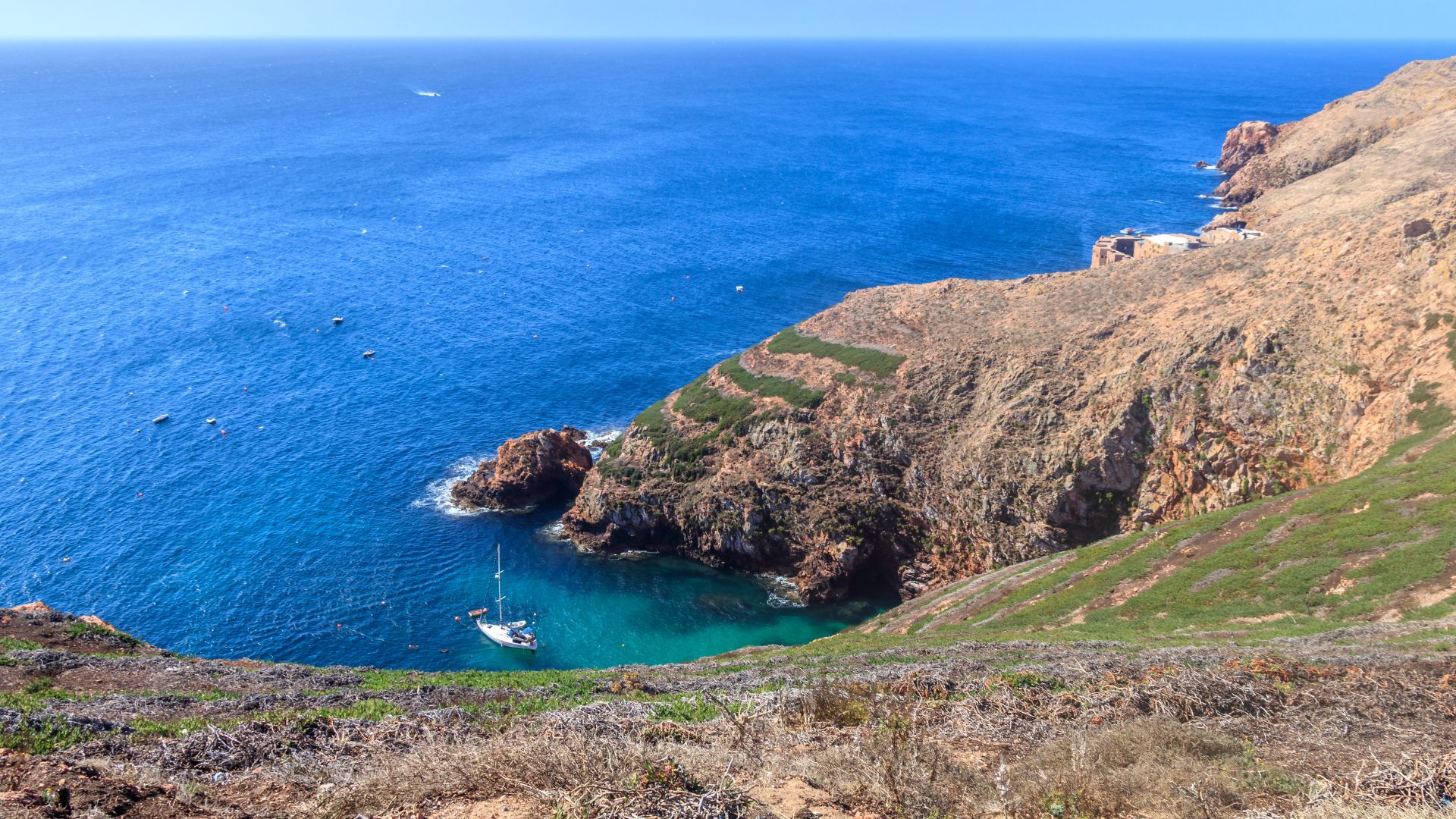
Planning Your Berlengas Islands Day Trip
You’ll need a bit of planning to get ready for a Berlengas Islands day trip from Peniche, but honestly, it’s worth every minute. Visiting a protected nature reserve brings its own quirks, especially when spring and summer wake up the wildlife and fill the air with that fresh sea tang.
Best Time to Visit in Spring and Summer
Spring and summer really bring the Berlengas Islands alive. I found that mid-May through early July is the sweet spot—less wind, more sunshine, and calm water for the boat trip.
This is when birdwatching shines, with puffins nesting along the cliffs and seagulls swooping over the fort. During high summer, they allow up to 350 visitors daily on Berlenga Grande. Booking tickets ahead is a smart move, especially on weekends or holidays.
Early mornings usually mean fewer crowds and softer light for photos. If you’re hoping to swim or snorkel in that clear blue water, these months are your best bet for warmer temperatures.
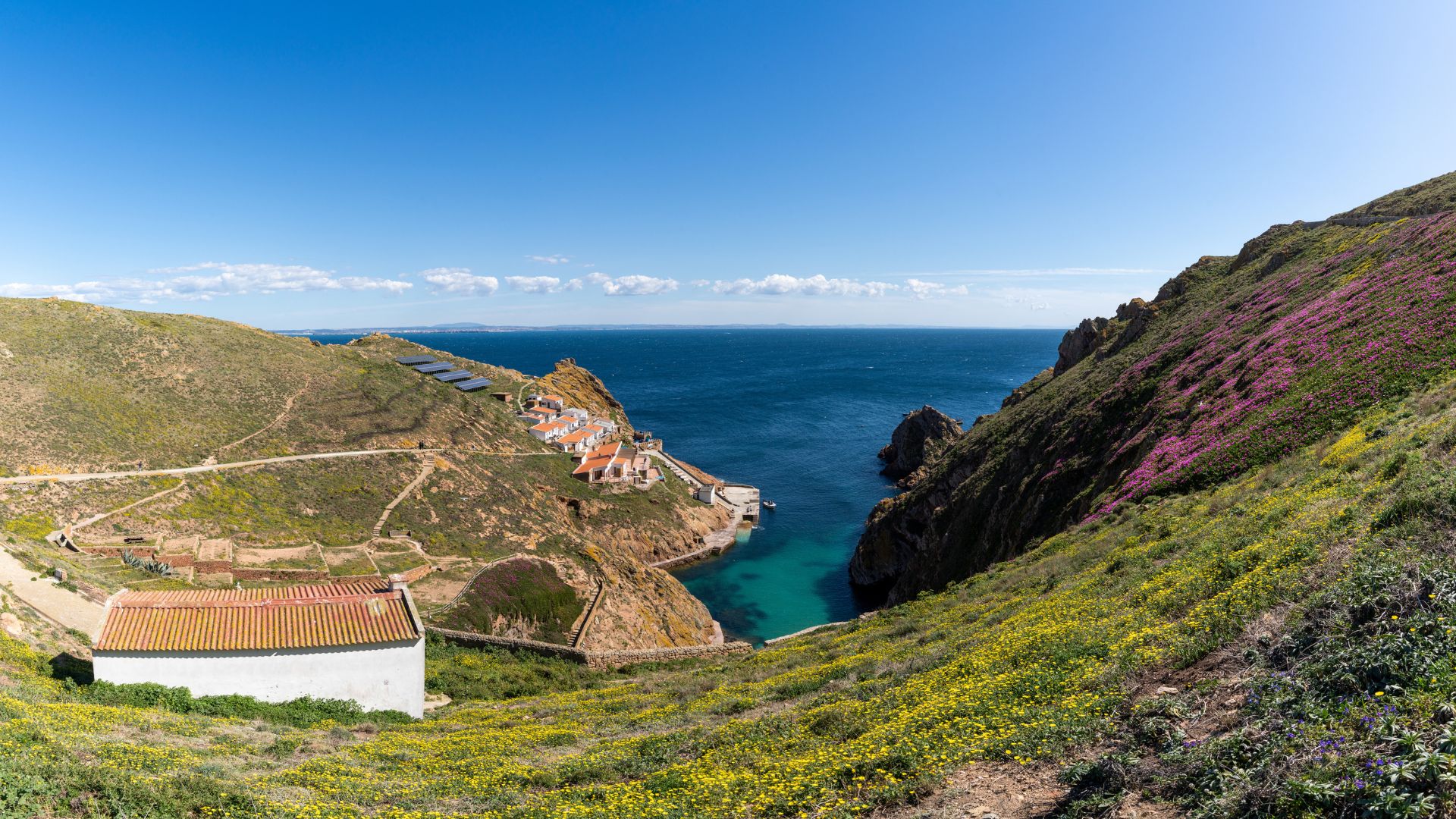
Late spring brings out the flowers and native plants, turning every hike into a postcard moment.
What to Pack for the Adventure
Packing right makes a huge difference. Here’s what kept me comfy and safe out there:
- Backpack: Lightweight and waterproof is ideal.
- Layers: Mornings can be chilly, but afternoons heat up. I brought a windbreaker and a hat.
- Sturdy shoes: The trails are rocky and uneven, so good grip is a must.
- Sun protection: The sun is intense. I always pack sunscreen, sunglasses, and a wide-brim cap.
- Water and snacks: There’s not much food for sale, so I filled a reusable bottle and brought a picnic.
- Swimsuit and towel: The beaches and coves are tempting, even if the Atlantic is chilly.
- Camera or binoculars: You don’t want to miss those puffins.
- Cash: For entry fees or small purchases, since cards aren’t always accepted.

How to Travel from Peniche
Getting to the Berlengas Islands is half the fun. I grabbed a boat from the Peniche harbor—most trips take 30 to 45 minutes, depending on the sea.
Several ferry companies run regular departures during spring and summer. Booking online ahead of time locked in my spot and let me pick the best hour for the day.
I showed up at least 30 minutes early to sort check-in, since seating is first come, first served. You’ll find boat options from glass-bottom vessels (great for underwater views) to speed boats that make things a bit more thrilling.
The ride can get bumpy, so I kept seasickness tablets handy just in case. As the UNESCO-listed reserve came into view, those cliffs and the São João Baptista fort looked absolutely epic from the water.
The Berlengas Nature Reserve Experience
Berlengas isn’t just a bunch of islands—it’s a protected haven for rare wildlife and some seriously dramatic scenery. This reserve blends rugged coastlines with a unique ecosystem shaped by the Atlantic’s moods.
Berlenga Grande: Main Island Highlights
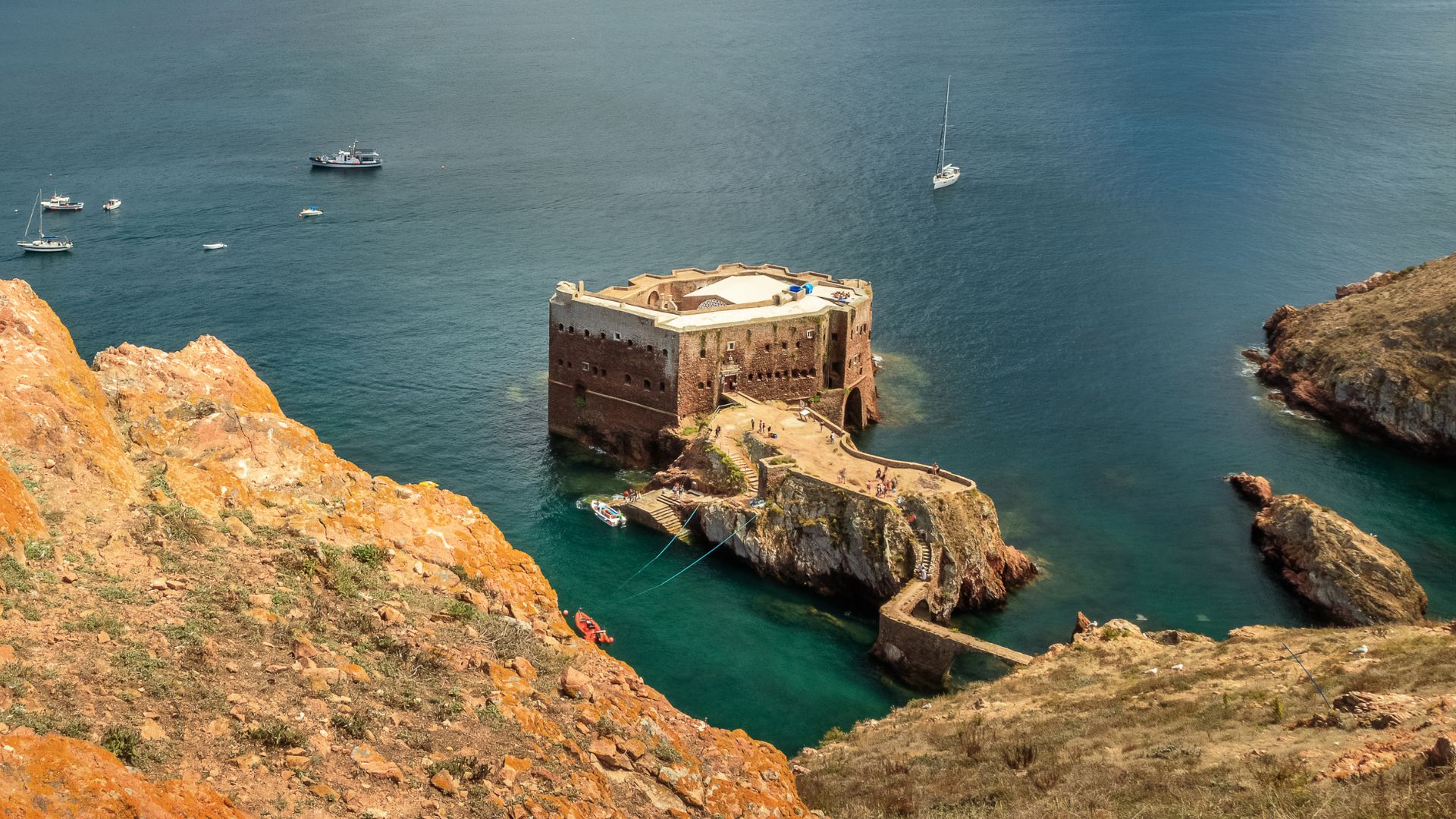
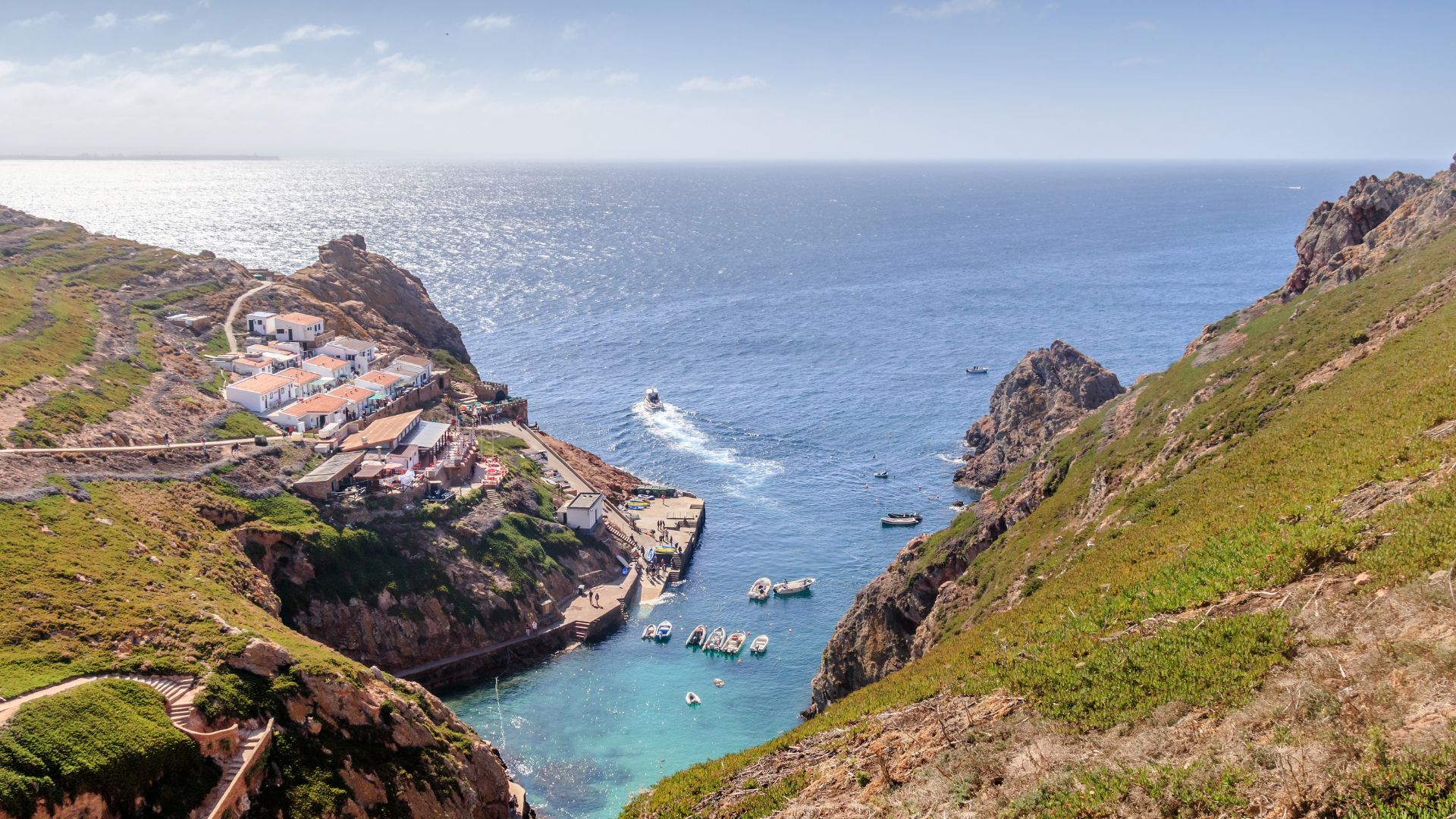
My boat from Peniche dropped me at Berlenga Grande, the only island open to visitors. Even stepping onto the dock, I felt the salty Atlantic air and saw the old São João Baptista fort standing watch over the water.
The island is small—just 1.5 km across—but packed with adventure. I followed winding trails over rocky hills to quiet coves and lookout points with sweeping views.
Wildflowers and twisted shrubs lined the paths, and gulls shrieked overhead. Exploring the fort was a must. Its thick stone walls and lonely setting felt frozen in time.
Along the hike, I found several bird-watching spots with signs about local species, including puffins and cormorants.
Beaches with turquoise water tempted me for a swim or quick snorkel.
Highlights of Berlenga Grande:
- Walking across the bridge to São João Baptista fort
- Hiking hilltop trails for panoramic views
- Bird-watching stations to spot nesting seabirds
- Quiet beaches for swimming and relaxing
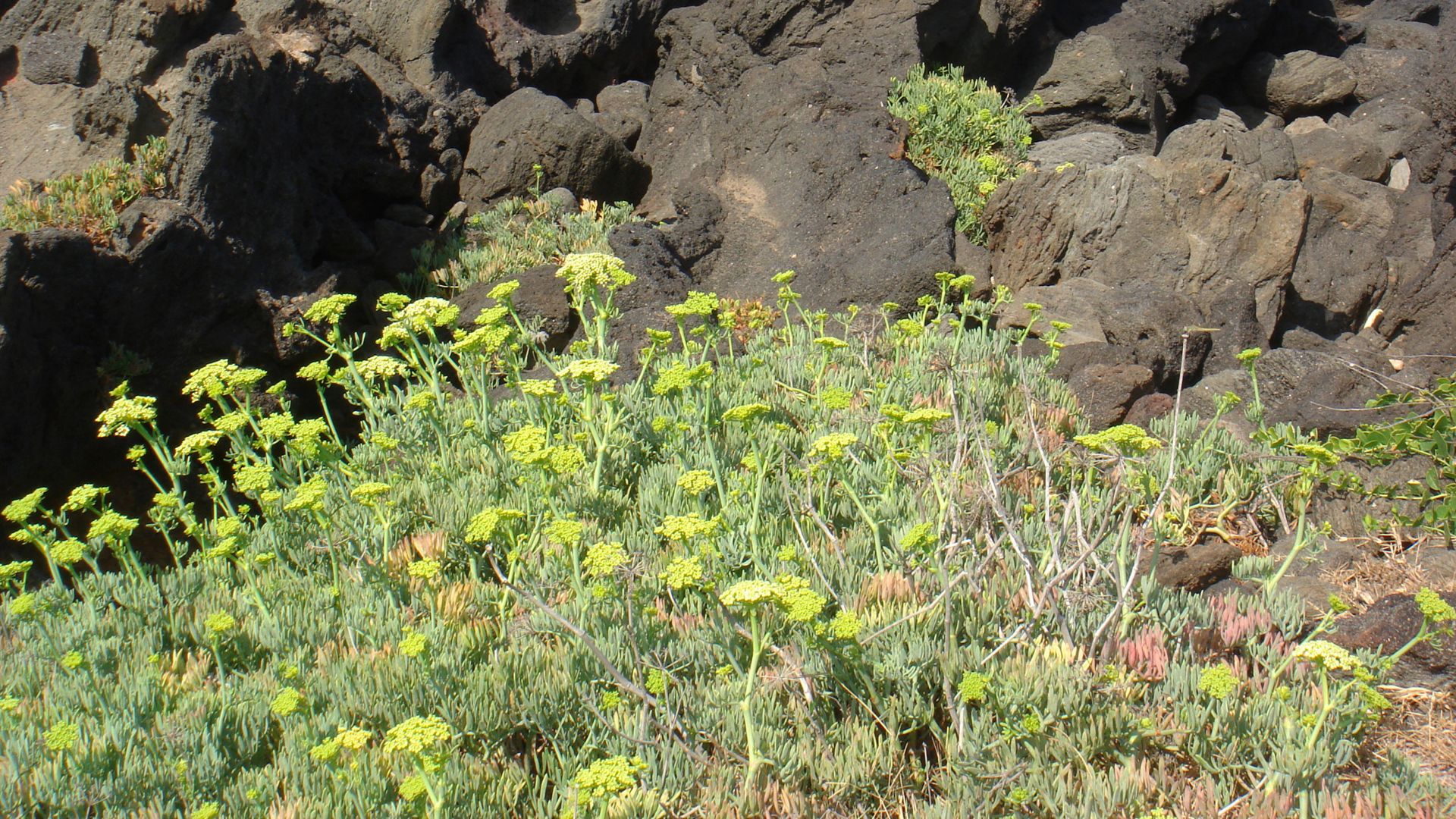
Protected Flora and Fauna
The Berlengas Nature Reserve tightly controls access. Only 350 visitors can set foot on Berlenga Grande each day to protect its delicate ecosystem.
The landscape may look tough, but it shelters rare plants and birds you just won’t see elsewhere in mainland Portugal. Puffins stole the show during my visit.
I spotted their colorful beaks poking out from rocky nests. The island’s steep cliffs make perfect homes for nesting seabirds, while the shallow waters attract schools of fish and even playful seals.
Signs along the paths pointed out plants like Crithmum maritimum (sea fennel) and Armeria (thrift), tough enough to survive salty winds and poor soil.
Here’s some of the wildlife I saw:
- Puffins (Fratercula arctica)
- Yellow-legged gulls
- European shags
- Unique flowers adapted to salty, windy conditions
Both the plants and animals are strictly protected. I stuck to marked paths and kept quiet to avoid disturbing nests or trampling rare plants.
Leaving the island, I felt a new appreciation for how wild these little islands stay, even with curious visitors like me.
Exploring Fort São João Baptista
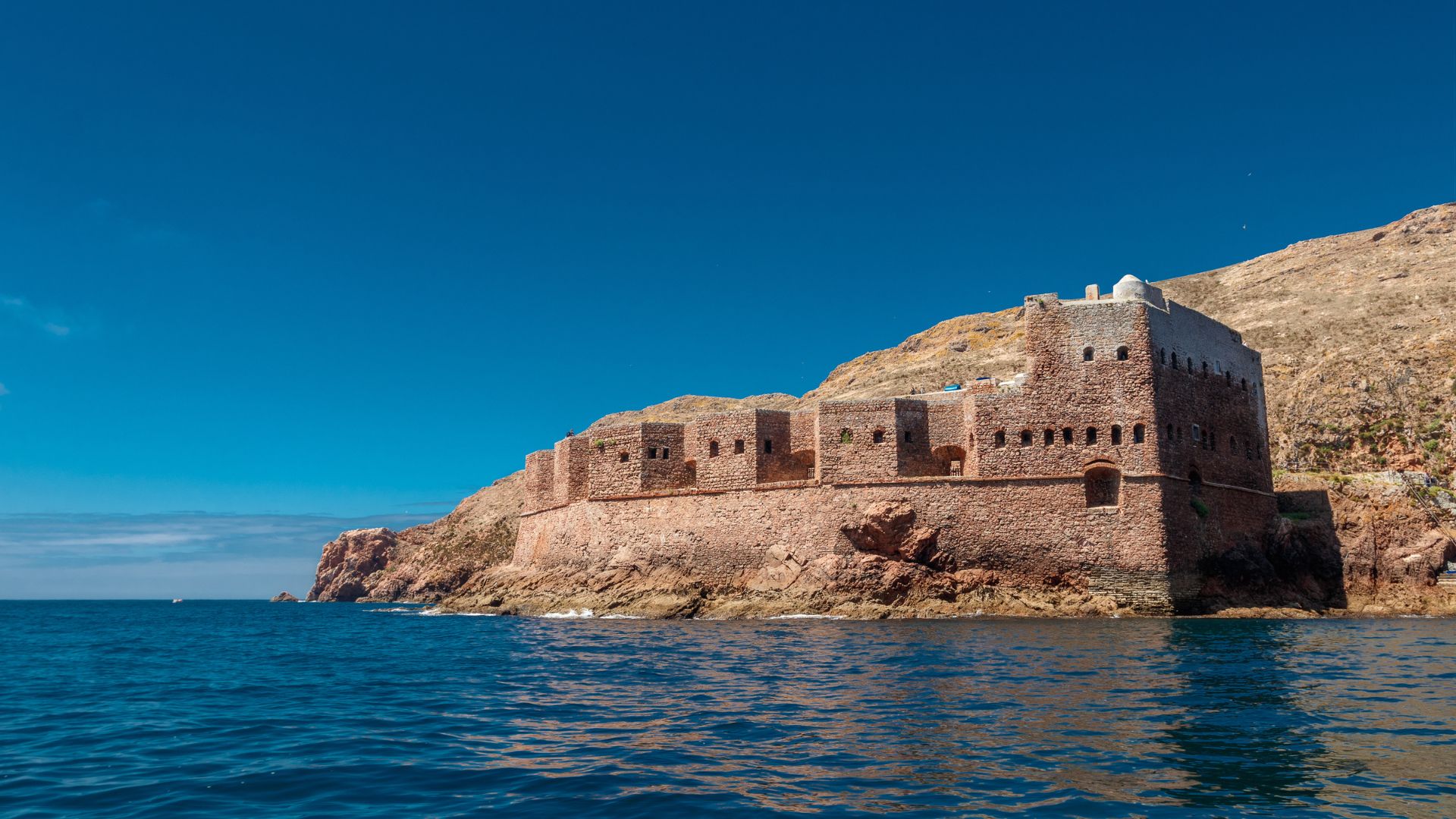
Fort São João Baptista perches on its own rocky outcrop, and it quickly became the highlight of my Berlengas trip. Its stone walls, battered by centuries of wind and sea, still stand strong.
You get a peek into Portugal’s coastal defenses and a taste of the island’s wild history.
History and Architecture
They originally built Fort São João Baptista to fend off pirates and invaders. Construction probably started in the 16th century, but the fort’s familiar shape took form in the 17th.
I crossed a narrow stone bridge with turquoise water swirling below. The fort’s low, thick walls and angled bastions scream military architecture—built to withstand attacks and Atlantic storms.
Inside, the layout is simple but effective. Old cannons, small courtyards, and stone stairways hint at life here long ago.
The fort has served as a military post, a sailors’ refuge, and even a small guesthouse today. Every corner—from battered watchtowers to arched doorways—felt both sturdy and strangely peaceful.

Stories from the Fort’s Walls
Local legends and real history blend in these walls. Guides and signs share stories of brave soldiers fighting off pirate raids, especially an epic battle in 1666 when a handful of men held out against northern pirates.
I paused, imagining how cold and restless the nights must have felt here, with only the wind and distant waves for company. Some say the fort once sheltered shipwrecked sailors, grateful for a safe haven after rough nights at sea.
It’s easy to picture the old defenders peering out at the endless Atlantic, waiting for sails to appear. Small plaques share fascinating tidbits, and personal touches—names scratched into stone, rusted iron rings—quietly hint at the daily lives of those who stood guard on this wild edge of Portugal.
Wildlife Encounters: Puffins and More
Few places surprise me like the Berlengas nature reserve. These islands aren’t just rocky outcrops—they’re alive with seabirds, native plants, and flashes of wild beauty everywhere you look.
Spotting Puffins and Seabirds
Berlenga Grande is a magnet for birdwatchers. Puffins were the highlight for me. Their bright, clownish beaks are impossible to miss against the cliffs and green slopes.
I watched them waddling near their nests and diving into the Atlantic for fish. Besides puffins, I spotted cormorants, gulls, and even a few rare Audouin’s gulls.
The cliffs and caves make perfect nesting spots. Binoculars are a must if you want a closer look. The Nature Reserve protects these colonies, and it genuinely feels like stepping into a nature documentary.
Birds called to each other from the rocks, and I could hear the constant flutter of wings. Early morning or late afternoon seemed best for spotting the most active birds, especially if you want to catch puffins bringing food to their chicks.
Respectful Wildlife Watching Tips
Wildlife here isn’t just for show—it’s a protected treasure. I always stuck to the marked trails and kept a respectful distance, especially near nests.
Touching or feeding wildlife is a big no, and loud noises can mess with the birds. Here’s a quick checklist that helped me:
- Stay on the paths
- Keep voices down
- Use zoom lenses instead of getting close
- Never leave trash or food behind
Rangers patrol regularly, so it pays to follow the rules. By being mindful, I helped protect the puffins and seabirds that make the Berlengas Islands so special.
Beaches and Caves of the Berlengas
Soft golden sand, turquoise water, and mysterious hidden caves shape the wild landscape of Berlenga Grande.
One quiet beach stands out for its calm, while jagged cliffs hide secret grottos waiting for the adventurous.
Discovering Praia do Carreiro do Mosteiro
Praia do Carreiro do Mosteiro is the main—and honestly, the only—beach on Berlenga Grande. I found it just a short walk from the boat landing, tucked away in a sheltered cove.
The water is clear, with beautiful blue shades, and the gentle waves made it easy and safe to swim. The sand felt soft underfoot, though the beach is on the small side.
It gets busy at peak times, so arriving early is a smart move for some peace. Sunbathing was peaceful, with almost no buildings in sight—just cliffs and seabirds overhead.
The water, while tempting, is colder than on the mainland. Still, a quick dip felt amazing after hiking the island.
There aren’t many facilities, so I packed my own towel, snacks, and water. No shops or restaurants line the shore, which helps keep the place wild and untouched.
Boat Tours and Sea Cave Exploration
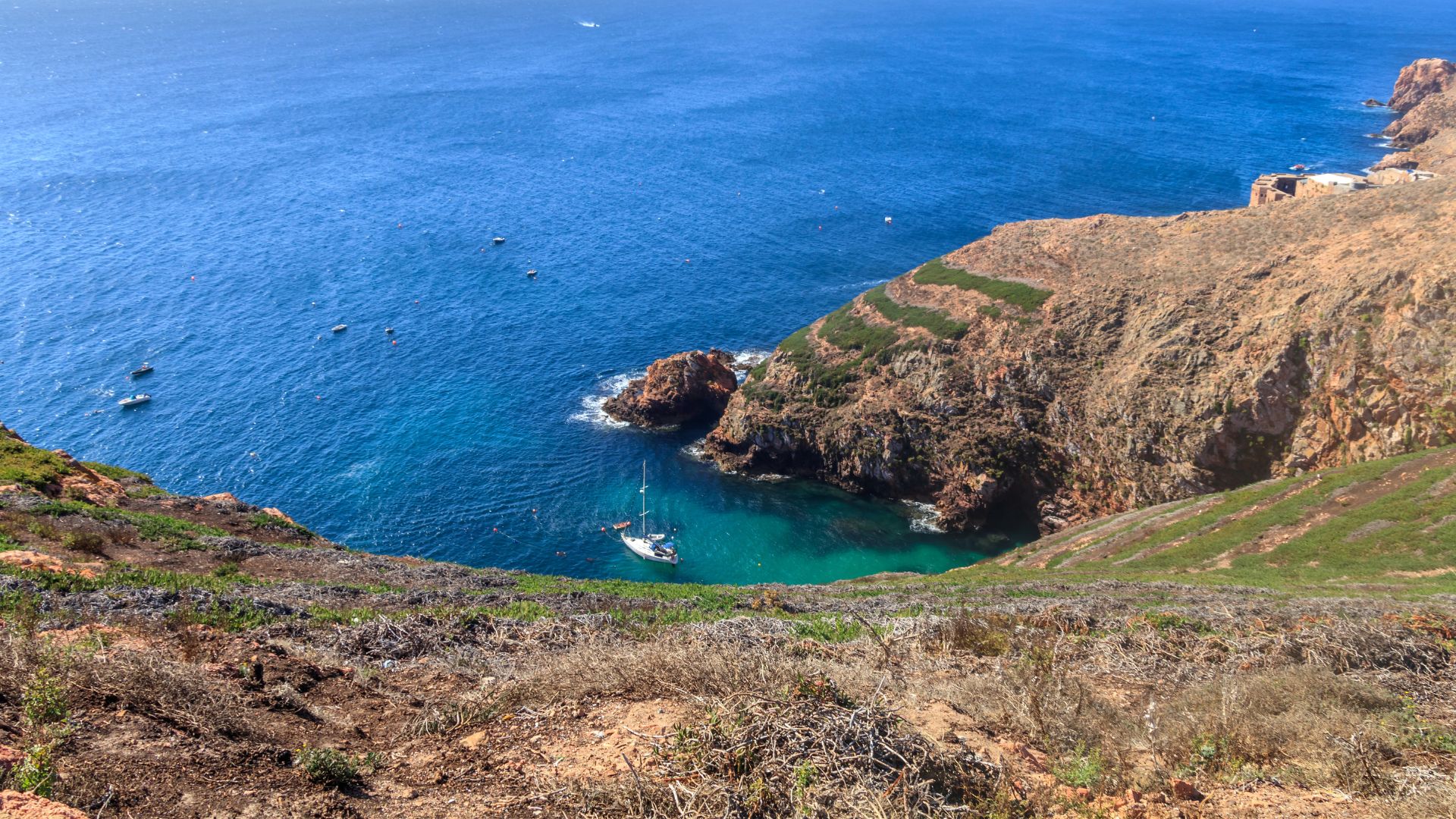
Exploring the sea caves was a highlight. Guided boat tours leave from the main dock and circle the island, weaving in and out of dramatic rock formations.
Some boats have glass bottoms, so I could peek at the underwater world as we cruised along the cliffs. Inside the caves, the light bounces off the rocks, turning the water turquoise and emerald.
Some cave entrances are so narrow that only small boats can squeeze through. The guides pointed out odd shapes, hidden arches, and even a few nesting seabirds tucked into the rocks.
Snorkeling is possible in these coves, but the water stays cold, even in summer. Lifejackets and snorkeling gear were provided.
I recommend booking in advance—spots fill up, especially on perfect-weather days. Seeing the island from the water added a whole new layer to the adventure and let me discover secret spots you just can’t reach on foot.
Tips for an Unforgettable Visit
A great day trip to the Berlengas Islands means balancing adventure with responsibility. Protecting the island’s unique environment and figuring out its quirks let me really enjoy this wild Atlantic escape.
Eco-Friendly Travel Practices
The Berlengas Nature Reserve bursts with rare birds, sea life, and native plants. I wanted to see these habitats thrive, so I followed some eco-friendly practices.
I noticed other travelers doing the same. I always brought a reusable water bottle, packed snacks in washable containers, and took every bit of trash with me when I left.
You won’t find trash bins around Berlenga Grande, so I made sure nothing got left behind. The island’s delicate pathways and marked trails really call for careful steps.
I stuck to the trails to help protect nesting puffins and those fragile flowers. It just felt right.
Quick Eco-Checklist:
| Do | Don’t |
|---|---|
| Bring reusable gear | Litter or feed wildlife |
| Stick to trails | Pick plants |
| Use reef-safe sunscreen | Leave trash behind |
Safety and Accessibility
You can only reach the islands by taking a boat from Peniche. Before I hopped aboard, I checked the weather—sometimes the seas get rough, especially in spring or early summer.
If you’re prone to motion sickness, I’d say bring some seasickness tablets just in case. The docks at Berlenga Grande get slippery, so I made sure to wear sturdy shoes with decent grip.
Once you’re on the island, you’ll need to hike rocky, uneven trails. Sometimes you even have to climb steep steps, like the ones up to the São João Baptista fort.
These paths aren’t wheelchair accessible, and honestly, they can be pretty challenging if you have limited mobility.
There’s barely any phone signal out there, and you won’t find any shops—so I always pack enough water, a charged phone, and a small first-aid kit.
A little preparation goes a long way, and you can really soak in the wild spirit of Berlengas if you’re ready for it.