
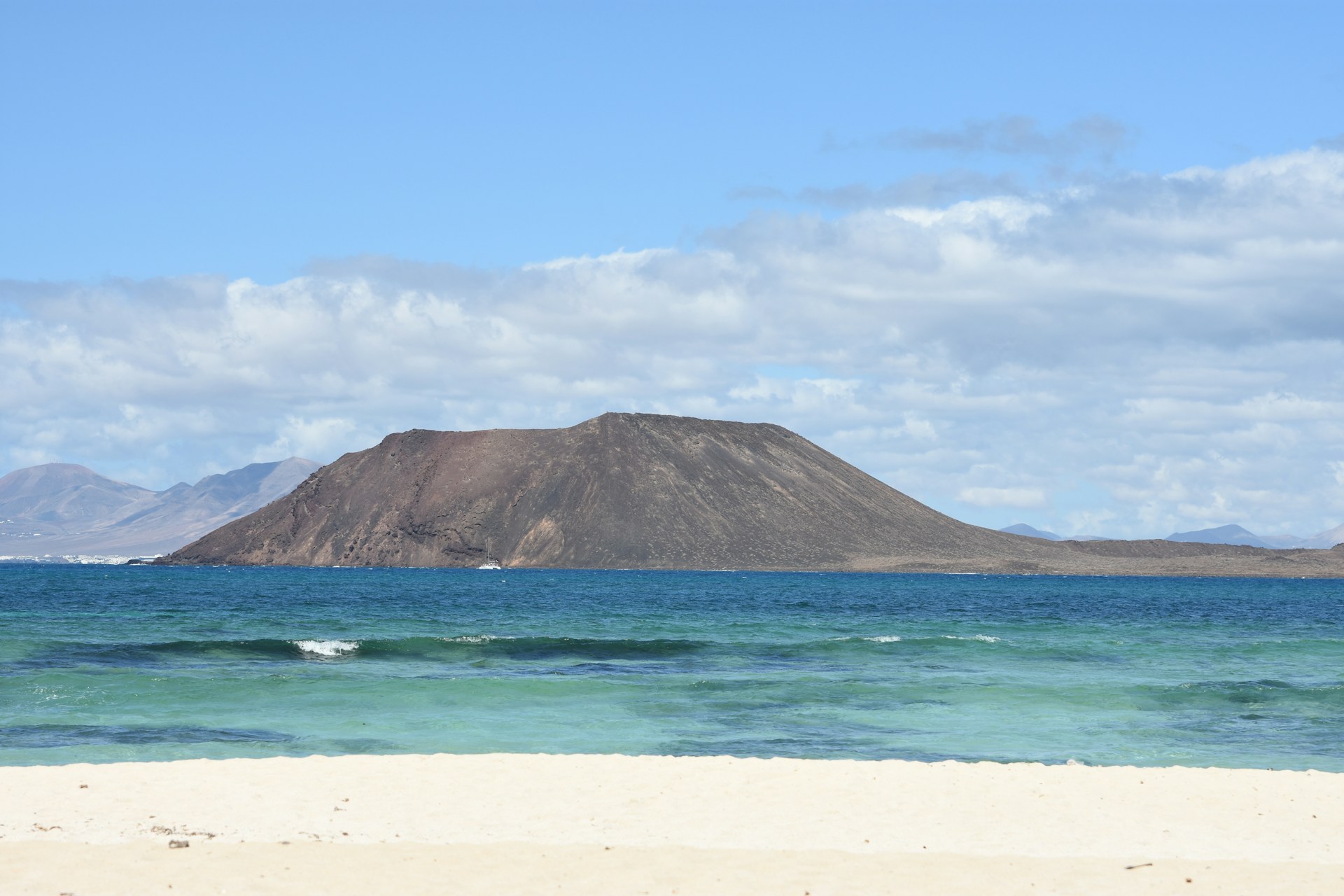
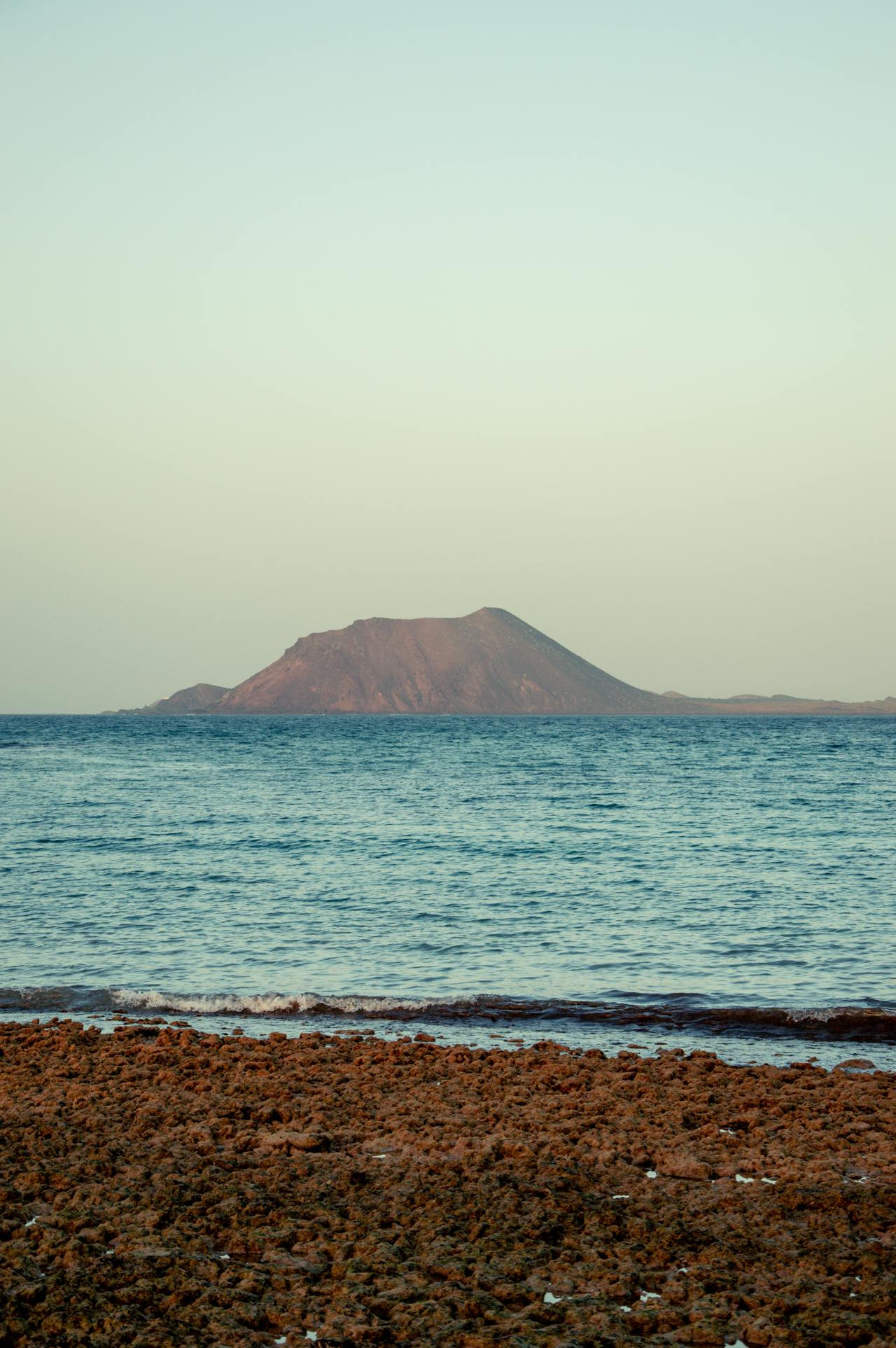
I never imagined that a quick 15-minute ferry from Corralejo would whisk me away to one of the most pristine natural escapes I’ve stumbled upon. Isla de Lobos, this tiny volcanic island just two kilometers off Fuerteventura’s coast, absolutely drew me in with its untouched beaches, see-through waters, and protected wilderness that honestly feels like another world compared to the usual touristy spots.
This small UNESCO-protected biosphere reserve packs in amazing snorkeling, scenic hiking trails, and peaceful beaches—all crammed into just 4.6 square kilometers. They named the island after the monk seals that once lounged on its shores. Now, it’s carefully preserved as a nature reserve with only a handful of visitors allowed each day.
As I wandered around Lobos Island, I started to get why people rave about it as Fuerteventura’s top day trip. Swimming in the turquoise water at La Concha Beach and trekking up volcanic trails for those sweeping ocean views—every corner felt like a secret waiting to be found. Planning the trip took some effort, but every bit was worth it.

Why Isla de Lobos is the Perfect Day Trip Destination
This little volcanic island is tucked right between Fuerteventura and Lanzarote. It’s super easy to reach but offers such distinct scenery and fascinating history you won’t find anywhere else in the Canaries.
Proximity to Fuerteventura and the Canary Islands
Getting to Isla de Lobos is a breeze. The island is just 2 kilometers from Corralejo, Fuerteventura’s popular resort town.
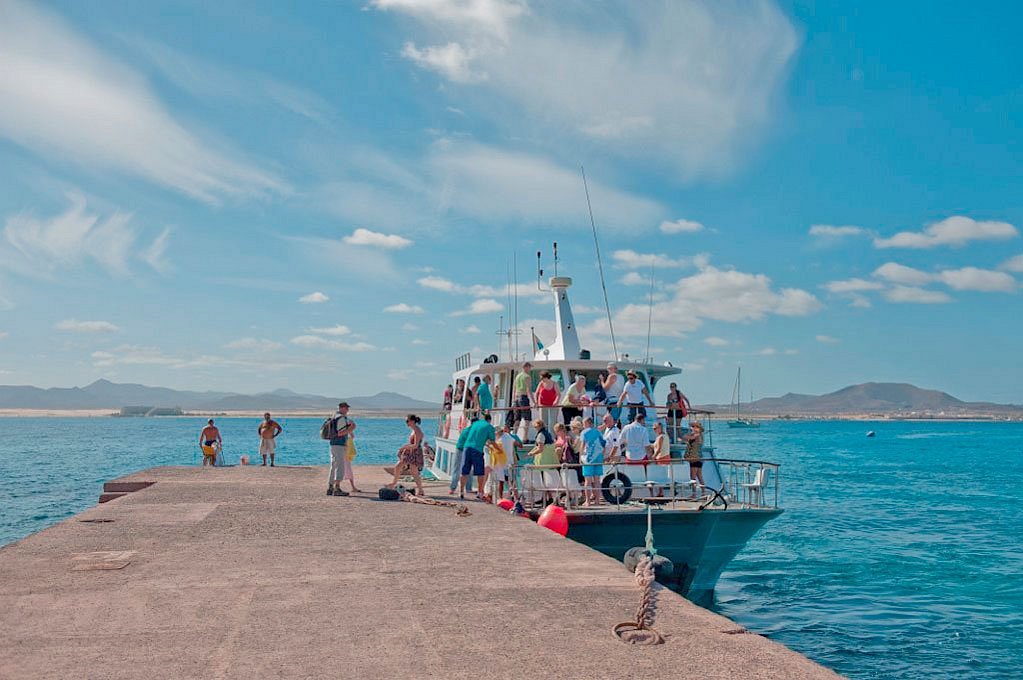
I hopped on a ferry from Corralejo harbor and, in about 15 minutes, arrived on the island. Boats leave regularly throughout the day, and tickets go for about €15-16 per person—easy to grab at the port or online.
Ferry Details:
- Distance: 2km from Fuerteventura
- Travel time: 15 minutes
- Cost: €15-16 return
- Departure point: Corralejo harbor
Lobos Island is only 8 kilometers from southern Lanzarote too. So, you can easily squeeze in a day trip from either island.
The quick ride makes it perfect when you want to get away fast. No need to stress over booking hotels or long travel days.
Unique Volcanic Landscapes and Natural Environment
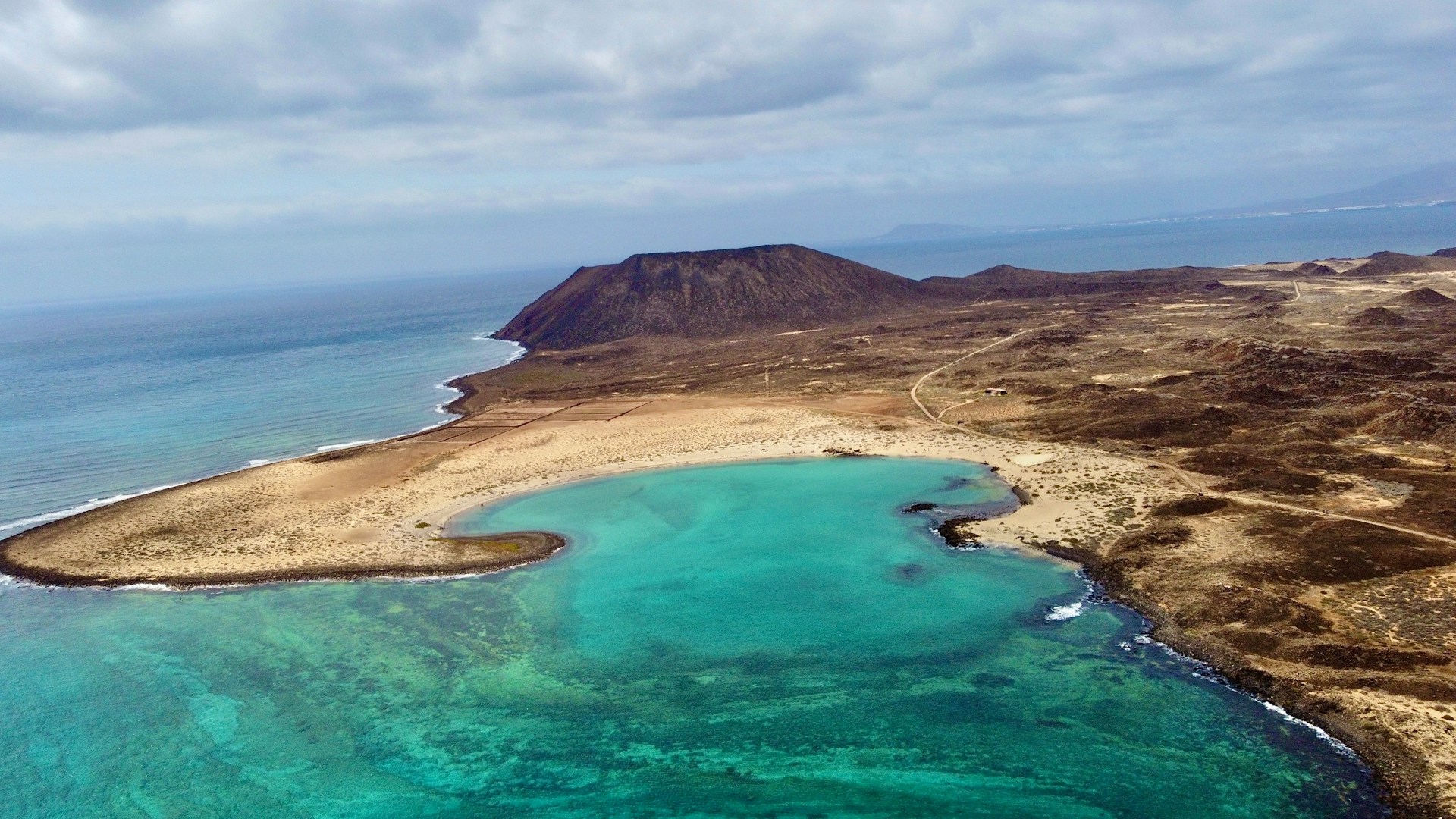
Isla de Lobos takes up just 4.6 square kilometers, but there’s so much packed in. The entire island is a protected nature reserve.
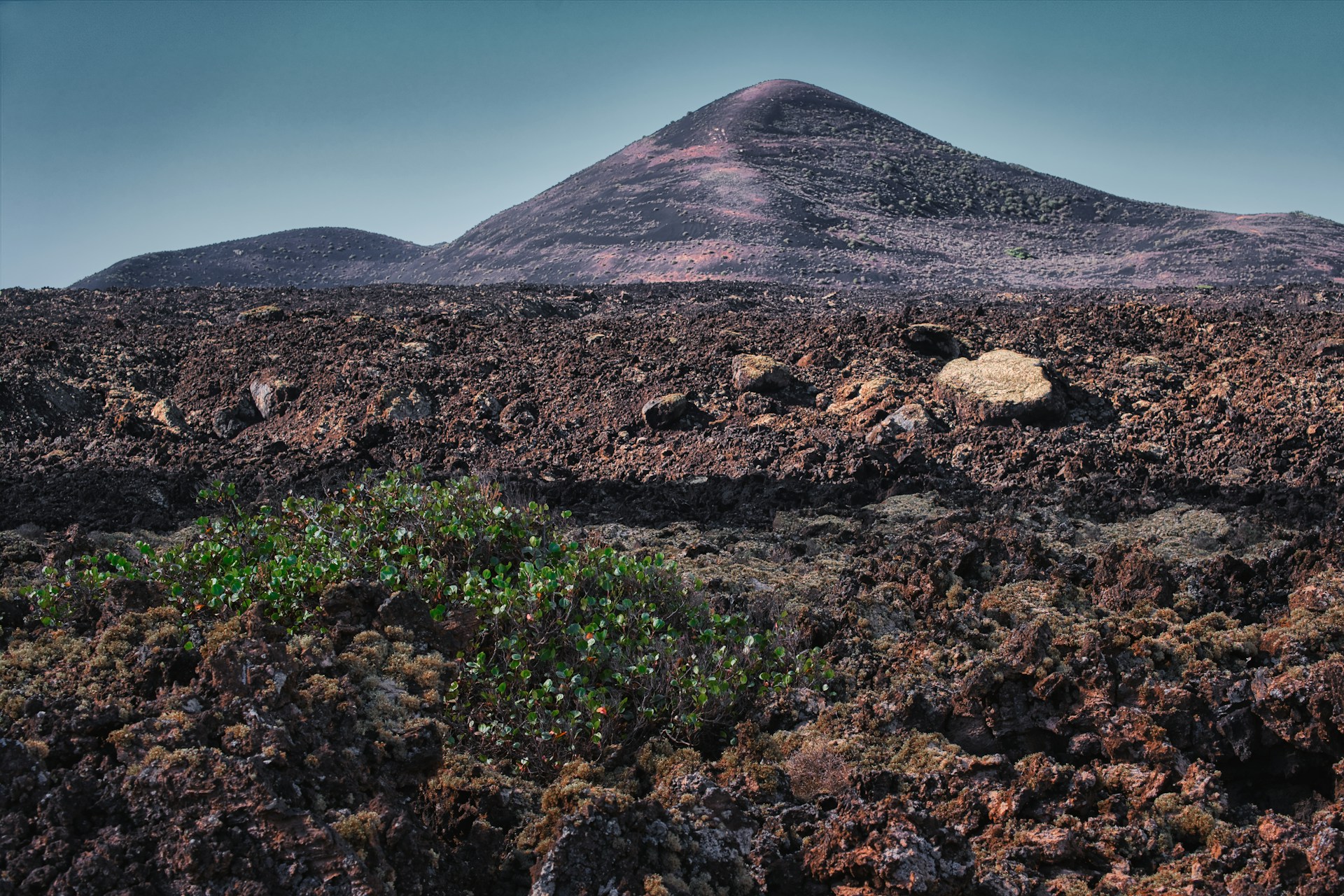
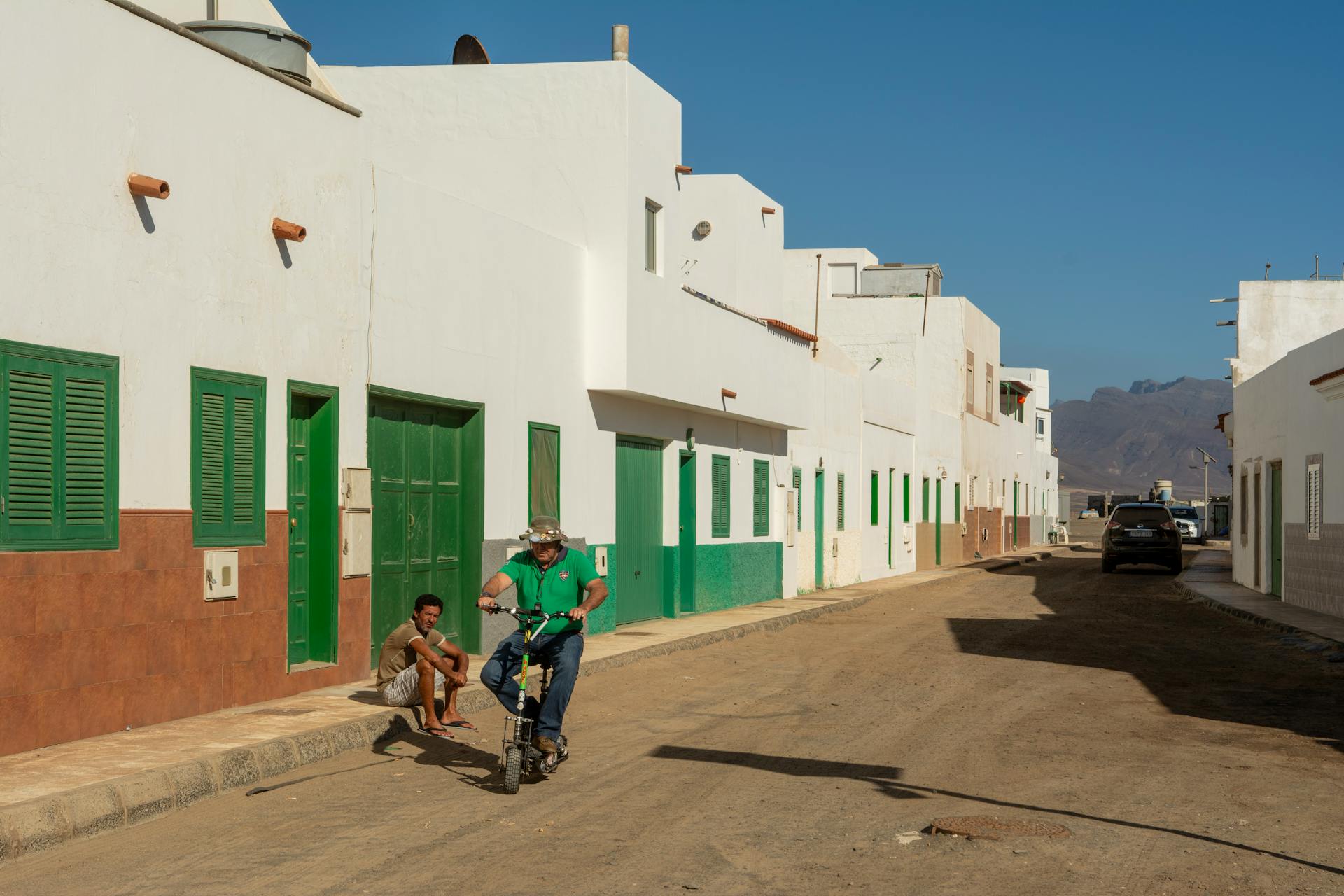
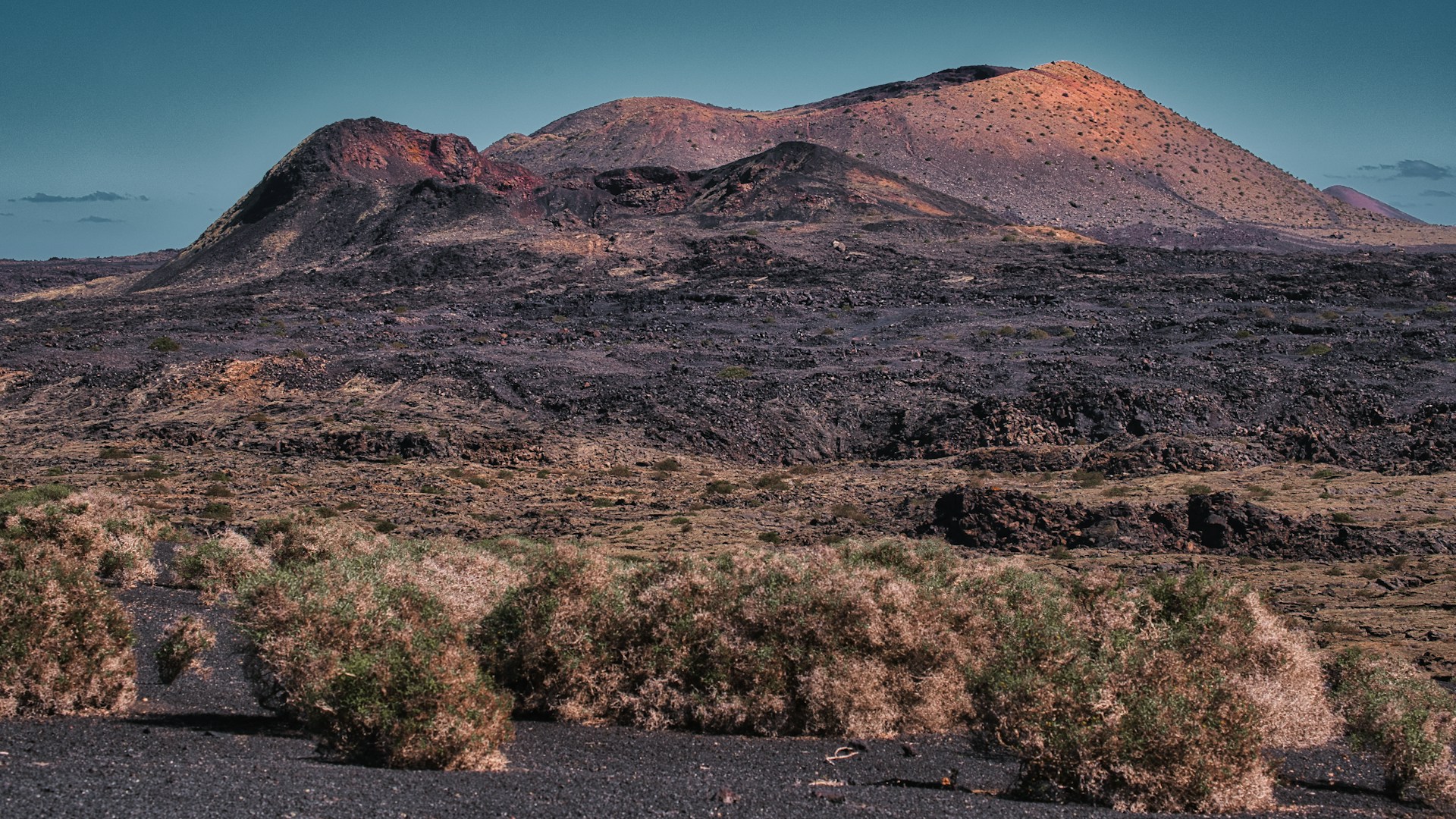
The volcanic terrain is wild—dark volcanic boulders everywhere, with whitewashed cottages and those bright blue doors and windows that just pop.
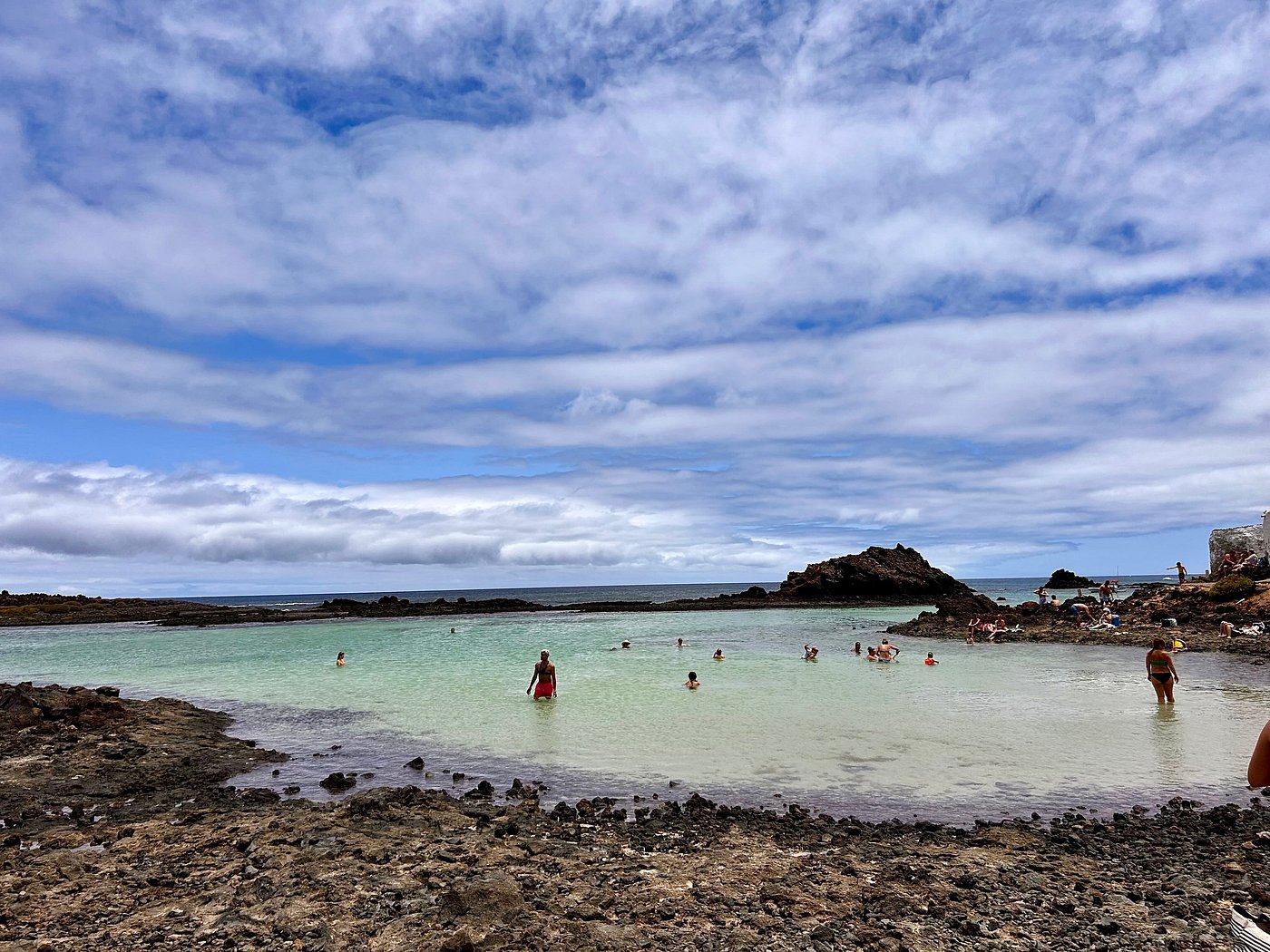
I found natural sea pools near the tiny settlement of El Puertito. Swimming in those calm, clear pools felt like a dream.
Natural Features to Explore:
- Salt marshes and salt pans
- Volcanic cone viewpoint
- Hidden coves with turquoise water
- Walking trails circling the island
- Odd, dramatic rock formations
The island formed somewhere between 6,000 and 8,000 years ago. That’s pretty young in volcanic terms, so the landscape still looks raw and rugged.
The protected waters here are full of marine life. The clarity is unreal, so snorkeling is a must if you’re even remotely interested.
History and Heritage of Lobos Island
“Isla de Lobos” literally means “Island of Wolves”—but not the furry, howling kind. Locals used to call monk seals “sea wolves.”
A big colony of monk seals once lived here, but after the Spanish conquest, settlers wiped them out.
The island still gives you a peek into simple, old-school island life. A few fishermen stick around year-round in basic cottages.
In summer, more folks from Fuerteventura come over for a while, creating a tiny seasonal community that gives El Puertito a bit of life.
The visitor center is worth a stop if you’re curious about the island’s past. You’ll learn how people survived here before tourism took over the Canaries.
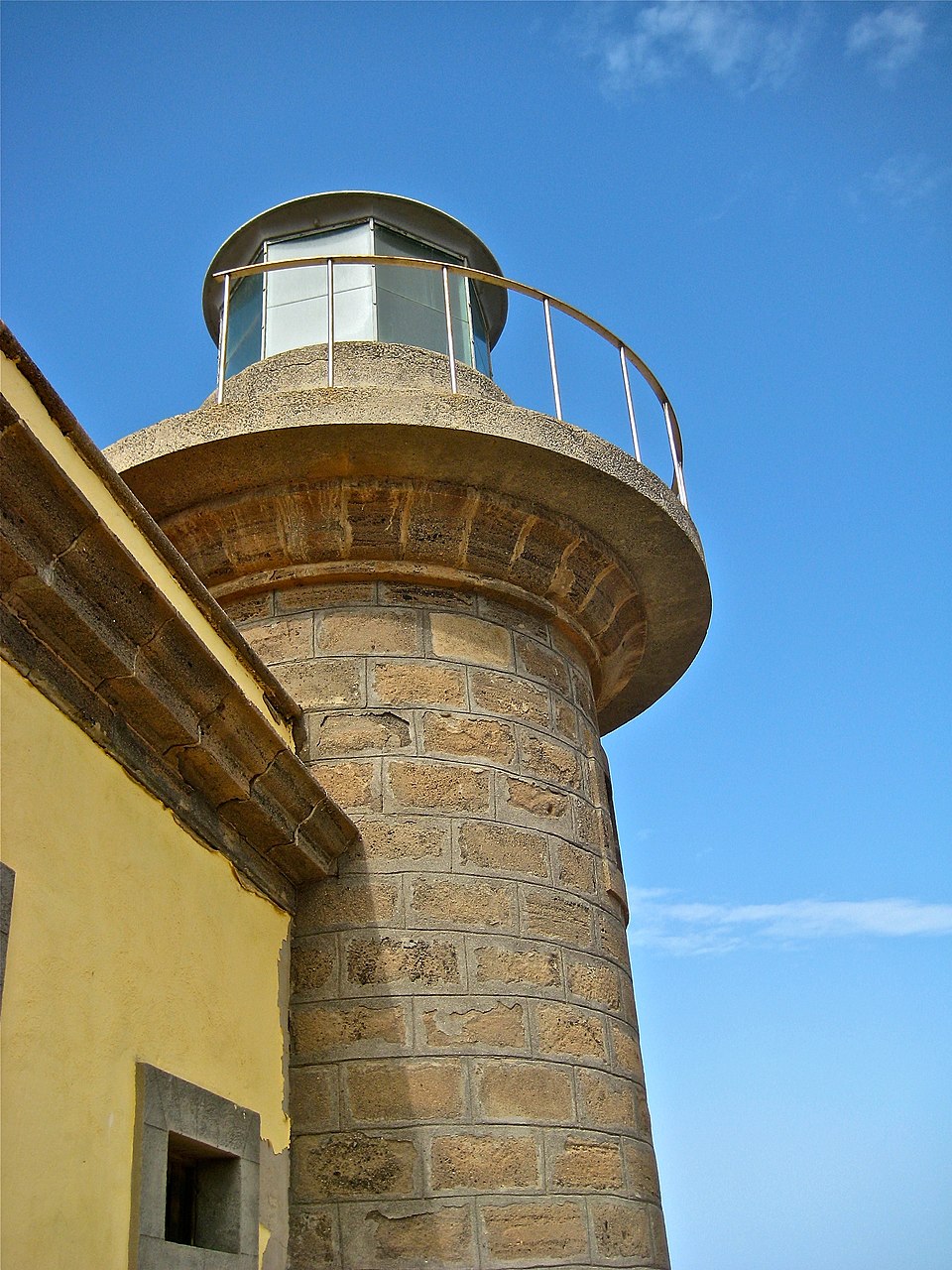
There’s a lonely lighthouse too, with peeling plaster and battered by ocean storms. It’s got this weathered charm that’s hard to ignore.
How to Plan Your Trip to Isla de Lobos
You’ll need to plan ahead to visit Isla de Lobos, since there are permit restrictions. The process is pretty straightforward once you know what’s required.
You’ll need a free permit, a ferry ride from Corralejo, and then you’ll decide if you want to go solo or book a guided tour.
Securing Your Permit and Entry Requirements
To visit Isla de Lobos, you must get a permit. Only 400 people can visit each day, so booking in advance isn’t optional—it’s essential.
There are two time slots for day trips: 10 am to 2 pm, and 2 pm to 6 pm. Each slot allows a max of 200 visitors.
How to Get Your Permit:
- Reserve through the LoboPass website up to 5 days before you go
- Buy combined ferry ticket and permit packages
- Join guided tours that handle permits for you
Book your permit as soon as you pick your travel date. They go fast, especially in high season.
You can only stay on the island for 4 hours during your chosen time slot. No one’s allowed to spend the night on Lobos.
Booking Ferry Rides from Corralejo or Lanzarote
Most ferries to Isla de Lobos leave from Corralejo on Fuerteventura. The ride takes about 15-20 minutes across usually calm water.
Ferry Options:
- Ferry Isla De Lobos – Several departures daily
- Naviera Nortour – Regular service with online booking
- Speedboat services – Even faster, about 12 minutes on RIB boats
Tickets run around €17 for adults and €11 for kids aged 4-11. If you want to bring a bike, that’ll cost a bit extra.
I used Naviera Nortour and had a good experience. Booking through GetYourGuide was handy, since I could arrange other excursions too.
Ferries run all year, but bad weather—especially in winter—can cancel trips. Speedboats are a thrill, but you might get wet if the sea’s rough.
Shuttle buses run on Tuesdays, Thursdays, and Sundays from other parts of Fuerteventura to Corralejo port.
Tour Options and Guided Excursions
Guided tours take care of permits and usually throw in extra activities, making things much easier.
Popular Tour Types:
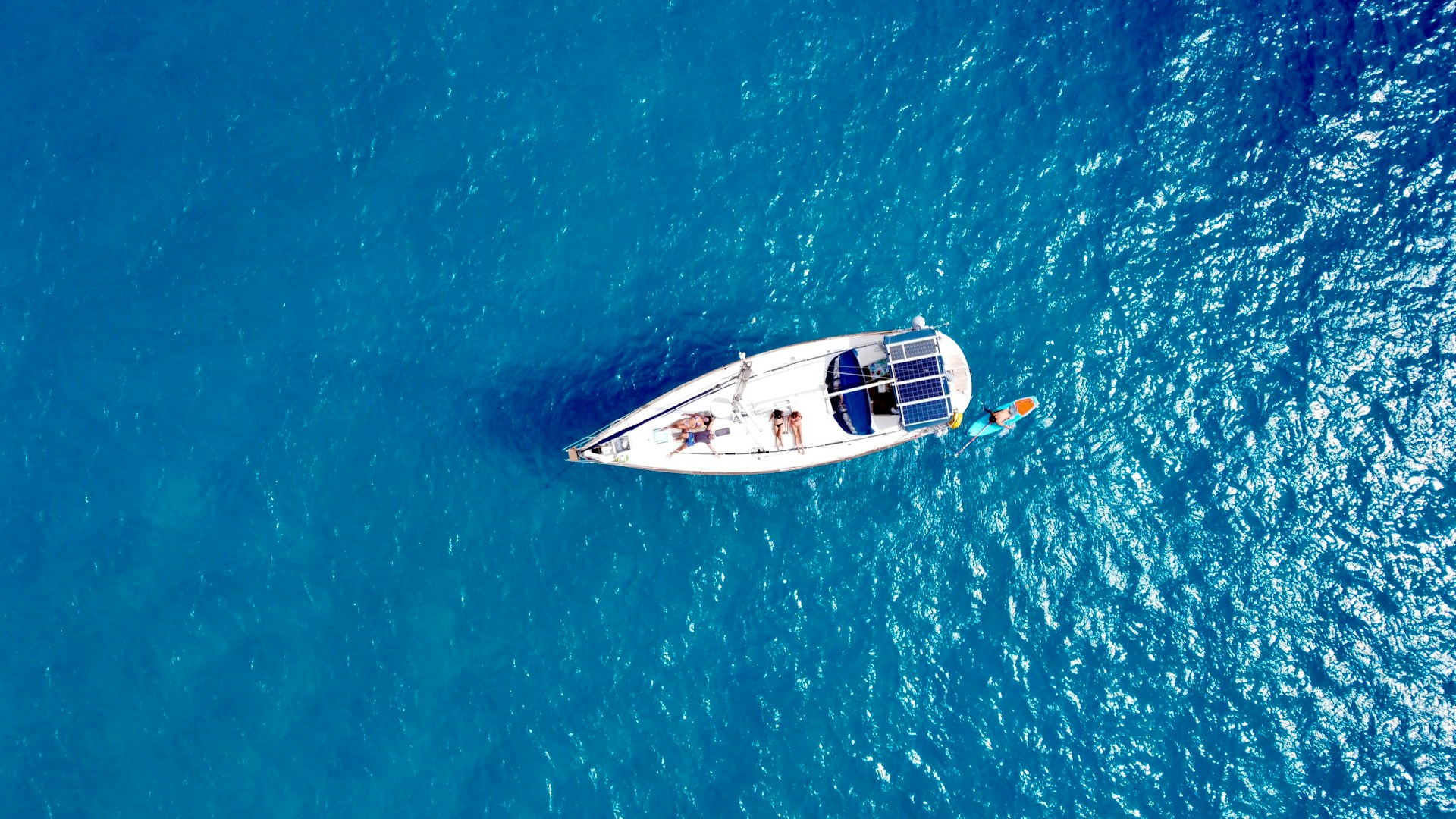
- Catamaran tours with snorkeling, kayaking, paddleboarding
- Glass-bottom boat trips for spotting marine life
- Dolphin watching combos with island visits
- Half-day excursions with hiking guides
Tours usually include your permit, transport, and gear rental. Some even provide meals or drinks.
I think tours are great for first-timers. The guides know the best trails and snorkeling spots, and hiking up Caldera Mountain is simpler with someone who knows the way.
If you’re more independent, you can just hop on a regular ferry and explore at your own pace. That’s perfect if you like to wander without a set plan.
Essential Things to Do on Isla de Lobos
This little volcanic island is packed with crystal-clear waters for snorkeling, safe swimming spots, and scenic walking paths. With just 4 hours on the island, you can fit in a lot without feeling rushed.
Snorkeling in Clear Waters
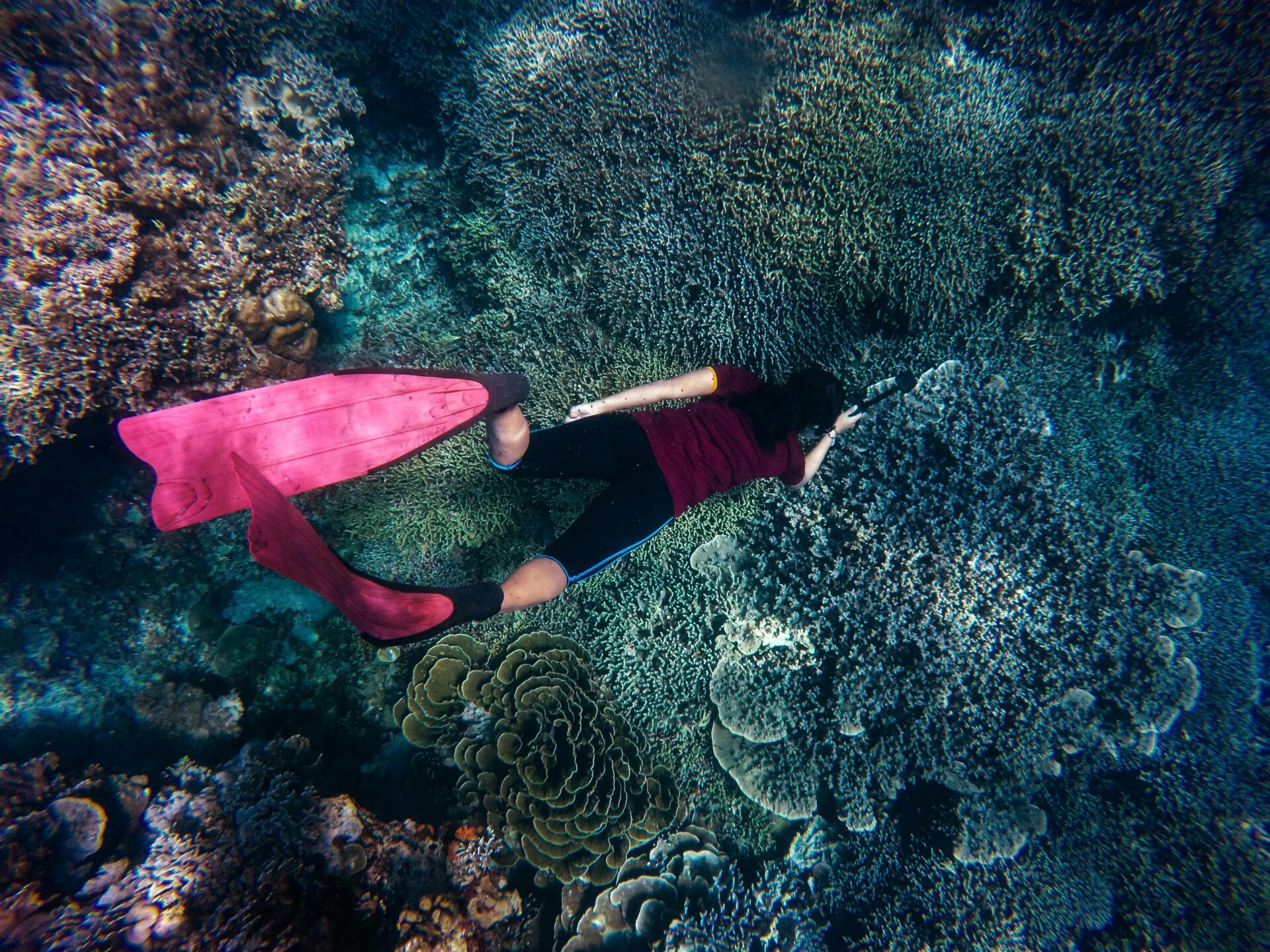
The water around Isla de Lobos blew me away—it’s some of the clearest I’ve seen in the Canaries. The protected status and visitor limits really help keep the marine life thriving.
El Puertito is the top spot for snorkeling. Calm, sheltered, and perfect for both newbies and seasoned snorkelers.
I spotted loads of small fish and had great visibility. The rocks provide a natural home for all sorts of sea creatures.
What to bring:
- Your own snorkel gear (no rentals on the island)
- Underwater camera
- Reef-safe sunscreen
Some ferry tours include snorkel gear, which saves you from lugging it from Corralejo.
Swimming at Playa de la Concha
Playa de la Concha is the main beach and it’s easy to see why everyone gravitates here. The cove is protected, so the water stays calm—ideal for a swim or just floating around.
The beach splits into two sections by a rocky strip. Most people stick to the first, smaller area near the main path.
If you walk over the rocks, you’ll find a bigger, quieter spot. I’d definitely recommend going the extra few steps for more space.
The sand is fine, the waves are gentle, and the water stays comfortable year-round.
Beach features:
- Sheltered, calm waters
- Two swimming areas
- Cool rock formations
- That signature turquoise color

Exploring El Puertito
El Puertito used to be the island’s port, and it’s still one of the prettiest spots. Those natural pools with their vivid blue water are just stunning.
I spent ages here, just soaking in the views of Fuerteventura’s northern coast. The pools are perfect for a swim or a quick snorkel.
There’s also the only restaurant on the island, right on the water. Fresh seafood with a view? Yes, please.
It can get busy since the ferries drop people nearby. If you want it quieter, head here early during your 4-hour window.
The volcanic rocks shape the pools into unique, sheltered swimming spots. Easily some of the best natural pools in the Canaries.
Island Walking Trails and Volcanic Hikes
The island’s walking paths are well-marked and connect all the main sights. I found the trails straightforward, with signs everywhere.
Caldera Mountain is the top hike. This 400-foot volcanic peak formed over 130,000 years ago, which is wild to think about as you climb.
It takes around 40 minutes to reach the summit from the ferry dock. The views from the top stretch across Fuerteventura and Lanzarote—totally worth the effort.
Punta Martiño Lighthouse sits at the far end, about 3 miles from the port. The walk takes you through the island’s volcanic landscape.
The lighthouse stands 20 feet tall on a 100-foot hill, built from local basalt. It’s a cool bit of maritime history.
Bring comfy shoes and water if you’re hiking. The volcanic ground can be uneven and the sun can be brutal.
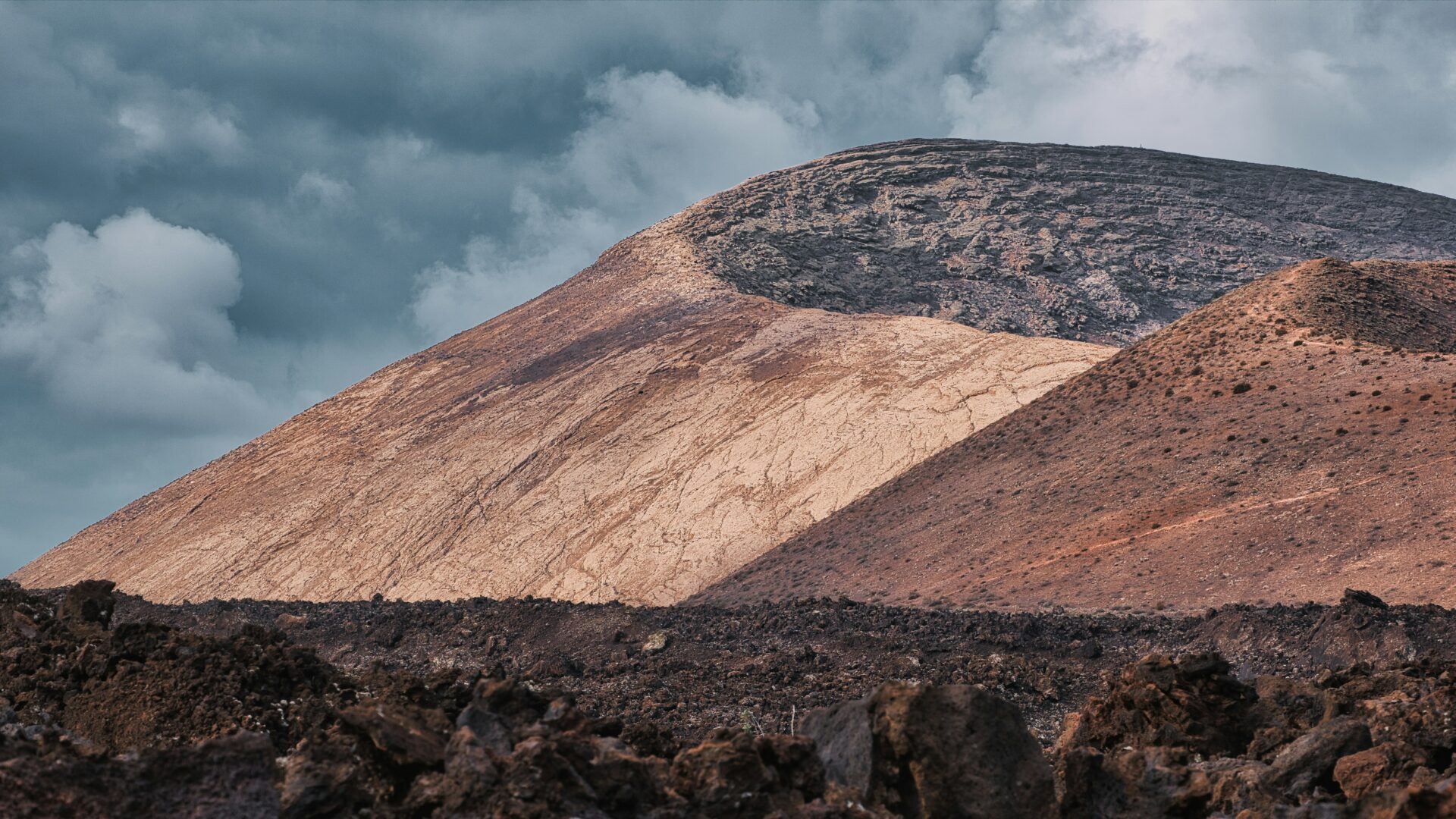
Discovering the Natural Wonders of Lobos Island
Isla de Lobos is a showcase of volcanic formations and protected ecosystems, all squeezed into 4.6 square kilometers. Montaña de la Caldera rises as the highest volcanic peak, and the island is alive with seabirds and marine life thriving in this UNESCO-protected haven.
Montaña de la Caldera: Island’s Highest Point
Montaña de la Caldera towers 400 feet above sea level, easily the island’s most striking volcanic feature. This ancient volcano came to life more than 130,000 years ago.
Climbing to the summit took me about 40 minutes from the ferry landing. The path is well-marked and not too tough.
From the rim, I could see the whole island laid out below. The views stretch all the way to Fuerteventura and even Lanzarote in the distance.
The landscape up here is a geologist’s dream—black basalt rocks next to pale sand.
The summit is perfect for photos. Definitely bring water; it gets hot, and the climb is no joke.
Wildlife Watching: Seabirds and Monk Seals
The island owes its name to the monk seals that once called it home. Sadly, they’re gone now, but conservation efforts are ongoing.
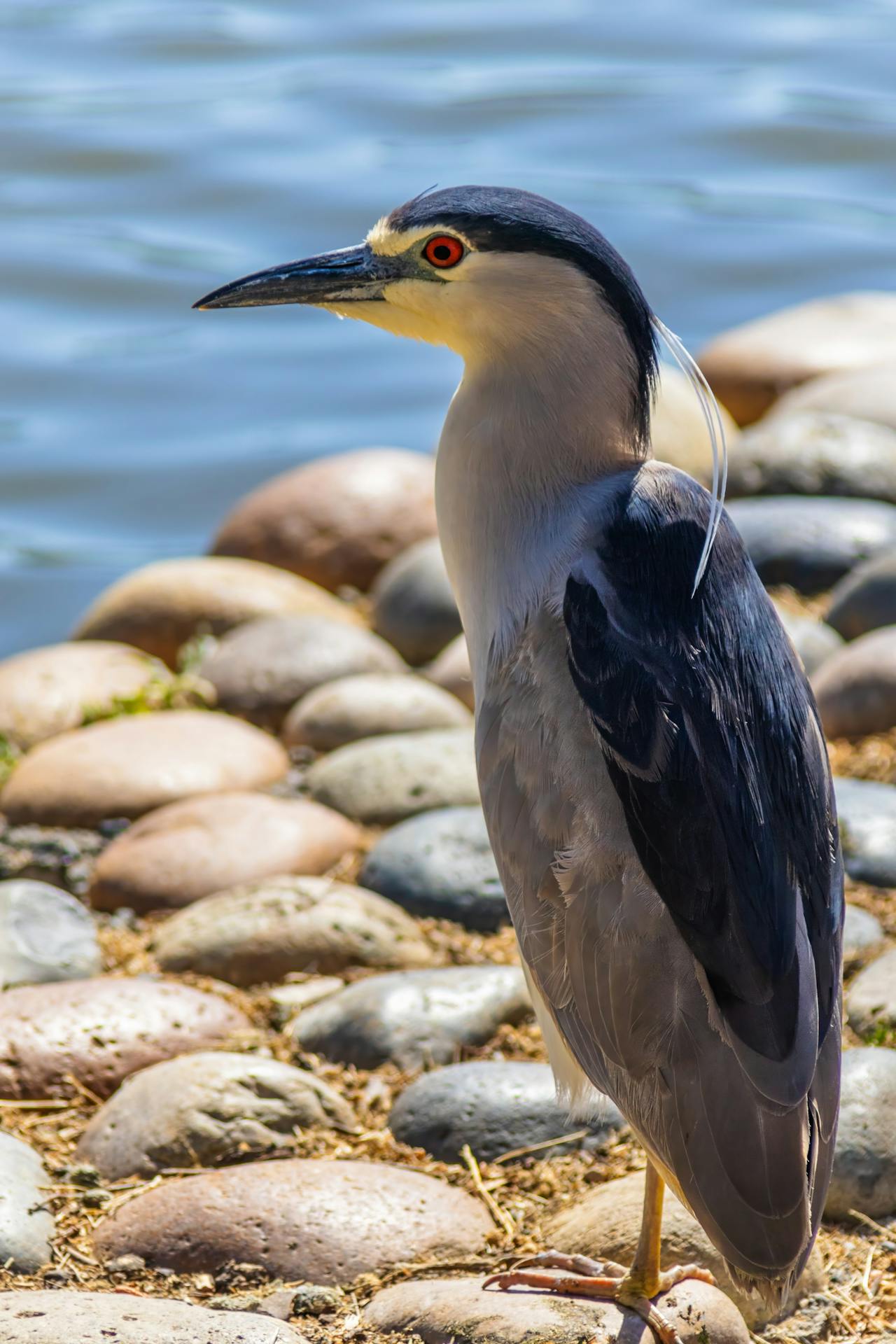
I spotted plenty of seabirds while I was there. Shearwaters, petrels, and cormorants nest along the rocky coastline.
The waters around Lobos attract dolphins and pilot whales. I actually saw a few dolphin pods on the ferry ride over from Corralejo.
Marine life thrives in these clear waters, and sometimes sea turtles show up in the sheltered bays.
For birdwatching, I’d recommend getting out early. The cliffs make perfect nesting spots for all kinds of species.
Diverse Flora and Fauna
Lobos Island bursts with plant life that’s learned to thrive on volcanic soil and salt spray. Some species, found nowhere else, have carved out a niche in these tough conditions.
I spotted succulents gripping the black rocks, looking almost defiant against the wind and lack of rain. Somehow, they make survival look easy out here.
Lizards scurry everywhere—if you pause a moment, you’ll catch the Gallotia atlantica gecko sunbathing on warm stones. They’re not shy, especially on a hot afternoon.
Along the coast, salt-tolerant shrubs and wiry grasses cluster together, creating little pockets of life for insects and small critters. The whole shoreline buzzes with activity if you pay attention.
Since the island doesn’t have big predators, ground-nesting birds seem to thrive. This balance feels fragile, and I can’t help but worry about how easily it could tip.

The Protected Nature Reserve
Lobos Island officially became a nature reserve in 1982. The authorities set strict visitor limits to keep the place as unspoiled as possible—something I really appreciated while wandering around.
Every day, only 400 people can come ashore, split into two 4-hour shifts. This keeps crowds down and lets wildlife go about their business.
Before my trip, I grabbed a free permit from the Cabildo website. The process was quick, but it definitely made me think about my impact as a visitor.
No one gets to stay overnight here. That rule helps nesting birds and marine life enjoy the island without too much human interference.
You can’t take anything or mess with the wildlife. These rules might seem strict, but honestly, they keep Lobos wild for the next wave of explorers.
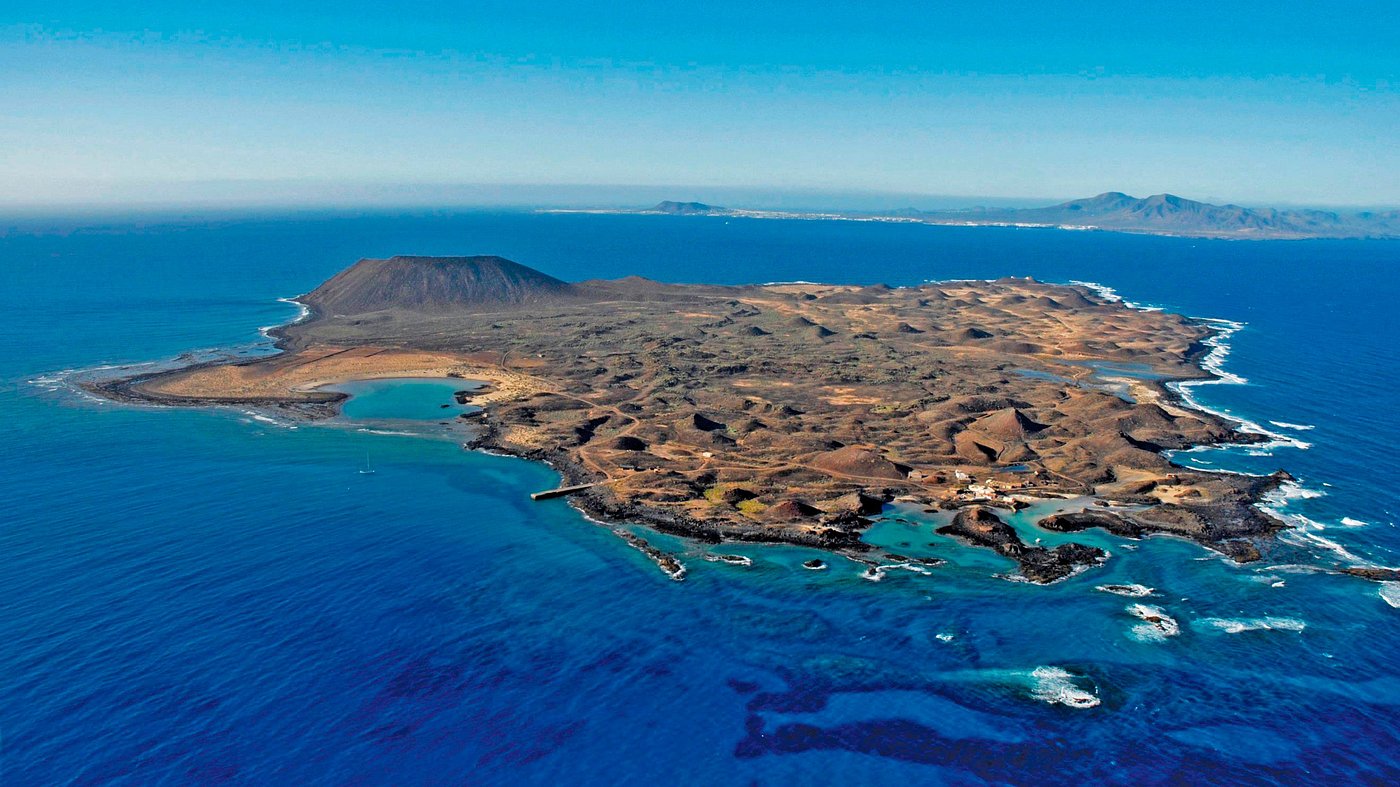
Iconic Sights and Panoramic Views
Isla de Lobos packs a punch with just a few main viewpoints. The lighthouse stands out as the island’s most famous spot, while the volcanic crater gives you a front-row seat to the island’s fiery origins.
Punta Martiño Lighthouse
You’ll find the Punta Martiño Lighthouse at the northern tip, about 3 kilometers from the ferry drop-off. Built in the early 1900s with rough basalt, the white tower feels both sturdy and elegant.
Getting There:
- 45-minute walk from the port
- Trail hugs the coast and is easy to follow
- You can bike if you bring one
The lighthouse rises 20 feet atop Martiño Mountain, putting you 100 feet above sea level. From here, the channel to Fuerteventura stretches out, and on a clear day, the views are hard to beat.
The walk itself felt rewarding, especially for the photos. The lighthouse’s Neoclassical lines look striking against the dark lava rocks.
La Caldera Volcanic Crater
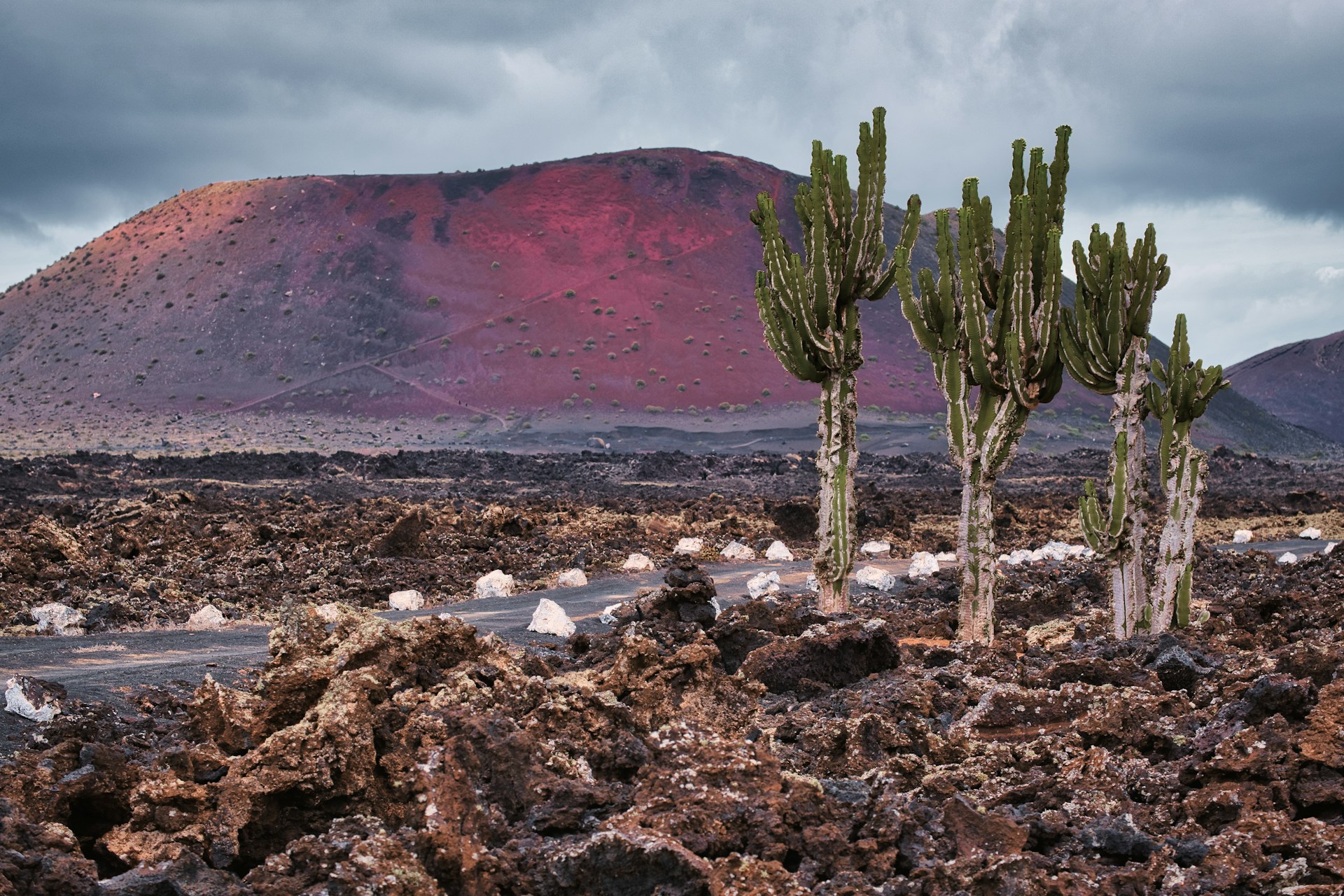
La Caldera sits at the heart of Lobos’ volcanic story. Over 130,000 years ago, eruptions shaped this entire island, and the crater stands as a reminder.
The hike up takes around 40 minutes from the dock, winding through blackened terrain. Clear signs point the way, so getting lost isn’t really a worry.
Trail Details:
- 2 kilometers each way
- 400 feet elevation gain
- Moderate hike, with a few steep bits
At the rim, I peered into the old crater, surprised by how green it’s become. Where lava once flowed, tough little plants now cling to the rocks. The crater walls show off bands of color, each layer a memory of past eruptions.
Sweeping Panoramic Island Views
If you’re after the best panoramic views, two spots stand out: La Caldera’s summit and the area near the Martiño Lighthouse. Both offer totally different vibes.
From La Caldera, you get the whole island at your feet. Fuerteventura dominates the southern horizon, and on a good day, Lanzarote floats in the distance. Watching the ferry cut a white trail across the blue is oddly hypnotic.
What You’ll See:
- Corralejo’s beaches and town
- Fuerteventura’s rugged coastline
- Lanzarote, if the weather cooperates
- The full outline of Isla de Lobos
The lighthouse area gives you intimate views of tide pools and rocky outcrops. For photographers, this spot is a goldmine—you can frame the lighthouse against the wild Atlantic.
Both viewpoints show off Lobos’ unique charm. The clash of black rock and turquoise water feels almost unreal—no wonder so many people squeeze in a day trip here.

Tips for an Unforgettable Visit
A little planning goes a long way on Lobos Island. With its protected status and bare-bones facilities, you’ve got to come prepared and tread lightly.
Best Times to Go and What to Bring
If you love hiking, I’d go for the morning slot (10 am – 2 pm)—it’s cooler and less crowded. Prefer swimming? The afternoon slot is warmer, and the beaches sparkle in the sun.
Don’t forget:
- Sun protection: Hat, sunglasses, SPF 30+ sunscreen
- Water: At least 2 liters per person (no stores on Lobos)
- Sturdy shoes: The paths are rocky and uneven
- Snorkeling gear: The water’s clear and inviting
- Light jacket: Ocean winds can catch you off guard
Winter can be tricky—ferries often get canceled when the seas kick up. Summer brings the best weather, but also bigger crowds.
Food is limited unless you’ve booked the island’s only restaurant ahead of time. I always bring a snack and stash my electronics in a waterproof bag—ocean spray can surprise you on the ferry.
Responsible Tourism and Preserving the Island
Lobos depends on its visitors to stay wild. With only 400 people allowed each day, every action matters.
Stick to these basics:
- Don’t leave the marked trails
- Pack out every scrap of trash
- Leave shells, rocks, and plants where they belong
- Give wildlife plenty of space
- Only use reef-safe sunscreen
I steer clear of restricted beaches and never climb on the volcanic formations. The island doesn’t have trash bins, so what you bring in, you carry out.
Swimming’s only allowed in spots like Puertito de Lobos. The natural pools here are perfect for snorkeling, and you won’t risk harming delicate marine life.
Dining and Facilities on Isla de Lobos
Chiringuito Lobos Antoñito El Farero sits right by the harbor, and honestly, it’s the only restaurant you’ll find on the island. I always call ahead to book a table before heading over—this spot fills up fast with day-trippers.
They whip up fresh seafood and a few local specialties. The food isn’t fancy, but it’s delicious, and eating while gazing at the ocean? That’s hard to beat.
What you won’t find on the island:
- Shops or markets
- Public restrooms (just a few portable toilets)
- Fresh water anywhere
- Medical help
- ATMs or reliable card payments
Bring cash for your meal, because card readers can be hit or miss. I’ve learned to toss a picnic into my backpack, just in case the restaurant’s packed or I’m craving something simple.
Sure, Lobos feels a bit bare-bones, but honestly, that’s what makes it special. If you plan ahead, you’ll get to enjoy all that wild beauty without a hitch.

