
Devon is the only English county with two completely separate coastlines, each with its own unique charm and dramatic scenery. When I set out to explore this slice of England, I wanted to see both the rugged cliffs and wild beaches of North Devon, as well as the winding, sheltered coves of the south.
Between these coastlines, Dartmoor sprawls—a wild, moorland heart that feels untouched and brimming with adventure.
Traveling through Devon, I quickly realized just how different each part really is. The north coast hit me with its tall cliffs and endless sandy beaches.
The south coast, on the other hand, had softer hills, charming villages, and quiet inlets. Crossing Dartmoor felt a bit like stepping onto another planet—wide open spaces and ancient rocks everywhere.
My journey through Devon turned into a real discovery. No wonder so many travelers flock here for natural beauty, adventure, and variety, all packed into one county.
Unveiling Devon’s Distinct Coastlines
Devon stands out as the only county in England with two separate coastlines, each shaped by nature in its own way. The contrast between south and north is hard to miss—one side calm and refined, the other wild and dramatic.
Both give you unforgettable outdoor adventures and coastal scenery.
South Devon: Idyllic Beaches and Riviera Allure
When I rolled into South Devon, the gentle charm of the English Riviera washed over me. Towns like Torbay, Teignmouth, and Paignton brightened the coastline with their colorful seafronts and family-friendly beaches.
Places like Blackpool Sands and Dawlish offered up fine sand and safe swimming. I could’ve spent entire days lounging there.
Hidden coves and estuaries popped up around every bend. Salcombe and Dartmouth, especially, caught my eye—boats bobbing in the harbors, crowds tucking into fresh seafood.
Some villages almost felt Mediterranean, with palm trees and that mild, sea-kissed air. The appeal here goes way beyond beaches.
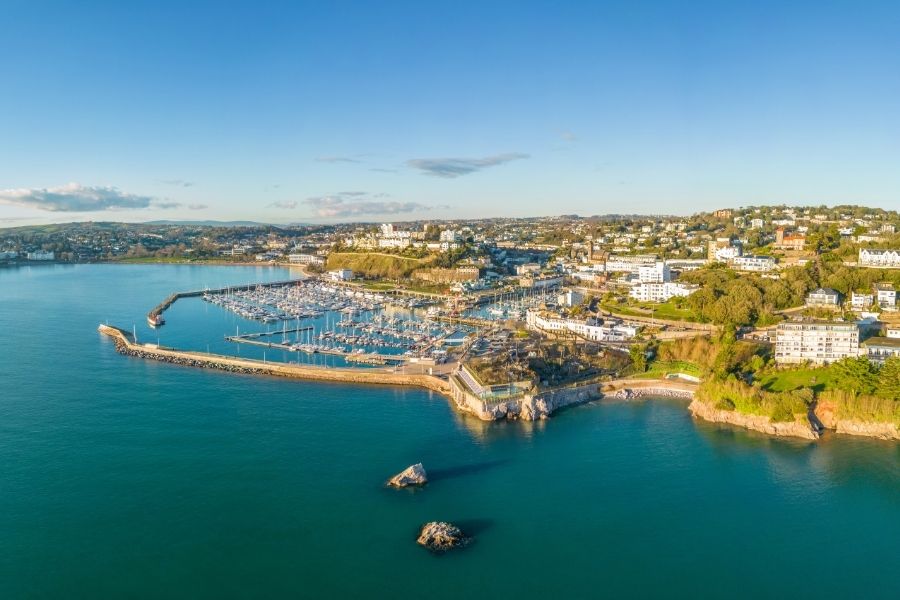
I noticed small harbours, historic towns, and plenty of cozy places to stay scattered along the South Devon coastline. The South West Coast Path cuts through, giving easy walks with sweeping views of rolling hills, craggy cliffs, and that dazzling blue sea.
North Devon: Rugged Shores and Untamed Surf
North Devon felt wilder from the moment I arrived. Here, the coast wears tall, dramatic cliffs and rocky headlands.
Wide sandy beaches beckon surfers and families alike. Woolacombe’s huge stretches of sand felt endless.
Ilfracombe and Clovelly, perched on the cliffs, offered steep lanes and just enough bustle. Lynton and Lynmouth sit high above the sea, with views that made me pause and just stare.
Hartland Quay and the UNESCO Biosphere Reserve stood out for their wildlife and nature walks. When I visited Appledore’s estuary, I found it buzzing with birdwatchers and nature lovers.
Lundy Island, just offshore, is a gem for the adventurous. North Devon is all about outdoor fun—surfing, watersports, dune-hopping, and discovering secret coves.
It’s the perfect antidote to city life. If you want to breathe in untamed nature, this is the spot.
Exploring Coastal Walks and Trails
Walking along Devon’s coasts opened up a whole new way to see the county. The South West Coast Path links both coasts, so I could hop on and off at scenic viewpoints and untouched stretches of shoreline.
The trail is well marked, which made it easy to wander at my own pace. In South Devon, I found gentle paths weaving through fishing villages, secret beaches, and rolling hills.
Some walks ended with a seafood shack or a historic town—perfect for a rest and a taste of local life. South Devon’s coastal walks are great for nature lovers or families looking for a gentle adventure.
North Devon’s walks? Steeper, wilder, and bursting with drama. I loved the stretches between Lynton and Hartland, where headlands and dunes gave seabirds plenty of space to nest.
These routes draw serious hikers and anyone eager for a close look at Devon’s wild side.
Quick Highlights:
- Family-friendly beach trails: South Devon
- Challenging cliff routes: North Devon
- Best for wildlife: Around estuaries and biosphere reserves
- Villages and towns to stay: Salcombe, Dartmouth, Ilfracombe, Clovelly
Dartmoor: The Wild Moorland Heart of Devon
Dartmoor National Park sits at the center of Devon, all wild moorland, granite tors, and those famous Dartmoor ponies. I found rugged beauty, peaceful trails, and quirky cultural spots—sometimes all in one afternoon.
Traversing Dartmoor National Park’s Unique Landscape
I started my adventure by crossing sweeping moorlands and rolling hills. The land stretched out forever, broken up by ancient stone tors rising above the heather.
Walking along these trails, I wandered through dense woodlands sliced by rivers. The air felt fresher, and a calm settled around me.
Wildlife is everywhere—birds, sheep, and those iconic ponies roam free. Nature walks here range from easy to challenging.
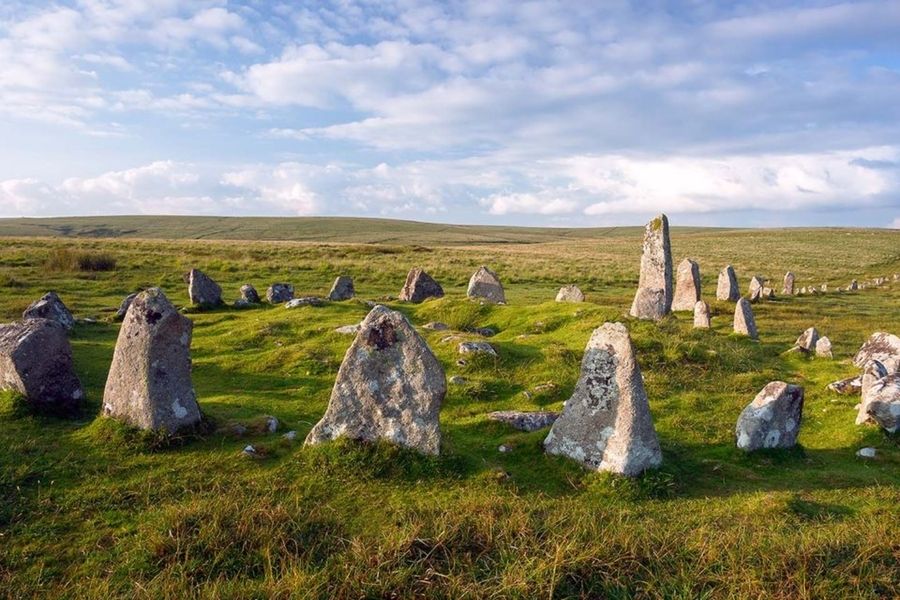
Some paths lead past Bronze Age stone circles; others wind through misty valleys or up rugged slopes. I’d stop at viewpoints, just to take in the drama and remember how rare wild places like this are in England.
| Feature | Description |
|---|---|
| Moorland | Open, grassy, sometimes boggy |
| Tors | Granite rock formations, epic for views |
| Wildlife | Ponies, birds, sheep, and deer |
Hidden Villages and Historic Gems
Dartmoor’s tiny villages surprised me with thatched cottages and old stone buildings. Princetown sits high on the moor, home to a famous prison museum.
Widecombe-in-the-Moor stands out with its church tower above green fields and little cafes. Down near the southern edge, Buckfast Abbey caught my attention with its peaceful gardens.
Villages like Tavistock are great for overnight stays, with everything from cozy inns to farm stays. Many of these places feel untouched by time.
Local traditions and Dartmoor’s culture pop up everywhere—in village markets, small museums, or just chatting with residents. I loved hearing how the national park’s history shapes life here.
Devon’s Vibrant Towns, Fishing Villages, and Heritage
Devon pulses with fascinating cities, scenic seaside towns, and peaceful fishing villages. The county’s long history and close connection to the sea show up in its architecture, attractions, and food.
Historic Towns and Coastal Communities
I kicked off my journey in Exeter, Devon’s ancient city where Exeter Cathedral rises above everything. Walking along the city walls took me back in time.
The lively quayside made it easy to picture old trading days. Museums and shops filled with local crafts lined the narrow lanes.
Dartmouth grabbed my attention with riverside views and a strong maritime heritage. I wandered cobbled streets and watched boats rocking gently on the River Dart.
Nearby, Powderham Castle offered a peek at grand rooms and a deer park. In Plymouth, the story of the Mayflower still lingers.
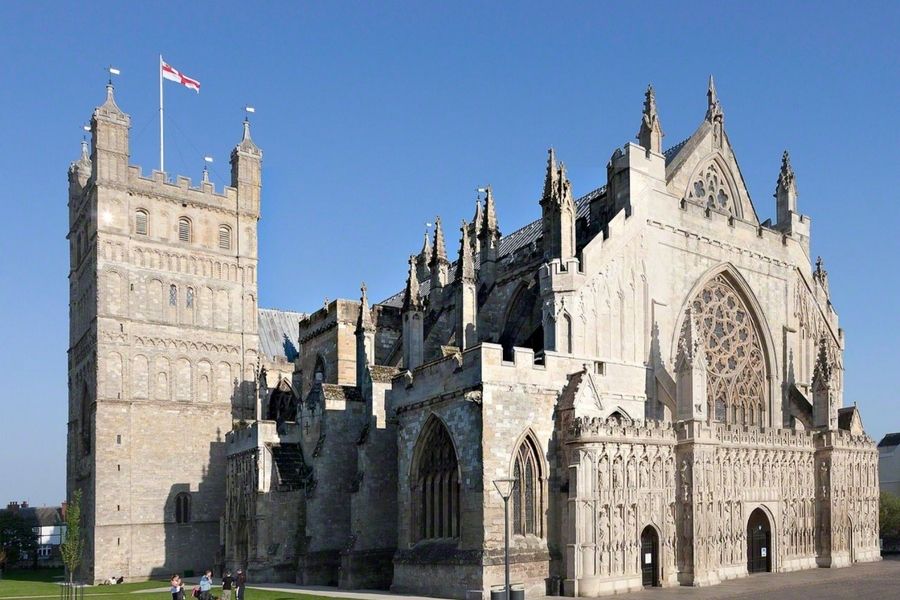
Important moments in British history unfolded here, and the city’s sites tell tales of sea exploration. Sidmouth and Torquay show off the coast’s gentler side, with elegant gardens and long pebbled beaches—favorites for families and walkers.
Fishing Villages and Cultural Delights
Devon’s fishing villages quickly became some of my favorites. In Clovelly, I found myself walking down steep cobbled lanes past whitewashed cottages draped in flowers.
Appledore buzzed with fishing boats and artists working by the river. Salcombe offered golden beaches, secret coves, and plenty of sailing.
Berrow surprised me with a quiet shingle beach. Local seafood, caught and cooked right on the shore, tasted like the sea itself.
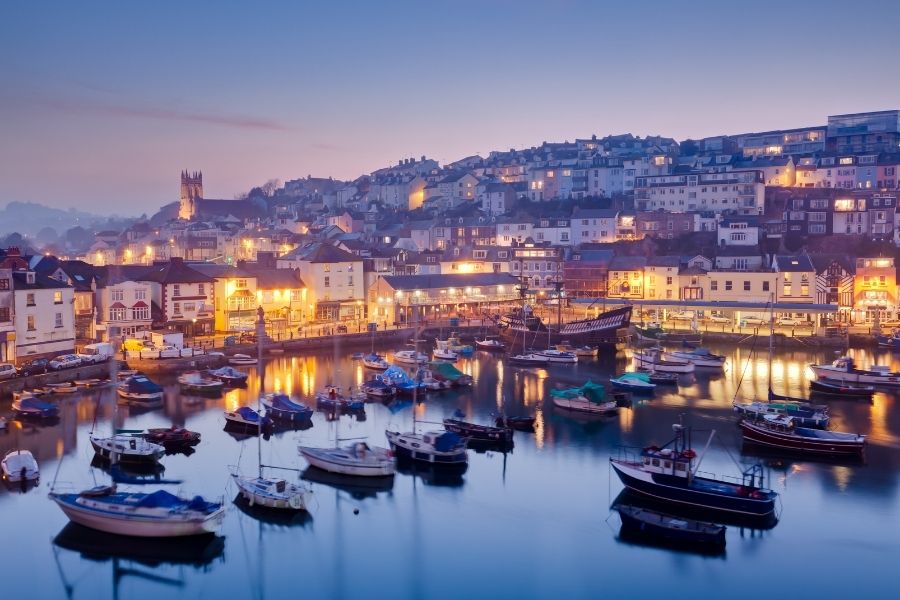
Brixham is all about its busy harbor—fishing is still a way of life here. Fish markets brim with the day’s catch, perfect for anyone who loves seafood.
The National Trust looks after many coastal spots, keeping beaches, dunes, and coves just as they’ve always been. In these places, I slowed down, breathed the fresh air, and tasted local dishes.
This real connection to sea and land is what makes these villages so special for both tourists and locals.
Top Attractions Table
| Town/Village | Notable Attraction | Highlight |
|---|---|---|
| Exeter | Exeter Cathedral | Medieval architecture |
| Dartmouth | Powderham Castle | Historic castle and deer park |
| Plymouth | Mayflower Steps | Maritime exploration history |
| Clovelly | Steep cobbled streets | Traditional fishing village charm |
| Brixham | Fish Market | Fresh seafood and working harbor |
Water Adventures and Nature Experiences
Devon’s twin coastlines mean endless water activities and marine wildlife, while the countryside and moors open up all kinds of outdoor adventures. From fishing villages and wild beaches to nature walks near Exmoor National Park, every outing showed me something new.
Boat Trips, Watersports, and Marine Life
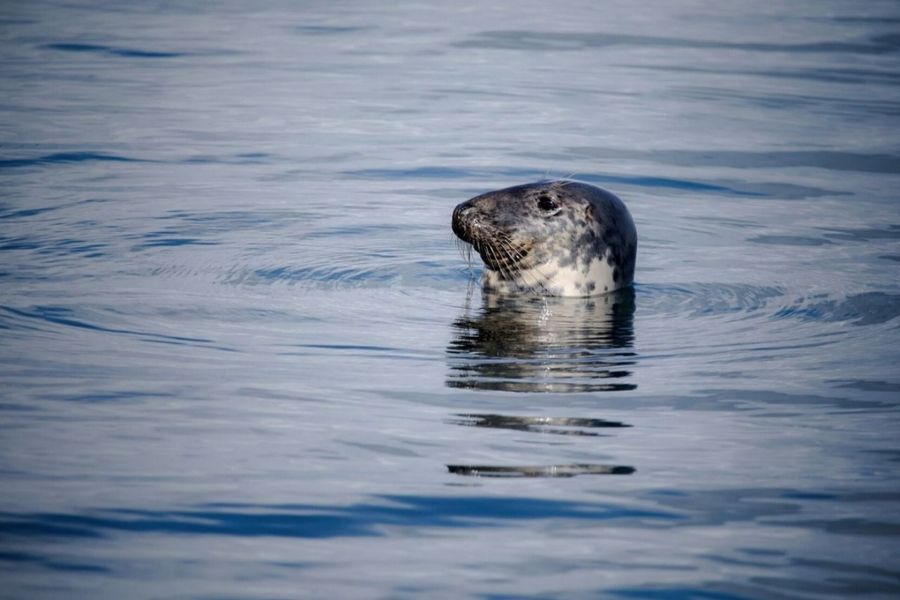
I hopped on a boat from a small fishing village and, honestly, seeing dolphins swimming just beyond the waves felt magical. Sometimes the boats drift past seals and seabirds lounging on rocks.
Near Bantham, I gave paddleboarding a go and found the water surprisingly clear, with views out to Burgh Island. Swimming is always popular, especially at sandy beaches where the water feels safe.
Surfing schools line the north coast, ready for both newbies and seasoned surfers. Kayaking along the coast gets you up close to caves and tucked-away coves.
Here’s a quick look at some water activities I tried:
| Activity | Location | Highlight |
|---|---|---|
| Boat trips | South/North Devon | Dolphins, seals |
| Paddleboarding | Bantham | View of Burgh Island |
| Surfing | North coast | Rolling waves |
| Swimming | Sandy beaches | Clean, safe waters |
For Nature Lovers and Outdoor Enthusiasts
Coastal paths led me on long walks with the sea always in sight. I explored Exmoor National Park, a UNESCO Biosphere Reserve, and spotted wild ponies and birds.
The moorland in Devon’s heart feels peaceful, so different from the busy coast. Nature walks took me through salt marshes and revealed hidden plants in the dunes.
Cycling and hiking are big here, no matter the season. I wandered through quiet woods, across open moors, and along rivers teeming with life.
The mix of coast, moor, and countryside means there’s always something new to discover—whether I’m traveling solo or with friends.
Devon’s Seasonal Charms and Local Traditions
Devon stands out for its lively tourism seasons, shifting landscapes, and a food culture that’s hard to beat. I’ve found both relaxation and excitement here, depending on the time of year.
Visiting Devon in May and September
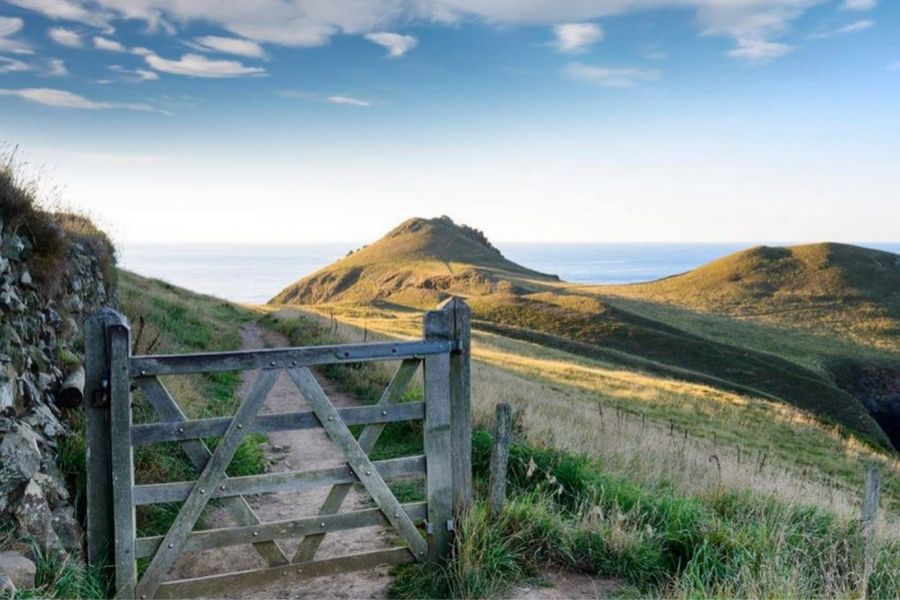
When I visited in May, the countryside burst with wildflowers. The days felt pleasant, never too hot—just right for long coastal walks.
The South West Coast Path was quiet, with hidden coves for seabird watching or a peaceful picnic. September slowed everything down.
Crowds thinned at attractions and in town centers. The beaches still welcomed visitors, though the air turned cooler.
Many places offered deals after the summer rush, which made it ideal for a romantic escape or a solo adventure. Both months gave me the chance to try local activities—small fishing trips, festivals, and farm fairs.
Local businesses and restaurants had more time for visitors, so every experience felt more personal.
Devonshire Culinary Culture and Cream Tea
Food in Devon? It’s honestly one of the best things about being there. I remember tasting crab and fish that local fishermen had just pulled from the sea that morning, right in those little coastal villages.
A lot of restaurants here really shine when it comes to seasonal produce. Spring brings tender asparagus, and by autumn, apples are everywhere—there’s something so comforting about that.
But let’s talk about the real treat: the classic Devonshire cream tea. Warm scones, thick clotted cream, sweet jam—the works. And yes, the order matters! Locals will always slather on the cream before the jam. I stumbled on a few cafés where the scent of freshly baked scones drifts out the door. It’s impossible to walk by without stopping.
When it comes to lunch or dinner, I usually end up in a cozy pub. Fish pie, crumbly local cheeses, cider pressed from apples just down the road—honestly, it all feels pretty special. Devon’s food scene is relaxed and friendly, whether you’re grabbing something quick or settling in for a long meal with friends.