
Didymoteicho’s castle towers above the town, a silent witness to centuries of history. Its twin walls and towers hint at ancient battles and forgotten empires.
As I wandered the hilltop citadel, I could almost feel the layers of time—Byzantine, Ottoman, Greek—all stacked up, one after another.
The views stretch across Thrace, and honestly, it’s no mystery why this spot mattered so much for defense and control.
Exploring the fortress and winding streets of Didymoteicho felt like I’d stepped into a history book that just refuses to get boring.
Every stone seems to tell a story.
Each visit uncovers something new—maybe an old gate, a hidden chapel, or just the distant hum of the town below.

Discovering Didymoteicho: Twin Walls and Timeless Charm
Didymoteicho sits right where rivers meet.
Ancient walls wrap around centuries of stories.
The town’s history feels alive, shaped by empires, legends, and a quiet strength you can sense if you pay attention.
A Glimpse Into Thrace’s Forgotten Gem
I found Didymoteicho tucked away in the far northeast corner of Greece.
Few tourists seem to know about it, which, honestly, made my discovery feel more personal.
The town sits close to the Turkish border, giving it a unique blend of cultures and influences.
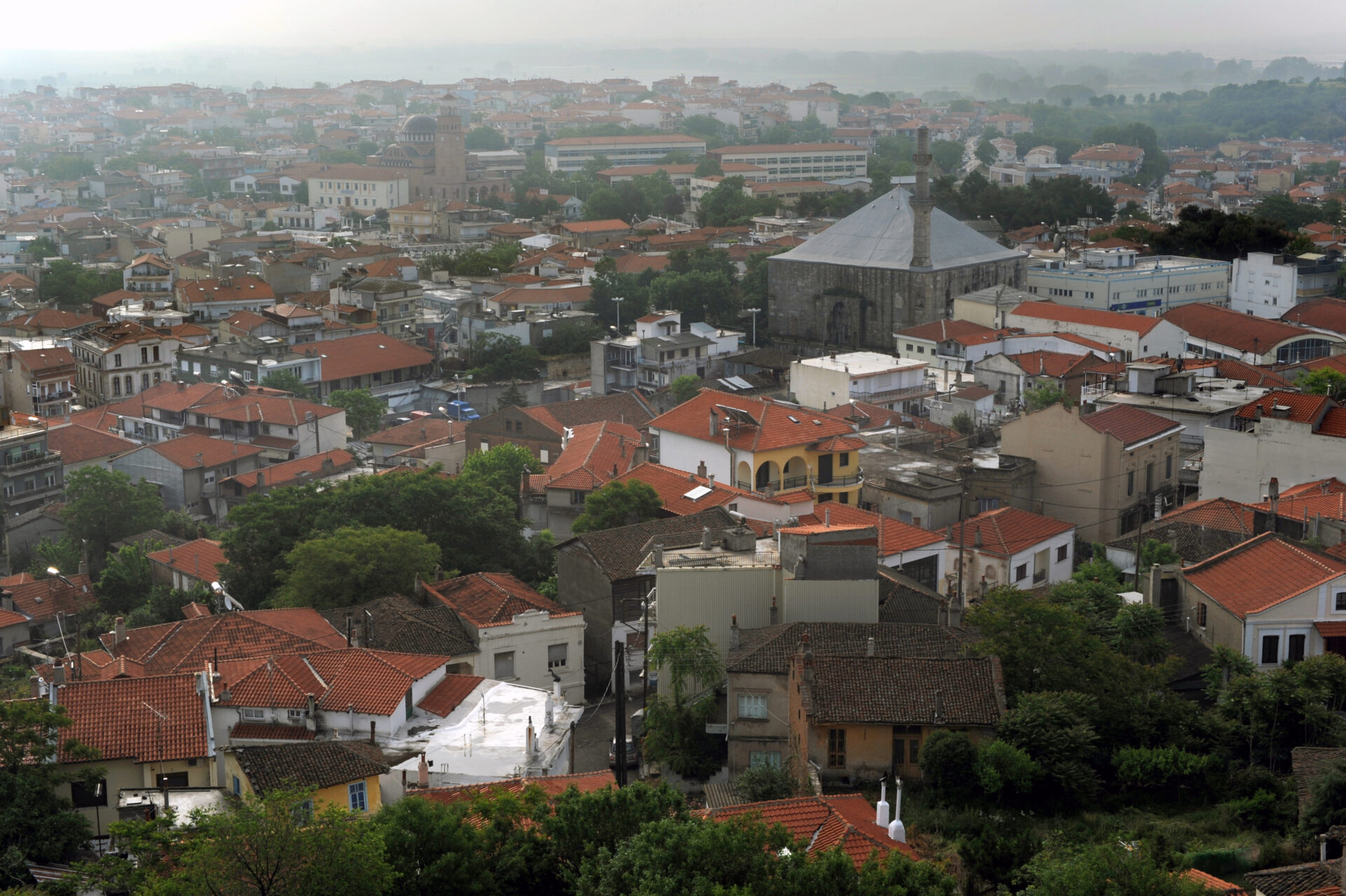
As I walked the streets, I saw Byzantine fortifications rising above houses with red terracotta roofs.
The Maritsa River runs nearby, shaping both the landscape and the town’s stories.
This place once attracted emperors and sultans.
Now, it’s more of a peaceful time capsule.
If you like stepping off the beaten path, Didymoteicho gives you a rare look at a crossroads of history.
Local shops sell fresh bread and sweets.
Friendly faces make visitors feel right at home.
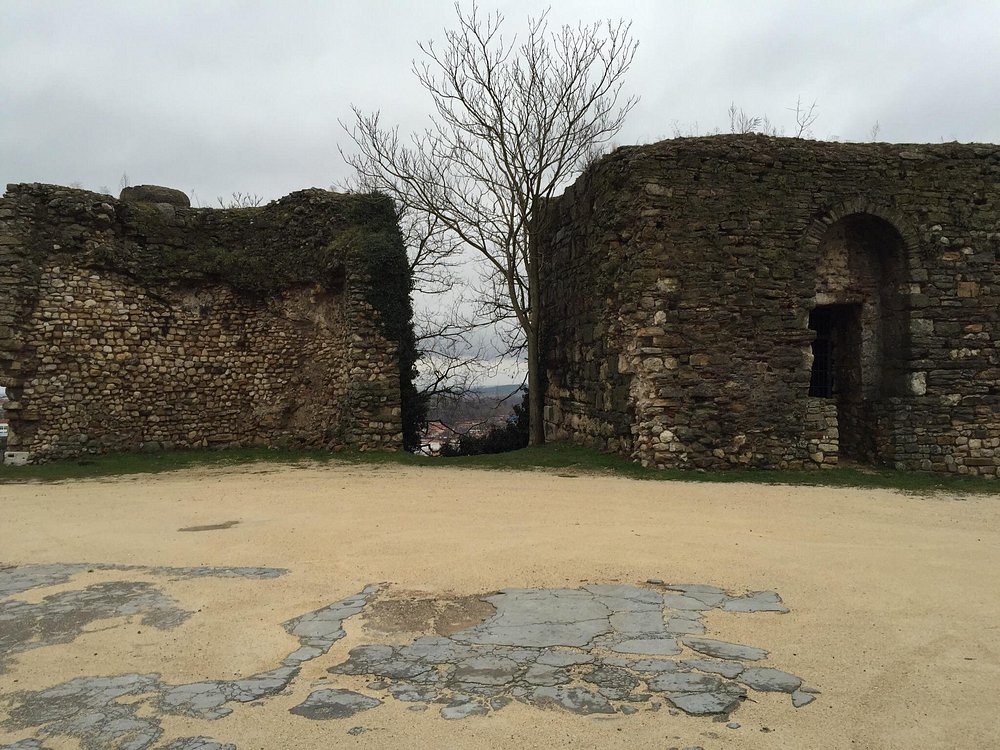
Legends of the Twin Walled Town
The name Didymoteicho means “twin walls.”
These thick stone defenses protected both kings and commoners.
Locals still share stories of secret tunnels and old battles whispered in the dim corridors.
The castle above the town is just stunning.
Its thick walls loop around, offering views that stretch across two countries.
Standing up there, I tried to picture the place centuries ago—soldiers hurrying along the ramparts, traders arriving at the heavy city gates.
Notable features of the walls and castle:
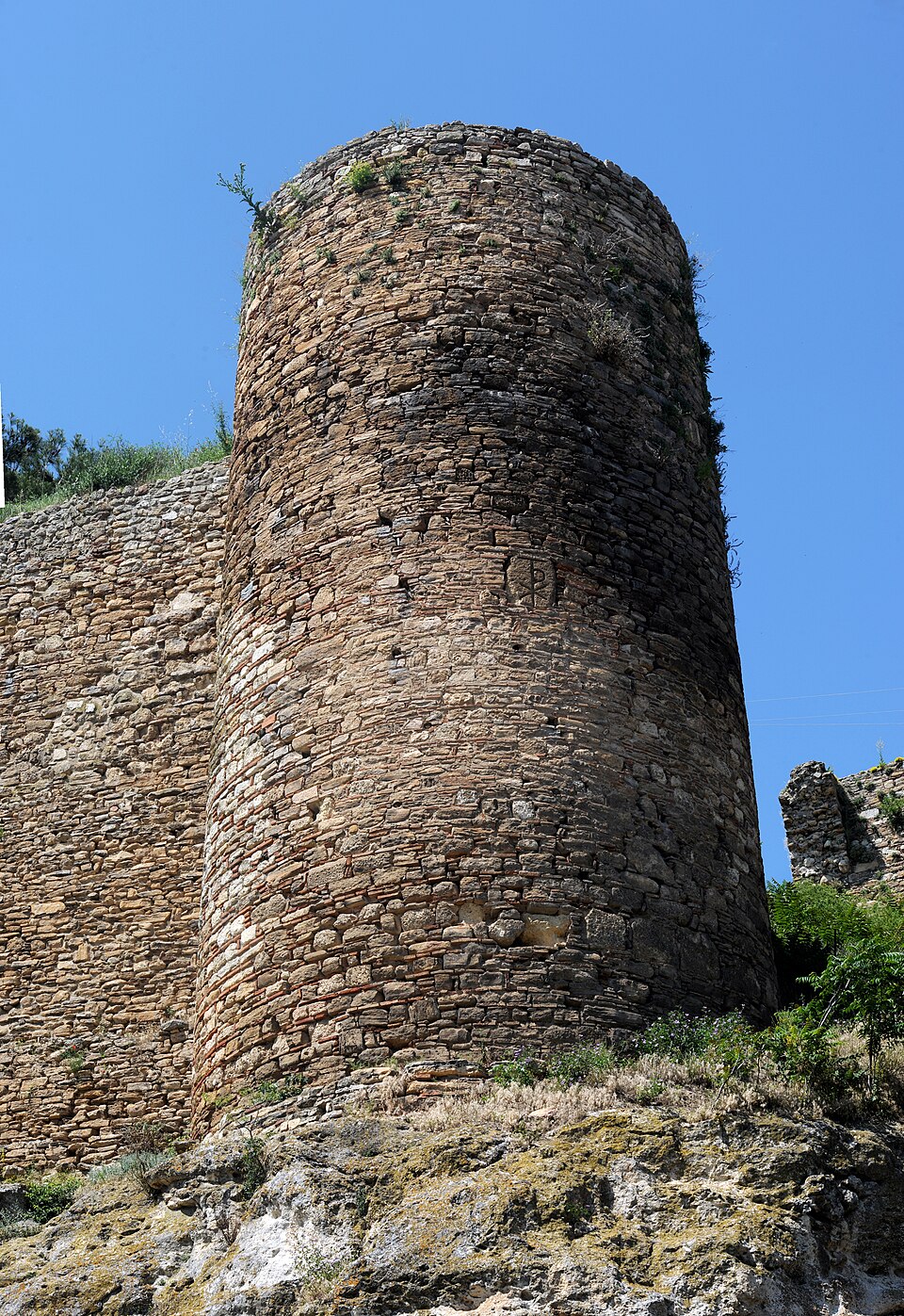
- Former Byzantine towers: Some are still partially standing
- Hidden passages: Rumored but mostly sealed
- Panoramic lookouts: Sunset is perfect for photos
- Steep stone stairs: Worn by thousands of feet
Legends say the town once had double walls, making it nearly impossible to conquer.
That reputation still shapes Didymoteicho’s identity.
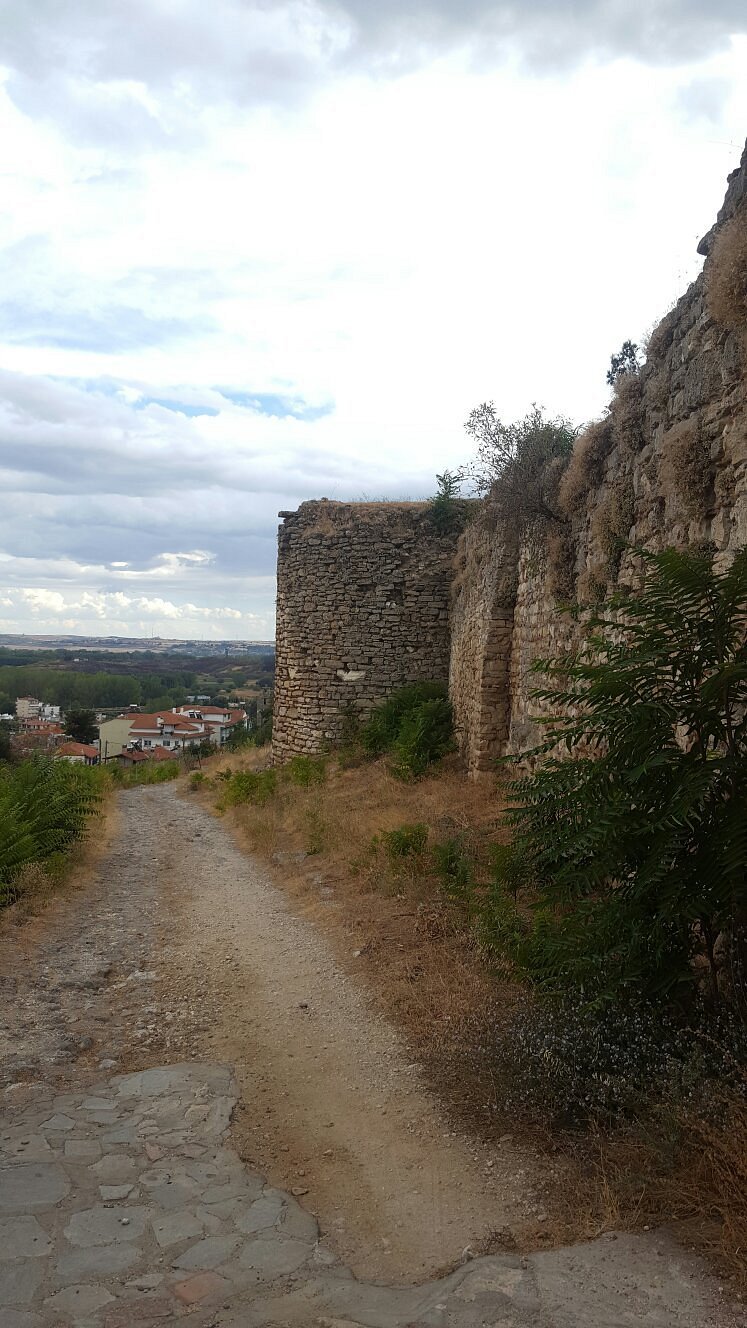
Arrival and First Impressions
Getting to Didymoteicho took a little planning.
The train from Alexandroupoli dropped me right in the center.
From the station, the castle’s silhouette stands out against the sky.
Walking up the narrow streets, I passed old mosques, Ottoman fountains, and simple Greek tavernas.
Schoolkids played soccer in the shade.
The town felt calm and inviting—no tourist crowds, no pushy souvenir stalls.
I noticed signs in both Greek and Turkish, a reminder of the shared roots here.
A local baker smiled as I fumbled my order and handed me a loaf still warm from the oven.
That small moment set the tone: quiet, genuine, and connected to the past.

Byzantine Citadel: Exploring Didymoteicho’s Mighty Castle
Didymoteicho’s hilltop castle has watched over Thrace for centuries.
It guards the crossroads of empires.
Stone walls here tell stories of ancient battles, clever defenses, and breathtaking views that really stick with you.
Walking the Ancient Ramparts
Climbing the stone steps, I ran my hand along blocks set by Byzantine builders centuries ago.
The ramparts wind around the hilltop, showing off the castle’s strength.
Each section gives you a new view of Didymoteicho and the rolling Thracian plains.
Thick walls are dotted with watchtowers where soldiers once kept watch.
I kept stopping to imagine daily life for those who protected this place through storms and sieges.
Guided tours help a lot here—signs are limited, and the ruins can get confusing.
Wear comfortable shoes; some paths are uneven and steep.
Quick Tips:
- Bring water and sunscreen
- Go early in the morning for cooler weather and fewer people

Architectural Wonders & Defensive Secrets
Builders constructed and rebuilt the fortress over many eras, especially during the Byzantine period.
The double walls, which gave Didymoteicho its name, were meant to resist even the most determined enemy.
Some towers have arrow slits where archers could defend the citadel safely.
I spotted stones taken from even older structures, proof that the castle evolved over time.
Moats, battlements, and secret entryways show off the cleverness of the engineers.
On my walk, I found small chambers where supplies—or maybe even soldiers—could hide.
| Feature | Purpose |
|---|---|
| Twin Walls | Double layer for extra defense |
| Arrow Slits | Protect archers during battles |
| Secret Doorways | Quick escapes and ambush routes |

Hidden Corners and Panoramic Views
Exploring off the main paths, I stumbled onto quiet spots where wildflowers grow between old stones.
Some hidden stairways took me to forgotten terraces with amazing views over the Evros River and far-off mountains.
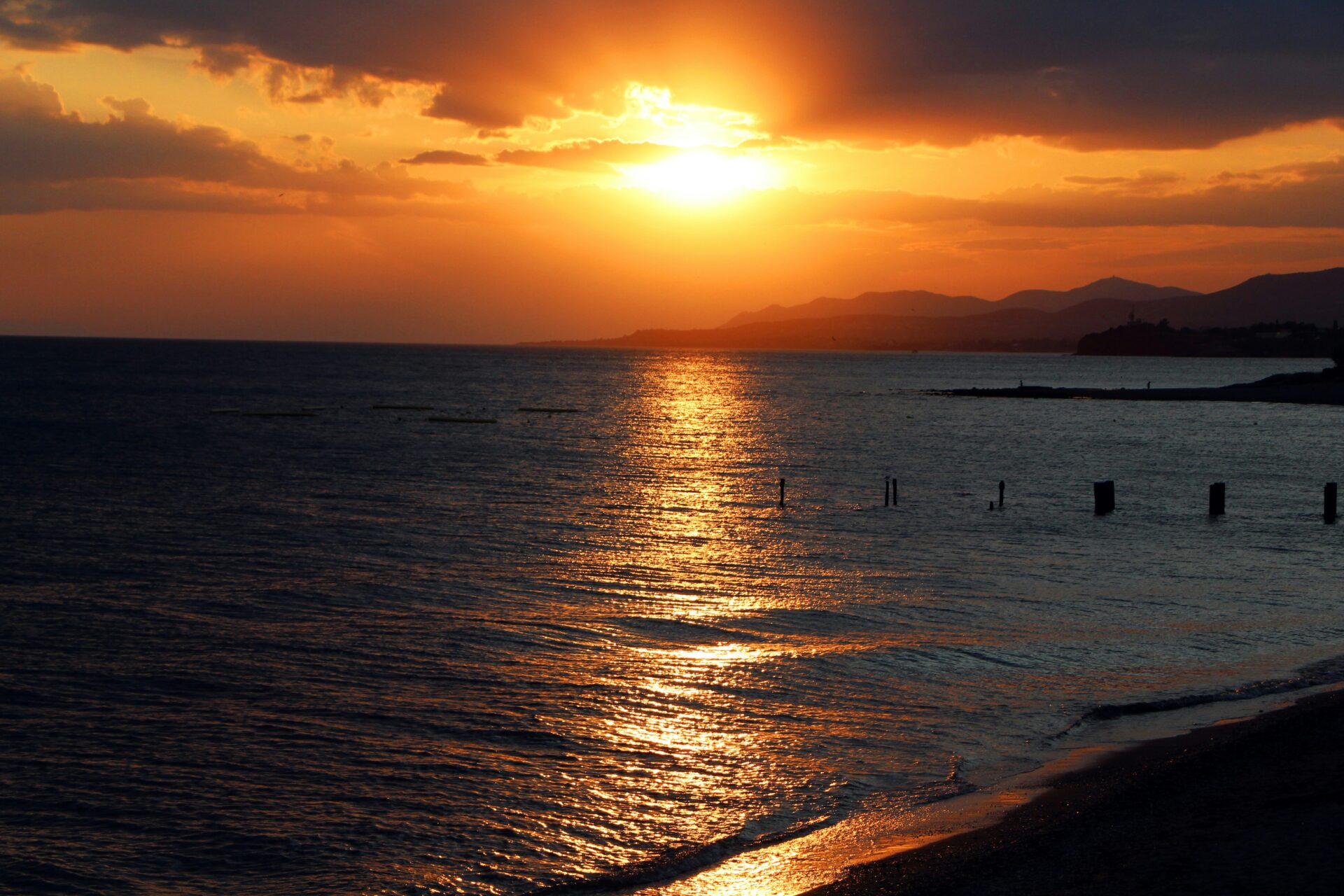
At sunset, the town below glowed gold.
The hike was worth it.
These peaceful corners feel worlds away from the stories of war and empire.
Bring a camera—photos at sunrise or sunset are gorgeous.
Sometimes locals visit in the evenings and share stories about the fortress with a pride that’s honestly contagious.

Echoes of Empires: Byzantine, Ottoman, and Beyond
As I walked through Didymoteicho, I noticed the little details that link past empires.
Stones, arches, and minarets all tell stories of change, conflict, and just daily survival.
Every era left marks you can see—and, honestly, even feel.
Layers of History Beneath the Stones
Beneath my feet, I could almost sense the passing of centuries.
Didymoteicho’s foundation stones have seen empires come and go.
The twin walls—still impressive—were designed to keep invaders out during the Byzantine era.
Walking beside the fortress walls, I spotted patterns carved by soldiers long ago.
Archaeological digs have uncovered Roman coins, medieval pottery, and tools used by townsfolk.
Each layer reveals a story of change and adaptation.
This area wasn’t just a battlefield.
It was also a trading hub.
Merchants and travelers moved through these gates, carrying silk, spices, and news from Constantinople.
The past feels close when I touch the cold, worn stones.
Ottoman Influences and the Grand Mosque
The Ottoman Empire left a big mark on Didymoteicho.
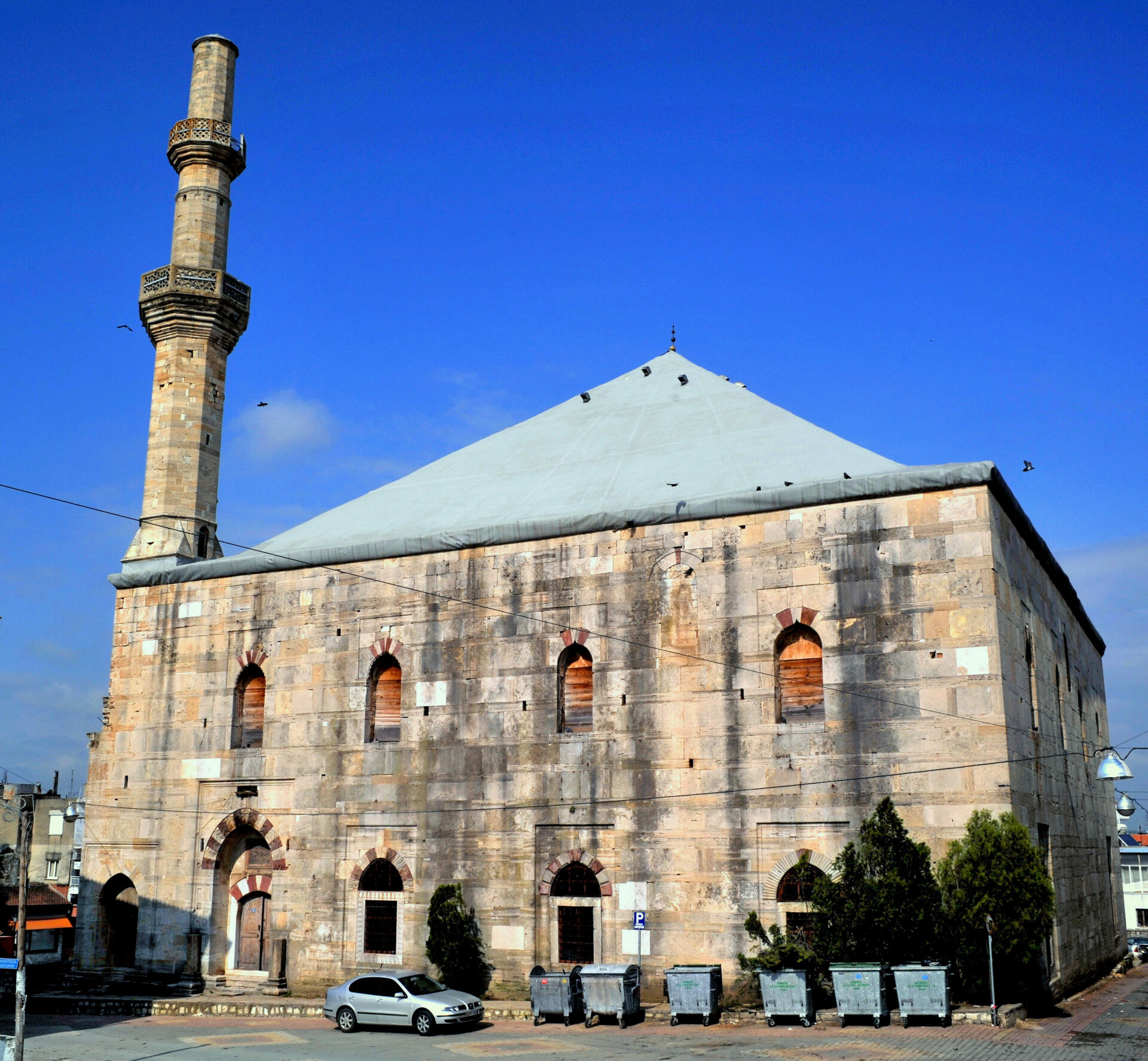
I found the Grand Mosque, or Beyazit Mosque, standing quietly in the center.
Built in the 15th century, it’s actually the oldest Ottoman mosque on European soil.
Domes and slender minarets rise above old Byzantine foundations.
Islamic patterns decorate the walls, so different from the earlier Christian mosaics.
The mosque still hosts prayers today, linking present-day life to centuries of tradition.
Nearby, narrow streets wind between whitewashed houses and Ottoman fountains.
Many buildings blend Byzantine stonework and Ottoman woodwork, showing how cultures mixed.
I’d suggest spending time here just watching and listening to daily life go by.
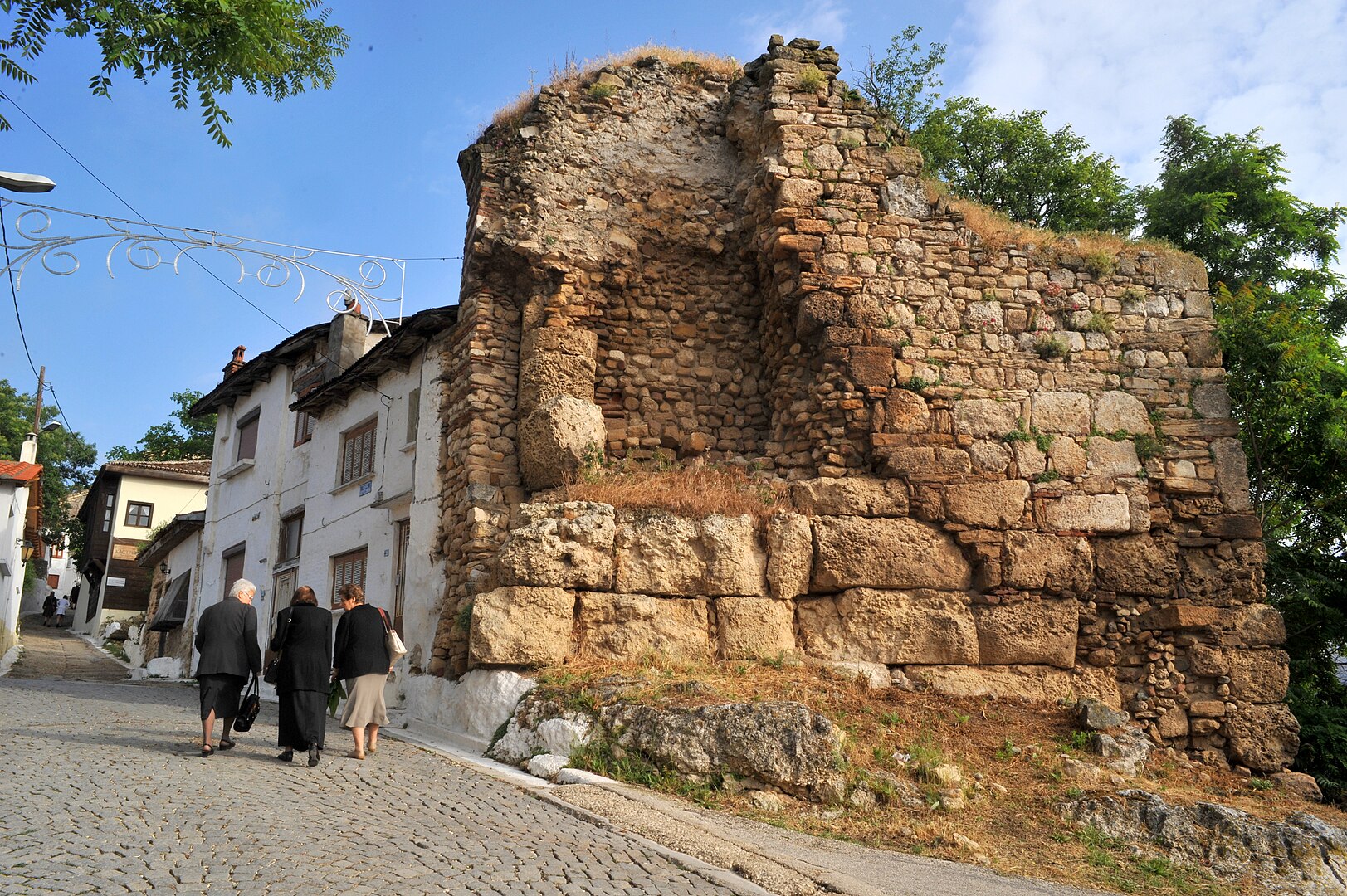
Stories of Everyday Life Through the Centuries
History here isn’t only about empires—it’s about people.
Local shopkeepers told me stories passed down through generations.
They shared tales from grandparents about fleeing during wars or celebrating local festivals.
Some explained that, during Ottoman times, markets filled the streets near the castle.
People traded food, cloth, and pottery.
Children played games beside the city walls, just like they do now.
I tasted fresh bread from a bakery that’s stood for decades.
The town’s customs—like strong coffee or evening walks on the river—connect past and present.
Small, daily rituals keep the echoes of old empires alive in Didymoteicho.

A Traveler’s Guide to Didymoteicho
Walking through Didymoteicho, I found a mix of ancient stone, lively neighborhoods, and echoes of many empires.
The rich history, friendly locals, and unique traditions make every turn feel like a new story.
Must-See Sights for History Lovers
The Byzantine Castle towers over the city.
Its thick twin walls run along the hill, and climbing to the top gave me a view of the rivers and fields.
Almost every corner tells a story—from stone gates to hidden towers and old cannon spots.
Inside the town, I explored the Great Mosque (Bayezid Mosque).
Built in the 15th century, it’s one of the oldest Ottoman mosques in Europe.
The domed roof and calligraphy really impressed me.
I spent time in the Ethnological Museum checking out tools, costumes, and crafts from Thrace.
Some side streets led me to the Old Baths (Hamams) and small Byzantine churches.
These spots are quiet and away from crowds.
It’s easy to imagine life here centuries ago.
| Site | Description | Why Visit? |
|---|---|---|
| Byzantine Castle | Fortified hilltop castle | Views, historic walls |
| Bayezid Mosque | Early Ottoman mosque | Architecture, history |
| Ethnological Museum | Local history exhibits | Culture, objects |
Authentic Experiences and Local Encounters
Life in Didymoteicho feels relaxed and real.
In the mornings, I joined villagers at small cafés.
Strong Greek coffee, warm bread, and lively chatter filled the air.
People greeted me with a smile and shared stories about the town.
During my visit, I stumbled into a small festival with music and local dances.
The slow pace made it easy to have real conversations.
A baker explained how she still uses her grandmother’s recipes.
Markets around the square sell seasonal foods—olives, honey, cheese, and homemade sweets.
If you want souvenirs, check out handwoven tablecloths or silver jewelry from local artists.
Artisans sometimes let you watch as they work, which makes the experience even better.
Practical Tips for Exploring Thrace’s Historic Town
Getting There: I took the train from Alexandroupoli, but buses come in from other cities too.
The train ride along the Evros River is lovely, especially in spring.
Best Time to Visit: Spring and early autumn are mild and sunny.
Summers get pretty hot, and winters can be chilly and foggy.
Getting Around: Didymoteicho is small, so walking is best.
Wear sturdy shoes—paths near the castle get steep and uneven.
Where to Eat: Family-run tavernas serve local Thracian dishes.
I loved the grilled meats, fresh salads, and oven-baked pies.
Cafés are great for a quick snack or just people-watching.
Language: Most young locals speak English.
Still, a few Greek phrases (like “Kalimera”—Good morning) go a long way.
People were always patient and helpful when I tried.
Money & Essentials: ATMs are easy to find in the center.
Most attractions only charge a small entrance fee.
Bring a refillable water bottle, especially in summer, and don’t forget a camera for the views.
Savoring Culture: Food, Festivals, and Local Traditions
In Didymoteicho, delicious meals and lively traditions fill each day with color and flavor.
I found that gathering at the table and joining community festivals really sit at the heart of life in this Thracian town.
Traditional Flavors of Evros
From the first bite, I felt like the region’s food connected me straight to its past. Local tavernas offered up Trahana soup, a rustic recipe that blends fermented grains and yogurt.
On weekends, people usually roast tender lamb on a spit for the main dish. I couldn’t resist soutzouk loukoum, that chewy sweet with grape must and nuts—folks buy it from the market, and honestly, it’s addictive.
Menus showed off boureki, a savory pie packed with cheese and wild greens. I also noticed gyron, sausages that cooks season by hand with local herbs.
Bakers still pull fresh bread from the oven, its crust often sprinkled with sesame seeds. There’s something comforting about that smell.
While I ate, I realized people in Didymoteicho don’t just see food as fuel; they use it to welcome guests and keep old customs alive.
Even the morning coffee—thick, strong, and a little gritty—felt like an invitation to slow down and share a moment with neighbors.

Seasonal Celebrations & Living Heritage
Festivals in Didymoteicho really show that traditions aren’t just for the history books here—they’re everywhere. During Easter, families get together to dye eggs red and fire up the grills outside.
Locals crowd around the church, and you can’t miss the music or the smoky smell from all that roasting meat. The whole town feels like it’s buzzing.
When June rolls around, the Fest of Agios Athanasios takes over the streets. Folk dancers and drummers fill the air with noise, and women show off these amazing, bright embroidered dresses.
I tried joining a line dance, even though I barely knew the steps. No one seemed to mind; people laughed, sang, and made space for me anyway.
Here’s a quick look at the main annual happenings:
| Festival | Time of Year | Main Activities |
|---|---|---|
| Easter | Spring | Religious processions, food feasts |
| Agios Athanasios Fest | June | Dancing, live music |
| Chestnut Festival | October | Tasting roasted chestnuts |
When winter comes, storytelling takes over. Families sit together and talk about ancient battles at the castle, mixing old myths with real history.
Every tradition—big or small—somehow finds its way into daily life. It makes you feel like you belong to something that’s been around forever.



