
There’s just something magical about stepping into a place where wonder and science mix so naturally. A day at the Natural History Museum, especially if you’re exploring dinosaurs and Darwin’s ideas, really is an experience families won’t soon forget. Giant dinosaur skeletons tower overhead, and the story of life’s changes over millions of years fills the halls with curiosity and joy.
When I visited in May, I watched kids’ faces light up at the sight of those massive fossils. Parents snapped photos, reading facts aloud while everyone took it in. The exhibits made it obvious how our planet has changed—from ancient creatures to today’s green spaces. Honestly, this museum just knows how to make you ask questions and gets families connecting with the wonders of our world.
Looking for a day of discovery or just a fun adventure for everyone? The Natural History Museum is a favorite for good reason.
Stepping Into the Past: Dinosaurs Unleashed
As I roamed the halls, I found myself face-to-face with life-sized giants and ancient bones. Every corner opened up a new glimpse into Earth’s deep history, and the excitement was contagious for both kids and adults.
Must-See Dinosaur Exhibits
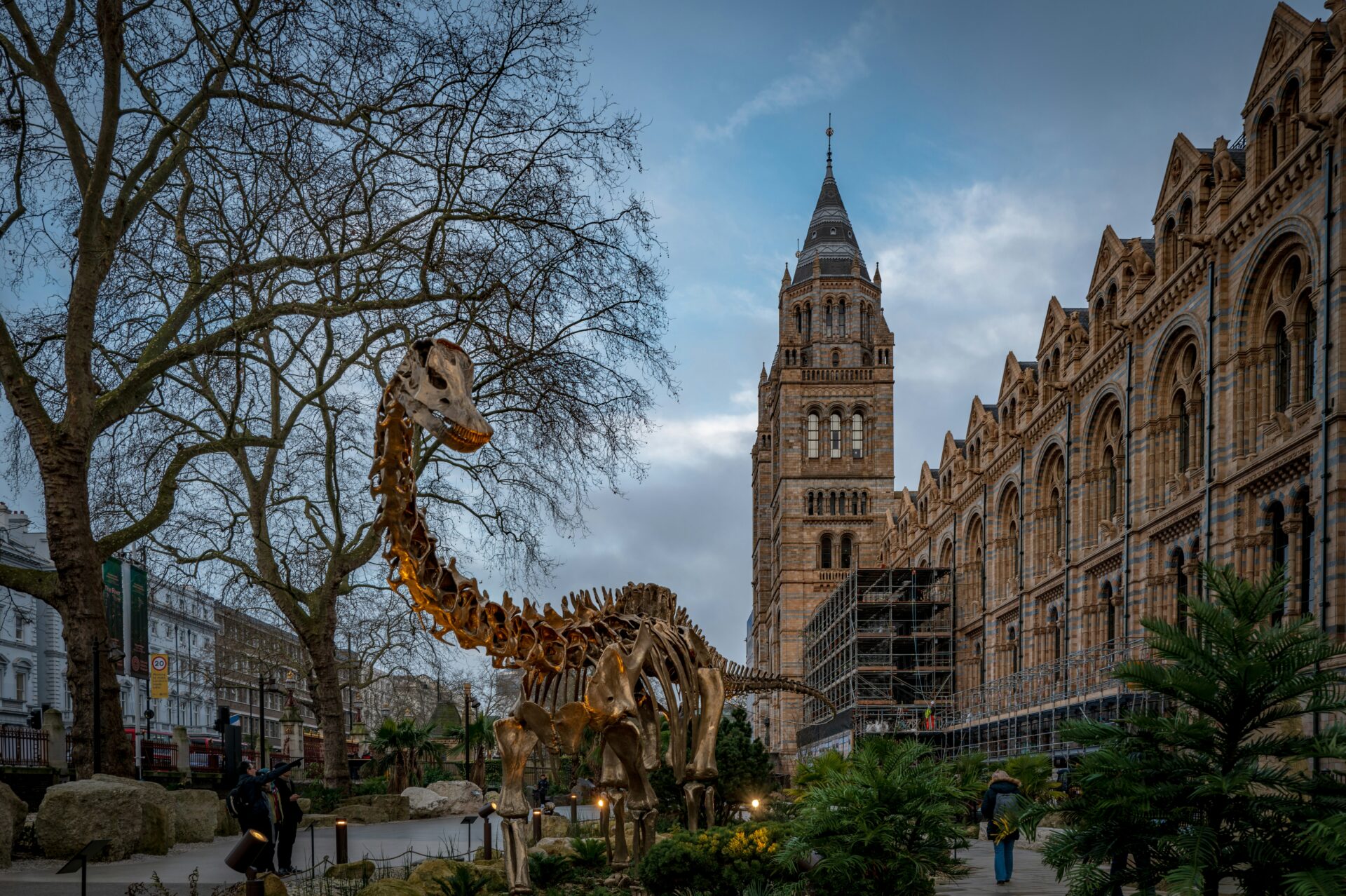
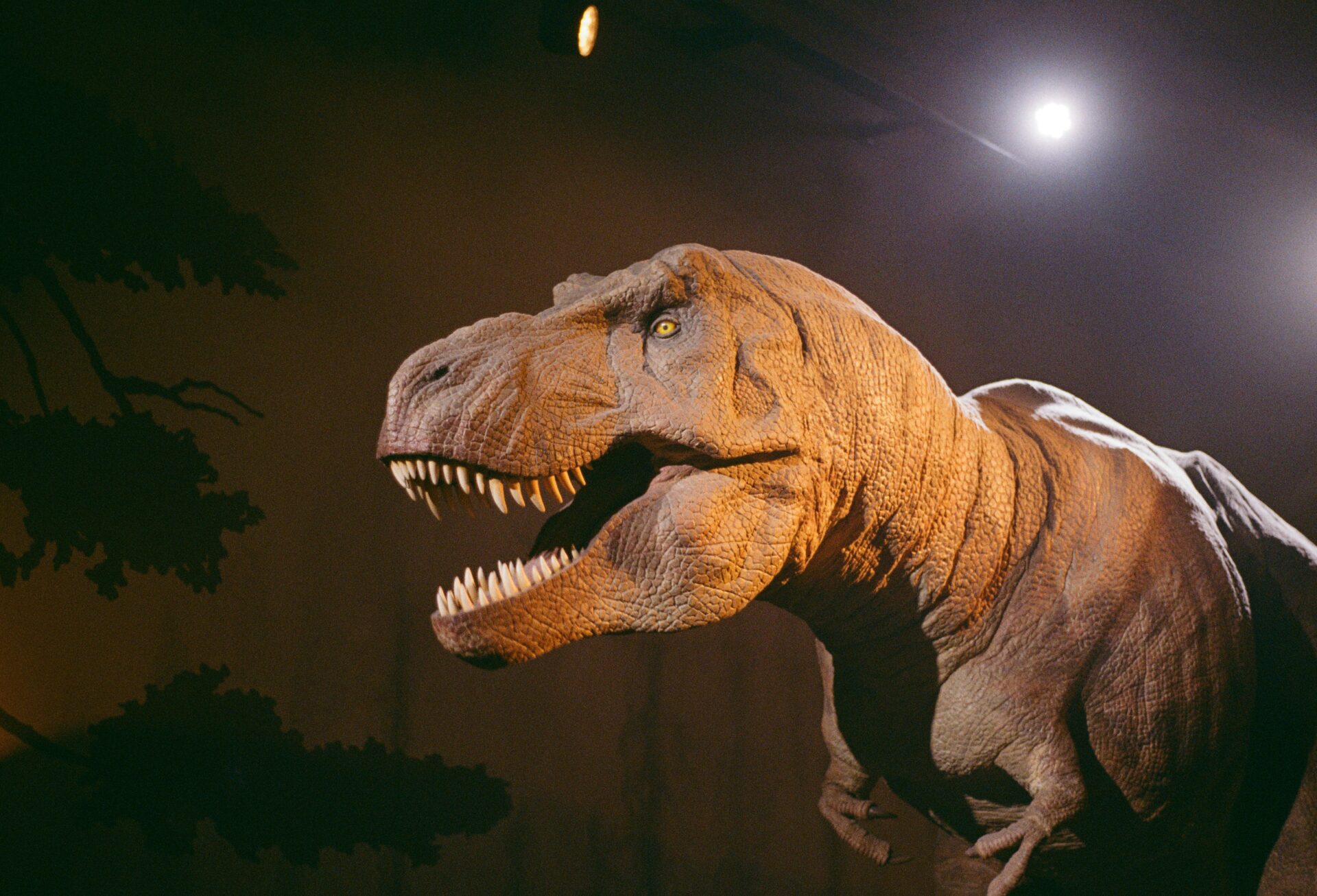
The dinosaur collection at the museum grabs your attention right away. The towering Tyrannosaurus rex, with its sharp teeth and huge claws, dominates the main hall and has everyone reaching for their cameras.
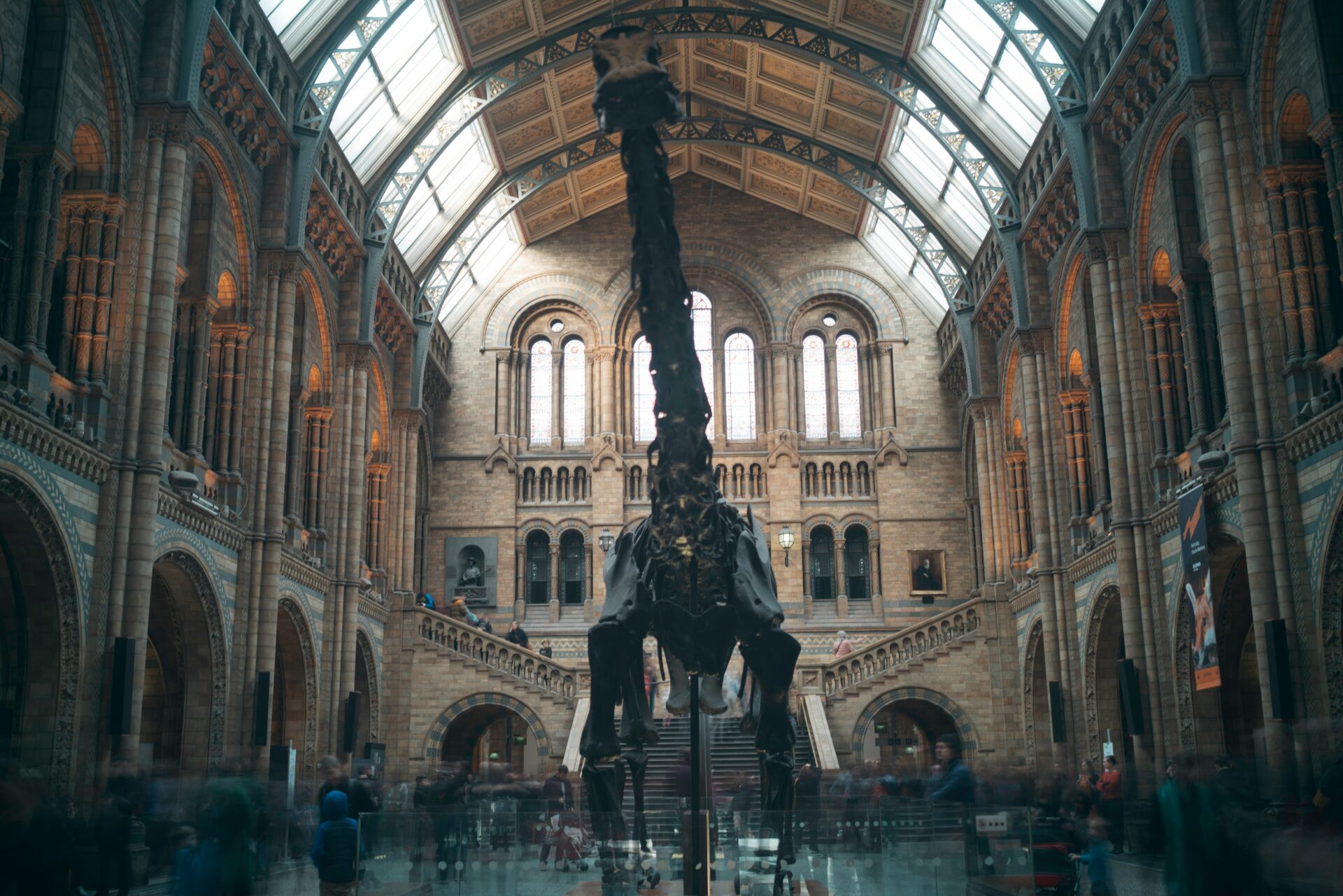
Nearby, a long-necked Diplodocus stretches across an entire room. It’s easy to imagine these creatures lumbering through prehistoric landscapes.
Interactive screens sit next to each major skeleton. I liked how you could compare sizes, diets, and habitats—not just through text, but with bright visuals and models. The story of dinosaur evolution and extinction, plus the museum’s ongoing research, weaves through every display. It honestly feels like walking through a living picture book, making science spring to life for everyone.
The Boneyard: Awe-Inspiring Fossil Displays
Fossil lovers will want to linger in the Boneyard. Rare bones and fossilized eggs rest in glass cases, each labeled with species names, discovery dates, and where they were found. I stopped at a display of Triceratops skulls—so perfectly preserved, I almost expected them to blink.
This area highlights the real science behind paleontology. Detailed panels explain how scientists use fossils to piece together past biodiversity and climate. Some cases compare ancient species to their modern relatives, mapping evolution’s journey since Darwin’s day.
For anyone curious about natural history, these fossils tell powerful stories about our planet’s changing life.
Interactive Experiences for Kids
The museum really goes all out for young visitors—and parents looking for fun, educational moments. In the Dino Dig Zone, kids can grab brushes and gently uncover replica bones set in sandpits. They get to play junior paleontologist for a day.
There’s a fossil touch table, where staff answer questions and let curious fingers explore real dino bones and teeth. Imagination runs wild here.
Activity stations feature puzzles, dino roars for kids to mimic, and a scavenger hunt that leads families through the exhibits. Every stop introduces something new—maybe learning just how big a Stegosaurus was, or spotting clues about what dinosaurs ate.
We left with wide eyes and a deeper appreciation for the museum collections and the educational mission behind every display.
Darwin, Evolution, and the Science of Life
Wandering through the Natural History Museum, I’m always amazed by how Charles Darwin’s ideas connect ancient fossils, modern creatures, and us. The exhibitions break down how all living things are related and how scientists trace our own story back millions of years.
Tracing the Tree of Life
Seeing the “tree of life” on display was a real highlight. This diagram connects every species, living and extinct, showing how all life shares common roots. Darwin’s handwritten sketches first captured this idea, and I loved spotting his iconic “I think…” note in the exhibits.
Fossils, DNA, and tiny clues from the natural world let scientists piece together who’s related to whom. Displays with bones, feathers, and models make it easy for anyone to imagine distant ancestors.
A table showed how mammals, birds, and reptiles all split from a shared ancestor long ago. It’s a simple but mind-blowing idea: even dinosaurs and humans are distant cousins! Museum staff often share fun facts and answer questions, which makes the science feel lively and real.
The Origin of Species: Darwin’s Groundbreaking Ideas
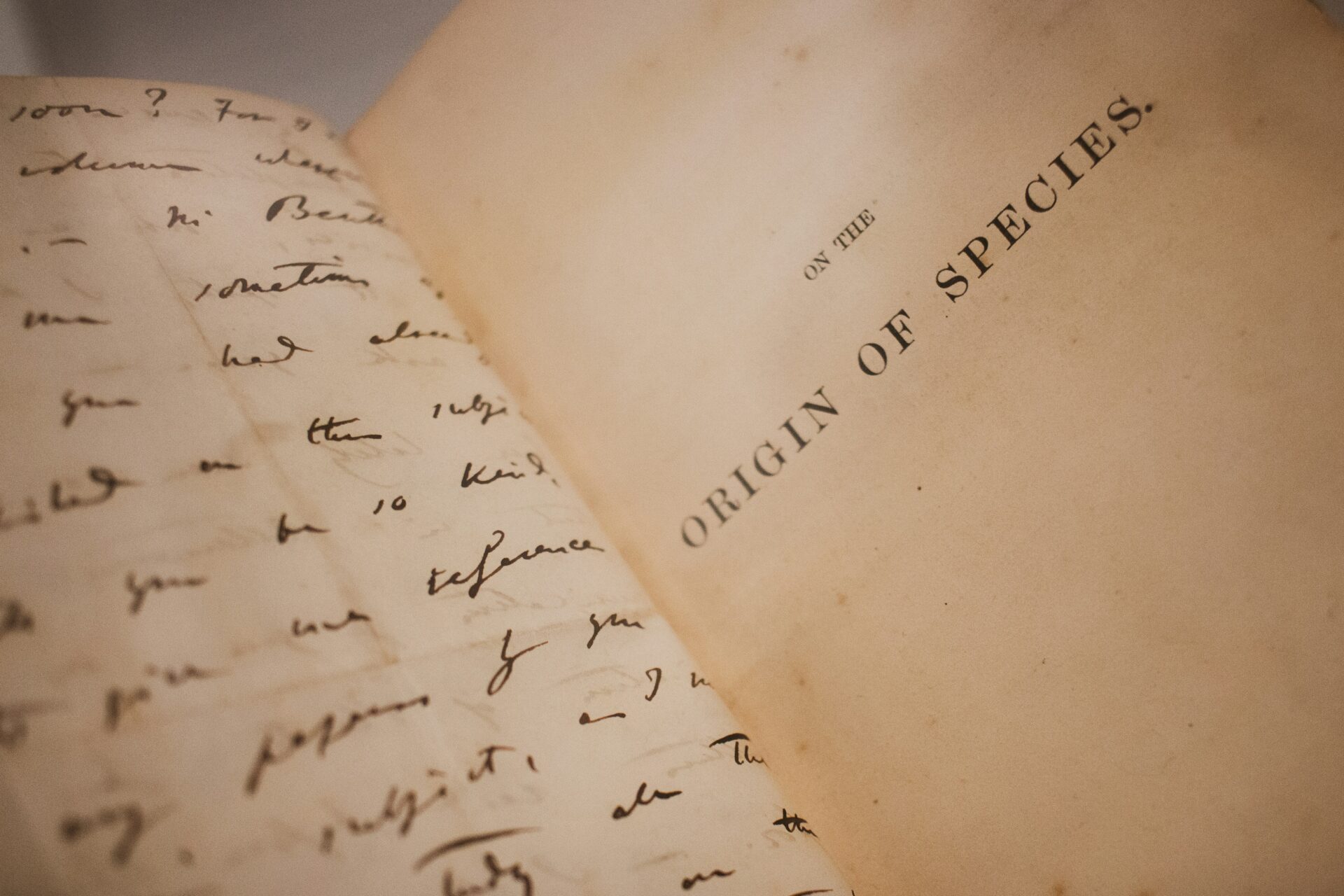
Reading about On the Origin of Species was a standout moment for me. Darwin explained natural selection for the first time in this book. The exhibit showed how he gathered evidence during his HMS Beagle voyage and used real specimens to make his case.
Darwin studied finches, tortoises, and fossils, realizing that species change over time to survive in their environments. His chart comparing different species made adaptation clear, even to my youngest family member. The museum displayed letters and tools Darwin used, which brought his journey to life.
Standing in front of his collections, I could almost imagine what it felt like to discover something world-changing, in a time when few believed such ideas.
Human Evolution and Anthropology
The anthropology area drew me in with ancient skulls, stone tools, and life-like models of early humans. These exhibits show how Descent of Man built on Darwin’s first book, linking humans to our ancient ancestors through fossils and DNA studies.
I followed a timeline showing our journey from early primates to modern humans. Learning about Neanderthals, Homo erectus, and the story of human migration across continents gave me a new appreciation for our shared past.
I love that the museum highlights the importance of diversity in STEM—with facts about famous women and scientists of color who’ve pushed anthropology forward. If you’re visiting with family, this section sparks big questions and plenty of curiosity about both science and ourselves.
Family Adventures and Memories in the Natural History Museum
Walking through the grand halls of the Natural History Museum always sparks joy, curiosity, and wonder. My family’s visits have grown into cherished memories and valuable learning moments.
These trips mix fun, education, and chances to see everyone’s unique interests shine.
Creating Joyful Family Traditions
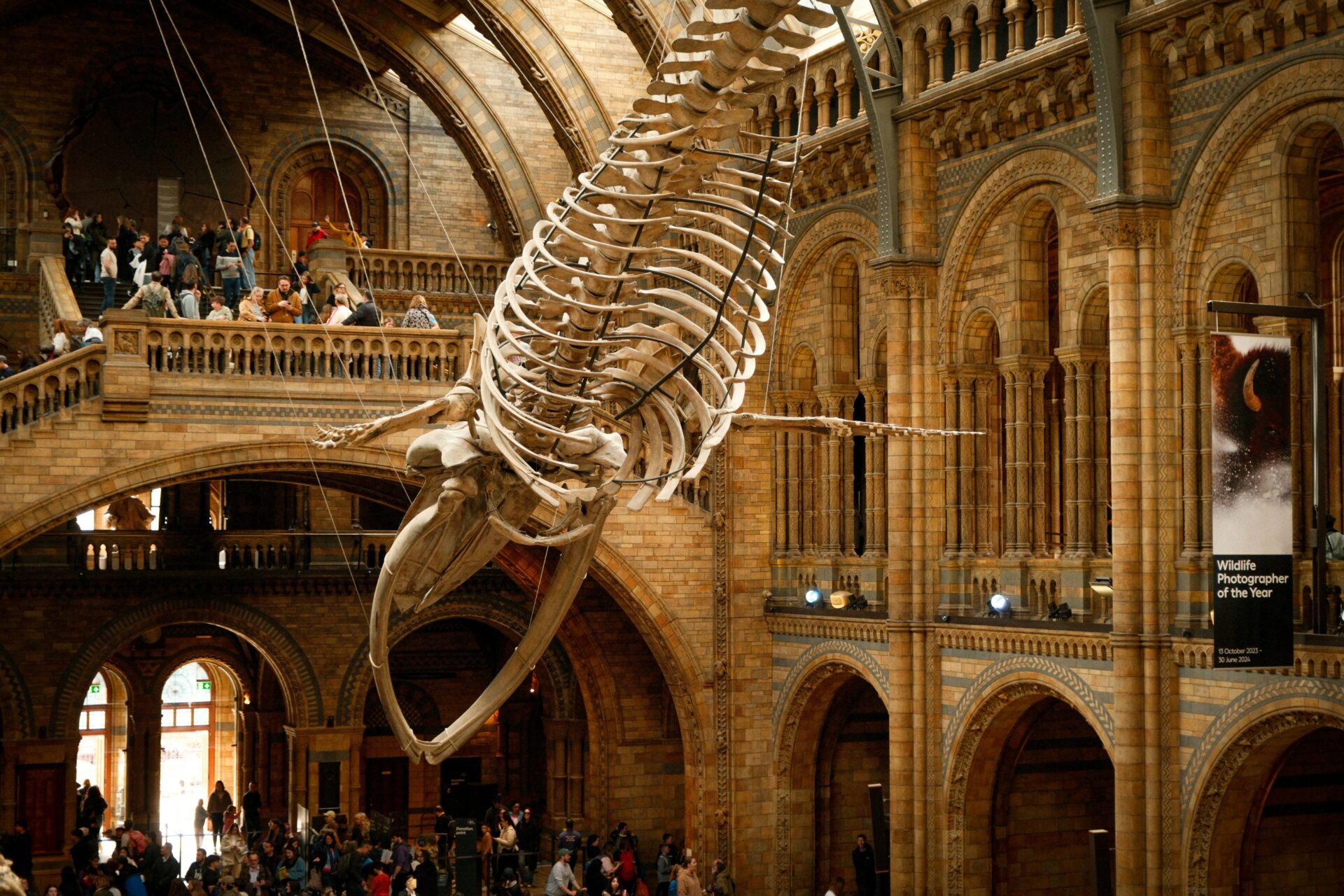
Every trip, I snap a photo of my kids in front of the towering fossil displays. The dinosaurs aren’t just bones—they’re milestones, marking another year of growing up.
Sometimes, we come for a special festivity, like a holiday event or exhibit opening, making the day even more memorable. My kids love picking out a new picture book from the museum shop.
These books spark creativity, inspiring bedtime stories about prehistoric life. Afterward, we share snacks in the café and talk about our favorite discoveries.
These simple traditions turn an ordinary outing into a highlight of our family calendar. There’s always laughter when we try to mimic dinosaur sounds or guess their movements.
Each visit continues a story that began with our first trip, reminding me that family traditions build on shared joy and little moments repeated over time.

Educational Activities for All Ages
What I appreciate most is how every exhibit has something for all ages. My youngest enjoys touching the hands-on models, while my oldest dives into interactive screens that explain Darwin’s theories in simple terms.
Even grandparents can join in, sharing facts from their own school days. Workshops and guided tours create even more learning opportunities.
Staff members encourage questions and get everyone thinking about science and the importance of biodiversity. I love the excitement in my kids’ voices as they connect what they see to classroom lessons.
The museum’s programs cover topics like evolution, animal adaptation, and why diversity in STEM matters. These lessons go beyond books and help my kids picture big ideas.
Engaging as a family makes the experience richer because we learn together and spark hope for the next generation’s creativity.

Celebrating Inclusion and Diversity
Inclusion is at the heart of our museum visits. Signs and displays come in several languages, and activities are tailored to all abilities.
The museum often features exhibits highlighting scientists from diverse backgrounds, helping every child feel seen and valued. During culture days or festivals, we’ve enjoyed music, food, and workshops from around the world.
These events remind me that science belongs to everyone, and diversity in STEM is necessary for discovery. My kids leave with a better sense of the world and a respect for different perspectives.
Making space for every family to feel welcome gives me hope. Whether it’s an accessible exhibit, a storytime that celebrates different cultures, or seeing families like ours in the museum’s picture books, these moments deepen our memories and reflect the best of what museums can be.
Nature’s Wonders: Beyond Dinosaurs and Darwin
The Natural History Museum surprised me with much more than ancient fossils and Darwin’s stories. As I wandered the halls, I found incredible displays celebrating biodiversity, the animal kingdom’s variety, and rare collections that felt almost magical.
Exploring Biodiversity in the Animal Kingdom
I walked through exhibits that made biodiversity easy to grasp. Colorful displays showed animals big and small, from tiny insects to giant mammals.
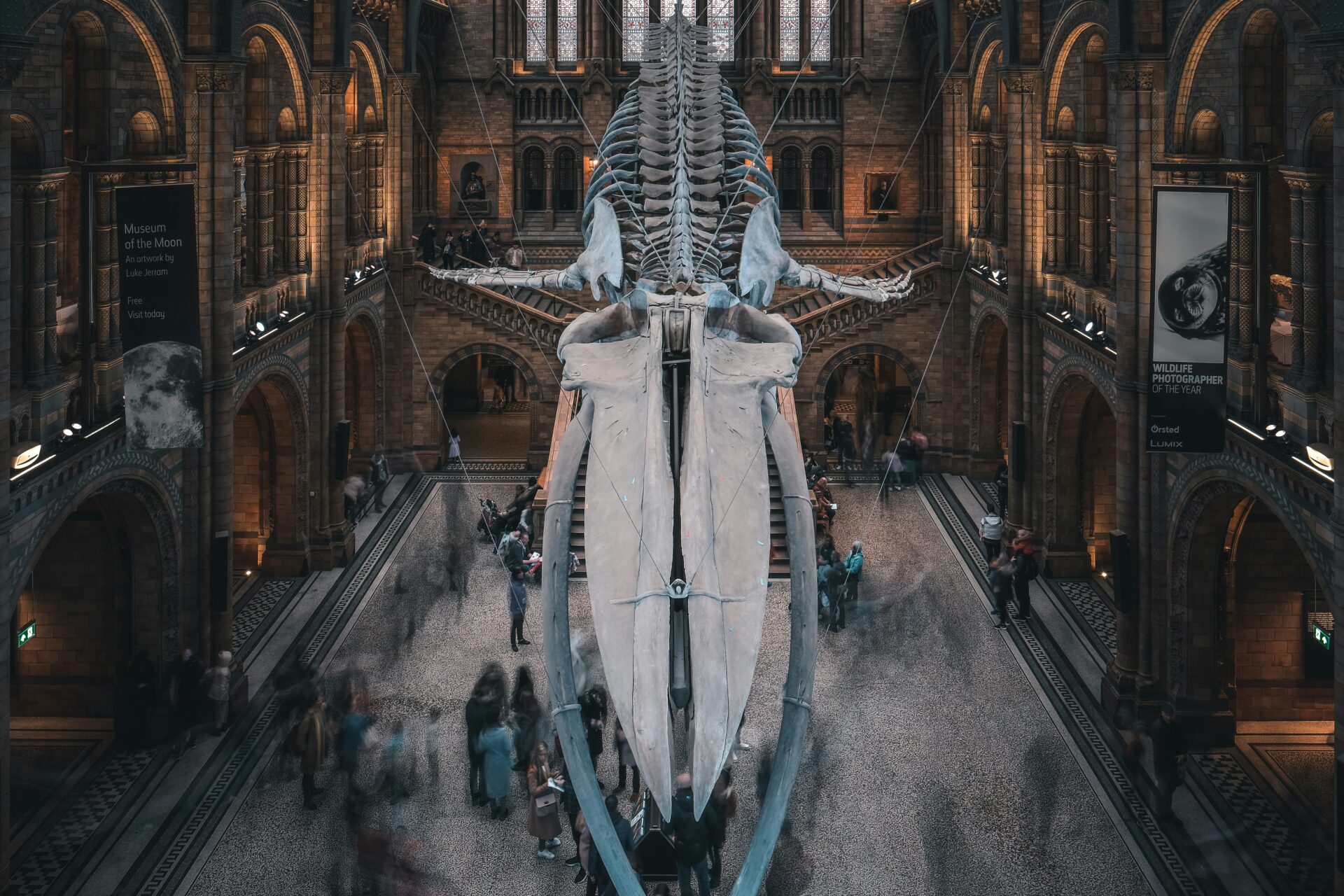
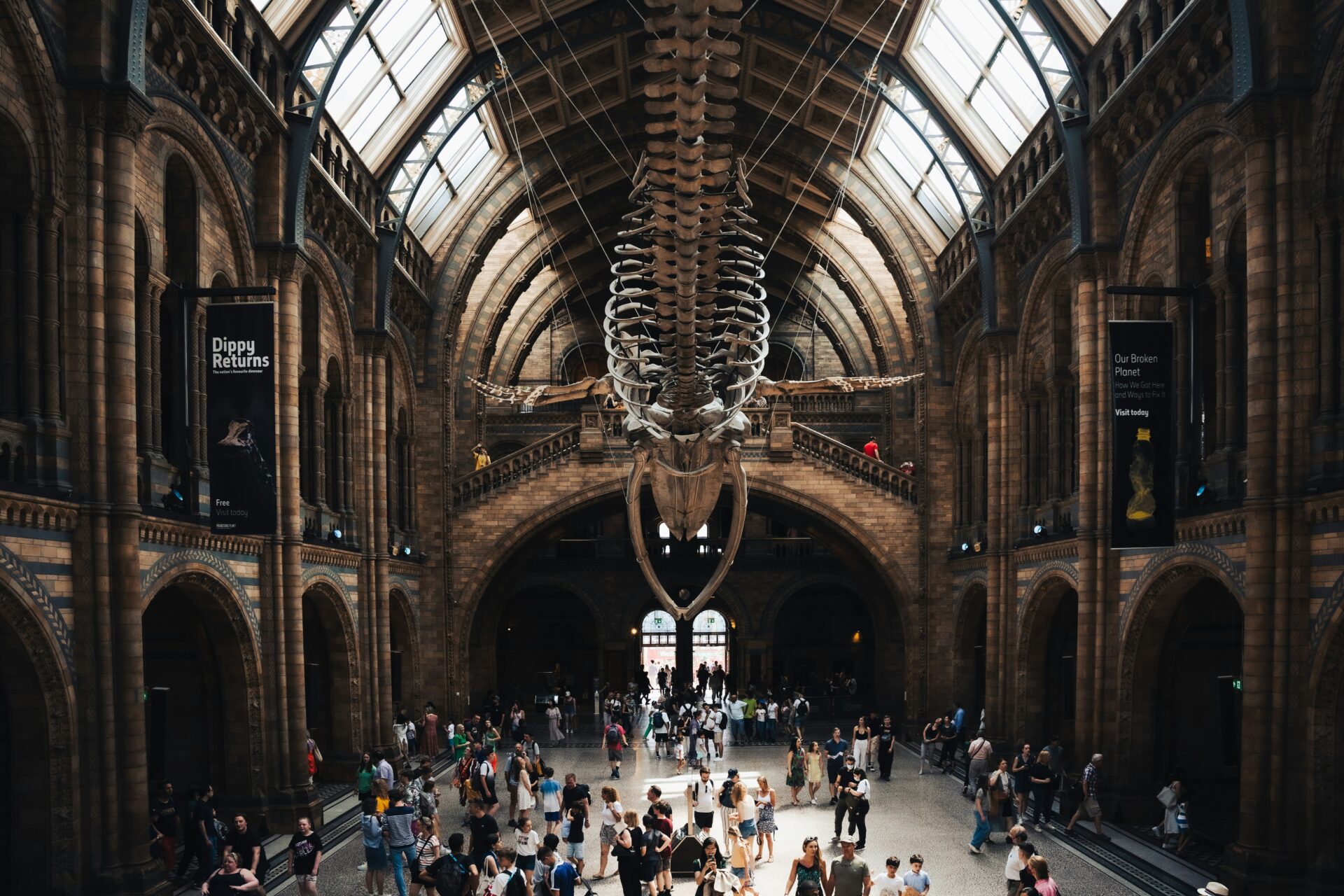
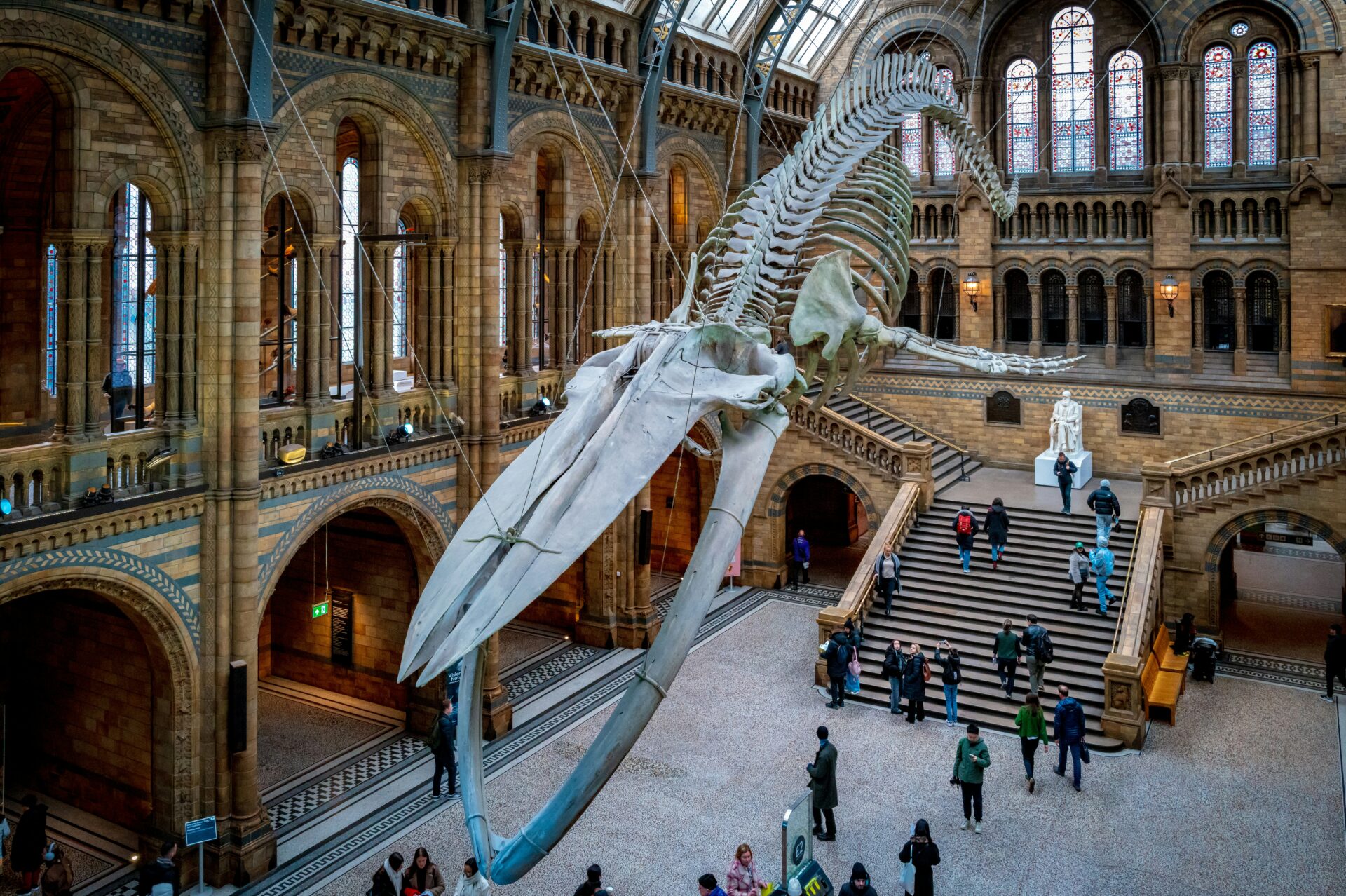
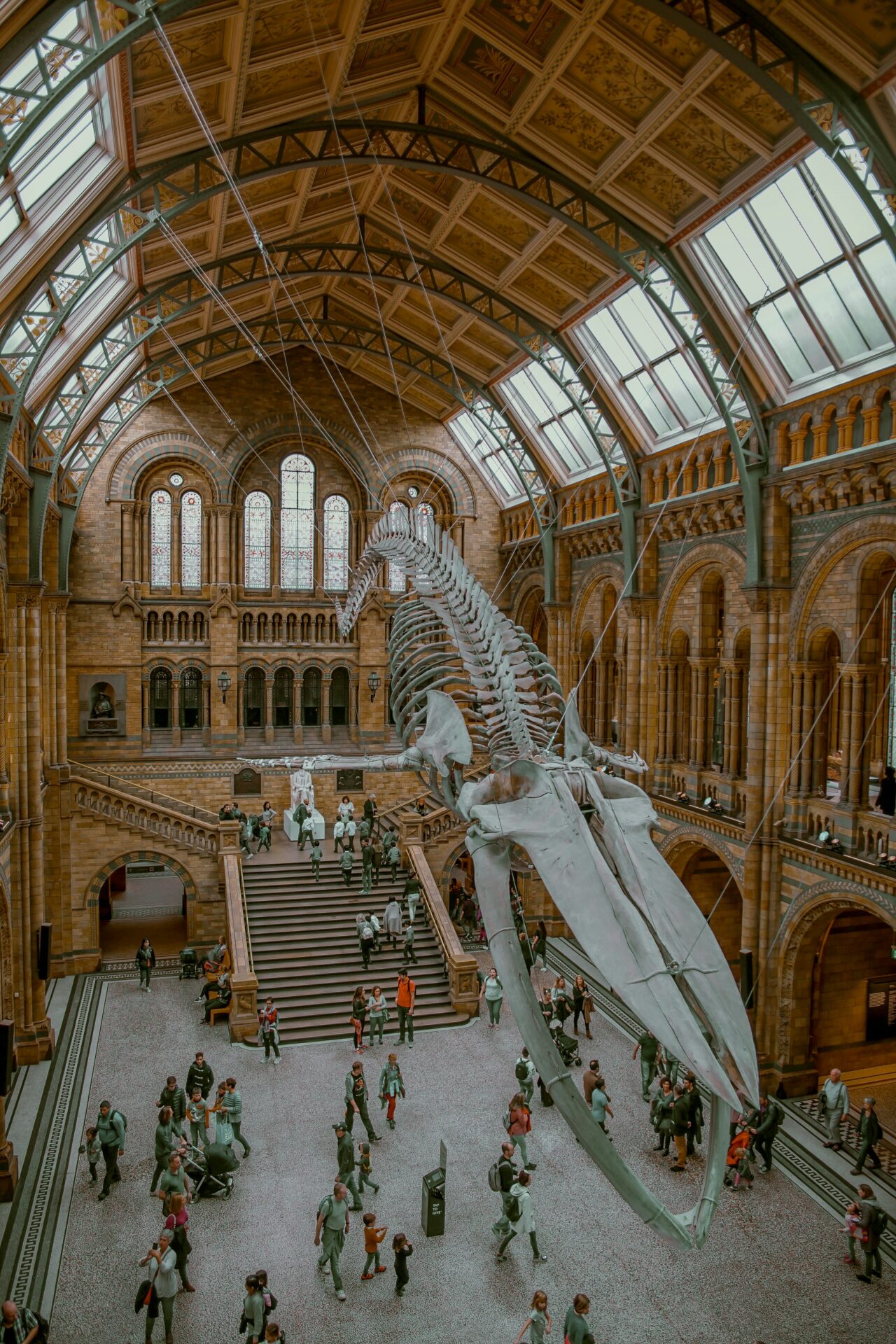
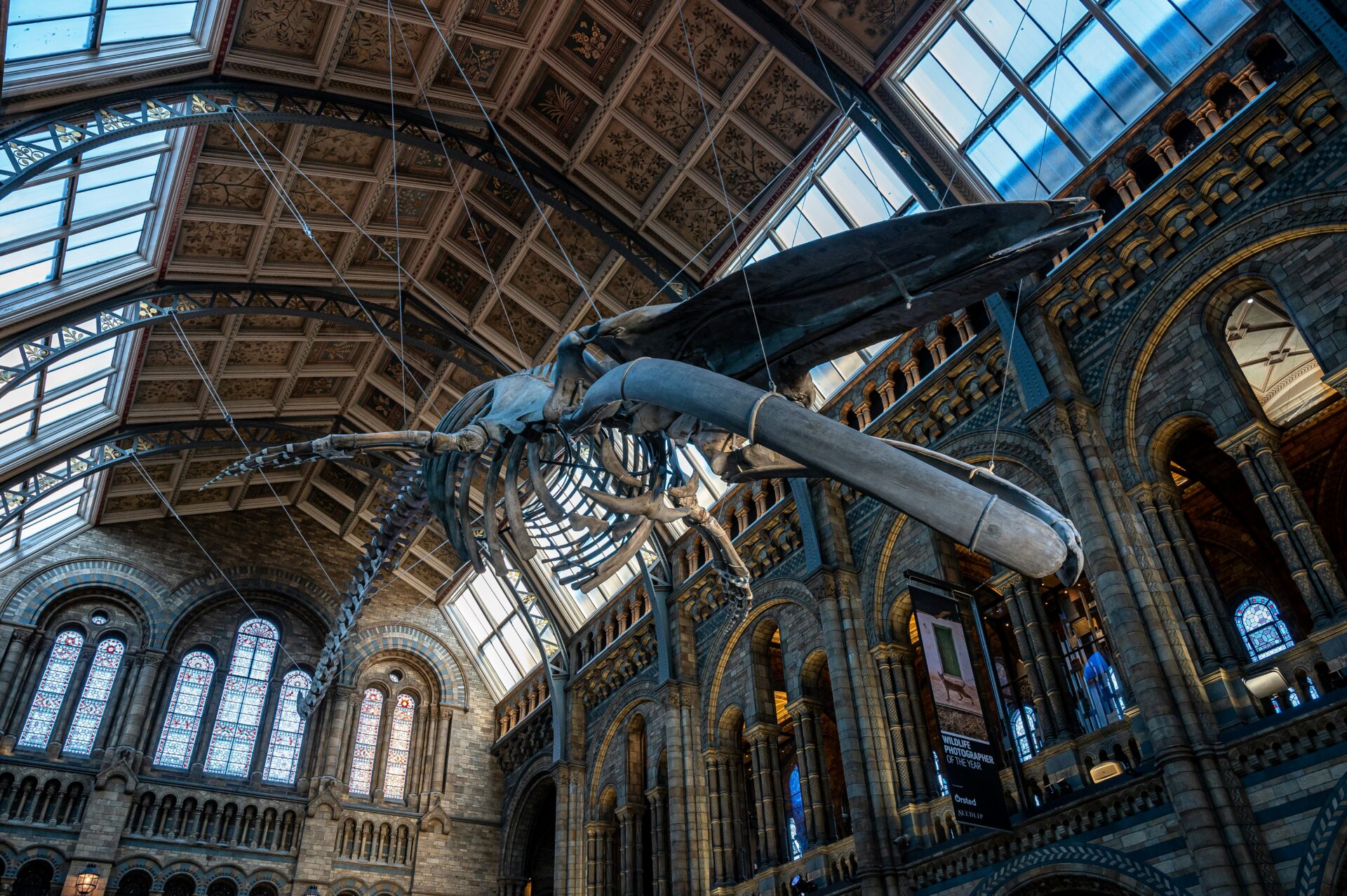
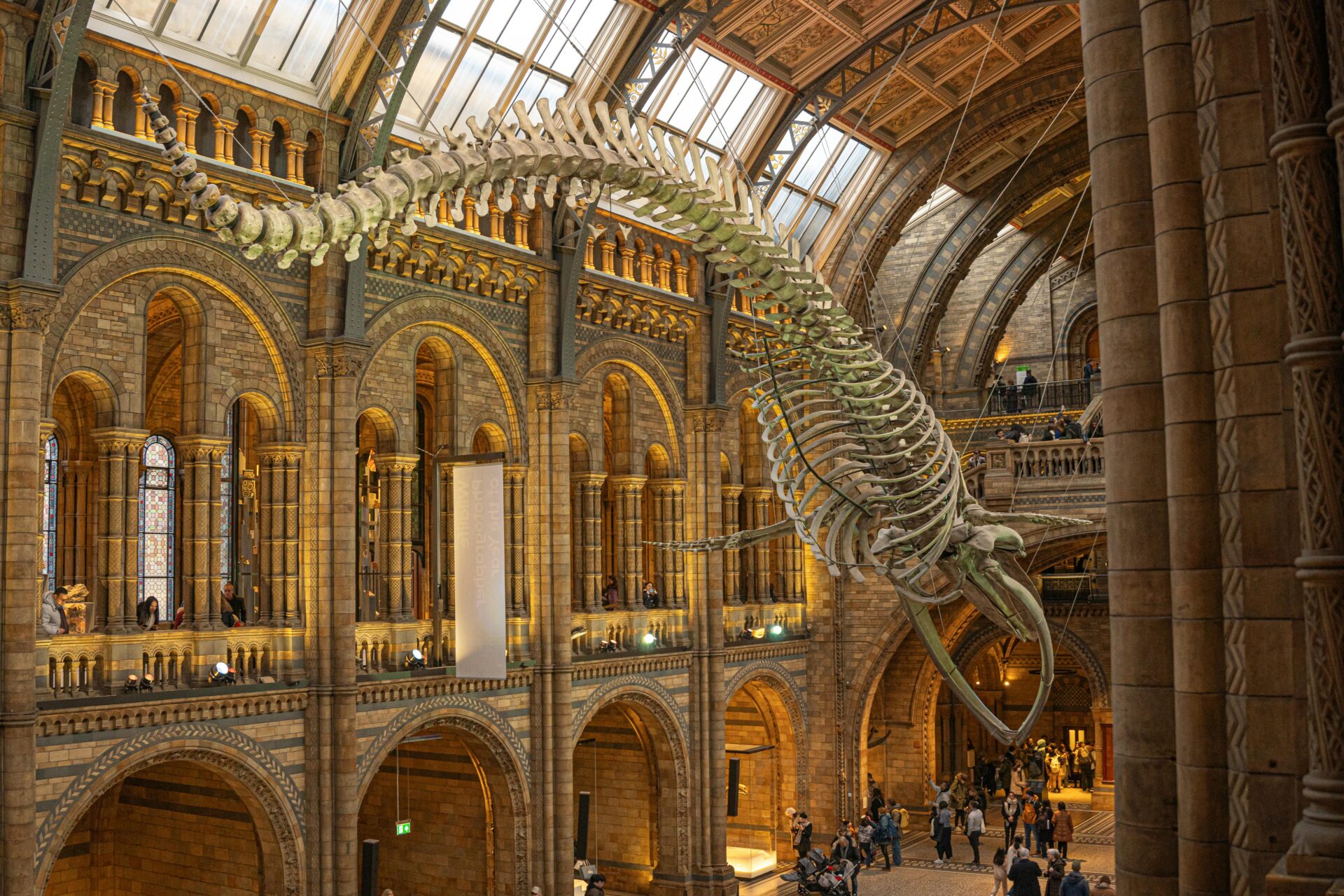
The museum used interactive screens and 3D models that got my attention, letting me compare things like animal size, habitat, and density. There’s a life-sized blue whale model that always draws a crowd.
It made me think about the importance of protecting species. Children and adults pressed their faces to glass, amazed by creatures they might never see in real life.
Exploring these exhibits gave me a deeper respect for the animal kingdom’s balance. Peeking at the insects’ displays, I learned about pollinators, rainforest creatures, and the wild adaptations animals use to survive.
Each section seemed designed to spark curiosity about Earth’s biodiversity.
Marveling at the Museum’s Rare Collections
The museum’s collection stretches far beyond animals. I discovered ancient rocks, minerals sparkling under special lights, and rare meteorites that had traveled through space.
There were carefully preserved plants and fascinating displays about early humans—an introduction to anthropology even younger kids could follow. One glass case held hand-written notebooks from famous naturalists.
Among them, I noticed a reference to Snowflake Bentley, the Vermont farmer who first photographed snowflakes. Seeing his delicate snowflake photos up close added a personal touch to the science on display.
I browsed cabinets filled with butterfly wings, fossils, and even displays explaining the physics behind density. The variety made each room its own little adventure.
I appreciated the care taken to show how each collection fit into nature’s bigger story.
Spotlight on Unforgettable Exhibits
Some museum exhibits just stick with you. I stood in front of the massive Earth Hall globe and traced the world’s climate patterns with my finger.
In another gallery, a dinosaur skeleton loomed overhead—but nearby, detailed dioramas brought scenes of ancient life to vivid detail. For those curious about anthropology, there were lifelike recreations of early humans.
Videos and hands-on displays let me imagine life thousands of years ago. Each section mixed scientific facts with stories that made the past feel alive.
Here’s a tip: I found it easy to lose track of time, so setting aside an extra hour helped me explore these wonders without rushing. The mix of interactive and classic displays made the museum a favorite for my family.
Whether you love rocks, animals, or unique collections, there’s something here that leaves a lasting impression.
Bringing Science to Life: Creativity, Inspiration, and Imagination
Dinosaurs and Darwin come alive at the Natural History Museum through visual art, playful books, and exhibits that really capture everyone’s attention. Every corner offers a new way to discover science, from graphic novels to hands-on picture books, sparking curiosity for kids and adults alike.
Illustrations and Graphic Novels in the Museum
Walking through the exhibits, I kept getting drawn to the vibrant illustrations. Giant murals brought ancient creatures back to life.
These images, often sketched first by pencil before being painted, showed details I never would have imagined. The graphic novels in the gift shop featured scenes from the Age of Dinosaurs and Darwin’s journey on the HMS Beagle, making big ideas easier to understand.
I noticed families gathering around comic-style displays. It’s clear that creativity makes science more exciting.
Many of these illustrated books have even won awards like the Caldecott Medal, recognized for outstanding artwork in children’s literature. The artwork doesn’t just decorate the museum—it helps people visualize new life from Earth’s past and encourages fresh ways to think about research and discovery.
Engaging with STEM Through Picture Books
In the education area, bright and sturdy picture books lined the shelves. Topics ranged from fossil hunts to Darwin’s theory of natural selection.
Young visitors packed the museum’s reading corners, flipping through engaging stories and quirky science facts. These books made it so much easier for beginners to actually get what science is about.
I loved how the museum brought these books to life with hands-on activities. Kids grabbed colored pencils and traced fossils or sketched their own dinosaurs.
Some picture books even tossed in interactive bits, letting kids match fossils to the right animal. All of this made learning feel active and memorable—it really showed me how playful science education can be.
Sparking Curiosity in Every Visitor
What really stood out to me? The museum just knows how to spark curiosity—no matter how old you are.
They set up interactive exhibits that connect science to everyday life. One display compared a vaudeville show in Brooklyn to creative breakthroughs in research, which honestly, I didn’t expect.
This whole approach shines a light on how imagination and conscious thinking push science forward.
Every section of the museum nudged me to ask questions about where life comes from and how we dig into the past.
The vibe encouraged me not just to learn, but to actually think like a scientist.
I walked out feeling inspired, honestly. Even a quick visit can unlock wonder and fresh ideas if you’re willing to look around and ask questions.
