
As I wandered through the ancient city of Dion, I really felt the history under my feet. Nestled at the edge of Mount Olympus, this sacred place was once the spiritual heart of Macedonia.
This is where Alexander the Great came to pray and offer sacrifices to Zeus before starting his legendary conquests.
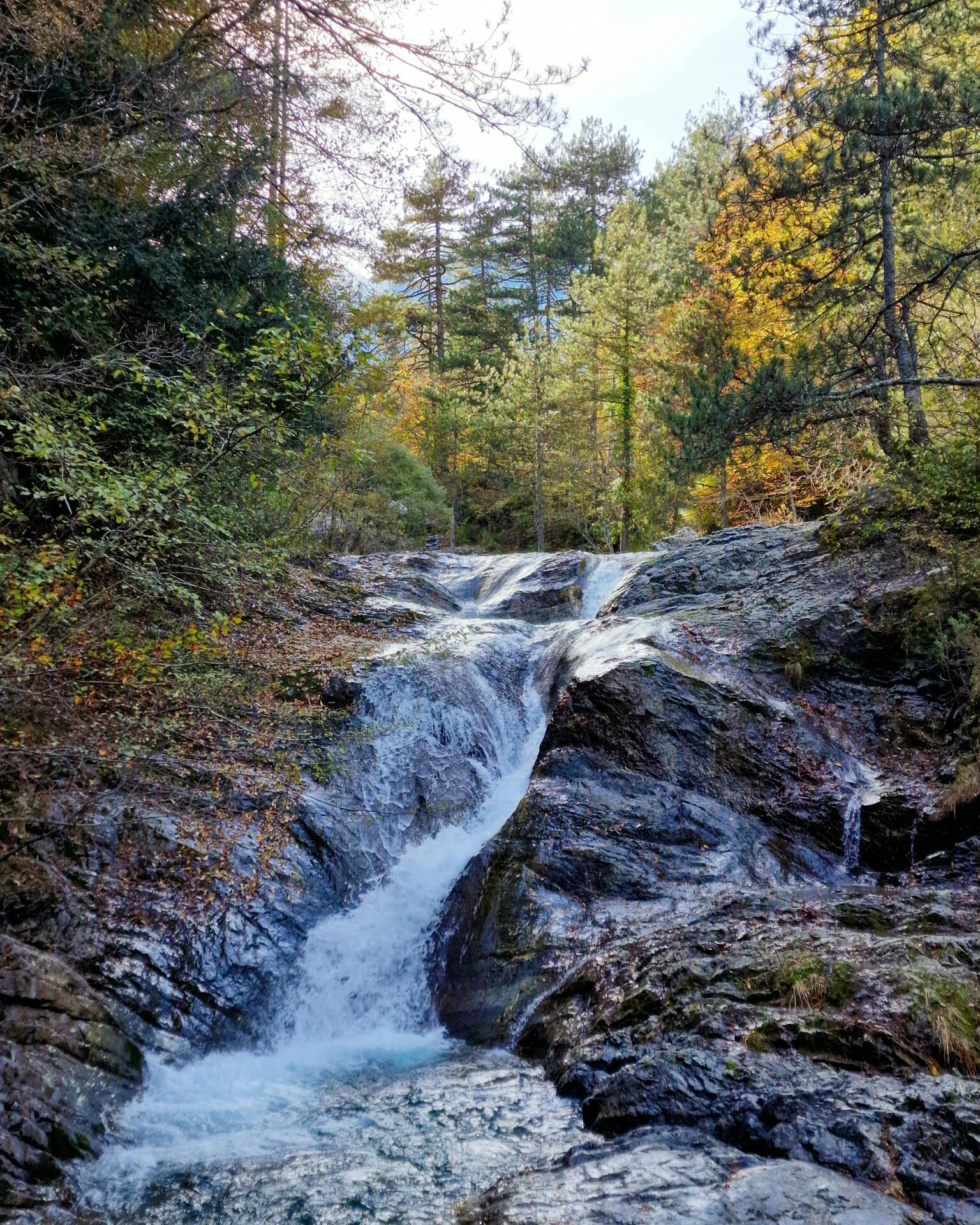
While I walked among the ruins, I pictured the crowds, the ceremonies, and the hopeful buzz before the Macedonian armies marched off to change history. The peaceful streams and old temples around Dion still echo with the stories of those who once lived here.
If you love adventure and want to touch the roots of Western history, Dion lets you peek into the world that shaped Alexander and his empire.
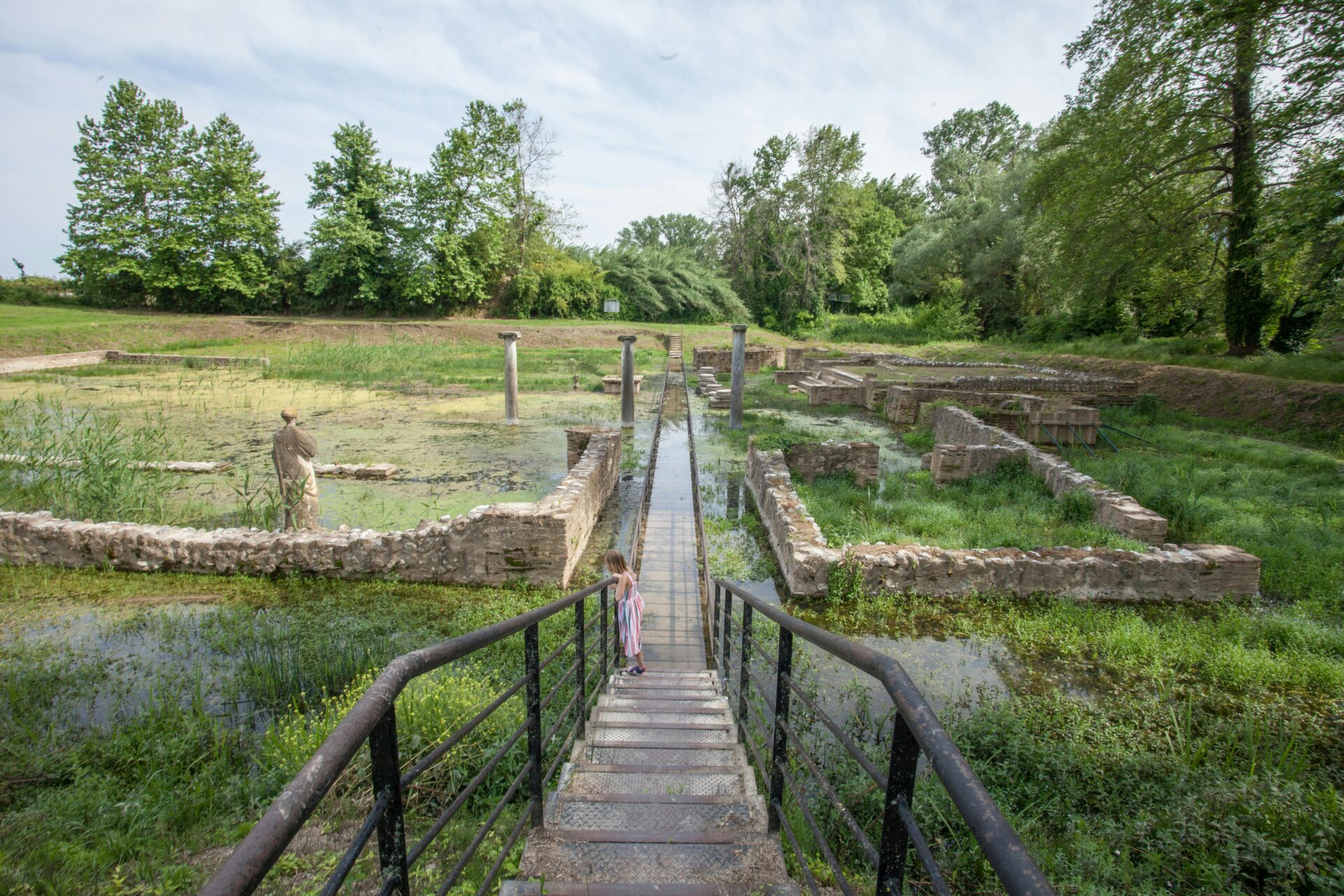
Dion Through the Ages: Unveiling Macedonia’s Sacred City
Every step I took in Dion reminded me of the layers of history below. From its legendary start at the foot of Mount Olympus to its rediscovery as an archaeological treasure, the city reveals the heart and faith of Macedonia.
Foundations of Dion and Its Historical Significance
Dion stands at the base of Mount Olympus, and to ancient Macedonians, it was more than just a city—it was their sacred meeting point with the gods. Its roots go back at least to the 5th century BCE.
Early Macedonian kings like Archelaus built Dion into a real urban center. The location, tucked between mountains and sea, gave Dion both natural protection and access to vital trade routes.
Inscriptions and city plans show off organized streets, public squares, and impressive fortifications.
Dion’s importance grew as Macedonia rose to power. Alexander the Great picked this city to offer sacrifices to Zeus before setting off on his epic campaigns.
To walk where he did? That’s standing right where history took a sharp turn.

Religious and Cultural Importance in Macedonian State
The air in Dion always feels thick with stories. During the Olympian festivals, Macedonians from all corners gathered for music, theater, and athletic games—honoring Zeus and the other gods.
Temples and shrines filled the city. The sanctuary for Zeus Olympios stands out, but you’ll also find remains of temples to Demeter and Isis. That mix shows how beliefs shifted and blended over time.
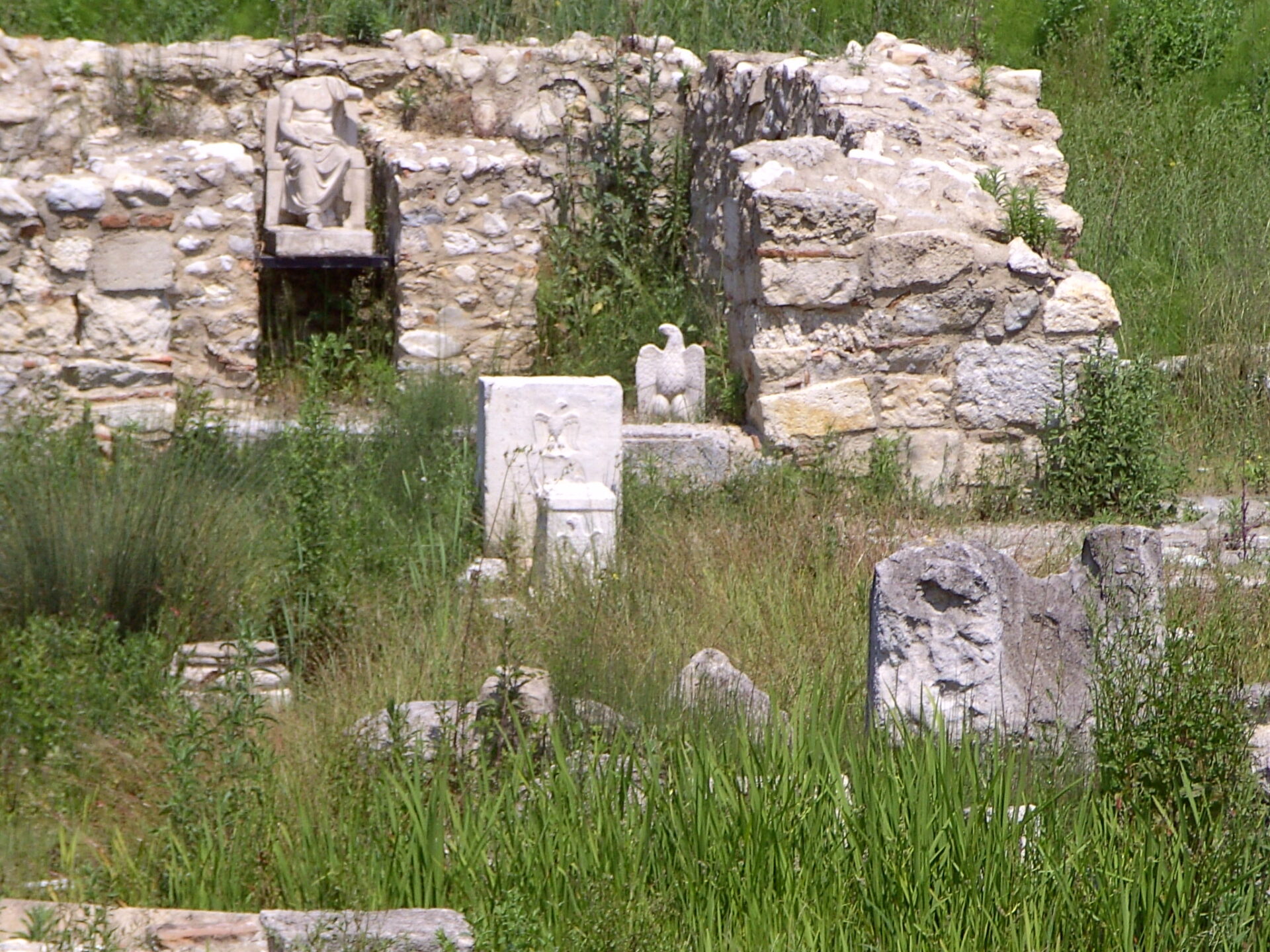
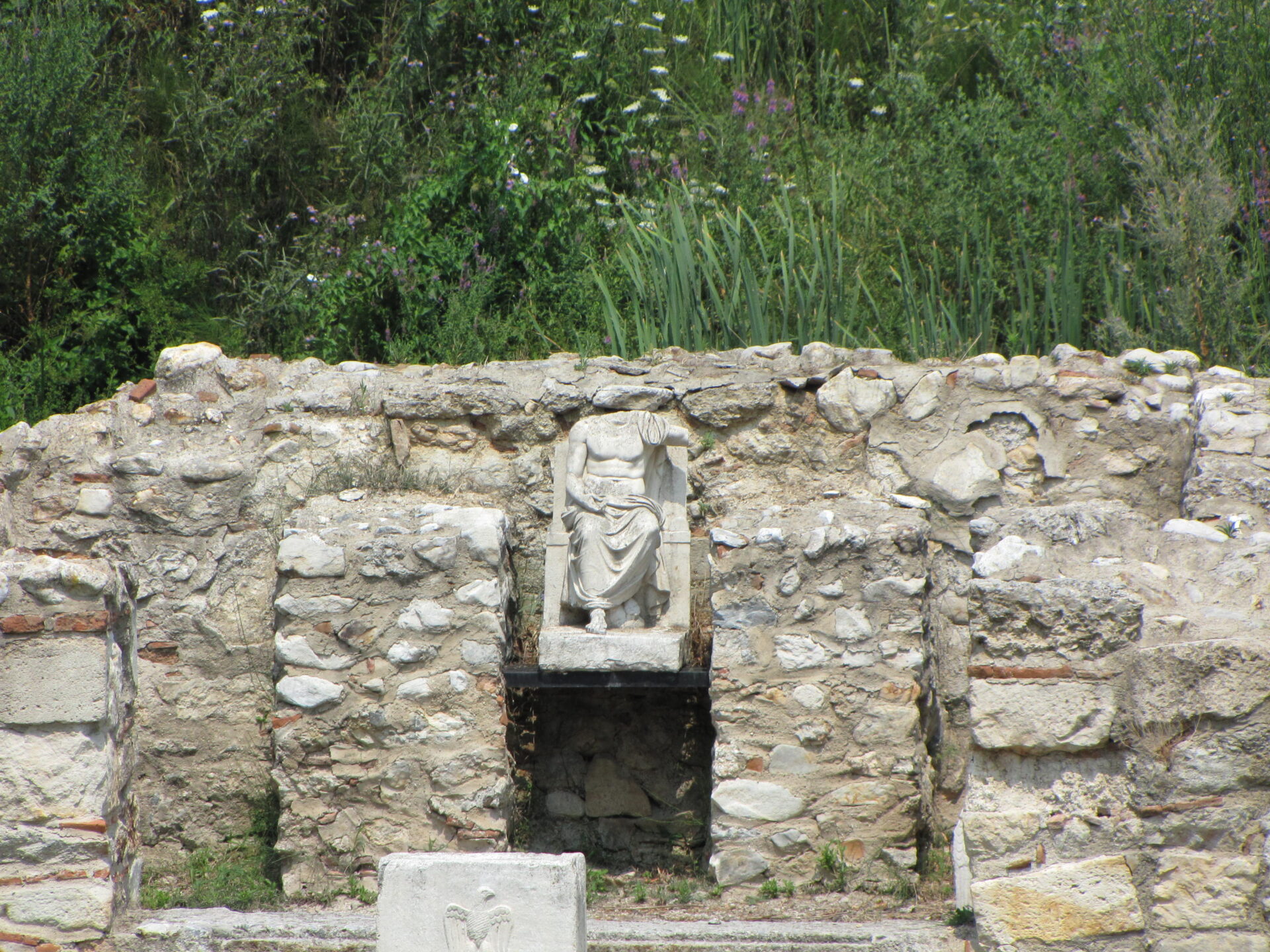
Statues, altars, and inscriptions lie scattered, each one giving a little window into the past. This religious center pulled Macedonia together and tied it to Olympus, the mythic home of the gods.
Leaders and citizens made pilgrimages and brought offerings. Over time, Dion became not just a religious site, but the cultural core of Macedonia.
Archaeological Evidence and Rediscovery
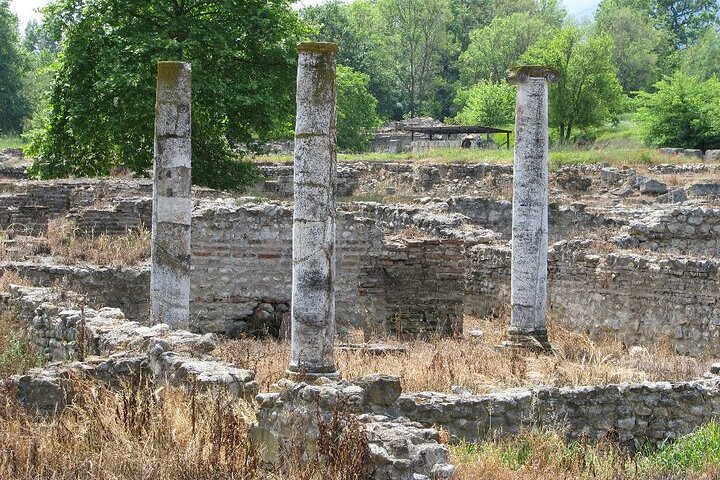
People started excavating Dion in the early 20th century, and every visit feels like history is still surfacing. Archaeologists uncovered city walls, baths, theaters, and mosaics.
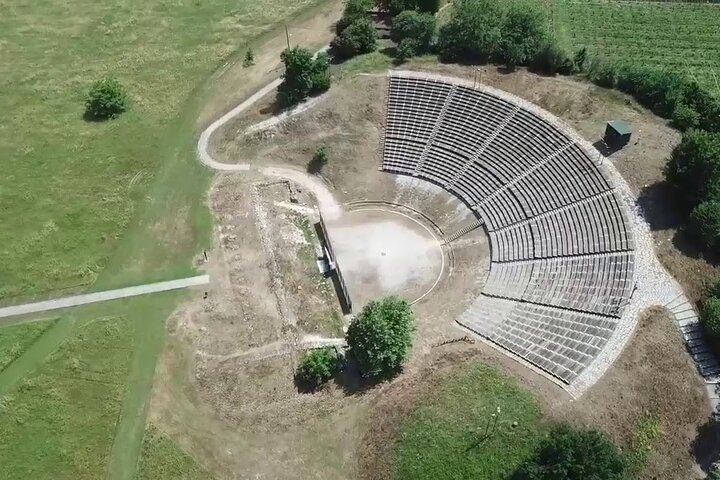
The street layout matches what ancient writers described. One of my favorite finds is the large Roman theater, still partly standing.
Old sanctuaries hold statues, worn by centuries but still powerful. In some corners, you’ll spot the remains of a Christian basilica—a sign that Dion lasted deep into late antiquity.
Today, Dion is a protected archaeological park. I relied on the posted signs and guided tours to help the ancient stories come alive.
For travelers and history lovers, Dion is one of those rare places where the past isn’t just preserved—it feels like you could almost reach out and touch it.
Walking in Alexander’s Footsteps: The City Where Kings Knelt
Dion sits at the base of Mount Olympus, soaked in ancient rituals and the presence of kings. Powerful leaders gathered here, prayed, and celebrated victories.
You can still feel a pulse of history underfoot.
The Rituals and Prayers of Alexander the Great
When I walked through Dion, I could almost see Alexander the Great making his way to the grand altar. Before he crossed into Asia, he stopped here to perform rituals that were both public and deeply personal.
In these ceremonies, Alexander offered sacrifices to Zeus, the god who watched over Macedonia. Historical records mention lavish gifts—animals, incense, rare goods—hoping to win the gods’ favor before battle.
The high priest usually joined him, leading prayers and chants in front of the army and the people. I imagine the anticipation and tension in the air, with everyone watching for omens and signs.
Standing in those ruins, I felt the weight of ancient hopes—reminding every traveler just how much was at stake for Alexander and his troops.
Temples, Sanctuaries, and High Priests
Dion was more than a military stop; it was the spiritual heart of Macedonia. The city was dotted with temples, the biggest one dedicated to Zeus Olympios.
I spent hours exploring the remains, picking out columns and altars where high priests once held rituals that united soldiers and citizens. High priests did more than lead ceremonies; they advised kings and influenced the biggest decisions in Macedonia.
Alexander respected their power. He worked closely with the priesthood, knowing that religion shaped loyalty among people and the army.
As I walked between temple stones, the silence felt heavy, like the city still waited for footsteps of worshippers. There were sanctuaries for Demeter, Isis, even Dionysus.
Dion was a crossroads, blending Greek traditions with Egyptian and local ones—a cultural mosaic that reflected Macedonia’s story and Alexander’s ambitions.
Army Gatherings, Banquets, and Diplomacy
When armies gathered in Dion, the city buzzed with activity. Alexander held grand banquets under tents, bringing together generals, soldiers, and Macedonian leaders to share meals and celebrate victories.
These events signaled unity and strength, crucial before launching distant campaigns. Diplomacy played a big role here too.
Allied rulers and important guests received gifts, promises were exchanged, and future strategies set. Displays of power and wealth—fine foods, precious items, and music—helped win loyalty or settle disputes.
Walking through Dion’s public spaces, I could almost feel the ancient sense of community. Power was negotiated and alliances formed over wine and feasts, blending ceremony with practical planning.
It’s easy to picture Alexander, surrounded by his high priest, generals, and friends, gearing up to change history.
Unraveling the Sacred Spaces: Dion’s Temples and Mythology
Exploring Dion’s ruins, I found a mix of spirituality, mythology, and daily ritual. Each temple and sacred site shows how gods, myths, and traditions shaped not just worship, but daily life and identity.
The Sanctuary of Zeus and Mount Olympus Legends
At the foot of Mount Olympus, the Sanctuary of Zeus feels deeply tied to the mountain’s myths. People came here to pray and offer sacrifices—including Alexander the Great’s own offerings.
Rows of ancient columns, weathered statues, and faint outlines of altars mark where powerful ceremonies happened. Zeus ruled over marriage, storms, and fate, so rituals here often asked for strength in war, successful unions, safe journeys, and sometimes a peaceful death.
Stories of Zeus’s thunderbolts and his role as ultimate judge gave these prayers extra weight. On my visit, I felt a strange energy—almost as if the legends still hung in the air among the stones.
Worship of Dionysus and Hercules
Zeus wasn’t the only focus in Dion. The cult of Dionysus, god of wine and revelry, brought a different spirit.
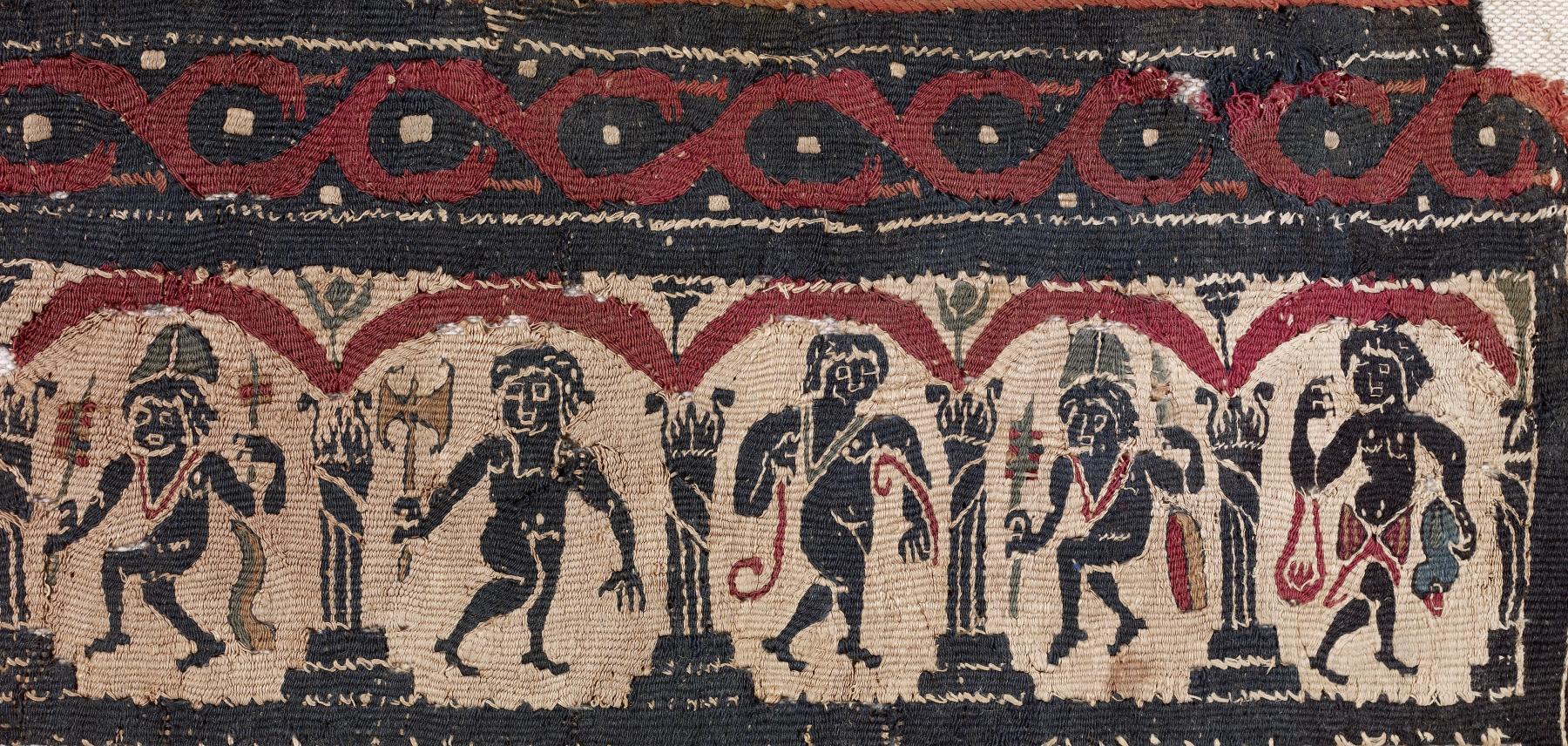
His followers celebrated with music, dancing, and feasts, giving thanks for a good harvest and the joy of life. Local stories say Dionysian rites here could get wild—people wore costumes, sang, and even performed plays.
These festivities were supposed to bring happiness, help with fertility, and mark big life changes like marriage. Temples and shrines to Hercules also dotted Dion.
Hercules’s legendary strength inspired those seeking courage for tough tasks. His tales reminded everyone that protecting family and facing challenges mattered.
The Temple of Venus and Ritual Life
The Temple of Venus, or Aphrodite, felt more intimate and gentle compared to the grand sanctuary of Zeus. Dedicated to the goddess of love and beauty, this temple was a place to ask for romance, blessings in marriage, and gentle guidance through heartbreak.
Stonemasons carved delicate statues and altars, where women and couples left offerings. Rituals here focused on love, unions, and sometimes the hope for children.
Venus was also a protector, said to guide souls between love in life and peace in death. Walking between the pillars, I could picture ancient ceremonies—petals on the ground, prayers for lasting love, and the hope that beauty and happiness might touch their lives.
Life, Power, and Intrigue in Dion: Stories of Citizens and Conspiracy
Walking through Dion, I found myself surrounded by reminders of daily routines, secret plots, and echoes of battle. The city’s energy came from the lives of its people, the dramatic shifts of power, and the legacies left on its sacred ground.
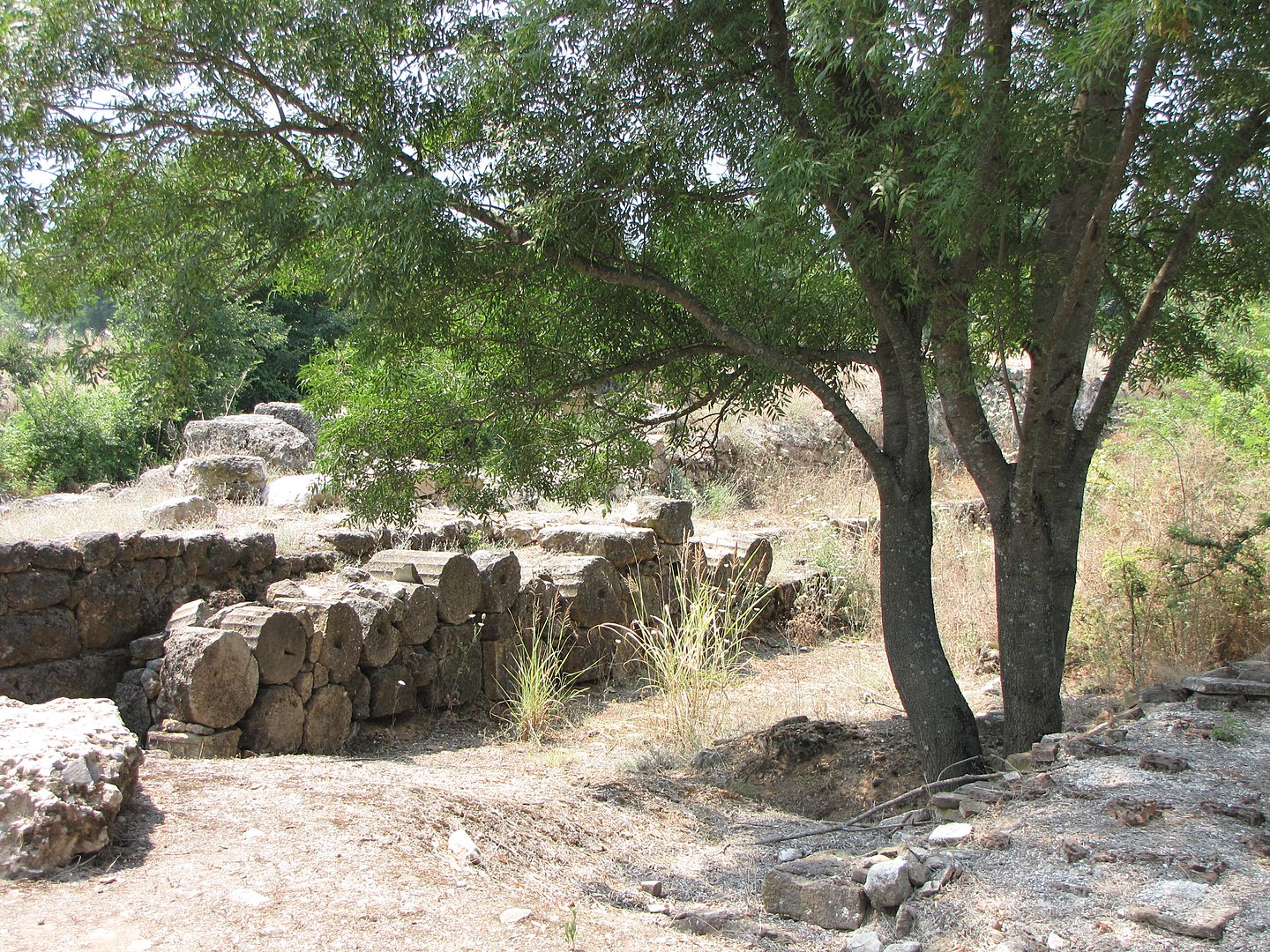
Daily Life in Dion: Citizens, Slaves, and Social Hierarchies
Dion’s daily life buzzed with activity. Citizens in simple tunics shopped in the agora while priests tended offerings at the temples.
The air carried the smell of incense or fresh bread, depending on which street you took. Slaves made up much of the workforce, working in homes, helping with public works, or keeping the gardens green.
Social hierarchies showed everywhere: wealthy landowners and priests made the big decisions, while poor laborers and slaves worked quietly in the background. Their hands shaped every corner of Dion’s beauty.
People mingled, but certain areas and seats were always reserved for the powerful. Even visitors had to watch where they stood.
Status mattered, and you could spot rivalry even during public festivals, just by the way people tried to outdo each other with offerings.
Political Plots, Conspirators, and Exile
Dion wasn’t only a place for prayer; it also staged plenty of intrigue. Political conspiracies brewed behind temple walls and shady columns.
Whispers about tyrants and would-be usurpers drifted through the town square, especially in tense times. I could almost feel the tension when accusations of conspiracy led to harsh exile.
Sometimes whole families vanished overnight, punished for supposed crimes against the city or its rulers. A list of famous exiles and conspirators would include nobles who pushed too hard for power, priests who challenged religious leaders, and generals who lost the battle for influence.
I always picture the glances exchanged between rivals during rituals—every public gathering was a dance of loyalty and suspicion.
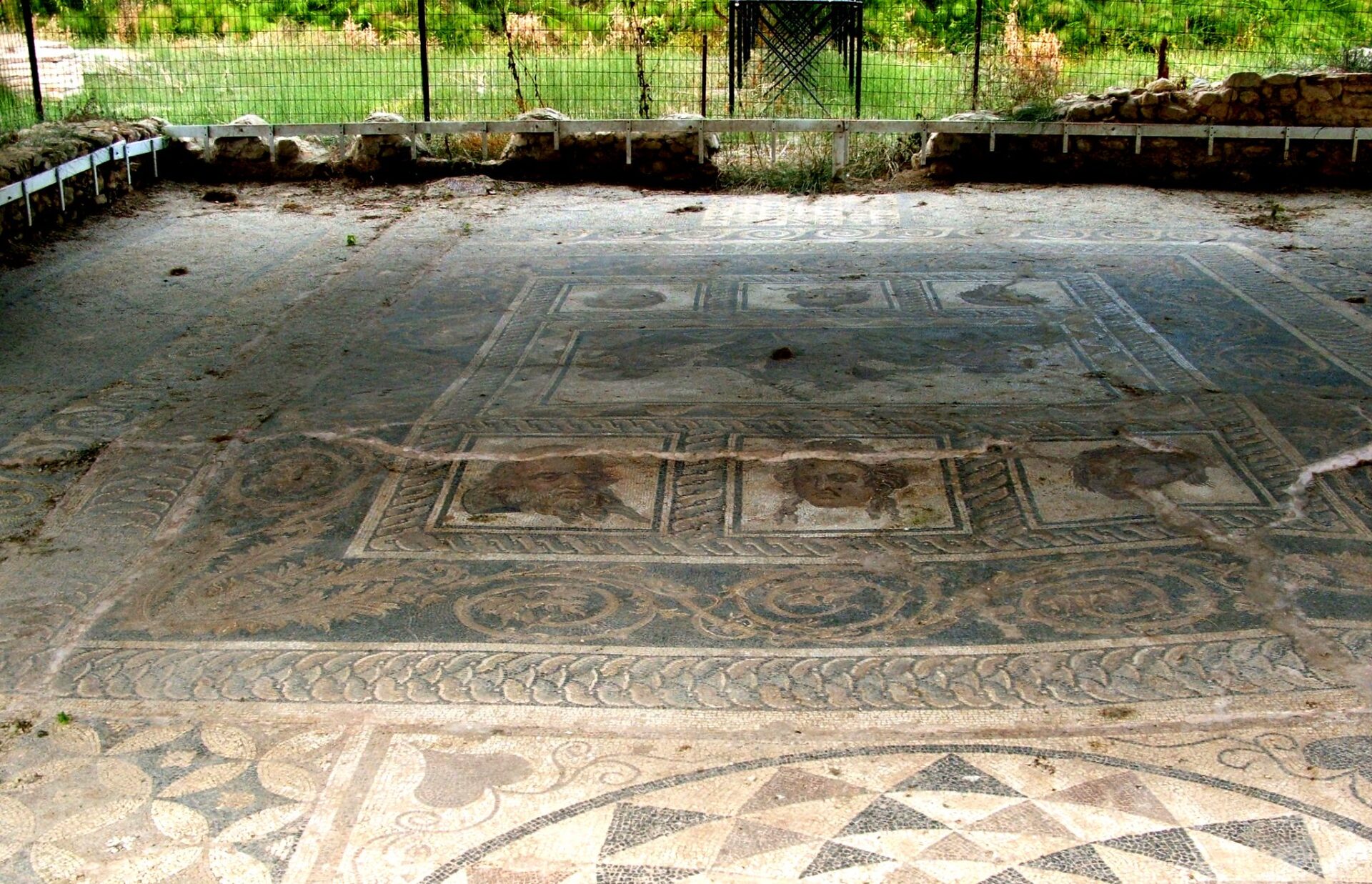
War, Warfare, and Legacies of Great Battles
Dion stands right at the crossroads where history and warfare collide. Alexander the Great actually prayed here, hoping Zeus would grant him power before he launched his wild campaigns.
Soldiers often filled the city, their armor clanking as they geared up for battle. Stories of plunder and massacre still echo through Dion’s streets, making it clear that even sacred cities can turn into scenes of chaos and celebration.
I wander past old plaques that honor heroes and townsfolk who defended Dion against invaders. Today, as I stand in the ruins, it’s tough not to picture the shock and fear when armies swept through this place.
Dion’s legacy sticks around—not just as a city of worship, but as a silent witness to rivalry and the never-ending struggle for power. For any traveler, every stone here feels heavy with memories of warfare and ambition.
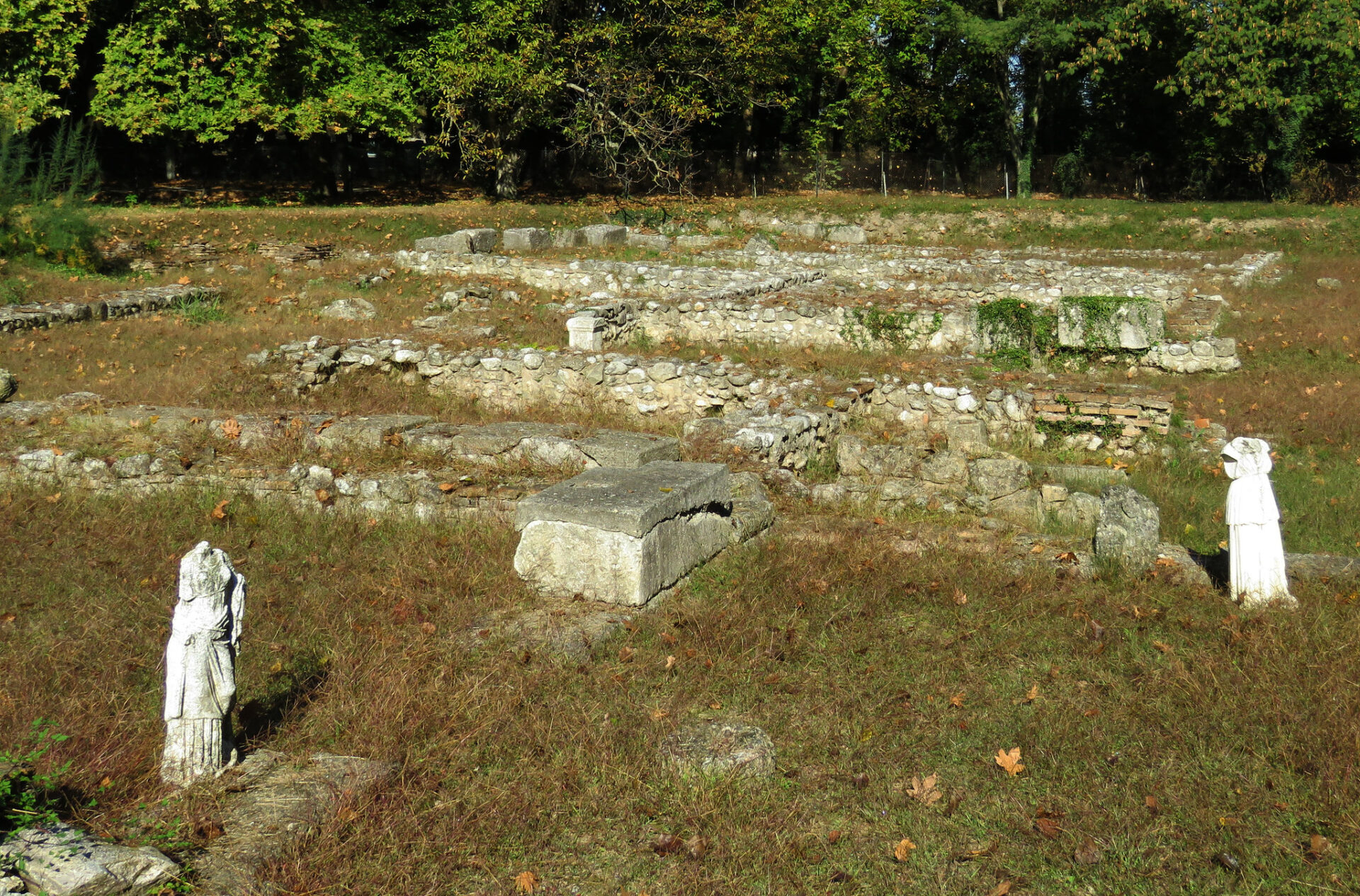
Dion’s Modern Allure: Travel Inspiration and Insider Tips
Strolling through Dion, I swear I can almost hear whispers from ancient times mixing with birdsong and wind in the grass. Exploring the ruins, checking out nearby historic cities, and picking up some practical travel tips can turn a simple visit into something unforgettable.
Exploring Dion’s Ruins: Walking Routes and Must-See Spots
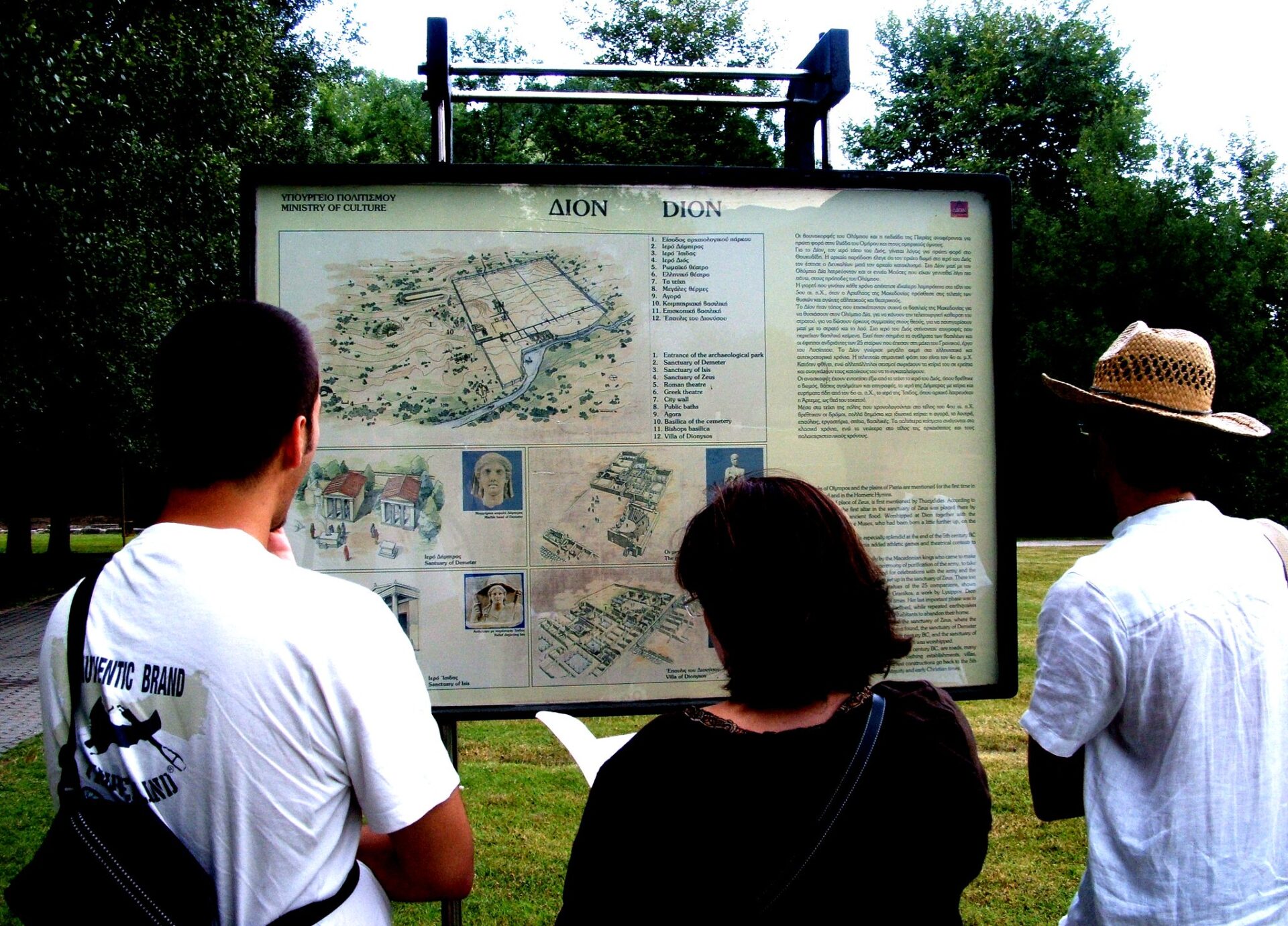
Whenever I visit Dion, I like to start at the ancient city gates. I wander slowly along the tree-lined paths and always stop at the Sanctuary of Zeus, where Alexander the Great sacrificed for good luck.
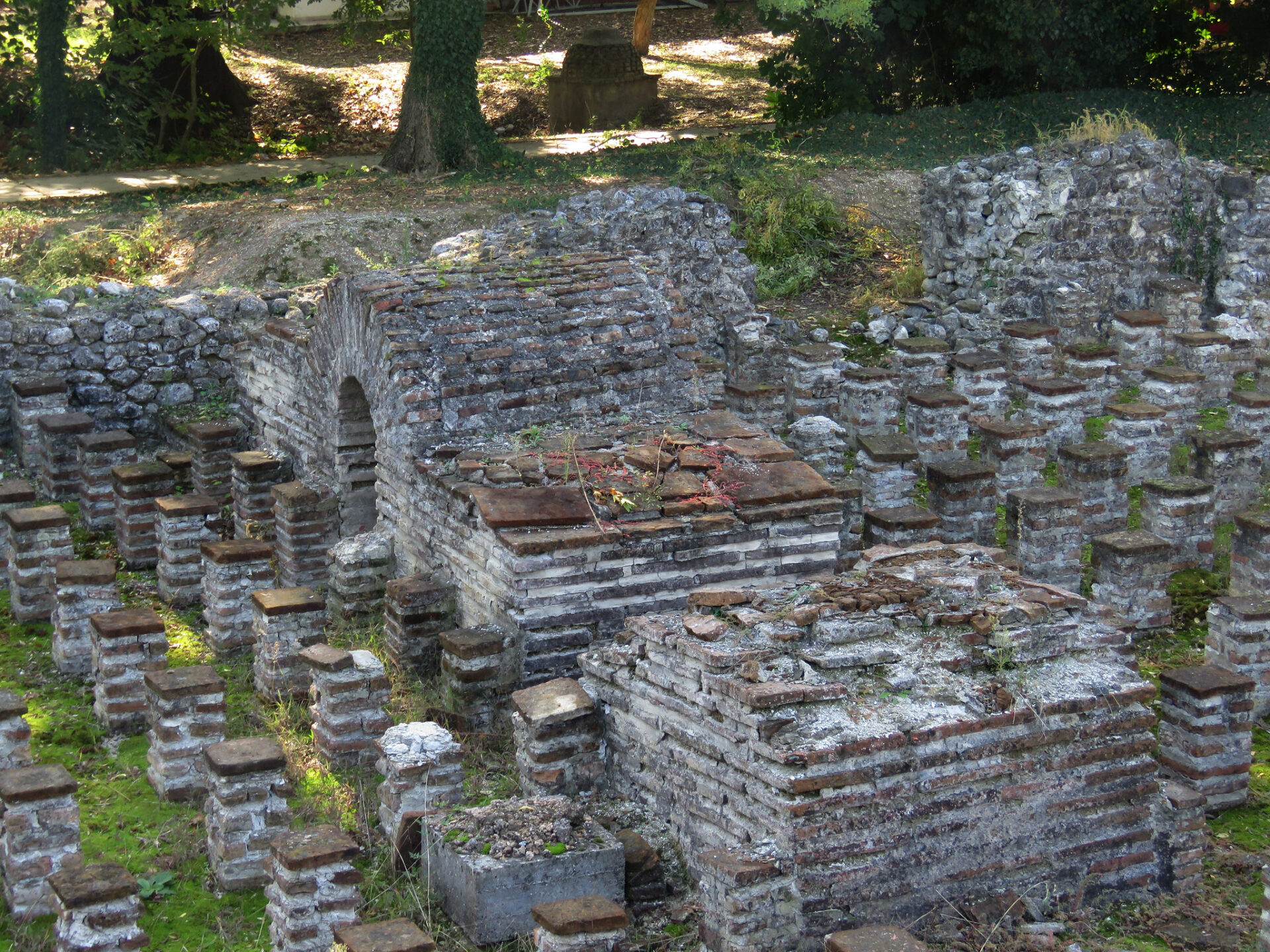
The Archaeological Park is pretty easy to explore on foot. Clear paths lead me past mosaics in the Villa of Dionysus and through the old Roman baths.
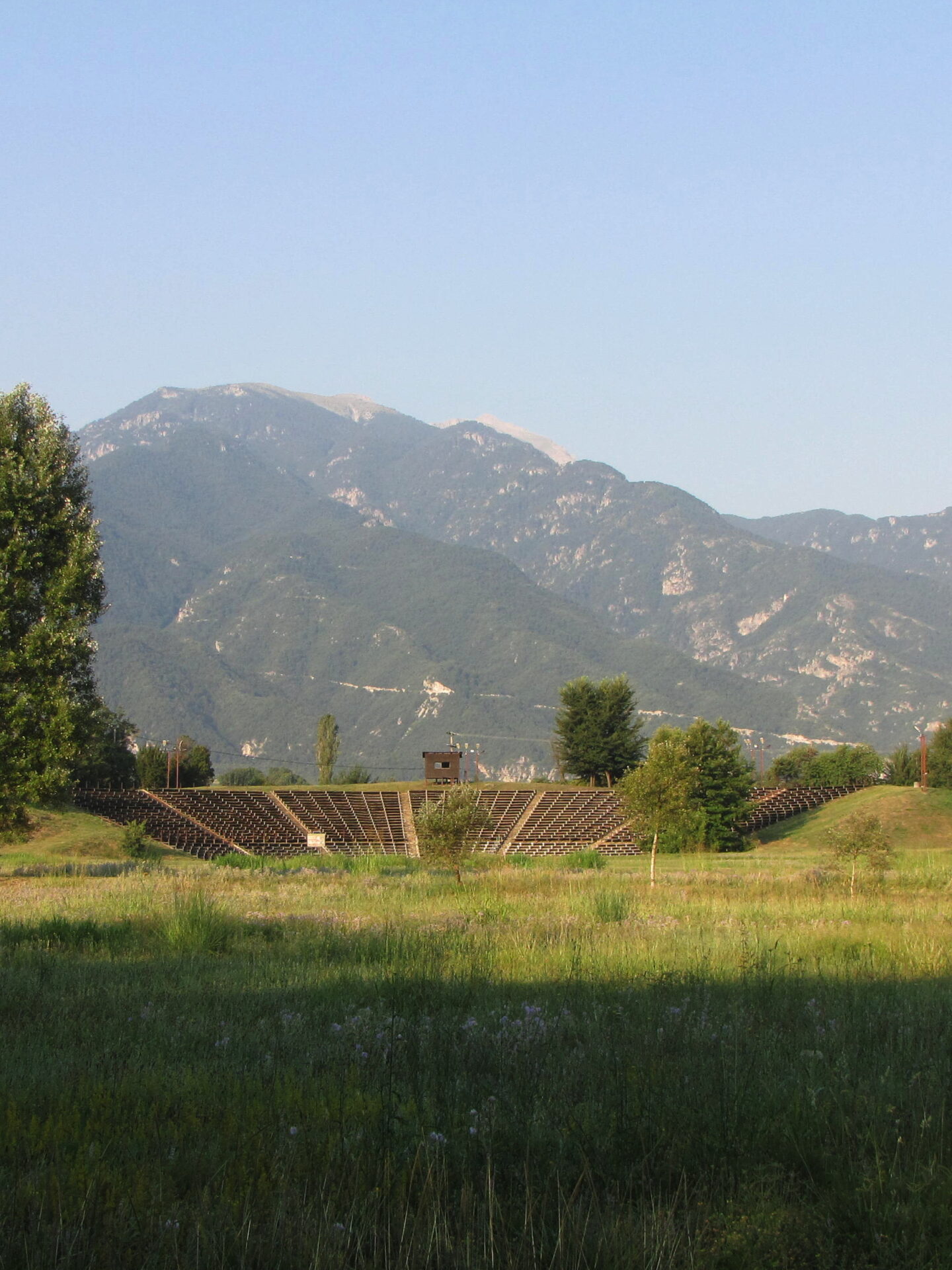
Statues and artifacts pop up everywhere, with signs in both English and Greek. For a quiet moment, I sit at the theater and try to picture ancient crowds.
The early Christian basilicas and shrines give a peek into life from Macedonian to Roman times. I never forget water, comfy shoes, or my camera—the site is big and packed with details.
Nearby Historical Cities: Thessalonica, Philippi, and Beyond
Dion sits in a region overflowing with ancient stories. After I finish exploring its ruins, I like to take day trips to Thessalonica—the second biggest city in Greece—where I walk along Roman walls and check out the Rotunda.
Philippi pulls me farther east with its mix of Roman, early Christian, and Greek sites. The amphitheater at Amphipolis isn’t far and shows off some amazing archaeological finds from both Greek and Roman times.
Here’s a quick table for reference:
| City | Distance from Dion | Key Highlights |
|---|---|---|
| Thessalonica | 80 km | Roman ruins, museums, seaside views |
| Philippi | 190 km | Forum, basilicas, ancient roads |
| Amphipolis | 120 km | Lion statue, ancient ramparts |
These cities let me follow in the footsteps of Macedonian kings and Roman settlers, all just a stone’s throw from the Mediterranean.
Practical Advice: Getting There, Best Times to Visit, and Local Insights
Getting to Dion is pretty straightforward by car. I usually rent one in Thessalonica and just drive south along the highway for about an hour.
You can also catch a train or bus from the bigger Greek cities. The parking lot sits right by the entrance, and it’s free—which is always a nice surprise.
Honestly, spring and early autumn are the best times to go. The weather feels just right, and you won’t find crowds everywhere.
Summer? Sure, it gets busier and hotter, but if you show up early, you’ll catch those cool, quiet mornings.
Locals tell me to swing by the museum first before I wander the ruins. It really helps to see the artifacts before matching them to the real spots outside.
When I’m hungry, I stop at the village tavernas for fresh Greek food—those olives and cheese are impossible to resist.
If there’s time, I like to check out the trails heading toward Mount Olympus. It’s a great way to mix in a bit of hiking with all the history.



_with_Figures_Under_an_Arcade_-_Walters_83485_-_Detail_A.jpg)
