
Finding true peace in our noisy world seems nearly impossible, right? I stumbled onto something rare in the far-flung Cycladic islands of Donoussa and Schinoussa. These tiny Greek gems give you what the bigger, busier islands just can’t: real quiet, dazzling night skies, and that elusive feeling of being truly off the grid.
These small islands offer an authentic escape where you can find genuine solitude, watch jaw-dropping starry skies, and soak up pure tranquility far from crowds and the usual tourist chaos. Most travelers just zip past these hidden spots, racing toward Mykonos or Santorini. They have no idea what they’re missing.
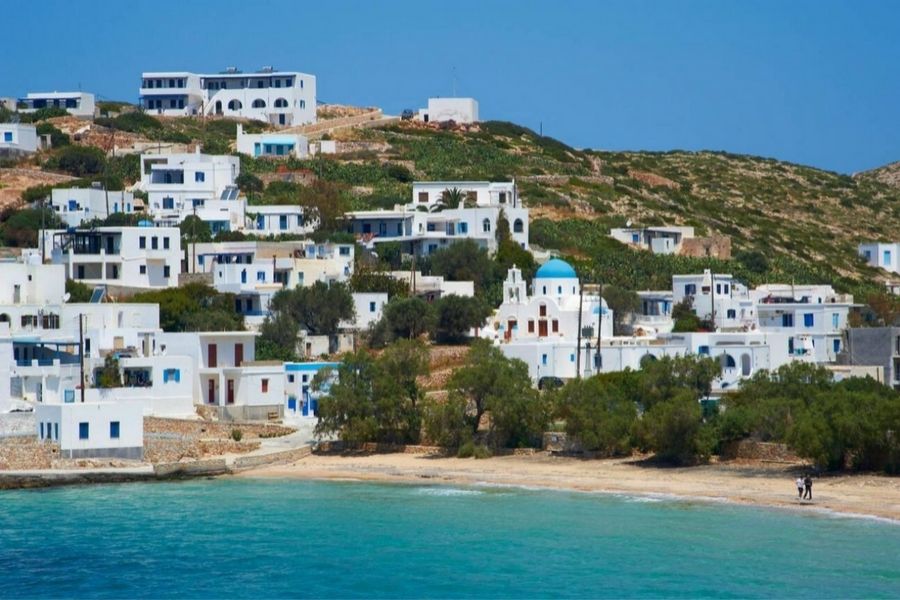
Let me tell you why these peaceful islands changed the way I see travel and relaxation. I’ll share what makes Donoussa and Schinoussa perfect for anyone craving true quiet, plus a few practical tips if you’re thinking about your own escape to these untouched Greek islands.
Why Donoussa (or Schinoussa) Offers Pure Tranquility
These Cycladic islands deliver peace with their wild landscapes and tiny populations—less than 200 people on each. Both places keep authentic Greek island life alive, untouched by the commercial tourism that’s changed so many other destinations.
Peaceful Atmosphere and Untouched Nature
You won’t find cars or scooters here. The moment I arrived, I noticed the difference—just the sound of waves, the wind, and sometimes kids laughing in the village.
Donoussa somehow dodged the kind of tourist development that’s taken over other Aegean islands. The crystal-clear water and pristine beaches really do feel untouched by large-scale tourism.
Sounds you’ll actually notice:
- Waves crashing on limestone cliffs
- Wind twisting through narrow alleys
- Kids playing in the square
- The ferry’s low rumble at the tiny port
Schinoussa brings wild, empty landscapes that instantly relax your eyes and mind. Its spot in the middle of the Aegean keeps mass tourism at bay.
You won’t see luxury hotels or nightclubs here. That’s honestly a relief. The lack of commercial entertainment keeps the quiet intact for anyone craving peace.
Seclusion Compared to Other Cycladic Islands
Even most Greeks haven’t heard of Donoussa or Schinoussa. That means visitor numbers stay incredibly low.
What’s missing compared to the big-name Cyclades:
- No designer shops
- No buzzing nightlife
- No cruise ships docking
- Only a handful of places to stay
Ferries don’t come often, so you won’t get big waves of tourists. The schedule itself acts like a natural filter.

On Schinoussa, I noticed a couple of new luxury spots, but the island still feels empty. There’s even a kayak school now, though seeing a day-trip boat with 20 tourists is still a rarity.
Most people don’t stay at Schinoussa’s port. You have to trek or catch a ride up to the main village, so casual tourists tend to skip it.
Authentic Island Life
Locals keep their traditions alive here. In Donoussa, I felt genuine Greek hospitality in ways that almost felt surreal.
Life moves slowly—slower than anywhere else I’ve visited. Villages keep their natural rhythms without pressure from tourism.
What you can actually do:
- Share meze with locals
- Chat with residents at the bar
- Join in on daily island routines
- Shop at tiny markets
Evenings get social at places like Skantzoxoiros bar in Stavros. Locals and travelers mix without any forced “tourist” vibe.
Traditional architecture and village layouts remain. You’ll see whitewashed houses and narrow alleys—no plastic signs or touristy renovations.
Starry Nights: A Dream for Stargazers
Donoussa boasts some of the darkest skies in the Cyclades. With barely any light pollution, this place is a dream for anyone who loves the night sky.
Crystal-Clear Night Skies
No big cities for at least 50 kilometers. That means Donoussa’s night sky gets truly dark.
On most nights from April through October, I could spot the Milky Way without even trying. Light pollution here stays below 2 on the Bortle scale—astronomy nerds, you’ll love it.
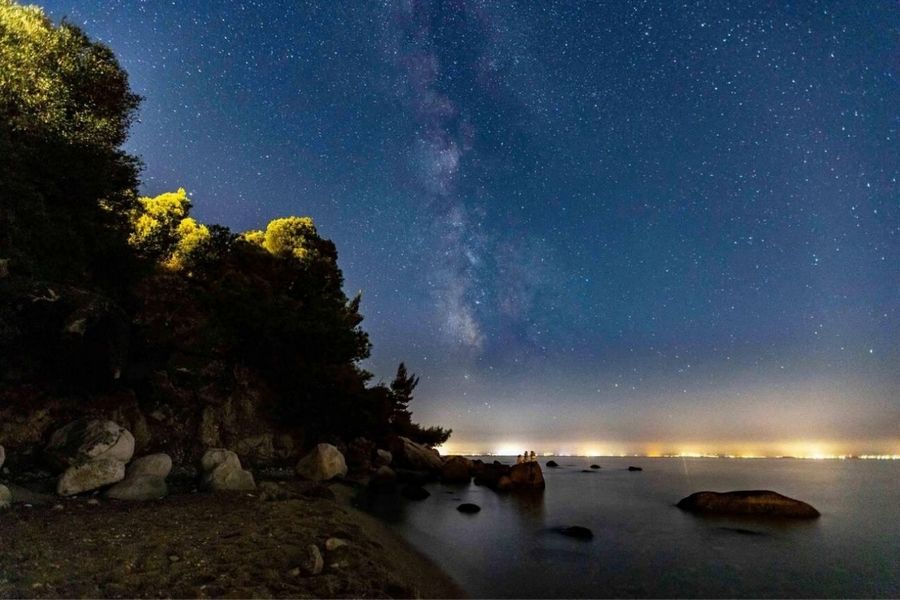
The dry Mediterranean air keeps the atmosphere stable. Humidity rarely messes things up in summer.
What I’ve seen with my own eyes:
- The Milky Way’s core on 85% of clear nights
- Andromeda Galaxy without binoculars
- Jupiter’s moons with a simple telescope
- Meteor showers lighting up the sky
Since there’s almost no artificial light, your eyes adjust to the dark quickly. I always bring a red flashlight to avoid ruining my night vision.
Best Spots for Stargazing
Kedros Beach feels like the darkest corner of the island. With a 360-degree view, nothing blocks the sky.
I love the old windmill area above Stavros village. It’s about 200 meters up, away from what little light the village gives off.
Kalotaritissa Beach faces southeast, perfect for summer constellations like Scorpius and Sagittarius.
The rocky plateau behind Mersini gives you a killer view of the northern sky. Spotting Polaris and the circumpolar constellations is easy from there.
Don’t forget:
- A folding chair or blanket
- Red flashlight
- Star chart or app
- Warm layers (nights get chilly, even in summer)
Ideal Times of Year for Astronomical Observation
May to September brings the best weather for stargazing. You’ll get clear skies most nights.
July and August are warmest, but sometimes dust from North Africa drifts in and blurs the view.
April and May are great for seeing planets like Mars, Jupiter, and Saturn. The air feels especially clear then.
Winter means more clouds but longer nights. If you don’t mind the chill (8-12°C), December through February can be rewarding.
Moon phase tips:
- New moon: Best for deep-sky stuff
- First/last quarter: Decent for beginners
- Full moon: Great for lunar detail, but it drowns out fainter stars
If you’re around in mid-August, the Perseid meteor shower is absolutely wild from Donoussa.
That “Away From It All” Feeling: Embracing Solitude
Donoussa lets you truly disconnect from the grind. Its slow pace and empty beaches create a rare kind of peace.
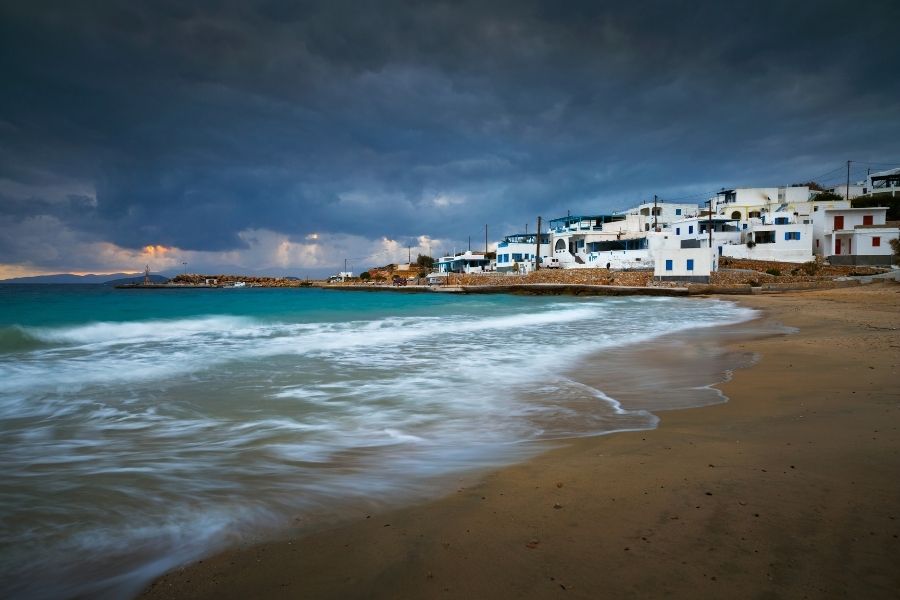
Slow Pace and Minimal Crowds
From the moment I stepped off the ferry, I noticed the calm. No tourist stampede, no honking cars.
Donoussa runs on its own clock. Taverns open when they feel like it. Shops close for long afternoon siestas.
How the days unfold:
- Slow, lazy morning coffee
- Afternoon naps are the norm
- Late dinners, always
Most days, I saw fewer than 20 other visitors. The main village, Stavros, feels deserted at midday. I’d wander the stone paths for ages without running into anyone.
There’s no nightlife to speak of. By 10 PM, the island falls silent except for the sea and the wind. That quiet is a gift—my mind finally relaxed.
By my second day, I caught myself slowing down. My phone stayed in my bag. I stopped caring about the time.
Finding Hidden Beaches and Quiet Coves
Donoussa’s coastline hides secret spots. Most beaches have no facilities or crowds, mainly because they’re not easy to reach.
My favorite secluded escapes:
- Kalotaritissa Beach: A rocky 20-minute hike
- Livadi Beach: Only reachable on foot or by boat
- Tiny coves near Mersini: Ideal for solo swims
I once spent an entire afternoon at Kalotaritissa and didn’t see a soul. The beach stretches out for 200 meters—just me, the wind, and the waves.
You’ll need to prep a bit. I always brought water and snacks, since there’s nowhere to buy anything nearby. Trails are rough and unmarked.
No phone signal reaches most coves. That total disconnection? It’s actually freeing.
Essential Experiences on Donoussa and Schinoussa
These two Small Cycladic islands show off authentic Greek island life with their tiny villages, hiking trails, and traditional food. They stay peaceful, even in high season.
Exploring Local Villages
Stavros is Donoussa’s main port and village. Somehow, it has everything I needed—just a few restaurants, two bars, and a tiny market.
The port area comes alive at night. Locals and travelers hang out at the waterfront tavernas. Watching the boats glide in as you eat dinner feels pretty special.
Kalotaritissa sits on the far side of Donoussa. It’s barely a settlement—just one taverna and a handful of houses. It really feels like the end of the world.
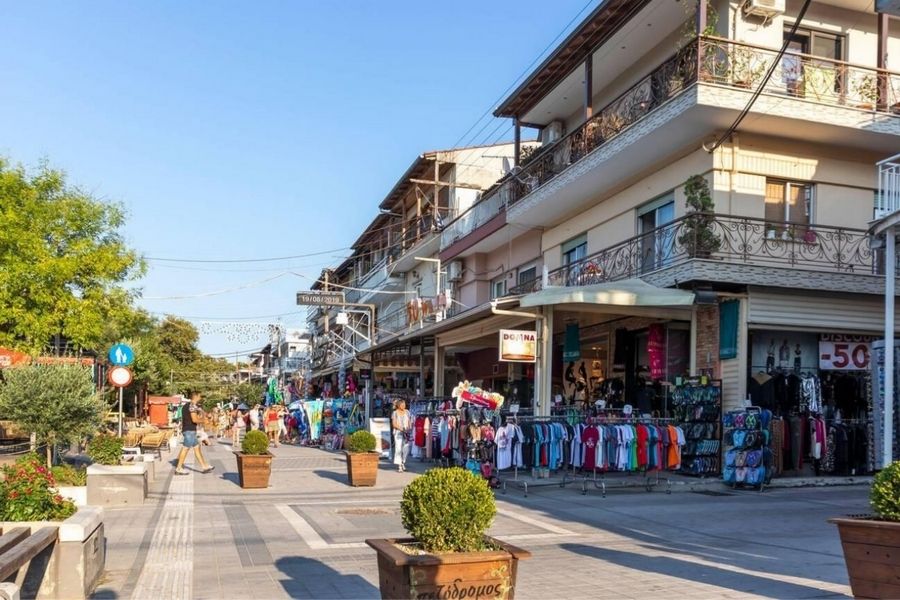
On Schinoussa, most people stay in the main village up the hill. The port stays quiet. You’ll need to walk or catch the bus to get to the village center.
Both islands are tiny communities. Donoussa has fewer than 200 permanent residents, so you’ll spot the same faces everywhere.
Hiking Scenic Trails
Donoussa’s hiking paths connect beaches and villages. The trail from Stavros to Kalotaritissa takes about an hour and winds through wild, open landscape.
The path to Kedros beach starts in Stavros and cuts through rocky, shadeless terrain. Bring water and sunscreen—you’ll need both.
Livadi beach sits a short walk from the main road. That trail’s a bit easier.
Some areas, especially between Kalotarissa and Stavros, feel completely untouched. Schinoussa has its own network of rocky paths with coastal views.
Always let someone know your hiking plans. These islands have almost no rescue services if you run into trouble.
Sampling Traditional Cuisine
Donoussa’s Best Eats:
- Iliovasilema – At the port, with sea views and moonlight
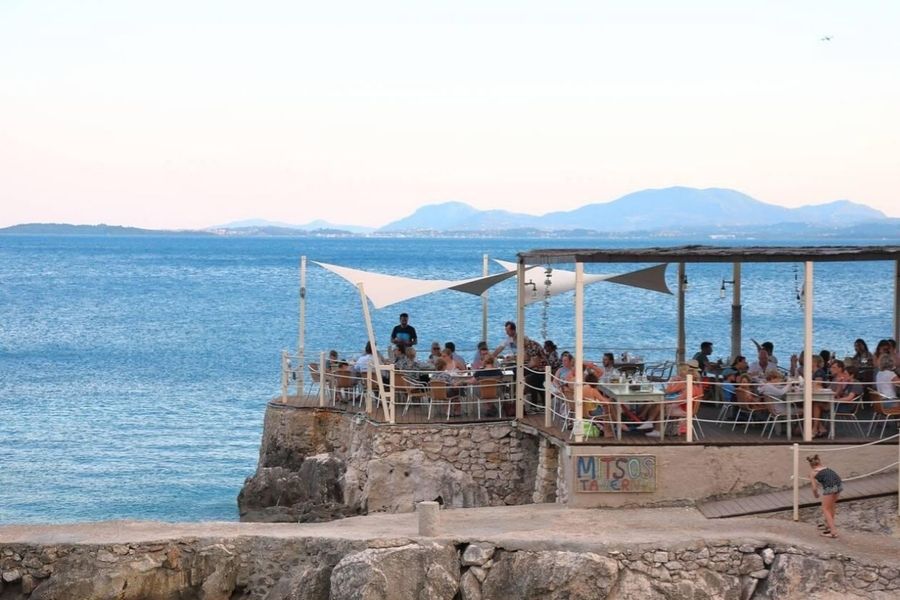
- Mitsos – The only taverna at Kalotaritissa, famous for homemade meat patties
- Captain George – The island’s sole fish taverna
Mitsos taverna is a standout. It sits alone at Kalotaritissa bay and serves just a few homemade dishes daily. The meat patties? Absolutely worth the hike.
Fish can be tricky to find. Winds often keep fishing boats in port, so if Mitsos gets fresh fish, reserve it early.
Food is simple and local—don’t expect fancy menus or elaborate presentations.
Tavernas stay open late in summer, but most close down in winter.
Schinoussa has even fewer dining options. Plan your meals ahead, especially if you’re staying a few days.
Planning Your Cycladic Escape
Donoussa sits way out there, one of the most remote Cycladic islands—so getting there takes some planning. Ferries run best in the summer, but if you crave quiet, spring and fall bring fewer people and cooler hiking weather. That’s my sweet spot.
Best Times to Visit
Honestly, I’d aim for May through October if you want reliable ferries. July and August? Expect crowds and that classic Greek heat, often 85-90°F.
Spring (May-June) feels like the perfect balance. Temperatures hover around 70-75°F, and wildflowers go wild across the hills. Ferries pick up in May, which makes hopping around easier.
Summer (July-August) means you’ll get daily ferries from Naxos and Amorgos, no problem. But beaches fill up, and rooms get snapped up fast. I’d book accommodation 2-3 months ahead if you can.
Fall (September-October) is a quieter vibe, but you still get warm seas for swimming. September usually stays around 75-80°F. After mid-October, ferry schedules thin out, so check before you go.
You could visit in winter, but it’s a challenge. Only 2-3 ferries show up each week, and most restaurants and hotels shut down from November to March.
How to Get There
No direct ferry runs from Athens to Donoussa, so you’ll need to connect through Naxos or Amorgos. It’s not as complicated as it sounds.
From Naxos: Grab a morning ferry from Piraeus to Naxos (about 3.5 hours). In summer, the Express Skopelitis heads to Donoussa daily. It’s a small ferry and takes about an hour. Tickets usually cost €8-12.
From Amorgos: Ferries leave from Katapola port and get you to Donoussa in 45 minutes. This route works especially well if you’re island-hopping in the eastern Cyclades.
From Paros: Blue Star Ferries connect Paros to Donoussa three or four times a week during peak season. It’s about a two-hour ride.
I always double-check with Ferryhopper or OpenSeas because ferry schedules change a lot. Weather sometimes cancels ferries at the last minute, so flexibility helps.
Where to Stay for Maximum Relaxation
Donoussa has three main areas to stay, and each one offers a different vibe.
Stavros Village is where you’ll find most hotels and restaurants. Donoussa Island and Villa Iliovasilema have comfy rooms with sea views. Book early—there are only about 8-10 hotels in total.
Kedros Beach is for those who want to really get away. Kedros Studios sits right on the sand. Rooms are basic but spotless, and at night, you’ll only hear the waves.
Traditional houses in tiny settlements offer total privacy. Local families rent out a handful of stone houses through Airbnb or direct contact. These usually have kitchens and terraces, but you’ll need to walk to reach restaurants.
Every place I’ve stayed had air conditioning and WiFi. Most serve breakfast with local bread and honey. Prices run from €40-80 per night, depending on the season and location.
Frequently Asked Questions
People ask me all the time about quiet beaches, finding true solitude, and where to stay on these hidden islands. The food scene is simple but genuine, and the night skies? Absolutely unreal for stargazing.
Kedros Beach on Donoussa is the most secluded spot I’ve found. The sandy cove hides behind rocky cliffs, and getting there is a short, satisfying hike.
Livadi Beach is easier to reach but still peaceful. Even in summer, I rarely see more than a handful of people.
On Schinoussa, Tsigouri Beach offers true isolation. The golden sand goes on for nearly a kilometer, with water so clear it feels unreal.
Almiros Beach on Schinoussa is perfect for long, lazy swims. It faces west, so sunsets here look incredible.
Both islands have fewer than 200 residents year-round. I find disconnecting from wifi and cell service pretty easy, since coverage drops off outside the main villages.
Walking the old goat paths between beaches takes me through untouched landscapes. These trails link remote coves, and sometimes I don’t pass a single soul.
Ferries only show up 2-3 times a week in peak season. That keeps visitor numbers low, especially compared to bigger Cycladic islands.
I love renting a small boat to poke around hidden coves you can only reach by sea. Sometimes, I leave footprints on sand that’s been empty for days.
Donoussa has about 15 small guesthouses and family-run hotels. Most places have just 3-8 rooms and open from May through September.
Villa Roussa and Aegean View both have sea-facing rooms with private balconies. They keep that classic Cycladic look—white walls, blue shutters, the works.
Schinoussa has even fewer places to stay—maybe 10 in total. Pension Anemos and Villa Schinoussa are the most comfortable options I’ve found.
Several locals rent out private rooms in their homes during summer. I usually book these through the island’s tiny tourism office or just by asking at the port.
Donoussa has three traditional tavernas that serve fresh fish caught by local fishermen every day. Iliovasilema Taverna and To Kyma are the most reliable for good food and regular hours.
You’ll find grilled octopus, fresh sea bream, and sometimes lobster on the menu. Most veggies and herbs come straight from family gardens.
Schinoussa runs two main restaurants in peak season. Both focus on simple, fresh dishes that let the ingredients shine.
Grocery options are limited on both islands. The mini-markets carry basics like bread, cheese, and canned goods. Fresh produce shows up when the supply boat does, so I don’t count on it every day.
The beaches here have totally dark skies—no city lights for miles. On clear nights, I see the Milky Way stretch across the sky.
Kedros Beach on Donoussa is my favorite spot for stargazing. Cliffs block out any stray light from the village.
Swimming at night in the glowing, phosphorescent water is pure magic. The sea lights up with every movement on warm summer evenings.
If you’re into astronomy, bring a basic telescope or binoculars. The air is clear and dry, so you get amazing views of planets and star clusters.
If you want warm days with hardly any tourists, late May to early June is a sweet spot. Ferries start running more often, but you won’t bump into many other travelers.
Personally, I love September. The sea still feels warm, and the islands settle into a peaceful rhythm. By then, most day-trippers have already left.
July and August? They bring the hottest weather and the most visitors. Still, even at their busiest, Donoussa and Schinoussa never really feel packed like the more famous Greek islands.
April and October can be tricky. Ferries run less often, and a lot of places shut their doors for the season. I’d only suggest those months if you’re an experienced, flexible traveler who doesn’t mind a little unpredictability.
