
Germany just has this knack for epic road trips. After years of exploring its highways and winding backroads, three routes have completely stolen my heart: the Romantic Road, the German Alpine Road, and the Fairytale Route.
Honestly, these drives are the stuff of travel dreams—think 400-year-old castles, rolling vineyards, snow-dusted Alps, and villages that look like they leapt out of a storybook. Each one feels different. The Romantic Road? Total medieval fantasy. The Alpine Road? All about those jaw-dropping mountains. And the Fairytale Route? It’s like wandering through the Brothers Grimm’s imagination—ancient forests, hilltop castles, and a sprinkle of magic everywhere.
If you’re planning a German road trip, knowing which routes deliver the best views and experiences makes everything easier. I’ve picked up plenty of practical tips, favorite stops, and a few cultural surprises along the way. Whether you’ve got a week or two, these routes will show you a side of Germany most tourists never even hear about.
Essential Tips for Driving Through Germany
Driving in Germany can feel intimidating at first, but once you get the hang of the rules—and the autobahn!—it’s a blast. The roads are smooth, the scenery keeps changing, and the sense of freedom is unbeatable.
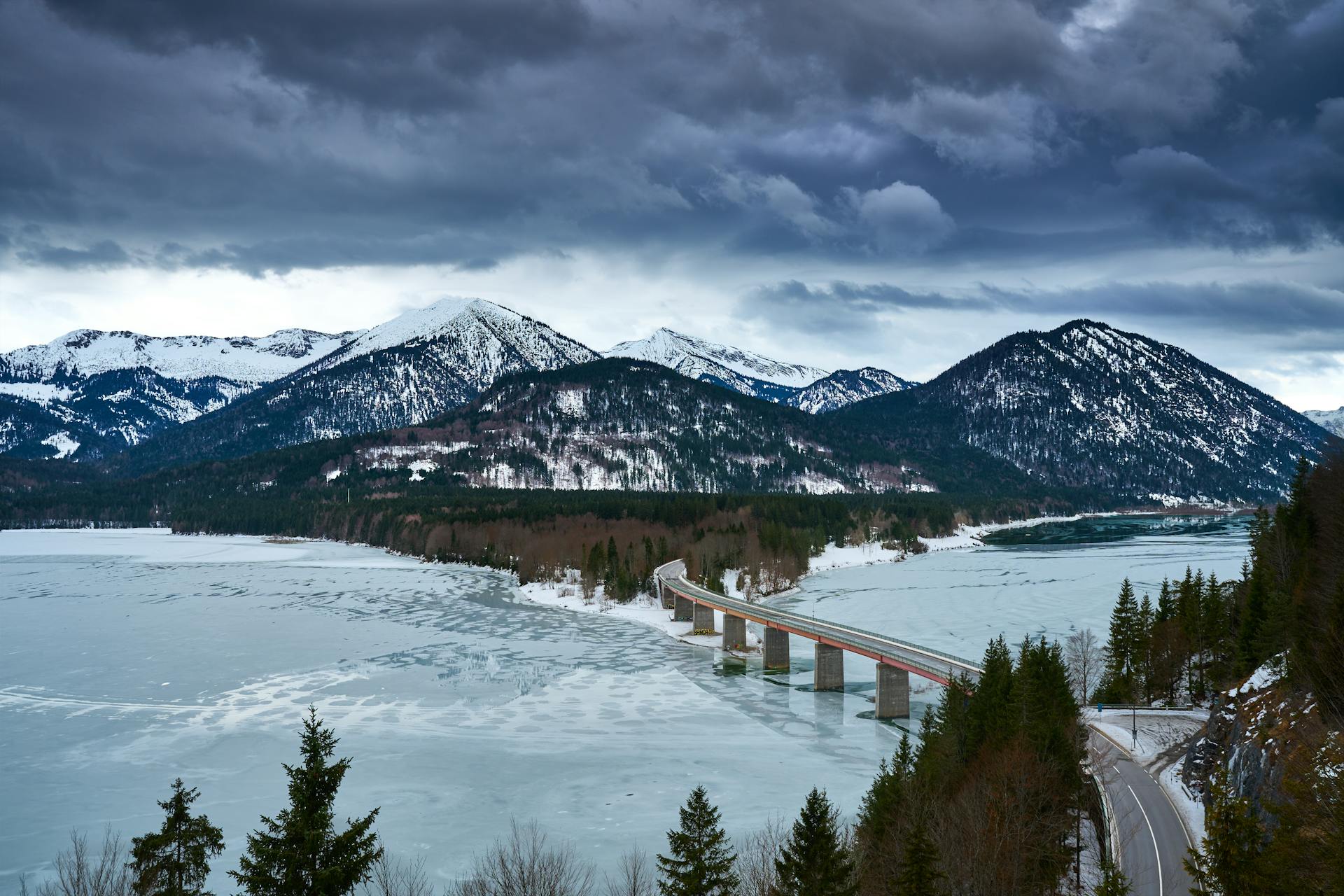
You’ll want to plan your trip between May and October for the best weather. Trust me, mountain roads in winter aren’t for the faint of heart.
Understanding the Autobahn and Driving Laws
The autobahn—Germany’s legendary highway system—covers over 13,000 kilometers. Some stretches have no speed limit, but I’d stick to around 130 km/h (80 mph). It’s safer, and your wallet will thank you at the pump.
A few must-know autobahn rules:
- Keep right unless you’re passing
- Only stop for emergencies
- Minimum speed: 60 km/h (37 mph)
- Flash headlights to signal faster traffic (but don’t overdo it)
Urban areas have a 50 km/h speed limit, rural roads 100 km/h, and construction zones are usually well-marked. German police love their unmarked cars and speed cameras, so don’t push your luck.
You need to carry your driver’s license, vehicle registration, and insurance at all times. If you’re not from the EU, bring an International Driving Permit.
Other important stuff:
- At unmarked intersections, vehicles from the right get priority
- Using your phone behind the wheel will hit your wallet hard
- Zero-tolerance for drinking and driving—especially if you’re a new driver
Car Rentals, Tolls, and Travel Requirements
Here’s some good news: Germany doesn’t charge highway tolls for passenger cars. That makes road tripping a lot more affordable.
Big names like Sixt, Europcar, and Hertz have rental offices everywhere. I usually book in advance for better deals, and always ask for a car with GPS (unless you’re fluent in German road signs).
Rental basics:
- Valid license (at least a year old)
- International Driving Permit if you’re not from the EU
- Credit card for the deposit
- Minimum age varies, but 21-25 is typical
Fuel isn’t cheap—usually €1.50-1.70 per liter. Most stations accept cards, but smaller ones might only take cash.
Don’t forget these documents:
- Driver’s license + International Driving Permit
- Passport or EU ID card
- Car registration and insurance
- Emergency contact info
Best Time of Year for Scenic Drives
May to October is prime time for German road trips. I skip the winter months—Alpine snow and short days can make driving tricky.
Spring (May-June):
- Mild temps, flowers everywhere
- Fewer crowds
- Some mountain roads might still have snow
Summer (July-August):
- Warmest weather, long days
- Peak season (so expect more people)
- Perfect for mountain routes
Fall (September-October):
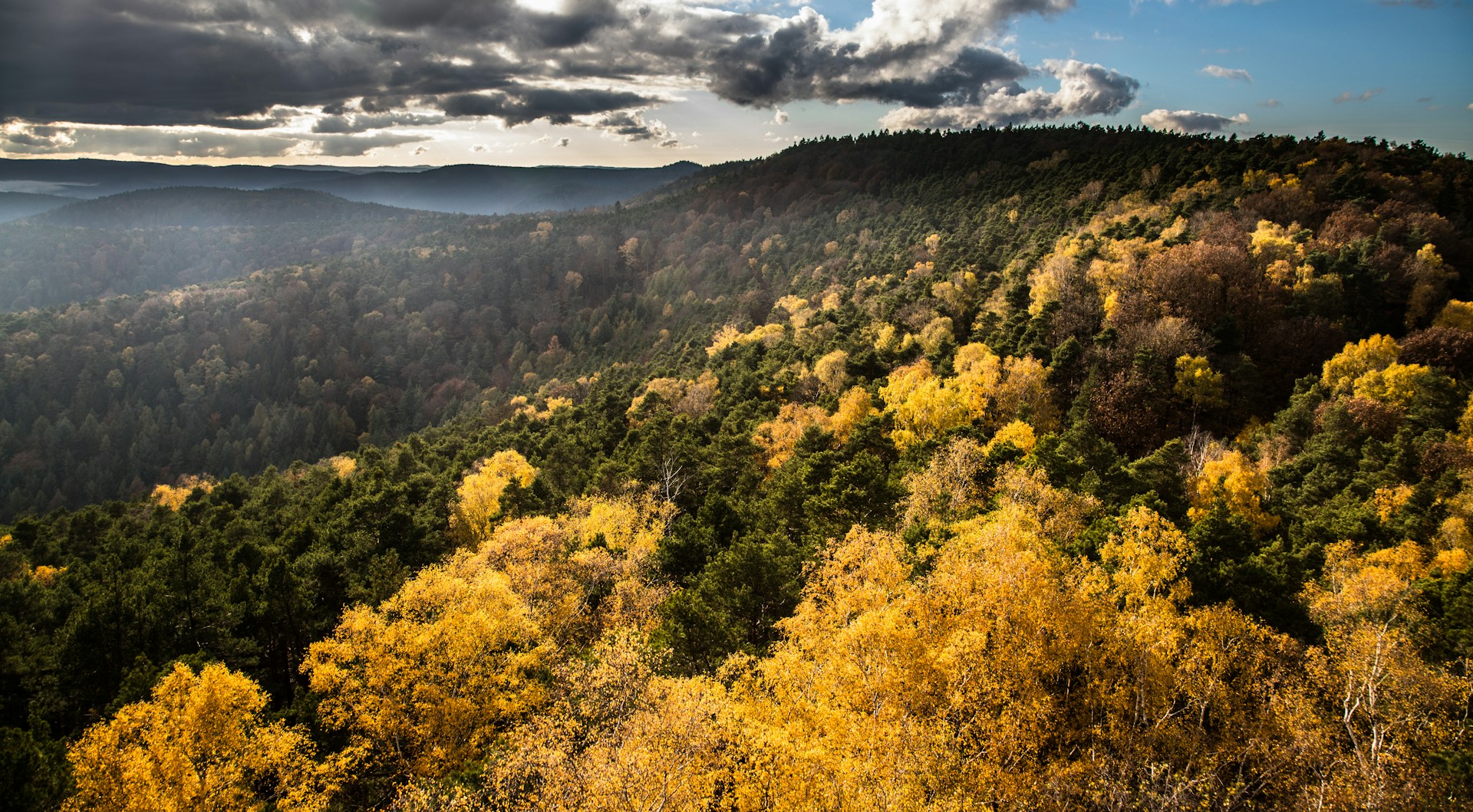
- Forests turn gold and red
- Comfortable for driving
- Wine harvests along the way
If you’re driving in winter, you’ll need snow tires (October to Easter in many areas). Some mountain roads—like those near Neuschwanstein—close when it snows heavily.
Always check the weather before you set off, especially in the Alps. The mountains love to surprise you.
The Romantic Road: Medieval Towns and Bavarian Charm
The Romantic Road stretches 285 miles through Bavaria and Baden-Württemberg. It links together medieval towns, fairytale castles, and rolling countryside. If you start in Würzburg, you’ll wind your way down to Neuschwanstein Castle near Füssen.
Romantic Road Route Overview and Map
This route runs north to south, and in my experience, that direction just feels right. You’ll pass through 29 official stops—each with its own vibe.
First, you’ll cruise through Franconian wine country and the Tauber Valley. Eventually, you’ll end up in the Bavarian Alps.
Quick facts:
- Distance: 285 miles (460 km)
- Start: Würzburg
- End: Füssen
- Recommended time: 5-7 days
- Direction: North to south
Brown “Romantische Straße” signs make it easy to follow, even without GPS.
Most folks fly into Frankfurt (2 hours from Würzburg) or Munich (2 hours from Füssen). I always rent a car so I can stop in tiny villages or take spontaneous detours.

Must-See Towns: Würzburg, Rothenburg ob der Tauber & Dinkelsbühl
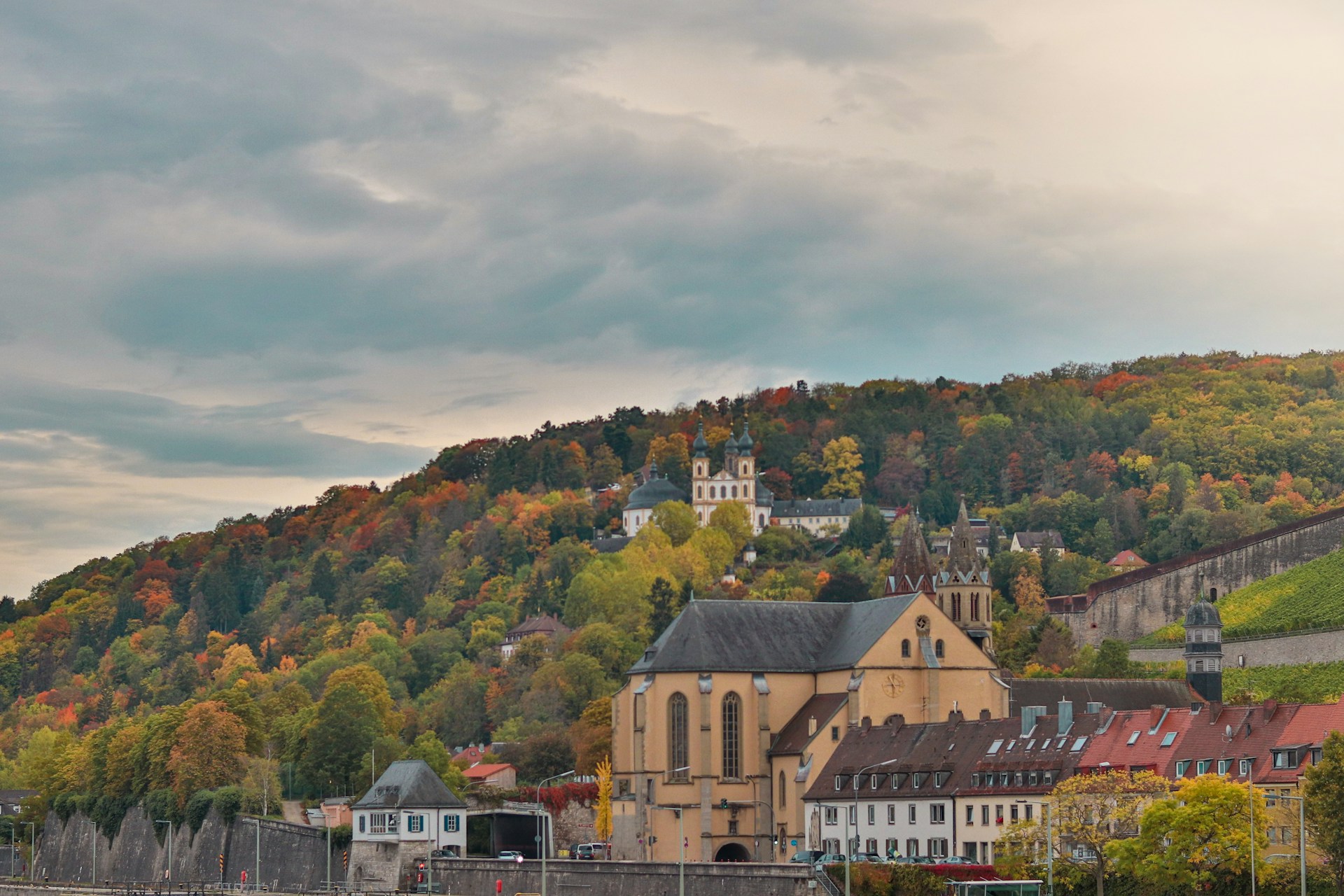
Würzburg kicks things off with serious baroque flair. The Würzburg Residence—a UNESCO site—completely wowed me. Don’t miss the Marienberg Fortress for city views, or the Old Main Bridge for colorful photos.
Wine lovers, you’re in luck. Franconian white wines (like Silvaner) are everywhere. I usually stop at Bürgerspital Winery or Staatlicher Hofkeller for a tasting.
Rothenburg ob der Tauber is the medieval gem everyone raves about, and for good reason. The old town wall wraps around the city, and the views are unreal.
St. Jakob’s Church features stunning gothic carvings. If you’re up for a climb, the tower gives you a panorama you’ll never forget.
Stay overnight if you can. Once the daytrippers leave, the cobblestone streets turn magical.
Dinkelsbühl feels like a secret—colorful half-timbered houses, a perfectly preserved medieval wall, and way fewer crowds than Rothenburg.
Grab a schneeball pastry (deep-fried, sweet, and totally addictive). The town center is peaceful and authentic.
Castles and Landmarks: Neuschwanstein Castle, Hohenschwangau & Wieskirche
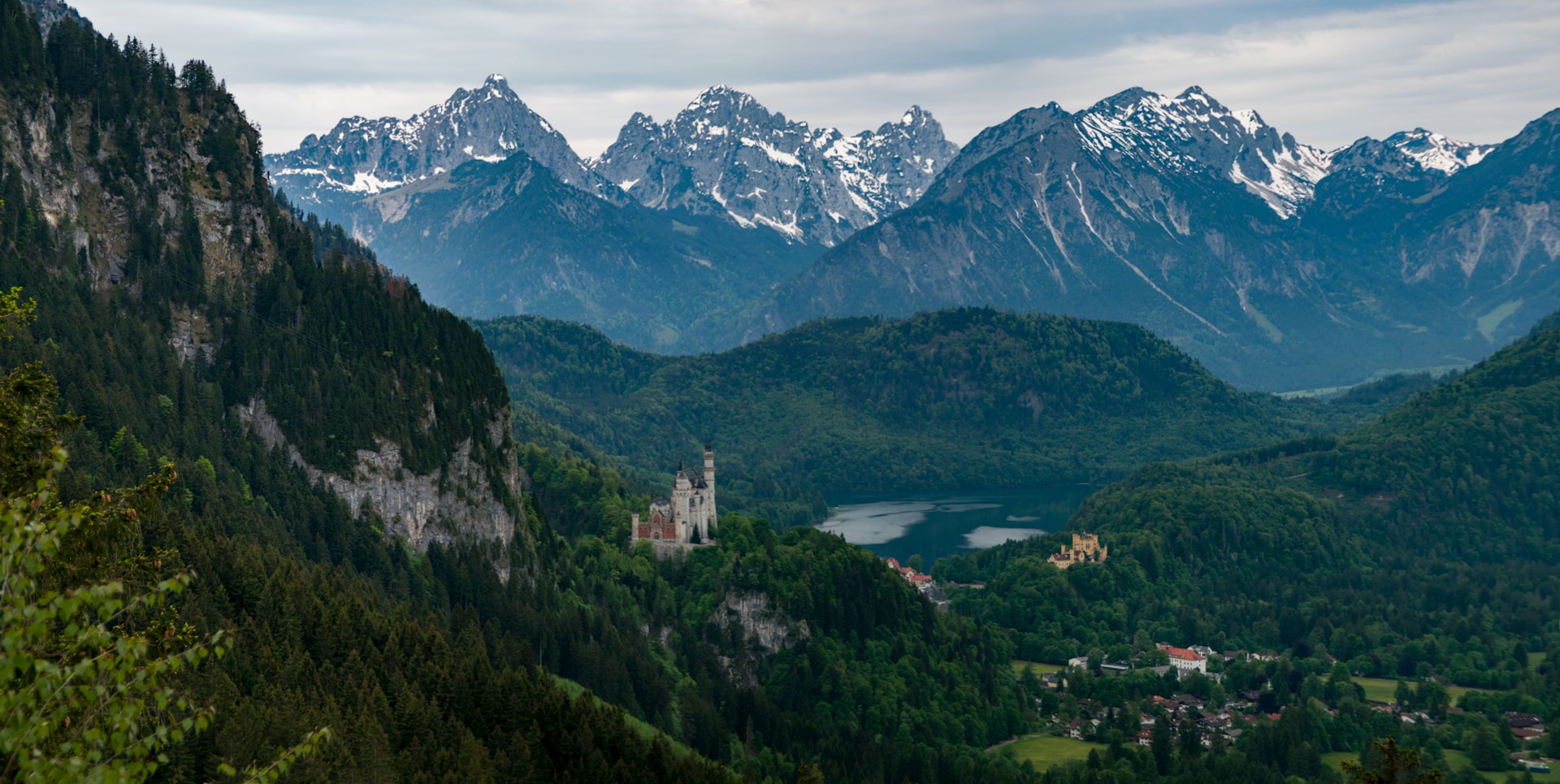
Neuschwanstein Castle marks the grand finale. Perched on a hilltop with the Alps as a backdrop, it’s every bit as dreamy as the photos.
King Ludwig II built it in the 1860s, and it inspired Disney’s castle. Book your tickets online early—they go fast. The Marienbrücke bridge is the spot for that classic shot.
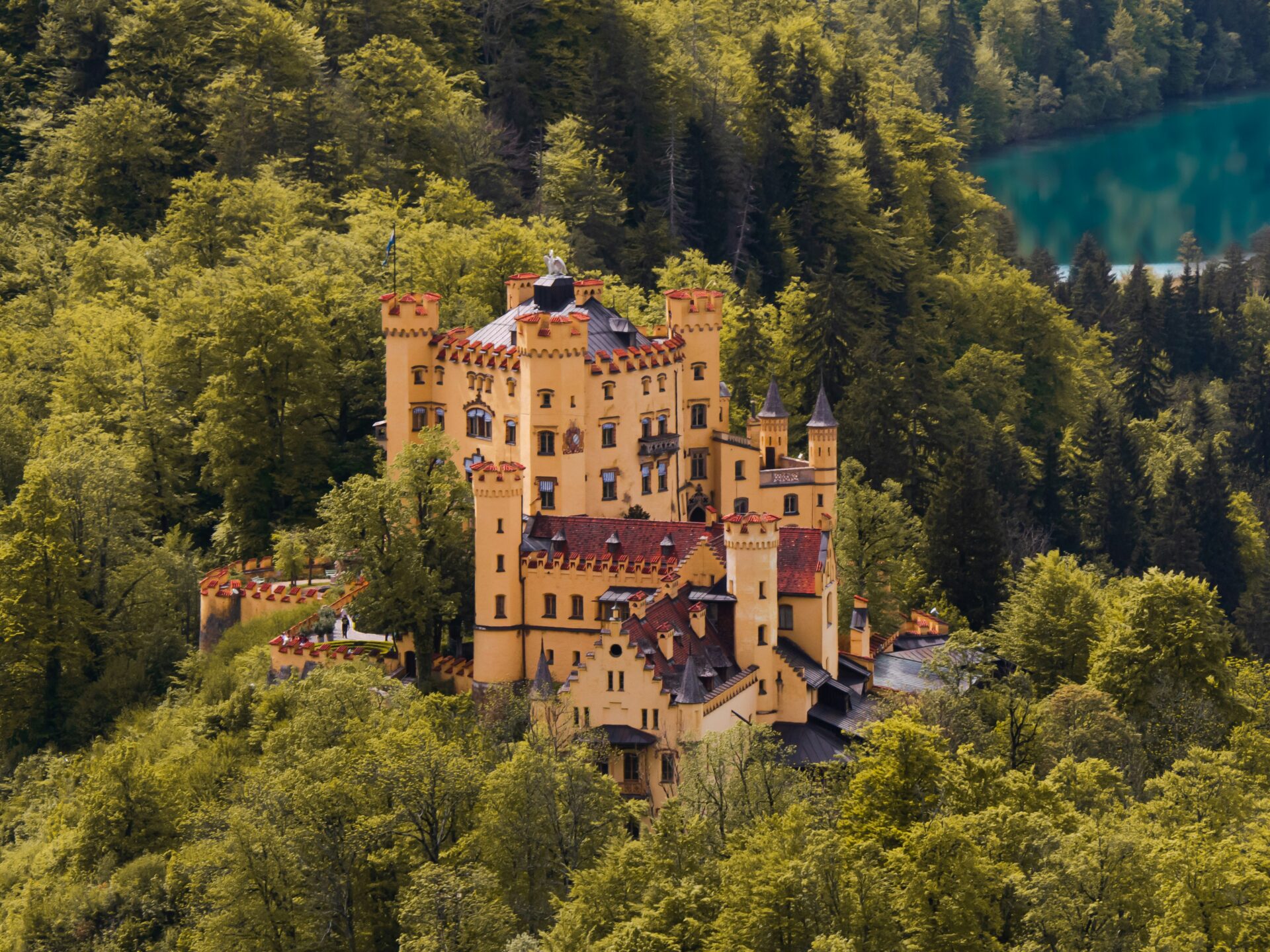
Hohenschwangau Castle sits nearby, across the valley. Ludwig II grew up here, and the place feels more lived-in than Neuschwanstein.
Guided tours show off the original 19th-century rooms. From here, you get fantastic views of its famous neighbor.
Wieskirche waits in a meadow near Steingaden. The outside looks plain, but step inside and you’ll find rococo gold and swirling frescoes everywhere.
It’s a quick detour and absolutely worth it.
Hidden Gems and Culinary Stops Along the Way
Creglingen is tiny but has the Herrgotts Church with jaw-dropping wood carvings. No crowds, just pure charm.
Bad Mergentheim stands out for its Renaissance palace and cozy town center. I’ve had some of my best coffee and cake here.
Augsburg often gets overlooked, but the Fuggerei—world’s oldest social housing—still houses people after more than 500 years.
Don’t skip the Golden Hall in the town hall. It’s basically a room covered in gold, and it’s wild.
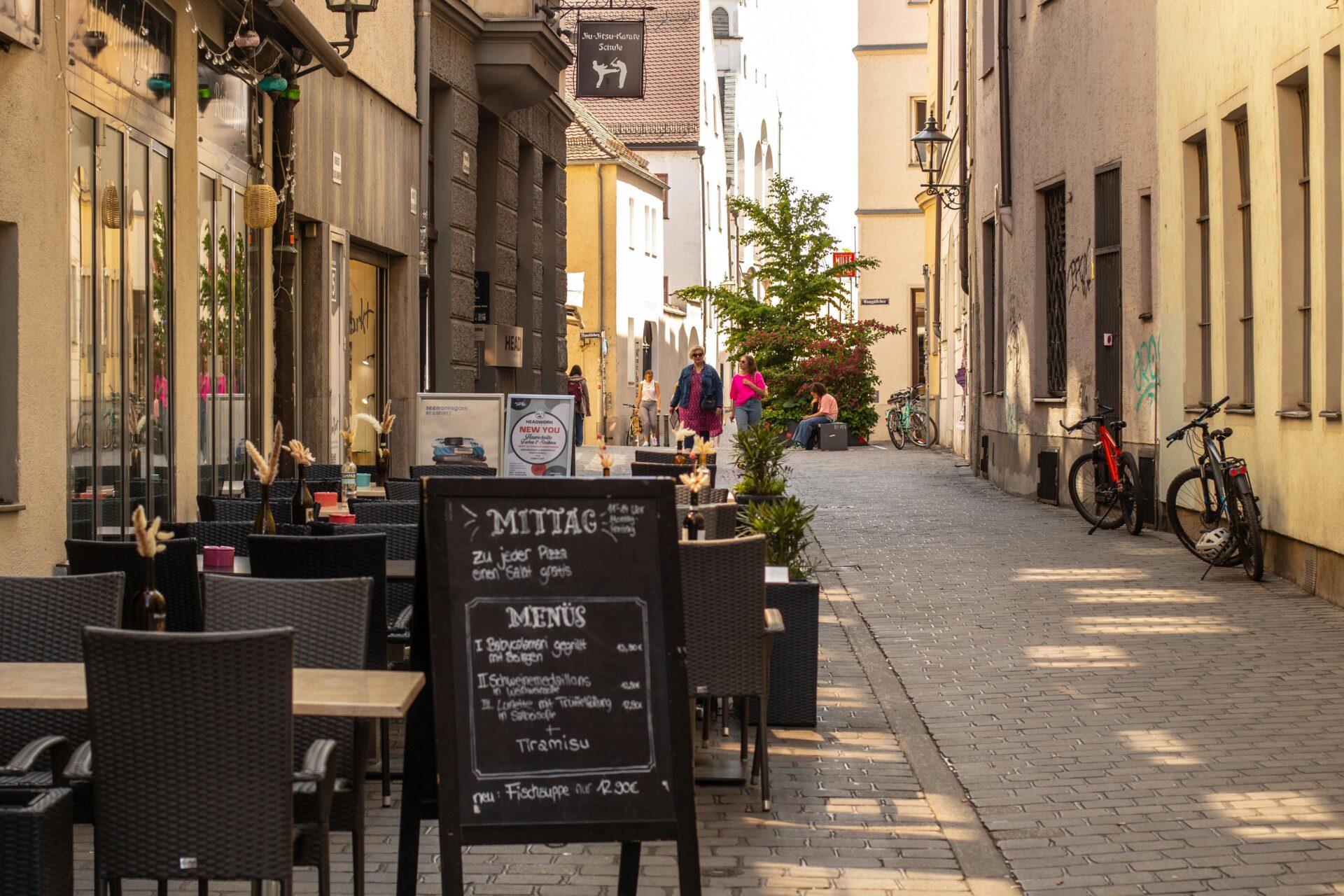
Food-wise, you can’t go wrong with Franconian wine in Würzburg or gingerbread (Lebkuchen) in Rothenburg. Schweinebraten (roast pork) shows up on every menu—pair it with local beer or wine.
I love stopping at tiny village restaurants. The food’s homemade, prices are fair, and you get a real taste of the region.
German Alpine Road: From Lake Constance to Berchtesgaden
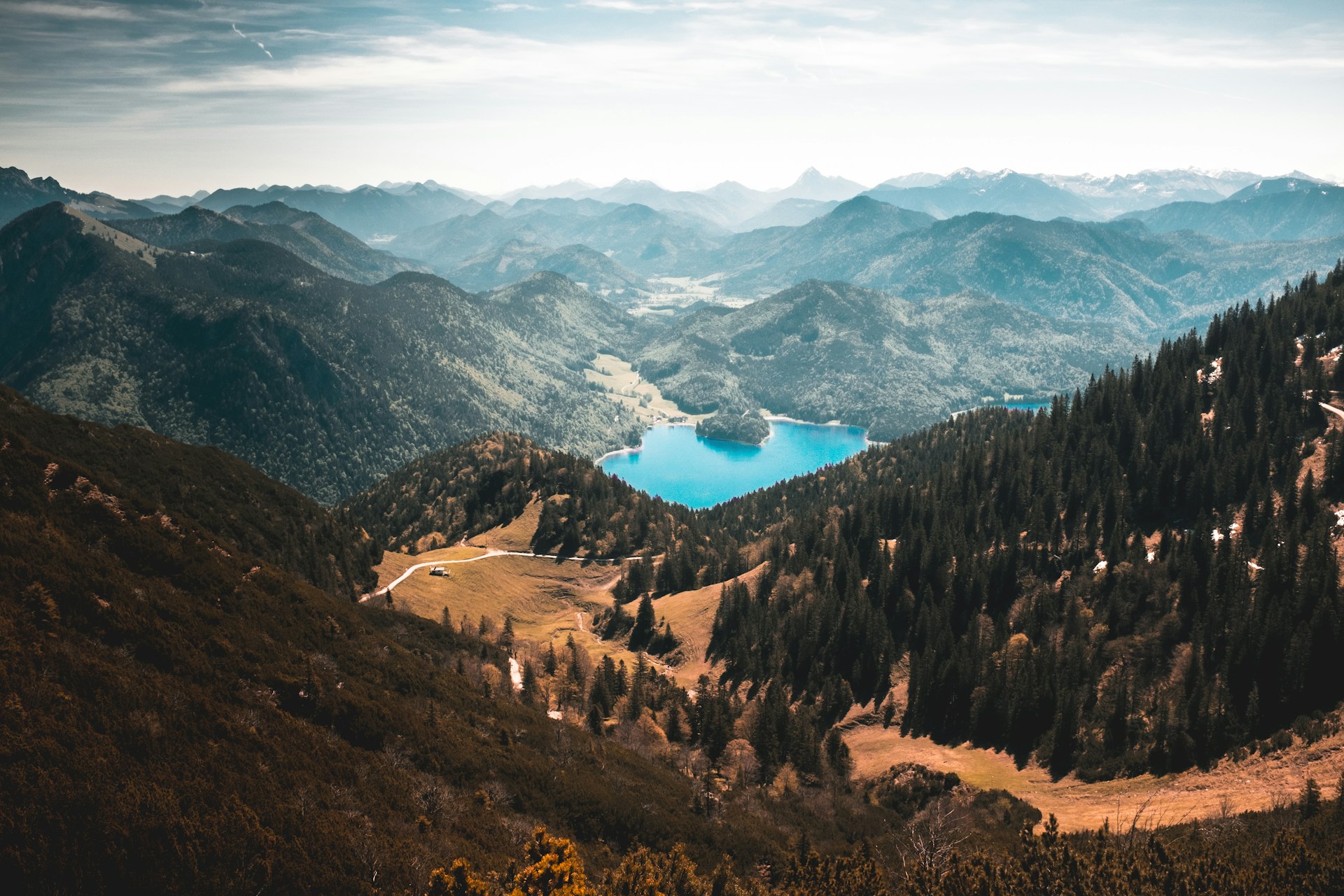
The German Alpine Road covers 450 kilometers of pure mountain magic. It stretches from Lake Constance all the way to the dramatic peaks around Berchtesgaden.
Along the way, you’ll pass more than 20 crystal-clear lakes, fairytale castles, and a string of charming Alpine villages.
Alpine Road Highlights: Lindau, Garmisch-Partenkirchen & Königssee
Lindau makes a perfect starting point on Lake Constance. The old town sits on an island and has a Mediterranean vibe—colorful buildings, boats bobbing in the harbor, and mountain views in the distance.
I always wander the old town before heading into the Alps.
The road twists through the Allgäu region toward Garmisch-Partenkirchen. This resort town sits at the foot of the Zugspitze, Germany’s highest peak.
You can ride a cable car to the summit—on a clear day, the views stretch forever.
Königssee marks the eastern end near Berchtesgaden. Only electric boats glide across its emerald water, keeping things peaceful and pristine.
Take a boat to St. Bartholomew’s Church—white walls, red domes, and mountains rising all around.
The Berchtesgadener Land region feels like the perfect grand finale. Rugged peaks, deep forests, and a strong sense of Bavarian tradition.

Scenic Lakes and Alpine Landscapes
The Alpine Road winds past more than 20 lakes. Forggensee gives you castle views—on clear days, you can spot Neuschwanstein from the shore.
Lake Walchensee is famous for its crystal-clear water. Each lake has its own mood—some are tucked in quiet valleys, while others are surrounded by steep cliffs.
The scenery keeps shifting as you drive east. Rolling hills turn into dramatic peaks, and in summer, wildflowers blanket the meadows.
Forests hug the mountainsides, and the air always smells fresh.
Driving the mountain passes—like Oberjoch, with its 105 curves—feels like an adventure in itself. At the top, you get sweeping views of the Alps, and honestly, it’s hard not to pull over every five minutes just to take it all in.
Villages, Alpine Passes and Outdoor Activities
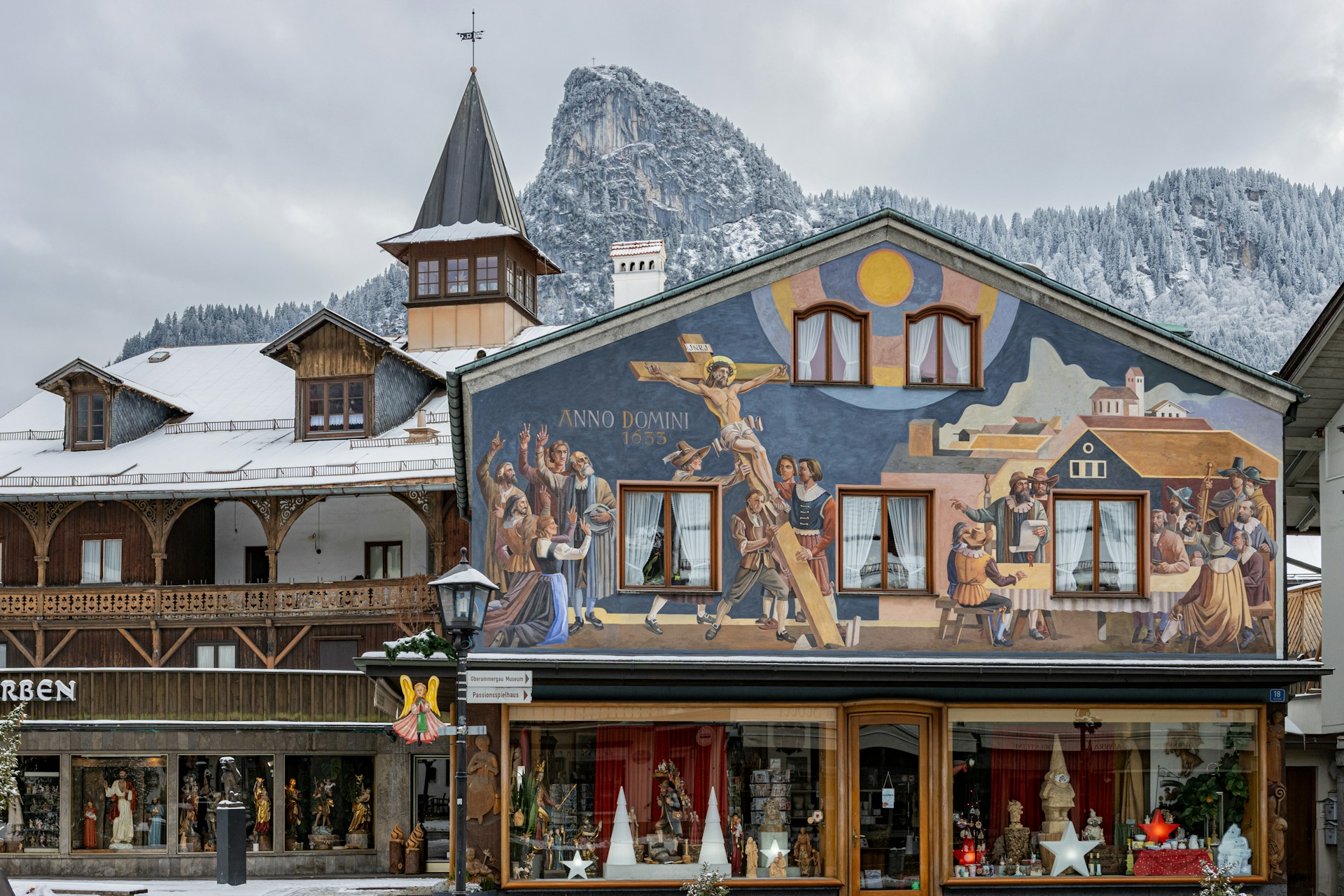
Traditional Bavarian villages pop up all along the route. Oberammergau stands out for its passion plays and those wonderfully painted houses.
Bad Tölz mixes spa vibes with that classic Alpine charm. It’s the sort of place where you might just want to linger a bit longer.
Driving over mountain passes is an adventure in itself. The Kesselberg Pass, for example, draws in motorcyclists with its winding roads and dramatic forest climbs.
You’ll break out of the trees and find yourself at a lookout point with jaw-dropping views. Sometimes it’s hard not to pull over every ten minutes just to take it all in.
Outdoor activities? There’s no shortage. Hiking trails wind through gorges like Weissbach and Wimbach, especially near Berchtesgaden.
If you’re not up for a tough climb, cable cars and mountain railways make those high peaks feel much more accessible.
Most villages along the way serve up regional specialties in cozy restaurants. I love stopping for a cold local beer and some hearty Bavarian food, especially when there’s a mountain view to go with it.
This route really works for all kinds of travelers. Some folks just drive straight through in about six hours, but honestly, it’s way more fun to take your time and explore the lakes, villages, and trails.
The Fairytale Route: Folklore, Castles and Brothers Grimm
The Fairytale Route stretches about 600 kilometers, connecting over 70 spots between Hanau and Bremen. It follows the path of Wilhelm and Jacob Grimm through medieval towns, castles, and landscapes straight out of storybooks.
Route Map: Hanau to Bremen
Everything kicks off in Hanau, the Grimm brothers’ birthplace back in 1785 and 1786. From there, the route heads north for 600 kilometers through central Germany.
You’ll pass through cities like Steinau, Alsfeld, Marburg, Kassel, Göttingen, and Hamelin before reaching Bremen. Each stop has its own link to a fairy tale or a chapter in the Grimms’ lives.
If you want to see the main highlights, I’d plan for at least a week. Driving is easiest, but biking or e-biking stretches of the route could be a fun twist.
Major stops include:
- Hanau (Grimm birthplace)
- Steinau (Grimm childhood home)
- Marburg (university town)
- Kassel (where they compiled most tales)
- Hamelin (Pied Piper legend)
- Bremen (Bremen Town Musicians)
Key Stops for Fairy Tale Fans: Hamelin, Kassel & Marburg
Hamelin brings the Pied Piper legend to life right in its old town. The Pied Piper House from 1602 just steals the show.
Every Sunday, you can catch open-air performances of the famous tale. I found the musical “Rats” surprisingly fun, especially if you’re traveling with kids.
Weser Renaissance buildings line the streets, and those narrow alleyways really set the fairy tale mood.
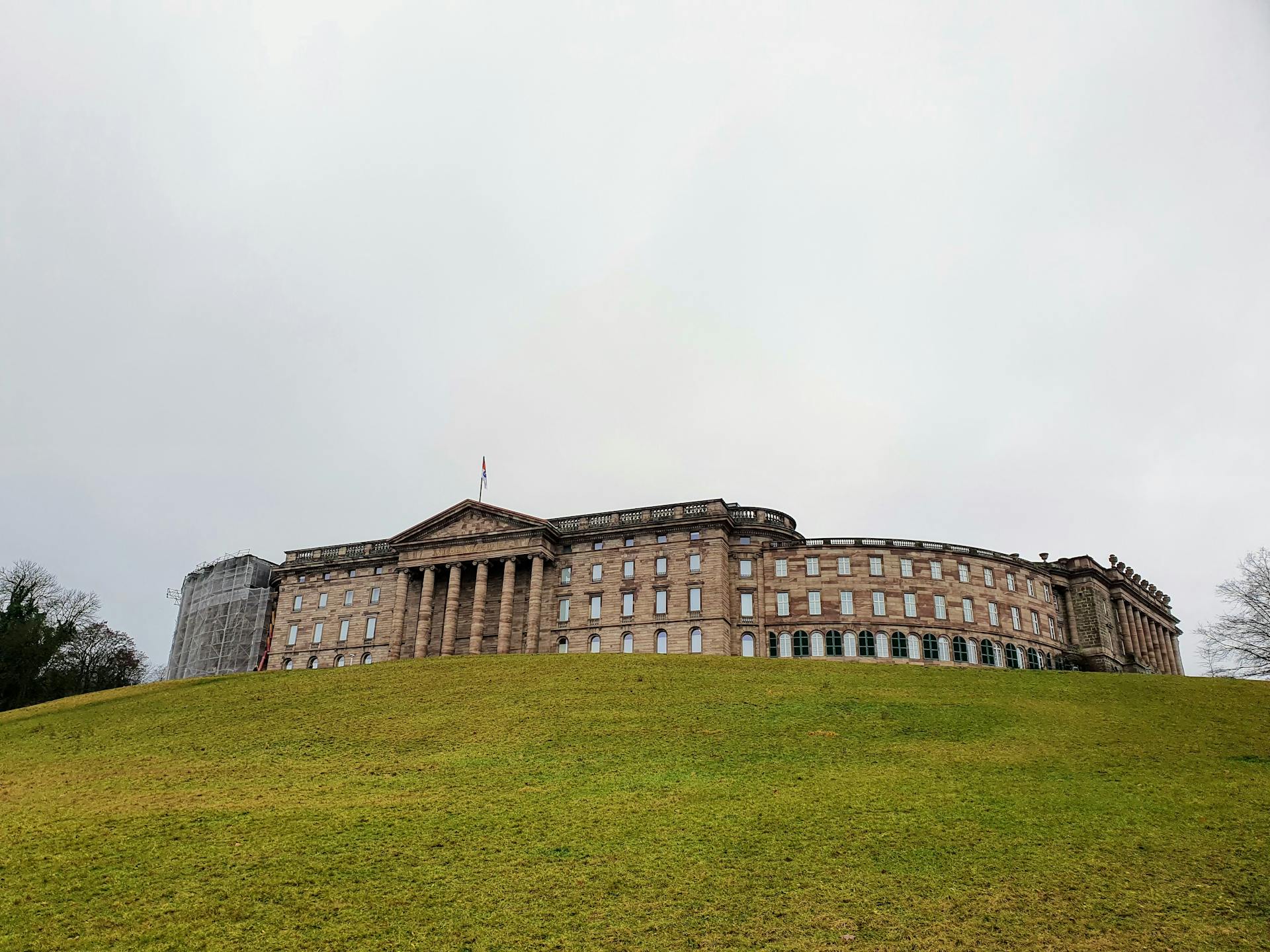
Kassel became home to the Grimm brothers for nearly three decades. They pulled together most of their “Children’s and Household Tales” right here.
The Grimm World museum opened in 2015, and you’ll find original manuscripts on display. It’s wild to think this collection became the most widely read German-language book.
UNESCO even recognized it in their Memory of the World Programme.
Marburg invites you to follow the Grimm trail through its historic center. This two-kilometer path features giant fairy tale figures created by stage painter Pasquale Ippolito.
The brothers studied at the university here, and the trail weaves through the old town below Landgrafen Palace. Half-timbered houses line the way, adding to the storybook feel.
Castles and Fairy Tale Landmarks
You’ll spot several castles tied to famous tales along the route. Sababurg Castle, for instance, stands in as Sleeping Beauty’s home—supposedly where she slept for a hundred years.
The fortress sits inside a nature preserve and feels straight out of a dream.
Trendelburg offers Rapunzel’s tower, a real medieval structure. If you’ve ever wanted to imagine the hair-letting scene, this is the spot.
Steinau Castle is another gem, almost completely preserved and blending fortress with elegance. The Grimm brothers spent their childhood in this town.
Notable landmarks include:
- Frau-Holle-Land Geo-Nature Park (Mother Holle ties)
- Alsfeld’s 16th-century town hall (Little Red Riding Hood territory)
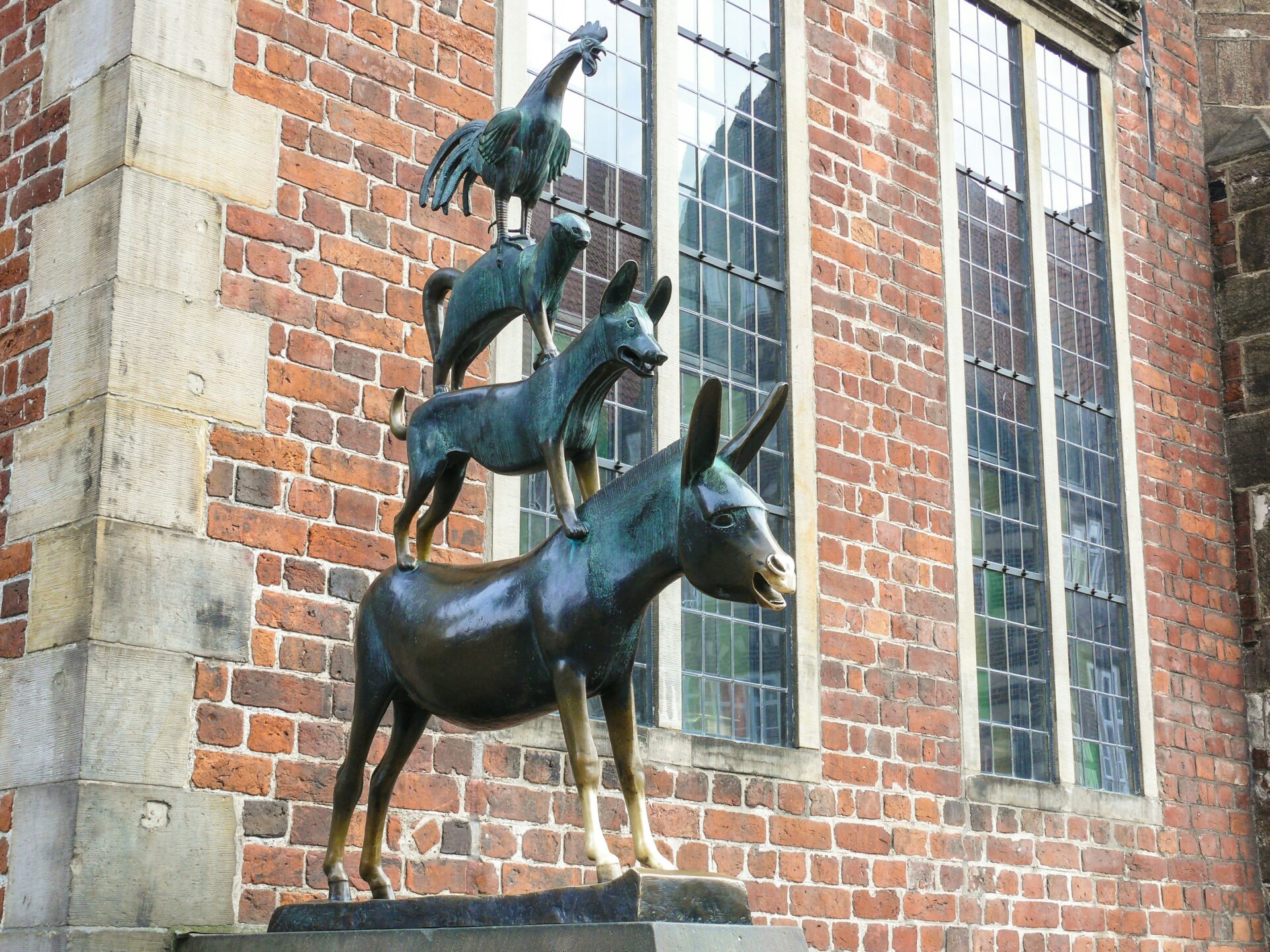
- Bremen’s Town Musicians bronze sculpture
- Göttingen’s Gänseliesel fountain
Events, Museums and Grimm Heritage
The Brothers Grimm Festival lights up Hanau each year at Philippsruhe Castle. Inside, you’ll find the “GrimmsMärchenReich” hands-on museum—kids love it.
Steinau runs one of the biggest Brothers Grimm museums in the Brothers Grimm House. There’s also the “Holzköppe” puppet theatre, where classic tales come alive with hand puppets.
Alsfeld’s Fairytale House gets creative with its displays, making the stories feel fresh. Bremen’s Geschichtenhaus in the Schnoor district dedicates space to the Bremen Town Musicians.
Museum highlights:
- Grimm World Kassel (multimedia, modern approach)
- Philippsruhe Castle museum (interactive exhibits)
- Brothers Grimm House Steinau (big collection)
- Memorial plaques in Göttingen (university connections)
2025 marks the route’s 50th anniversary, and special celebrations will pop up throughout the year. Plenty of places offer guided tours focused on Grimm heritage and fairy tales.
Exploring Additional Scenic Regions
Germany’s got plenty more scenic routes beyond the big three. The Black Forest’s mountain roads and the vine-draped hills of the German Wine Route show off a totally different side, from dense forests to rolling vineyards along the Rhine Valley.
Black Forest High Road and Schwarzwald
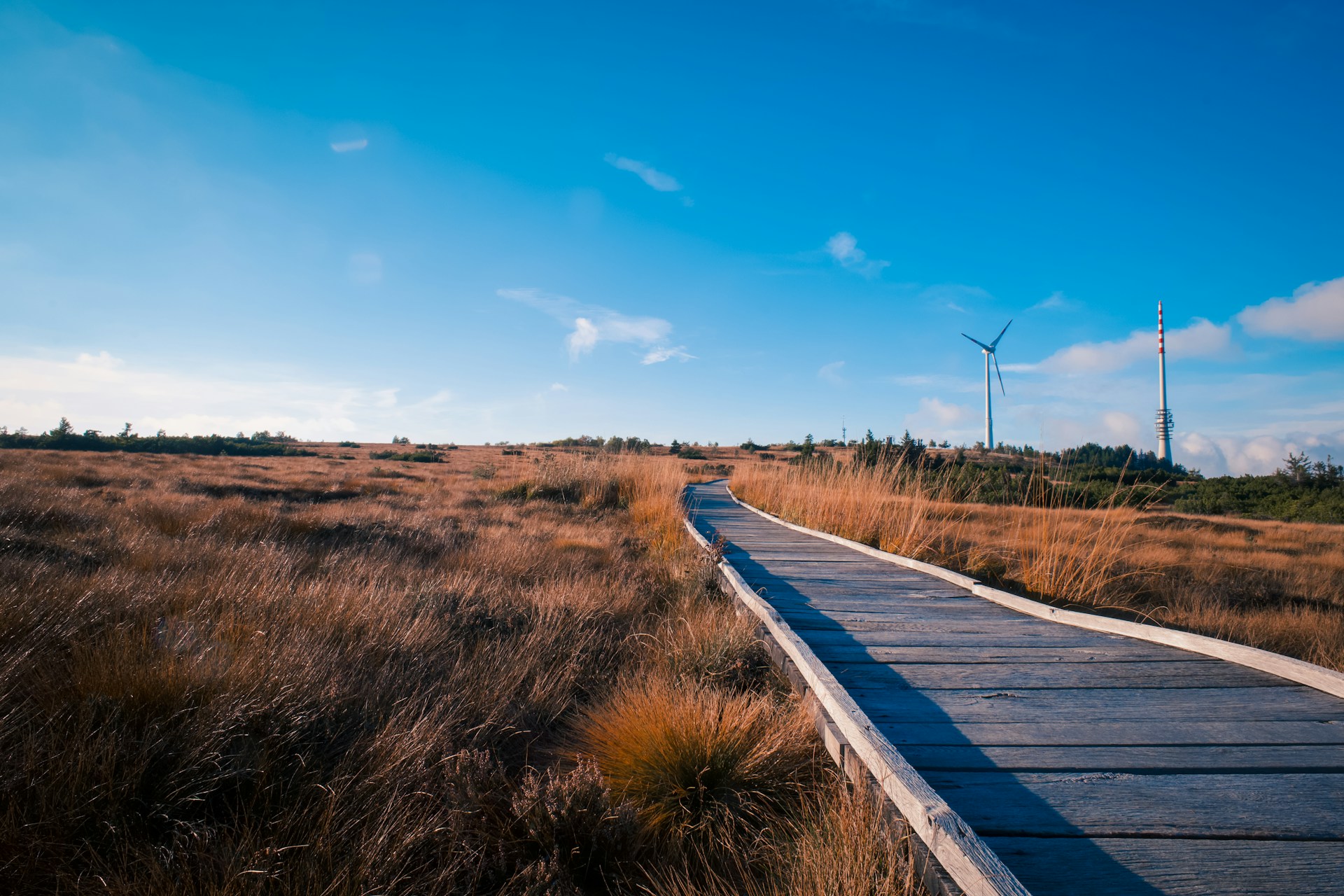
The Black Forest High Road slices right through the heart of the Schwarzwald. This 60-kilometer stretch connects Baden-Baden to Freudenstadt, twisting and turning the whole way.
Tall evergreens crowd both sides of the road. Every so often, you’ll drive through a village with those classic half-timbered houses and red-tiled roofs.
Key stops include:
- Mummelsee – A dark, mysterious lake perfect for a quick stroll
- Hornisgrinde – The northern Black Forest’s highest peak
- Freudenstadt – Spa town with Germany’s largest market square
The road climbs up to over 1,000 meters above sea level. On a clear day, you can see all the way across the Rhine Valley.
I’d say May to October is the sweet spot for visiting. Winter brings snow—beautiful, but not always easy for driving.
The German Wine Route and Rhine Valley
The Deutsche Weinstraße winds for 85 kilometers through southwestern Germany. It starts at the French border in Schweigen-Rechtenbach and heads north to Bockenheim.
Vineyards roll over gentle hills, and small wine villages tempt you with tasting rooms and cozy restaurants.
Deidesheim is a must for wine lovers, offering some of the region’s best wineries. Bad Dürkheim throws Germany’s biggest wine festival every September—worth timing your visit for that alone.
Best experiences:
- Tastings at family-run vineyards
- Traditional German food with local Riesling
- Visiting during harvest season in September and October
The Rhine Valley makes a stunning backdrop. Castle ruins dot the hilltops, watching over the wine route below.
Destinations Beyond the Big Three
If you’re after a shorter trip, several other scenic routes are worth a look. The Avenue Route covers an epic 2,900 kilometers through tree-lined roads across ten German states.
The Baltic Coast Route hugs the northern shoreline, with white sand beaches and Hanseatic towns like Lübeck adding plenty of charm.
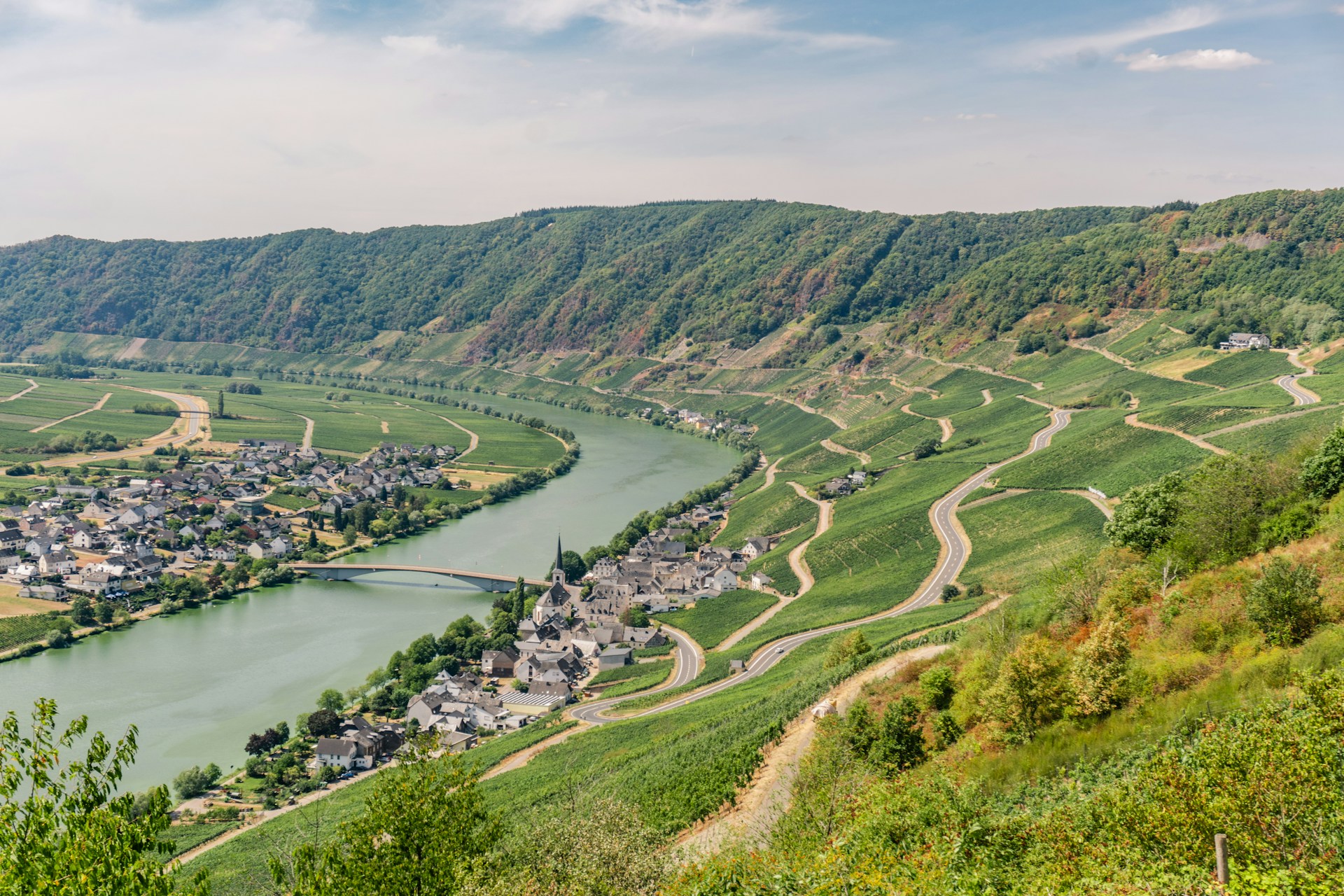
The Mosel Valley is another wine lover’s dream. Steep vineyards rise above the Mosel River between Koblenz and Trier.
Each route brings its own scenery and culture. Whether you’re driving mountain roads, cruising along the coast, or winding through river valleys, you’ll see a different side of Germany.
Cultural Experiences and Unique Sights Along the Routes
Scenic drives here are more than just pretty landscapes. Along the way, you’ll stumble upon fairy-tale castles, grand cathedrals, traditional crafts, and food that’ll have you planning your next meal before you finish the last.
Architectural Marvels: Cathedrals and Palaces
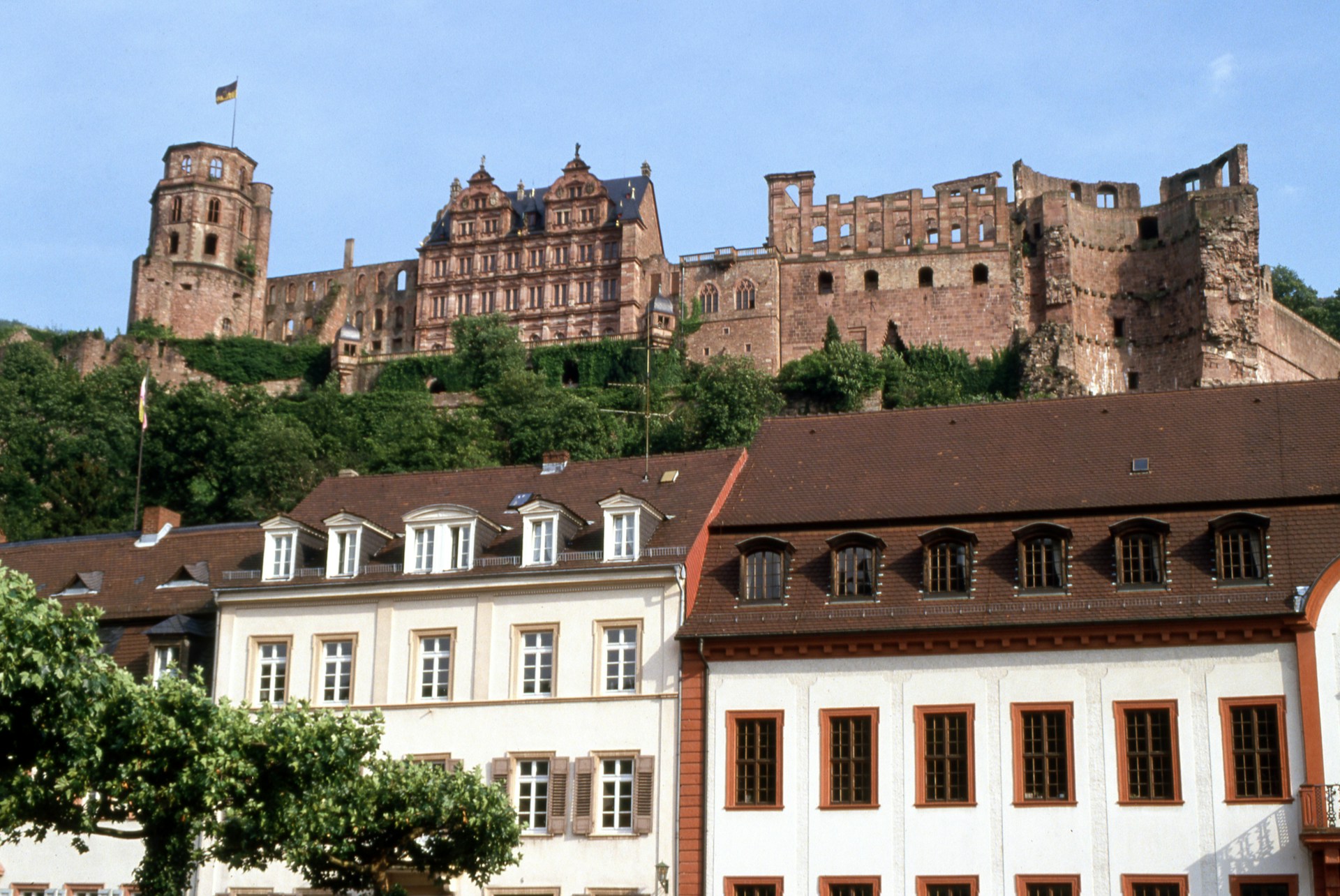
The Romantic Road delivers some of Germany’s most impressive architecture. Schloss Heidelberg is a highlight, perched above the city with sweeping views over the Neckar valley.
In Nuremberg, don’t miss the Imperial Castle. This fortress once dominated the city and tells the story of the Holy Roman Empire.
Munich’s Frauenkirche marks a classic stop along the Alpine Road. Its twin onion-domed towers define the city skyline.
Climbing the tallest church towers along the routes is always worth it for the view. These towers took centuries to build and show off some serious medieval engineering.
Nymphenburg Palace near Munich oozes royal grandeur. The baroque palace and gardens are a reminder of Bavaria’s former wealth and power.
Museums, Cuckoo Clocks and Local Crafts
The Fairytale Route is packed with museums dedicated to the Brothers Grimm. They bring those childhood stories to life with interactive exhibits and original manuscripts.
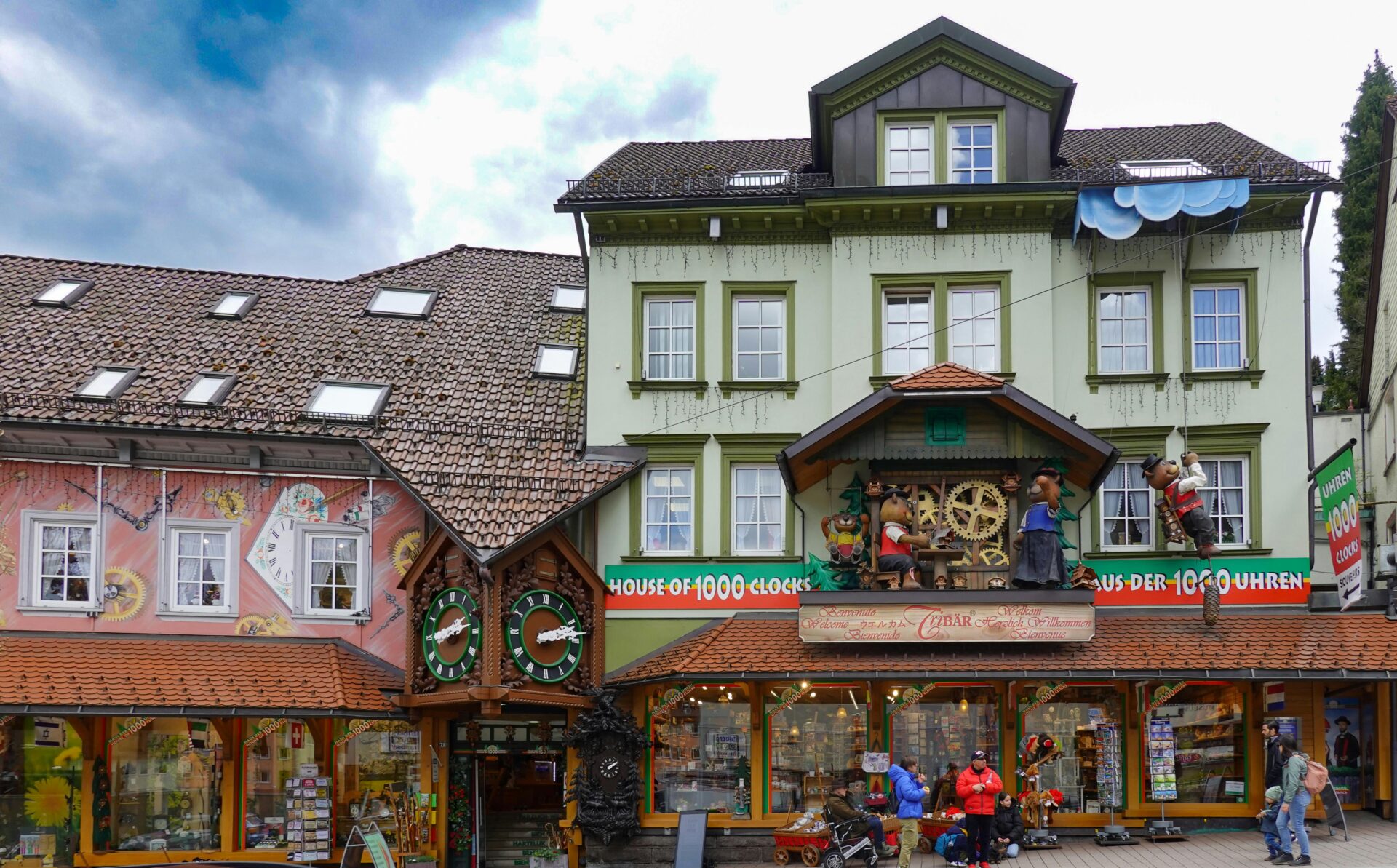
If you’re near the Black Forest, check out a traditional cuckoo clock workshop. Craftsmen still carve these clocks by hand, passing down skills through generations.
Pottery, woodcarving, and glassblowing workshops pop up along all three routes. Many artisans welcome visitors, so you can watch them work and maybe take home a handmade souvenir.
Munich’s Pinakothek museums hold world-class art collections, ranging from medieval pieces to modern art.
Regional folk museums offer a peek into traditional German life. You’ll see old farming tools, traditional clothing, and even recreated village scenes.
Food, Wine and Festivities
Each route has its own food traditions. The Romantic Road serves up hearty Franconian dishes and great local wines from the Main valley.
Traveling the Alpine Road means Bavarian specialties—think massive pretzels, white sausages, and local beers in mountain beer gardens. There’s nothing quite like a cold brew with a view.
The Fairytale Route is famous for its Christmas markets. Winter brings gingerbread, mulled wine, and handmade ornaments to town squares.
Wine festivals happen year-round along the Romantic Road. Local winemakers open their cellars for tastings, and the festive atmosphere is contagious.
Folk festivals in the Bavarian Alps deliver traditional music, dancing, and those classic regional costumes. If you stumble upon one, don’t miss it.

Frequently Asked Questions
The Romantic Road runs 460 kilometers from Würzburg to Füssen. You’ll want five to fourteen days to really soak it all in.
Most travelers agree—it’s Germany’s most famous scenic drive, winding through medieval towns and the Bavarian countryside.
Kick things off in Würzburg, where you can check out the UNESCO-listed Residence and Marienberg Fortress. Spend your first day sipping wine in the Franconian region.
On day two, head to Rothenburg ob der Tauber. This medieval walled town is famous for its storybook architecture and the night watchman tour.
Day three takes you through Bad Mergentheim and Creglingen before reaching Dinkelsbühl. Don’t skip the local schneeball pastry—it’s a classic.
Dedicate day four to Augsburg, one of Germany’s oldest cities. Visit the Gothic cathedral, Renaissance town hall with its Golden Hall, and the world’s oldest social housing project, the Fuggerei.
Wrap up your journey in Füssen on day five. This riverside town is the gateway to three fairytale castles, including the world-famous Neuschwanstein.
Honestly, if you’re aiming to soak in everything along the 460-kilometer stretch from Würzburg to Füssen, I’d block off about 14 days. That way, you can actually explore all 29 official stops without rushing or skipping the good stuff.
Of course, if your schedule’s tight, you could squeeze a shorter version into 3-5 days by just hitting the main highlights. Some folks split the journey into three separate 5-day trips, which sounds pretty manageable.
Driving the route straight through only takes about 5-6 hours. But let’s be real—you’ll want to spend most of your time wandering medieval towns, ducking into castles, and maybe lingering in a wine region or two.
For me, the Romantic Road easily claims the title of Germany’s most stunning scenic drive. It’s a classic, honestly—where else can you find rolling vineyards, medieval walled towns, and the Bavarian Alps all in one go?
This route winds through 29 historic stops, and you’ll even run into a few UNESCO World Heritage sites. It’s hard not to fall for that kind of variety.
If you’re craving mountain views and that fairytale forest vibe, the Black Forest High Road delivers. The German Alpine Road? Think breathtaking mountain scenery, dotted with 25 castles and 21 mountain lakes.
Still, the Romantic Road feels unbeatable for overall variety. It wraps up Germany’s best nature, culture, and history into one unforgettable journey.
If you’ve only got three days, here’s what I’d do. Kick things off in Würzburg—wander through the Residence palace, maybe hop on a Main River boat tour. Then, drive to Rothenburg ob der Tauber that afternoon.
Spend your entire second day getting lost in Rothenburg’s medieval walls and checking out St. Jakob’s Church. If you’re up for it, the night watchman tour dishes out some wild local stories and legends.
On your third day, cruise through Dinkelsbühl and roll into Füssen. Stick to the town center, and if you’re tempted by castles, consider adding a fourth day.
This itinerary covers the three big highlights. You’ll miss a few smaller towns, but you won’t feel like you’ve skipped the essentials.
If you’re mapping out the route, you can’t skip Würzburg. The UNESCO Residence palace is a showstopper, and the Franconian wine region is worth a detour. Marienberg Fortress? The city views are unbeatable.
Rothenburg ob der Tauber stands out with its complete medieval wall and the Gothic St. Jakob’s Church. The old town feels like a time machine—seriously, it’s that well preserved.
Augsburg brings Roman history into the mix, with its Gothic cathedral and a Renaissance town hall. The Fuggerei is fascinating—it’s the world’s oldest social housing project, dating back to 1516.
At the southern tip, Füssen sits perfectly on the Lech River and opens the door to three fairytale castles. It’s the official end of the route and honestly, a magical spot to wrap up.
If you’ve got time, swing by smaller gems like Dinkelsbühl, Bad Mergentheim, and Creglingen. They add a dash of medieval charm between the bigger cities.
Absolutely, the Romantic Road feels like Germany’s most iconic tourist route. Every year, travelers clock in about 5 million overnight stays along the way, and the local tourism scene thrives—around 15,000 people keep things running smoothly here.
Back in the 1950s, folks mapped out this route to spotlight Germany’s medieval gems and that unmistakable Bavarian charm. It winds through the country’s most photogenic castles and storybook towns.
Driving the Romantic Road just hits different. You’ll roll past vineyards, catch glimpses of the Alps, and stumble upon villages that seem frozen in time.
If you’re a first-timer in Germany, this stretch makes seeing a bunch of regions surprisingly easy. Bavaria’s highlights? They’re all lined up, and the roads are marked so clearly you’d have to try to get lost.
