
I’m standing at the edge of Dubrovnik’s ancient walls, watching the morning sun spill over limestone streets that have seen seven centuries of stories. This spot—Croatia’s “Pearl of the Adriatic”—isn’t just a city. It’s a living time capsule, a medieval world frozen in stone and sunlight.
Dubrovnik pulls off a rare feat: perfectly preserved 13th-century walls hug the glittering Adriatic, making it one of Europe’s most enchanting destinations. The Old Town, under UNESCO’s watchful eye since 1979, feels like a museum that never closes. Red rooftops meet turquoise water, and every alley whispers tales of old republics, bustling trade, and communities that refused to fade.
Walking the legendary city walls or ducking into hidden courtyards, I’ve realized Dubrovnik isn’t just about the past. It’s about moments where history and modern adventure collide—stunning views, local traditions, and a sense of wonder that keeps surprising me.
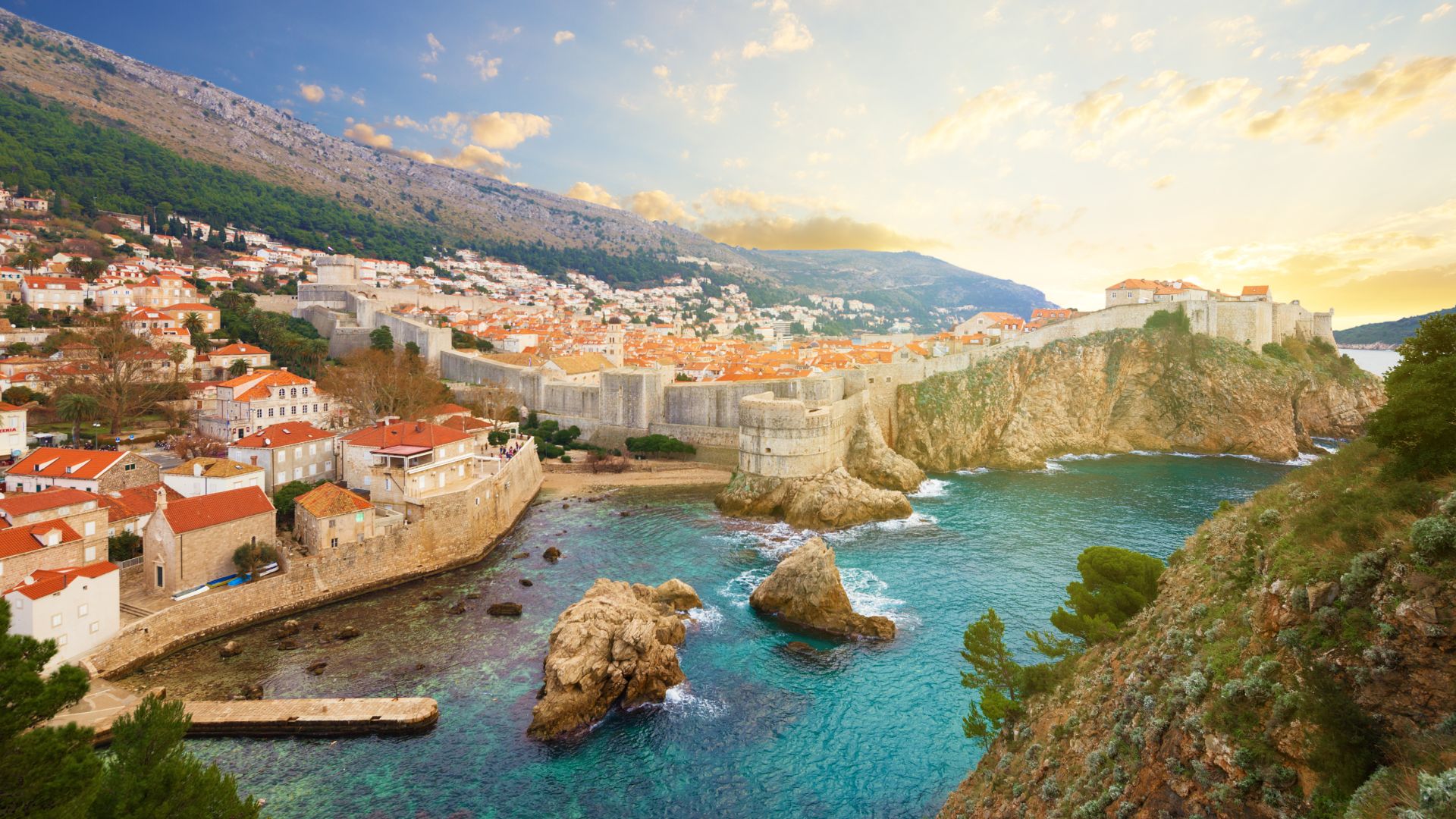
The Allure of Dubrovnik’s Old City
Dubrovnik’s Old City really earns its “Pearl of the Adriatic” nickname. Here, medieval architecture, the limestone Stradun promenade, and Renaissance showpieces like Sponza Palace all come together in a dazzling display of history and style.
UNESCO World Heritage Status
Dubrovnik joined the UNESCO World Heritage list in 1979, and honestly, it’s not hard to see why. The city’s medieval urban planning stands out as one of Europe’s best.
You’ll notice the walls stretch for 1.9 kilometers, wrapping the old city like a protective arm. Some sections soar up to 25 meters high.
Why UNESCO Loves Dubrovnik:
- Medieval architecture that’s still standing strong
- Urban planning straight from the Middle Ages
- People living here since the 7th century
- Gothic, Renaissance, and Baroque styles all mixed in
This UNESCO status doesn’t just save a few buildings; it shields the entire city’s character. I appreciate how it keeps modern changes from erasing Dubrovnik’s unique vibe.
Stradun: The Heartbeat of Dubrovnik
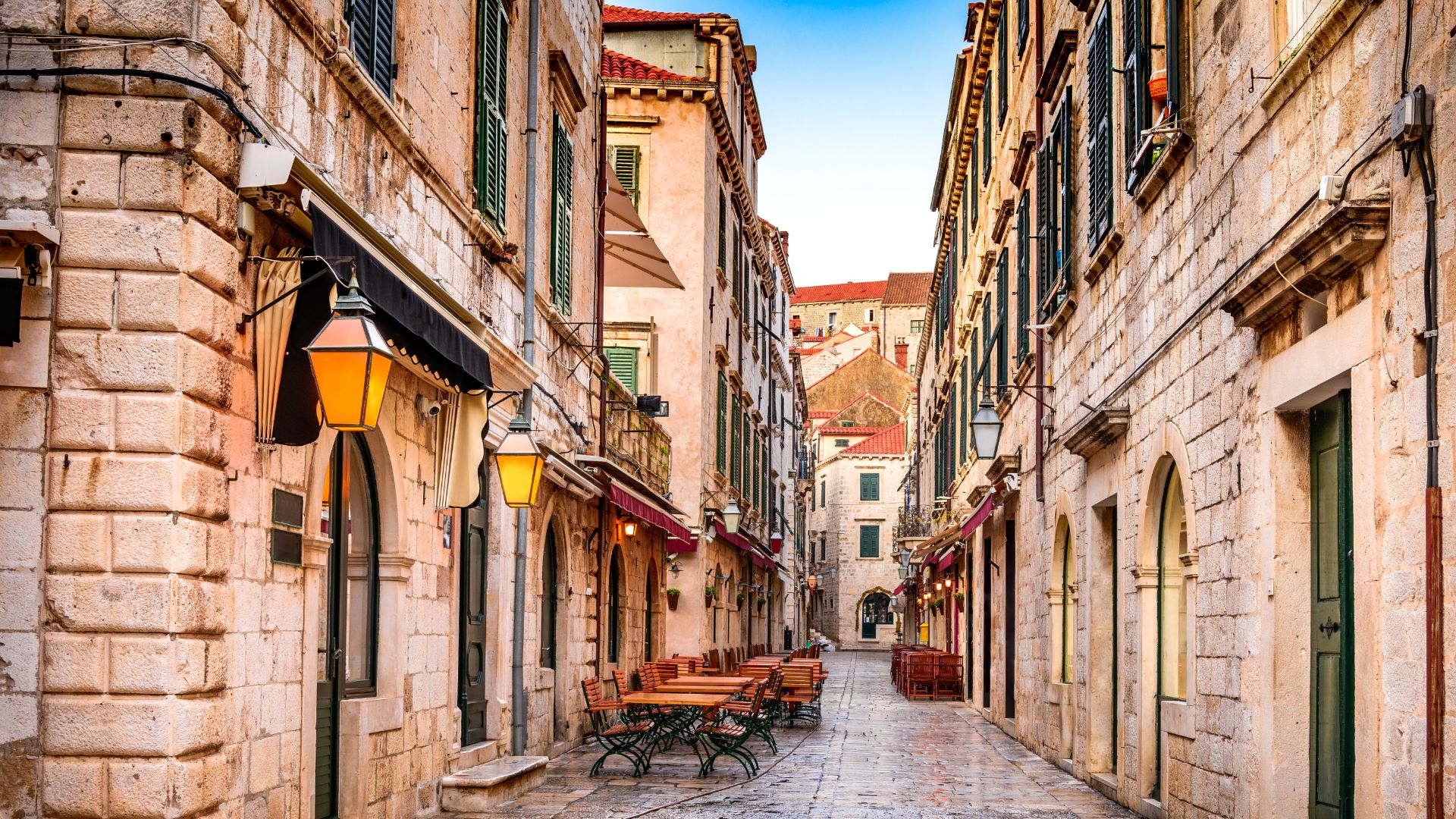
Stradun isn’t just a street—it’s the Old City’s main artery, and you can’t help but end up here. The limestone pavement gleams, polished smooth by centuries of footsteps.
This 300-meter stretch links Pile Gate in the west to Ploče Gate in the east. Baroque buildings line both sides, rebuilt after the 1667 earthquake wiped out most of the Gothic originals.
Don’t Miss on Stradun:
- Onofrio’s Large Fountain—a 15th-century engineering marvel
- Bell Tower—Gothic clocktower (though it’s from 1929)
- Sponza Palace—a Renaissance gem
- Rector’s Palace—the old seat of power
I love Stradun in the early morning when it’s quiet. Come evening, the golden hour light makes the limestone glow—pure magic.
Sponza Palace and Architectural Treasures
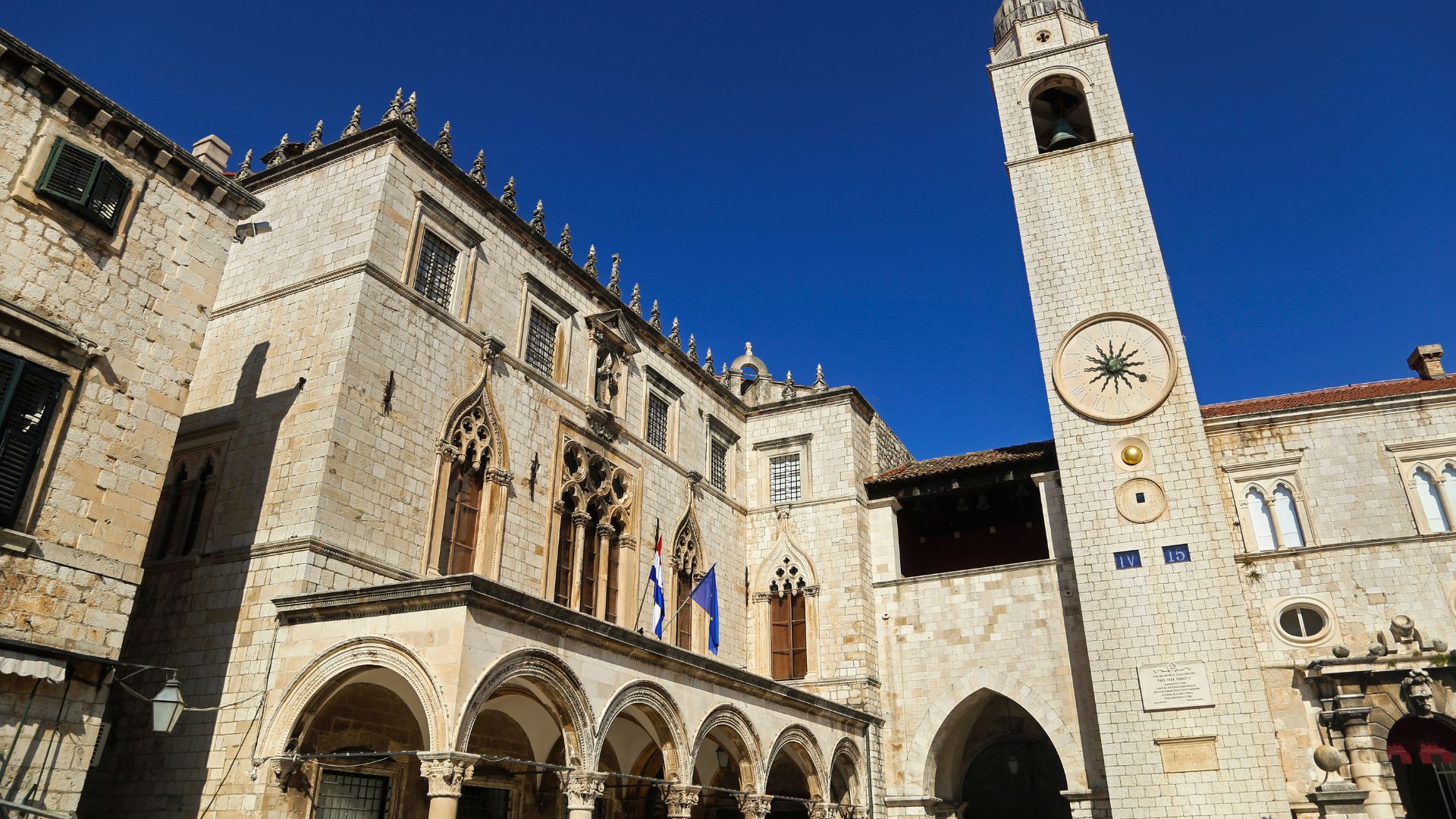
Sponza Palace stands out as the city’s Renaissance superstar. This 16th-century building somehow survived the devastating 1667 earthquake.
Back in Dubrovnik’s maritime heyday, Sponza operated as the customs house. Its Gothic-Renaissance facade, with elegant arches and intricate stonework, always grabs my attention.
These days, it’s home to the State Archives. Inside, you’ll find documents stretching all the way back to the 12th century.
What Makes Sponza Unique:
- Gothic arches on the ground floor for merchants
- Renaissance loggia with Ionic columns upstairs
- Courtyard that mixes Gothic and Renaissance styles
- A Latin inscription about fair trading
The Rector’s Palace nearby also tells a story of evolving architecture. Both buildings show how Dubrovnik took inspiration from across Europe but kept its own flavor.
Walking the Legendary Medieval Walls
Dubrovnik’s stone fortifications snake for 2 kilometers around the Old Town, offering jaw-dropping views of orange rooftops and the shimmering Adriatic. These walls connect sturdy gates, mighty fortresses, and defensive towers that once kept invaders at bay.
History and Design of the Fortifications
The walls I explore today took shape between the 12th and 17th centuries. Dubrovnik’s builders wanted to keep Venetians and Ottomans out, and they didn’t hold back.
Some sections shoot up 25 meters high. In places, the walls are 6 meters thick—seriously impressive.
Defensive Highlights:
- 16 towers and bastions
- A continuous 2-kilometer loop
- Fortresses at key points
- Smart harbor defenses
The fortifications survived centuries of attacks. In the 1990s, war damaged them, but careful restoration brought them back.
UNESCO recognized the walls as part of the World Heritage Site in 1979. This honor cements their place as one of Europe’s best-preserved medieval defenses.
Walking the walls counterclockwise takes about 1.5 to 2 hours. The views from above—red roofs, narrow lanes, and the sea—are unforgettable.
Pile Gate: Gateway to History
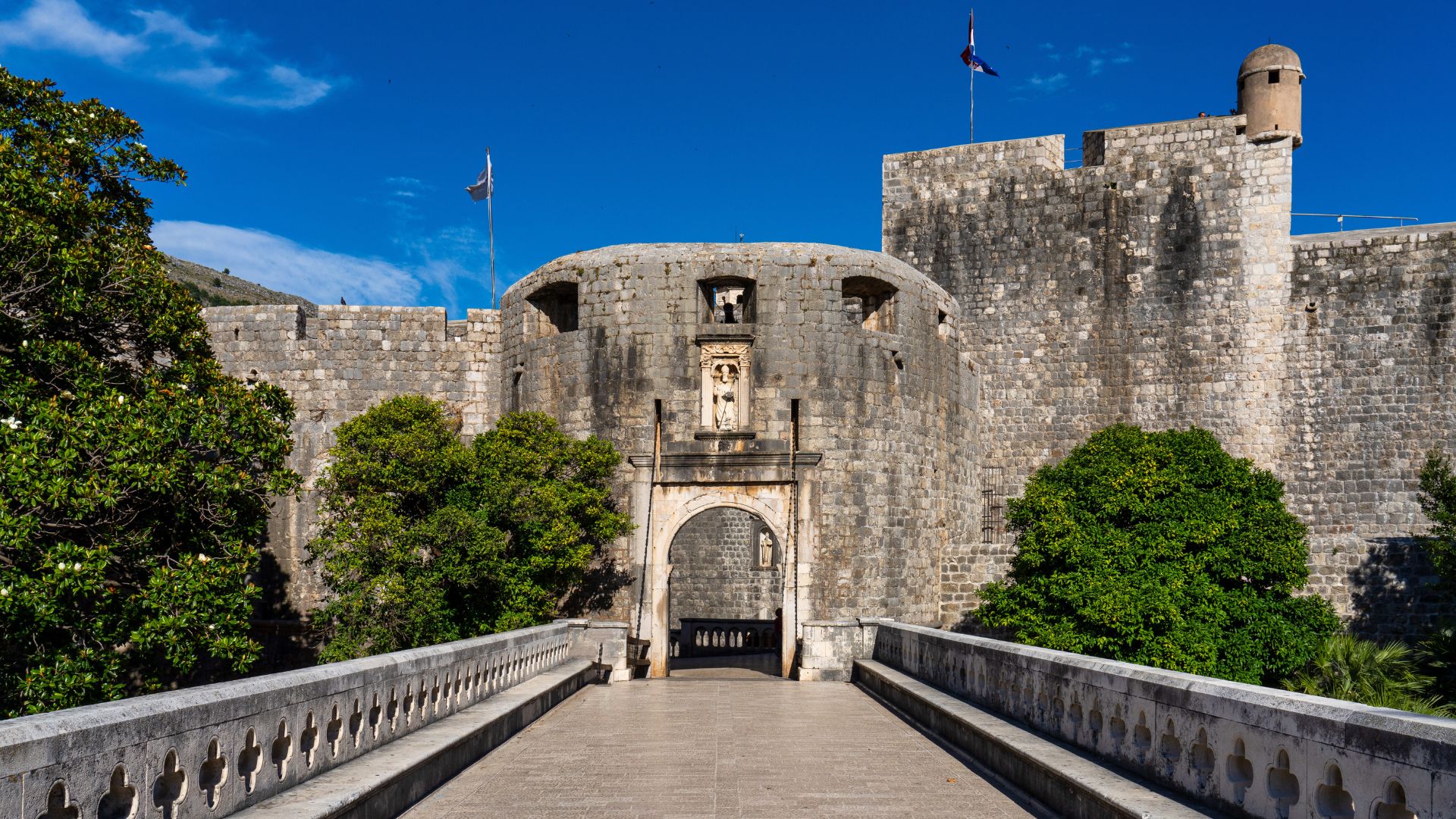
Pile Gate marks the main western entrance to the Old City. This is where most wall-walking adventures kick off.
The gate leads straight to Stradun. Just inside, Onofrio’s Fountain and the stone stairs up to the ramparts greet you.
Medieval architects designed Pile Gate for defense, with thick walls and tight passages to control entry.
What’s at Pile Gate:
- A classic stone bridge
- Tourist info center
- Stairs to the walls
- Onofrio’s Great Fountain
Most folks start here because it’s the easiest entrance. You can grab wall tickets or the Dubrovnik City Card at the tourist office.
The first steps on the wall reveal Fort Lovrijenac across the water and the cliffs that make Dubrovnik so dramatic.
Fort Lovrijenac: The Gibraltar of Dubrovnik
Fort Lovrijenac rises from a 37-meter cliff just outside the walls. Locals call it the “Gibraltar of Dubrovnik” for its commanding view over the sea.
You’ll get the best photos of Lovrijenac from the Bakor Fortress section on the walls. The cliff-top setting is pure drama.
Planners built Lovrijenac to defend Dubrovnik’s western flank. Cannons once pointed at enemy ships, ready to protect the city.
Fort Lovrijenac Today:
- Hosts theater shows and weddings
- Popular with film crews (yep, Game of Thrones fans, this is the Red Keep!)
- Requires a separate ticket
From the walls, I can see Lovrijenac’s triangular shape and thick stone. It works hand-in-hand with the main walls to keep Dubrovnik safe.
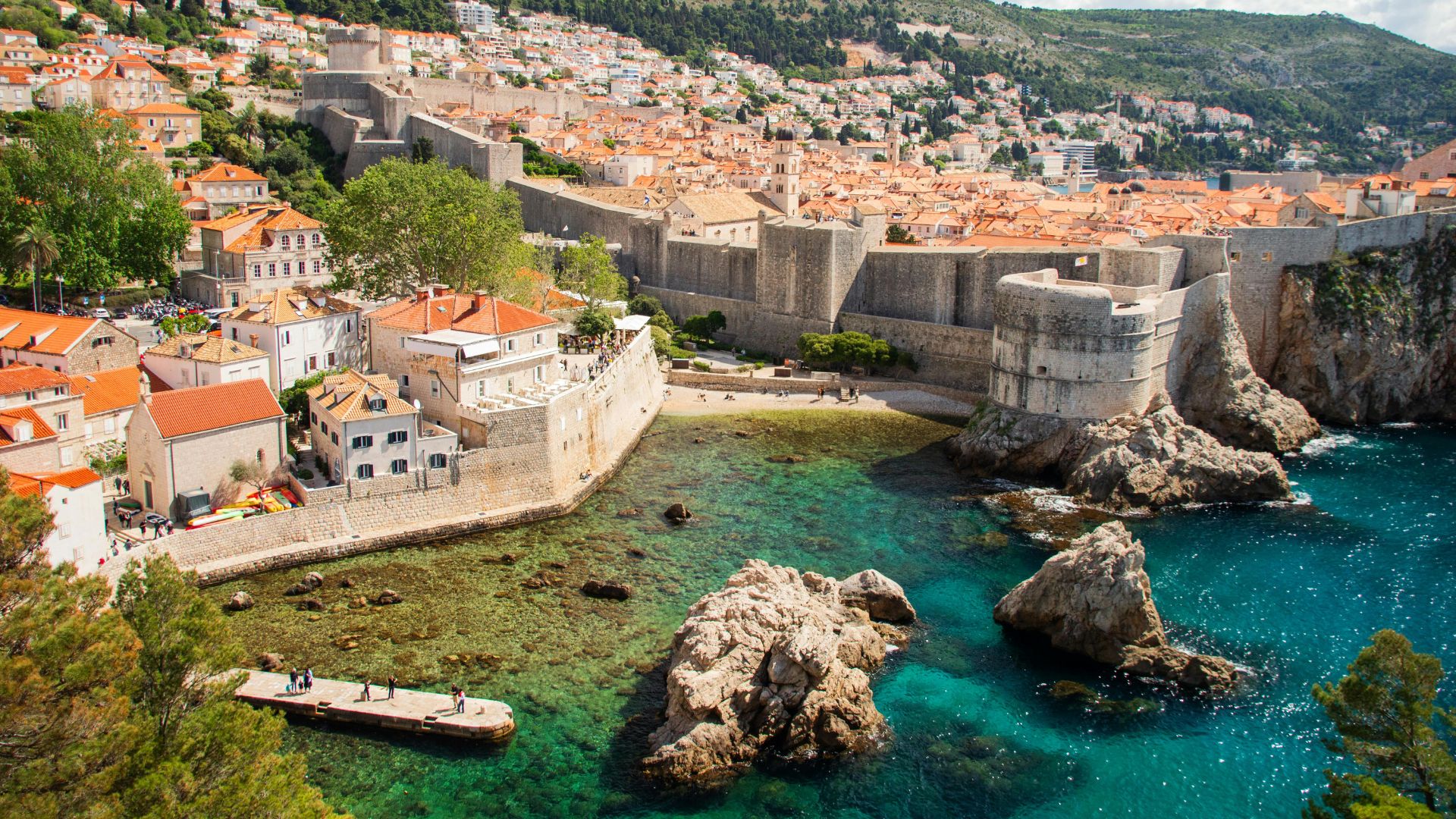
Adriatic Wonders: Dubrovnik’s Enchanting Coastline
The Adriatic’s crystal waters wrap around Dubrovnik’s old stones, creating a Mediterranean dreamscape. The coastline tempts with places to swim, islands to hop, and natural beauty just steps from the city.
Banje Beach: City Walls by the Sea
Banje Beach sits right below the medieval walls. Imagine swimming in clear Adriatic waters while ancient stones tower above you.
The beach has both free and paid sections. I usually go for the paid loungers—worth it for the comfort and service. The Adriatic keeps the water calm and inviting.
Banje Beach Perks:
- Rental chairs and umbrellas
- On-site restaurant and bar
- Showers and changing cabins
- Water sports gear
Sunset here is unbeatable. The walls glow gold, and the sea mirrors the sky. Honestly, swimming feels like drifting beside a fairytale castle.
Lokrum Island Escapes
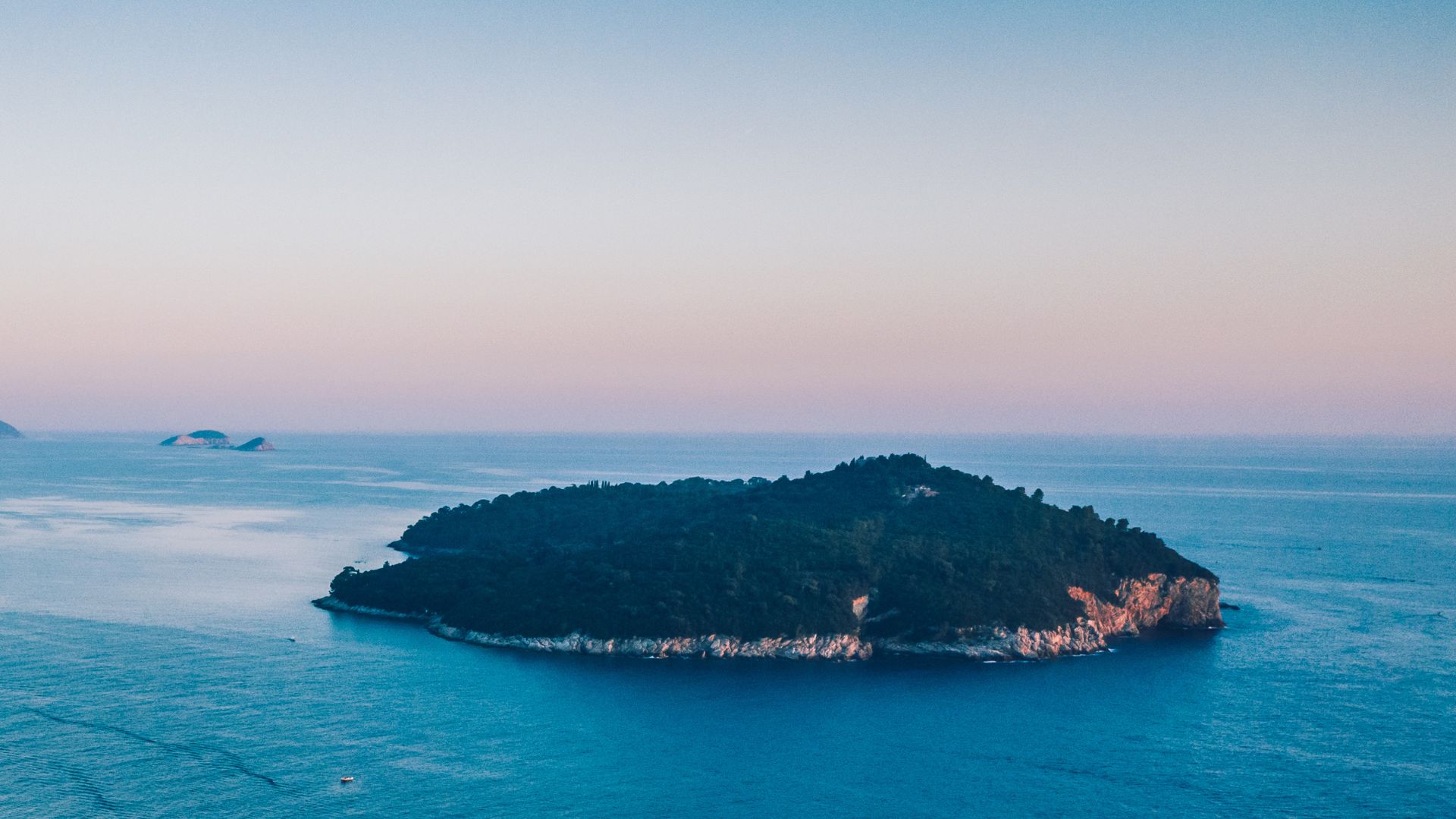
Lokrum Island waits just 600 meters offshore. A 10-minute ferry ride gets you to this nature reserve of trails, rocky beaches, and peacocks strutting around like they own the place.
The island hides ruins of an 11th-century Benedictine monastery. Wandering the old cloisters, I can almost hear the monks’ footsteps. Wild peacocks add a surreal touch.
Lokrum Highlights:
- Dead Sea saltwater lake for a unique swim
- Rocky, crystal-clear beaches
- Monastery ruins and a small museum
- Game of Thrones filming spots
Ferries run every half hour in summer. I always pack water and snacks—the island’s food options are pretty limited. Snorkeling along the rocks is a must.
Botanical Garden and Natural Beauty
Lokrum’s botanical garden is a quiet escape filled with Mediterranean and tropical plants. I wander among cacti, eucalyptus, and rare species from Croatia and beyond.
Established in 1959, the garden sprawls over terraced slopes. Australian and South American plants thrive beside native Adriatic greenery. Shady olive trees offer peaceful spots to rest.
Stone paths lead from the garden straight to the sea. In minutes, I move from studying rare plants to taking a dip. The mix of wild coastline and cultivated gardens makes Lokrum stand out among Croatian islands.
Cultural Richness and Dubrovnik’s Living Heritage
Dubrovnik’s culture isn’t just preserved—it’s alive and well. Monasteries, palaces, and festivals keep centuries-old traditions going while serving locals and visitors alike.
Franciscan Monastery and Ancient Apothecary
I stumbled upon the Franciscan Monastery and discovered it houses Europe’s oldest working pharmacy. Monks have prepared remedies here since 1317, following recipes handed down for over 700 years.
The library blew me away—14,000 volumes of ancient texts, some dating back to medieval times.
The pharmacy museum displays original jars and scales. You can peek into the old lab where monks made their medicines.
The monastery survived the 1667 earthquake and still offers one of Dubrovnik’s most peaceful corners. Stone arches and a quiet garden create a welcome break from busy streets.

Traditions and Local Festivals
Every February, Dubrovnik celebrates the Festival of St. Blaise, honoring the city’s patron saint. This tradition goes back to 972, when St. Blaise reportedly saved Dubrovnik from attack. Expect processions and traditional music echoing through the streets.
Summer brings the Dubrovnik Summer Festival, transforming the Old City into a stage. Performances take over courtyards and squares, and the festival’s been running for over 70 years.
Within the walls, local artisans keep old trades alive. Stone carvers use techniques passed down through generations, helping maintain the city’s UNESCO-listed buildings.
Must-Try Traditional Foods:
- Black risotto with cuttlefish ink
- Fresh oysters from Ston
- Rozata, a creamy custard dessert
- Local wines from Pelješac
Rector’s Palace: A Legacy of Governance
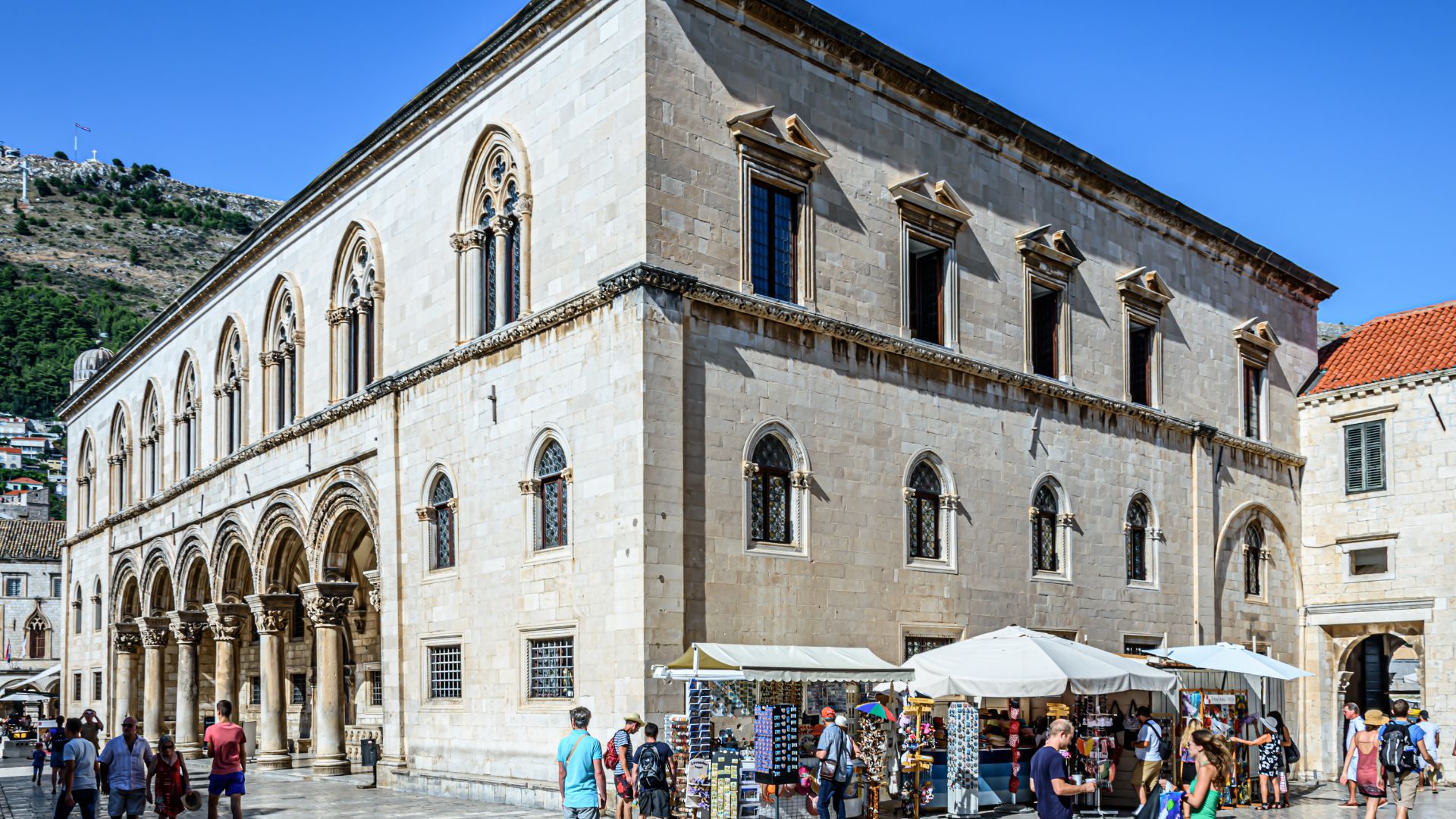
The Rector’s Palace once housed the rulers of the Republic of Ragusa. For over 400 years, elected rectors governed here, each serving just one month to keep things honest.
I wandered through rooms where leaders once made decisions that shaped Mediterranean trade. Now, the palace hosts the Cultural History Museum, displaying Dubrovnik’s rise as a maritime powerhouse.
The building blends Gothic and Renaissance styles, thanks to master builders from all over Europe. It’s survived earthquakes and rebuilds, yet still stands proud.
Right next door, Sponza Palace acted as the customs house. Together, these buildings formed the heart of Ragusa’s government and show off the city’s rich legacy.
Modern Magic: Experiences and Views Above the City
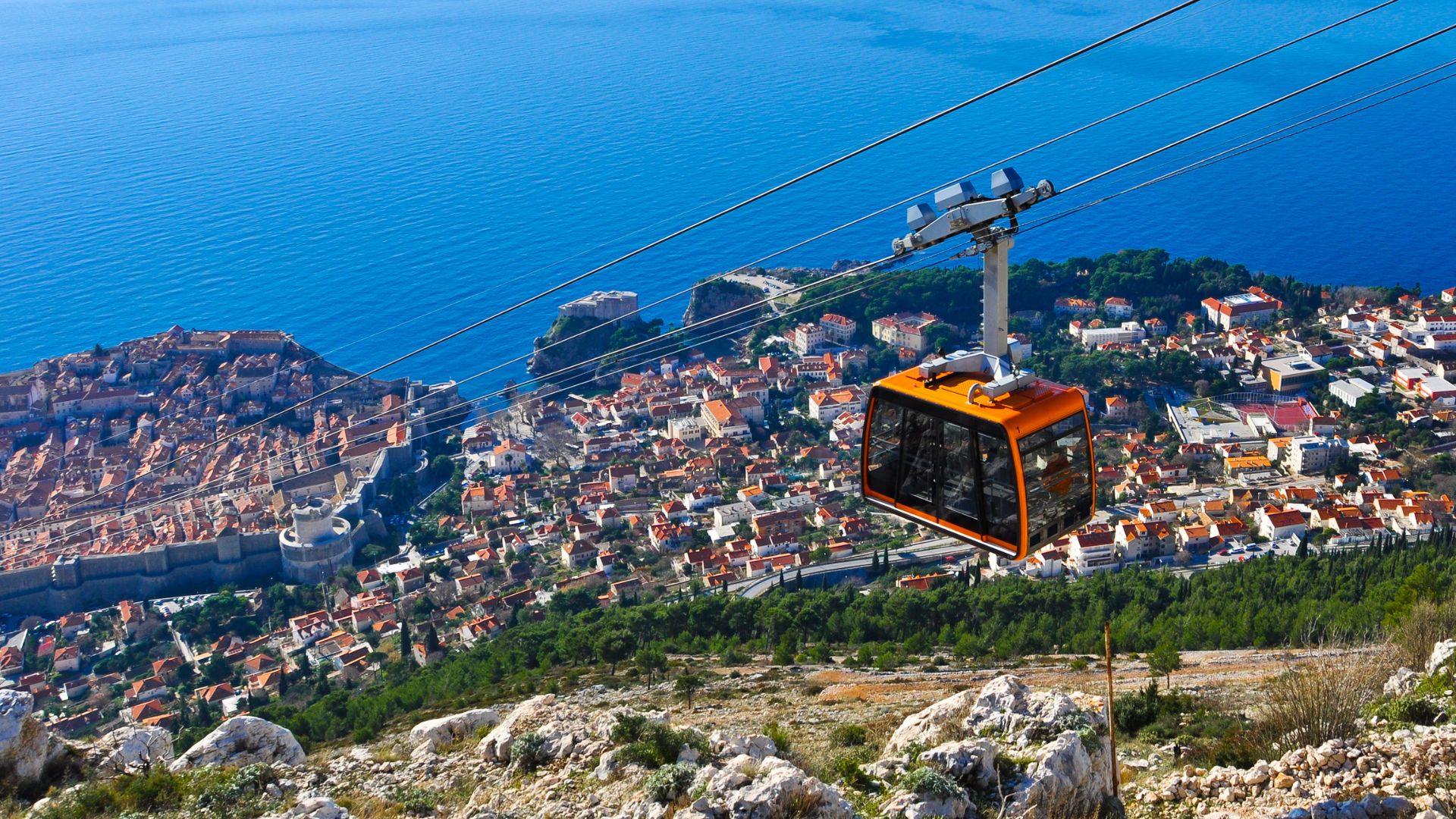
You know, the cable car up to Mount Srđ is honestly one of those must-do things in Dubrovnik. It’s wild how quickly you’re whisked up to 412 meters above sea level, and suddenly the entire city just sprawls out beneath you.
Dubrovnik’s medieval walls and those famous red roofs look almost unreal from up there. And let’s not forget the shimmering Adriatic stretching all the way to the horizon. It’s easy to see why the city found global fame as King’s Landing in Game of Thrones—filming locations are scattered all over the Old Town.
Dubrovnik Cable Car and Mount Srđ
If you’re after the best city views, hop on the Dubrovnik Cable Car. The ride itself only takes about four minutes, but the anticipation on the way up? That’s half the fun.
Once you reach the summit, you’ll get a sweeping view of the Old Town. The red rooftops almost form a patchwork quilt, and the limestone streets wind through it all. Those medieval walls really pop from this angle—it’s like you’re looking at a living postcard.
When’s the best time to go? Early morning around 8:00 AM is blissfully quiet. Or, catch the golden hour at 6:00 PM for that perfect soft light. Clear days are obviously the winner for visibility.
There’s a restaurant and a museum at the top, so you can linger a bit. Don’t forget your camera—the sea views and the distant islands are just begging to be photographed.
The cable car usually runs year-round, unless the wind decides otherwise. Tickets are about 150 kuna for adults, so budget a little for that.
Game of Thrones Filming Locations
Game of Thrones fans, this is your playground. Dubrovnik became King’s Landing from 2011 to 2019, and you can actually wander through so many of the show’s iconic spots.
Here are a few highlights:
- The city walls double as King’s Landing’s defenses.
- Fort Lovrijenac stands in for the Red Keep.
- Jesuit Staircase? That’s where Cersei endured her walk of shame.
- Pile Gate sets the scene for dramatic arrivals.
Stradun, the main street, pops up in several episodes. You’ll probably spot groups trailing behind guides, all deep in Game of Thrones trivia and stories.
A bunch of local companies run themed tours—usually about two hours, costing 200-300 kuna. If you’re a fan, it’s worth it.
Ever since the show, Dubrovnik’s seen a huge surge in visitors. Shops everywhere have Game of Thrones merch, from t-shirts to goblets. It’s a little touristy, but honestly, kind of fun.
Essential Dubrovnik Experiences
Dubrovnik isn’t just about the views or the TV fame. The city’s food scene? It’s rooted in Mediterranean flavors and super fresh seafood from the Adriatic.
If you can, plan your trip during the shoulder seasons. The weather’s still great, but you’ll dodge the crowds.
Croatian Cuisine and Black Risotto
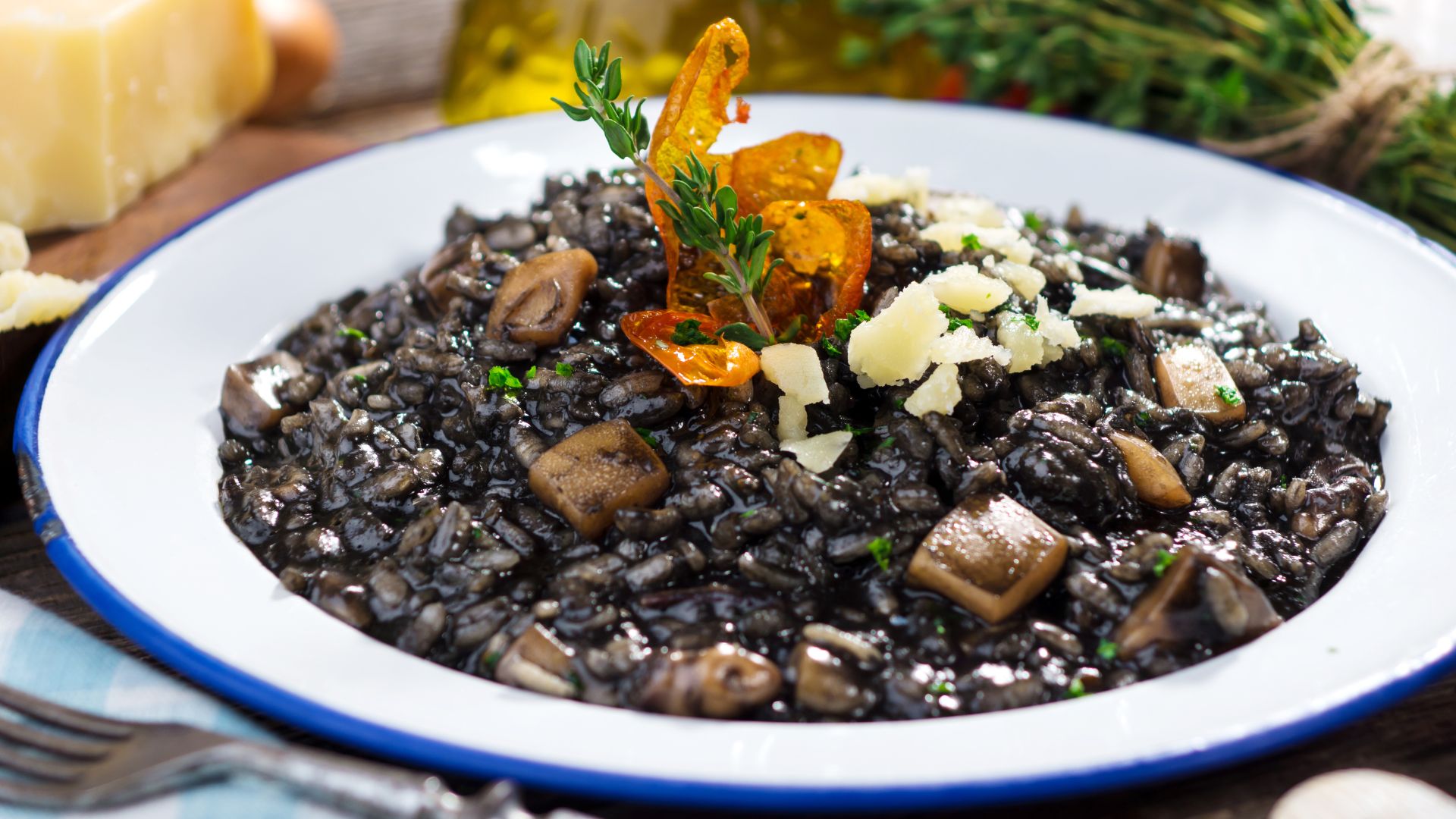
You can’t visit without trying black risotto. It’s iconic—jet black from cuttlefish ink, loaded with local squid, and just bursting with flavor.
The best versions use seafood caught that morning. Traditional konobas in the Old Town usually get it right.
Other Croatian dishes to put on your list:
- Pasticada: slow-cooked beef in a rich wine sauce.
- Grilled fish, drizzled with olive oil and a sprinkle of herbs.
- Peka: meat and veggies cooked under a bell-shaped lid—comfort food at its finest.
Swing by Gundulić Square’s morning market for fresh ingredients and a real slice of local life. There’s everything from seasonal fruit to cheeses and homemade treats.
Lots of restaurants have outdoor seating, so you can watch the sun dip behind the Adriatic while you eat. If you’re visiting in peak season, book your dinner table early—places fill up fast.
Tips for Visitors and Best Times to Go
Honestly, if you want to catch Dubrovnik at its best, plan your trip for May-June or September-October. Trust me, these months feel just right—warm enough for exploring, but you won’t get swallowed up by crowds. Here’s a helpful guide if you want a deeper dive.
Best times by season:
| Season | Pros | Cons |
|---|---|---|
| Spring (May-June) | Perfect weather, fewer crowds | Some restaurants might still be closed |
| Summer (July-August) | Everything’s open, daylight lasts forever | It gets packed and pricey |
| Fall (September-October) | Still lovely weather, fewer tourists | The sea starts to cool off |
Head to the city walls first thing in the morning. That way, you’ll dodge most of the lines, and the walk—about two hours—won’t feel brutal under the midday sun.
I always throw on comfy walking shoes for those slick limestone streets. Don’t forget sunscreen, a hat, and a bottle of water, especially if you’re braving the summer heat.
If you’re eyeing a summer getaway, book your place to stay well ahead of time. Prices can get wild, and good spots disappear fast. For better deals (and parking that won’t drive you nuts), look for places just outside the Old Town.
