
Canada’s east and west coasts couldn’t feel more different, and honestly, your personality might just decide which side you’ll fall in love with. It’s a bit like the classic American coastal rivalry, but with more maple syrup and snow.
Your travel personality—whether you’re itching for buzzing cities or craving slow, outdoorsy days—totally shapes where you’ll have the most fun. I’ve noticed that folks who love a well-organized trip and a hearty dose of history usually end up in Eastern Canada. If you’re the type who wants flexibility and endless nature, the West is probably calling your name.
These differences go way beyond just “mountains or maritimes.” Each coast has its own flavor, from how you plan your days to what really makes you tick on vacation.
East vs West Canada at a Glance
East and West Canada serve up wildly different adventures. You’ll find everything from rugged peaks and wild forests to old-world coastal towns and French-inspired flair. The East is easier to reach and has more places to stay, which can be a big plus.
Key Differences in Landscape and Culture
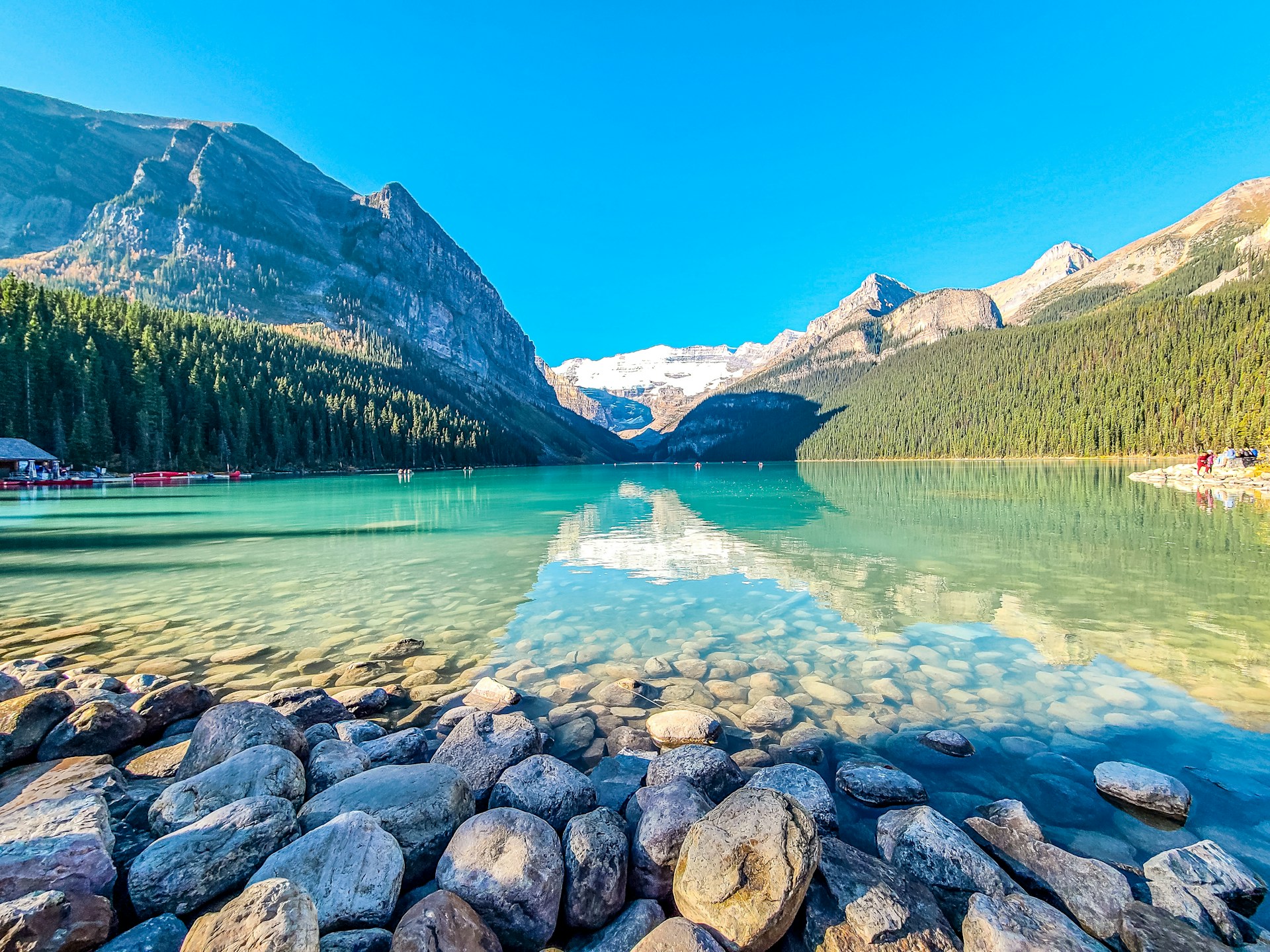
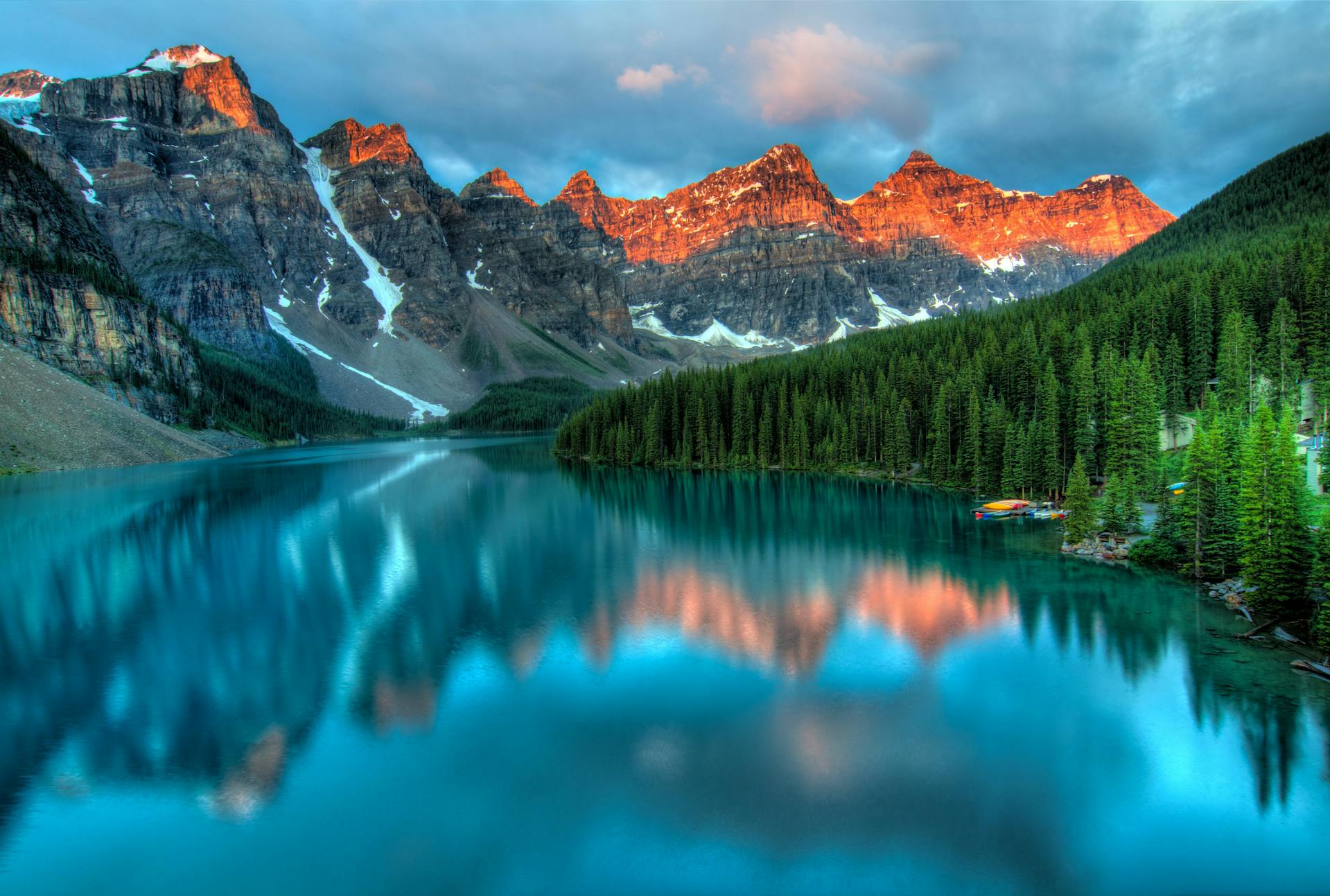
Western Canada is all about the drama—towering mountains, sparkling alpine lakes, and that endless Pacific coastline. The Canadian Rockies, stretching across Alberta and British Columbia, steal the show with spots like Lake Louise and Moraine Lake.
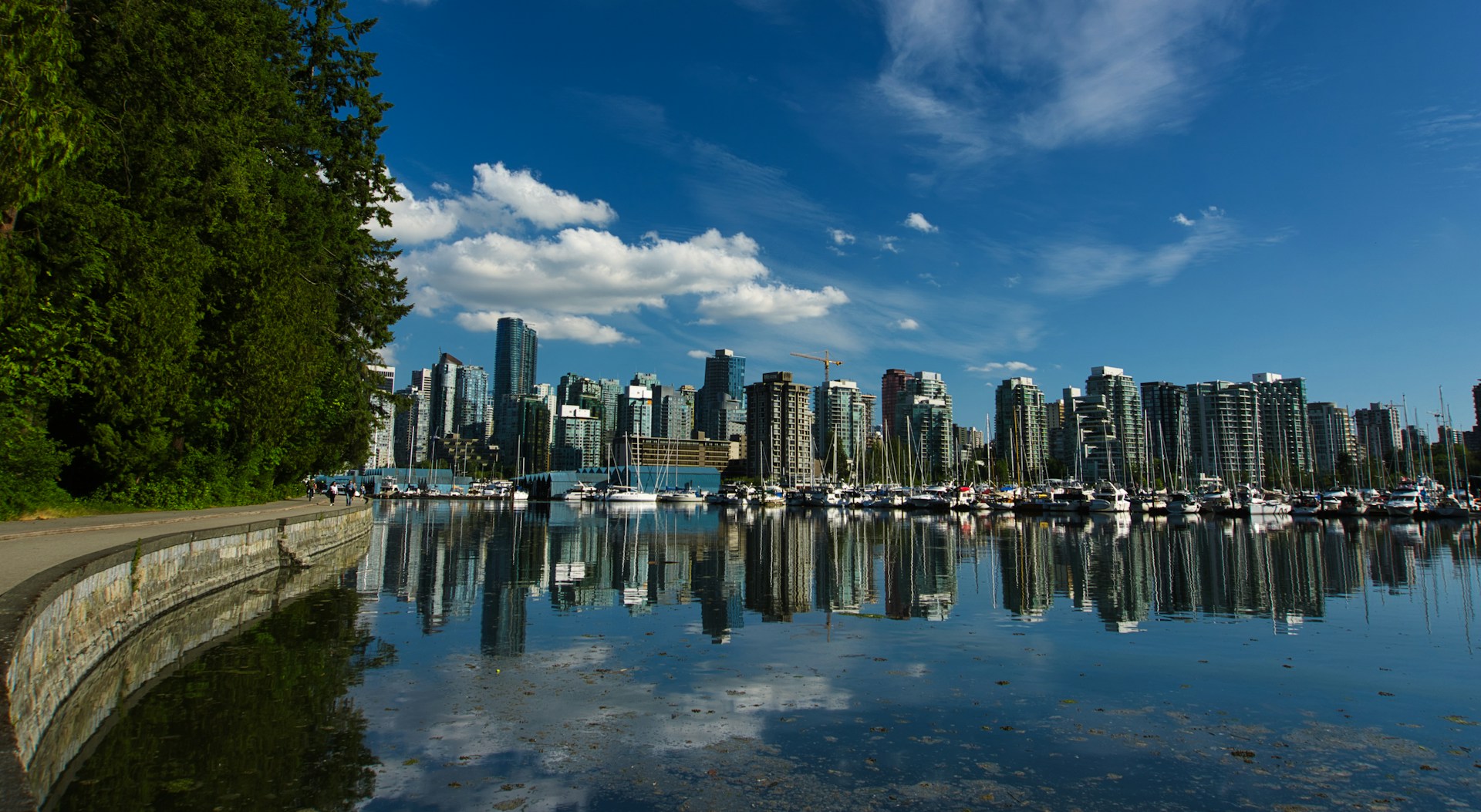
You’ll spot First Nations influence everywhere, especially around Vancouver and on Vancouver Island. Totem poles pop up in Stanley Park and tucked-away island corners.
Calgary leans into its cowboy roots, where country music and cowboy hats aren’t just for show. On the coast, things get breezy and relaxed, but you’ll still find plenty of trendy city energy.
Eastern Canada mixes big cities with a patchwork of cultures. Quebec stands out with its strong French heritage—second only to Paris, believe it or not.
The Maritimes bring Celtic and Gaelic traditions to life. Newfoundland even throws in a bit of Viking history for good measure.
Eastern Canada offers more places to stay thanks to a bigger population. I’ve always found the balance between city comforts and lush nature a bit easier to manage in the East.

Major Provinces and Destinations
West Coast highlights:
- British Columbia: Vancouver, Victoria, Pacific Rim National Reserve
- Alberta: Calgary, Banff, Jasper National Parks
East Coast highlights:
- Quebec: Montreal, Quebec City
- Ontario: Toronto, Ottawa, Bruce Peninsula
- Maritime Provinces: Halifax, Cape Breton, Bay of Fundy
Vancouver keeps racking up awards as one of the world’s best cities. Quebec City? It’s easily the most romantic spot in Canada, especially if you love cobblestone streets.
Toronto brings together cultures from all over, and you can’t miss the CN Tower. Halifax, meanwhile, feels like a true coastal village with some of the best seafood around.
Travel Logistics and Accessibility
Best travel times can make or break your trip. Western Canada shines from June to September—that’s when the lakes thaw and hiking trails finally open up.
Eastern Canada welcomes visitors year-round. Even in winter, the cities stay lively, and summer unlocks the outdoors.
If you’re booking in July or August out West, plan ahead. That’s peak season, and everything fills up fast—especially RVs and hotels.
The East offers more flight options and places to stay, thanks to its bigger cities. The West feels wilder, and once you leave the main hubs, services can get sparse.
Think about wildlife, too. Western Canada’s bear-watching season runs August through November. In the East, whale watching along the St. Lawrence near Tadoussac is a highlight.

Defining Your Canadian Travel Personality
Your travel personality shapes every decision, from coast to coast. Once you figure out your patterns, it gets way easier to match your vibe to the right region.
How Personality Influences Destination Choice
Your personality really guides your travel choices in Canada. Introverts often seek out quiet places like the Maritimes or tucked-away mountain towns. Extroverts? They’re drawn to the buzz of Toronto or Vancouver.
Risk-takers go for high-adventure spots. They’ll head to Banff for climbing or even the Yukon for untamed camping.
If you’re a creature of comfort, you’ll stick with well-known tourist areas—think nice hotels and good restaurants.
Your values matter, too. Eco-conscious travelers look for sustainable lodges in British Columbia. Culture fans dive into Quebec’s French heritage or seek out authentic Indigenous experiences.
Budget plays a role. Luxury lovers splurge on Fairmont hotels in the Rockies. Budget travelers might camp in national parks or book hostels in the city.
Popular Travel Personality Frameworks
The Canadian Tourism Data Collective breaks travelers into seven types. You’ve got Refined Globe Trotters chasing luxury, and Outdoor Explorers looking for remote trails.
Culture Seekers crave real local connections. Purpose-Driven Families want their kids to learn something new. City Trippers thrive on urban adventures and nightlife.
Fun & Sun Families head for beaches, while Simplicity Lovers prefer small towns and quiet corners.
Each type fits different regions. Culture Seekers feel right at home in Eastern Canada’s old cities. Outdoor Explorers? They’ll never run out of trails in the West.
Even Myers-Briggs types come into play. Sensing folks love detailed plans and famous sights. Intuitives chase hidden gems and spontaneous adventures.

Linking Personality Types to Trip Styles
Different personalities create totally different trips. Planners book everything months out and stick to the schedule. They’ll join guided tours in the Rockies or city walks in Montreal.
Spontaneous travelers? They grab last-minute flights and change plans on the fly. Road trips across provinces or open-ended city stays are their jam.
Social butterflies sign up for group tours and love busy hostels. They’re drawn to Toronto’s nightlife or the Calgary Stampede.
Solo adventurers seek independent travel and quiet places. Newfoundland’s coast or Saskatchewan’s prairies often call to them.
Comfort-seekers stick with hotels and popular routes. Adventure-seekers pick camping, hiking, and those wild, less-traveled spots.
Trip length matters, too. Detail-oriented types often take shorter, tightly-planned trips. Big-picture thinkers might wander for weeks, stopping wherever curiosity leads.
Which Coast Matches Your Travel Style?
Canada’s coasts couldn’t be more different, and your personality really does steer you to the right one.
Adventure Seekers: Rockies or Atlantic Wilds?
Western Canada thrills adrenaline junkies year-round. The Canadian Rockies? World-class skiing at Whistler and Banff is just the start. You can heli-ski in BC or tackle serious mountain biking trails.
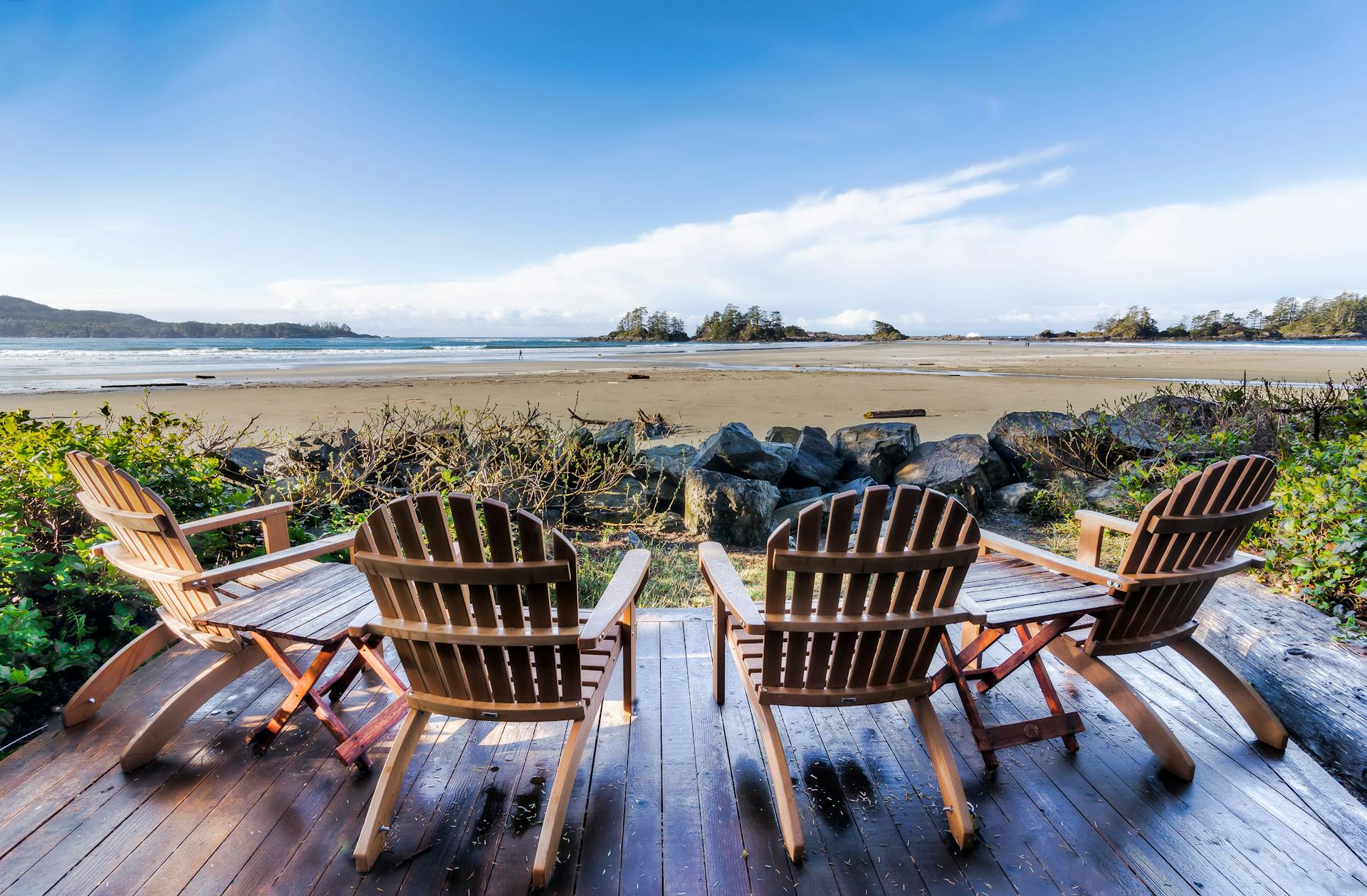
Surfing in Tofino is wild, and the Fraser River’s white-water rafting demands guts. Rock climbing in Squamish gives you ocean views and sheer granite faces.
Eastern Canada brings its own rugged edge. Sea kayaking around Nova Scotia’s cliffs feels epic. The Bay of Fundy’s crazy tides make for unforgettable adventures.
Newfoundland offers iceberg and whale watching. The East Coast Trail stretches 300 kilometers along wild coastline. In winter, you can go ice climbing or snowmobiling through thick forests.
If you want mountains, go West. For coastal and maritime adventure, East is your playground.

History and Culture Enthusiasts
Eastern Canada is a dream for history buffs. Quebec City’s 400-year-old buildings and French colonial streets are worth wandering. Walking the old city walls or exploring Place Royale feels like stepping back in time.
Halifax brims with maritime stories at the Maritime Museum, including Titanic artifacts. The fortress of Louisbourg brings 18th-century life to the present.
Prince Edward Island has a special Anne of Green Gables charm. New Brunswick’s Acadian culture adds another layer of tradition.
Western Canada leans into Indigenous heritage and pioneer tales. Vancouver’s museums showcase First Nations art and totem poles. Cultural centers on Alert Bay go deep into local stories.
Victoria’s Royal BC Museum covers 10,000 years of Pacific Northwest history. Barkerville takes you into gold rush days with its ghost town vibe.
East for European colonial history, West for Indigenous and frontier stories.
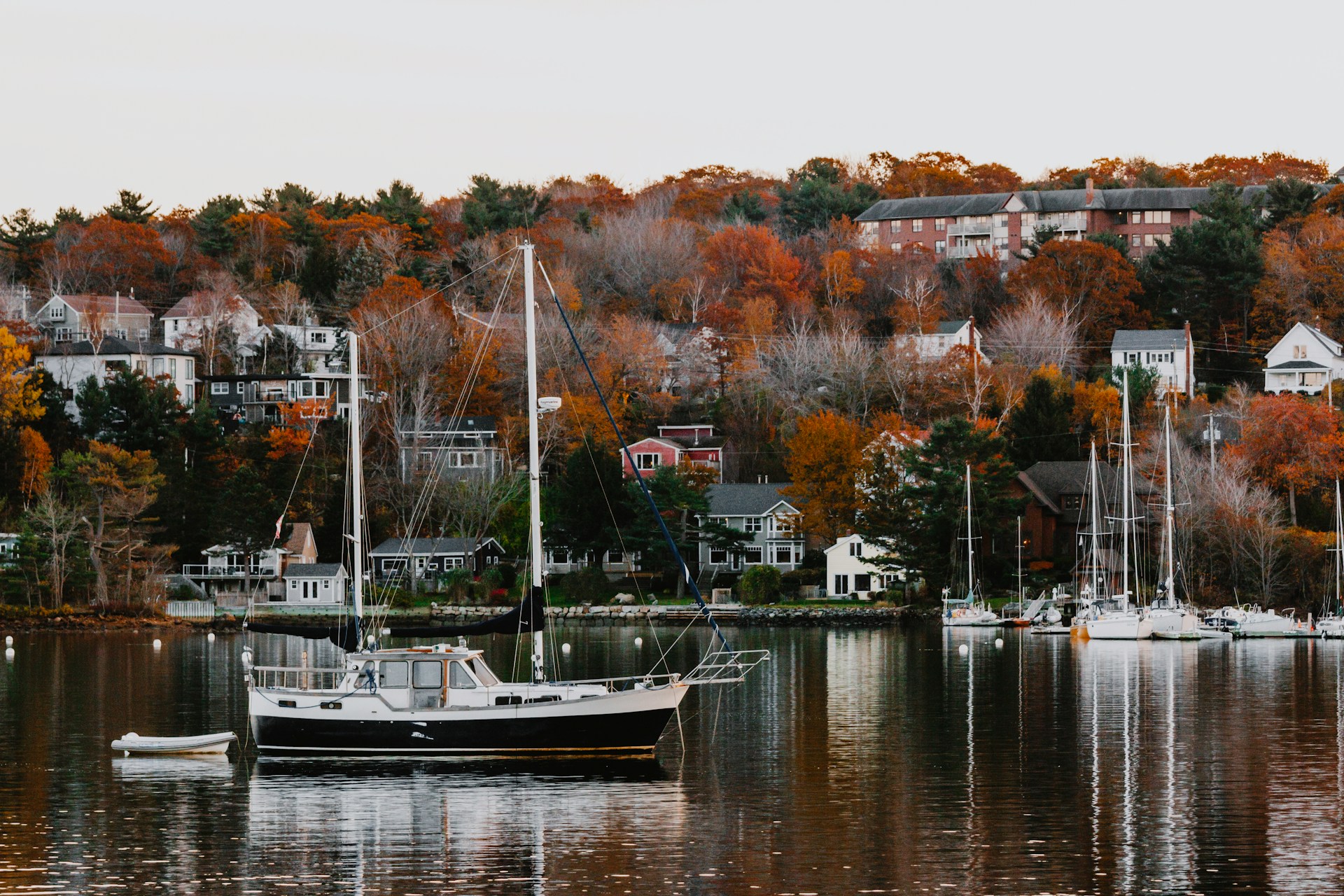
Nature Lovers and Outdoor Explorers
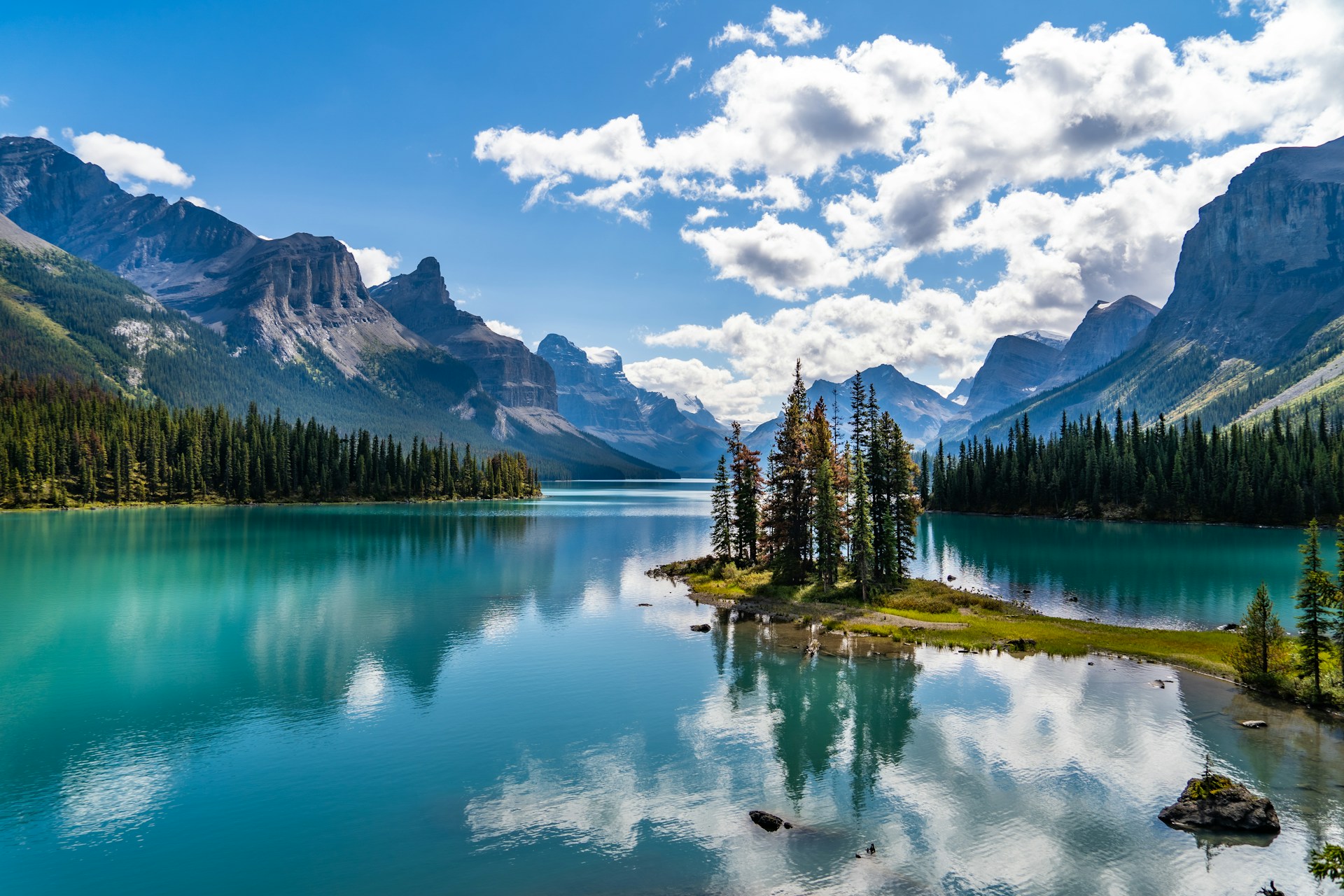
Western Canada packs a punch with its landscapes. Banff and Jasper overflow with glacier-fed lakes and towering peaks. Wildlife? Grizzlies, elk, mountain goats—you name it.
Pacific Rim National Park mixes ancient rainforests with wild beaches. Some cedar trees are over 1,000 years old. Whale watching off Vancouver Island is unreal—think orcas and humpbacks.
Eastern Canada is gentler but just as gorgeous. Gros Morne in Newfoundland features fjords and ancient mountains. Hiking the Tablelands feels otherworldly.
The Bay of Fundy shelters rare birds and sea life. Nova Scotia’s Cabot Trail winds through forests and along cliffs. Prince Edward Island charms with red sand beaches and rolling farms.
Dramatic mountains and forests in the West, coastal beauty and maritime nature in the East.

Social Travelers vs. Solitude Seekers
Social travelers will love the West’s cities. Vancouver buzzes with nightlife and amazing food. Granville Island Market and Gastown’s restaurants are musts. Calgary Stampede draws huge crowds for a western-style party.
Whistler Village keeps things lively all year. Hostels and bars fill up with travelers from everywhere.
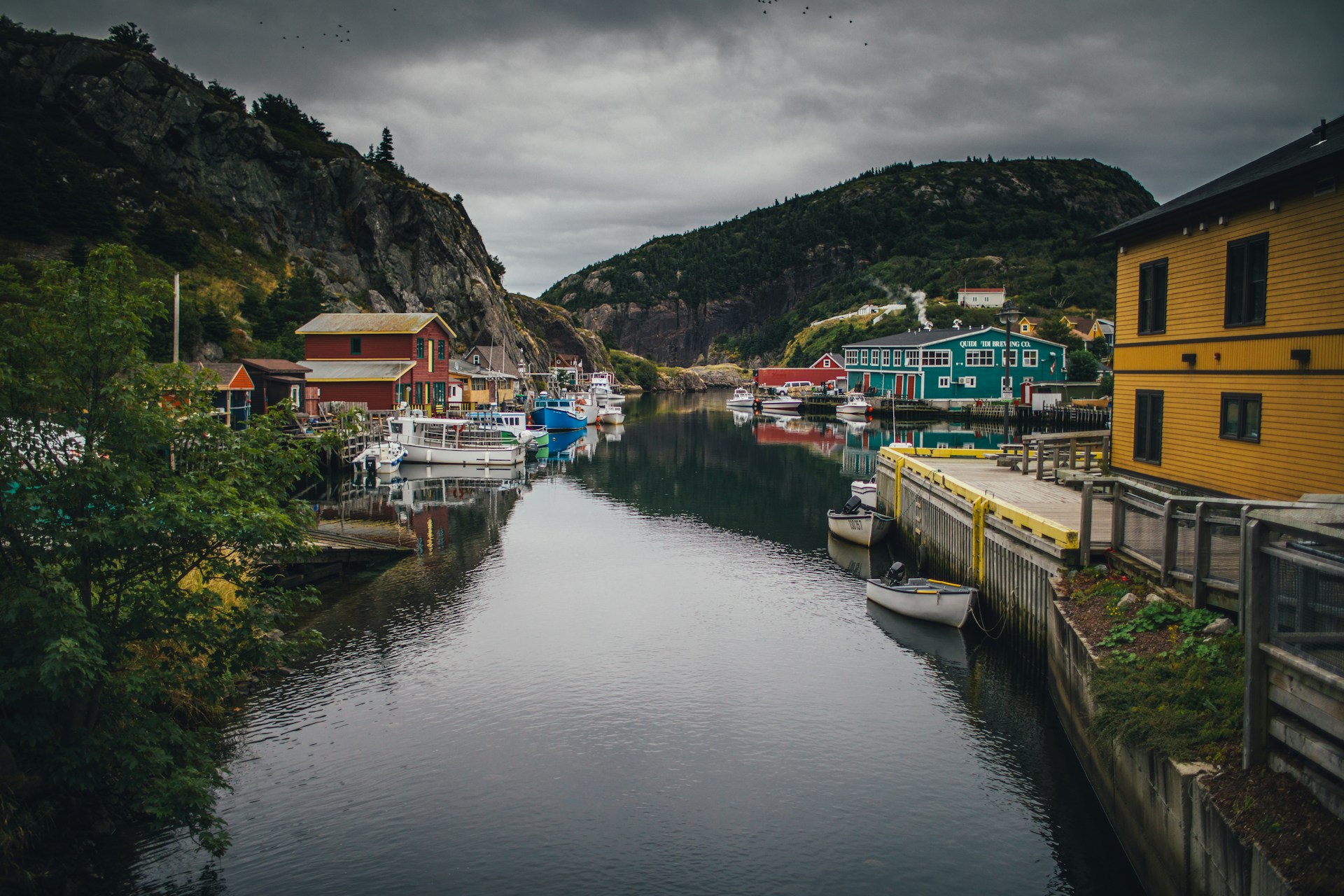
Solitude seekers find peace in the East’s wild places. Newfoundland’s tiny fishing villages feel like another world. Nova Scotia’s quiet coastal towns are perfect for unplugging.
Prince Edward Island’s country roads lead to empty beaches. New Brunswick’s forests offer real escape.
Western Canada has solitude, too. BC’s backcountry hides thousands of untouched lakes and mountains.
West for social city vibes, East for tranquil retreats.
Unique Experiences in Western Canada
Western Canada delivers adventures you just can’t get anywhere else. From glacial peaks to ancient rainforests, the region combines epic national parks, deep Indigenous roots, and lively cities into one unforgettable trip.
National Parks and Natural Wonders
The Canadian Rockies stretch across seven UNESCO World Heritage parks in Alberta and BC. Banff and Jasper National Parks overflow with turquoise lakes and snow-capped mountains.
The Icefields Parkway runs 232 kilometers between these parks. Along the way, you’ll pass massive glaciers and the Columbia Icefield.
Great Bear Rainforest covers six million hectares of old-growth forest on the Pacific coast. Grizzly bears, black bears, and rare white Kermode bears all call it home.
Knight Inlet Lodge sits on the water and offers front-row seats to the bear action during salmon runs. In autumn, up to 50 bears gather within a 10-kilometer stretch.
The Sea to Sky Highway links Vancouver to Whistler, winding past waterfalls, hiking trails, and mountain viewpoints. It’s one of those drives you’ll remember.
Indigenous Cultural Connections
First Nations culture shapes life throughout BC and the western provinces. Cultural centers, art galleries, and traditional villages keep thousands of years of heritage alive.
Vancouver Island stands out for authentic Indigenous experiences. Guided tours and storytelling sessions share local history, art, and even traditional food.
The Great Bear Rainforest holds huge significance for coastal First Nations. Many lodges and tours partner with Indigenous guides who share their spiritual connection to the land.
Haida Gwaii, off BC’s coast, preserves ancient village sites and totem poles. Exploring with Haida guides gives you an inside look at their way of life.
Indigenous art pops up everywhere in western cities. Vancouver and Victoria feature galleries and public installations with both traditional and modern Native artwork.
West Coast Urban Life and Activities
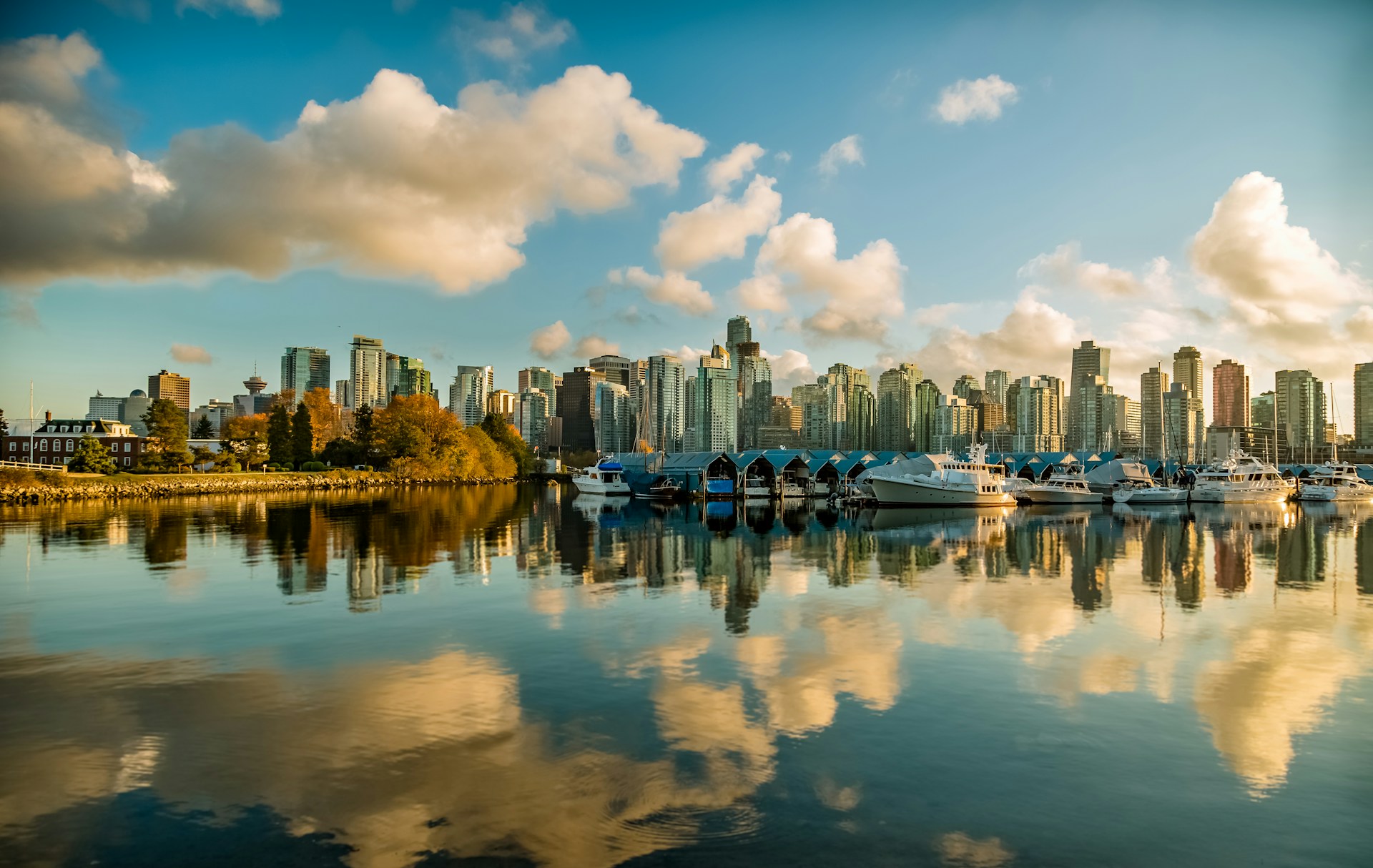
Vancouver blends mountain access and ocean views with all the perks of city life. You can ski in the morning and kayak in English Bay by afternoon—how many cities offer that?
Stanley Park covers 1,000 acres of forest and waterfront in the city. It’s packed with beaches, trails, and a famous totem pole collection.
Victoria, on Vancouver Island, keeps its British colonial charm. The Inner Harbour is home to the Parliament Buildings, the Empress Hotel, and ferries to the mainland.
Whale watching leaves from both Vancouver and Victoria. Johnstone Strait draws nearly 300 orcas from June to October, making it a top spot for sightings.
Calgary acts as the gateway to the Rockies and celebrates its western roots. The Calgary Stampede each July brings rodeo, concerts, and plenty of cowboy spirit.
Distinctive Adventures in Eastern Canada
Eastern Canada packs in whale watching along the Atlantic coast, historic walled cities like Quebec City, and a maritime vibe that stretches from Newfoundland all the way to Nova Scotia. French-Canadian heritage pops up everywhere, and there’s always some festival or seafood feast waiting around the corner.
Atlantic Provinces’ Iconic Attractions
Honestly, the Atlantic Provinces deliver some of the most unforgettable coastal moments in Canada. Whale watching? It’s a must. The Bay of Fundy is my go-to spot—humpback and minke whales show up here like clockwork.
Cape Spear in Newfoundland sits at the very edge of North America. If you’re up for it, catch the sunrise and see the continent’s first rays of light. It’s worth the early alarm.
The Bay of Fundy doesn’t mess around. Its tides can swing up to 50 feet. At low tide, you can actually walk out on the ocean floor, then come back later to find it completely underwater. It’s surreal.
Nova Scotia’s Peggy’s Cove serves up classic lighthouse scenes and rugged coastline. Even with the crowds, that fishing village charm feels real and unfussy.
Prince Edward Island has these wild red sand beaches and, of course, all the Anne of Green Gables stops. The island’s so compact that you can hit up a bunch of sights in just one day.
French-Canadian Heritage and Cities
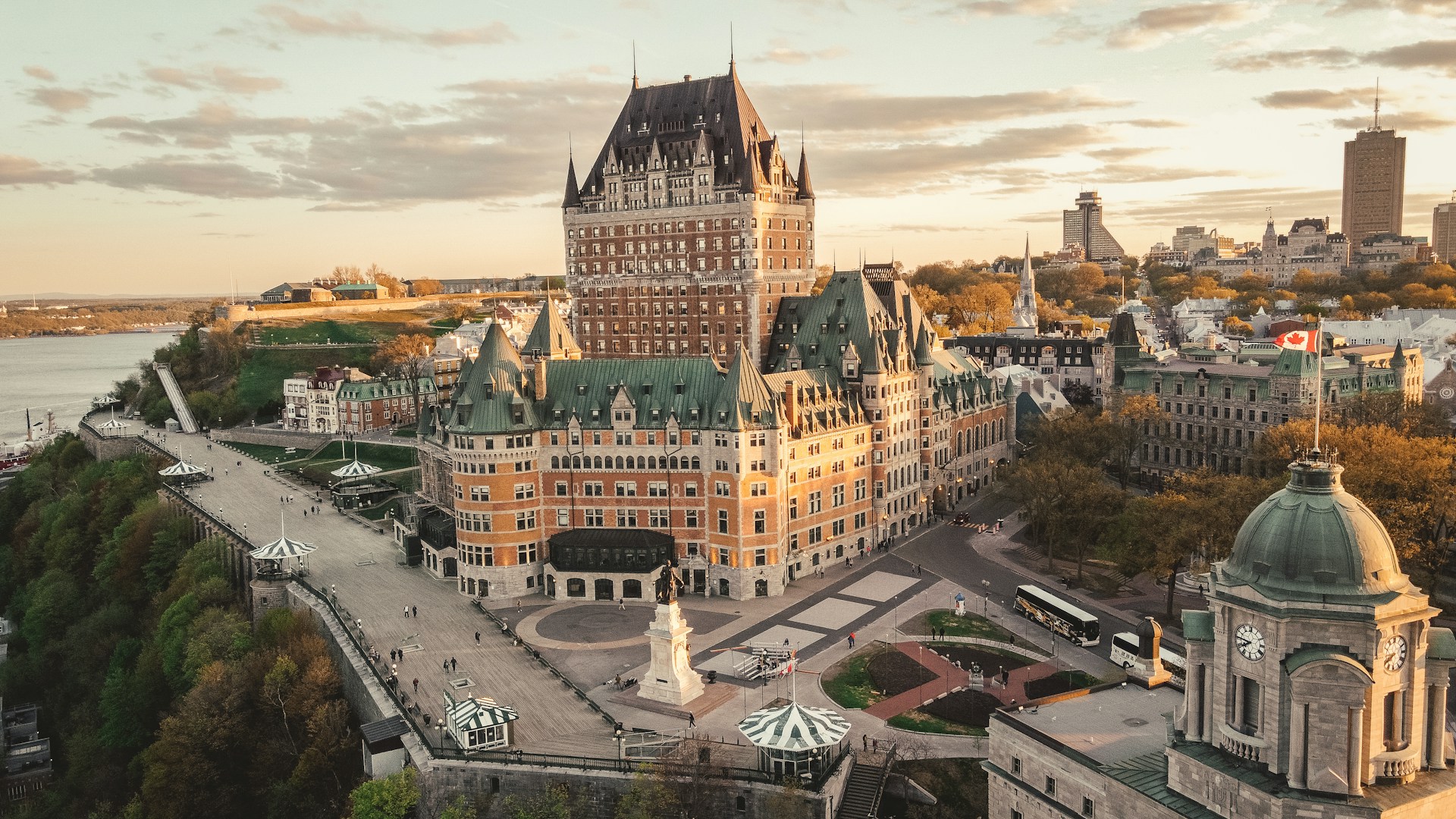
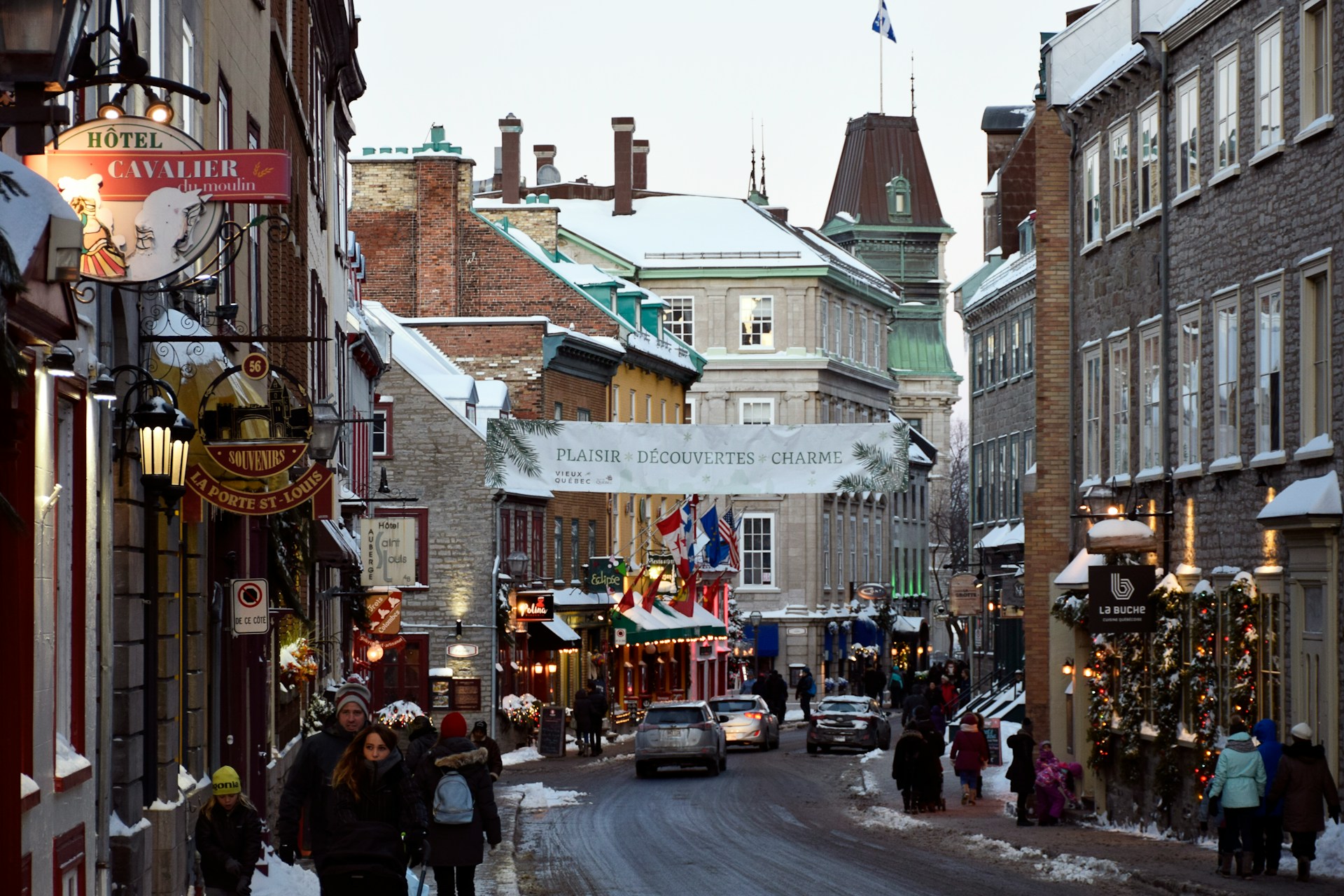
Quebec City stands out as the only walled city in North America with its original 17th-century fortifications. Walking through UNESCO-listed Old Quebec feels like stepping straight into Europe—think cobblestones, old stone buildings, and winding streets.
The Château Frontenac always grabs my attention. It towers above the city, looking every bit the fairy-tale fortress. You can stay there or just wander by and snap a photo.
Montreal mixes French flair with a modern city buzz. Old Montreal charms with its art galleries, stone facades, and French bistros right along the St. Lawrence River.
French is everywhere—on street signs, menus, and in the hum of conversations. It gives the place a vibe you just don’t get elsewhere in Canada.
Across Quebec, historic sites whisper tales of New France. The Plains of Abraham, Citadelle of Quebec, and all those old churches make the past feel close.
Seasonal Festivals and Local Flavors
Festivals here pulse with maritime and French-Canadian energy. Quebec Winter Carnival? The whole city gets blanketed in ice sculptures and snow fun every February.
Don’t leave without tasting some maritime specialties. Lobster rolls in Nova Scotia, scallops in New Brunswick, or mussels on Prince Edward Island—seafood lovers will be in heaven.
Maple syrup season hits its stride in Quebec and Ontario during spring. Sugar shacks pop up everywhere, serving hearty traditional meals and letting you sample syrup fresh from the tree.
Celtic music festivals break out across the Maritimes, especially in Nova Scotia and Cape Breton Island. The Scottish and Irish roots run deep, and the music is impossible to resist.
Come fall, harvest festivals celebrate apples, pumpkins, and cranberries. You’ll catch Acadian music and French-Canadian folk dancing, making the whole season feel like one big party.
Tips for Choosing and Planning Your Perfect Coast
Start with your priorities. I always jot down what matters most before any trip. Are you craving mountains, ocean views, or maybe a little of both? Some folks love the buzz of cities, while others lean toward the charm of small towns.
Think about the time of year. West Coast weather usually stays pretty mild, which is a relief if you hate packing winter boots. But if you head east, brace yourself—winters can be harsh, though you’ll find some epic winter sports.
Budget matters, always. Here’s a quick look at what tends to cost more:
| West Coast | East Coast |
|---|---|
| Hotels in Vancouver | Flights to Atlantic provinces |
| Dining in major cities | Car rentals in peak season |
| Activities in Banff | Accommodations in Quebec City |
Don’t underestimate the distances. Canada’s massive. No way you’ll see it all in one trip.
I usually pick 3-4 main stops at most. That way, you really get to know each place instead of just rushing through.
Book accommodations early if you’re traveling in summer. Trust me, spots like Banff and Halifax fill up before you know it.
Check out seasonal activities. Some attractions shut down in winter, while others only shine during certain months.
Get travel insurance. Medical bills for visitors can be steep, and weather sometimes throws a wrench in your plans.
Download offline maps ahead of time. Cell service gets patchy out in the wild, and you don’t want to get lost.
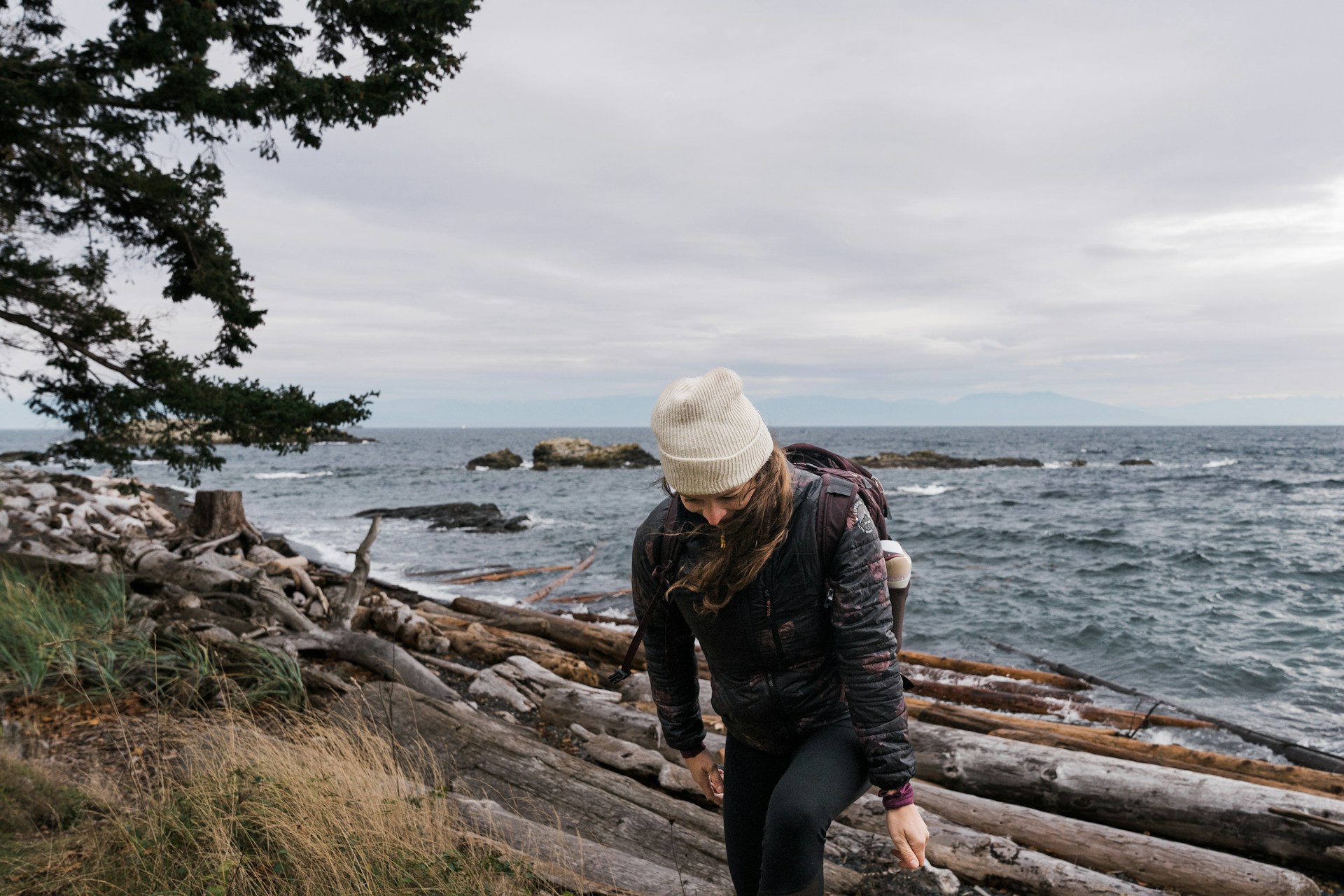
Pack for all kinds of weather. Mountain nights can get chilly, even in July. Coastal spots? Sometimes it’s all wind and drizzle.
Look into connecting flights if you’re aiming for smaller cities. Direct flights mostly hit big hubs like Vancouver, Toronto, or Montreal.
Plan rest days between the big adventures. You’ll thank yourself when you need a breather or if the weather decides not to cooperate.
