
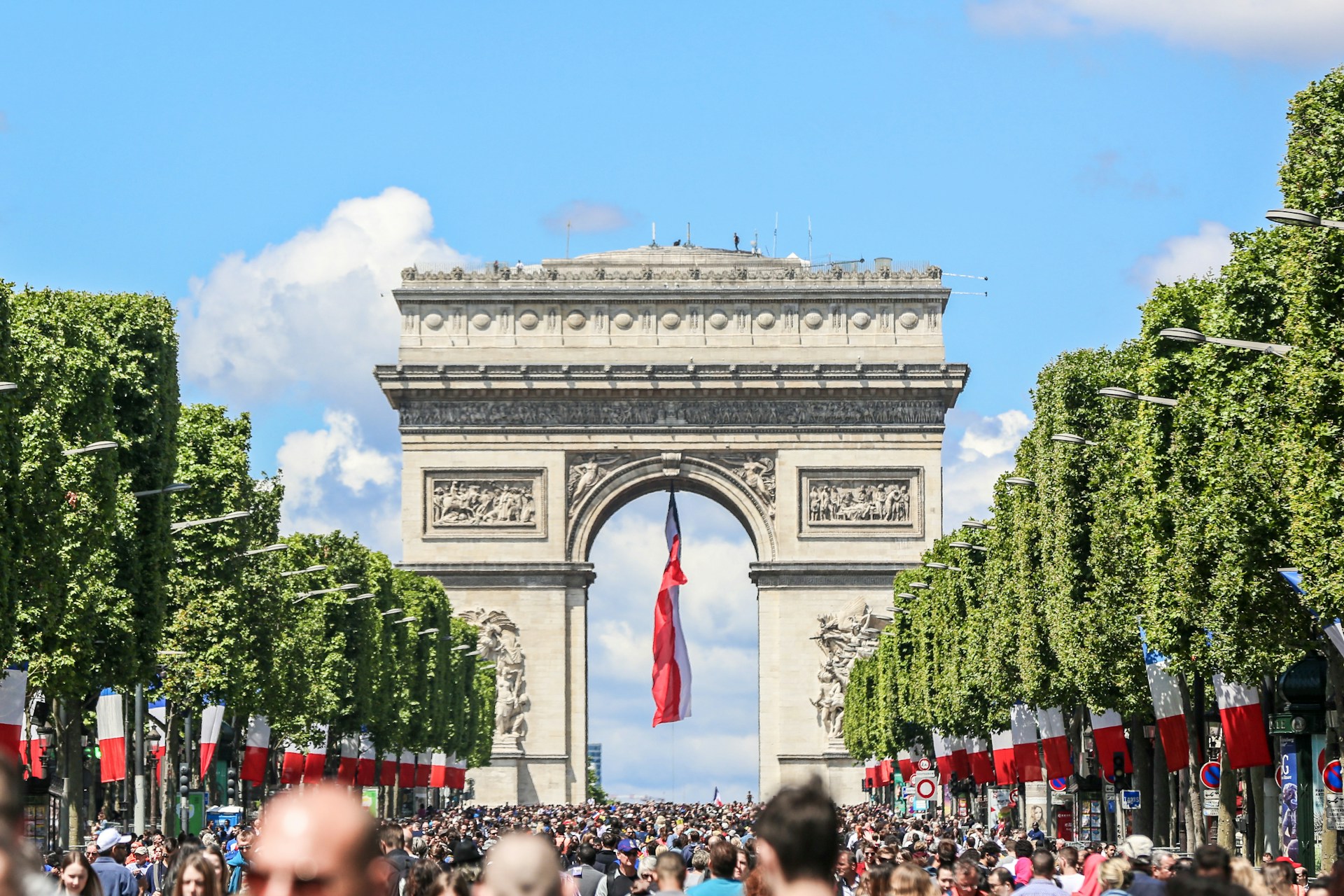
July 14th in France? The whole country just bursts into life. Bastille Day turns every city and village into a festival of national pride—military parades march through historic streets, fireworks light up the sky, and street parties stretch well into the night.
I got to experience this wild, joyful day firsthand. Now I totally get why people call it one of Europe’s most spectacular national holidays.
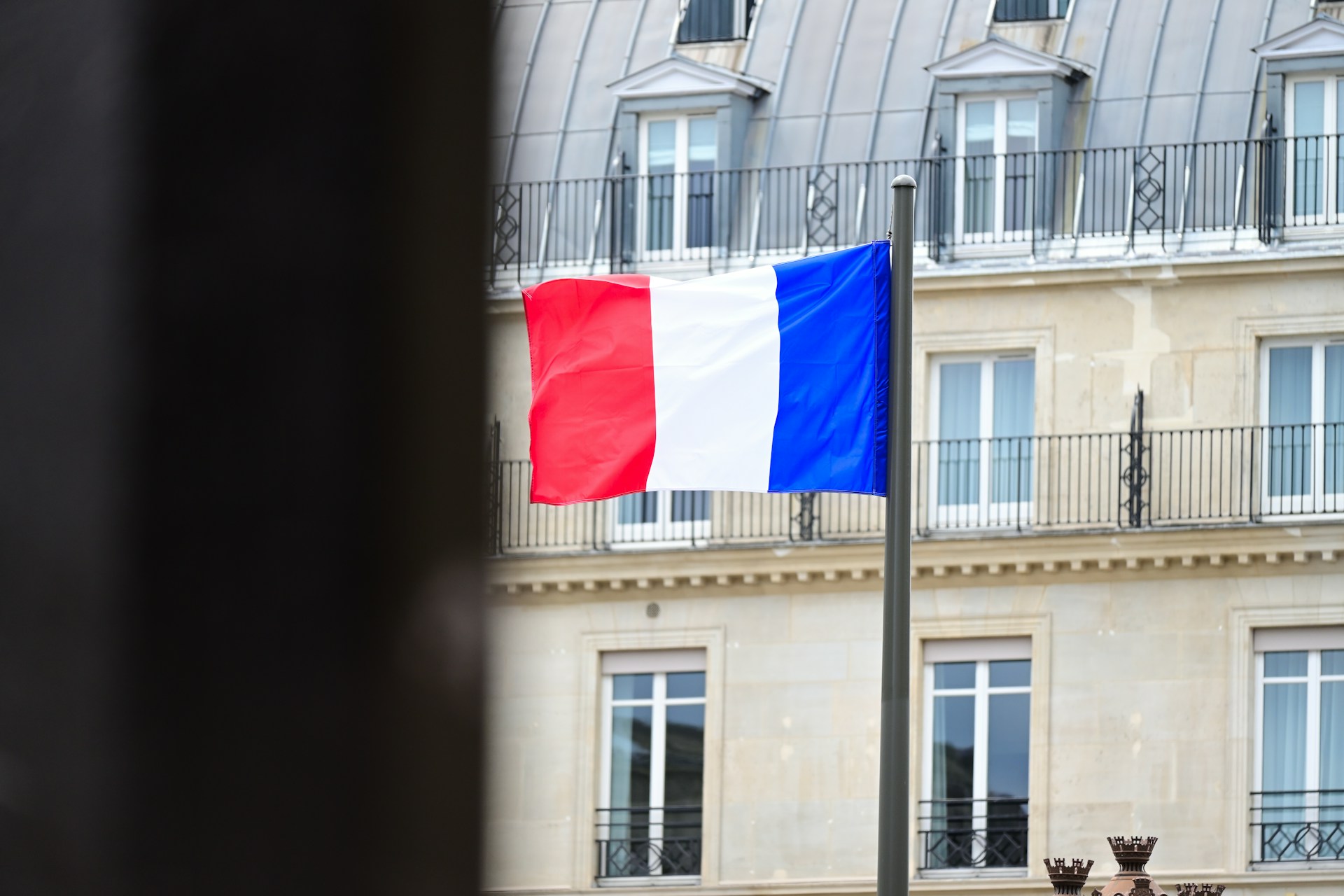
The excitement actually starts building days before July 14th even hits. French flags pop up everywhere—balconies, windows, you name it.
Bakeries whip up patriotic pastries, and fire stations get ready for the legendary Firemen’s Balls. What really makes Bastille Day special, though, is how every neighborhood and tiny town puts its own spin on the celebration.
My day kicked off with the morning military parade and wrapped up beneath a sky exploding with fireworks. In between, I wandered through crowded street festivals, sampled French classics, and soaked up the real pride people here feel for their history.
There’s this mix of serious remembrance and pure fun that you just don’t find anywhere else.
The Historical Significance of Bastille Day
Bastille Day marks July 14, 1789, when Parisians stormed the Bastille prison. That moment kicked off the French Revolution and set France on its path toward liberty, equality, and fraternity.
The monarchy fell, and the country began building a modern national identity.
Origins of Bastille Day and the French Revolution
The French Revolution erupted in 1789. Why? Well, France faced a crushing economic crisis, and people grew angrier every day at King Louis XVI.
Bread prices soared, and regular folks paid heavy taxes while nobles paid nothing. That’s enough to make anyone mad.
By July, Paris was a powder keg. On July 12, people learned that Finance Minister Jacques Necker got the boot. That news spread panic—many feared the king would crack down even harder.
Crowds gathered at the Palais-Royal, and Camille Desmoulins famously urged everyone to revolt. Protests broke out everywhere.
German troops fired on demonstrators at the Tuileries, which only made things worse.
What really fueled the revolution?
- Bread shortages and economic disaster
- Unfair taxes (nobles got off easy)
- The king’s absolute power
- Enlightenment ideas about freedom
Things escalated fast on July 13. Crowds burned toll gates and ransacked buildings for grain. Paris electors pulled together a citizens’ militia—40,000 strong, sporting red and blue cockades.
The Storming of the Bastille Prison
On July 14, 1789, the people needed weapons. They hit the Invalides military hospital first, scooping up 30,000 guns and a dozen cannons.
But they still needed gunpowder and bullets. So, the crowd marched to the Bastille—a medieval fortress that had become a symbol of royal oppression.
Governor Bernard-René de Launay refused to hand over gunpowder, even after several peaceful requests.
At around 1:30 PM, Launay’s men fired on the crowd for the first time. The people responded with cannons they’d hauled over from the Invalides.
By 3:30 PM, those cannons stood ready outside the fortress.
How it went down:
- Morning: Weapons taken from Invalides
- 1:30 PM: Bastille defenders open fire
- 3:30 PM: Cannons face the fortress
- 5:00 PM: Garrison surrenders
At 5 PM, the defenders gave in after promises of fair treatment. The crowd surged in and freed seven prisoners.
About 100 Parisians died that day. The angry mob killed Governor Launay and put his head on a pike.
King Louis XVI didn’t even hear about the uprising until the next morning. When told about it, he asked if it was a revolt.
The Duke of Rochefoucauld-Liancourt replied, “No, Your Majesty, it’s a revolution.” That line still gives me chills.
Birth of the French Republic and National Ideals
The fall of the Bastille became a symbol of the people’s victory over tyranny. Liberty, equality, and fraternity—those ideals shaped France into a republic.
A year later, on July 14, 1790, France held the Festival of the Federation. Instead of violence, this celebration honored unity.
Over 100,000 people gathered at the Champ de Mars in Paris. Lafayette took an oath to the nation, law, and king on behalf of the National Guard. King Louis XVI promised to uphold the new Constitution.
People from all over France joined this peaceful celebration.
The revolution eventually toppled the monarchy and brought in a republican government. The Declaration of the Rights of Man and of the Citizen became a model for human rights everywhere.
In 1880, the Third Republic officially made July 14 a national holiday. They picked this date because it represents both the uprising in 1789 and the unity of 1790.
The law passed on July 6, 1880, made la fête nationale a day to honor French republican values.
Modern Bastille Day still carries both meanings—remembering revolutionary courage and celebrating unity.
Bastille Day Parades: A Spectacle of National Pride
The Bastille Day military parade on the Champs-Élysées is something else. Thousands of French troops, marching bands, and military displays come together in a grand show.
It’s not just about military strength—it’s a nod to revolutionary history, too.
Military Parade on the Champs-Élysées
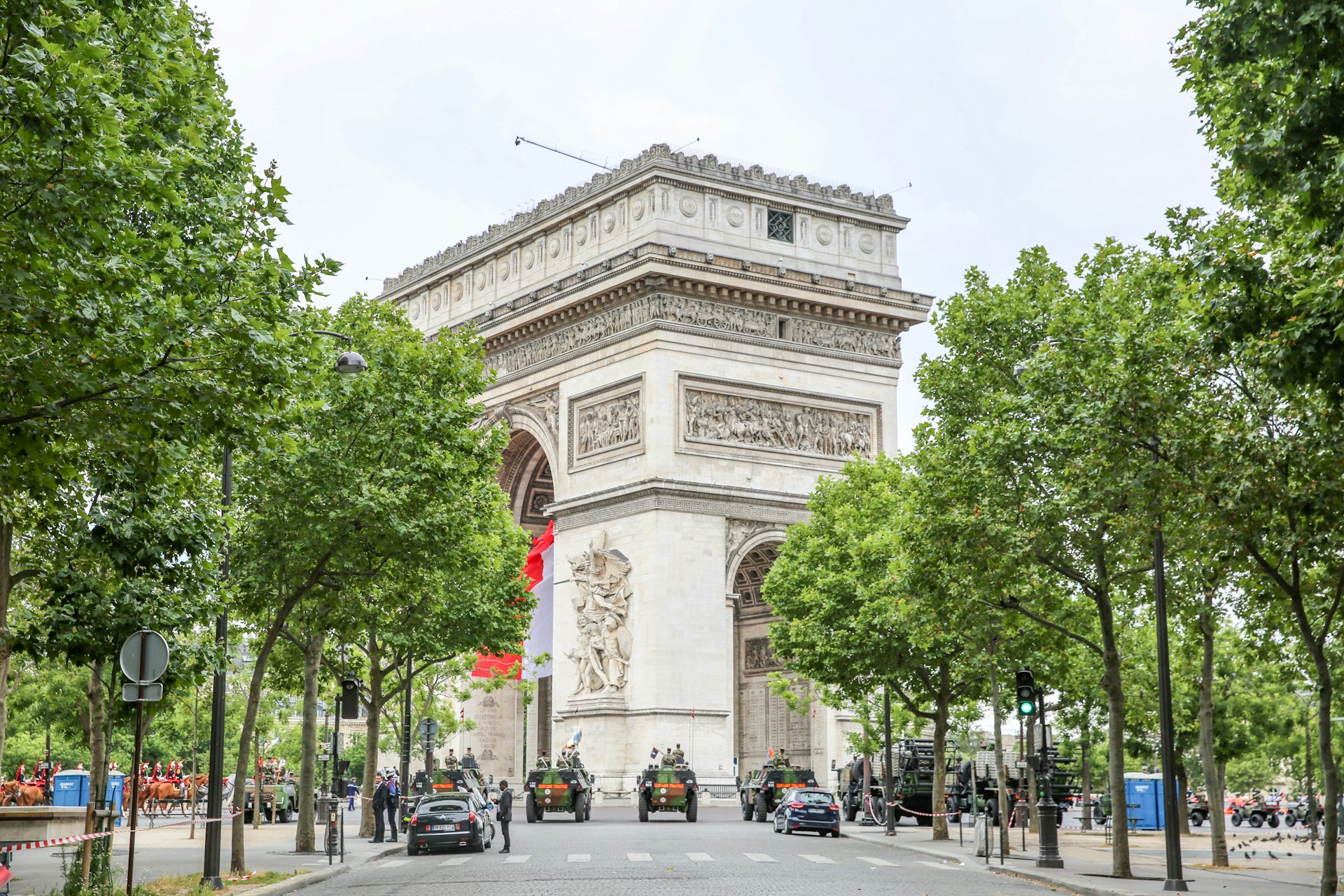
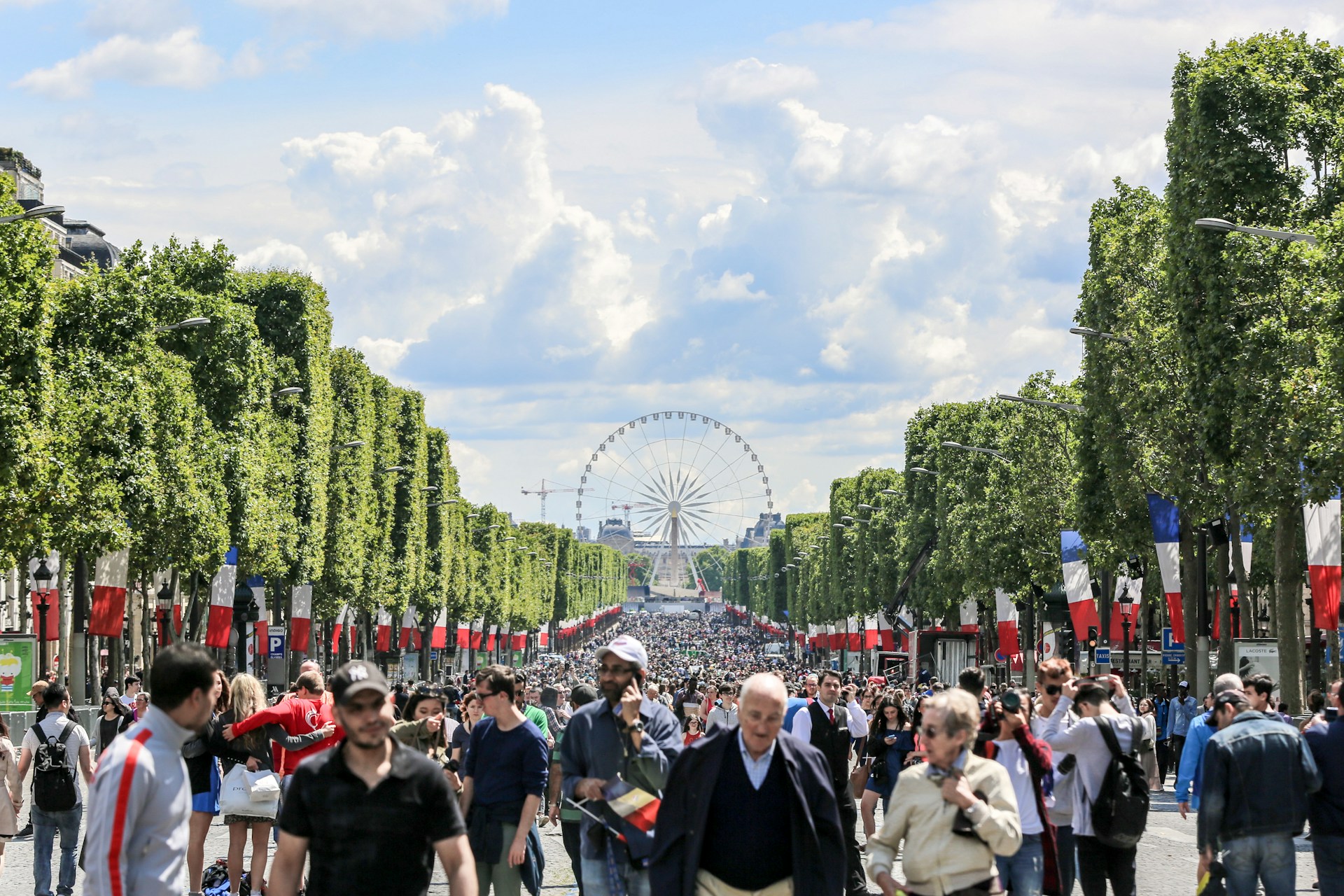
The parade kicks off at 10 AM sharp every July 14th. I stood along the route, watching troops march from the Arc de Triomphe down to Place de la Concorde.
This tradition goes back to 1880. All branches of the French military show up for this one.
If you want a good spot, you’ll need to plan ahead. People start lining the avenue by 7:30 AM. The closer you are to Place de la Concorde, the faster those spots disappear.
I learned the hard way: bring water and snacks. Paris in July gets hot, and there’s not much shade along the parade route.
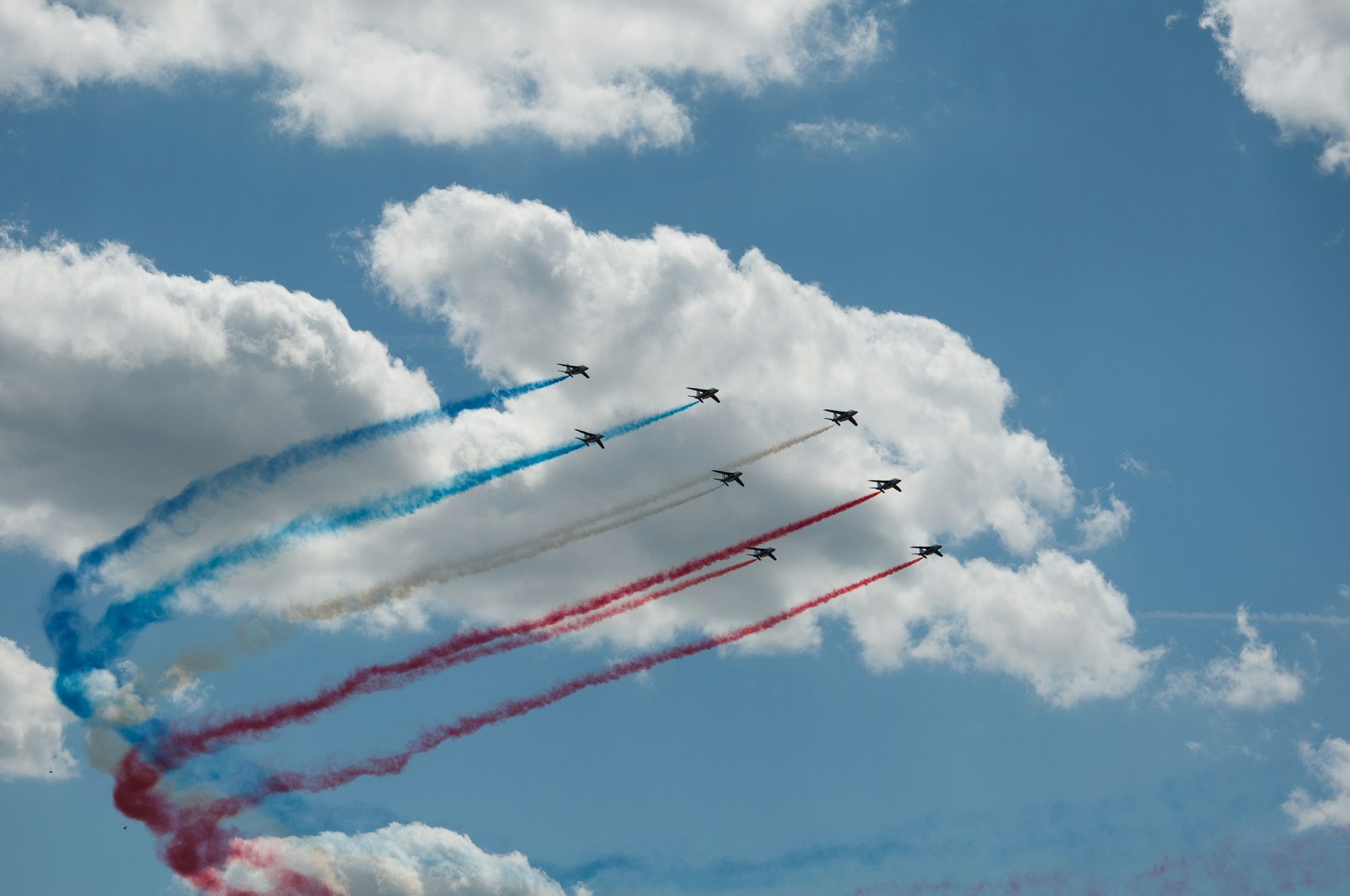
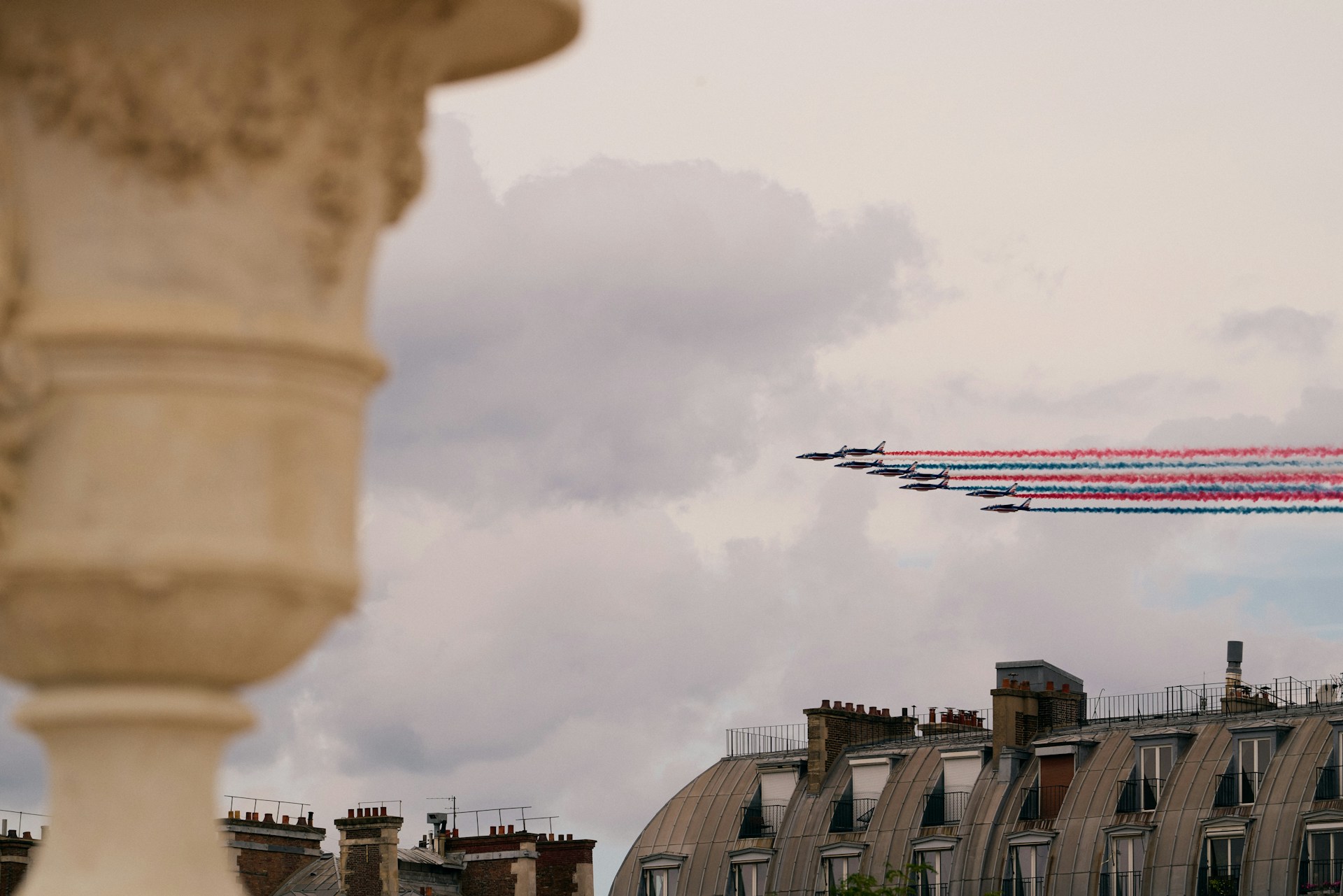
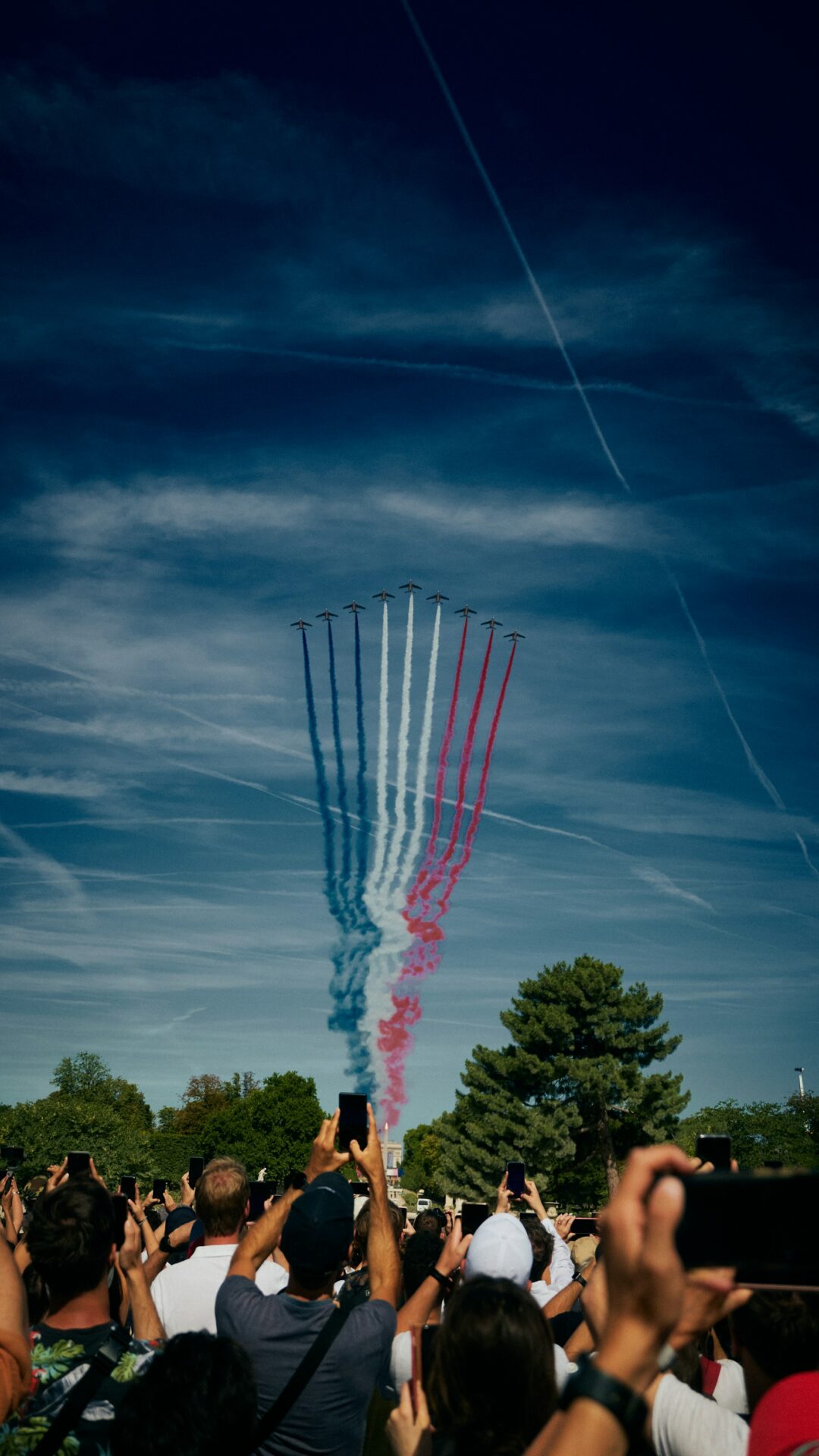
The French Air Force opens the show with flyovers. Their jets streak overhead, painting the sky red, white, and blue.
After that, military vehicles roll past—tanks, armored cars, and all sorts of high-tech gear.
Role of the French Army and Armed Forces
Every branch of the French military takes part. The Army, Navy, Air Force, and National Gendarmerie all have their moment.
The French Foreign Legion stands out with their white kepis and slower marching pace. You can’t miss them.
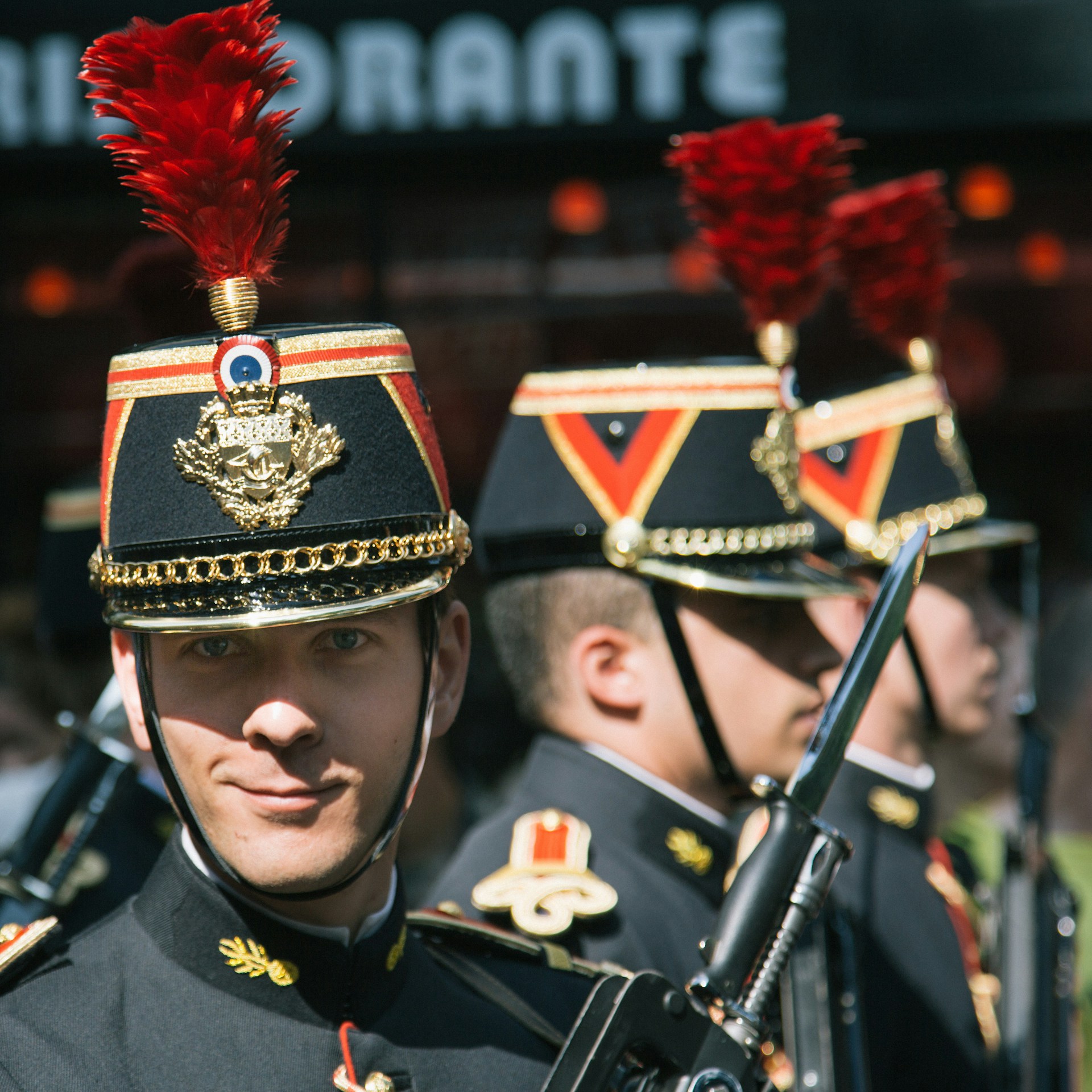
Elite units get the spotlight, too. Special forces, paratroopers, ceremonial guards—they all show off their dress uniforms.
Sometimes, military units from other countries join in. It’s a cool way to show France’s friendships with its allies.
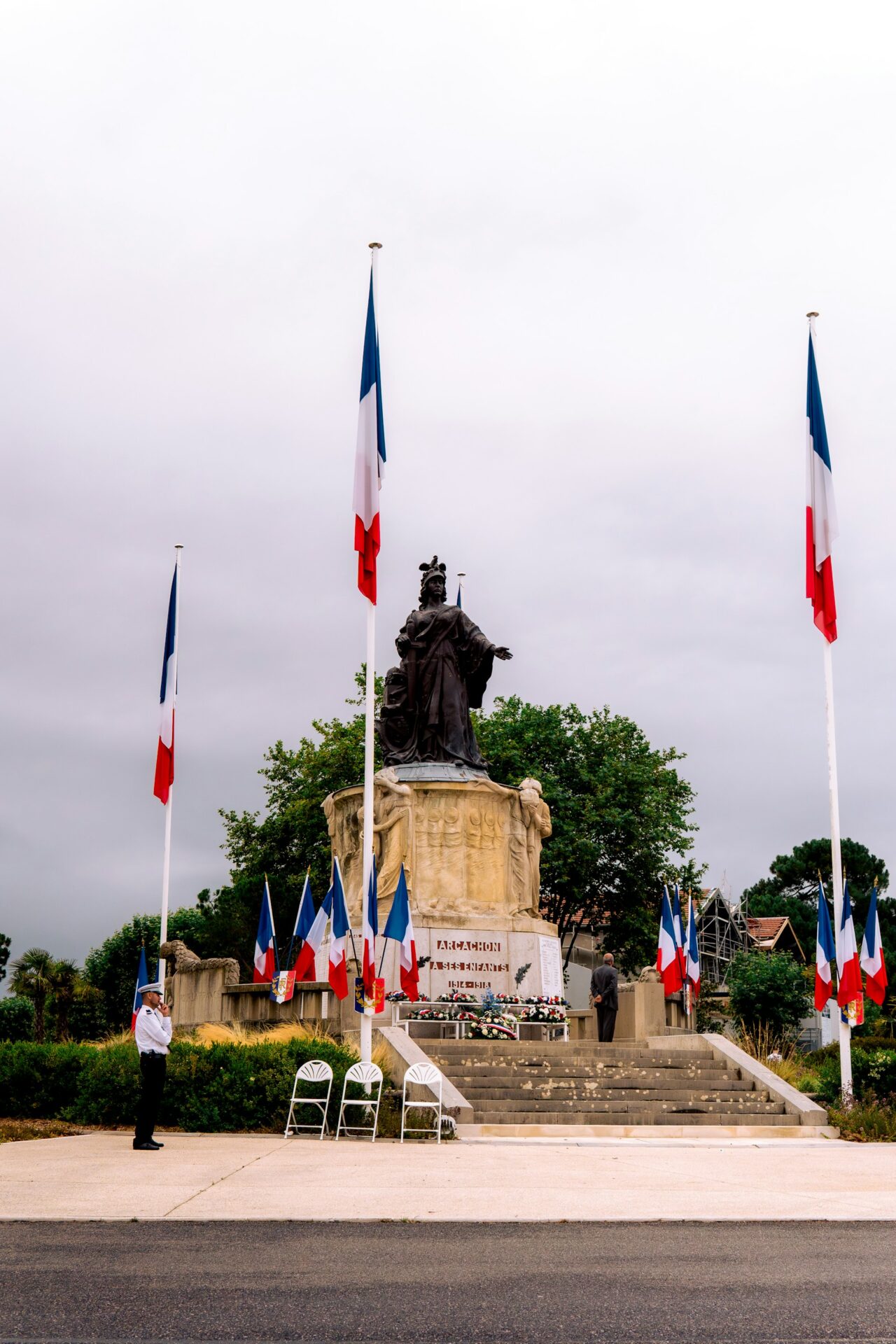
The President of France reviews the troops from a platform. Military leaders salute as they pass, showing respect for civilian leadership.
Veterans march, too. Their presence connects today’s military with France’s long history.
Marching Bands and Traditional Displays
Military bands keep the energy up all morning. Each branch has its own band, and they play everything from classic marches to modern French songs.
The Republican Guard’s mounted band is a crowd favorite. Their horses step in time with the music as they ride down the avenue.
Bands from different parts of France join in, too. This mix of local and national traditions makes the parade feel even bigger.
I loved hearing the music echo between the buildings. It keeps everyone in step and adds excitement.
Color guards carry historic battle flags. Some units even wear uniforms from Napoleon’s time.
These touches connect modern France with its military past.
Fireworks and Evening Celebrations Across France
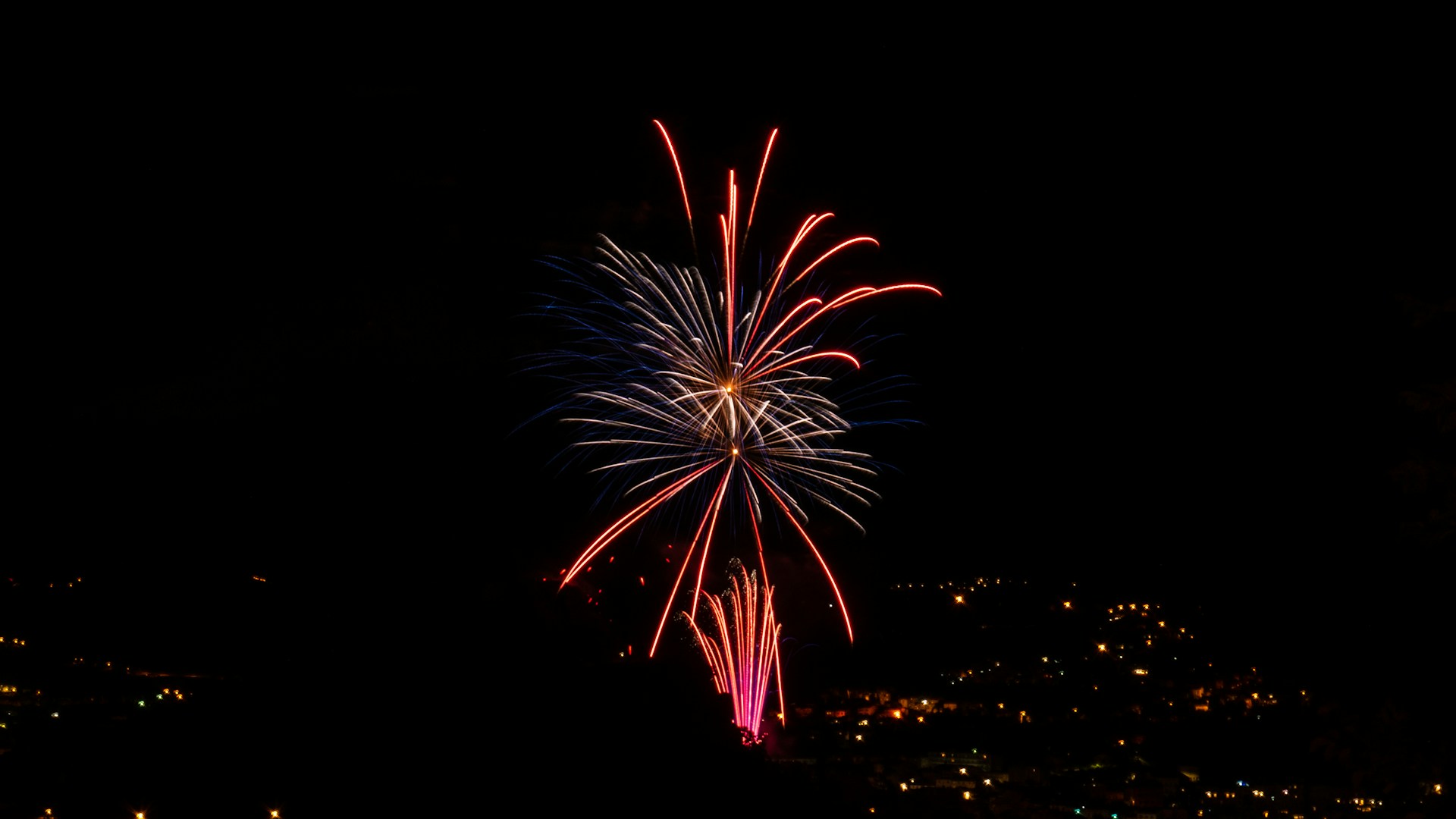
As night falls, fireworks start around 11 PM all over France. The most famous show blasts off right beneath the Eiffel Tower.
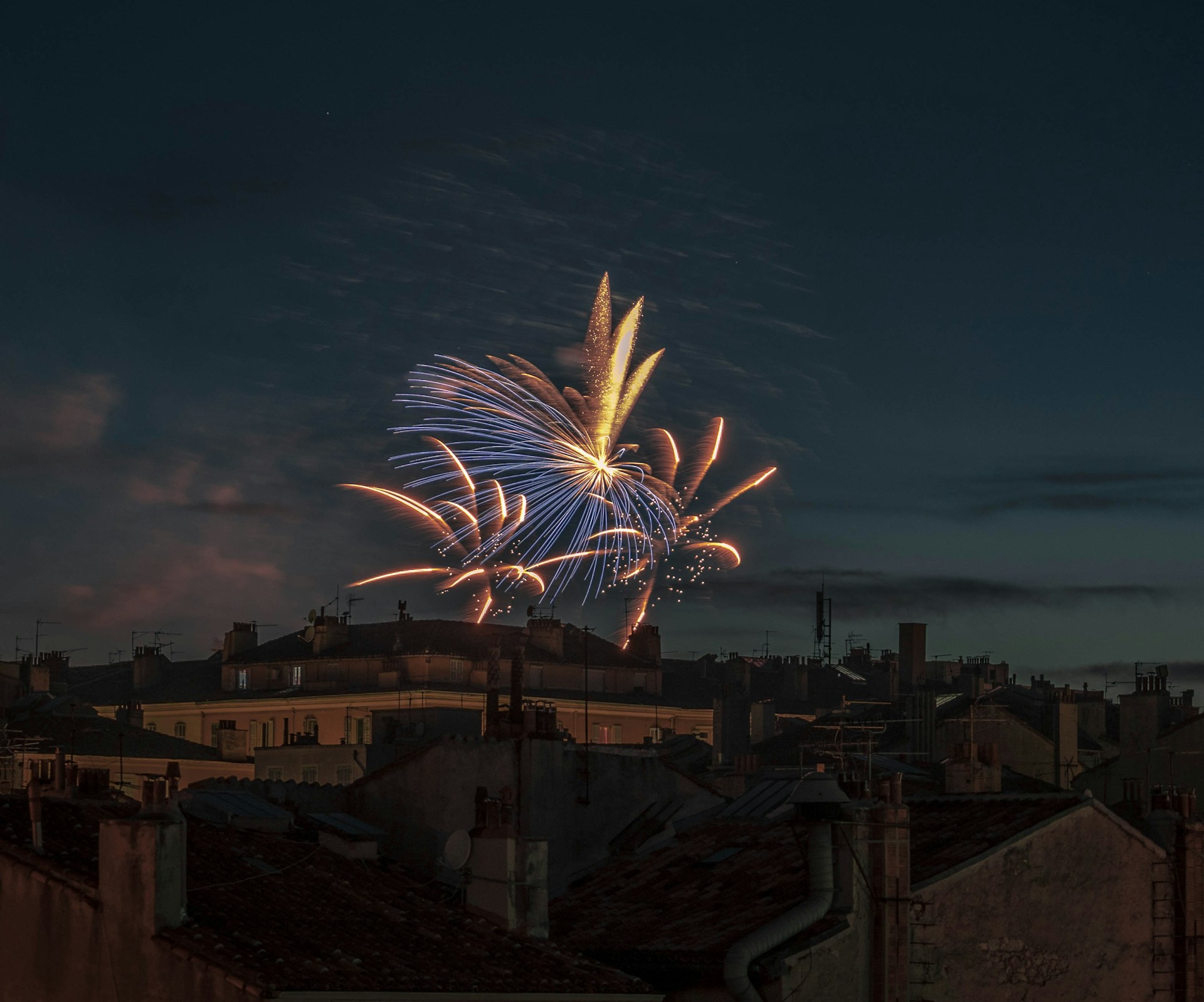
But honestly, cities all over the country put on amazing displays—Annecy’s lakeside fireworks and Carcassonne’s medieval ramparts come to mind.
Fireworks at the Eiffel Tower and Champ de Mars
The Eiffel Tower fireworks are the highlight for many. I watched as bursts of color exploded beneath the iron tower—absolutely unforgettable.
The show starts at 11 PM sharp. Thousands gather on the Champ de Mars for a front-row view.
Fireworks launch from platforms at the base of the tower, and the Seine reflects the whole spectacle.
I got to the Champ de Mars around 9 PM to claim a spot. The field fills up fast, especially close to the tower.
My advice? Bring a blanket and snacks. The wait is long, but those first fireworks make it all worth it.
Best Viewing Spots: Trocadéro, Seine, and Beyond
Honestly, the Trocadéro esplanade might be my favorite place to watch. I crossed the Seine for a wider view of the whole display.
From Trocadéro, you get both the Eiffel Tower and fireworks in one perfect shot. Plus, it’s less crowded than the Champ de Mars.
Other great spots:
- Bridges over the Seine (the reflections are magical)
- Montparnasse Tower’s observation deck
- Montmartre hill for a panoramic view
- Seine river cruises
I loved watching from the bridges—the way the fireworks dance on the water is unreal.
For something more intimate, I once took a Seine boat tour. The boats anchor right in front of the Eiffel Tower during the show.
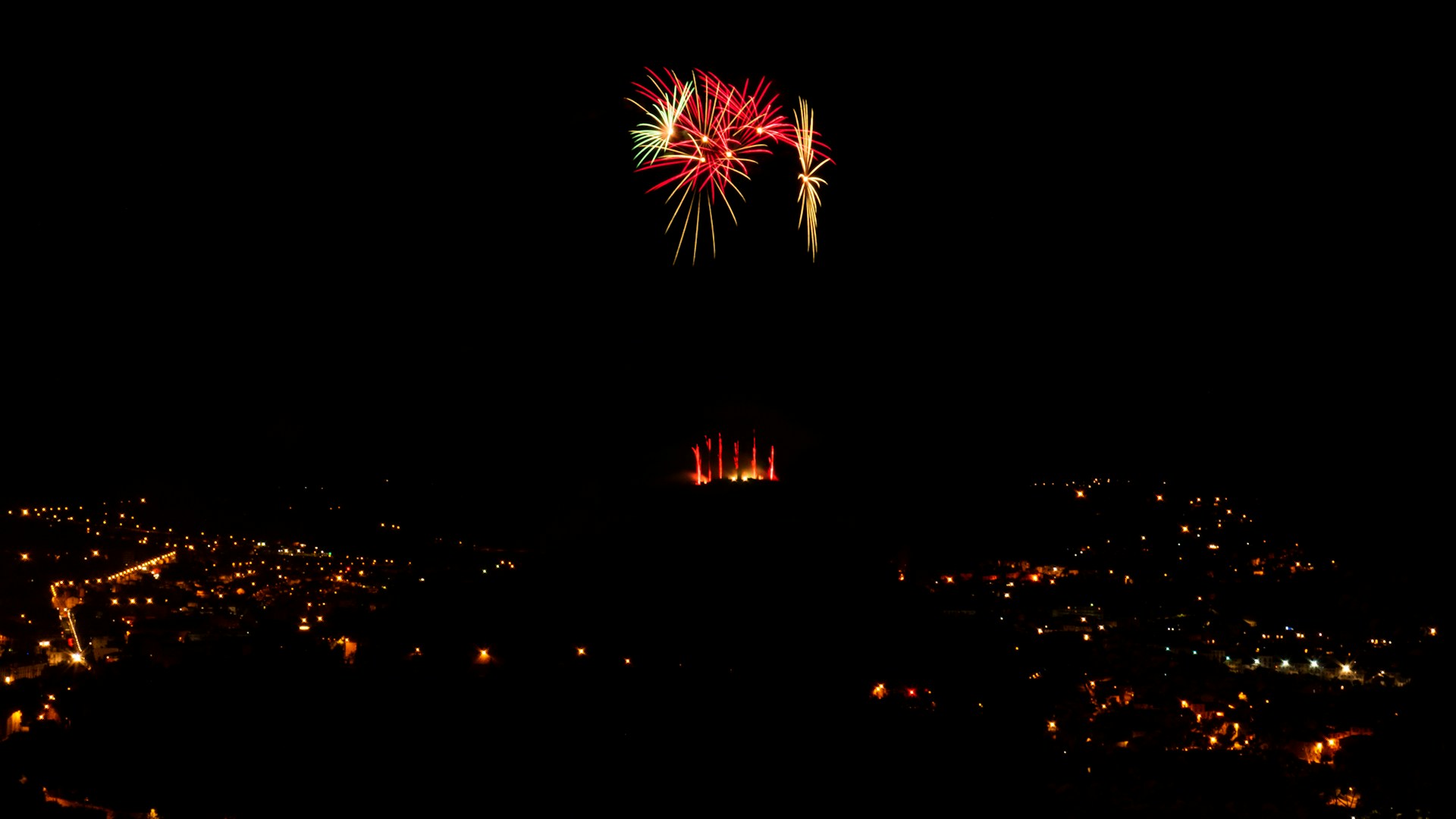
Fireworks Displays in Other French Cities
July 14th isn’t just a Paris thing. All across France, towns and cities put on their own fireworks shows.
In Annecy, fireworks shimmer across the lake, with mountains as the backdrop. The setting feels almost unreal.
Carcassonne is another favorite. Fireworks shoot up from the medieval ramparts, lighting up the ancient fortress.
Coastal towns get creative, too. In Étretat, I watched fireworks from chalk cliffs high above the sea.
Other fantastic spots:
- Nice and Cannes on the Riviera
- Lyon along the Rhône
- Strasbourg near the cathedral
- Bordeaux by the Garonne
Most places celebrate on July 14th, but some cities (like Lyon) start the night before. I always check local schedules just in case.
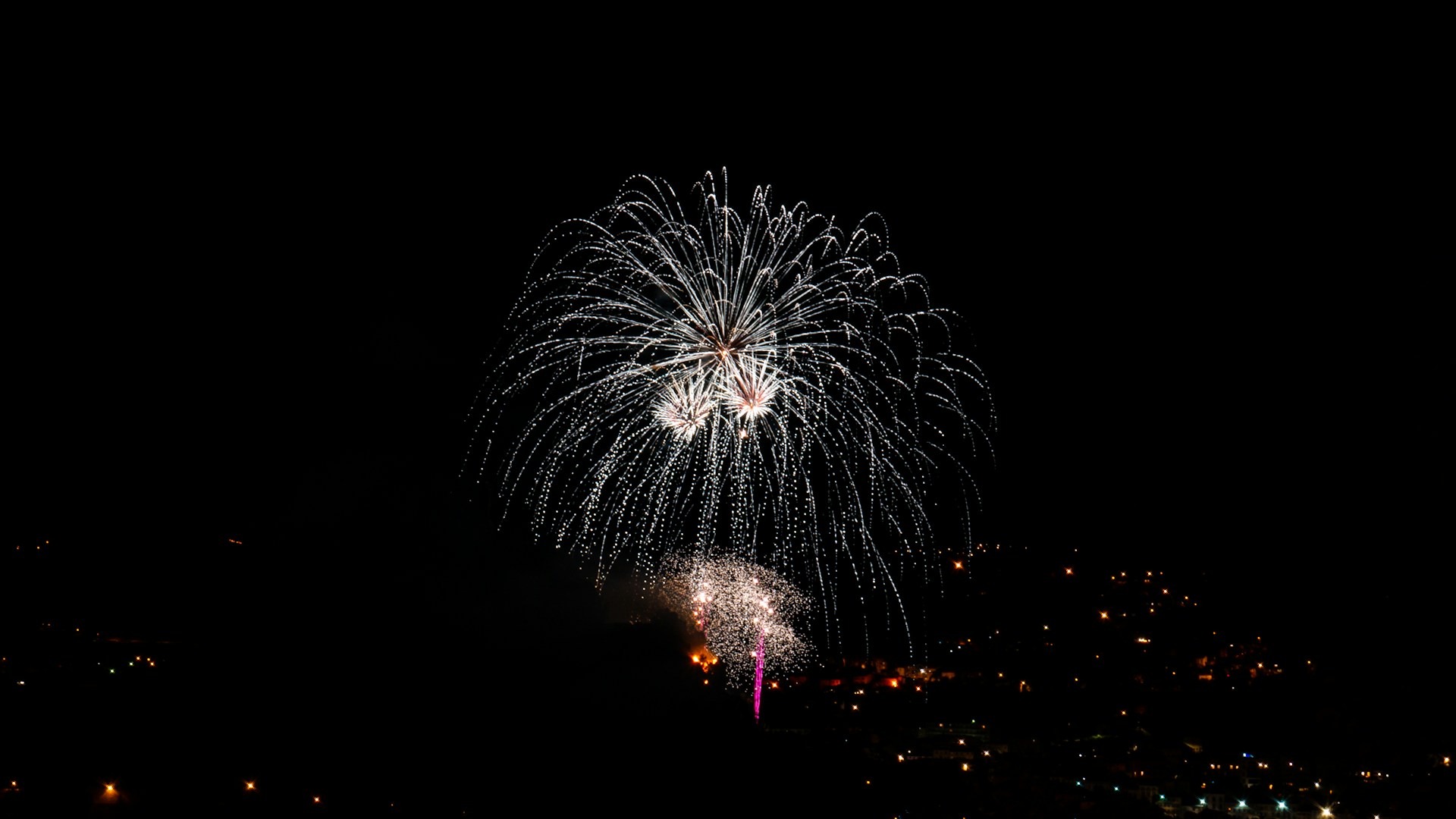
Local Festivities: Firemen’s Balls, Street Parties, and Traditions
The real heart of Bastille Day? It’s in the neighborhoods. Fire stations throw open their doors for all-night parties, and every street seems to pulse with music and dancing.
These local celebrations are where you truly feel French culture come alive. They’re open to everyone, locals and visitors alike.
Bals des Pompiers: The Firemen’s Balls
The Bals des Pompiers have to be one of my favorite Bastille Day traditions in France. On July 12th and 13th, fire stations all over Paris—and honestly, the whole country—turn their courtyards into raucous dance floors.
These parties usually kick off around 9 PM and go strong until 4 AM. I noticed most stations either charge a tiny entrance fee (think 2-3 euros) or just ask for a donation to support firefighter charities.
The vibe? Absolutely electric. There are live bands, DJs, and disco lights flashing everywhere. Firefighters move their trucks out onto the street to make space for a sea of party-goers.
What’s on offer:
- Champagne and beer (of course)
- Food cooked up by the firefighters themselves
- Nonstop dancing and live music
- Folks of every age joining in
Some venues are downright legendary. The 5th arrondissement throws their ball in the ancient Arènes de Lutèce, a Roman arena. In the 4th, you’ll find the party inside a mansion that dates back to 1265.
If you’re heading to a popular spot, expect long lines—especially from 11 PM to 3 AM. Security checks are the norm, and by 3 AM, most stations stop letting people in.
Traditional Dances and Community Gatherings
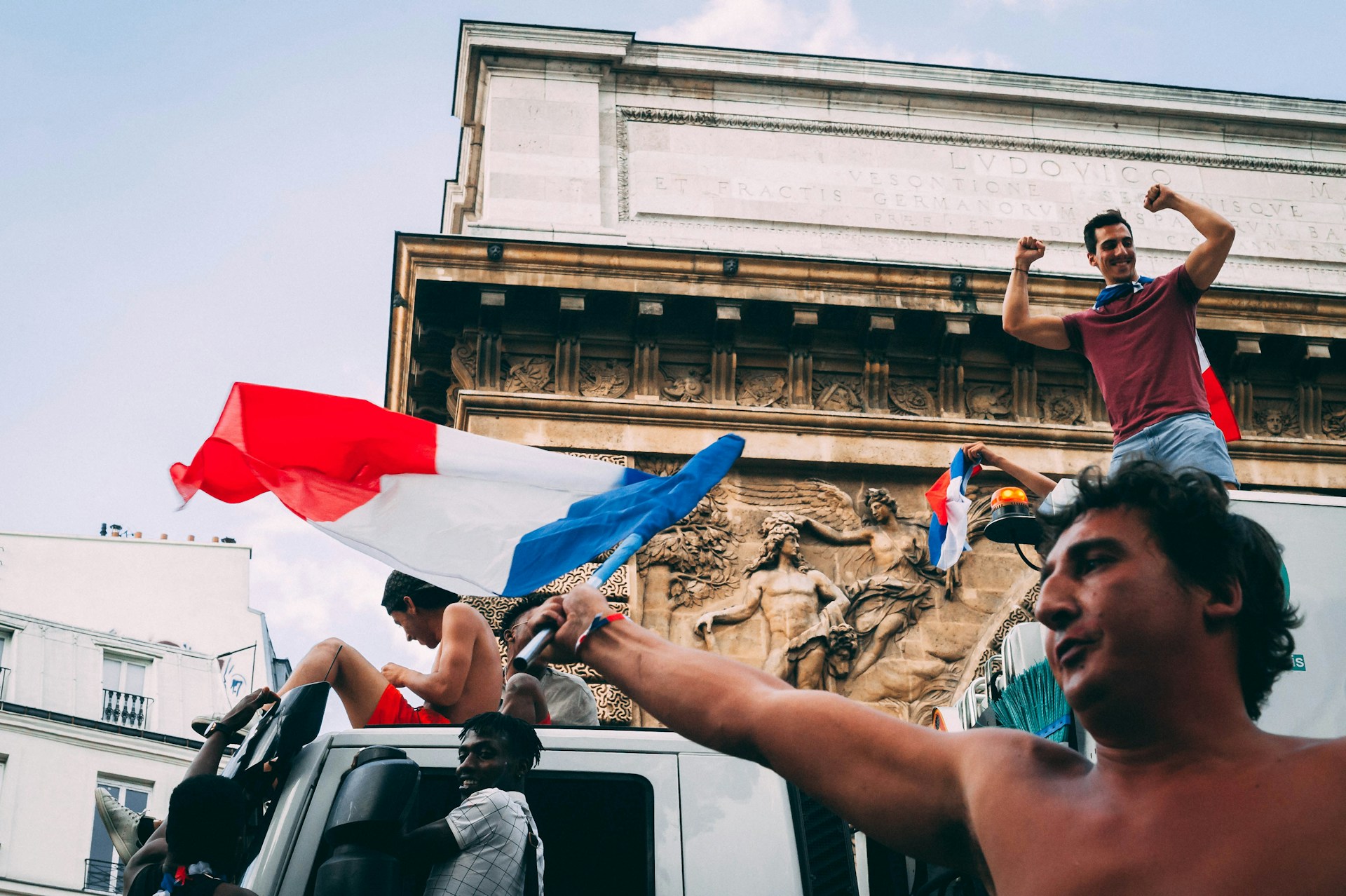
French communities really lean into tradition on Bastille Day. The night explodes with spontaneous group singing of “La Marseillaise” at both firemen’s balls and street parties.
Many towns set up guinguette-style celebrations—think open-air festivals with folk music, communal dancing, and hearty meals that just scream French summer.
Local bands play a mix of old French tunes and newer hits. These gatherings somehow bridge generations; you’ll see families hanging out until midnight, then younger crowds keeping the dance floor alive till sunrise.
The communal spirit is infectious. People toss giant inflatable balls through the air, and everyone joins in on group dances—no experience required. It’s the kind of unity you don’t easily forget.
Celebrations in Villages and City Neighborhoods
It’s not just Paris—villages and city neighborhoods across France put their own spin on Bastille Day. Each place adds its own flavor.
In small towns, you’ll find outdoor concerts in the main square, complete with food stalls and family-friendly games. These gatherings feel intimate and genuinely local.
City neighborhoods throw street parties that spill into plazas and sidewalks. Even suburban fire stations get in on the action, opening their doors and cranking up the music.
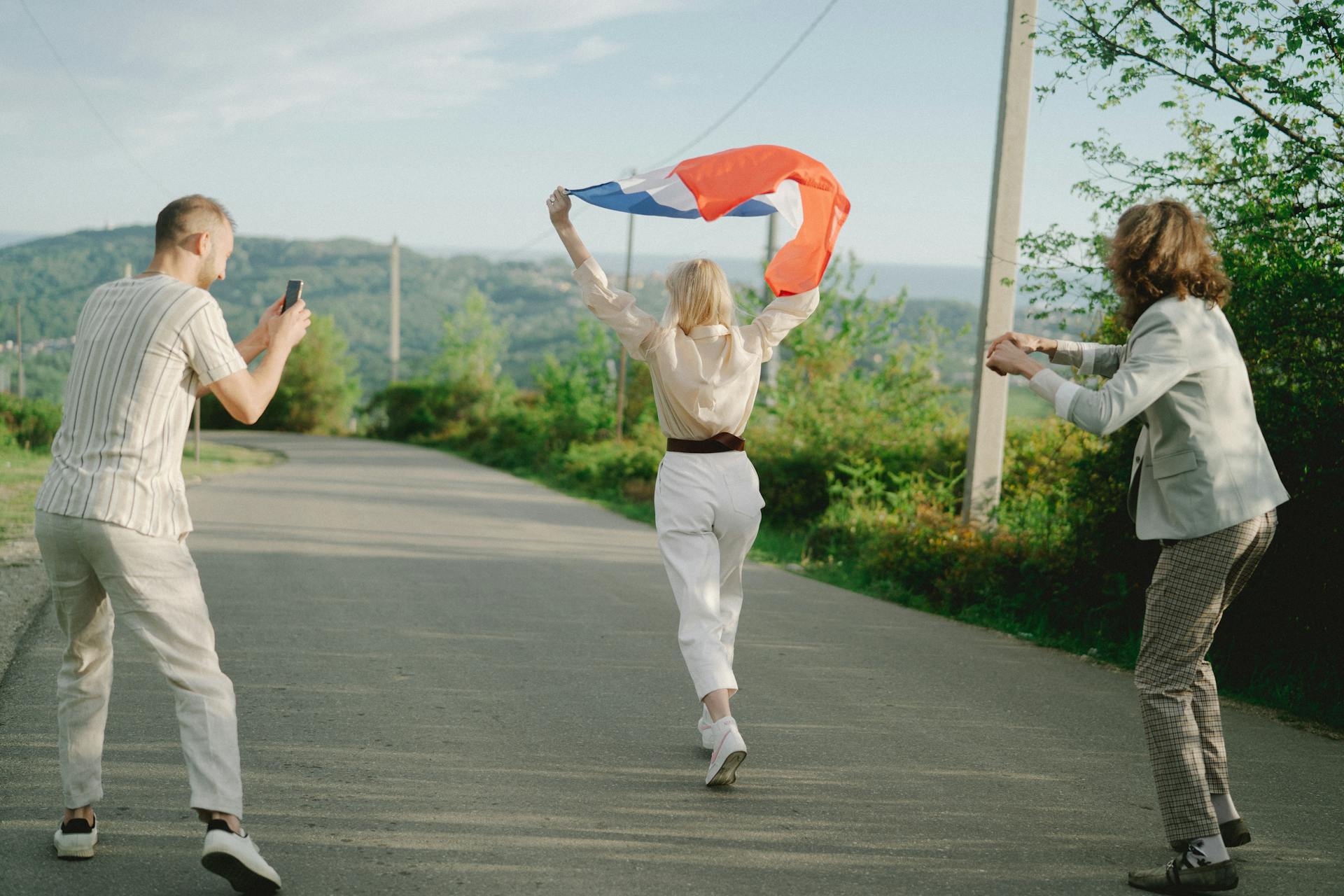
Many towns and cities organize picnics in parks on July 14th. These daytime feasts showcase local specialties and regional traditions, so you get a taste of what makes each area unique.
All of this traces back to 1937, when Parisians decided to follow the firefighters back to their barracks after the parade—and just kept the party going. Now, it’s a country-wide tradition.
Cultural Experiences and French Gastronomy on July 14th
Bastille Day is honestly a dream for anyone who loves French food and traditions. The day combines wine tastings, classic dishes, and those little customs that make France so France.
Enjoying French Wine and Regional Cuisine
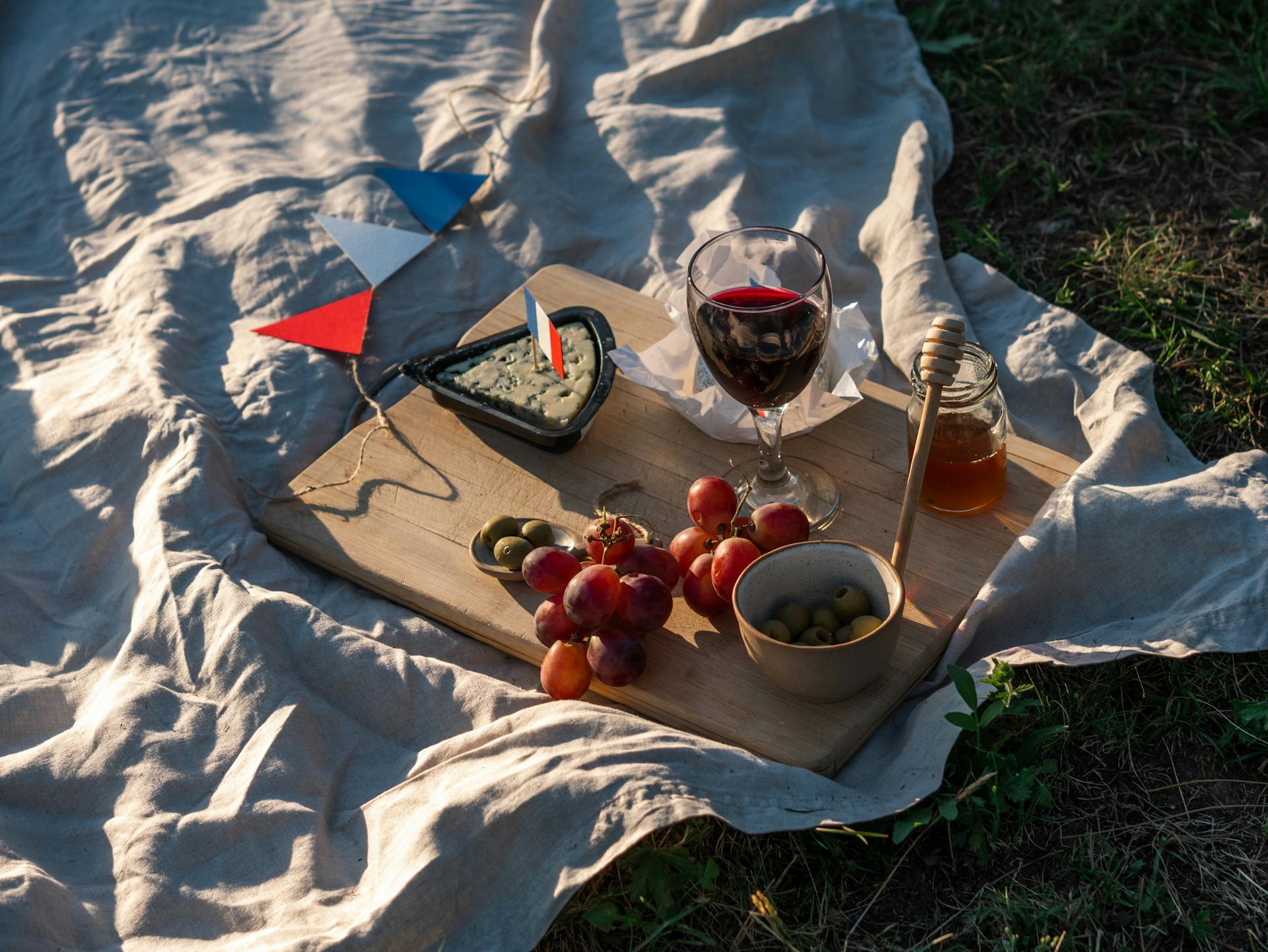
Wine really steals the show on July 14th. Every region brings out its best bottles, perfectly paired with local meals.
In Burgundy, I tried Pinot Noir with cheese that tasted like summer itself. The Loire Valley offered up crisp Sauvignon Blanc—amazing with fresh veggies.
Regional treats to look for:
- Provence: Rosé and grilled fish
- Bordeaux: Bold reds with rustic stews
- Champagne: Sparkling for the inevitable toast
Markets stay open late, and I found bundles of fresh bread, cheese, and fruit everywhere. Some vendors even put together special holiday packs.
You can’t walk far without bumping into a stand selling crêpes or galettes—perfect snacks for wandering between parades and fireworks.
Classic Dishes: Coq au Vin and More
Coq au vin shows up on just about every Bastille Day menu I’ve seen. It’s a slow-braised chicken dish made with local wine, and honestly, it’s French comfort food at its best.
Other favorites include:
- Bouillabaisse: Southern fish stew
- Ratatouille: A celebration of summer veggies
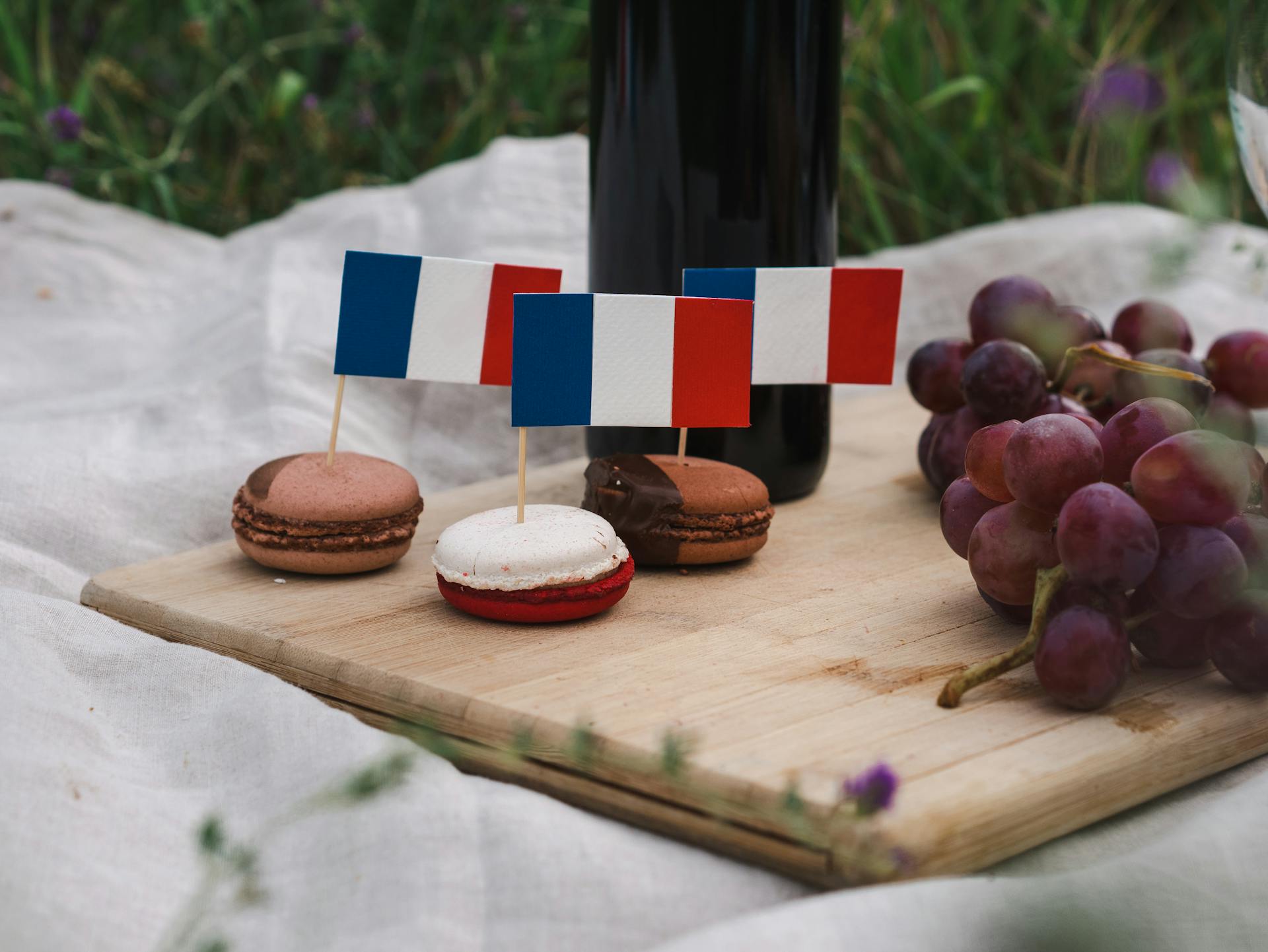
- Macarons: Usually decked out in red, white, and blue
Restaurants create special July 14th menus, and I’ve found prices stay pretty reasonable. Family-style dishes encourage sharing, which just adds to the fun.
Drinks like Kir Royale and French 75 bring a little sparkle to the night—they’re both champagne-based, with a twist of regional liqueur.
Bakeries get festive, too. Expect to see tricolor tarts and flag-themed cakes, which somehow always become the center of attention at gatherings.
Tips for Immersing in Local Customs
Picking up a few basic French phrases made a huge difference for me. Even simple greetings or asking about food helped me connect with locals.
I jumped into traditional dances in village squares. Most places welcome anyone, so don’t be shy—just join in.
Wearing red, white, and blue is a small gesture, but locals appreciate it when visitors honor their colors.
Meal times are important. Lunch runs from noon to 2 PM, and dinner starts at 8 PM—even on holidays.
At communal events, I brought a bottle of wine or a dessert to share. People notice, and it’s a great way to make friends. Staying for the whole performance shows respect for the tradition.
Shopping at markets in the morning sets you up for a perfect afternoon picnic. Many families do this, prepping meals to enjoy outdoors together.

Iconic Locations and Unique Ways to Experience Bastille Day
If you want unforgettable Bastille Day memories, you have to check out France’s most iconic landmarks. Fireworks light up the night at places like the Eiffel Tower and along the glamorous Riviera. Each spot has its own magic.
Eiffel Tower, Trocadéro, and Champ de Mars
Paris truly delivers the most jaw-dropping Bastille Day fireworks. The show launches from beneath the Eiffel Tower and turns the whole area into a sea of color and light.
Top viewing spots:
- Champ de Mars: Right at the tower’s base—can’t get closer
- Trocadéro esplanade: Sweeping views across the river
- City bridges: Catch the fireworks reflected on the water
Arrive early if you want a good spot. The Champ de Mars packs out fast, but watching fireworks explode above the Eiffel Tower is worth every minute of waiting.
For something different, I tried a riverboat promenade that anchored right in front of the tower. It’s a quieter, more intimate way to see the show, away from the crowds.
Riverside Celebrations along the Seine
The Seine River becomes the heartbeat of Paris on Bastille Day. Boats jockey for position all along the water, hoping for the perfect view.
Strolling the riverbanks, I found tons of different angles to watch the fireworks. Each bridge offers a fresh perspective.
Crowds gather on Pont de Bir-Hakeim and Pont Alexandre III—these spots combine the fireworks with some of Paris’s prettiest architecture.
River cruises run special Bastille Day routes. Boats anchor early, and the reflections on the water double the magic. If you love photography, this is the moment.
Promenade des Anglais and Other Regional Highlights
Outside Paris, other cities put on a show of their own. I’ve been lucky enough to see some of these up close.
Regional highlights:
- Annecy: Fireworks over the lake, mirrored in the water
- Carcassonne: Medieval ramparts become a launchpad
- Cannes: Promenade des Anglais hosts world-class pyrotechnics
On the French Riviera, the Promenade des Anglais oozes glamour and patriotic flair. Cannes even hosts the Festival d’Art Pyrotechnique, which draws fireworks artists from around the globe.
Coastal towns like Étretat have their own style—fireworks from the cliffs, with the sea below. It’s dramatic and unforgettable.
Every town and village hosts its own display, either on July 14th or the night before. No matter where you are, you’ll find a local celebration.
Frequently Asked Questions
July 14th in France means military parades, fireworks, and firemen’s balls everywhere. The fireworks usually start at 11 PM, with the Eiffel Tower as the Parisian centerpiece.
The military parade kicks off at 10:30 AM on the Champs-Élysées. You’ll see foot troops, vehicles, and even aerial flyovers by the French acrobatic patrol.
Firemen’s balls run from 9 PM to 4 AM on July 13th and 14th. Fire stations across Paris open up for dancing, drinks, and pure celebration.
Outdoor concerts light up the Champ de Mars from 9 PM. Restaurants serve up special Bastille Day menus all day.
Wine tastings and food tours pop up in neighborhoods like the Marais. River cruises along the Seine offer dining with front-row fireworks views.
Every city and town hosts its own parade and festivities on July 14th. Local fire stations throw their own firemen’s balls, just like in Paris.
Families lay out picnics with baguettes, cheese, and champagne. Parks fill up with pétanque games and summer fun.
Small towns feature local bands and community parties. The whole country gets in on the action, with regional twists everywhere.
Most communities set off their own fireworks. Local restaurants usually have special menus for the holiday.
Fireworks usually start around 11 PM and last about 35 minutes.
People start arriving at the best viewing spots by 9 PM. An outdoor concert often sets the mood before the main event.
If you want a good spot, go early—the crowds grow fast as the evening goes on.
The Champ de Mars, right at the Eiffel Tower’s base, is the closest you can get. Trocadéro plaza across the river gives you a sweeping view.
Anywhere along the Seine near the tower works. The area around Bir Hakeim bridge is also a solid choice.
River cruises anchor for the best vantage points. Rooftops and bridges offer elevated views of the whole spectacle.
Fireworks launch directly from the Eiffel Tower, so being nearby guarantees a front-row seat.
France has held the parade every July 14th since 1880. It’s a display of military strength and national spirit.
The President inspects the troops at 10:10 AM, showing the link between leadership and service.
French TV broadcasts the whole thing. People gather to cheer on their armed forces and take in the precision and pageantry.
The aerial acrobatic patrol’s flyovers are a highlight—those moments always stir up a wave of patriotic pride.
Every year, the Bastille Day military parade brings the story of 1789 to life. When revolutionaries stormed the Bastille prison, they didn’t just break down walls—they kicked off the French Revolution.
Watching the parade, you can’t help but feel the weight of history. Soldiers march to honor the defense of republican values.
People see the parade as a living symbol. It stands for liberty, equality, and fraternity—those big ideas that shaped modern France.
During World War II, the parade stopped under Nazi occupation. That pause? It really shows how much this tradition means to the French.
Today, the ceremony bridges past and present. It nudges everyone to remember the fight against absolute monarchy and oppression.
