
Every June, I find myself making the pilgrimage back to Glastonbury Festival, joining thousands at Worthy Farm in Somerset. Glastonbury claims its spot as the world’s most famous music festival, with days packed full of incredible music, wild performances, and an atmosphere you just can’t replicate.
Getting tickets feels like a battle, but that only makes finally stepping onto those muddy fields even sweeter.
The sheer scale of Glasto always catches me off guard. It’s never just about the headliners or the big bands. Circus acts, comedians, and quirky corners pop up everywhere, making each year feel totally new.

With every step, I stumble into something unexpected—maybe it’s watching the sunrise by the Glastonbury sign or dancing with strangers in a downpour.
Glastonbury is wild, muddy, and absolutely unforgettable. There’s nothing else quite like it.
The Glastonbury Festival: Origins and Spirit
Glastonbury Festival started out as a small gathering but now draws people from all over the globe. Its story weaves together music, community, and culture in a way that keeps folks coming back.
History and Evolution
Glastonbury kicked off in 1970 at Worthy Farm in Pilton, Somerset. The first event, inspired by the Bath Festival of Blues and Progressive Music, attracted about 1,500 people. Tickets cost just £1, and—believe it or not—free farm-fresh milk came with it.
In those early days, acts like T. Rex and David Bowie helped set the stage for the festival’s reputation. Over the years, Glastonbury just kept growing.
Attendance shot up from hundreds to well over 200,000 these days.
The festival started with a strong focus on peace, love, and the environment. It’s changed from a small, free-spirited gathering to a massive global event, but that open, welcoming vibe has stuck around.
Michael Eavis and Community
Michael Eavis, a local farmer, just wanted to bring music and people together on his land. He’s kept the festival grounded in the values of Pilton and Somerset.
Eavis runs the show with his family and an army of volunteers. Together, they build stages, set up camping areas, and keep the crowds moving.
That sense of community shapes everything at Glastonbury.

The festival gives back, too. Local groups and charities benefit from a big chunk of the profits—Oxfam, Greenpeace, and WaterAid, for example. You can feel that focus on people over profits in every part of the event.
Glastonbury as a Cultural Phenomenon
Glastonbury has become much more than just a music festival. Artists and fans from all over the world come for its wild mix of music, art, and performance.
For a lot of people, it’s a rite of passage—a must-do for any festival lover.
It’s not just about music, either. There are fields for circus performers, poets, and political debates.
The festival pushes eco-friendly efforts, too—recycling, cutting waste, and using green energy.
Glastonbury is a place where you can be yourself and connect with others in a creative, friendly space. That spirit keeps it fresh and exciting, even after more than fifty years.
Securing Tickets and Gearing Up for the Adventure
Glastonbury tickets? They’re tough to snag and disappear in a flash. Prepping for the festival means packing smart and figuring out how to get there without any last-minute panic.
Tickets and Registration Process
Buying Glastonbury tickets takes patience and a bit of strategy. Before I could even try, I had to register on the official site with a recent photo.
Everyone needs to do this—tickets are personalized and they check IDs at the gate.
The main ticket sale usually drops in the fall, months before the festival. I’ve seen tickets sell out in under 30 minutes, which is just wild.
Having a group of trusted friends helps—a few more chances in the digital scramble.
If I missed the main sale, I’d try my luck in the resale in April. Returned tickets go back on sale, but competition is fierce. I always keep my registration info up to date and get ready to click the second sales open.
What to Pack for Glastonbury in June
Packing for Glastonbury means expecting every type of weather. I always bring a waterproof tent, sturdy wellies, and extra warm socks.
It’s almost guaranteed to rain at least once, and mud is a given.
A comfy sleeping bag, portable phone charger, and light raincoat are musts. Layers matter—nights can get chilly after warm days.
A refillable water bottle is essential, and there are taps all over the site.
To haul it all, I use a sturdy backpack. Snacks, a torch or headlamp, wet wipes, and earplugs all earn a spot.
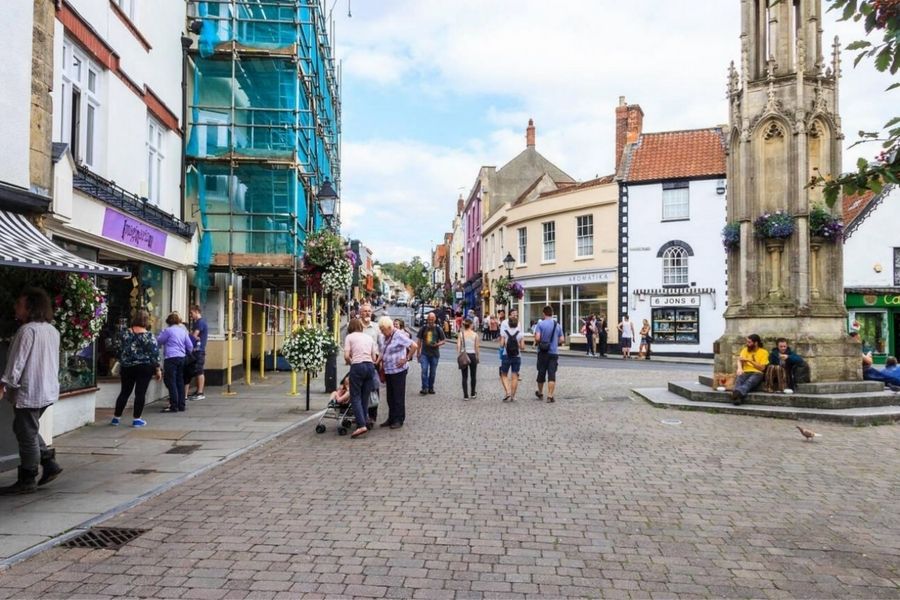
A portable chair and a sun hat make downtime more comfortable. I’ve learned to keep valuables hidden and leave anything irreplaceable at home.
Transport and Arrival Tips
Getting to Glastonbury takes a little planning. Special buses and coaches run from big cities, and the nearest train station is Castle Cary.
Shuttle buses run from there straight to the site.
Arriving early is key—shorter queues and better camping spots. Gates open a couple of days before the music starts, so having a printed ticket and some ID is a must.
Traffic gets heavy, especially on opening day. I check traffic updates and sometimes travel at odd hours to dodge the worst of it.
If I’m driving, I book parking ahead and follow the festival’s signs straight to the right lot.
Getting these details sorted makes everything run smoother once you’re there.
Camping, Glamping, and Surviving the Elements
Getting the basics right has made my Glastonbury trips warmer, drier, and way more fun. The way you sleep, stay dry, and keep clean shapes the festival just as much as the music.
Camping Options at Worthy Farm
Camping at Worthy Farm is the classic Glastonbury experience. General campsites cover the rolling Somerset hills.
Space fills up quick, so I try to arrive early and grab a spot not too far from the main stages—but not smack in the middle of the chaos.
Here’s what works for me:
- Bring a tough tent: Weather changes fast. I make sure mine is waterproof and has solid pegs.
- Comfort counts: A sleeping mat and warm bag make cold nights bearable.
- Pack light but smart: The trek from the car park is long and hilly. I only bring what I need.
- Say hi to neighbors: People are friendly, and it’s good to look out for each other’s stuff.
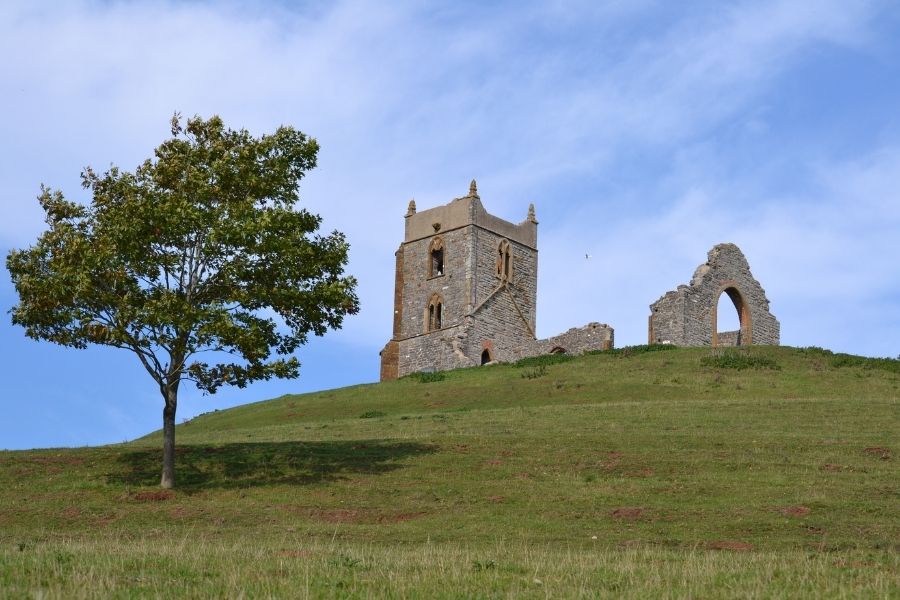
Family areas and quieter campsites offer an escape from the late-night buzz. There’s usually someone nearby happy to lend a hand or a spare mallet.
Luxury Glamping Experiences
Some folks skip regular camping and go straight for glamping. Luxury glamping sits in special sections outside Worthy Farm and nearby.
You’ll find bell tents, tipis, and even yurts with real beds and charging points.
Some glamping sites near Gate D have perks like:
- Private showers and clean loos
- Lounges and sometimes pools
- On-site bars or restaurants
- 24-hour security
Glamping definitely appeals to those who want music without the mud. For some, a hot shower and dry socks are non-negotiable.
It’s pricier, sure, but it makes those early mornings and rainy nights a lot easier to handle.
Navigating Mud, Weather, and Facilities
Glastonbury weather is totally unpredictable. One minute it’s sunny, the next you’re ankle-deep in mud.
Sturdy boots and a decent rain poncho are worth more than any trendy outfit.
Some weather tips I swear by:
- Wellies: After rain, they’re essential. Mud isn’t optional.
- Layer up: Chilly nights, warm days—be ready for both.
- Waterproof bags: Keep your phone and cash dry.
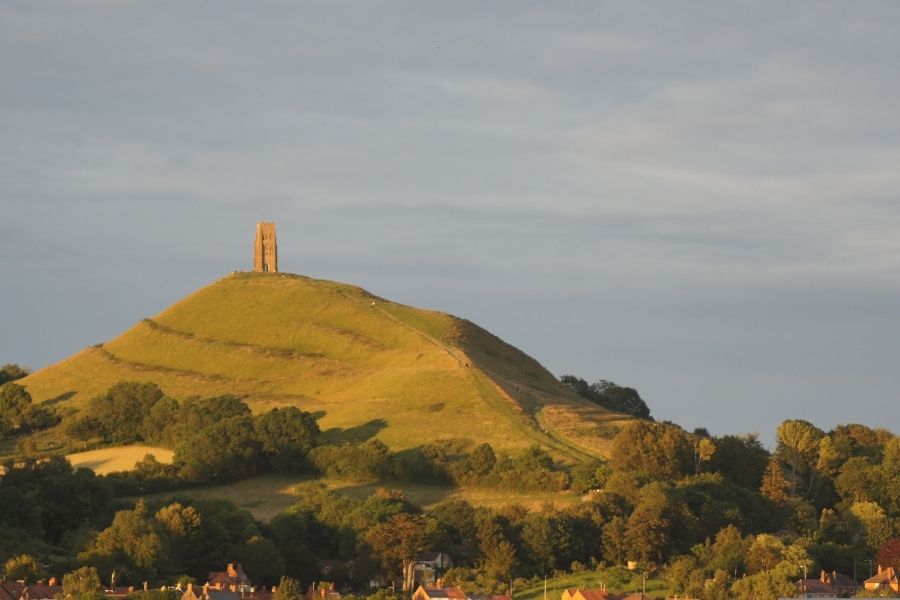
Facilities are scattered around, but not always close. I plan toilet and water breaks before diving into big crowds.
If the weather turns, tents can flood, so I pick higher ground and avoid obvious mud pits or busy paths.
Toilets, Showers, and Hygiene Hacks
Toilet lines get long, especially at peak times. Compost loos, long drops, and portables are your options—not glamorous, but manageable.
Carrying my own toilet paper and sanitizer saves the day.
Showers are mostly for glampers. In regular campsites, I rely on body wipes for quick freshen-ups.
Wet wipes and dry shampoo become daily essentials. Some campers rig up makeshift washing stations, but honestly, the simplest tricks work best for me:
- Wet wipes morning and night
- Flip-flops for showers or muddy treks
- Hand sanitizer always
- Skip toilets at peak times if you can
With a little planning, I manage to stay clean, comfortable, and ready for whatever the festival throws at me—even when the mud is next level.
Stages, Music Legends, and Unforgettable Performances
Glastonbury is legendary for its huge stages and iconic performances. I’ve witnessed moments I’ll never forget and found hidden corners that made the whole thing even more magical.
Pyramid Stage Highlights
The Pyramid Stage sits at the heart of the festival. It’s where the biggest names in music show up, from timeless legends to today’s superstars.
In 2025, I watched tens of thousands pack the field, waiting for the next headliner.
Massive stars like Elton John and Lewis Capaldi light up the Pyramid. Elton’s set was pure emotion—everyone singing along, arms in the air.
Other years, the “legends slot” brings in artists you never thought you’d see live. Every night, the Pyramid turns into a sea of lights and music.
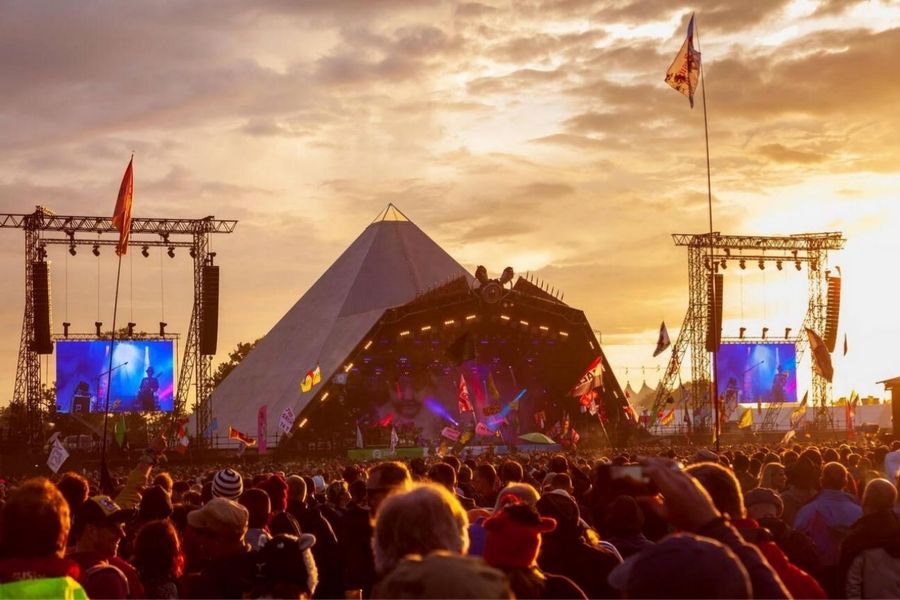
It’s not just about who’s on stage—it’s about sharing that energy with people from all over the world. Standing there, I could almost feel the history of all those epic sets.
The Other Stage and West Holts
The Other Stage brings big bands and up-and-coming rock and indie acts. The crowds are wild, and the energy is off the charts.
One night, I caught a secret set from a band I’ve loved for ages. It felt way more intense and personal than any stadium gig.
West Holts, just a short walk away, offers something totally different. It’s all about global beats, jazz, funk, and electronic music.
I wandered over one afternoon and got pulled in by the rhythms and the crowd. If you want to dance or discover something new, West Holts is the spot.
Both stages attract big crowds but have their own vibe. West Holts is more laid-back, and I head there when I need a break from the madness.
The Park Stage & Secret Venues
The Park Stage sits on a hill with a killer view of the whole site. It’s smaller, but it’s where you stumble across unique acts and surprise performances.
I remember catching an incredible set there at sunset, just by wandering by.
Glastonbury is packed with secret venues. The Rabbit Hole is wild and offbeat, full of quirky décor and surprise acts.
Getting in meant following a winding path and answering a riddle from a doorman. Another hidden gem, the Underground Piano Bar, stays hush-hush.
I got lucky and found it one night—intimate, candle-lit, and nothing like the rest of the festival.
Iconic Performances and Surprise Guests
Some performances at Glastonbury just stick with you. I watched Lewis Capaldi bring the Pyramid Stage to a hush, only to have thousands of voices join him in song—goosebumps, honestly.
Elton John’s headline set? Unforgettable. He invited surprise guests up and the crowd went wild. You could feel the excitement ripple through everyone.
Glastonbury has this reputation for last-minute surprises. Huge acts sometimes show up out of nowhere on tiny stages, and if you’re lucky enough to be nearby, it feels like you’ve stumbled on a secret.
I remember chasing rumors about a secret gig, weaving through the crowd, hoping I’d make it in time. When I got there, the place buzzed with anticipation.
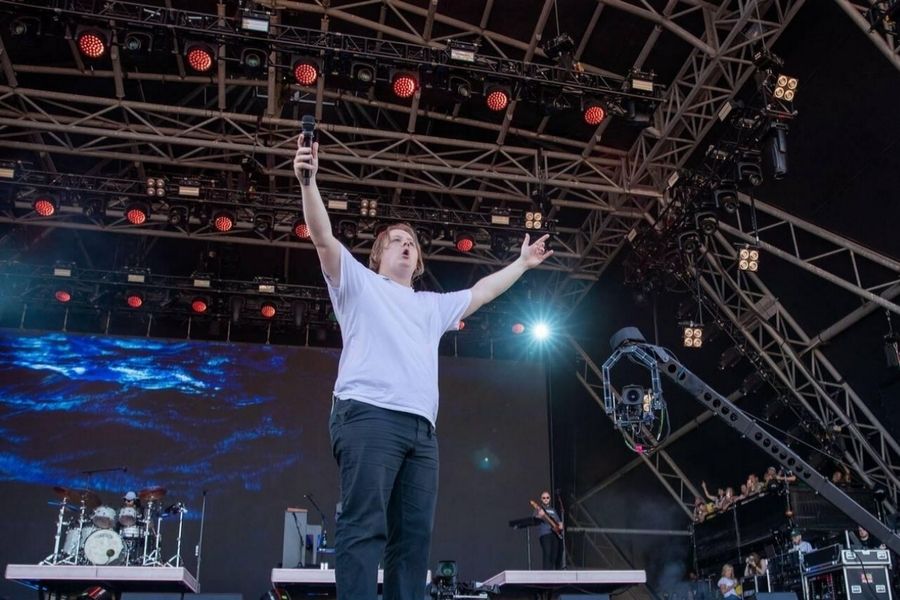
Some of the best moments at Glastonbury happen by accident. Artists team up on the fly, play unexpected covers, or even pull fans up onstage.
Those unpredictable acts keep the festival alive. Every year, you walk away with new stories.
Beyond the Music: Art, Expression, and Healing
Glastonbury isn’t just about the music. There’s so much more—art everywhere, wild performances, and spots to just breathe and reset.
Art Installations and Theatre
Every path I wandered seemed to reveal another striking art piece. Sculptures made from old scrap, massive murals, and interactive art dotted the fields, adding a creative spark to the festival.
Some pieces made me stop and think, while others just made me smile. The whole place felt like an open-air gallery.
The Theatre & Circus fields always surprised me. Street performers, circus acts, and offbeat theatre kept the energy high between sets.
I caught fire dancers, acrobats flipping through the air, and clowns pulling people into their acts. There’s always something unexpected around the corner.
Notable features:
- Outdoor gallery spaces
- Pop-up performances
- Collaborative art projects
Every walk through Glastonbury brought something different.
Comedy, Healing Fields, and Alternative Spaces
When the crowds got overwhelming, I ducked into the Comedy Tent for a change of pace. Stand-up comics, improv troupes, and spoken-word artists gave the festival a playful edge.
The Healing Fields became my go-to for downtime. People stretched out on the grass, practicing yoga or tai chi, while others drifted into group meditation.
Workshops popped up all day—singing, dancing, you name it. If you needed a recharge, you could try a massage or explore herbal remedies. The gardens offered cool shade and a rare sense of calm.
The Healing Fields felt like more than just a place to relax. Ceremonies and group sessions fostered a sense of connection, even among strangers.
Key spaces:
- Healing Fields workshops (yoga, tai chi, meditation)
- Massage tents and herbal therapy
- Laughing yoga and group singing
Eco-Friendly Initiatives and Sustainable Practices
Glastonbury takes sustainability seriously. I saw signs everywhere reminding us to “Love the Farm, Leave No Trace.”
Recycling, composting, and landfill bins lined every path, making it easy to sort your waste. Vendors handed out food on compostable plates with wooden cutlery.
Instead of single-use bottles, water refill stations dotted the site. The festival also encourages cycling or hopping on public transport to cut down on traffic.
Sustainable efforts included:
| Initiative | Description |
|---|---|
| Recycling programs | Sorting bins and recycling teams |
| Compostable packaging | Used by food vendors |
| Water refill stations | Reduced plastic waste |
| Green energy | Solar and wind power for stages |
All these choices made me pause and think about my own habits. It’s a reminder that everyone’s effort matters when it comes to protecting the planet.
Green Fields and Greenpeace Field
I wandered through the Green Fields and immediately noticed how much everyone cares about eco-friendly living, activism, and a real sense of community. One afternoon, I sat in on a talk about climate action, then rolled up my sleeves for a hands-on workshop in craft and gardening.
The Green Fields always feel calm—almost like a little oasis—where people gather, chat, and swap ideas for living greener lives. Sometimes you just want to sit back and take it all in, you know?
The Greenpeace Field really grabbed my attention with its bold displays and buzzing energy. You’ll find educational tents everywhere, plus demos showing off alternative energy in action.
Greenpeace teams hand out info about their latest environmental campaigns, and you can’t miss the creative installations that spark conversation. I spent a while checking out solar-powered gadgets and even tried my hand at some sustainable crafts.
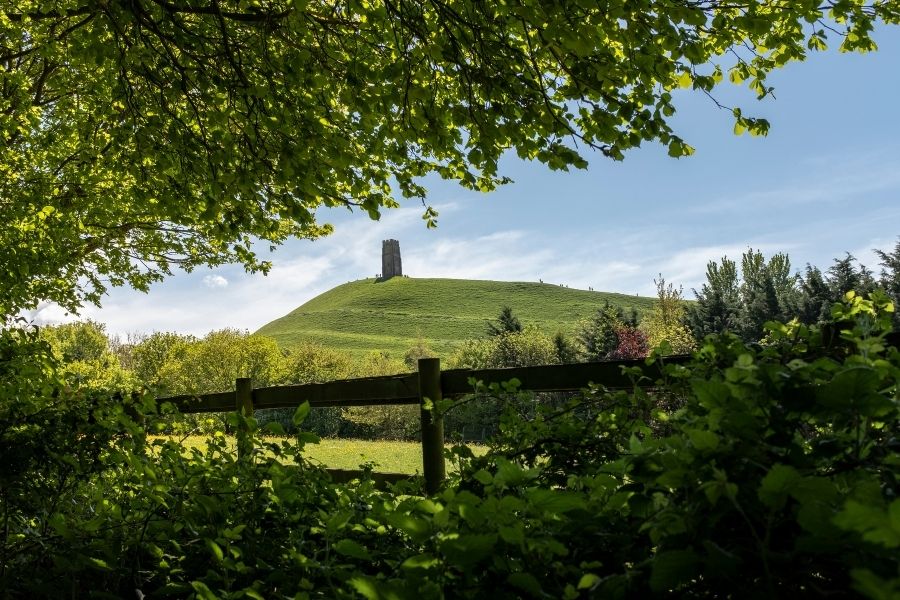
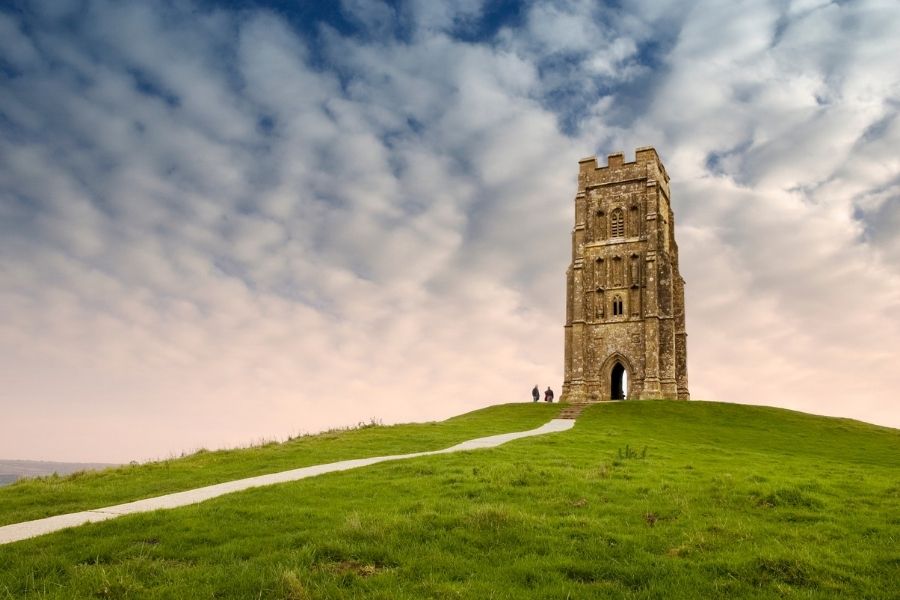
If you climb a bit up the hillside, you’ll spot the Glastonbury Tor in the distance. That view alone reminds you how deeply the festival connects with the land and its wild spirit.
Highlights:
- Workshops on permaculture and renewable energy
- Info booths about environmental activism
- Interactive exhibits focused on green living
- The Rum Shack, a relaxed spot in the Green Fields for drinks and live music
Honestly, these spaces convinced me that Glastonbury is just as much about creativity, healing, and sustainability as it is about music.
