
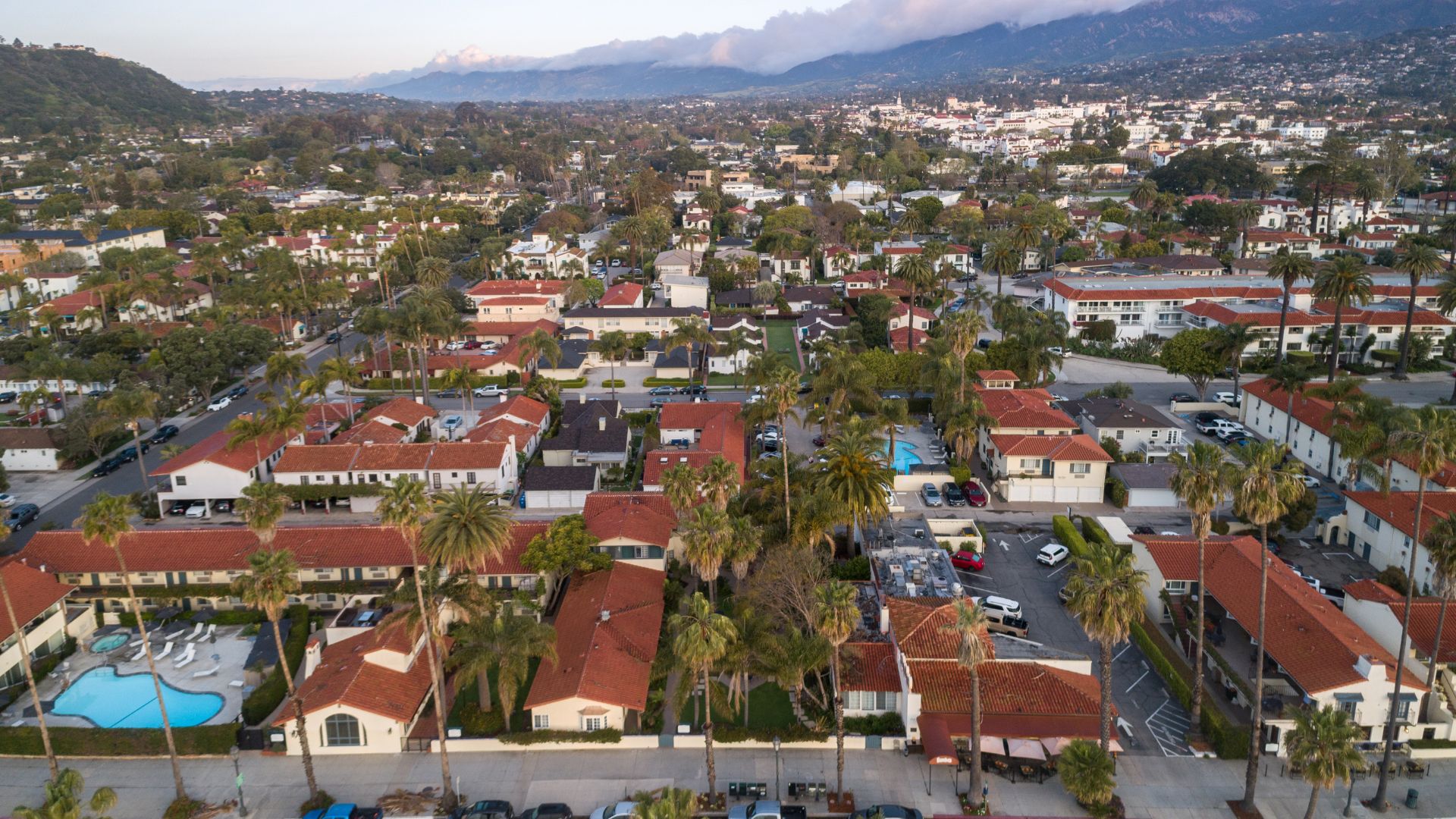
Last August, I dove headfirst into a world bursting with vibrant colors and deep-rooted traditions at Santa Barbara’s Old Spanish Days Fiesta. For five days, downtown morphed into a swirling celebration—think papel picado fluttering overhead, mariachi bands echoing through the streets, and the thunder of hundreds of horses parading down historic boulevards.
This festival has marked over a century of honoring Santa Barbara’s Spanish, Mexican, and Native American heritage. Parades, traditional markets, and nonstop live entertainment bring the city’s multicultural story to life in a way you just can’t ignore.
I wandered from the storied Mission Santa Barbara to the buzzing mercados along State Street. It’s not just another summer fest—locals and visitors jump into centuries-old traditions, from solemn ceremonies to wild equestrian displays and unforgettable performances.
The way Fiesta weaves together sacred and lively elements really caught my attention. One moment, I found myself at a traditional Roman Catholic mass that’s been held since 1936. The next, I was under the stars, watching dancers swirl across the stage in folklorico dresses.
Every spot felt different. The elegant Sunken Gardens at the courthouse, arts and crafts along Cabrillo Boulevard, and everywhere in between—each corner had its own flavor.
Core Traditions and Signature Events
Old Spanish Days revolves around four main ceremonial events. These traditions mark the festival’s kickoff, offer spiritual grounding, showcase history, and let the youngest locals shine.
La Fiesta Pequeña: The Official Opening
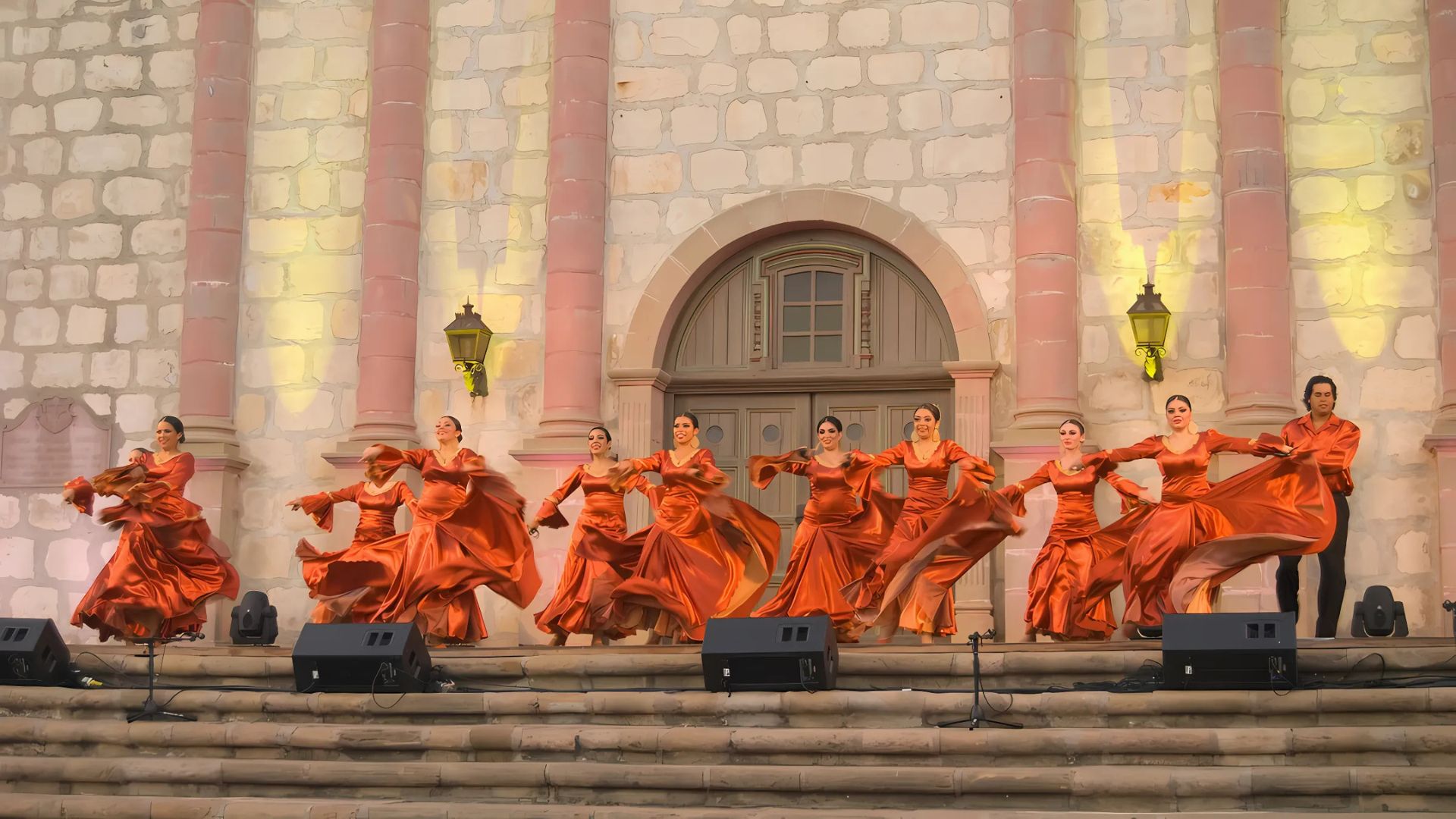
La Fiesta Pequeña charmed me right from the steps of the Old Mission Santa Barbara. This “little fiesta” officially launches the celebration.
Local groups like Californios Spirit fill the air with traditional songs and dances. Musicians strum guitars and mandolins while dancers swirl in bursts of color.
Key Elements:
- Location: Old Mission Santa Barbara steps
- Duration: 1-2 hours in the evening
- Performances: Folk songs, traditional dances, historical presentations
The ceremony blends history readings and a blessing for the festival. Community leaders and officials step up to honor the city’s roots.
Kids often join in, dressed in Mexican and Spanish outfits. The vibe feels warm and welcoming, making it an easy entry point for the week ahead.
La Misa del Presidente: A Spiritual Start
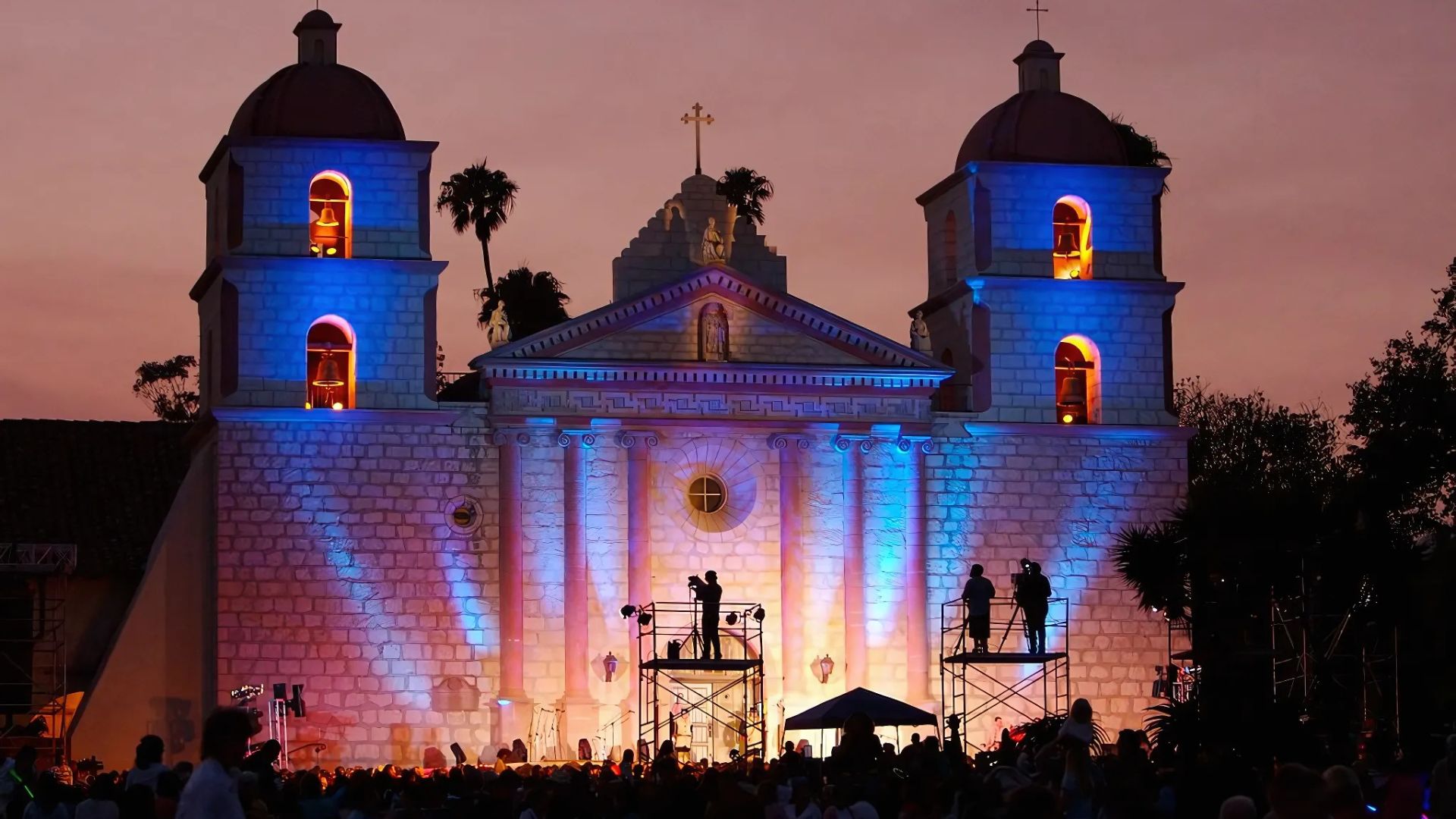
La Misa del Presidente grounds the fiesta in tradition. This special mass happens at the Old Mission Santa Barbara and follows classic Catholic traditions, with plenty of Spanish woven in.
Community leaders, the fiesta president, and locals all gather together. The president receives a blessing, tying the celebration back to its religious beginnings and the mission’s place in Santa Barbara history.
Mass Details:
- Time: Early morning service
- Language: English and Spanish
- Participants: Fiesta president, board members, community
Even as a visitor, I felt the meaning behind it all. The combination of sacred space and community togetherness set the tone for everything that followed.
El Desfile Histórico: Historical Parade Highlights
El Desfile Histórico is a showstopper. Over 600 horses and riders take over Cabrillo Boulevard for one of the country’s largest equestrian parades.
From noon to 2pm, floats roll by, each one telling a piece of Santa Barbara’s story—from Native American roots to Spanish, Mexican, and American eras.
Parade Statistics:
- Horses: 600+
- Route: Cabrillo Boulevard
- Duration: 2 hours
- Attendance: Thousands of spectators
Riders dress as conquistadors, rancheros, and other figures from the past. The effort they put into costumes and horse decorations is wild.
If you want a good view, get there early—beachfront spots fill up fast.
El Desfile de los Niños: The Children’s Parade Experience
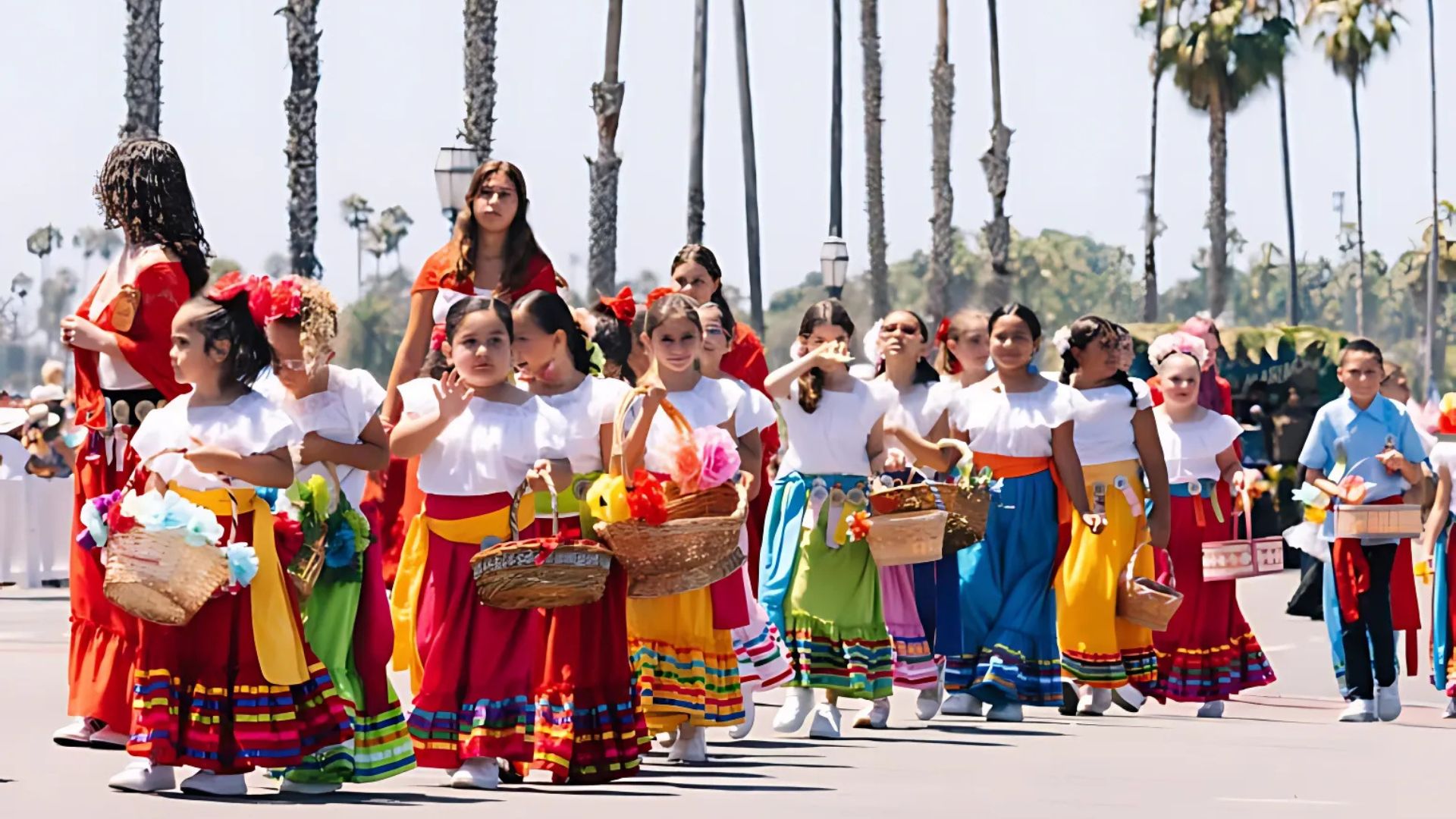
El Desfile de los Niños is all about the kids. Local schools, youth groups, and dance academies bring out their youngest performers.
Children wear Mexican and Spanish costumes, dancing and waving banners. Their excitement fills the air.
Participating Groups:
- Elementary schools
- Dance academies
- Youth organizations
- Community clubs
I spotted kids as young as four, right up to teenagers, all taking part. Families line the route, cheering and snapping photos.
The parade covers several downtown blocks, so you’ll find a good spot without much trouble. Parents often walk alongside, capturing every moment.
This event keeps cultural traditions alive and helps connect the community across generations.
Markets, Food, and Fiesta Flavors
If you want to feel the festival’s pulse, head to the mercados. El Mercado de la Guerra transforms downtown into a lively Mexican market, packed with traditional crafts, nonstop music, and flavors that stick with you.
Mercado de la Guerra: A Colorful Mexican Market
El Mercado de la Guerra quickly became my favorite spot. The market opens daily from 11 a.m. to 10 p.m. during the festival.
Right across from City Hall, vendors set up colorful stalls overflowing with handmade goods.
What I discovered at the market:
- Live entertainment all day
- Traditional Mexican music
- Craft demos
- Family-friendly vibe
- Free admission
From morning to night, the market buzzes. Families gather here to kick off their fiesta adventures.
Mexican-American Foods and Tastes
Let’s talk food. The Mexican and Spanish eats at El Mercado are the real deal.
Foods I tried:
- Fresh tamales
- Street tacos
- Churros dusted in cinnamon sugar
- Aguas frescas
- Mexican sweets
Vendors use recipes passed down through generations. I chatted with a few cooks who shared their family secrets and where they get their ingredients.
Every bite felt like a little trip through Mexican-American food traditions. Portions are generous, and prices won’t break the bank.
Crafts, Souvenirs, and Local Finds
You can’t skip the crafts. The marketplace is a treasure trove of handmade art and souvenirs.
Items I found:
- Hand-painted pottery
- Bright textiles and clothing
- Traditional jewelry
- Leather goods
- Festival souvenirs
Local artisans sell their creations, and you can tell they pour their hearts into each piece.
The Mujeres Makers Market on August 2-3 really stood out—over 50 women-owned businesses, mostly women of color, set up shop at El Presidio de Santa Barbara State Historic Park. The creativity on display was inspiring.
Music, Dance, and Live Entertainment
The festival’s live entertainment brings Spanish and Mexican traditions to life in a way that’s impossible to ignore. Flamenco, folklórico, mariachi—every performance connects you to the region’s roots.
Flamenco: Iconic Dance Performances
Flamenco dancers steal the show throughout the fiesta. I caught performances at the courthouse and local cantinas.
They wear traditional Spanish dresses with flowing skirts, spinning and stomping in time with the guitar.
Performance locations include:
- El Mercado venues
- Casa Cantina
- Evening events at historic sites
The emotion in each performance is striking. Dancers use their faces and hands to tell stories, while guitarists set the mood.
Mexican Folklórico: Celebrating Heritage
Folklórico groups light up the stage with dances from all over Mexico. You’ll find these performances at different venues during the festival.
Dancers wear costumes that match their region—women’s dresses swirl in bold colors, men don charro outfits with intricate designs.
The dances highlight:
- Harvests
- Folk tales
- Historic moments
- Ceremonies
Live mariachi bands keep the energy high. The whole thing feels immersive, almost like you’re part of the story.
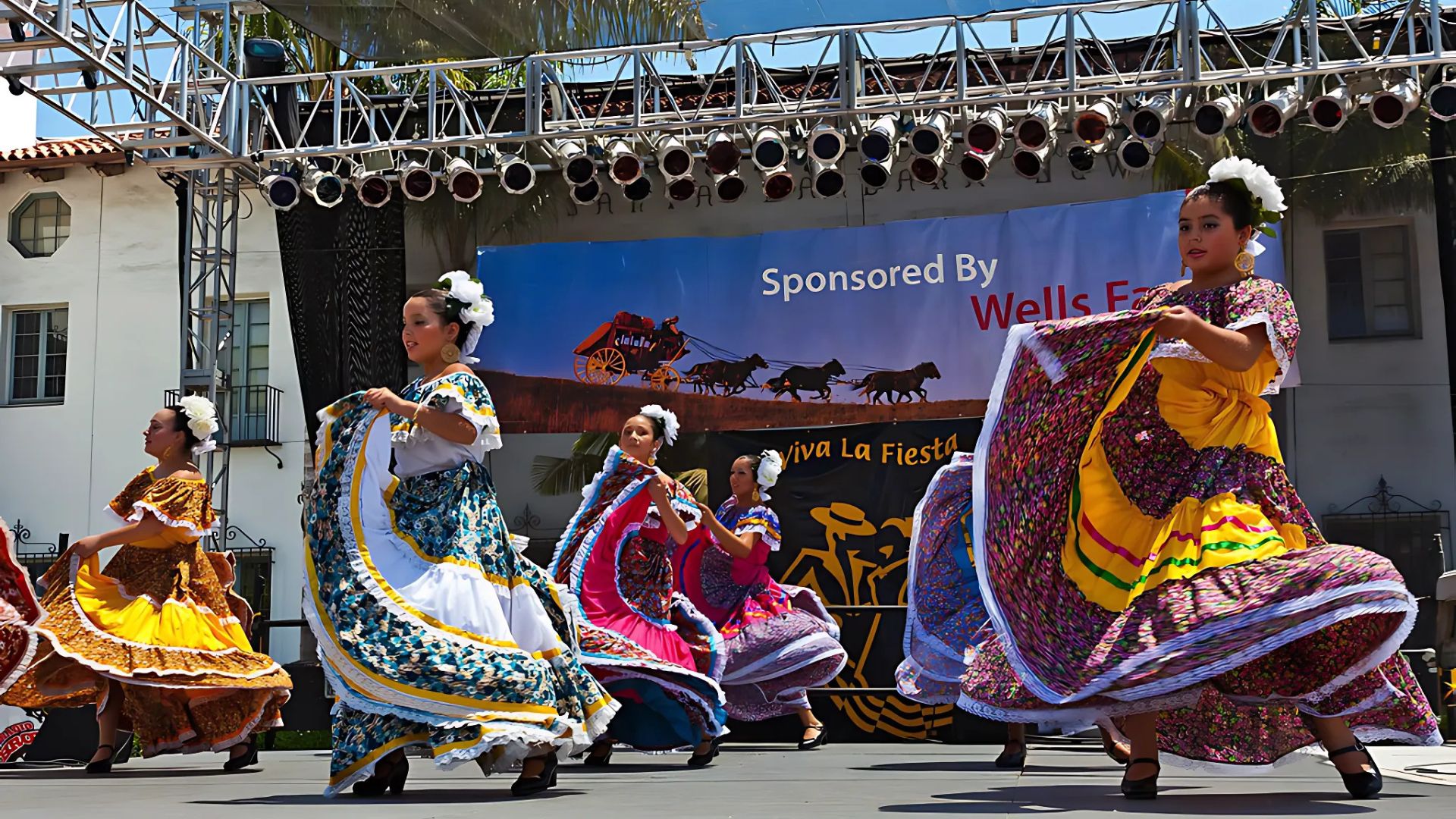
Las Noches de Ronda & Tardes de Ronda
Las Noches de Ronda—or “Nights of Gaiety”—takes over the Sunken Gardens at the courthouse from 8 PM to 11 PM, July 31 to August 2.
Bring a blanket or chair if you want a comfy seat. The lawn fills up, so aim to arrive early.
Tardes de Ronda is the kid-focused version on August 2 from 1 PM to 4 PM. Kids under 13 perform folk dances in pint-sized costumes.
Their routines are simple but heartfelt, and you can tell they’ve practiced in school or local programs.
Flor y Canto: Spanish California Dances
Flor y Canto lets you peek into Spanish California’s past. The show happens August 1 from 7 PM to 8 PM.
Performers dance and sing using replica instruments from the 1800s. A narrator shares the history behind each dance, adding context.
You’ll see what daily life looked like for early Californians—simple moves, traditional tunes, and a real sense of history.
Horse Shows, Rodeos, and Western Heritage
Santa Barbara’s cowboy culture comes alive at the fiesta. Horse shows and rodeos at Earl Warren Showgrounds showcase skilled riders and Western traditions that go back a century.
Fiesta Stock Horse Show & Rodeo
The Fiesta Stock Horse Show & Rodeo has anchored Santa Barbara’s Western side for over 100 years. The action happens at Earl Warren Showgrounds during fiesta weekend.
Events include:
- Cowgirl’s Barrel Racing—fast, thrilling, and competitive
- Team Roping—two riders working in sync
- Tie Down Roping
- Goat Tying
- Ranch Horse Competition
I caught three main shows—Friday and Saturday nights at 7:00 PM, plus a Sunday matinee at 1:00 PM.
The rodeo started as “Competencia de los Vaqueros” in 1924. It’s grown from a single afternoon to a full weekend of action.
Professional Rodeo Cowboy Association Events
The rodeo hosts Professional Rodeo Cowboy Association events, so riders compete for real points and prize money.
Barrel Racing draws the biggest prize—$5,000 up for grabs, with a $111 entry fee.
Other PRCA events:
- Steer Stopping
- Breakaway Roping
- Timed events
Contestants need a PRCA card or permit. Entries close in mid-July, so riders have to plan ahead.
Stalls rent for $150 a night. I met competitors who’d traveled from all over the West just to be part of this legendary California rodeo.
Must-See Venues and Santa Barbara Landmarks
During Old Spanish Days Fiesta, Santa Barbara’s most iconic sites become the heart of the action. The courthouse transforms into a festival centerpiece, and Cabrillo Boulevard turns into parade central.
Santa Barbara Courthouse and Sunken Gardens
If you ask me, the Santa Barbara County Courthouse absolutely steals the show during Spanish Days Fiesta. This Spanish-Moorish historic landmark transforms into the festival’s heartbeat, buzzing with energy and tradition.
I wandered through the Sunken Gardens and honestly, they felt magical, especially when the celebration’s in full swing. The courthouse grounds burst to life with daily performances that make the five-day festival feel like something out of a dream.
Key Events at the Courthouse:
- Noches de Ronda (8-10 p.m., Thursday-Saturday)
- Flor y Canto (7-8 p.m., Friday)
- Tardes de Ronda (1-4 p.m., Saturday)
You’ll catch everything from California-style dance to contemporary flamenco and vibrant folklórico. They don’t charge a thing for courthouse events, which is honestly a breath of fresh air.
The architecture? It’s a jaw-dropper. Towering arches and intricate details frame the papel picado and all those wild festival decorations. If you want a great spot in the Sunken Gardens, get there early—trust me on this one.
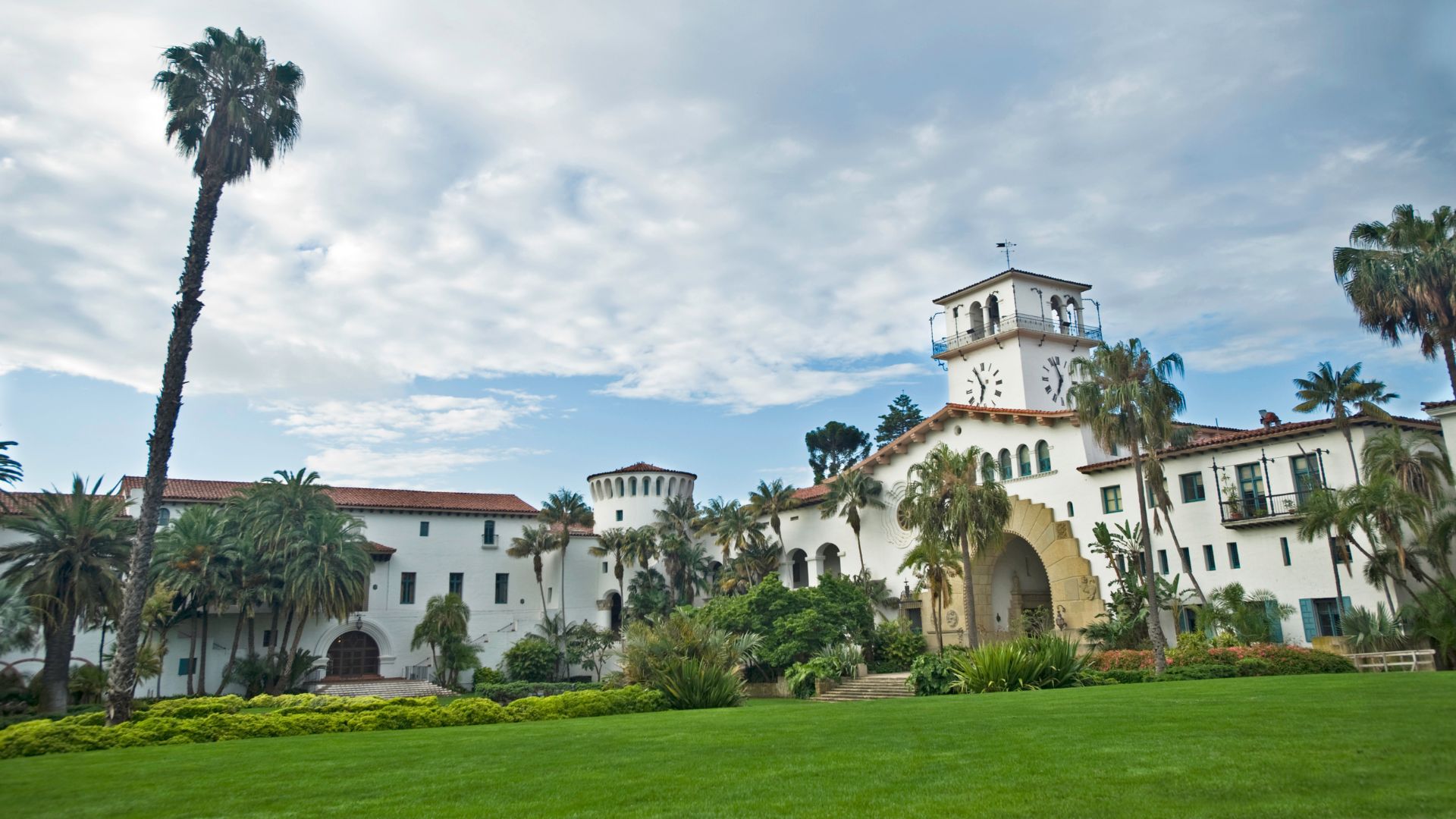
Courthouse Fiesta Tours and Mural Room
I stumbled onto the Courthouse Fiesta Tours and, wow, what a way to dive into the landmark’s history during the festival. They run free one-hour guided tours every hour from 10:30 a.m. to 3:30 p.m.
Tours kick off in the famous Mural Room. That space alone is worth a peek, with its historic murals and old-world charm.
Tour Details:
- Duration: 1 hour
- Cost: Free
- Meeting Point: Mural Room
- Times: Every hour, 10:30 a.m.-3:30 p.m.
Docents lead the way, sharing fascinating tidbits about Santa Barbara’s Spanish roots. I loved how these tours tie right into the festival’s vibe.
The Mural Room? It’s a stunner, honestly—every wall tells a story of the region’s multicultural past. If you’re curious about the fiesta’s deeper meaning, this is the place to start.
Cabrillo Boulevard: The Parade Route
Cabrillo Boulevard really comes alive as the main parade route for Old Spanish Days Fiesta’s biggest events. Every year, folks gather here for the historic El Desfile Histórico, which kicks off Friday at noon.
This time, the parade travels from Cabrillo Boulevard to Calle Cesar Chavez and loops back. Picture more than 600 horses, classic coaches, and colorful traditional floats—there’s honestly nothing else quite like it.
Major Parades on Cabrillo Boulevard:
- El Desfile Histórico (Friday, 12 p.m.)
- El Desfile de los Niños (Saturday, 10 a.m.)
On Saturday morning, the Children’s Parade takes over. Kids dressed in vibrant traditional costumes march from Garden Street to Calle Puerto Vallarta, and the energy is infectious.
I have to say, Cabrillo’s oceanfront views make the whole experience feel even more special. I always recommend taking advantage of the free shuttles running between downtown parking garages and the parade route—it saves a ton of hassle.
If you’re around on Sunday, don’t miss the Fiesta Arts and Crafts Show along Cabrillo Boulevard. It runs from 10 a.m. to 6 p.m., and there’s always something unique to discover.
