
Semana Santa in Seville stands out as one of the most powerful and unique celebrations I’ve ever witnessed in Spain. Every spring, the city changes completely. Solemn processions wind through the streets, drums echo everywhere, and incense drifts in the air.
Locals and visitors crowd together, watching brotherhoods in traditional robes carry ornate floats through Seville’s old neighborhoods. Candlelight flickers on the faces of the faithful.
I got swept up in the excitement and the deep sense of reverence. Moving through crowds, I felt the quiet respect, the sudden silences, and the emotional music rising from every corner. No wonder this week means so much to Sevillanos—it’s a blend of deep faith and traditions that go back centuries.
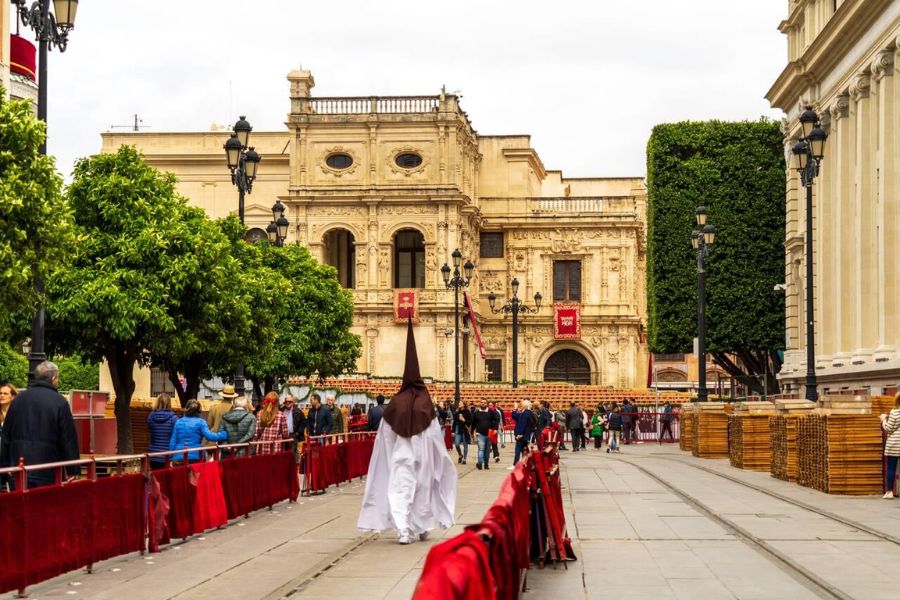
If you’re thinking about coming to Spain for Semana Santa, get ready for something that’ll probably change you. The city’s passion and spirit during Holy Week go way beyond what you’ll see in photos or videos.
Preparing for Semana Santa in Seville
Getting ready for Semana Santa in Seville takes a bit of planning—and, honestly, some strategy. The right dates, where to stay, and what to pack can all make the week smoother and a lot more fun.
Planning Your Visit for Holy Week
Semana Santa usually happens in late March or early April. The dates shift every year, so I double-check the church calendar and mark down the main days—Palm Sunday, Maundy Thursday, and Good Friday.
Arriving a day early helps me dodge some of the biggest crowds. The processions can last all night and go on for days, so I decide which brotherhoods I want to see most—La Macarena and Triana are always on my list. Travel sites like Booking Holdings and Agoda often post updated info and special advisories for Spain during this time.

If I time my trip just right, I can even catch Seville’s pre-Easter Carnival. Planning around both events lets me experience a bit more of the city’s wild side.
Booking Accommodation and Navigating Crowds
Finding a place to stay during Semana Santa can be tough. The old center, especially near the Cathedral or Calle Sierpes, fills up first. I learned to book as early as I can—sometimes six months ahead isn’t too soon. Online platforms like Booking Holdings, Agoda, and other travel apps help me compare prices and check reviews.
A few tips I swear by:
- Book early: Seriously, don’t wait.
- Check cancellation policies: Plans might change with the crowds.
- Try quieter neighborhoods: Triana and Alameda de Hércules are a bit less crowded but still close to the action.
I brace myself for slow walking. Processions block streets, and even Google Maps can’t always help. Sometimes, walking is the only way to get anywhere, especially in the evenings.
What to Pack and Expect
Spring in Seville feels mild, but nights get chilly. I pack a light rain jacket, a warm sweater, and shoes I can walk in for hours. Those cobblestones are no joke after a while.
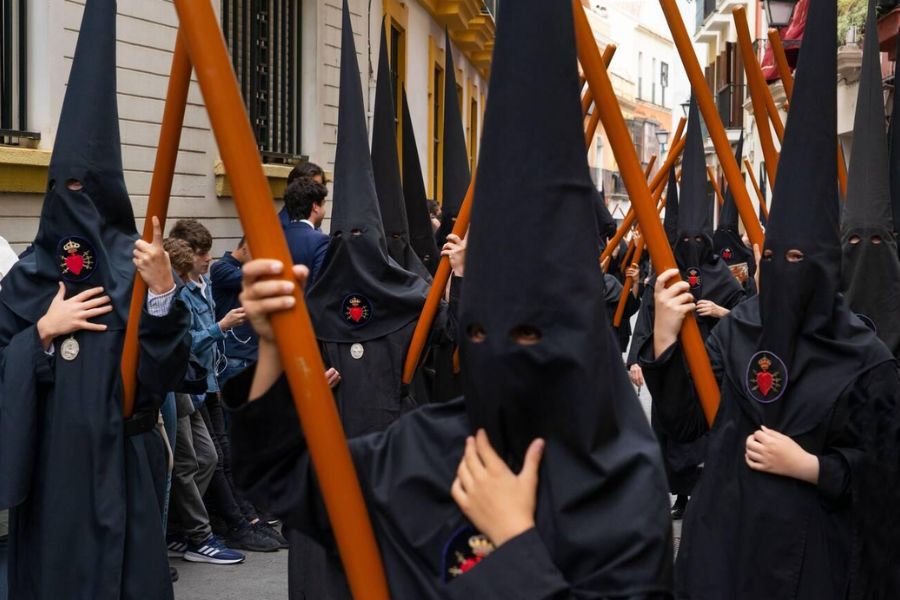
I carry a small daypack with water, snacks, and a portable charger. With so many people, cafes and restrooms fill up fast, and the lines can get ridiculous. If you’re a light sleeper, earplugs are a lifesaver—drums and bands go late into the night.
Here’s my packing list:
| Item | Why I Pack It |
|---|---|
| Layered clothing | For unpredictable temperatures |
| Comfy shoes | For hours of walking |
| Rain jacket/umbrella | In case of showers |
| Portable charger | Phones drain quickly |
| Snacks & water | Not always easy to find |
| Earplugs | For noisy nights |
Packing smart and staying flexible turns the week into a real adventure, not just a challenge.
Immersing in Seville’s Unforgettable Holy Week Processions
Semana Santa fills Seville’s streets with devotion, centuries-old tradition, and an energy that’s hard to describe. The city becomes a living pageant of faith and memory.
Experiencing the Paso and Brotherhoods
I stood on the narrow cobblestone lanes and watched the first “paso” roll toward me. These huge floats carry lifelike statues of Jesus or Mary, surrounded by flowers and candles. Brotherhoods, or hermandades, follow in step. Each group wears its own robes and pointed hoods, faces hidden, which adds a layer of mystery.
The costaleros, men carrying the paso from underneath, move with slow, careful steps. I could hear their soft chants and feel the weight of their effort. Spectators fall silent as the float passes—everyone just seems to know this is a sacred moment.
Civil guards keep the crowd moving and safe. Watching the processions, I felt like I became part of their tradition for a night.
Atmosphere of Solemnity and Spirituality
What really makes Semana Santa unforgettable isn’t just the sights. The city’s mood shifts completely. From Palm Sunday to Easter, Seville turns into a place of pilgrimage. The smell of orange blossom and incense hangs in the air, and marching bands blend into haunting saeta songs from balconies.
Families gather along the routes, parents quietly telling their kids stories from past years. When a float nears, the crowd hushes. Only the sound of drums or a lone singer cuts through. The line between sacred and everyday life blurs, and everyone seems to pause and reflect.
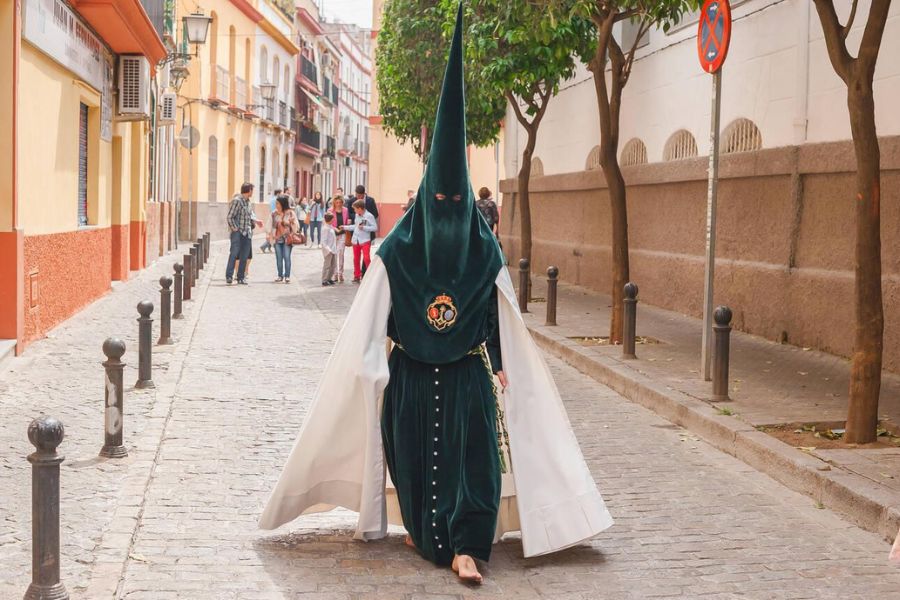
Even as an outsider, I felt a strange sense of freedom—like the city had made space for both sorrow and hope. Time slowed down, and the streets felt like part of the ritual.
Highlights: Midnight Mass and Devotional Rites
Attending midnight mass at Seville’s cathedral stands out as one of the most powerful moments I’ve witnessed. I arrived in the quiet hours, after the last procession, and joined pilgrims kneeling in long rows. The gothic ceilings echoed with prayers and music. Candles lit the altar, shadows flickered across ancient stone.
Mass during Semana Santa isn’t just a service—it’s a full-on experience. People come looking for something beyond the ordinary. I watched locals bring flowers and notes to leave at a side altar—a simple, beautiful act of devotion.
Other rites fill the week. Confessions, blessings, and prayers spill out into the streets, turning the whole city into an extension of the cathedral.
Supernatural Traditions and Local Legends
Seville’s Holy Week comes with its share of eerie legends. Locals whisper about miraculous events—pasos that move on their own, or mysterious healings in the night. Some believe certain processions, especially at dawn, carry a spiritual force that protects the city.
Older Sevillanos shared stories about strange lights near the cathedral or ghosts of past pilgrims wandering among the living. They say the city’s devotion seeps into the stones of the old neighborhoods during Holy Week.
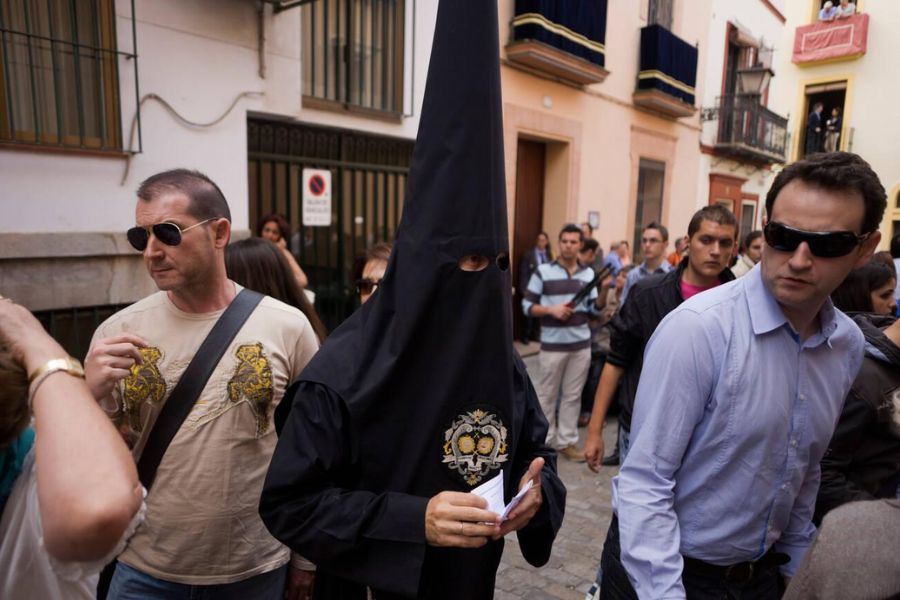
I’m not sure where faith ends and folklore begins. These stories add a layer of mystery that sticks with you, and I still wonder how much of Semana Santa belongs to this world—and how much doesn’t.
Exploring Seville’s Iconic Holy Week Landmarks
Semana Santa turns Seville’s historic sites into a living theater. Monumental churches, grand plazas, and ancient streets all become part of the show.
Seville Cathedral and Its Role in the Processions
The Seville Cathedral sits at the heart of Semana Santa. It’s one of the largest Gothic cathedrals anywhere, and you can’t miss it. I joined locals and other travelers, watching brotherhoods carry heavy floats through the Puerta de los Palos.
Inside, candles flicker under the arches, lighting up works by Velázquez and Murillo. Their art tells stories from the Passion, making the processions feel even more meaningful. On Holy Week afternoons, the Cathedral closes to tourists, opening only for those involved in the events. Even outside, the sound of trumpets echoing across the square feels unforgettable.
Book guided visits ahead of time if you want to see the Cathedral on non-procession days—access can be tricky.
Church of San Salvador: Heart of the Celebrations
The Church of San Salvador bursts with energy during Semana Santa. Just a few blocks from the Cathedral, this baroque church launches many processions. I remember standing in the plaza, watching floats decked out in flowers and gold roll into the street.
Baroque carvings fill the altars, and candlelight glows during nighttime processions. The space feels both intimate and grand. Locals gather early, chatting in the square and grabbing pastries from nearby bakeries. San Salvador’s central location makes it easy for newcomers to find the action.
Don’t skip the dramatic sculptures at the main entrance—they’re a highlight of Spanish baroque art.
Monuments and Plaza Routes
During Semana Santa, Seville’s plazas and monuments take on new life. Key processions curve around the Giralda tower, cut through Plaza Nueva, and circle the old walls near Plaza del Triunfo. Even familiar places feel transformed—the smell of incense and orange blossoms fills the air.
I’ve walked the main procession route, passing monuments while musicians play somber tunes. Historic buildings, draped with banners and lights, seem to glow with local pride. Some stops offer close-up views of religious art. Whether it’s a quiet corner or a packed plaza, every landmark adds something to the Holy Week story.
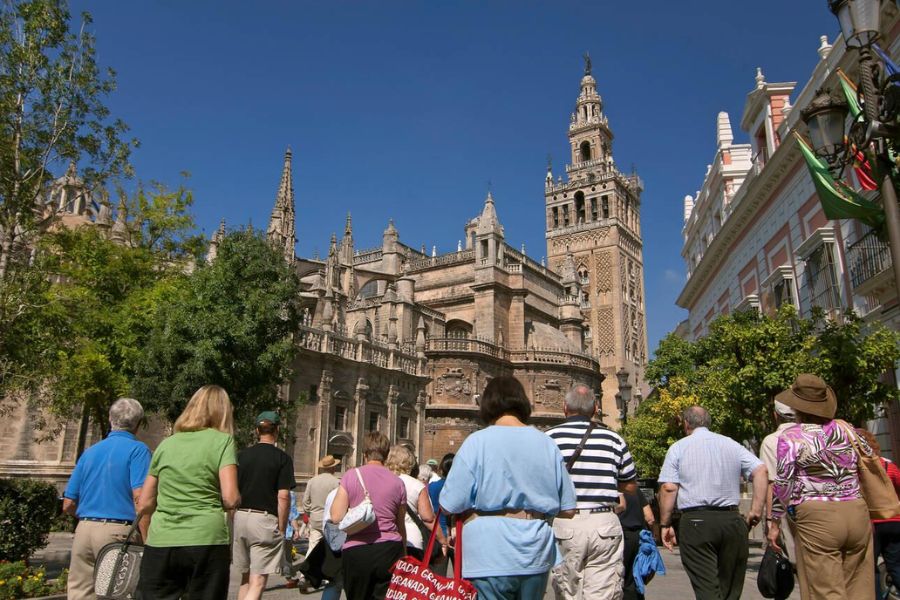
If you want a front-row spot in the popular plazas, get there early—especially for the biggest floats and costumed penitents.
Capturing the Magic: Personal Experiences and Photography
Walking through Seville during Semana Santa, I felt surrounded by tradition and emotion. Every moment seemed packed with devotion, artistry, and history. I kept reaching for my camera, trying to hold onto it all.
Moments of Intensity and Emotion
Standing shoulder to shoulder with strangers, I felt the hush fall as the first pasos moved past. Incense thickened the air. Some floats reminded me of Goya’s deep shadows and El Greco’s dramatic faces. The costaleros’ faces showed their struggle, and the music echoed in my chest.
One night, the golden float of Jesus del Gran Poder glided by, candles glowing. It brought to mind Spanish art I’d seen at the Prado. I noticed quiet tears on faces around me—these scenes tie people to their faith and their families’ stories.
When the Nazarenos passed in silence, I raised my camera, careful not to intrude. Each photo felt like a piece of living history, capturing both the grandeur and the quiet pauses.
Photography Tips for Semana Santa
Getting good photos during Semana Santa means blending in and being patient. I always check my camera settings before diving into the crowd—low light and moving subjects are everywhere, so I bump up the ISO and use a fast shutter speed.
Some tips I’ve picked up:
- Get there early for a good spot, especially near balconies or street corners.
- Skip the flash. Candlelight gives photos a painterly mood.
- Shoot wide scenes and small details—a costalero’s hands, velvet robes, flickering candles.
- Channel Goya or El Greco: look for dramatic lighting and bold contrasts.
- Sometimes, put the camera down and just take it all in.
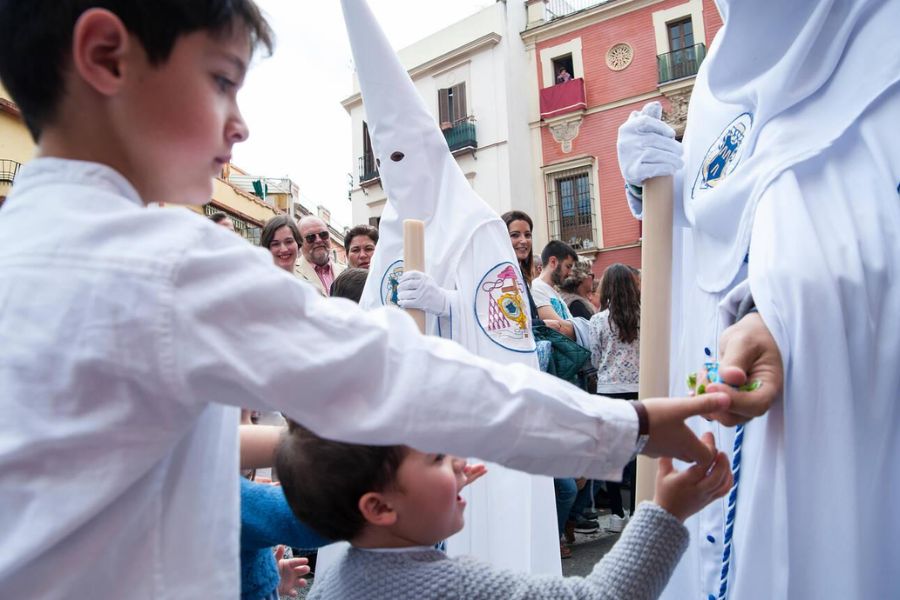
The best photos aren’t just souvenirs—they hold the beauty and spirit of Semana Santa in Seville.
Beyond Seville: Semana Santa Traditions Across Spain
Semana Santa in Spain stretches far beyond Seville’s streets. Each city and region brings its own customs, mixing history, art, and spiritual tradition in ways that keep surprising me.
Other Spanish Cities with Unforgettable Holy Week Celebrations
When I stepped outside Seville, I found Holy Week processions with their own charm and drama.
In Granada, the Alhambra and Generalife watch over processions as they wind through old stone streets. The scent of incense drifts in the air.
Malaga is famous for giant, heavy floats. Hundreds of locals compete to become “costaleros” and carry these thrones—a feat of strength and devotion that honestly gave me chills.
Toledo creates a quieter, medieval atmosphere. At dusk, candlelit processions snake past ancient walls.
Over in Zamora and Valladolid, the silence feels even deeper. It’s a sharp contrast to the vibrant bands of Seville.
Salamanca, Leon, Burgos, and Avila all add their own twist to the route. These cities blend Romanesque and Gothic backdrops in ways that surprise me every time.
In Barcelona and Madrid, modern city life meets centuries-old tradition. Madrid’s grand processions march past royal palaces and plazas.
Barcelona’s mix of Catalan singing and Roman Catholic ritual made for a truly special night. Each city puts its own soul into Semana Santa, and honestly, you can find something different every day.
Cultural Connections and Shared Heritage
Even though each city does things its own way, I’ve noticed some things unite every Spanish Semana Santa I’ve witnessed.
Brotherhoods (called cofradías or hermandades) lead processions in classic robes and hoods. Dramatic statues show key moments from the Passion of Christ. Artists from towns like Murcia, Cordova, and Zaragoza crafted some of these statues centuries ago.
Locals in every city take pride in keeping traditions alive. It isn’t just for tourists—kids join in, elders tell stories, and even newcomers like me get pulled in by the ritual.
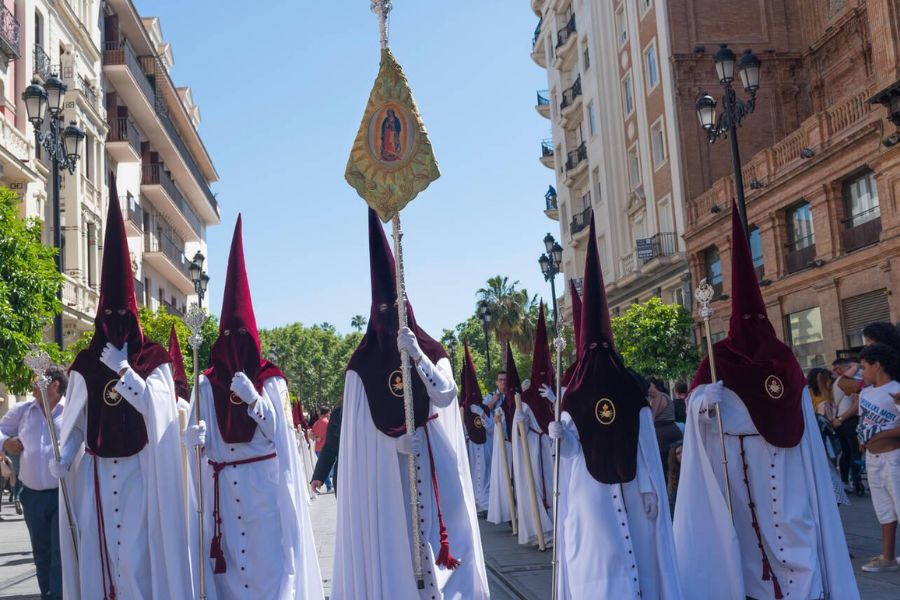
Shared customs—like silent processions, ancient hymns, and the sweet taste of torrijas (a kind of Spanish French toast)—link all these celebrations. It all feels like part of a single Spanish heritage, no matter where you go.
Pilgrimage Destinations and Local Variations
Every Easter, some towns turn into little pilgrimage hubs. León and Oviedo up north buzz with both the faithful and travelers who just want to see what’s going on.
In Galicia and the Pyrenees, processions blend Christian rituals with old local customs. That mix gives each place its own flavor.
Marchers haul out religious images that you only see once a year. People flock in from all over Navarre, Segovia, and even farther.
Take Alcalá de Henares and Valencia—they throw university life and local parties into the processions. Everything feels a bit more lively and unpredictable.
Zamora, on the other hand, goes for silence and heavy solemnity. Honestly, that atmosphere really stuck with me.
Big cities and small towns celebrate in their own ways, but you always find a tribute to faith, art, and community. Maybe that’s why, for most Spaniards, Semana Santa feels like more than just a holiday—it’s almost woven into who they are.
